By Valerie Pixley | Project Manager
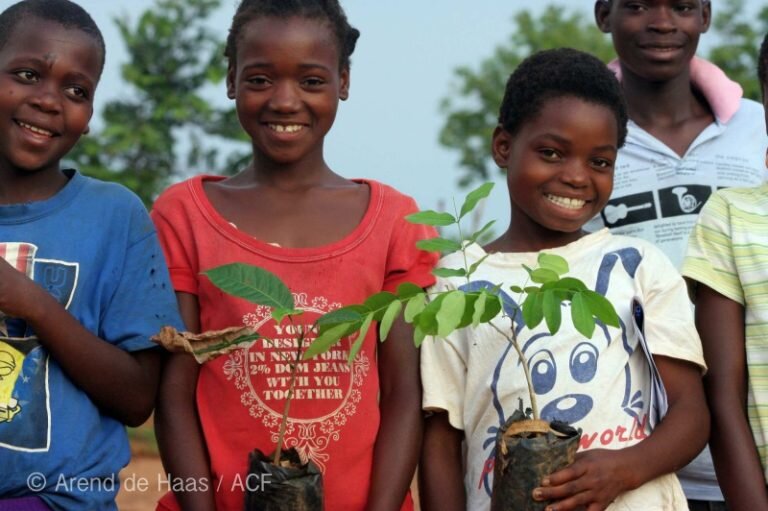
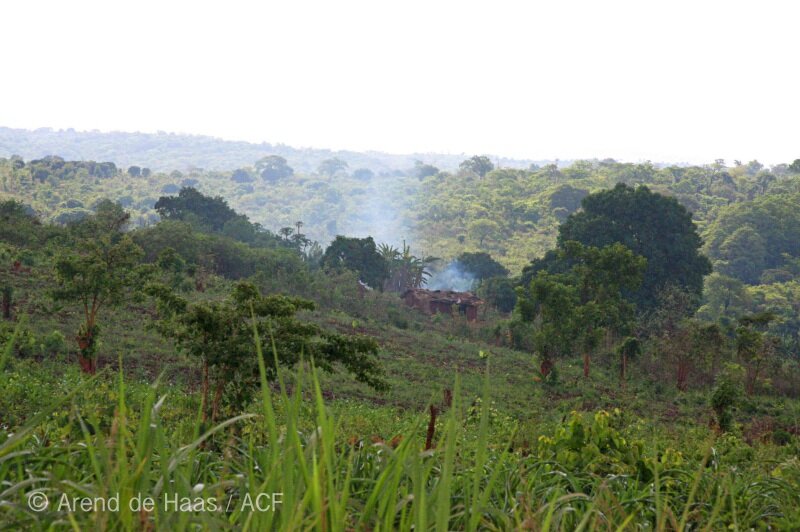
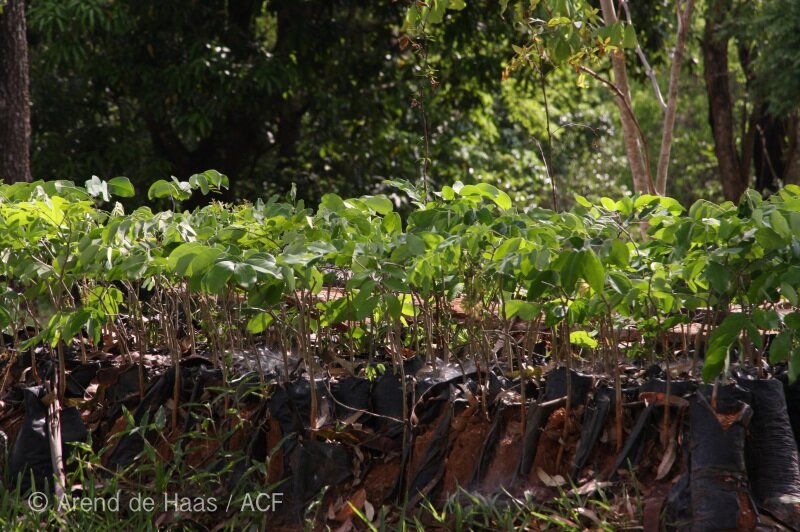
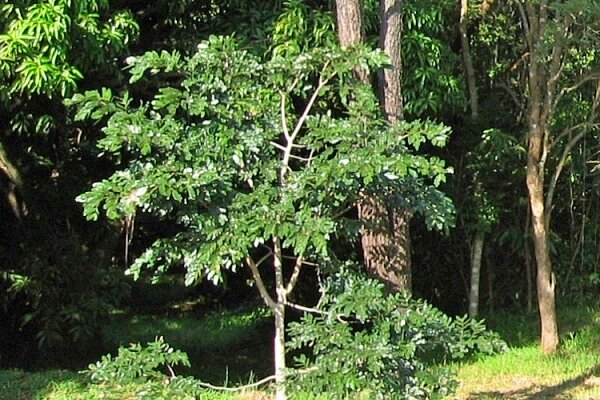
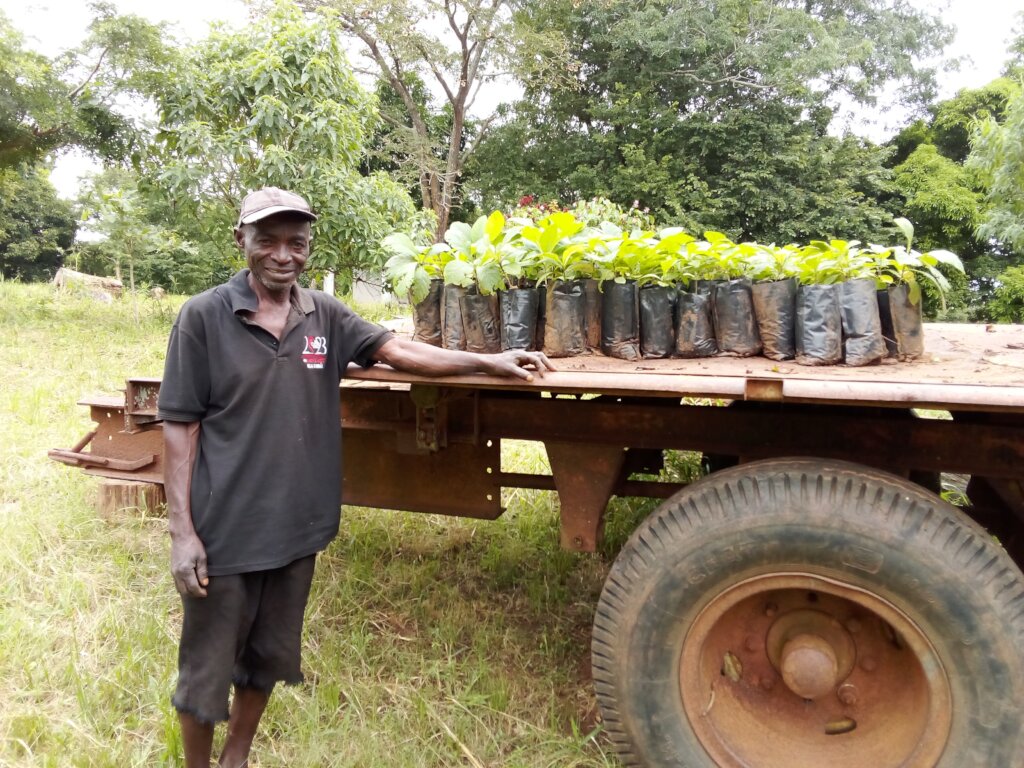
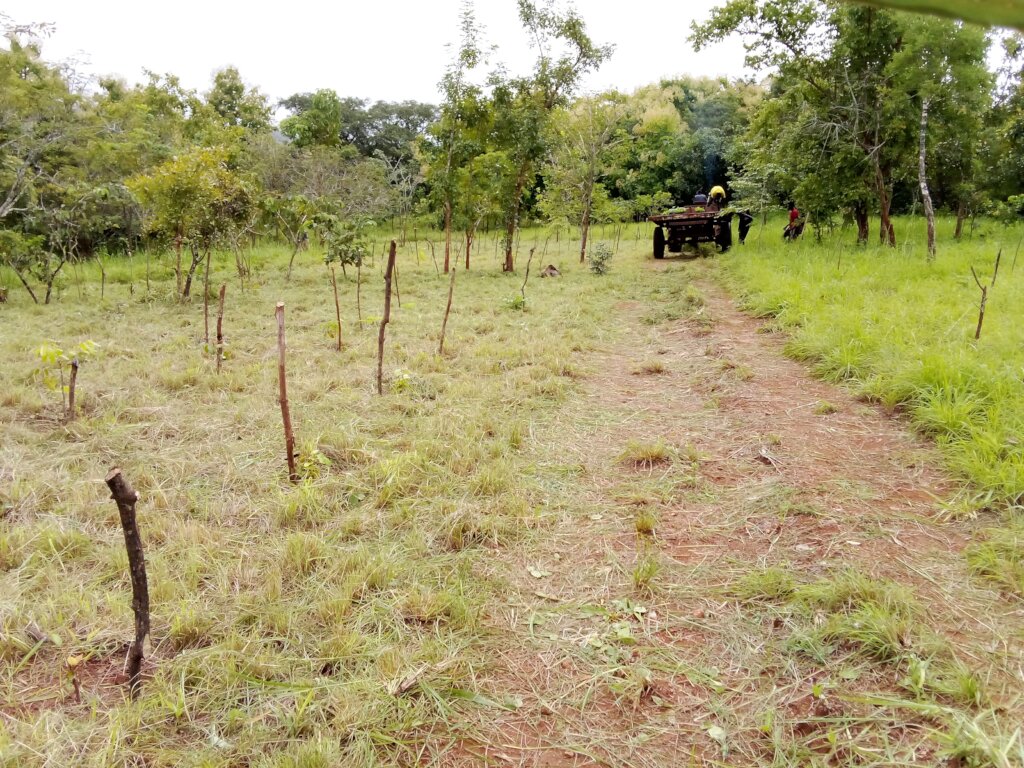
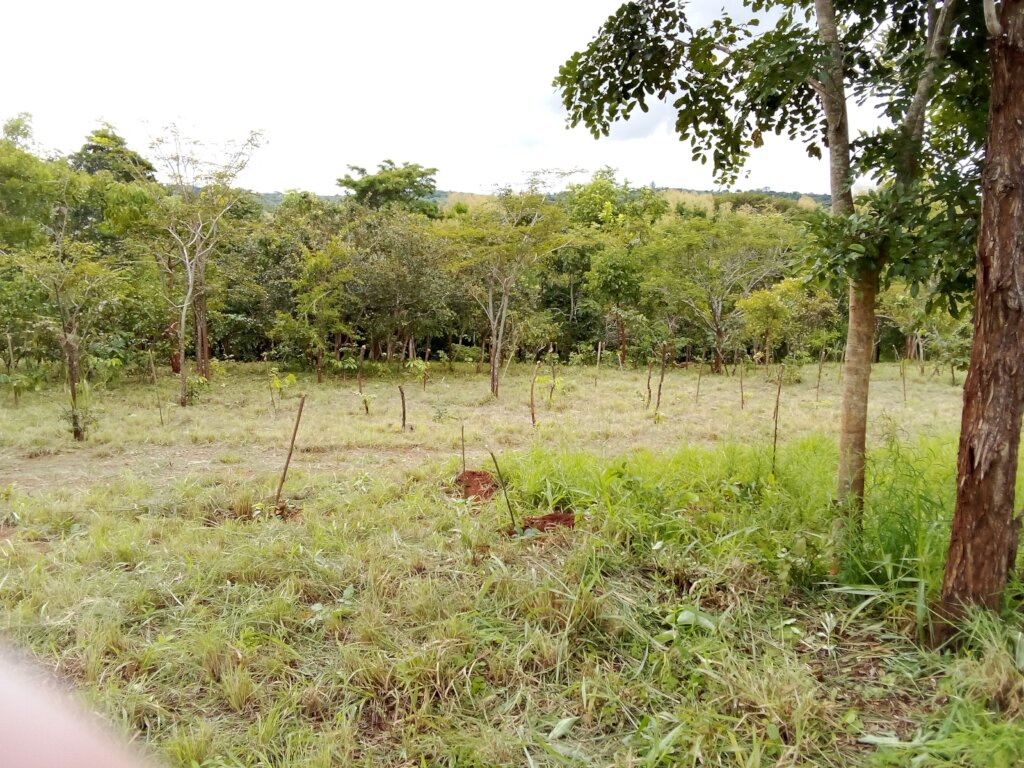
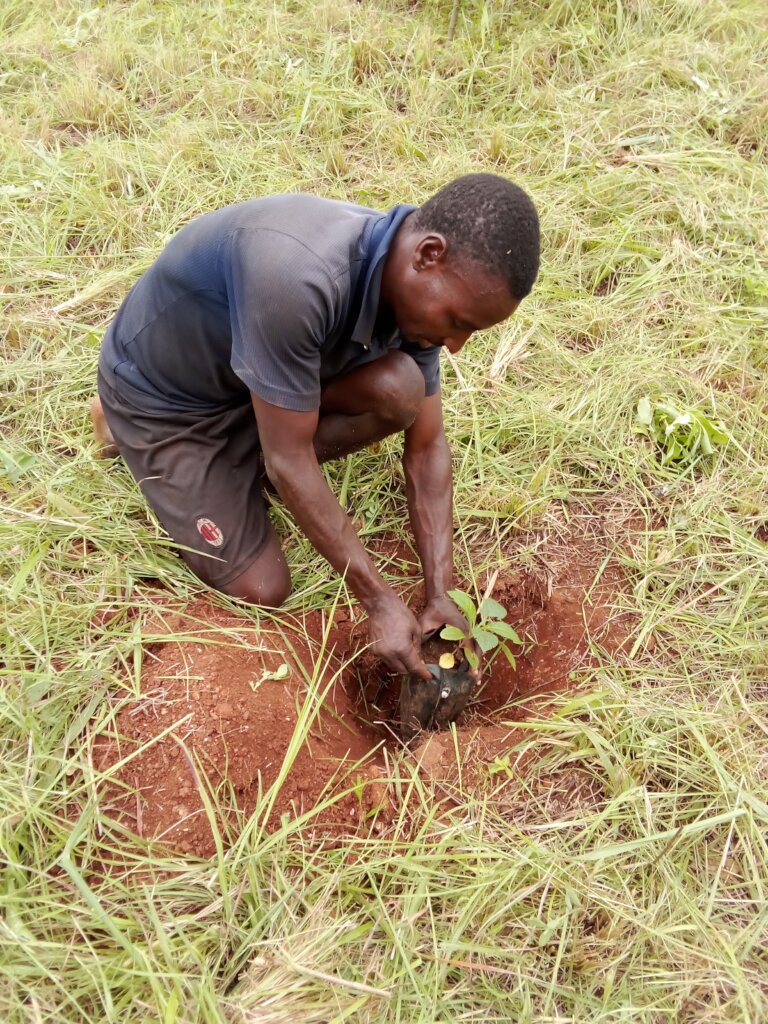
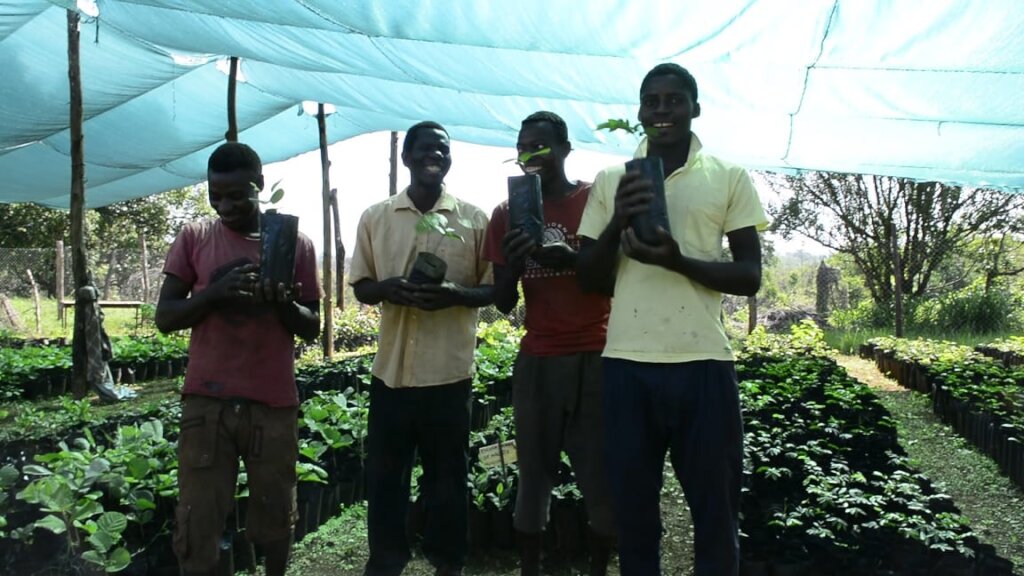
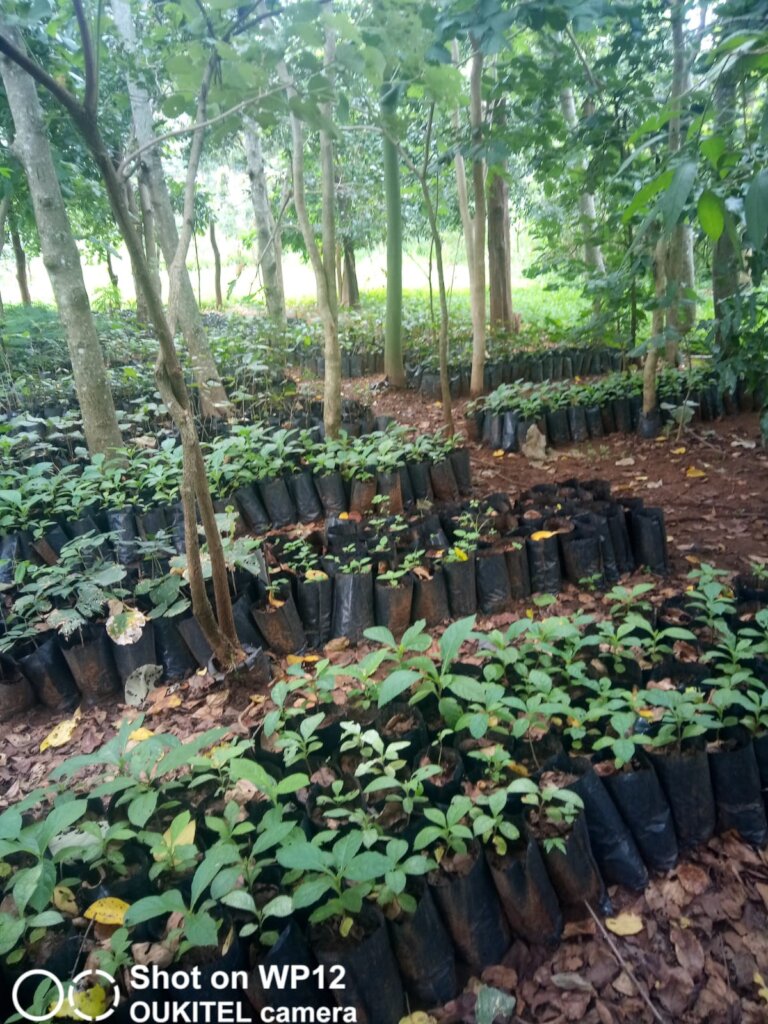
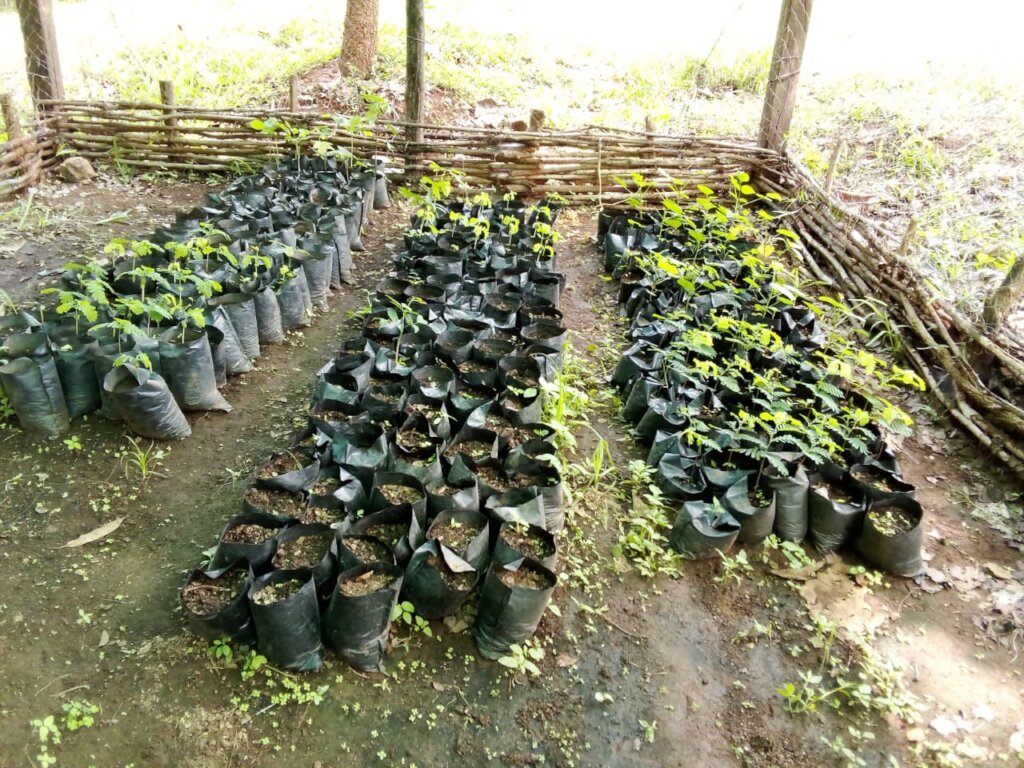
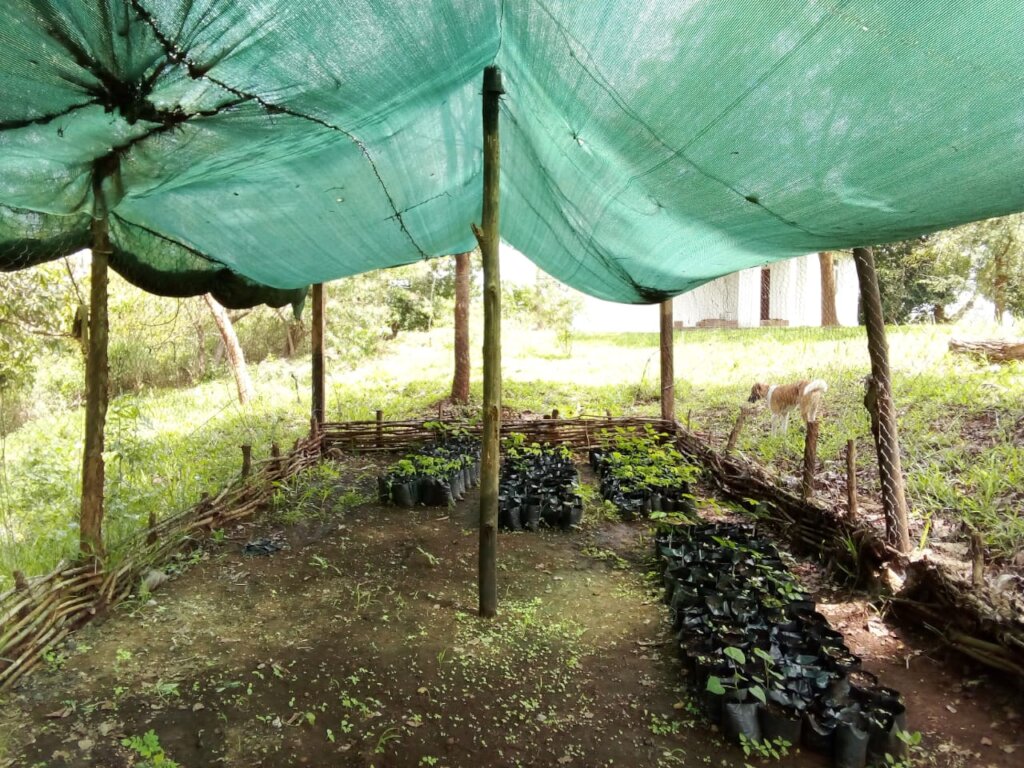
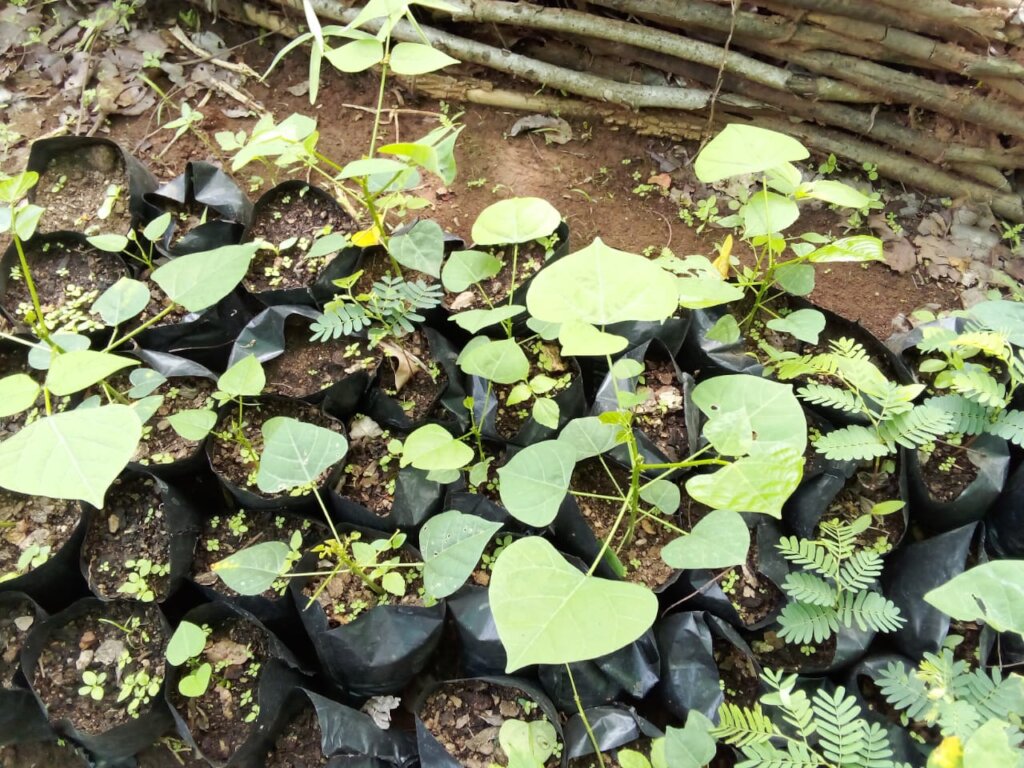
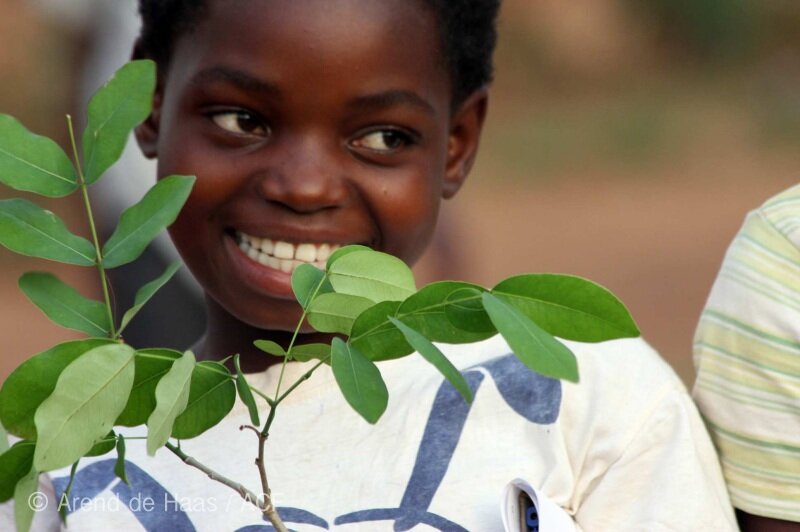
The past winter has brought several exceptionally heavy rain showers to the Nhamacoa Forest, creating ideal conditions for planting. Taking advantage of the abundant moisture, our team successfully transplanted several hundred young trees from the nursery into the forest. These included panga panga, umbaua, acacia, tamarind, coral trees, and kapok, each contributing to the long-term restoration and biodiversity of the forest.
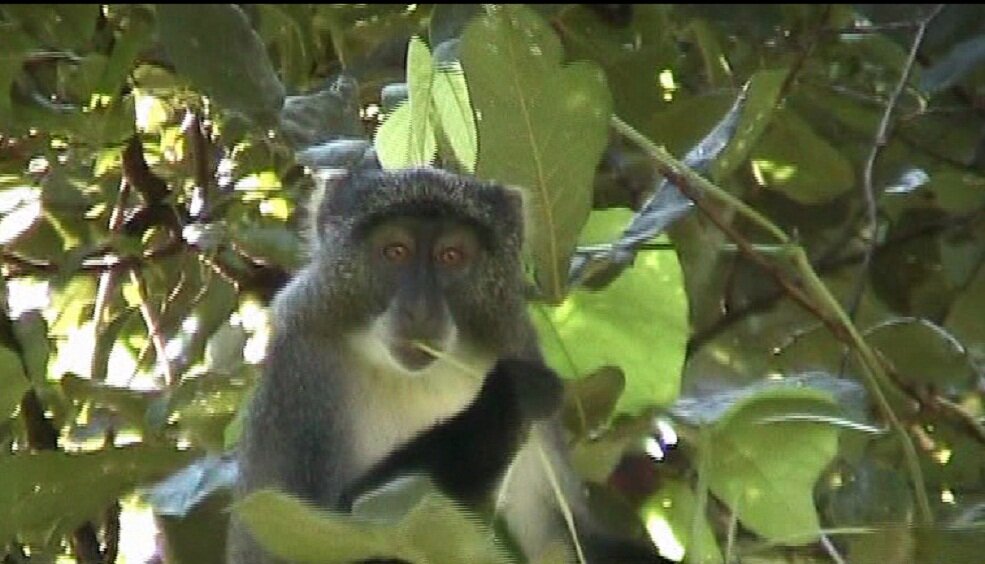
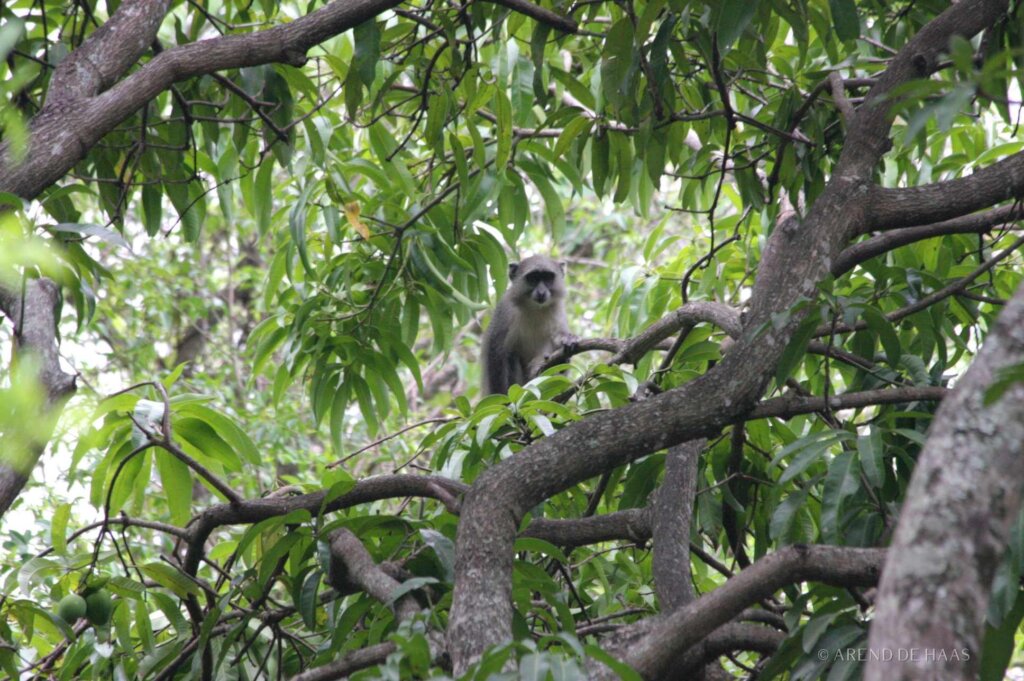
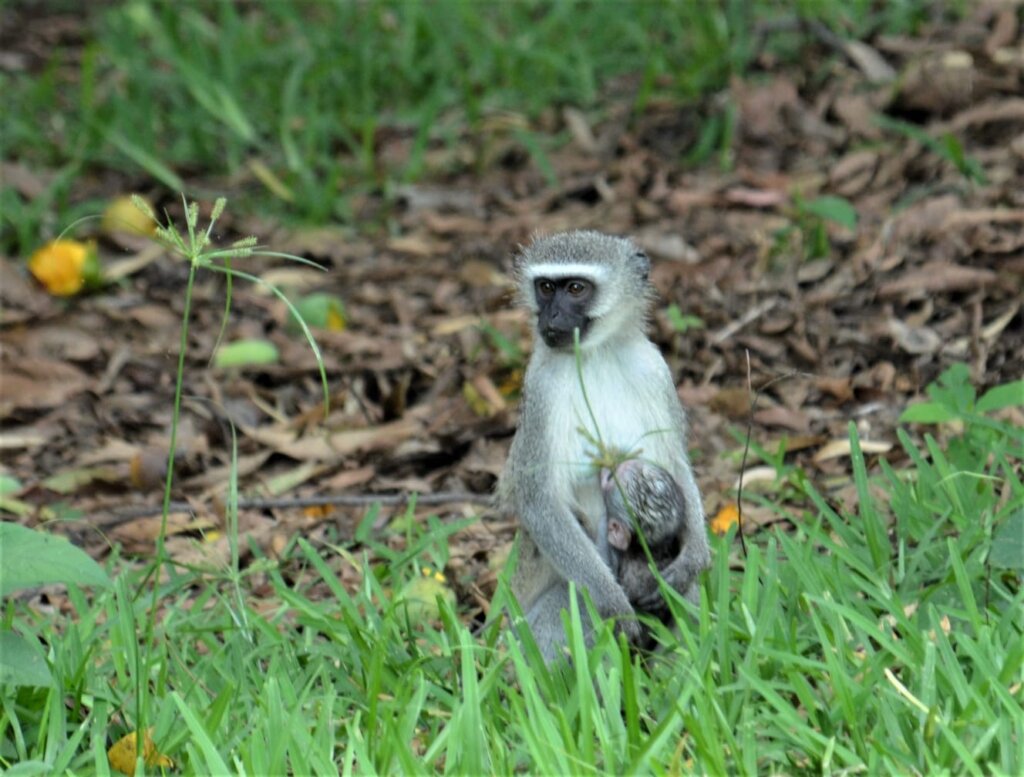
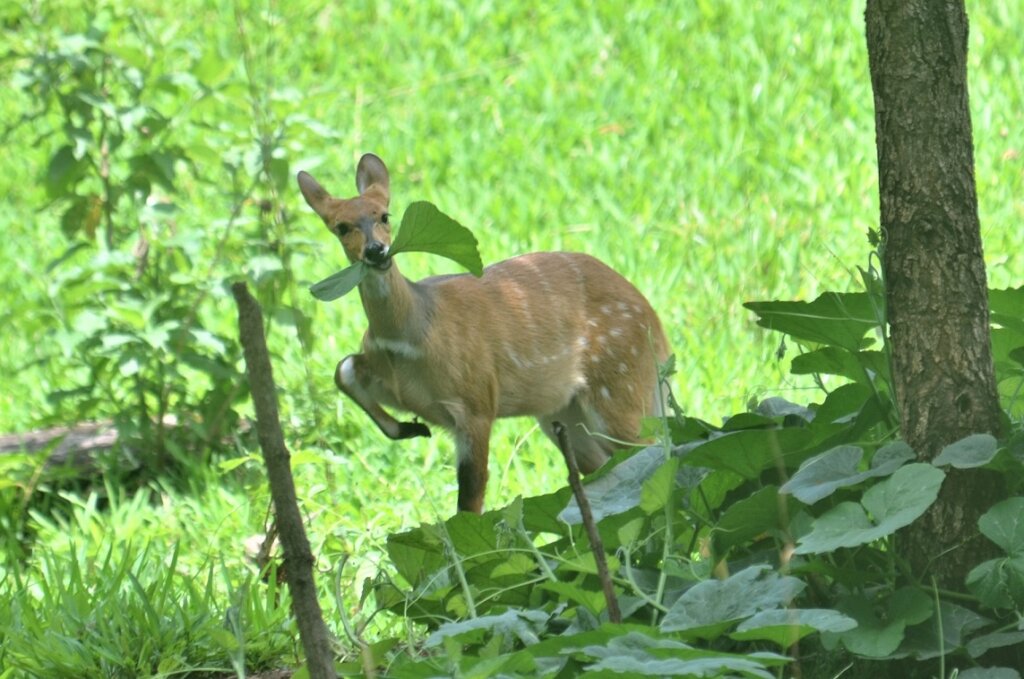
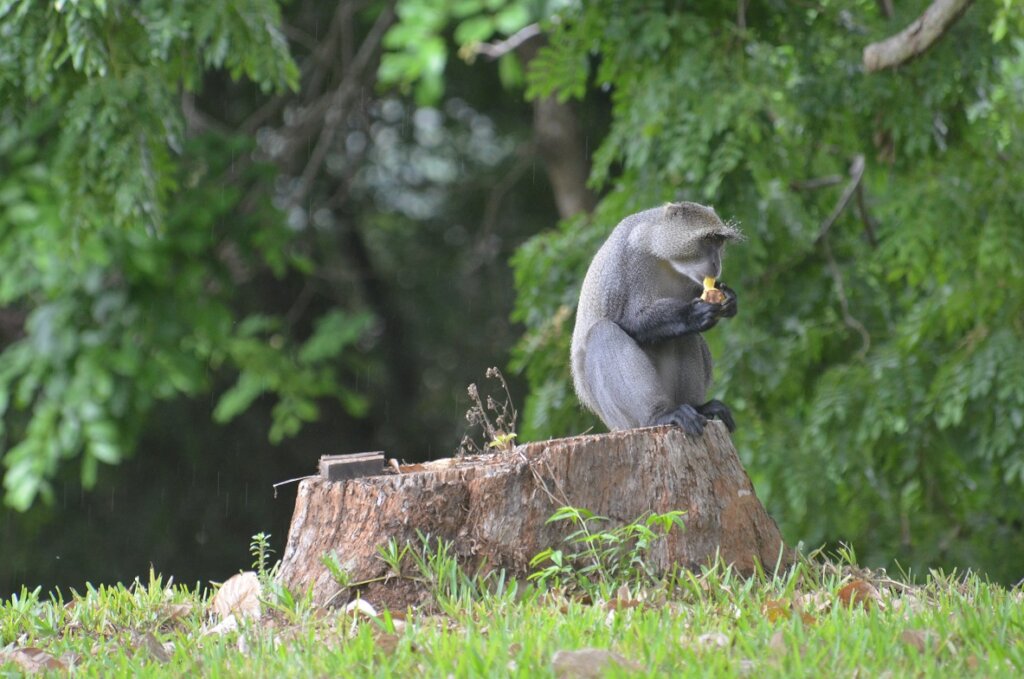
The addition of kapok trees has already provided an unexpected wildlife encounter. Kapok flowers are well known for attracting birds and pollinating insects, making them an important species for ecosystem restoration. However, we discovered that they are also a favourite food of bushbuck. One of our nursery staff, Maqui, recently came across two bushbuck happily browsing the tender tops of the newly planted kapok seedlings. While we hope the young trees will recover, the encounter is a welcome reminder that wildlife is returning to and making use of the restored habitat.
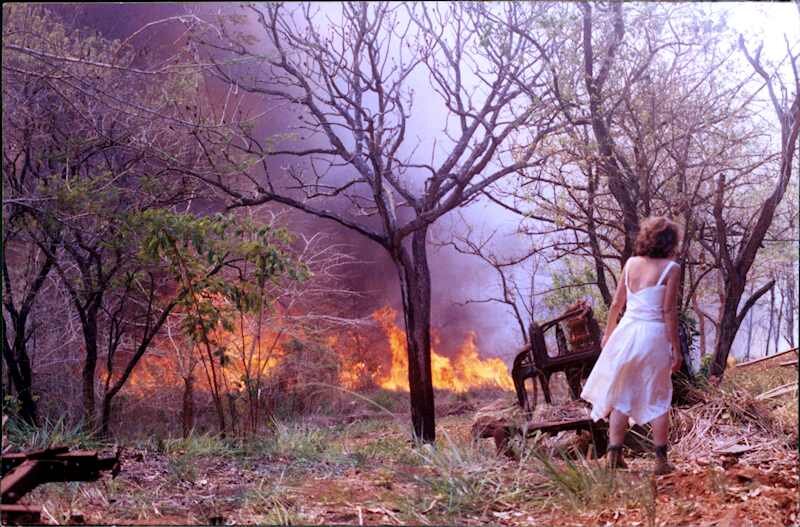
Our team is also preparing a third field for planting when the rainy season begins. This area has lain unused for many years and has become heavily overgrown with Feijão Maluco (Mucuna pruriens), a vigorous climbing legume commonly known as the “mad bean.” Its seed pods are covered in fine brown hairs containing mucunain, a compound that causes intense skin irritation on contact, making manual clearing extremely difficult. Because of this, our workers have concluded that controlled burning is the safest and most practical way to prepare the site for restoration. Although the plant presents significant challenges, it also has one beneficial characteristic: as a nitrogen-fixing species, it helps improve poor soils by naturally enriching them with nitrogen.
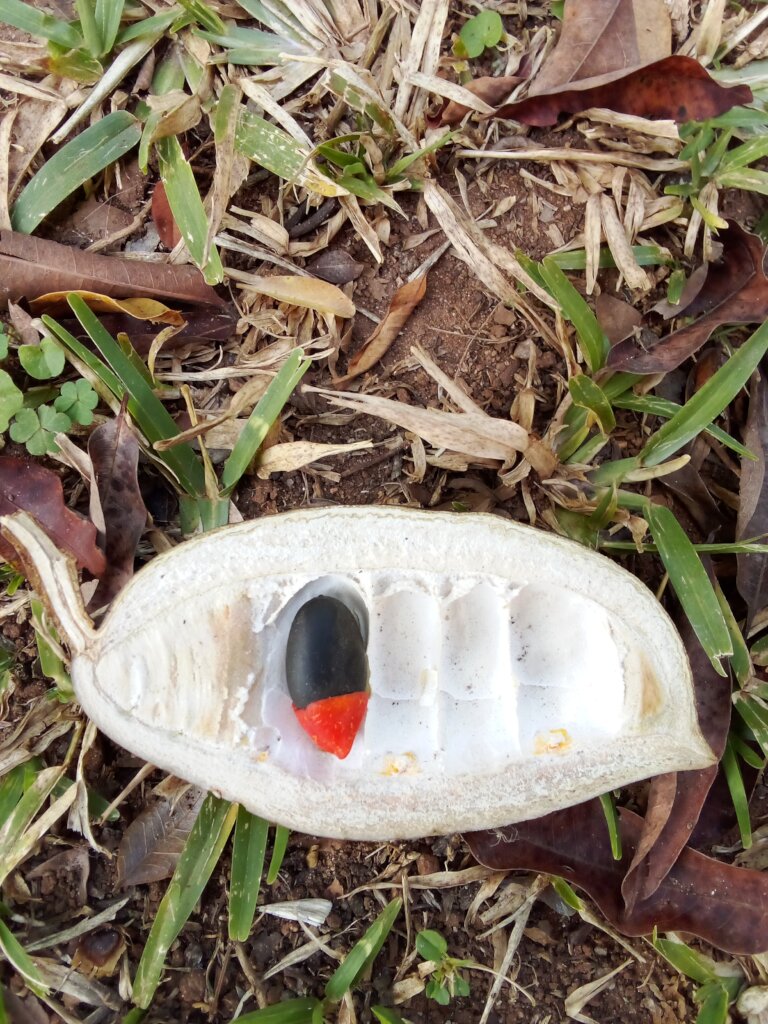
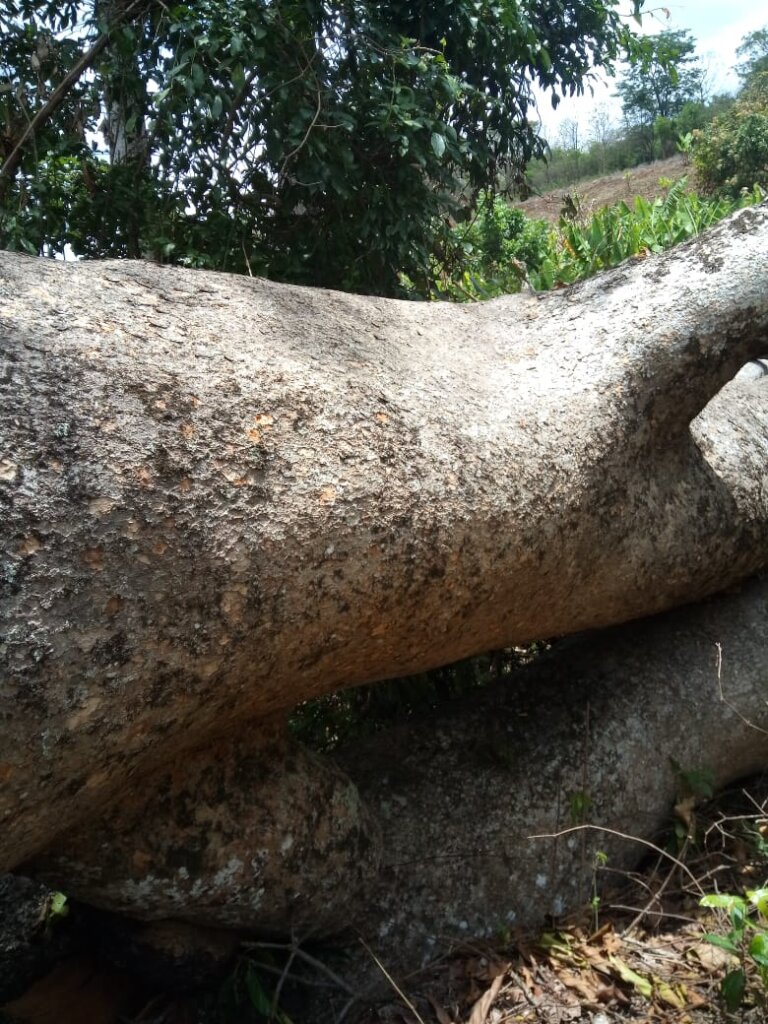
As the dry season progresses, many trees in the Nhamacoa Forest are shedding their leaves and beginning to produce seeds. One particularly exciting discovery was made just a few days ago. The chanfuta trees we planted back in 1999 have finally reached maturity. We found a mature seed pod on the forest floor, along with several tiny naturally germinated chanfuta seedlings nearby. Seeing these trees reproduce naturally after more than two decades is a significant milestone and a powerful sign that the forest restoration process is becoming self-sustaining.
Looking ahead, we are preparing for another busy growing season. Our goal is to raise an additional 10,000 native trees in the nursery, ready for planting once the rains arrive. With continued support and favourable rainfall, we look forward to expanding the restored forest and creating even more habitat for wildlife in the years ahead.
Thank you for helping us restore the Nhamacoa Forest—one tree, one season, and one generation at a time
By Valerie Pixley | Project Manager
By Valerie Pixley | Project Manager
Project reports on GlobalGiving are posted directly to globalgiving.org by Project Leaders as they are completed, generally every 3-4 months. To protect the integrity of these documents, GlobalGiving does not alter them; therefore you may find some language or formatting issues.
If you donate to this project or have donated to this project, you can receive an email when this project posts a report. You can also subscribe for reports without donating.



Support this important cause by creating a personalized fundraising page.
Start a Fundraiser