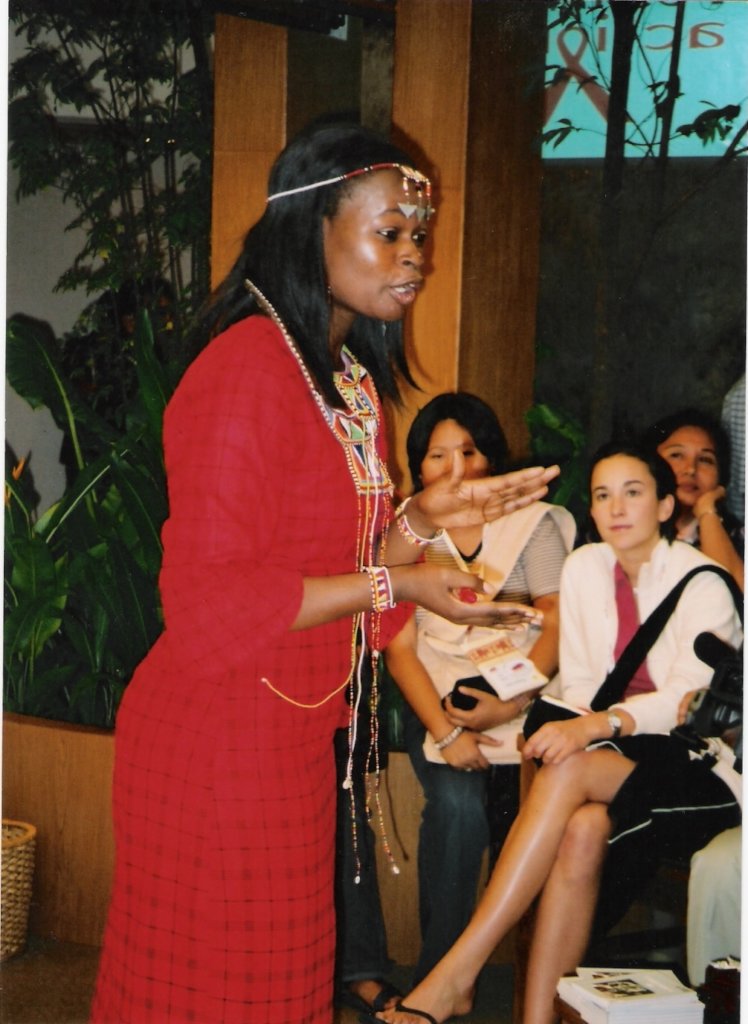
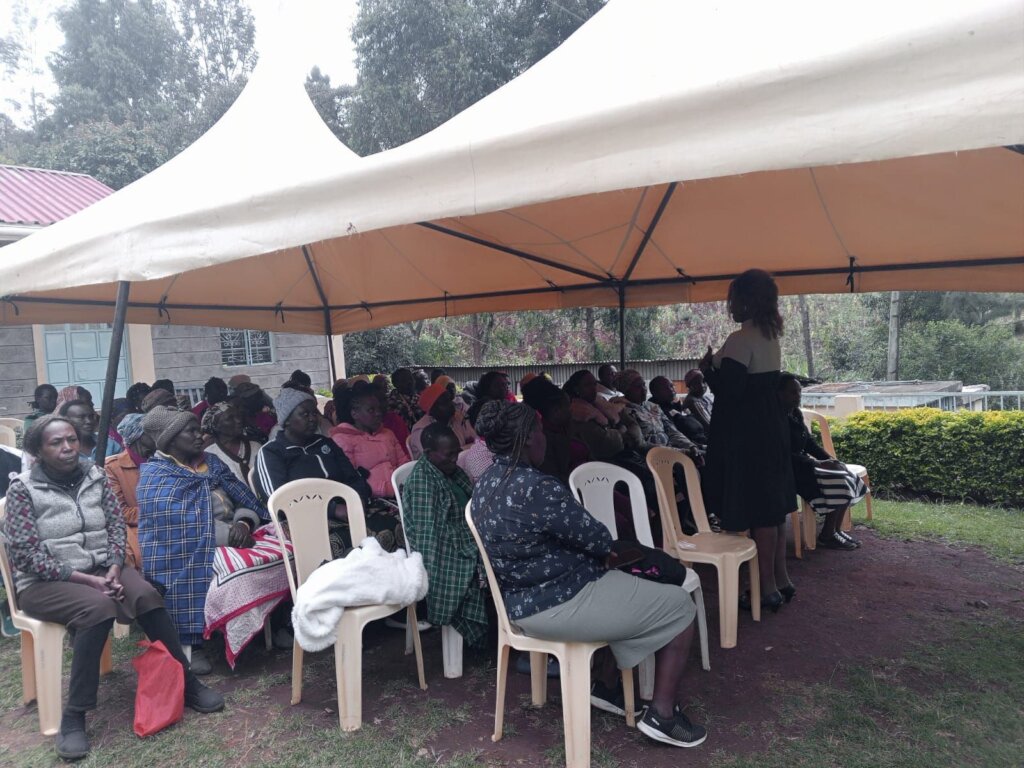
We held a meeting to speak to women and address many issues and one of the issues was GBV we noted that Addressing gender-based violence (GBV) requires a holistic and inclusive approach—one that actively involves men and boys as allies, advocates, and change-makers. While GBV disproportionately affects women and girls, it is rooted in harmful gender norms, power imbalances, and cultural practices that often go unchallenged within male-dominated spaces. To create lasting change, men and boys must be engaged not as perpetrators or bystanders, but as critical partners in building safer, more equitable communities.
Involving men and boys begins with education and awareness—challenging stereotypes, promoting healthy masculinity, and fostering empathy and respect from an early age. Community-based dialogues, school programs, faith-based initiatives, and mentorship platforms can be powerful tools to transform attitudes and behaviors. When men and boys understand the consequences of GBV and the role they play in either perpetuating or preventing it, they are better equipped to take a stand.
Moreover, male leaders—fathers, teachers, coaches, religious figures, and peers—can model positive behavior and influence social norms. By publicly condemning violence and championing gender equality, they help shift community mindsets.
Importantly, inclusion must not overshadow the voices and experiences of survivors but complement their efforts with solidarity and action. Ending GBV is not solely a women’s issue; it is a societal responsibility. When men and boys become active participants in the fight against GBV, communities move closer to fostering dignity, safety, and justice for all.
Empowered together, we can build a future free of gender-based violence