![]()
In a nutshell
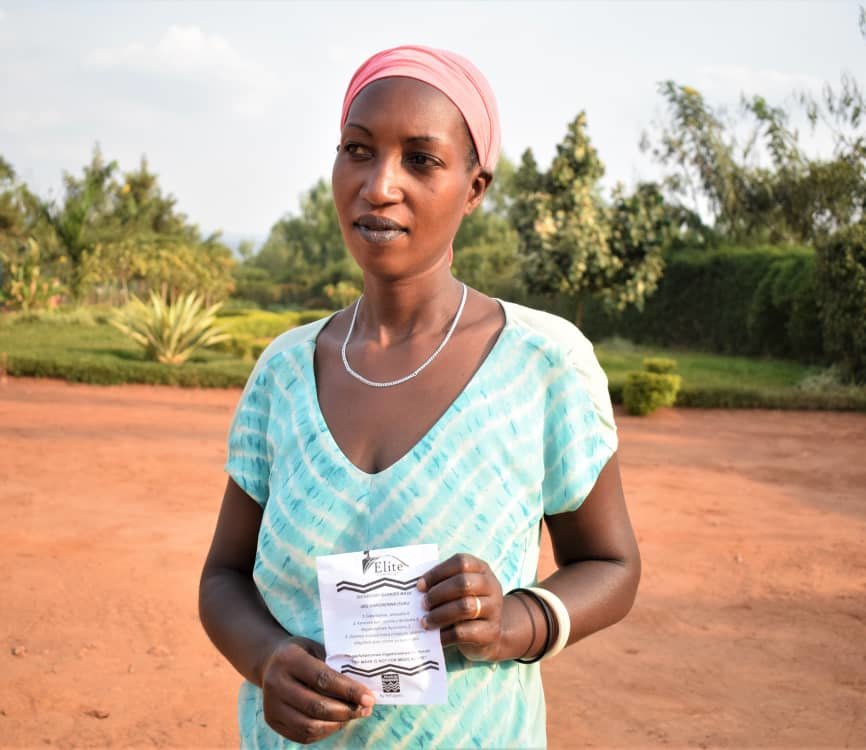
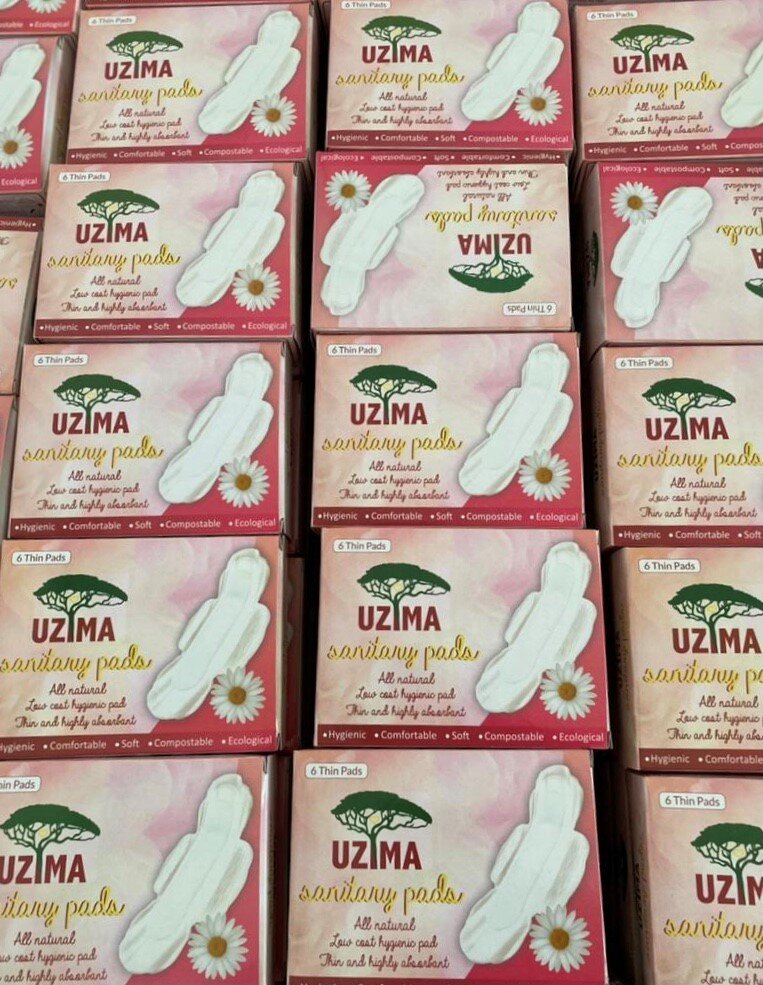
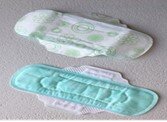
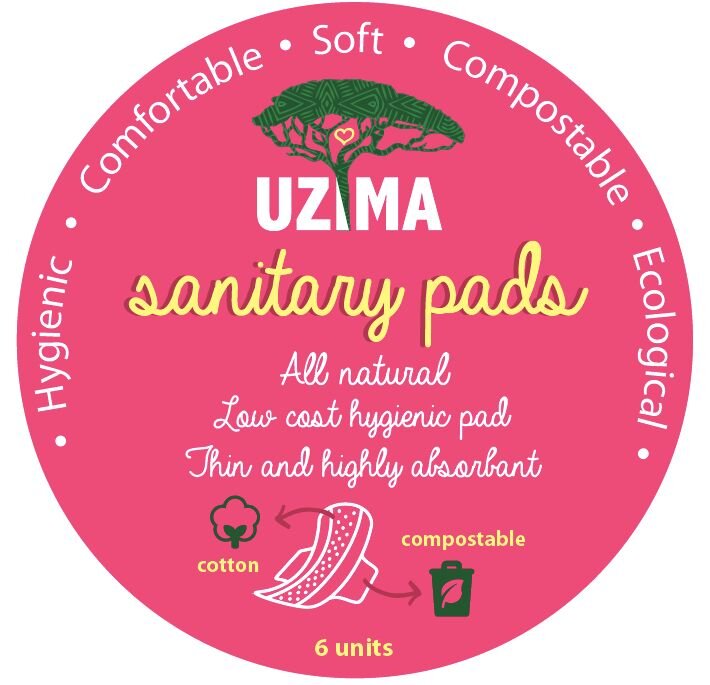
The Uzima project, intends to bring affordable sanitary pads to women and girls living in and outside of refugee camps, in Rwanda. This project will be 100% sustainable and women led.
Beneficiaries and target groups
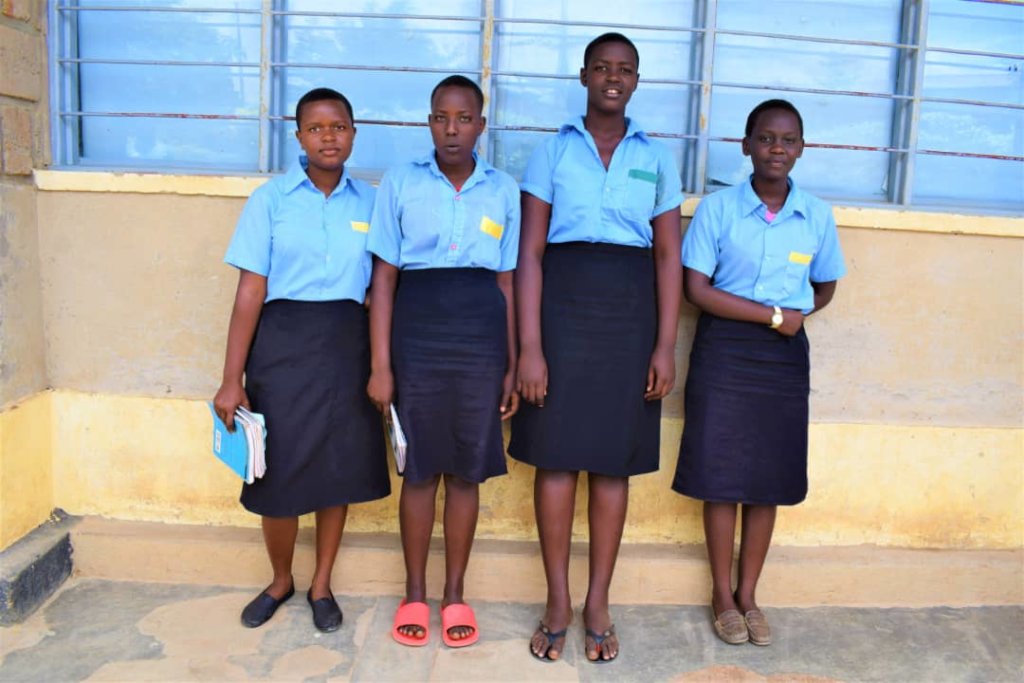
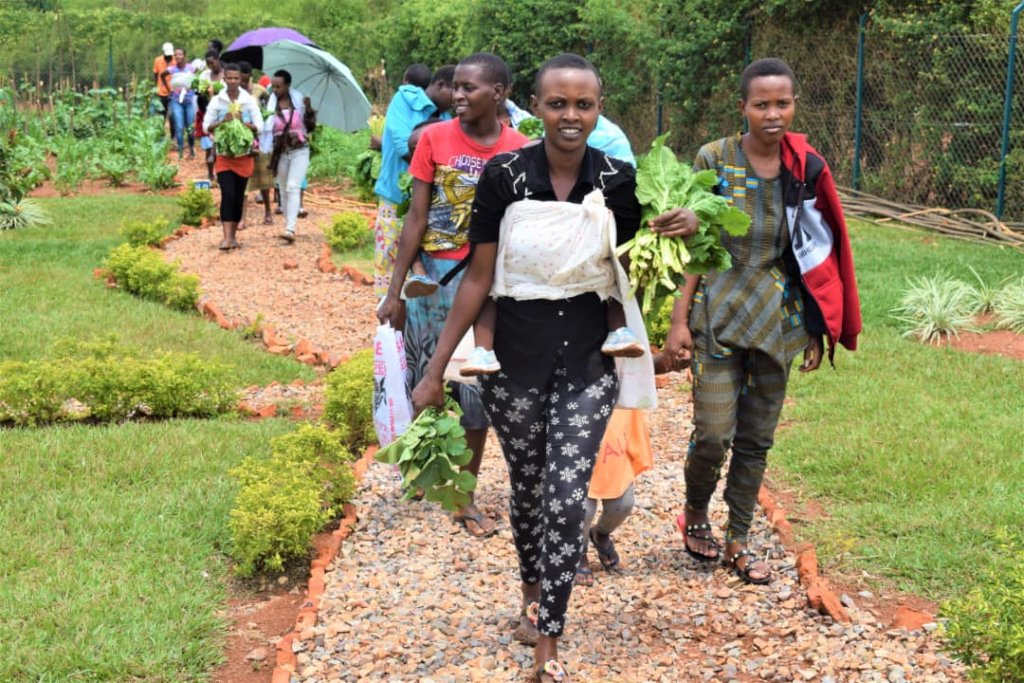
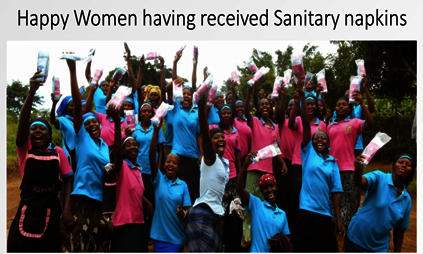
The primary beneficiaries are the women living in the refugee camps. Other beneficiaries include women outside the camp, who will have access to sanitary pads at affordable prices,
The target groups include:
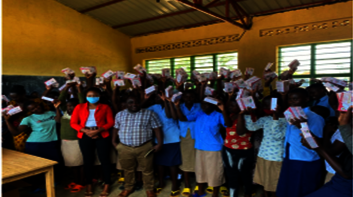
- approx 5000 women and adolescents trained in the use and disposal of the sanitary pads.
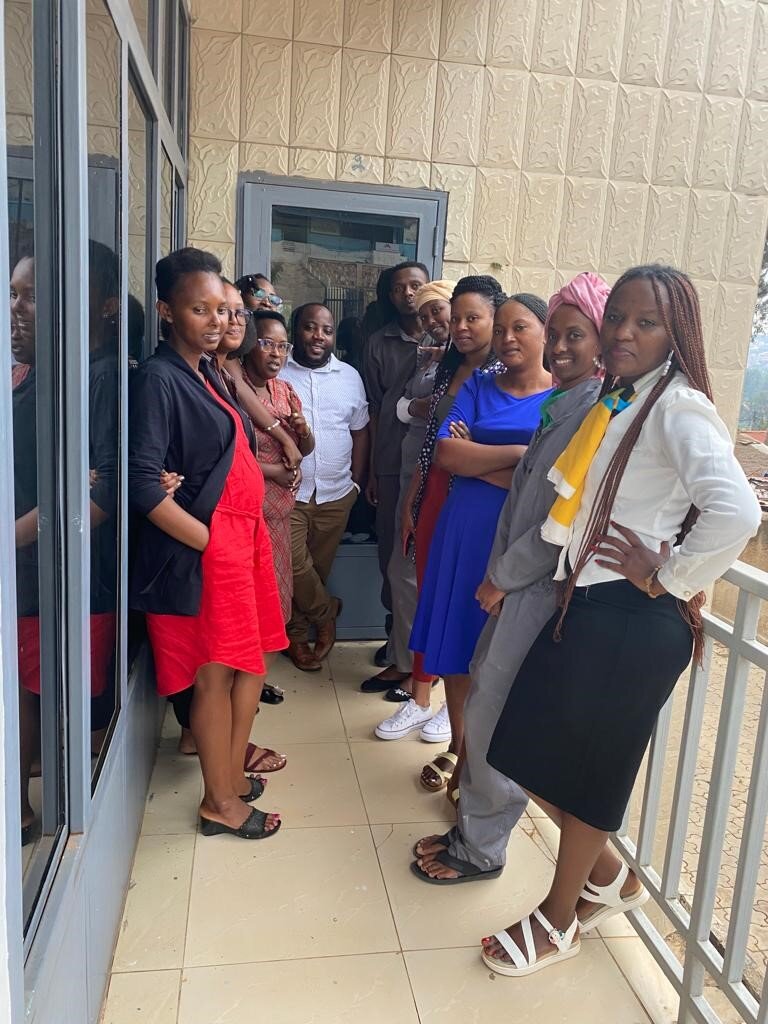
- 10 to 20 women who will be trained to work in the manufacturing facility.
- 10 to 20 women trained to market the sanitary pads outside the camp.
- 40 women trained to explain preventive measures and create awareness to use sanitary pads regularly in influencing others positively inside the camp and into neighbouring villages.
The project aims to be self-sufficient from first half of 2023;
Planned Activities: what has been done
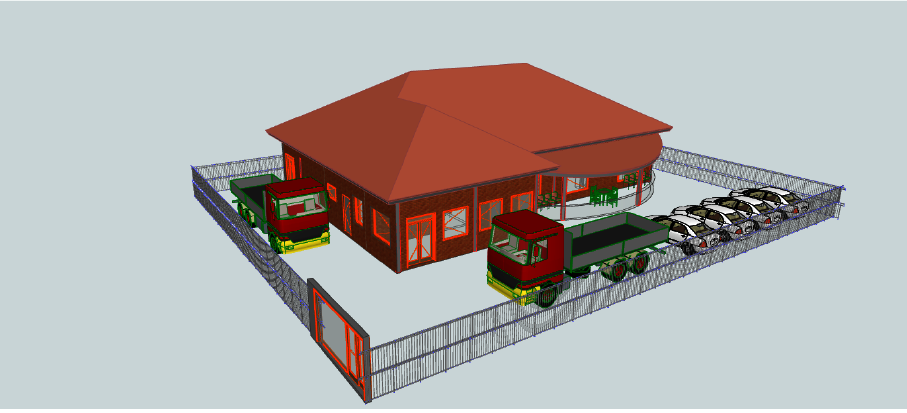
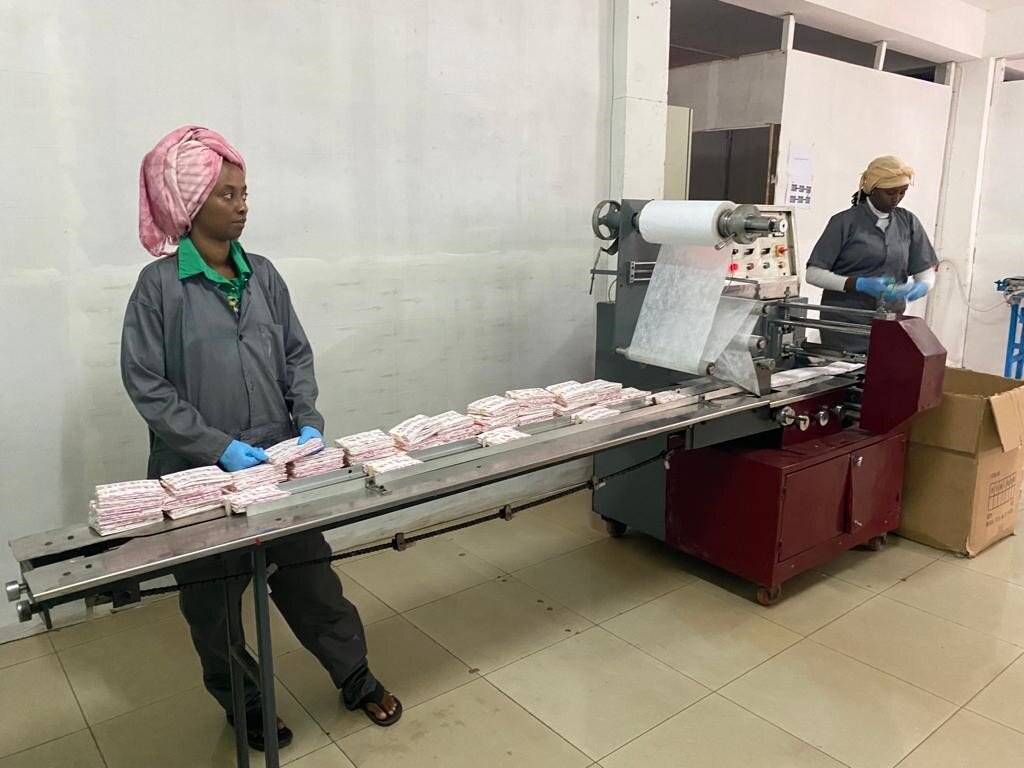
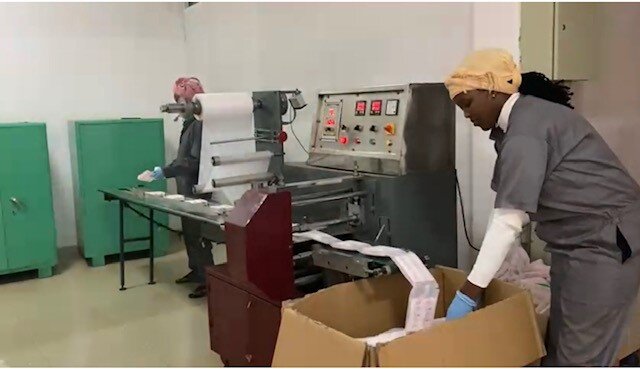
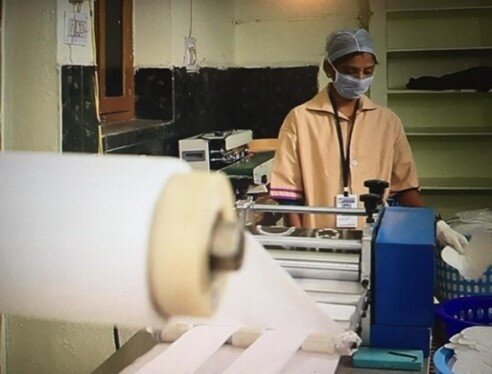
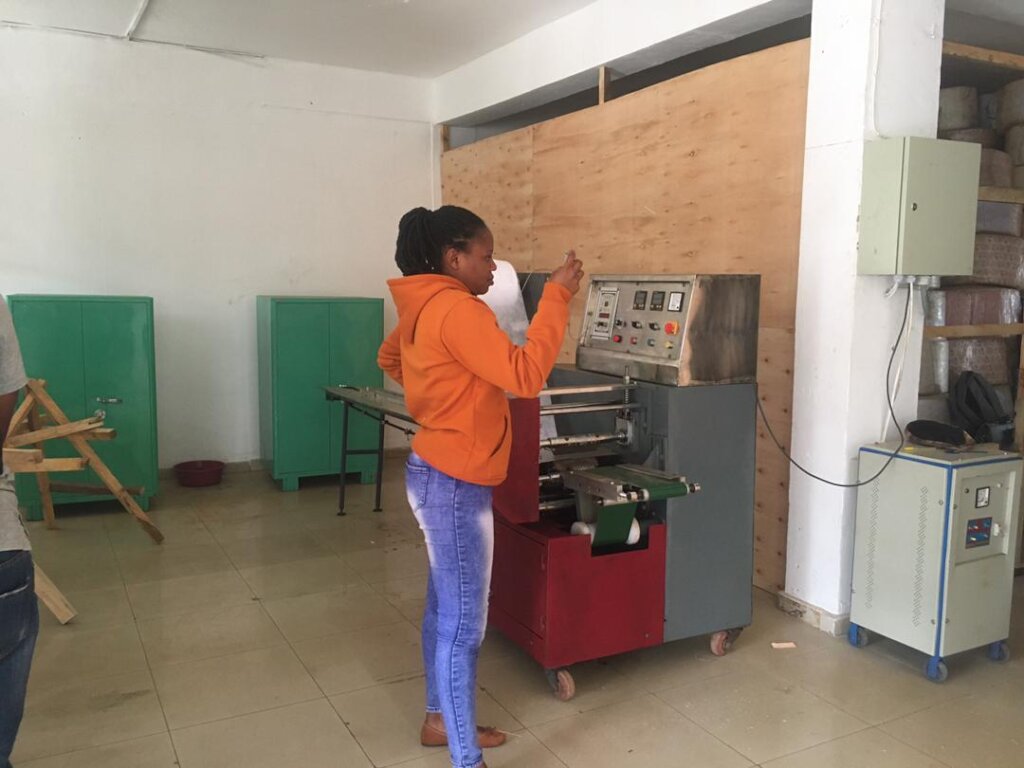
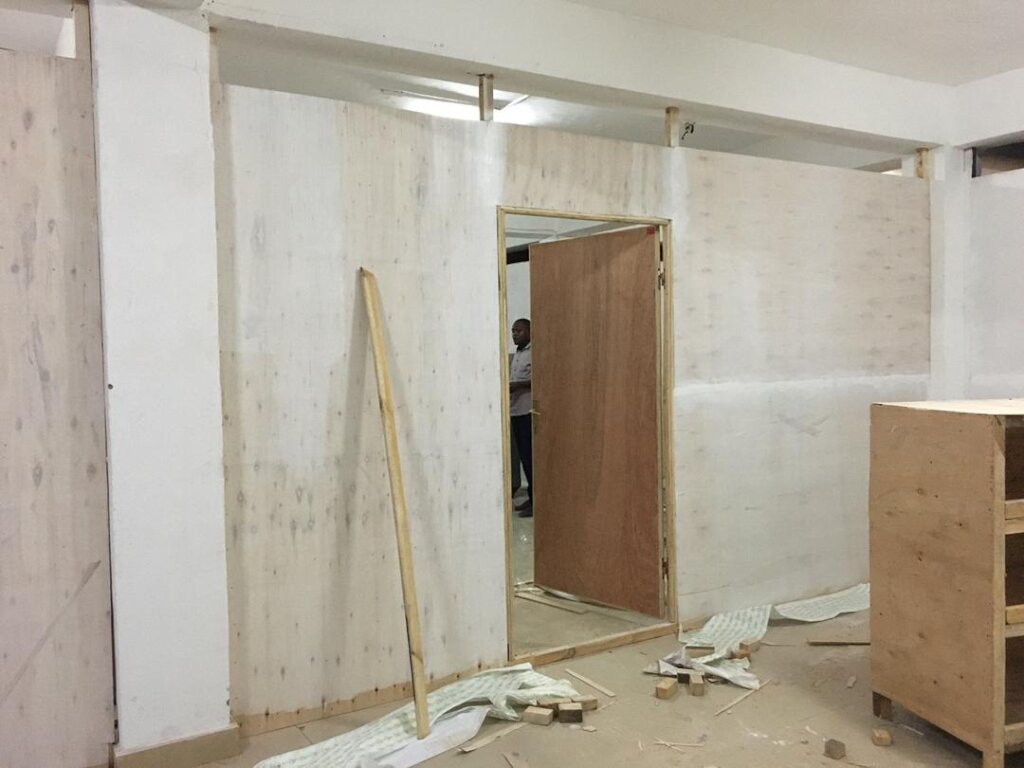
- Set up of a production facility in Kigali, Rwanda.
- The best machinery and raw material from India were imported from there and are in the production place in Kigali in producing test samples for the market. Distribution started.
- The sanitary pads as a product, produced in Kigali, were accepted by the RSB (Rwanda Strategic board)
- The government supported the tax exemption for importing machine(s) and raw material from India.
- The production place was visited mid of April by the RSB. Green light to use the production line with some minor corrections was given. (e.g., Production Manual is needed that includes detailed security measures).
- Uzima should get the written production and sales certification latest mid of May 2022
Planned Activities: in process to be done
- Research on sourcing of raw organic material is in process. Raw material needed (in rolls) is not available in Rwanda. There are contacts in Eastern Africa, Egypt and Ethiopia to get the necessary high quality raw organic material.
- Goal is to find sanitary pads production machines within Eastern Africa, to avoid expensive transportation.
- Ensure regular and sustainable production:
a) Set up organisation and factory management, with help of local partners and community leaders
b) Train 10 to 20 women of the camp in the use and maintenance.
c) Monitoring production, ensuring that quarterly increased production target is reached within 1 year.
- Ensure sanitary pads are used and correctly disposed of:
a) Train a group of women (“influencers”) in the camp.
b) Raise awareness on use and disposal
- Production, Administration, Sales
a) Ensure formal contracting with employees needed related to the leadership of local Director (John)
b) Informal sales training: Train women 10 to 20 women to sell pads outside the camps to allow an extra income that will be used to open another production unity in Rwanda.
![]()
![]()
![]()
Links:
![Share on Twitter]()
![Share on Facebook]()