By cindy barotte | Project Leader
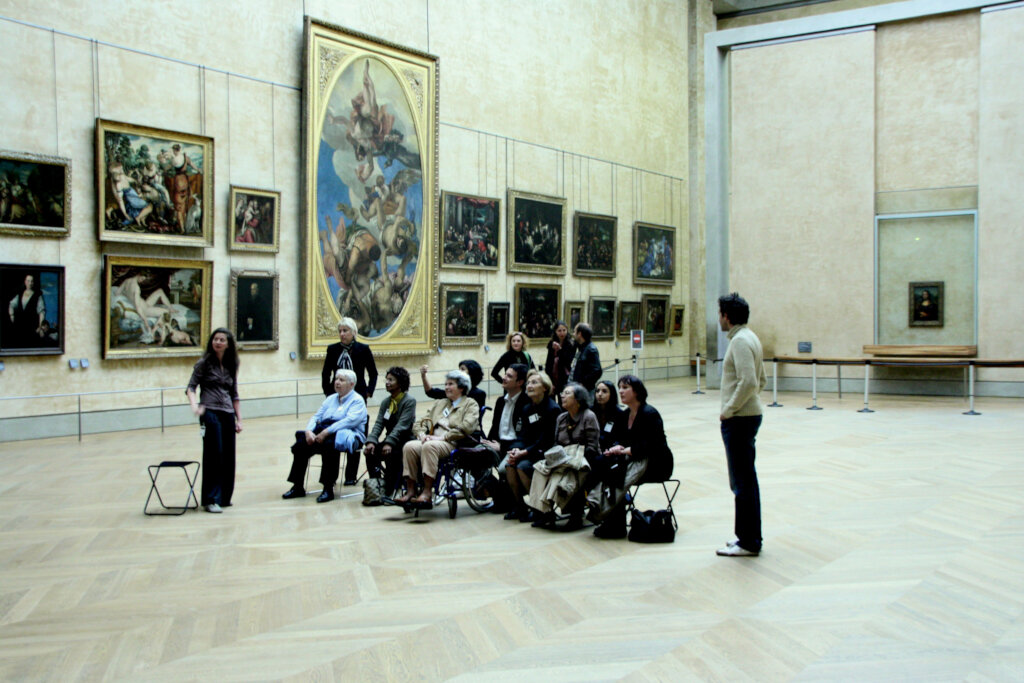
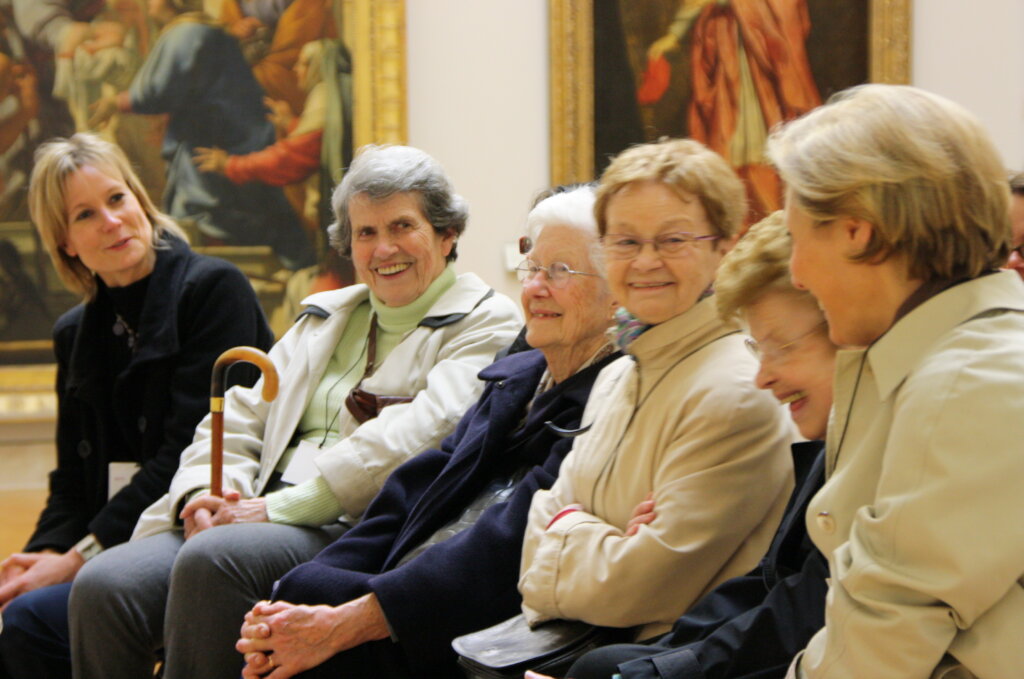
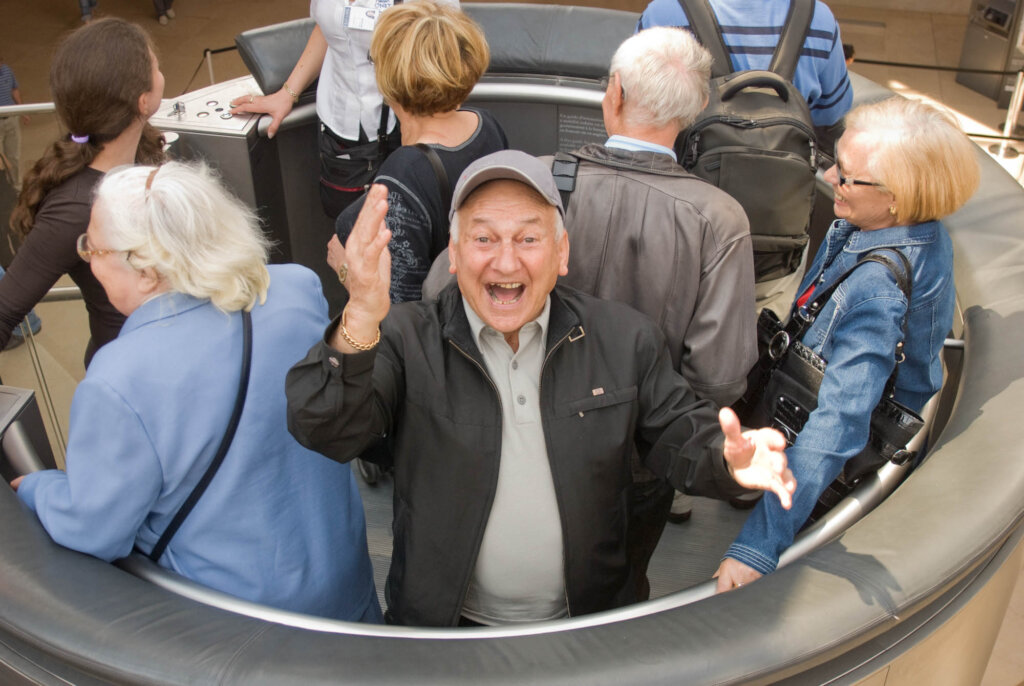
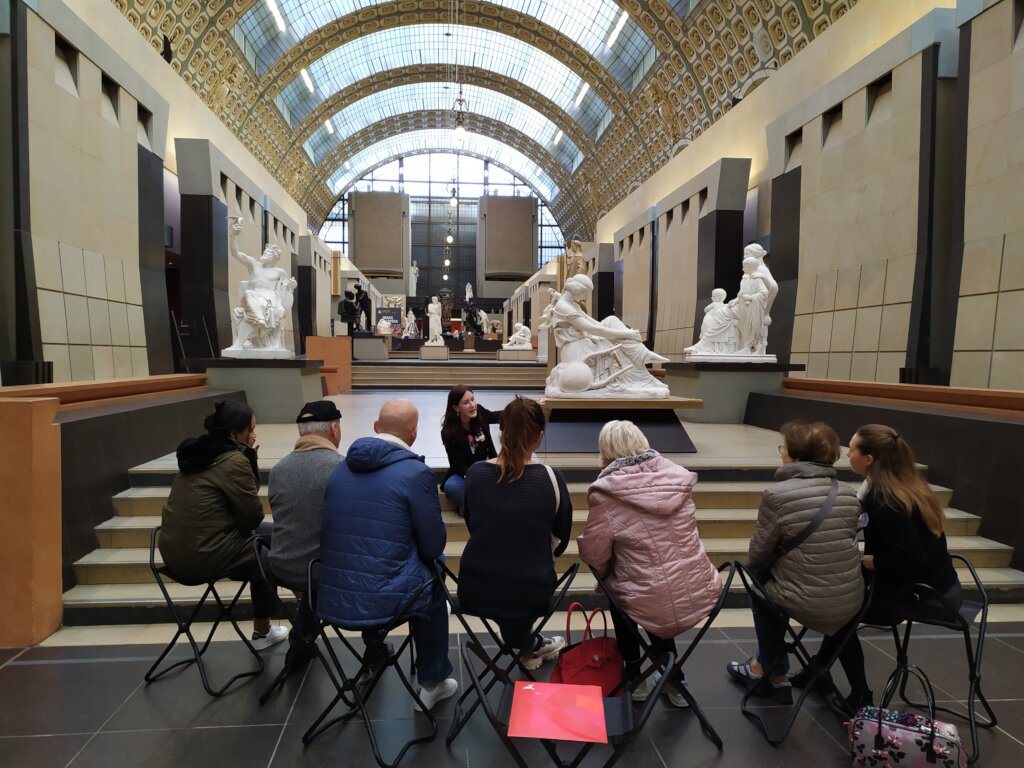
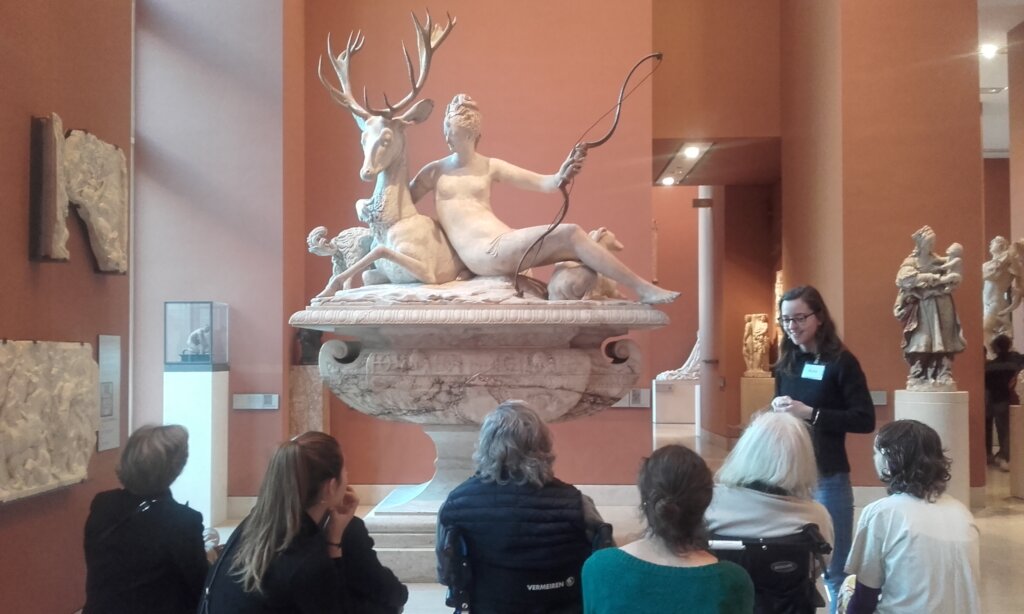
The association has carried out nearly 1,000 accompaniments to museums and online visits at home and in medical and medico-social facilities for a public of retirees weakened by a neuro-evolutionary disease. It offered 4,200 hours of free time to family caregivers.
The online visits were conducted in groups and individually. Group online visits take place in day care centers, day hospitals, EHPADs and small living units, while individual visits take place at home. The tours available online include high definition reproductions of works of art as well as art history commentaries established according to the association's methodology. The structure continually enriches its cultural offer in volume and variety. Each year, it creates about twenty new online and in-person tours. The association continuously monitors the quality of the activities it offers by means of a regular evaluation conducted with its volunteers and family caregivers via questionnaires and semi-directive interviews.
In order to offer free time to caregivers, the association recruits, trains and monitors some 40 civic service volunteers and 60 volunteers each year. In 2022, it supervised 45 young civic service volunteers and strongly supported them in their future project. This support includes long and operational training, rigorous supervision and the mobilization of a dedicated tutor. The tutor supervises each young person individually, helps him or her concretely to develop or consolidate his or her professional project and prepares him or her for the job search. The association's tutor has a degree in educational sciences and skills development. The mission of the mobilized volunteers and the volunteers corresponds to the accompaniment of people suffering from a neuro-evolutionary disease within the framework of the activities carried out by the association.
The association's activities were originally designed to meet the identified needs of people with neuro-evolutionary diseases to establish personal relationships, to feel a sense of belonging to a group, to have opportunities for socialization, to express themselves, and to carry out stimulating and meaningful activities that allow them to maintain a certain level of independence and quality of life despite the disease. In general, it is a matter of working to slow down the cognitive decline of people with Alzheimer's disease by stimulating their cognitive and relational abilities and to work, as much as possible, for their well-being despite the disease.
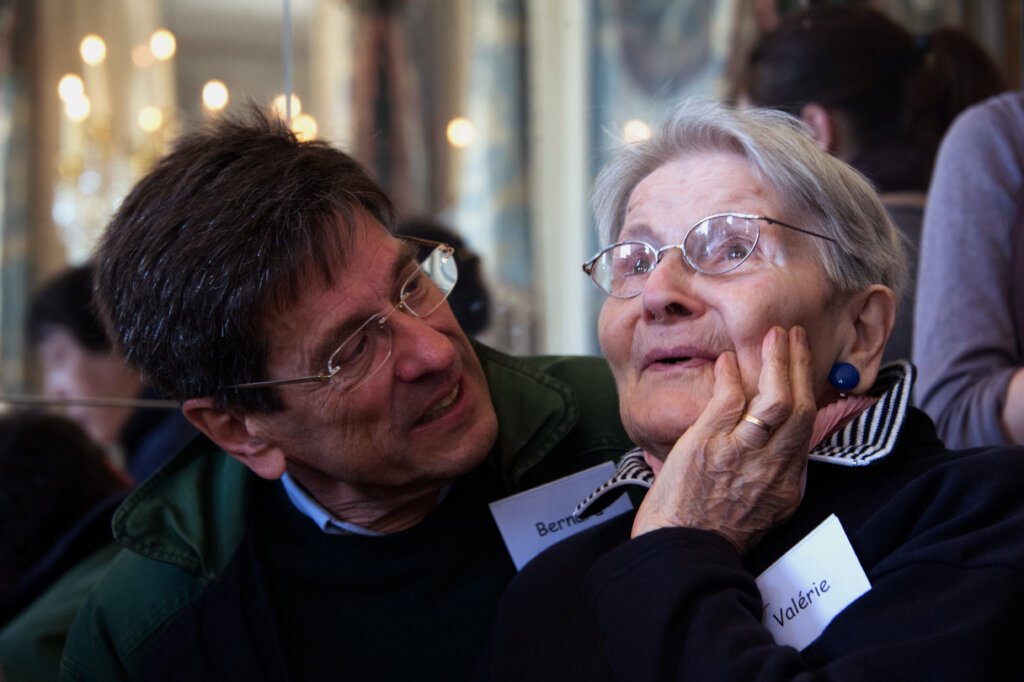
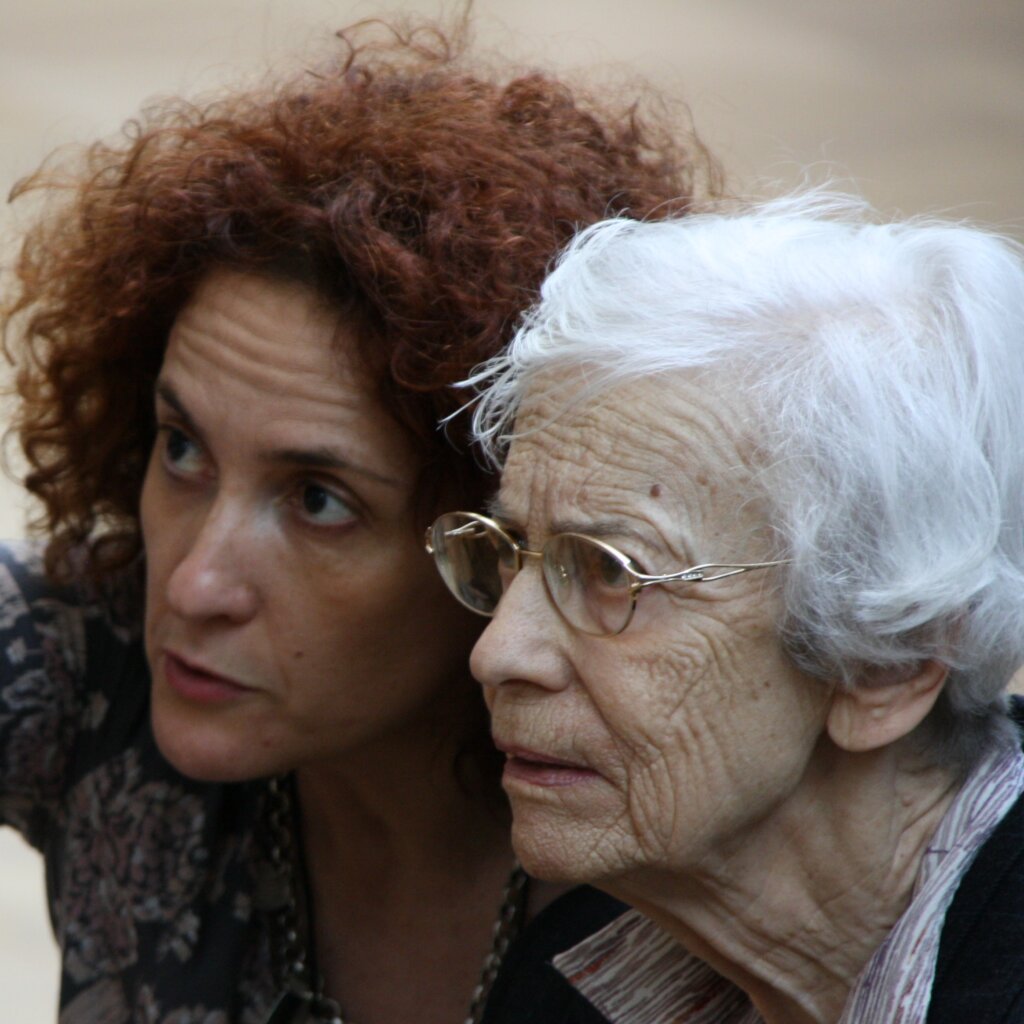
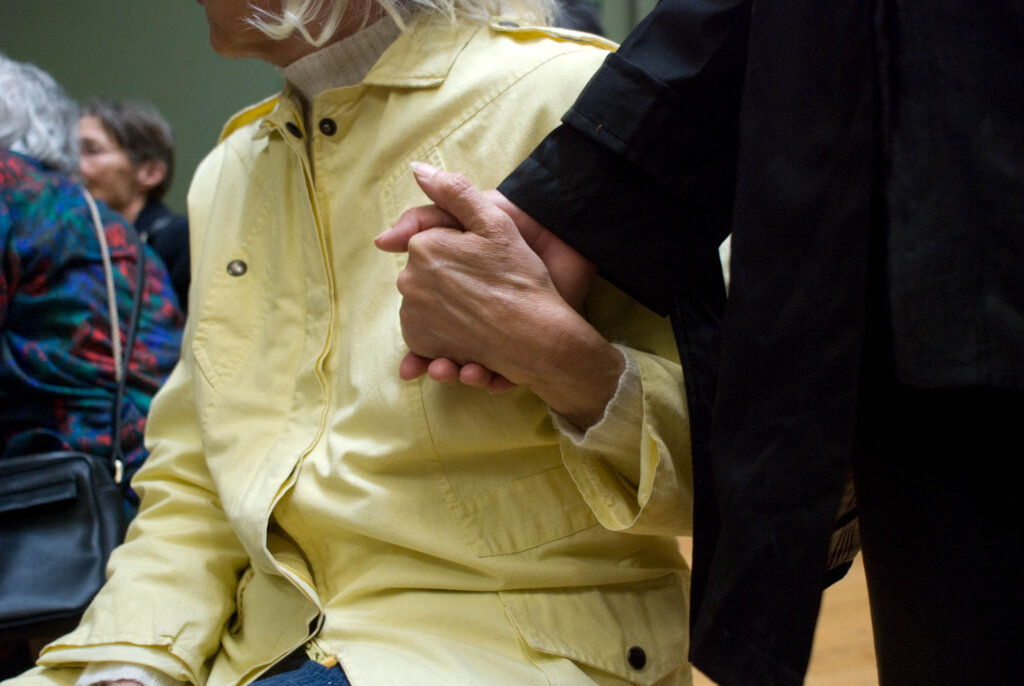
For family caregivers, the association's action is to offer free time, to contribute to opening the doors of the home to medical and social interventions and to facilitate the use of available aid. The caregiver is invited through the actions carried out to enrich his relationship with his loved one and is guided towards new ways of establishing communication with the sick person by relying on his persistent faculties. Finally, the caregiver benefits from the comfort of knowing that his or her loved one is well surrounded in an interesting, stimulating and safe activity.
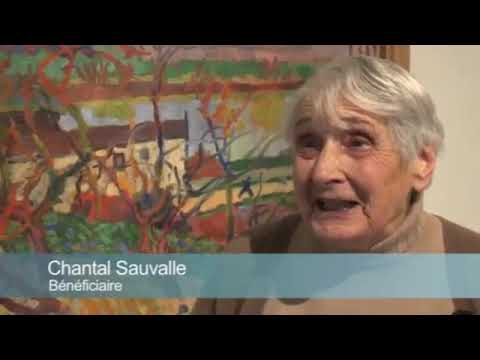
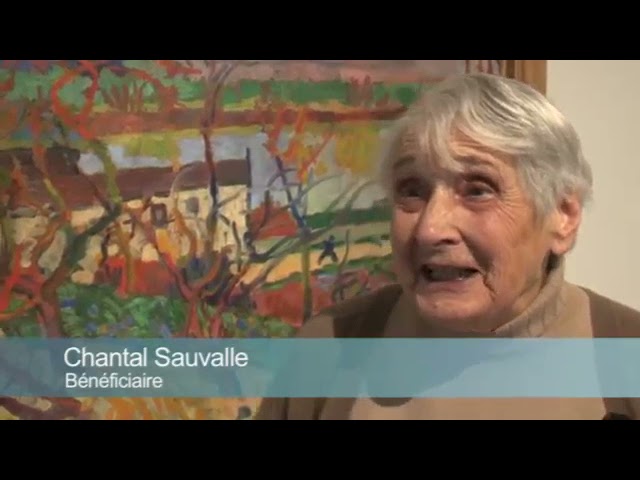
Here are a few quotes that illustrate the benefits of the action:
"M. told me she felt confident and did not hesitate to speak up. She shared with me her memories of a trip to Asia prompted by the visit on this topic. She even picked up a photo album from a trip to Thailand to show me. She is really pleased with the online tours and the level of interaction. She told me "often we are made to do silly things because we think that because we are sick we can't talk and it will be too difficult for us, whereas here it was really good, sometimes difficult but very interesting!"
"It seemed like every time I saw her, her confidence was reaffirmed. I think she appreciated being asked for feedback. She liked that we both commented on things together after the mic was turned off, and would joke with me a lot... In addition to volunteering to participate with an open mic during the sessions.
"C. really enjoys the organized visits. She is an active participant and responds to the remarks and comments of the other recipients in the group. She gets a little frustrated when she searches for words, but her mood is always good. She is happy to see the volunteer arrive and often extends the conversation after the session. She seems to be trying to delay the time of departure. She says she is curious about art and discovery."
"P. showed a good level of engagement on this session, she was very interested in the works on
Napoleon. I saw progress on the description part of the artwork. P. persevered in her explanations, where she had a tendency to
P. persevered in her explanations, where she had a tendency to "give up" in previous sessions.
"Very interested, good-humored, talkative, enjoys participating. Does not hesitate to talk about her memories, to
D. is very involved in the sessions and is very interested in the work of the group.
"D. is very engaged in the sessions. Always in a good mood when we start and a little disappointed when it ends. I think it helps her socialize and remember her past.
"Very involved, despite difficulties with concentration that became increasingly strong in the latter part of the session. She was in a good mood throughout, seemed comfortable in her interactions, and expressed many points of view. Her good humor and the spontaneity with which she told me she wished to see me again soon surprised and touched me greatly."
Links:
Project reports on GlobalGiving are posted directly to globalgiving.org by Project Leaders as they are completed, generally every 3-4 months. To protect the integrity of these documents, GlobalGiving does not alter them; therefore you may find some language or formatting issues.
If you donate to this project or have donated to this project, you can receive an email when this project posts a report. You can also subscribe for reports without donating.



Support this important cause by creating a personalized fundraising page.
Start a Fundraiser