By cindy barotte | Project Leader
Dear donor,
Thank you very much for your generosity. We are deeply touched that you have chosen to support our cause.
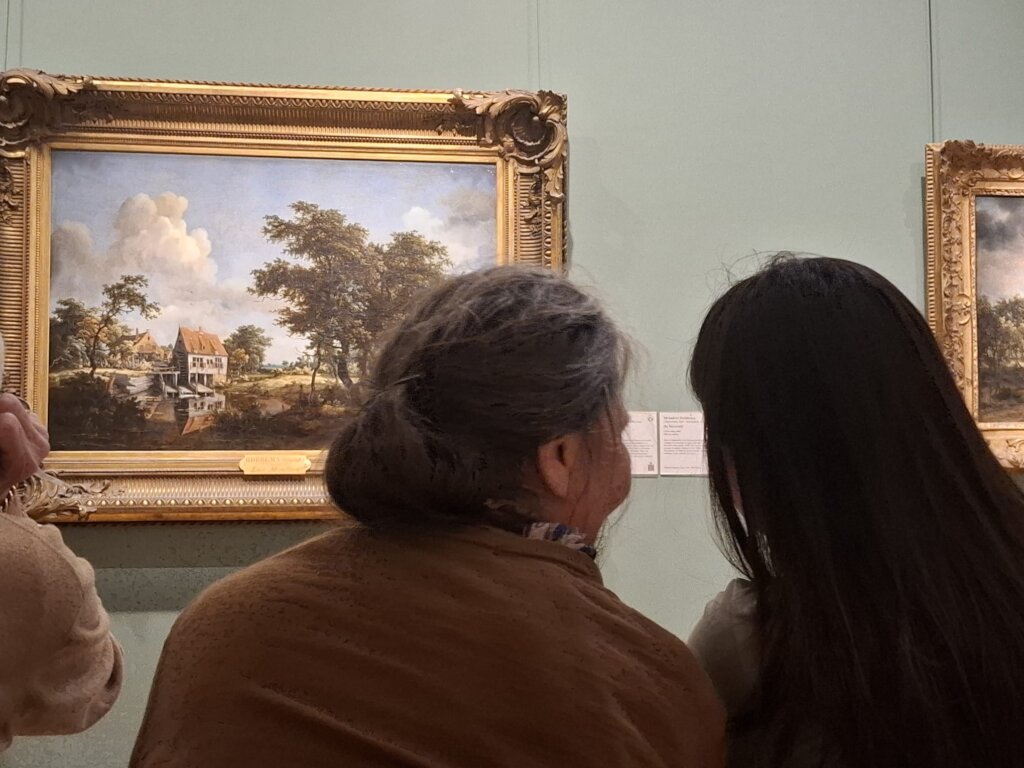
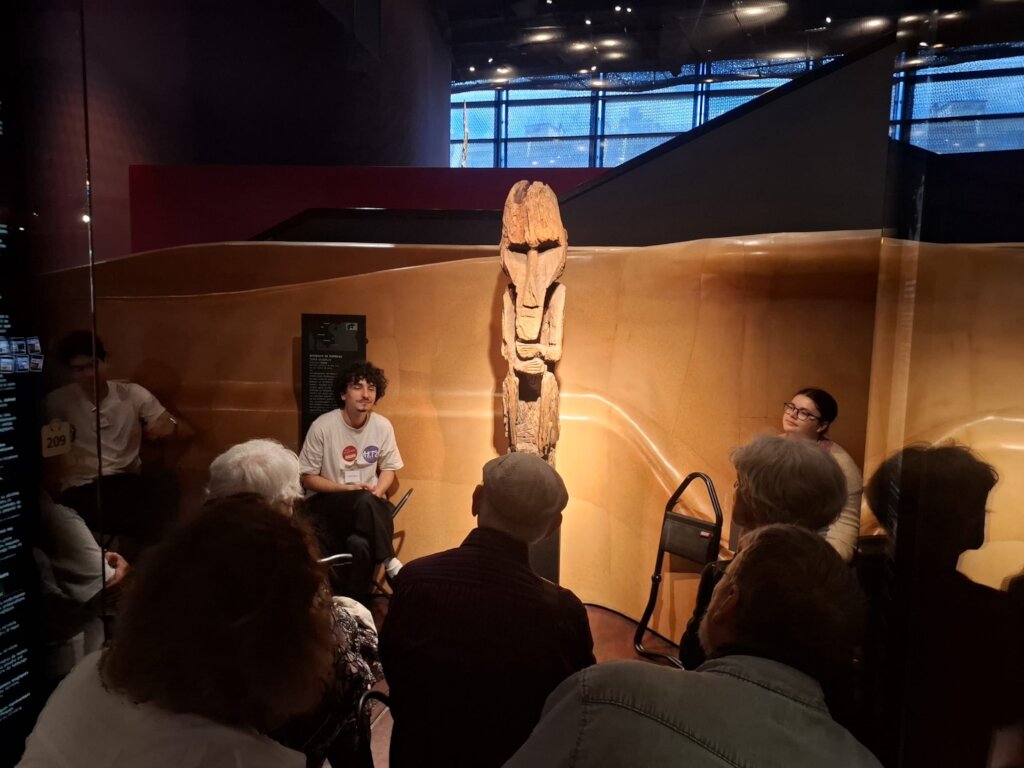
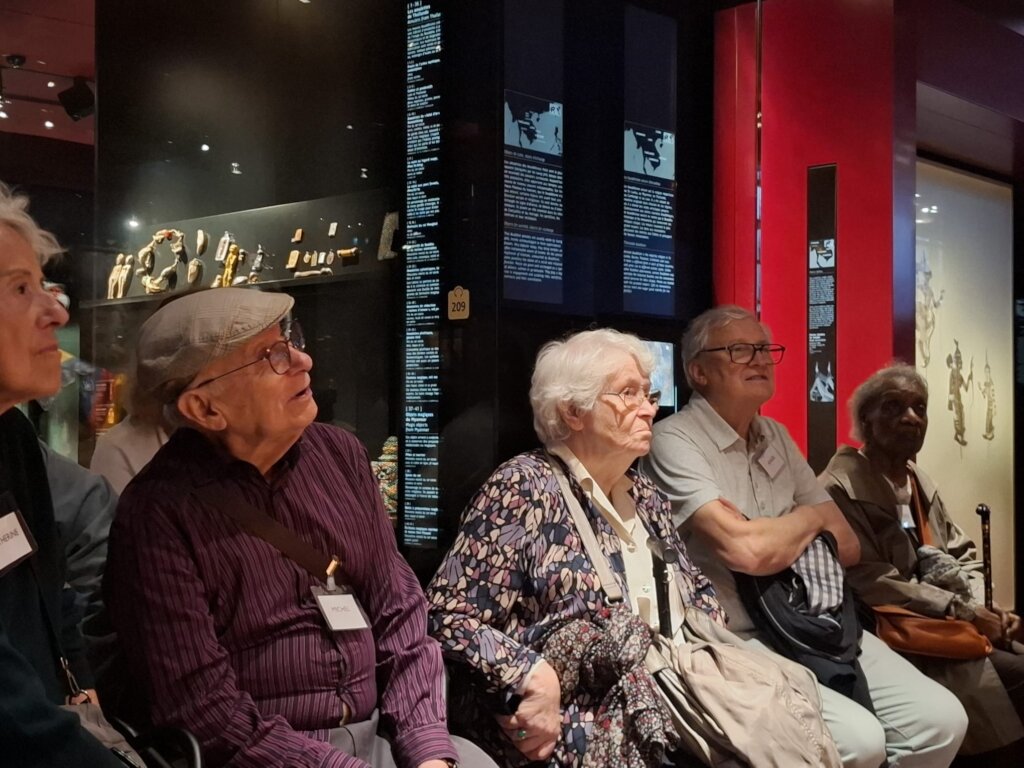
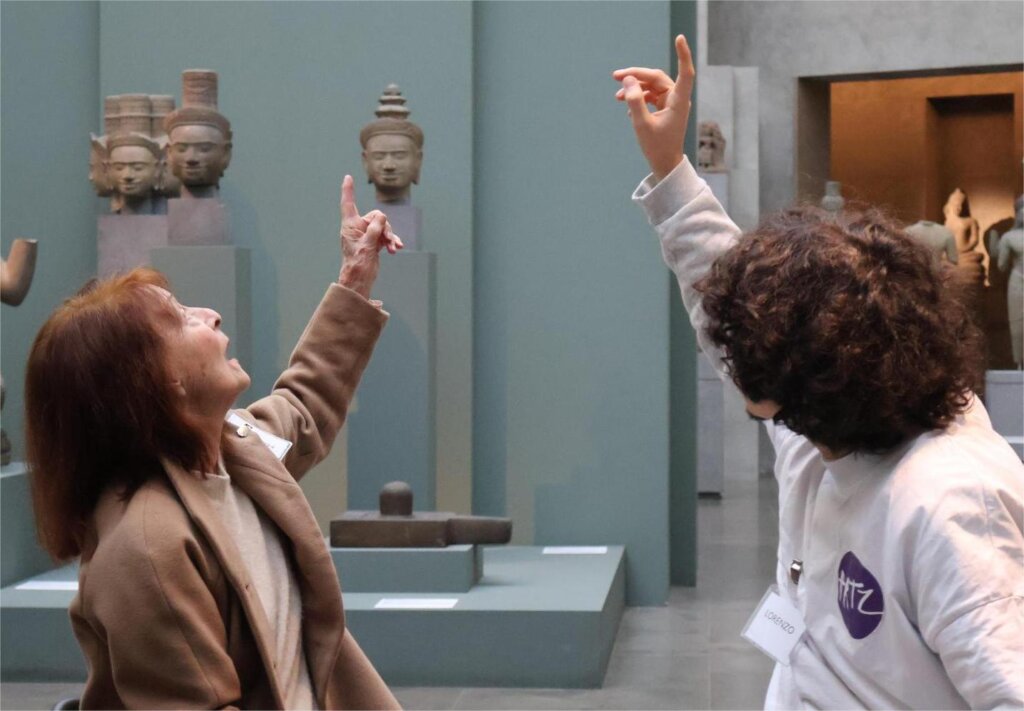
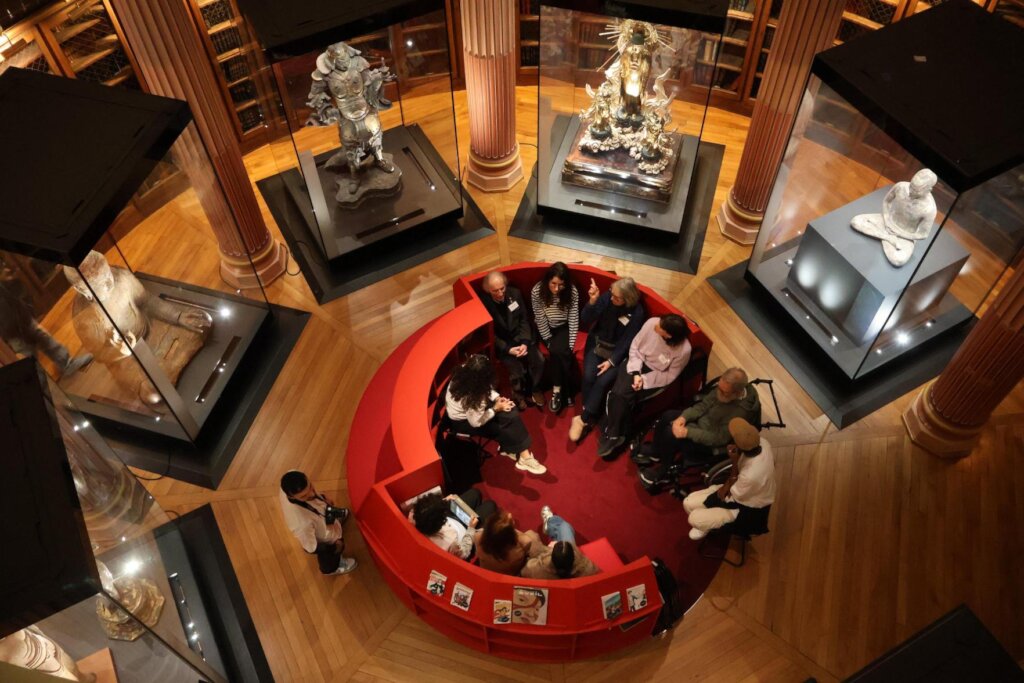
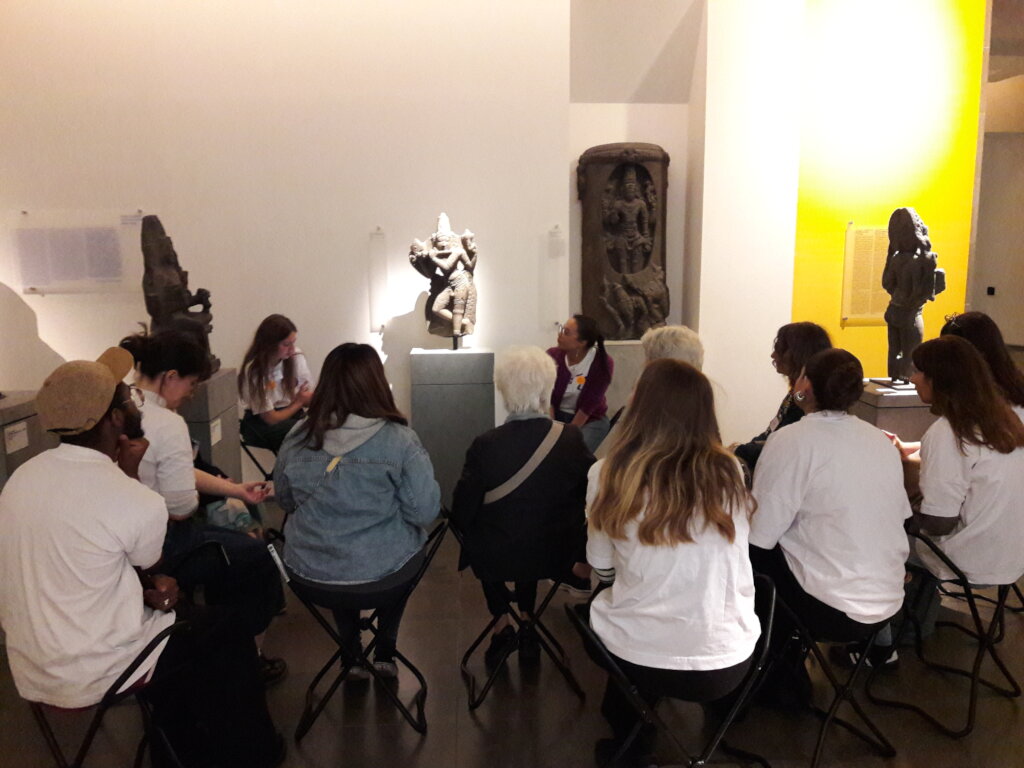
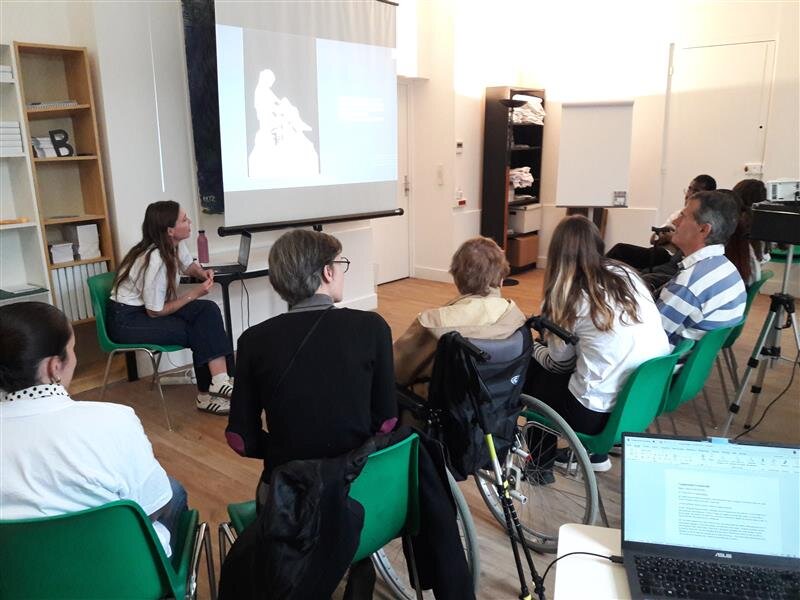
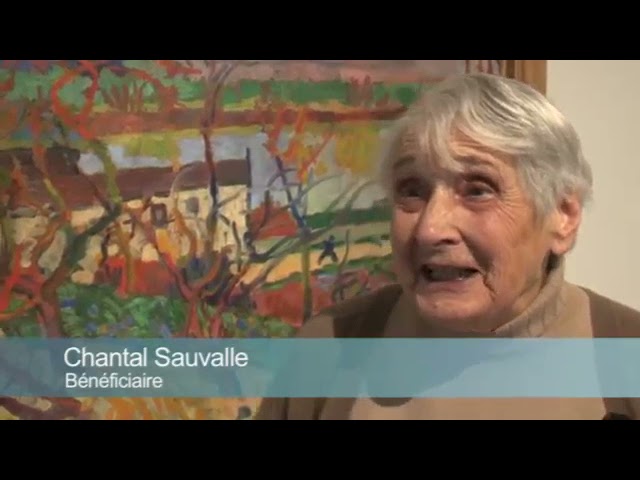
In this report, you will find three recent testimonials from participants that illustrate the importance of our work for people with Alzheimer’s disease and their loved ones. We also share an example of a commentary on a work of art, designed to help people living with Alzheimer’s stimulate their memory and engage in meaningful exchanges with others.
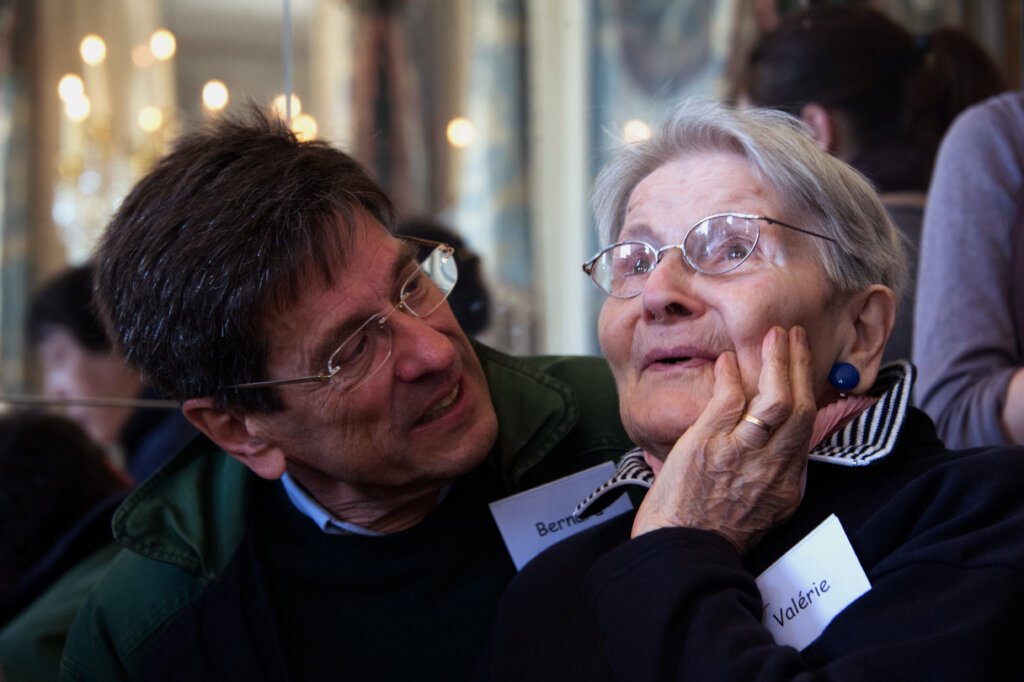
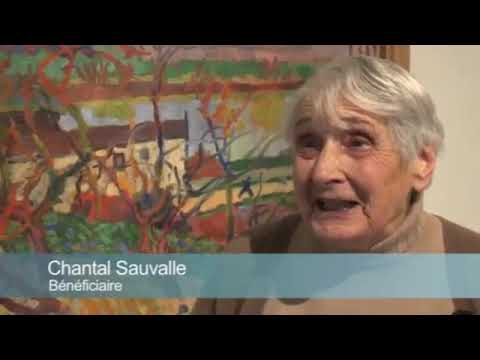
“I especially noticed that I remembered the artworks we discovered during these workshops much better.”
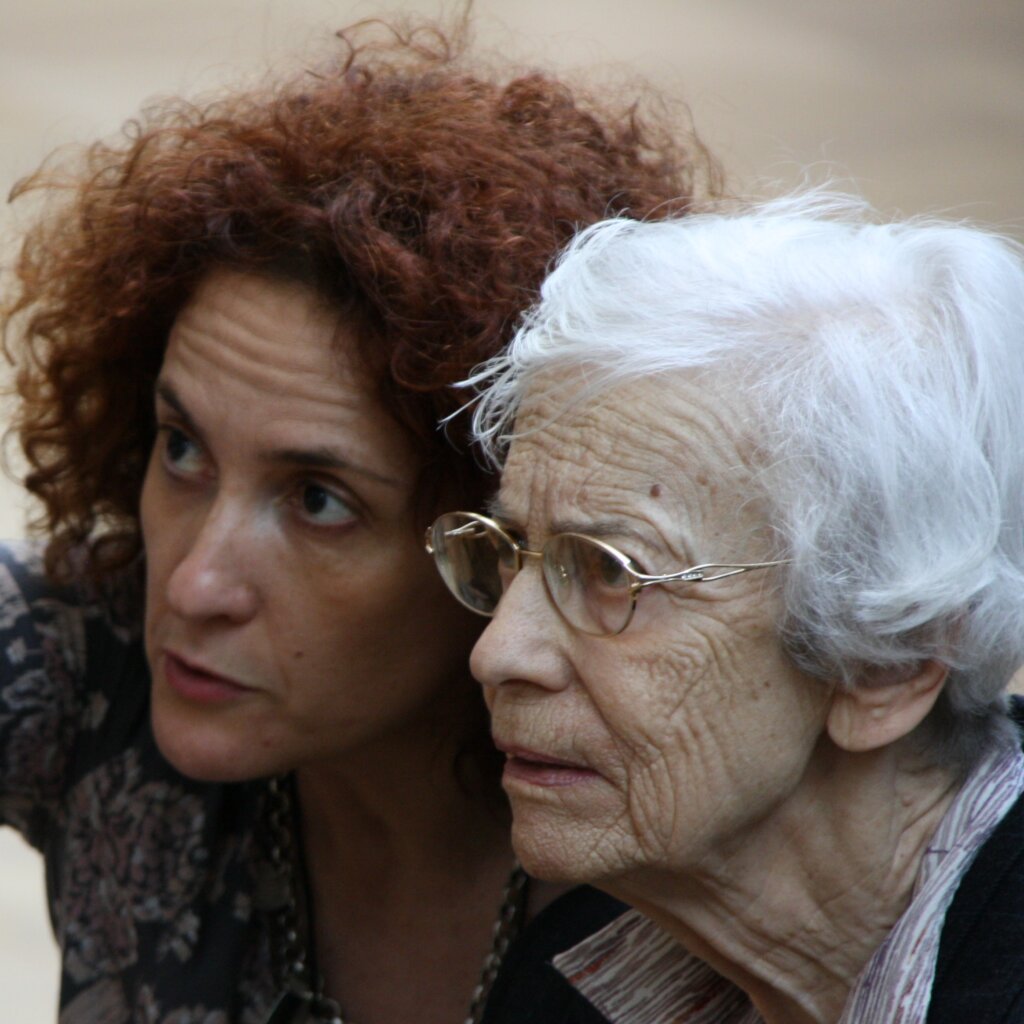
“Excellent. A pleasant, playful approach and a good atmosphere. Discovering the artworks step by step makes me think, search, and observe slowly rather than look quickly. I have found that our facilitator’s explanations help me appreciate the artwork.”
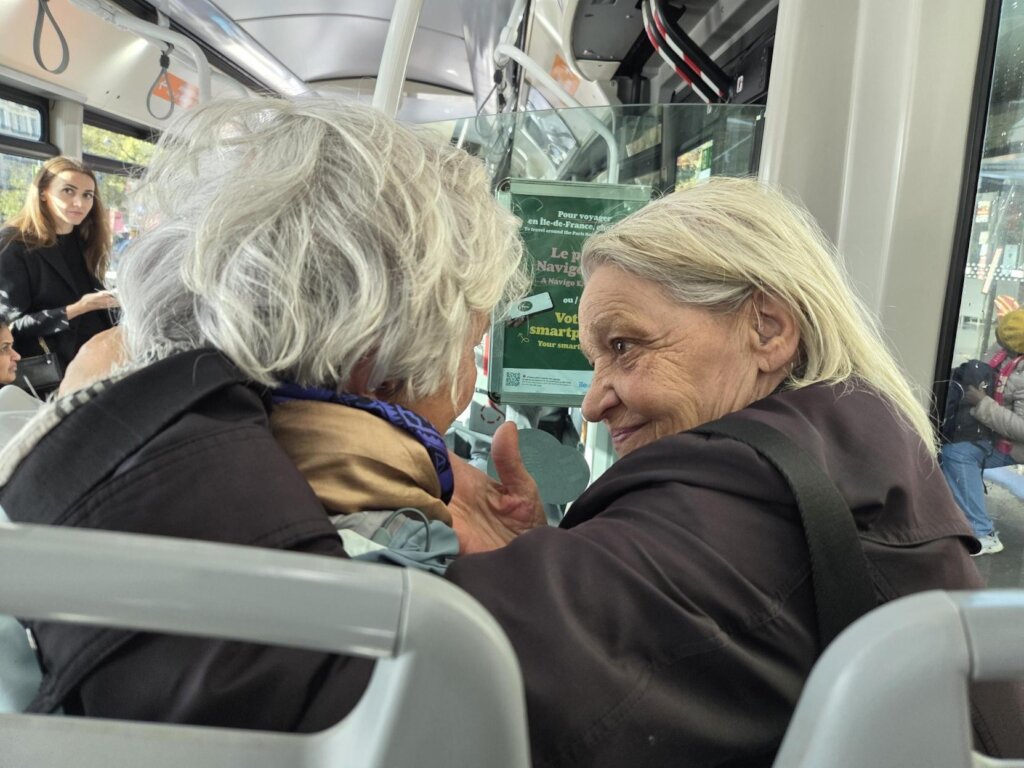
“It is very pleasant to see the same people at each session. Bonds are formed, and the exchanges become even richer.”
Below, you will find an example of our approach to discovering a work of art. This content is available on our online tour application.
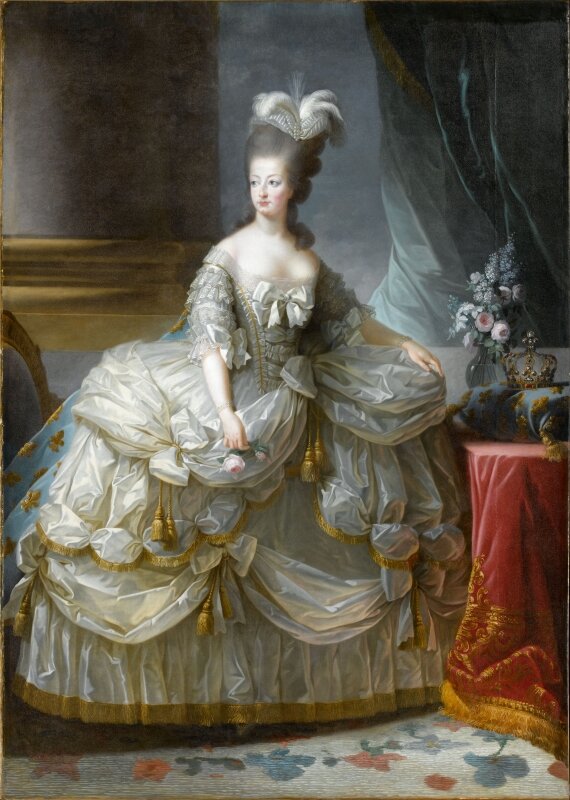
This commentary focuses on a famous work by Élisabeth Louise Vigée Le Brun entitled Marie-Antoinette in Court Dress, painted in 1778.
Can you describe this portrait in a few words?
Identify Marie-Antoinette. Describe her physical appearance, her clothing, and the elements you can see around her. Ask yourself how old she might be.
Queen Marie-Antoinette is twenty-three years old. Richly adorned, she stands very upright and looks towards our left. Her powdered hair is arranged in a chignon. Large white feathers decorate her hairstyle. Her dress is highly imposing, and its neckline reveals her shoulders and chest. The satin fabric shines in the glow of a white light that emphasises the paleness of her skin. In one hand, Marie-Antoinette holds a rose, which she may have taken from the bouquet placed beside her. On the table, decorated with a heavy red fabric, we can see a crown.
Vigée Le Brun is painting Marie-Antoinette for the first time. She must demonstrate the full extent of her talent. How do you think she achieves this?
Observe the size of the dress and the complexity of its folds. Look at the way Vigée Le Brun depicts the different materials: white satin, lace, ribbons, golden fringes, velvet, flowers, and jewels. Also notice the effects of light and shadow, particularly on the skin, which appears both radiant and translucent. How does she manage to give grace and elegance to such an official portrait?
In 1778, Vigée Le Brun painted her first major official portrait of Marie-Antoinette. The stakes were high: she had to represent the Queen of France, follow the codes of court portraiture, and demonstrate the full extent of her talent. Her technical mastery is evident in the rendering of the materials. The white dress occupies almost the entire canvas: it forms a mass of folds, volumes, bows, and drapery. The lace, ribbons, golden fringes, pompoms, flowers, and the velvet of the royal cushion all reveal the artist’s skill. The use of light is equally important. The face, throat, shoulders, and arms are gently illuminated. The skin appears luminous and extremely pale. But the painting is not based solely on virtuosity. Vigée Le Brun also gives Marie-Antoinette a particular grace. The Queen appears gentle, reserved, and majestic at the same time.
Among her official portraits, Marie-Antoinette chose to send this one to her mother. Why do you think she did so?
Identify the elements that show the seriousness of an official portrait. At the same time, notice the extravagance of her clothing.
Marie-Antoinette’s mother, Empress Maria Theresa of Austria, requested an official portrait of her daughter. This request was not insignificant. Marie-Antoinette had married very young: she left Austria for France at the age of fourteen. Her charm often allowed her to escape lessons, and her mother feared that she had not been sufficiently prepared for her role. She wrote to her regularly to remind her of the importance of her conduct, her image, and her rank. The clothing may appear extravagant to us because of its size, volumes, and richness of ornamentation. But this extravagance corresponded to the etiquette of the court. Vigée Le Brun gives Marie-Antoinette a gentle, calm, and natural presence. This is probably what would have reassured Maria Theresa: seeing her daughter fulfil her role without appearing either arrogant or frivolous.
This extract gives you an insight into our method of cognitive stimulation for people with Alzheimer’s disease.
We would be delighted to invite you to take part in online visits planned throughout the year. You are welcome to join these groups if you have a loved one living with Alzheimer’s disease.
Warmly,
Cindy Barotte
By Cindy Barotte | Project Leader
By Cindy Barotte | Project Leader
Project reports on GlobalGiving are posted directly to globalgiving.org by Project Leaders as they are completed, generally every 3-4 months. To protect the integrity of these documents, GlobalGiving does not alter them; therefore you may find some language or formatting issues.
If you donate to this project or have donated to this project, you can receive an email when this project posts a report. You can also subscribe for reports without donating.



Support this important cause by creating a personalized fundraising page.
Start a Fundraiser