By Cindy Barotte | Project Leader
Dear donor,
Thank you so much for your generosity! We are very touched that you have chosen to sponsor our cause.
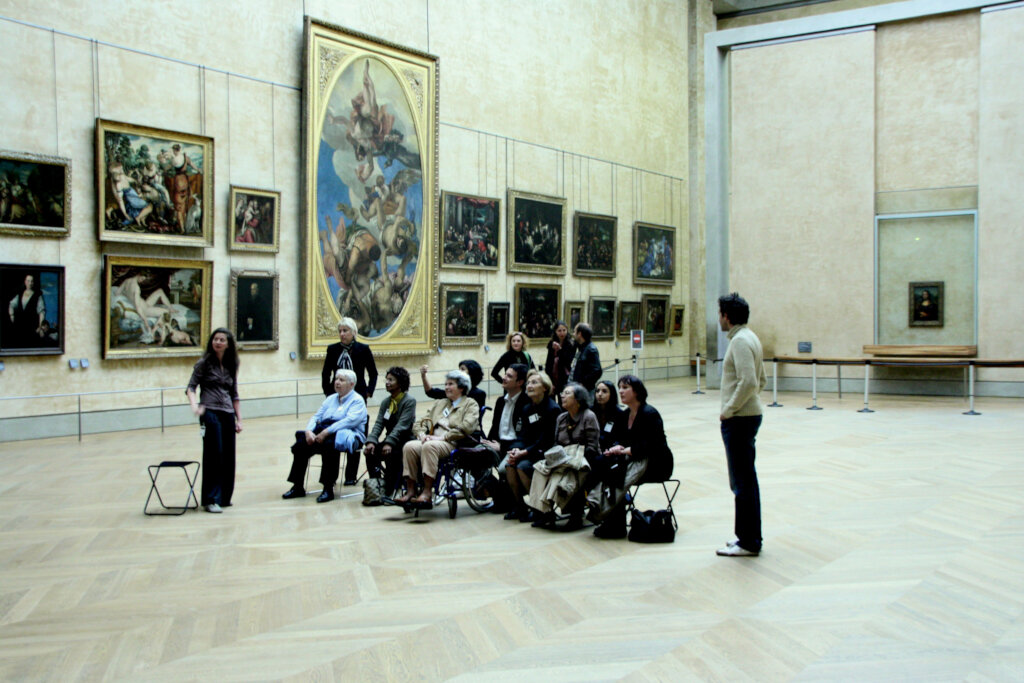
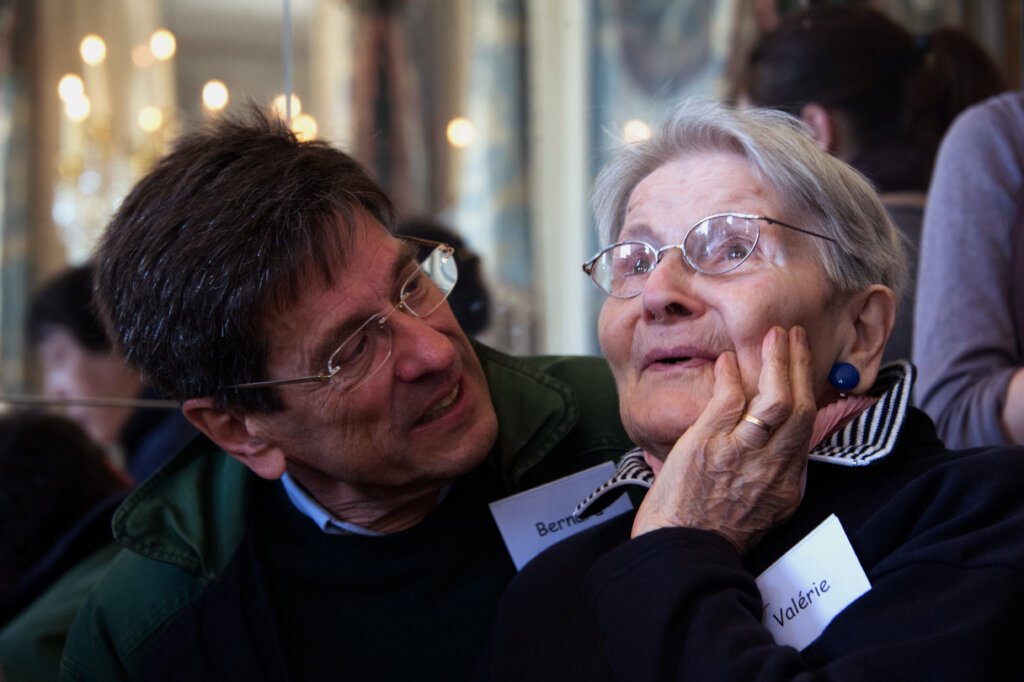
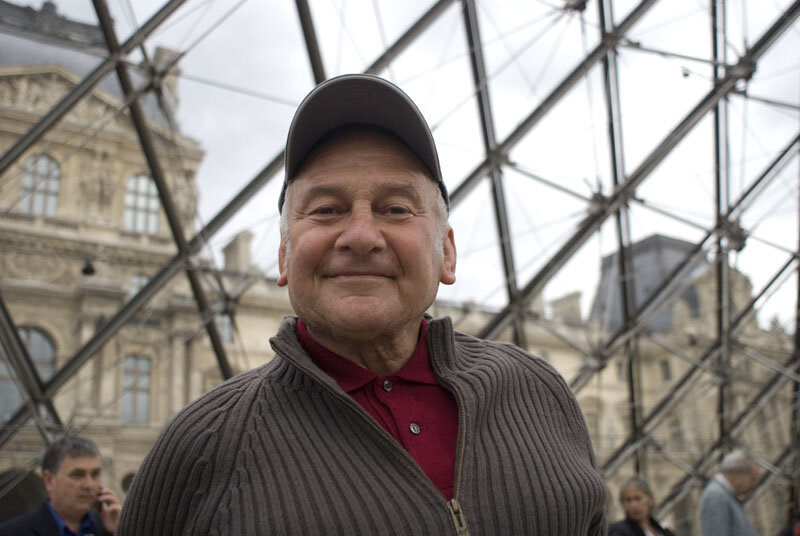
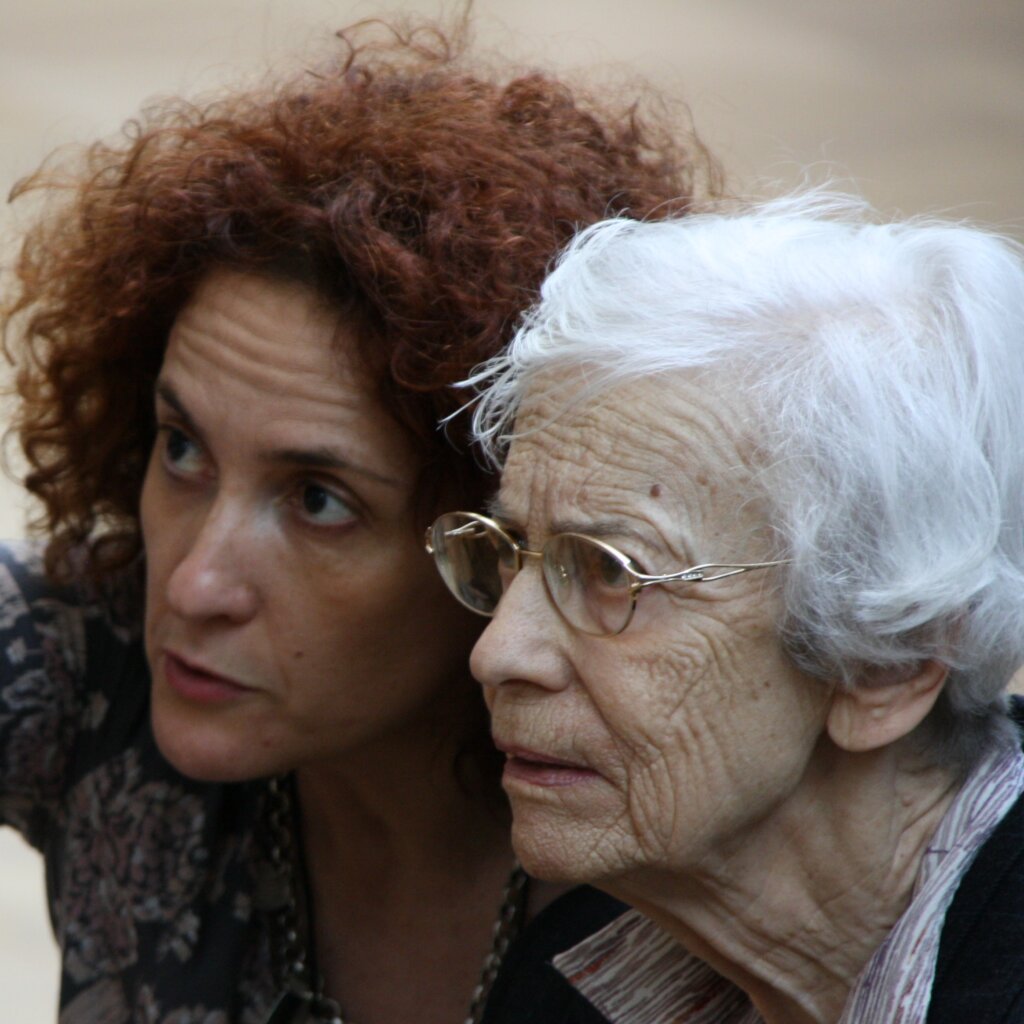
In this report, you'll find three caregiver testimonials that illustrate the importance of our work for people with Alzheimer's disease and their loved ones. We also share an example of a commentary on a work of art that enables persons living with Alzheimer's to stimulate their memory and exchange with others.
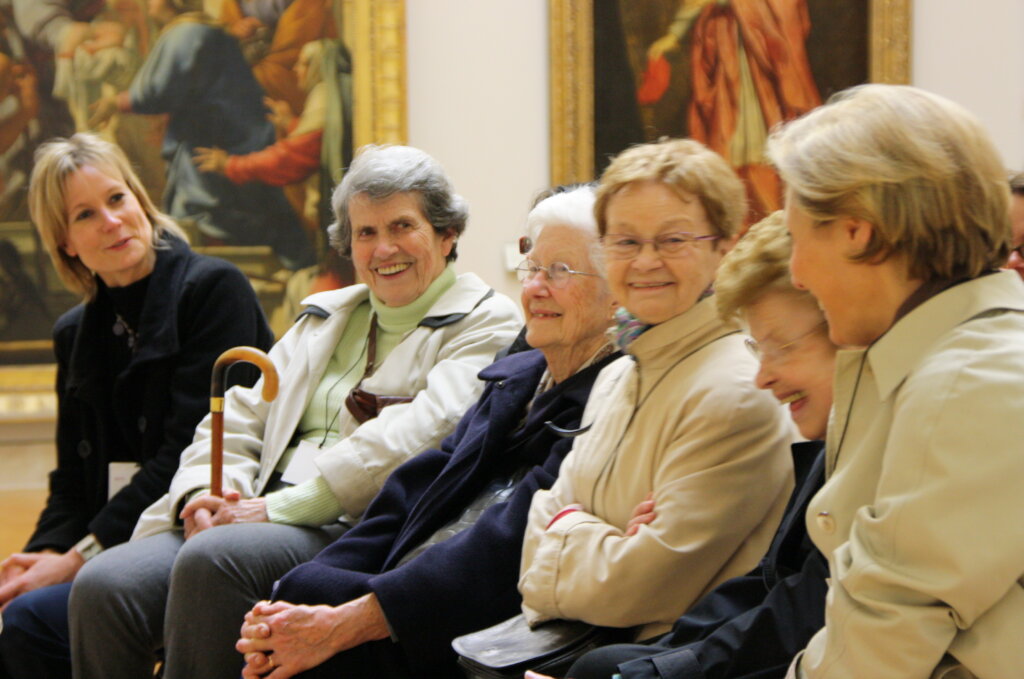
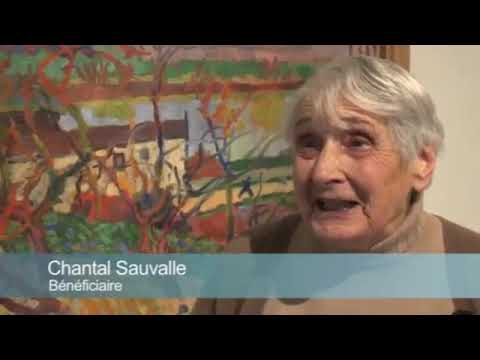
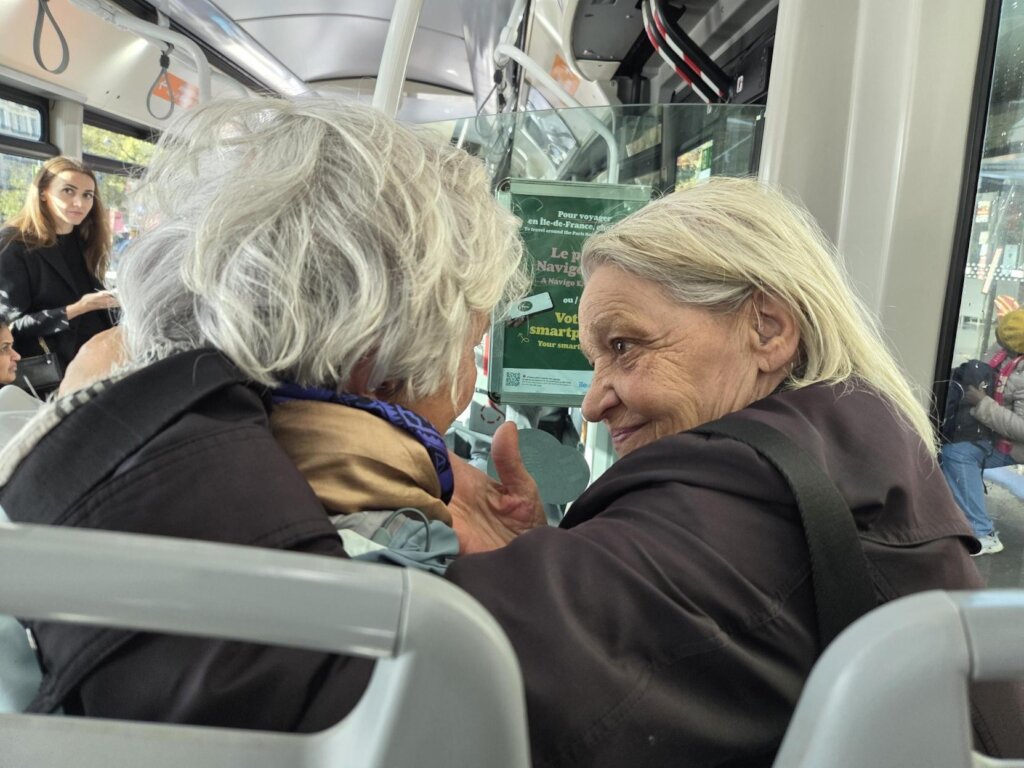
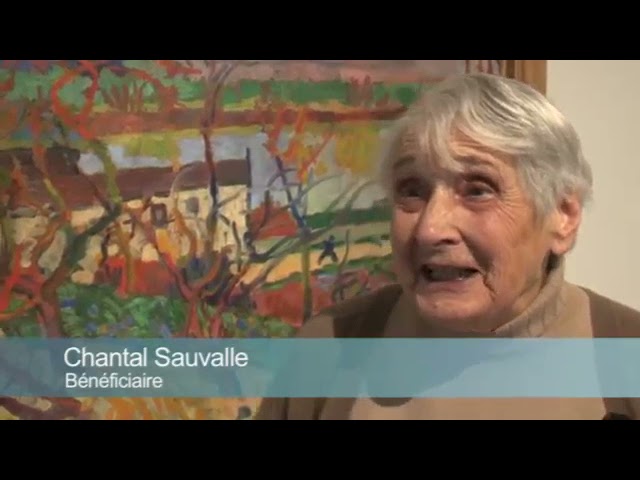
“I think this program is a great way of meeting people and opening up exchanges. The speaker's very judicious, precise and targeted questions, as well as her kindness and attention, enabled my husband to express his emotions and arouse his interest”.
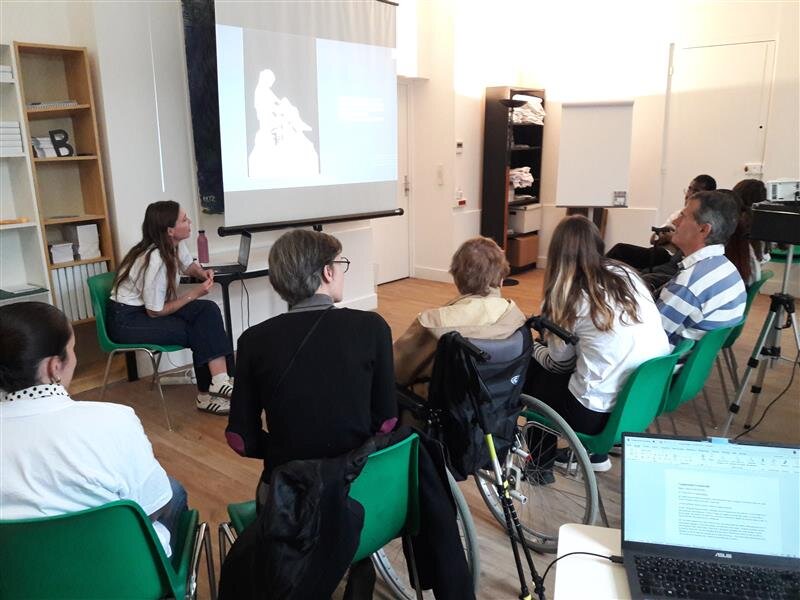
"These presentations of paintings are stimulating, because as I've gone along, I've registered what you can grasp by looking at an unfamiliar painting: the light, who's in the right light, the attitude, the characters, etc. The language of painting seems less hermetic to me, and with a little knowledge (which I lack) you can make a whole story out of it, a bit like reading a novel: you have the author's vision and interpretation".
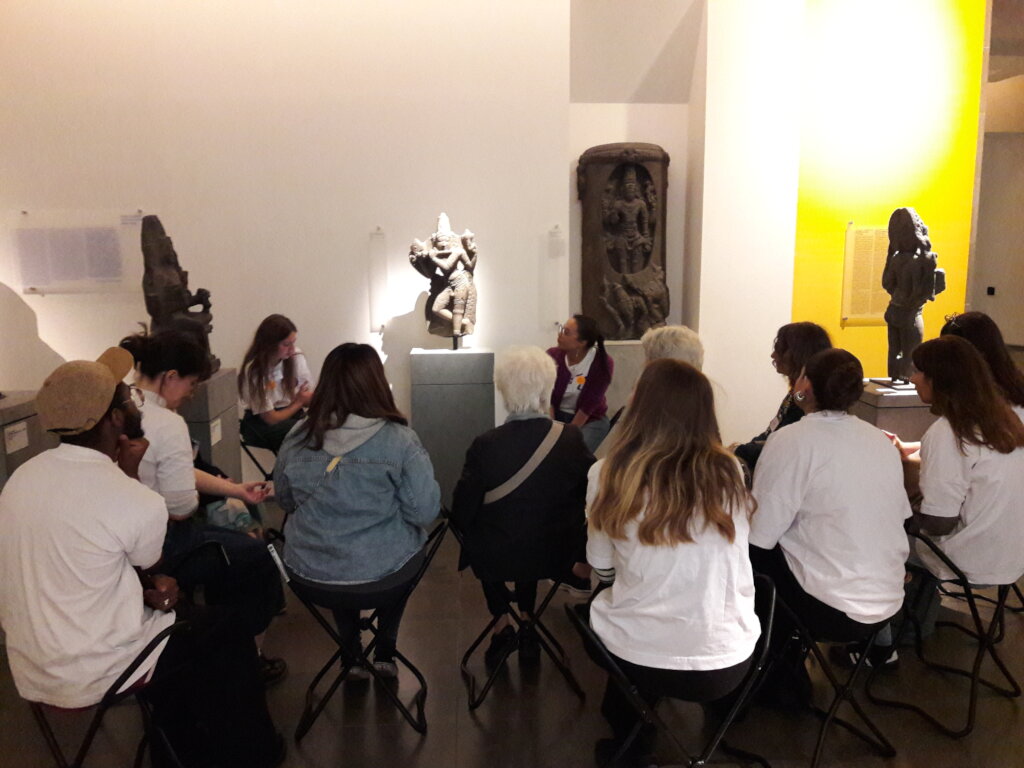
“Not only does it make the art more readable, but it also teaches you to better apprehend the paintings. It was different for me to look at these works with your method than to remain on a general impression as I used to do in exhibitions or museums. “I found the method playful. It's a bit like an investigation: you look for clues, the character traits of the characters, you study the colors...”.
Below you will find an example of our approach to the discovery of a work of art. This content is available on our online tour application:
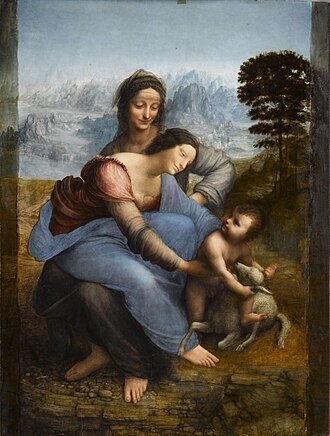
This is a commentary on a famous work by Leonardo da Vinci entitled “the virgin and child with Saint Anne painted between 1503 and 1519 :
Can you describe this work in a few words?
Text to help you: Describe Saint Anne, her daughter, the Virgin Mary, the baby Jesus and the lamb. Notice the gestures, clothing and attitudes. Describe the landscape around them.
The Virgin Mary is dressed in a red dress and a large blue veil that covers her knees and shoulder. She is reaching out to baby Jesus, whom she is about to hold or who has just escaped from her arms. He is almost a year old and seems to be holding a lamb tightly. His left leg is wrapped around the animal's neck. Mary is sitting on her mother's lap, Saint Anne. The latter, very calm, is watching the scene, which she contemplates with a slight smile. Behind them, a unusual landscape stretches out. We notice dry land with a tree in the background on the right, and a vast, mountainous, distant terrain plunged in a blue mist.
Leonardo da Vinci painted attitudes, expressions and spontaneous movements in this work. The scene thus appears alive. What do you think of it?
Notice the slight smile on Saint Anne and the attitude of Mary. We almost feel she is leaning towards Jesus before our eyes unless he escapes from her arms. Note the liveliness of the baby Jesus' gestures.
The lamb represents the passion of Christ and the terrible fate of Jesus. However, this family scene does not seem tragic. Jesus is playing with the lamb, and the two women seem united in a calm attitude in the face of fate. Leonardo da Vinci tries to capture the moment when the Virgin Mary stops holding Jesus and accepts her son's fate. Saint Anne smiles and watches serenely at the sight of her daughter and her acceptance of the child's fate. The liveliness of this family scene and the characters' spontaneity and naturalness are more evident when we compare the work to a different classical representation of the three characters, painted by Masaccio and Masolino da Panicale in 1424.
The placement of the 3 characters has been carefully studied and prepared. It evokes the trinity and the bonds of filiation. How do you see it ?
How can we see it? Observe the composition that evokes a triangle and the family lineage. Look at the gestures, signs of affection and tenderness that unite them.
This work is the result of a multitude of preparatory studies and sketches. Leonardo da Vinci worked at length on its composition. In a sketch kept at the National Gallery in London, he proposed a composition with St. John the Baptist in which St. Anne and Mary are placed sides by side. Finally, he opted for a more vertical display of the figures. In this work, they are placed in a triangular shape, which evokes the trinity and the bond of filiation between Saint Anne, who overlooks the scene of Mary seated on her knees, and the baby Jesus on the ground. In this composition, the characters are mainly linked. We notice a continuity in their gestures. The left arm of Saint Anne merges with that of Mary. Similarly, Mary's left arm is extended by that of the child Jesus. The affection visibly unites the members of this family.
This extract gives you an insight into our method of cognitive stimulation for people with Alzheimer's disease.
If you wish, we would be pleased to invite you to take part in oneline visits planned throughout the year. You can join us in these groups if you have a loved one with Alzheimer's disease.
Warmly
Cindy Barotte
Links:
Project reports on GlobalGiving are posted directly to globalgiving.org by Project Leaders as they are completed, generally every 3-4 months. To protect the integrity of these documents, GlobalGiving does not alter them; therefore you may find some language or formatting issues.
If you donate to this project or have donated to this project, you can receive an email when this project posts a report. You can also subscribe for reports without donating.



Support this important cause by creating a personalized fundraising page.
Start a Fundraiser