By cindy barotte | Project Leader
Dear donor,
Thank you so much for your generosity! We are very touched that you have chosen to sponsor our cause.
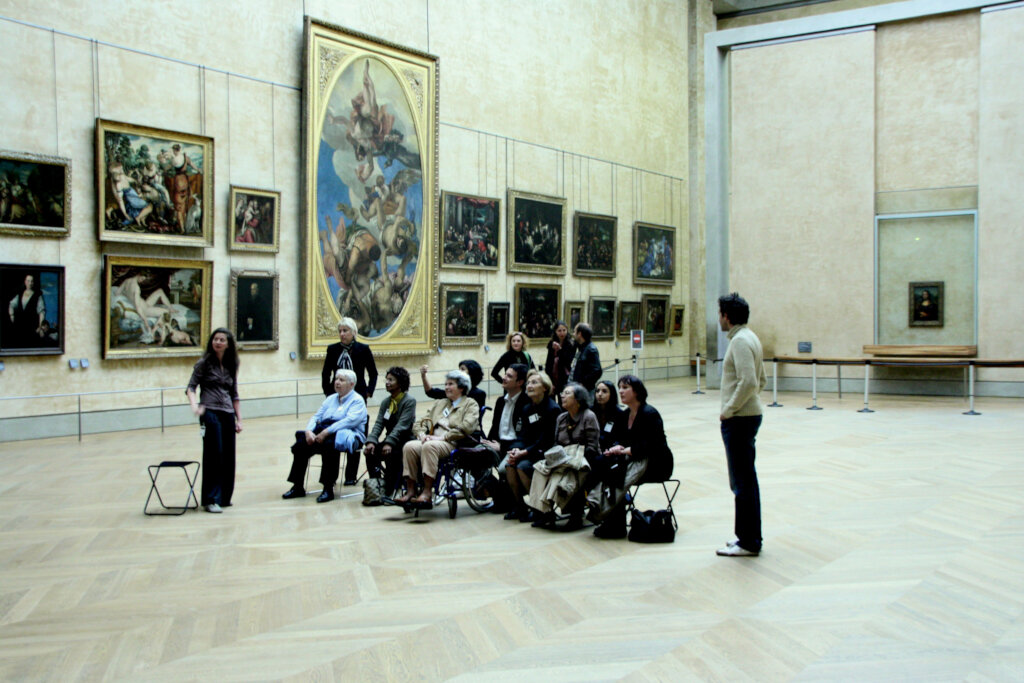
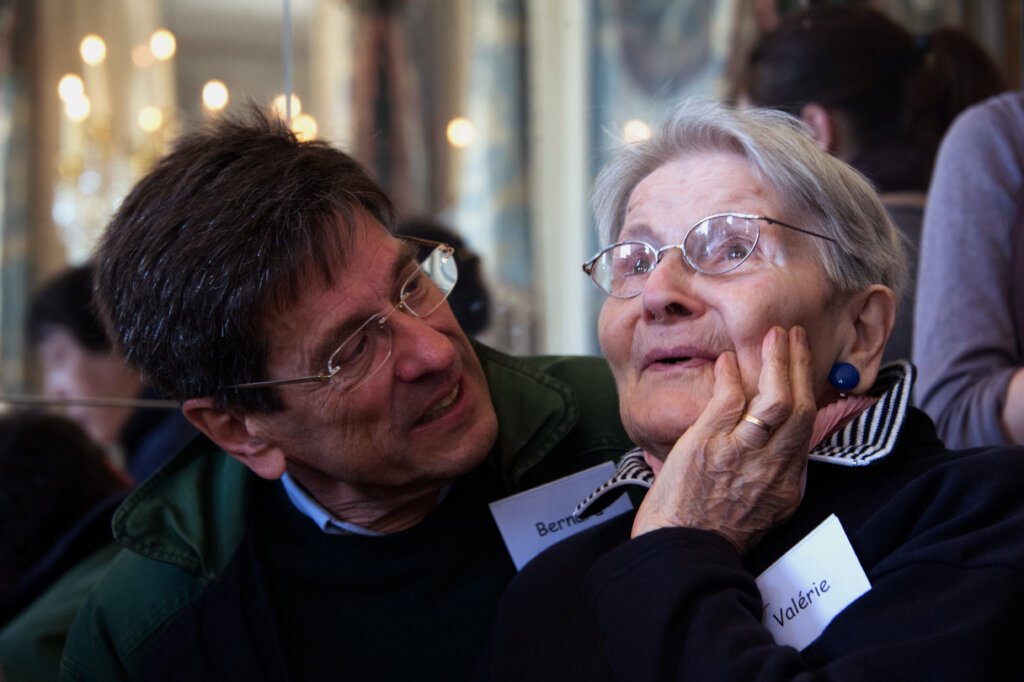
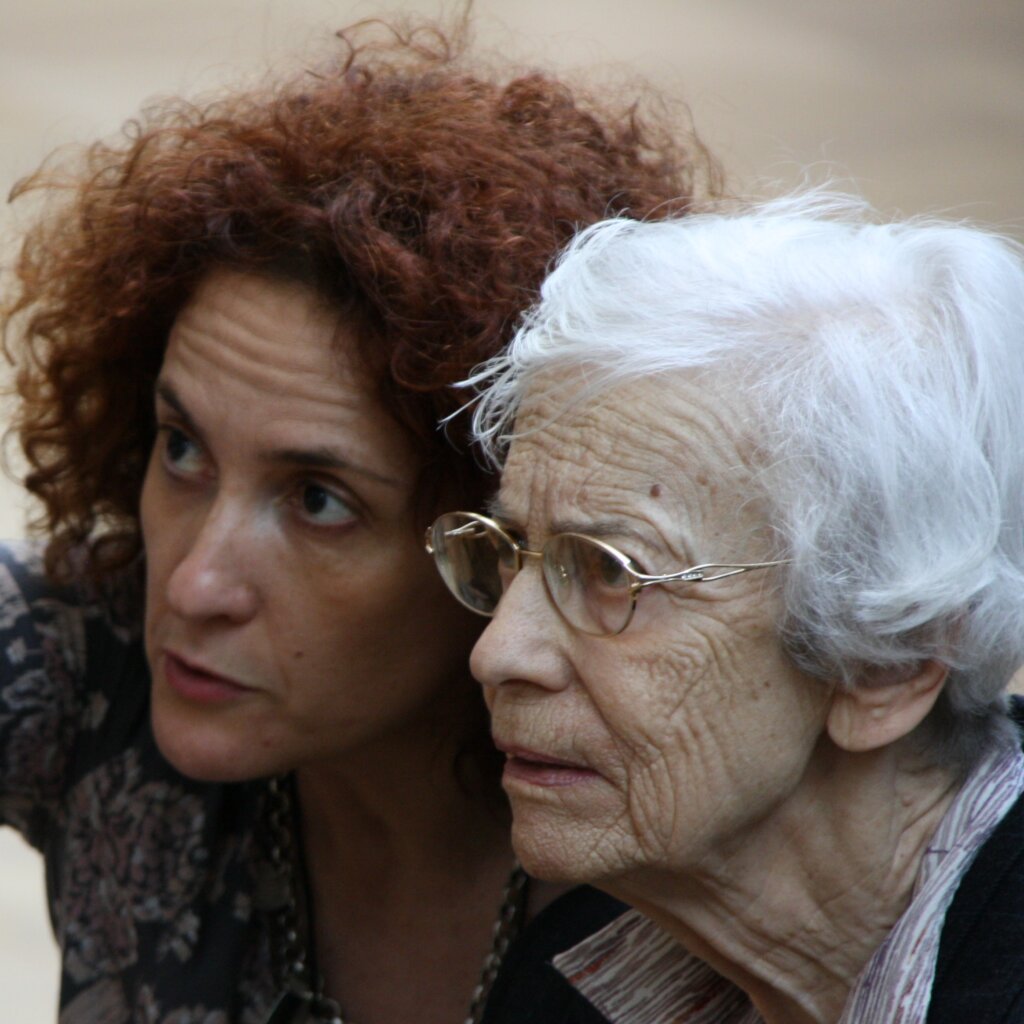
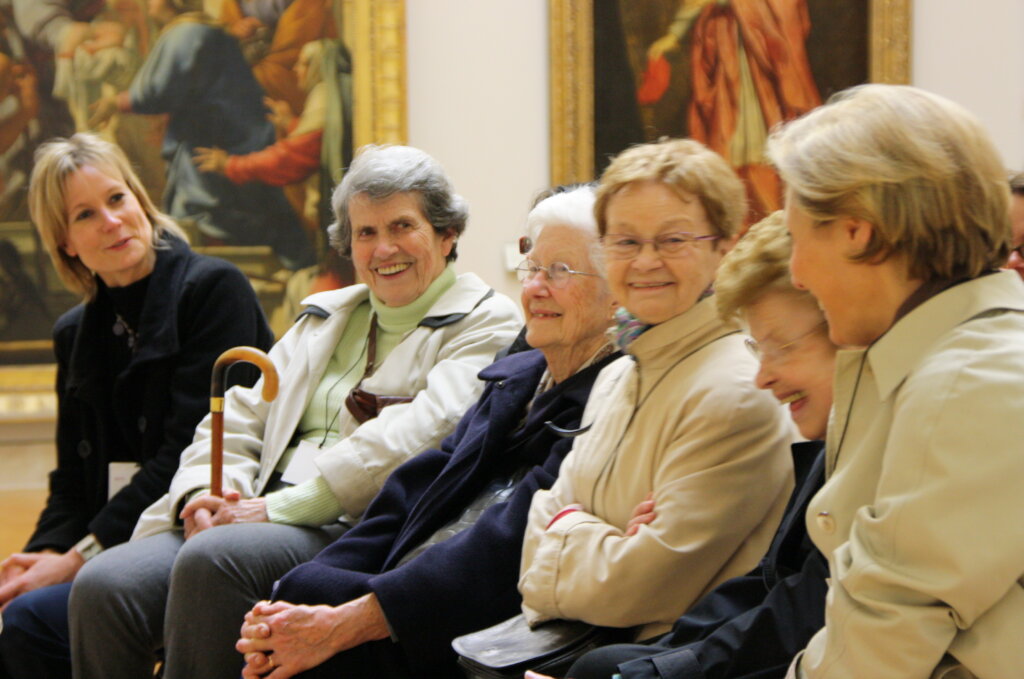
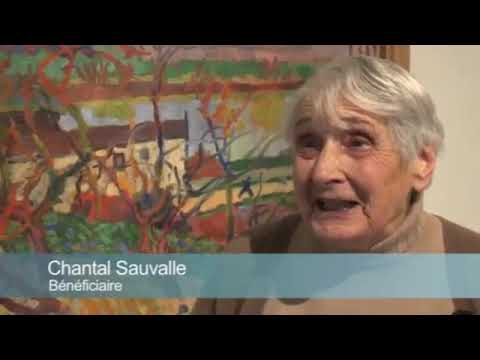
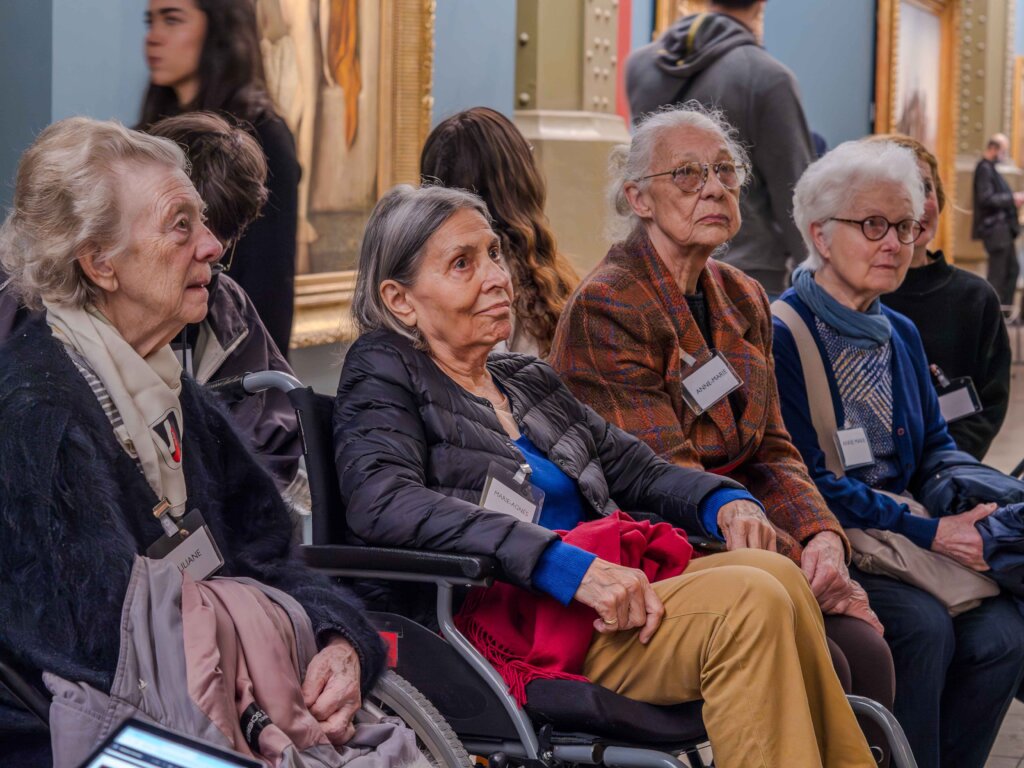
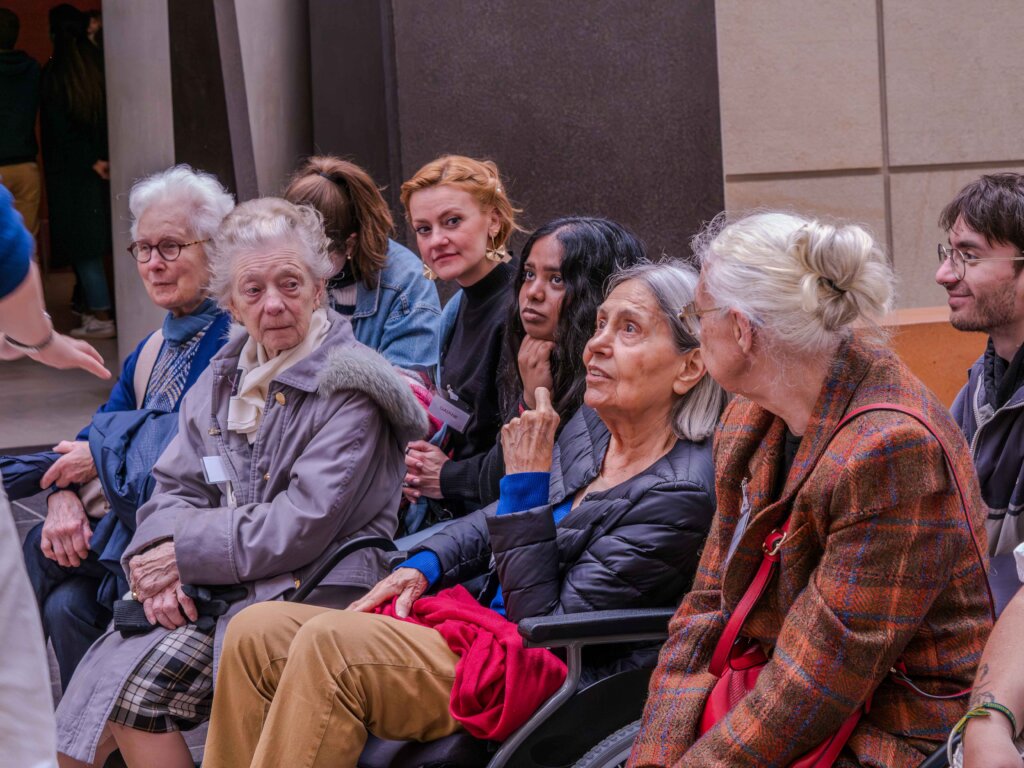
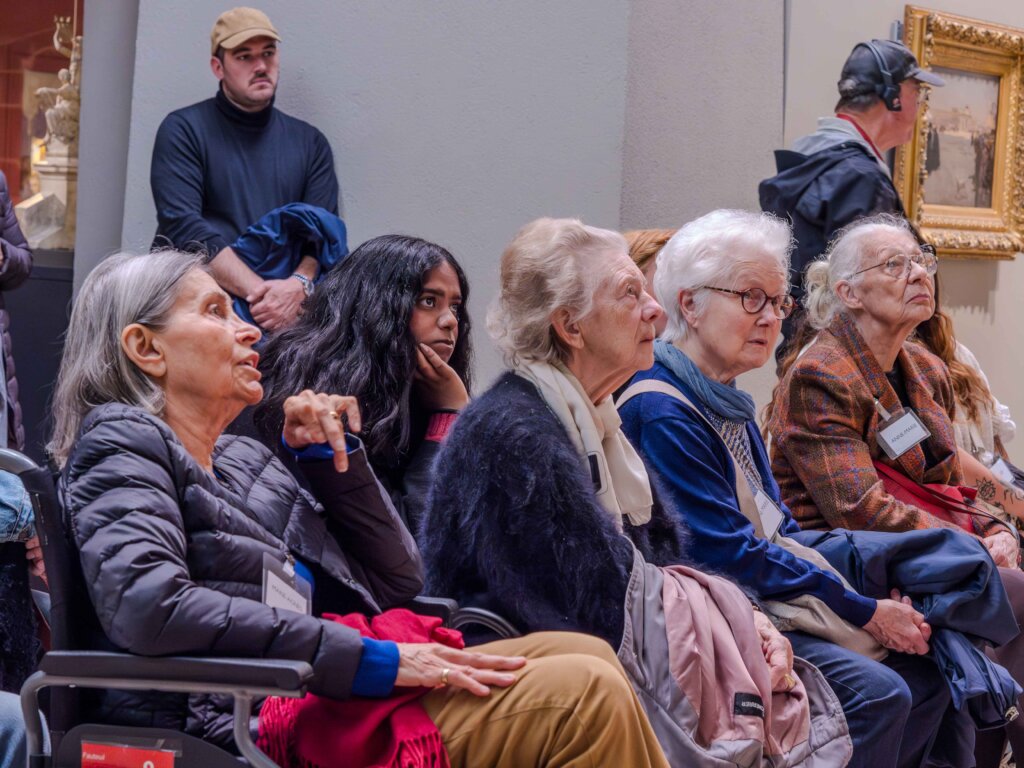
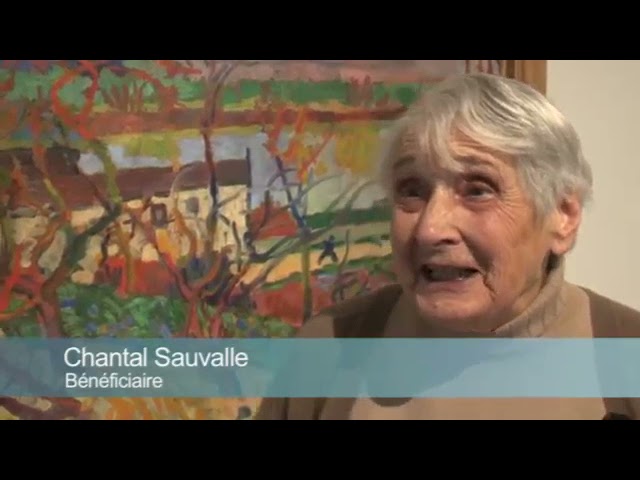
In this report, you'll find three caregiver testimonials that illustrate the importance of our work for people with Alzheimer's disease and their loved ones. We also share an example of a commentary on a work of art that enables persons living with Alzheimer's to stimulate their memory and exchange with others.
“I think this program is a great way of meeting people and opening up exchanges. The speaker's very judicious, precise and targeted questions, as well as her kindness and attention, enabled my husband to express his emotions and arouse his interest”.
"These presentations of paintings are stimulating, because as I've gone along, I've registered what you can grasp by looking at an unfamiliar painting: the light, who's in the right light, the attitude, the characters, etc. The language of painting seems less hermetic to me, and with a little knowledge (which I lack) you can make a whole story out of it, a bit like reading a novel: you have the author's vision and interpretation".
“Not only does it make the art more readable, but it also teaches you to better apprehend the paintings. It was different for me to look at these works with your method than to remain on a general impression as I used to do in exhibitions or museums. “I found the method playful. It's a bit like an investigation: you look for clues, the character traits of the characters, you study the colors...”.
Below you will find an example of our approach to the discovery of a work of art. This content is available on our online tour application. This is a commentary on a famous work by Claude Monet entitled the London Parliament and painted in 1904 :
What do you see?
Text to help you: This work depicts London's Houses of Parliament on the River Thames. The way Monet has painted this building is astonishing. There seems to be a continuity between the sky and the water. The painter's touch creates movement and vitality in the work.
This painting depicts the Palace of Westminster on the banks of the River Thames in London. This building is the seat of the British Parliament. The architectural details of the building are not visible, but only suggested through an abrupt, blurred silhouette formed by a few elements of Gothic architecture. The shape of the building is also visible in the reflections of the water.
The building stands out against a sky colored yellow, pink, blue and gray. There is no clear separation between sky and water. This impression of continuity between the two elements is created by the way Monet has painted the reflections of the sky on the surface of the water. Brushstrokes and strokes of color form clouds and small waves.
The landscape seems invaded by a thick fog. How can we tell?
Color variations in mauve and blue, and the building's blurred contours, create an impression of dense, pervasive fog. They give the building a ghostly appearance.
In the sky, contrasts between darker and brighter areas suggest the presence of lightning. The weather seems to change rapidly before our eyes, and the wind, heralding the storm, stirs the clouds and the river. Monet's brushstrokes are vivid and expressive. They bring movement to the sky and suggest the agitation of the waves.
During his first stay in London in 1870-1871, Claude Monet admired Turner's work and drew inspiration from it. This is particularly true of the painting “The Thames above Waterloo Bridge”, painted in 1856.
Monet was fascinated by the effects of light. How do we see this in this work?
To help you: Notice the diffused light. The fog seems to give the sky soft, pastel colors. Admire the shimmering reflections of light on the river.
The building is seen from a window of St. Thomas Hospital on the opposite bank of the river. Particularly inspired by fog and the atmospheric effects it produces, Monet painted a series of 11 pictures of Parliament between 1900 and 1905. Each painting is new, and attempts to capture the intangible, the impression in the face of the reality of time and place. In a letter dated February 9, 1901, Claude Monet wrote: “I'm working hard, I'm full of ardor, but it's so difficult, so variable above all, that it's the devil to manage to do what I'd like.
Here, the diffused light softens and attenuates the forms, giving the impression that the stone building is enveloped in a blurred, evanescent veil. Parliament appears to have no thickness and seems to stretch skyward. It merges with its reflection in the water. The fog gives the sky soft, pastel tones, and creates shimmering reflections on the Thames. Monet's painting is thick and grainy, suggesting the density of the fog.
This extract gives you an insight into our method of cognitive stimulation for people with Alzheimer's disease. If you wish, we would be pleased to invite you to take part in oneline visits planned throughout the year. You can join us in these groups if you have a loved one with Alzheimer's disease.
Warmly
Cindy Barotte
Project reports on GlobalGiving are posted directly to globalgiving.org by Project Leaders as they are completed, generally every 3-4 months. To protect the integrity of these documents, GlobalGiving does not alter them; therefore you may find some language or formatting issues.
If you donate to this project or have donated to this project, you can receive an email when this project posts a report. You can also subscribe for reports without donating.



Support this important cause by creating a personalized fundraising page.
Start a Fundraiser