By cindy barotte | Project leader
Cultural Action for Alzheimer
68 rue des Plantes
75014 Paris, France
September 20, 2017
Acting together for a global outreach of another perspective on Alzheimer’s
Dear donor,
Thank you so much for your generosity! We are very touched that you have chosen to support our cause.
Together we can provide immense benefits to patients with Alzheimer’s and related dementia. We can:
The demand is immense:
There are an estimated 5.5 million Americans living with Alzheimer's dementia in 2017; an estimated 5.3 million are age 65 and older. Almost two-thirds of Americans with Alzheimer's are women. Because of the increasing number of people age 65 and older in the United States, particularly the oldest-old, the number of new cases of Alzheimer's and other dementias is projected to soar. In 2016, 15.9 million family and friends provided 18.2 billion hours of unpaid assistance to those with Alzheimer's and other dementias.
Going Virtual, going global through Technology:
In 2016, the association finalized the concept of a website offering virtual visits which permits patients to experience visits at home, accompanied by a trained family member or community service volunteer, and thus dramatically expands the scope of the help brought by the association, even to those who are home-bound because of geographical, mobility, or other health challenges. The caregiver providing the accompaniment can easily manipulate the basic computer interactions required.
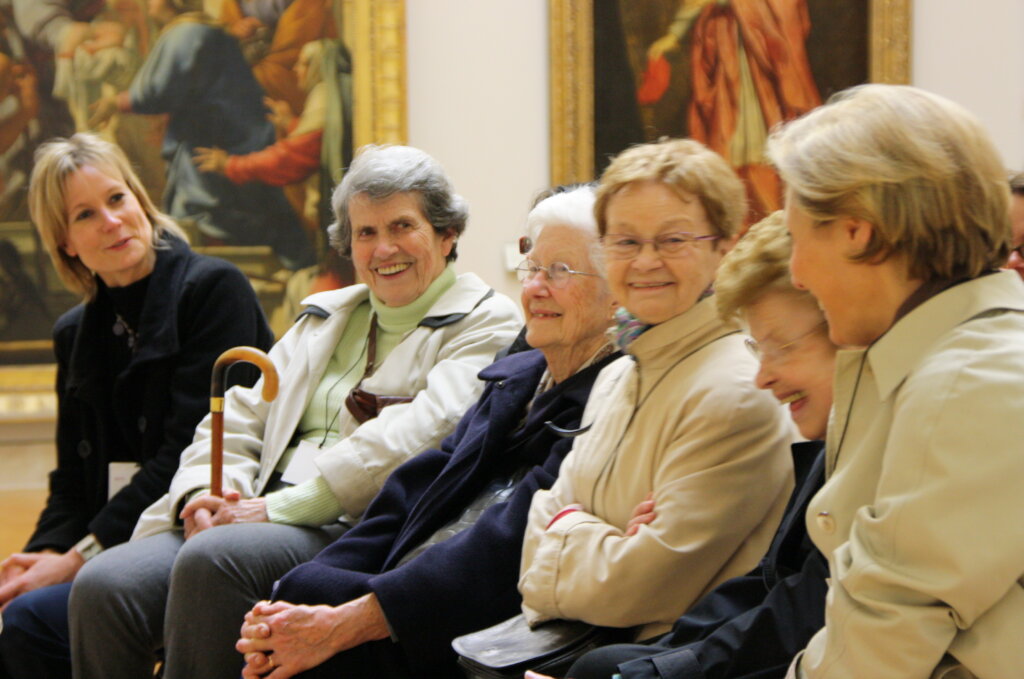
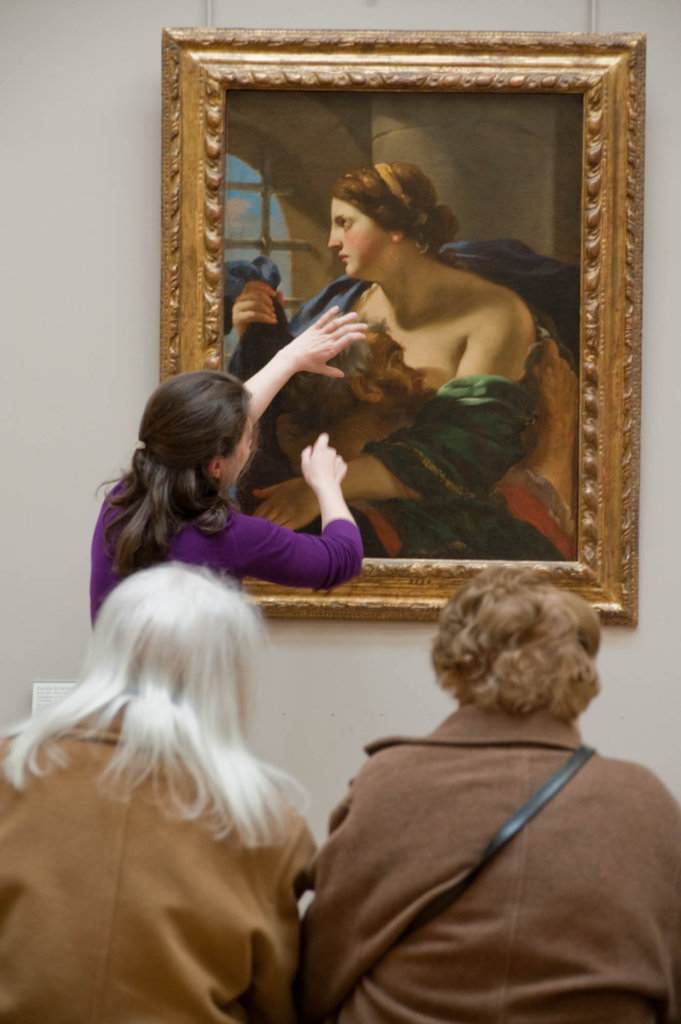
Each virtual visit includes the guided progressive discovery of four works of art, each in photographic format. This discovery occurs through a series of carefully adapted open questions, comments, explanations of key artistic symbols. The cultural, anthropological, historical, and/or artistic context is given, which allow the patient to concentrate on the structural elements of a work, and thereby to develop for themselves the meaning or significance of that work.
Benefits to caregivers:
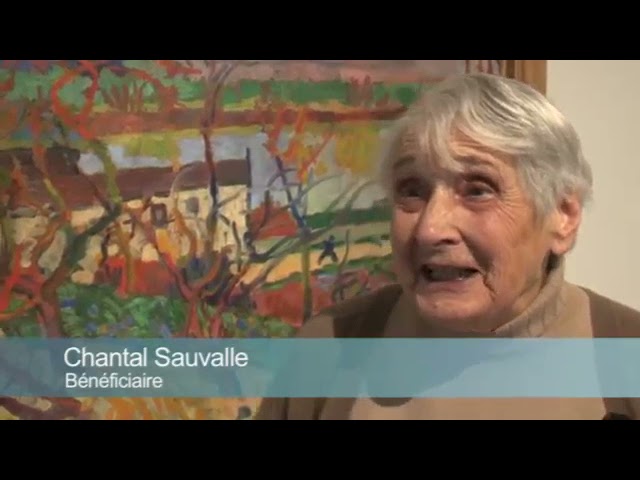
Testimonial from a volunteer:
I felt good…
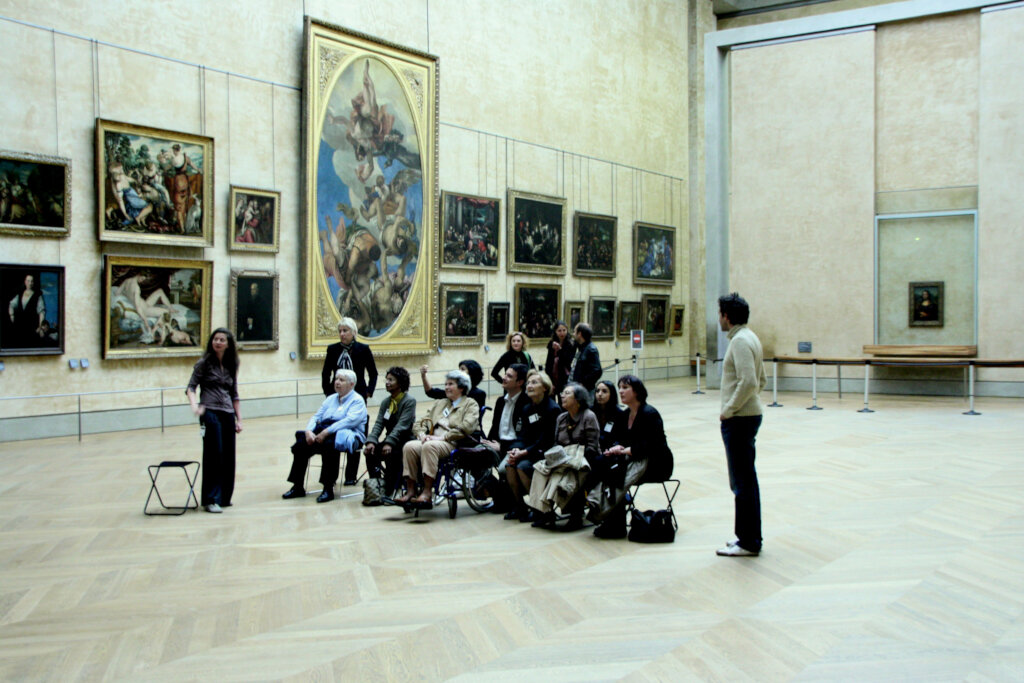
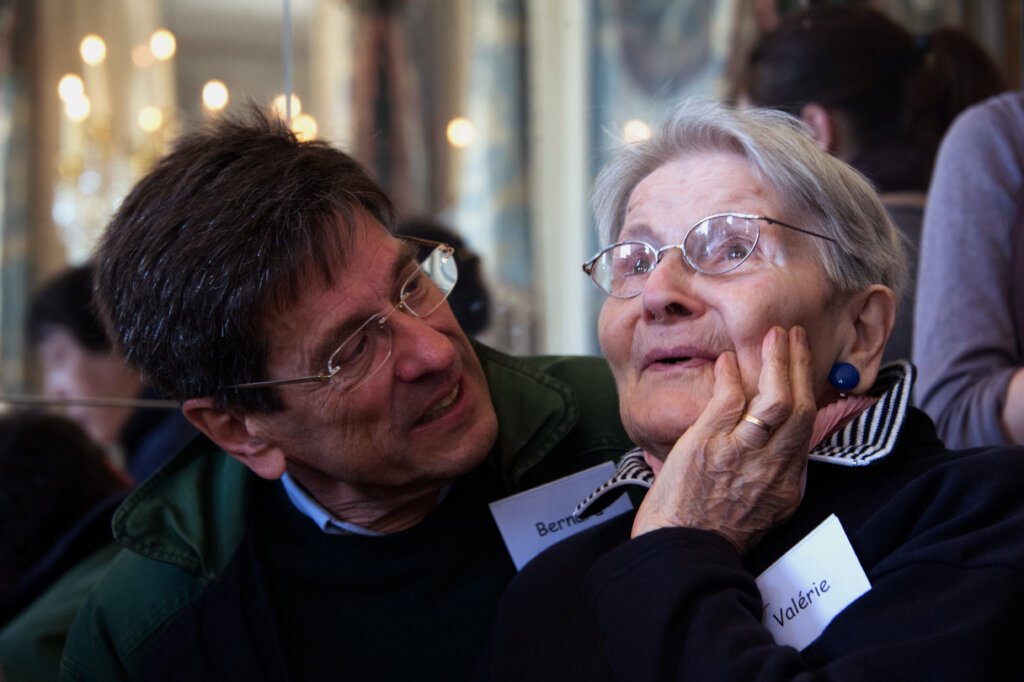
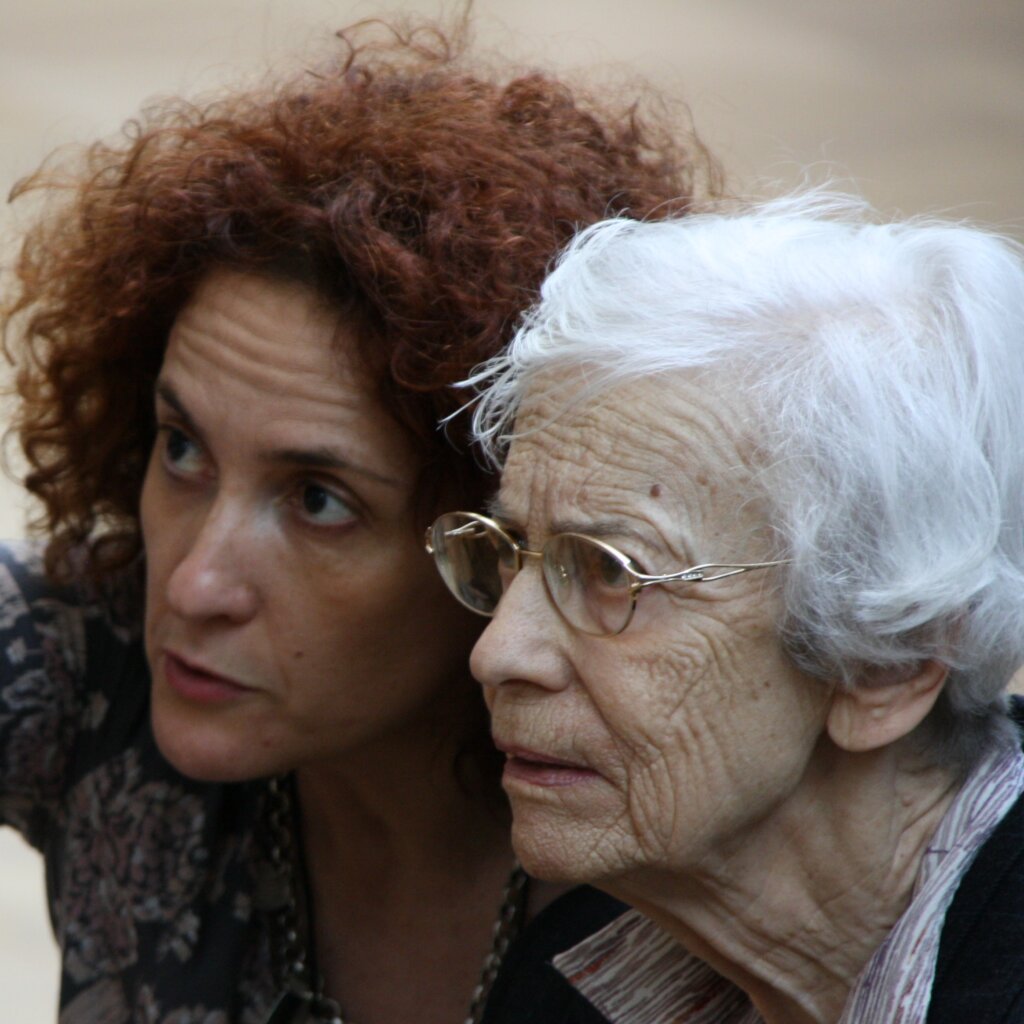
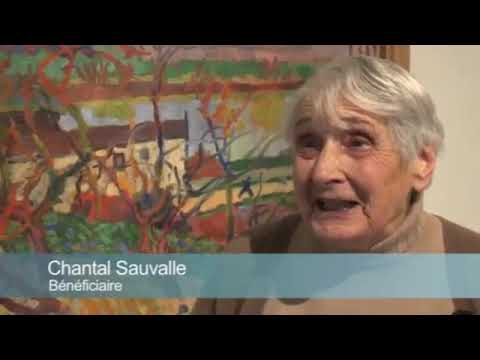
“This encounter was a privilege for me; I immediately felt like a member of the family. I wanted to give, but I was also expecting to receive something from the person. A gesture, a smile, their face lighting up was a reward for me that encouraged me to go further. I felt that she wanted to get out of her daily routine to go to the Louvre – she was very motivated to go with me. And that made me feel bigger; because I had the feeling that I could serve a purpose. I was going to give my time to someone who really needed it and who I was going to give some enjoyment to. And I realized then that we could give some time – it only took me two hours, but those two hours were very important for her and for me. I said to myself: I’m going to give her a lot, but she’s also going to give me a lot. My way of looking at life has changed. I understand now that if we all gave a little of our time to others, if only one hour a week, we’d gain so much from it. I realized that helping others was something I missed”.
Below you will find an example of our approach to the discovery of a work of art:
Guidage: Try to identify the blue, the yellow, the orange, the green and look carefully how he painted the stars.
The blue of the night dominates the composition. The painter chooses cobalt blue. This is the deepest blue for painting the night. It appears in the highest portions of the sky, at the peak of the steeples in the city, and on the edges of the shore. Van Gogh uses it in a variety of ways. He associates it with the artificial lights of the city and with the natural light of the stars. The stars are white dots surrounded by tiny lemon-yellow rays of light. The lights of the city are orange yellow. He adds touches of bronze/green for the wharf, on the water, and in the rays of light from the stars.
Guidage : Oppose the artificial lights of the city to the calm of the nature in the foreground.
There are no people in this starry space, except for the couple of lovers facing us. They seem lost or crushed by this infinity of blue. This work is based on the contrast between the dark mass of the water and the shimmering reflections of the city. Van Gogh enjoys opposing the vibrancy of the city, which we can guess from its artificial lights, with the silence of the night. These artificial lights might be gas lights shining from the terraces of cafes. The silence of nature answers the noisy, animated life of the human world. The water would be the boundary: on one side the nightlife in the city, on the other the quiet of the night, inspiring the lovers taking a walk.
If you wish, we would be pleased to invite you to take part in our annual meetings or to receive your opinion and testimony about the disease, our experience and our association.
We will post regularly on the website final reports of actions we have done with all the donations we receive.
Warmly
Cindy Barotte
Director of the ARTZ Association
For more information about the association here is the link to our website: www.actionculturellealzheimer.org
Links:
Project reports on GlobalGiving are posted directly to globalgiving.org by Project Leaders as they are completed, generally every 3-4 months. To protect the integrity of these documents, GlobalGiving does not alter them; therefore you may find some language or formatting issues.
If you donate to this project or have donated to this project, you can receive an email when this project posts a report. You can also subscribe for reports without donating.



Support this important cause by creating a personalized fundraising page.
Start a Fundraiser