By Antony Kingsley | Chief Executive Officer
In GuineaBissau, the rainy season brings isolation, flooding, and higher risks to water, sanitation, health, and food security. Women in remote villages face the greatest burden as caregivers, water collectors, and food producers. WellFound works to train and support women so they can manage these seasonal shocks and protect their communities.
Key RainySeason Challenges
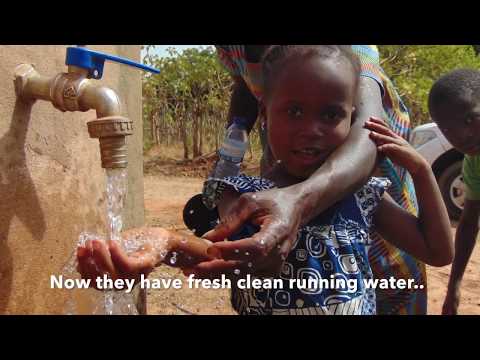
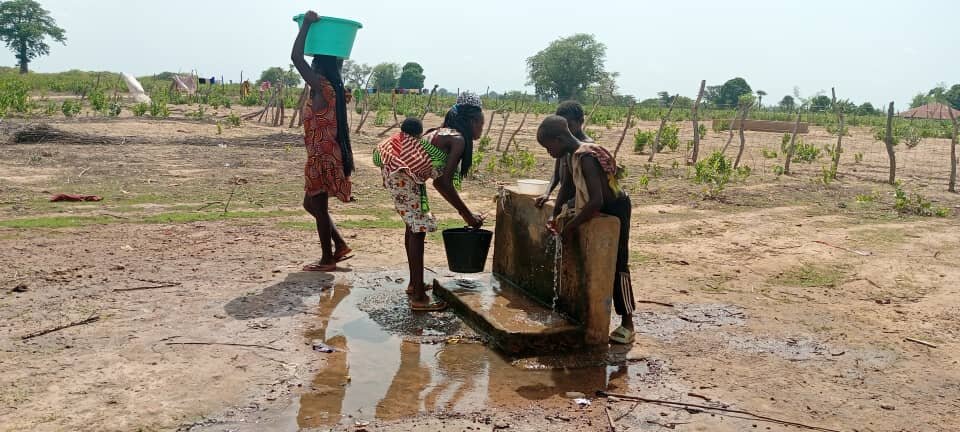
When rains are heavy, shallow wells flood and pumps break down, forcing families to use unsafe water sources. Latrines collapse in waterlogged soils, and menstrual hygiene becomes difficult to manage. Illnesses such as diarrhoea, cholera, and malaria rise, while poor road access prevents families from reaching clinics. Flooded gardens spoil crops and stored grains rot, leaving households with food shortages. The season also deepens isolation, increasing risks of genderbased violence and keeping many girls out of school.
How Women Manage These Challenges
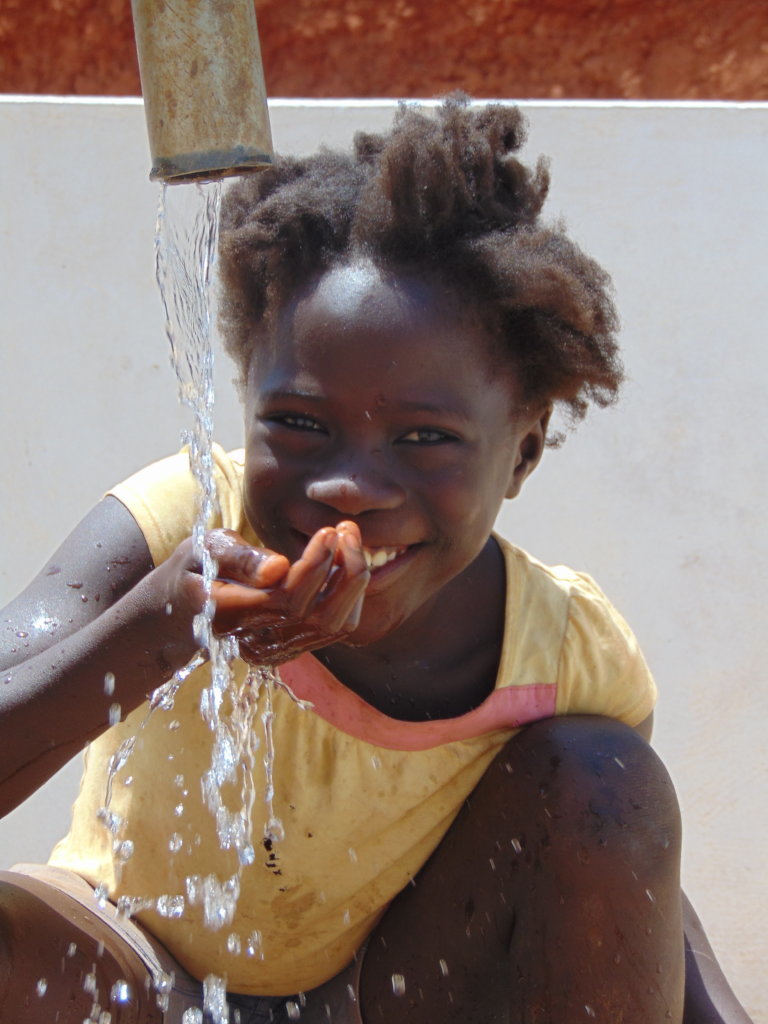
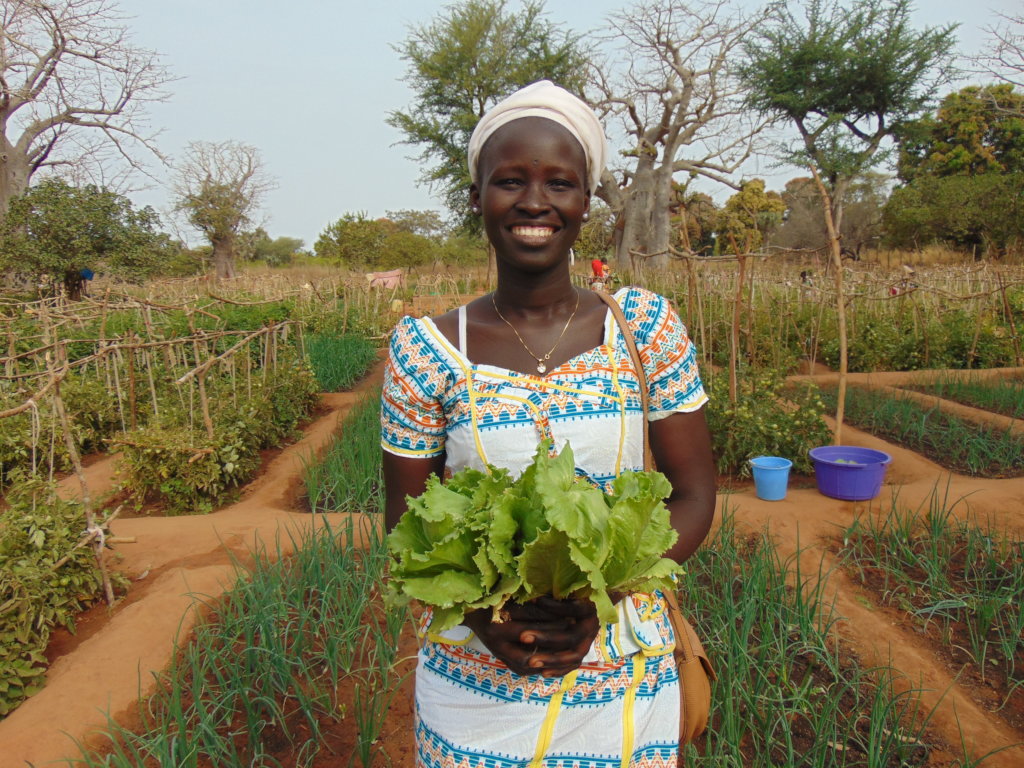
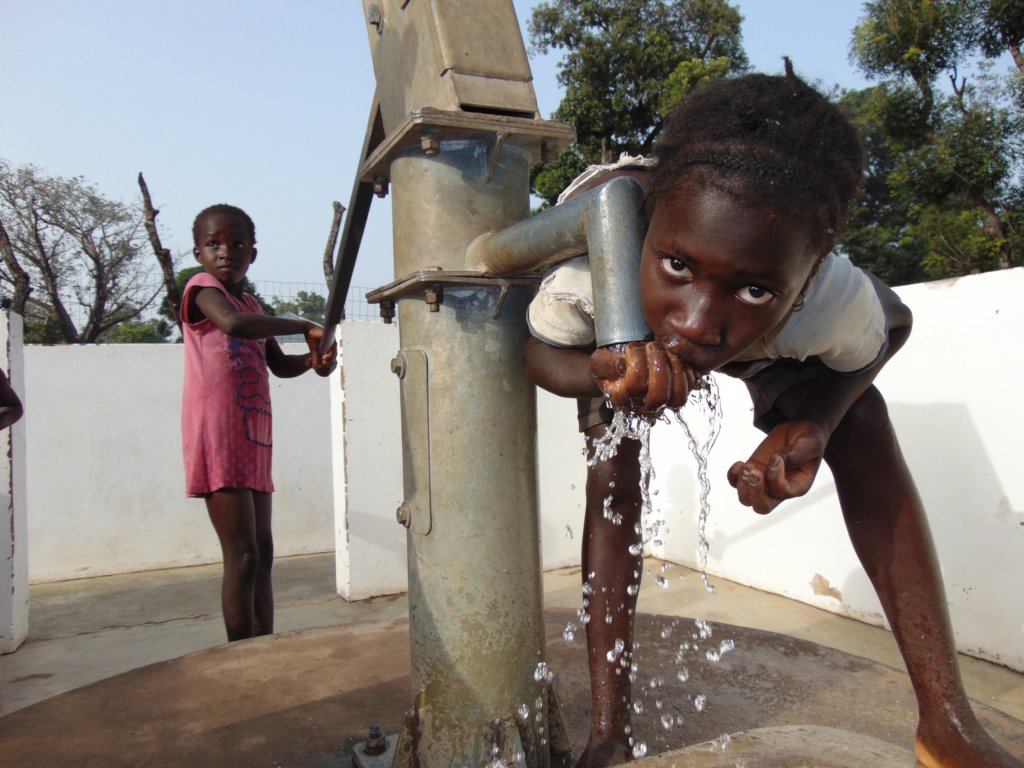
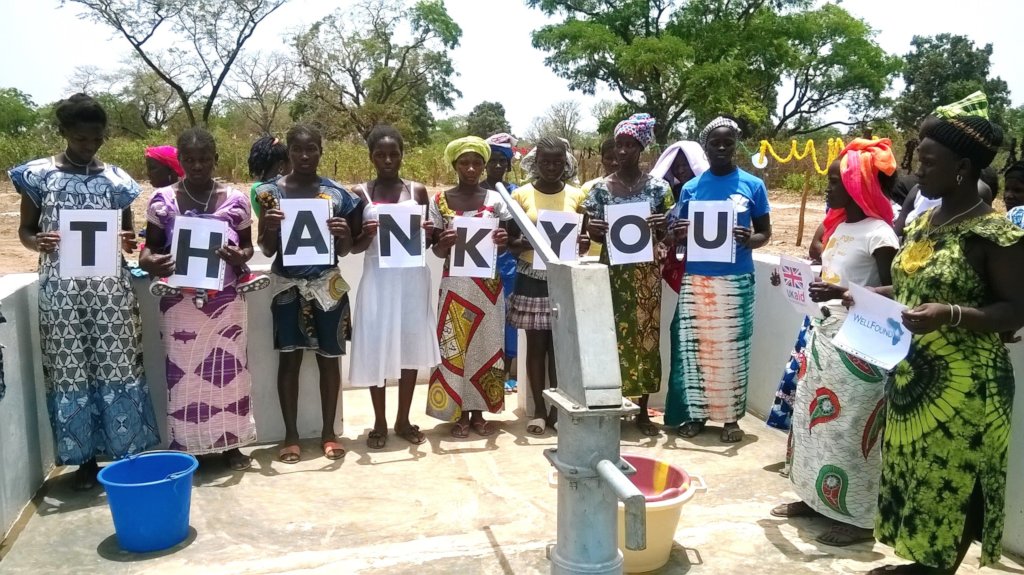
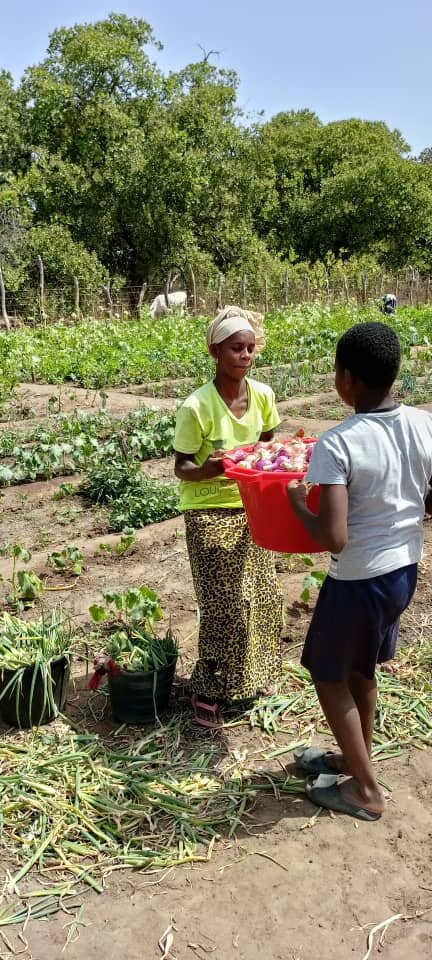
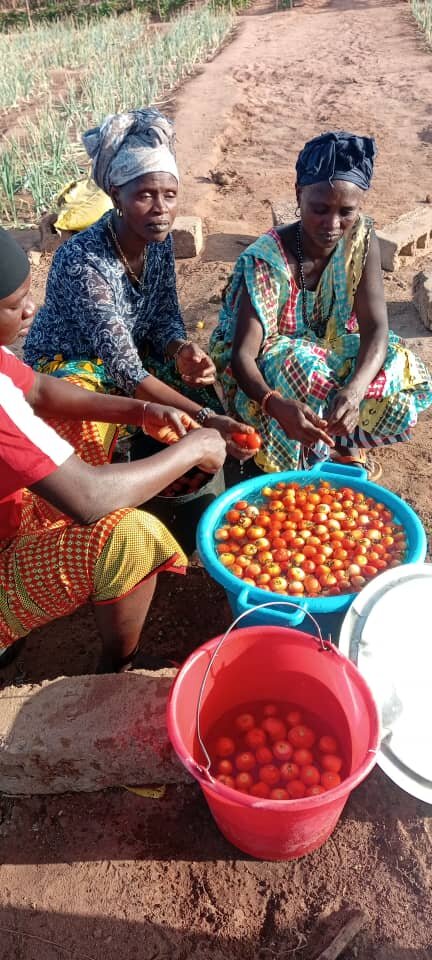
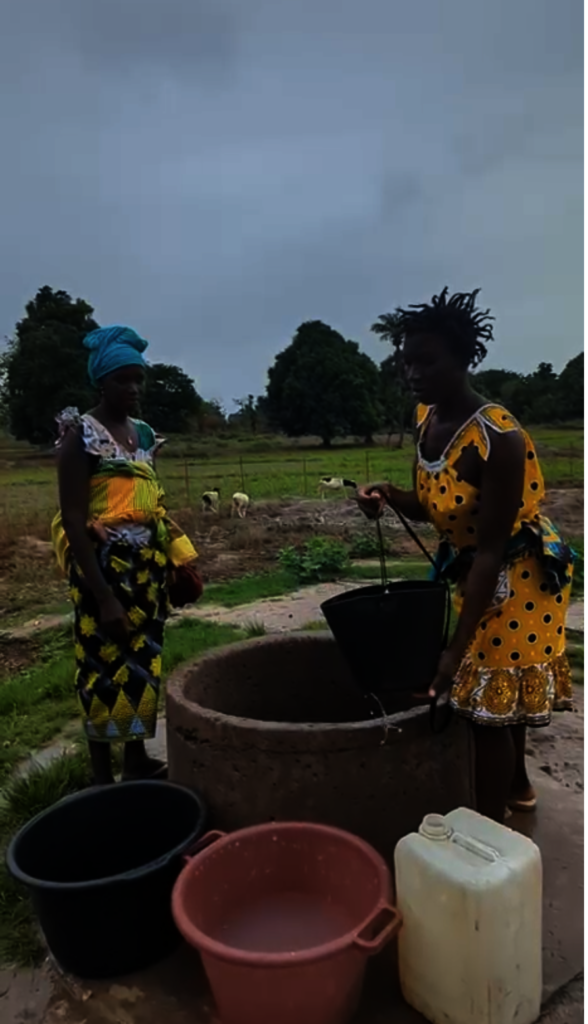
Women trained by WellFound lead local solutions. Pump caretakers repair handpumps, clear solar filters, and protect wells with sandbags, ensuring water remains safe. WASH Champions reinforce latrines, promote handwashing, and distribute reusable menstrual pads. They also teach families to prepare oral rehydration solutions and refer severe cases to health posts. Garden leaders raise beds, add drainage, and plant floodtolerant crops such as cassava and okra. They use drying racks to reduce spoilage and organise seed saving for future planting. Women treasurers manage savings groups, releasing emergency funds for urgent repairs, clinic visits, or food purchases, helping families survive periods of isolation.
How WellFound Assists and Upskills Women
WellFound provides training pathways that build women’s skills and leadership. WASH Champions learn hygiene promotion and outbreak response, pump caretakers gain maintenance and repair knowledge, garden leaders adopt climateresilient practices, and treasurers strengthen financial management. Before the rains, women prepare by stockpiling chlorine, reinforcing latrines, and mapping risks. During the season, they coordinate repairs and hygiene campaigns. Afterward, they reflect and adjust plans. WellFound also supplies toolkits, watertesting kits, seeds, and small grants, while linking women to district health and water services for faster response and recognition of their leadership.
Results Observed
Water points are repaired more quickly, reducing service interruptions. Families report fewer diarrhoea cases where women promote water treatment. Raised garden beds and floodtolerant crops maintain food supplies, improving nutrition even during floods. Savings groups provide emergency support, preventing families from selling assets in desperation. Women’s confidence and leadership have grown, with girls more involved in hygiene and nutrition activities.
Conclusion
The rainy season in GuineaBissau will always bring difficulties, but WellFoundtrained women are showing that these challenges can be managed locally. With the right skills, tools, and financial support, women keep water safe, gardens productive, and families healthier during the toughest months of the year.
Project reports on GlobalGiving are posted directly to globalgiving.org by Project Leaders as they are completed, generally every 3-4 months. To protect the integrity of these documents, GlobalGiving does not alter them; therefore you may find some language or formatting issues.
If you donate to this project or have donated to this project, you can receive an email when this project posts a report. You can also subscribe for reports without donating.



Support this important cause by creating a personalized fundraising page.
Start a Fundraiser