By David De La Rosa | Board Member
In honor of Hispanic Heritage Month and National School Lunch Week, Chef Ann Foundation Board Member David De La Rosa spoke with Latina leaders across the country about the critical role Latinos play in America’s school food system. From farm fields to cafeterias to advocacy at the policy level, their leadership is essential to feeding millions of children each day and shaping the future of school meals.
The Hungry Hand Who Feeds Us
Latinos power the food system, yet food insecurity continues to affect our communities. Today, 47 million people in the U.S. are food insecure, including nearly 14 million children. Four and a half million of those children are Latino. Latino children are twice as likely to face food insecurity than their white classmates.
Food insecurity is not only about having enough to eat, it is also about access to healthy, nourishing food that supports growth, learning, and well-being. Many families are forced to rely on low-cost, highly processed foods because healthier options are out of reach.
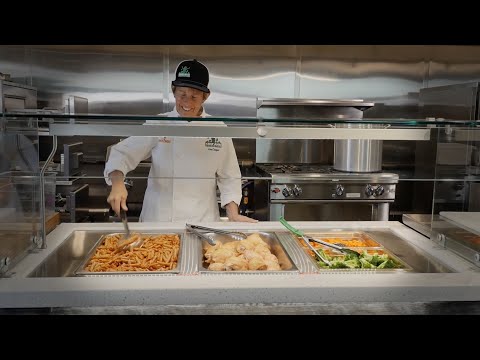
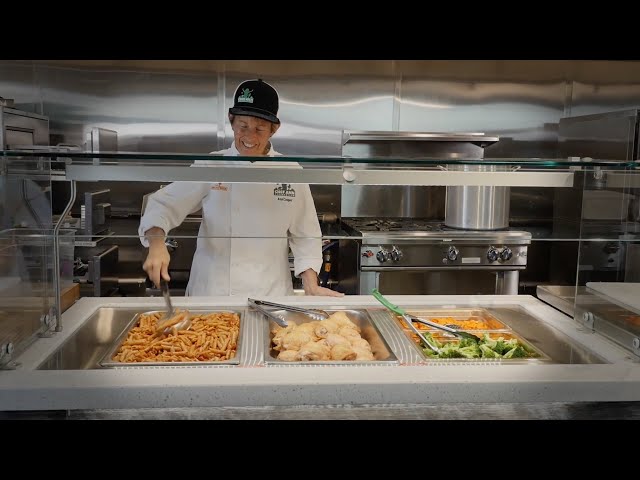
Investment in healthy, scratch-cooked school food is a solution. For millions of children, it is the most reliable source of daily nutrition, and one of the most direct ways to fight hunger and support academic success. The positive impact is far-reaching and worthy of significant investment across the food system, including the workforce that sustains it.
Sindy Benavides, Founding Executive Director of Aquí, put it clearly: “Latinos play an interdependent role in the school food system, from cultivating and planting to the food that’s served on the plate. And culturally, we are people who nourish and give. It’s an organic fit.” The food system thrives when this leadership is visible and valued.
Mothers at the Frontlines
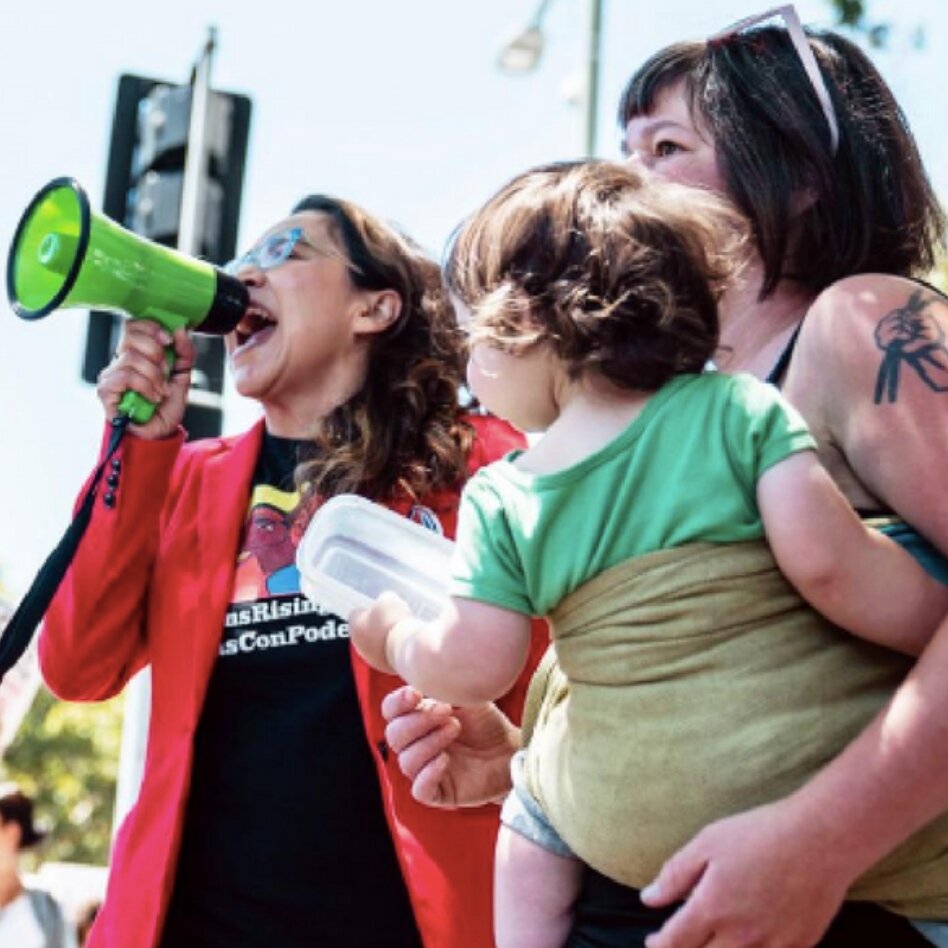
Latina mothers are driving change in school food from the ground up. They push districts and policymakers to act, fighting for relevant, healthy meals and defending the programs that keep millions of children fed. Xochitl Oseguera, Vice President of MamásConPoder, works with mothers across the country to show them how to educate legislators, testify at school board meetings, collect signatures in support of universal school meals, and make issues such as food insecurity visible. For these mothers, advocacy is about more than nutrition. It is about health, identity, and stability.
“When we have culturally relevant meals, kids feel proud of who they are. They see their culture not as intrusive but as belonging.” - Xochitl Oseguera, Vice President of MamásConPoder
Fear Shouldn’t Decide Who Eats
School food professionals bring essential knowledge to how school food works, from what children will eat to how cafeteria systems operate and how culture belongs on a lunch tray.
Benavides spoke about how national rhetoric and shifting immigration policies have created a climate of fear. Some families avoid engaging with schools altogether. Oseguera described parents who hesitate to attend meetings or share information because of immigration raids and family separations. This fear reaches the cafeteria, influencing whether families feel safe filling out forms for free and reduced-price meals.
A Future Built on Leadership
Food insecurity is a solvable issue, one that deserves every ounce of our collective effort to address. In a nation that grows more than enough food to nourish everyone, food access is not a matter of scarcity but of will and systems. Every child deserves to know where their next meal comes from and access to nutritious meals that fuel their learning, health, and growth.
Making this vision a reality depends on systemic change and the people driving it, and Latino leadership is already at the forefront. Passionate leaders work across multiple fronts to ensure leadership is represented, resourced, and reflected in the systems that feed children. The Chef Ann Foundation works every day to transform school food through district-level support, comprehensive workforce training, and advocating for policies that ensure every child has access to healthy, scratch-cooked meals.
Links:
Project reports on GlobalGiving are posted directly to globalgiving.org by Project Leaders as they are completed, generally every 3-4 months. To protect the integrity of these documents, GlobalGiving does not alter them; therefore you may find some language or formatting issues.
If you donate to this project or have donated to this project, you can receive an email when this project posts a report. You can also subscribe for reports without donating.