By Jo B | Supporter Care
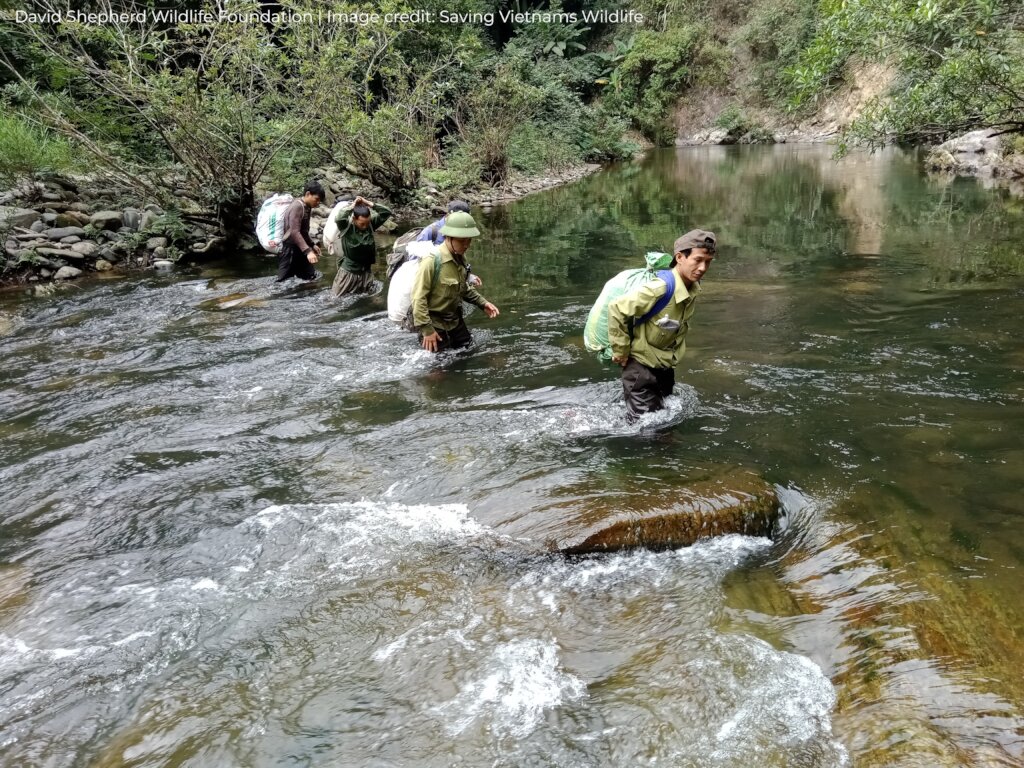
Thank you for your continued support of rangers on the frontline of conservation across Africa and Asia. We are pleased to share with you some key highlights and statistics from our supported rangers the past six months:
Zimbabwe focus
The last six months have been extremely challenging for our ground-based conservation partners in Zimbabwe due to the escalating costs of operations due to large increases in fuel prices and the costs of commodities, including rations for the rangers. This is forcing them to ration fuel, which negatively impacts operations and patrols.
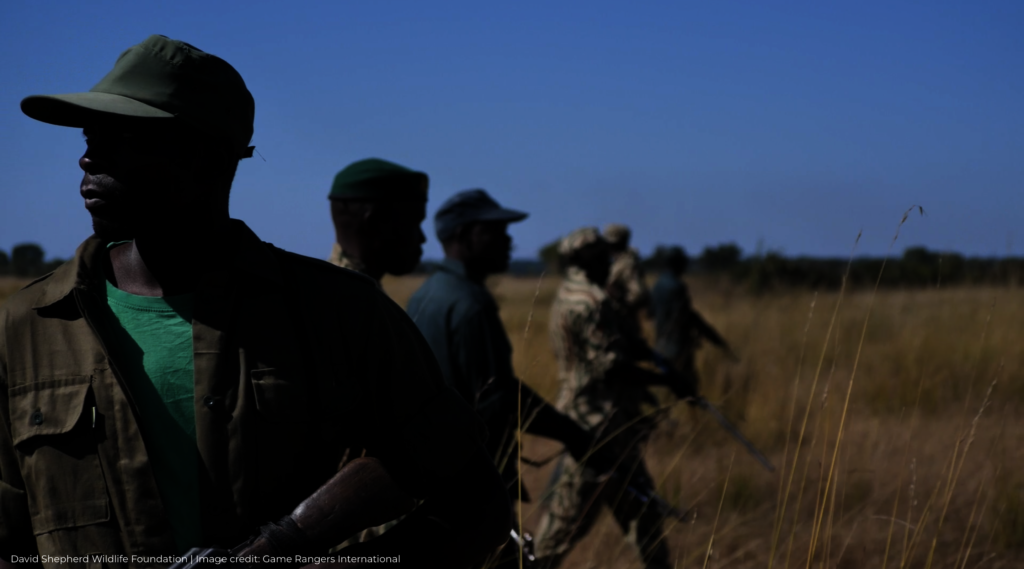
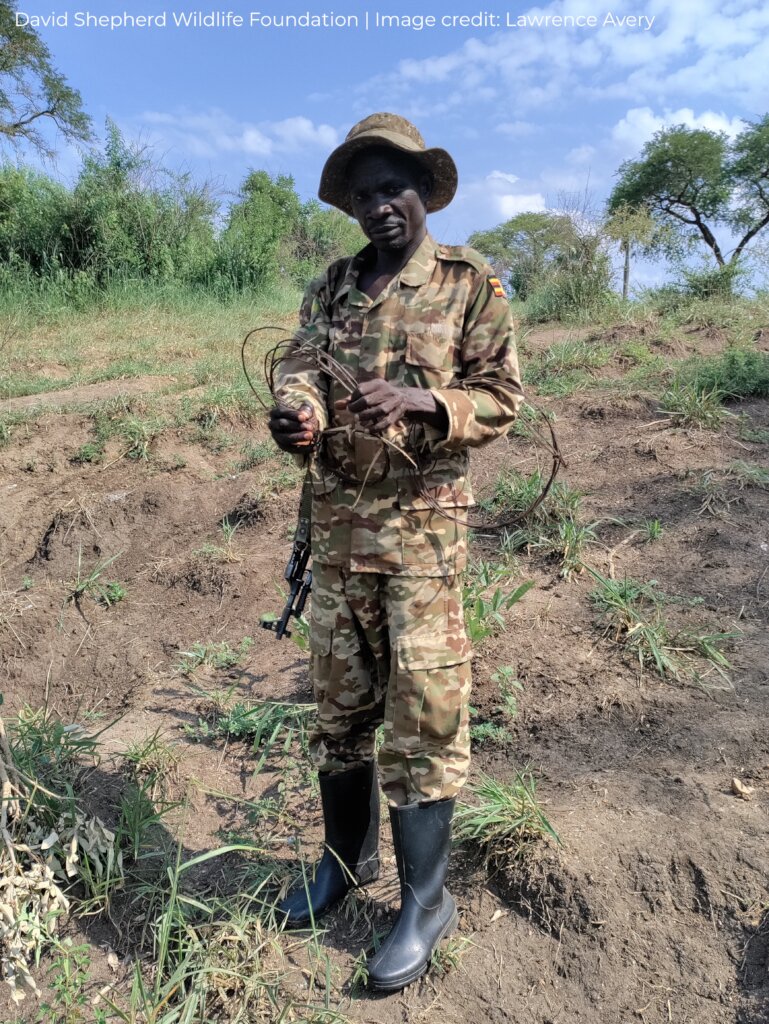
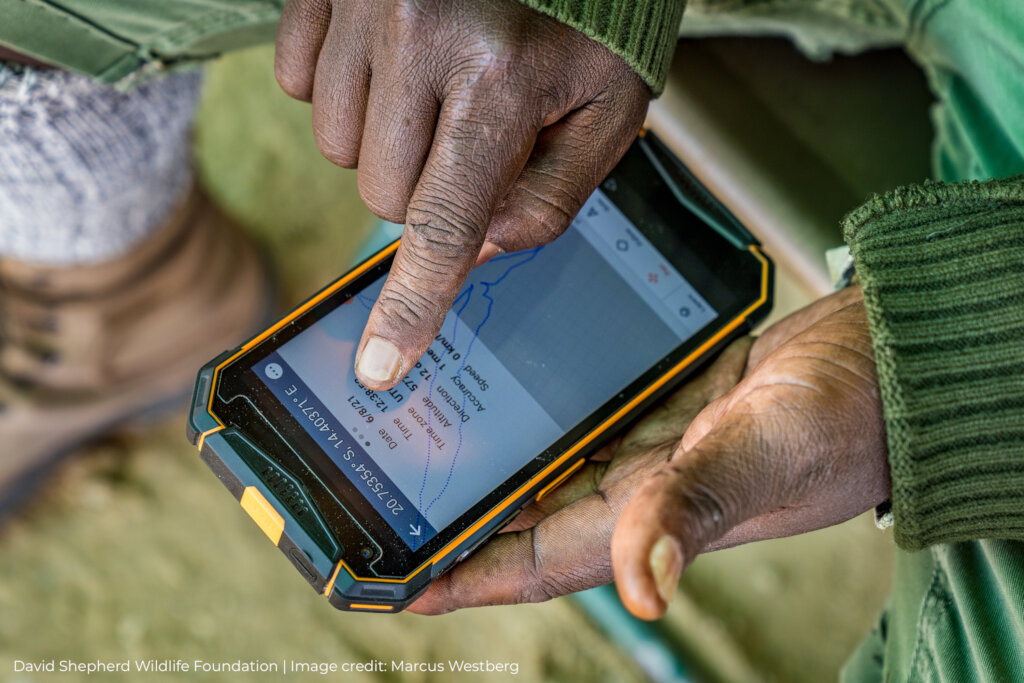
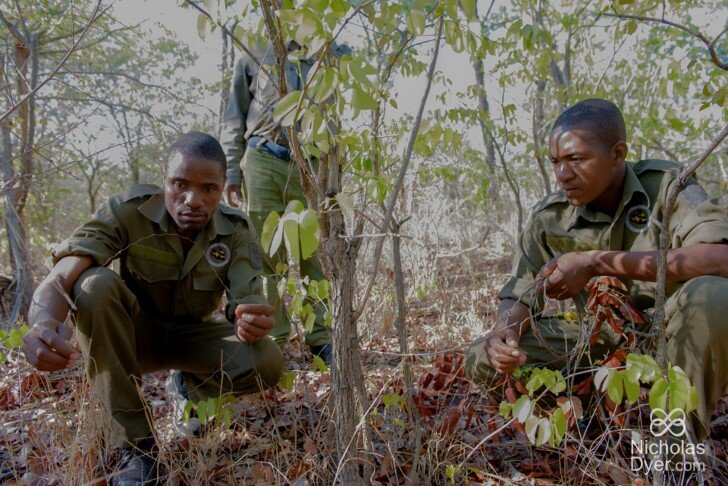
However, with DSWF’s continued support our partners have not yet had to reduce their activities. Poaching trends have remained about constant in the past six months. 16 rangers supported by DSWF over the past six month have been able to meet their patrol targets, patrolling for a total of 5,464 hours and covering a total of 15,446 kilometres.
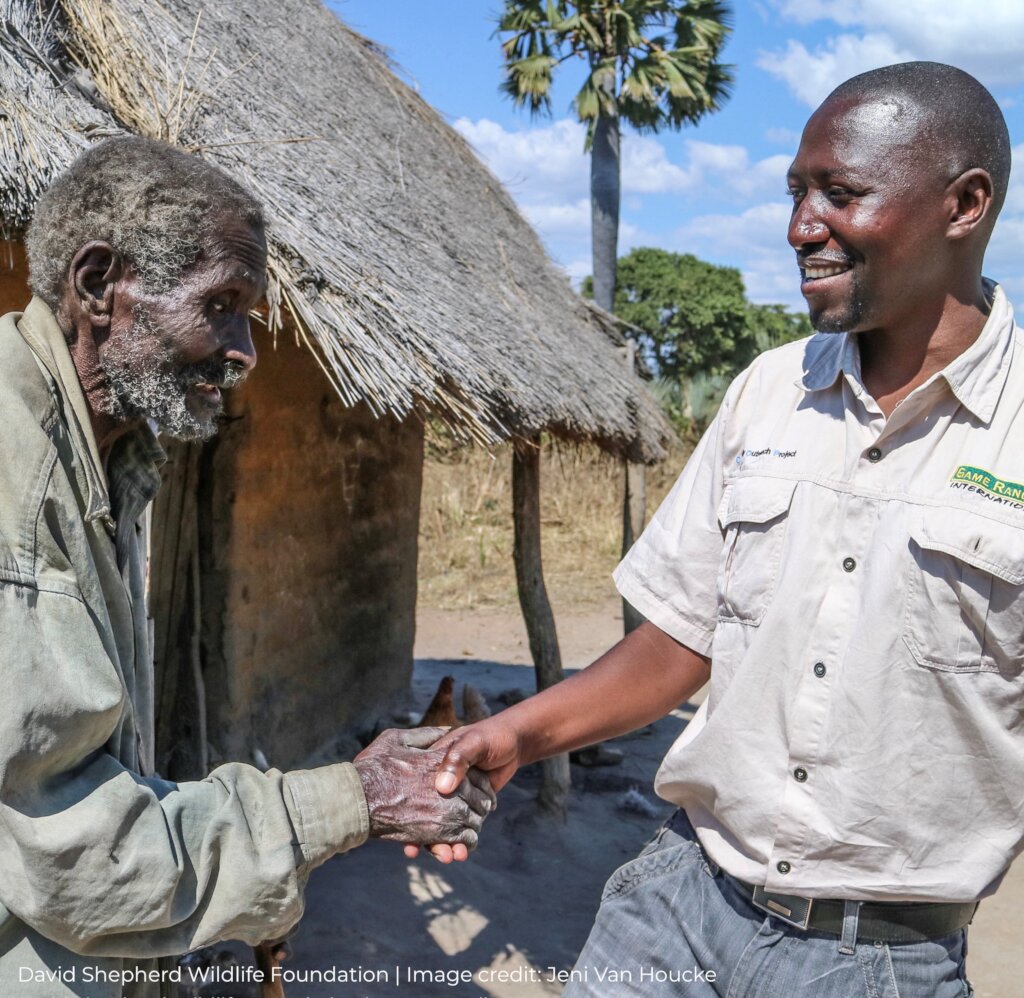
The work of the professional Anti-poaching unit has been bolstered by a beneficial and successful collaboration with several community anti-poaching units, most notably the Mabale Community Anti-Poaching Unit. The relationship with this community group arose out of the need for increased ranger presence during the worst of the pandemic but it has continued since. The stipend the community unit receive significantly boosts the local economy at a time when opportunities are still scarce because of the impacts of the pandemic.
Having seen the success of the Mabala unit, many nearby communities are replicating their efforts and making their villages safer for livestock and wildlife. These are communities living on the edge of Hwange National Park who battle with wildlife co-existence challenges on an almost daily basis, so is very encouraging to see such positive community engagement. In addition, other communities are starting to show interest in setting up a voluntary community anti-poaching units of their own.
Namibia focus
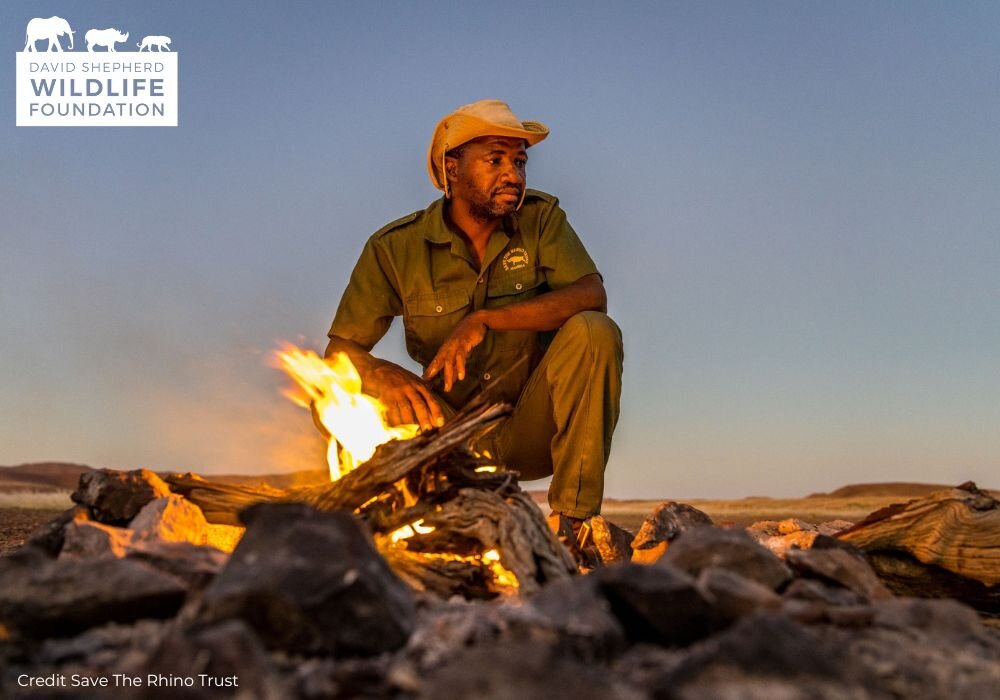
The continued outstanding efforts of our ground-based partners on the ground in Namibia mean that it is now 28 months since a rhino has been poached in the area that they protect. This is a huge achievement and has contributed to an 80% drop in poaching in the last five years compared to the previous five.
However, despite the successes of the last six months and beyond, it is becoming increasingly challenging for our teams to maintain such a strong ranger presence. Fuel and field ration costs have increased significantly due to the global cost of living crisis, placing considerable strain on resources on top of regular vehicle challenges and breakdowns as the old vehicles currently in use increasingly struggle to cross the harsh terrain in the region.
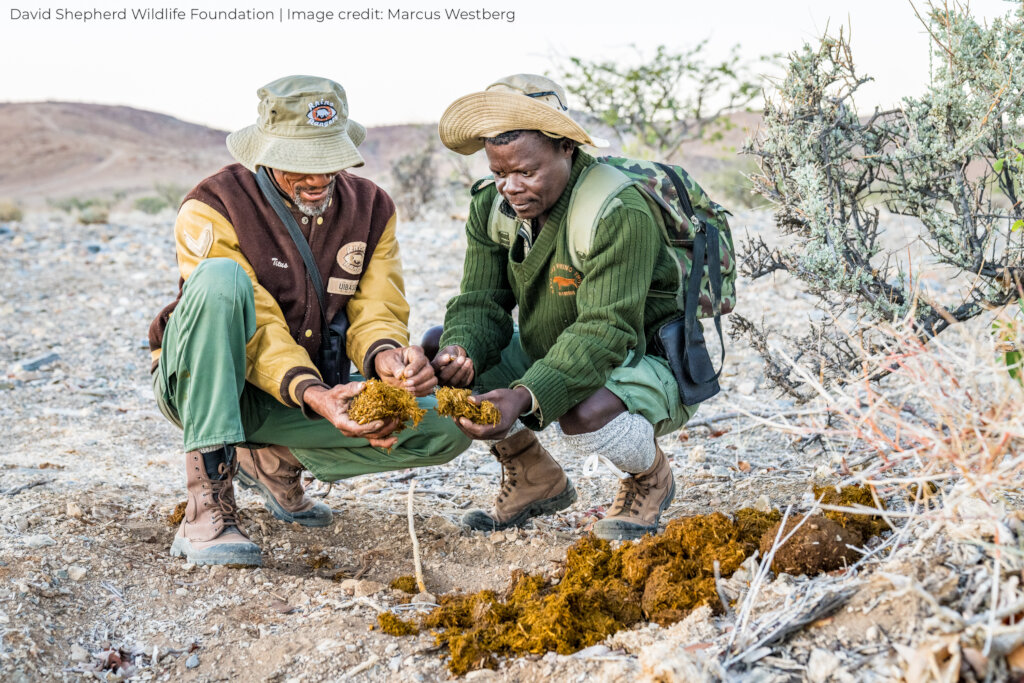
With DSWF’s long term and reliable support for anti-poaching our partners have remained able to sustain ranger patrols in the last six months. Team field days, ranger field days, and foot kilometers have all increased and ranger field days are now over 1,000 a month for the first time. The biggest increase has been in patrol kilometers which reports show have increased by over 10,000km in the last six-month period. In addition, the mounted unit who patrol on Mules are now fully active and are conducting regular patrols into specific hard to access areas. Due to the ongoing and constant presence of rangers in the field this providing a large deterrent to would-be poachers. Funding from DSWF is used to keep rangers employed, supported, and equipped in the field thereby your support is hugely contributing to the success currently playing out in the region.
Stay up to date with our work and how your generous support is making a difference, receive exciting wildlife conservation stories and hear about forthcoming campaigns, fundraising initiatives and events: Stay In Touch
Project reports on GlobalGiving are posted directly to globalgiving.org by Project Leaders as they are completed, generally every 3-4 months. To protect the integrity of these documents, GlobalGiving does not alter them; therefore you may find some language or formatting issues.
If you donate to this project or have donated to this project, you can receive an email when this project posts a report. You can also subscribe for reports without donating.



Support this important cause by creating a personalized fundraising page.
Start a Fundraiser