By Camilla Capel | Development Executive
The people who make protection possible
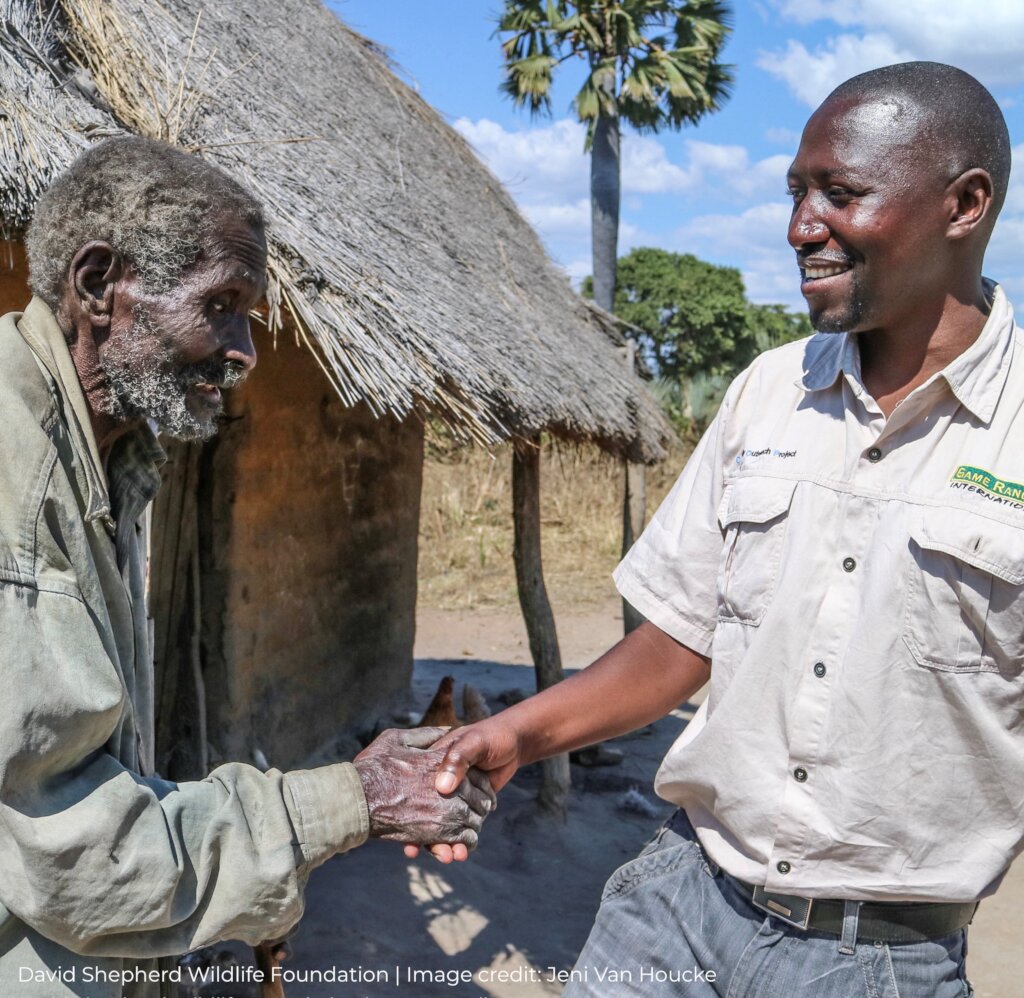
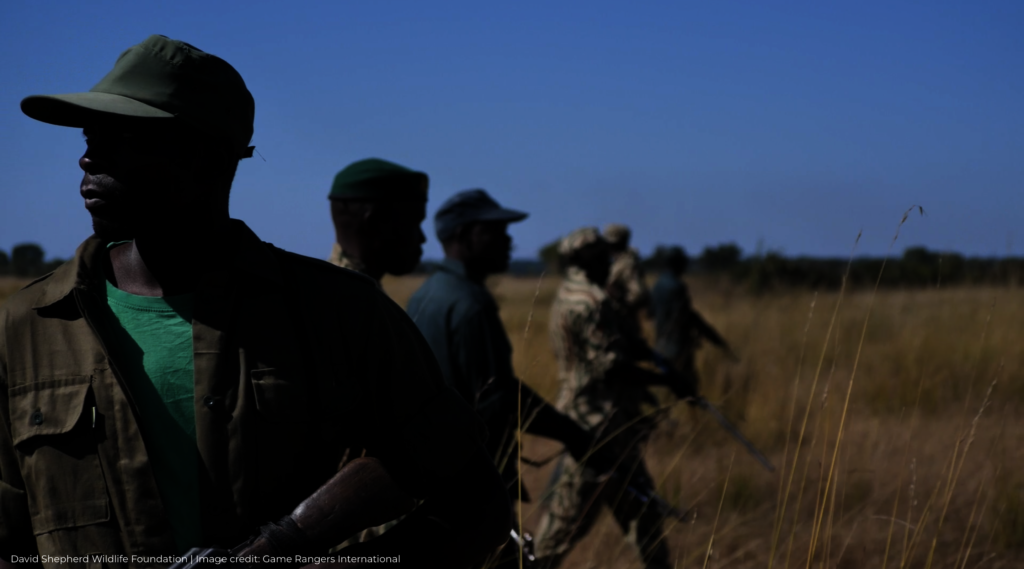
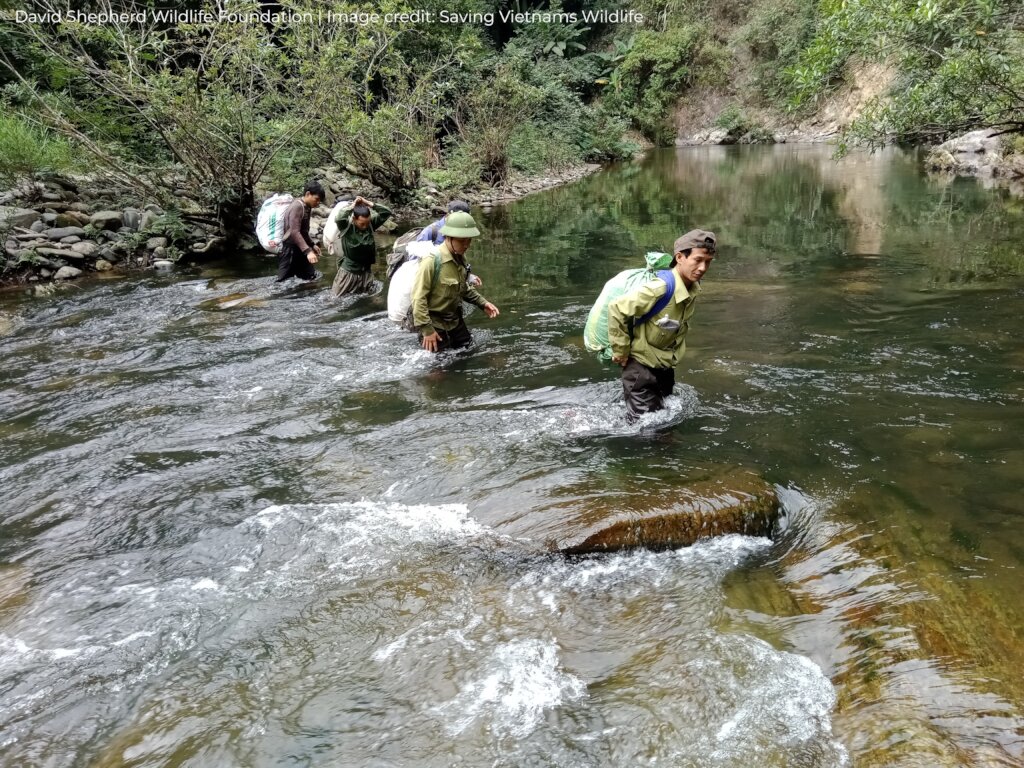
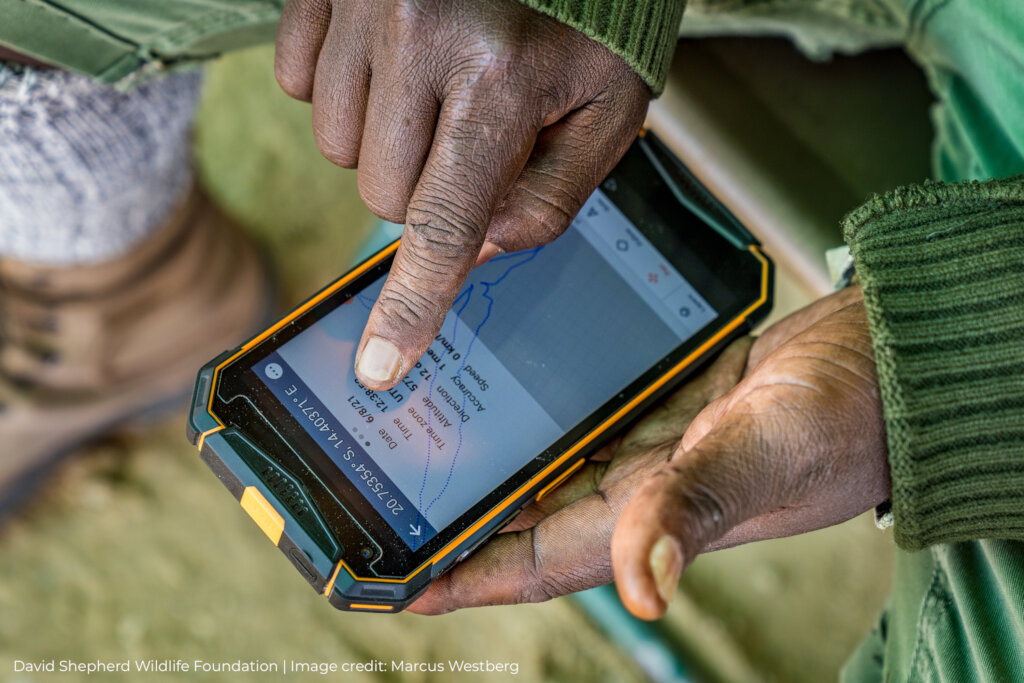
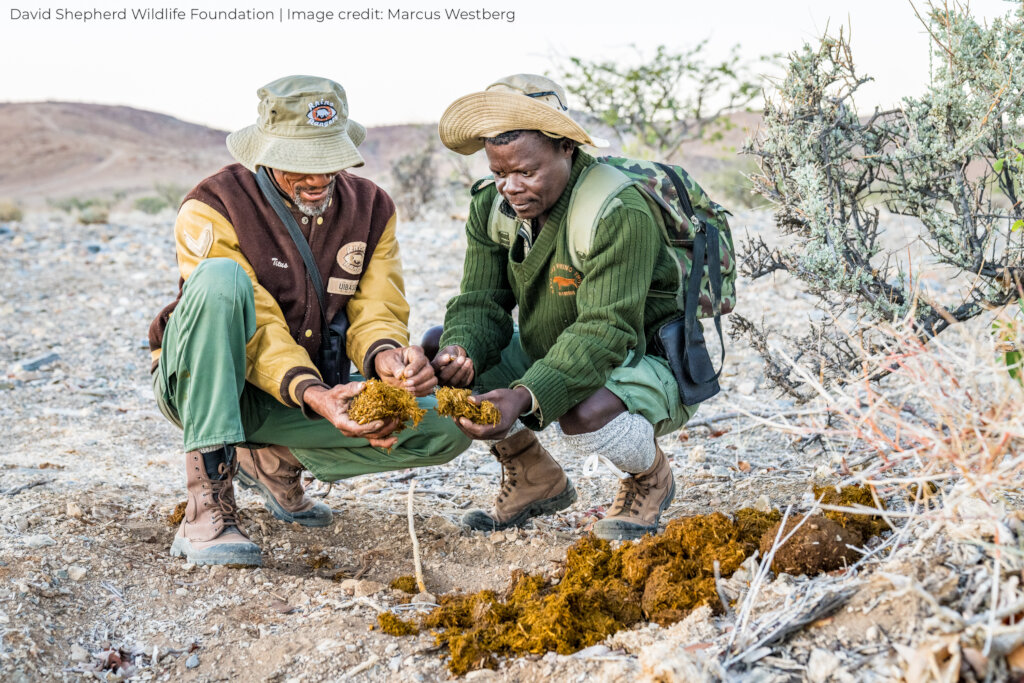
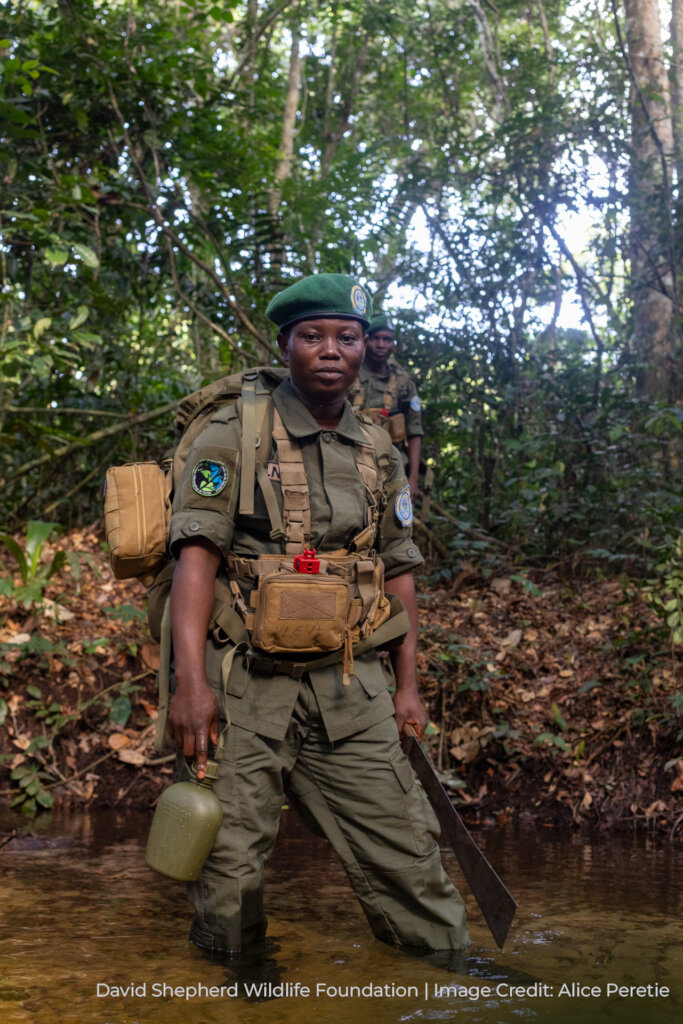
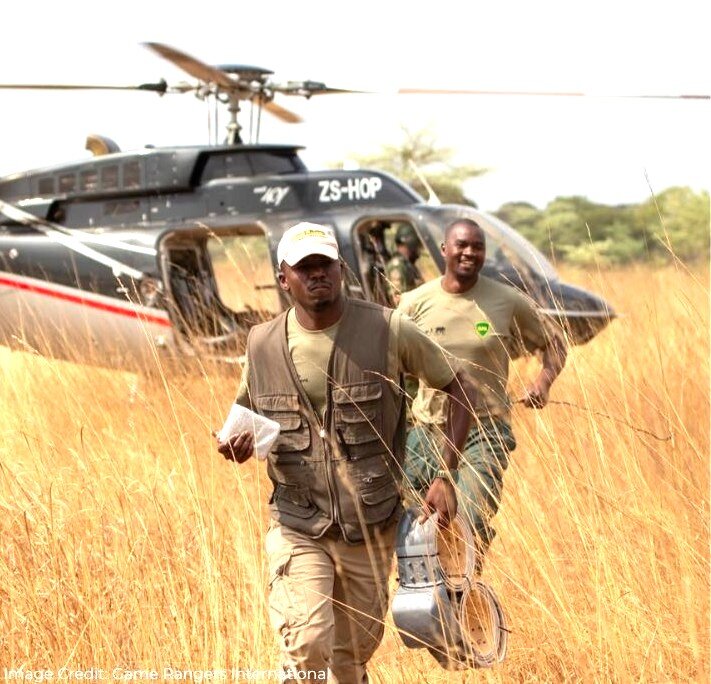
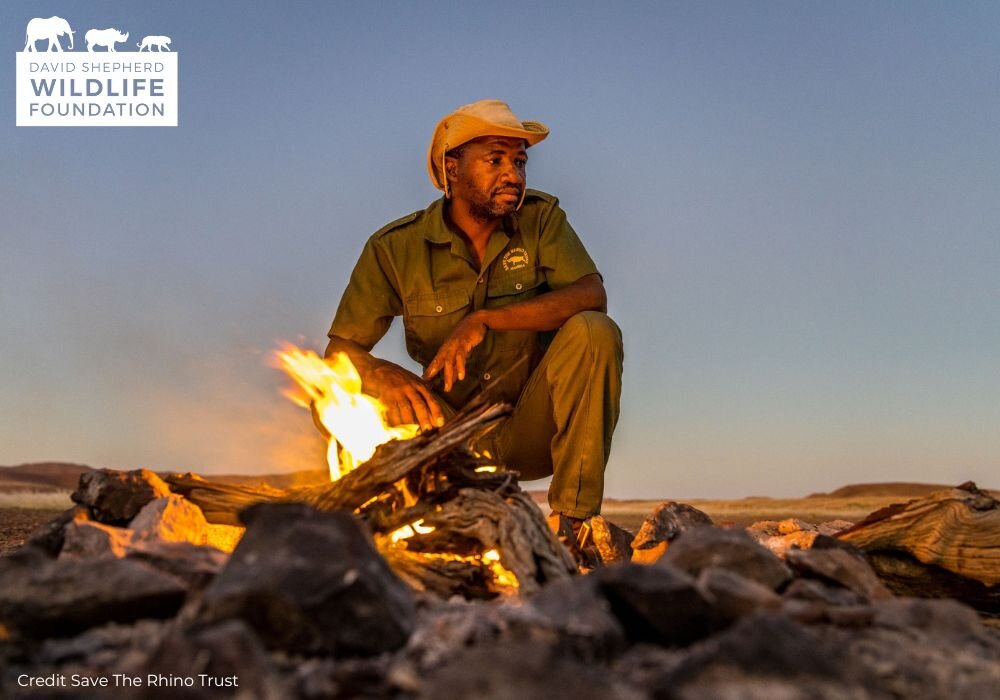
Behind every rhino sighting, every snare removed, every confiscated weapon and every rescued animal are people who choose to stand between wildlife and danger. Rangers, community scouts, wildlife police officers, guards and monitoring teams are the backbone of conservation, often working in challenging conditions to protect some of the world's most threatened species.
Across our supported projects, rangers and field teams covered 340,286 kilometres on foot patrols. Their efforts contributed to 110 weapons being seized, 134 arrests and 57 successful convictions.
Zimbabwe
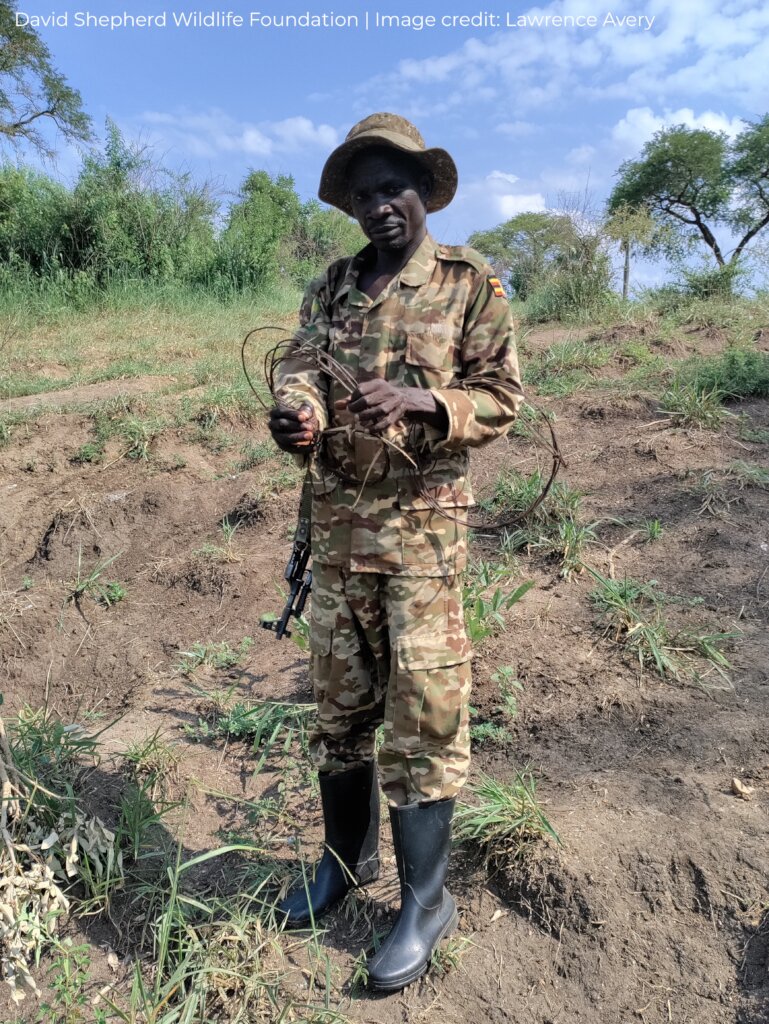
In Zimbabwe, our conservation partners painted dog anti-poaching teams completed 2,779 patrol days, spent 17,449 hours in the field and covered 39,226 kilometres across a 21,000 km² operational landscape. Rangers recovered more than 4,700 snares, arrested 15 poachers and secured 15 successful convictions.
Their dedication was particularly evident during efforts to protect the Umkhonto pack, when more than 70 scouts helped establish a protective perimeter around a vulnerable den site, giving the pack and its pups a safer chance of survival.
Zambia
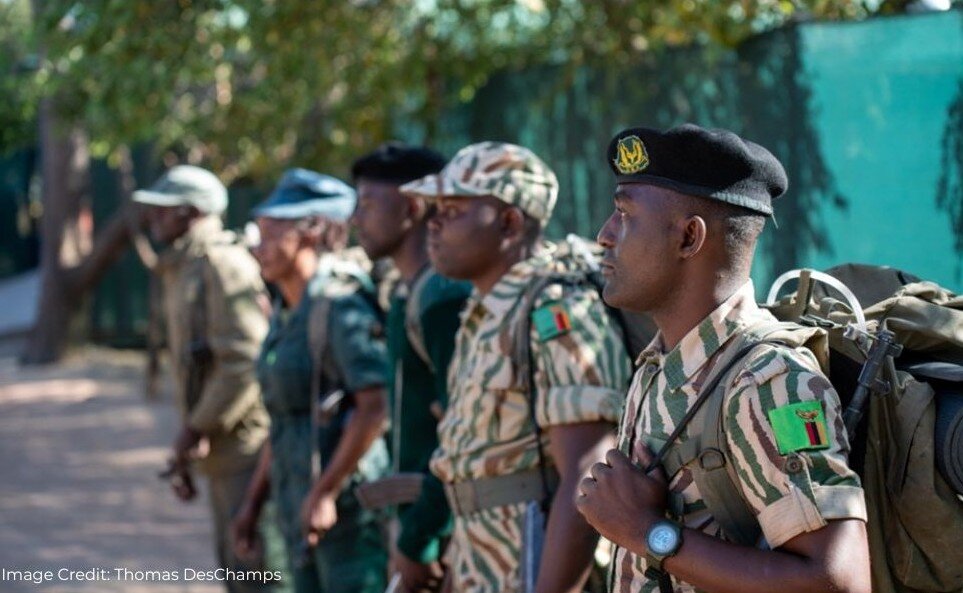
In Zambia, our conservation partner’s ranger teams completed 10,234 patrol days and covered 36,133 kilometres across the Nkala and Namwala Game Management Areas. These operations led to 51 wildlife crime arrests, the seizure of 38 weapons and illegal tools, and 13 successful convictions.
GlobalGiving helped directly support 121 frontline personnel, including Wildlife Police Officers, Community Scouts and GRI staff, helping to ensure that conservation teams had the people and resources needed to respond effectively on the ground.
The return to operation of the Savanna Aircraft further strengthened aerial monitoring and surveillance, improving coverage across difficult-to-access areas of this vast landscape.
Namibia
In Namibia, our conservation partner teams recorded 4,334 verified rhino sightings, 5,380 team field days, 10,762 ranger field days and more than 55,132 kilometres of foot patrols. DSWF directly supported seven field rangers as part of a wider conservation effort spanning approximately 29,000 km².
Supporting rangers goes beyond patrols alone. During the year, teams received first aid training, awareness sessions focused on wellbeing, gender-based violence and mental health, as well as advanced ranger and leadership training to strengthen both skills and resilience.
India and Thailand
In India, your support for our conservation partners helped equip 270 Village Defence Patrol members and maintain four K9 sniffer dog units. The project also delivered four legal orientation workshops for 210 police, forest, judicial and border security officials, strengthening the networks needed to tackle wildlife crime effectively.
In Thailand, our conservation partner’s ranger-focused work in the Dong Phayayen-Khao Yai World Heritage Site resulted in approximately 42,000 kilometres patrolled, 52 poachers apprehended, 21 firearms seized and 36 convictions.
Looking ahead
Your support does more than fund patrols. It helps provide equipment, training, wellbeing support, field capacity and the reassurance that these dedicated teams are not working alone. Every kilometre walked, every snare removed and every successful intervention is made possible by people on the ground and supporters like you standing behind them.
By Camilla Capel | Development Executive
By Camilla Capel | Fundraising and Events Executive
Project reports on GlobalGiving are posted directly to globalgiving.org by Project Leaders as they are completed, generally every 3-4 months. To protect the integrity of these documents, GlobalGiving does not alter them; therefore you may find some language or formatting issues.
If you donate to this project or have donated to this project, you can receive an email when this project posts a report. You can also subscribe for reports without donating.



Support this important cause by creating a personalized fundraising page.
Start a Fundraiser