By Camilla Capel | Development Executive
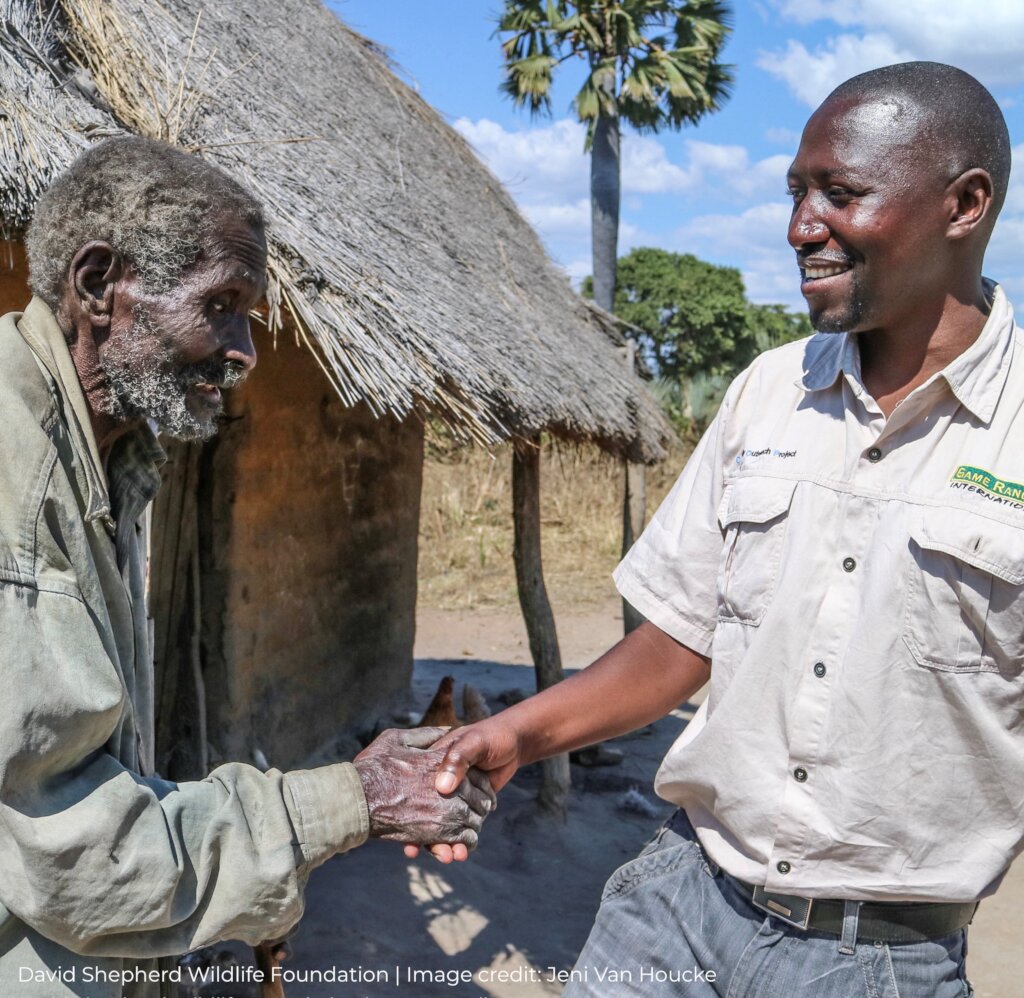
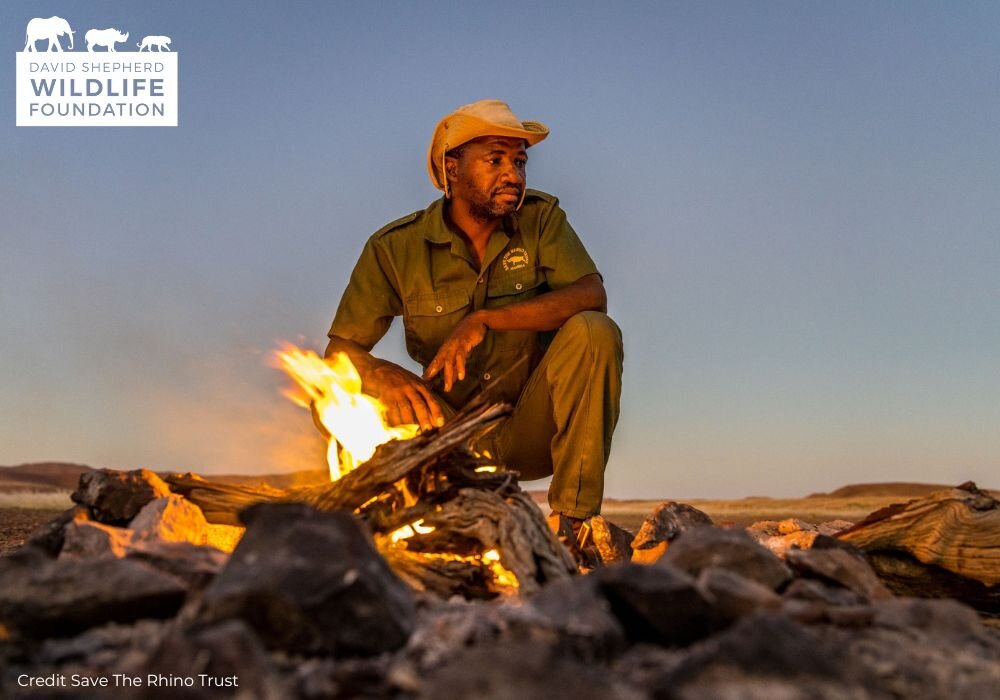
As 2026 unfolds, we’re excited to share new updates on the impact of your support on the Wildlife Rangers DSWF is proud to work with. Already, it is proving to be another remarkable year of achievements in wildlife rescue, rehabilitation, and habitat protection.
Rhino Protection: Community Guardians and Blockchain Technology
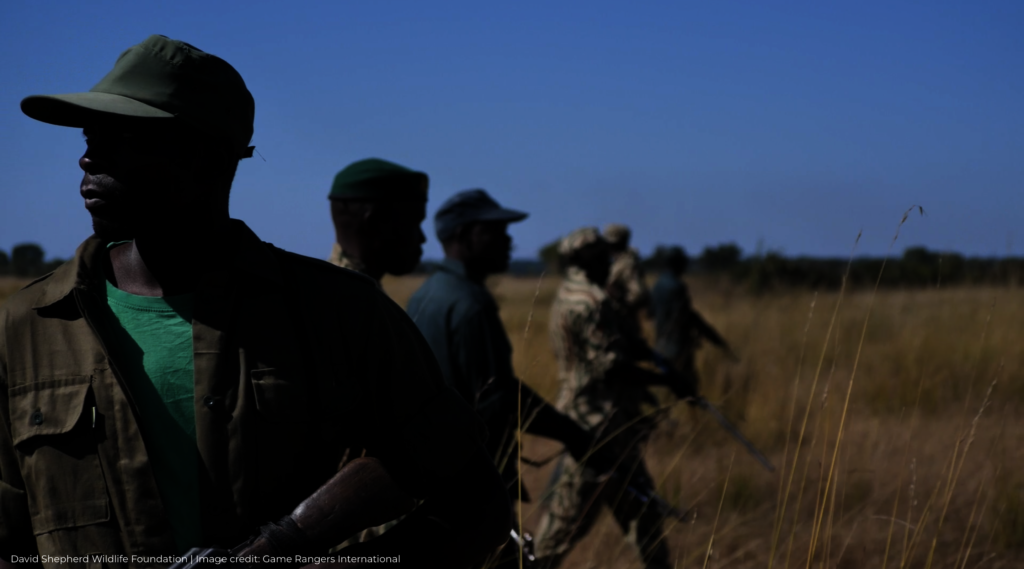
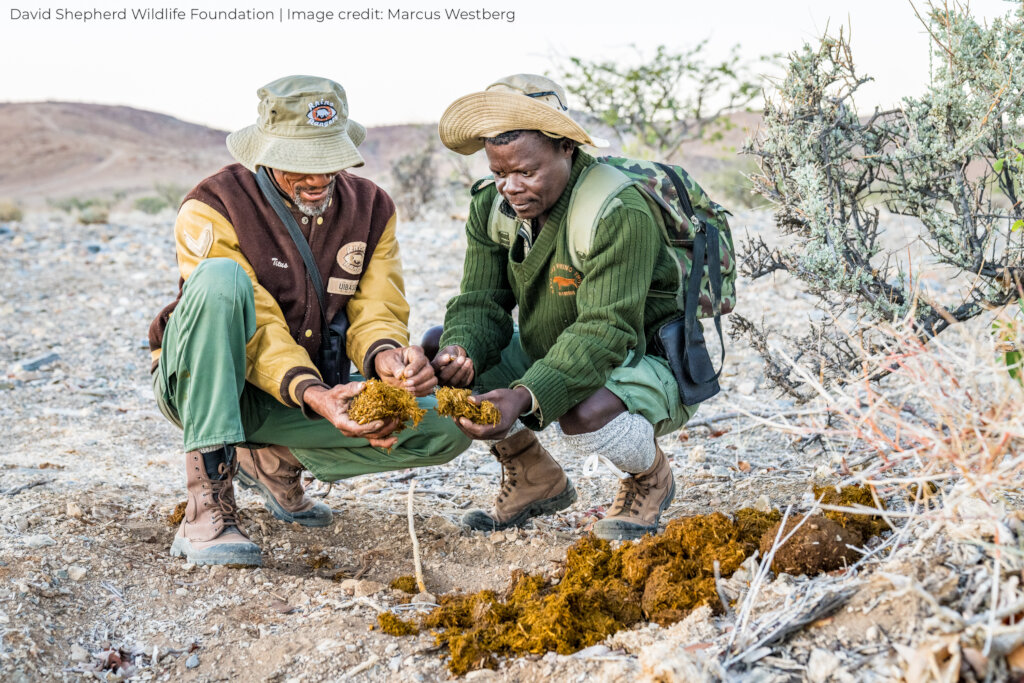
In Namibia’s Kunene region, our conservation field partners utilise 70 conservancy rhino rangers recruited directly from local communities to monitor the last truly free-ranging population of southwestern black rhinos. These rangers operate across 13 distinct conservancies where rhinos roam without fences, conducting monthly monitoring and intelligence-gathering activities scheduled through March 2027. To ensure maximum transparency and reward ranger effort, our partners are even developing a blockchain-based patrol performance certificate.
In India, our partners protect over 70% of the global greater one-horned rhino population through proactive enforcement and a sustained informant network that has successfully averted at least five poaching attempts in the last year. They bolster these efforts by providing essential field gear to Village Defence Patrol groups who serve as the first line of defence in local communities.
Tiger Conservation: Snare Removal and Real-Time Surveillance
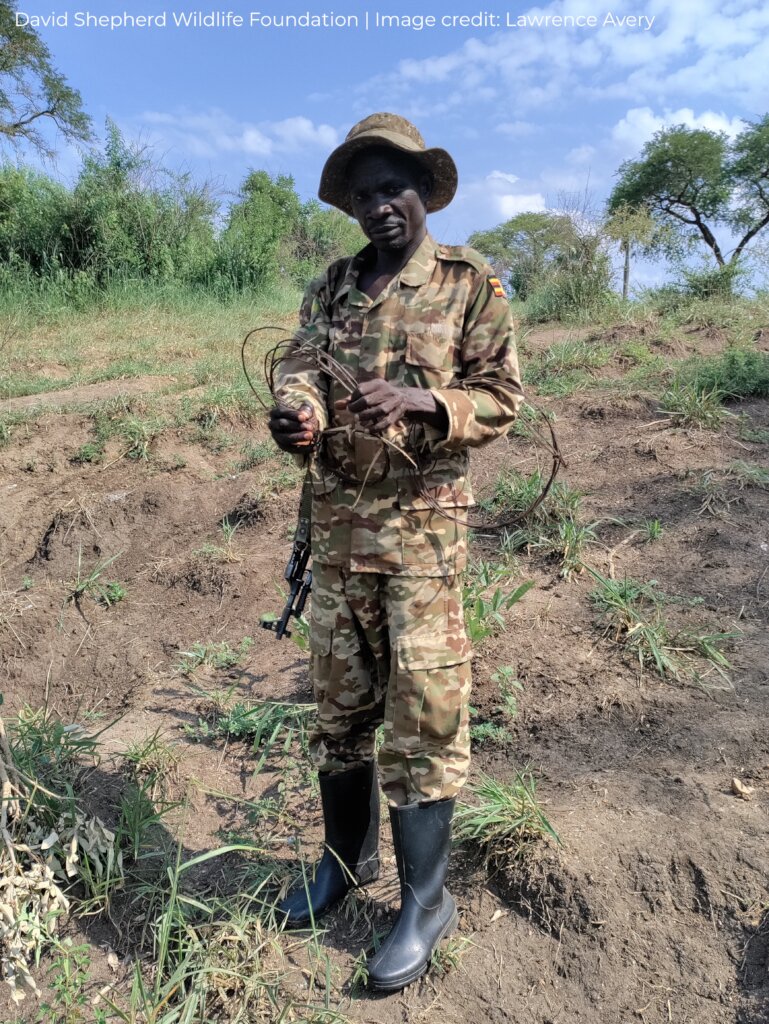
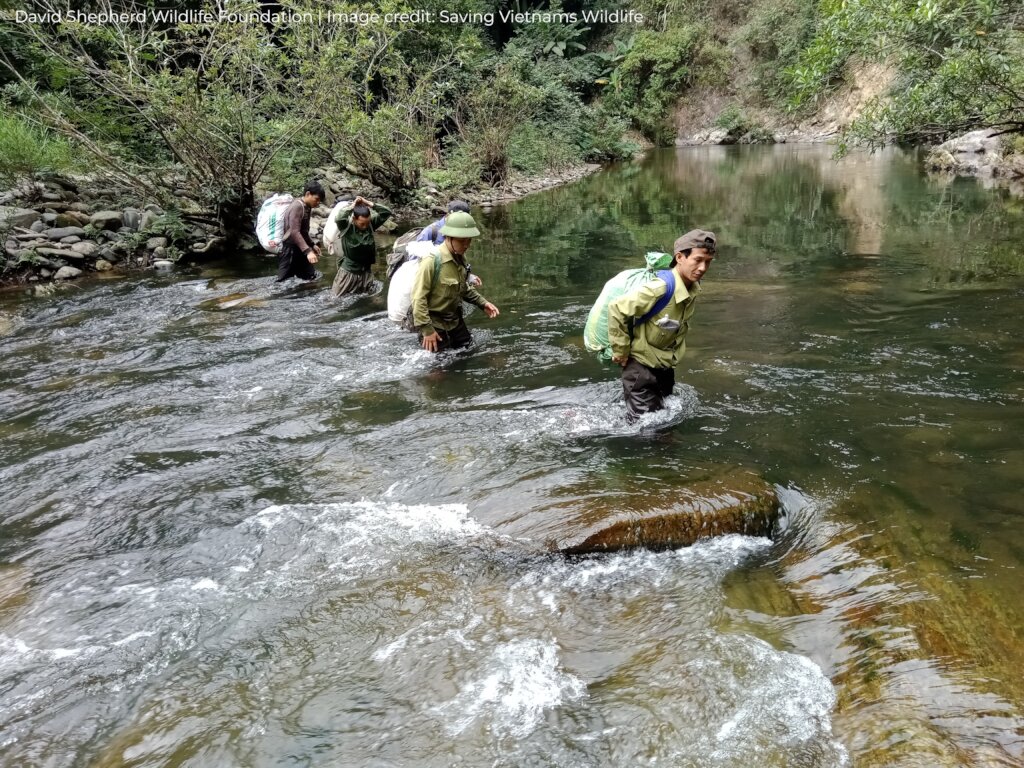
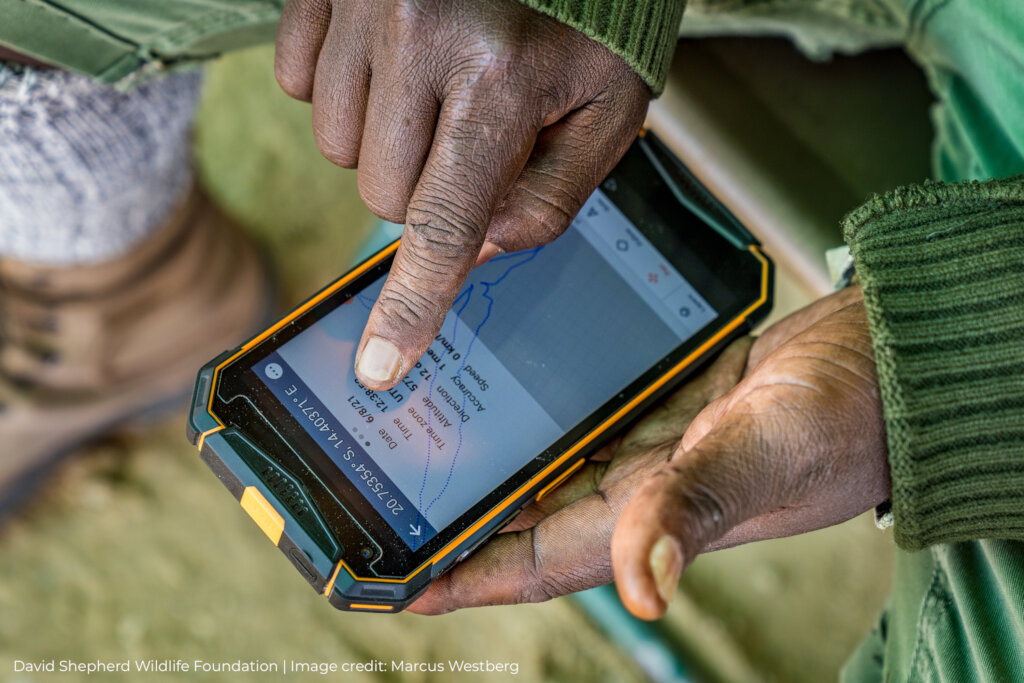
Tiger recovery is a major focus in Thailand’s Dong Phayayen-Khao Yai (DPKY) Forest Complex, where your support helps manage a fragile population of 34 to 36 Indochinese tigers. Protection efforts here have shifted to combat a rise in wire snares, with rangers removing nearly 1,500 traps in 2025 alone. To stay ahead of poachers, 283 officials have been trained to use GSM cameras and EarthRanger software for real-time forest monitoring. In India, tiger conservation is integrated into a broader strategy that uses legal orientation workshops to improve conviction rates for wildlife crimes, which have recently seen an 8-9% increase.
Elephant Security: Elite Units and Aerial Monitoring
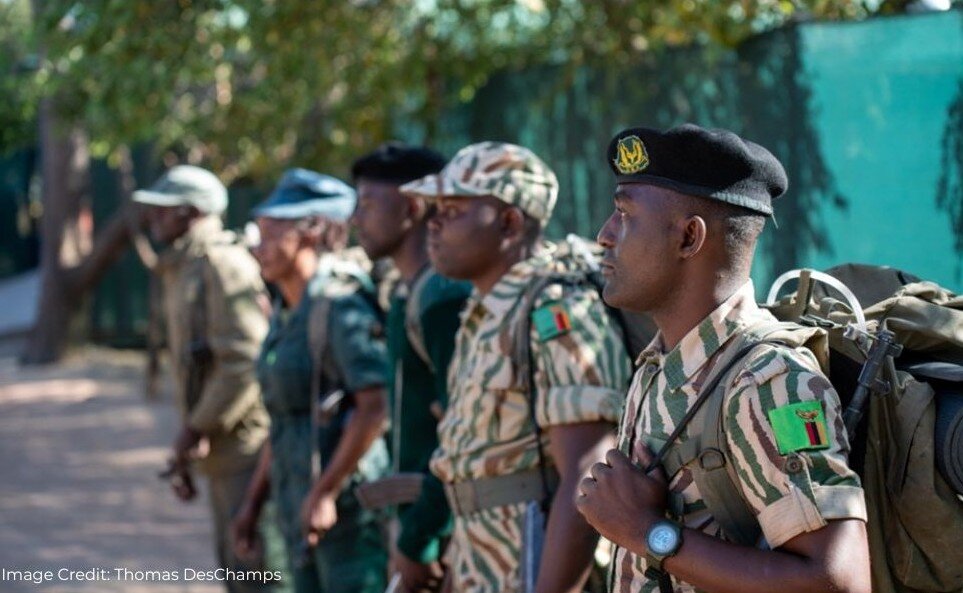
In Zambia, our partners safeguard approximately 3,500 km² of critical habitat through the Nkala Conservation Project. This mission utilizes Special Anti-Poaching Units (SAPU) and conventional ranger deployments to conduct intelligence-led patrols that deter ivory poachers and illegal resource users. For 2026, our partners have set an ambitious target of 10,000 Ranger Man Days and 50 flying hours to provide 40% aerial coverage of the most vulnerable entry points in the landscape. To maintain high performance, 100% of these rangers are provided with specialised insurance and access to a qualified nurse.
The K9 Protection Units: A Specialised Tool for Justice
In India the K9 unit and their handlers have a clear operational plan for the year ahead which focuses on intelligenceled enforcement, contraband detection, and broad habitat protection. Working alongside a sustained informant network, they help disrupt wildlifetrade kingpin operations and have already contributed to averting multiple poaching attempts. Trained to detect illegal ivory, tiger skins, and pangolin scales, the dogs provide crucial evidence that supports rising conviction rates for wildlife crimes.
Throughout the year, the unit will patrol 2,400 km² across Kaziranga, Orang, Manas, Laokhowa, and Pobitora, ensuring even remote ecosystems remain protected. The 2026 budget fully covers specialised healthcare, food, and handler honorariums to keep the K9 unit performing at its best.
Pangolin Protection: Hidden Monitoring and Community Surrenders
Because pangolins are difficult to track due to their low abundance, conservationists are using creative methods to ensure their safety. In Thailand, long-term camera trap routes covering 387 km² are used to detect Sunda pangolins and monitor their habitat for illegal logging or poaching. In Zambia, community outreach and radio broadcasts have become so effective that local individuals have begun surrendering captive pangolins to authorities, moving the species away from the illegal trade and back into the safety of protected landscapes.
By funding these rangers, dogs, and technologies, you are helping to create zero-poaching zones where wildlife can thrive alongside the communities that protect them.
Thank you for your ongoing support to protect wildlife.
Project reports on GlobalGiving are posted directly to globalgiving.org by Project Leaders as they are completed, generally every 3-4 months. To protect the integrity of these documents, GlobalGiving does not alter them; therefore you may find some language or formatting issues.
If you donate to this project or have donated to this project, you can receive an email when this project posts a report. You can also subscribe for reports without donating.



Support this important cause by creating a personalized fundraising page.
Start a Fundraiser