Project Report
| Dec 5, 2025
Community Engagement Development & Home Economics
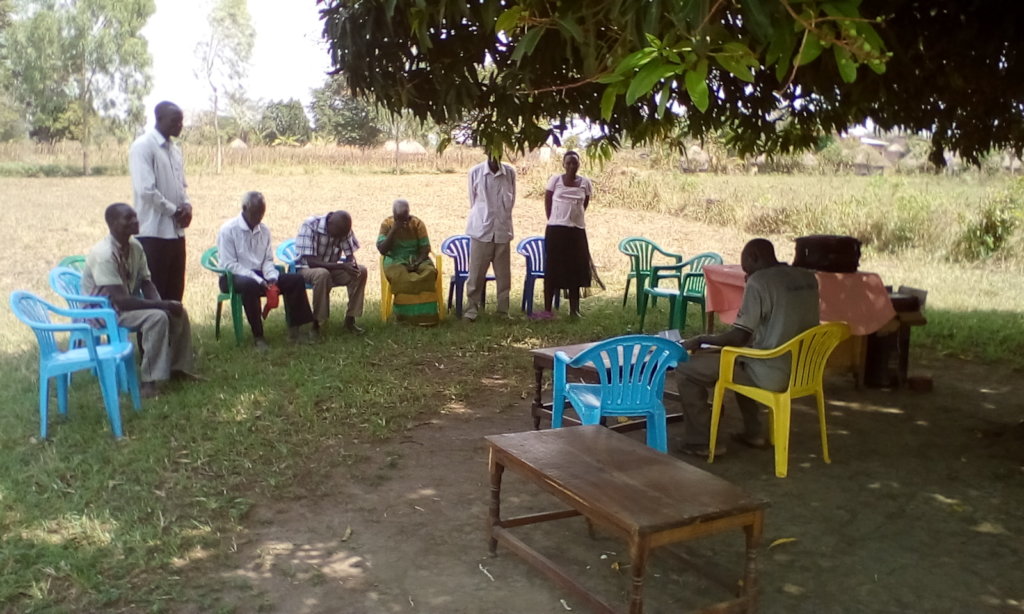
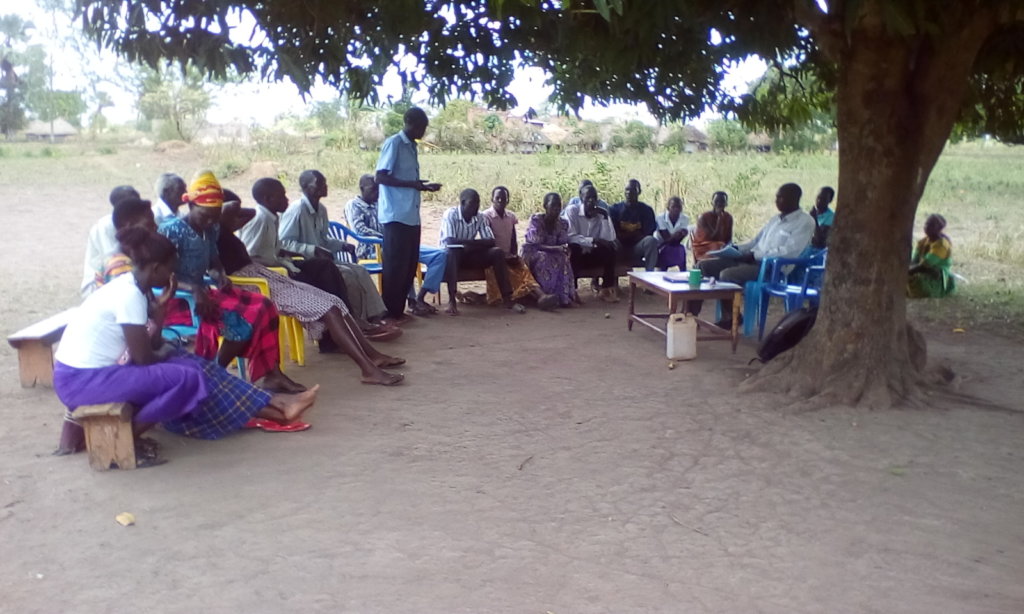
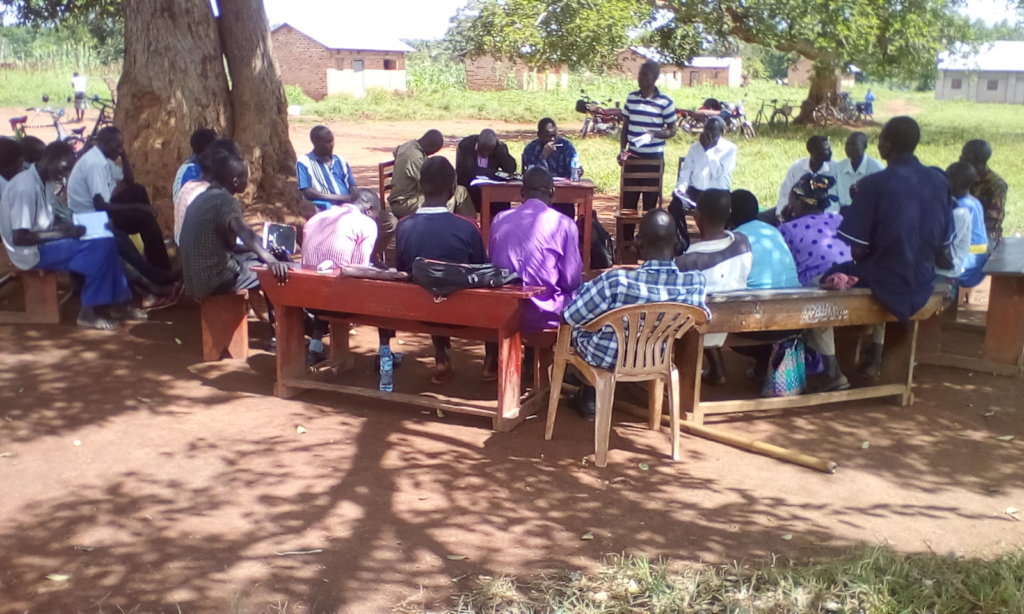
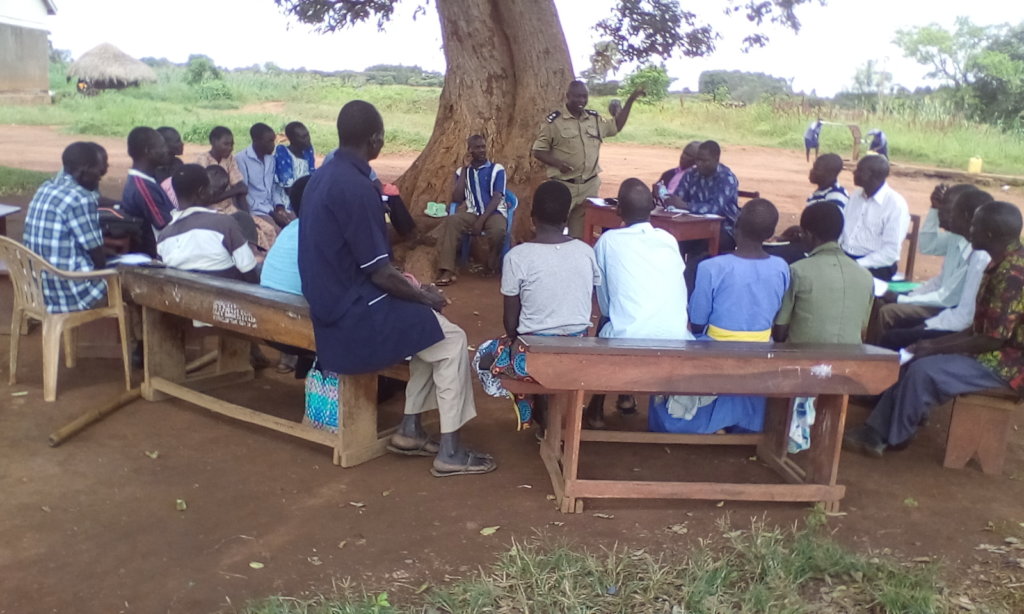
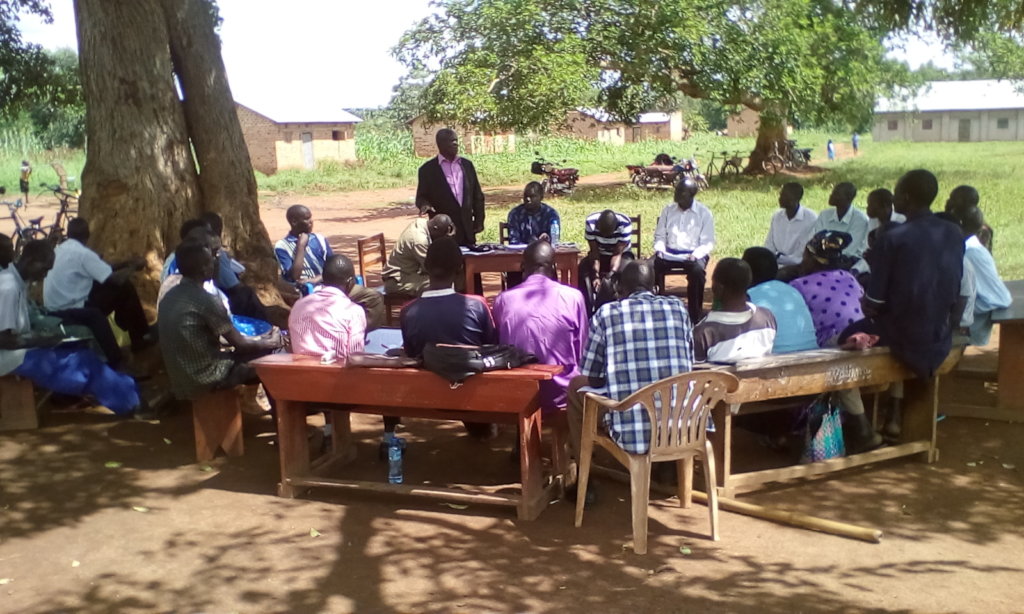
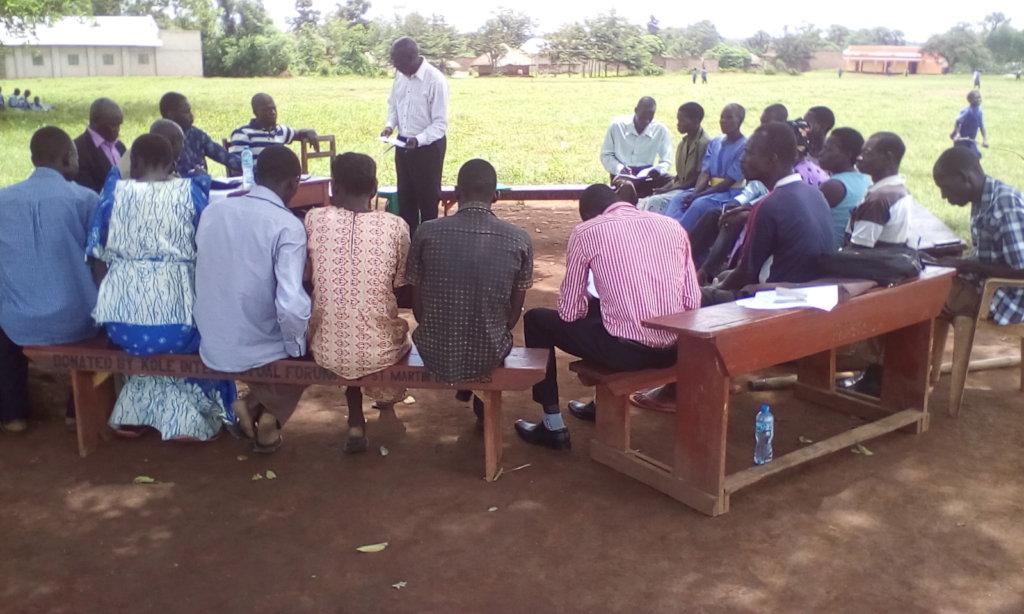
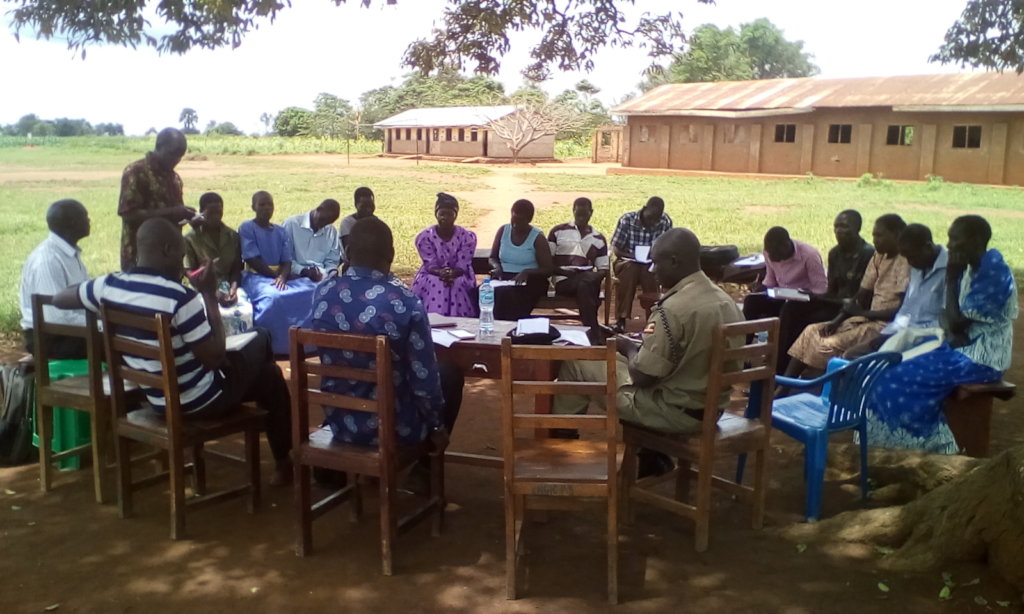
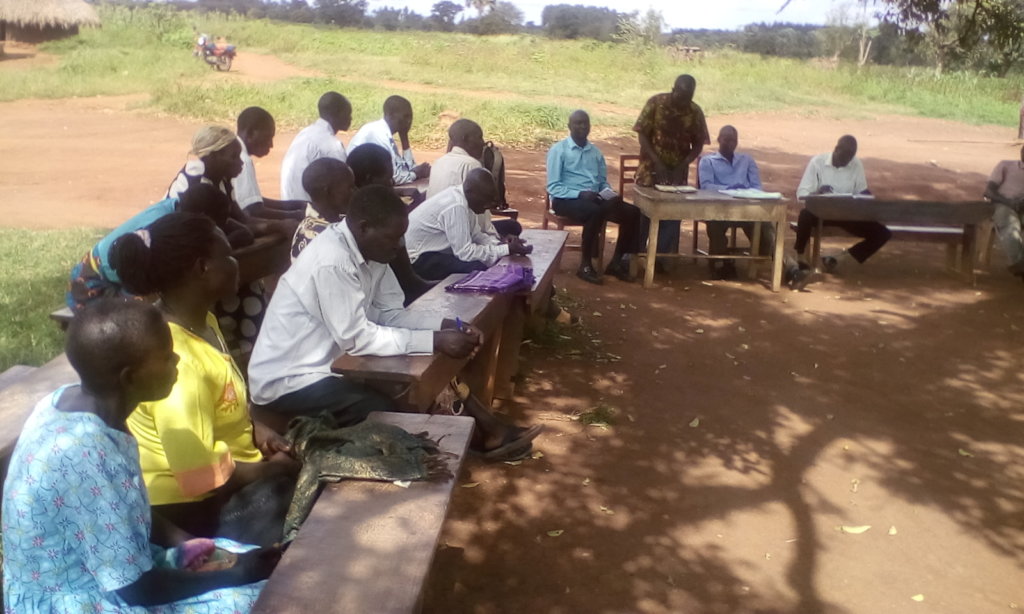
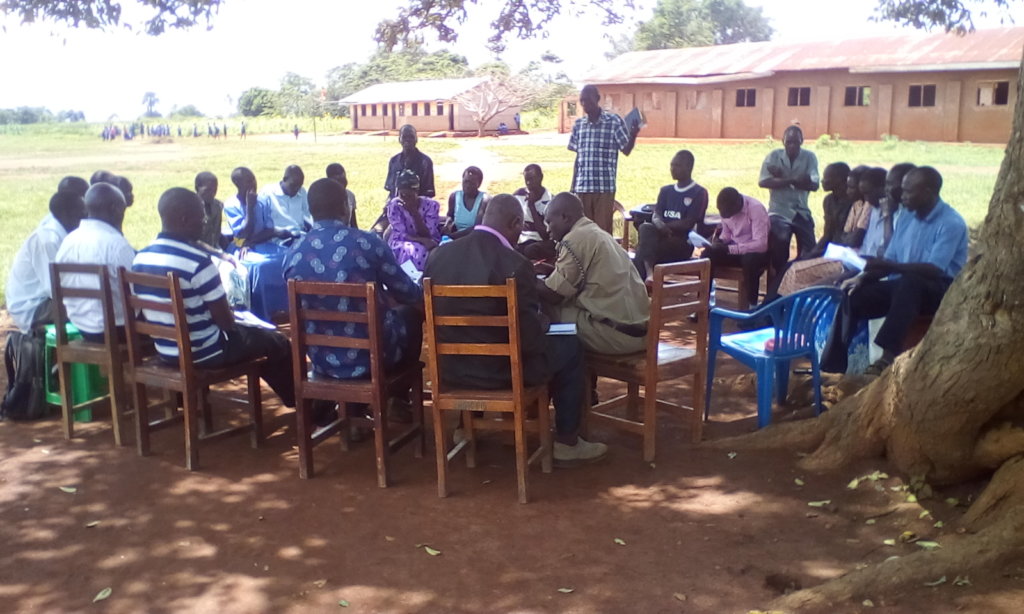
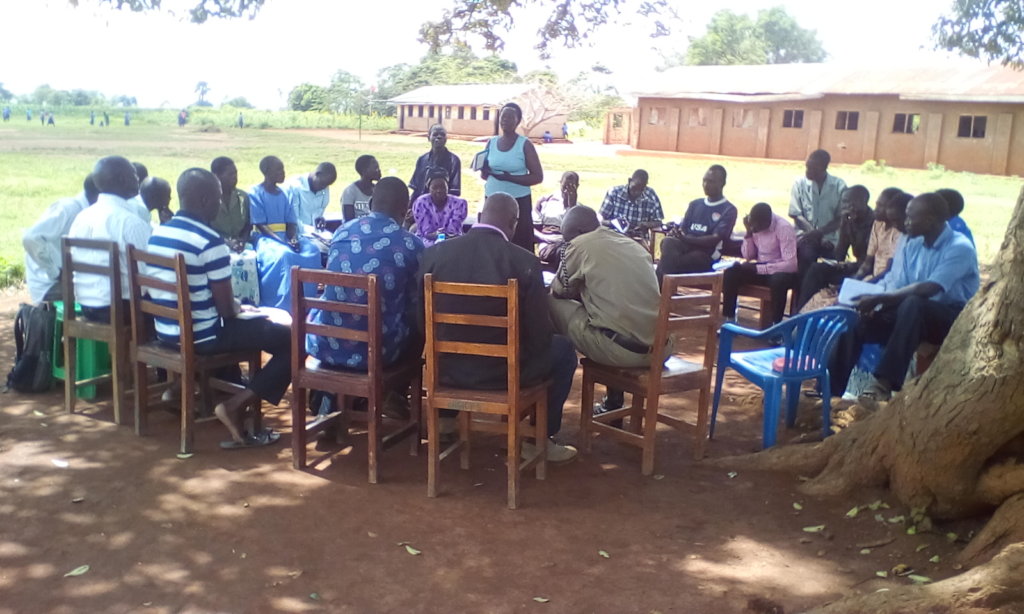
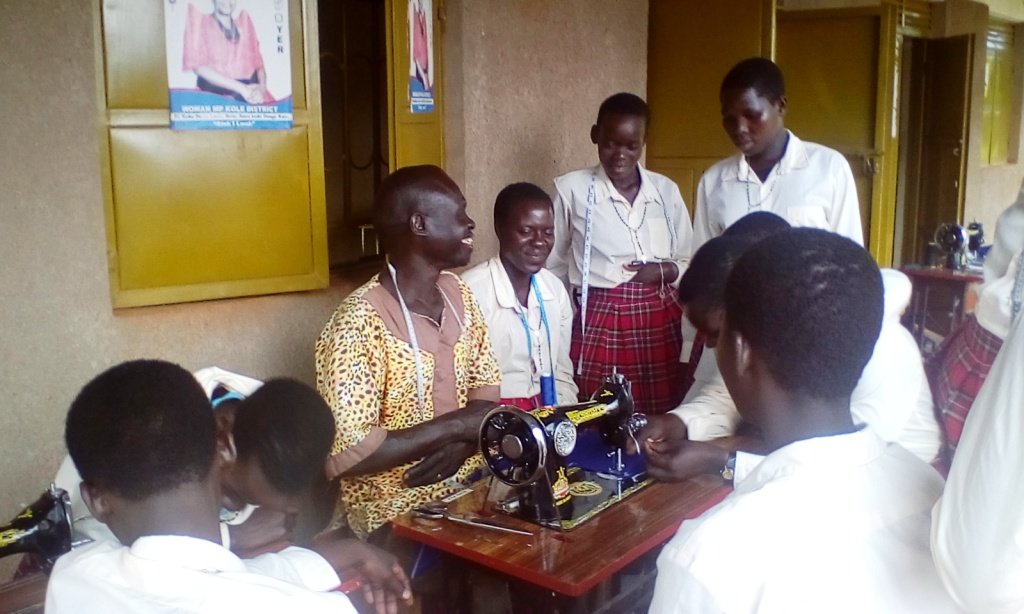
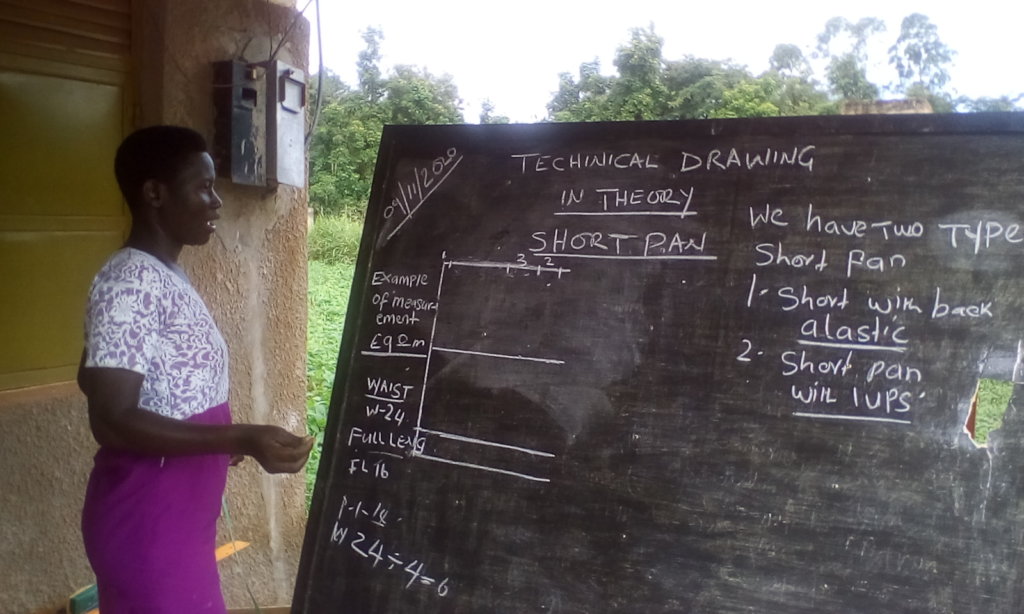
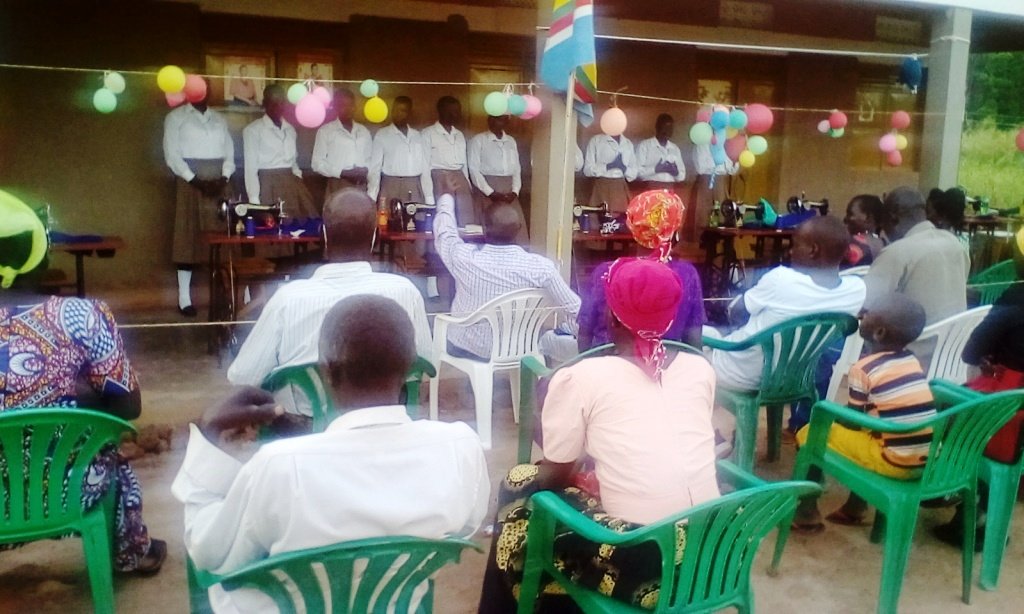
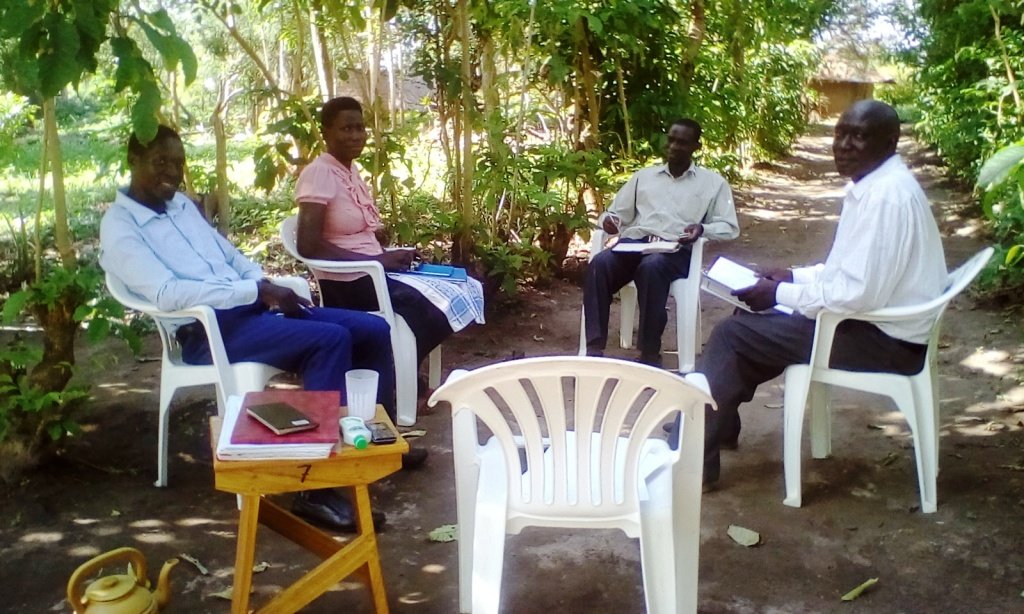
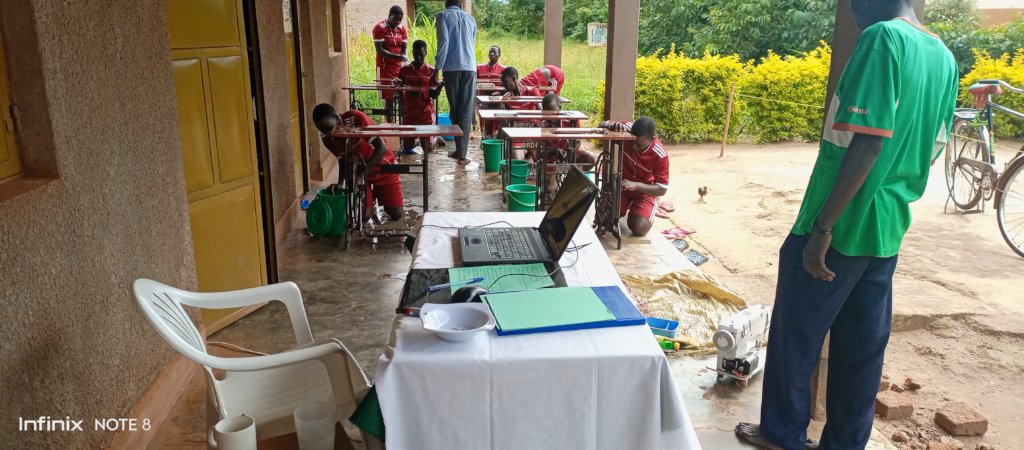
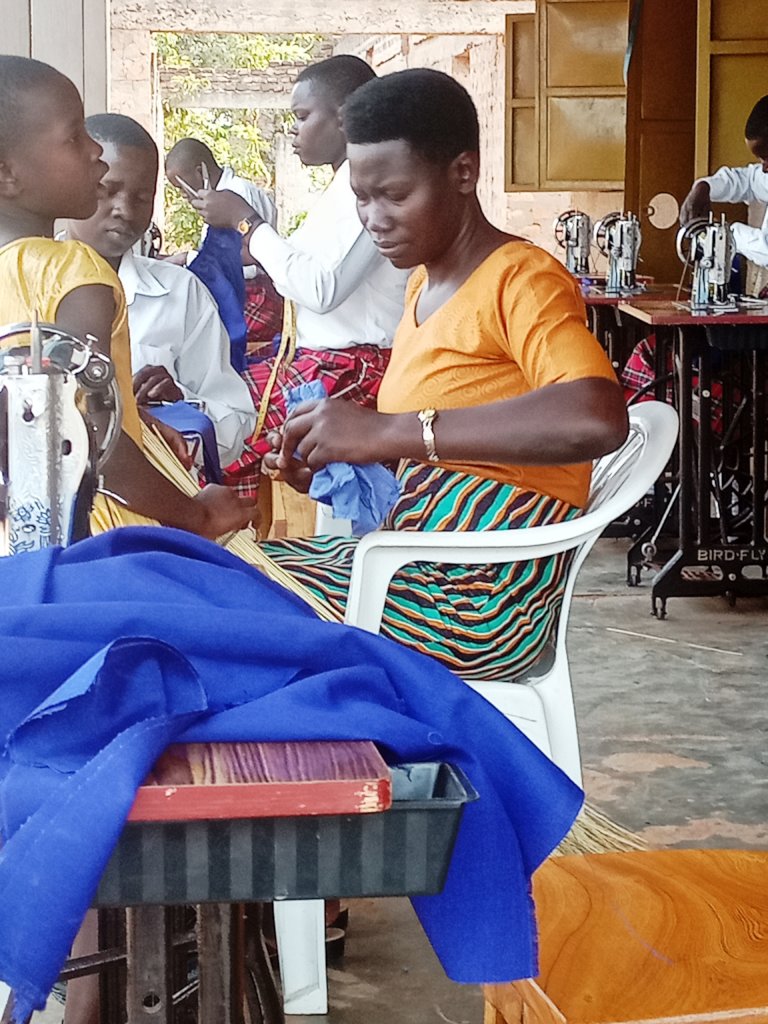
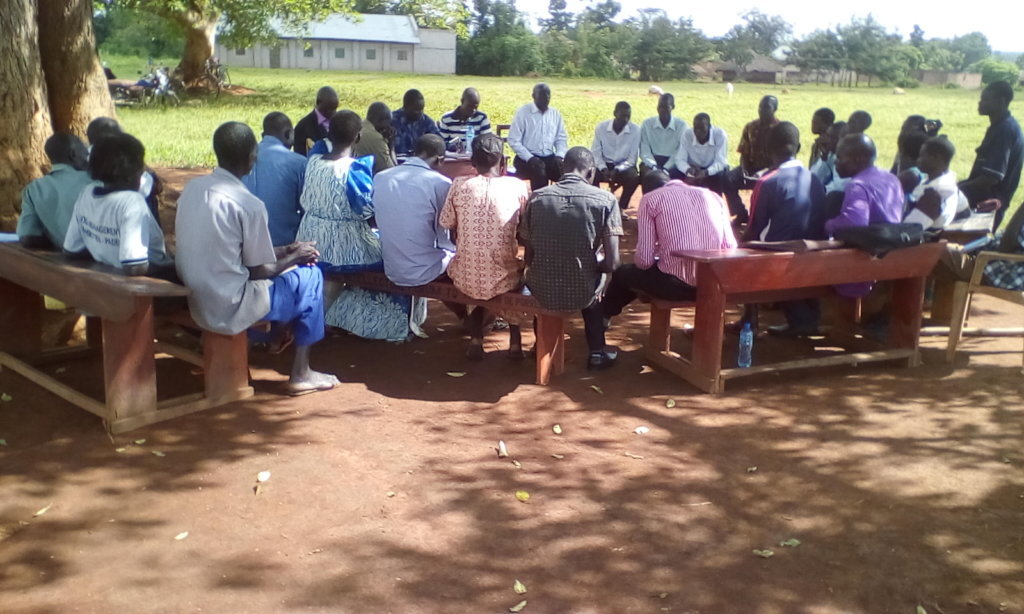
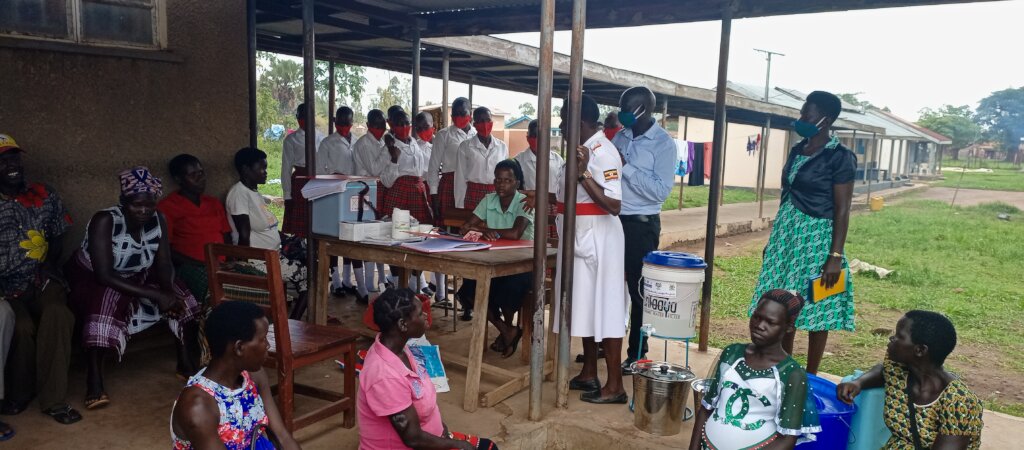
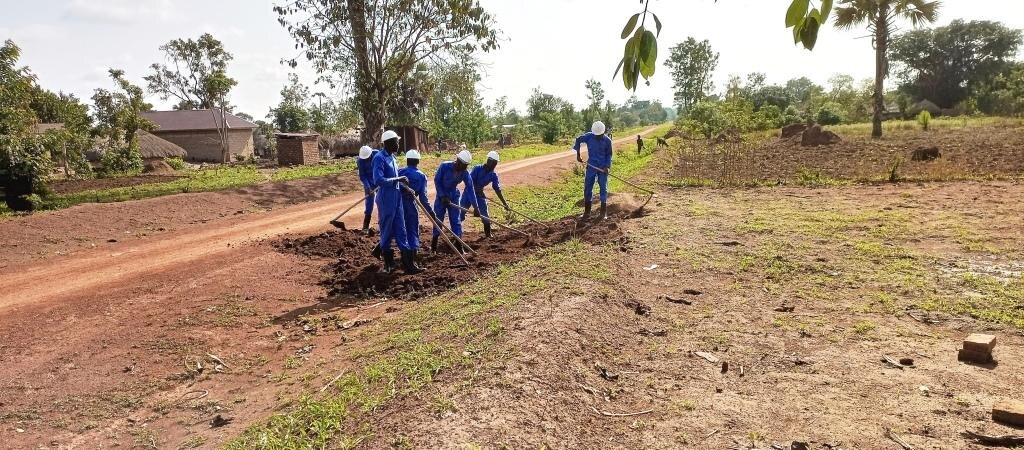
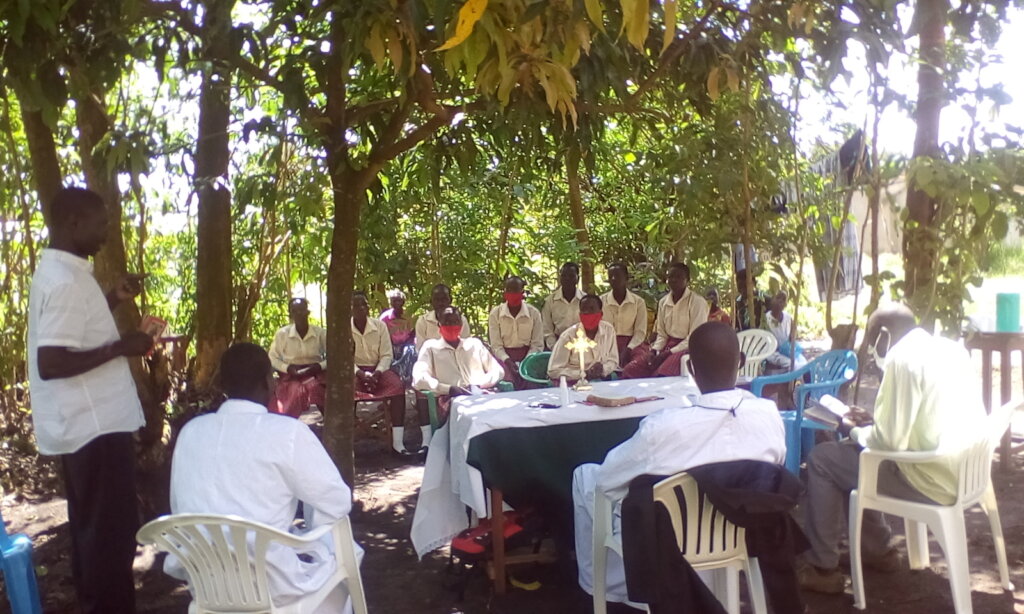
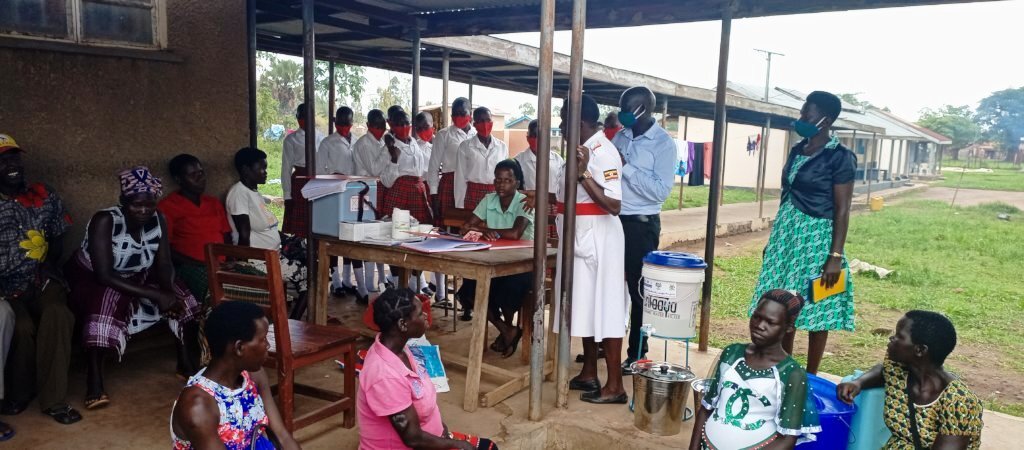
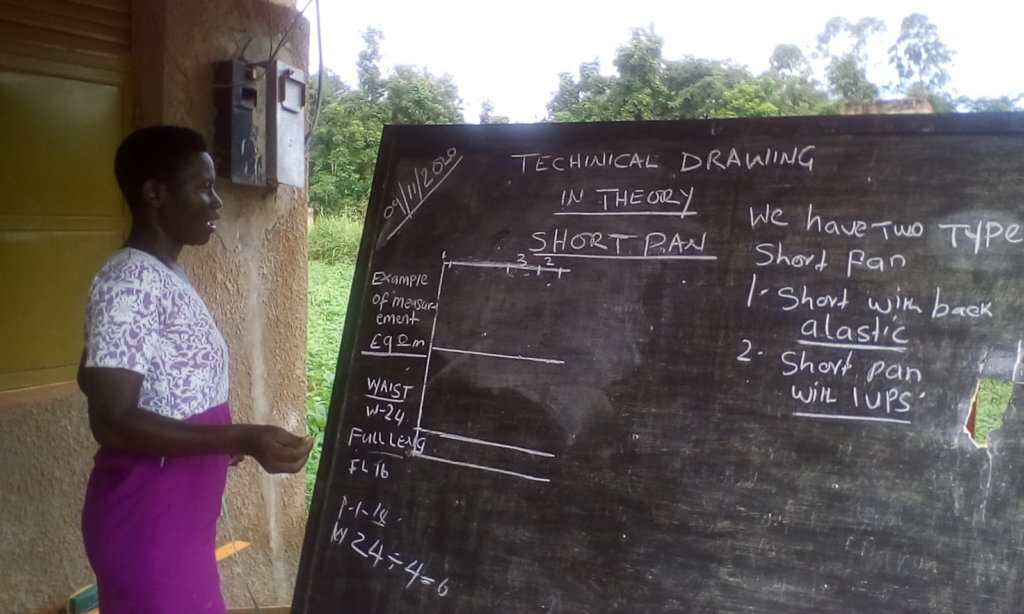
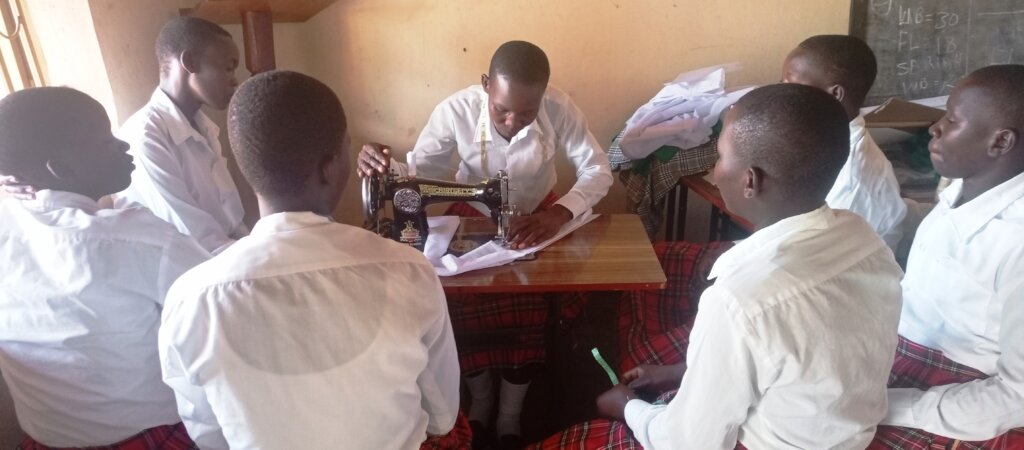
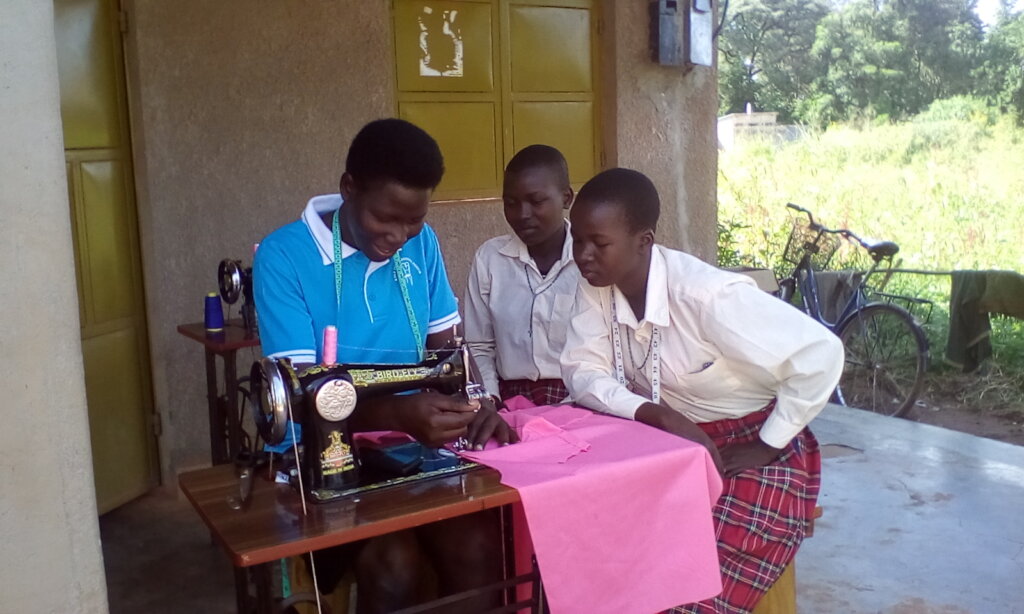
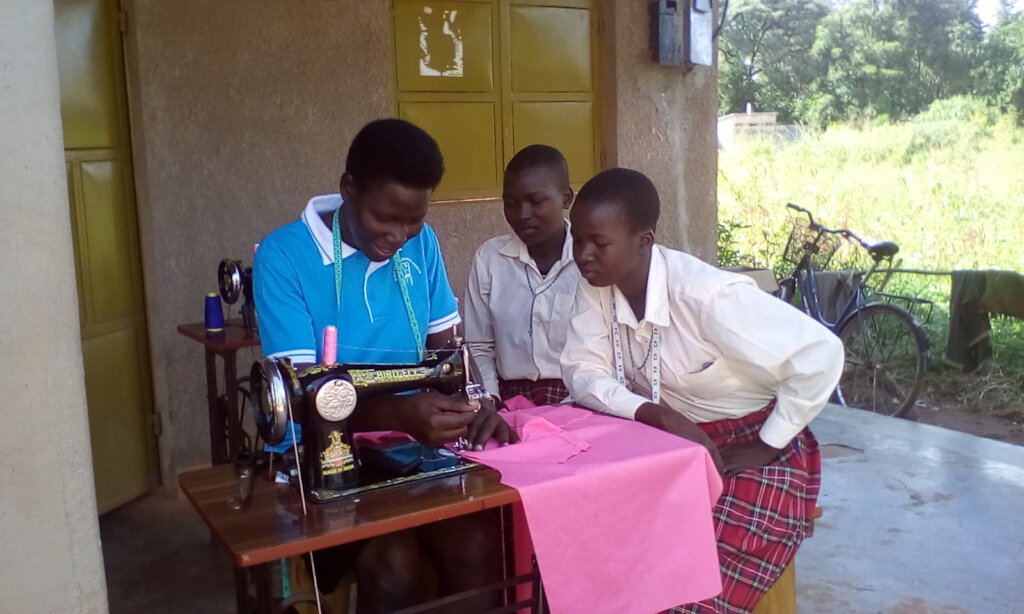
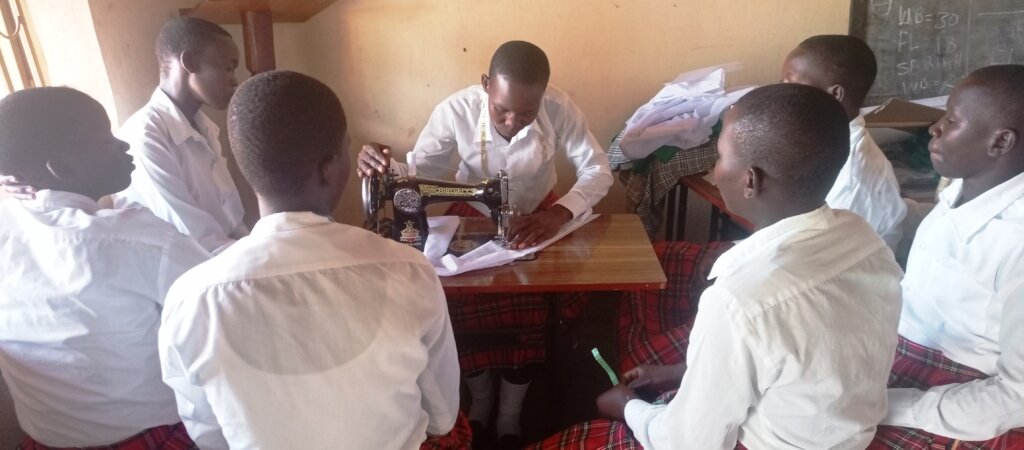
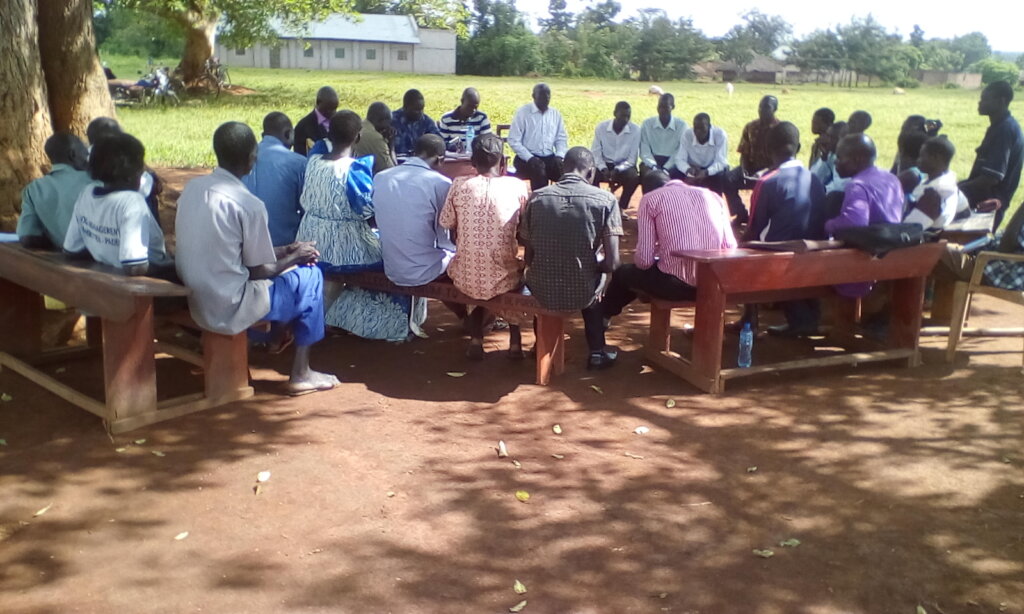
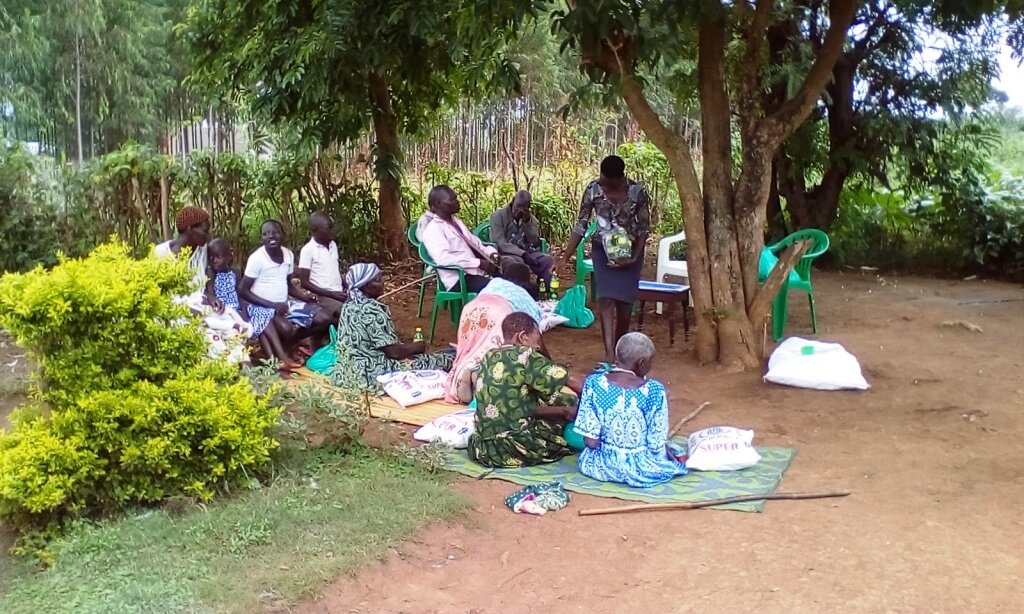
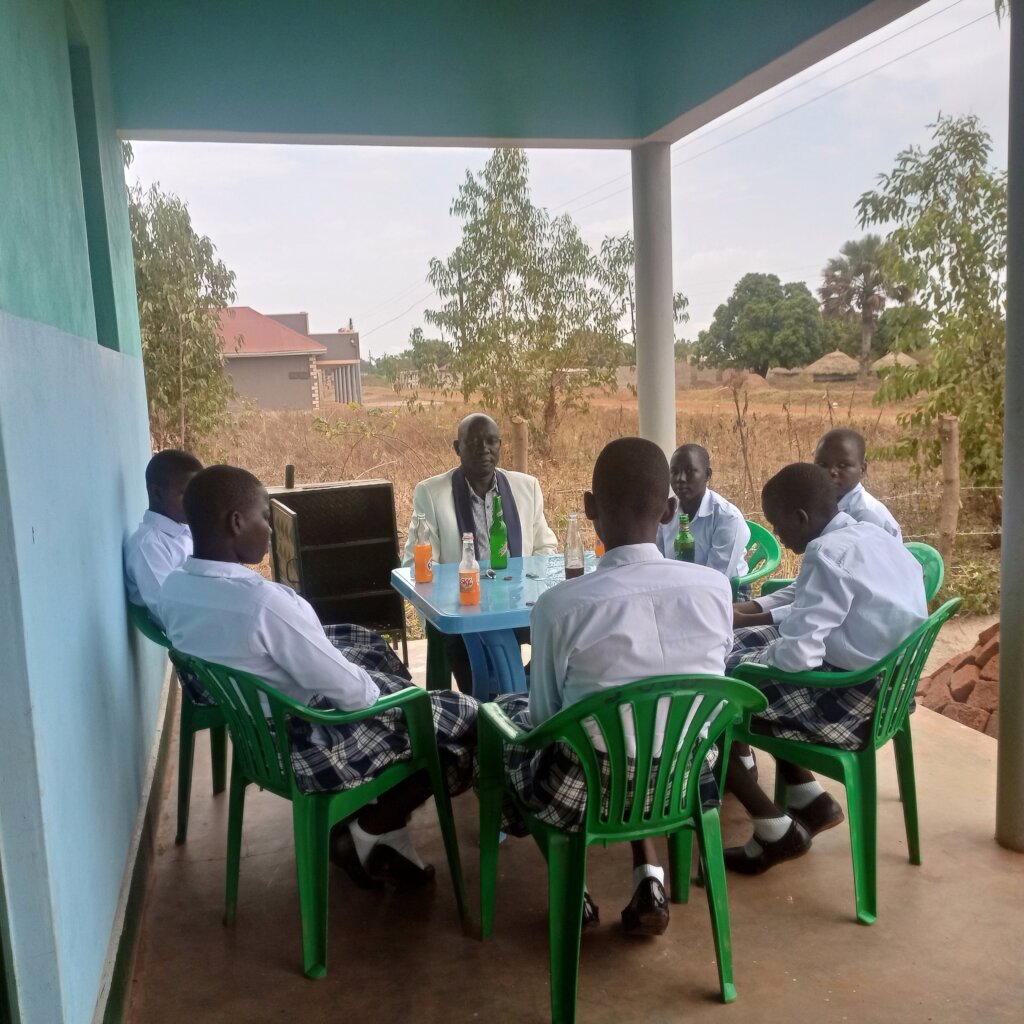
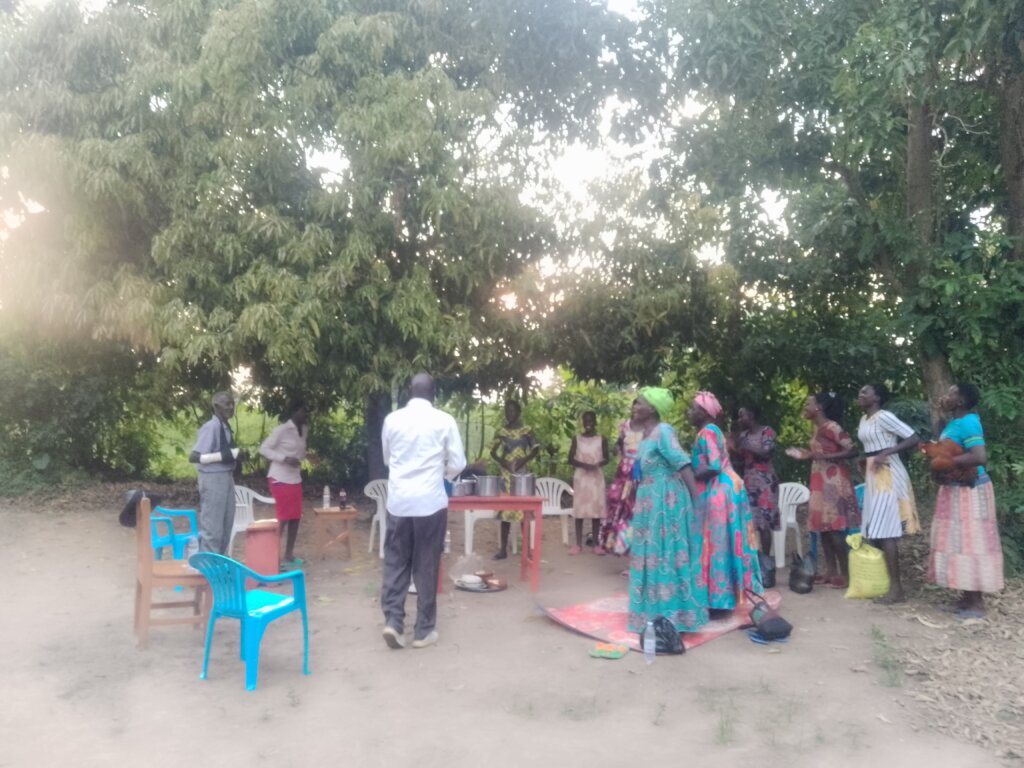
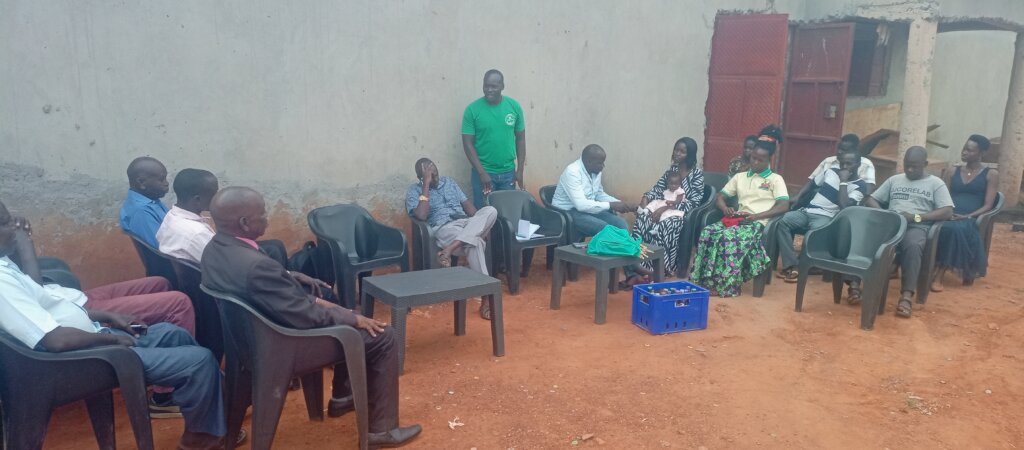
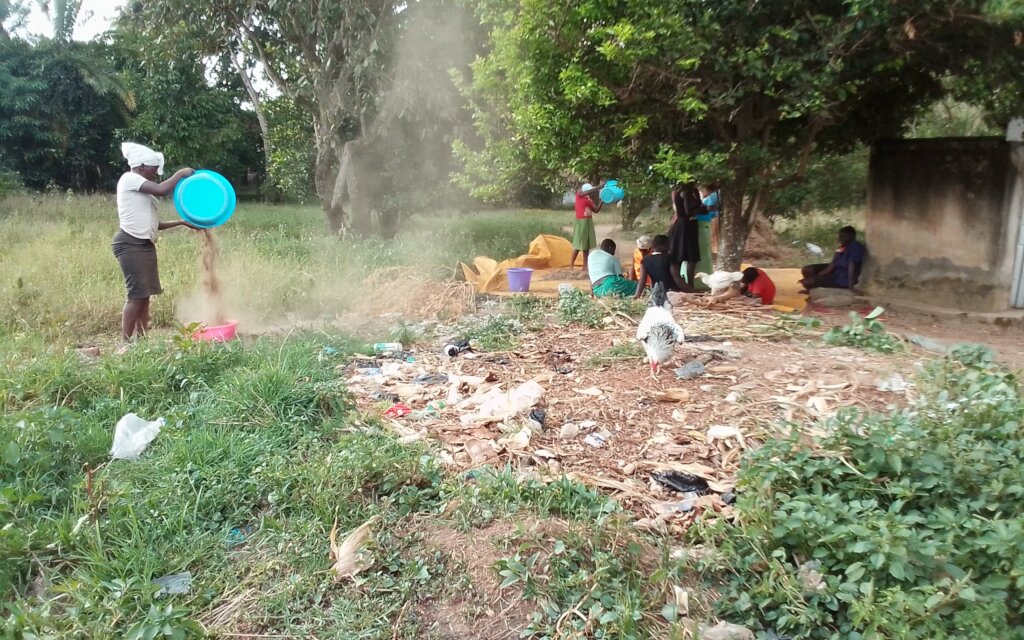
Community engagement has been a cordial principle of Kole Intellectual Forum to foster development among its community that can empower individuals and families by applying Home Economics principles such as (nutrition, finance, textiles, etc.) to community issues, fostering self-reliance, economic resilience, and well-being through participatory approaches like needs assessment, skill-building workshops (gardening, budgeting, sewing), promoting sustainable practices, and advocating for supportive policies, shifting from top-down aid to community-driven solutions for lasting change.
Core Principles & Approaches
- Empowerment: Equipping communities with knowledge and skills to solve their own problems, not just providing solutions.
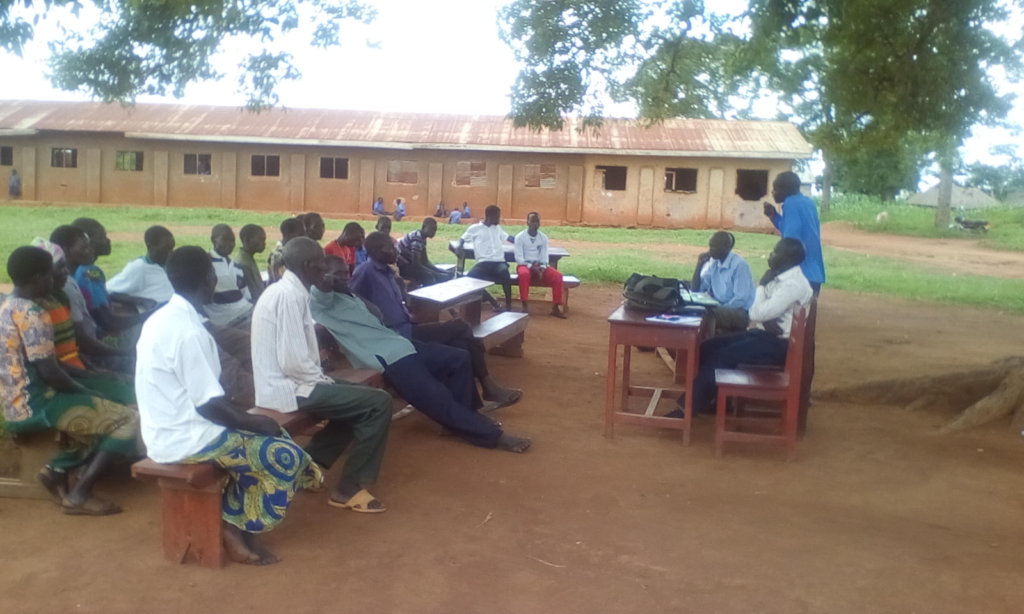
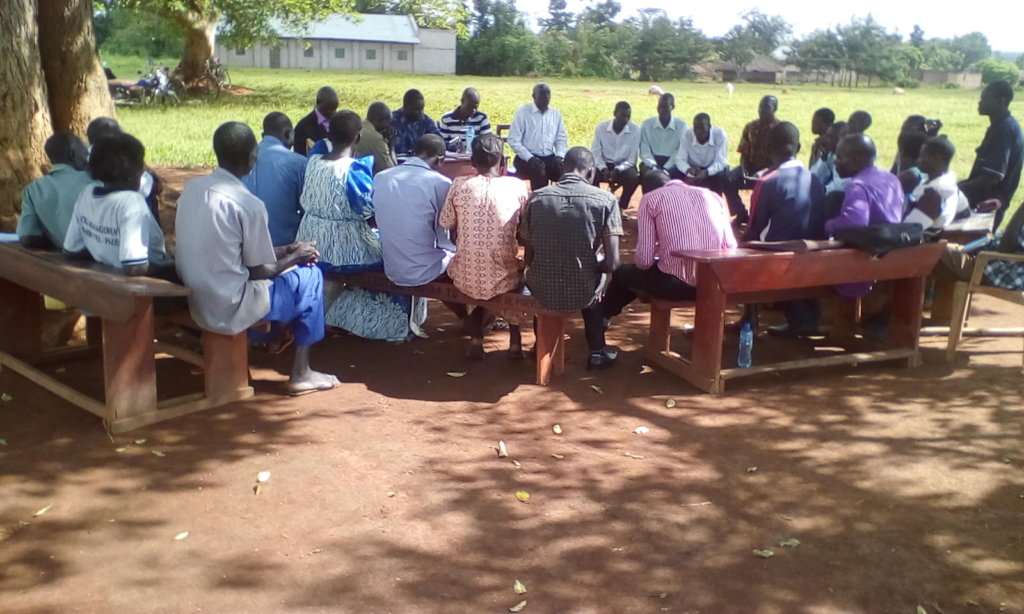
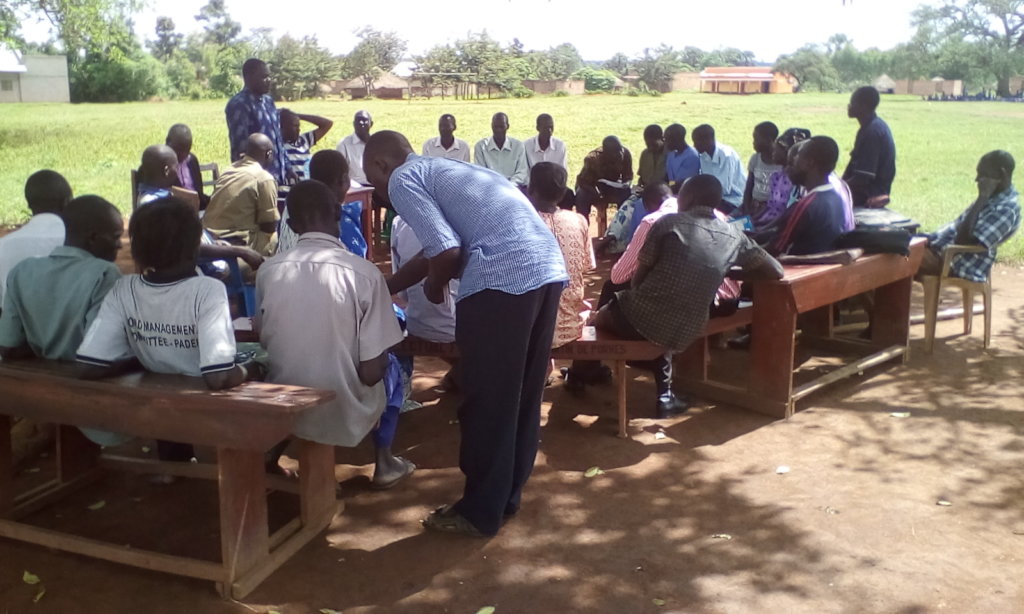
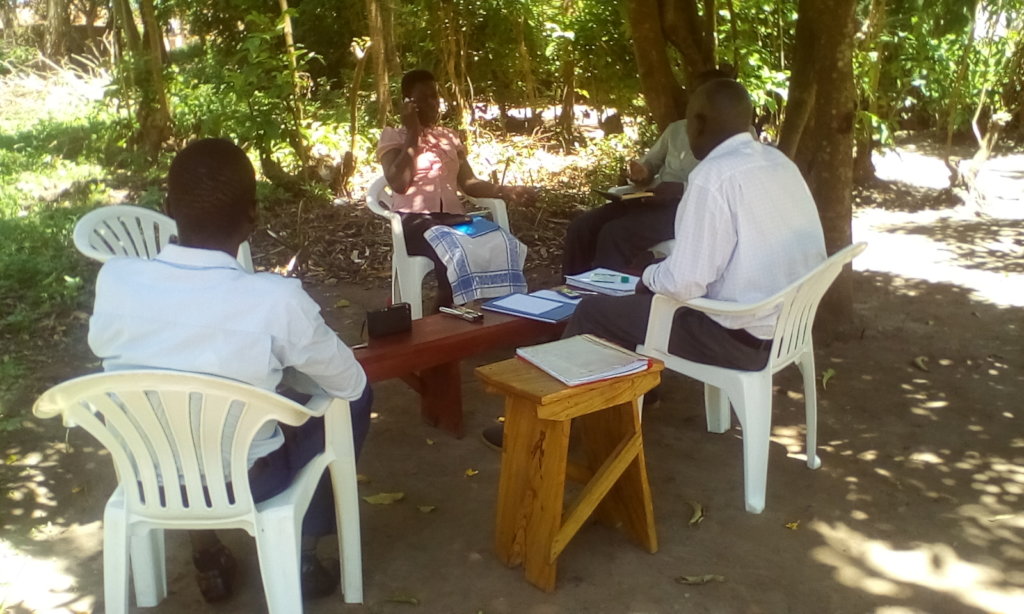
- Participation: Involving residents in identifying needs, planning, implementing, and evaluating projects (e.g., surveys, focus groups).
- Relevance: Addressing specific local challenges like food insecurity, poverty, health, or waste management.
- Holistic View: Connecting individual/family well-being to broader community and societal issues (economic, social, environmental).
Key Activities & Examples
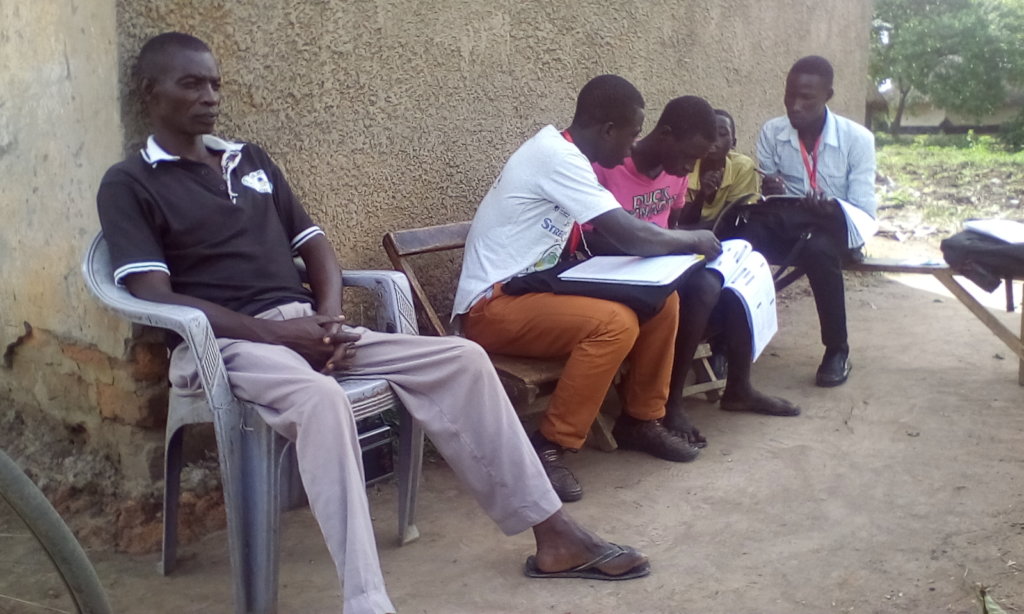
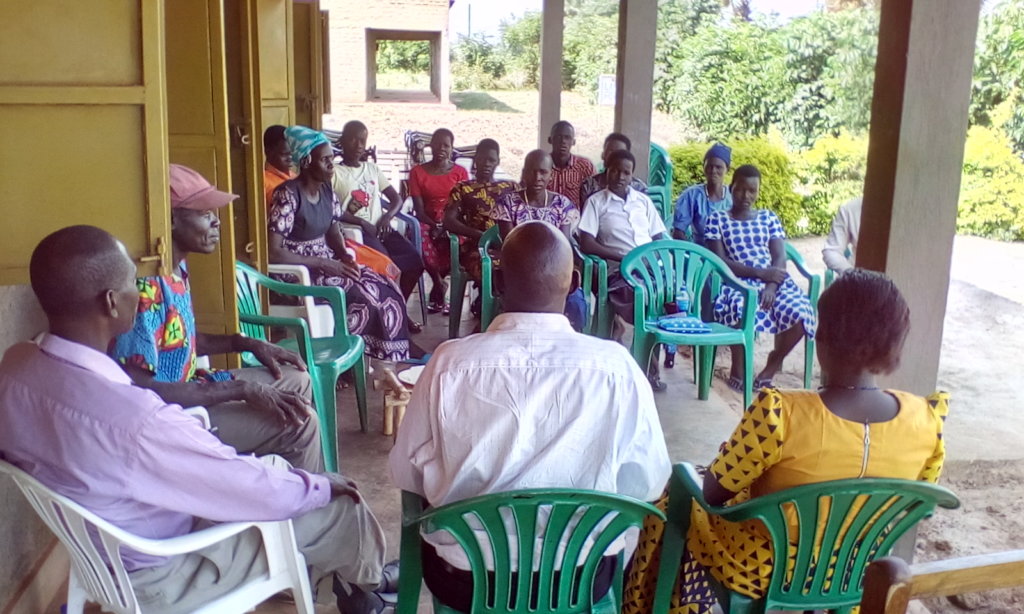
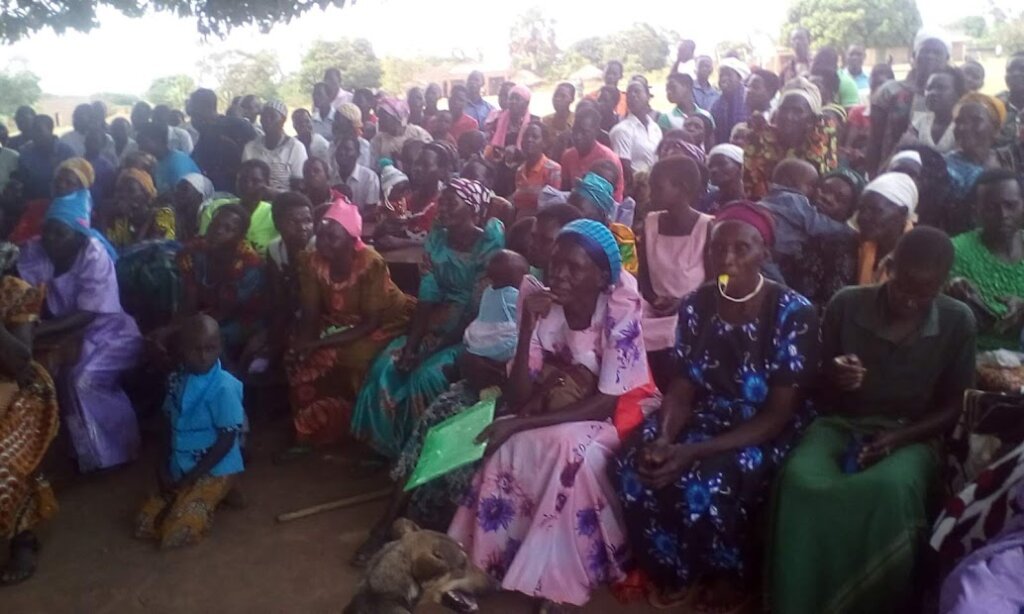
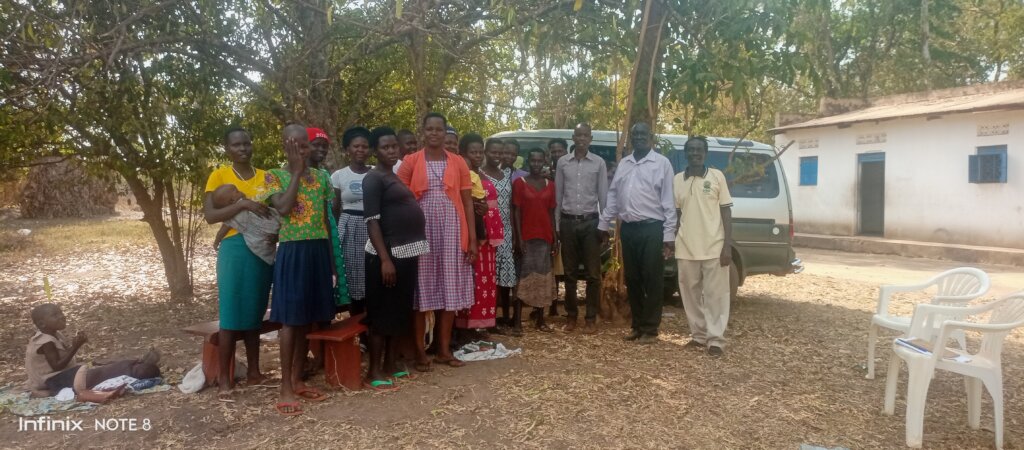
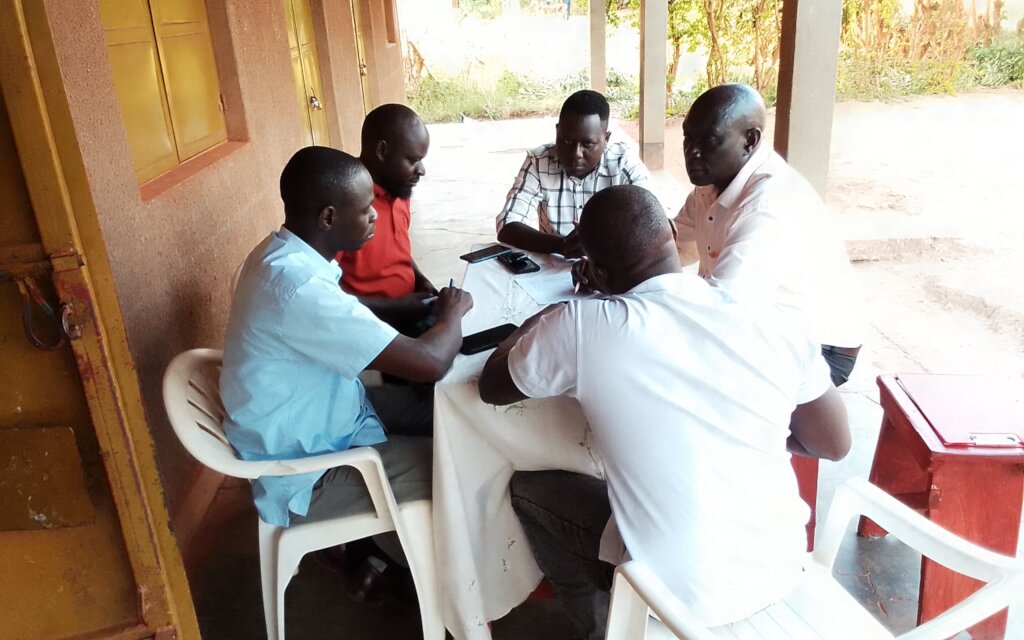
- Needs Assessment: Home economists work with communities (leaders, families, youth) to identify priorities (e.g., job skills, healthy food access).
- Skill Development:
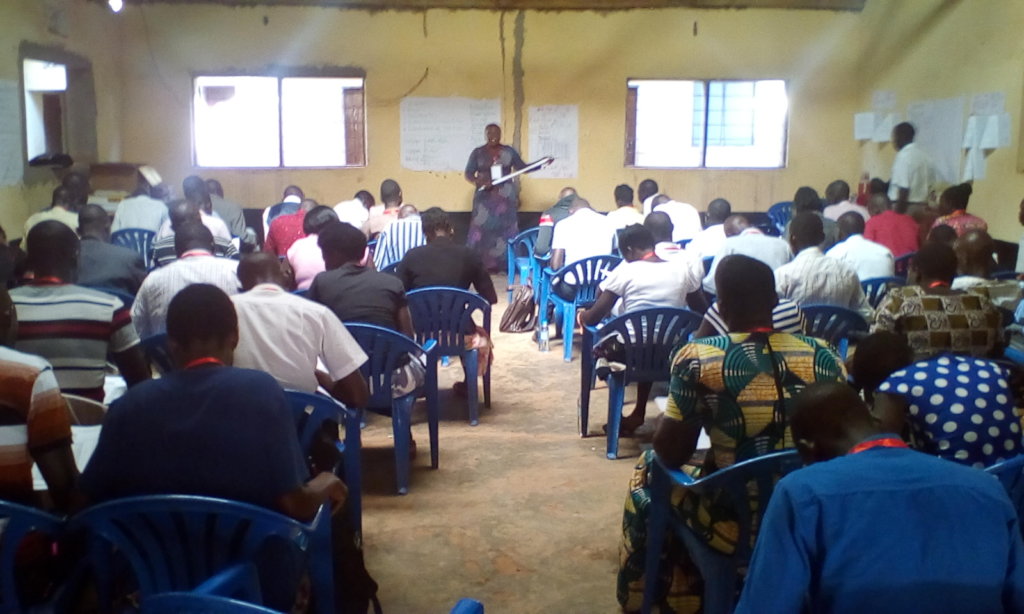
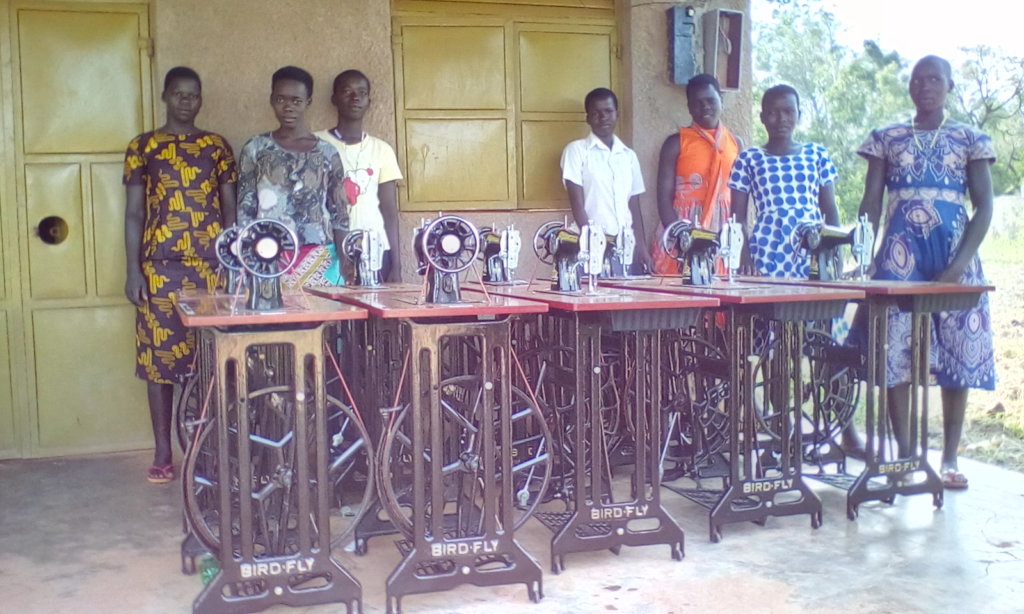
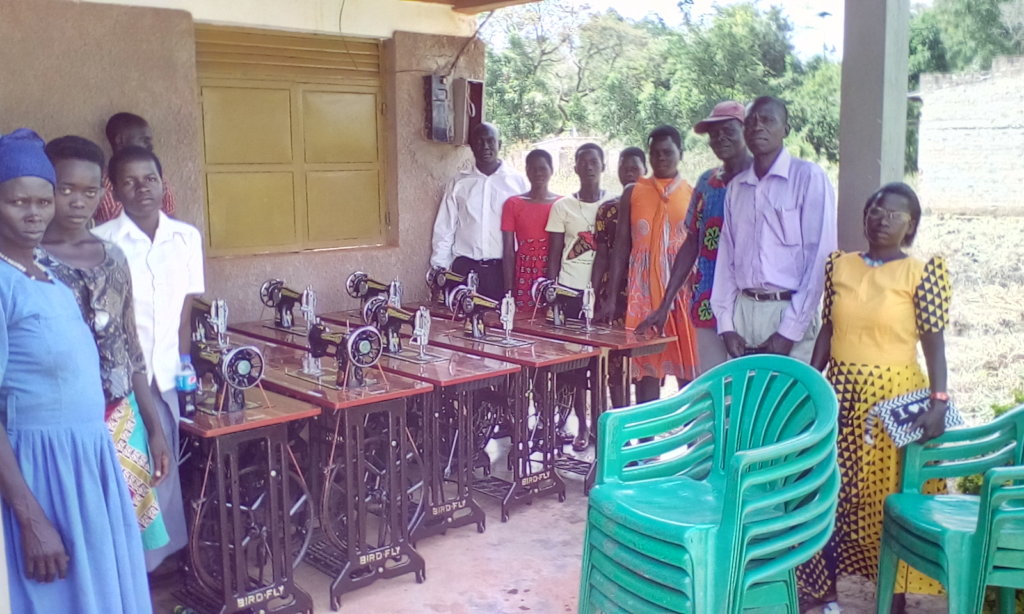
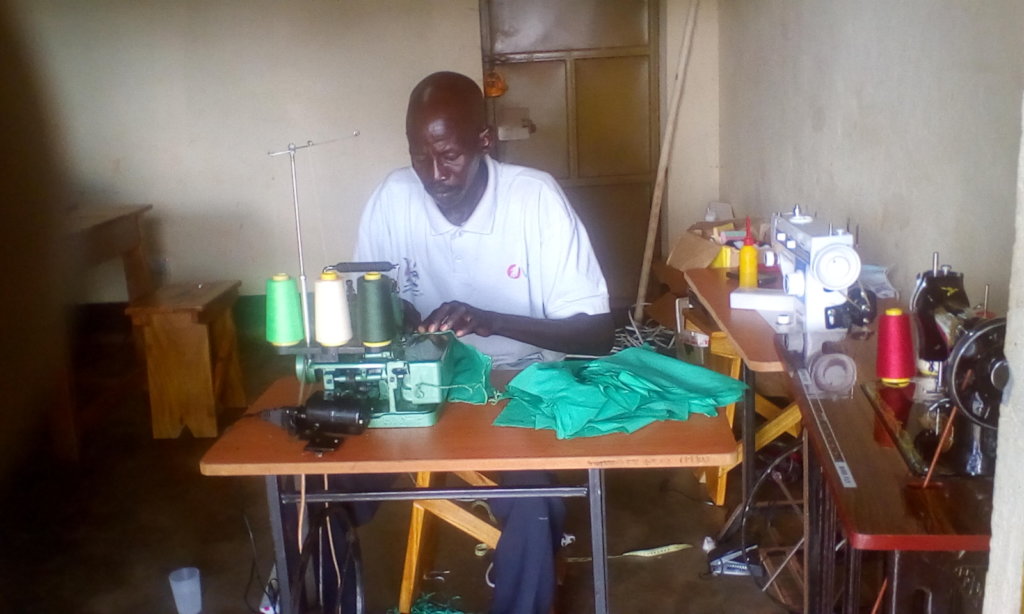
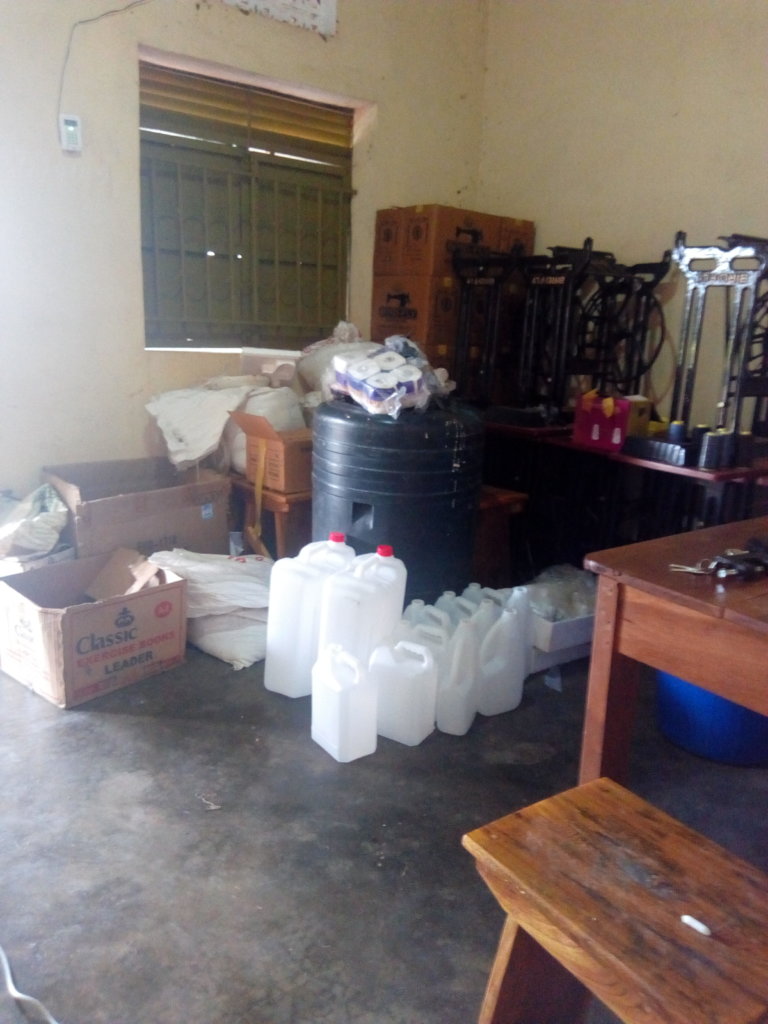
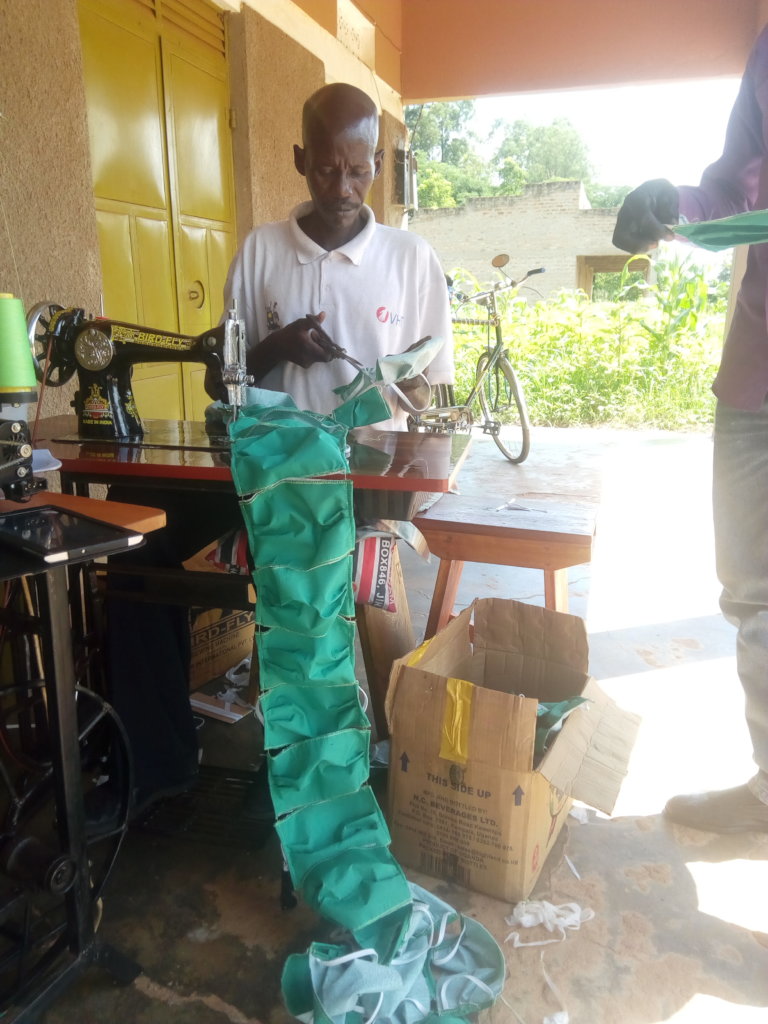
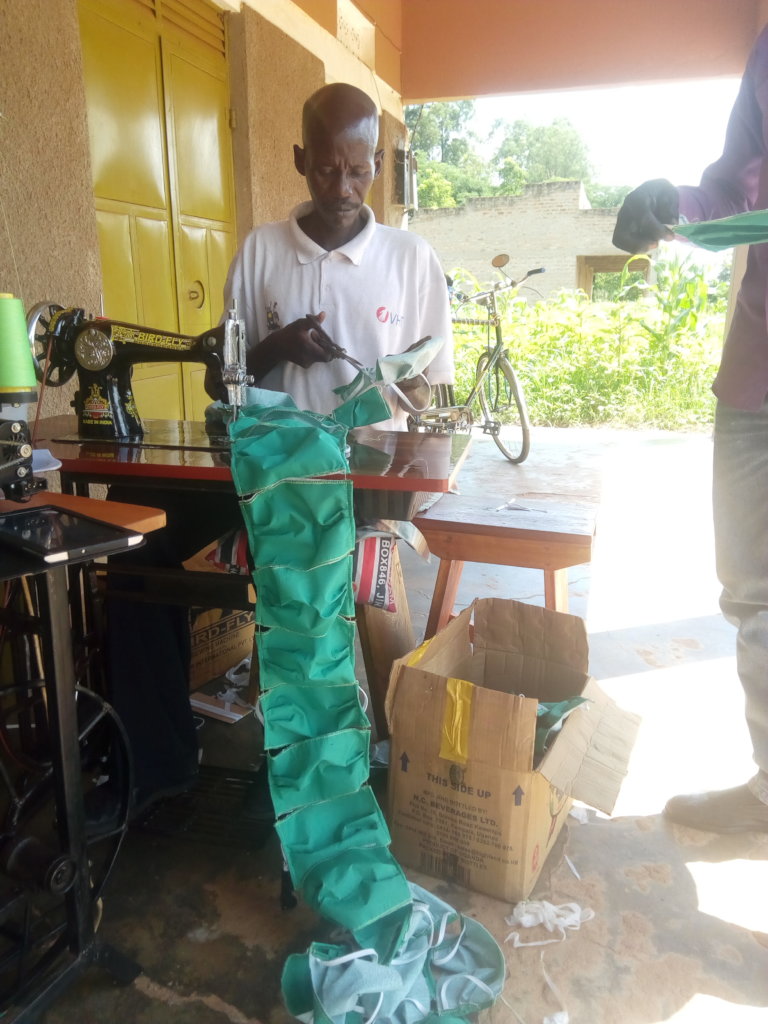
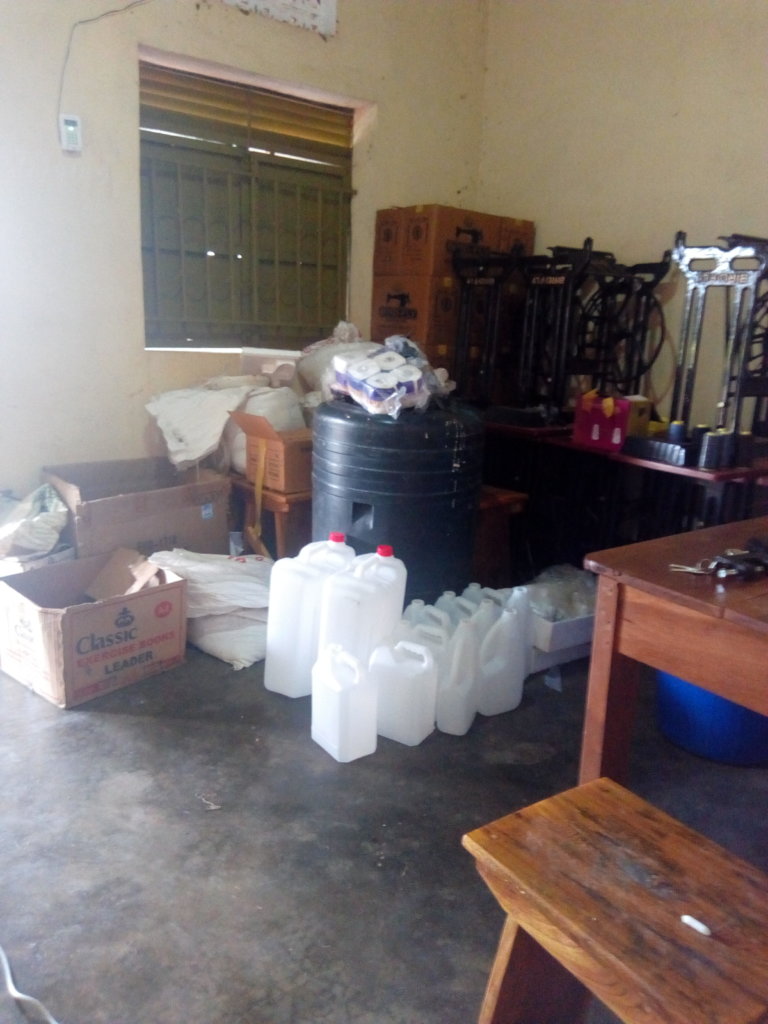
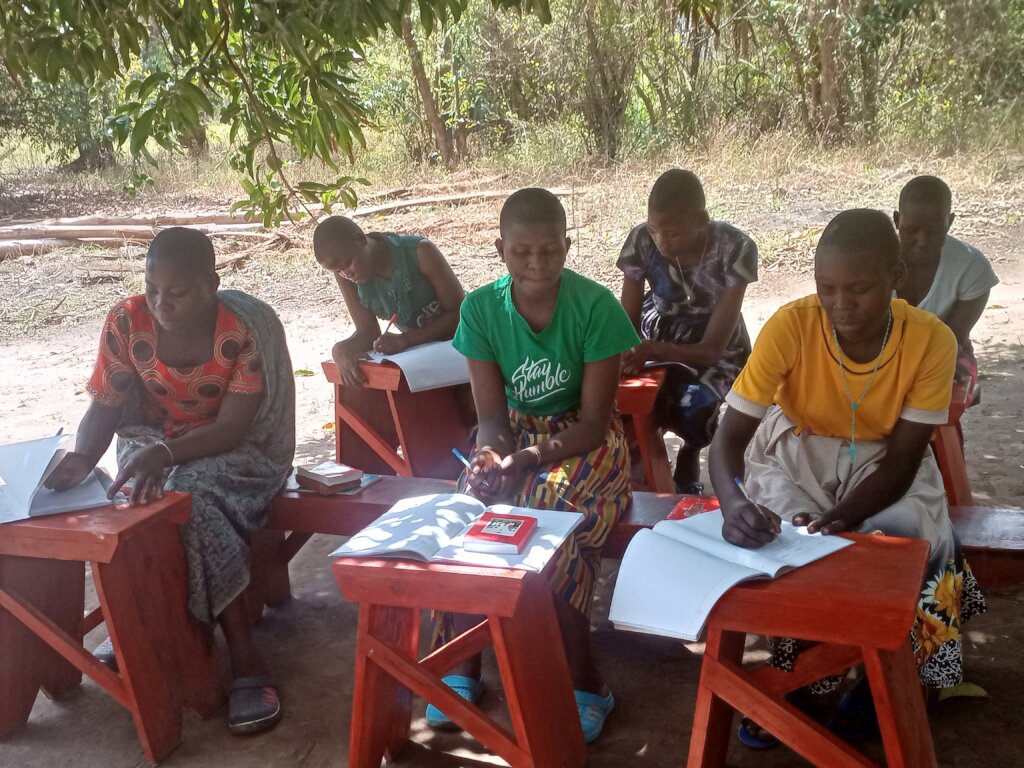
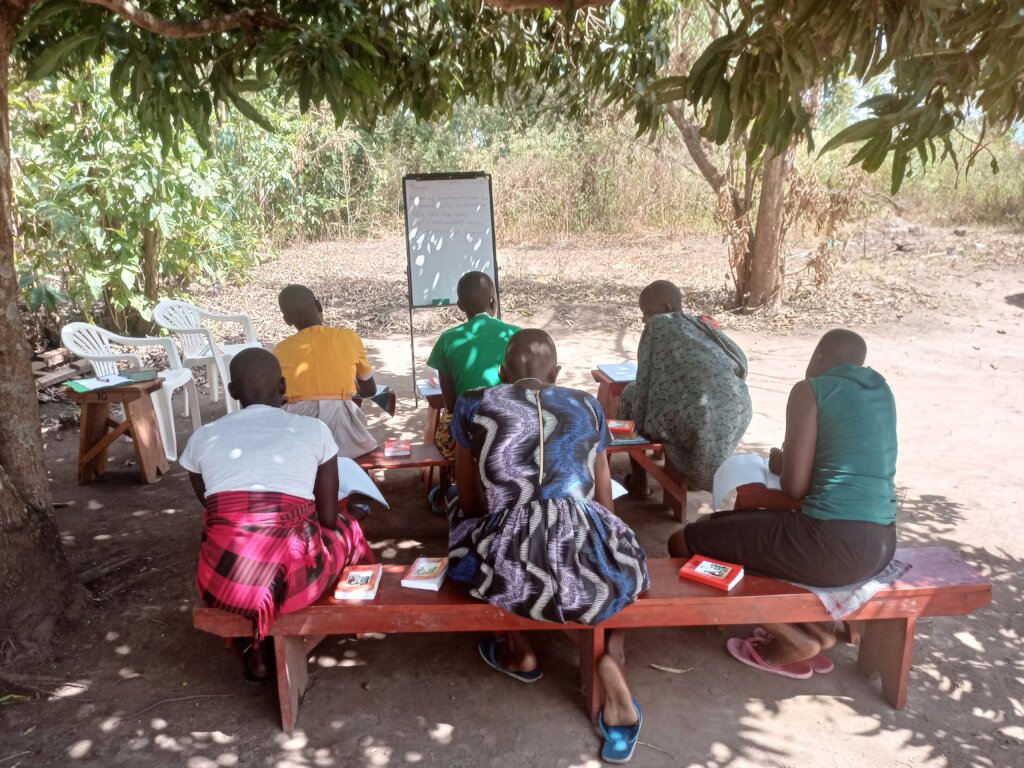
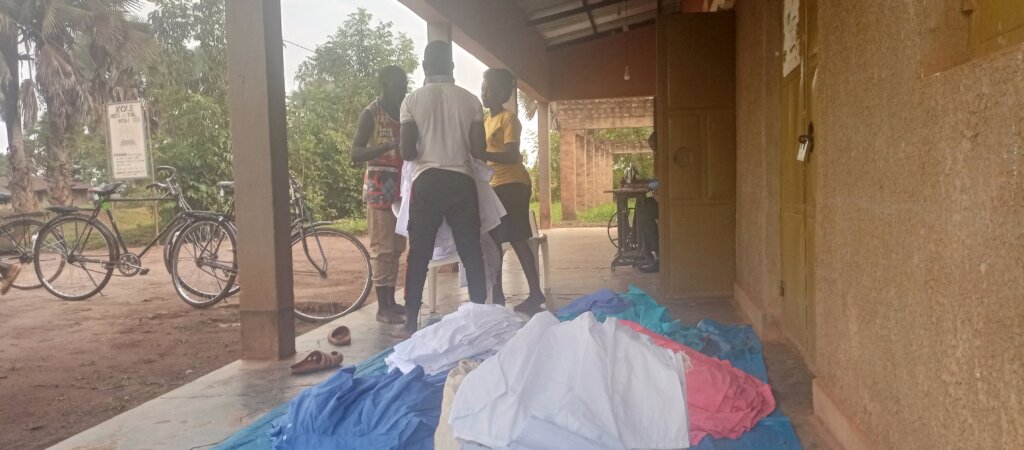
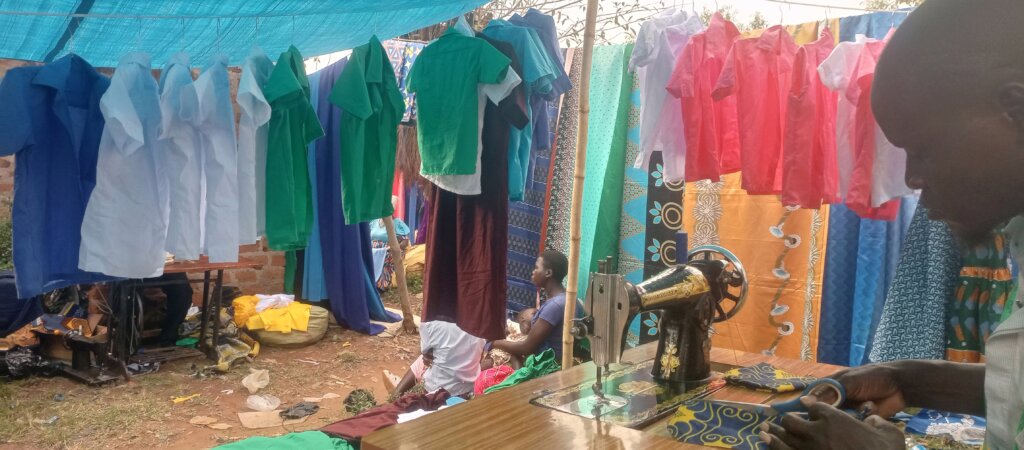
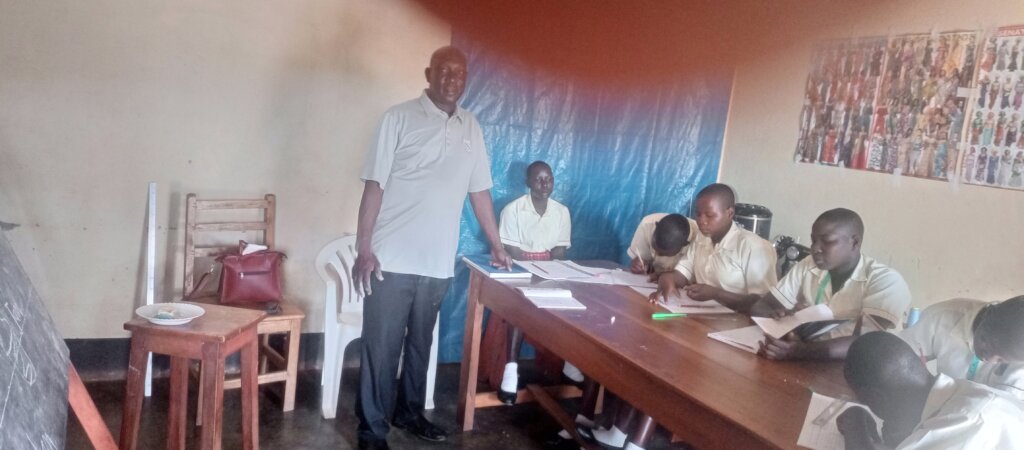
- Workshops on budgeting, micro-enterprise, sustainable cooking, digital literacy, or sewing/repair.
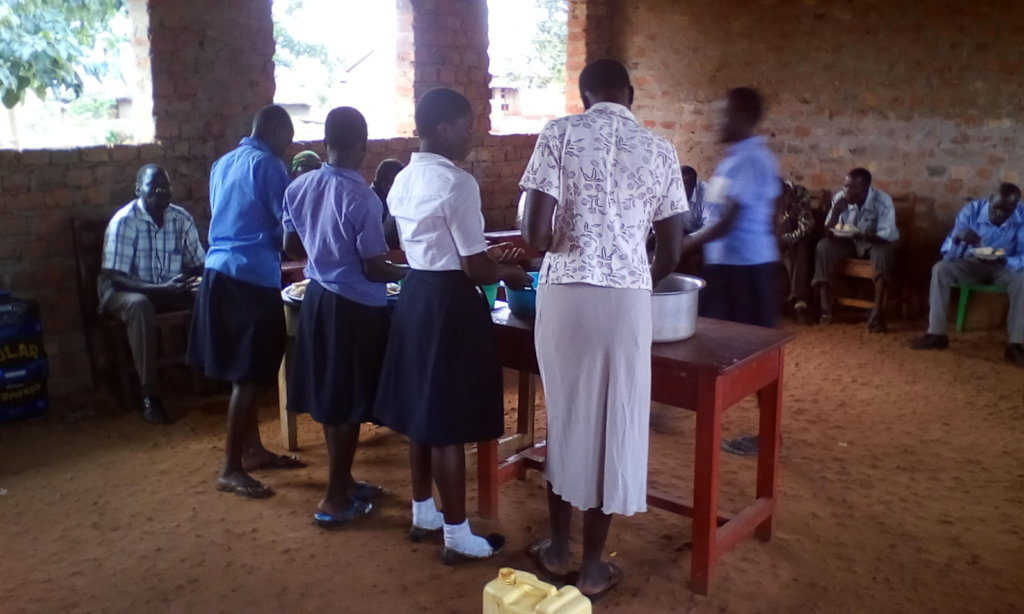
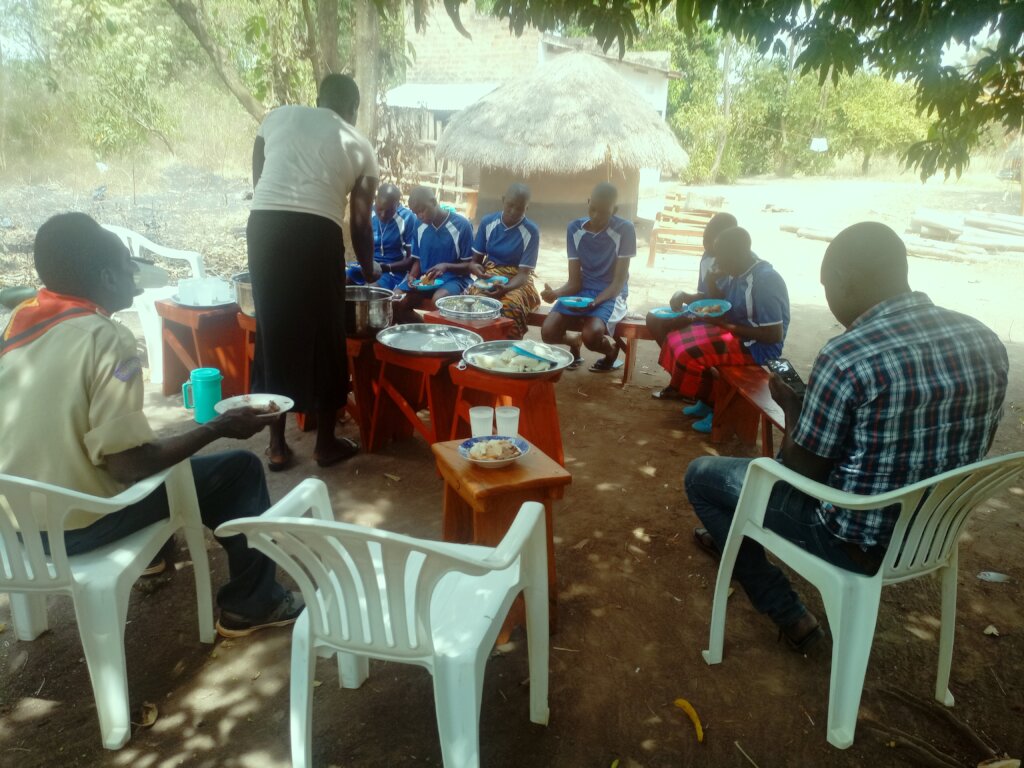
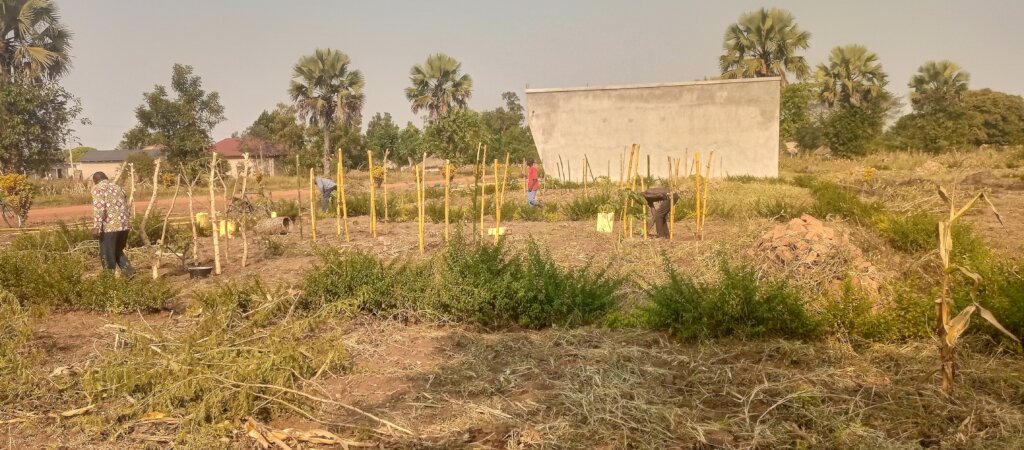
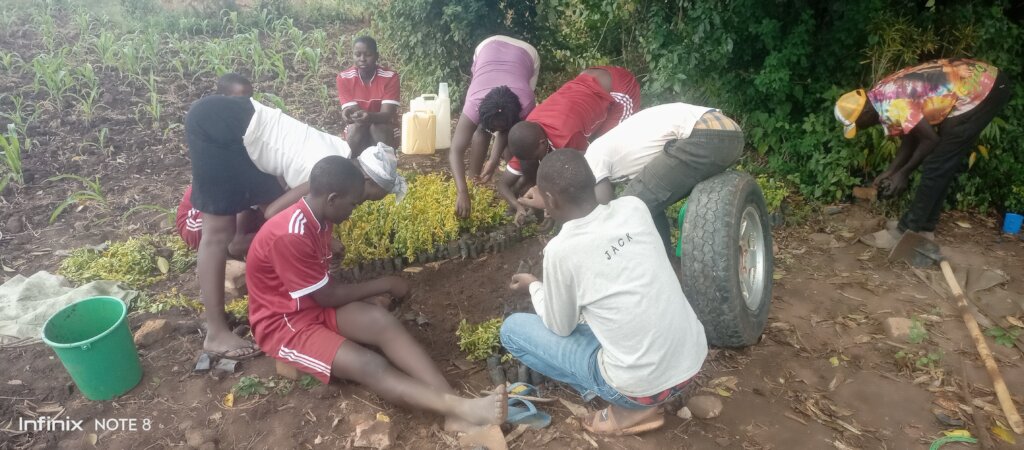
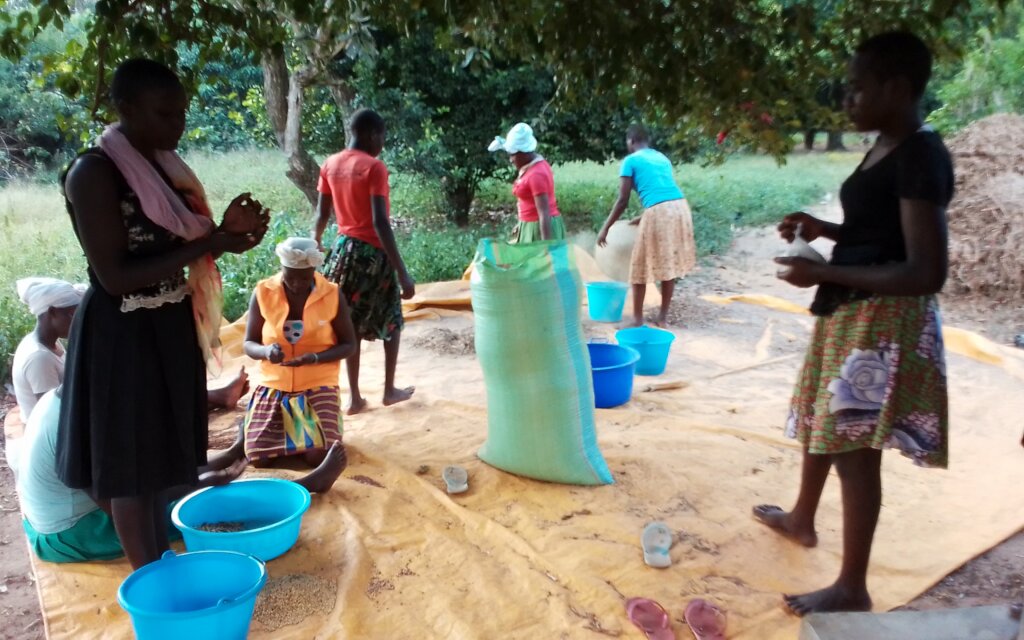
- Setting up community gardens, food preservation groups, or shared kitchens.
- Economic Development: Supporting local entrepreneurship, promoting circular economy (reduce/reuse/recycle), and strengthening local food systems.
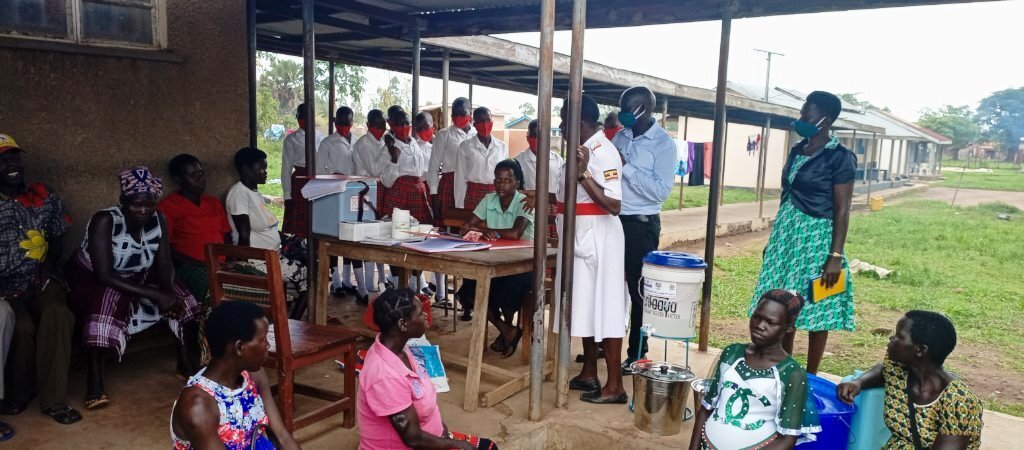
- Health & Wellness: Promoting healthy lifestyles, family support programs, and addressing social determinants of health.
- Advocacy: Using data from community engagement to advocate for better policies (e.g., affordable housing, childcare).
How Home Economics Drives Development
- From Individual to Community: Translates personal skills (home management, consumerism) into collective action for community resilience and sustainability.
- Fosters Ownership: Ensures projects meet real needs and are sustained because the community helped create them.
- Builds Social Capital: Strengthens relationships and trust, leading to more effective collective action.
In essence, Home Economics uses its focus on daily life and well-being to connect with communities, facilitating dialogue, shared learning, and collaborative action for genuine, sustainable development.
![Share on Twitter]()
![Share on Facebook]()