Project Report
| Oct 17, 2026
KIFA: Emerges as a new hope to the needy
By George Obua | Project Leader
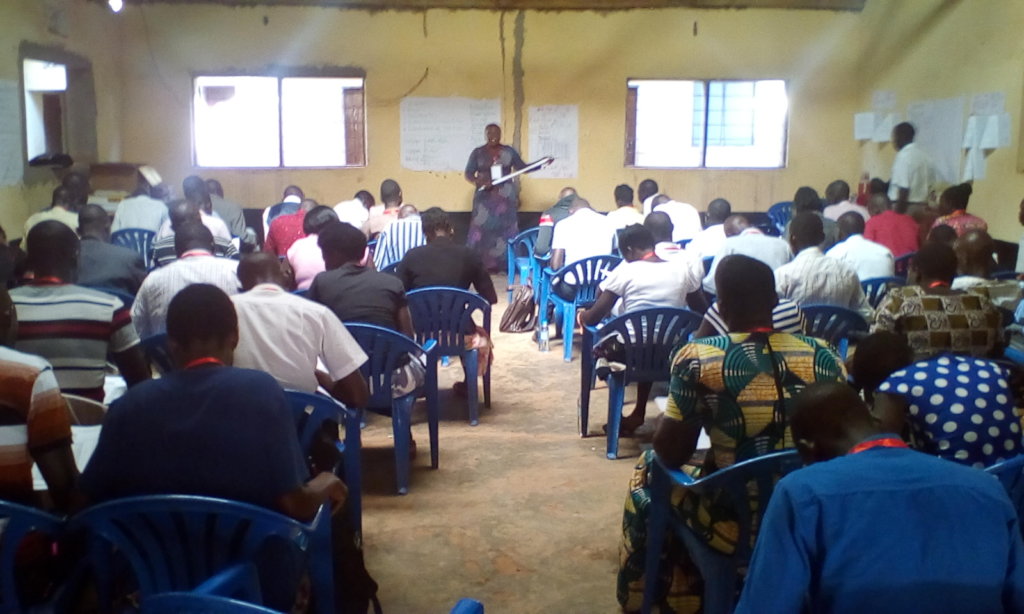
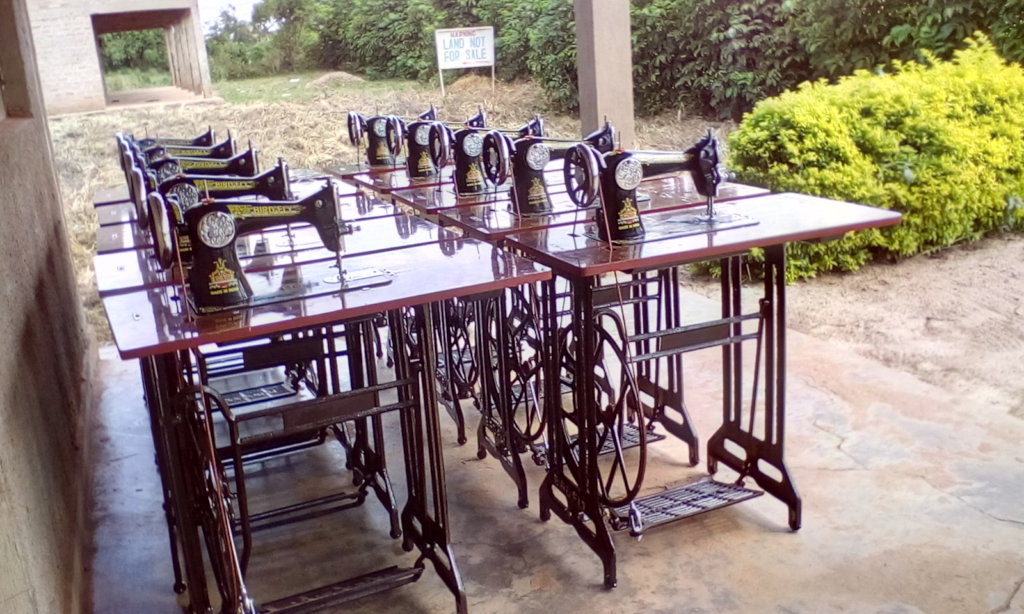
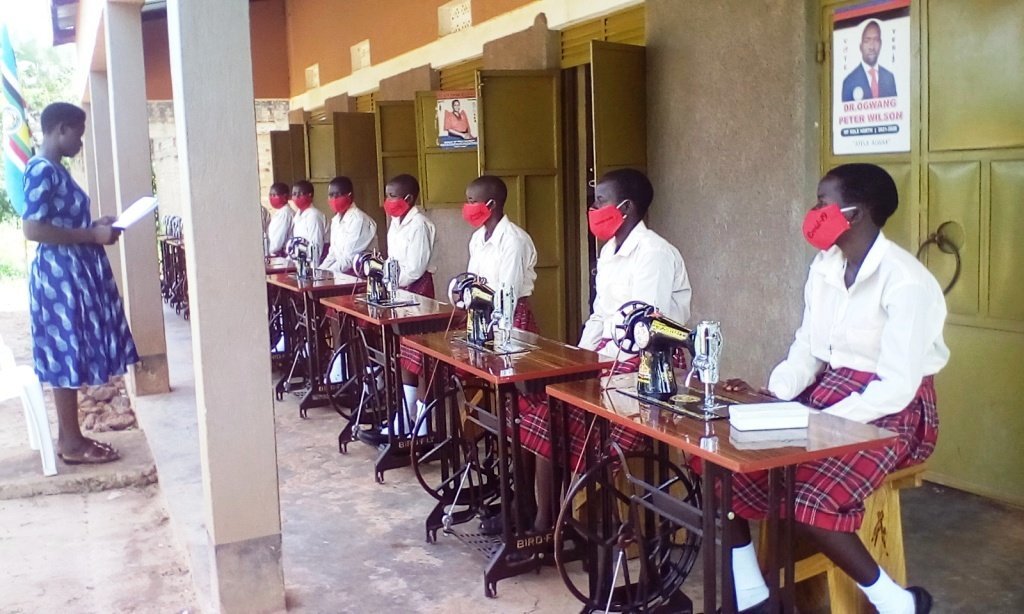
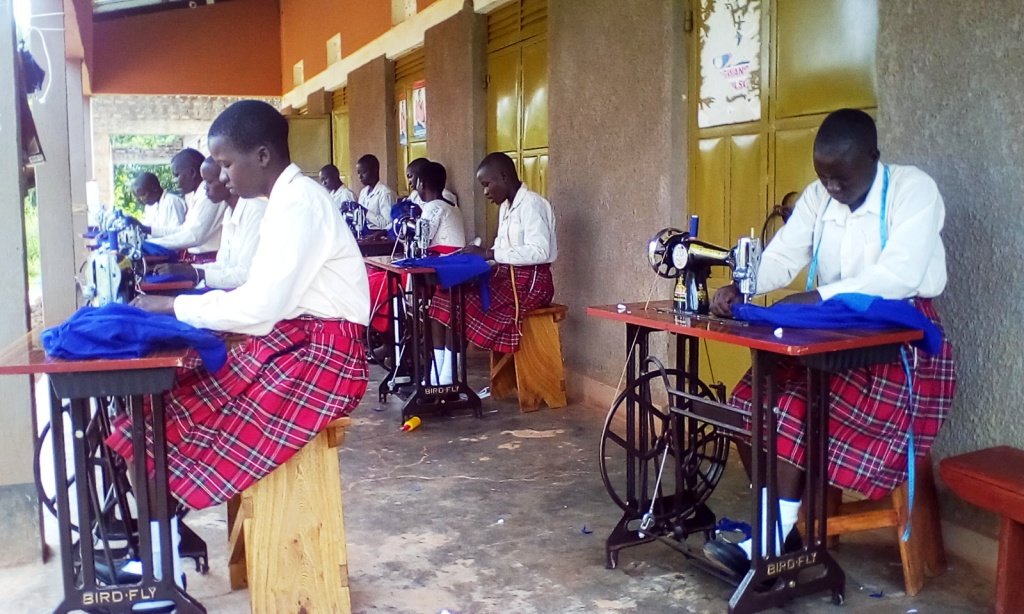
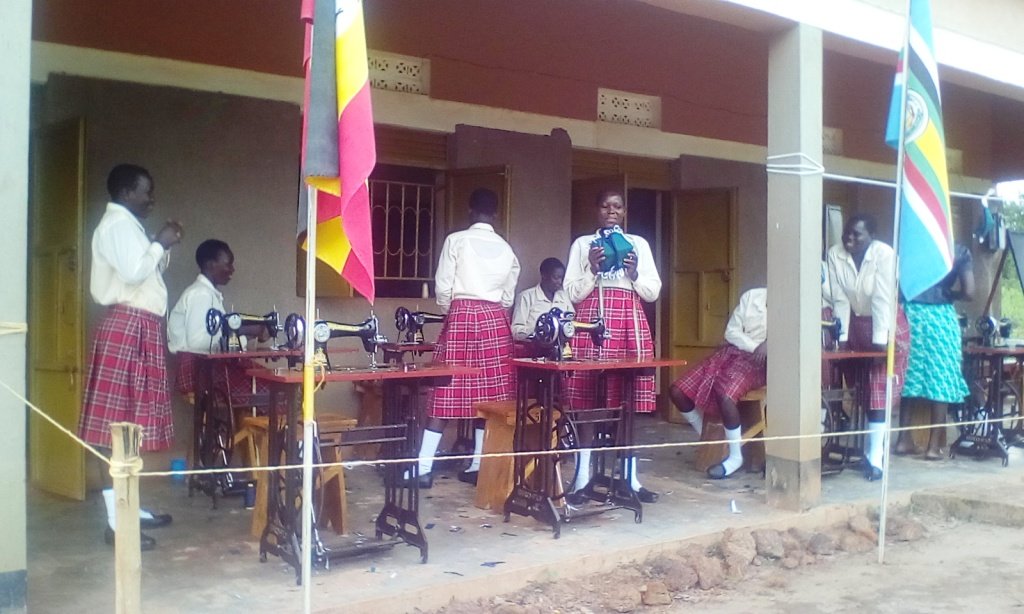
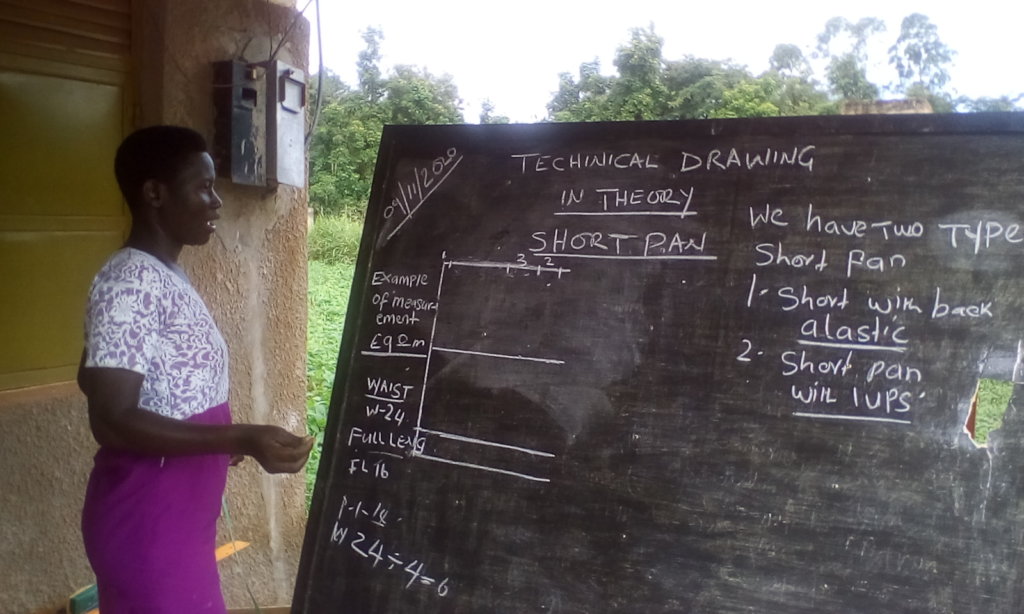
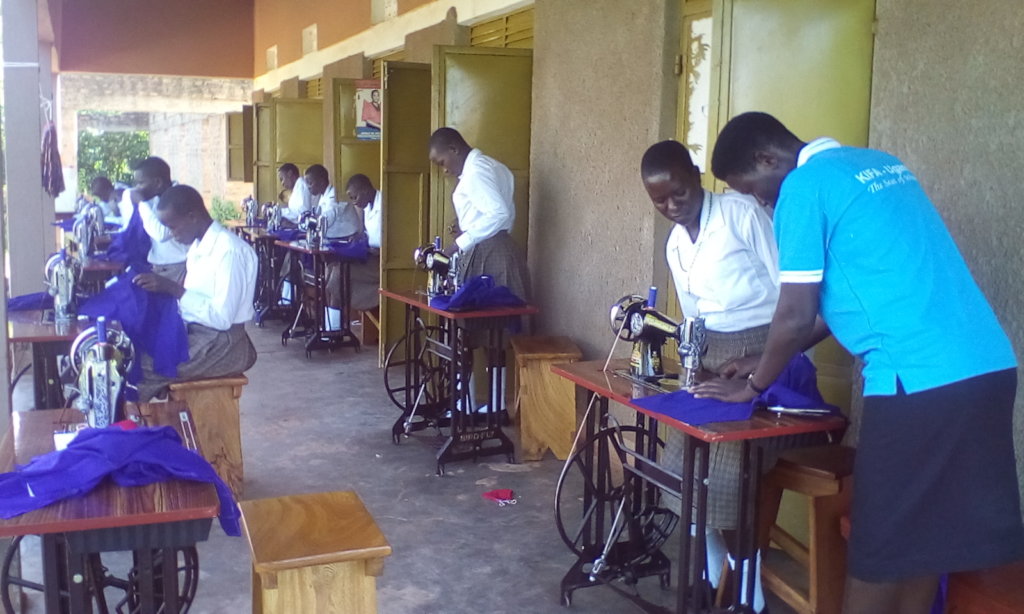
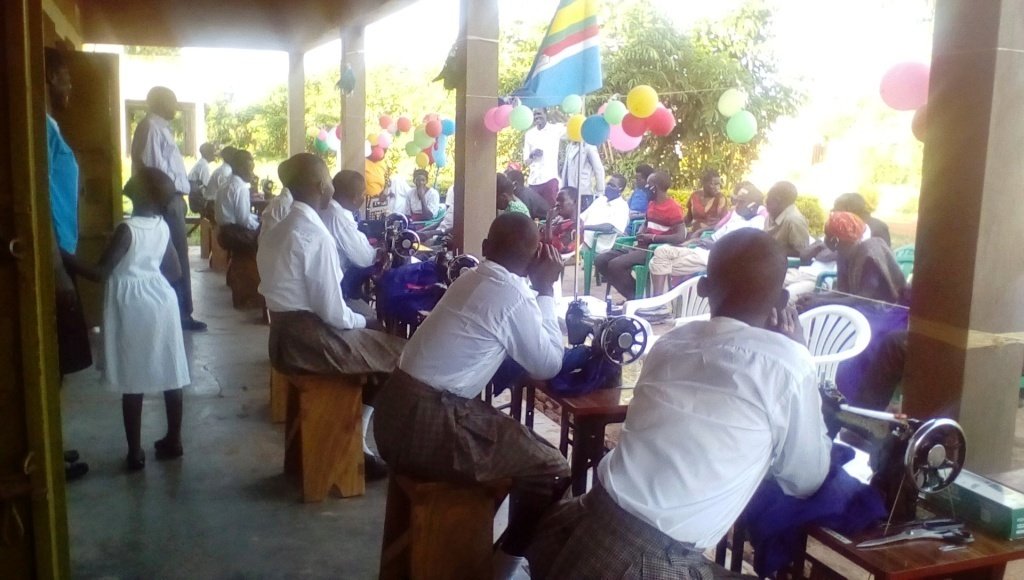
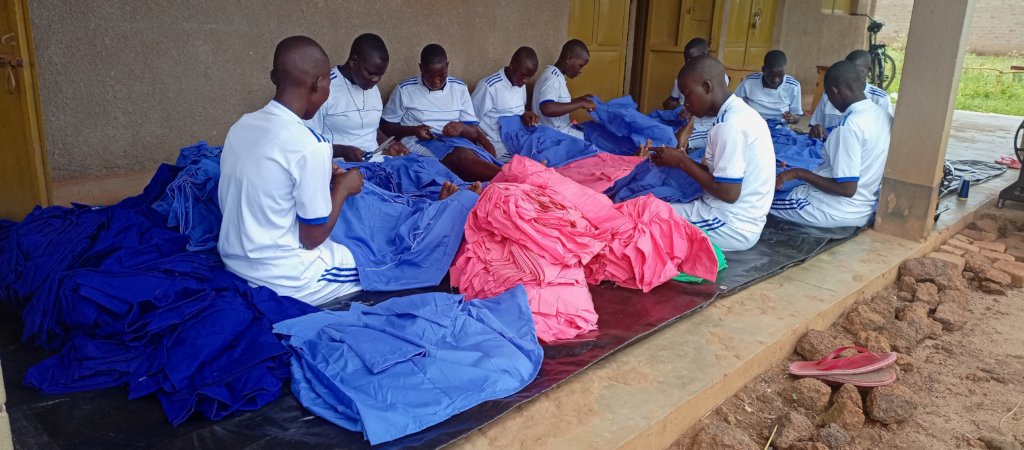
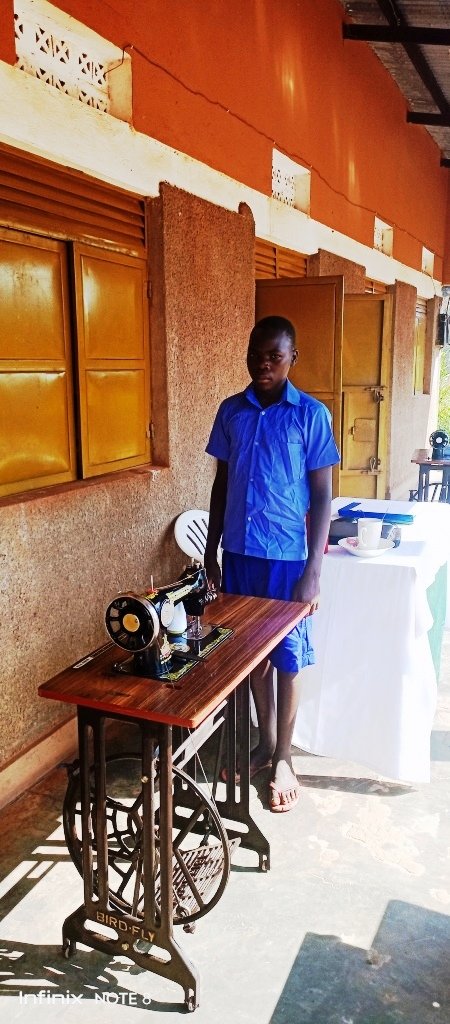
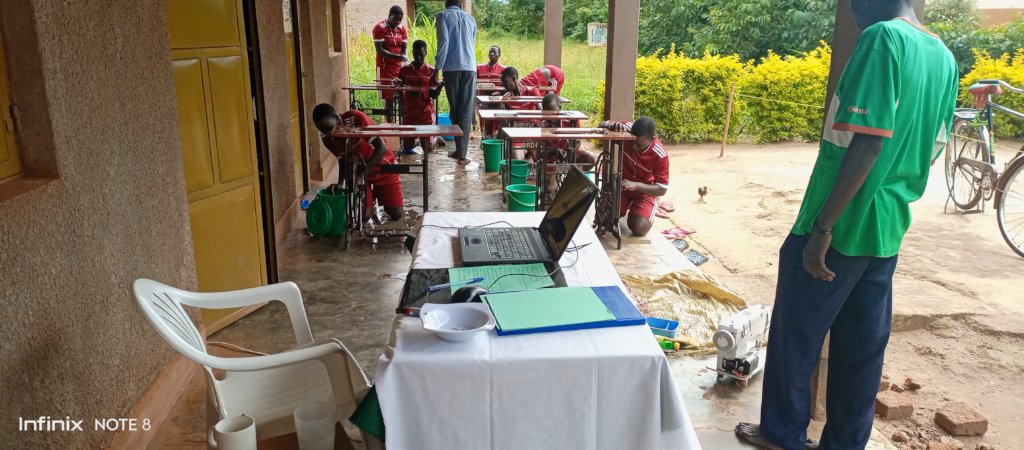
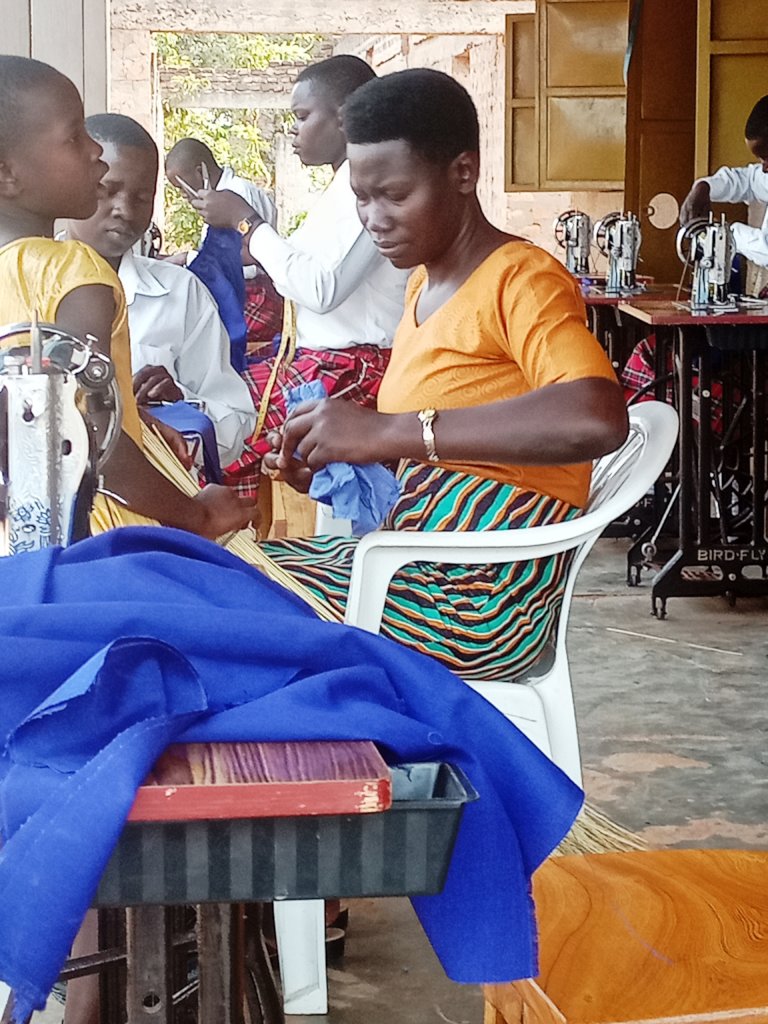
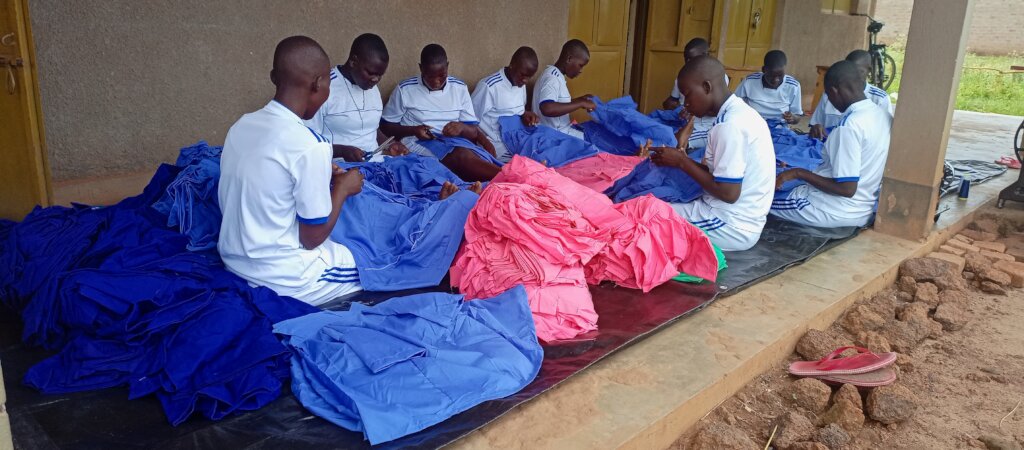
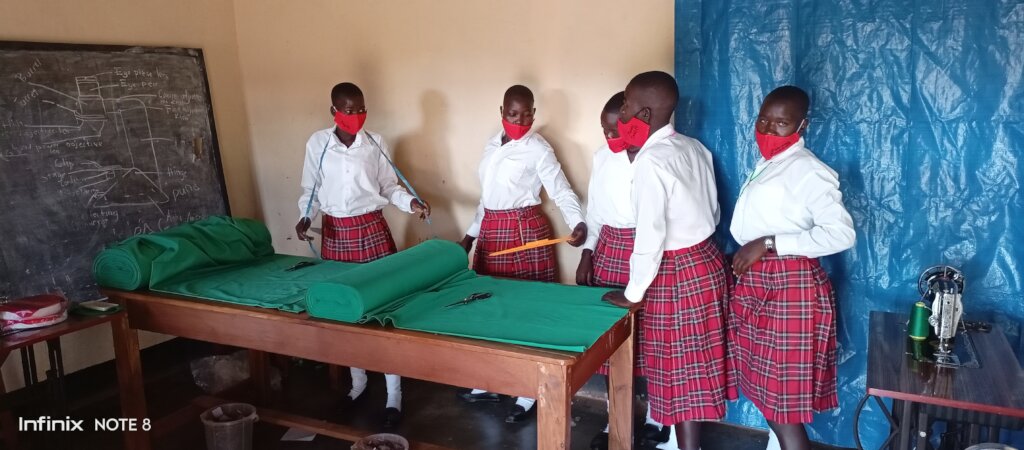
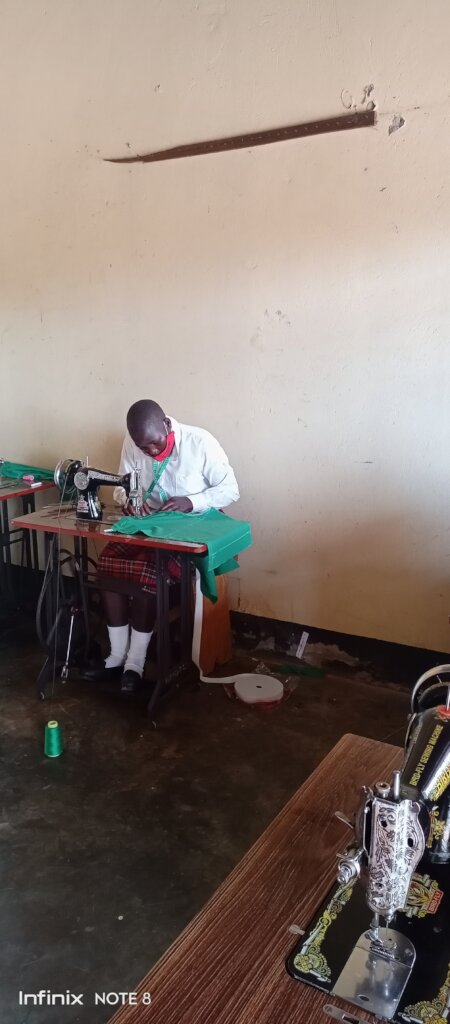
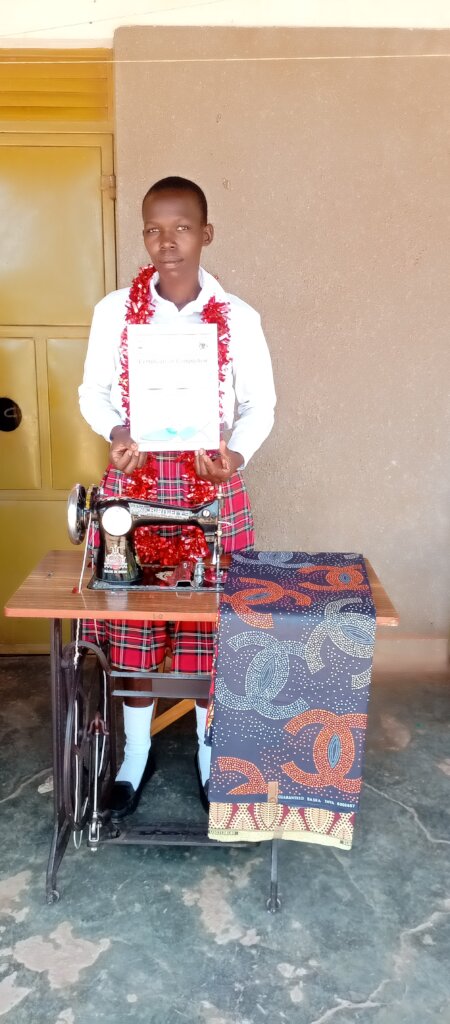
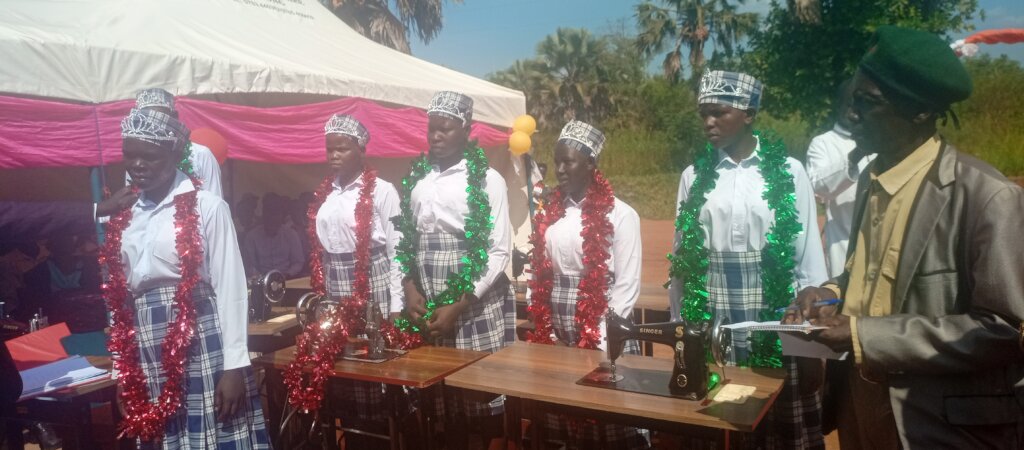
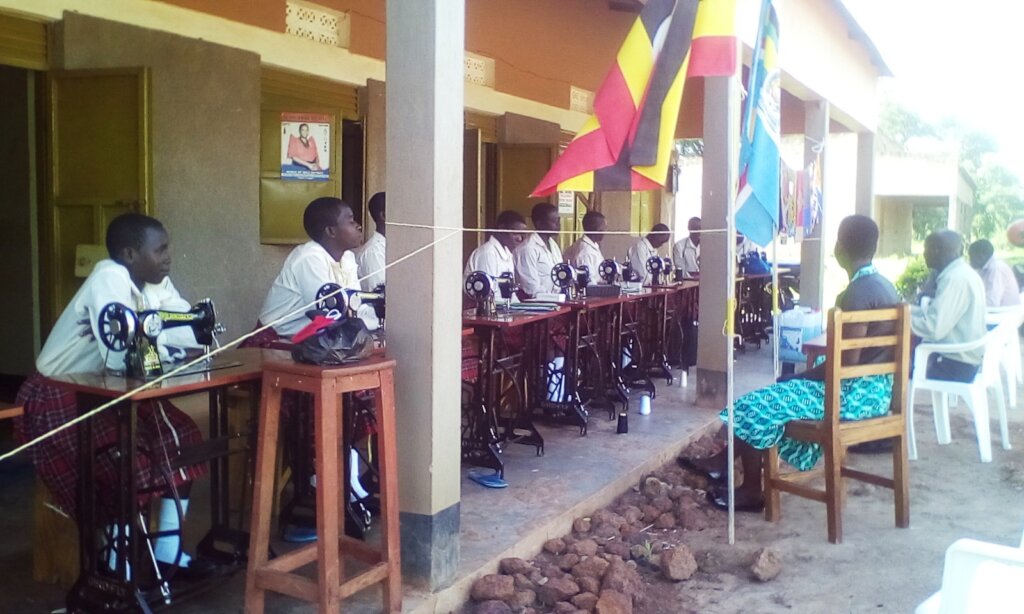
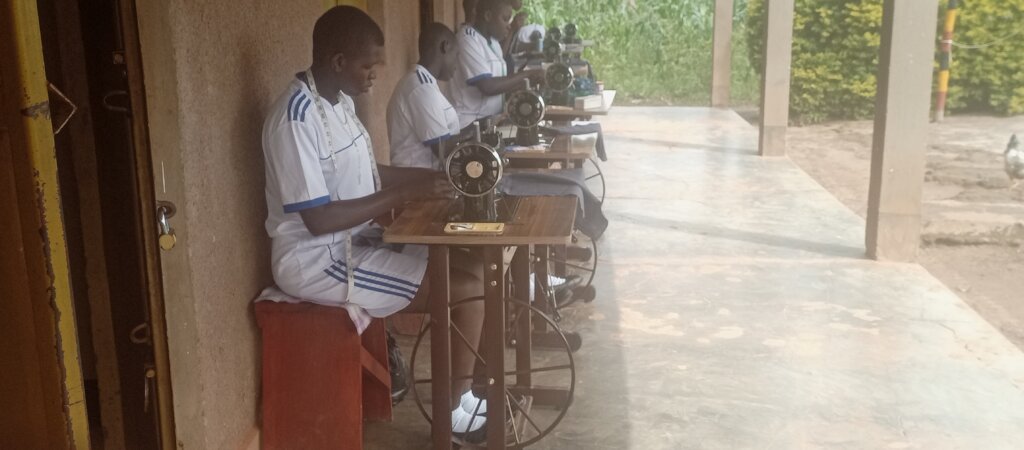
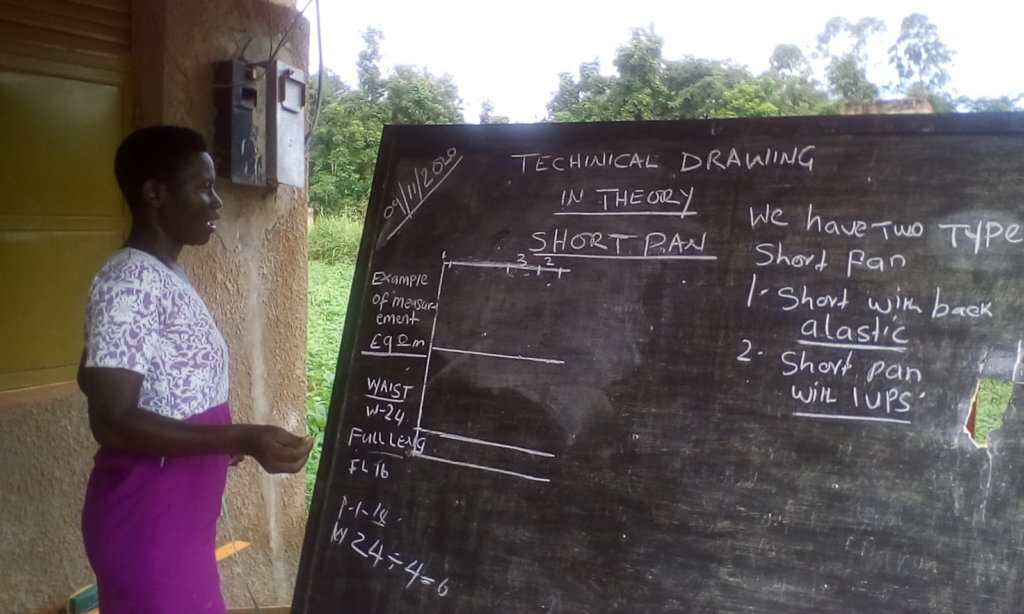
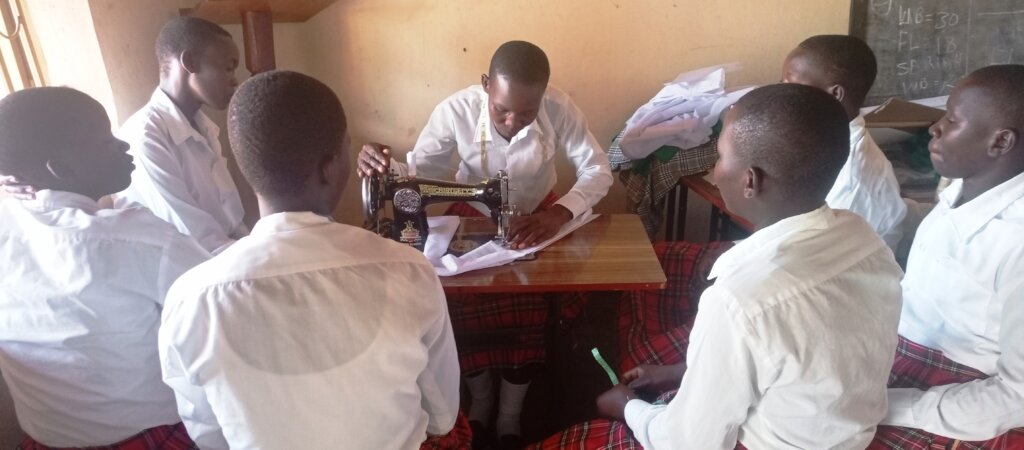
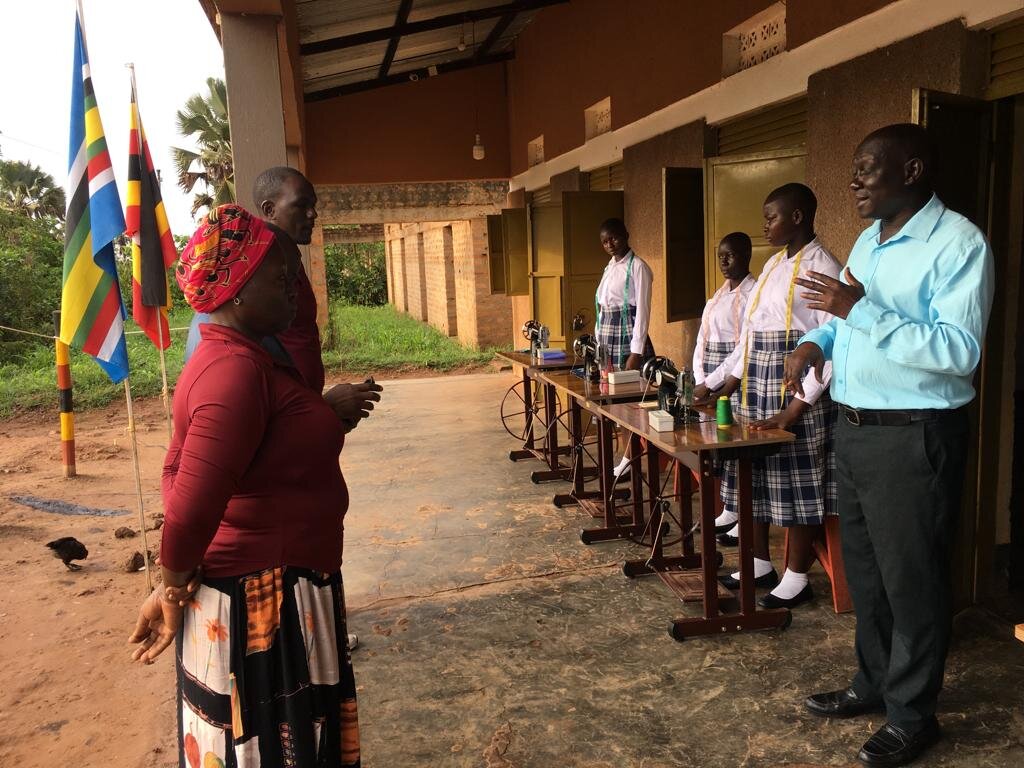
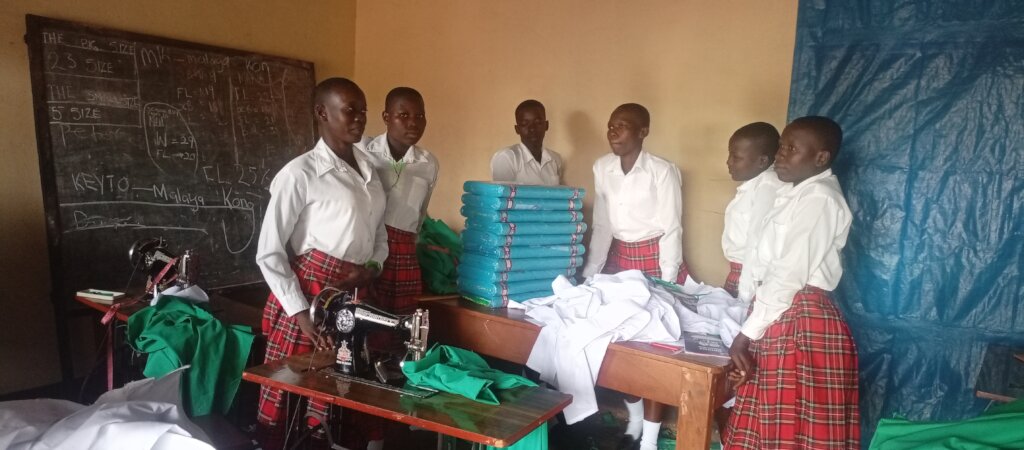
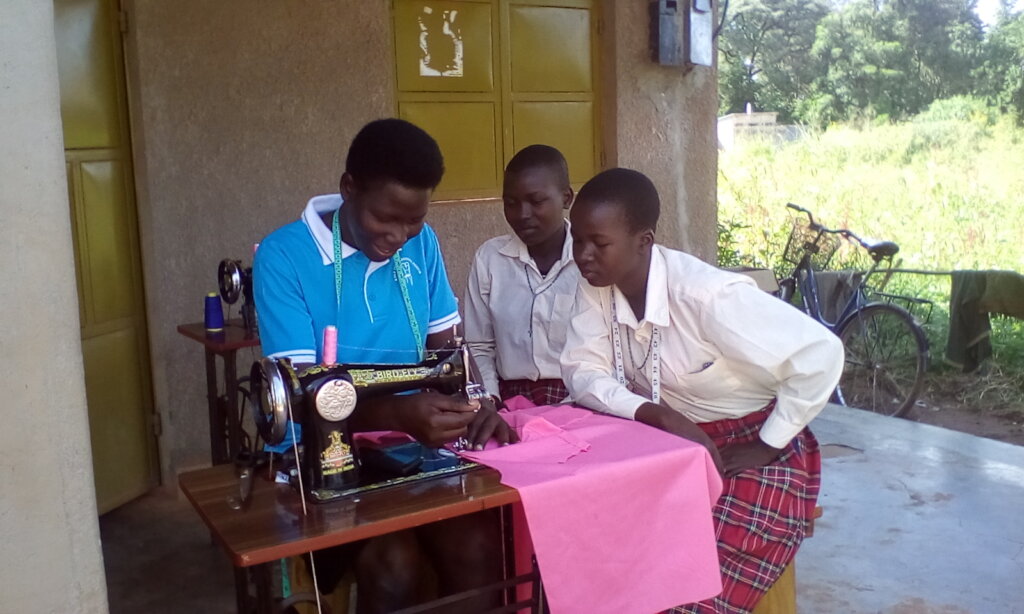
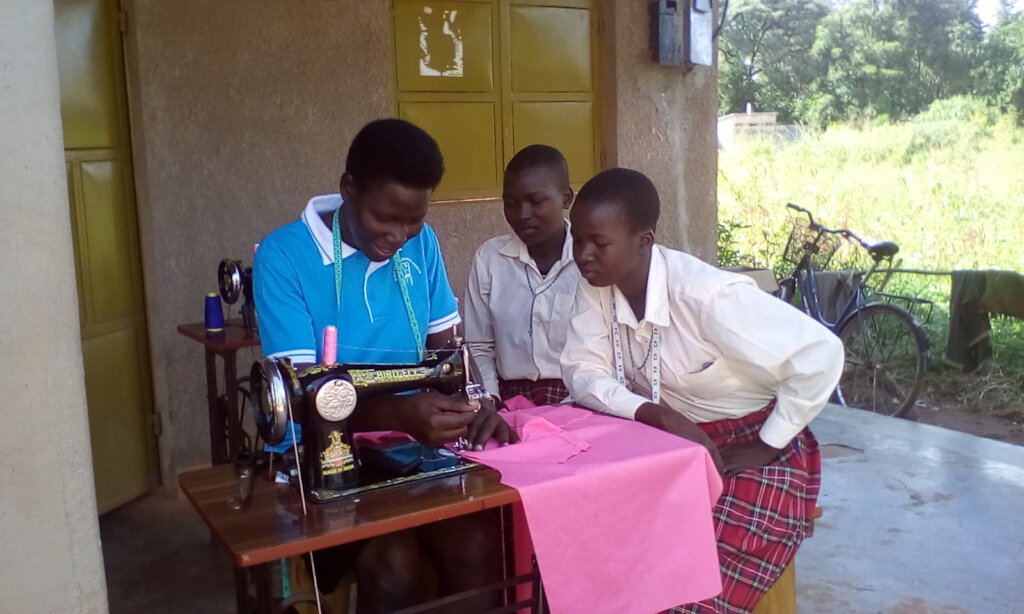
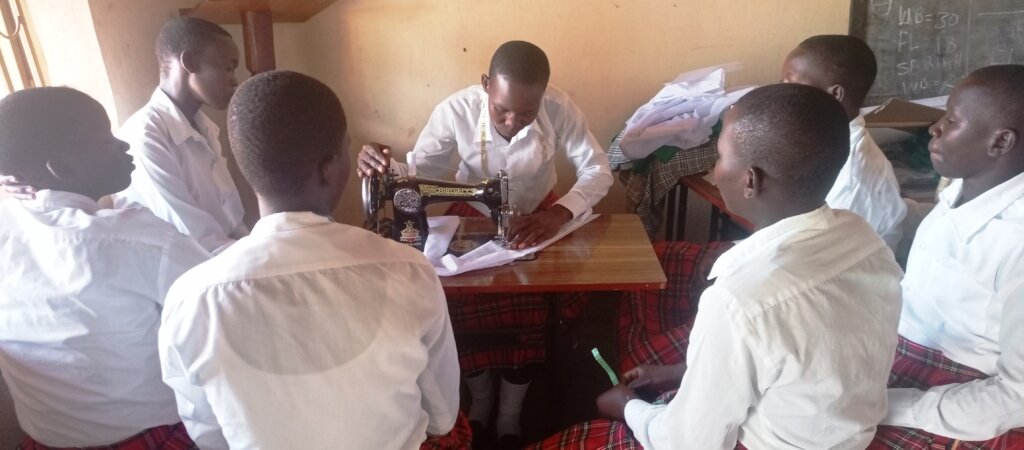
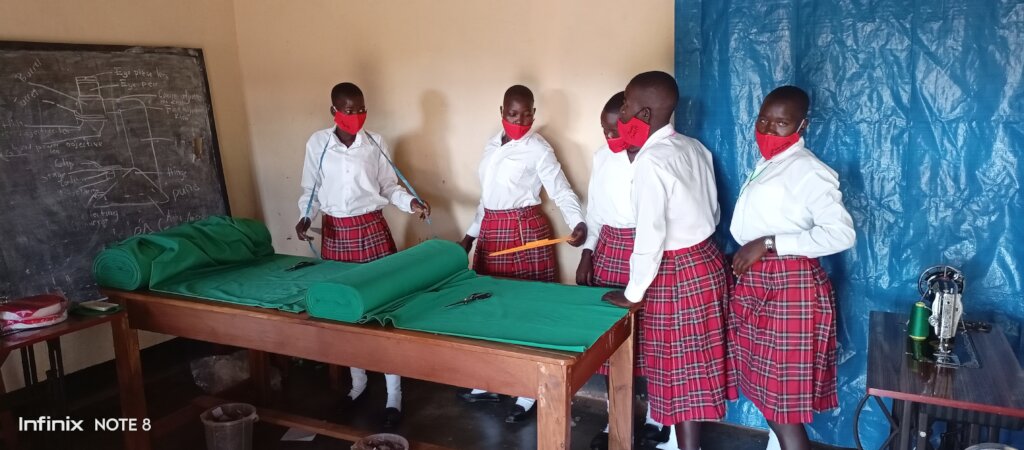
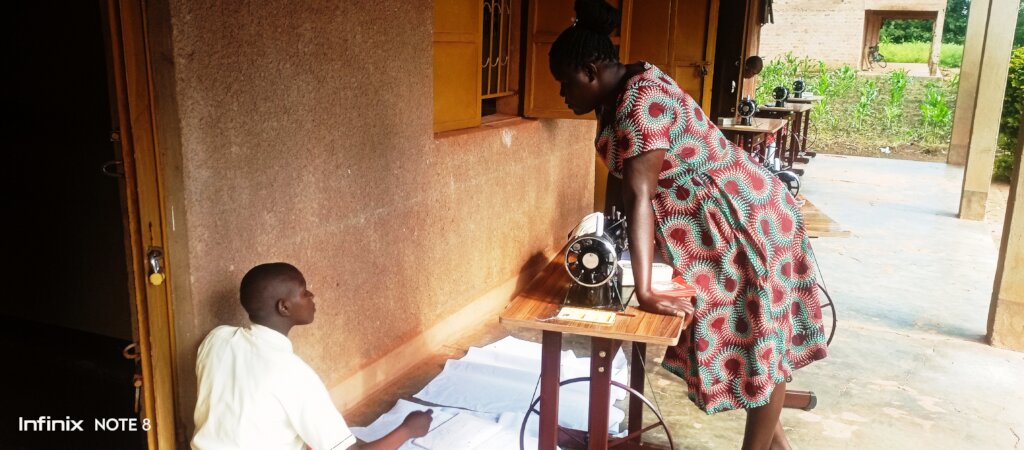
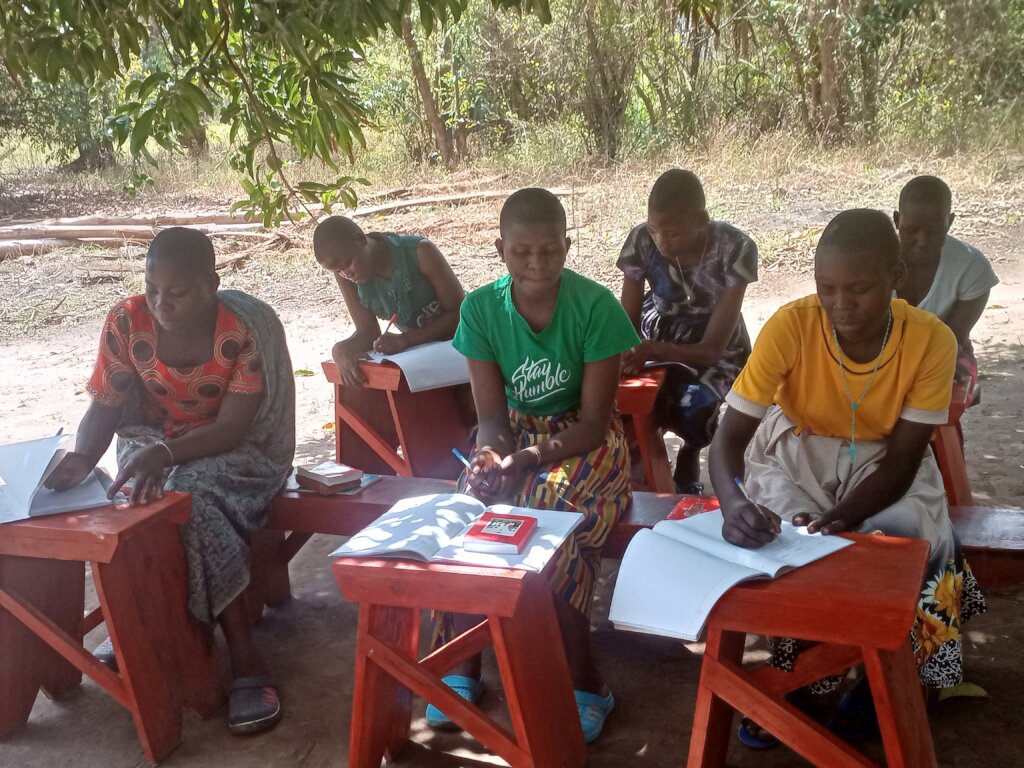
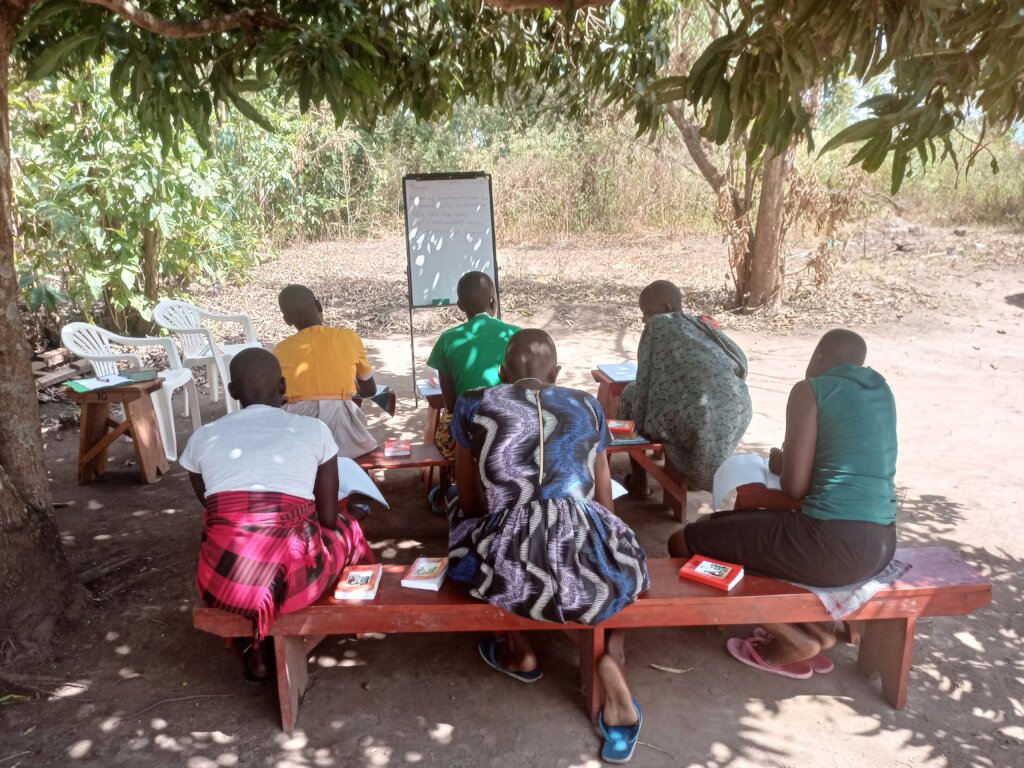
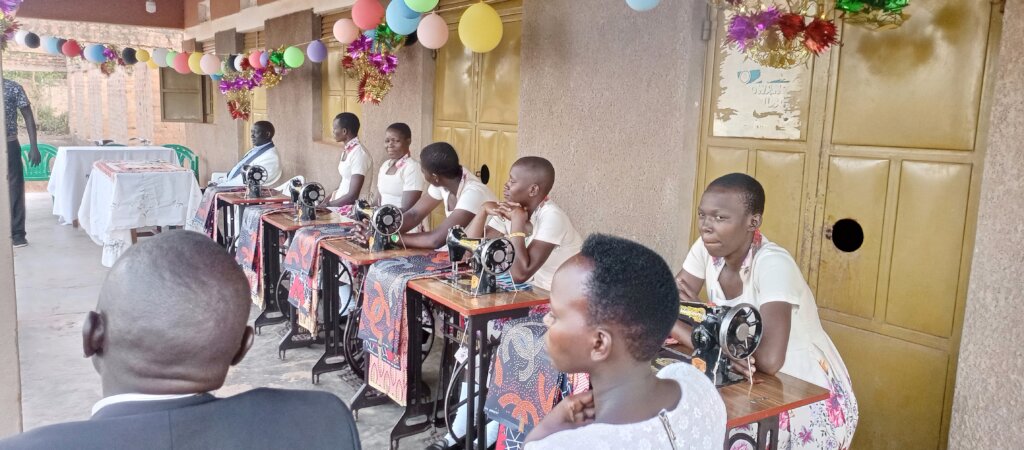
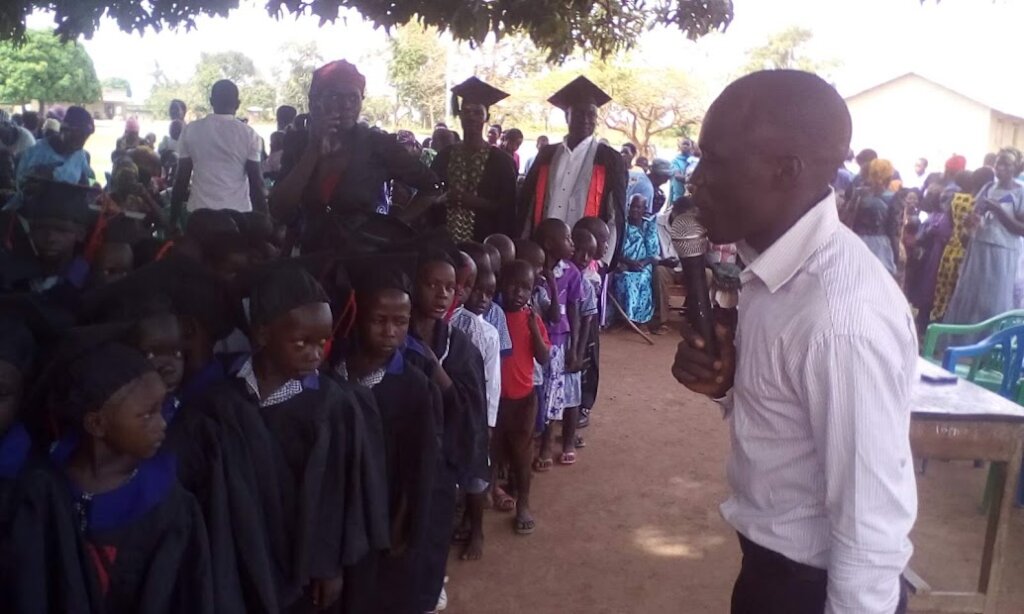
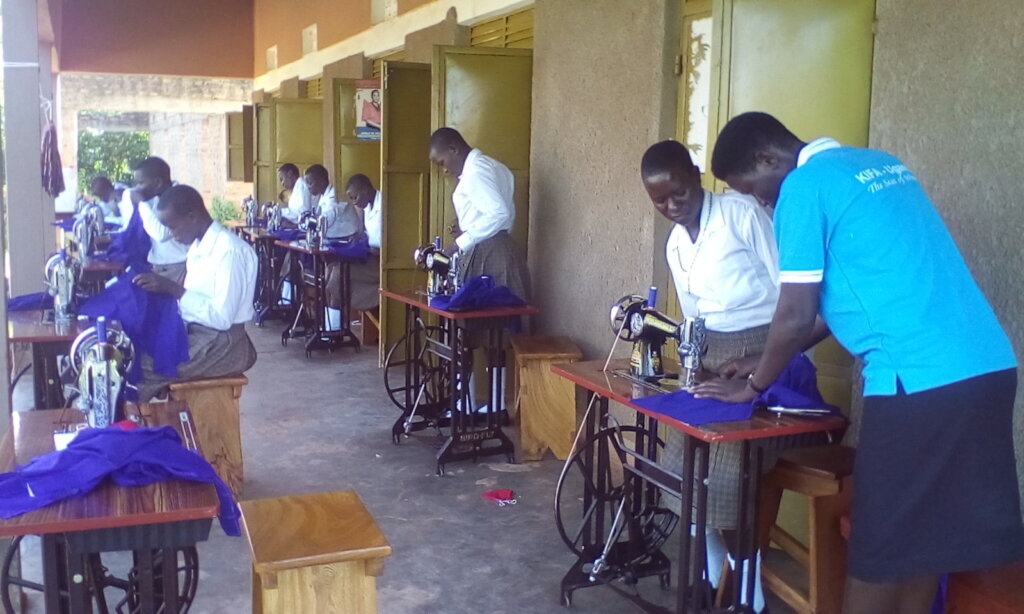
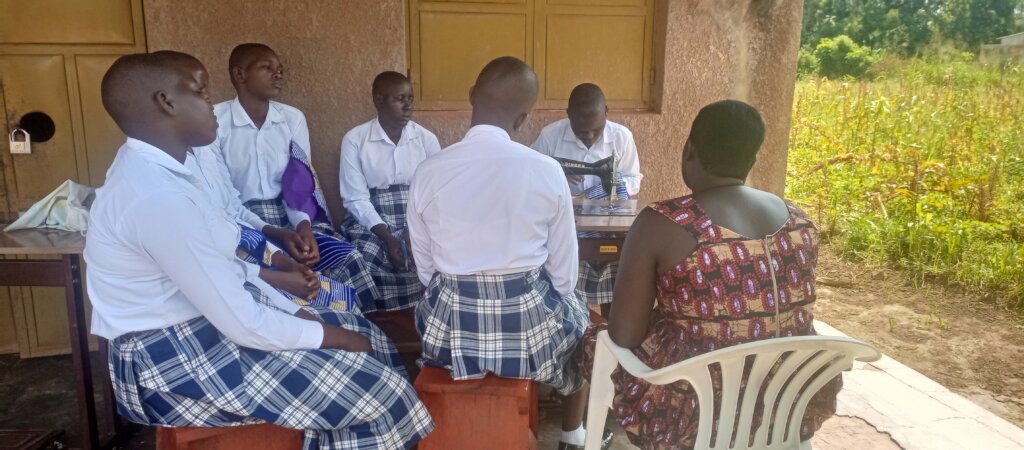
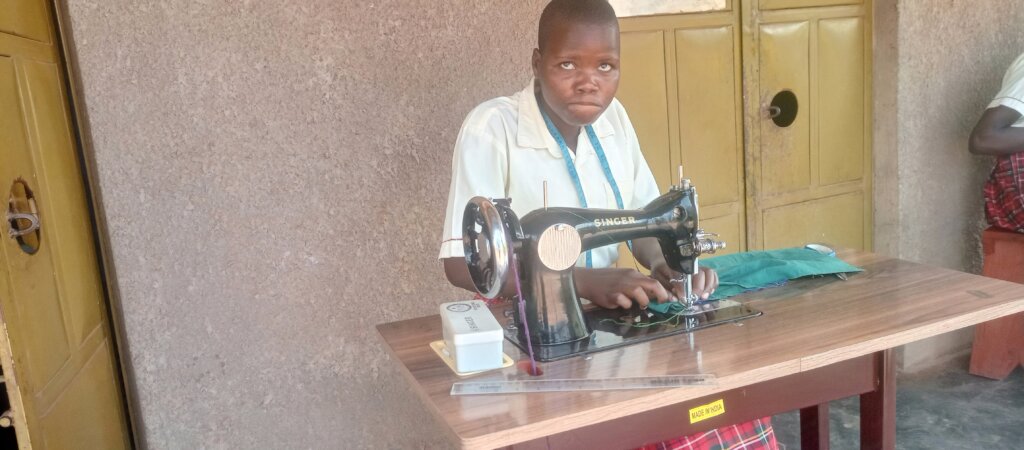
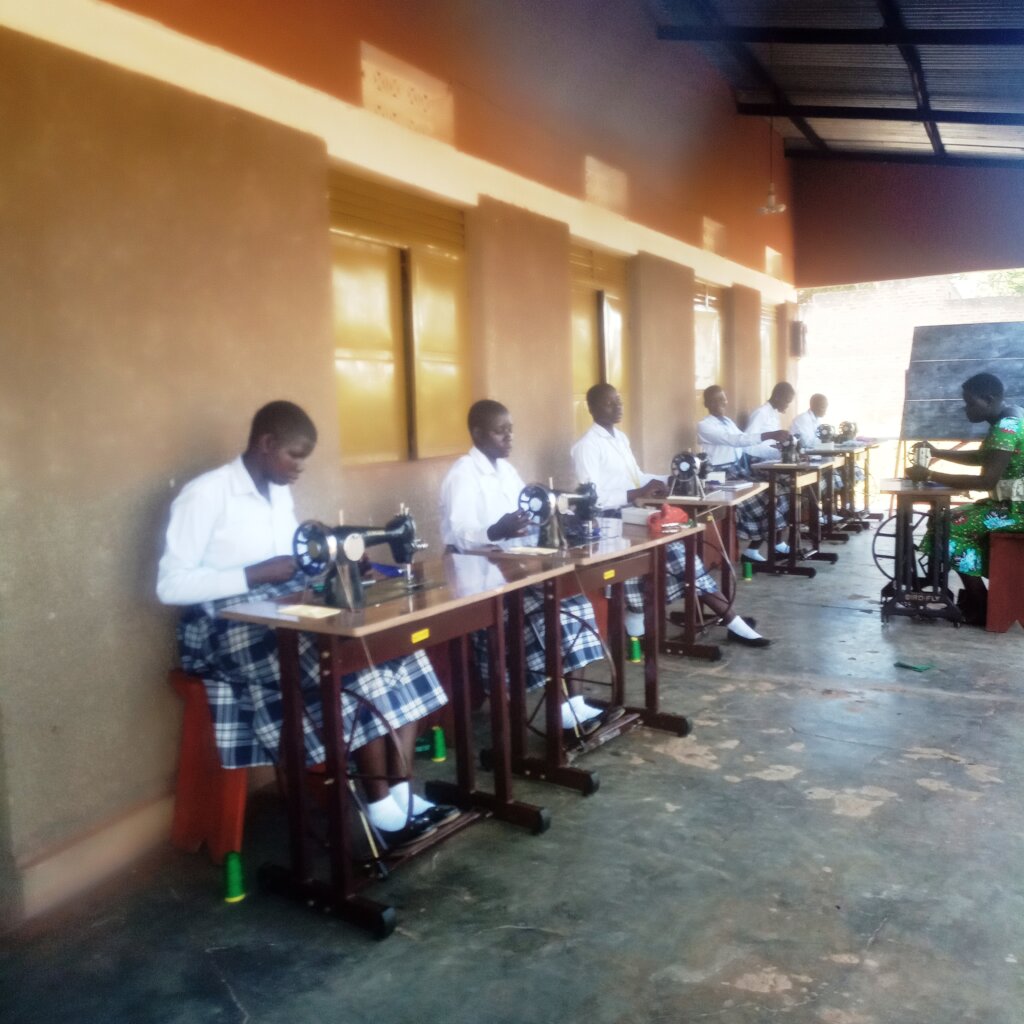
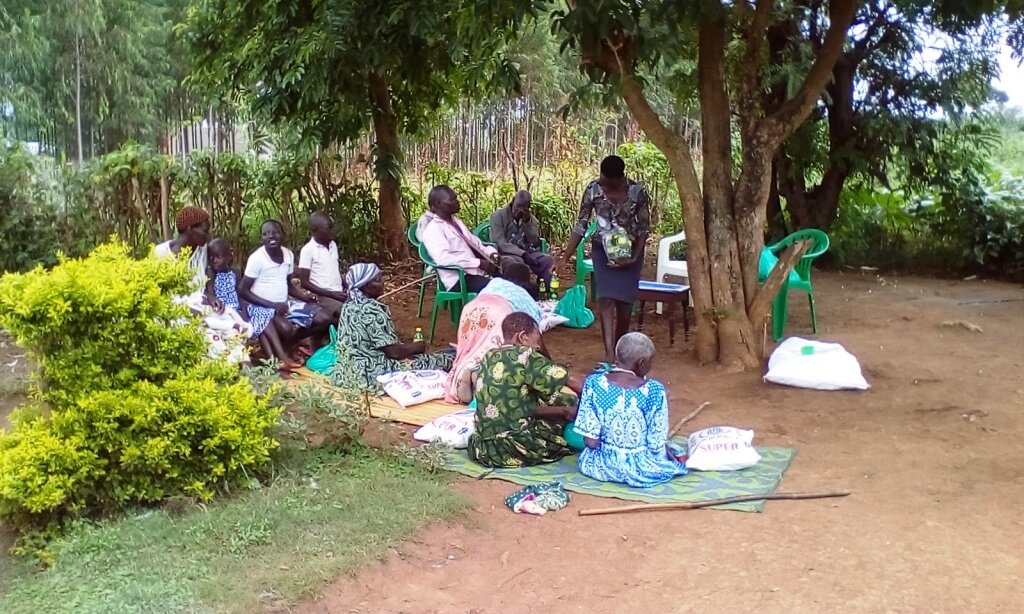
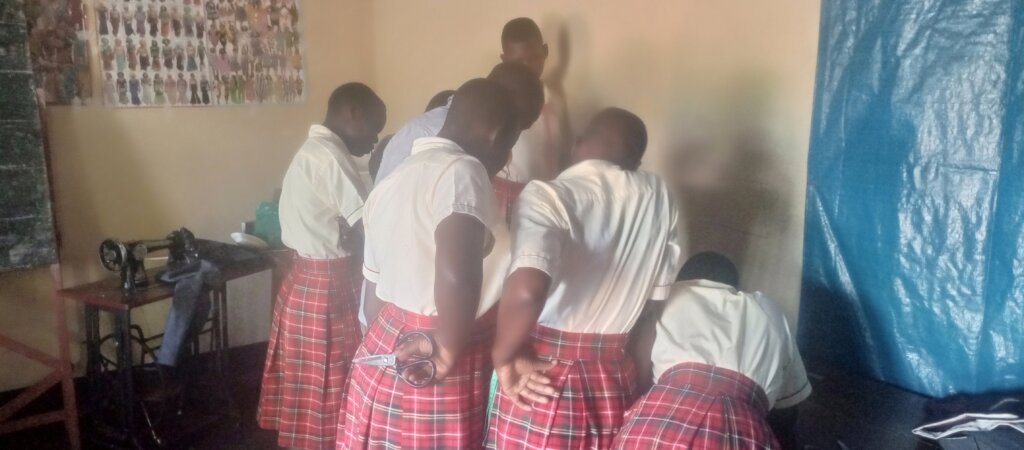
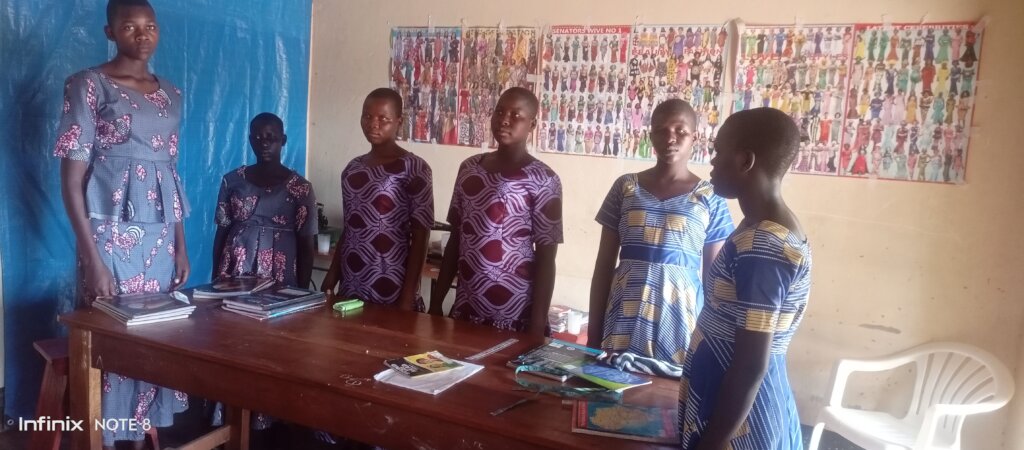
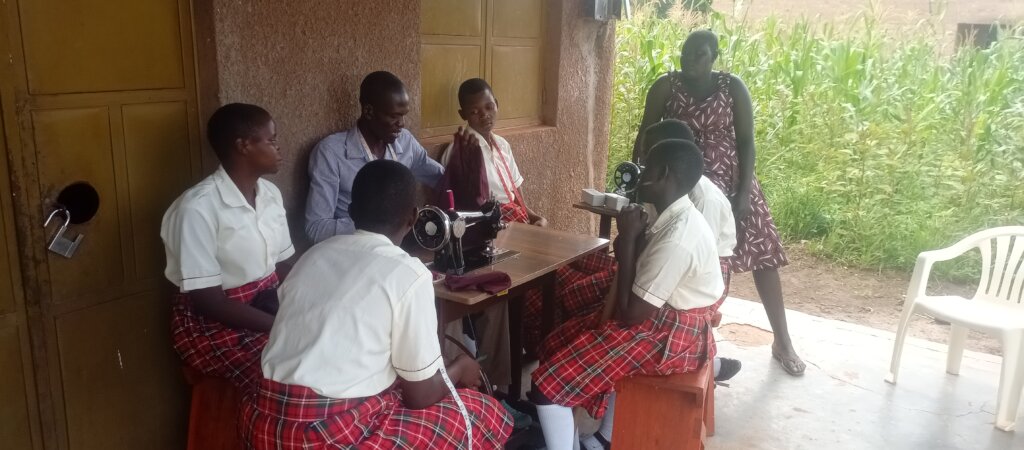
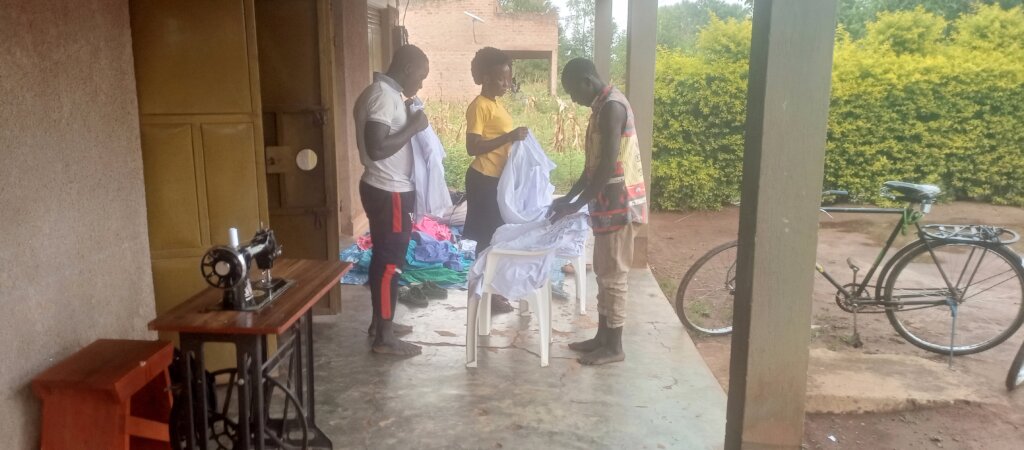
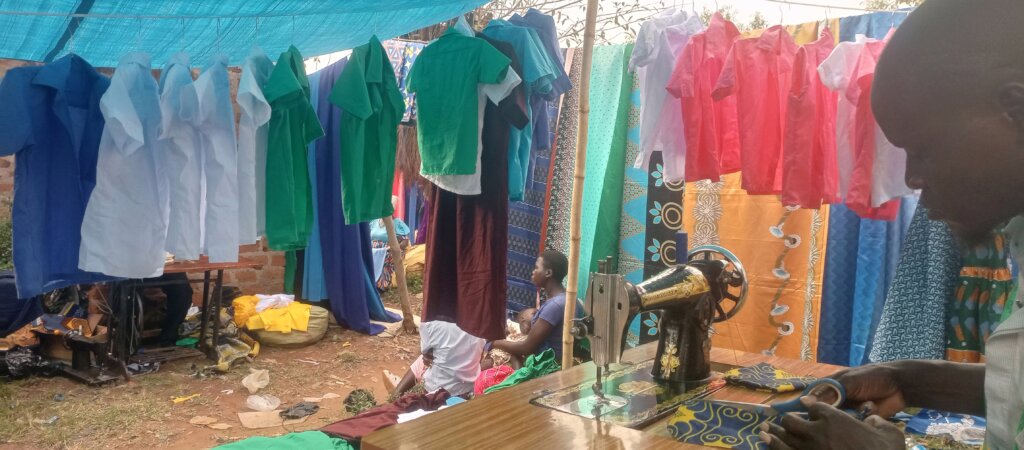
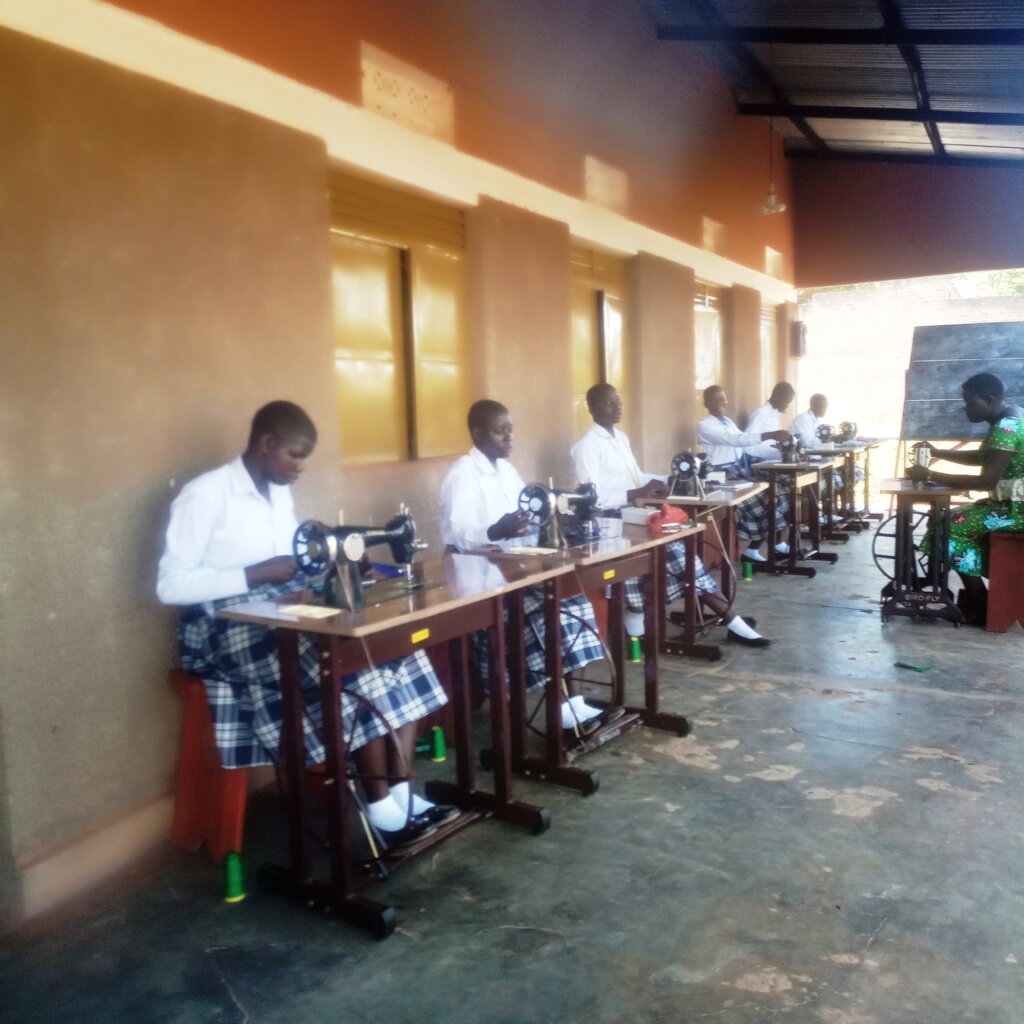
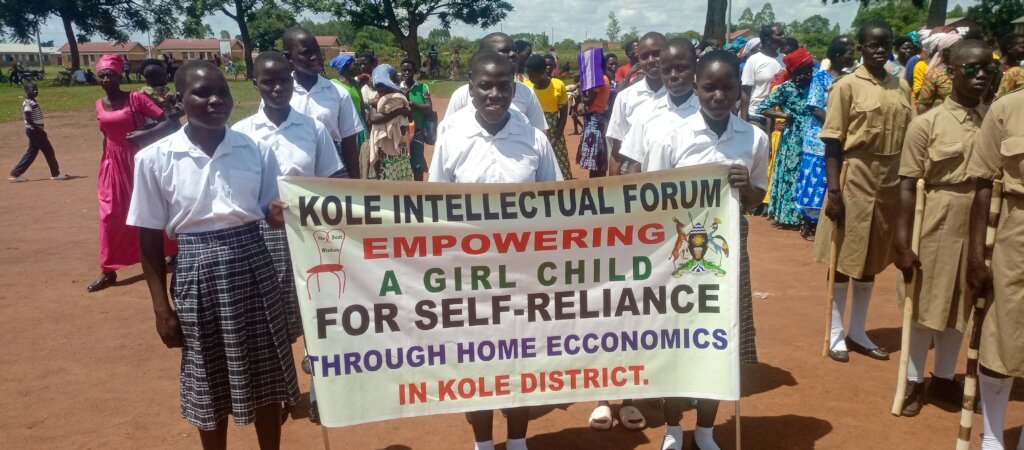
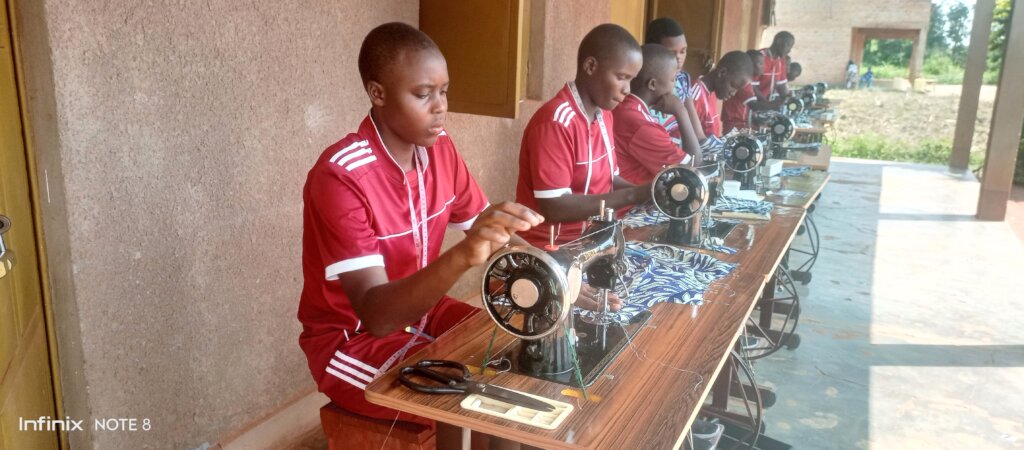
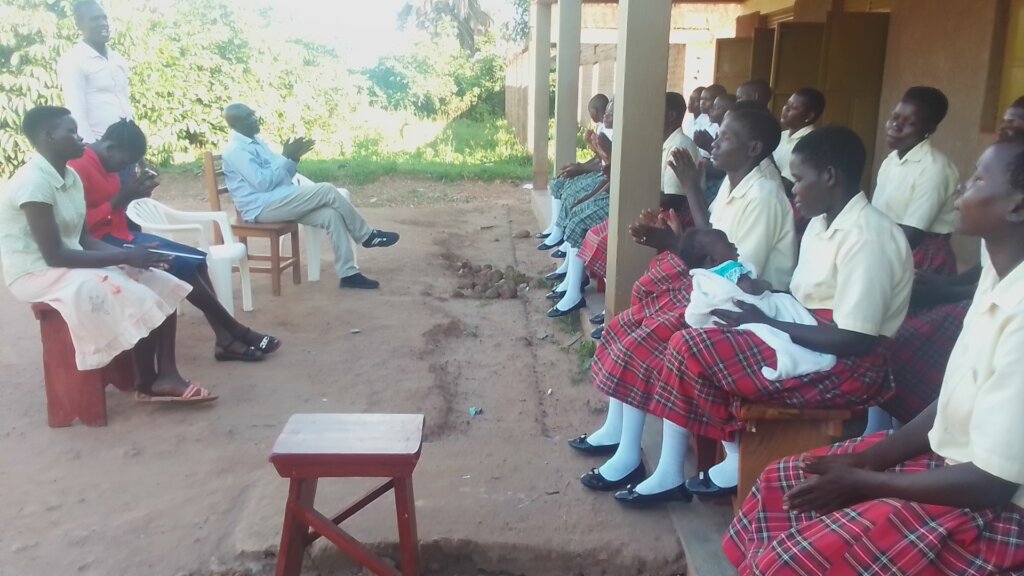
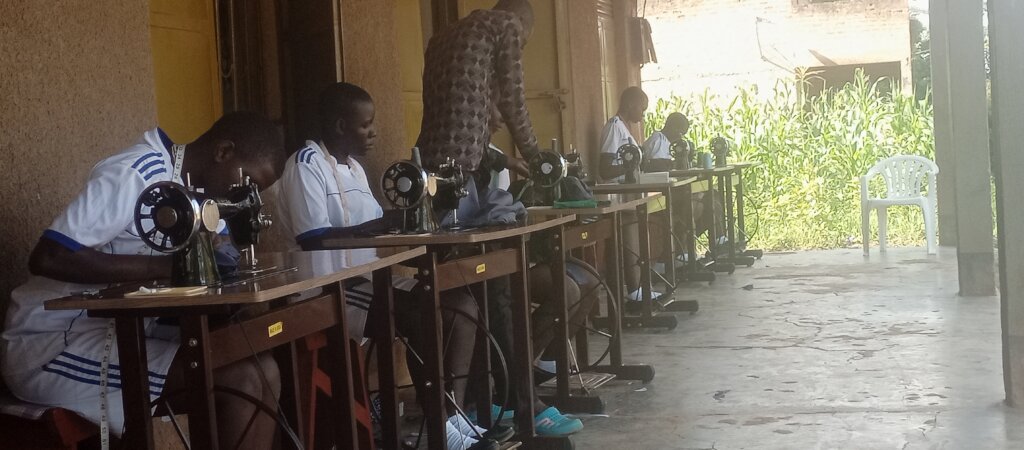
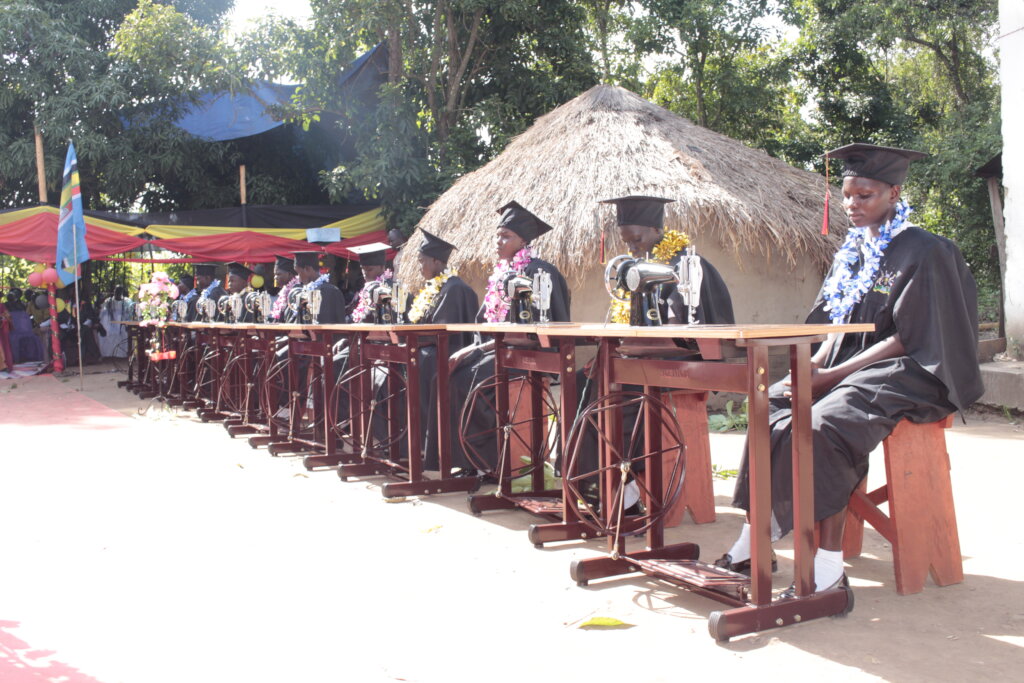
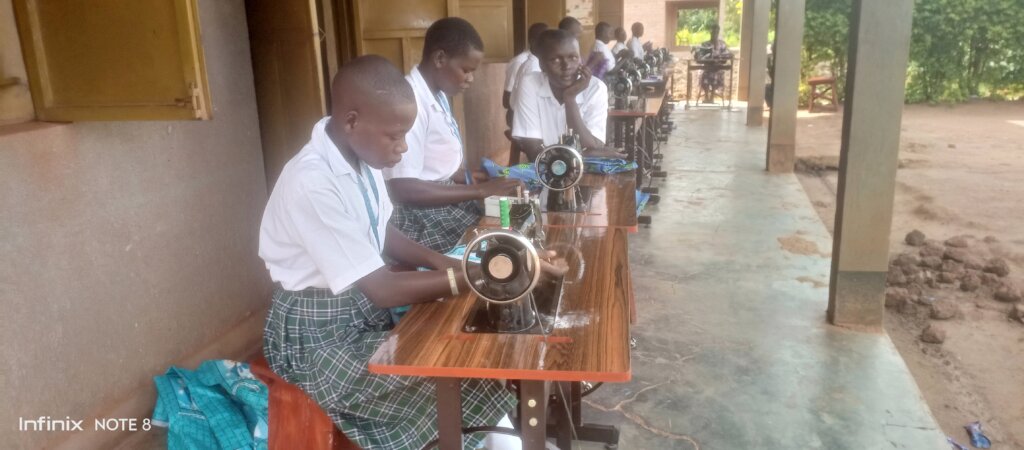
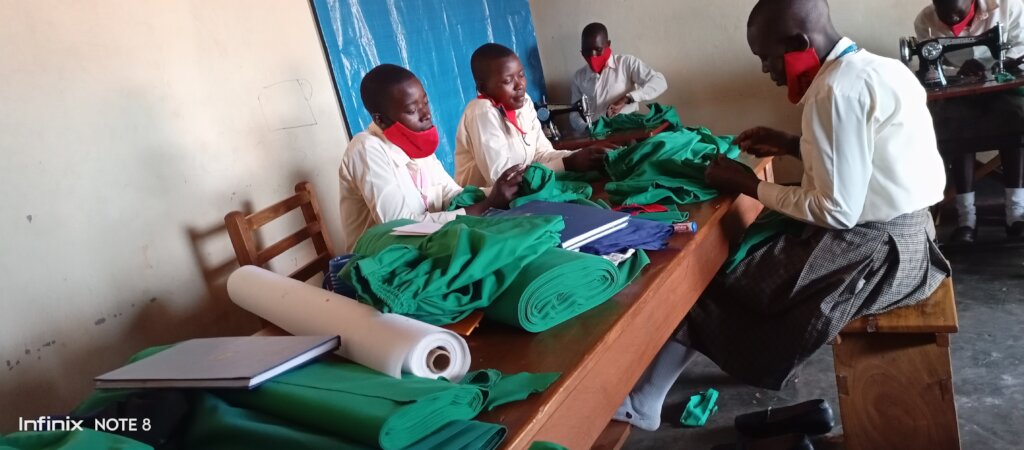
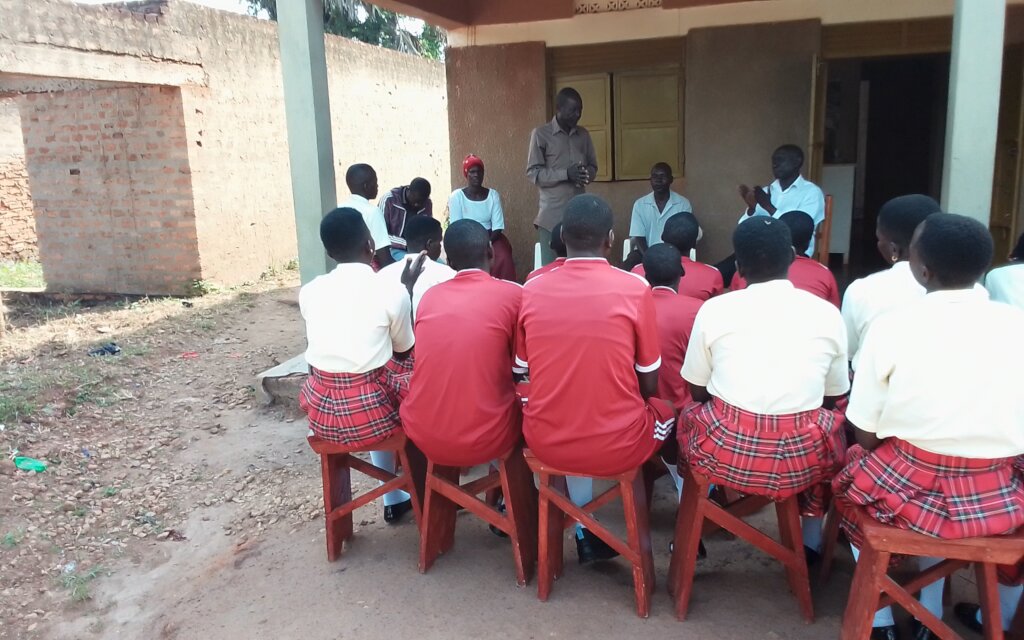
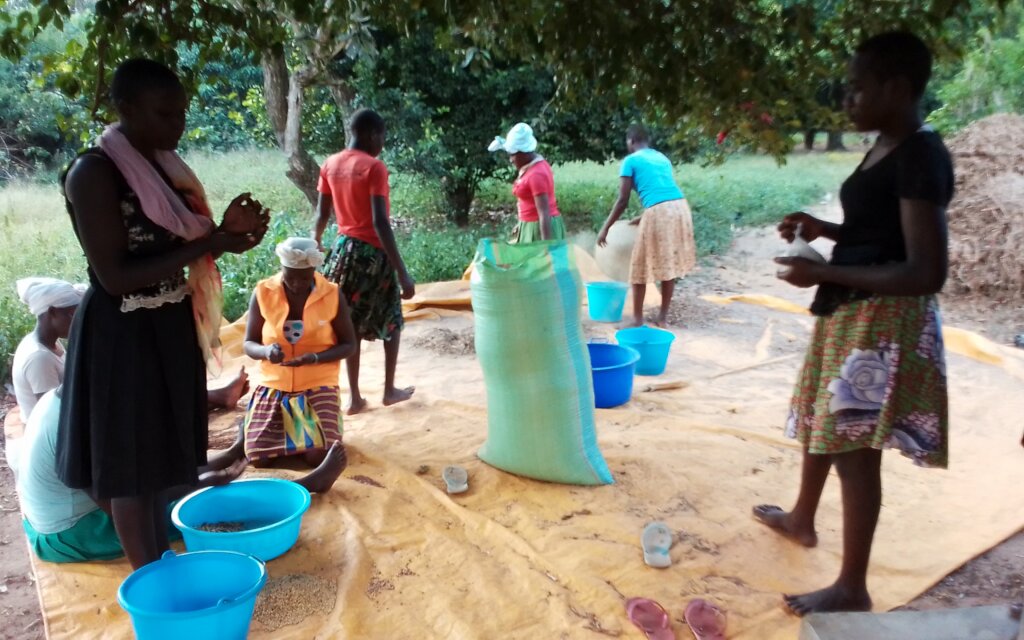
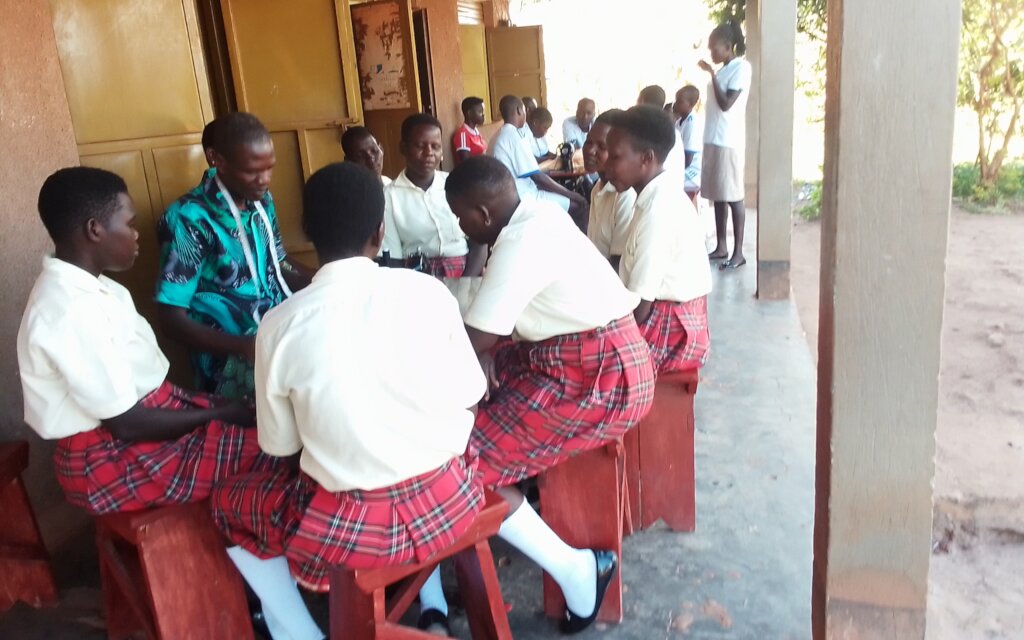
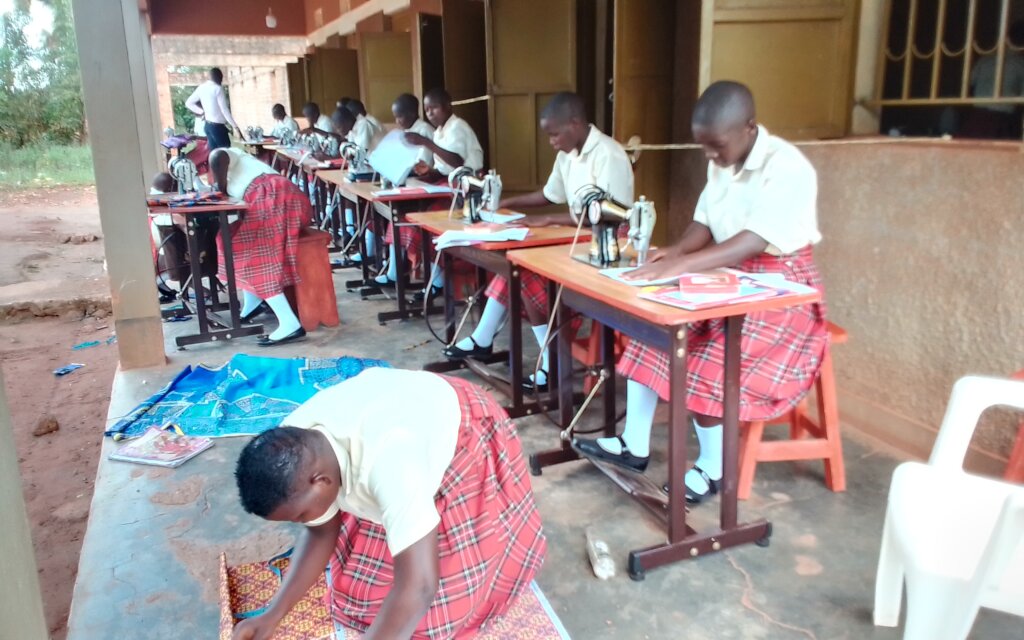
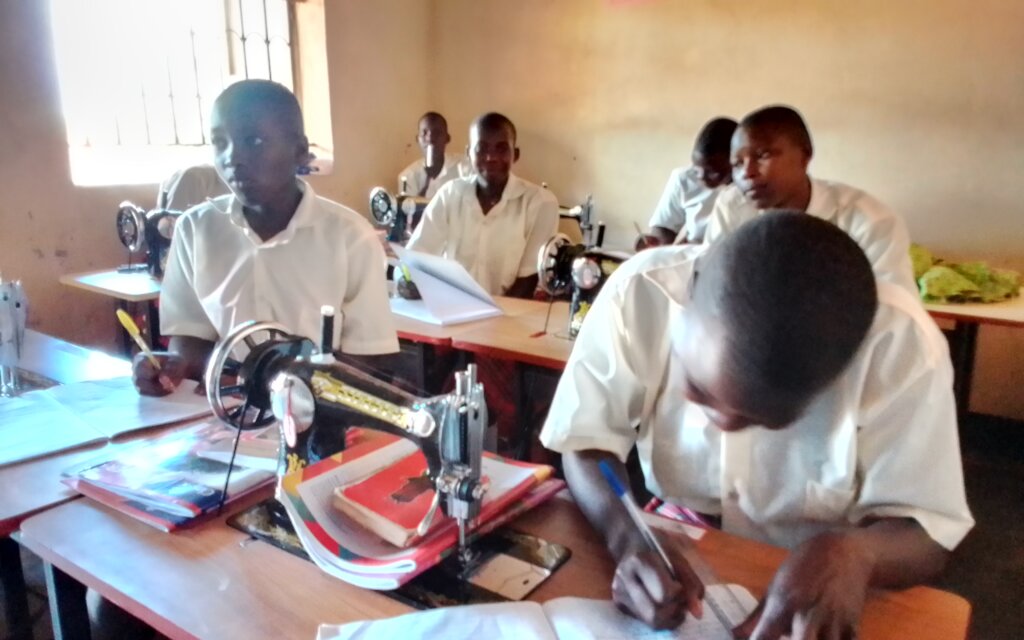
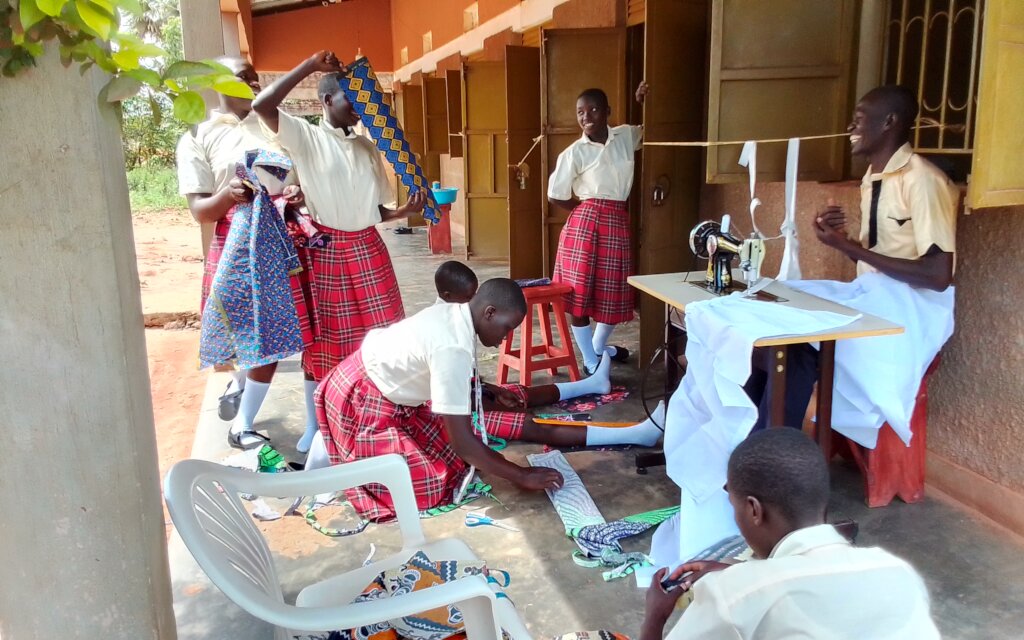
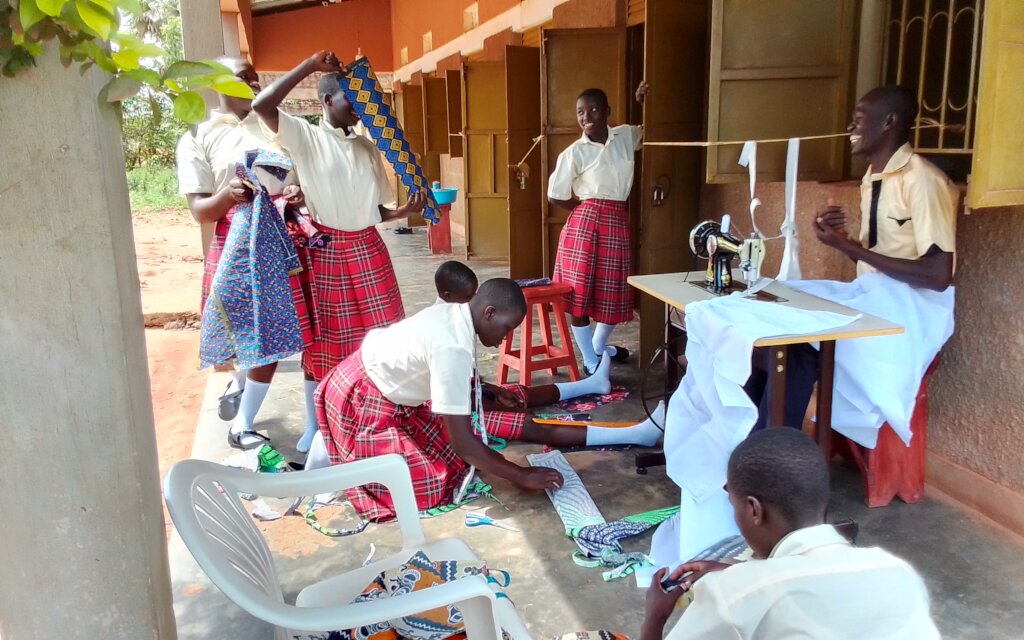
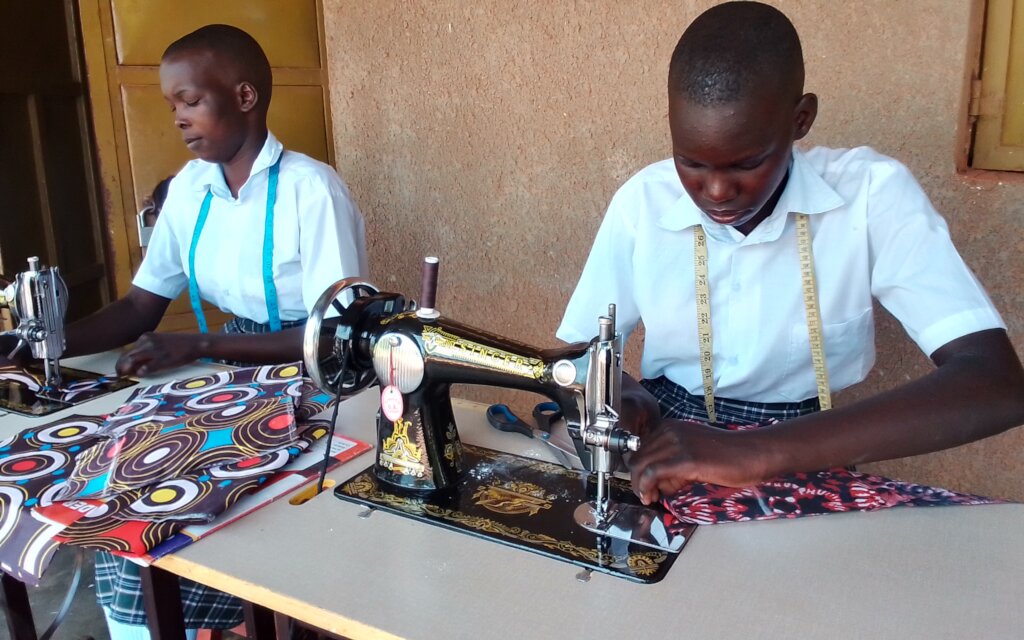
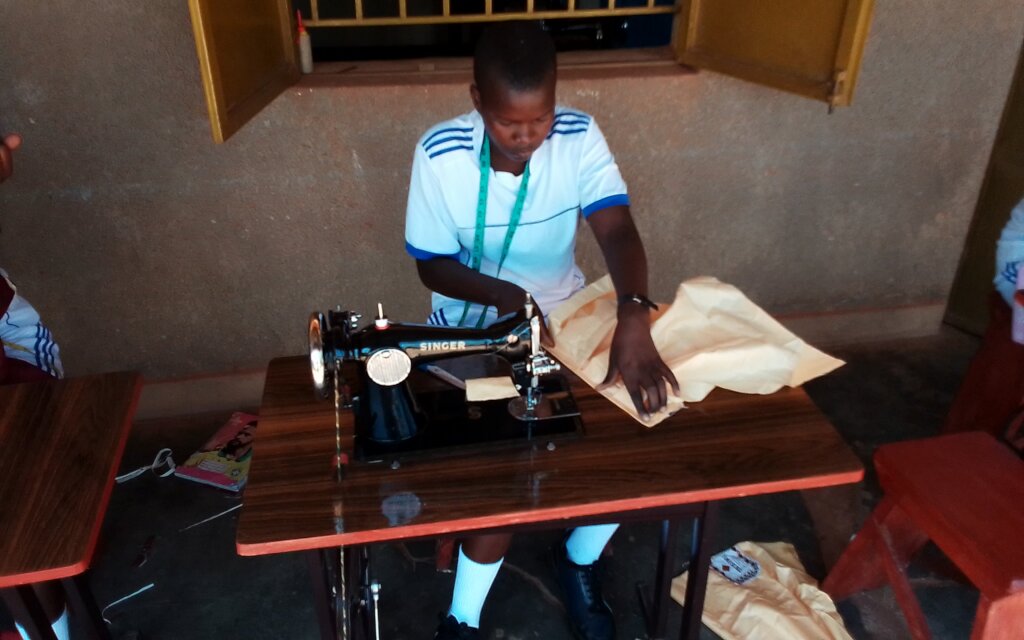
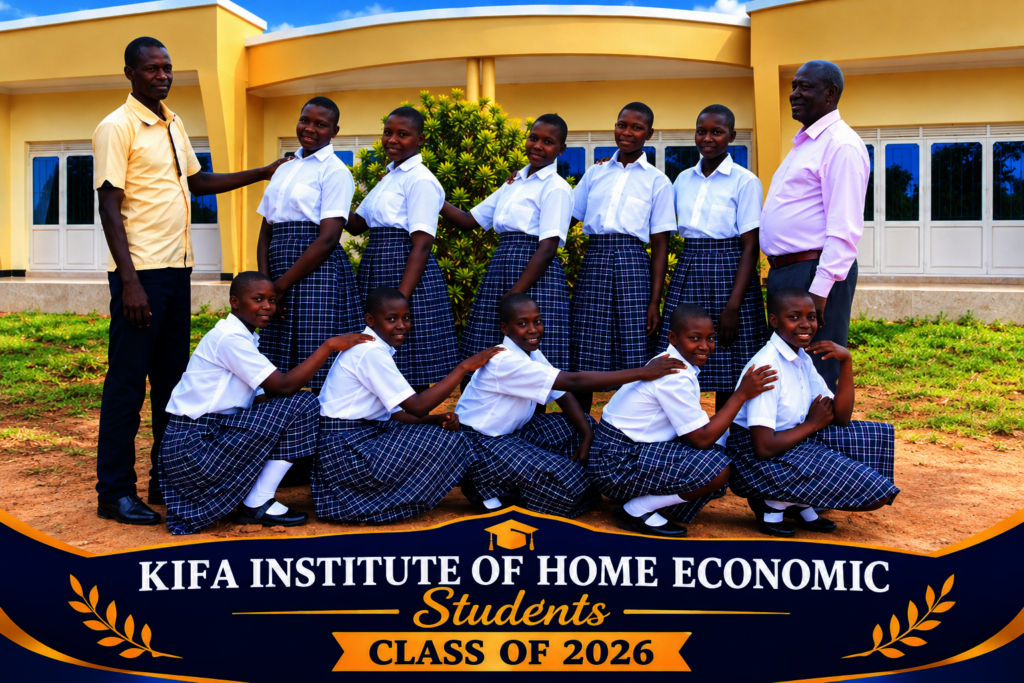
Do you know about a relatively new approach of education that Kole Intellectual Forum is promoting? Sincerely speaking, the organization is giving chances to both out of school young girls as well as young mothers married in an attempt to search for ways of giving them a better life through the knowledge of home economics.
In this report, we would love to bring to your knowledge that: there is possibility of improving on the life of those that are married vis vis that of every child around the world through Hybrid type of schooling- where there is a flexible, unique, and innovative mode of education format that can shape the future of many.
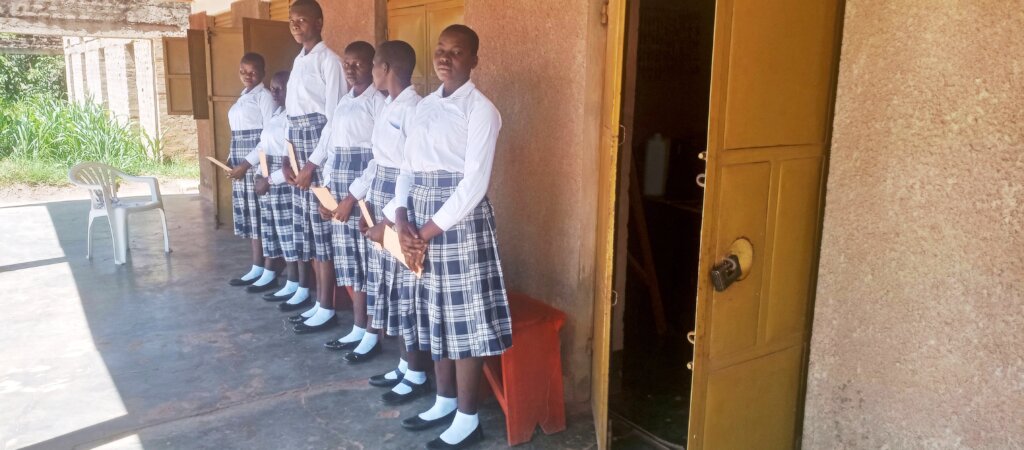
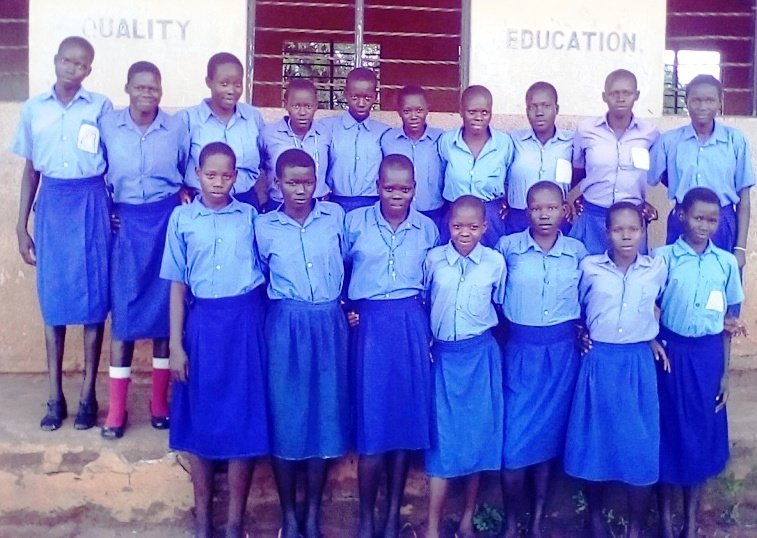
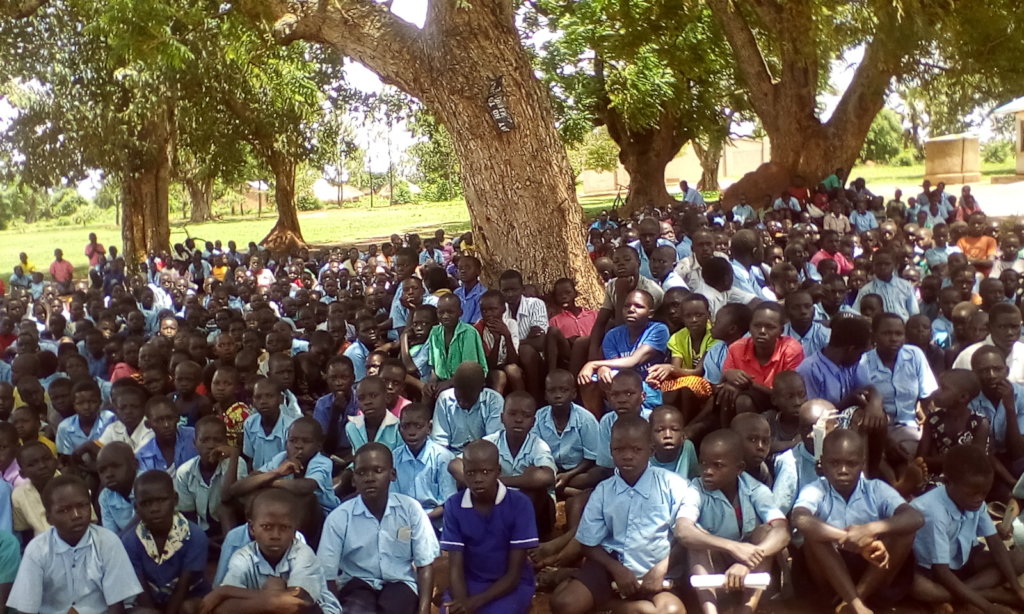
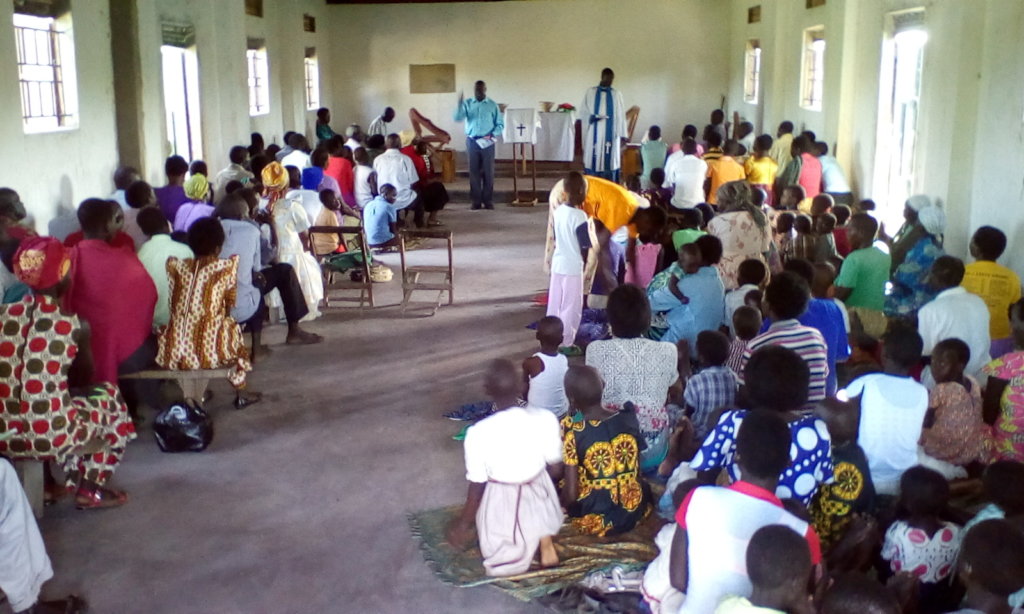
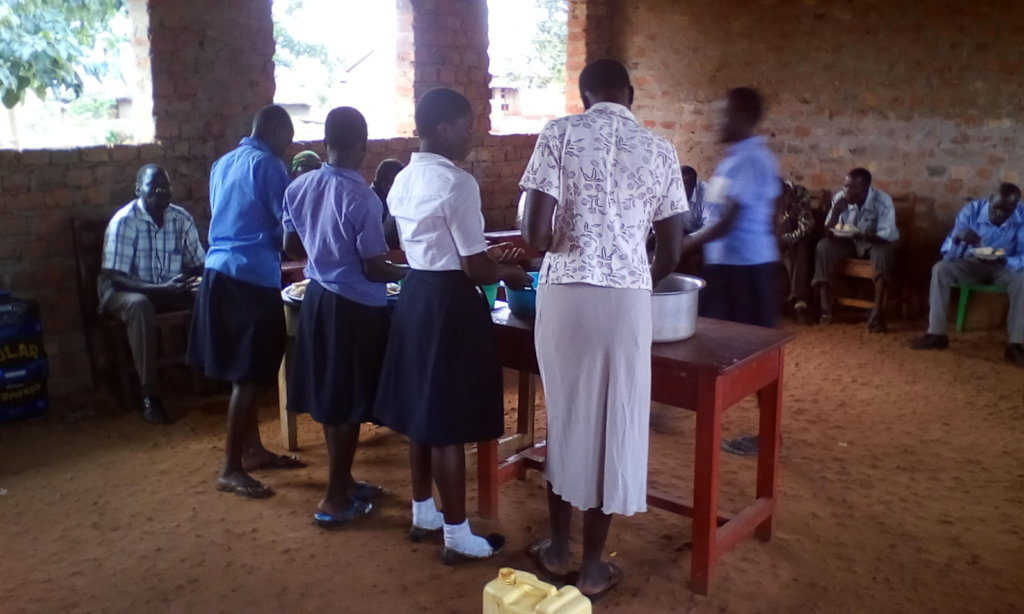
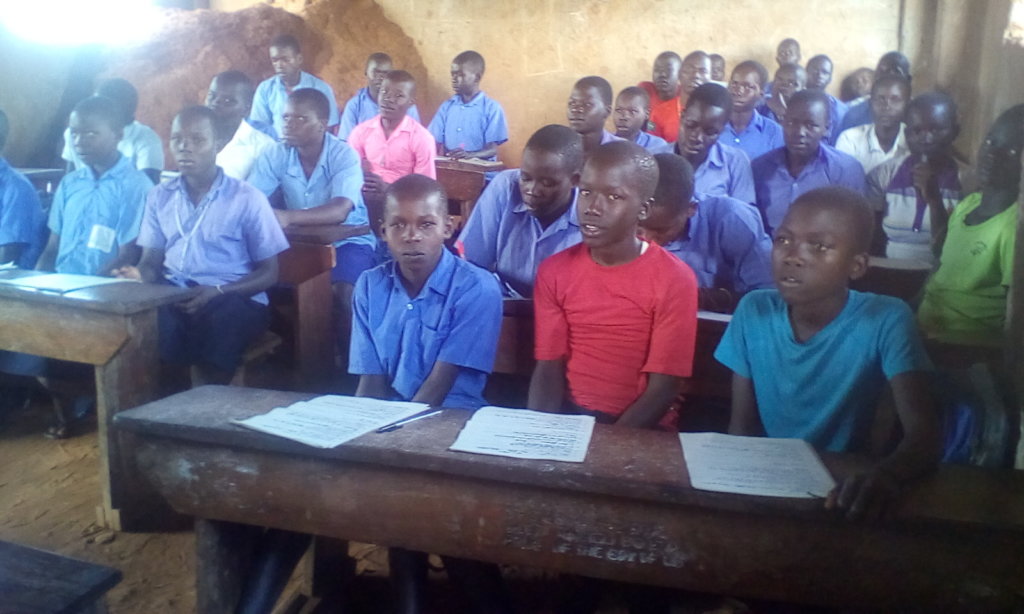
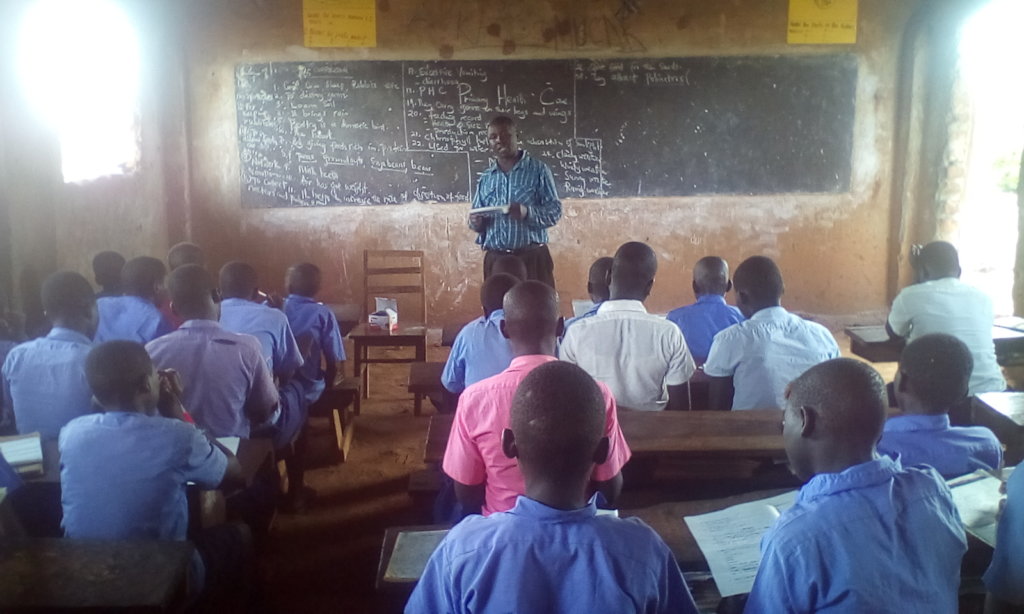
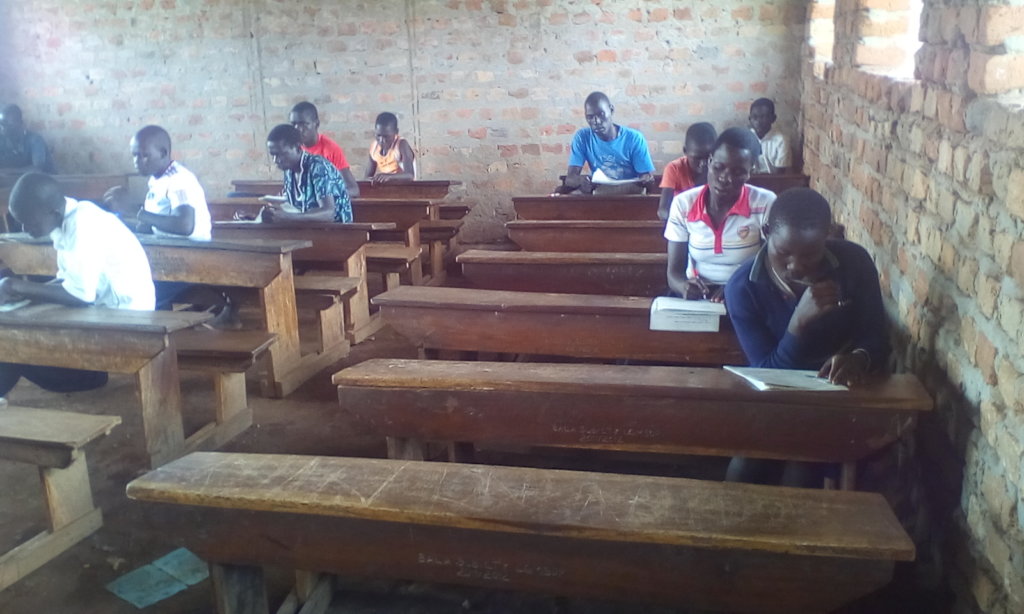
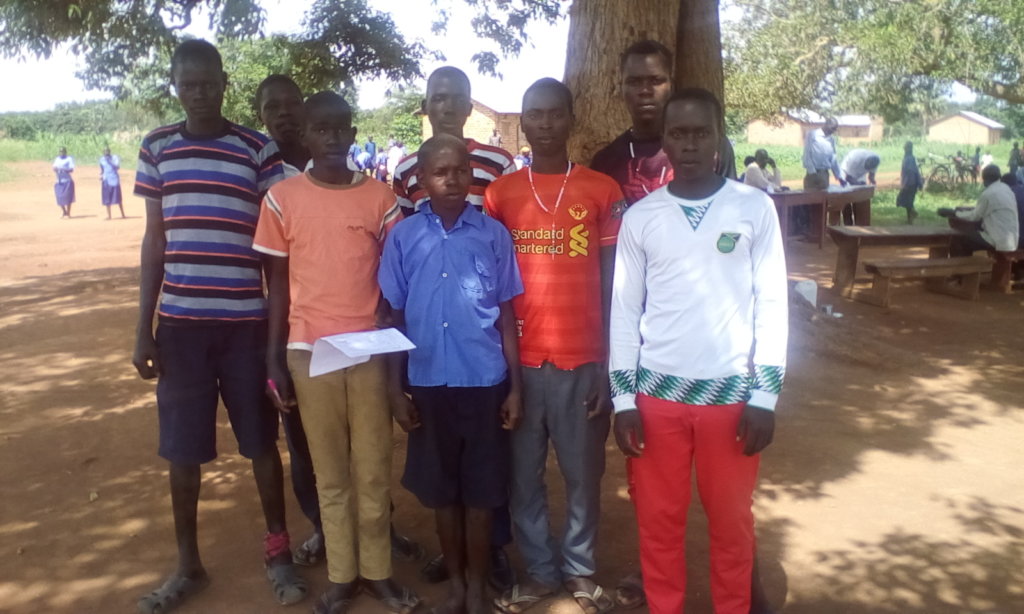
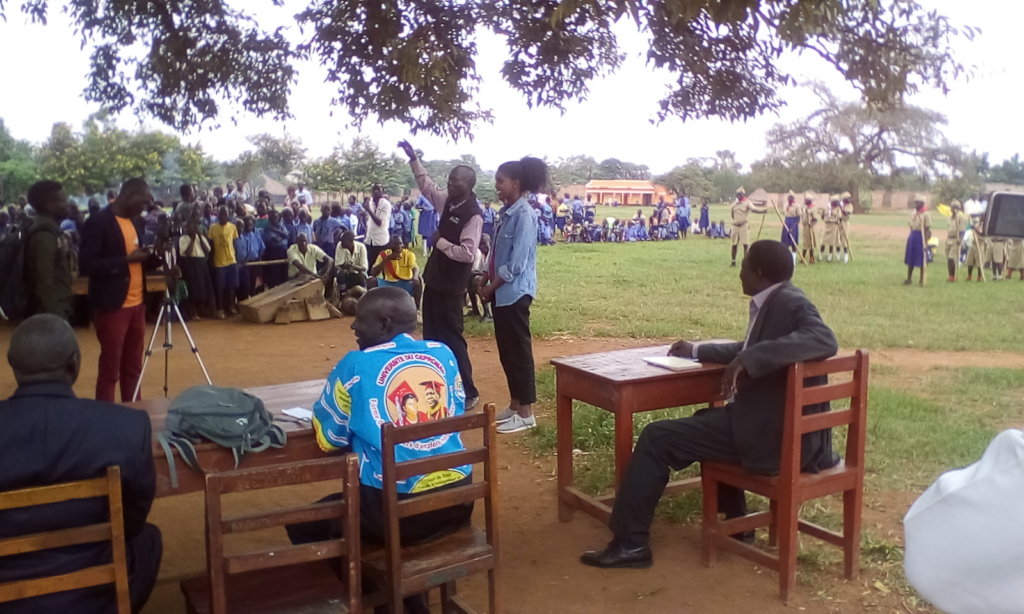
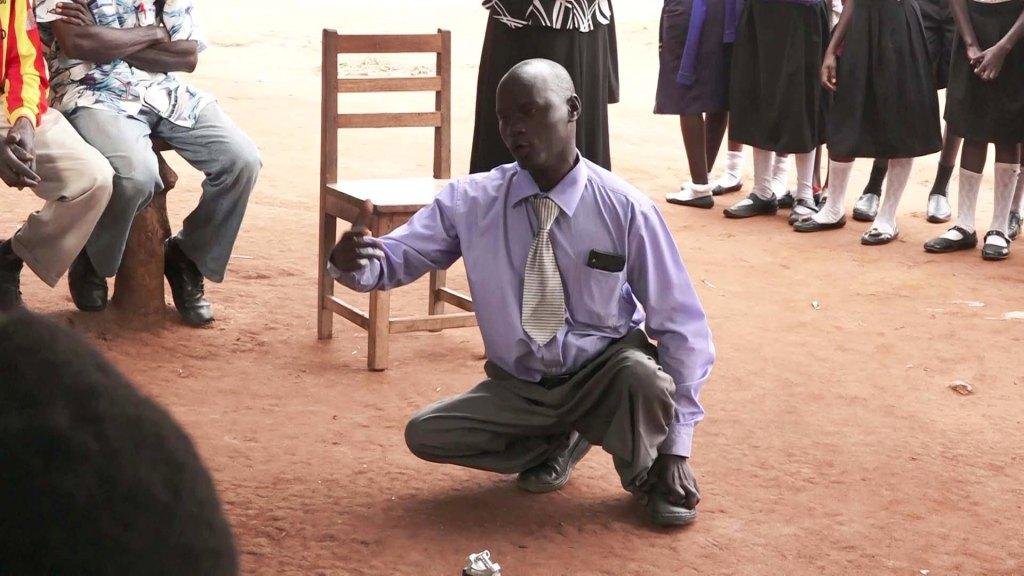
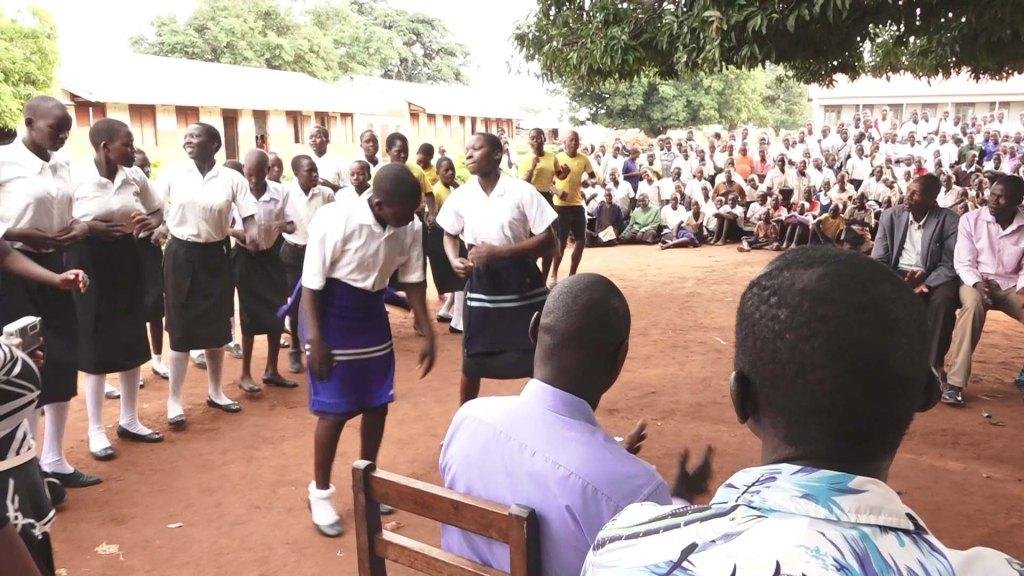
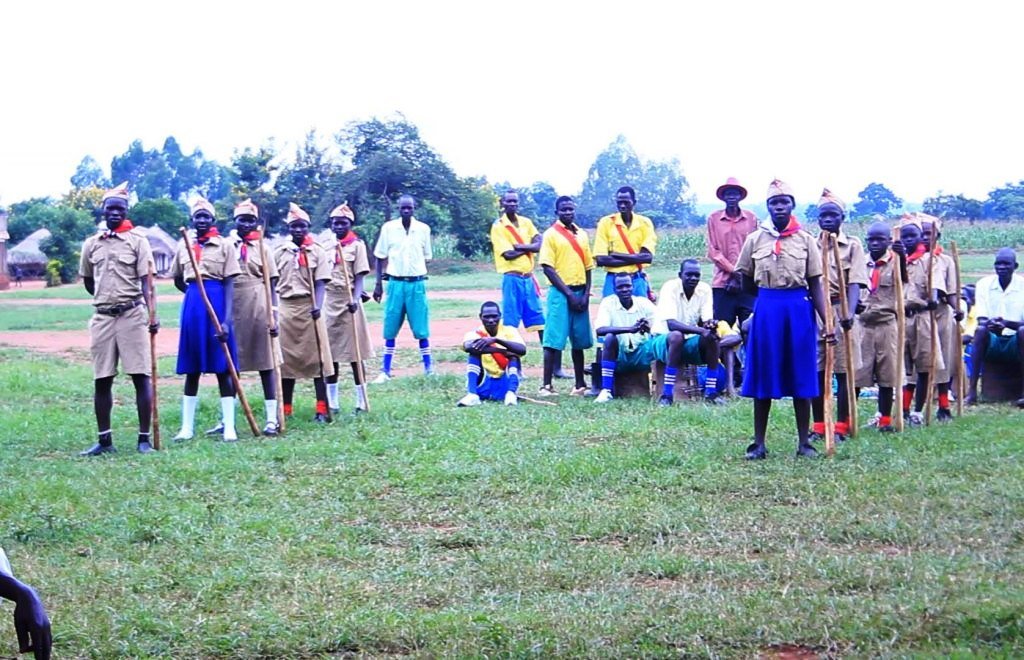
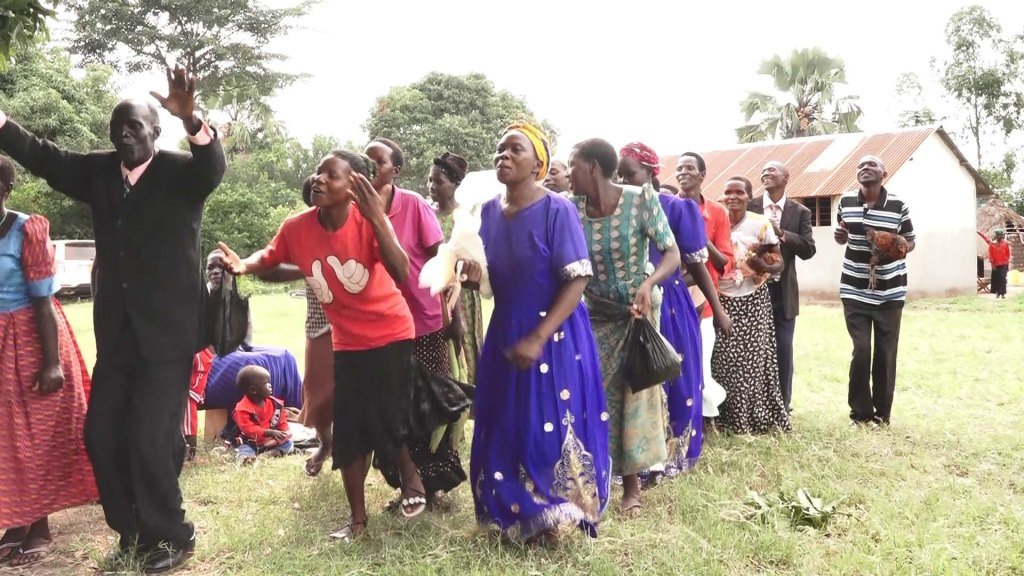
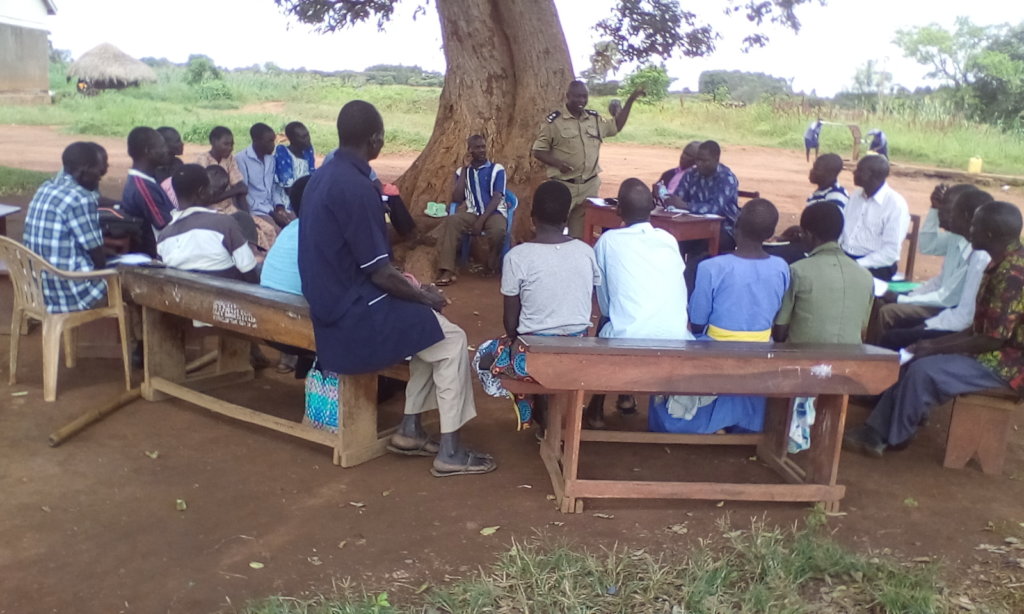
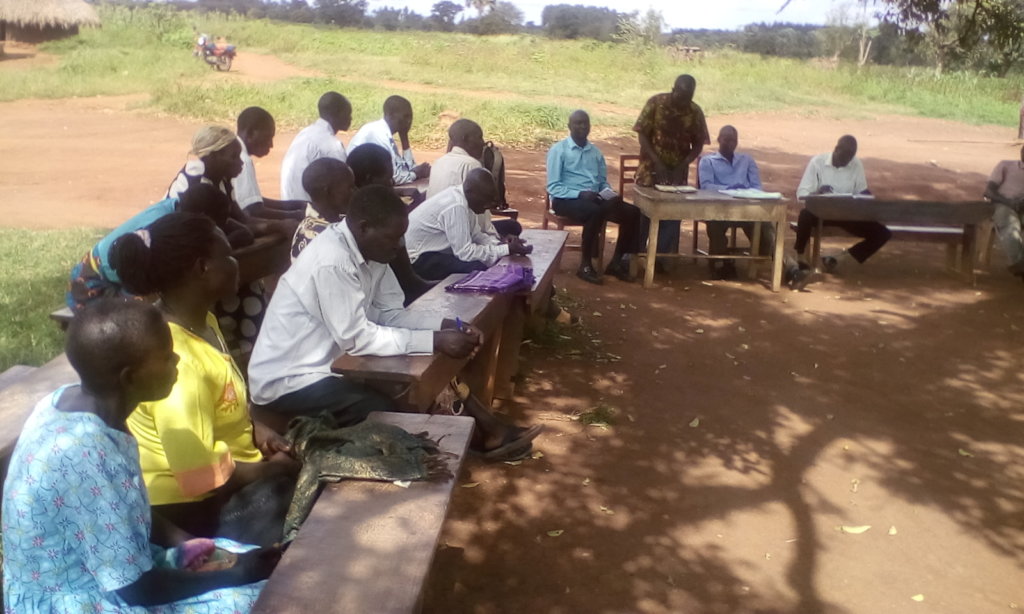
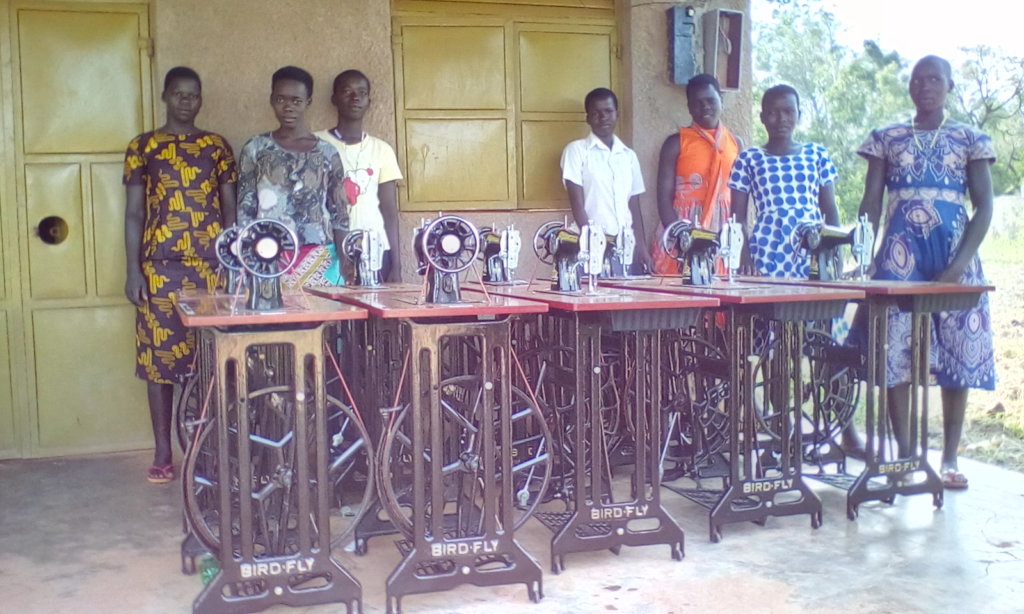
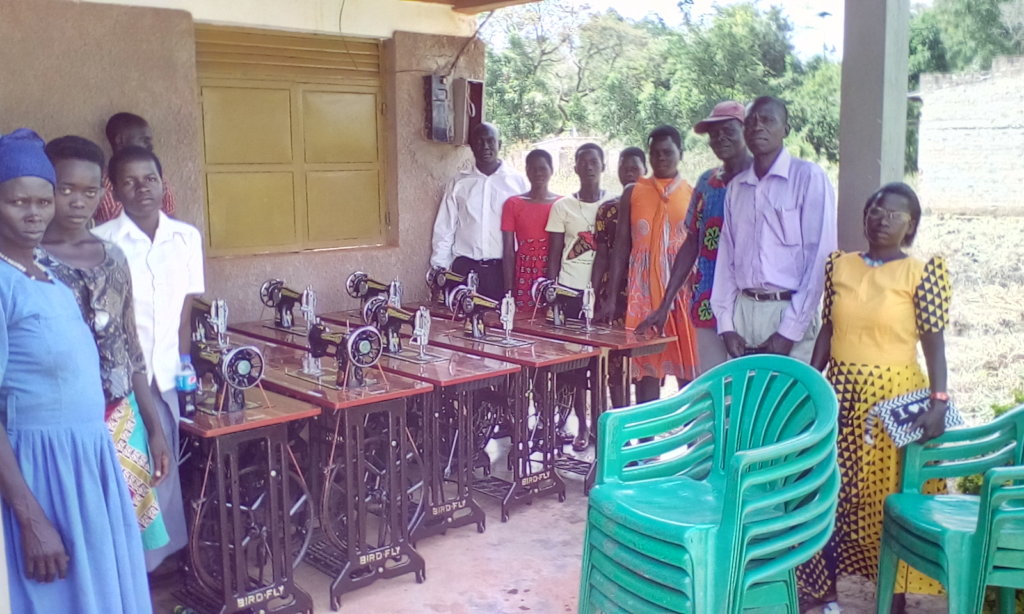
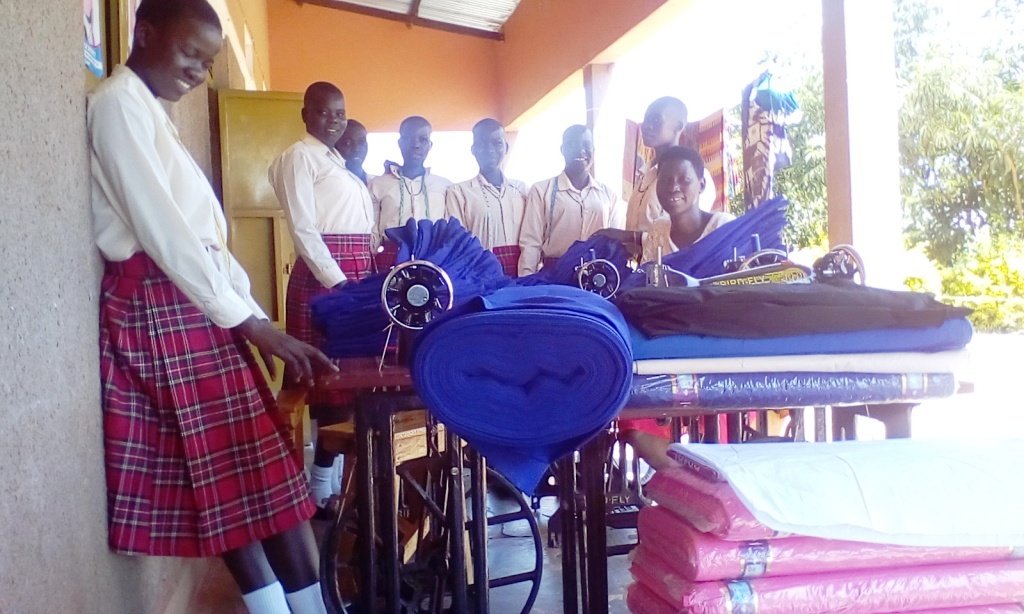
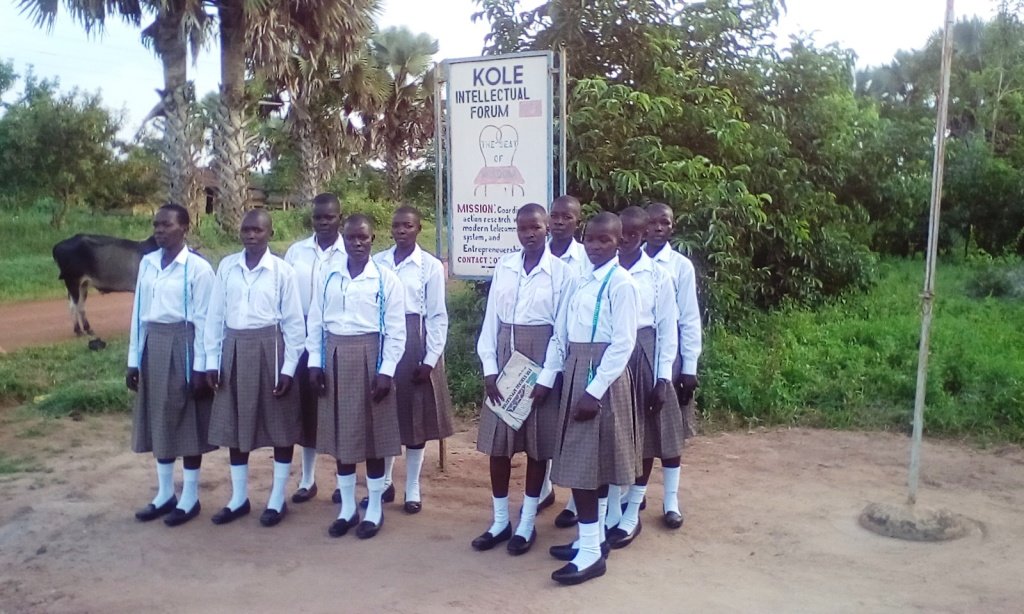
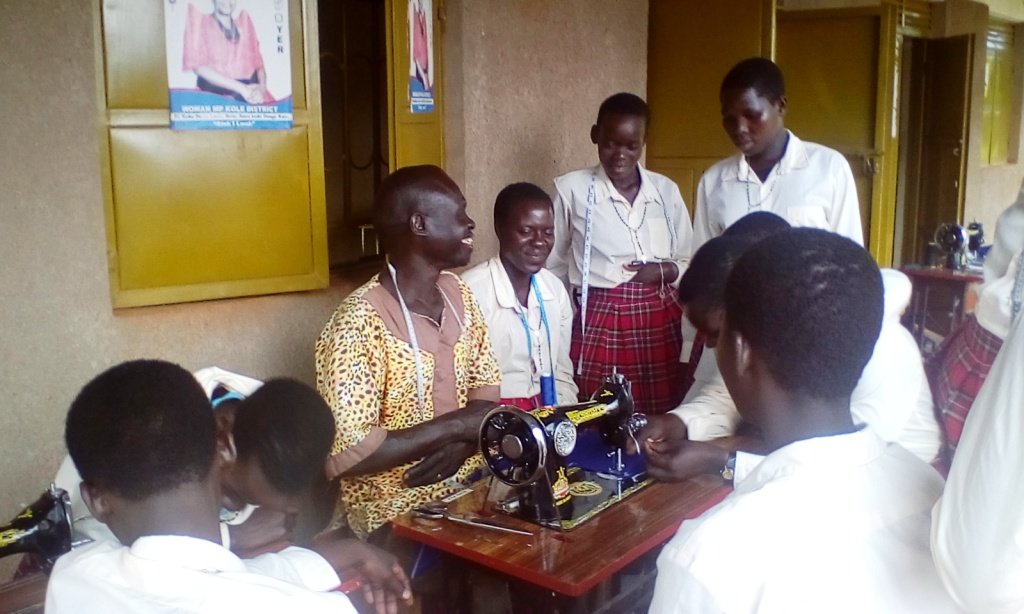
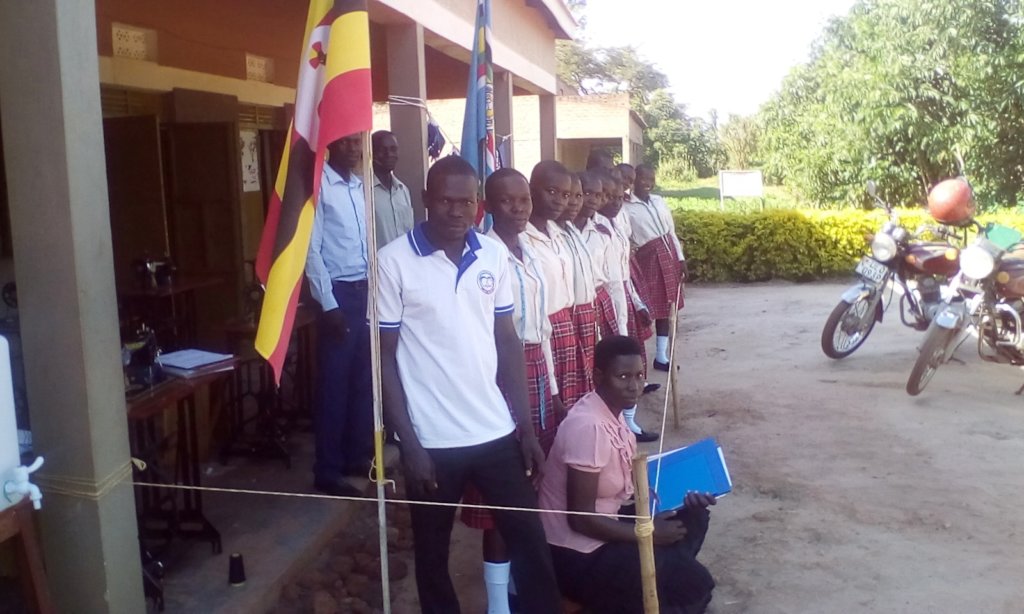
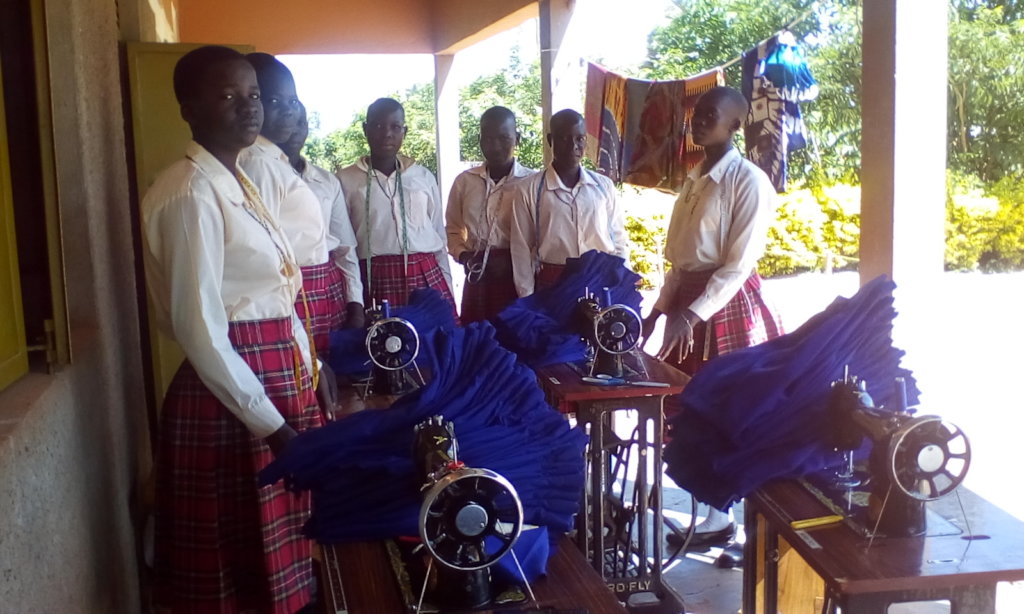
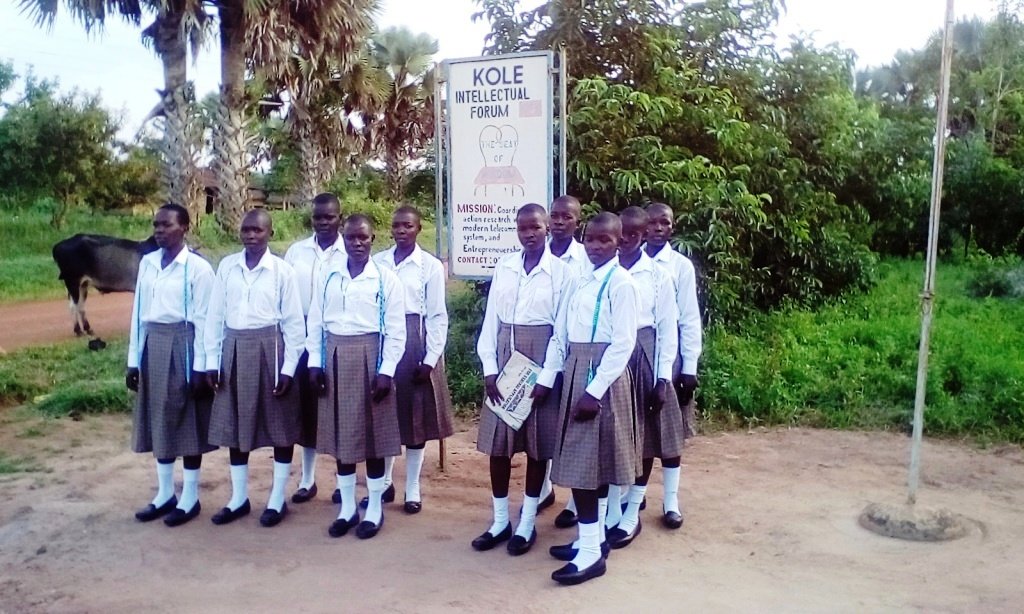
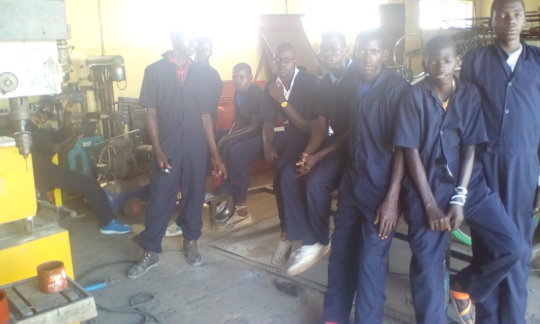
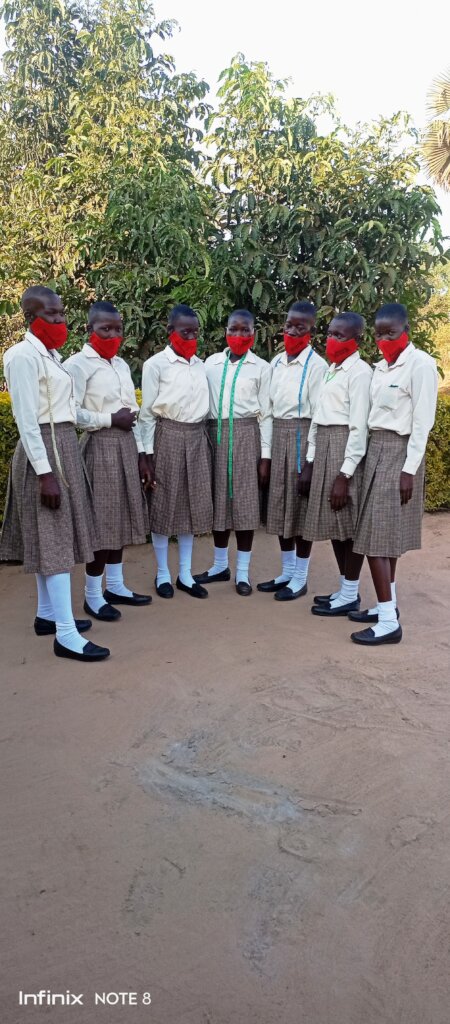
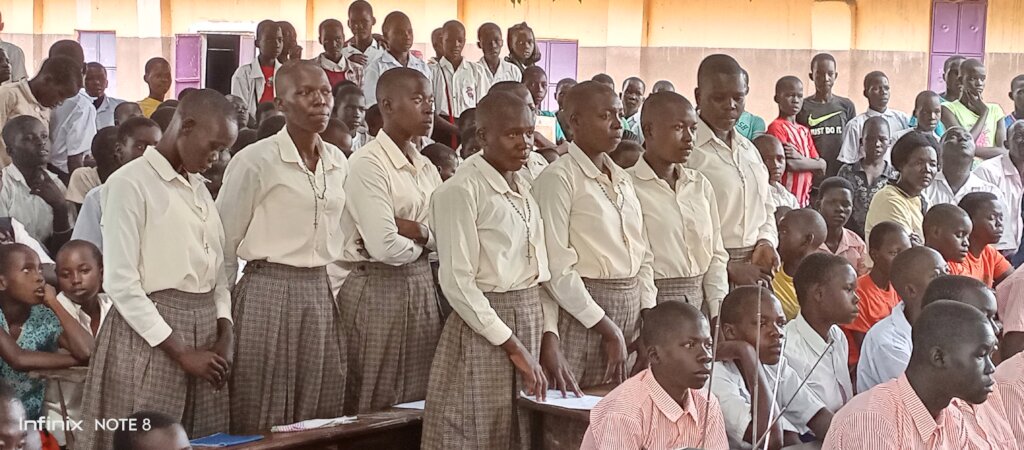
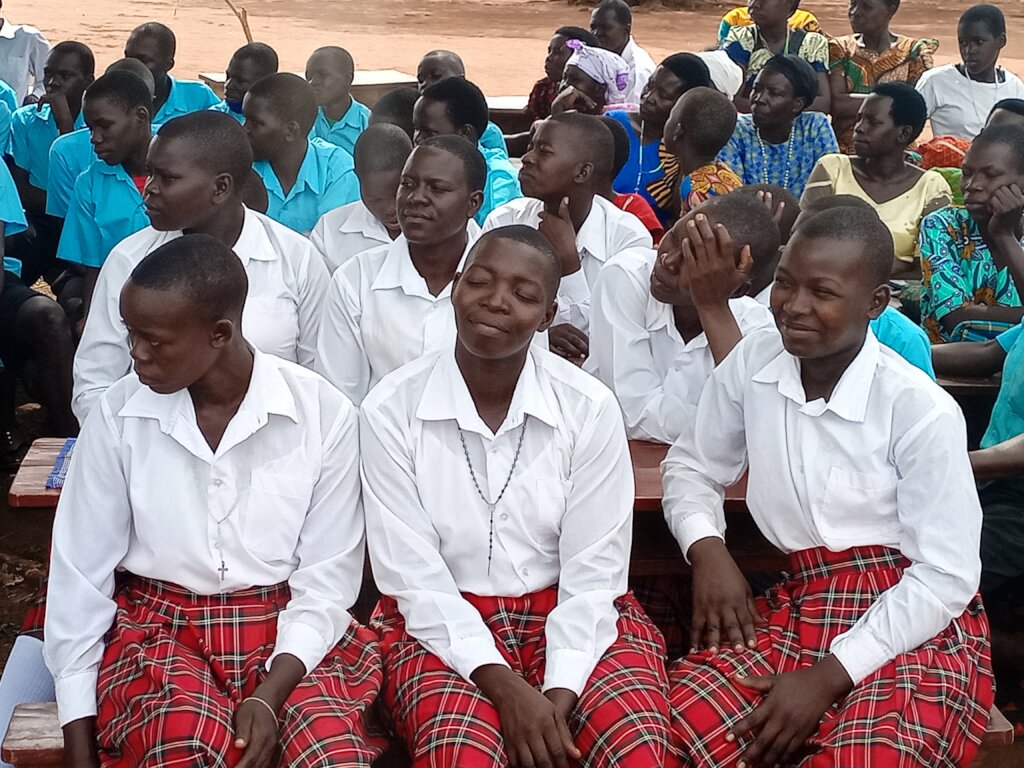
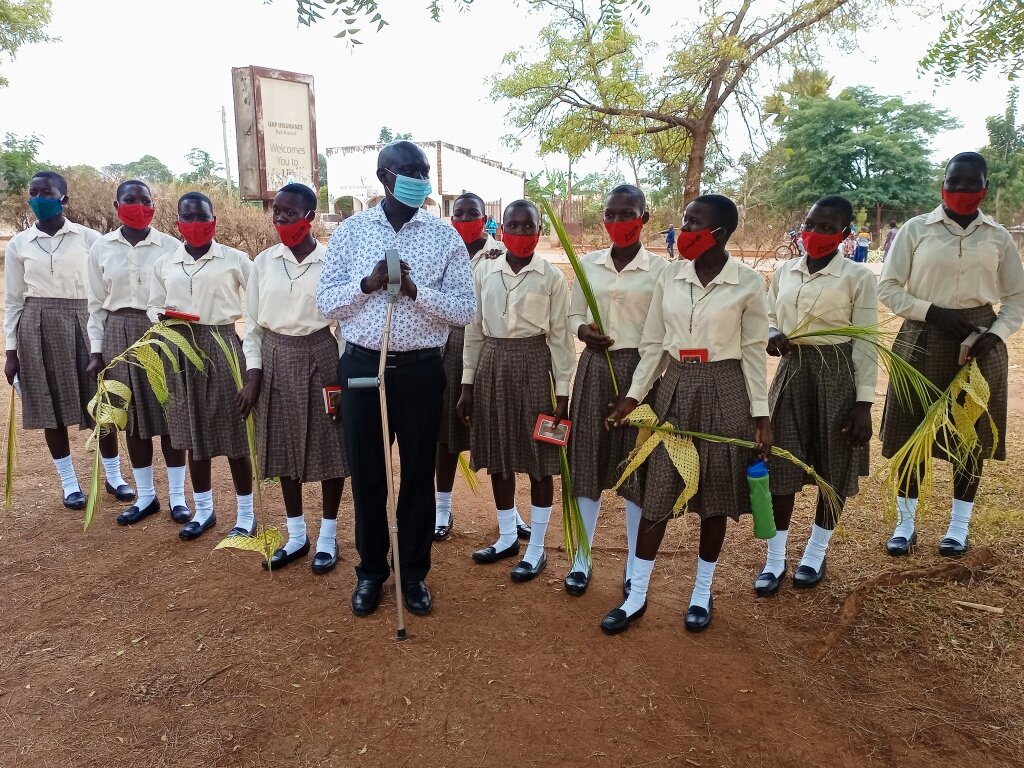
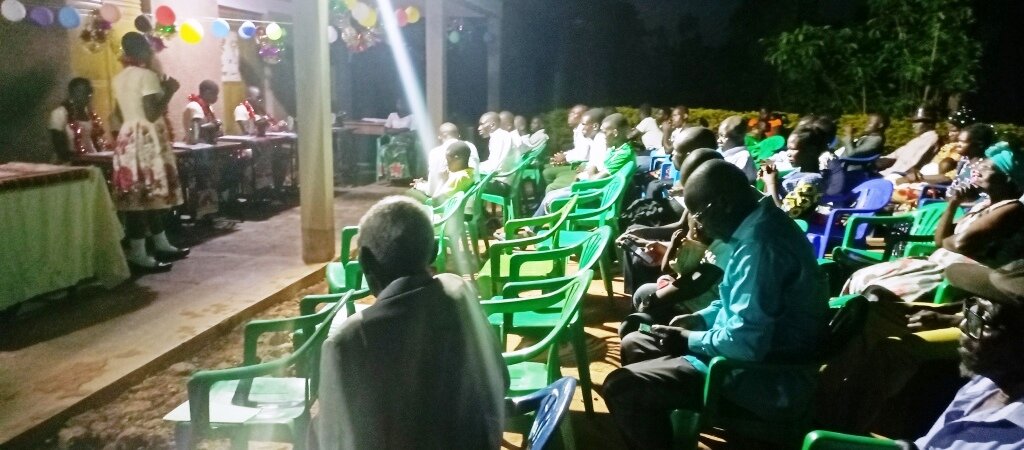
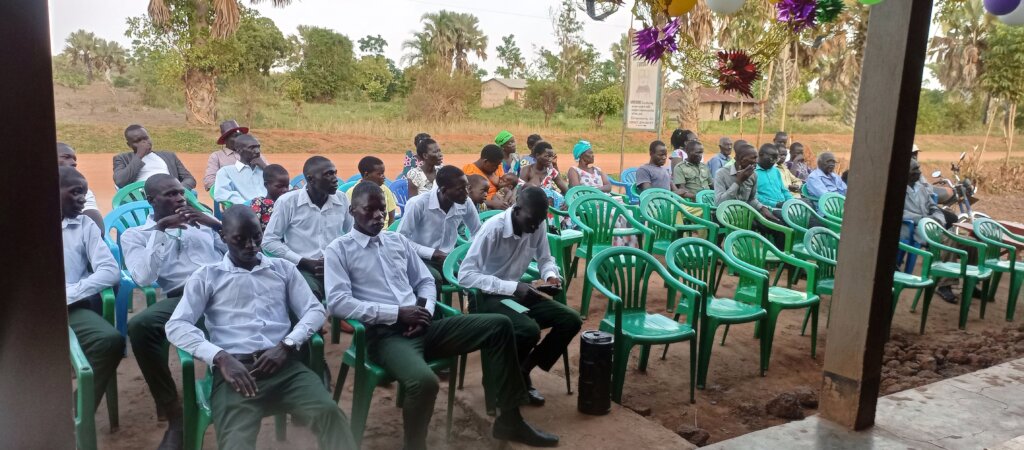
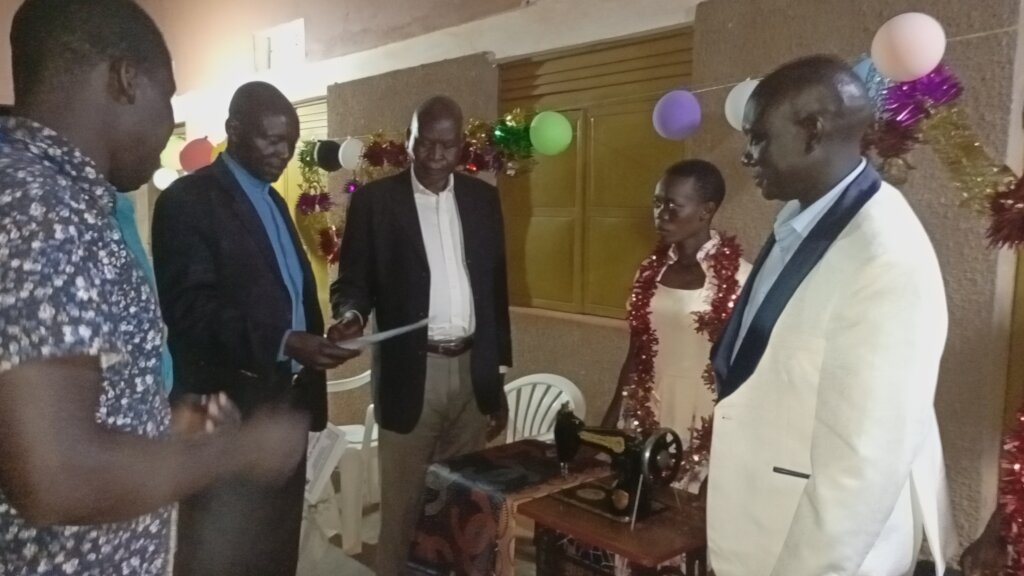
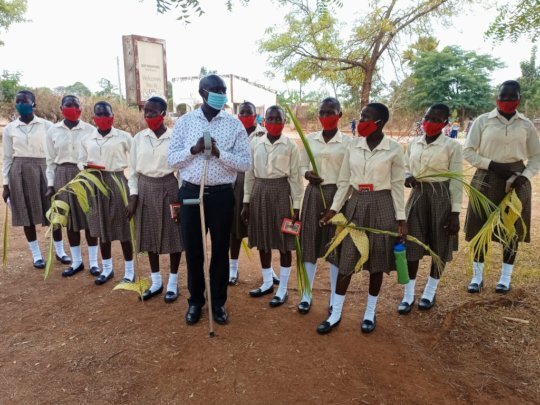
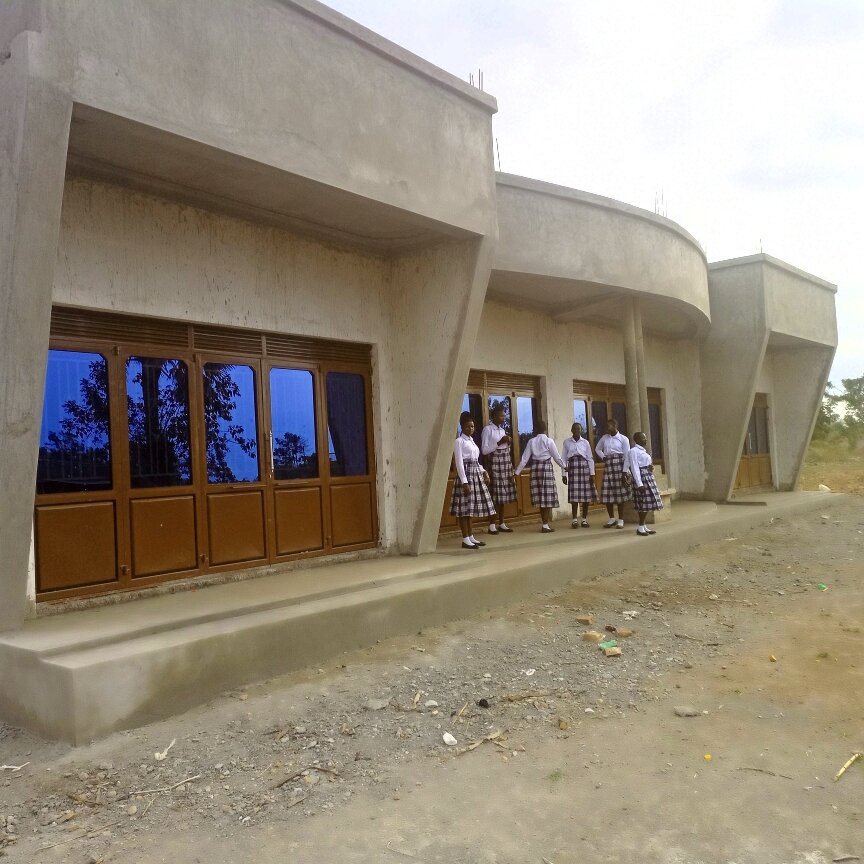
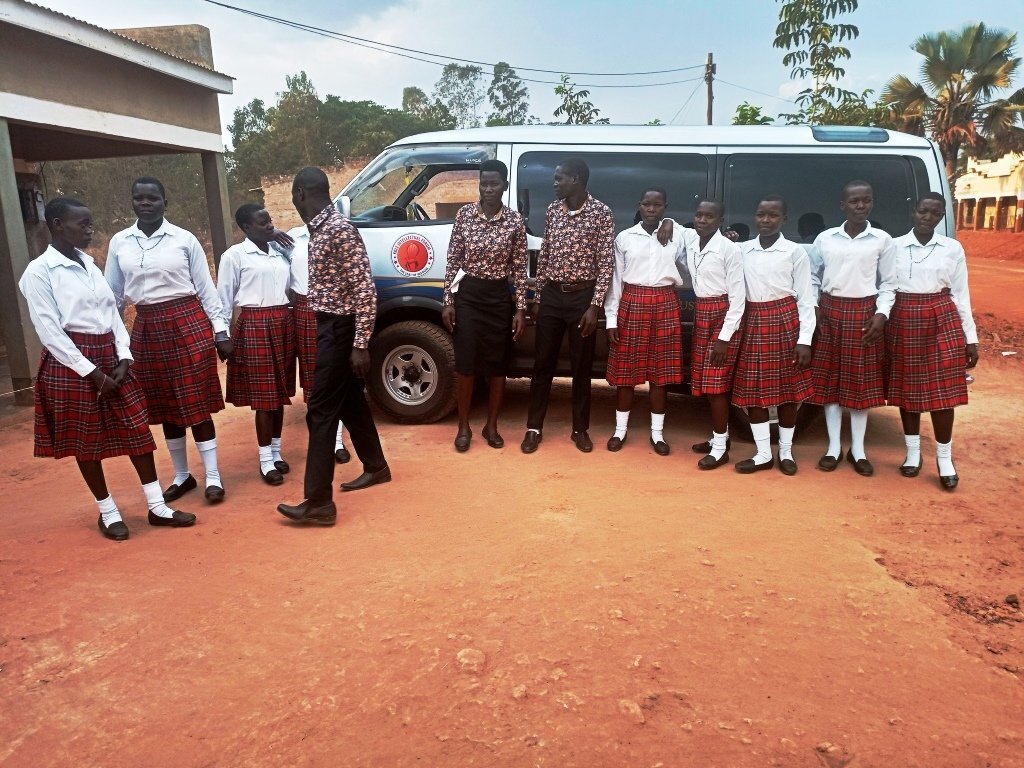
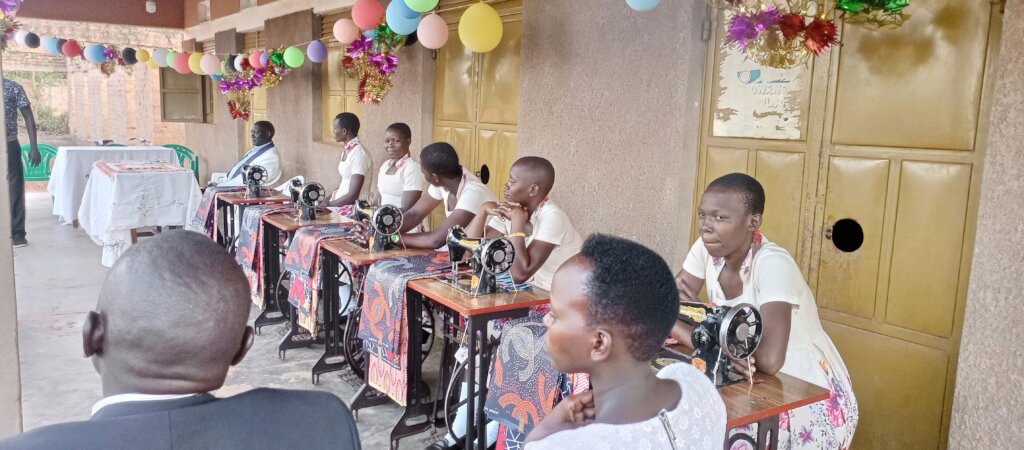
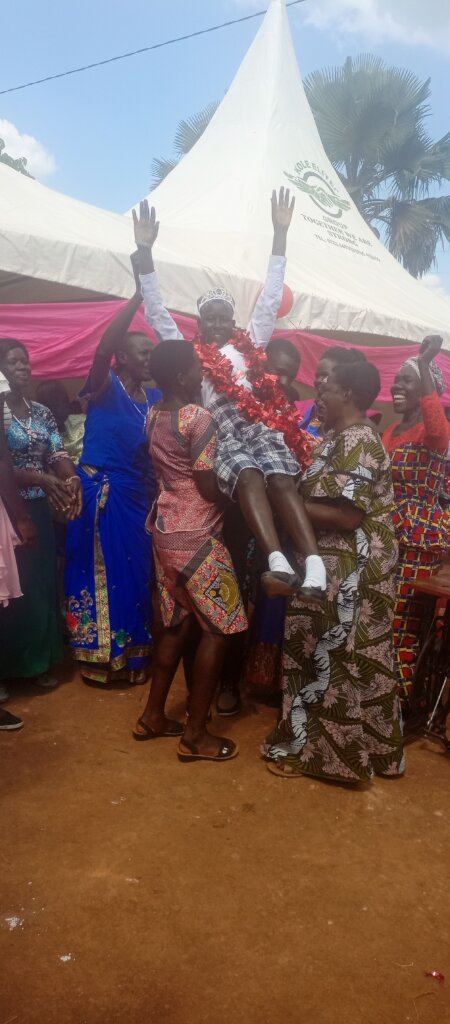
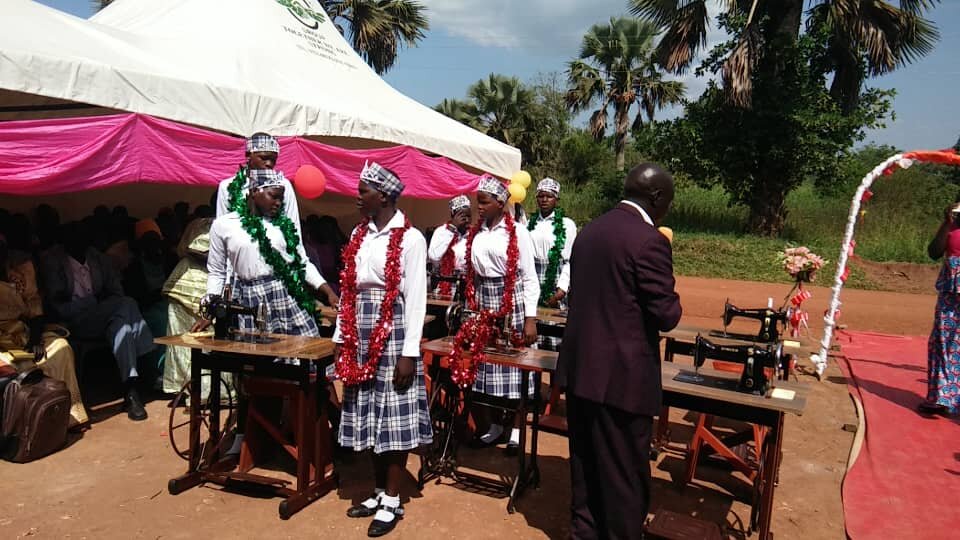
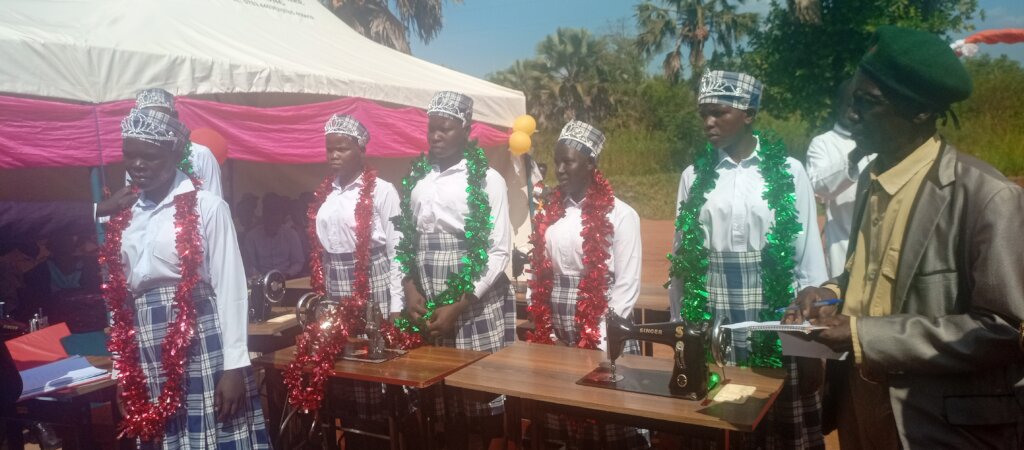
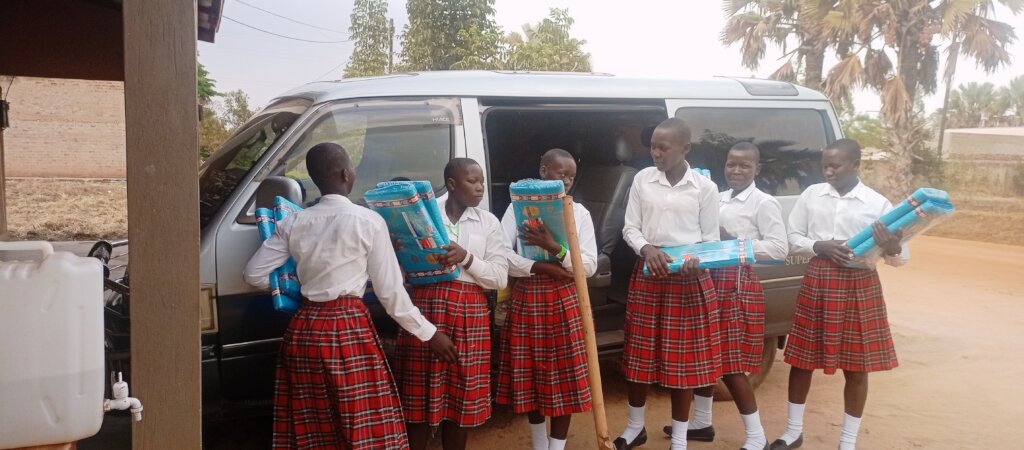
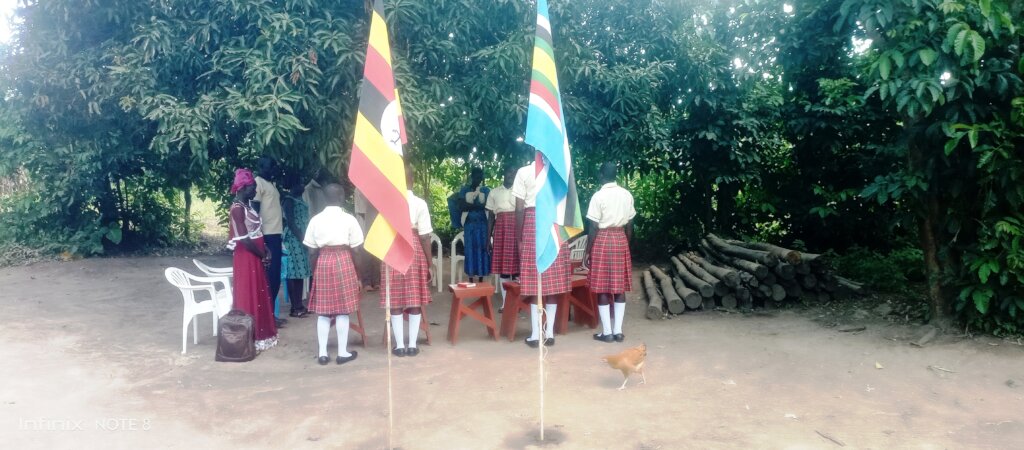
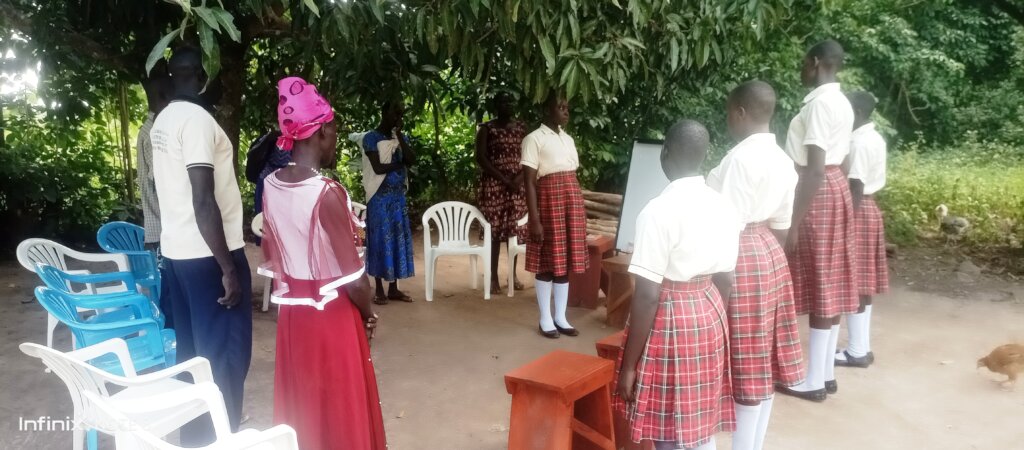
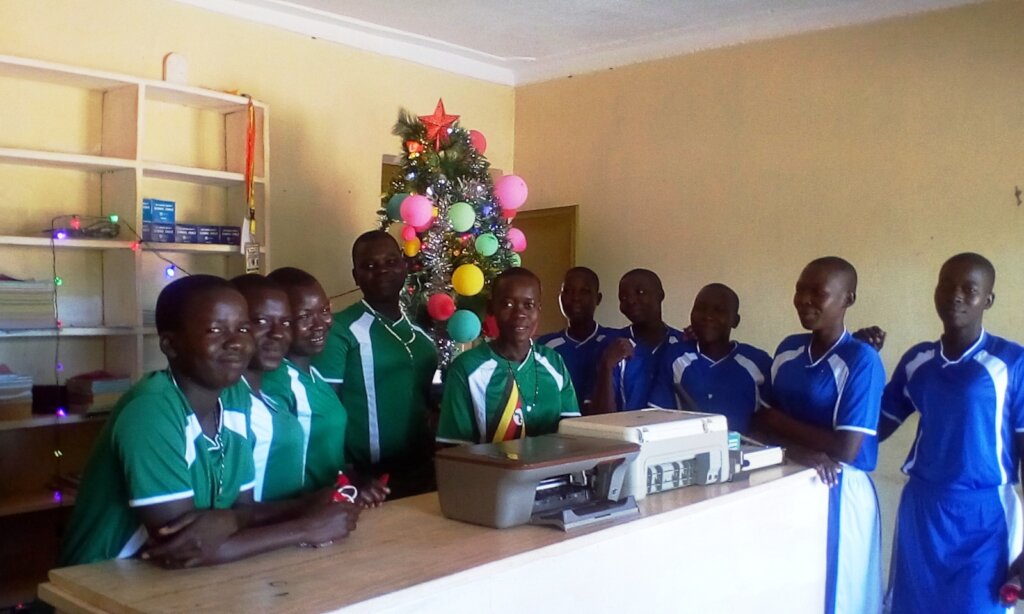
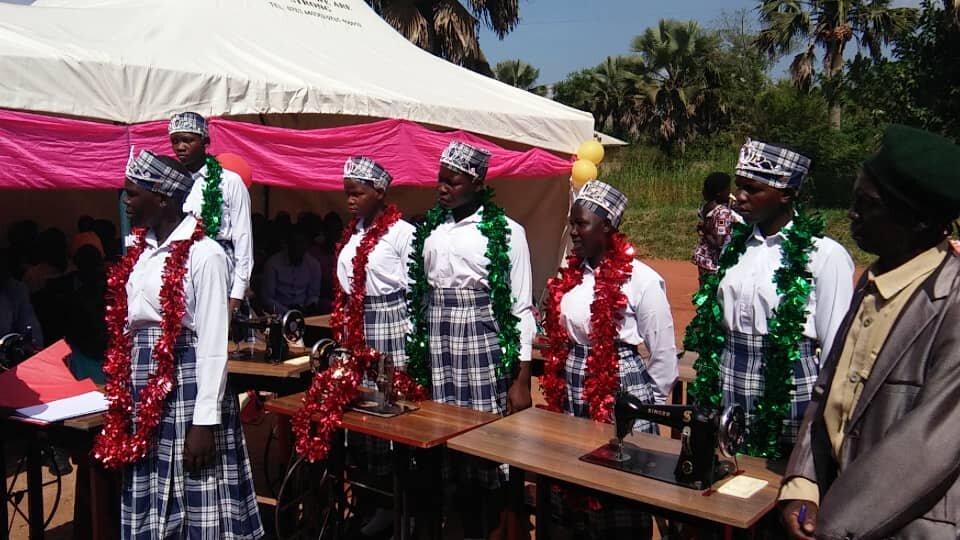
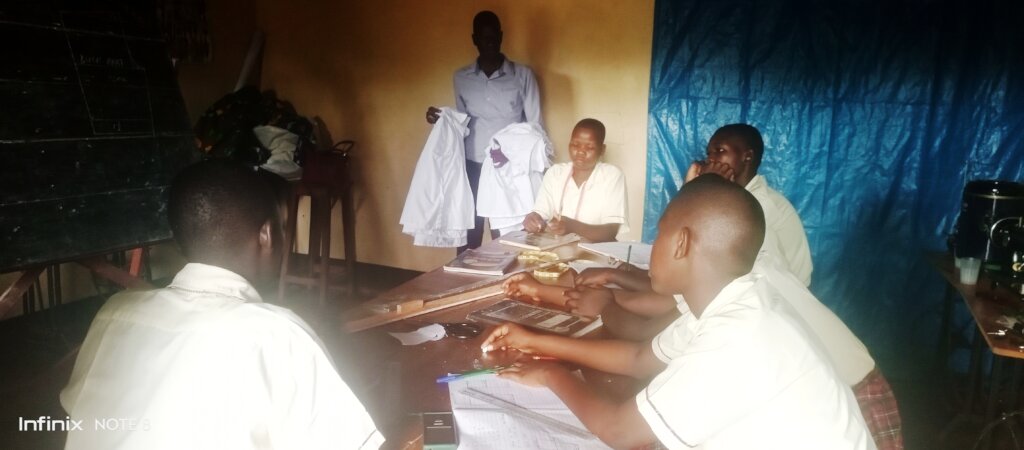
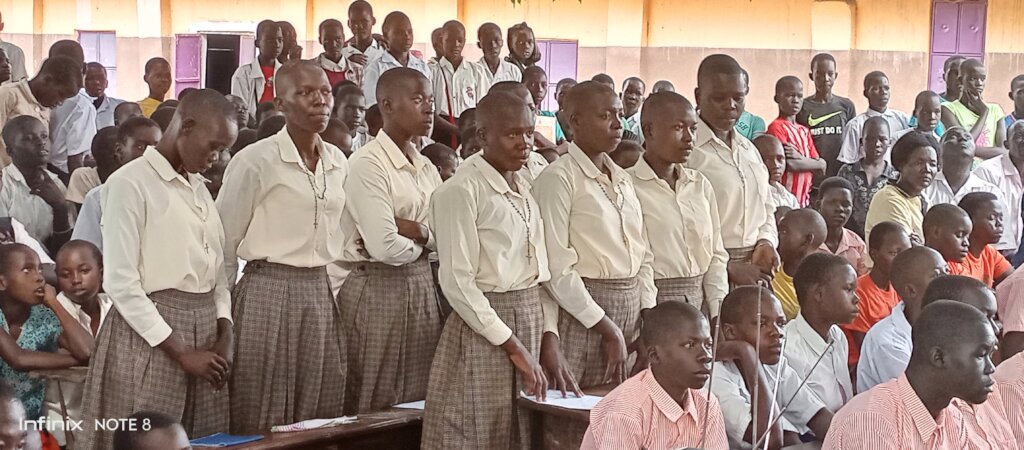
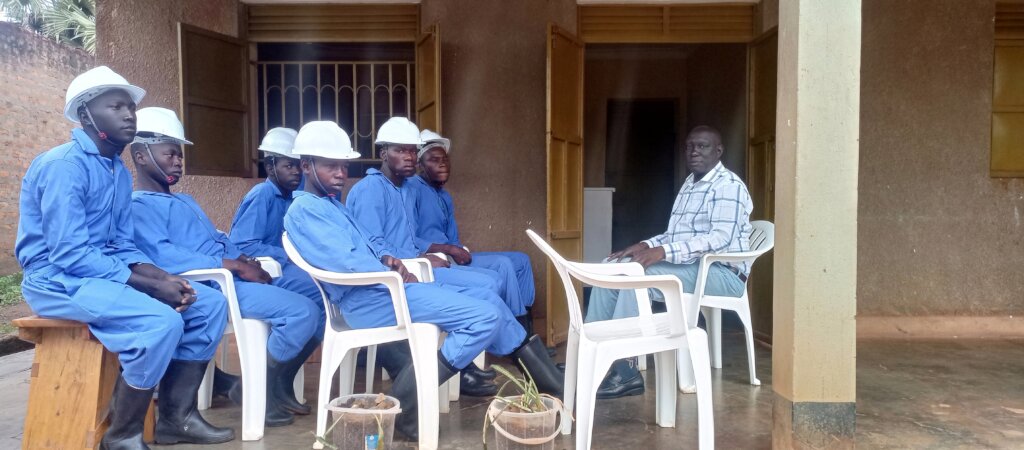
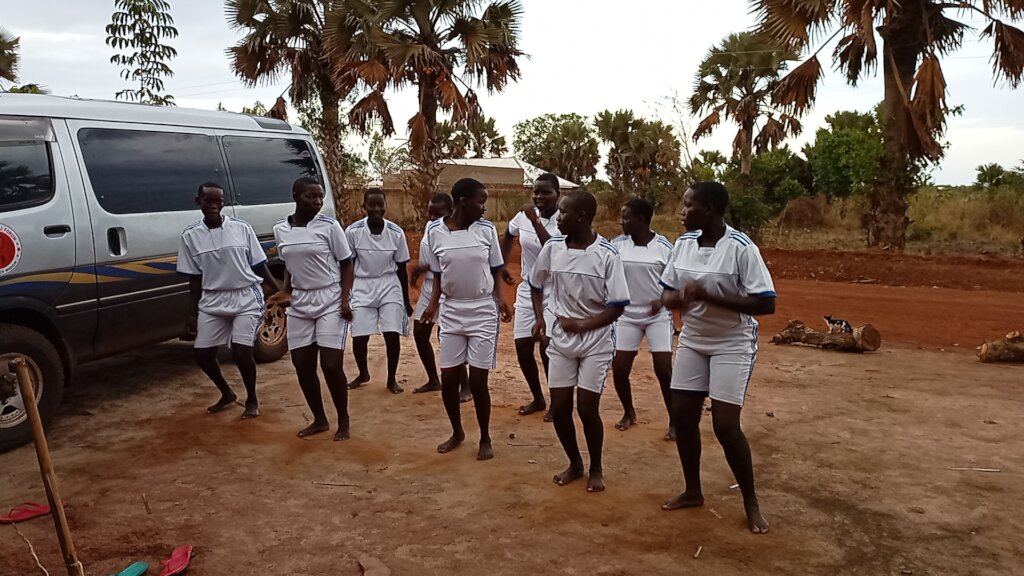
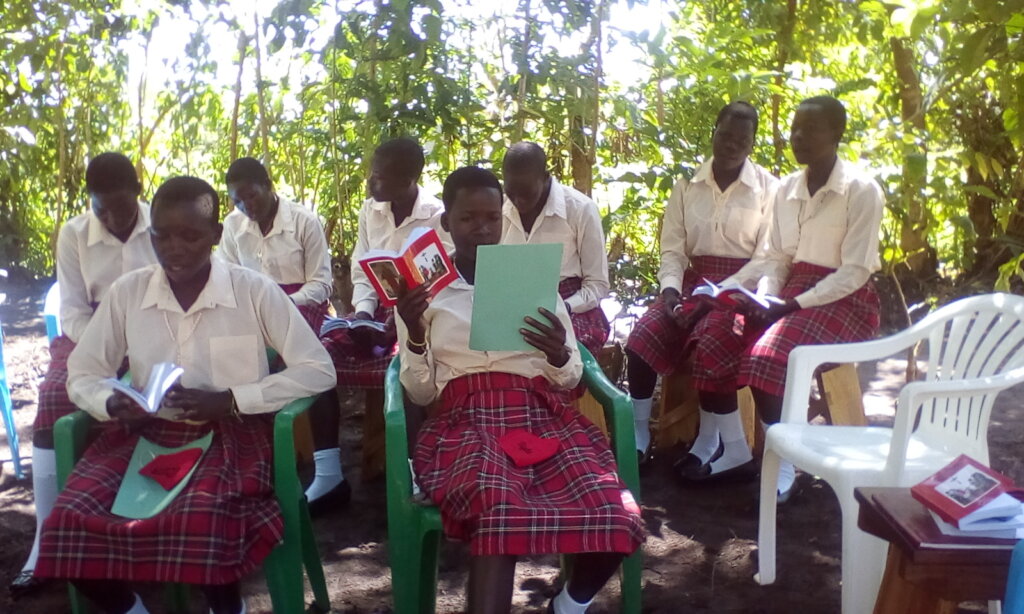
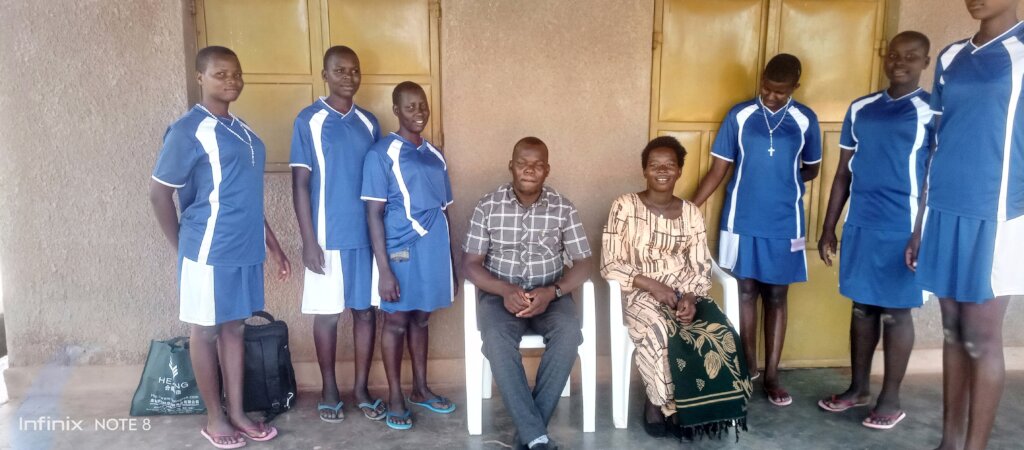
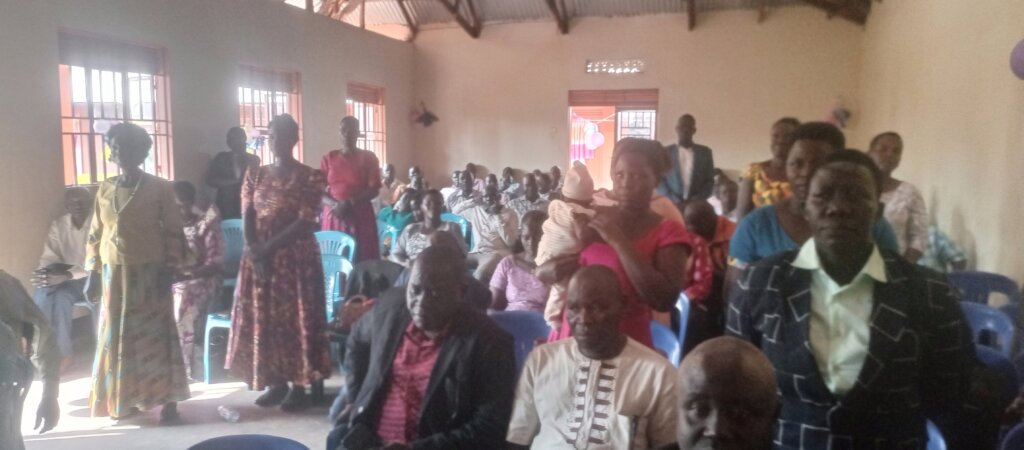
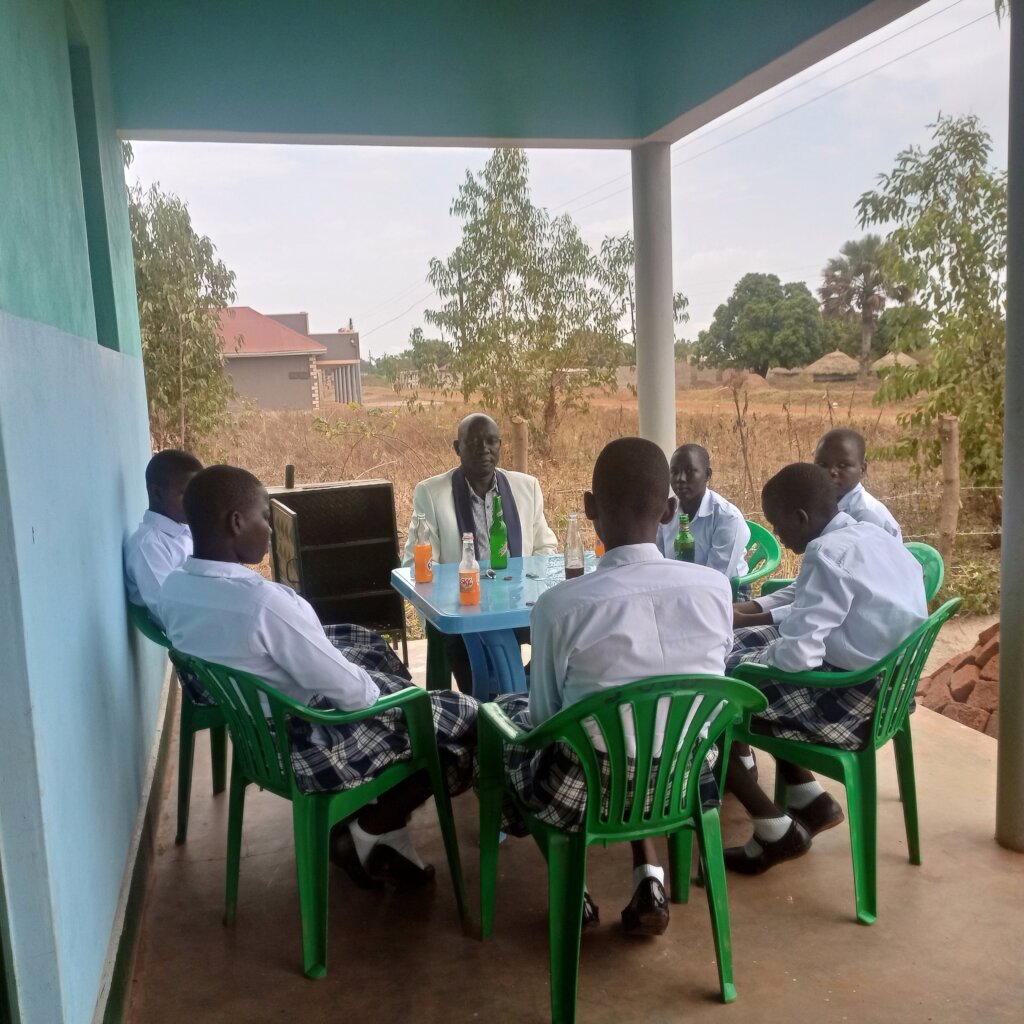
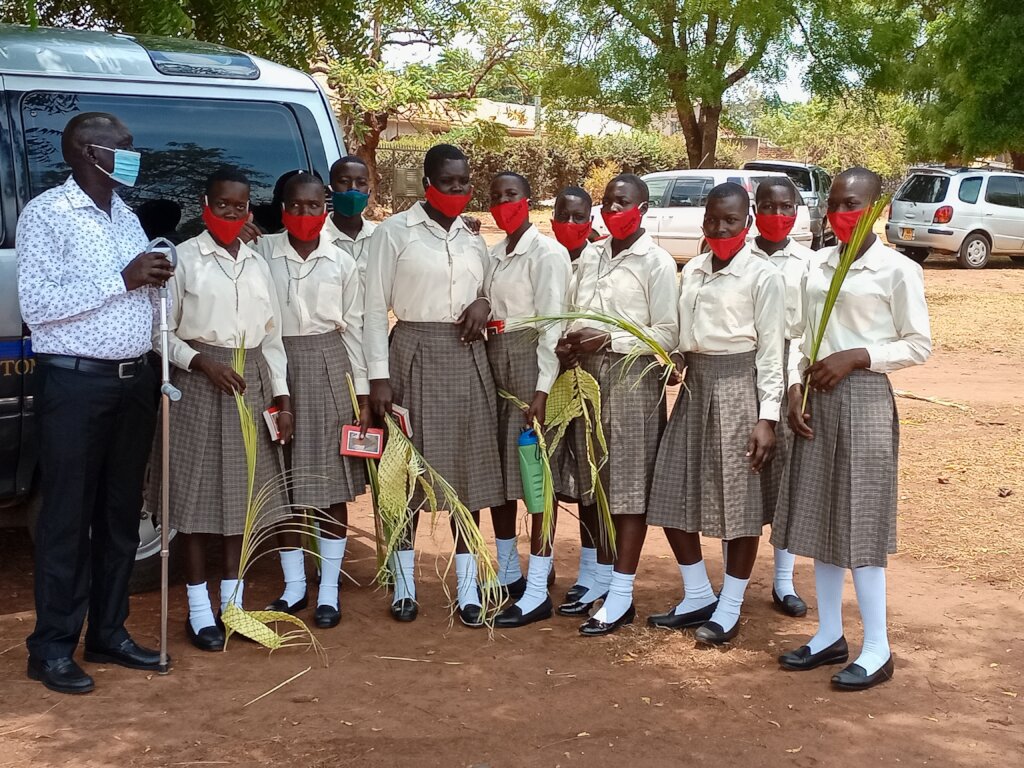
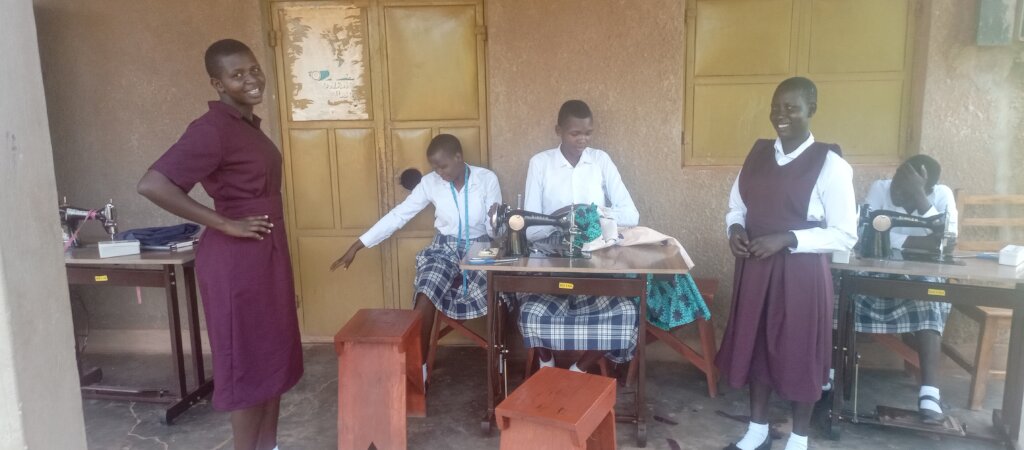
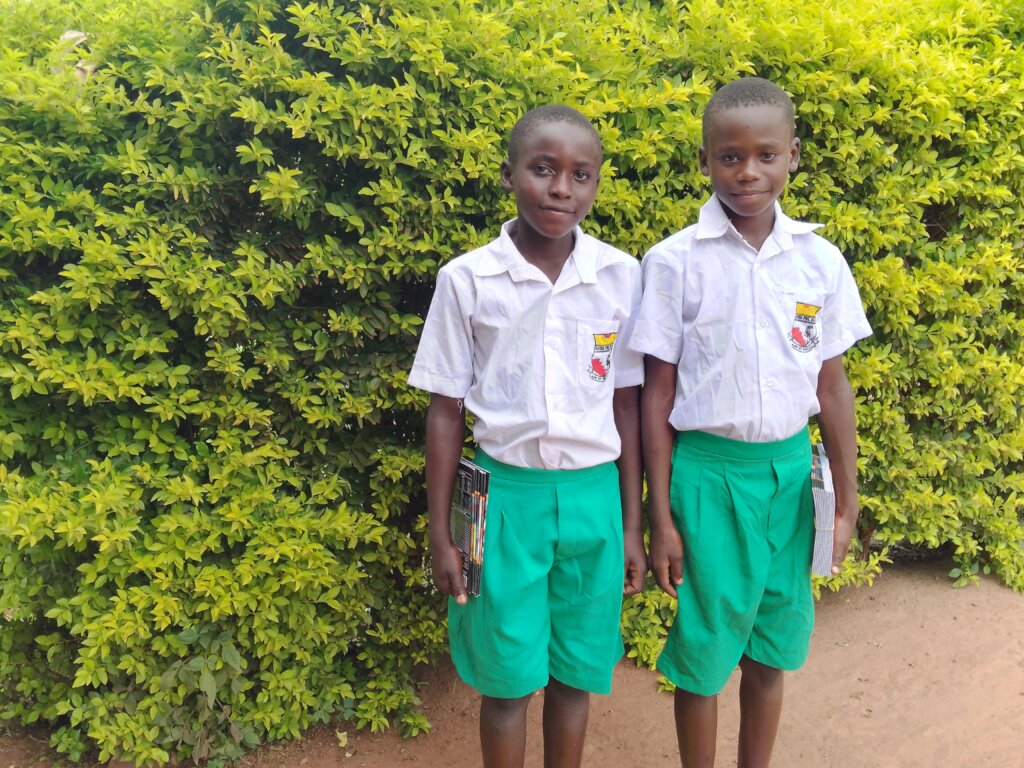
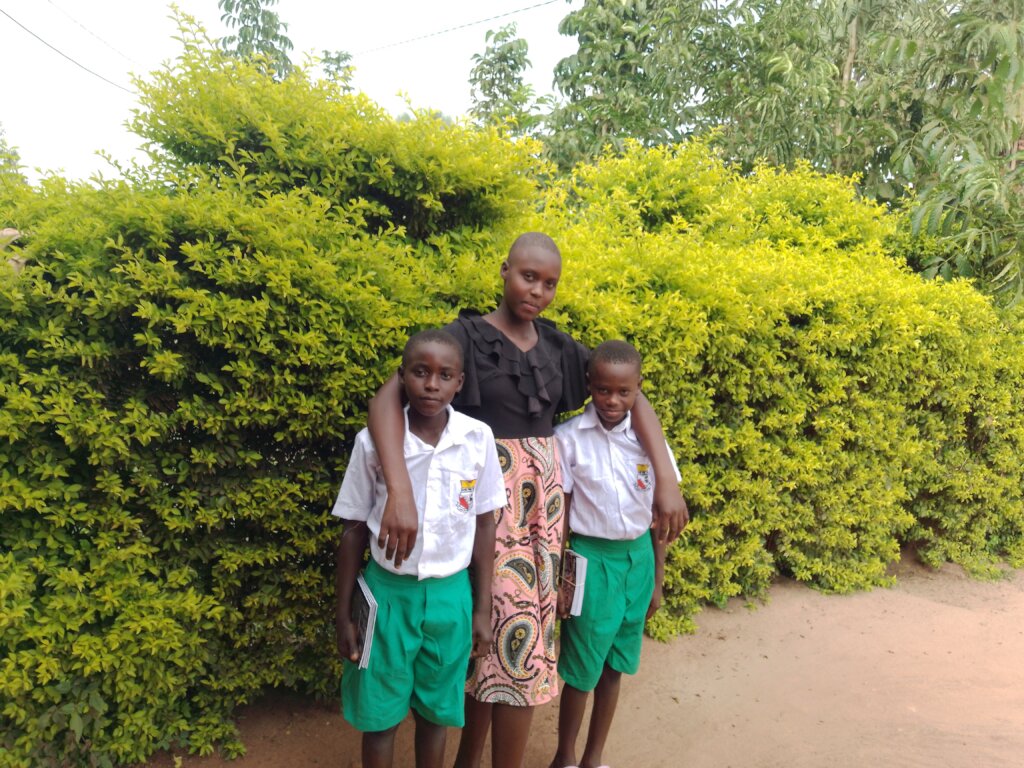
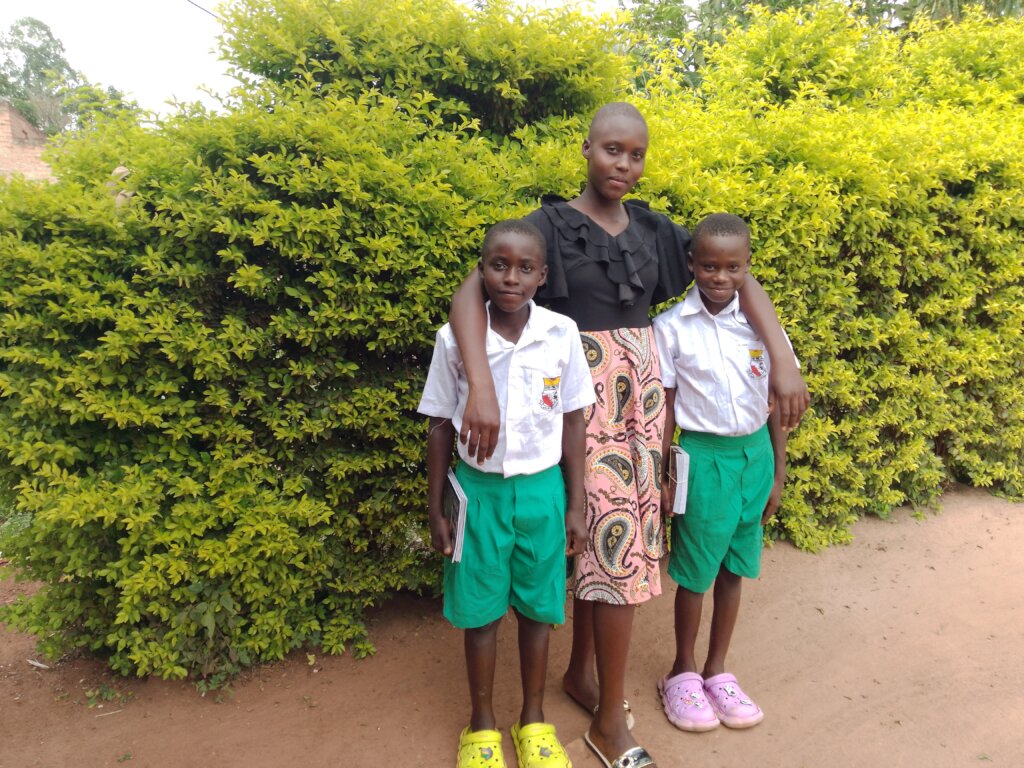
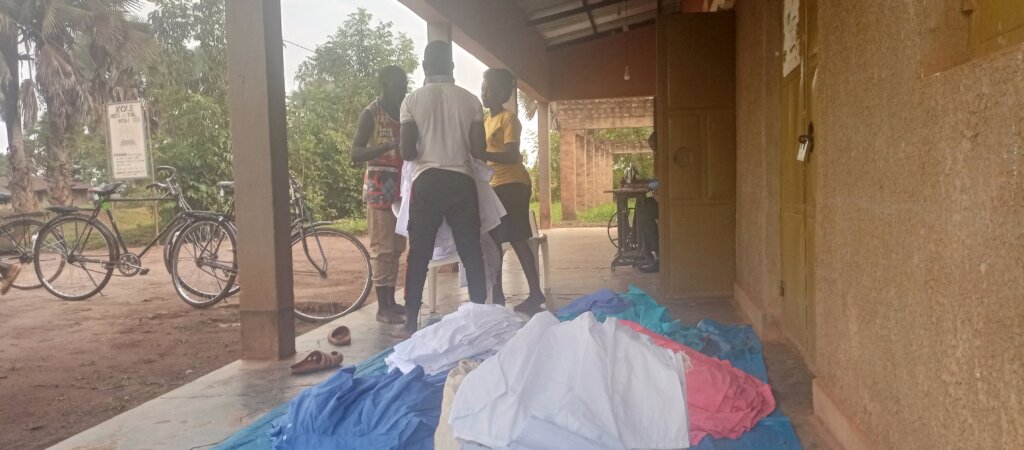
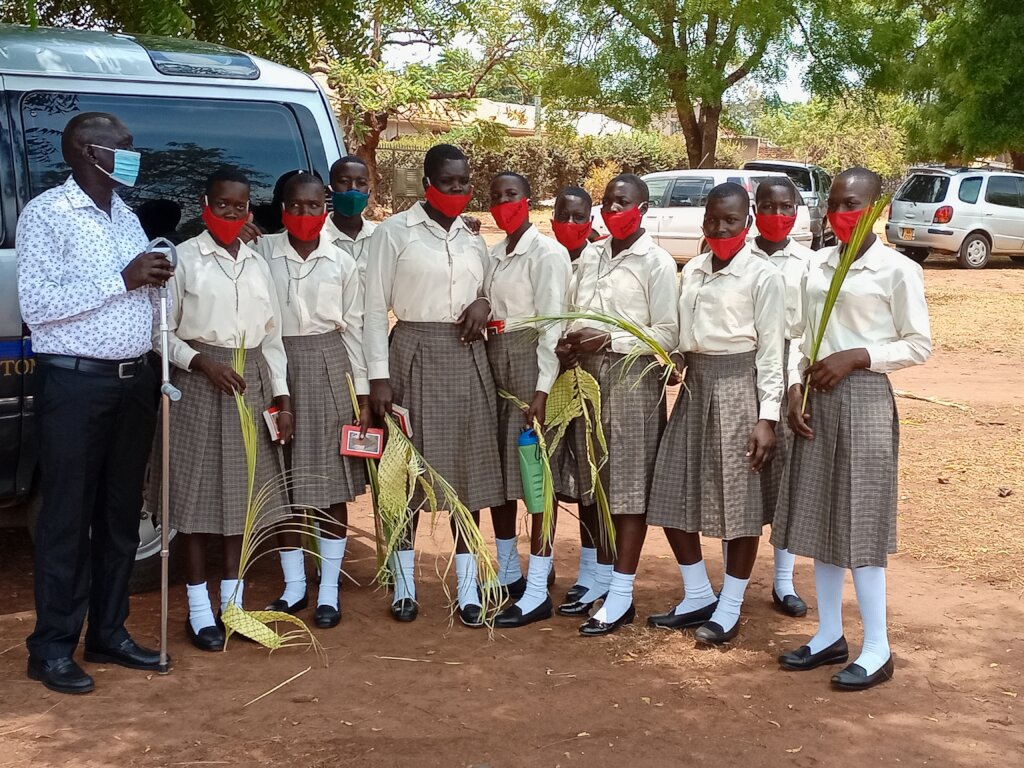
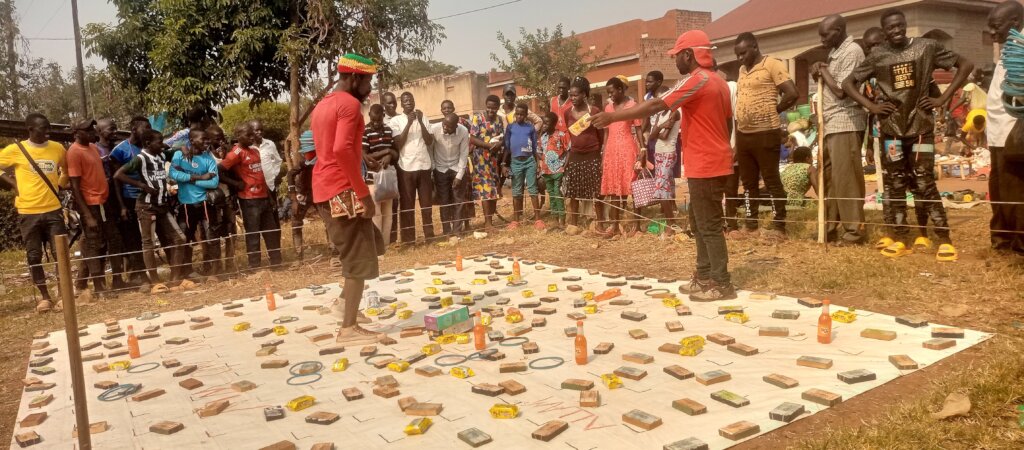
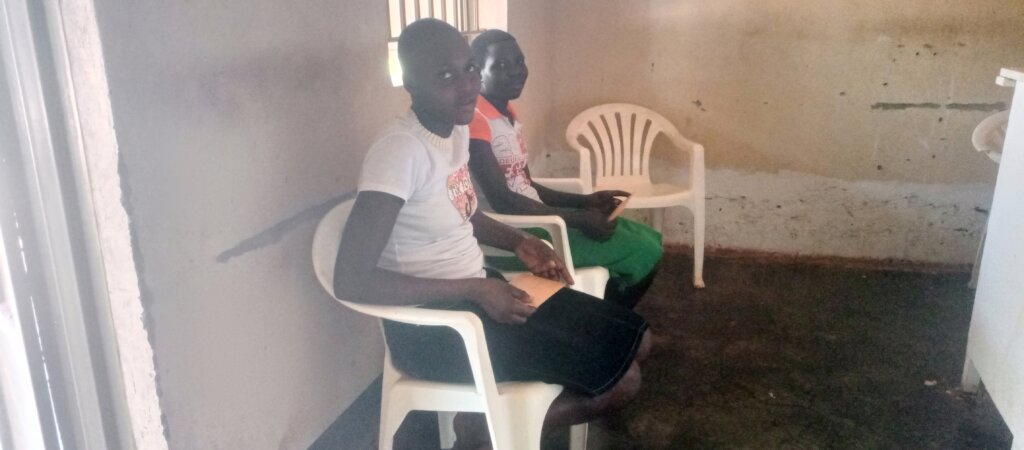
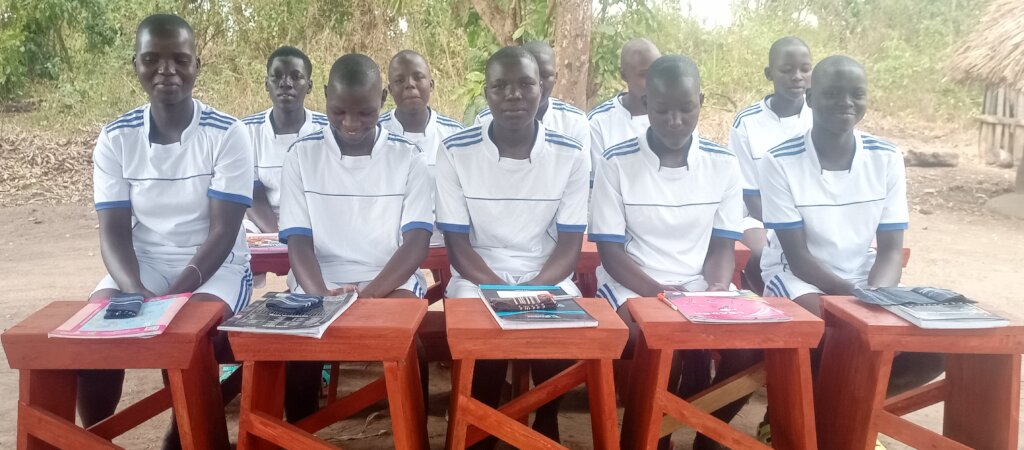
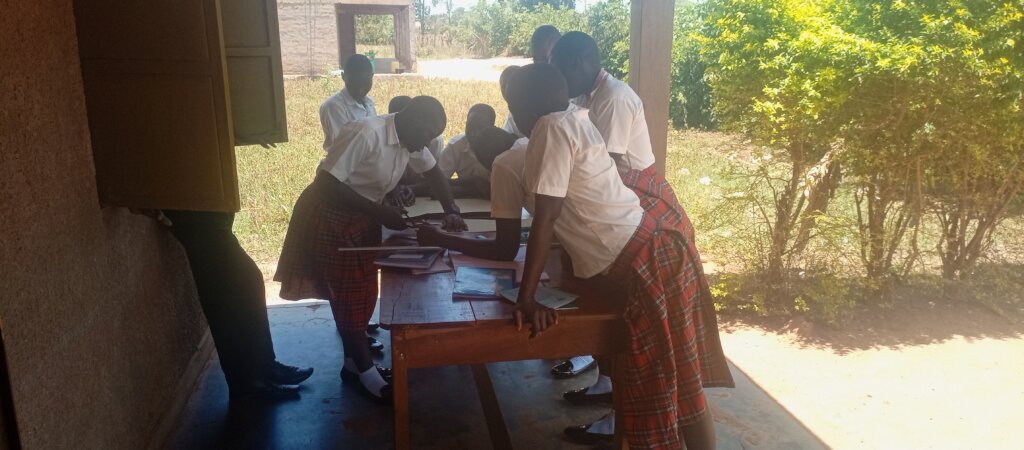
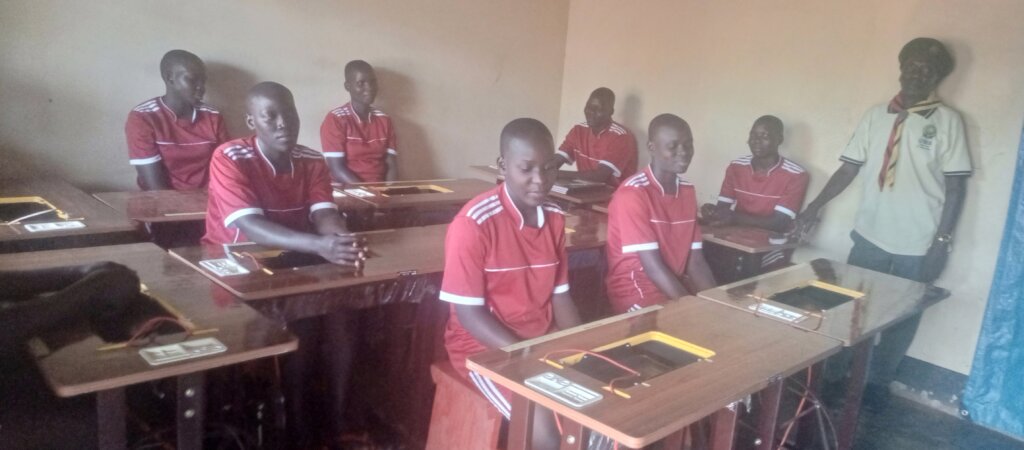
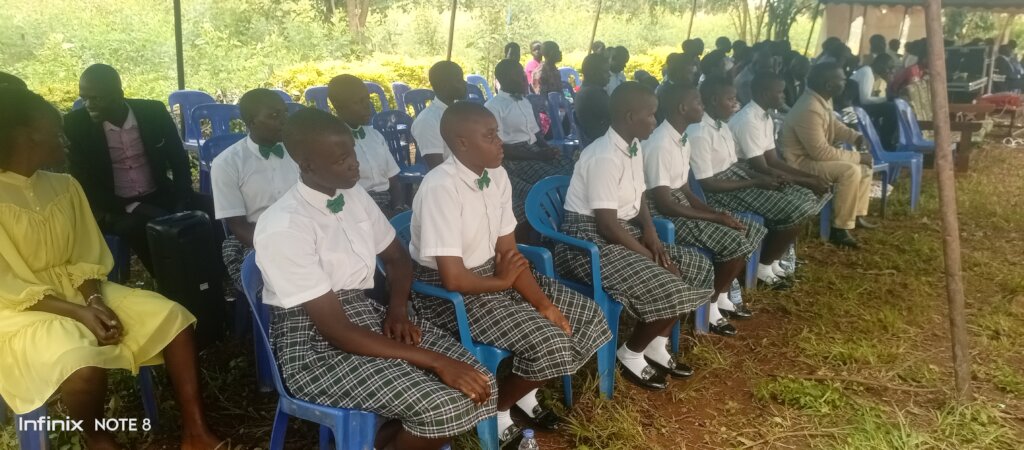
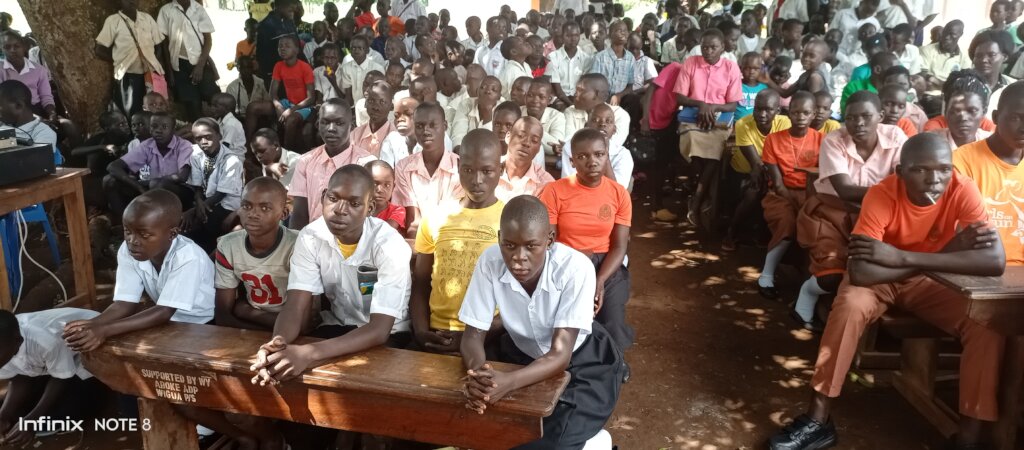
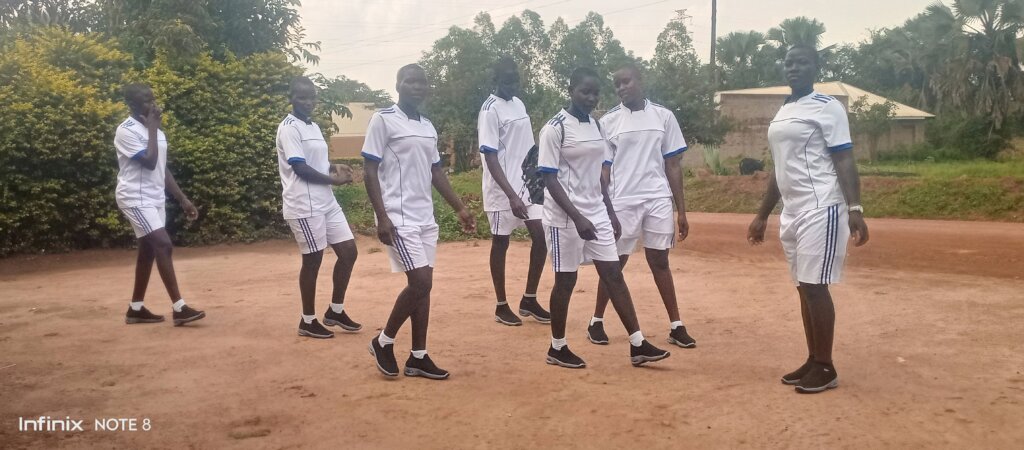
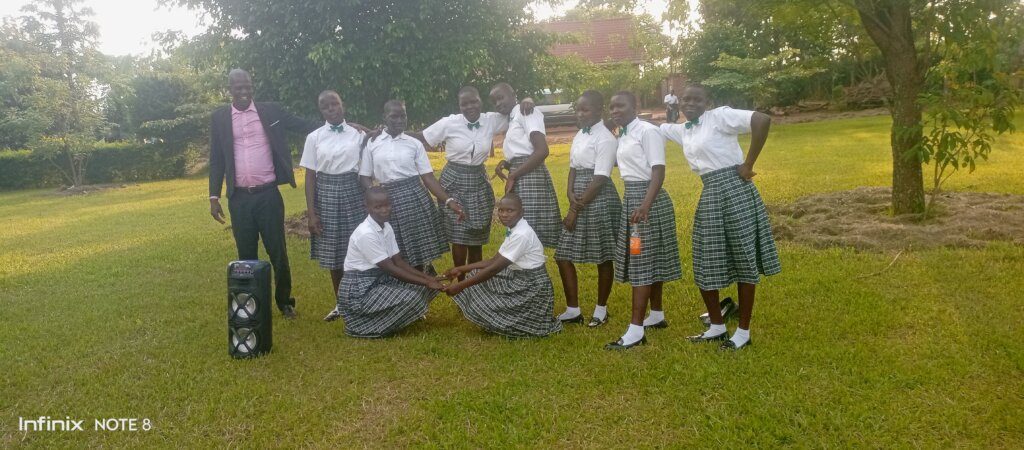
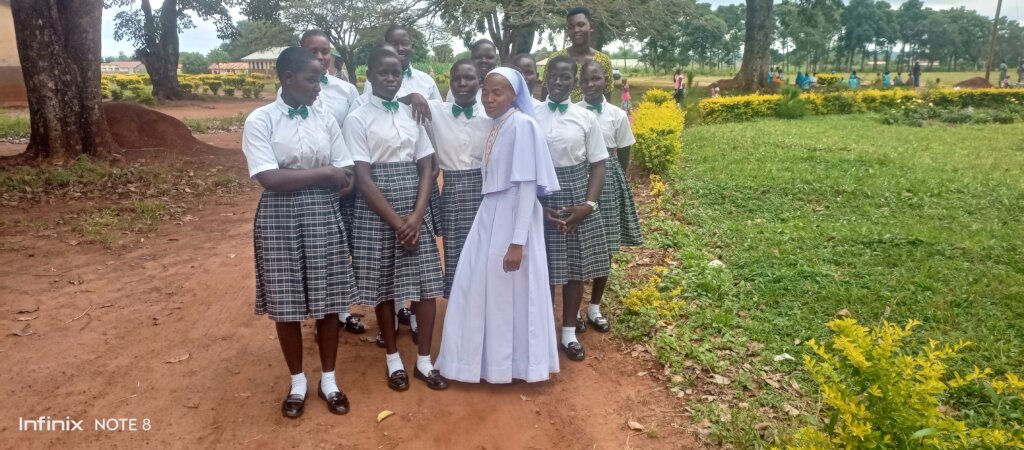
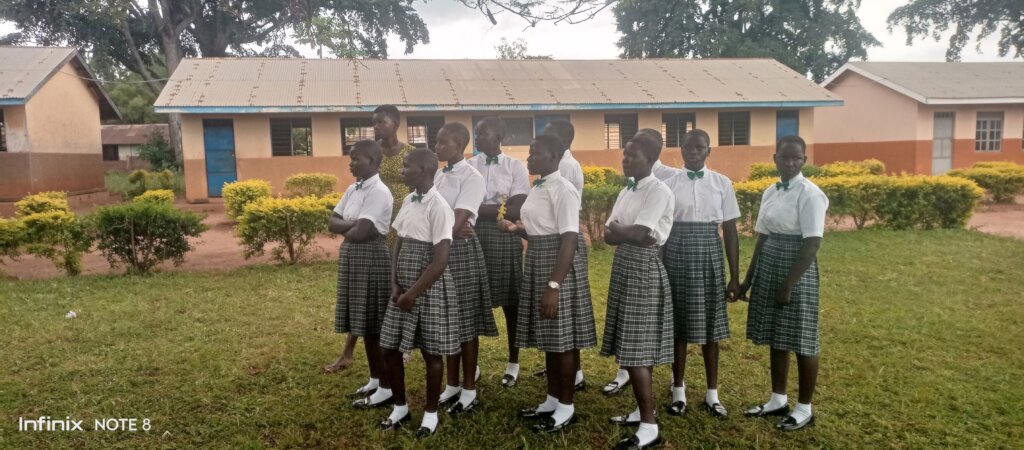
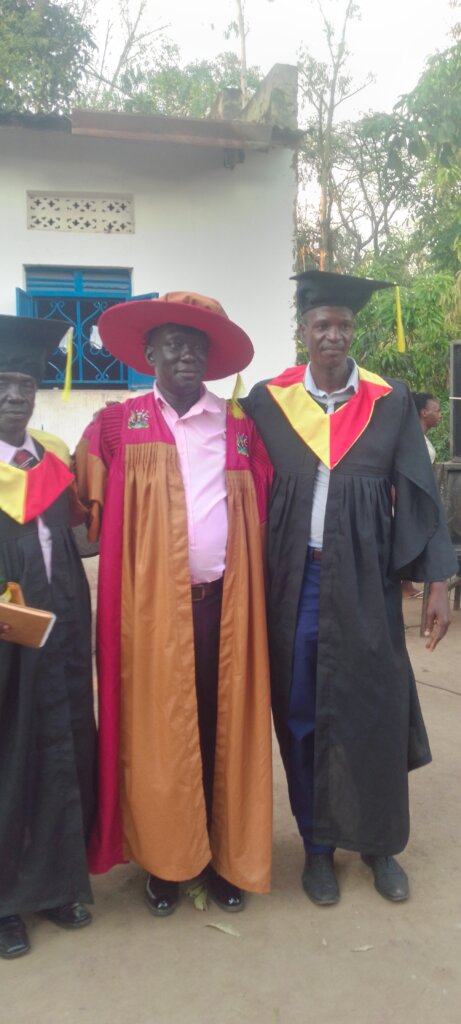
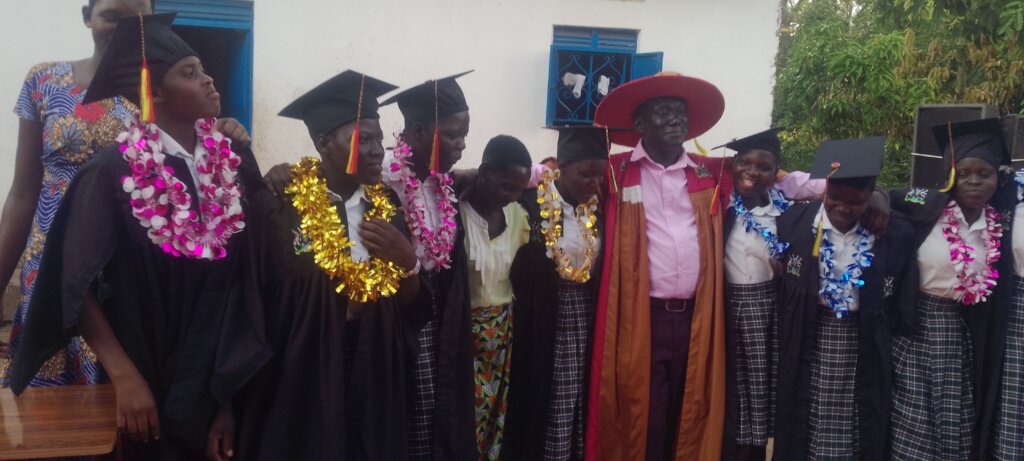
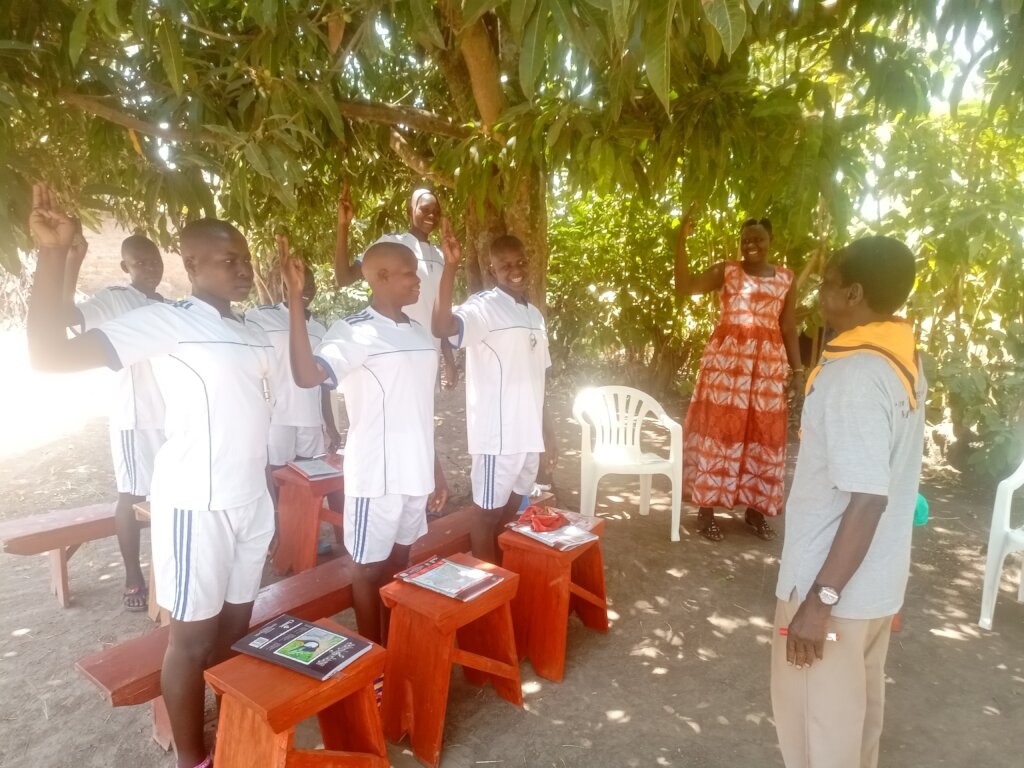
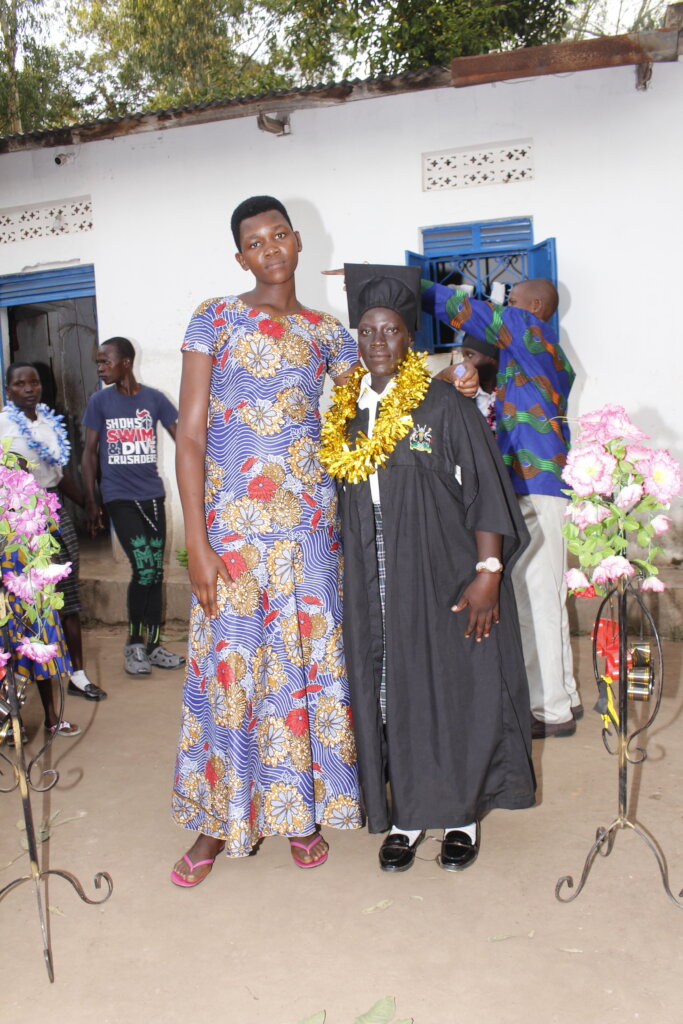
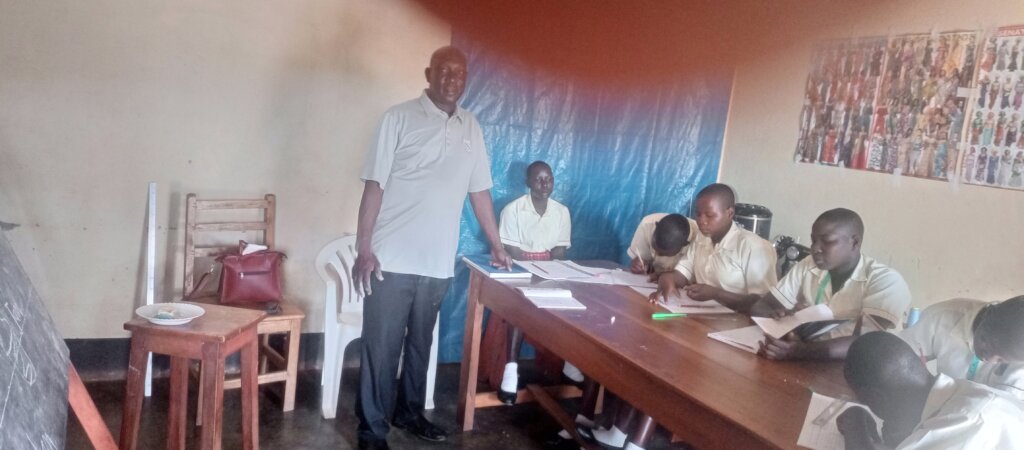
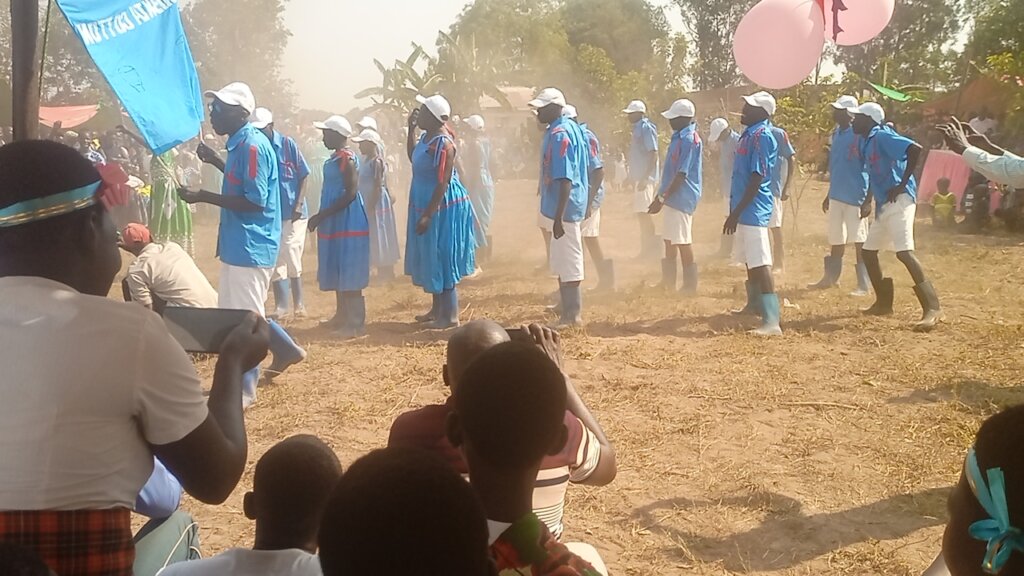
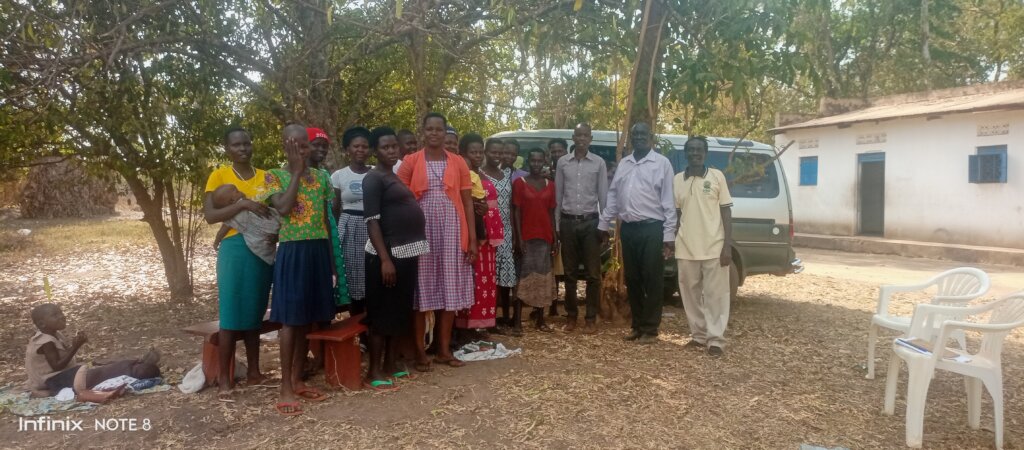
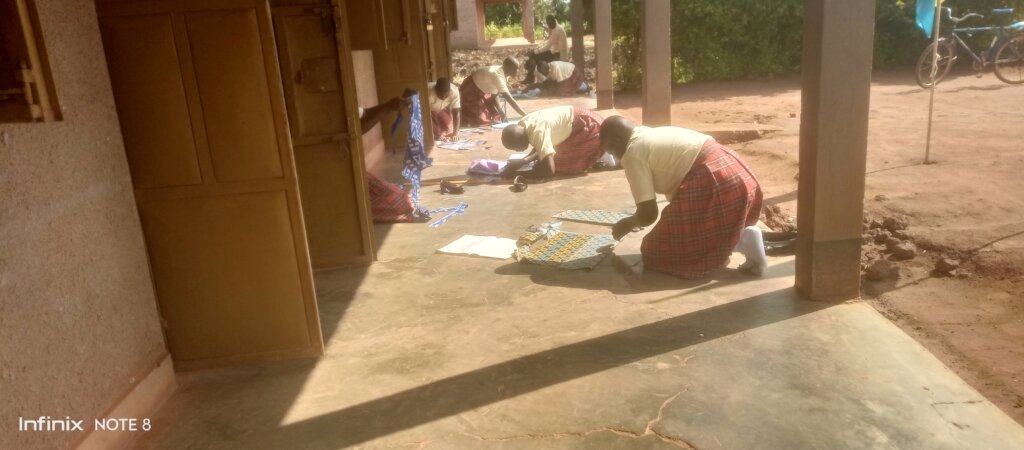
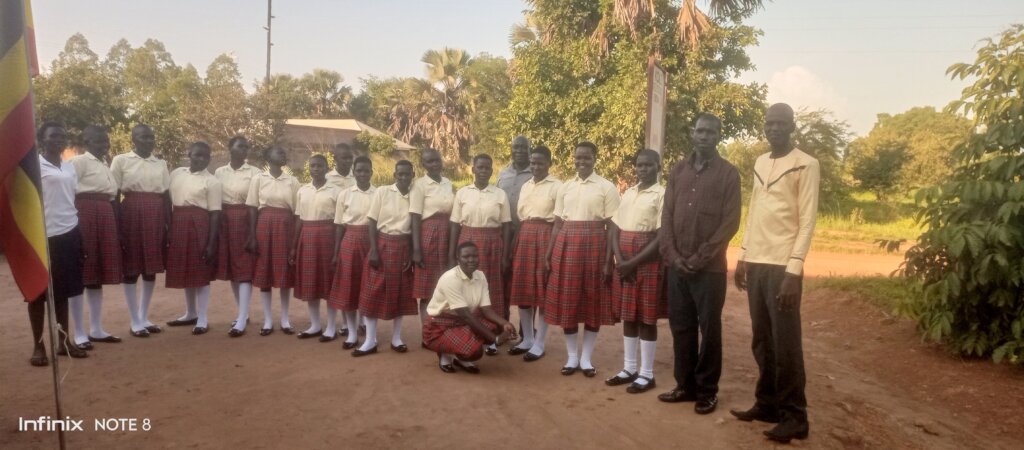
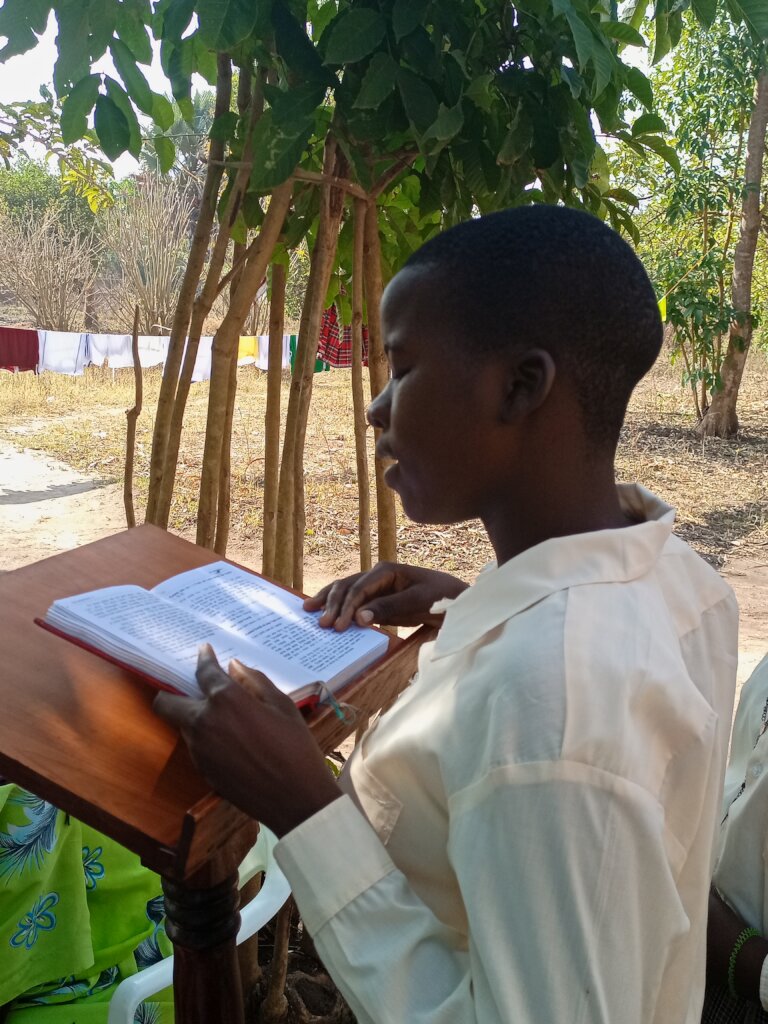
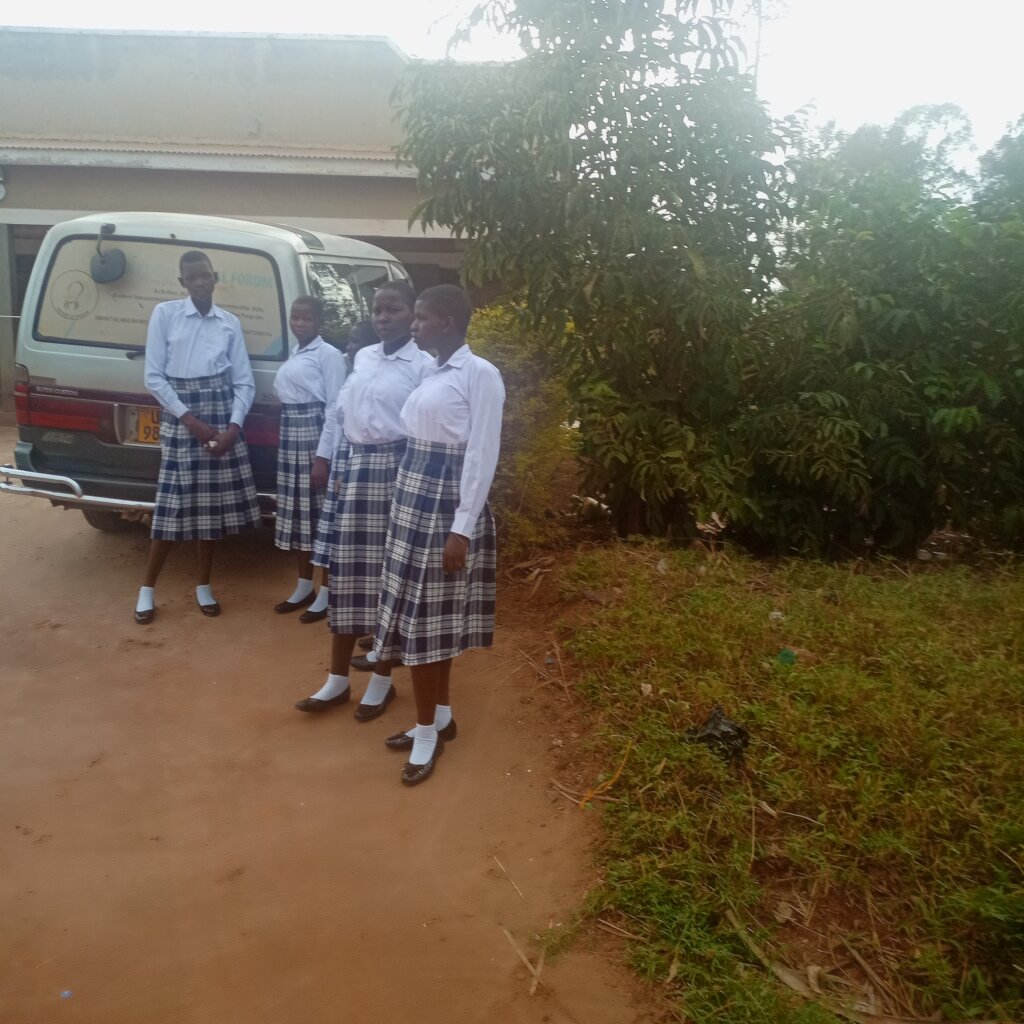
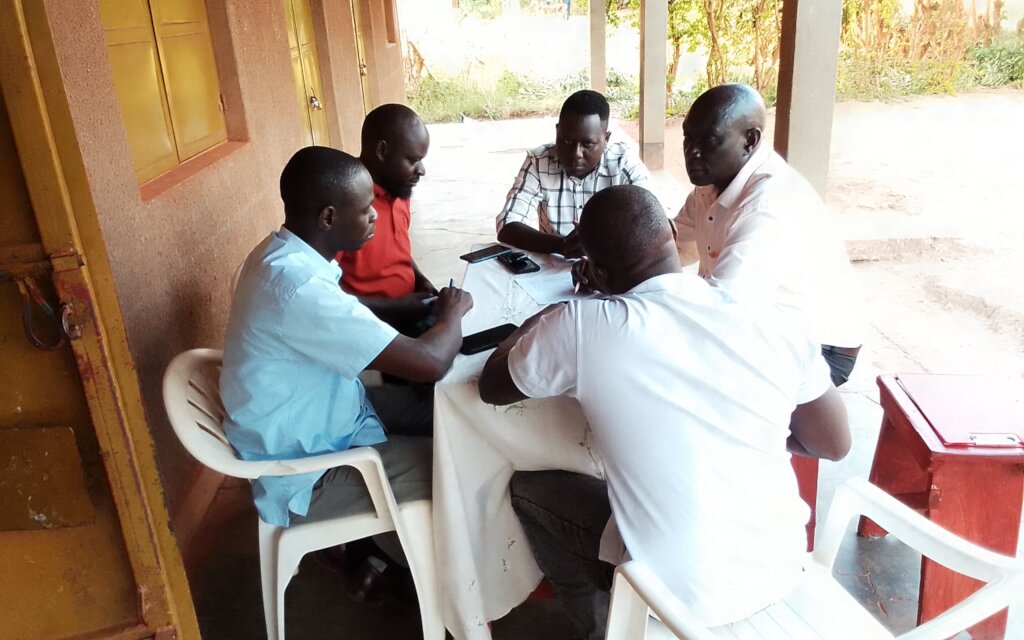
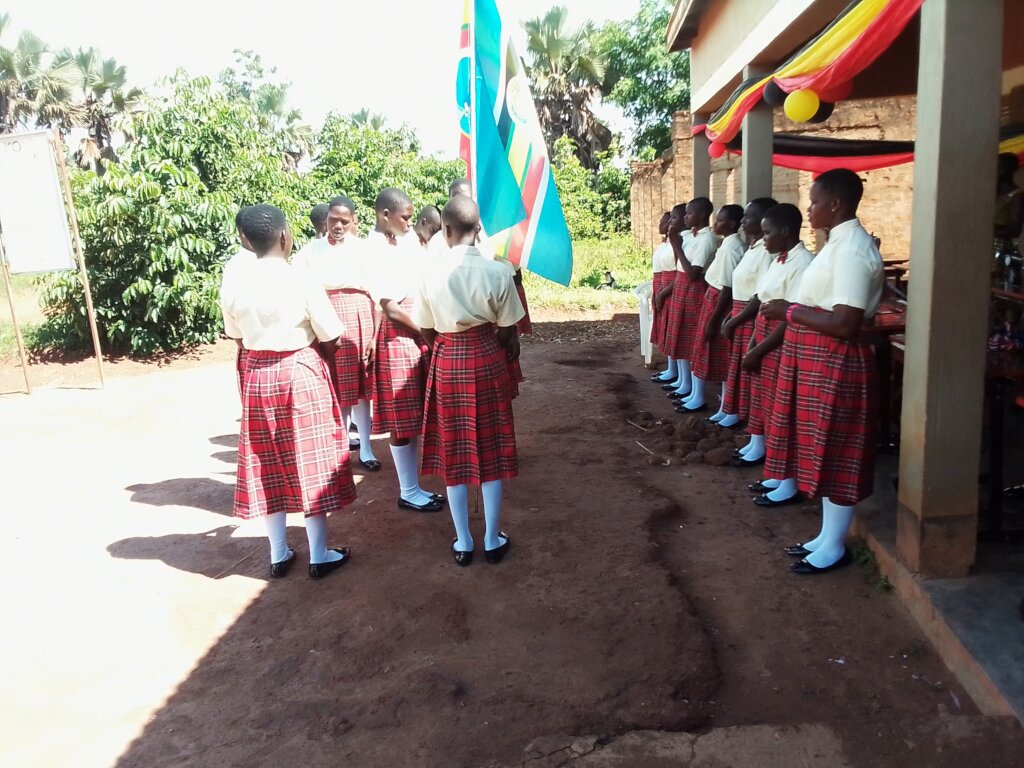
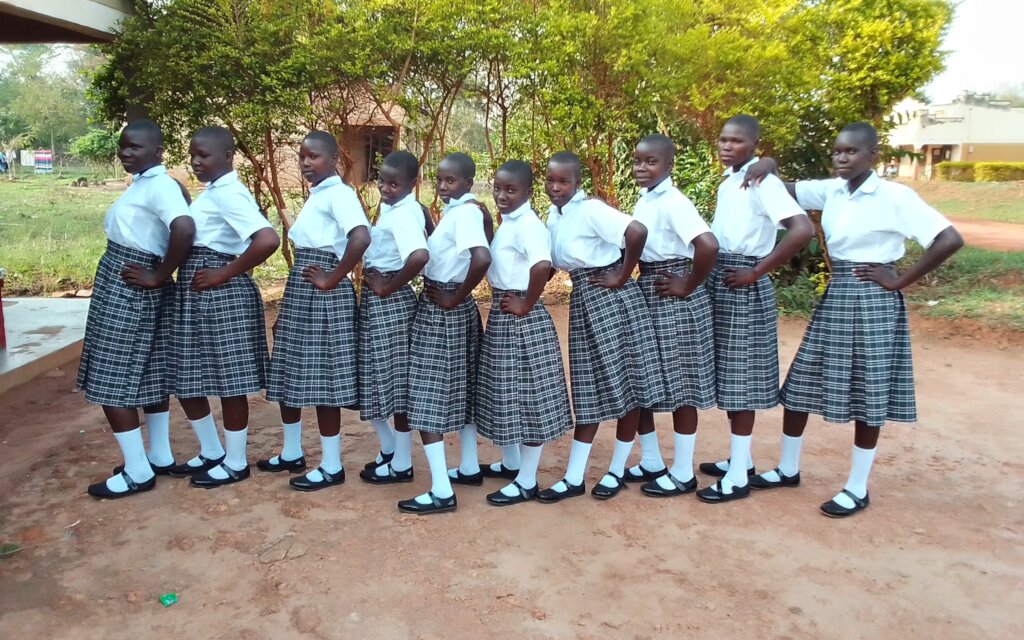
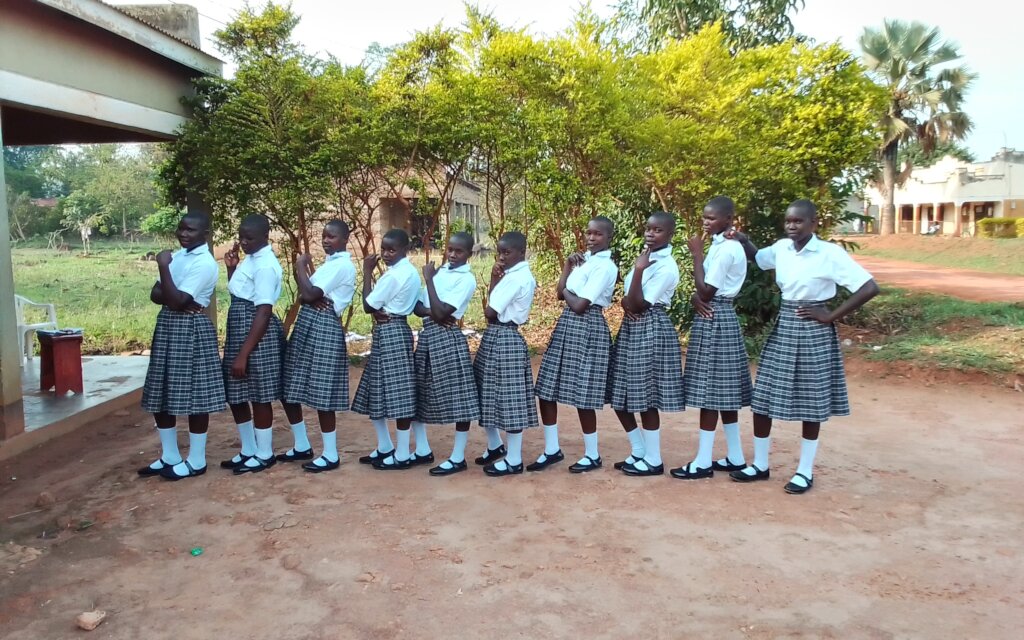
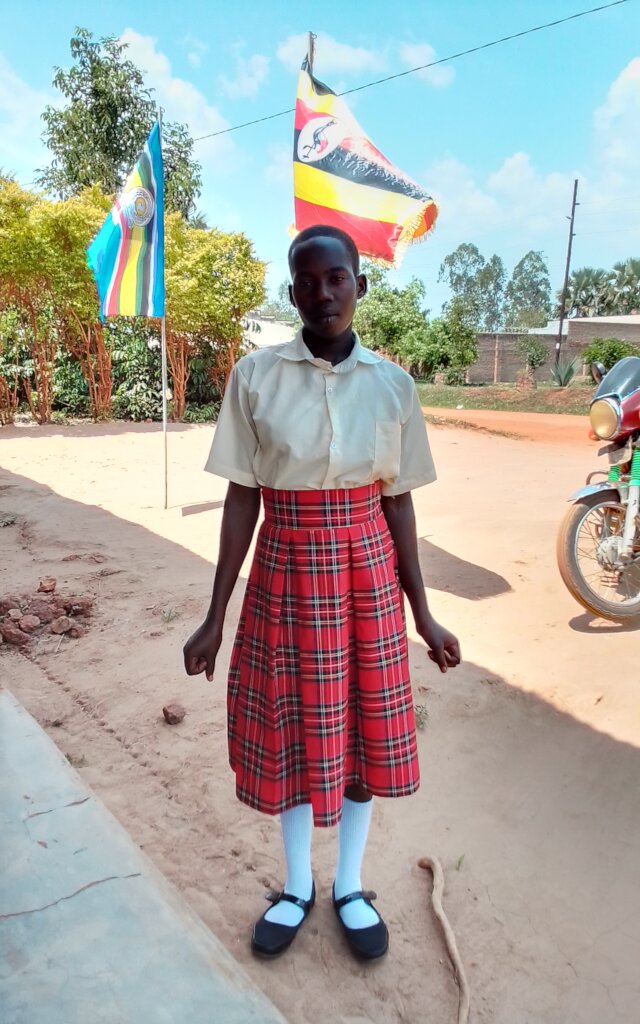
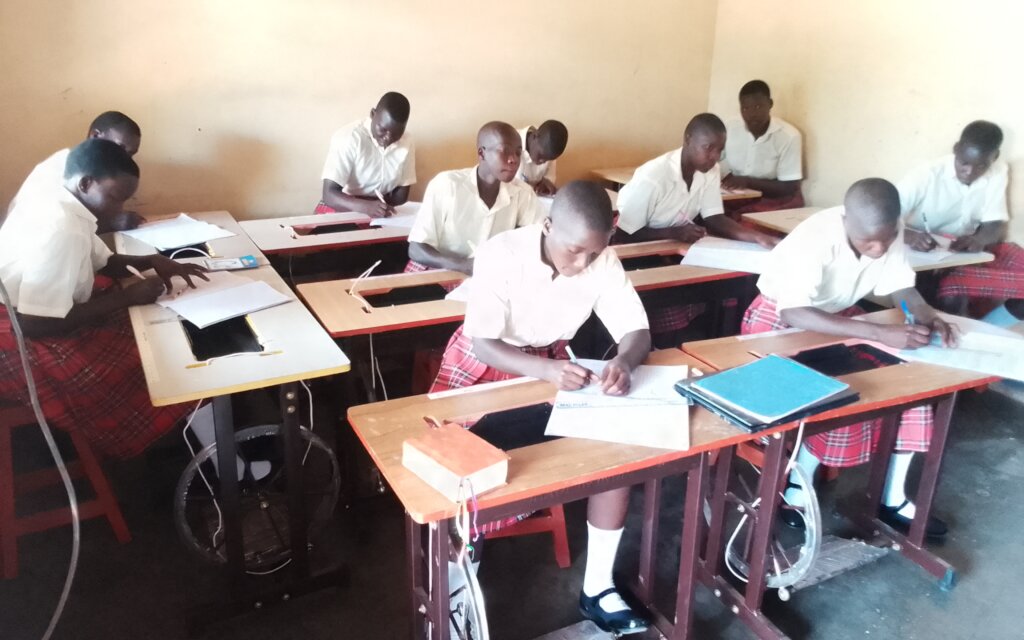
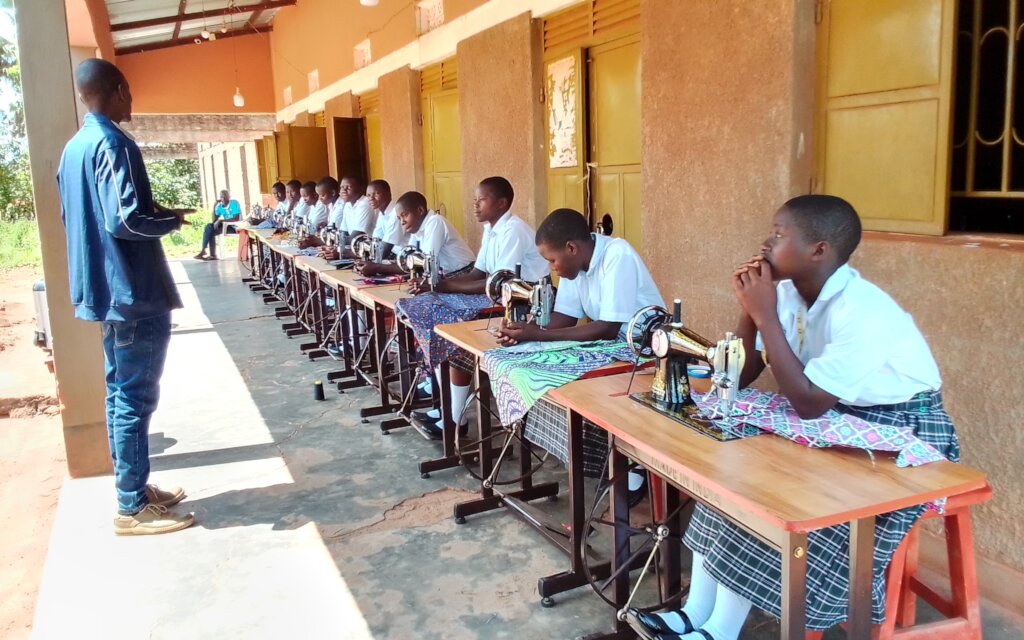
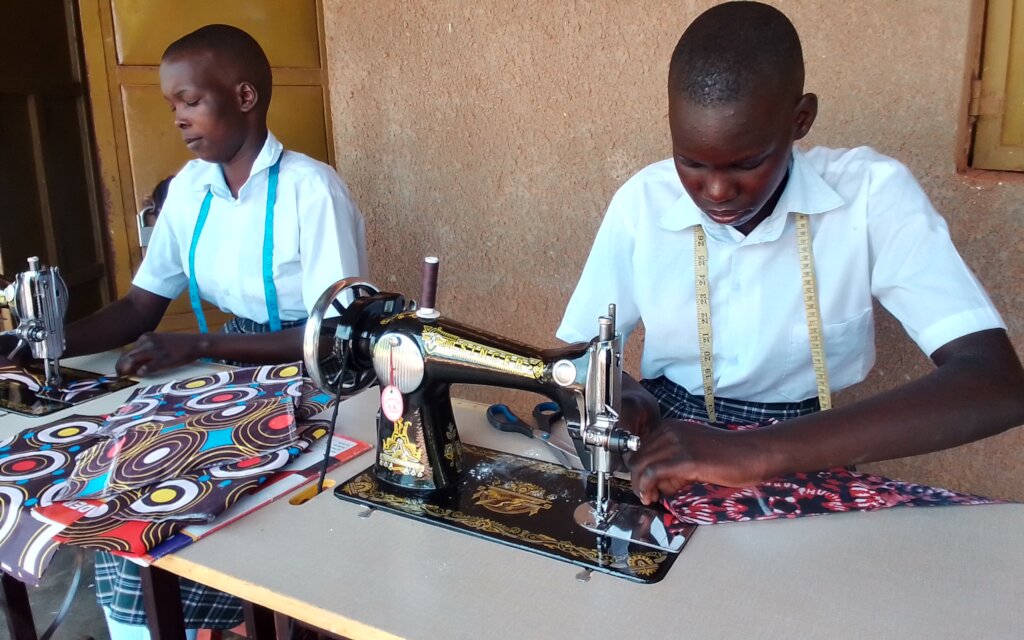
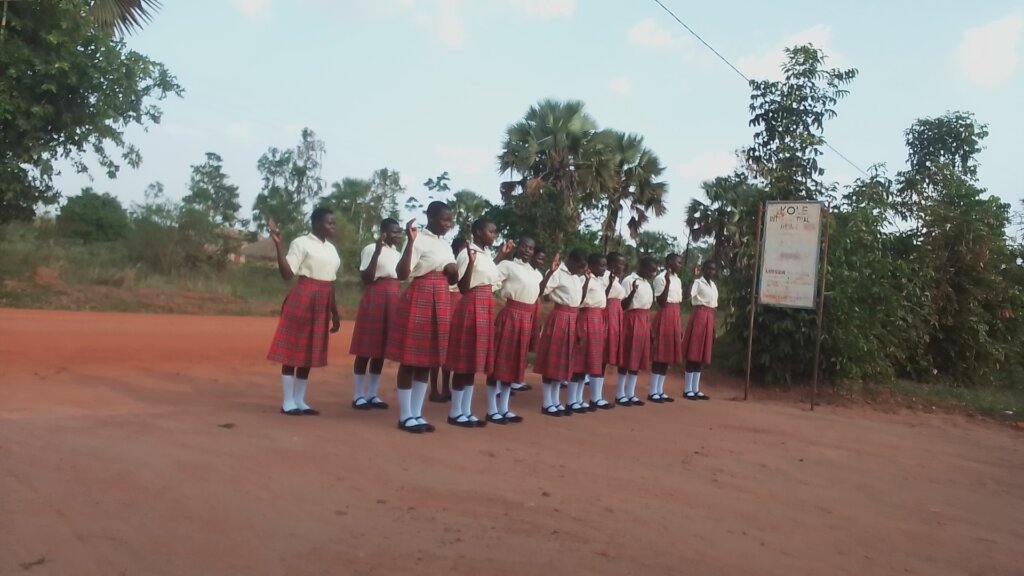
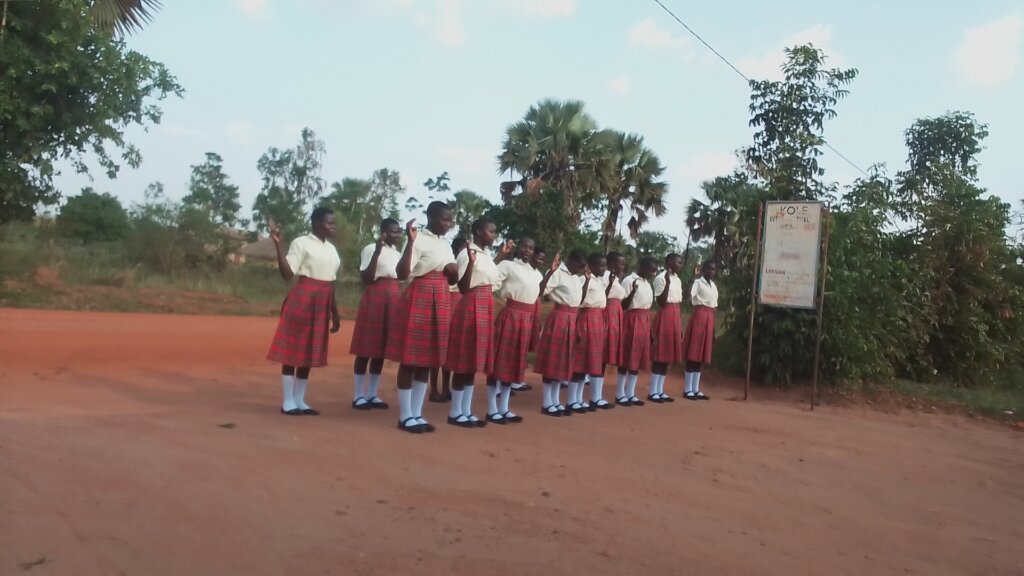
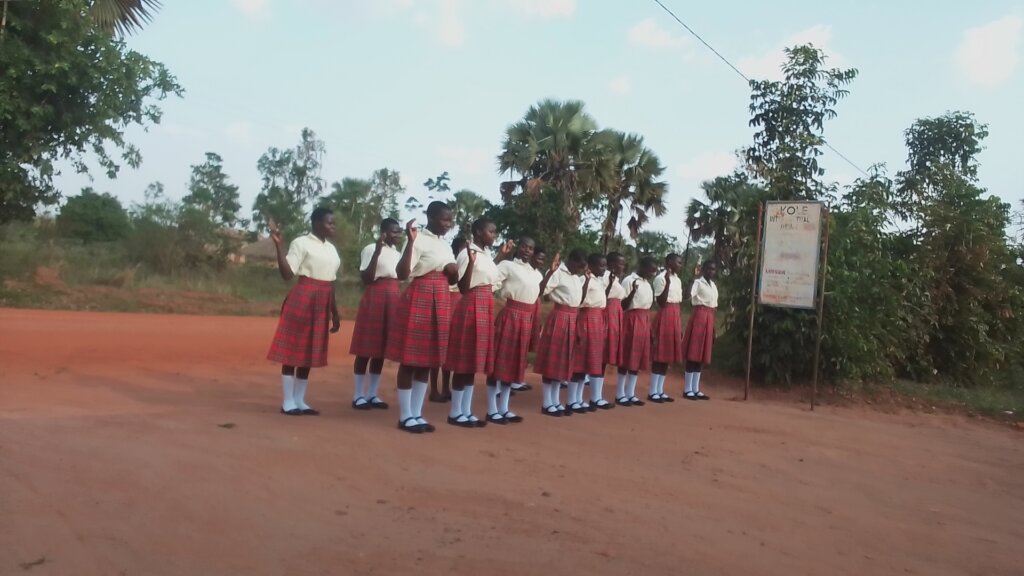
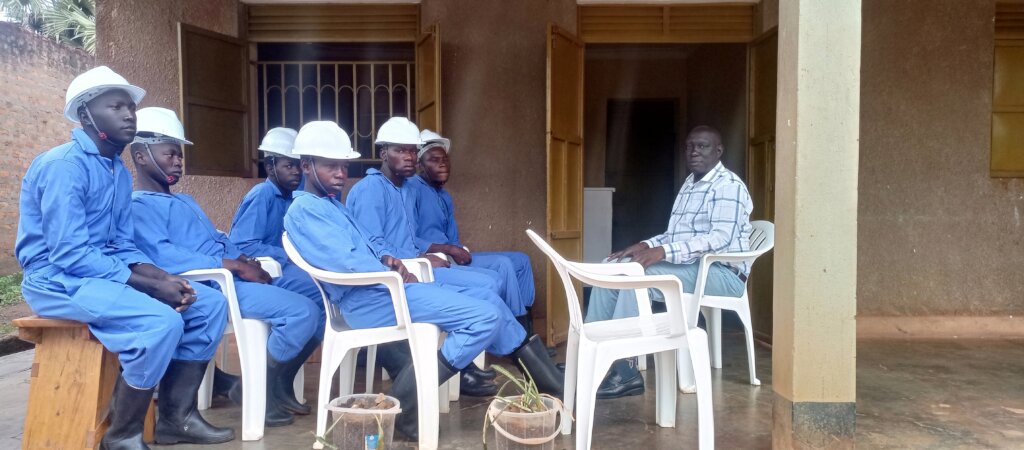
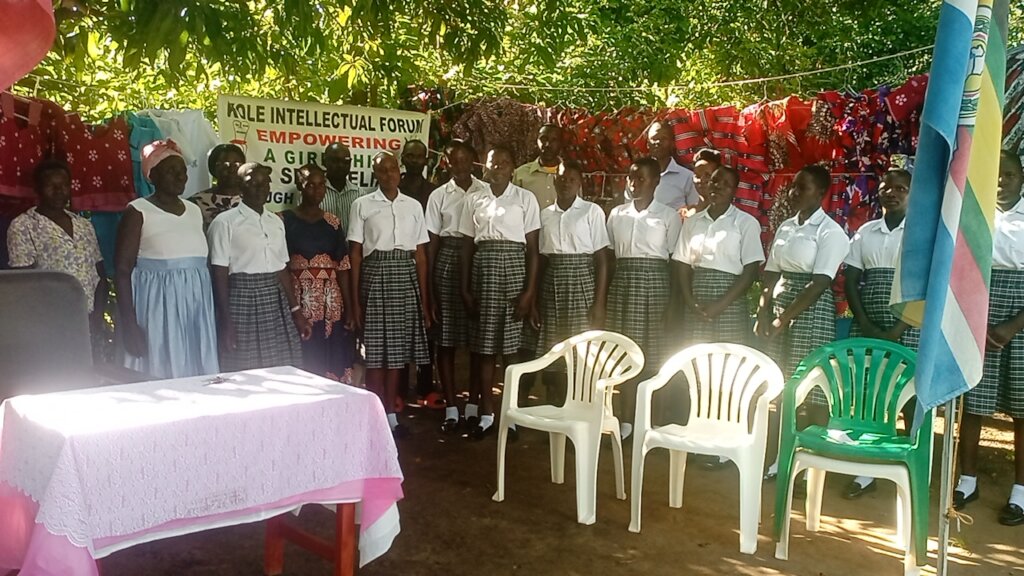
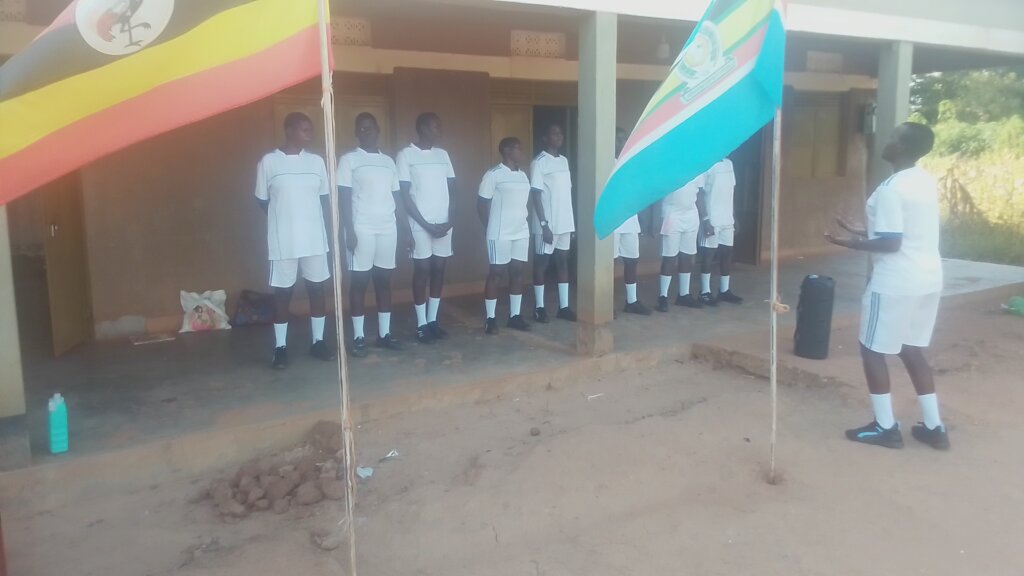
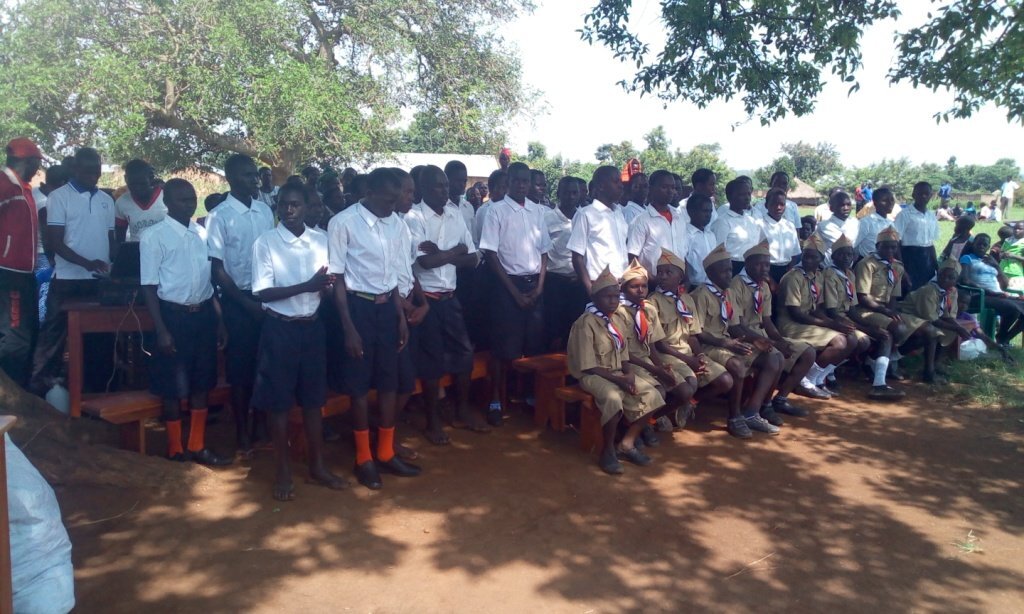
Look at the mixture of the students above, and they are doing very well at the Institute of Home Economics – Kole Intellectual Forum.
![Share on Twitter]()
![Share on Facebook]()
Oct 17, 2026
Managing the projects through community feedback
By George Obua | Project Leader
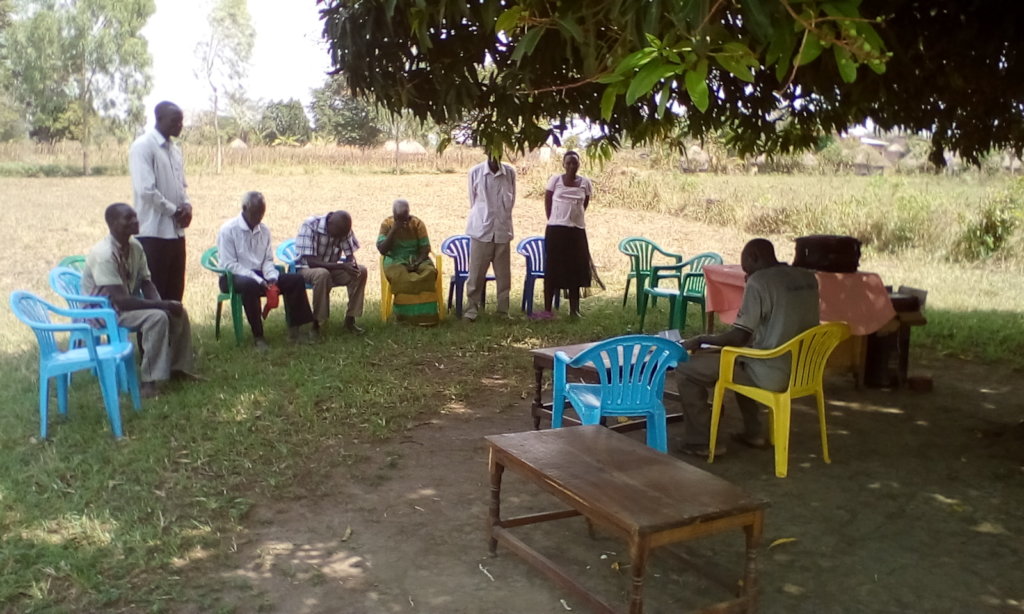
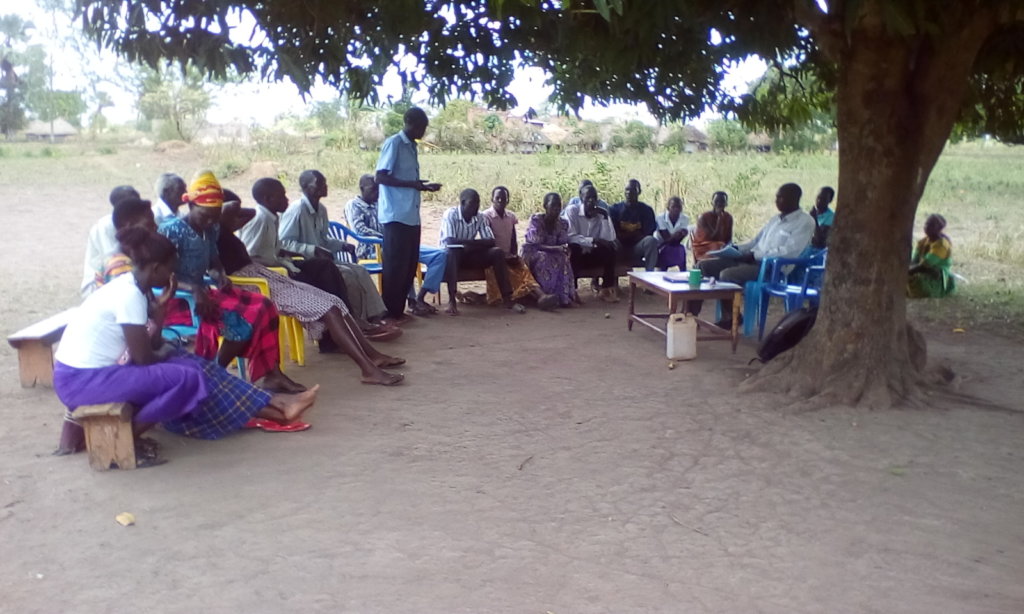
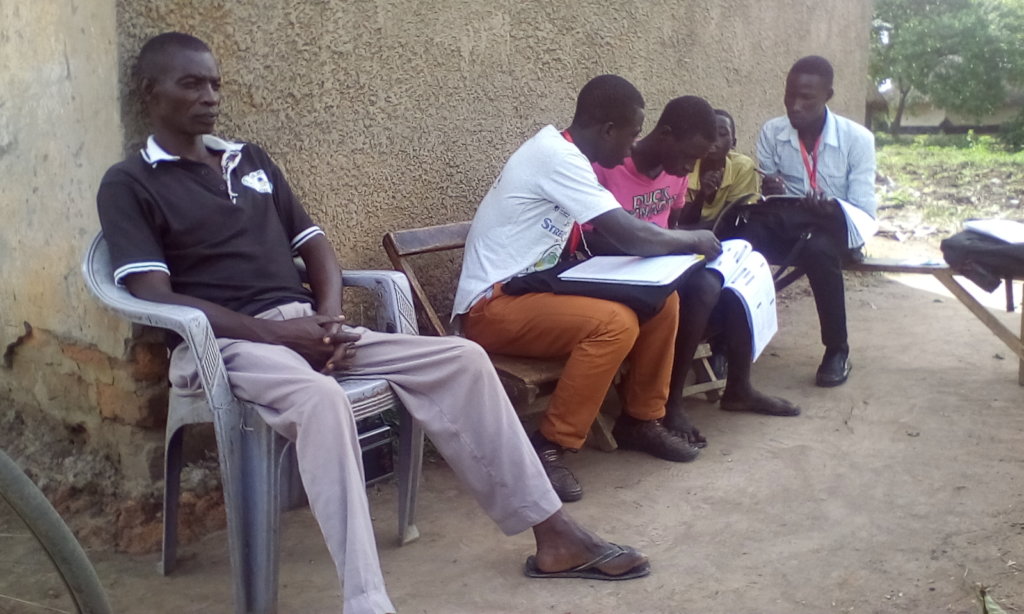
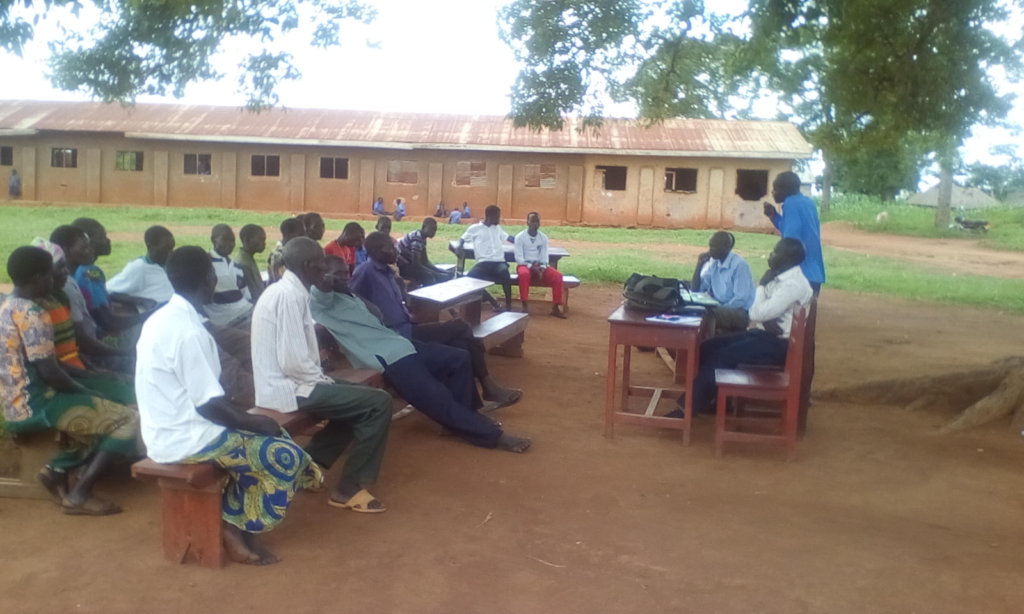
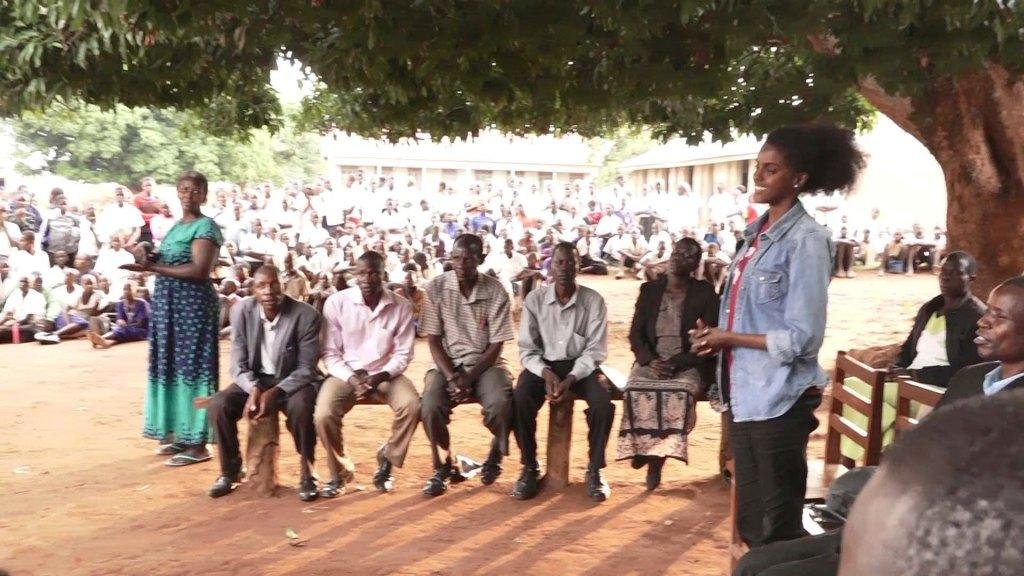
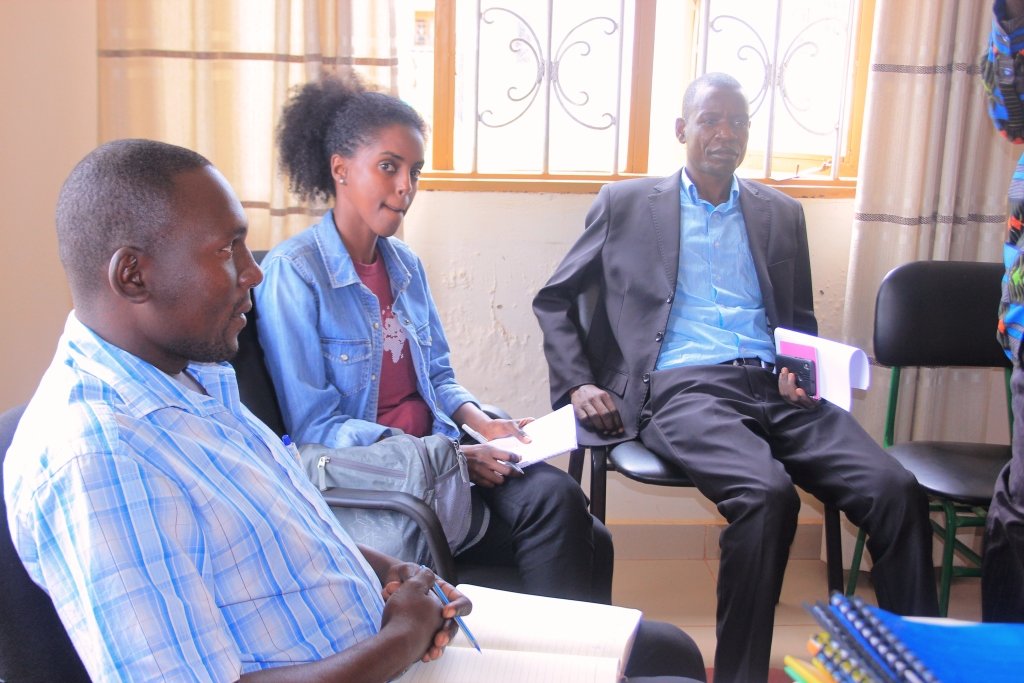
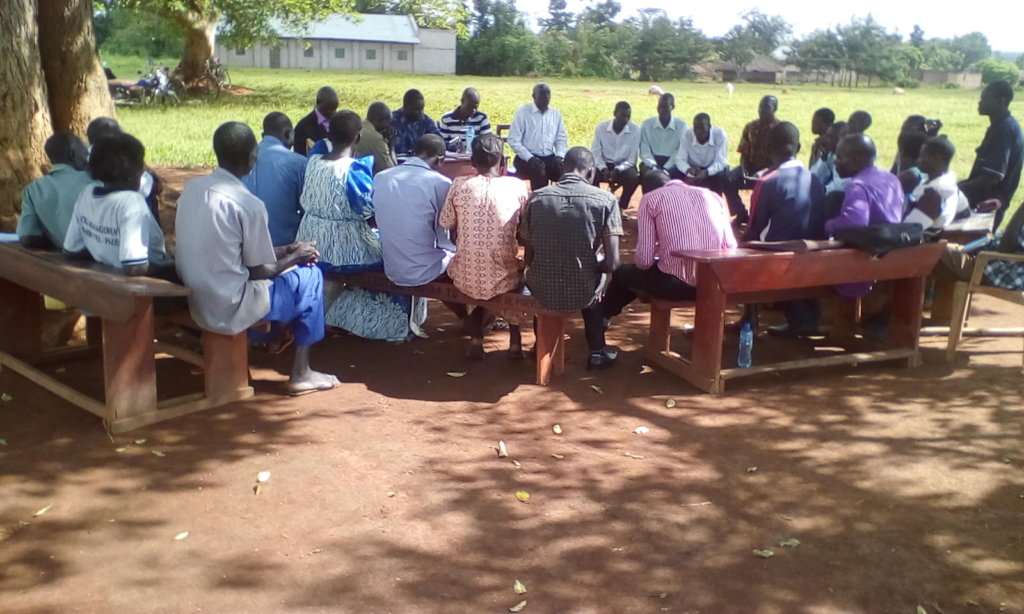
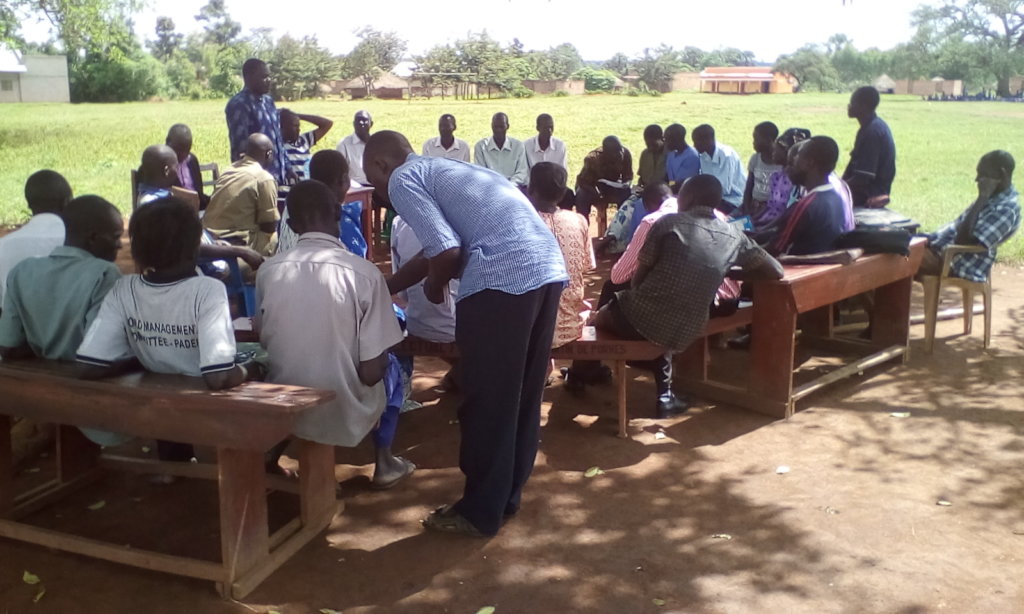
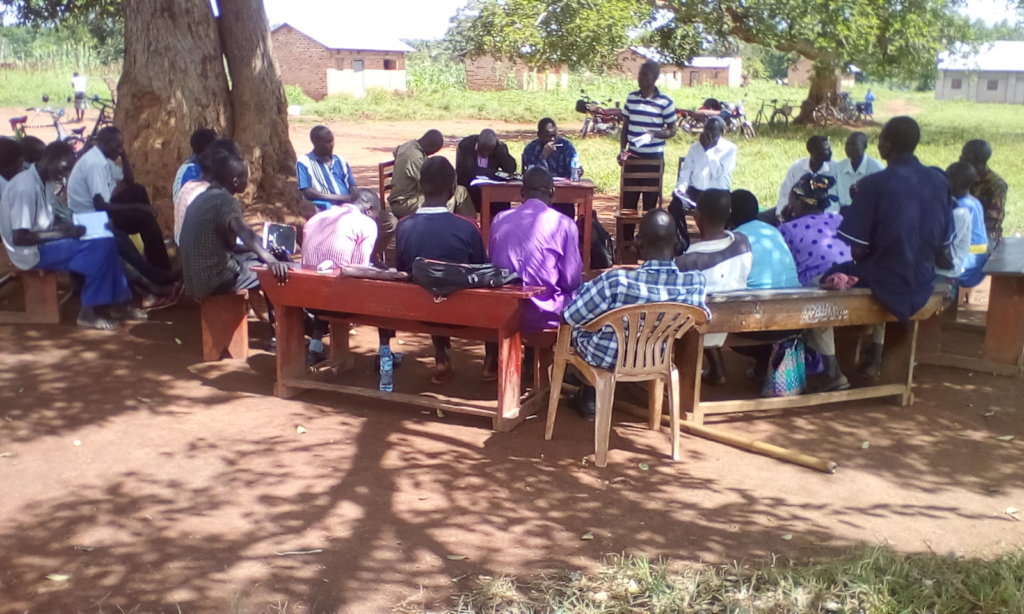
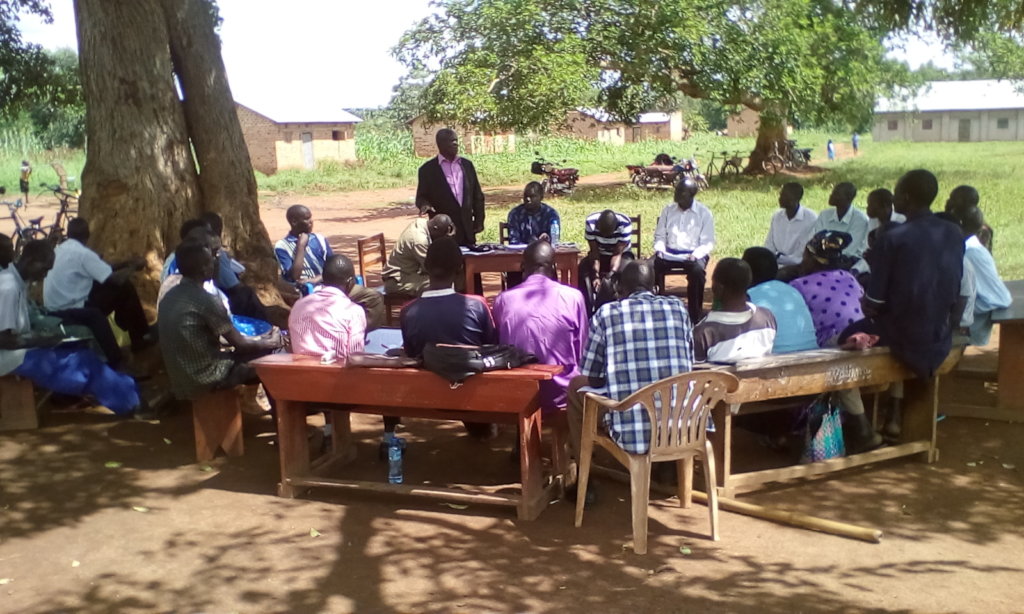
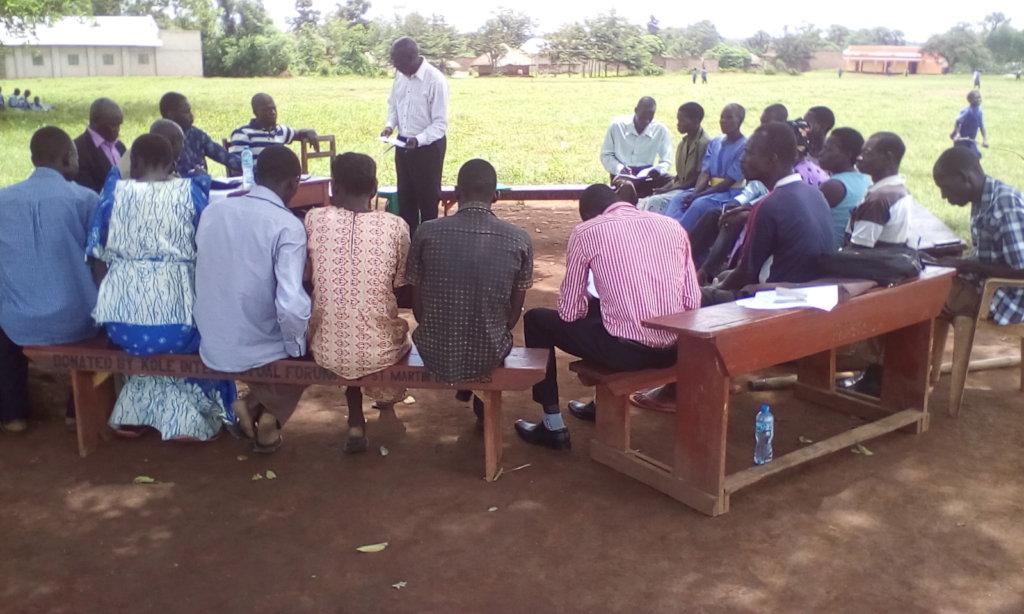
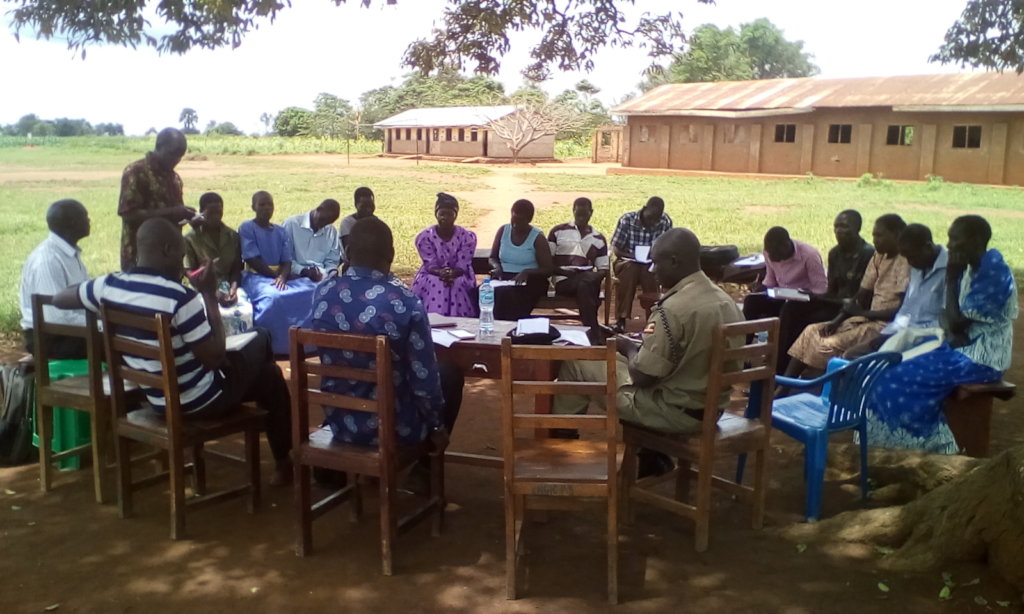
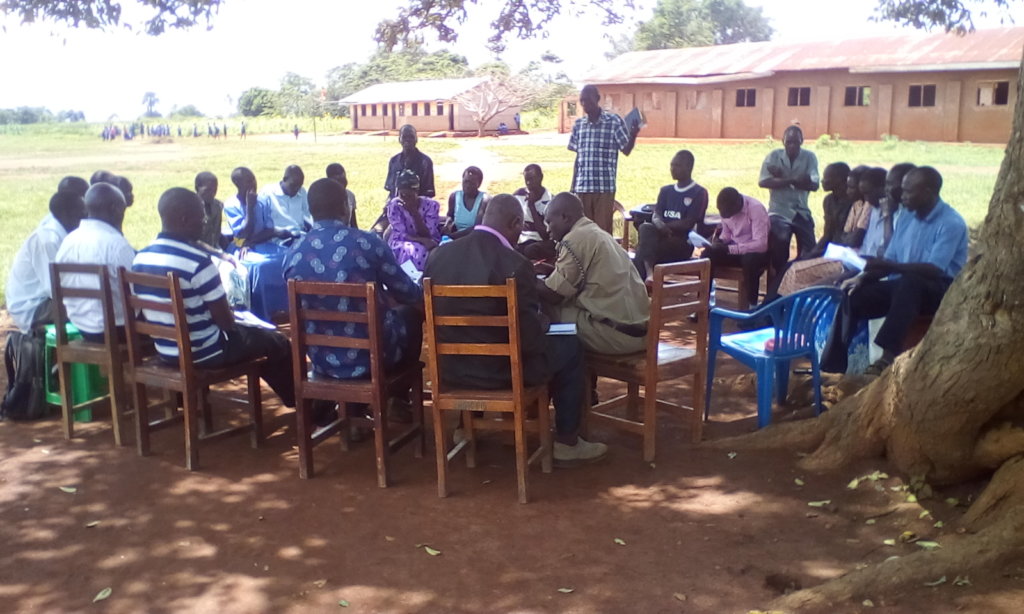
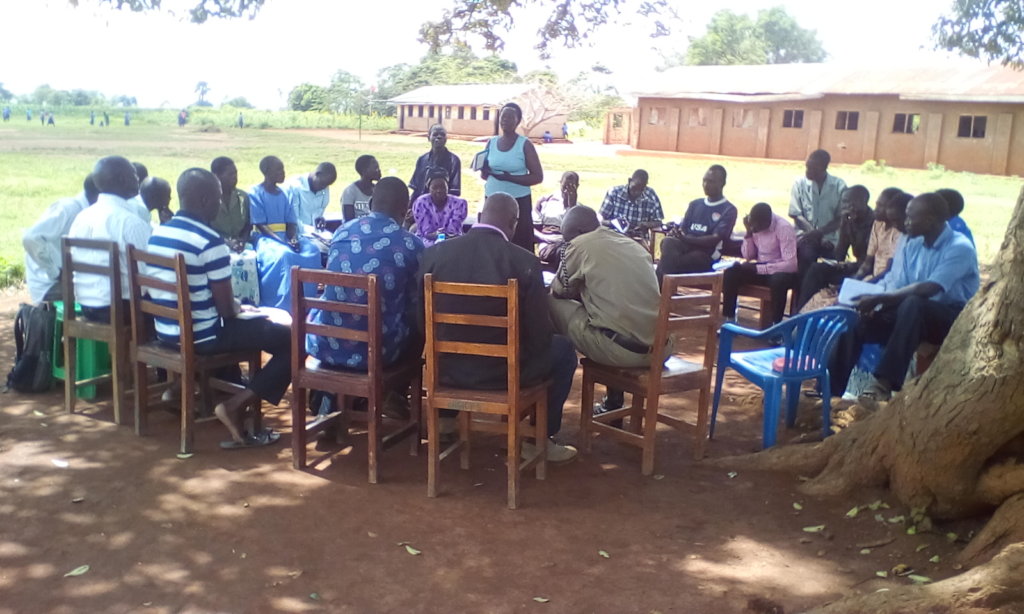
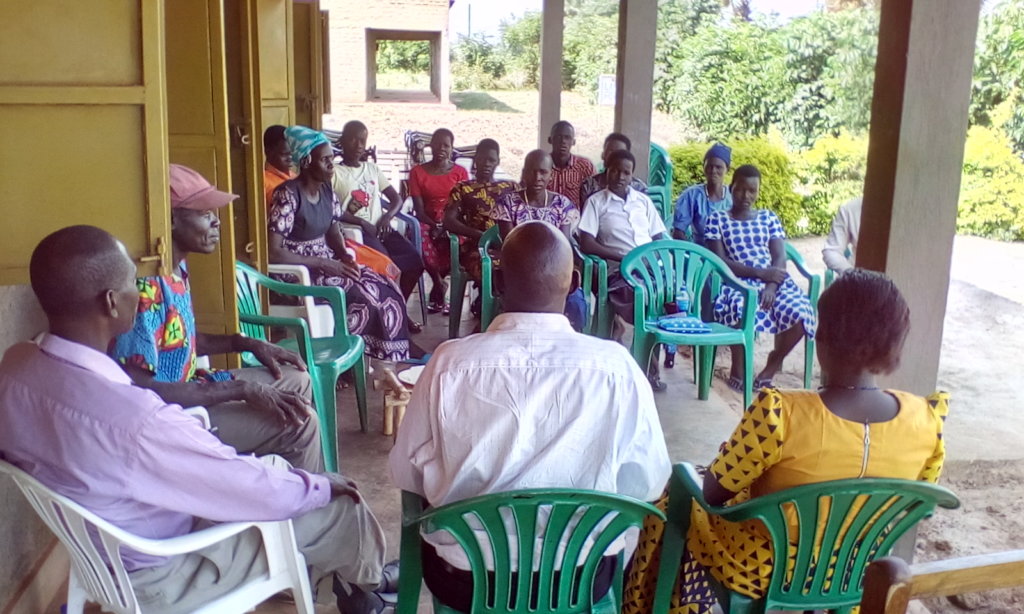
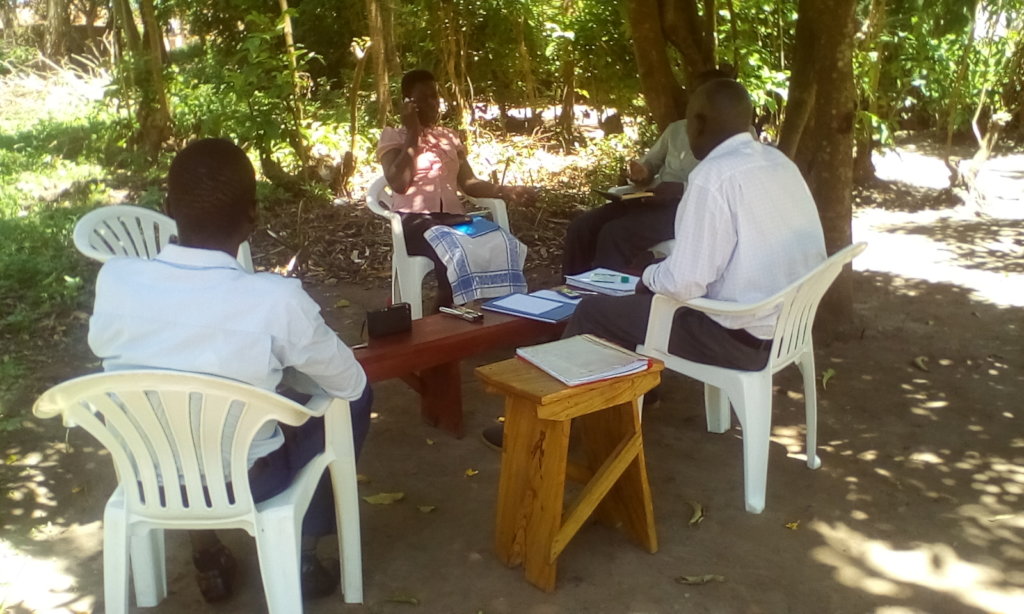
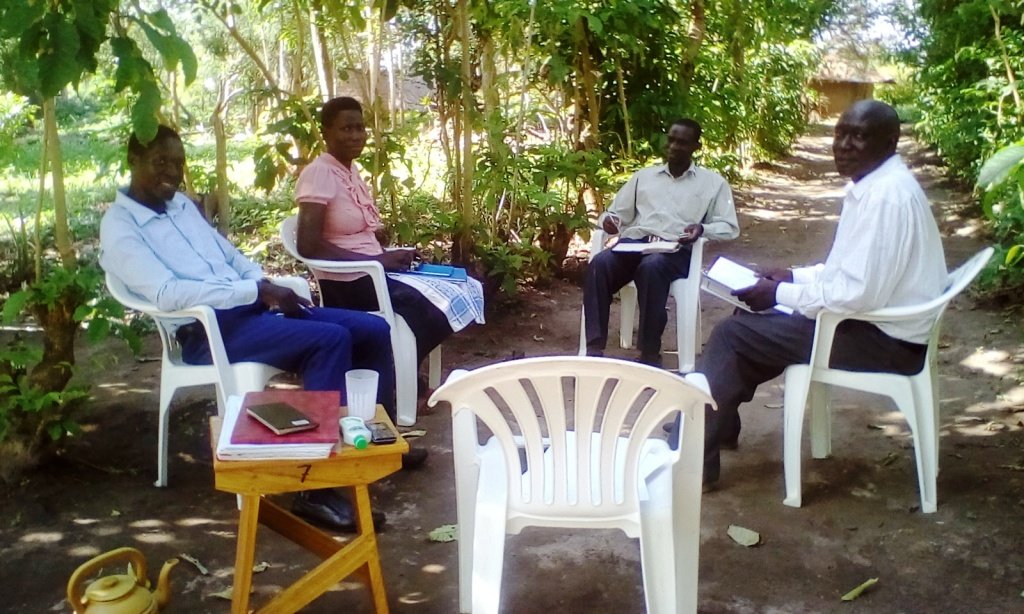
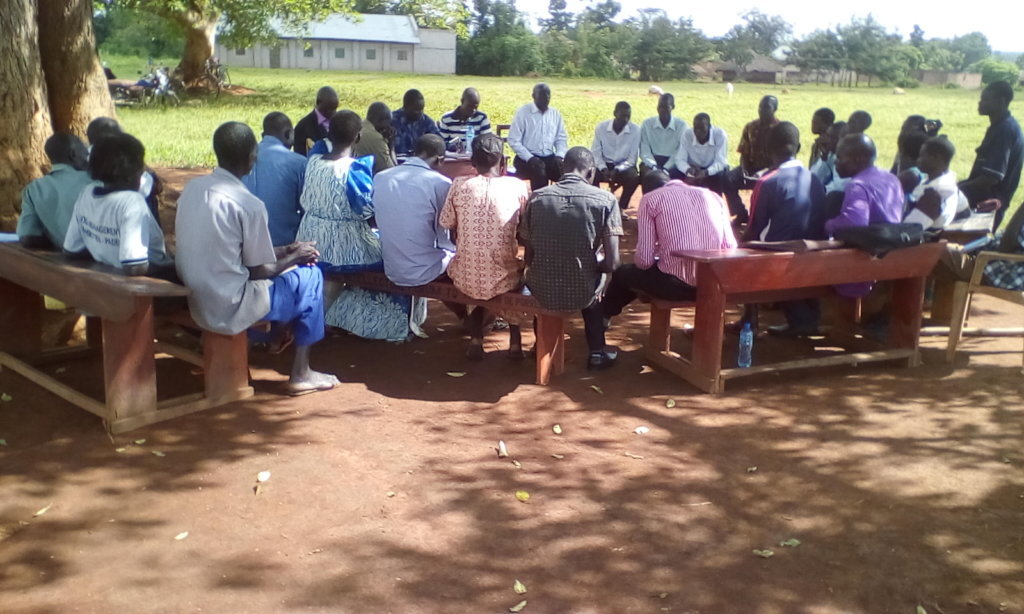
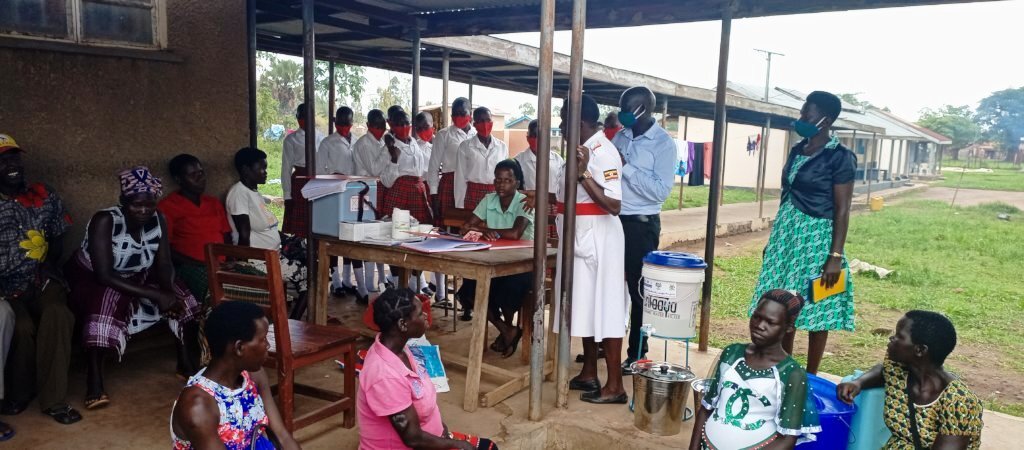
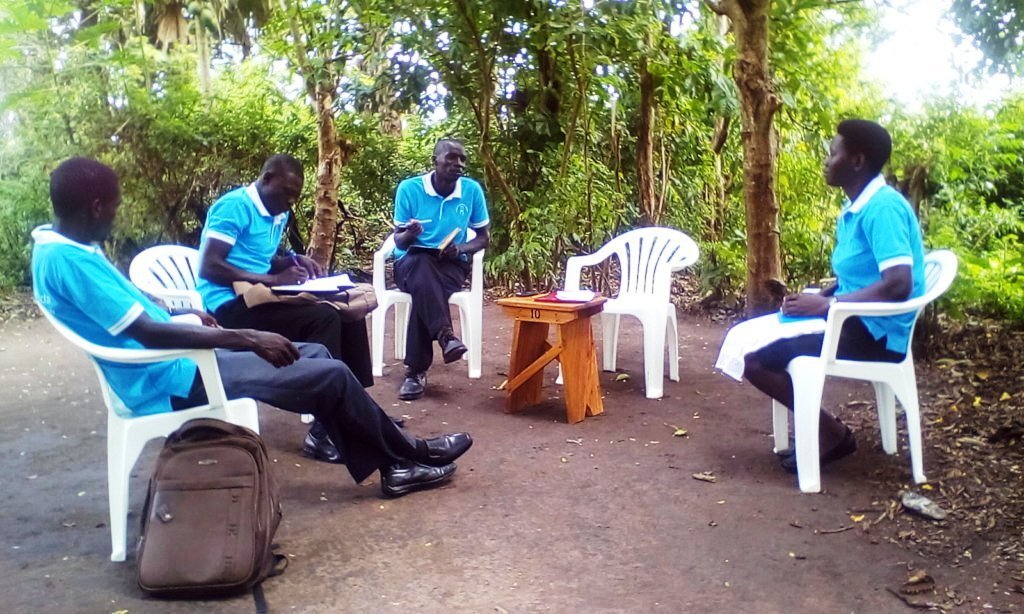
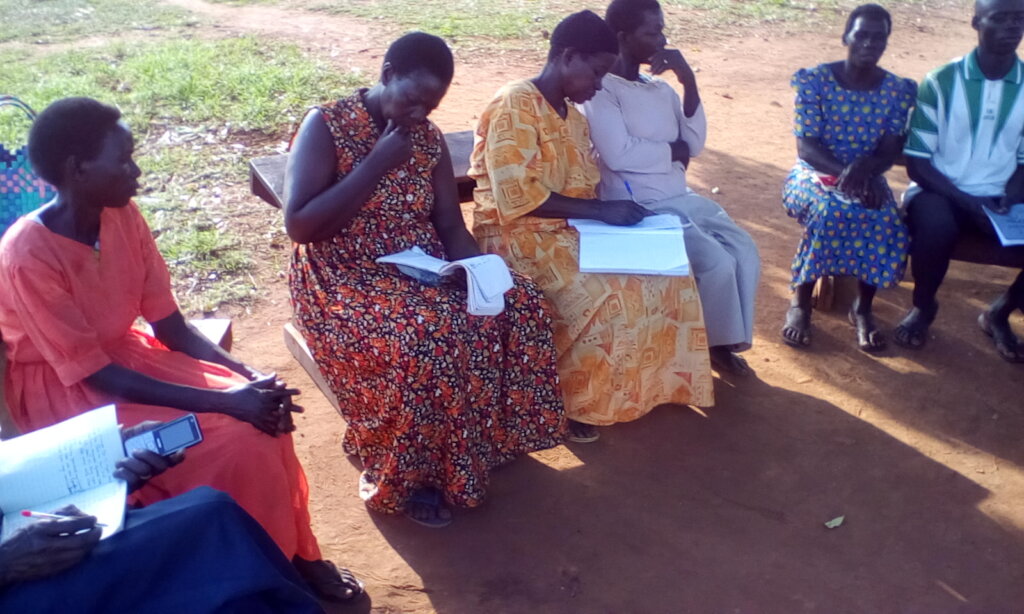
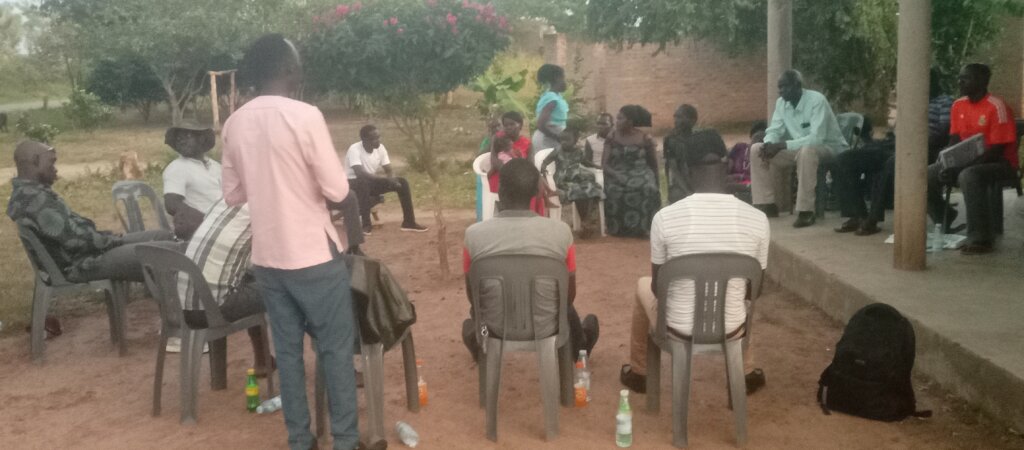
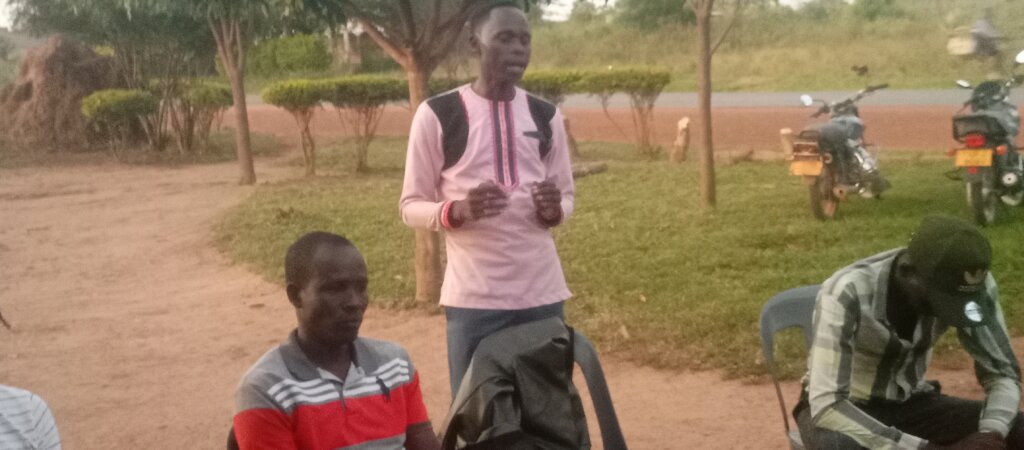
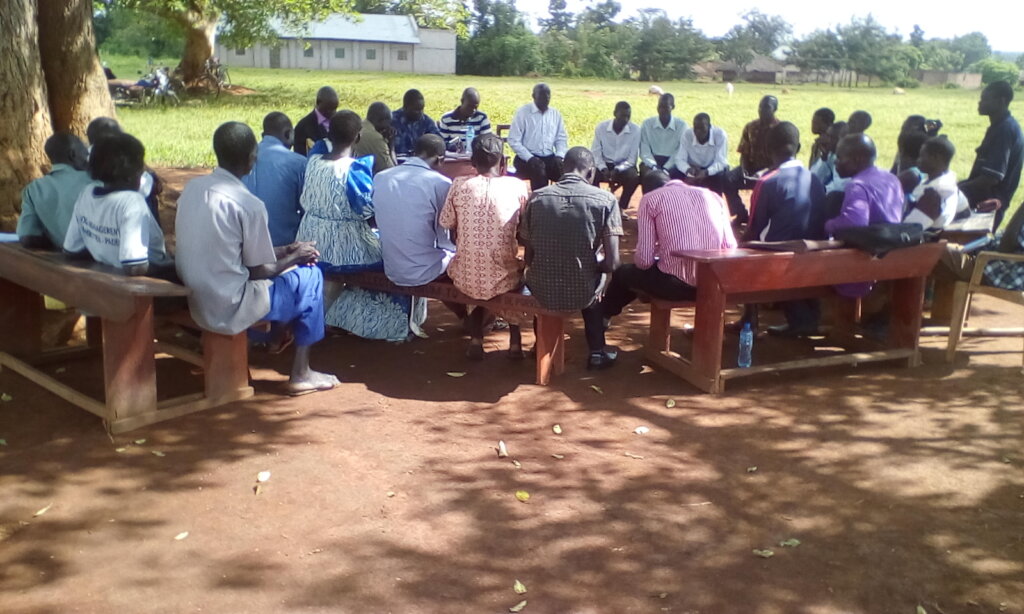
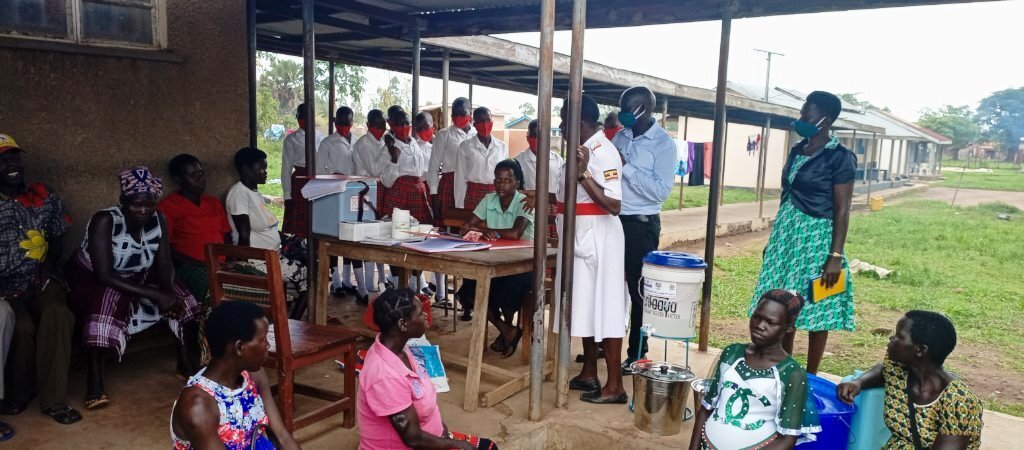
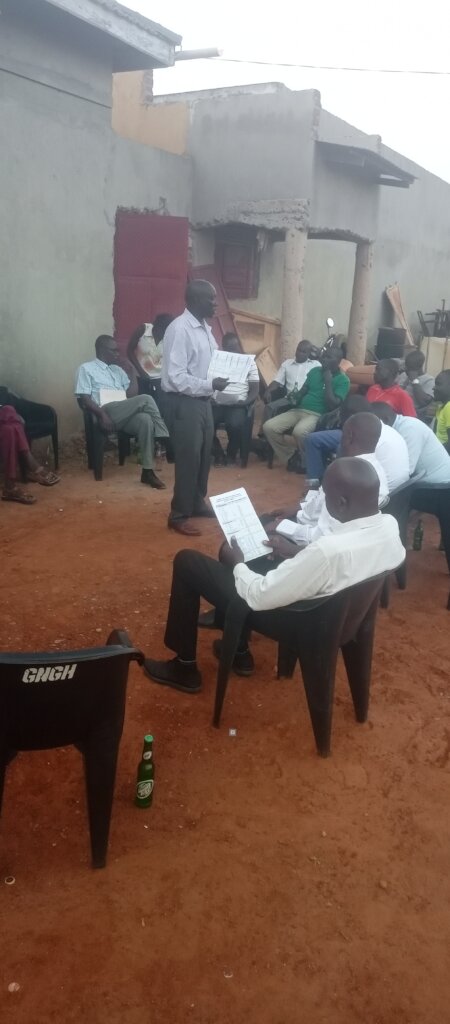
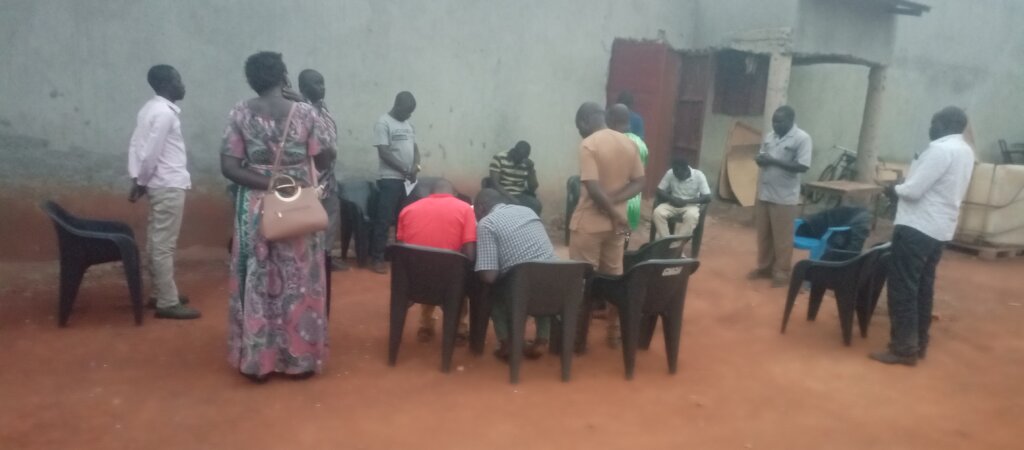
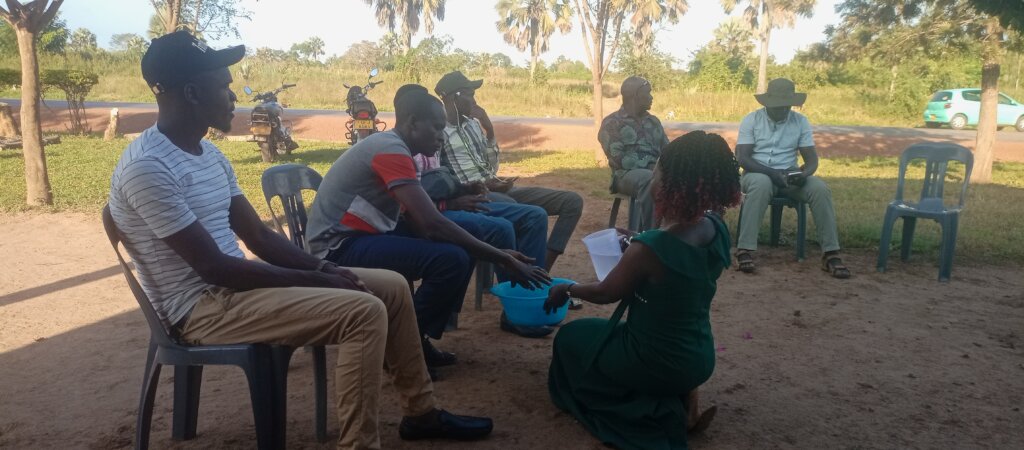
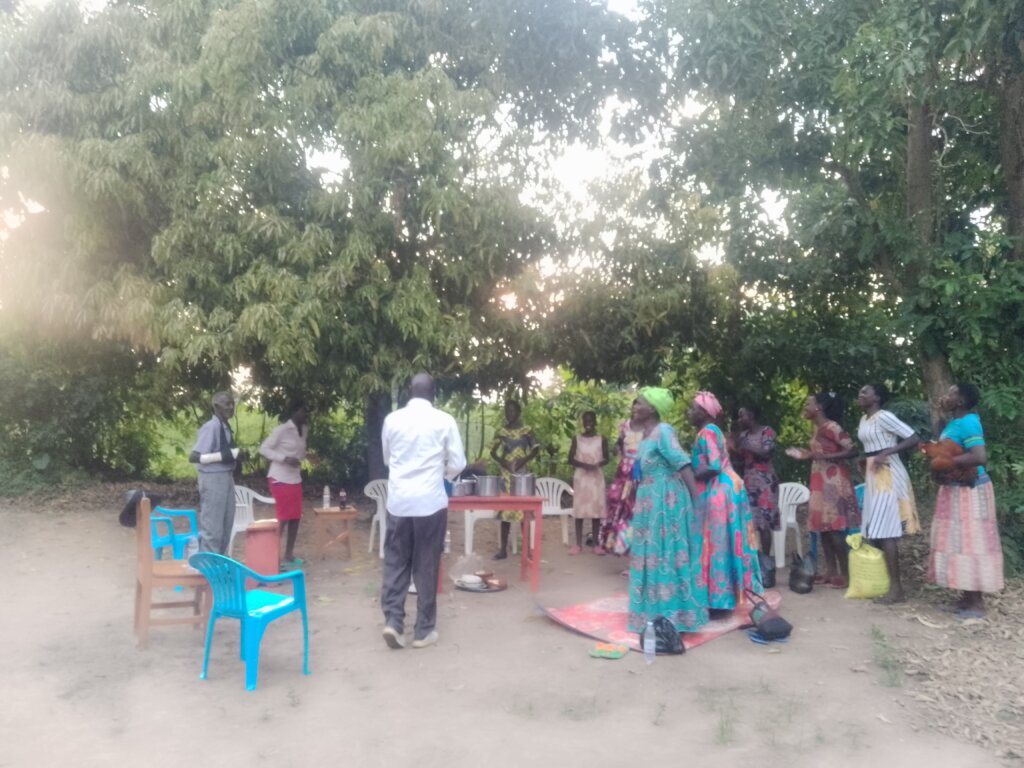
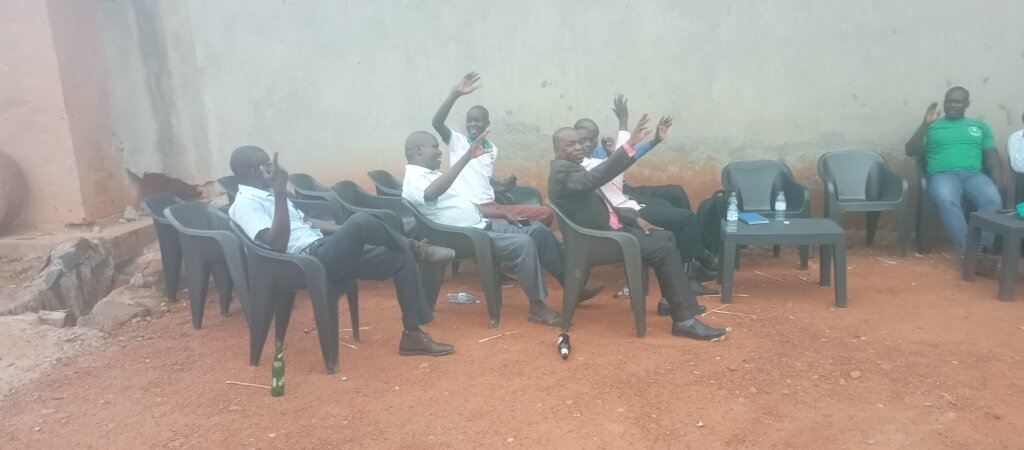
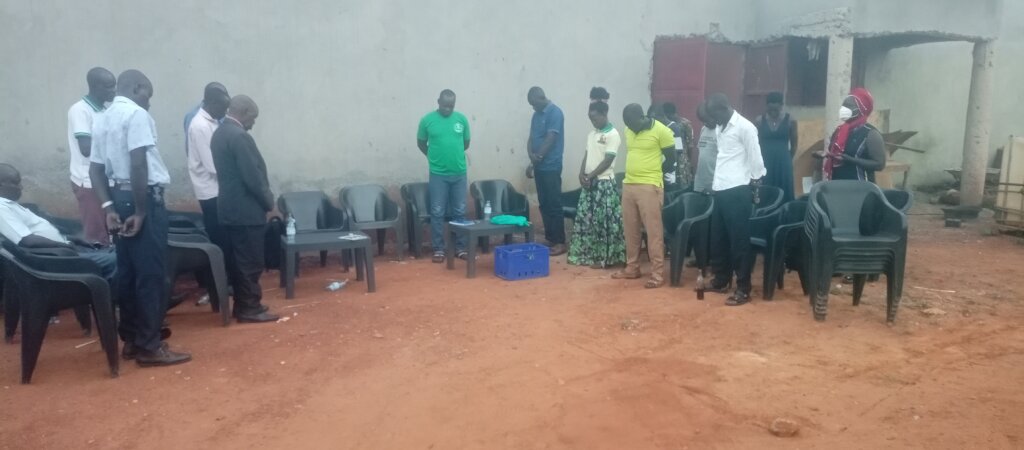
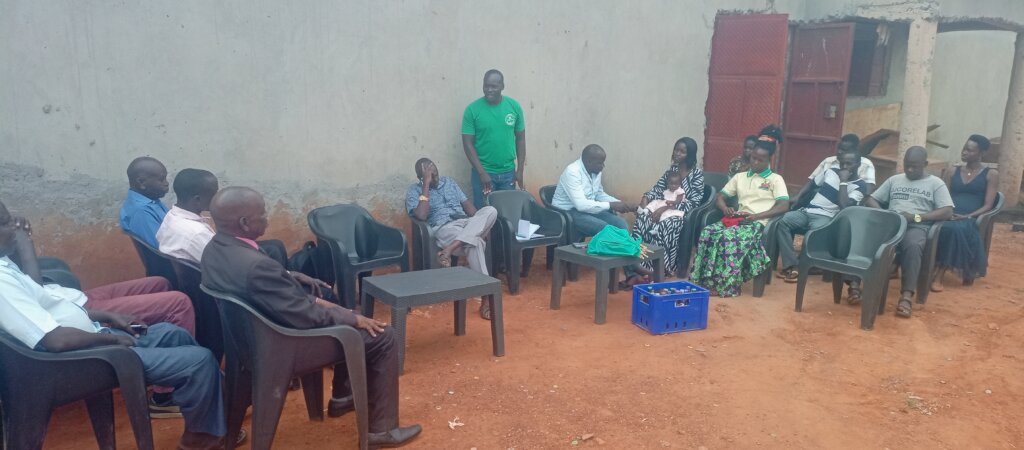
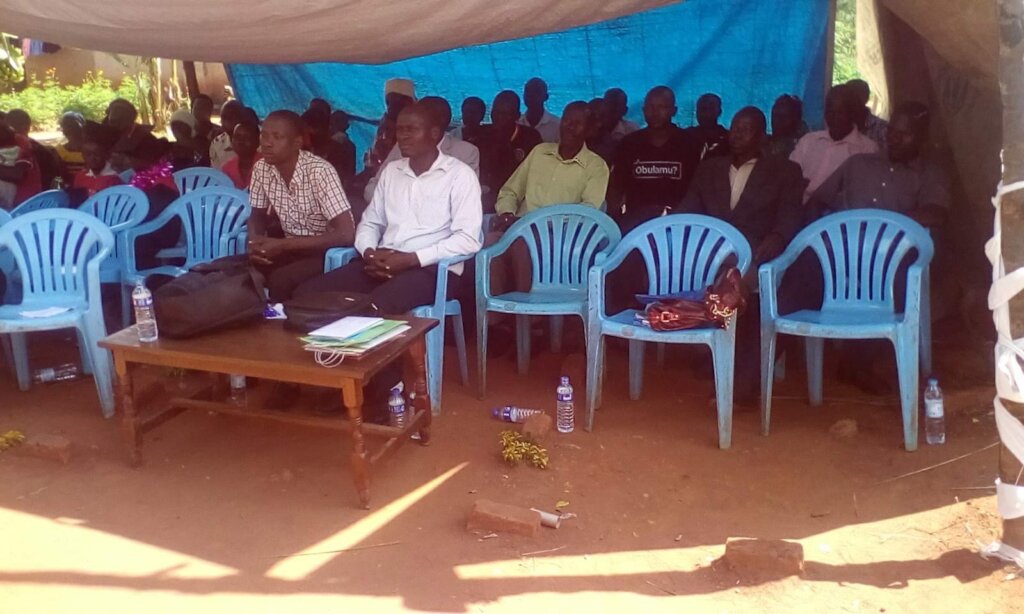
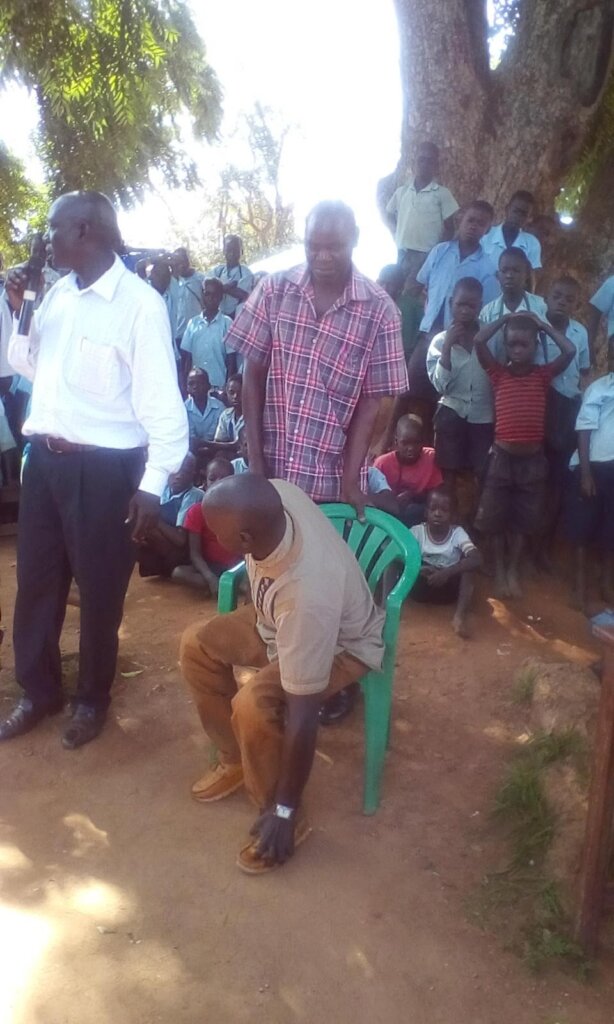
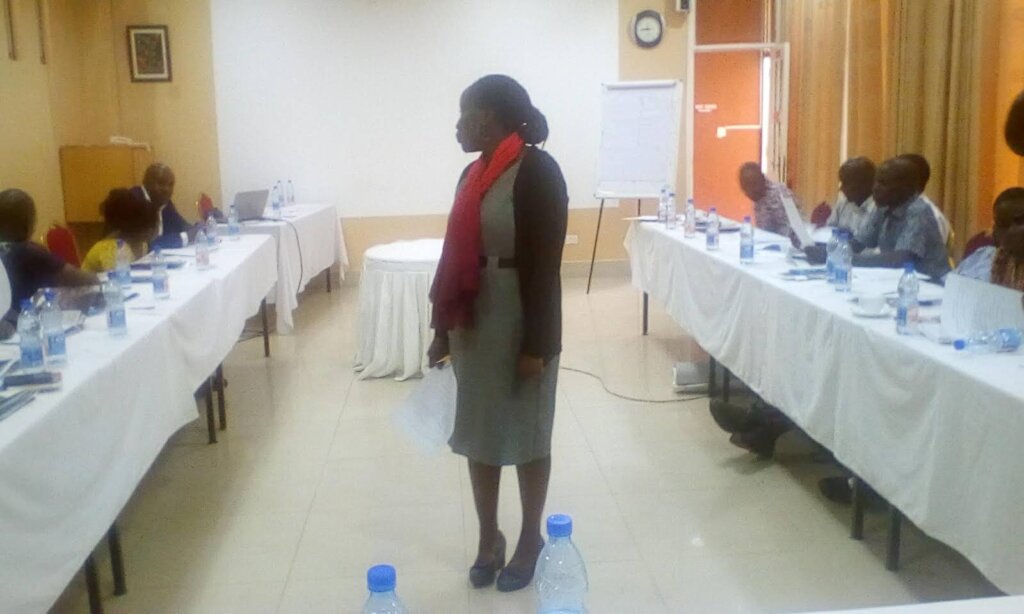
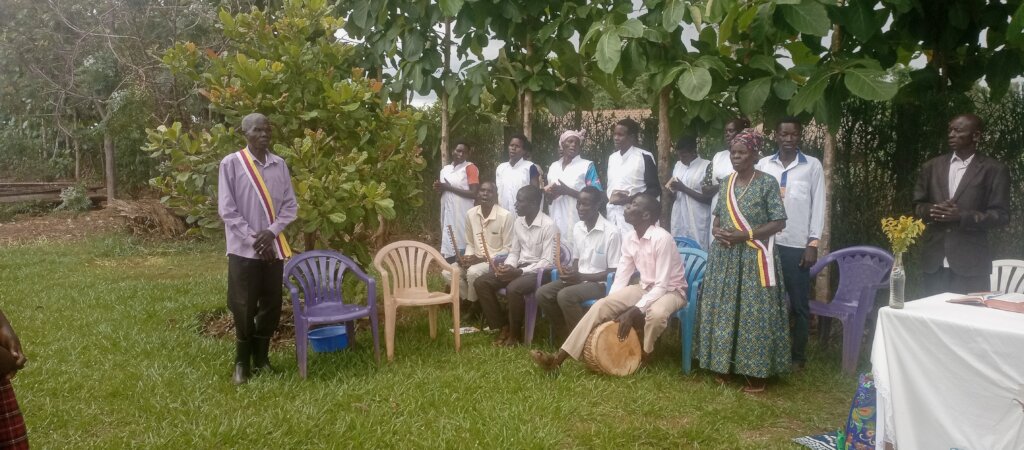
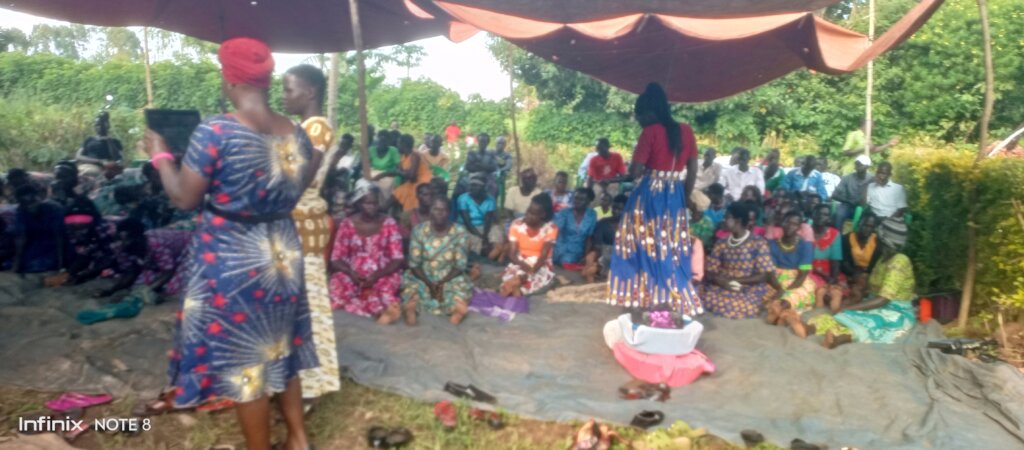
Kole Intellectual Forum (KIFA) has learnt that: evaluation of their projects by members of the community they serve, can make them to assess the effectiveness of their pieces of work or their developed programs.
Through this process to, the team of the organization has be able to highlight whether their projects are moving steadily and successfully towards the set goals or differently towards different directions.
Furthermore, evaluation with the community is also keeping the participants to refocus away from unproductive or unnecessary work.
Above all, this approach has also help the organization to, learn from their experiences; record what they have learnt, and share it with other stakeholders; check on their progresses; as well as checking whether they are doing well with the community or not; they have strength or not; learnt of their weaknesses and search for opportunities.
As of now, the organization is very clear of what to do, when do them, how to do them and with which people as a result of evaluating their projects with the community
![Share on Twitter]()
![Share on Facebook]()
Oct 15, 2026
The story of hope by Judith
By George Obua | Project Leader
The story of hope by Judith
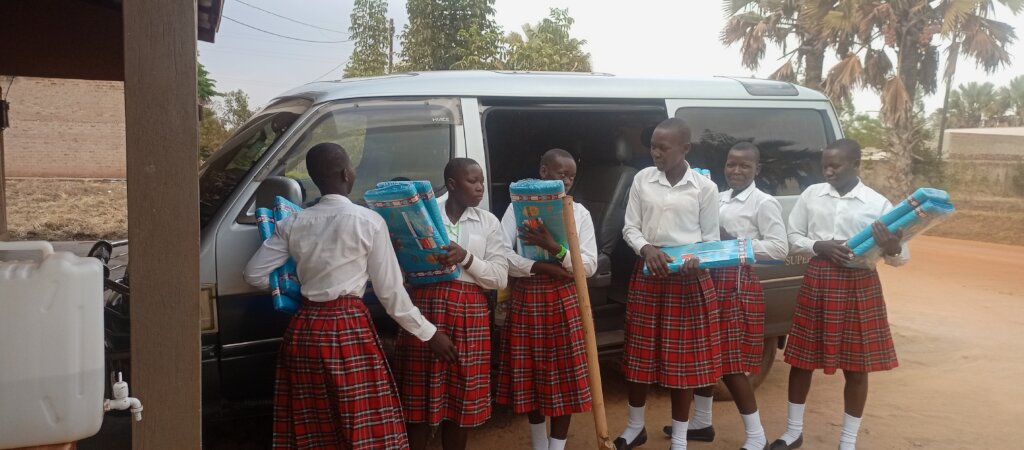
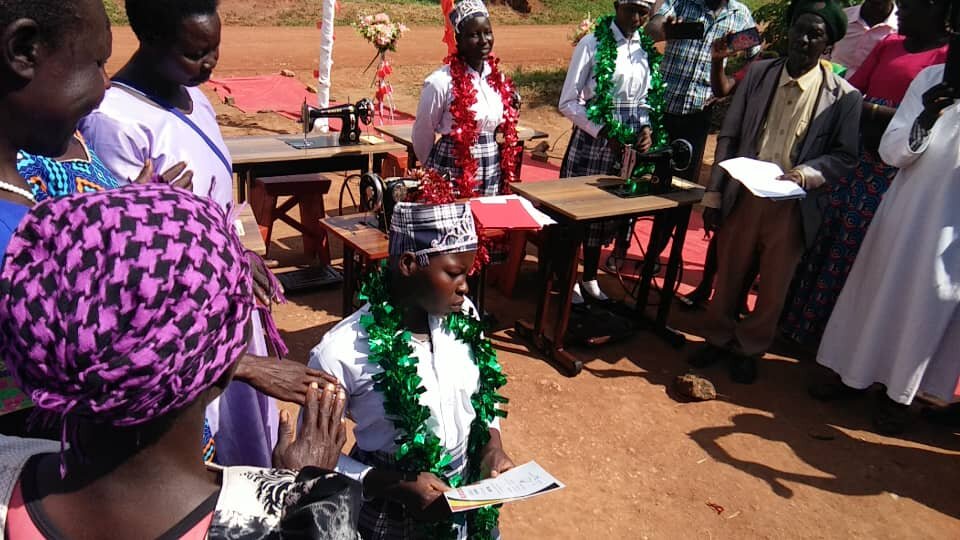
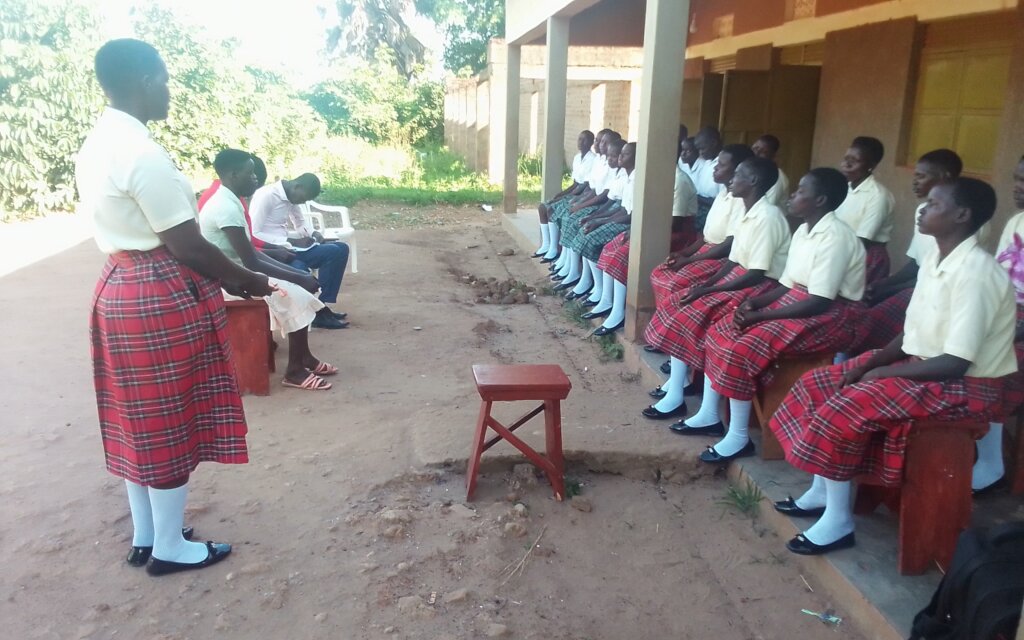
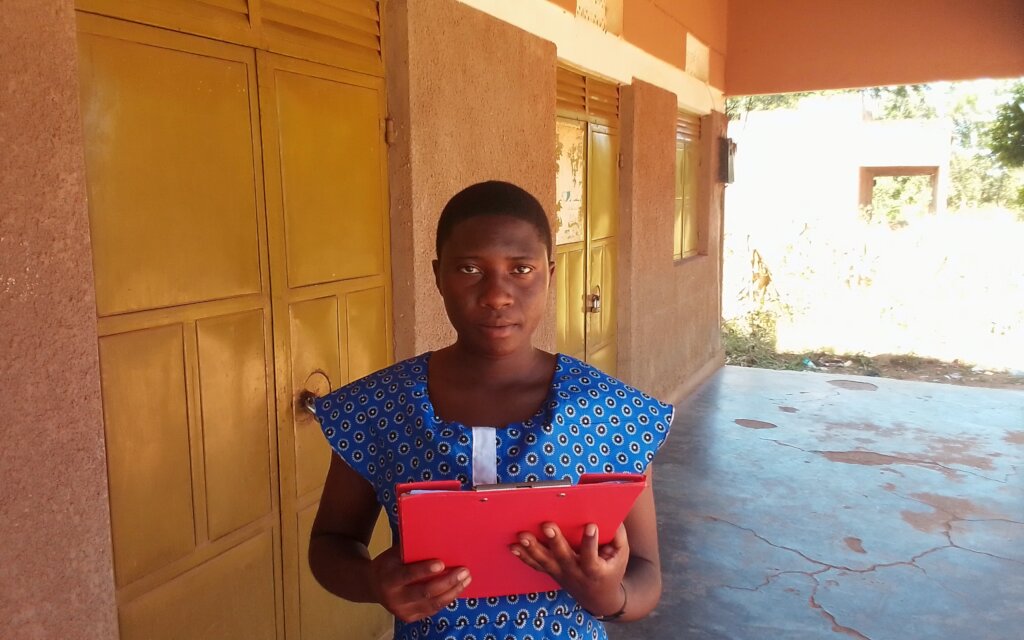
Judith (not her real name, is one such lady who joined Kole Intellectual Forum in the academic year 2025. Her story of success to join the Institute of Home Economics came as a miracle. She did not have of hope of going back to school again more, given that: when she lost one of her parents and she was living with mother. Only not until when she went to visit her elder sister, a place about 5 kilometers from the offices of Kole Intellectual forum; that was when she came across the team of the Institute (KIFA) recruiting the out of school children within that area. It was from that point that the story of her hope to learn and study at the Institute of Home Economics came about.
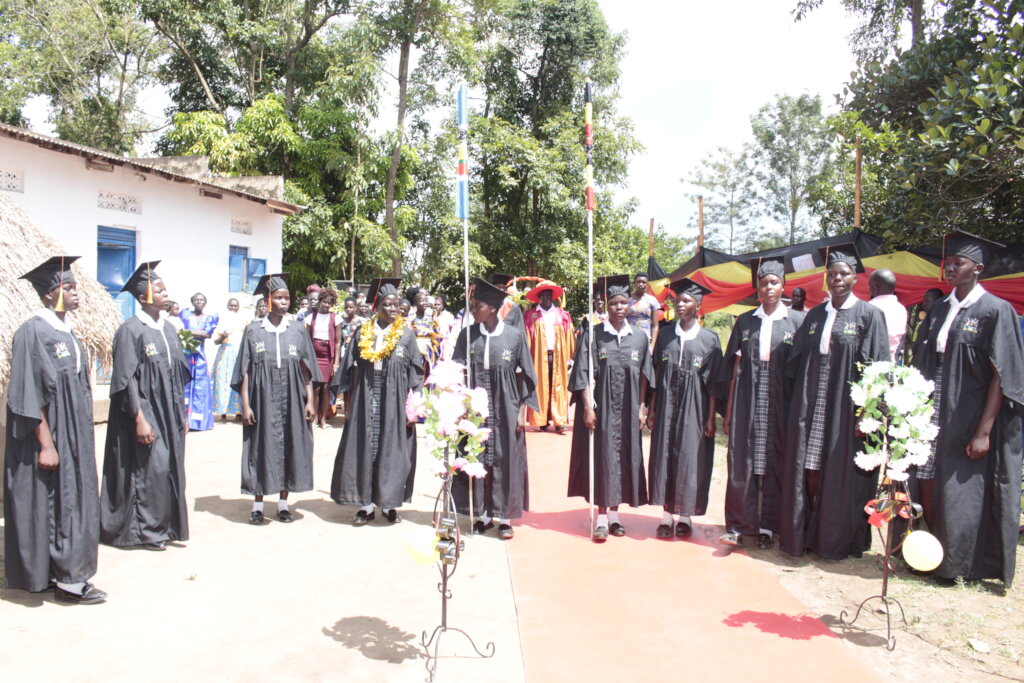
She happened to be among those who were interviewed, sort listed and recruited within that specific time. Today Penina is too proud to have successfully completed her course at the Institute of Home Economics and she now working at one of the trading in Kole District.
![Share on Twitter]()
![Share on Facebook]()