Project Report
| Oct 5, 2026
Approaching Learning Individualistically at KIFA
By George Obua | Project Leader
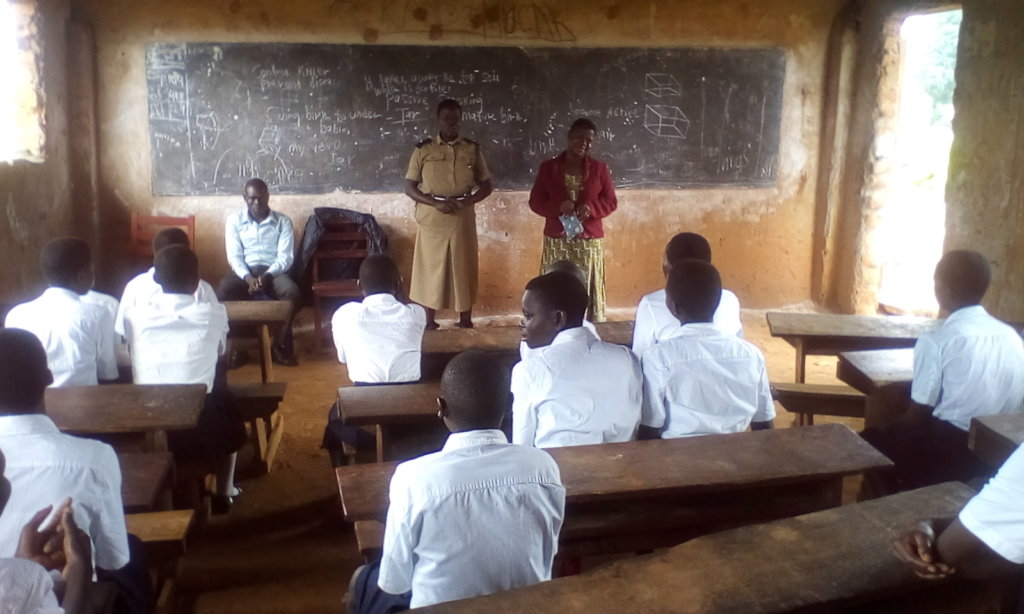
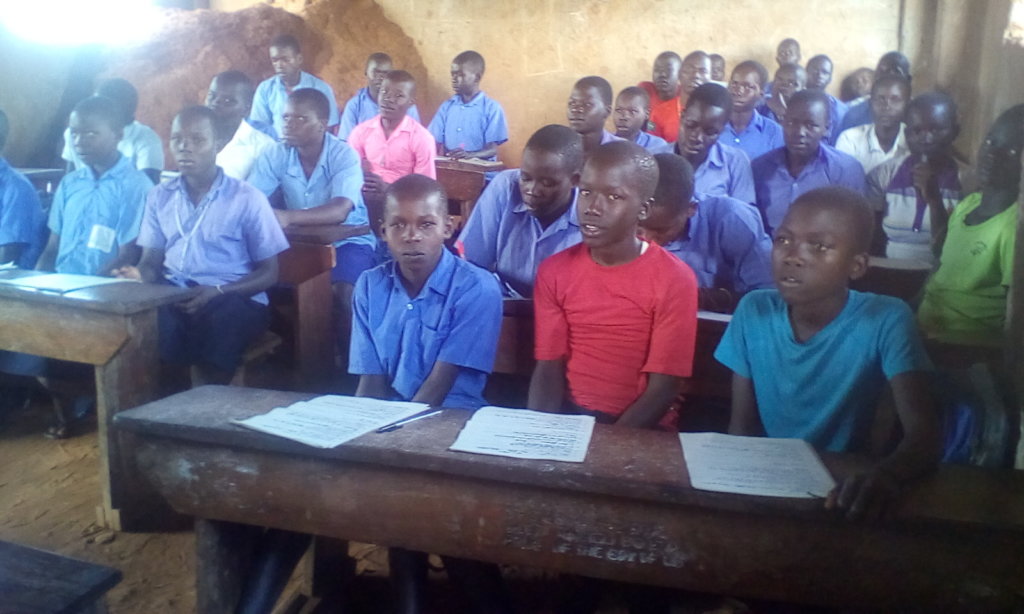
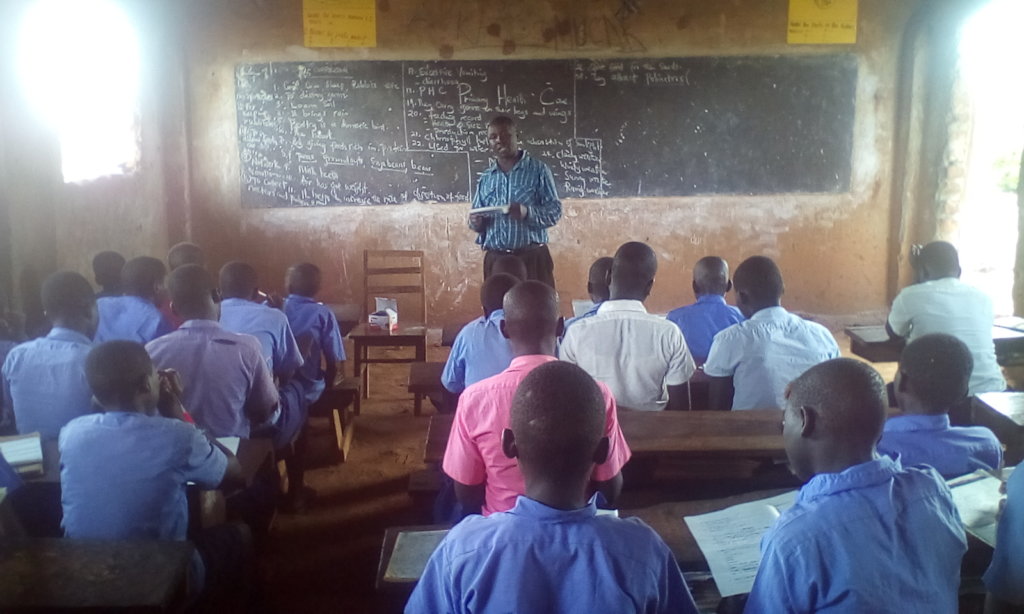
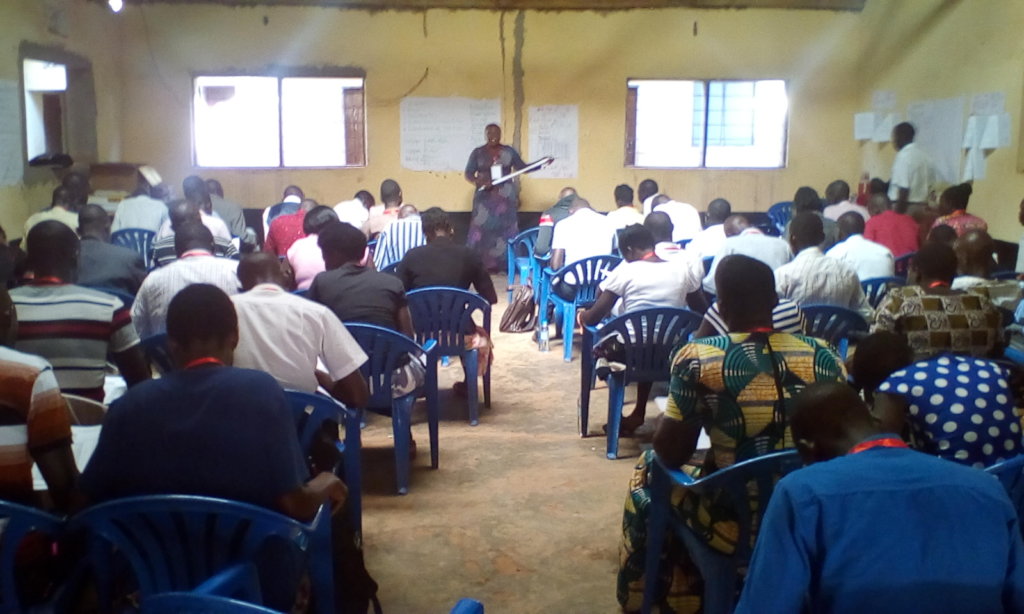
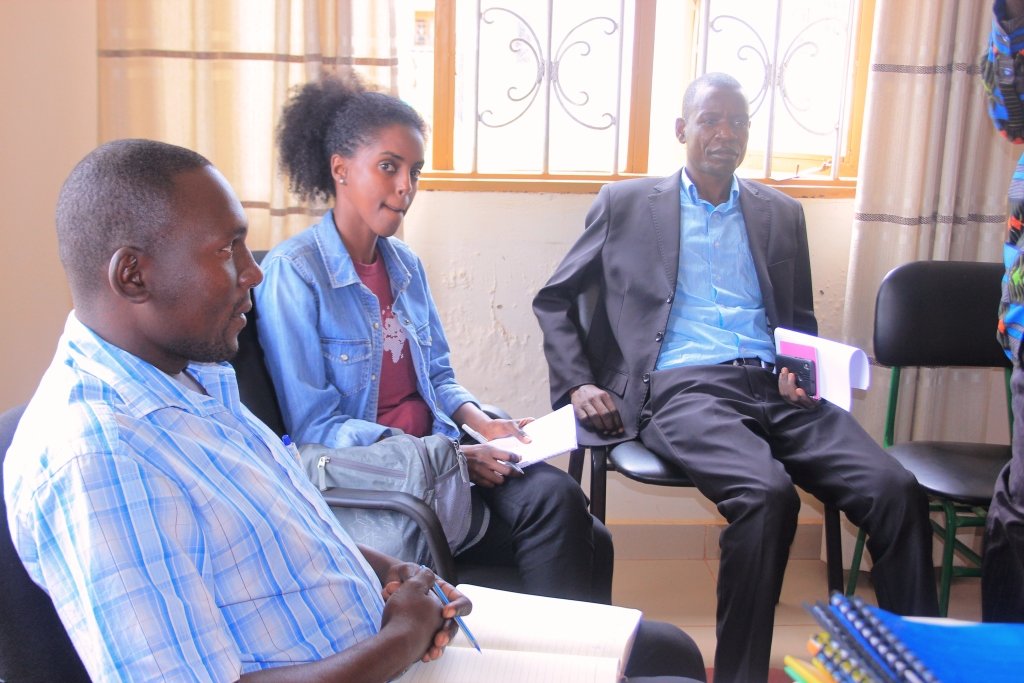
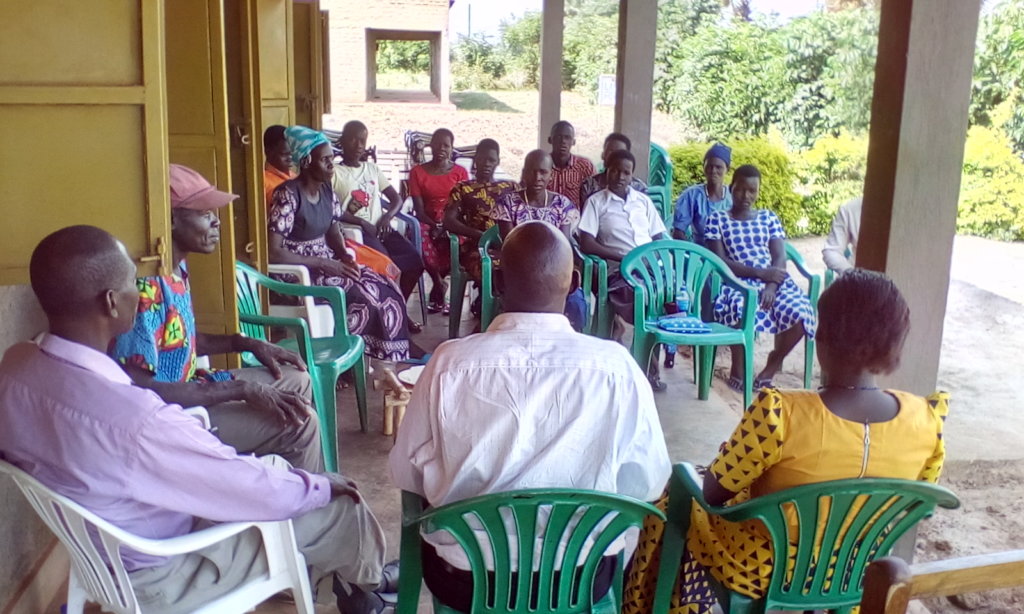
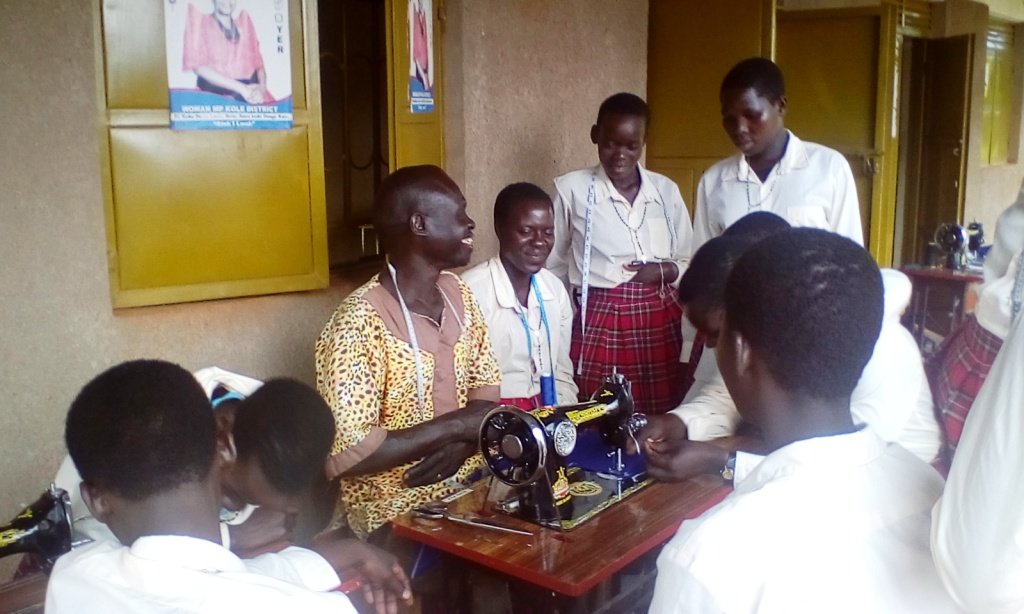
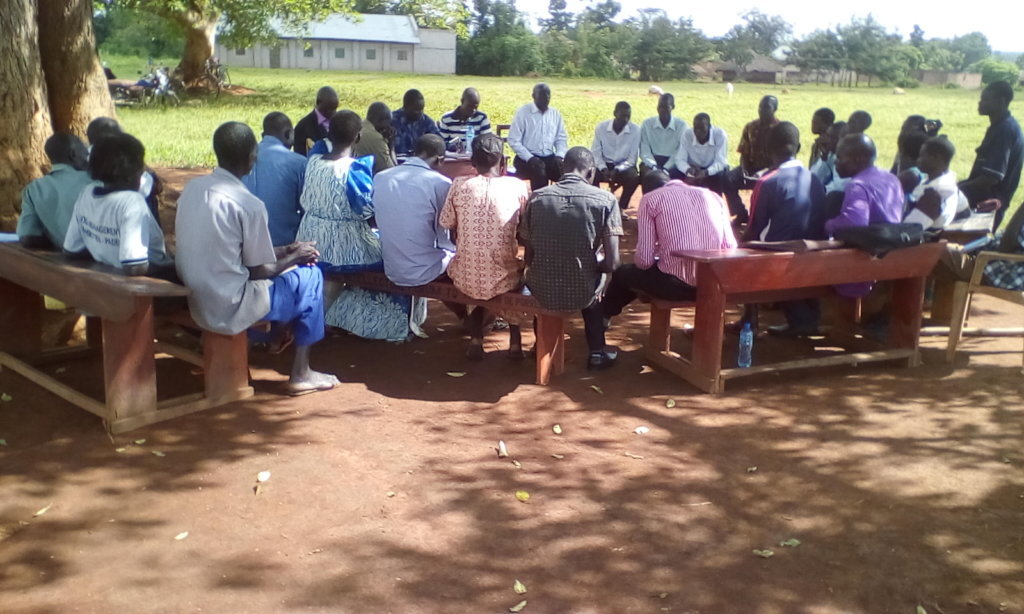
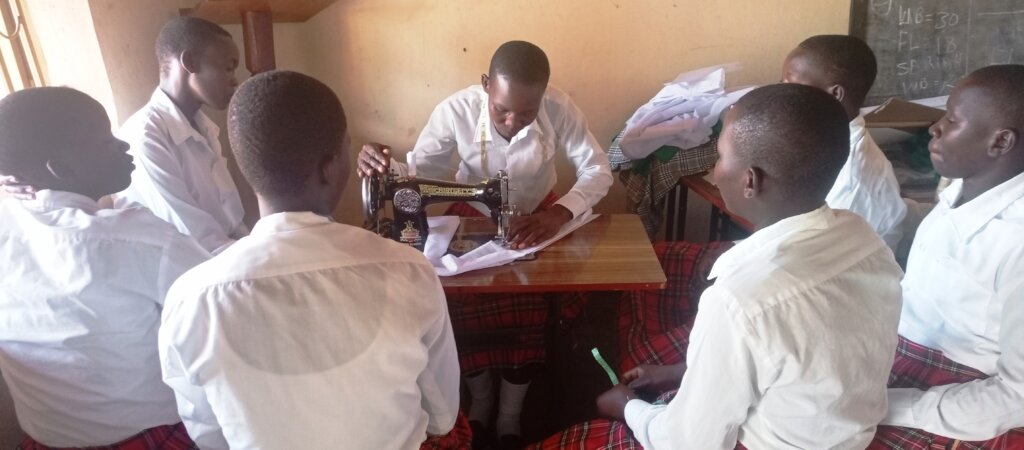
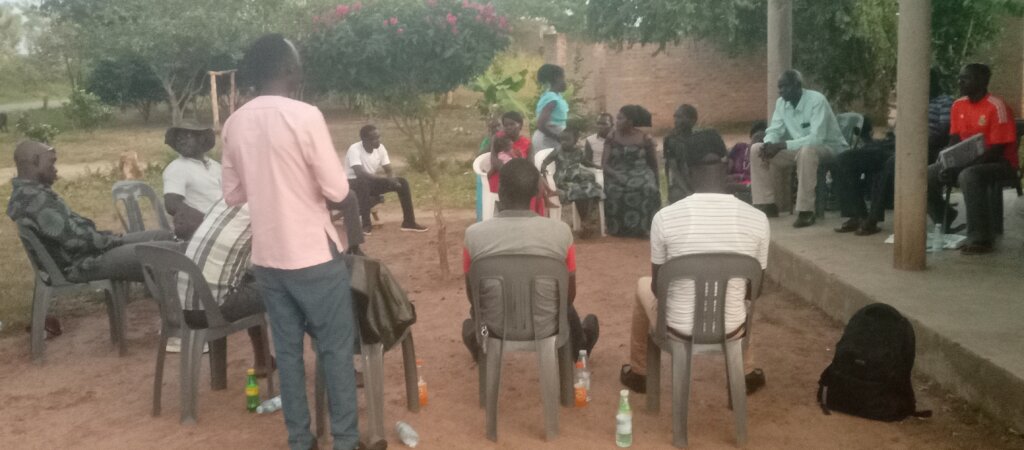
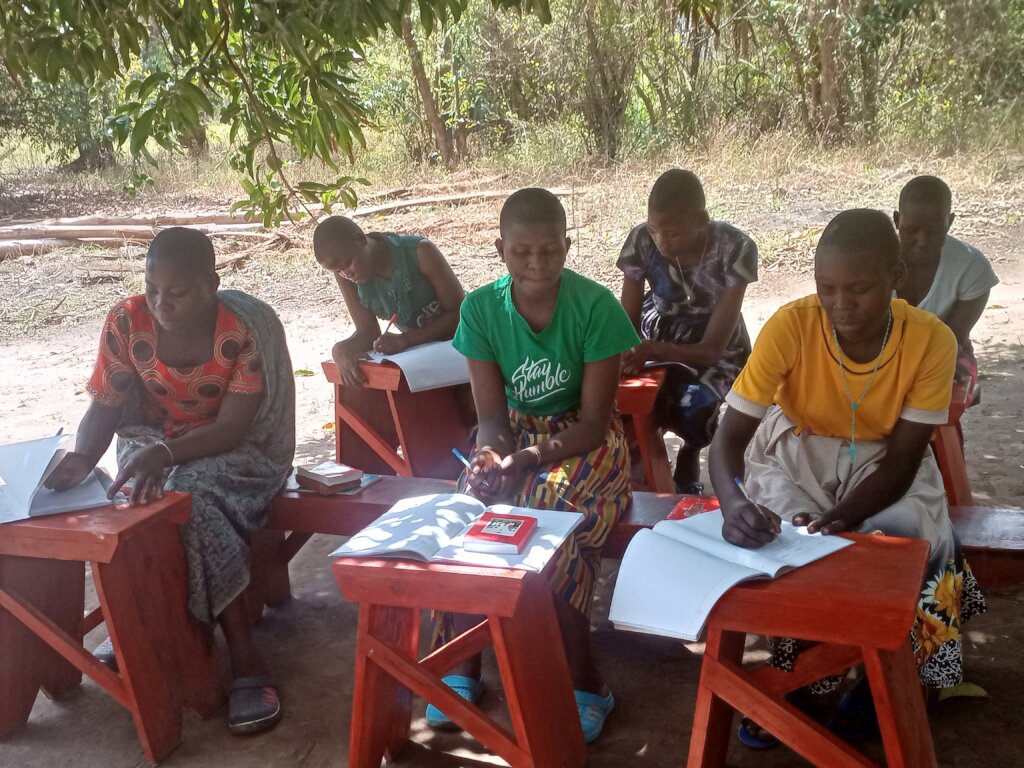
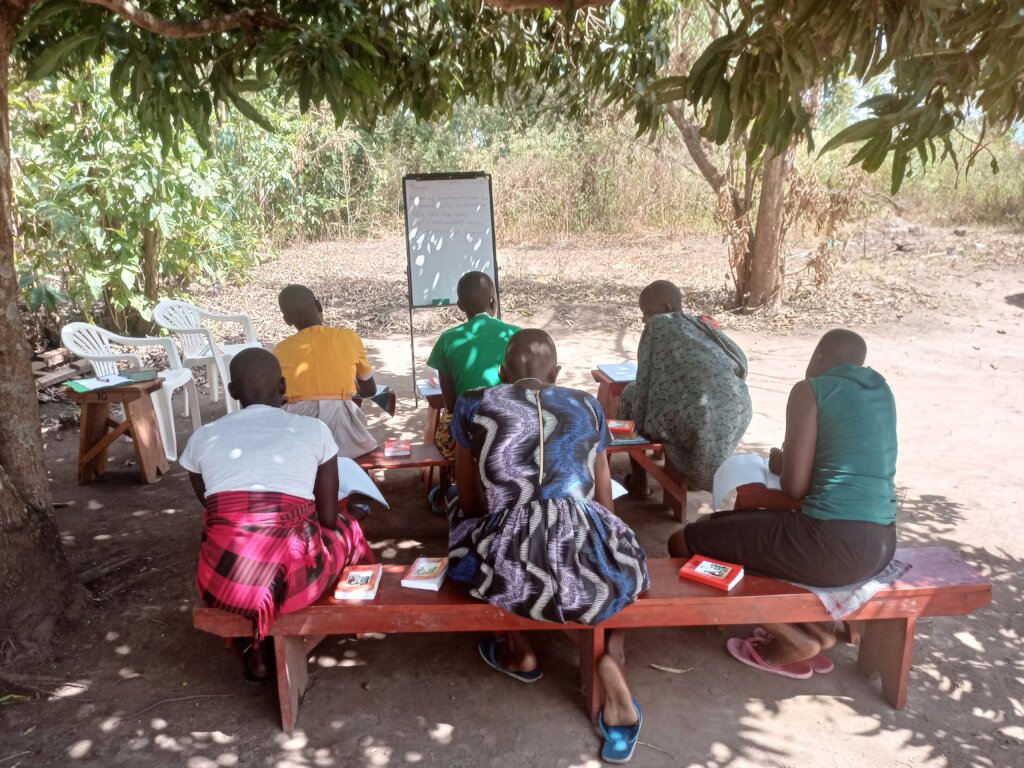
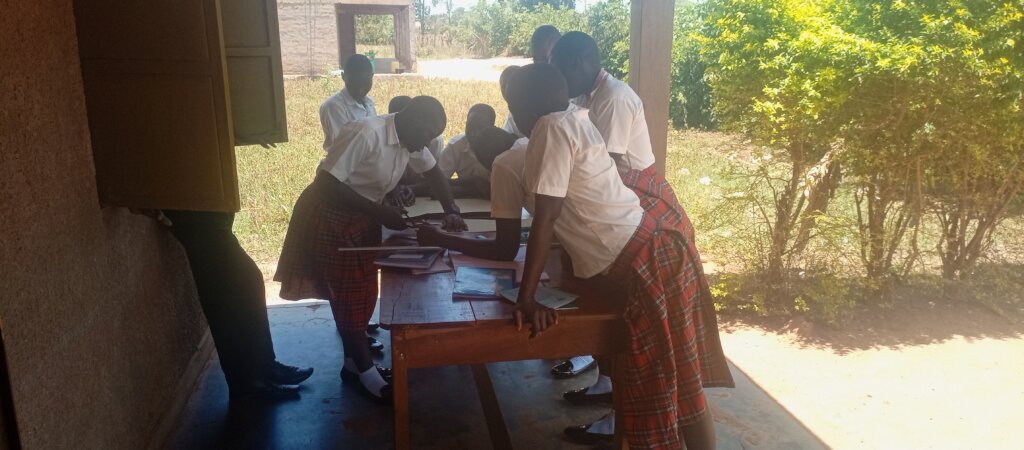
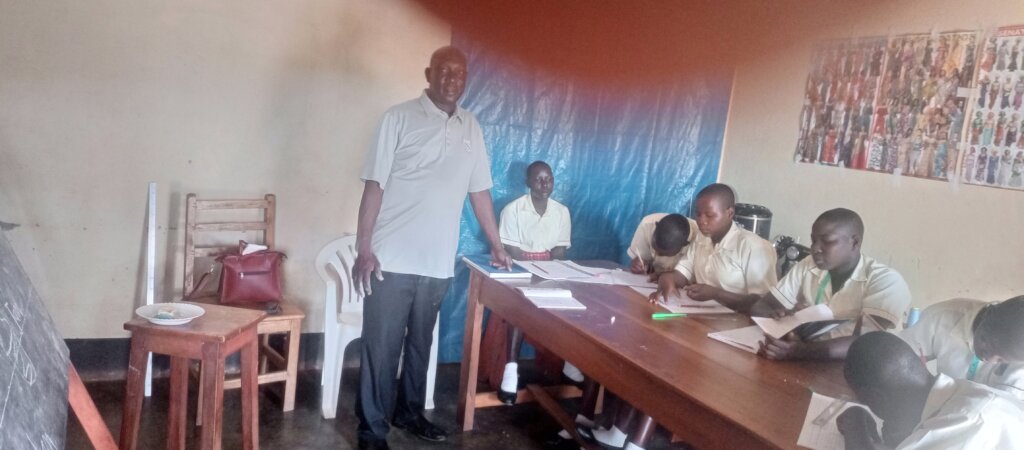
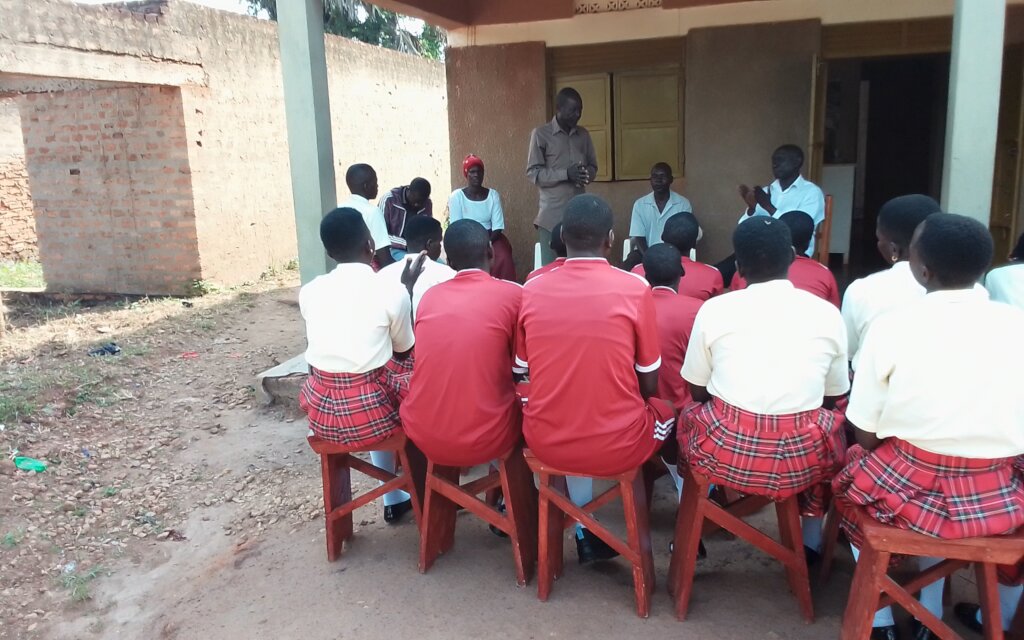
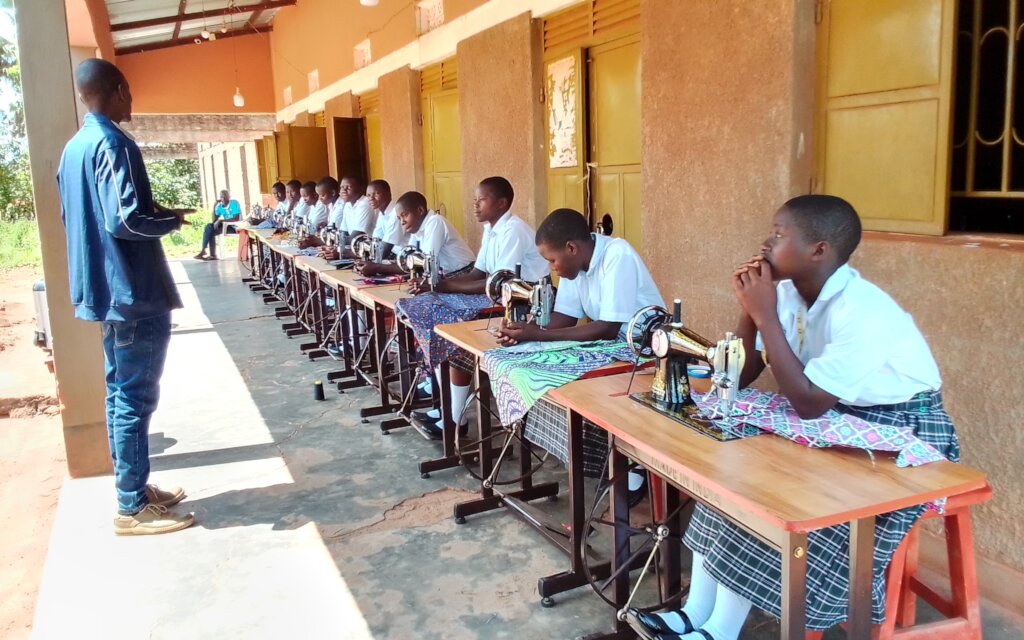
Given that: there is valued in an individualistic approach by an instructor in education; Kole Intellectual Forum, has seen the significance, primarily because they have learnt that, every child has his or her unique needs, strengths, interests, and learning paces. To them, this approach, often implemented through strategies like differentiated instruction and personalized learning, this can help them to unlock each student's potential and improve overall academic achievement; hence, giving them the underlying benefits.
- Meeting Diverse Needs: Individualized instruction allows instructors to tailor learning experiences to cater to students who might be falling behind or those who need an extra challenge.
- Optimal Pacing: Students can progress through the curriculum at a pace that suits them, ensuring mastery of content before moving on. This focus on mastery rather than "seat time" helps prevent gaps in understanding for some and avoids boredom for advanced students.
- Increased Motivation and Engagement: By aligning lessons with students' interests and allowing them a voice and choice in their learning activities, instructors can significantly boost intrinsic motivation and engagement.
- Targeted Support and Feedback: The instructor can provide specific, targeted support and real-time feedback to address individual skill gaps or misconceptions, which is highly effective in improving outcomes.
- Development of Self-Directed Learning Skills: When students are given ownership of their learning paths and allowed to work independently on tailored tasks, they develop crucial skills like self-discipline, self-motivation, and the ability to manage their own learning.
- Fostering Holistic Development: Beyond academics, this approach fosters personal development, emotional intelligence, creativity, and critical thinking by valuing each student's unique perspective and potential.
![Share on Twitter]()
![Share on Facebook]()
Oct 3, 2026
Innovatively dealing with life at KIFA
By George Obua | Project Leader
An innovative approach to life - KIFA
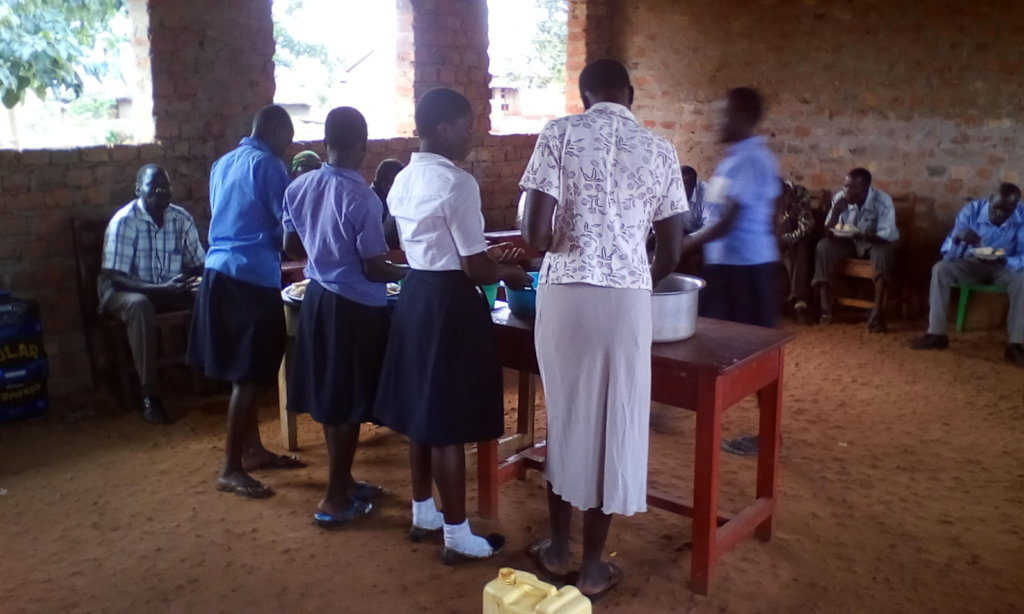
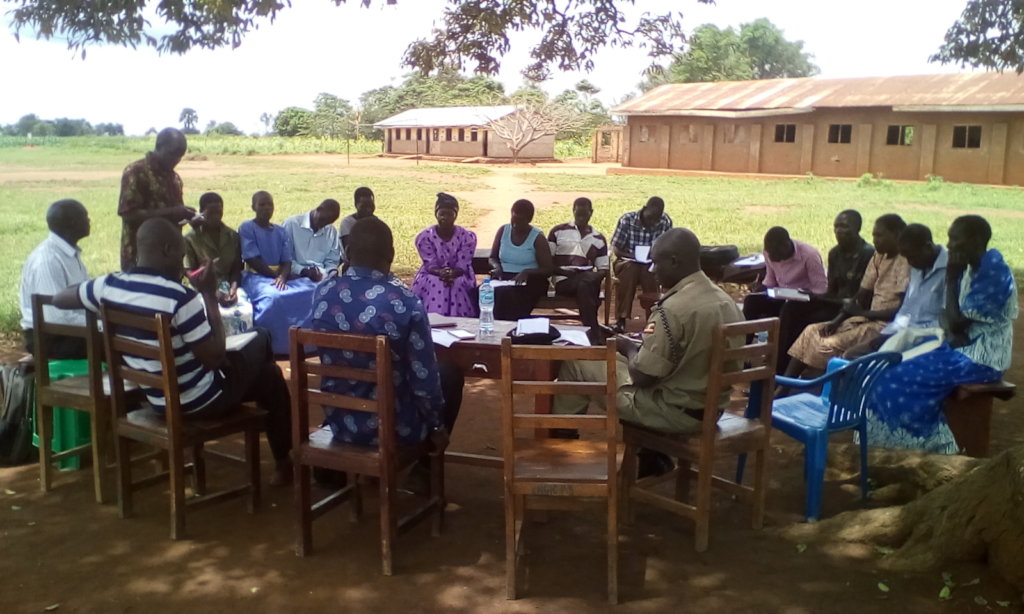
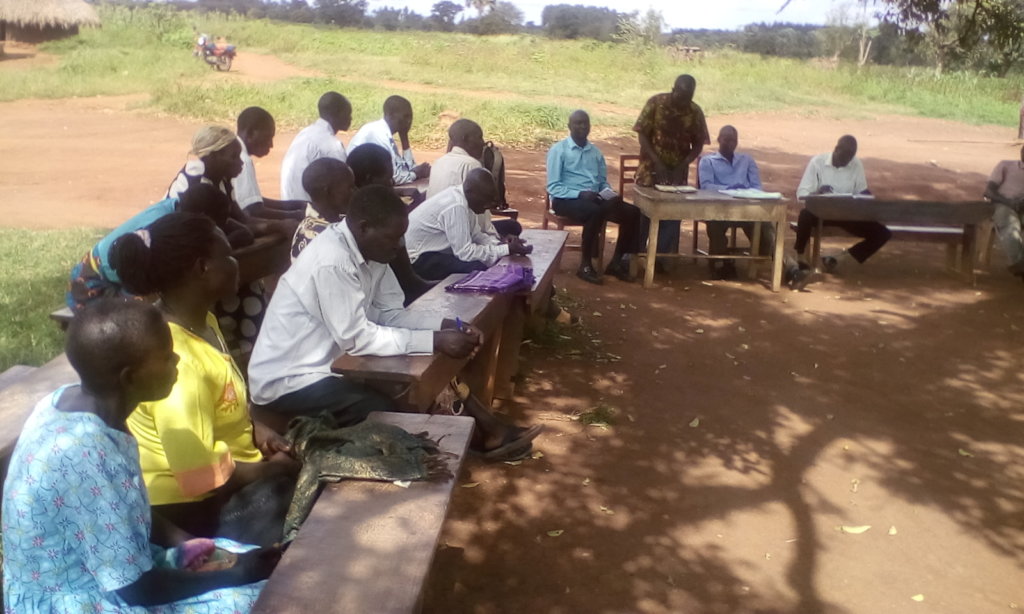
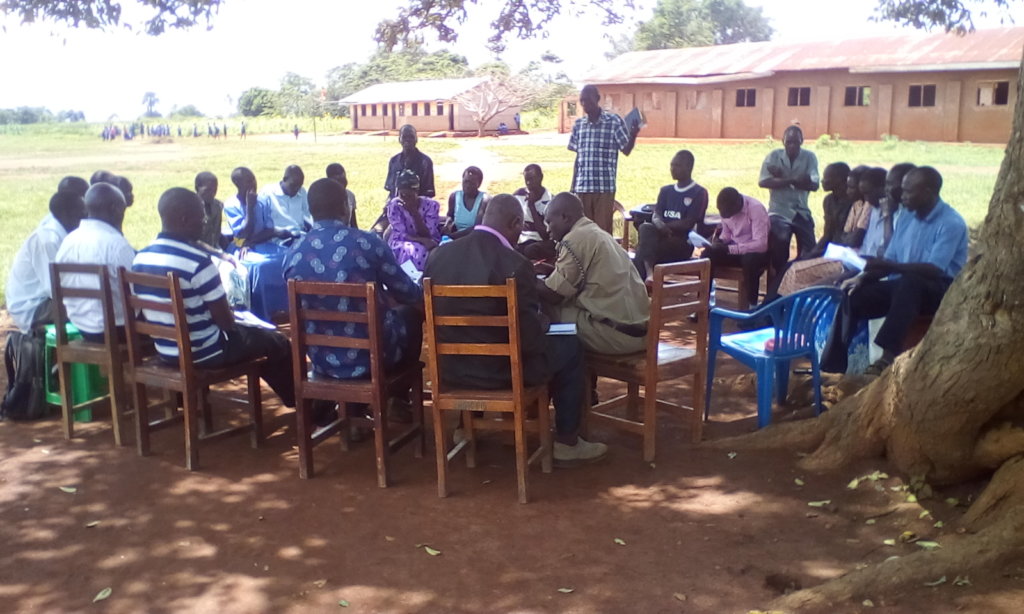
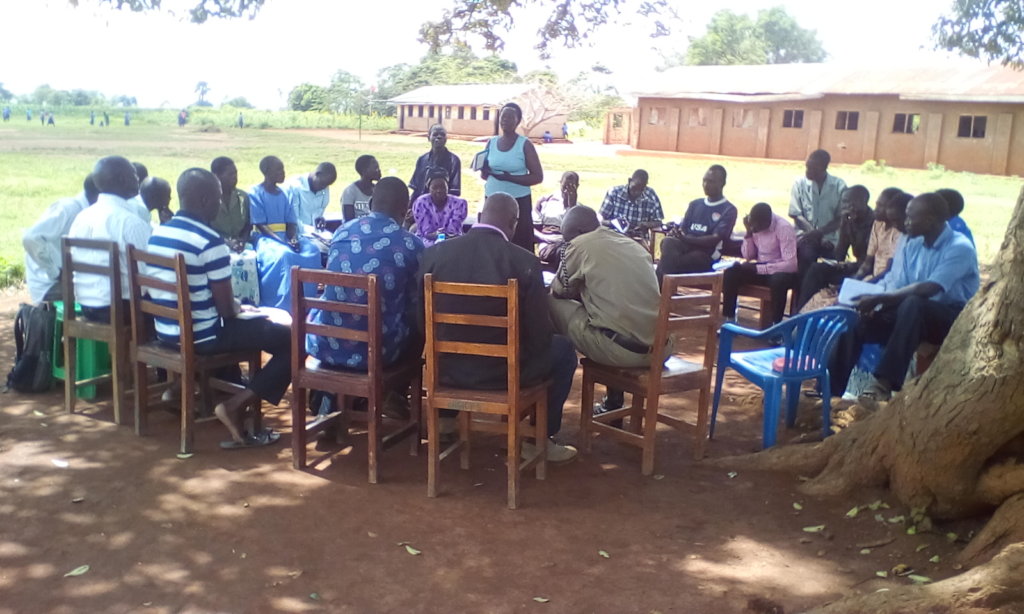
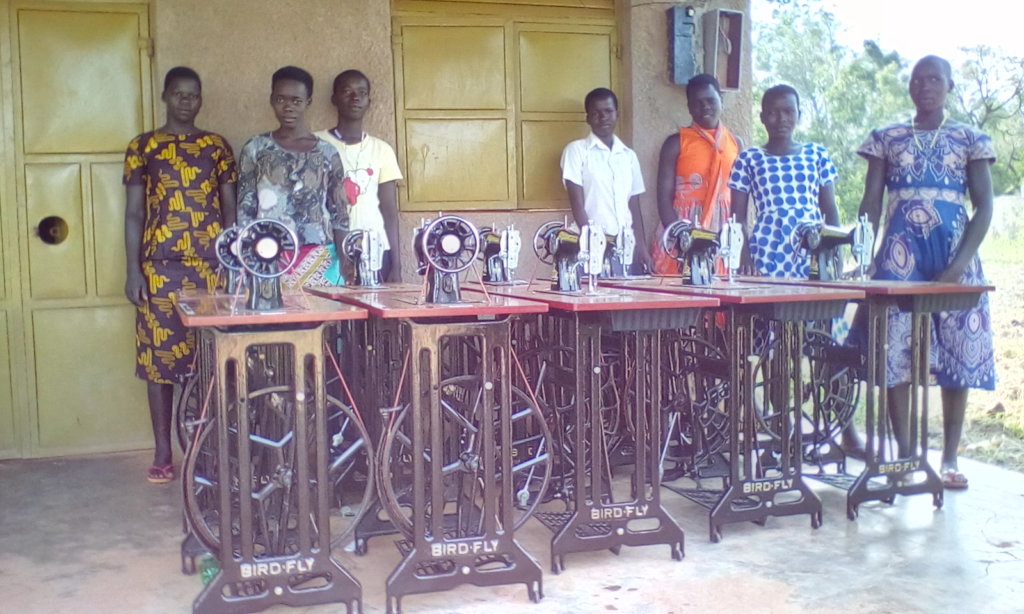
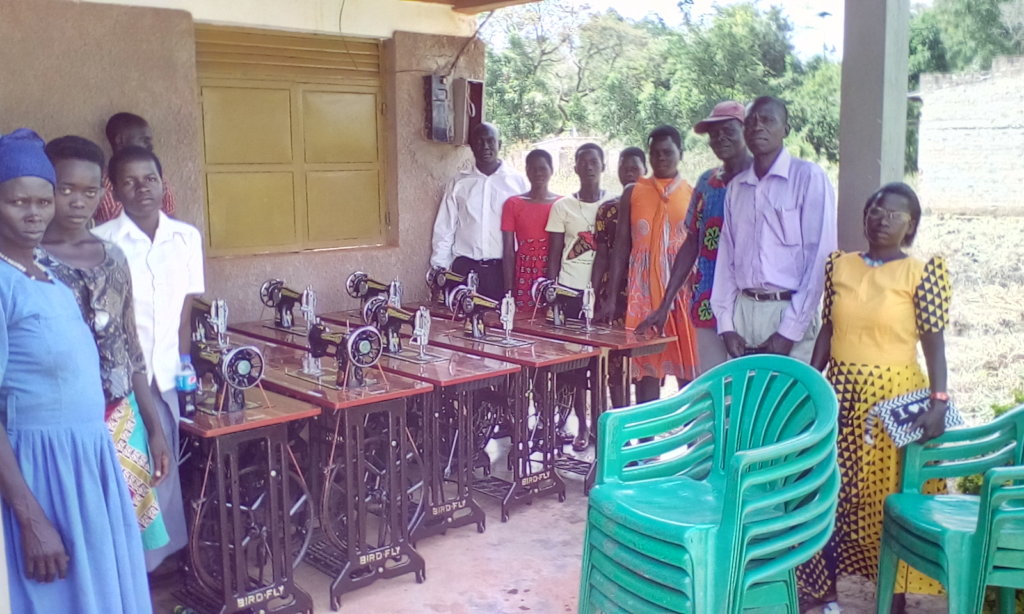
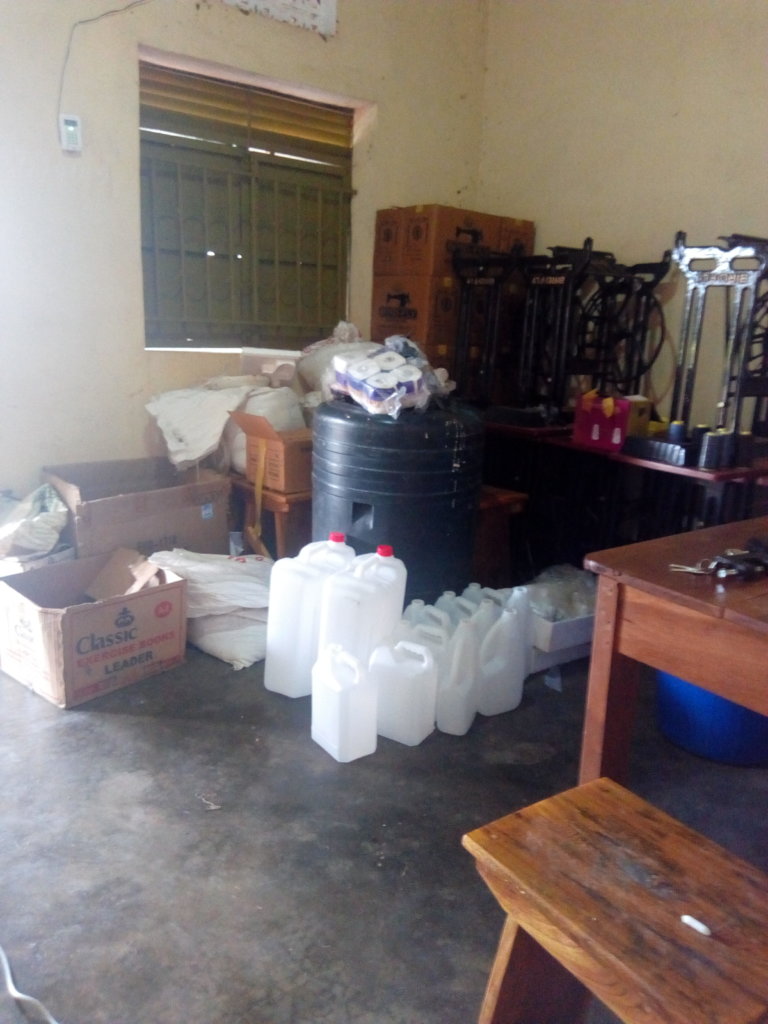
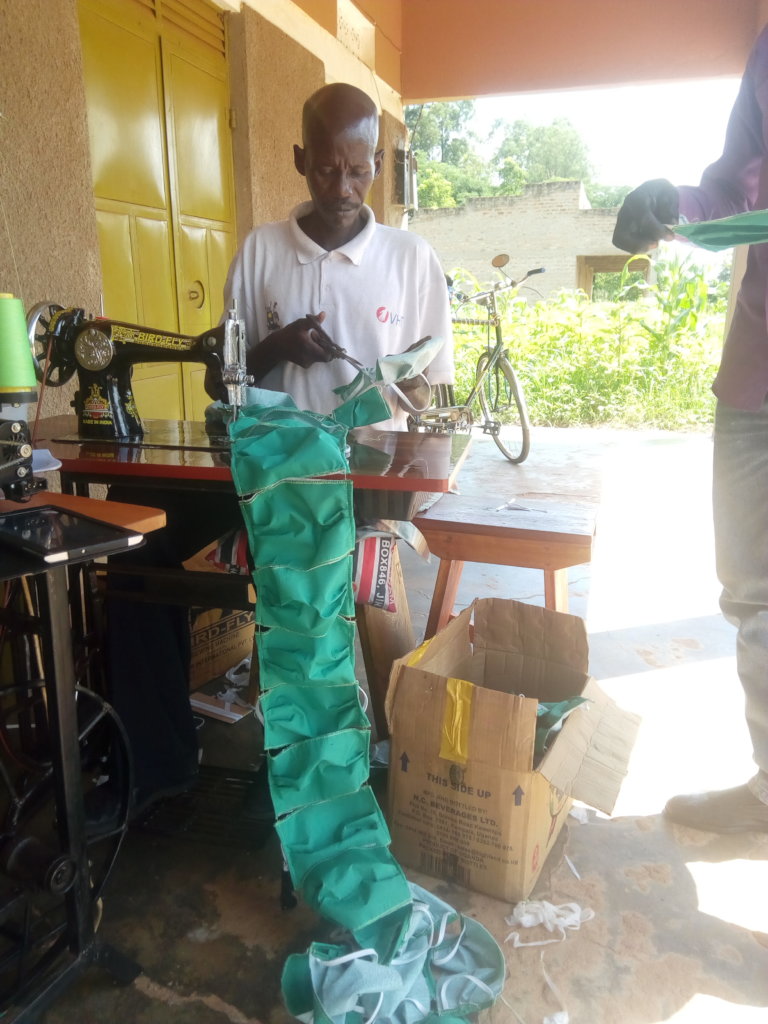
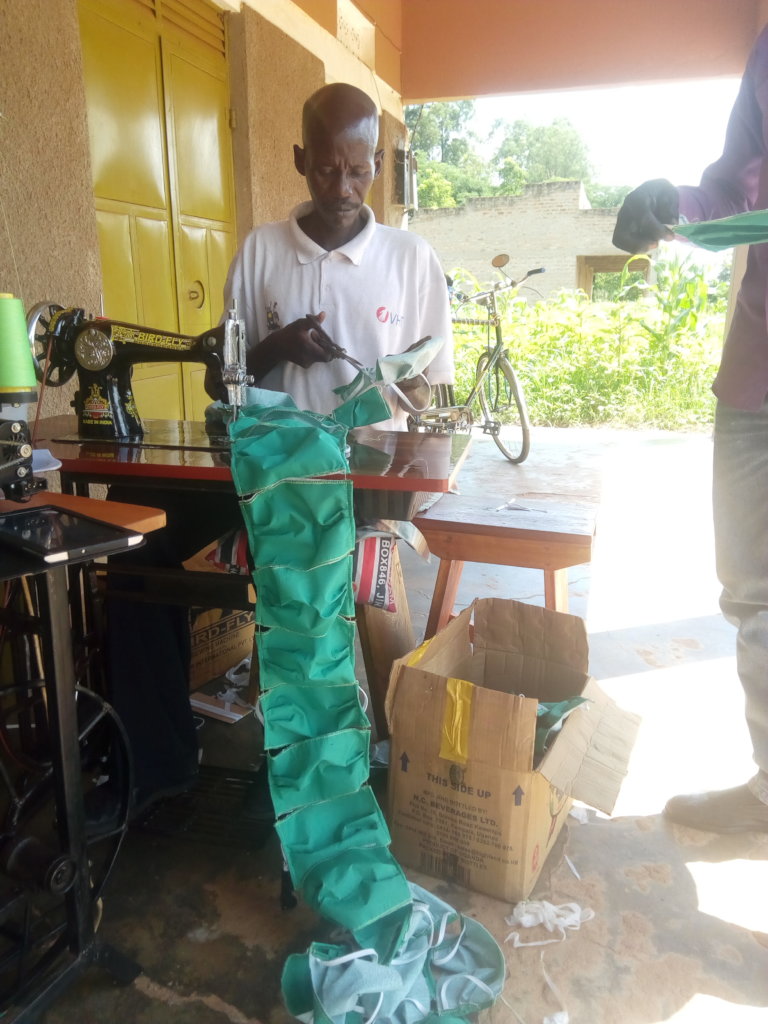
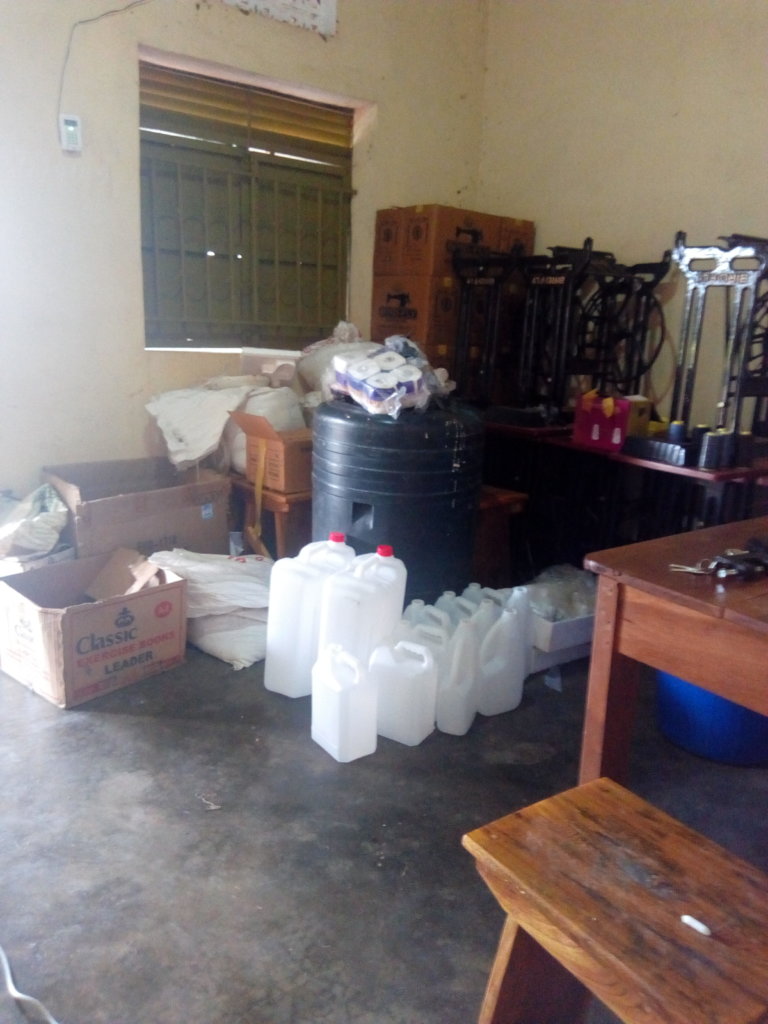
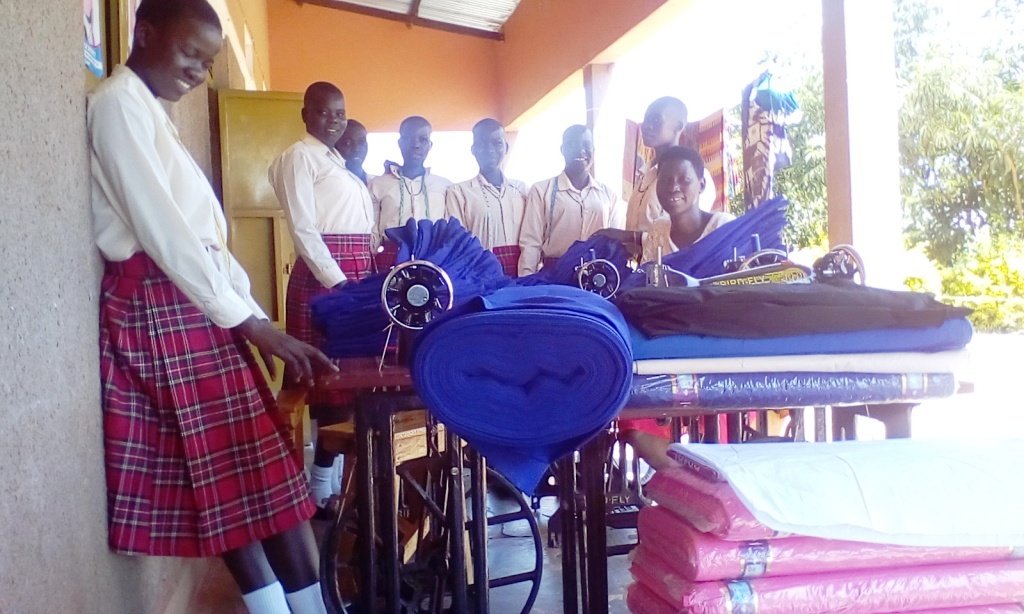
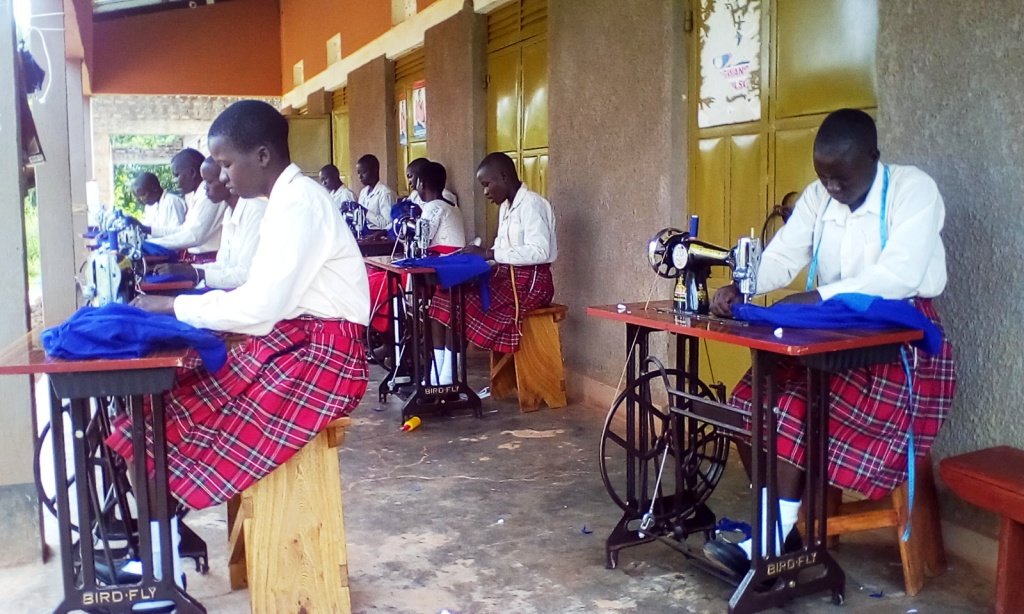
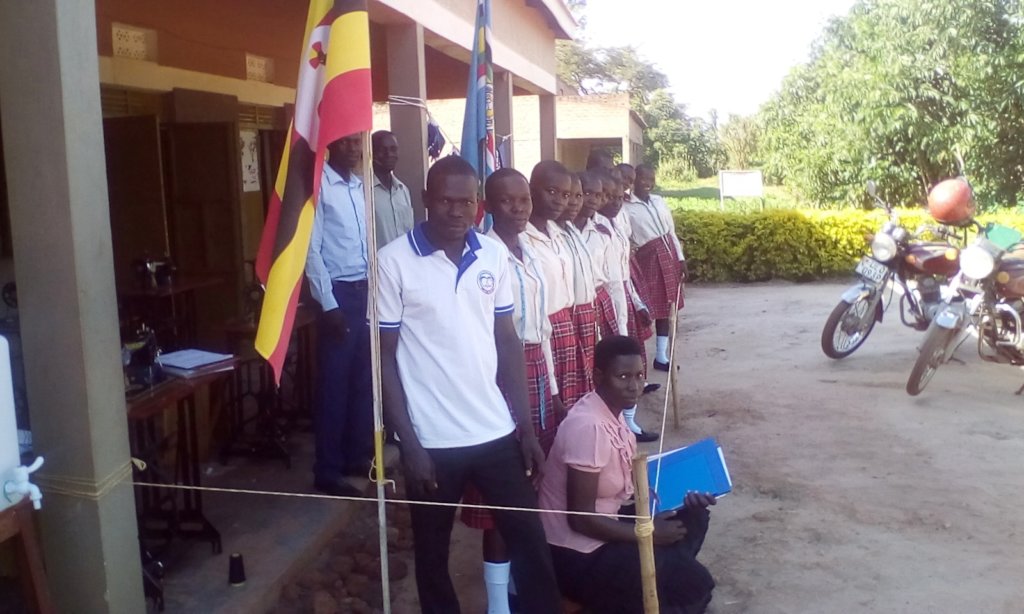
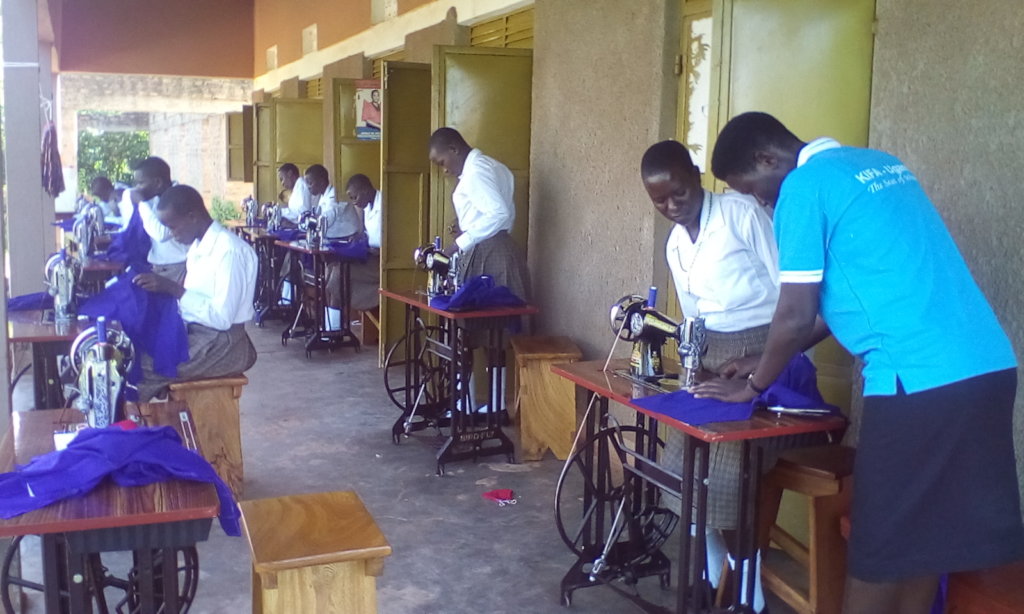
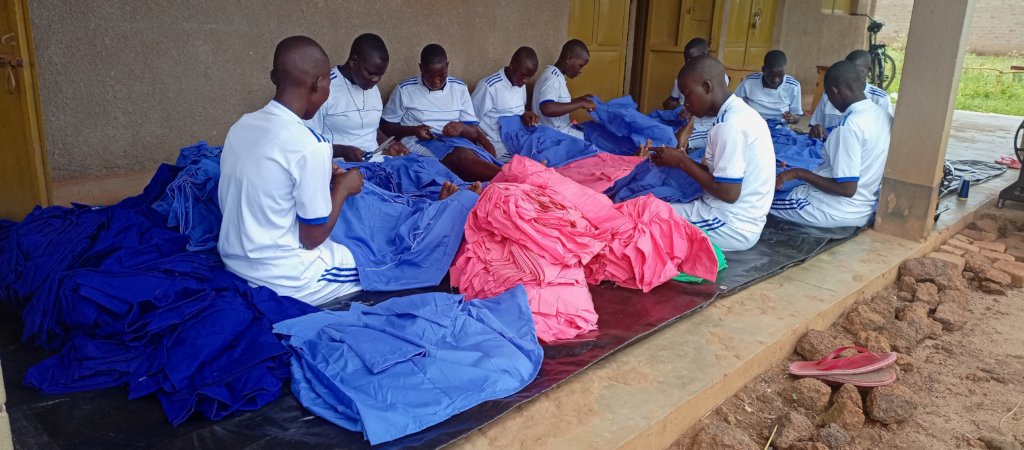
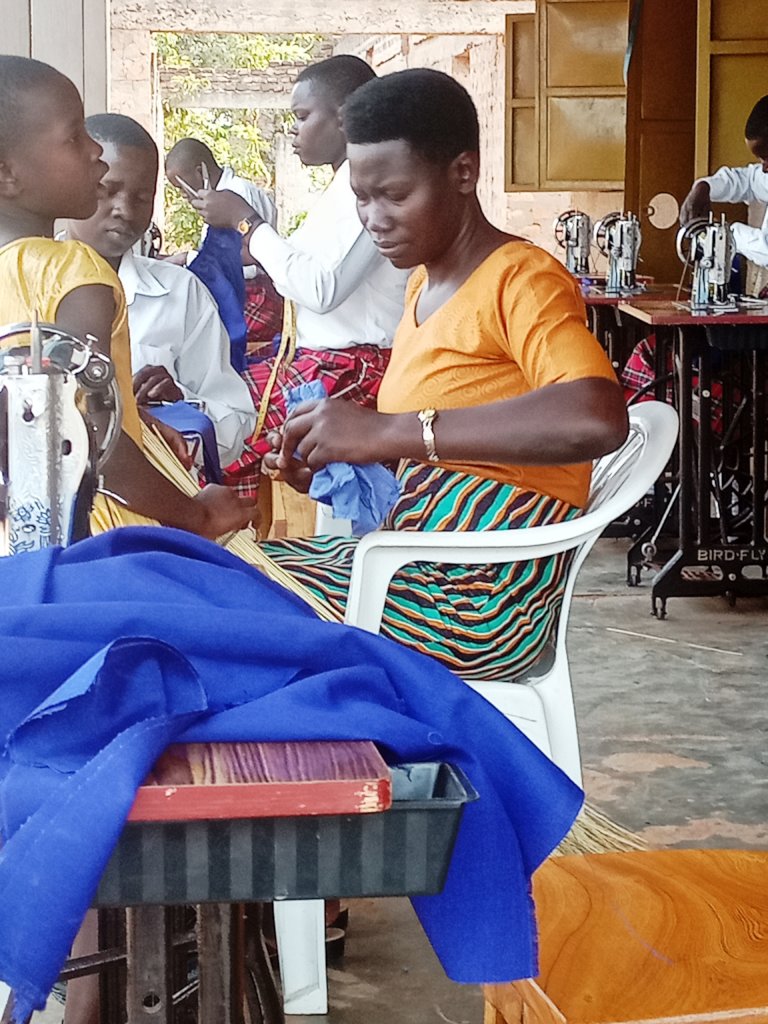
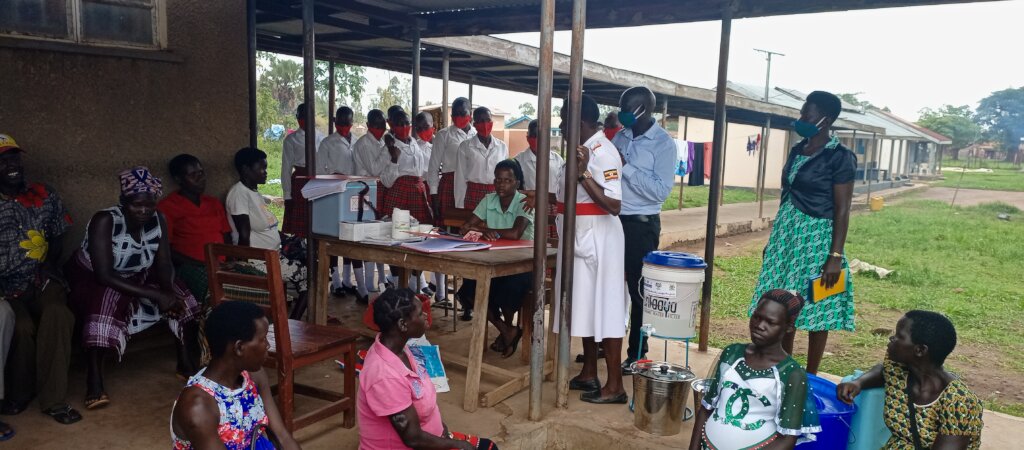
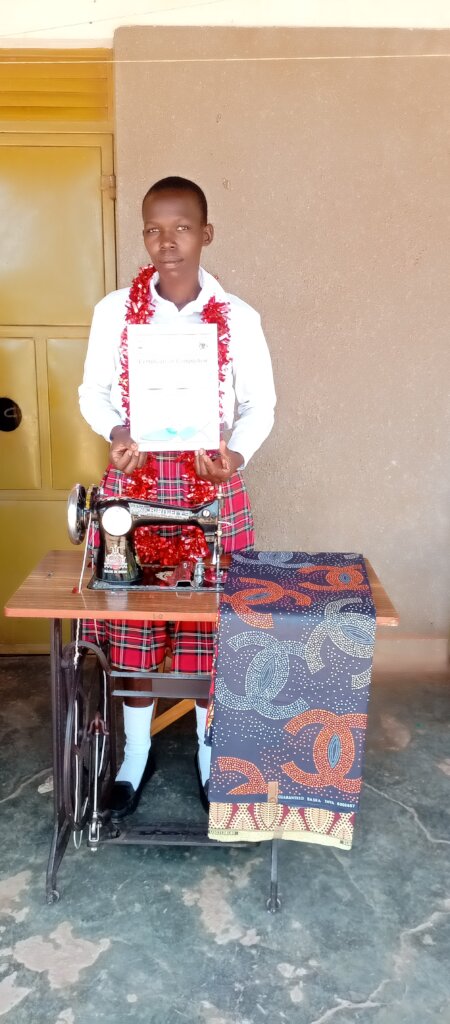
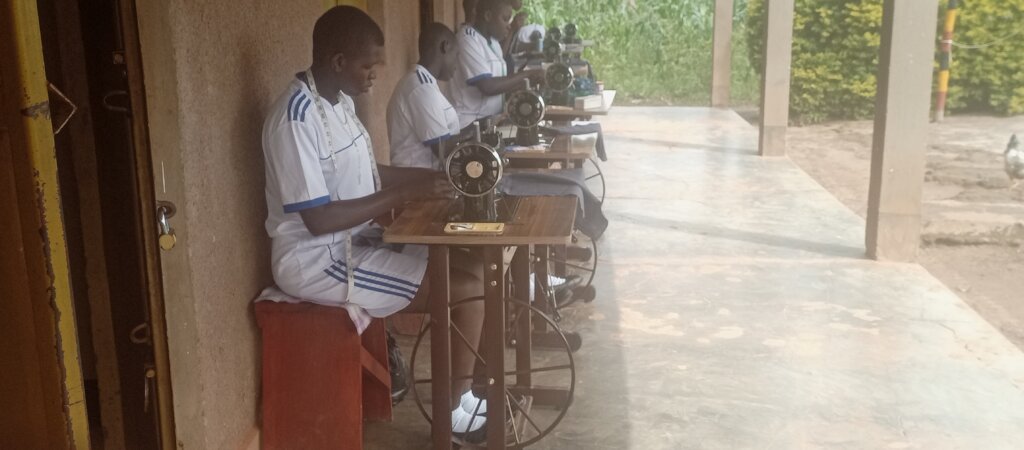
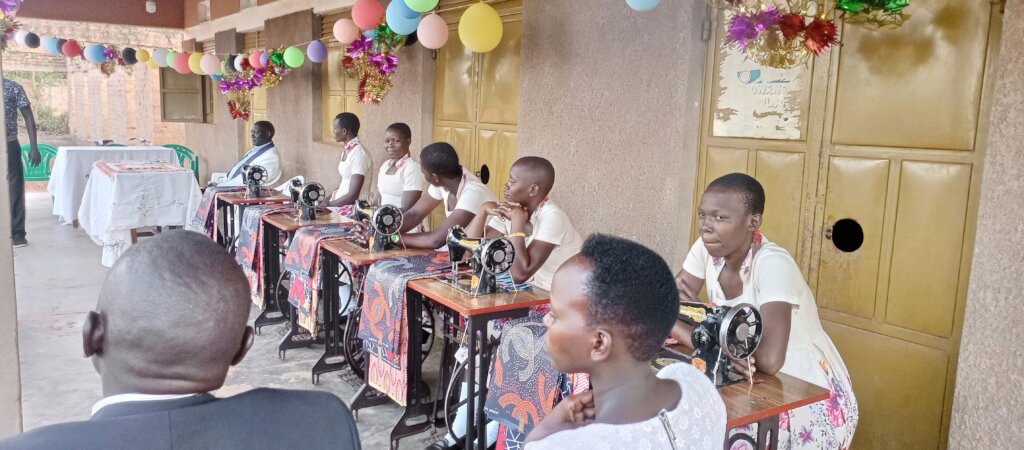
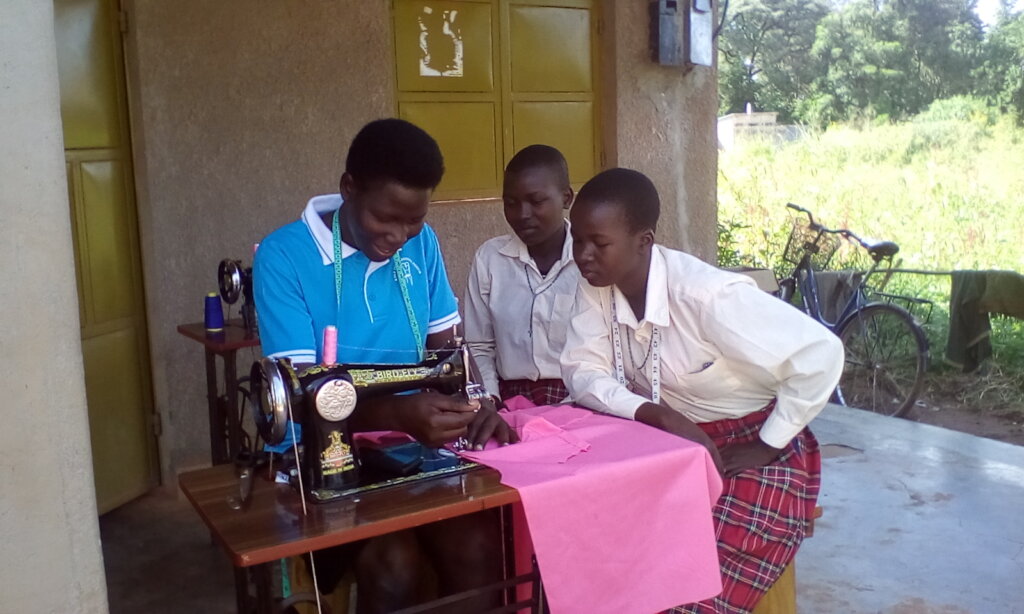
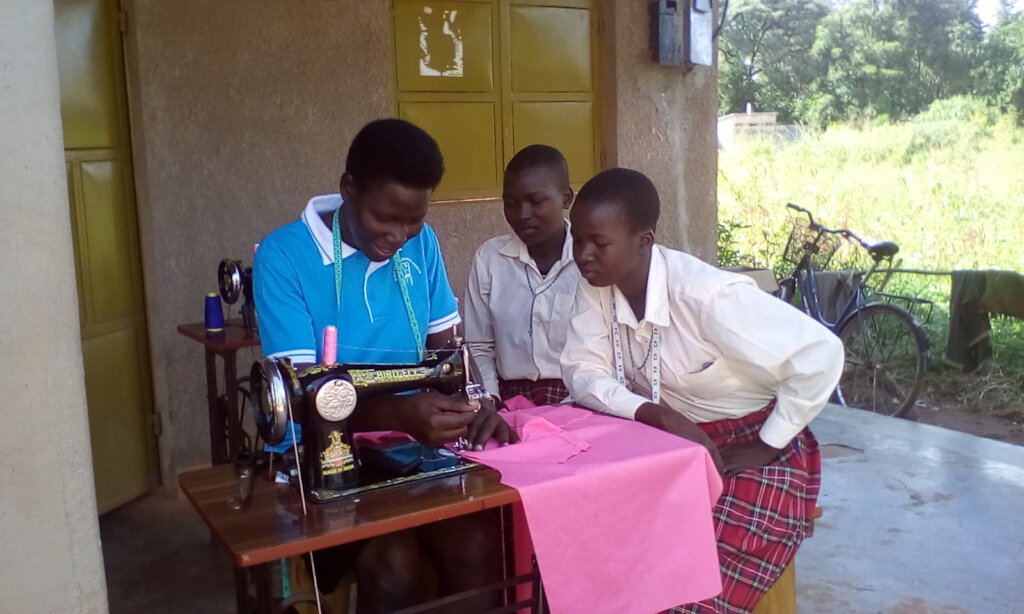
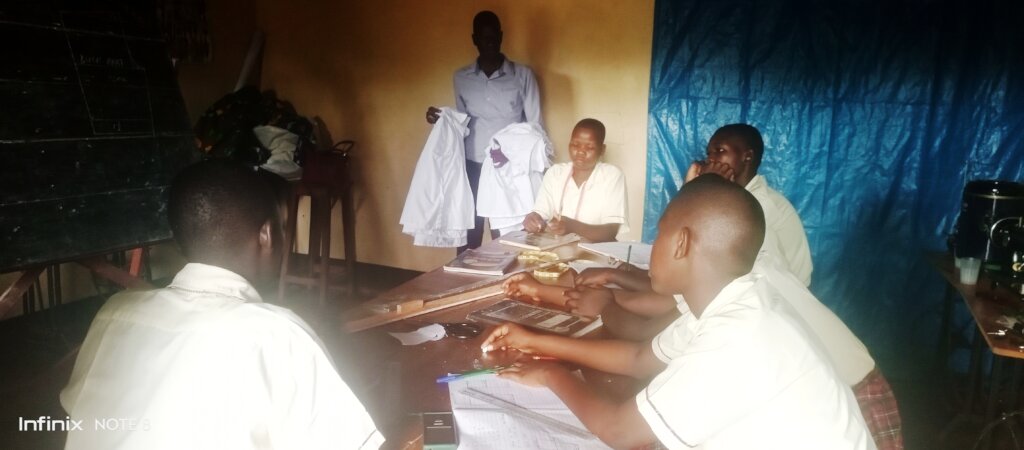
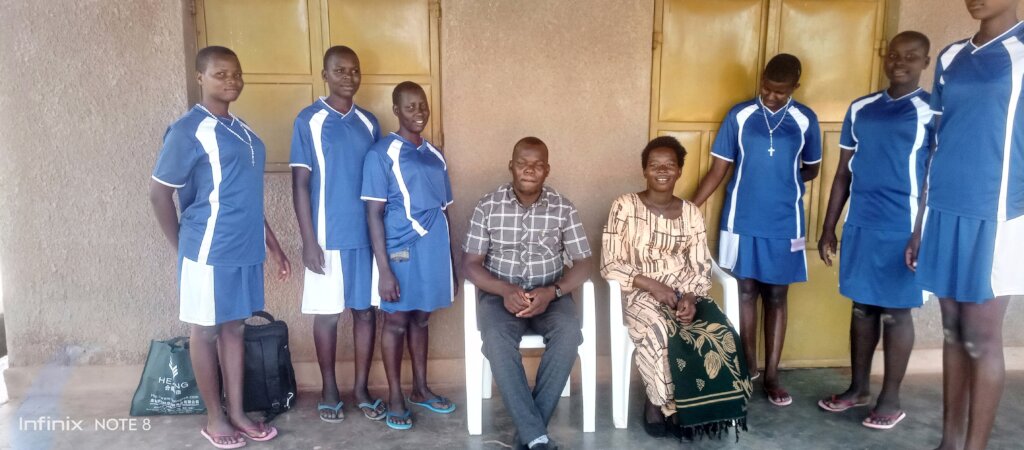
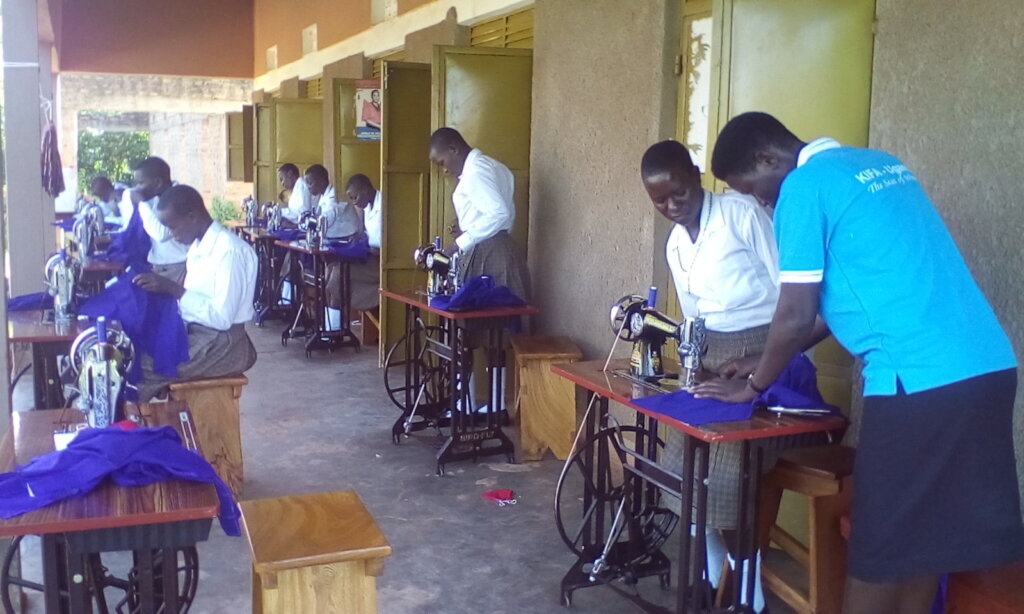
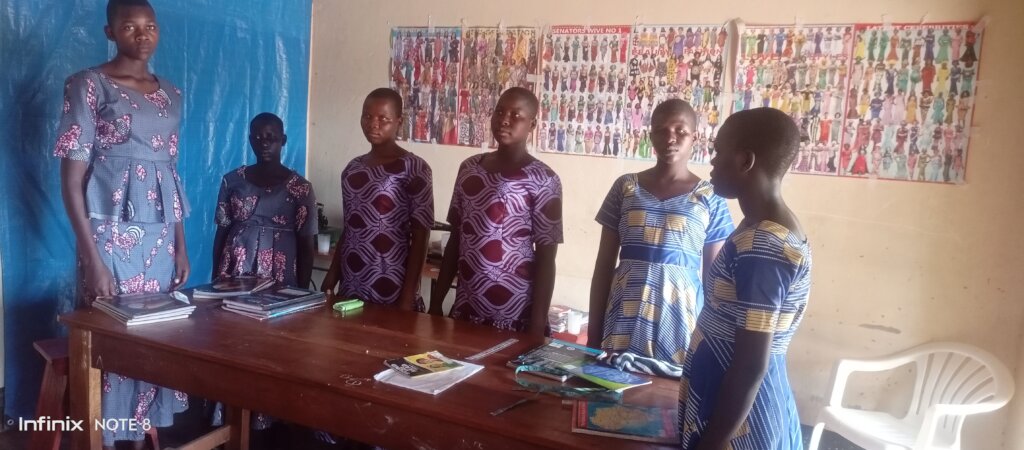
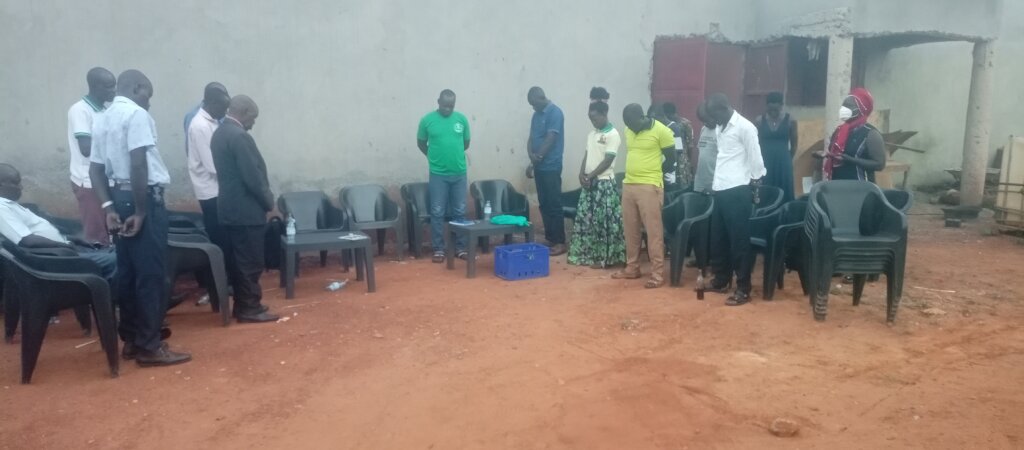
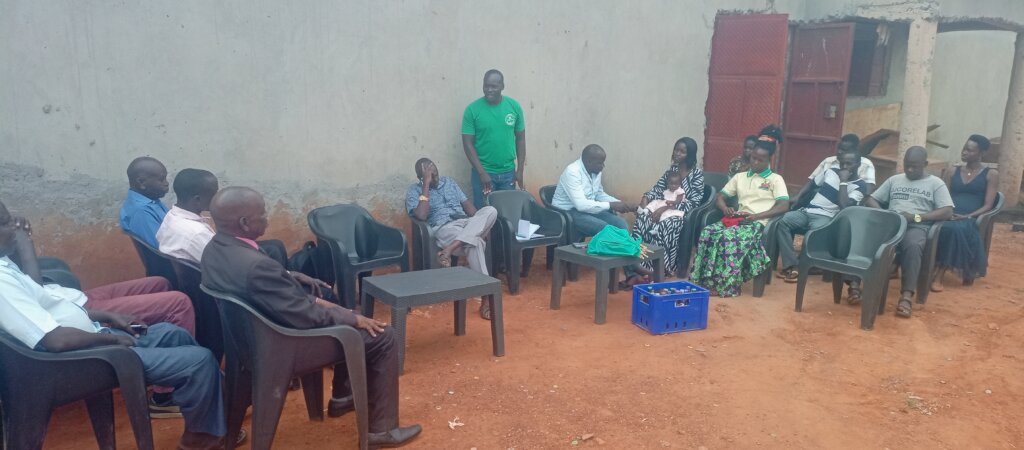
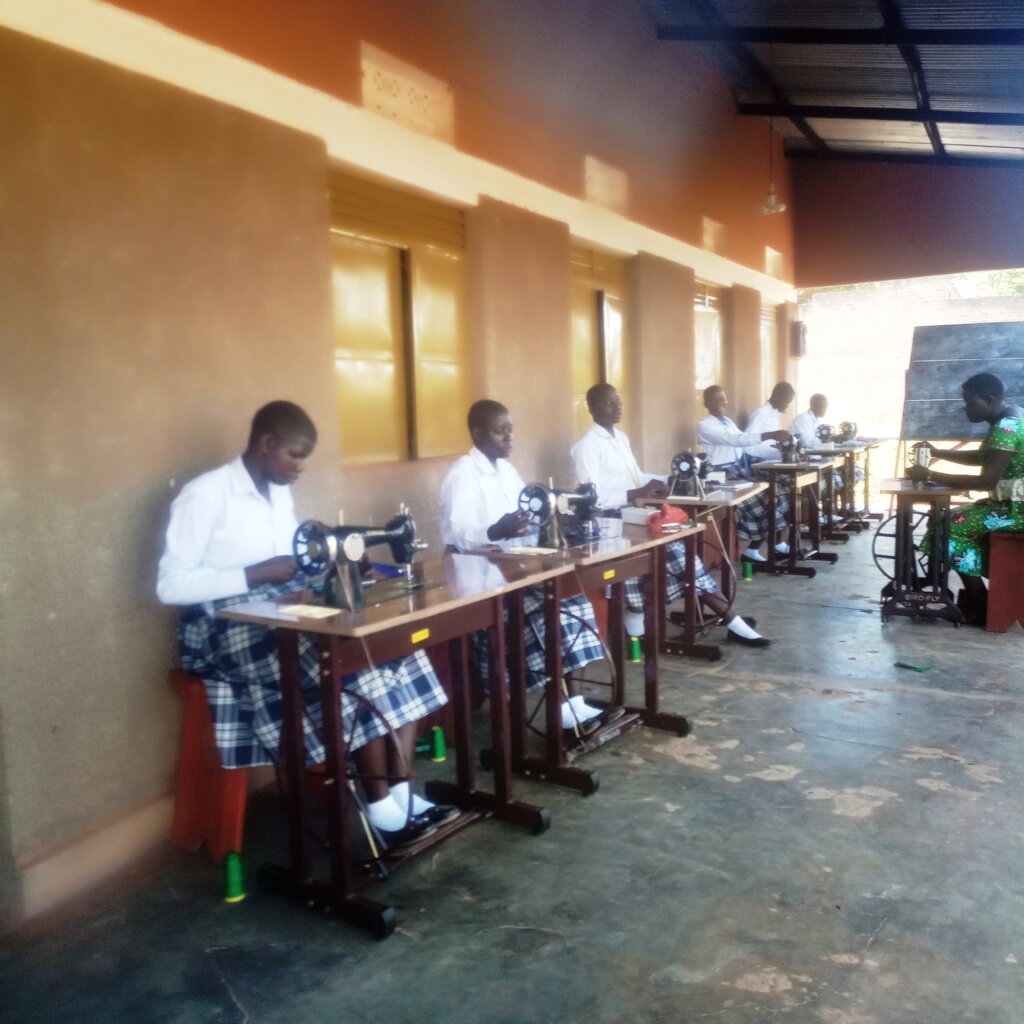
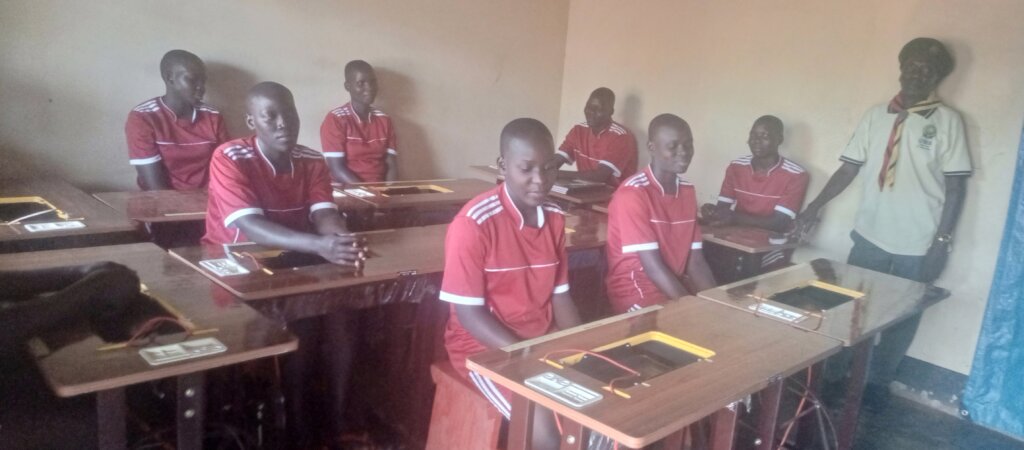
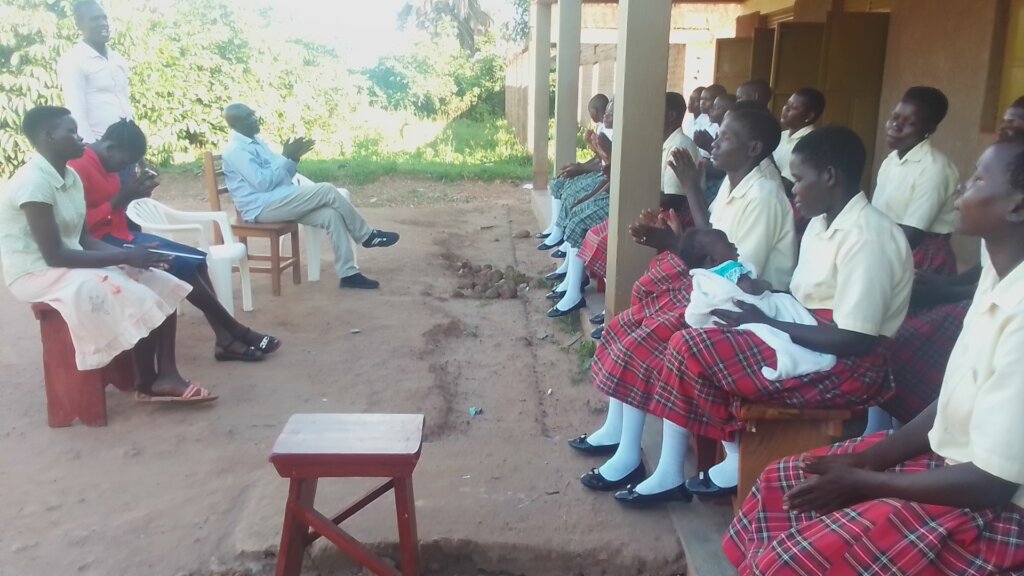
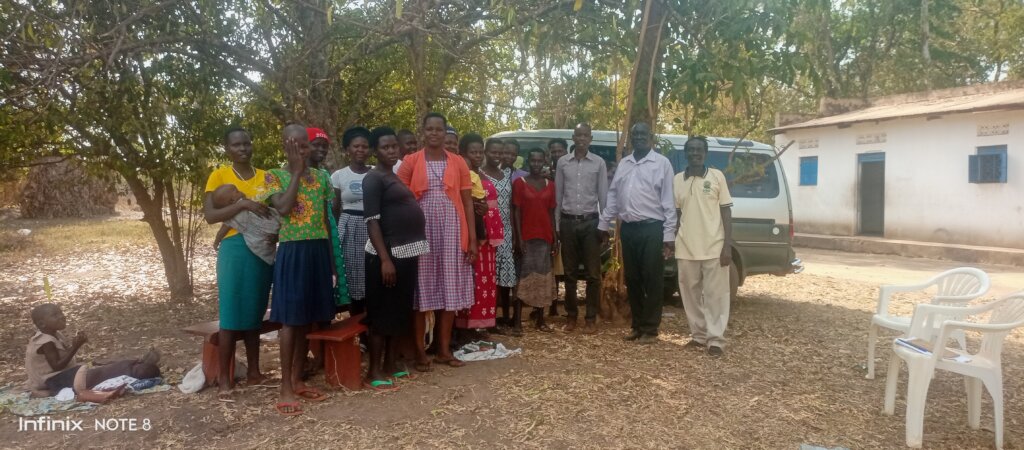
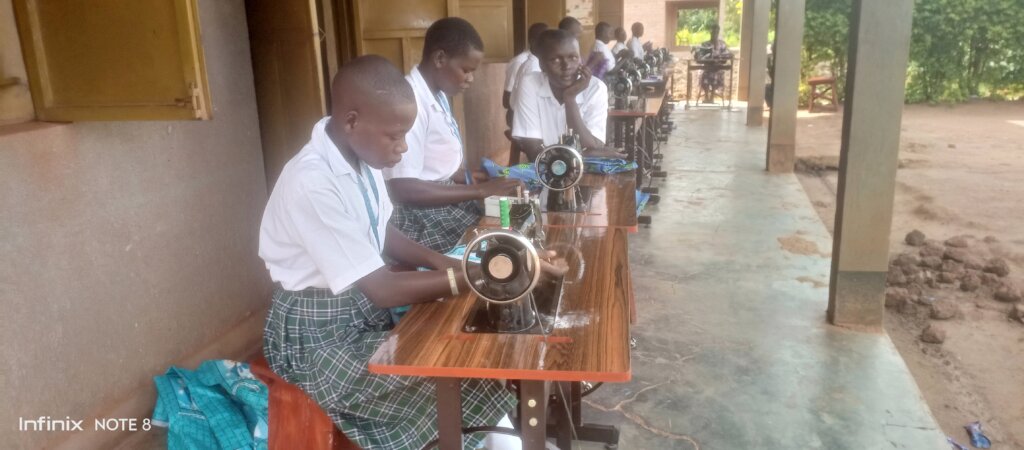
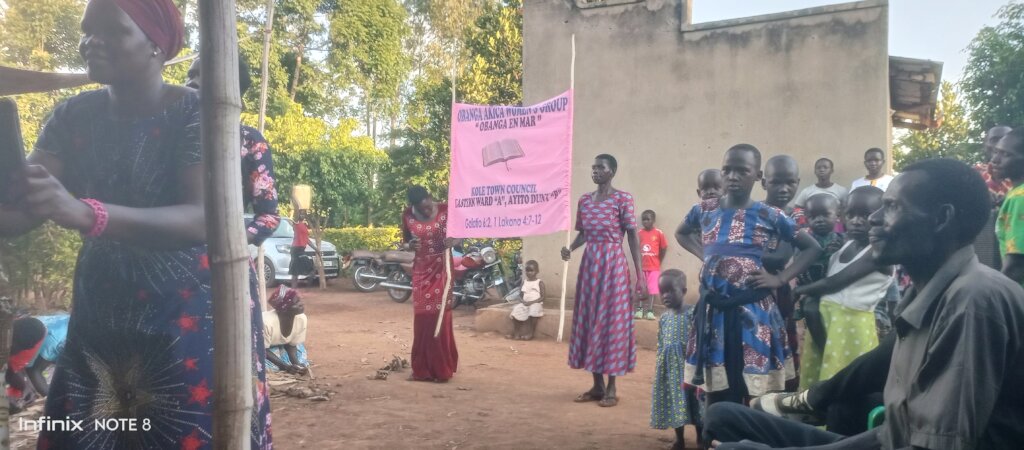
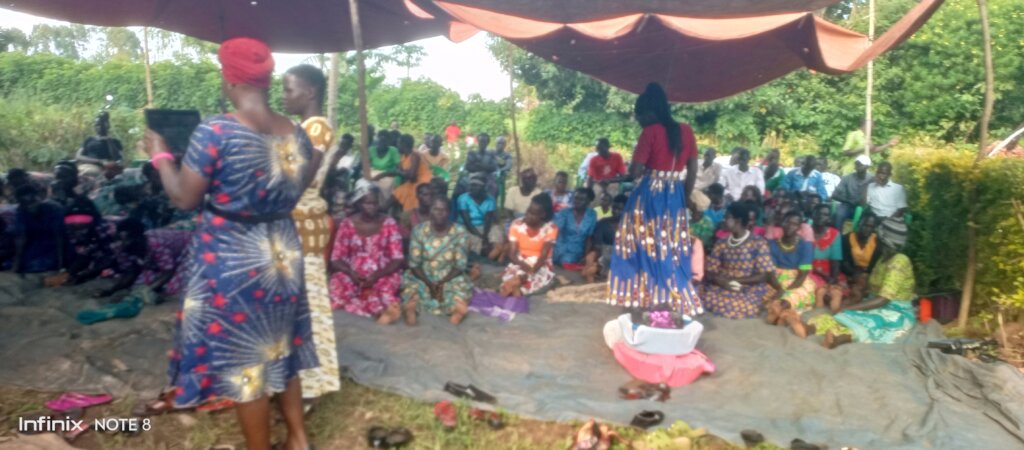
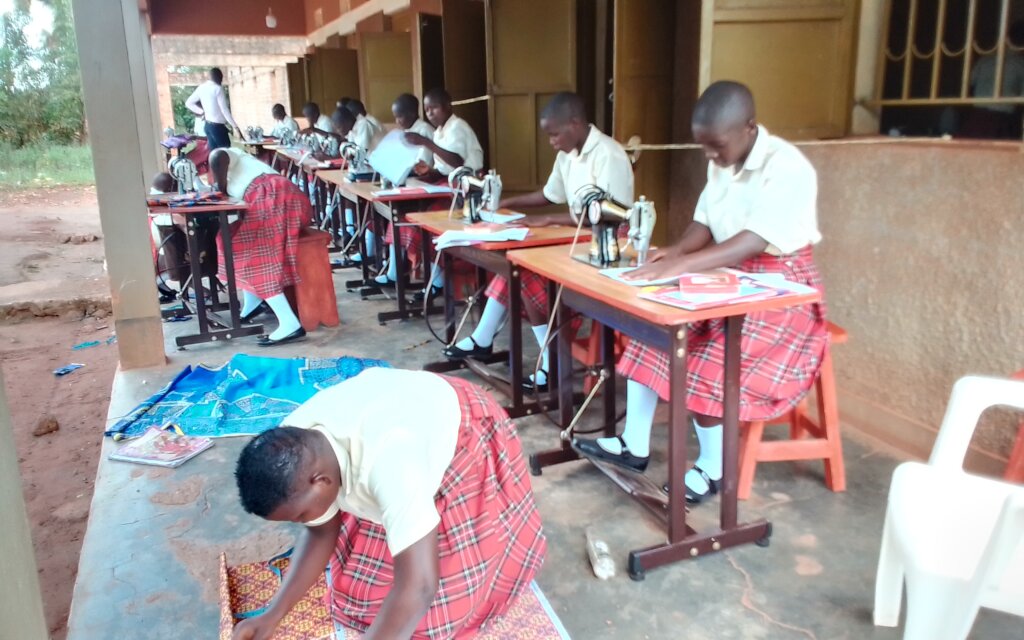
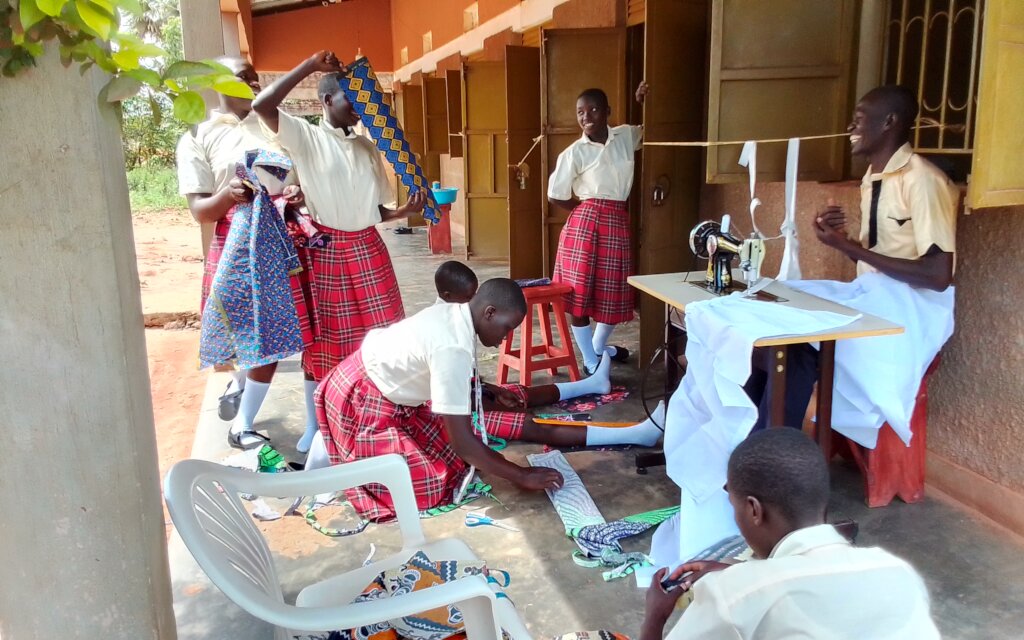
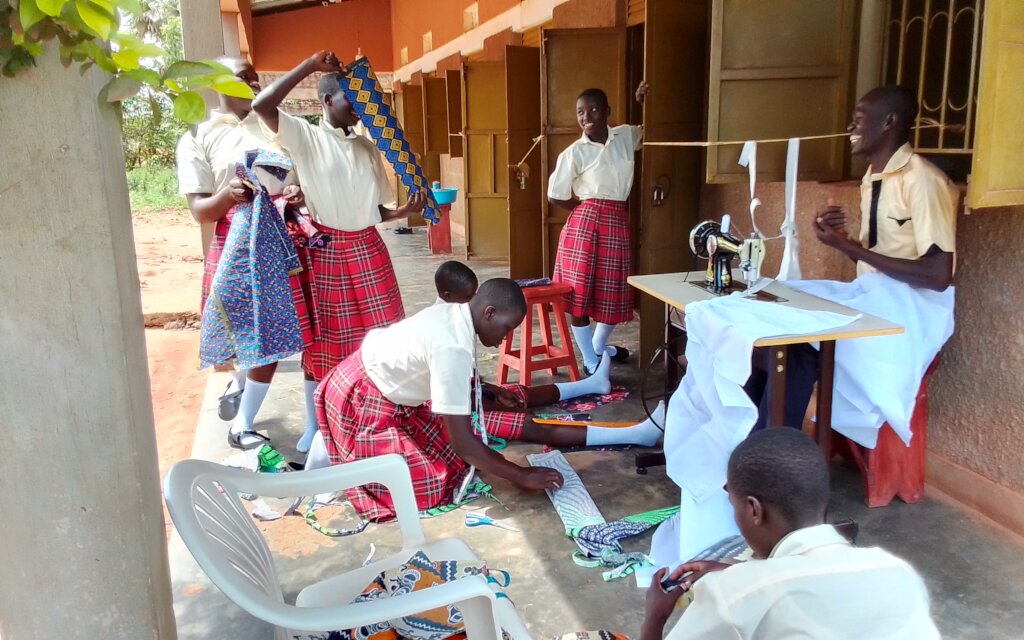
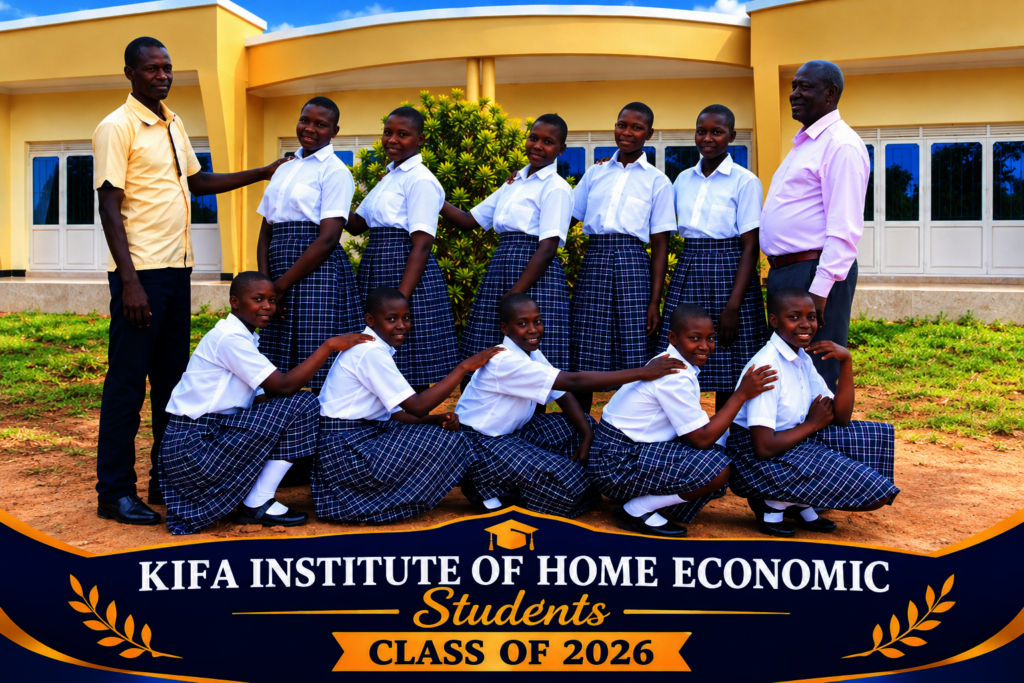
KIFA or Kole Intellectual Forum has brought about an Innovative approach to life to the members of their society to see that young mothers that had dropped out of school for various reasons but to certain extent duellly married are given another a chance to approach education in another perspective.
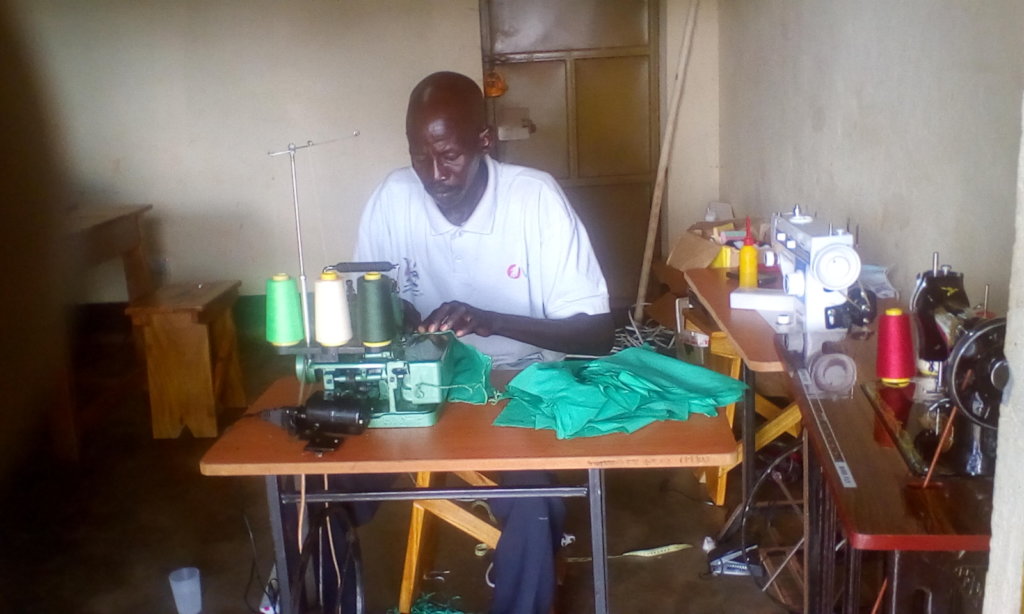
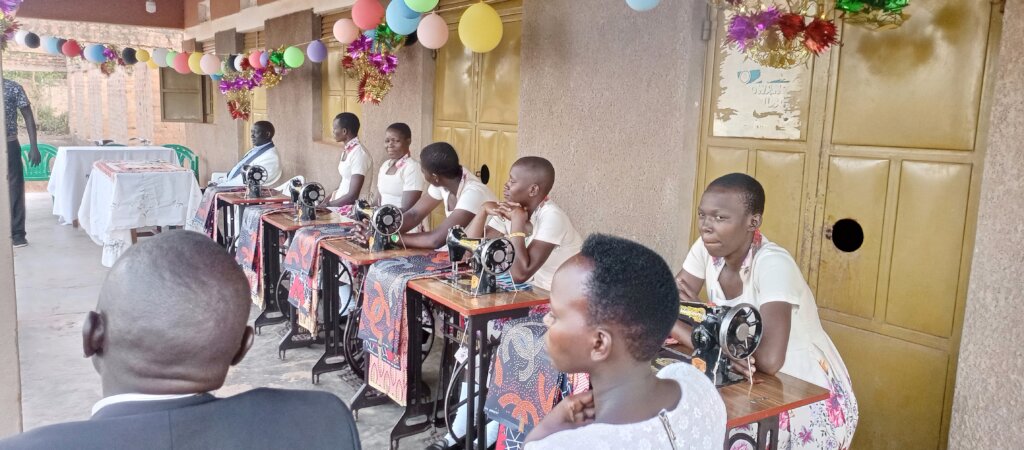
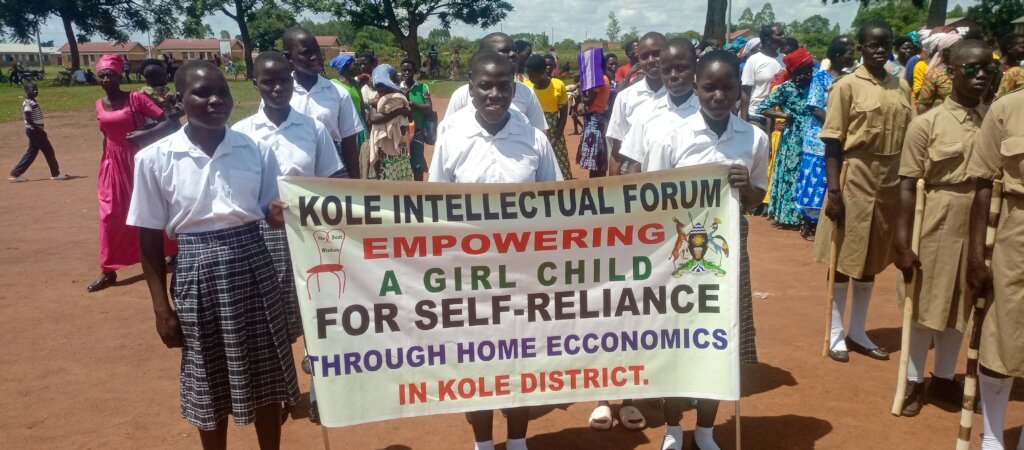
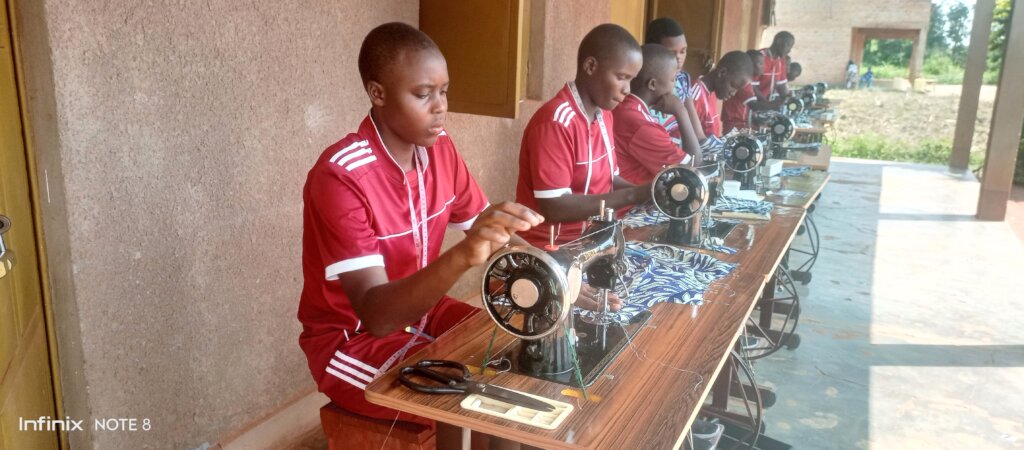
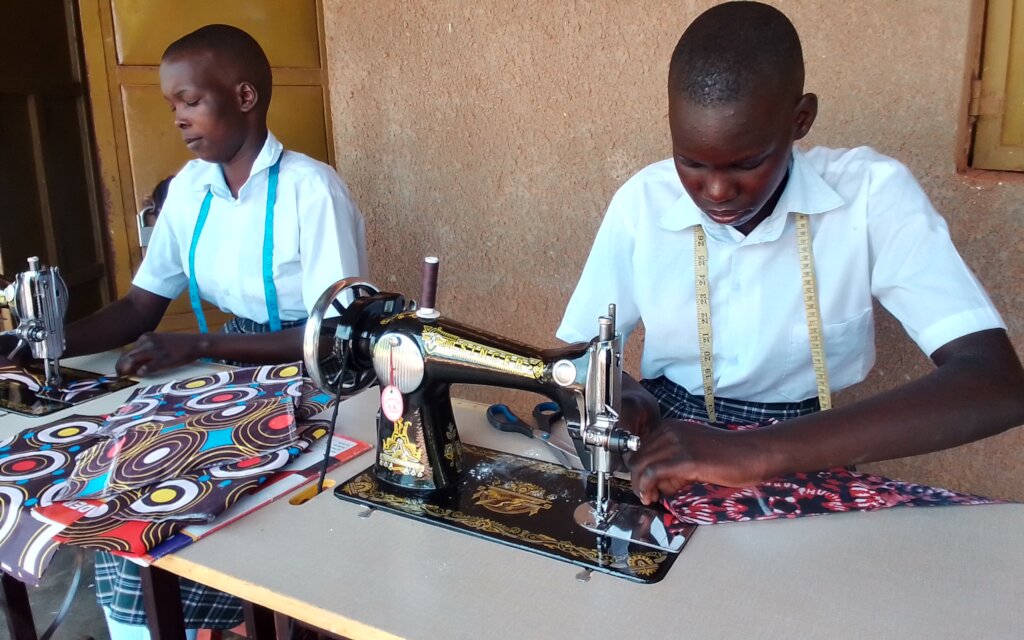
One and another useful program on top of the existing ones to empower a girl child for self-reliance was developed; this time to nevigate ways of finding a solution to those who had now fallen out of school and had no hope of going back to education system anymore.
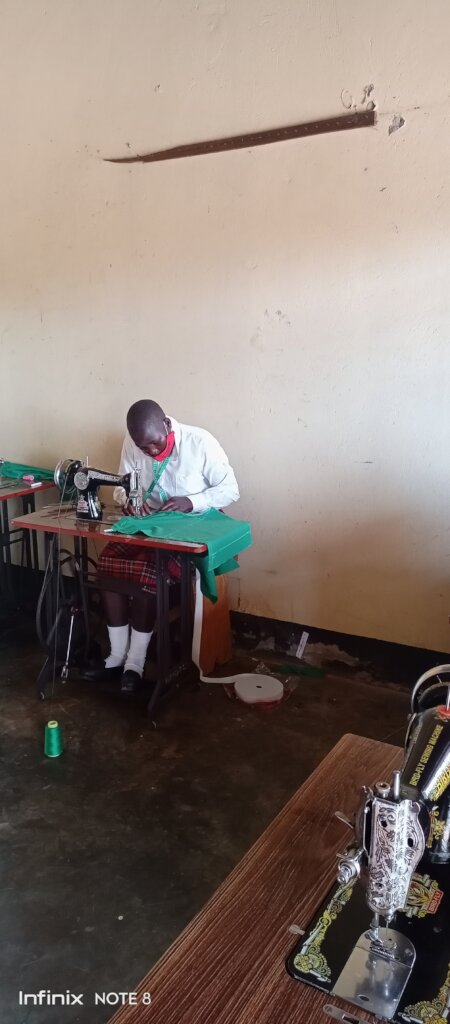
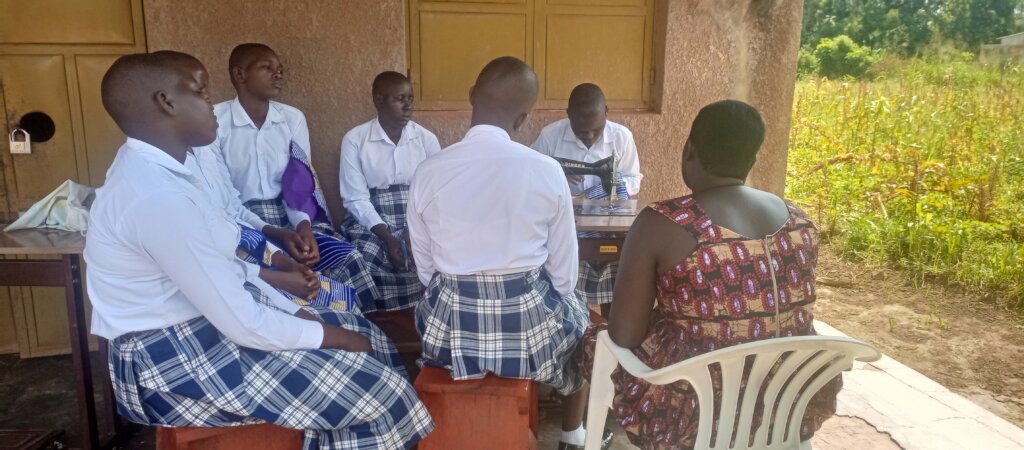
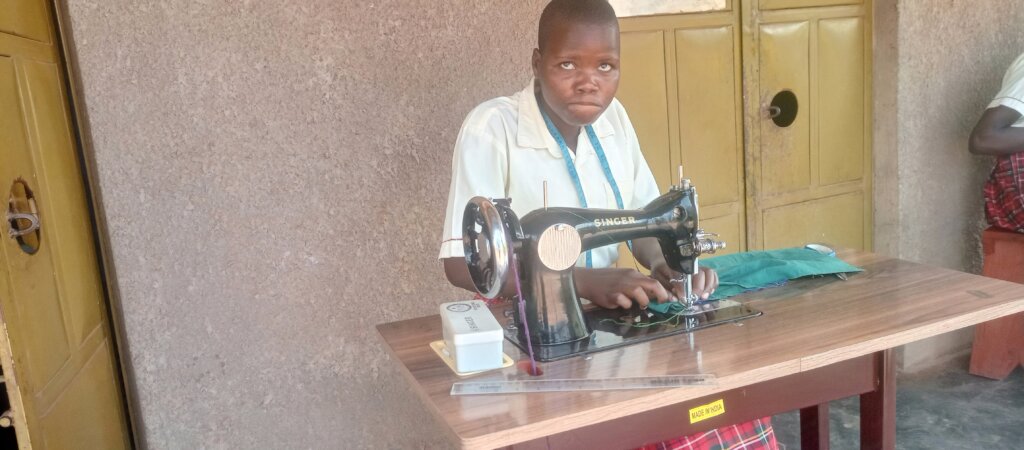
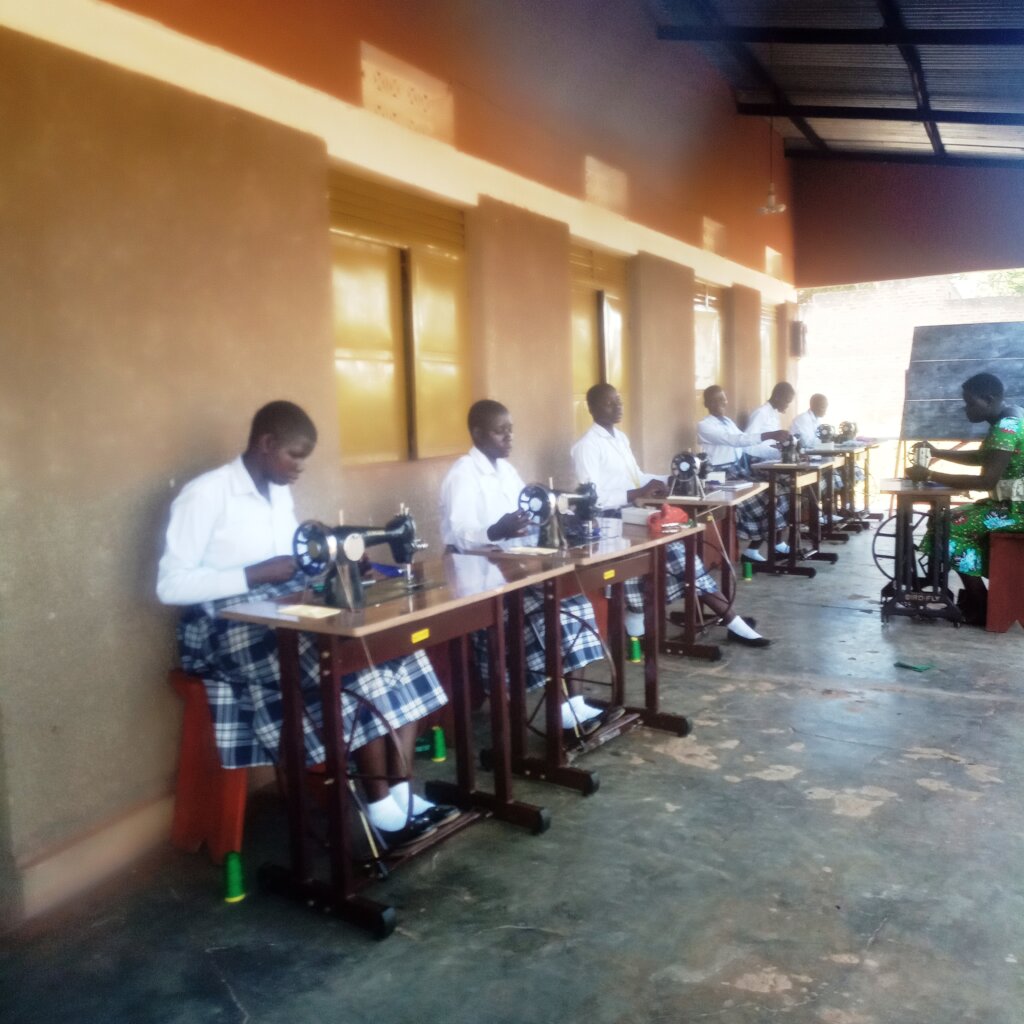
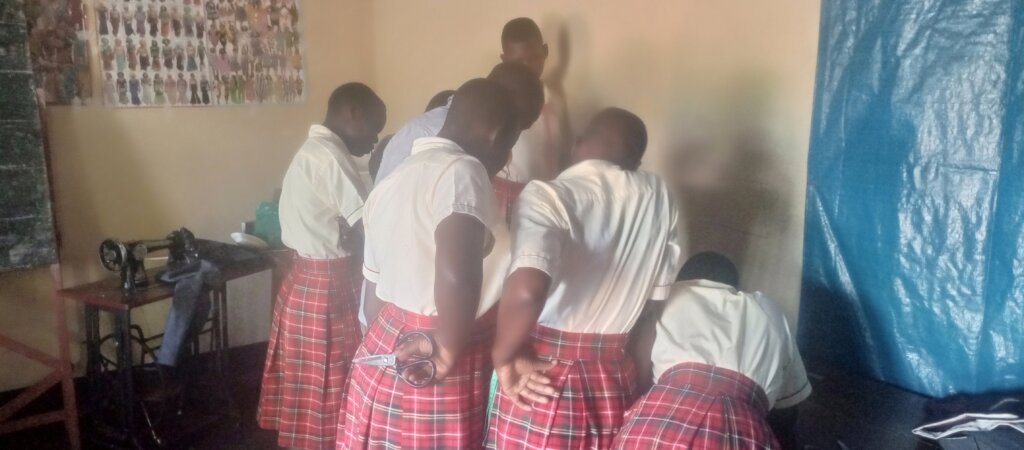
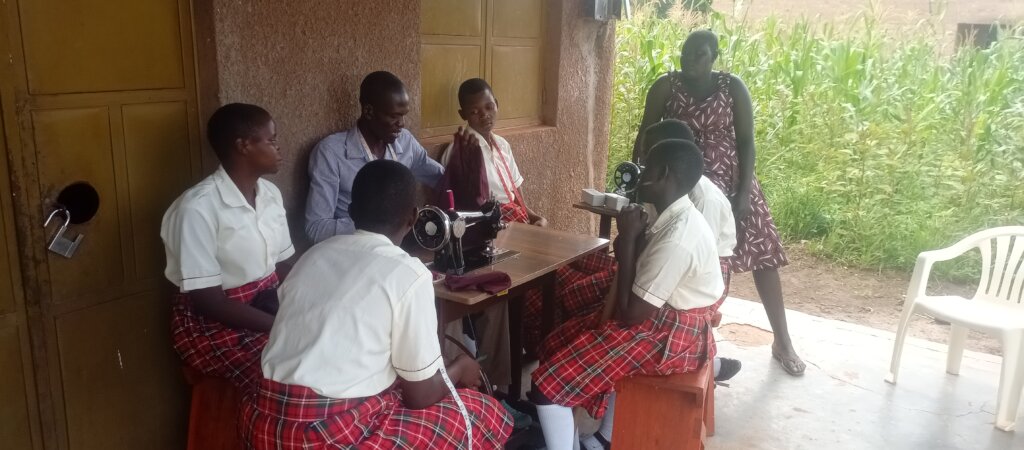
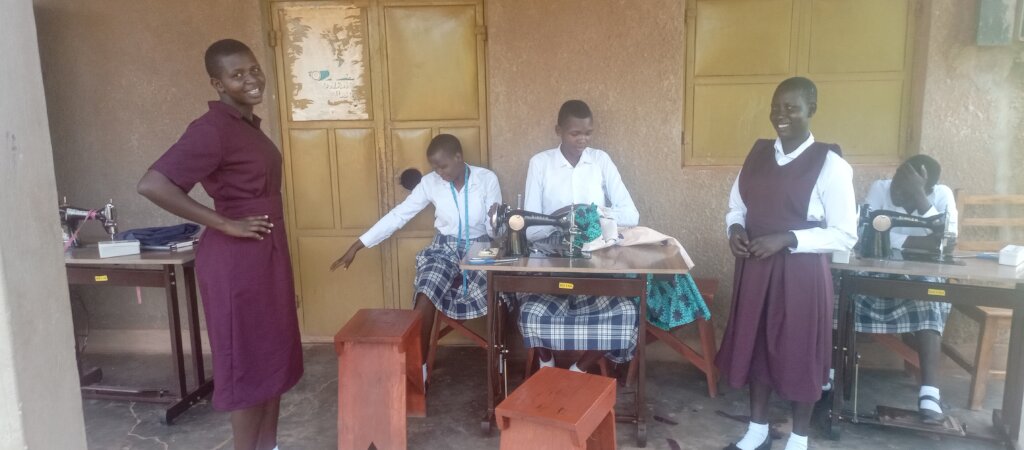
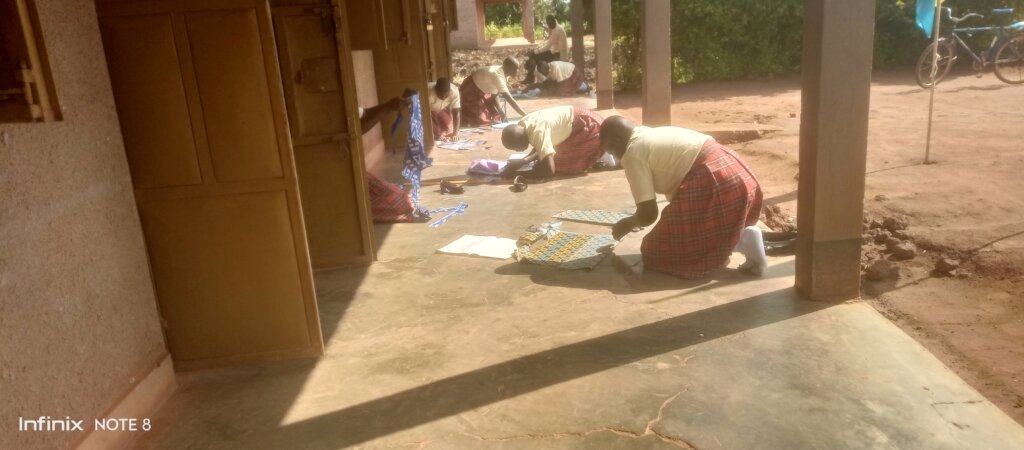
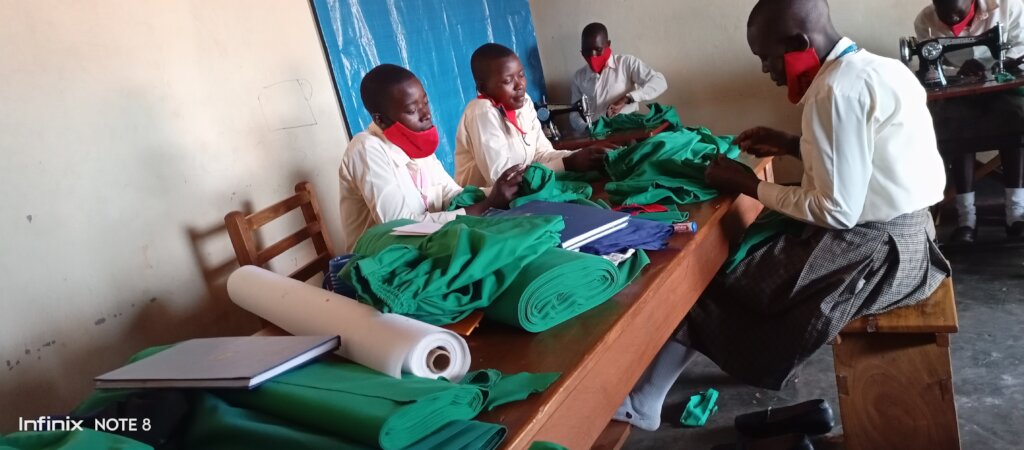
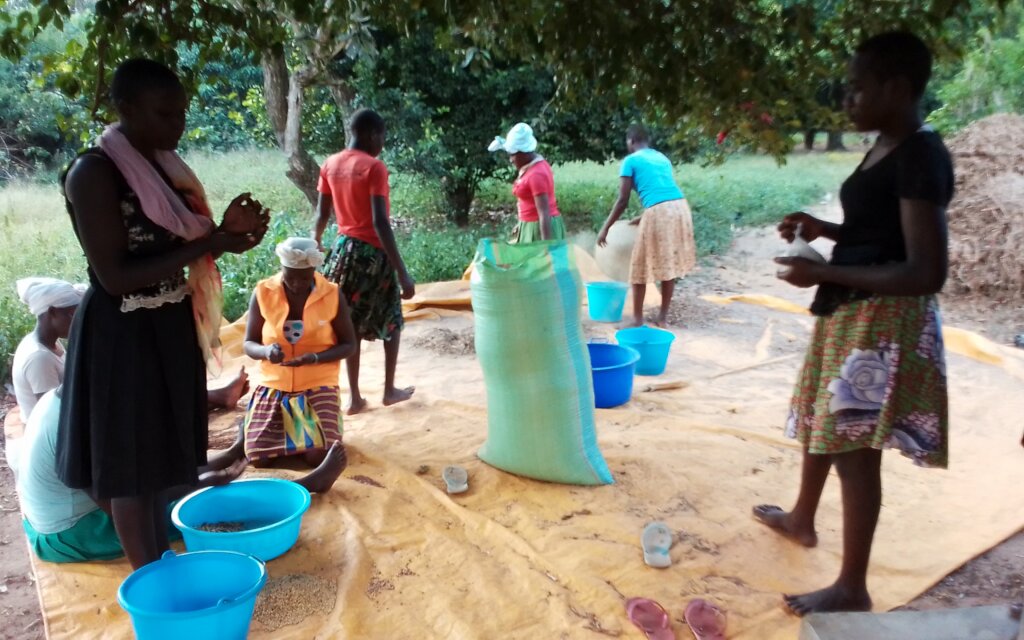
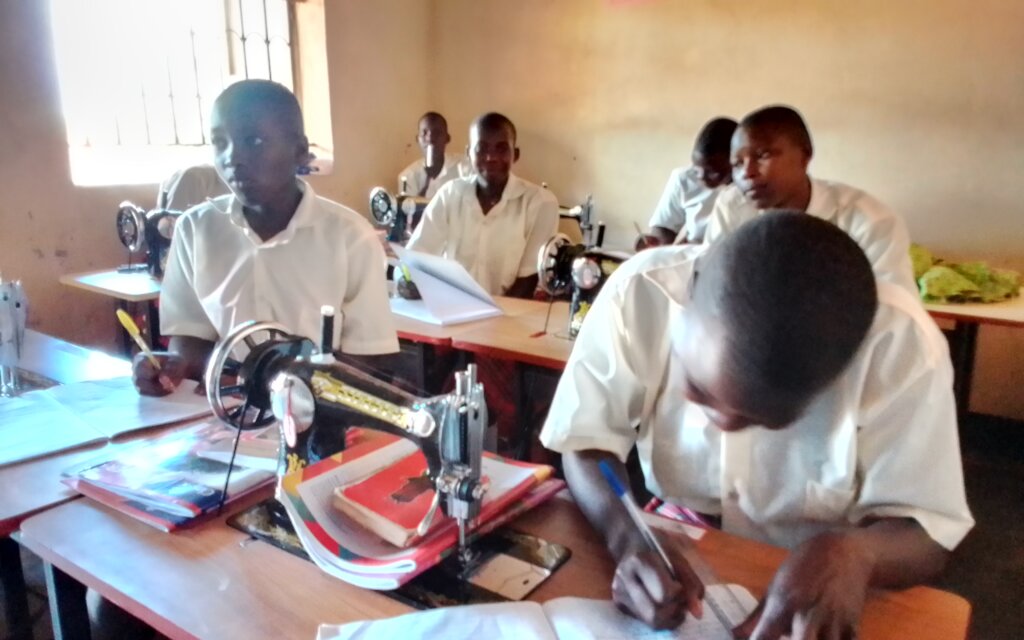
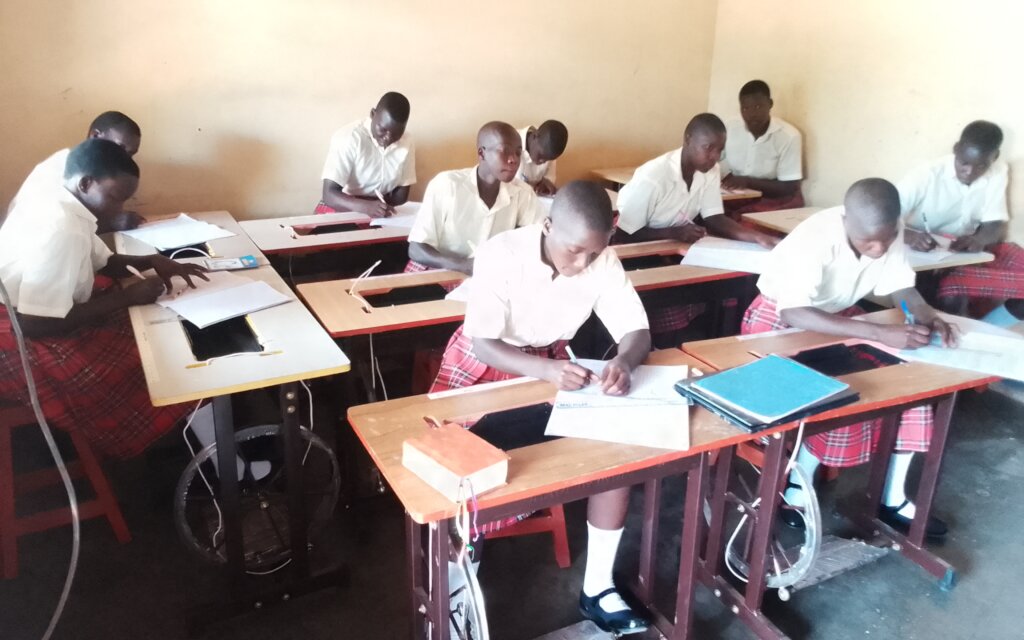
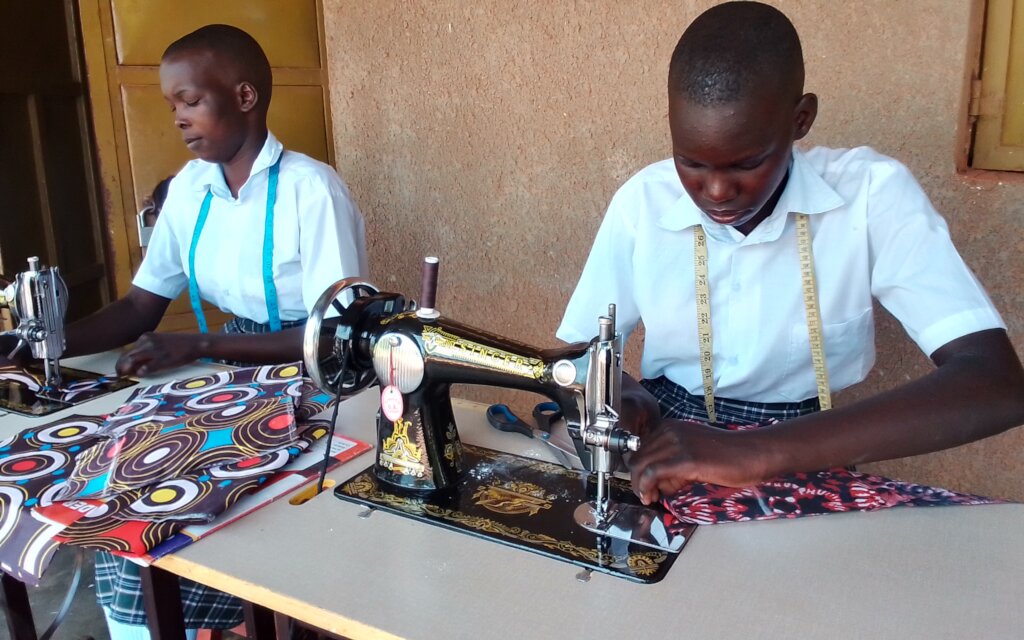
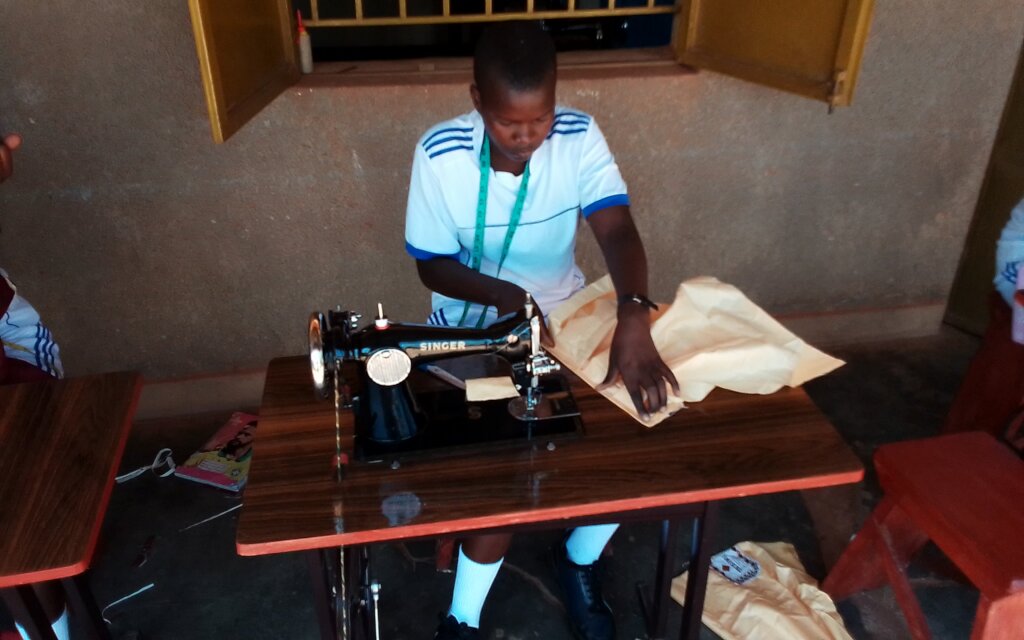
It is now clocking to two year since the program was introduced to the Institute of Home Economics of Kole Intellectual Forum. In the development of the program: everything that partake their lives at school was put into consideration. Their time to do household affairs, to be looking after their children and household issues, wash clothes, cooking, and be looking for other things that make life better as a house wife and also at the same time giving their time to education.
The approach is going on very well and by next year; it will be modified to sort the interest of those within that particular circle
![Share on Twitter]()
![Share on Facebook]()
Oct 2, 2026
Critical Thinking Championing Development
By George Obua | Project Leader
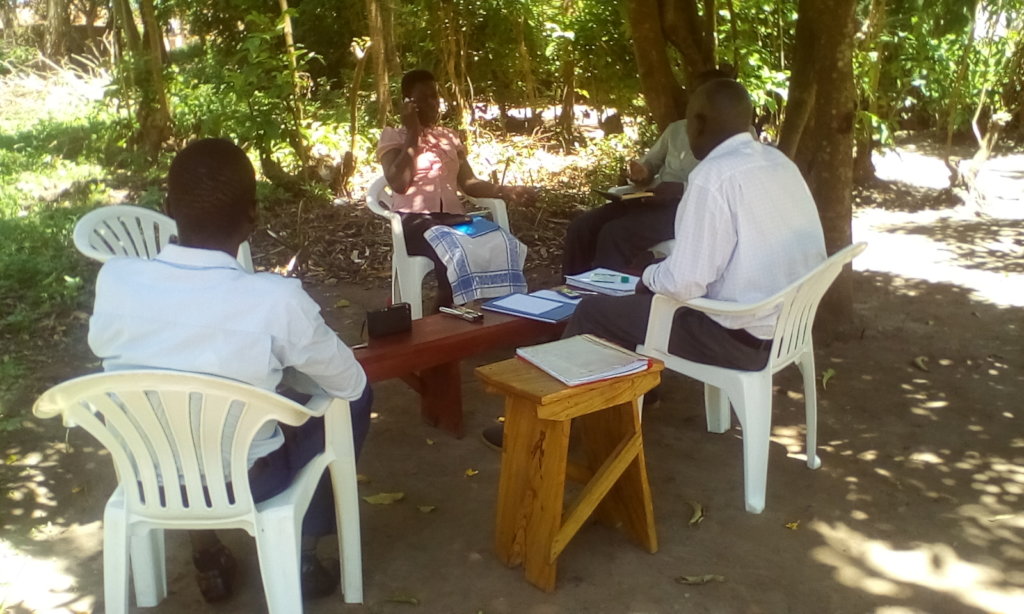
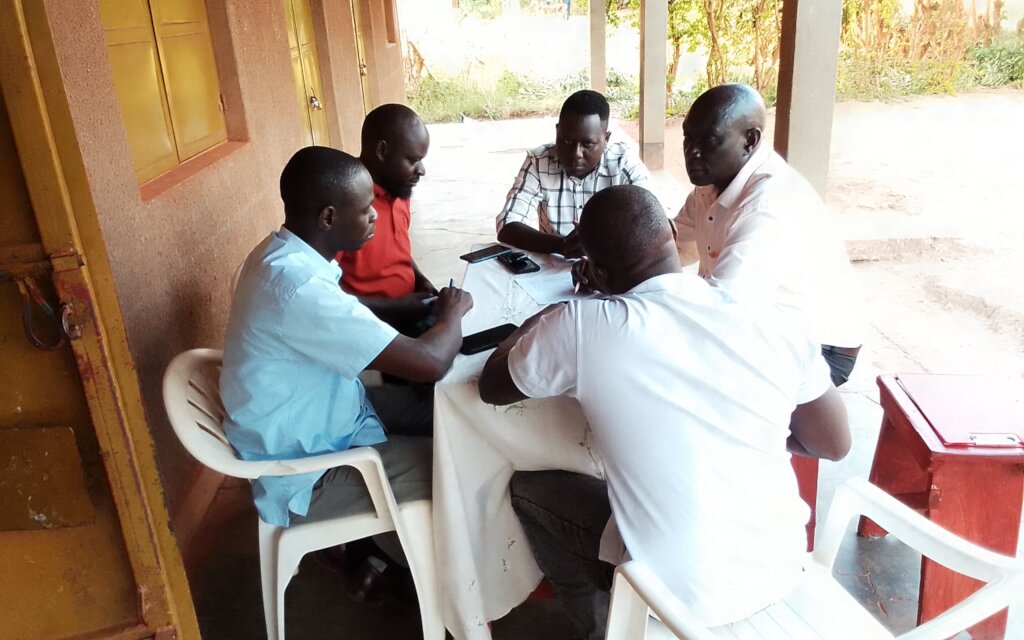
deally, in the views of Kole Intellectual Forum's (KIFA's) promoters, they strongly believe that: the world is so complicated that it has a very diverse ways of doing things; but we, as human beings, we have noticed that: we need to think critically so as to confront these happenings with the views of becoming winners; unfortunately, not all people or organizations have the same brain to do so, but the few people or organization can be trained to critically think and lead the rest if at all they are to champion and guide properly in the process of development.
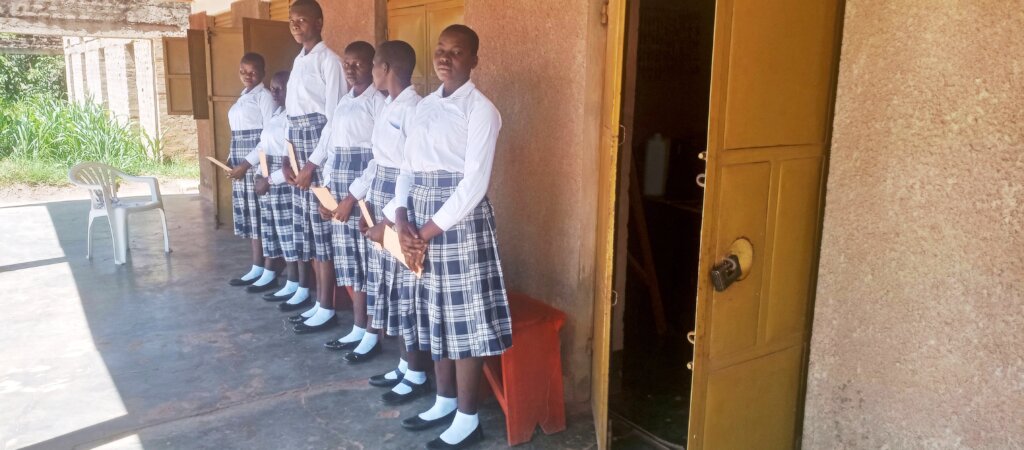
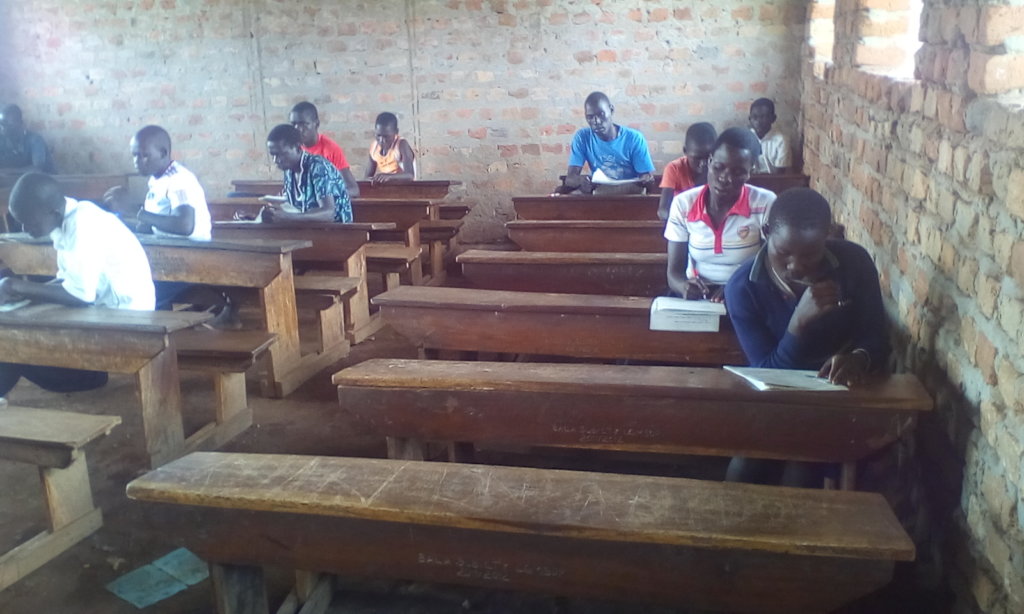
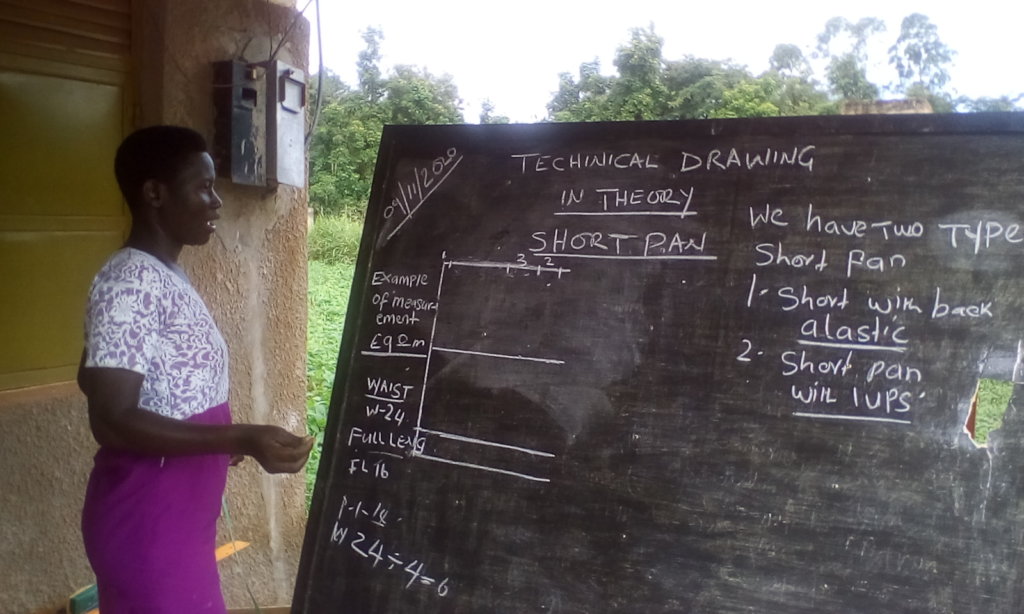
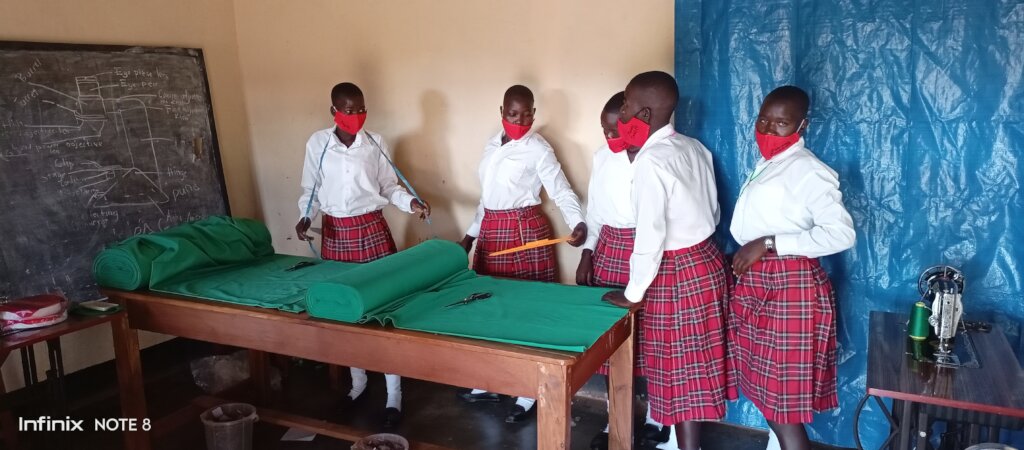
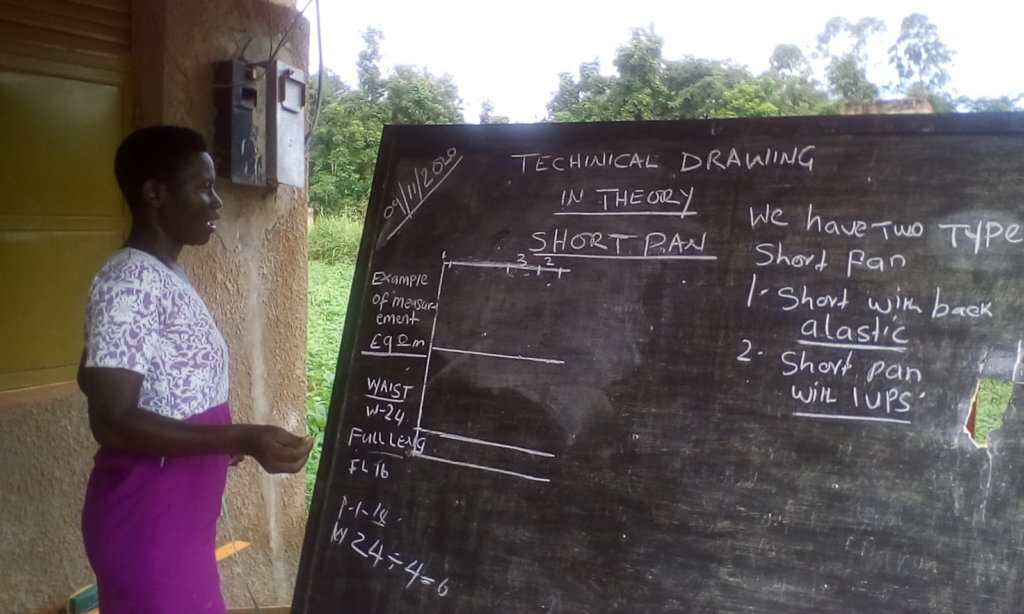
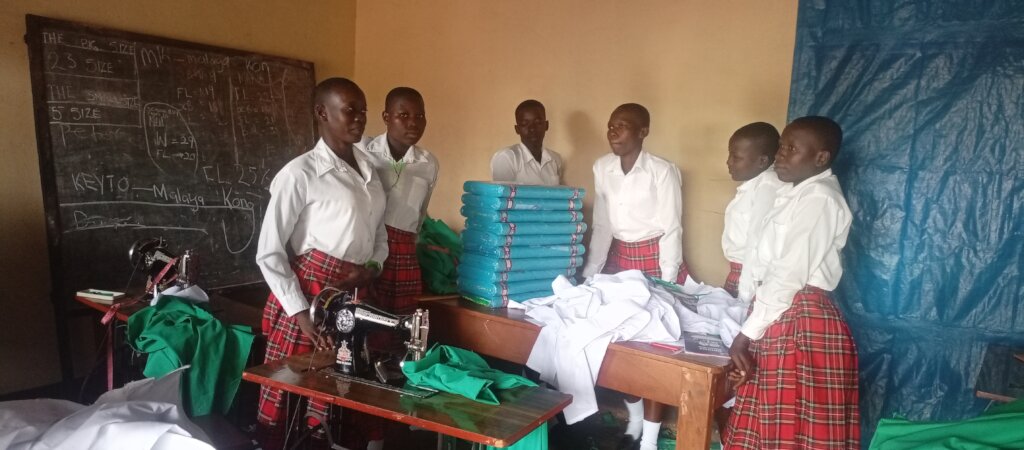
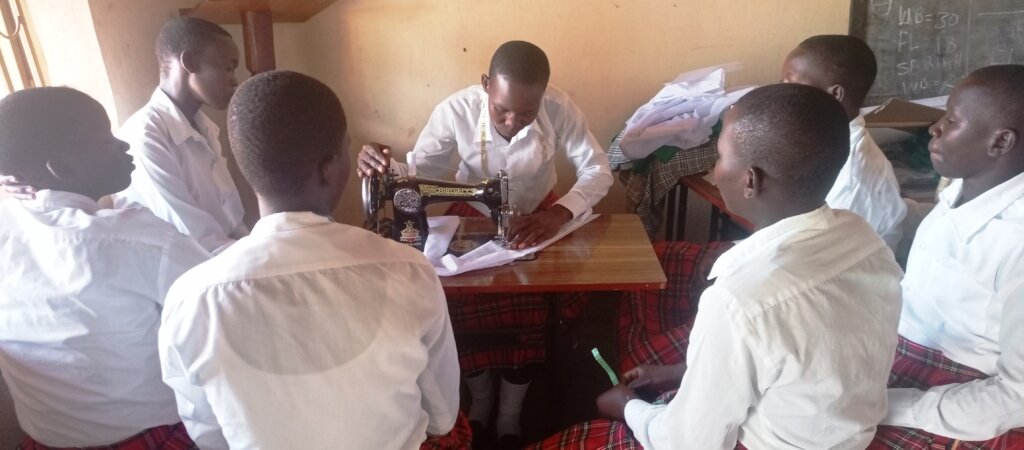
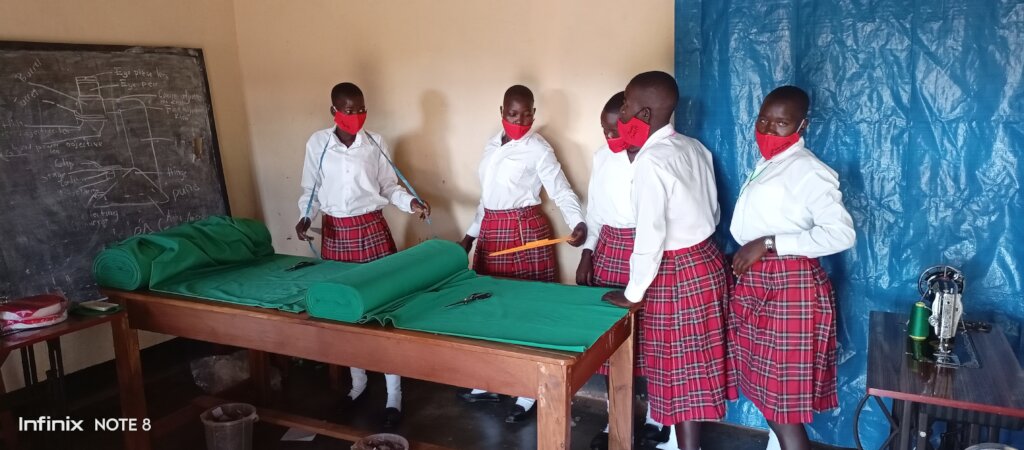
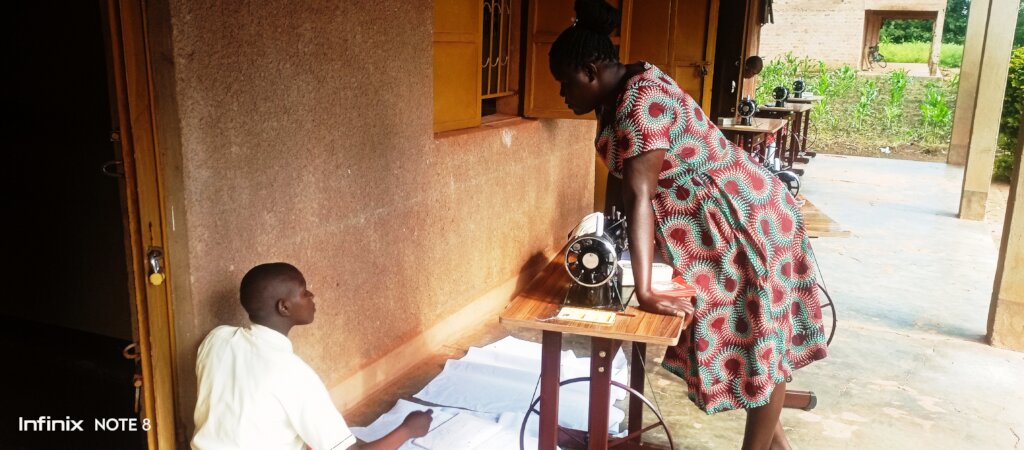
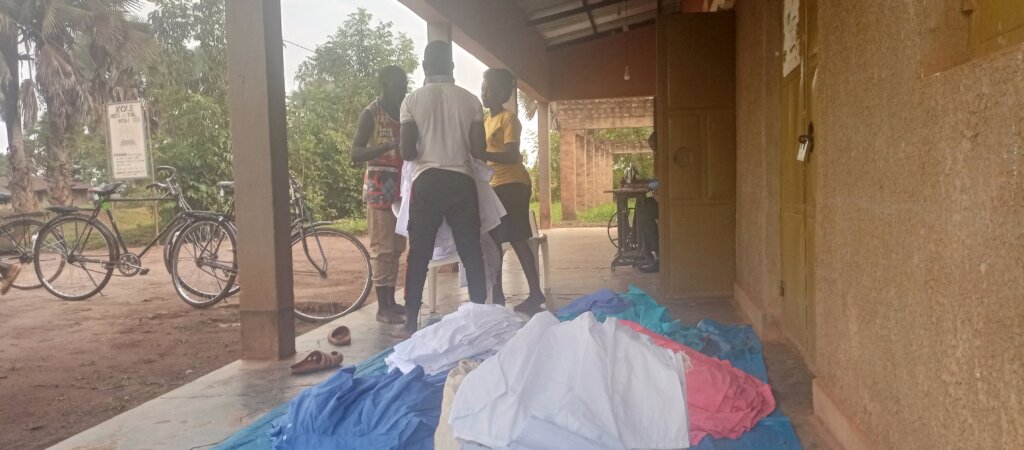
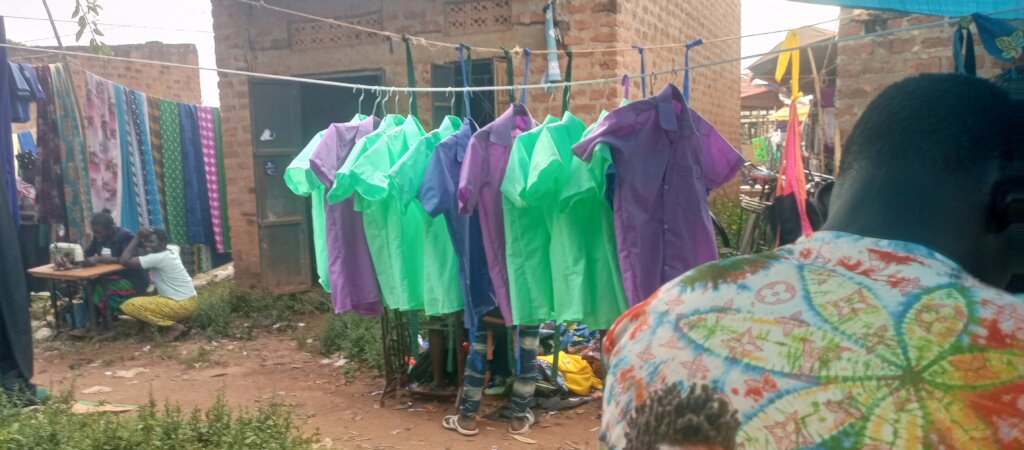
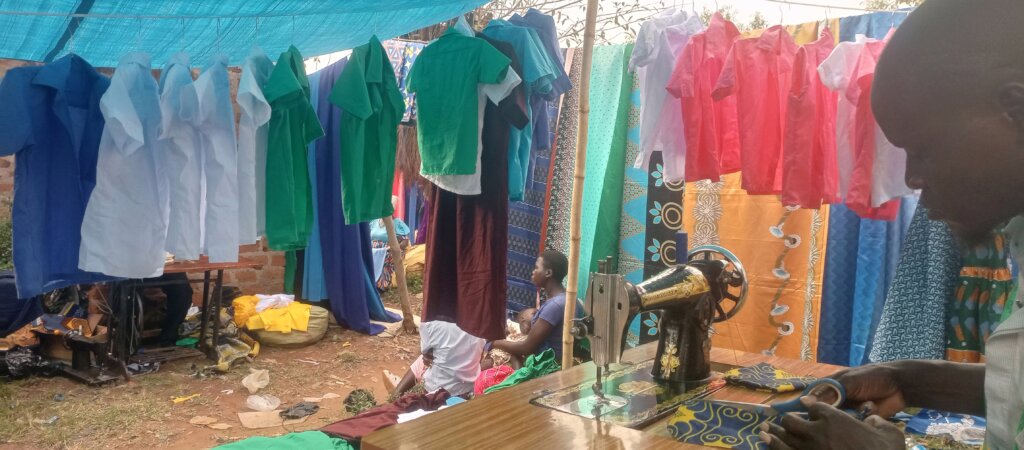
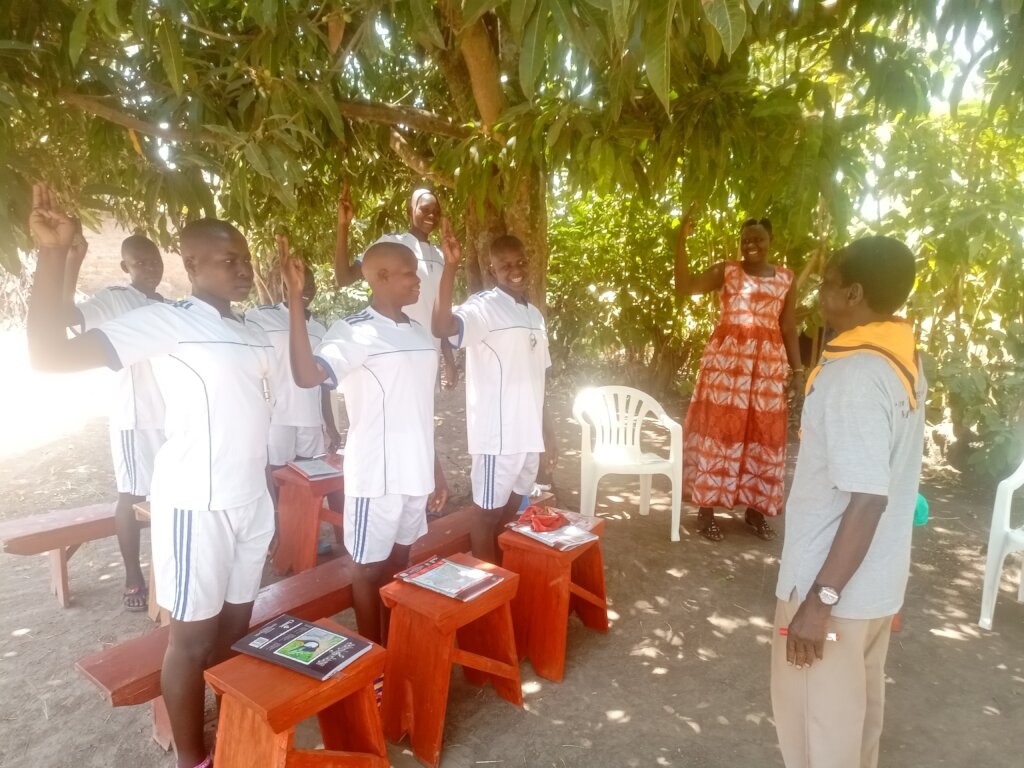
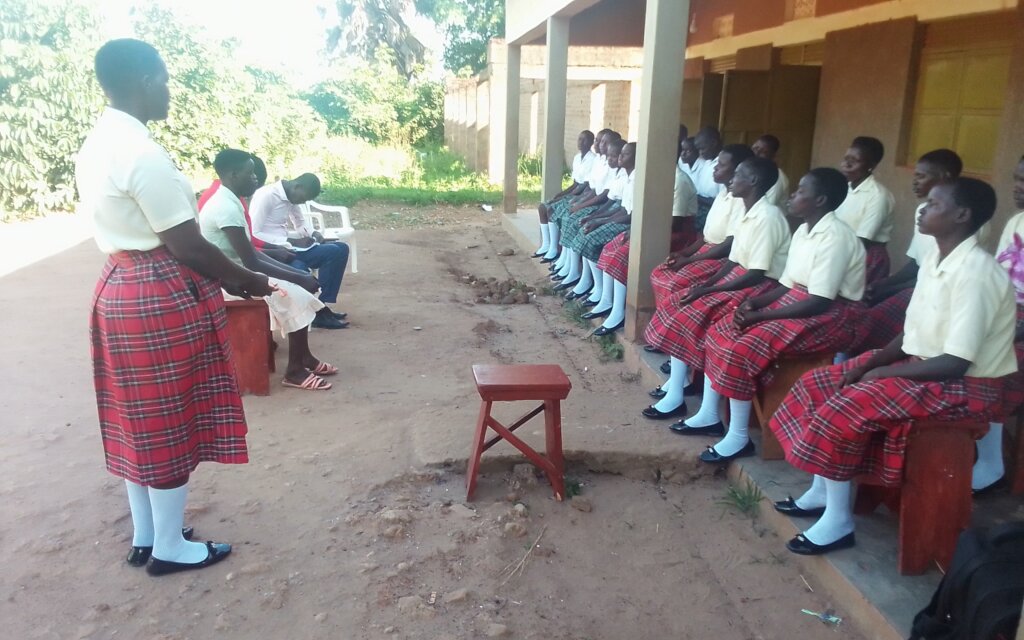
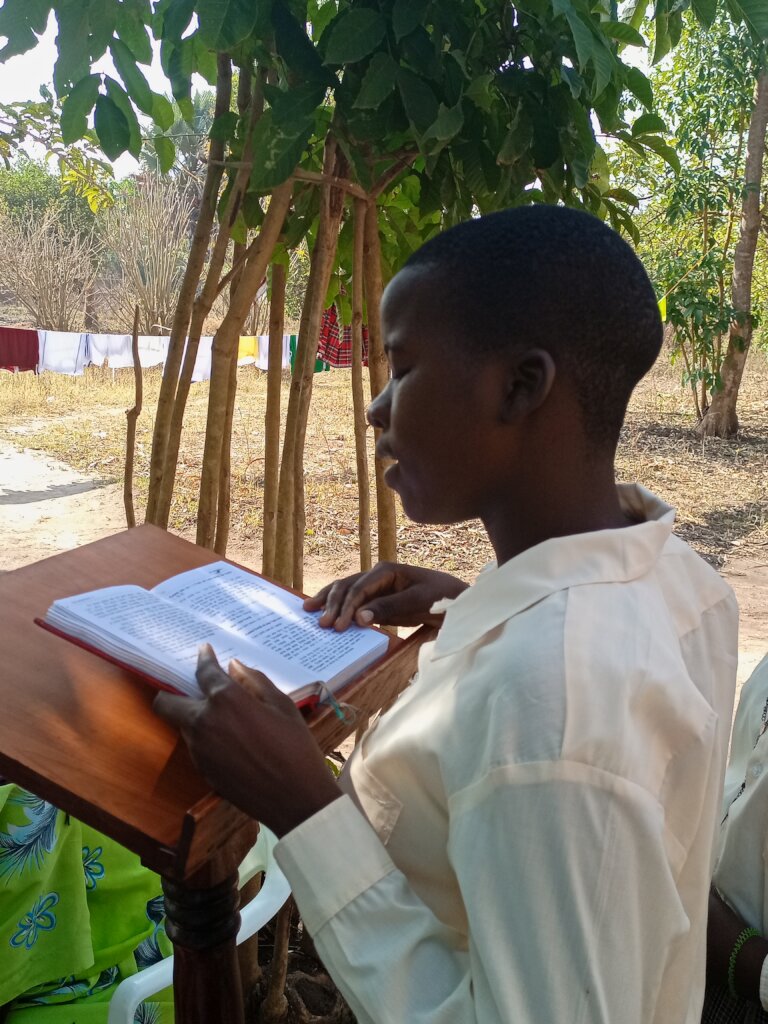
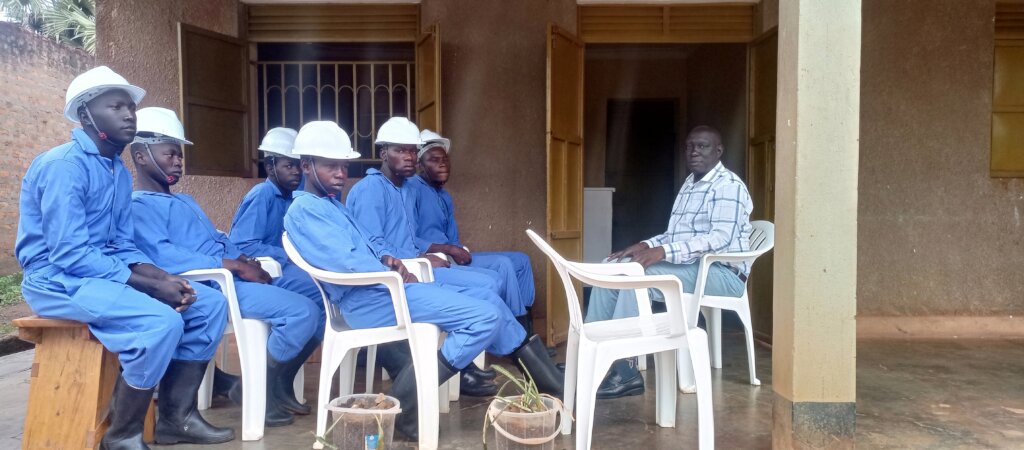
For instance, Kole Intellectual Forum, through its Institute of Home of Economics, the organization is training their students with the knowledge to cultivate critical thinking for their own better future, by making them to practice daily habits like asking open-ended questions, engaging in problem-solving activities, and actively listening to diverse perspectives to challenge assumptions and biase
![Share on Twitter]()
![Share on Facebook]()