Project Report
| Aug 24, 2026
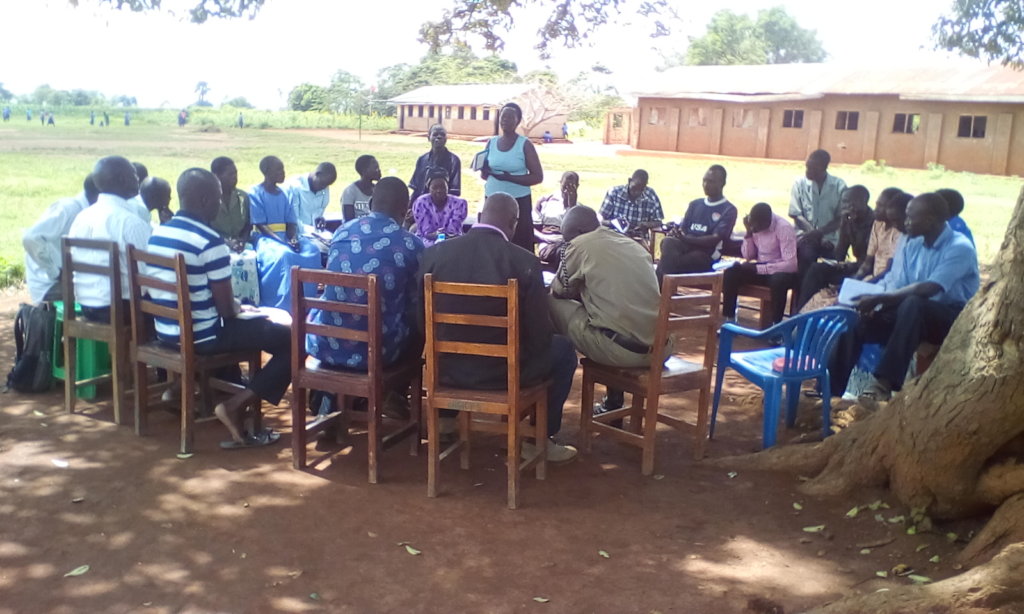
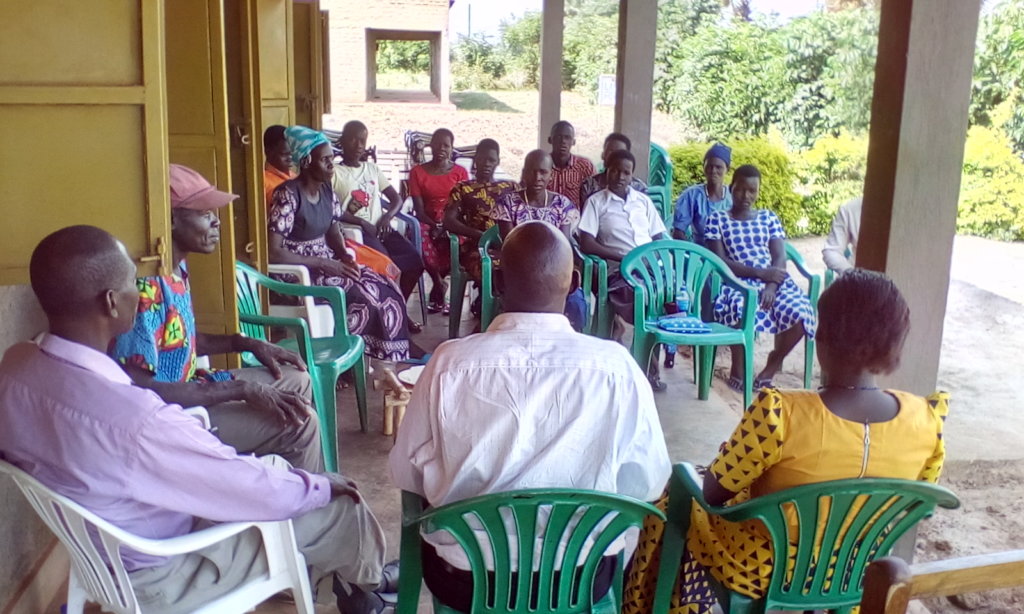
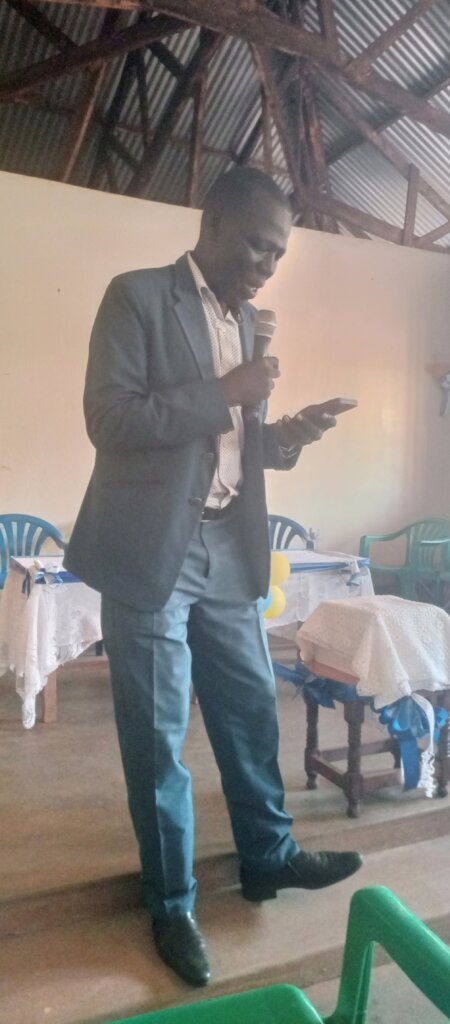
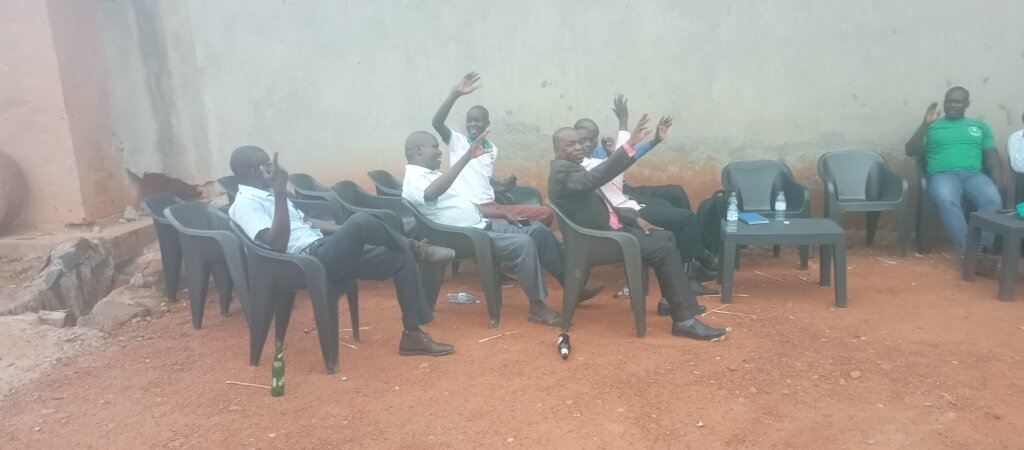
Development of KIFA is drawn from several meetings
By George Obua | Project Leader
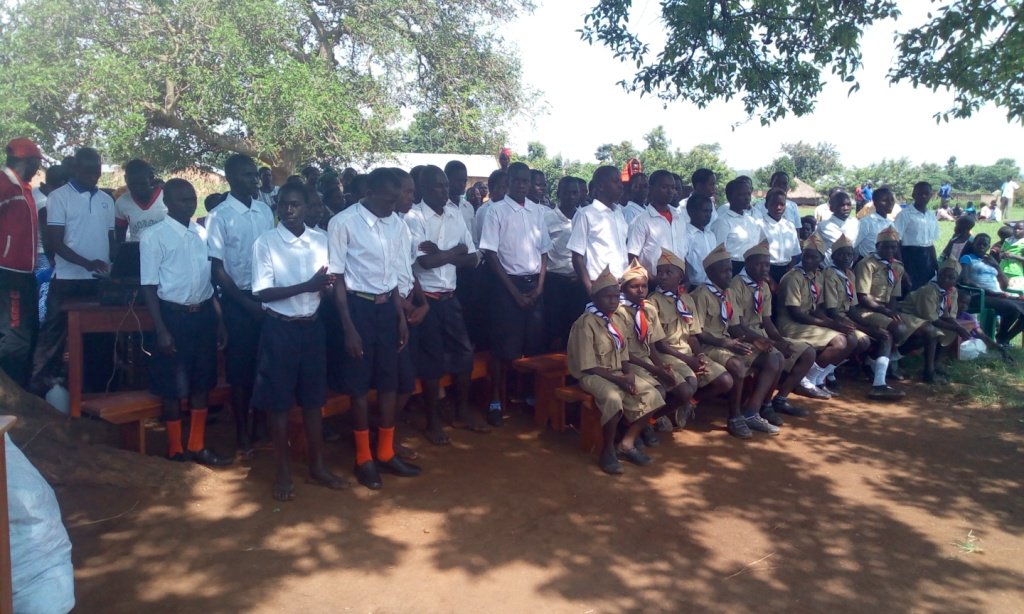
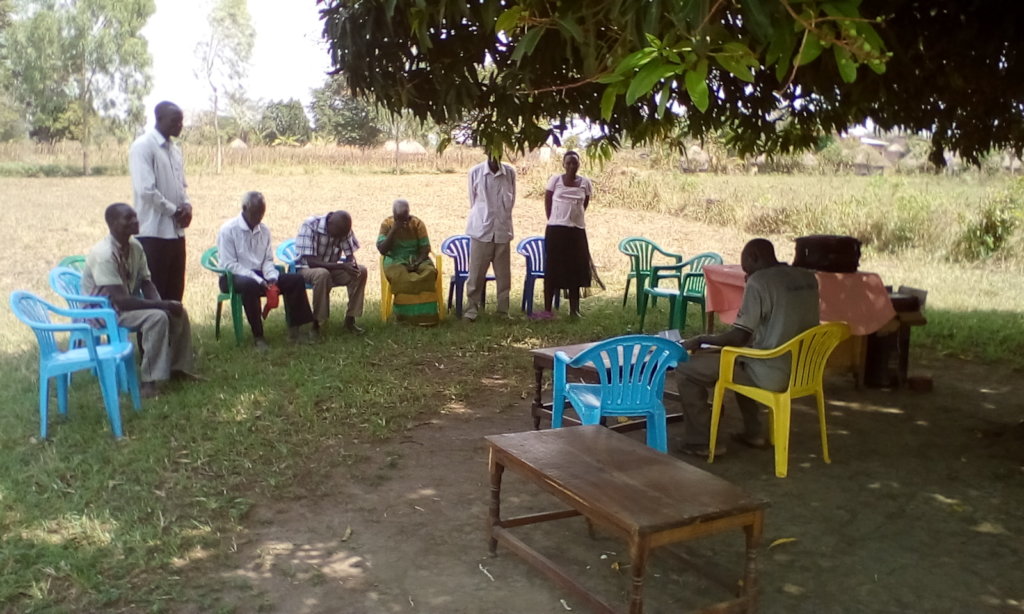
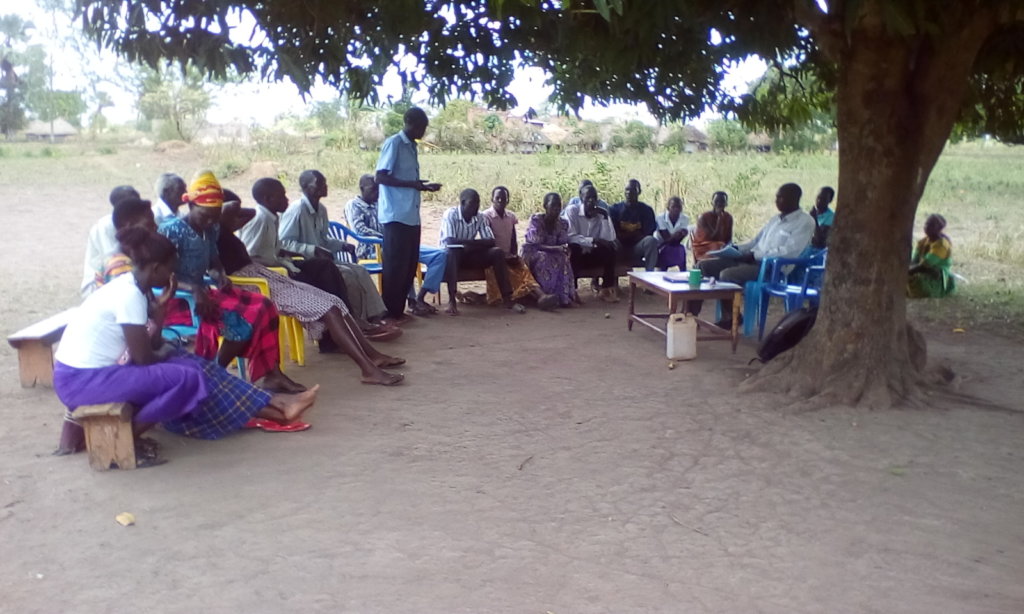
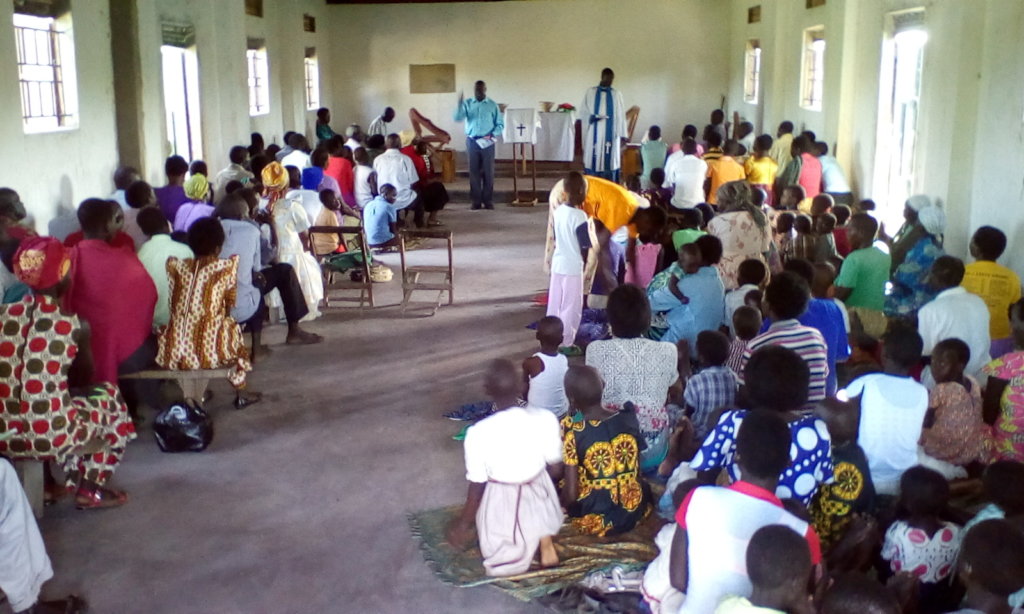
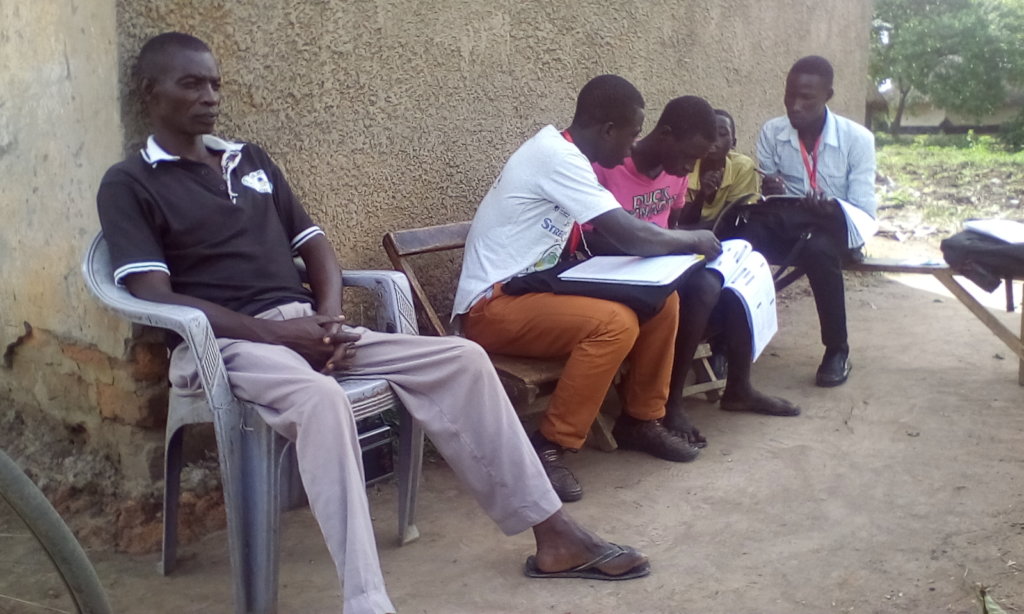
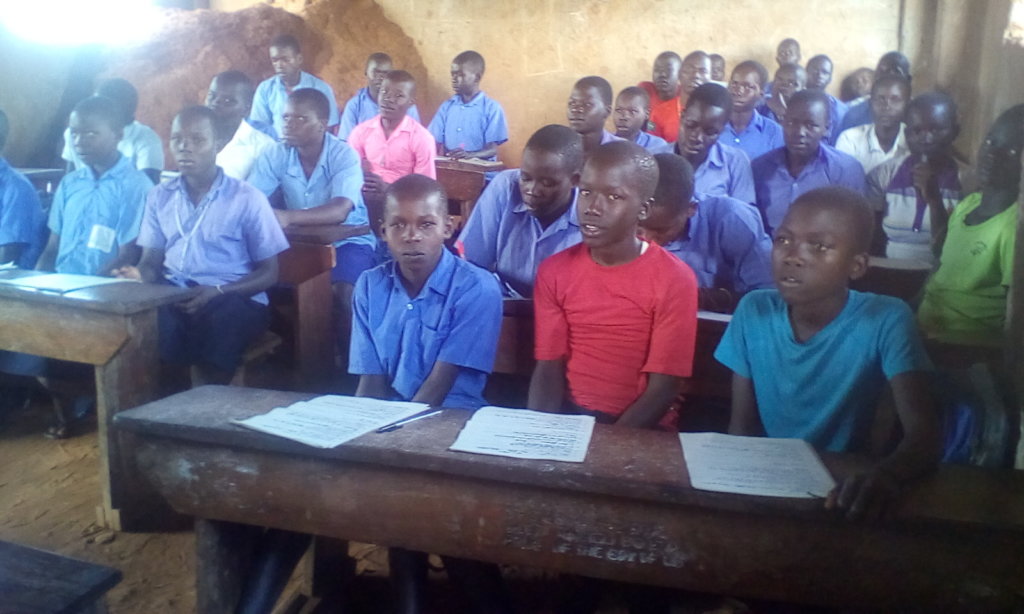
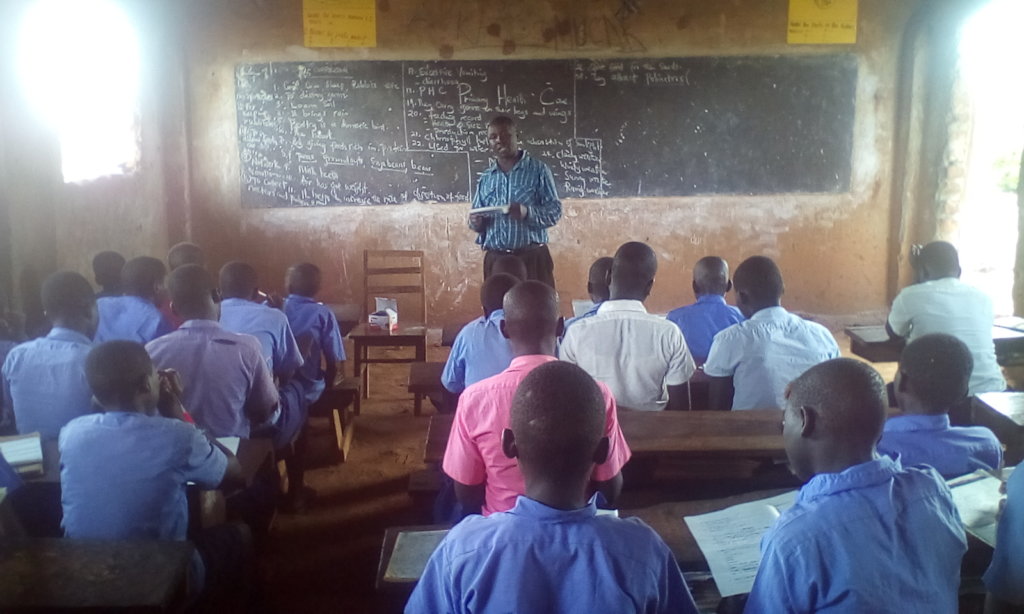
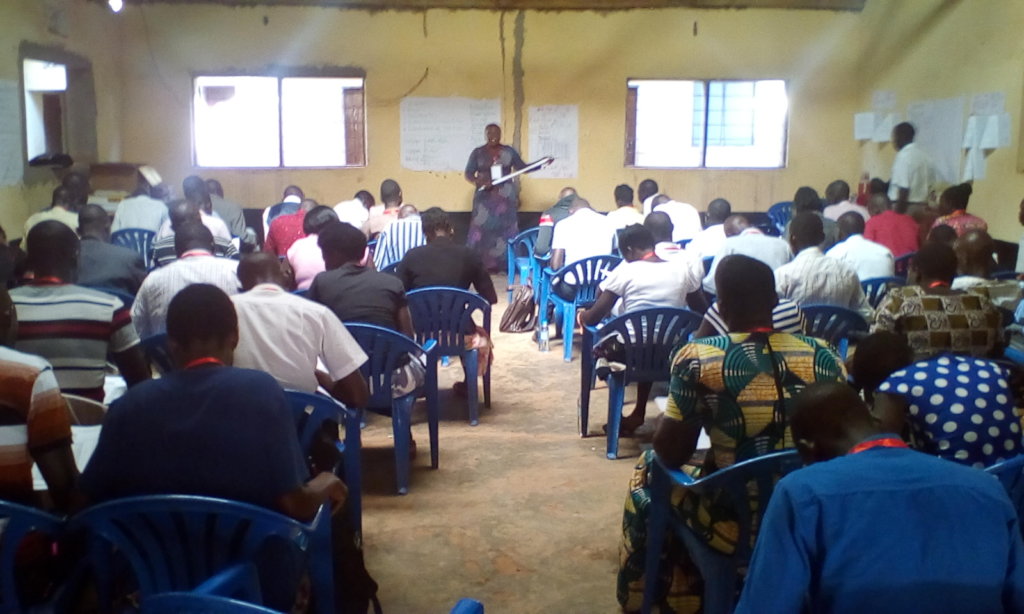
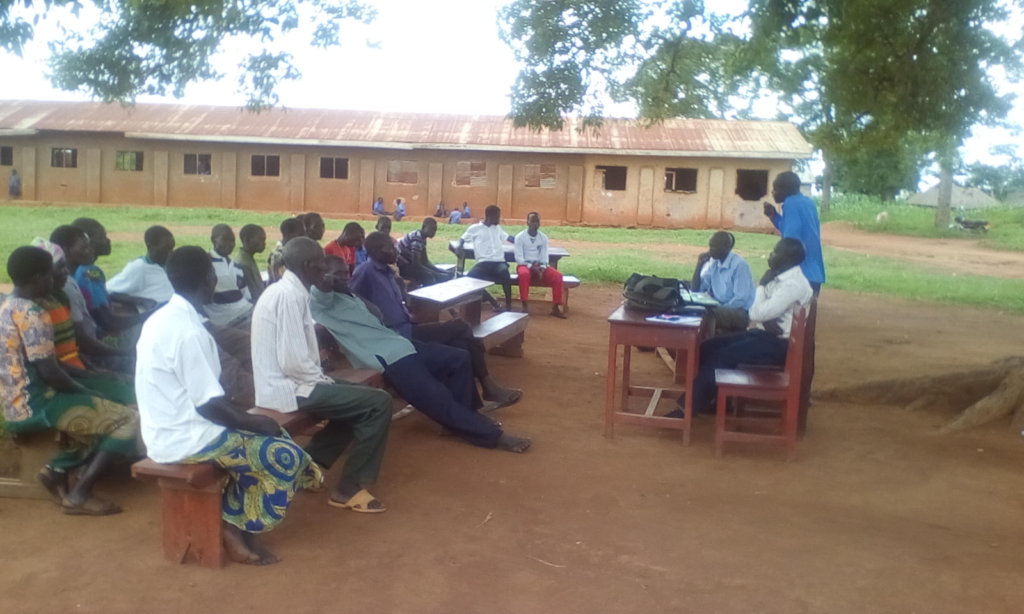
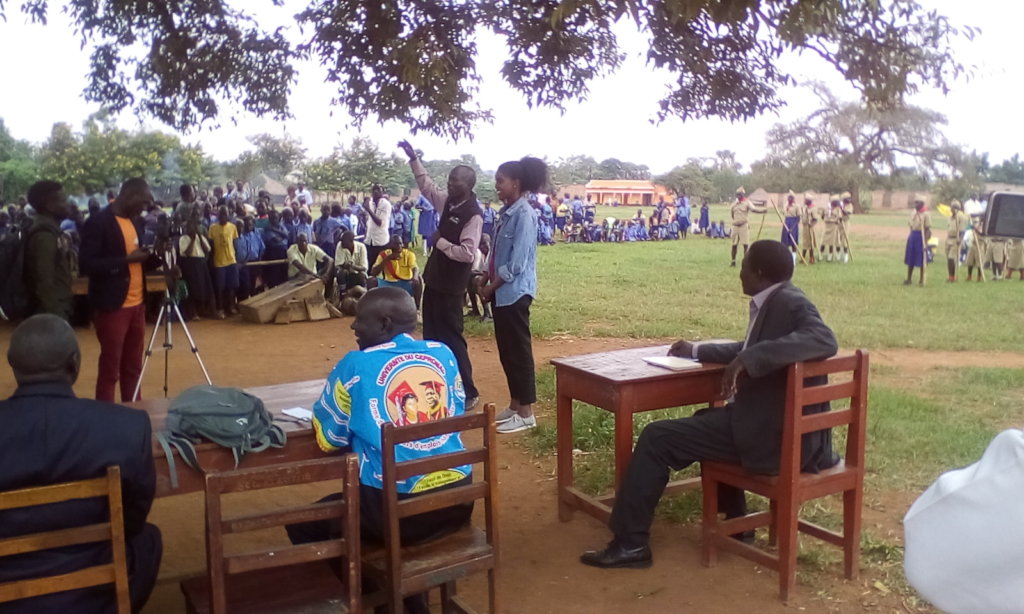
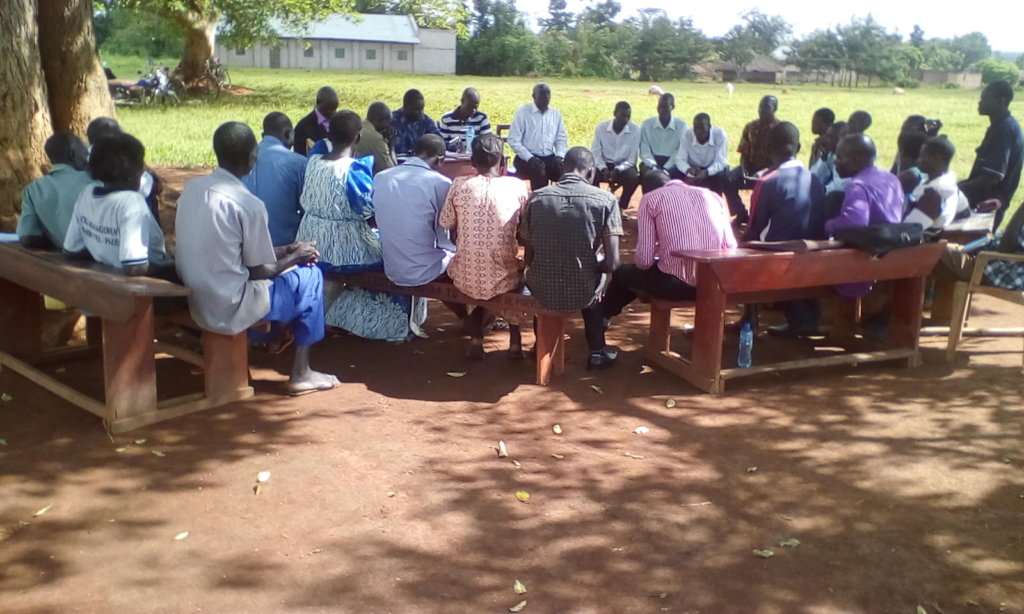
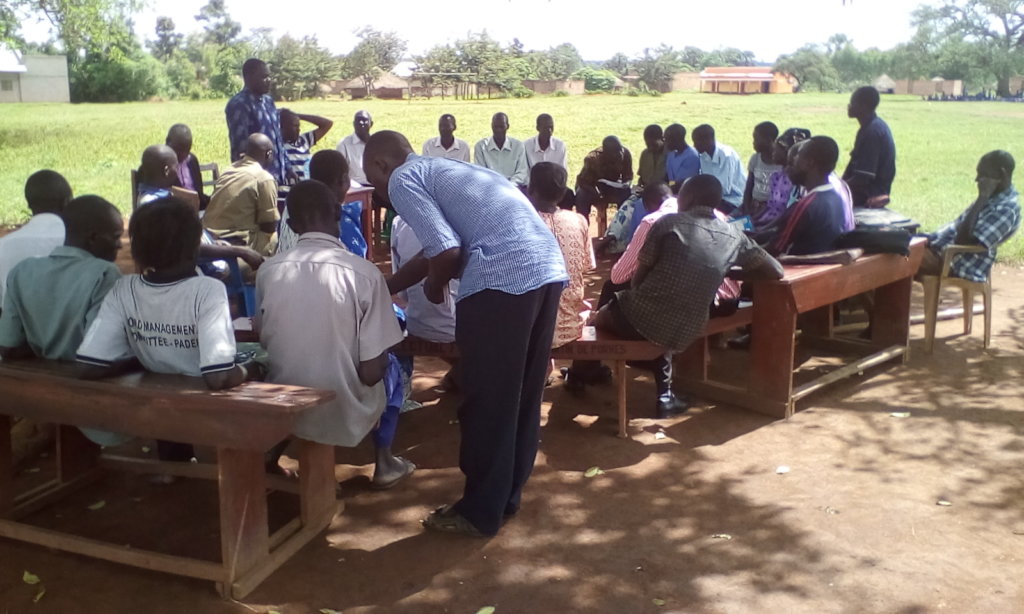
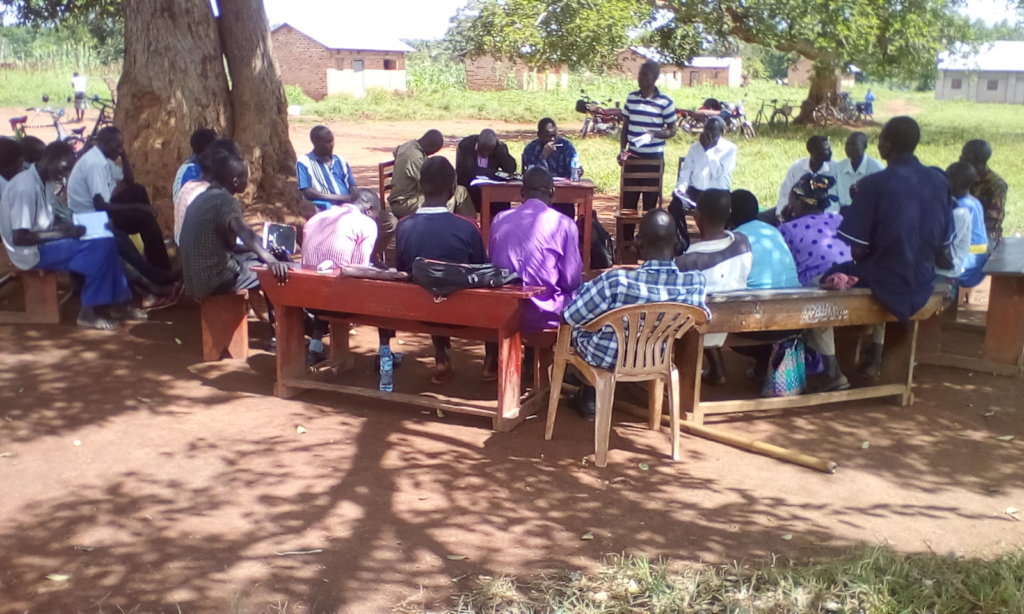
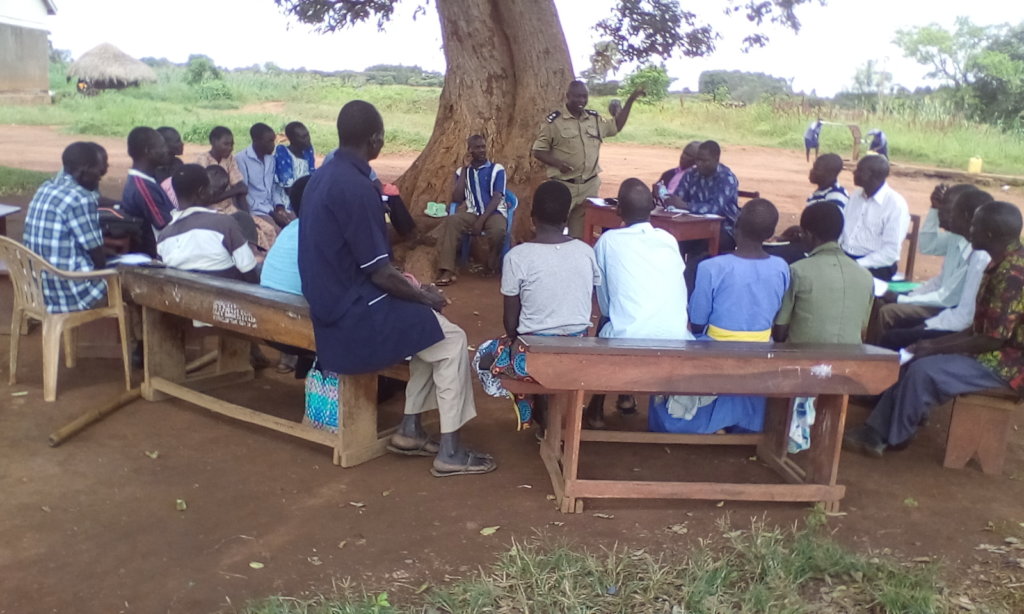
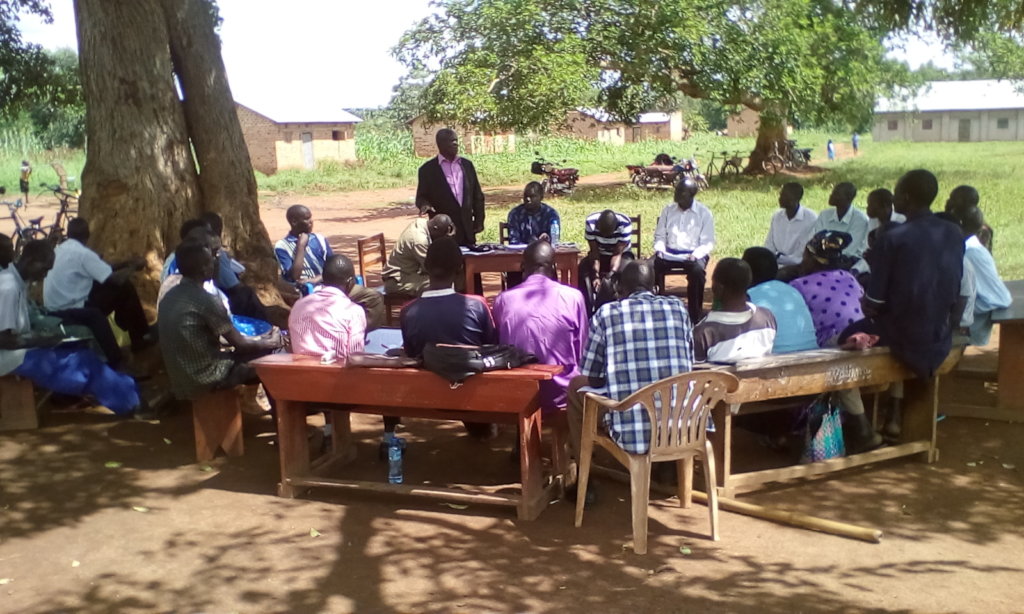
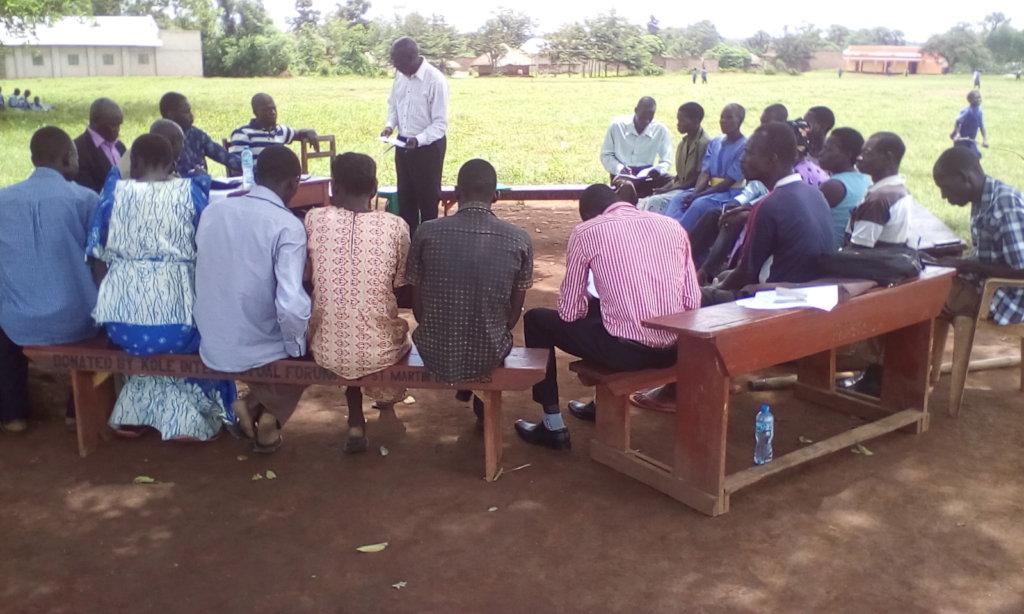
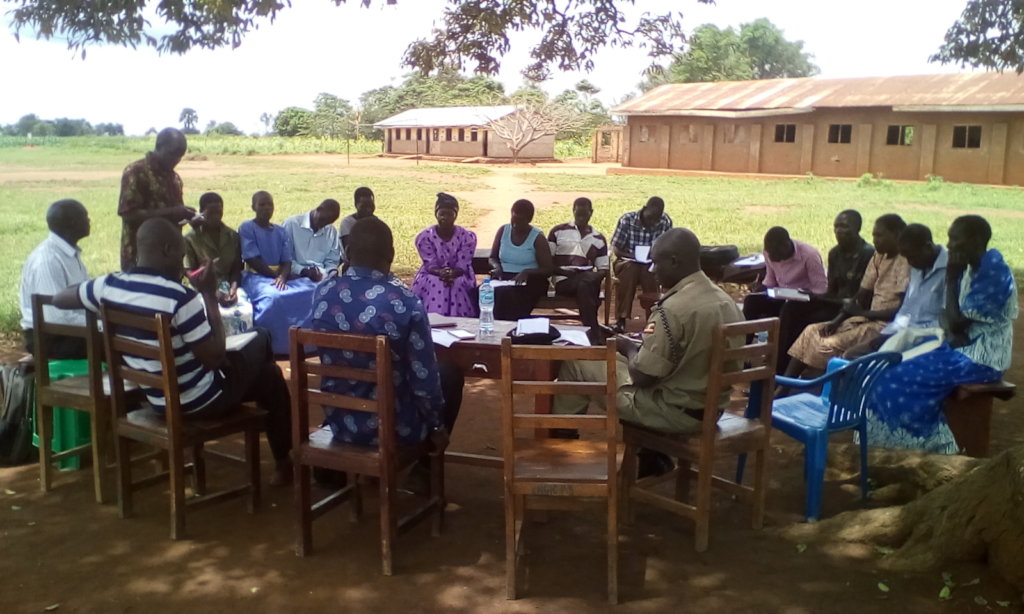
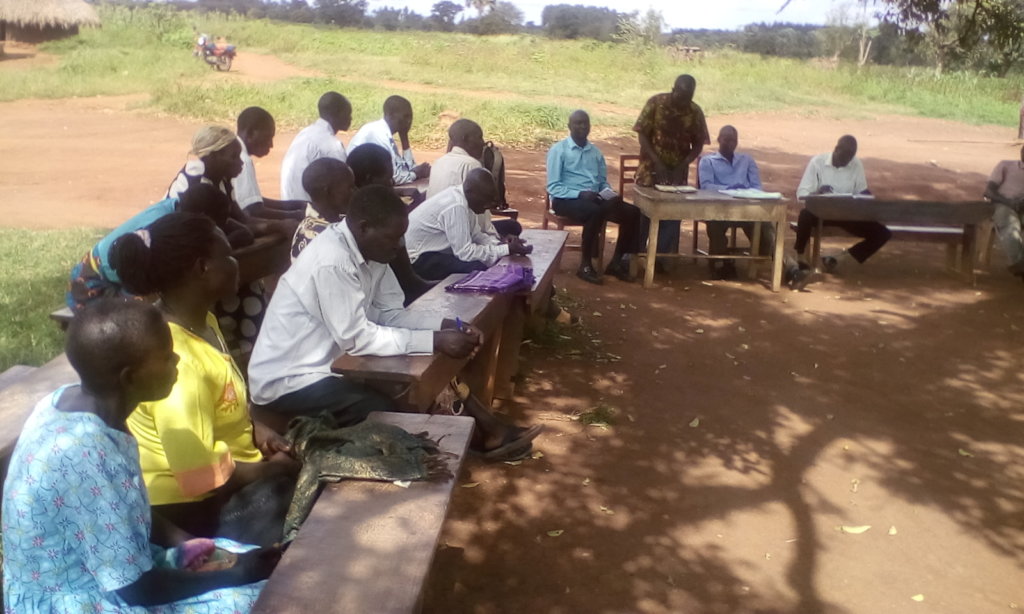
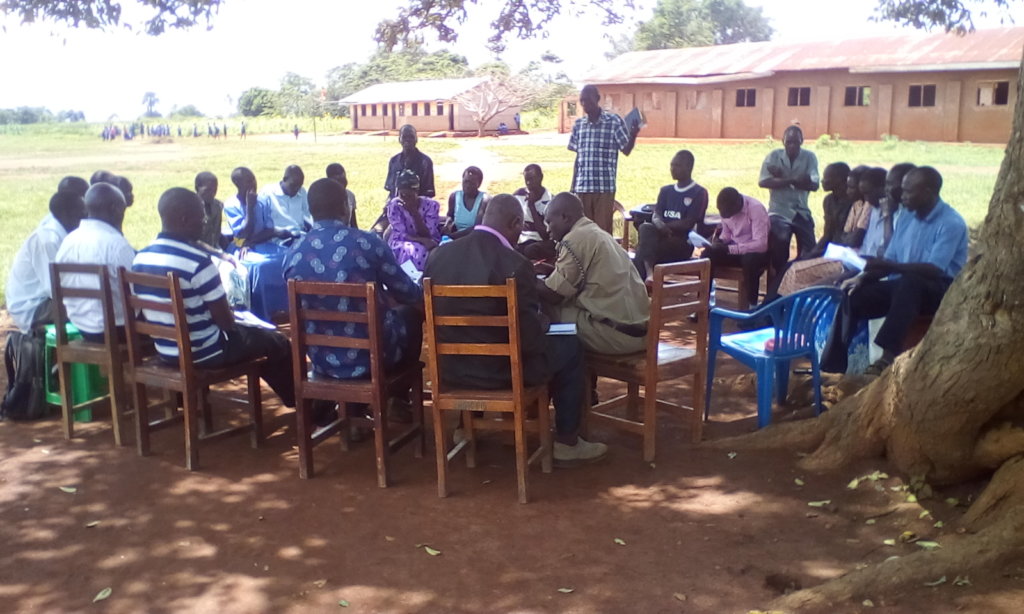
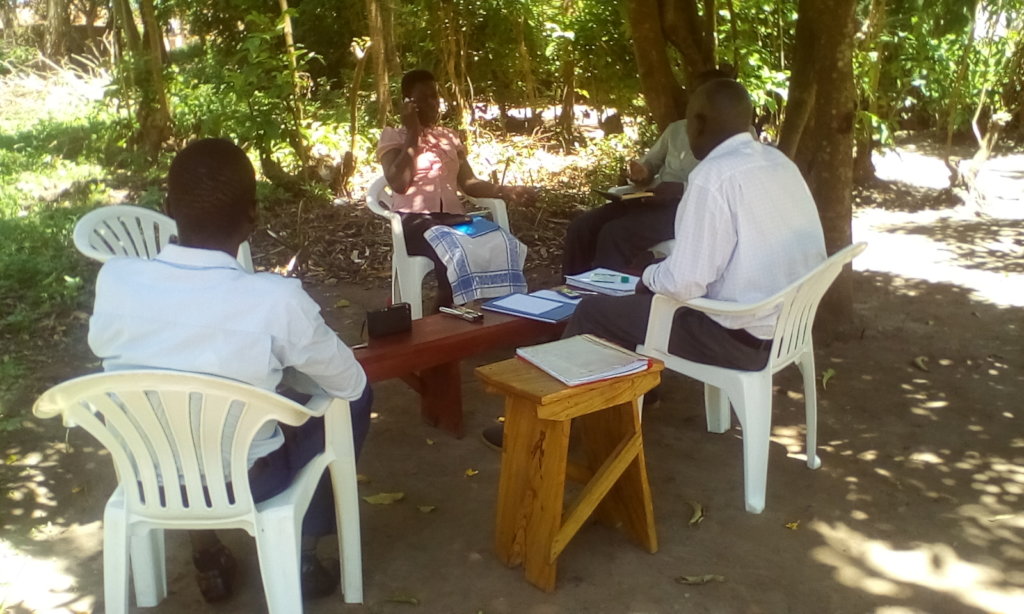
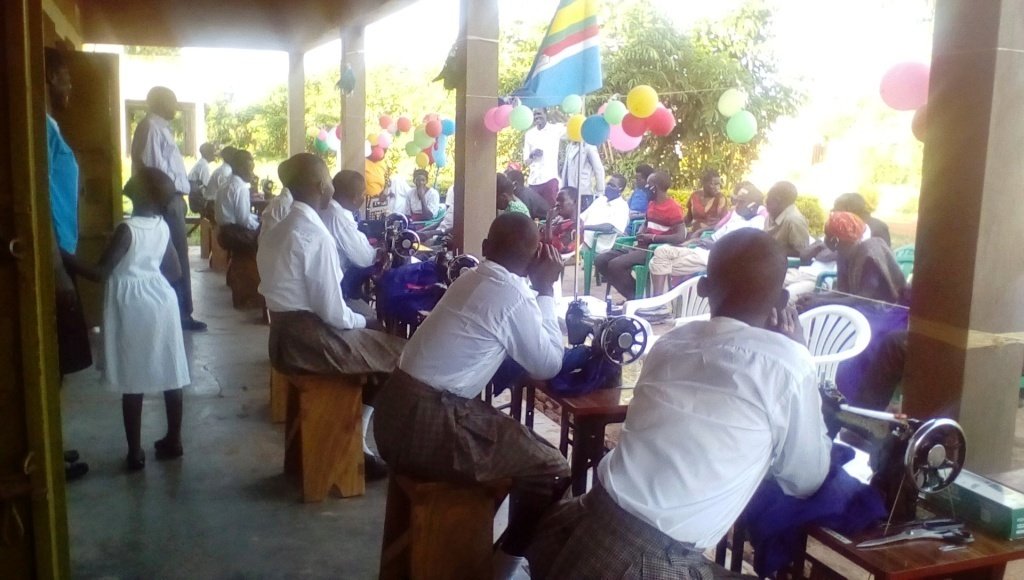
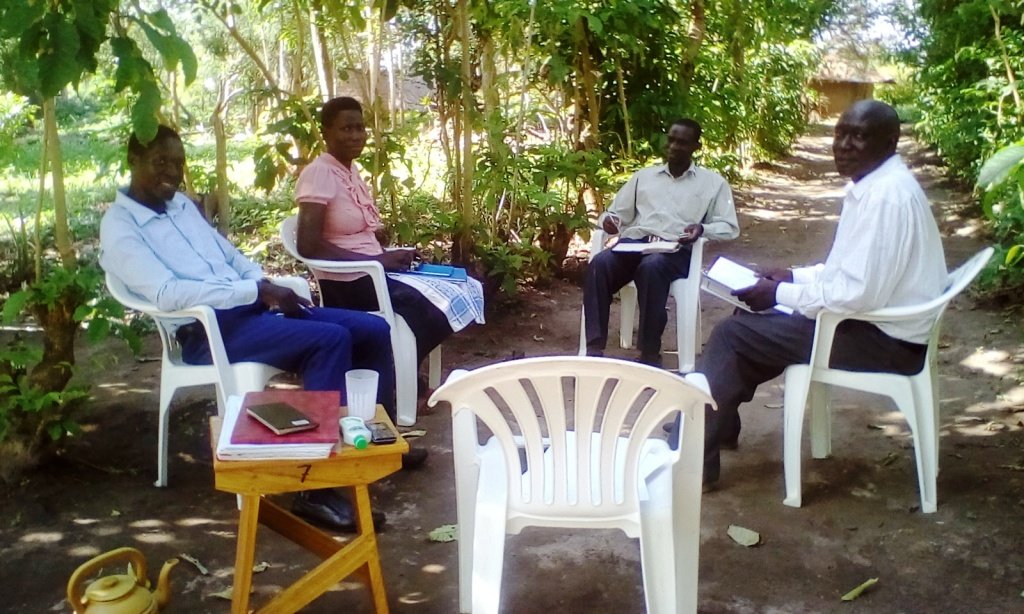
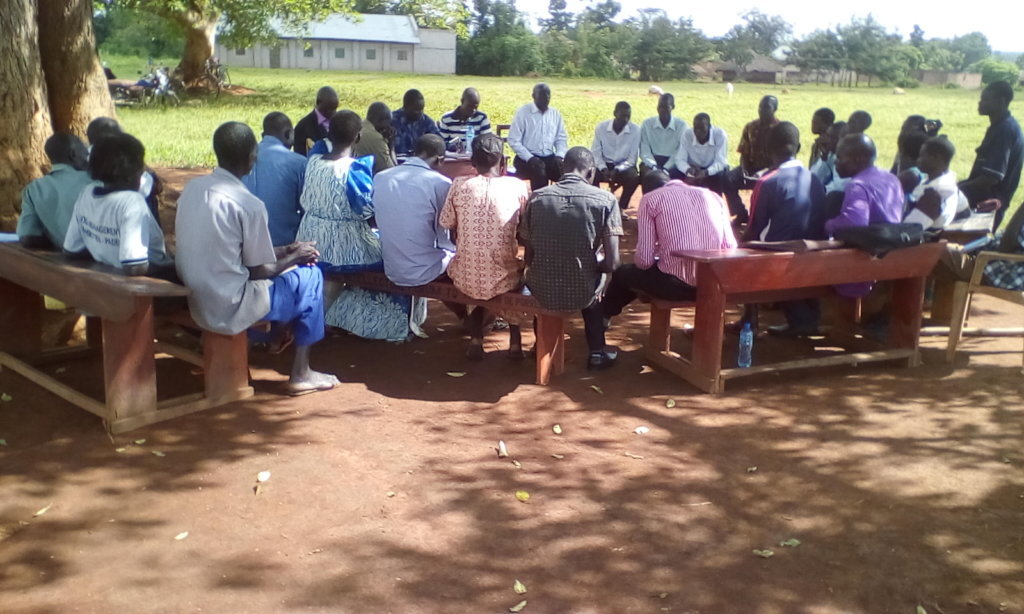
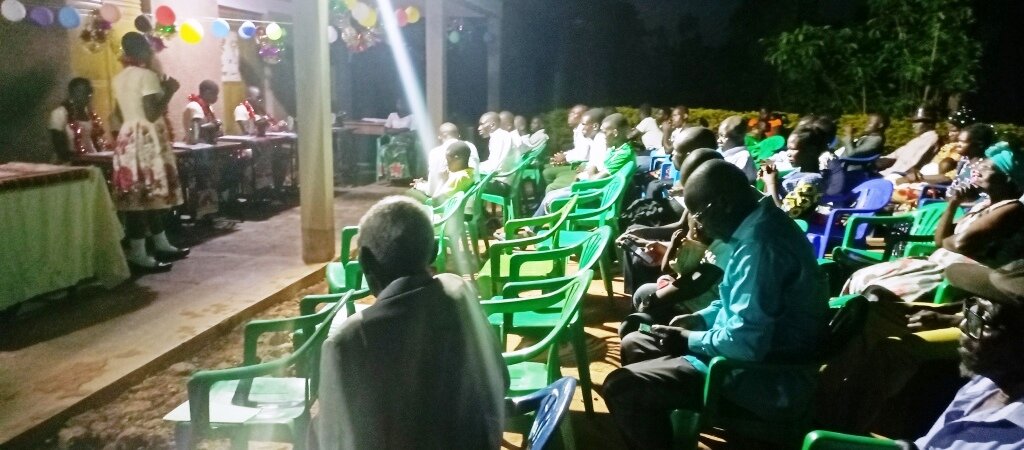
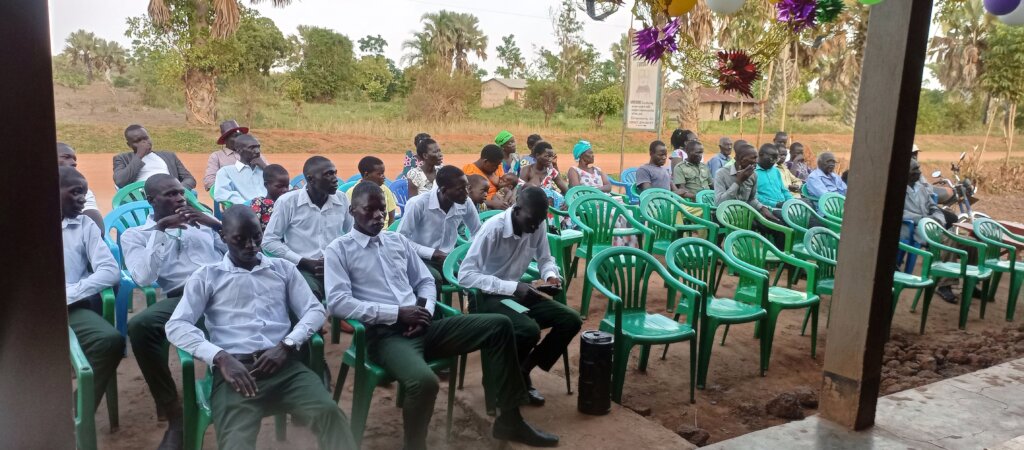
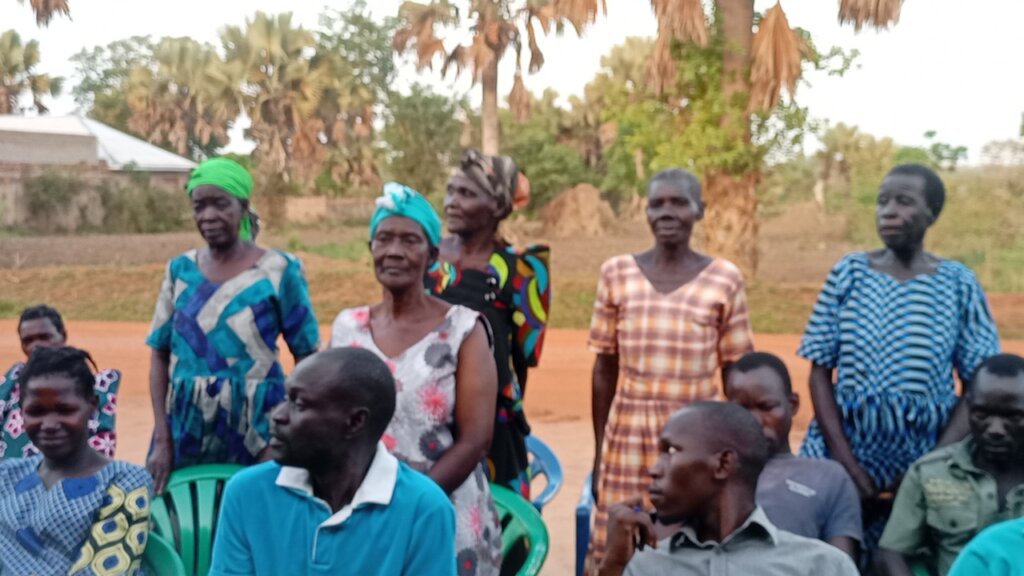
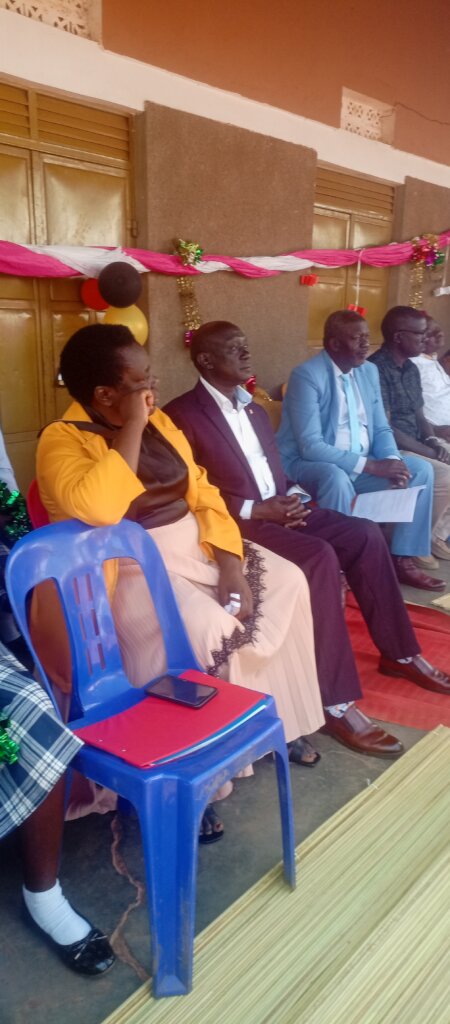
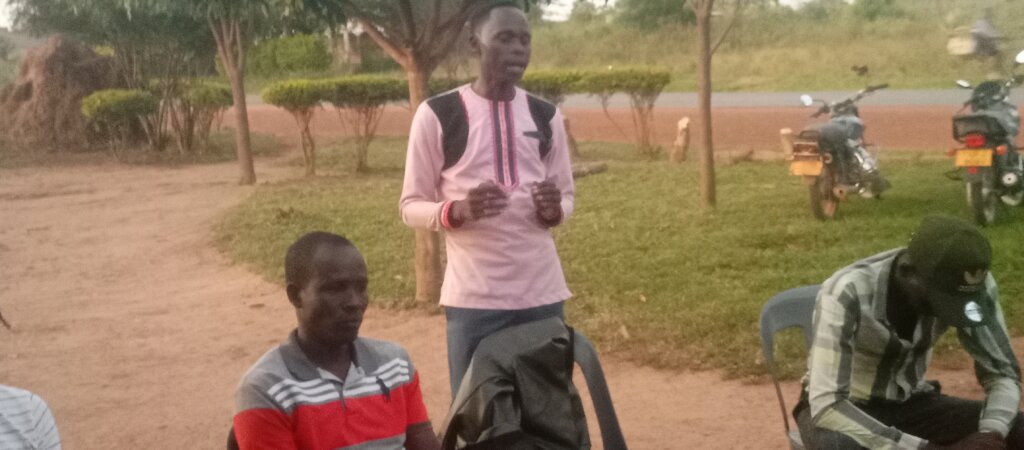
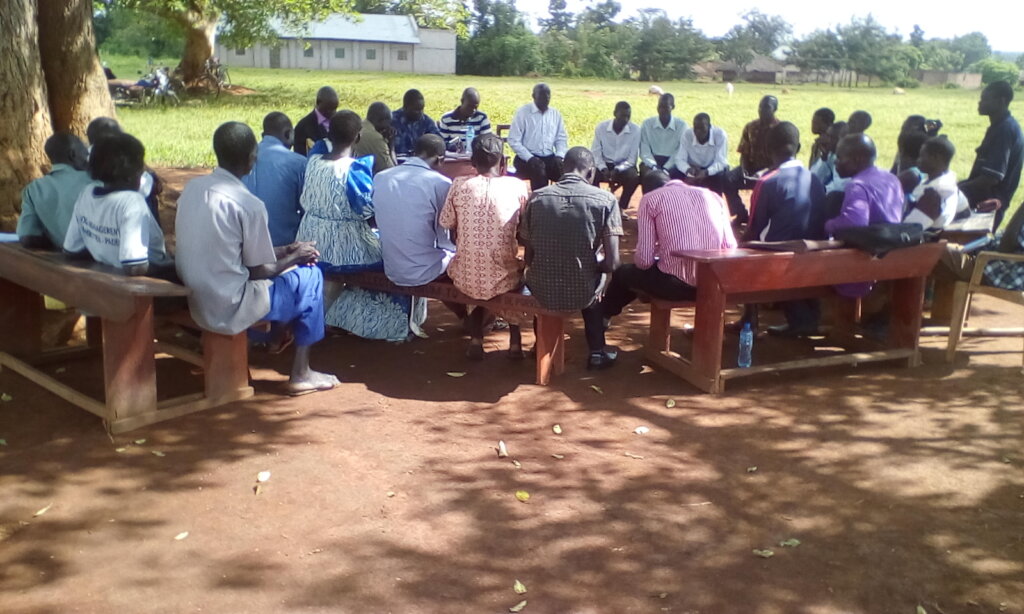
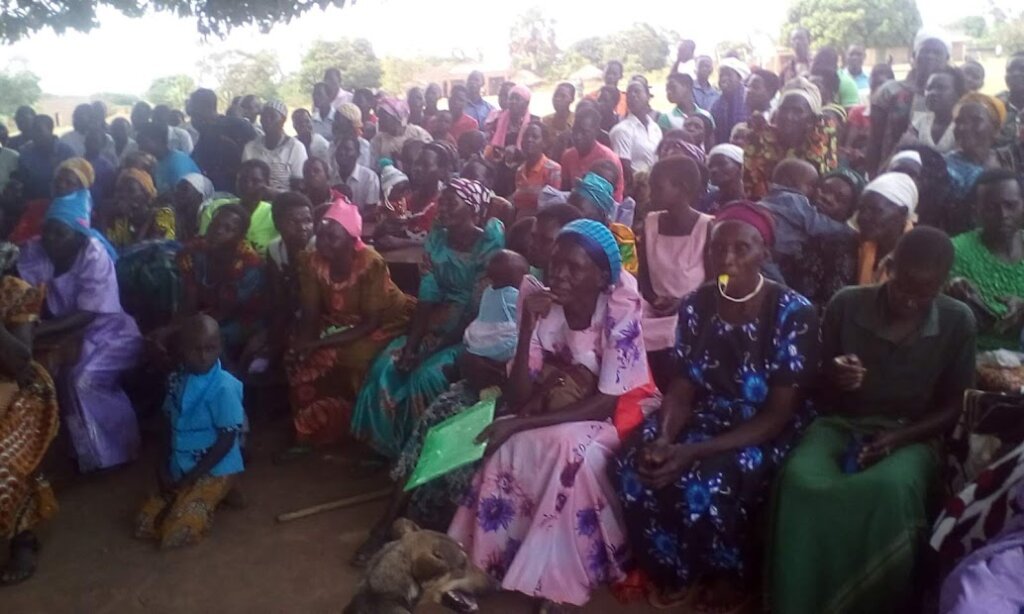
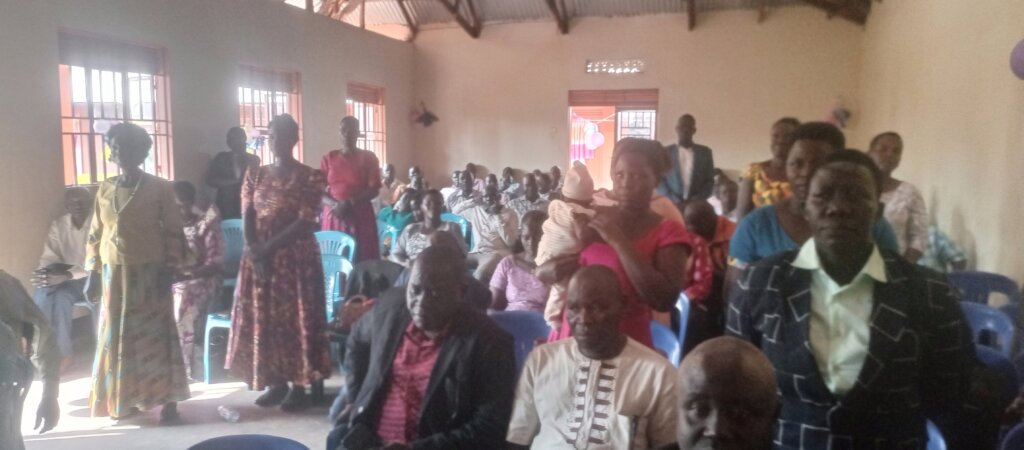
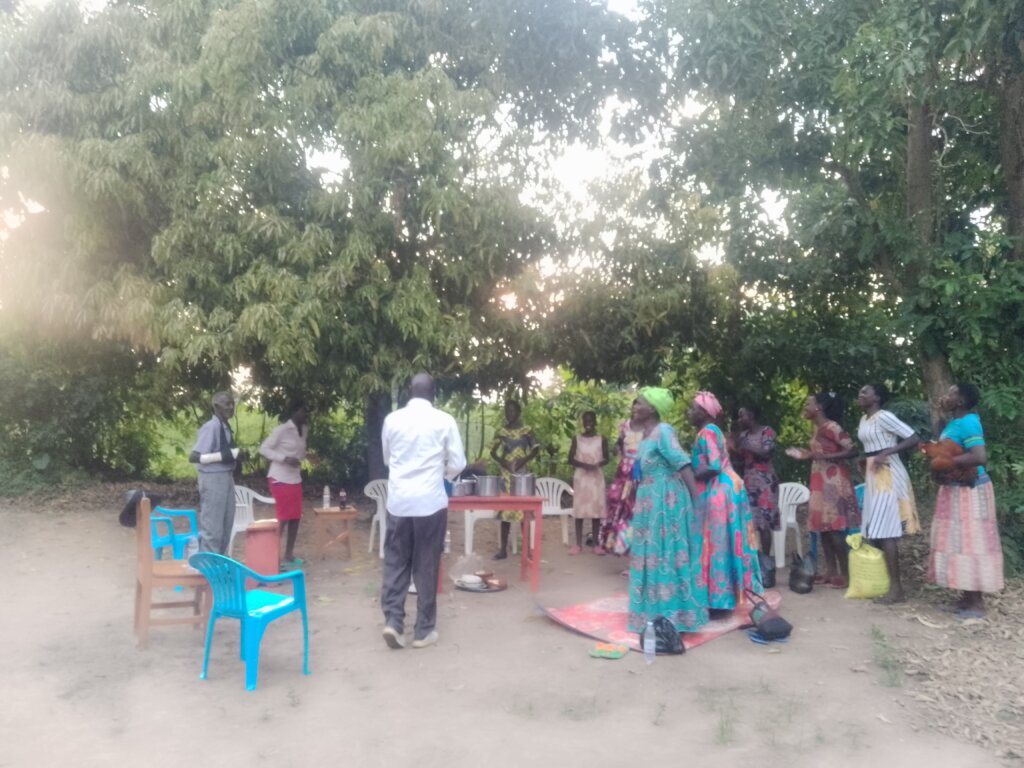
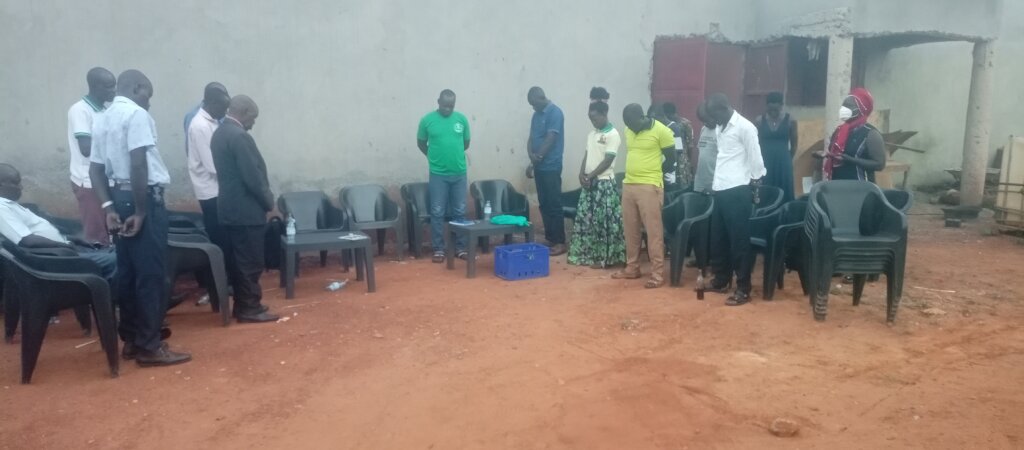
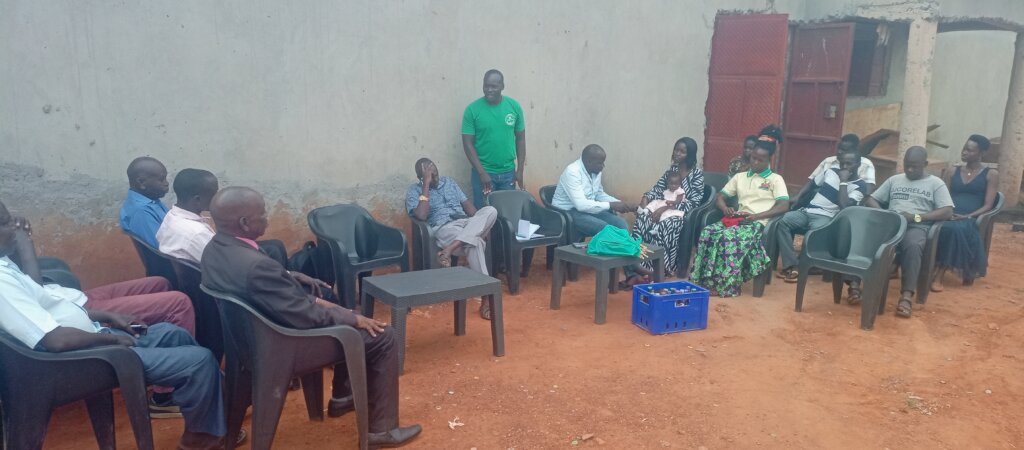
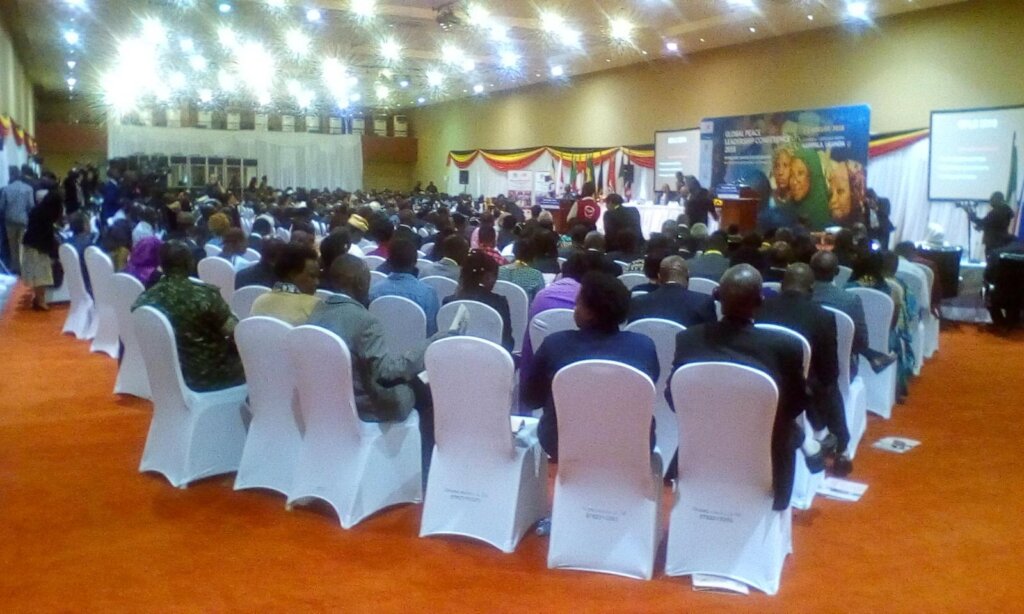
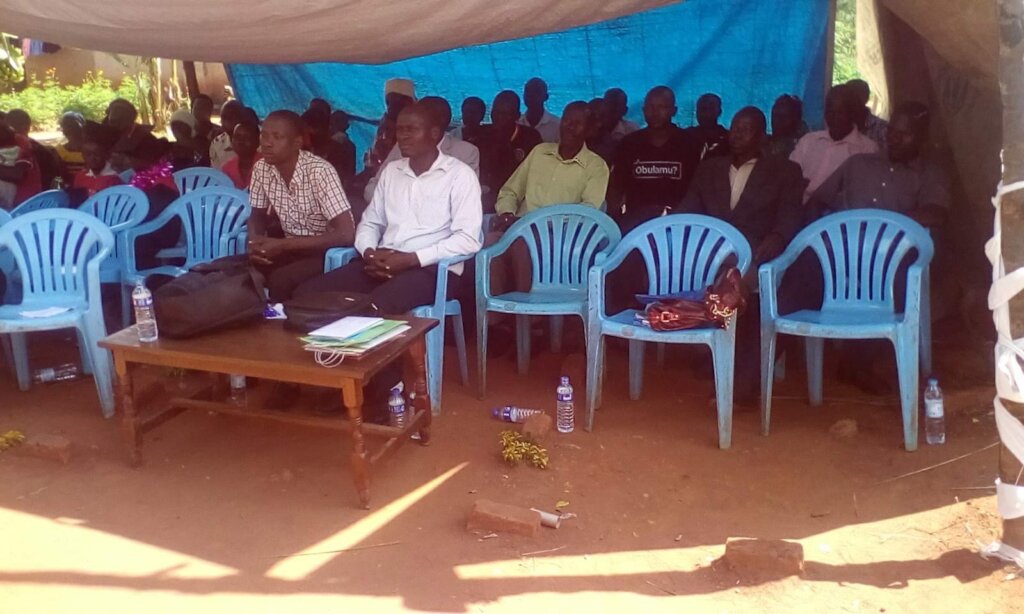
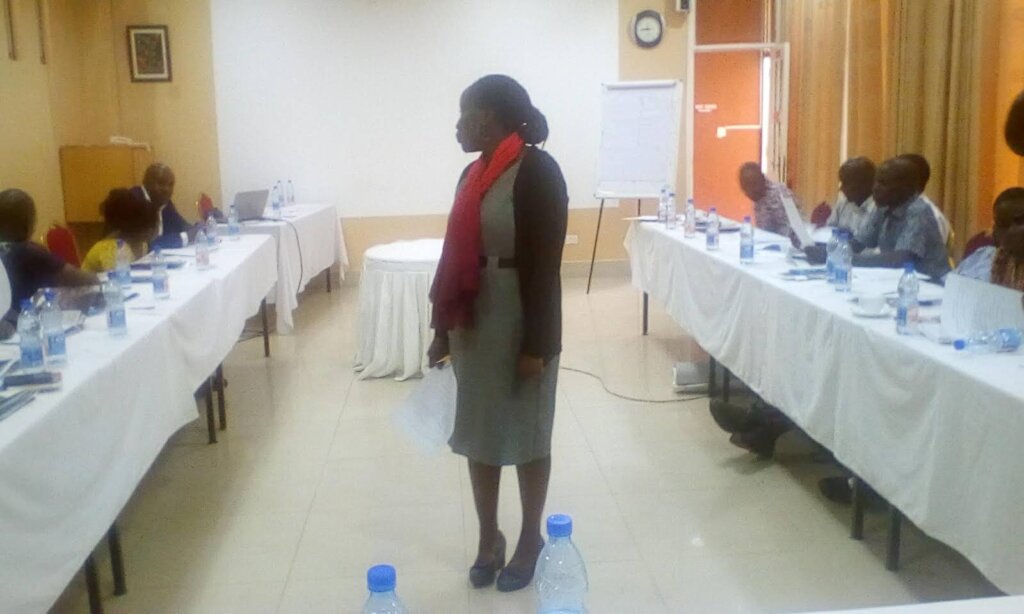
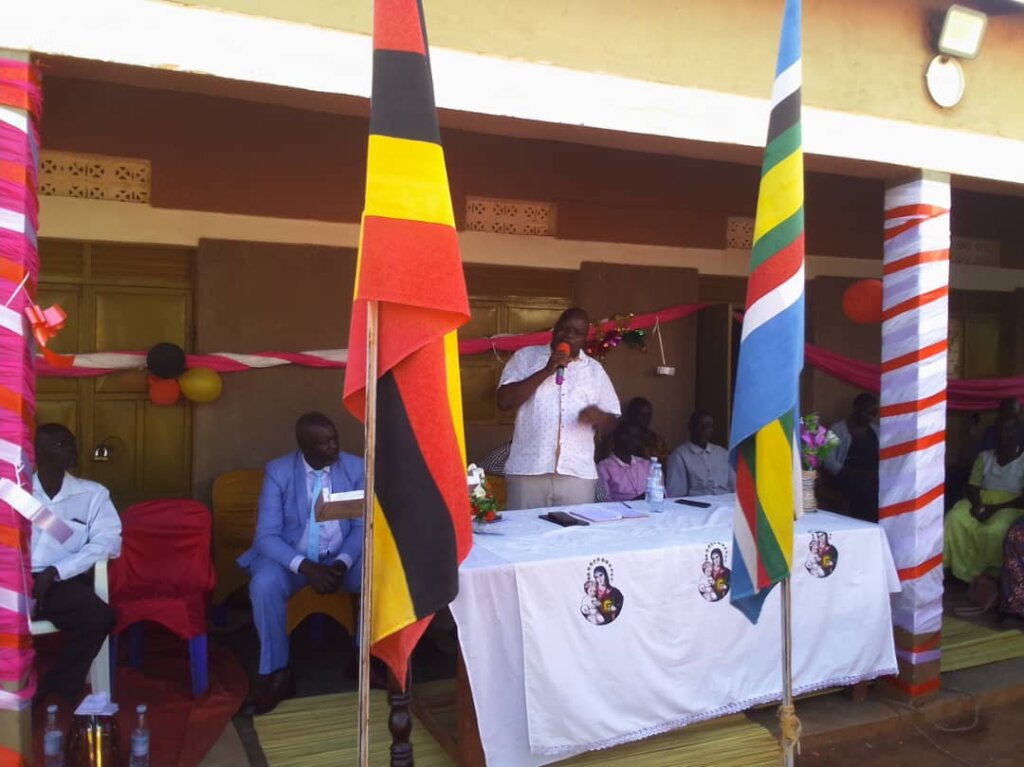
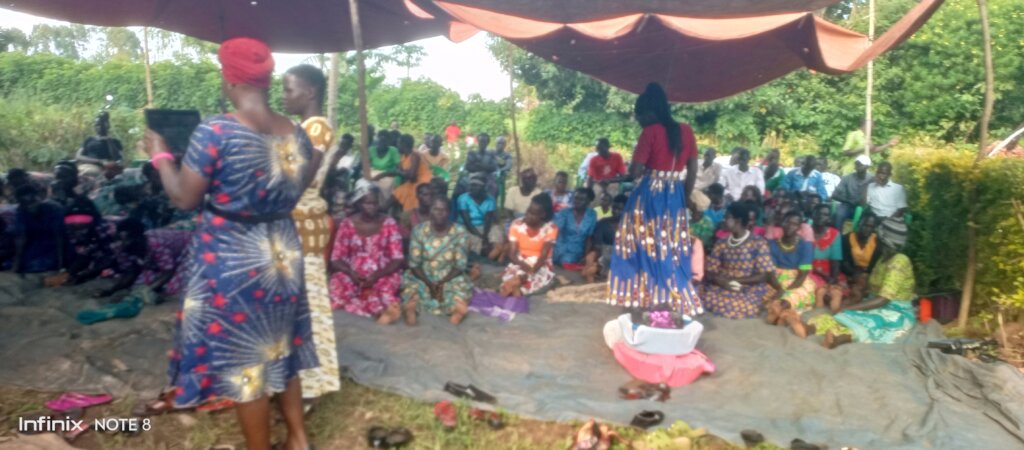
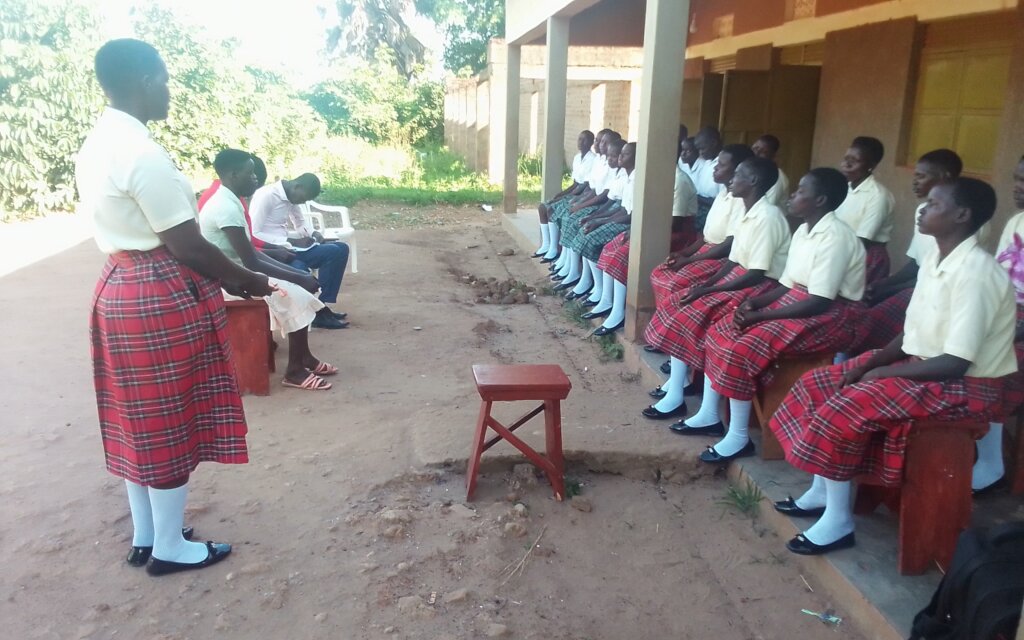
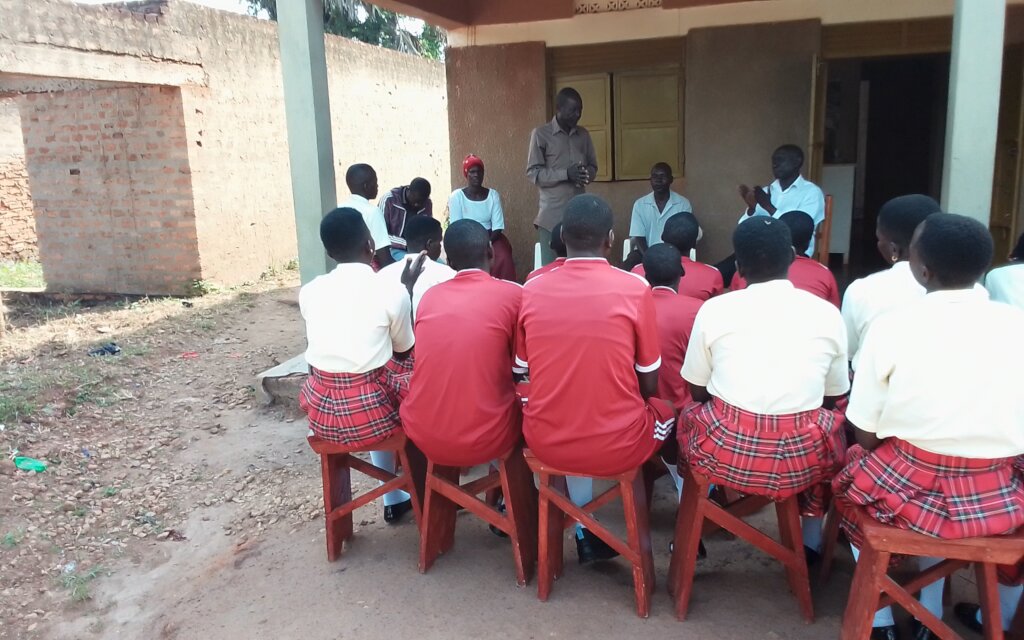
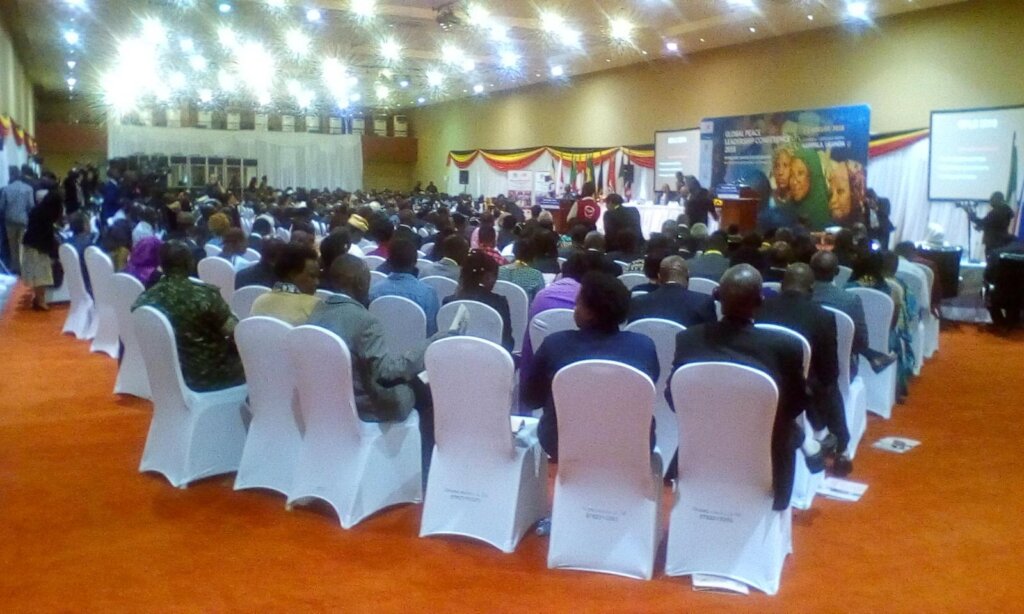
One would wonder in less than 5 years, Kole Intellectual Forum had gone through all stages of project development. From early stage to that of maturity. Why is the question. Their reason has been on the basis that: is working towards achieving organizational Progress is drawn from several meetings as it is set by Kole Intellectual Forum with all the stakeholders every now and then.
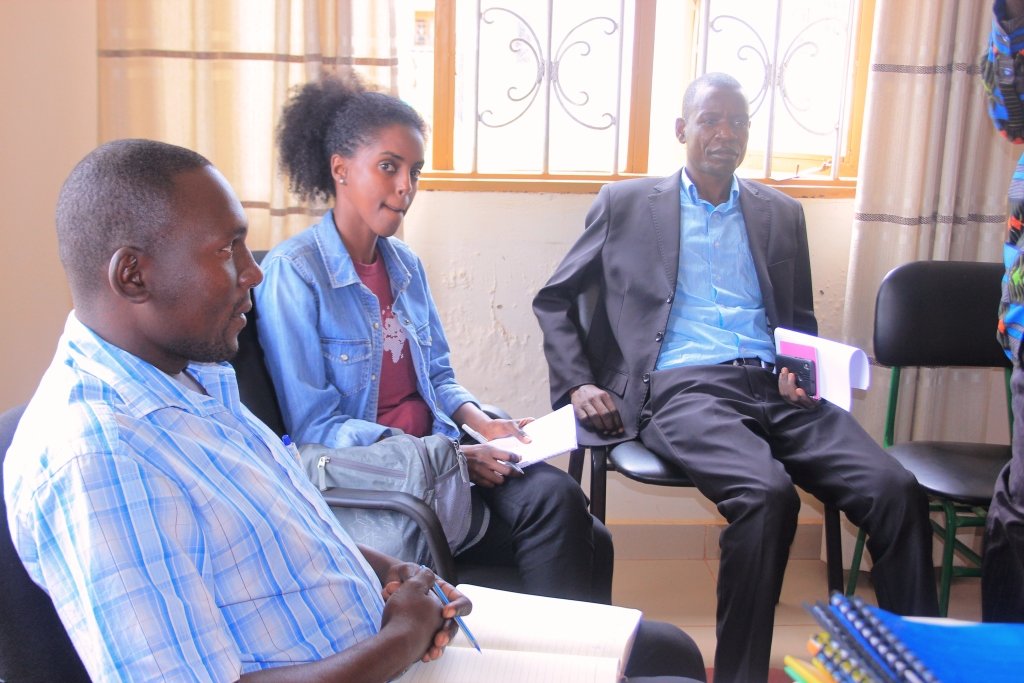
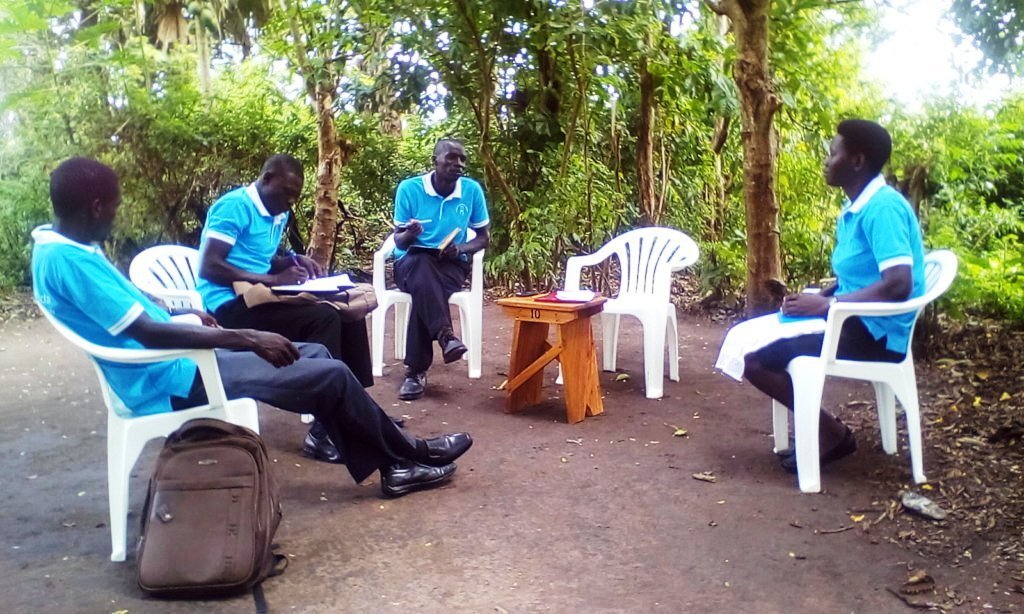
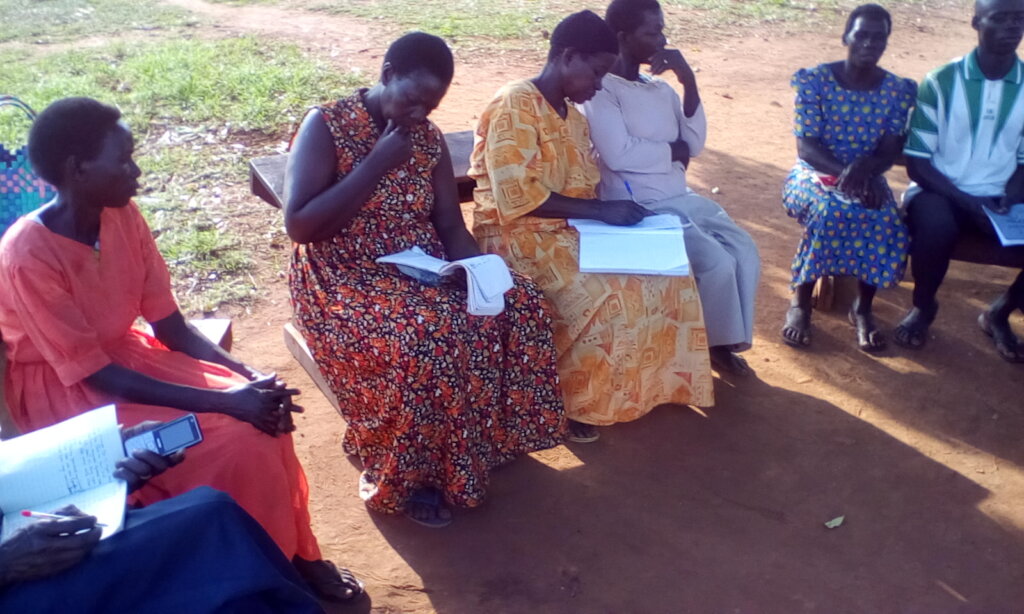
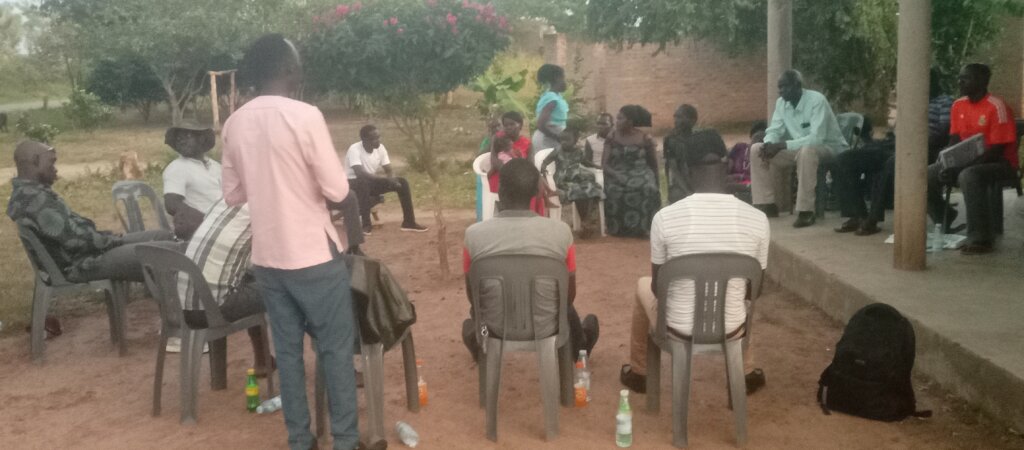
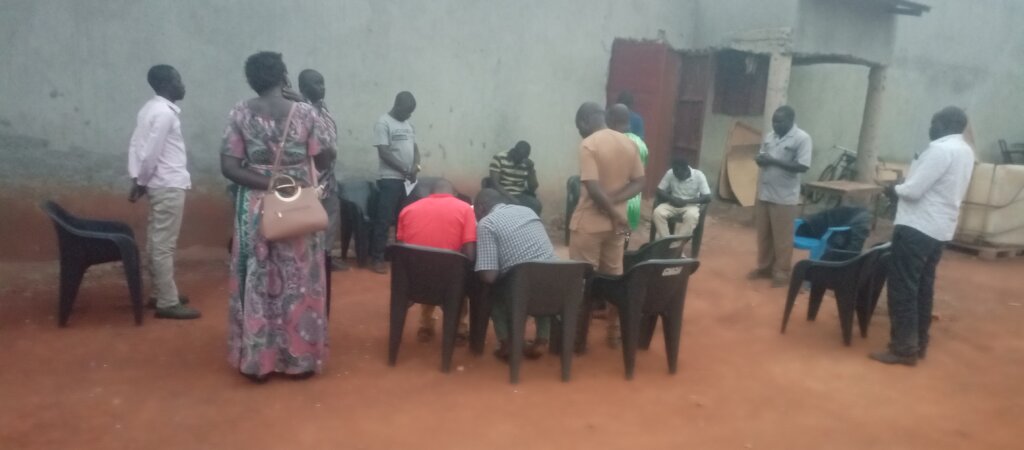
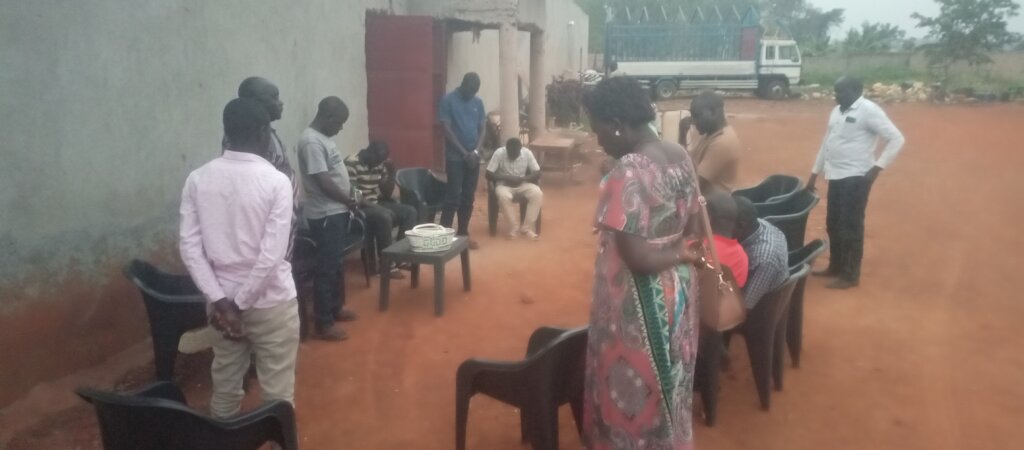
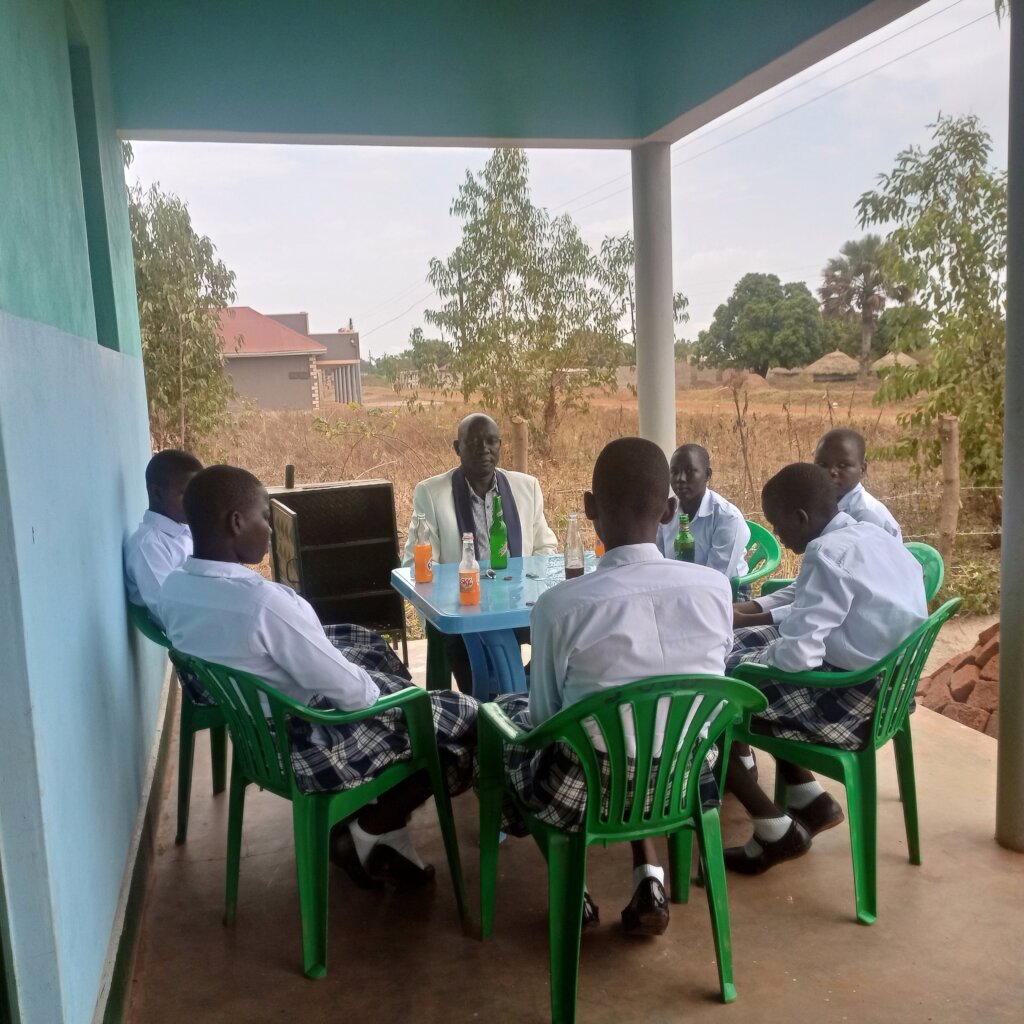
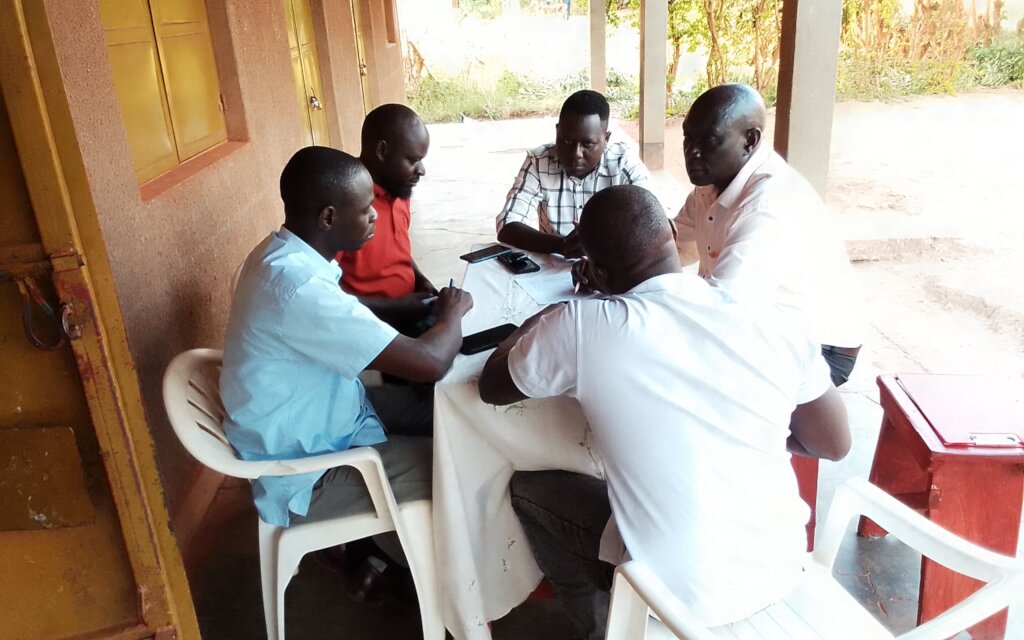
In an attempt to make clear decisions, solve problems, and share information, as they facilitate that can direct communication, collaboration, and alignment; Kole Intellectual Forum, has always try as much as possible to organize frequent meetings to ensure everyone is working towards the same goals, which can be more difficult to achieve through other communication methods other meetings.
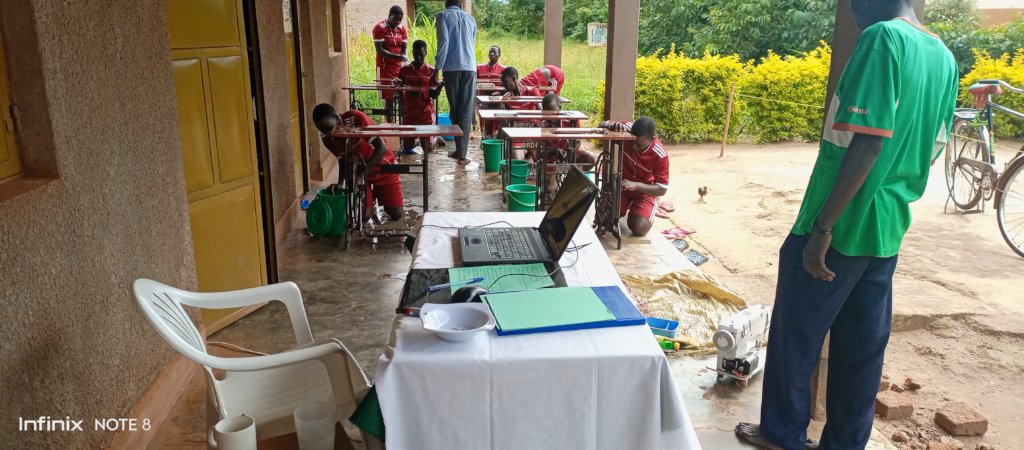
The core reasons that Kole Intellectual Forum is using to ensure that they see the progress of their Institute is to hold several meetings in the name of:
- Decision-making: Meetings allow them to discuss options and reach a consensus on a course of action.
- Problem-solving: That meetings provide a forum for teams to collaborate, brainstorm solutions, and use critical thinking skills to overcome challenges.
- Information sharing: Meetings are essential for keeping everyone informed, updating teams on projects, and briefing members on important news.
- Collaboration and idea generation: they believe that, when people are in the same space, they can engage in dynamic exchanges of ideas that spark new creativity and insight.
- Alignment and clarity: on the other perspective, meetings has help them to ensure everyone on a team understands shared goals and clarify misalignments that might not be apparent in written communication.
- Team building and morale: Regular meetings have also contributed to the improvement of morale, foster a sense of team cohesion, and provide opportunities for employees/students to connect and build trust.
Aug 23, 2026
Creating A new website: KIFA
By George Obua | Project Leader
For the first time since the establishment of this organization - Kole Intellectual Forum, about 10 years behind; the organization had been vibrant enough to build their own website. They had mainly been dealing with the GlobalGiving donation page established to them to help them raise fund through online crowd fundraising campaigns since 2018.
Today, specifically, thos financial year 2027/2028, Kole Intellectual Forum is interested to raise more fund than ever. The website is currently under construction and we hope at the end of this month August, 2026 th6task shall have been completed. Thr overview of the website is link at: https://kifacbo.org
Aug 23, 2026
Hygiene and Sanitation: Health Concerns
By George Obua | Project Leader
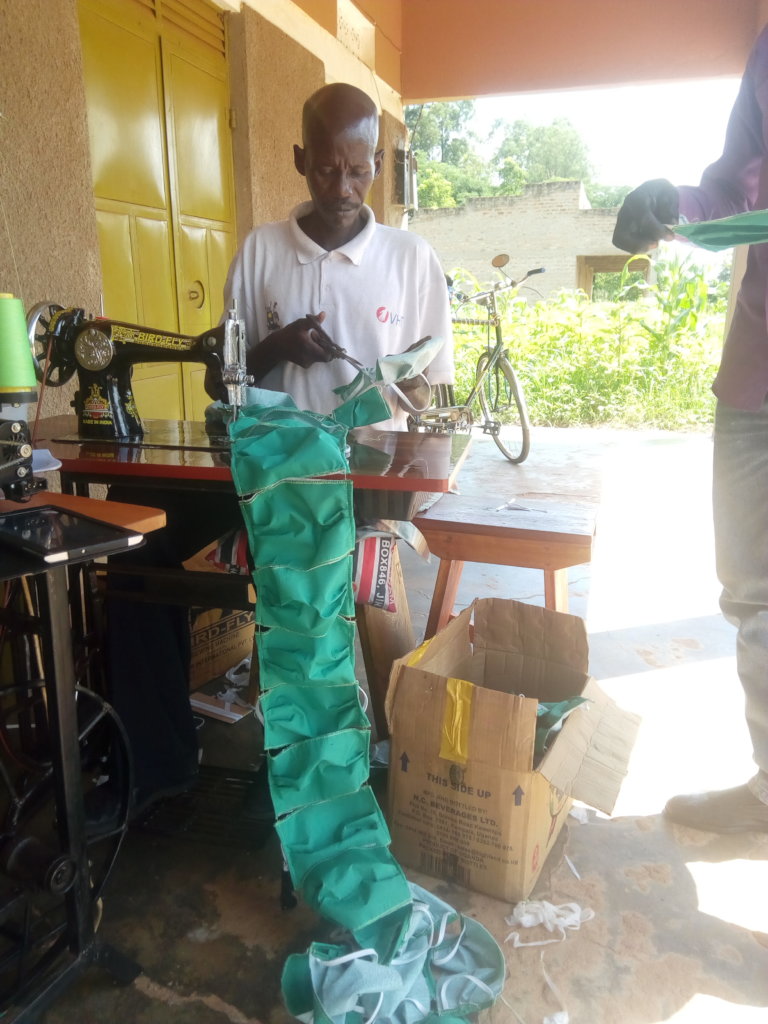
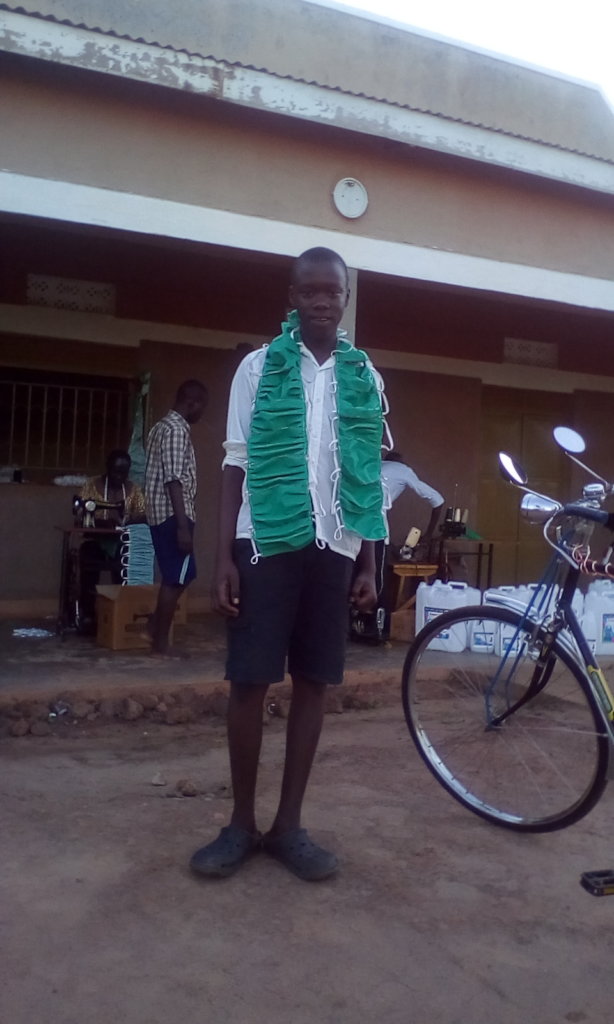
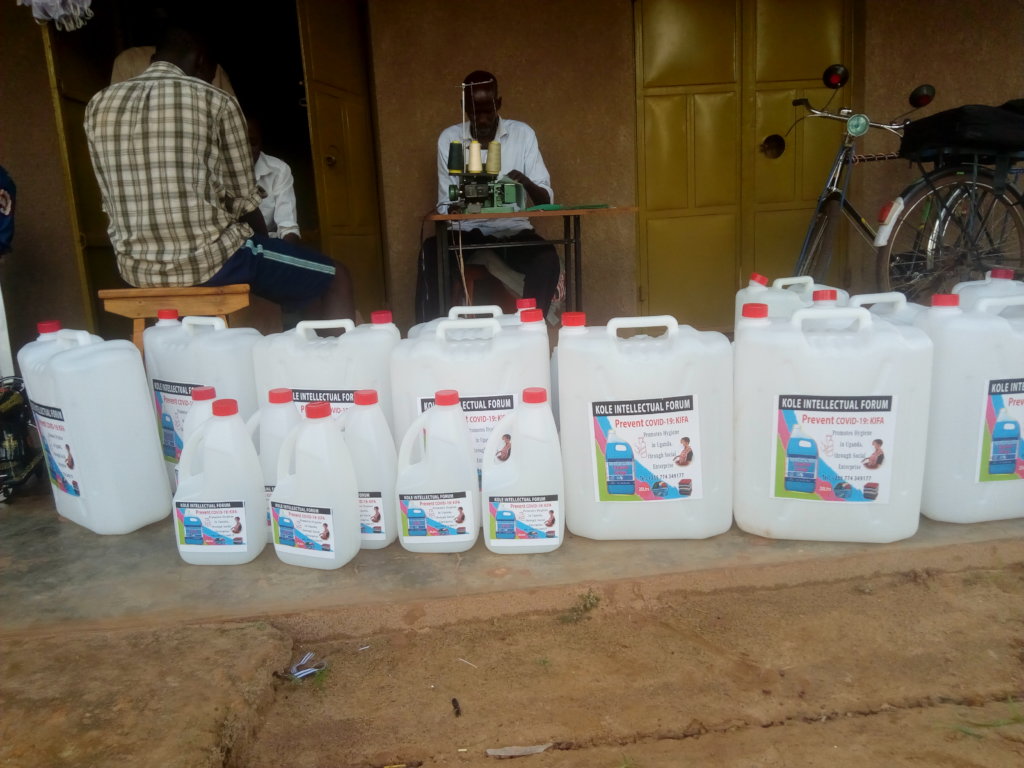
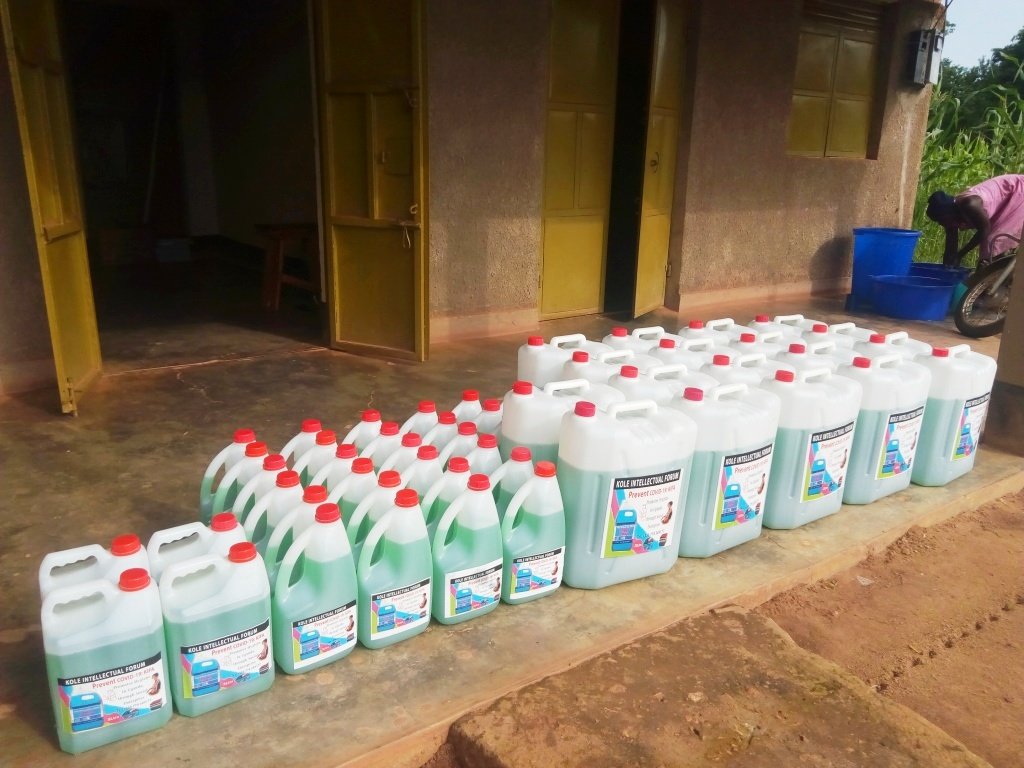
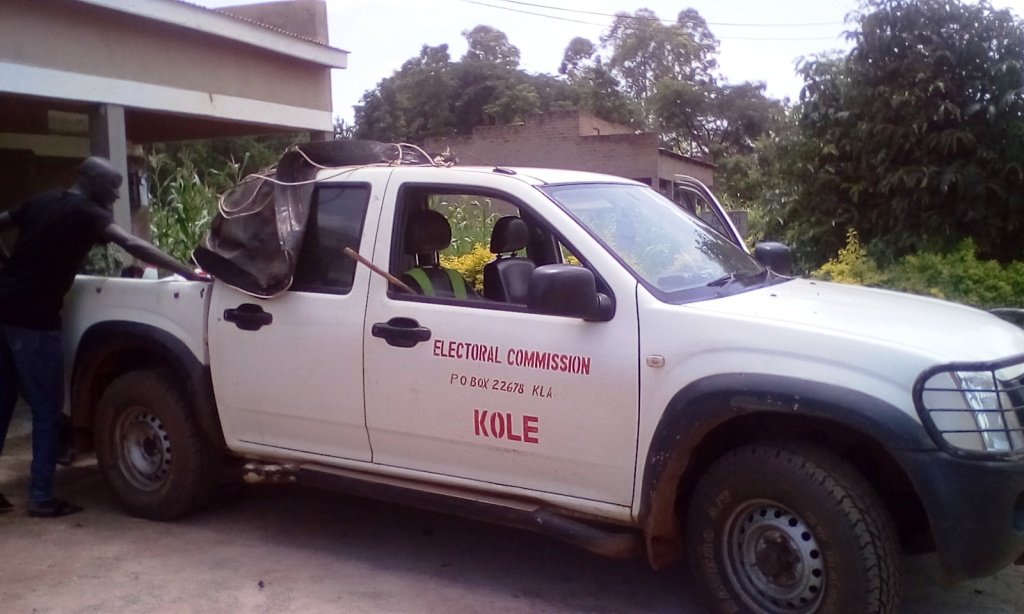
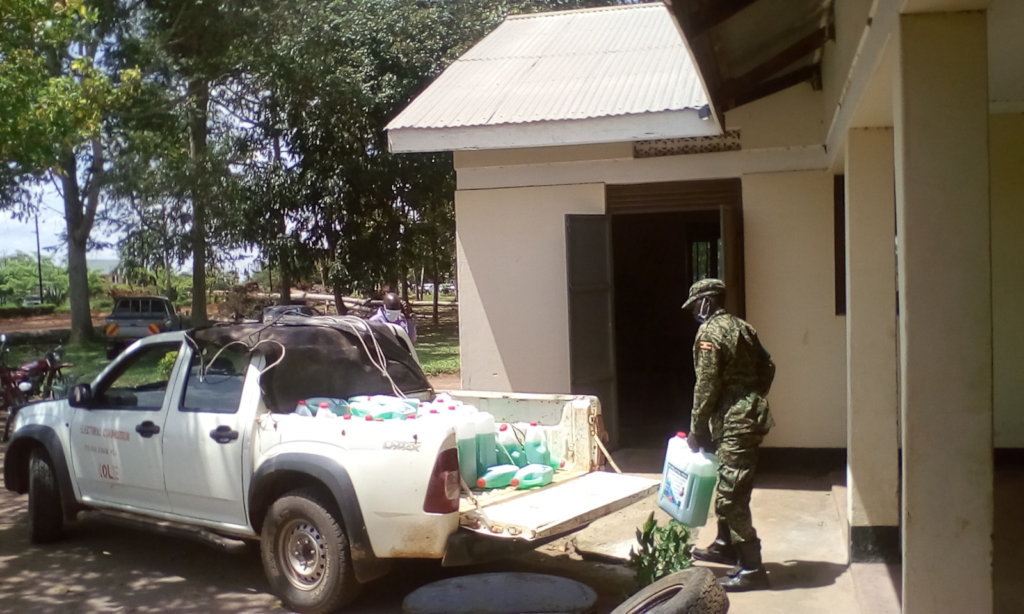
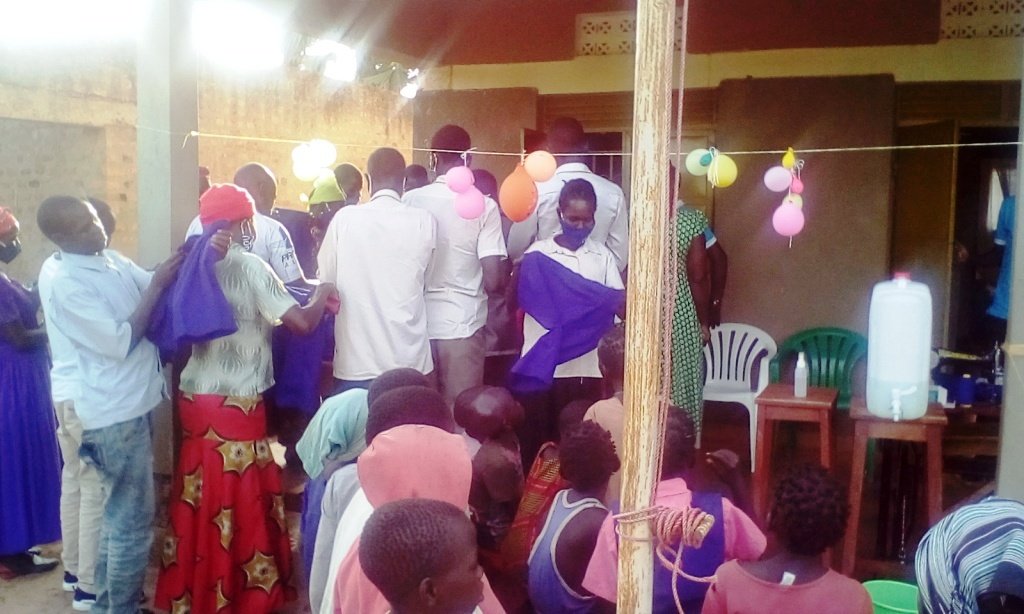
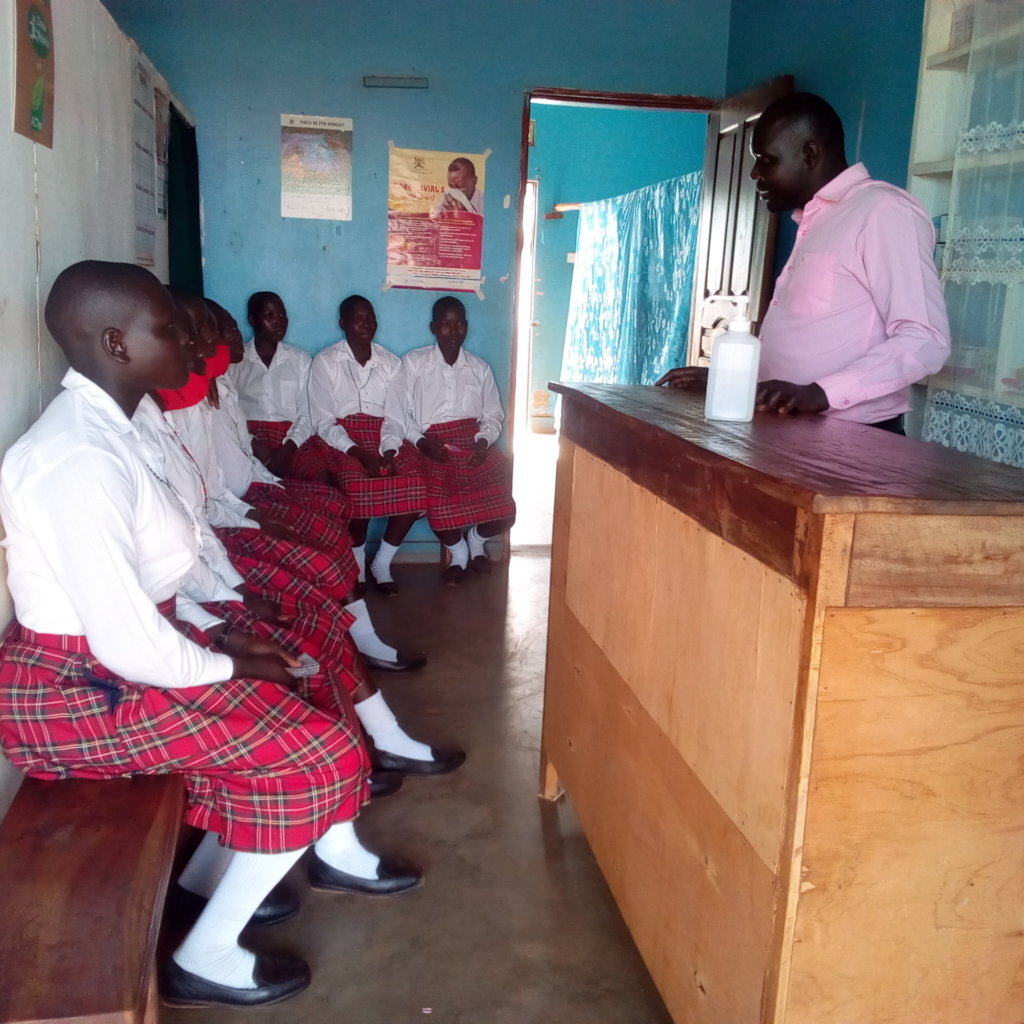
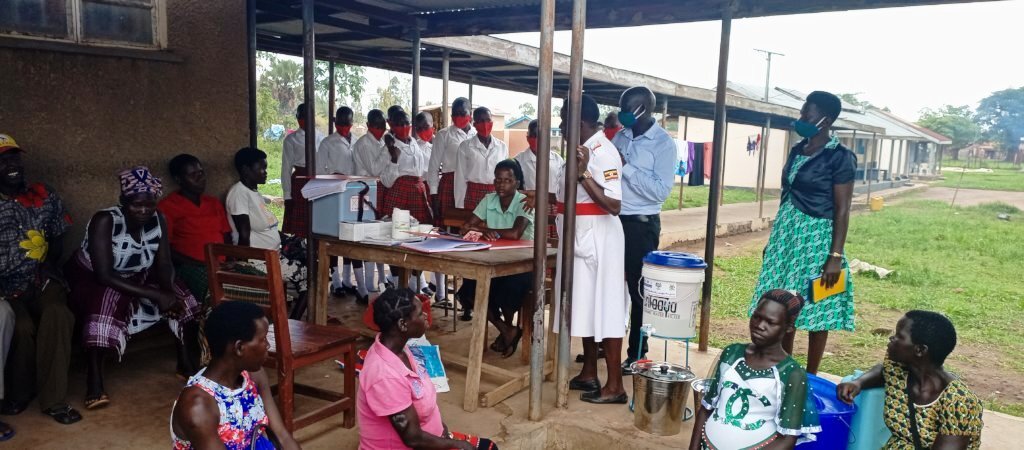
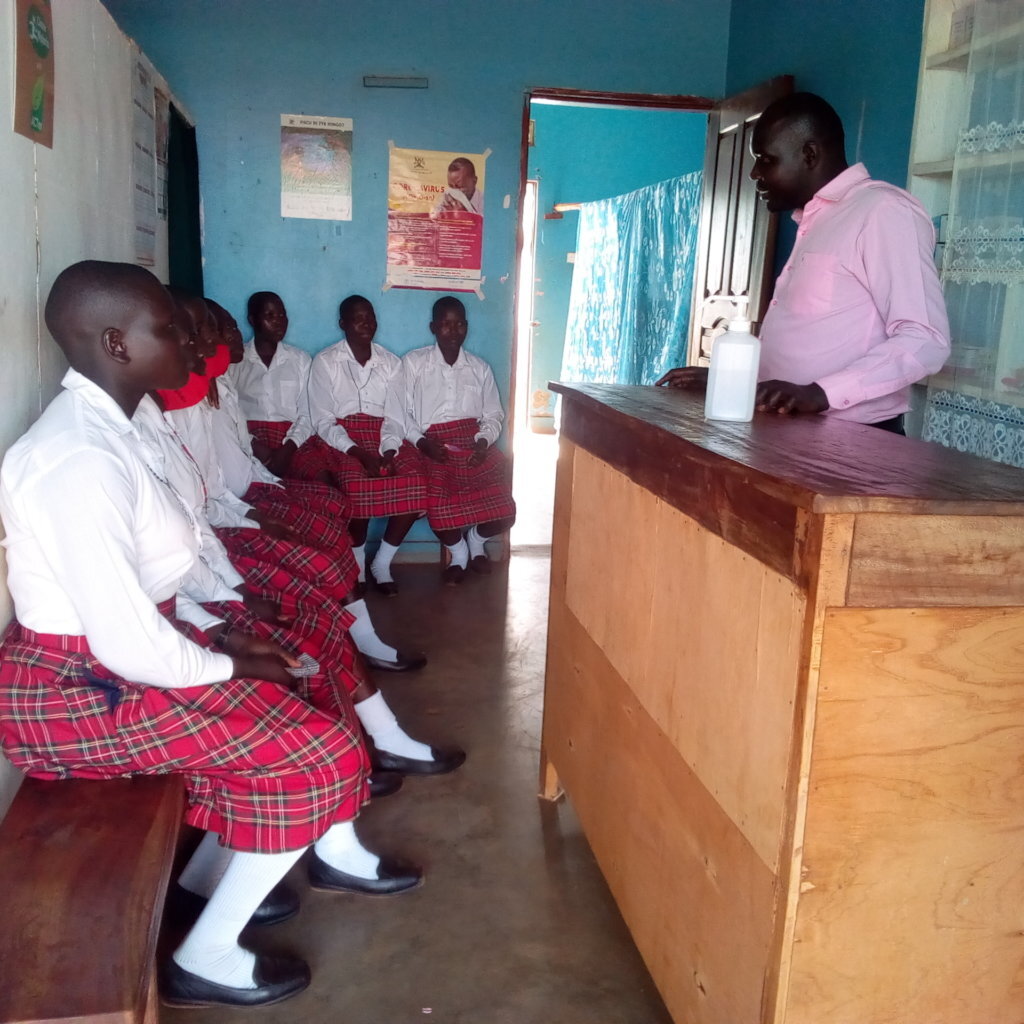
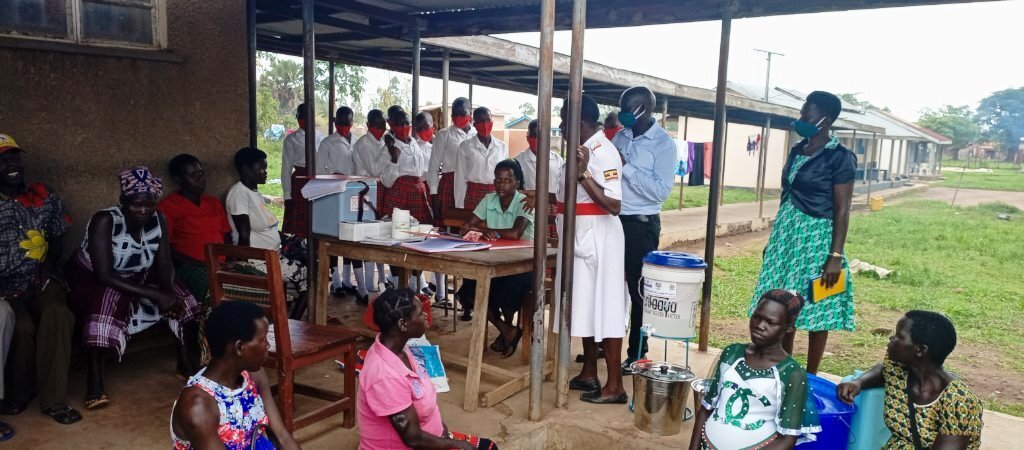
With new up coming diseases such as Ebola, COVID-229 and many others; according to Kole Intellectual Forum, a Community Based Organization that cares about the life of the community they are working for; they have launched a campaign and an advocacy that is focusing on the matters of concern on the issues of hygiene and Sanitation in their area.
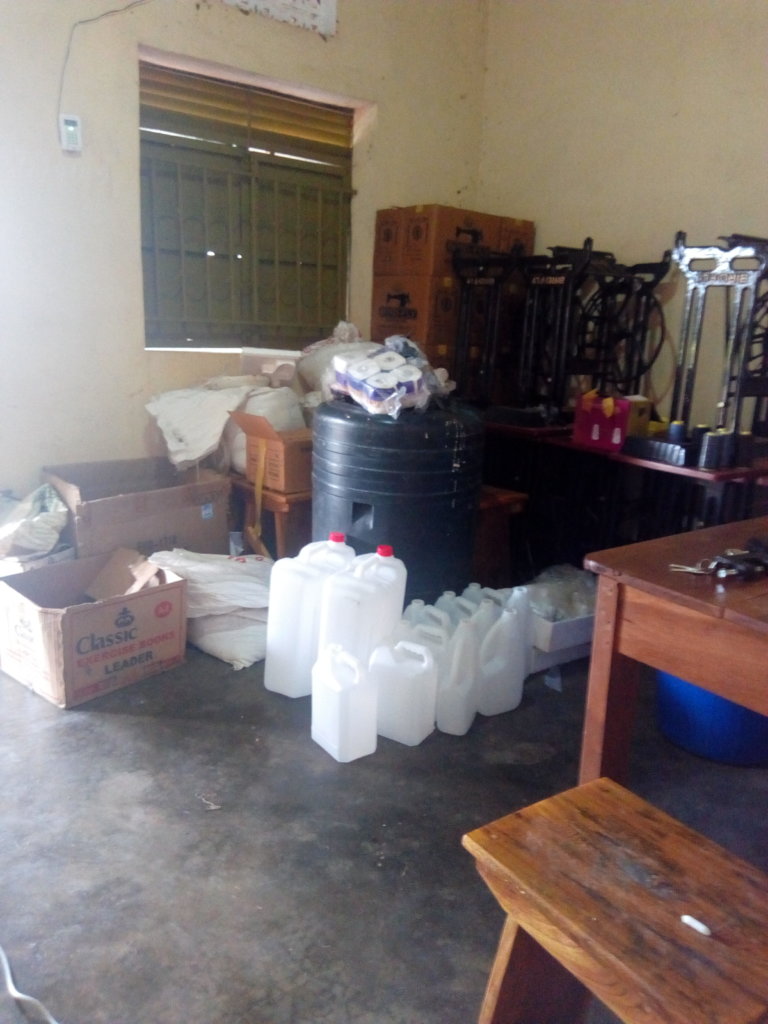
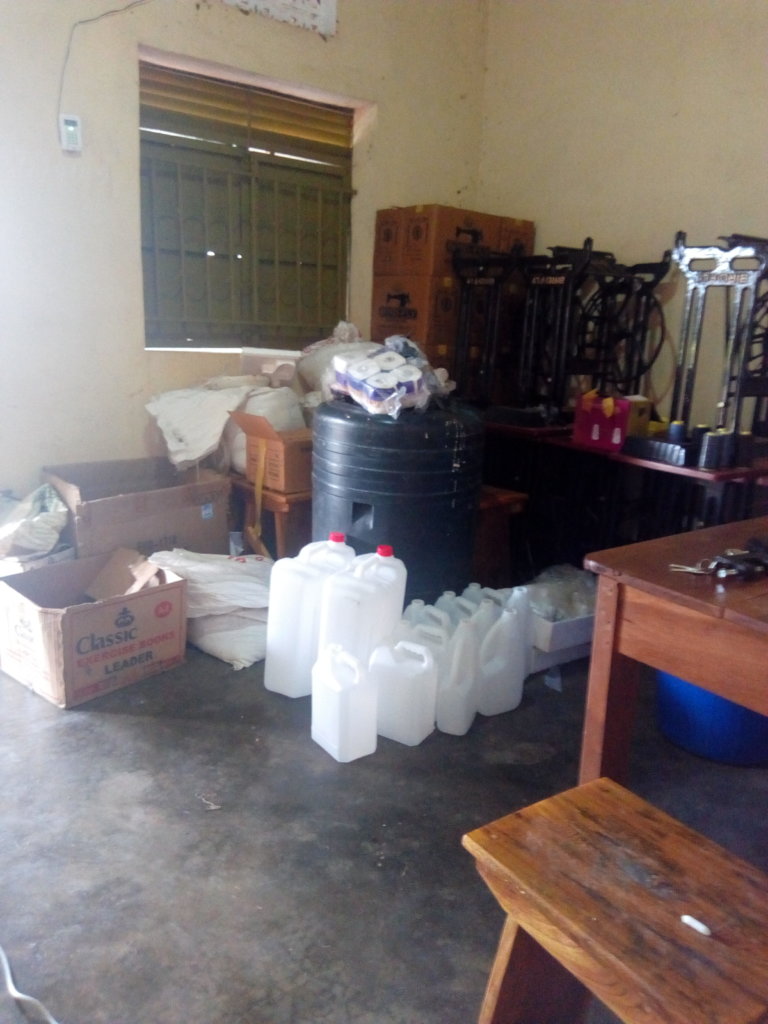
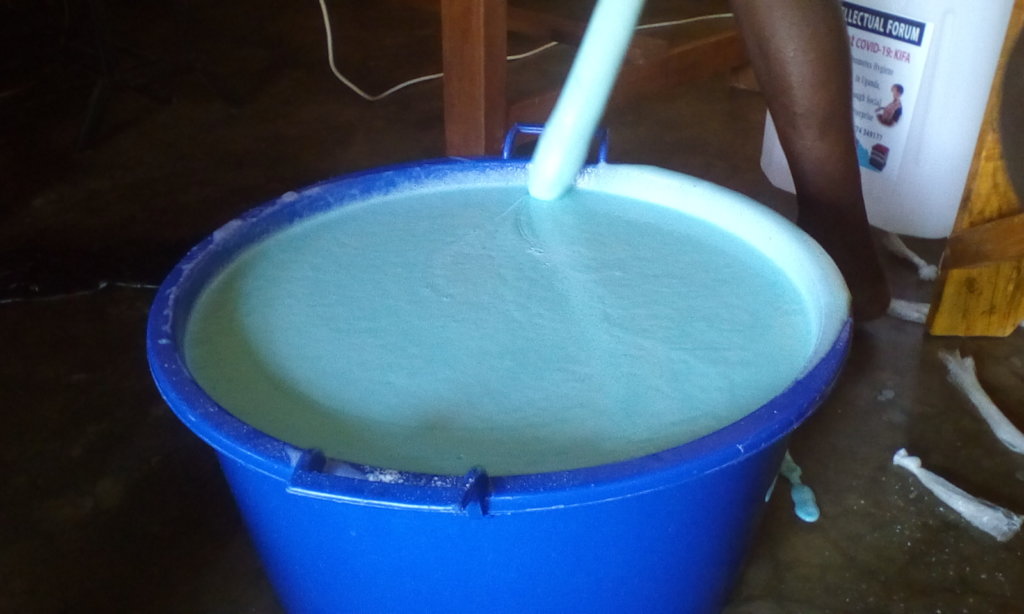
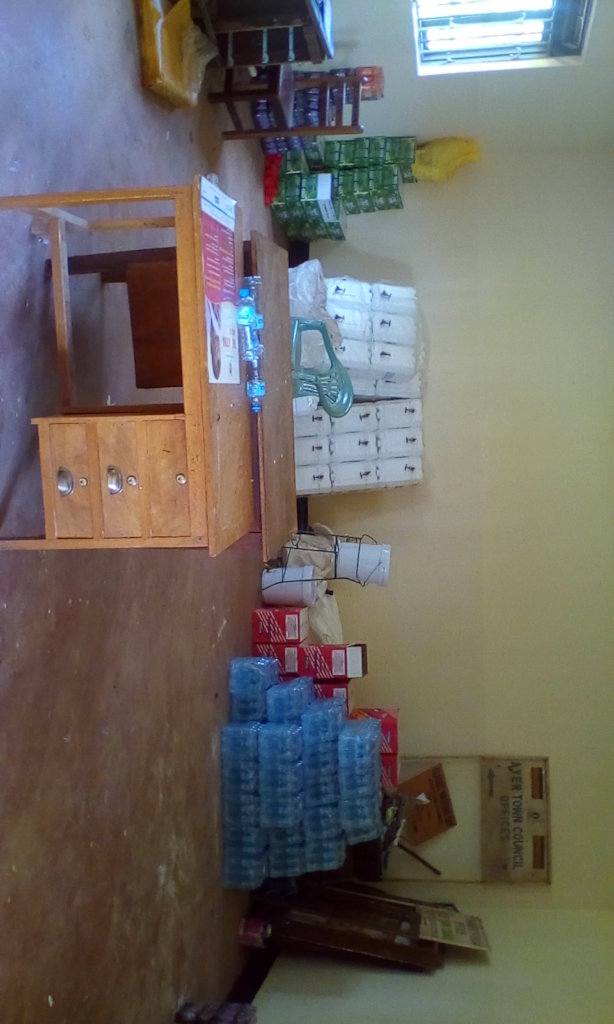
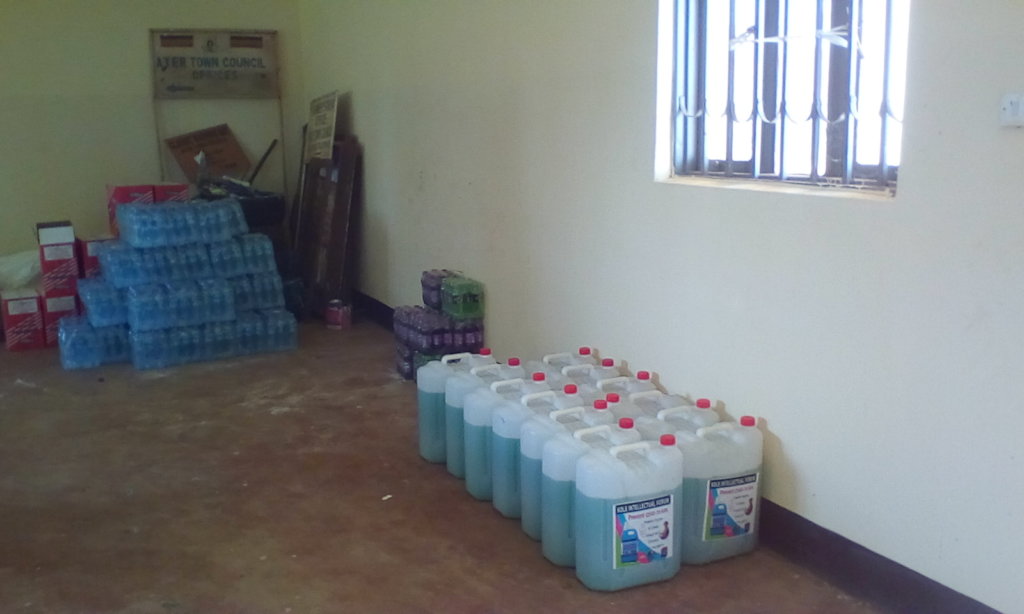
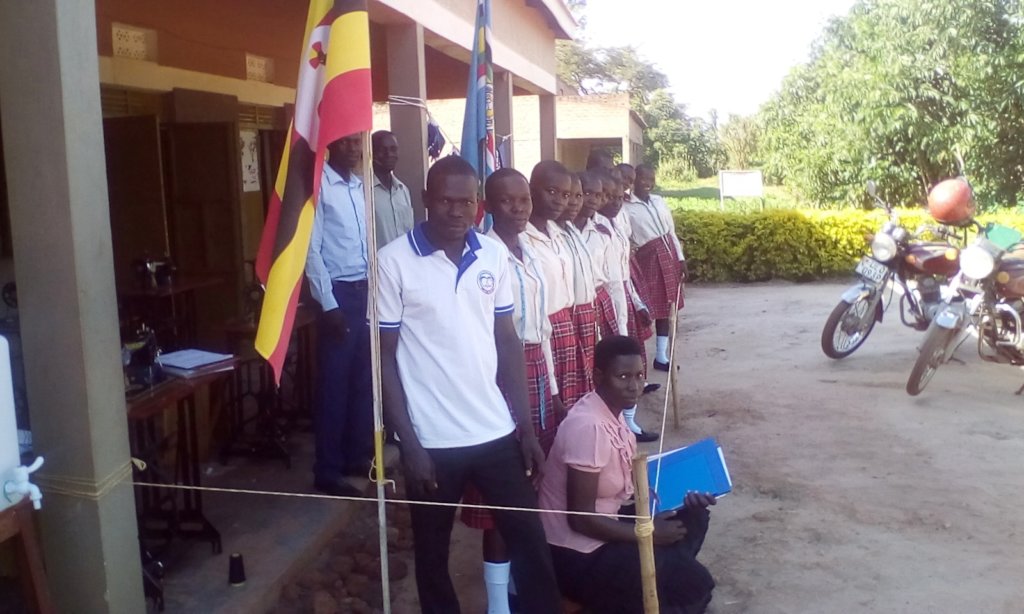
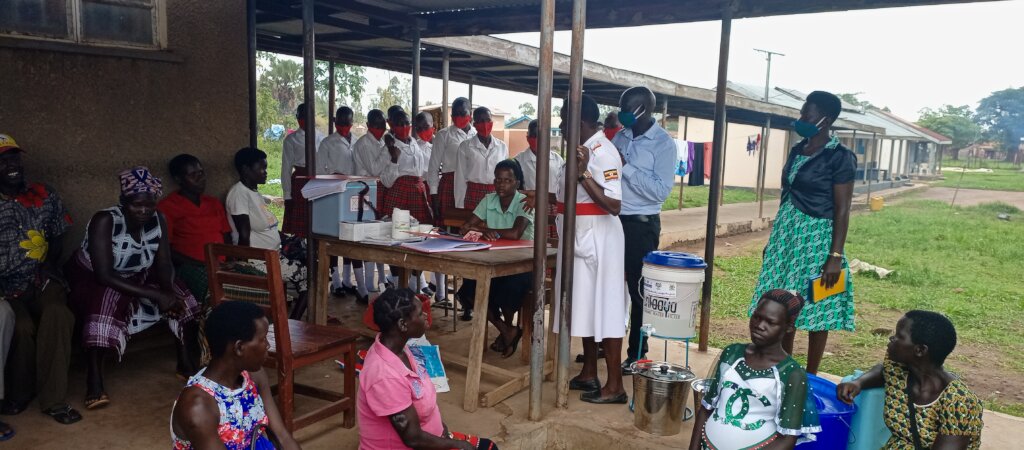
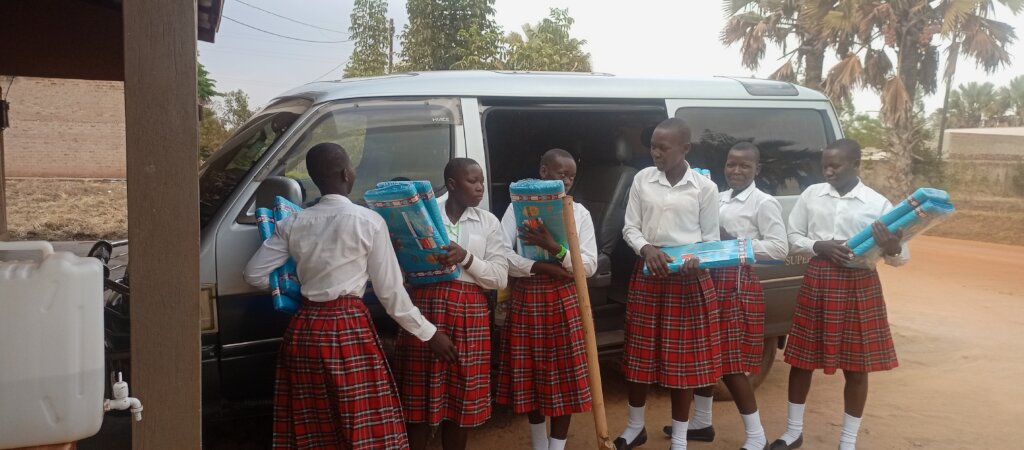
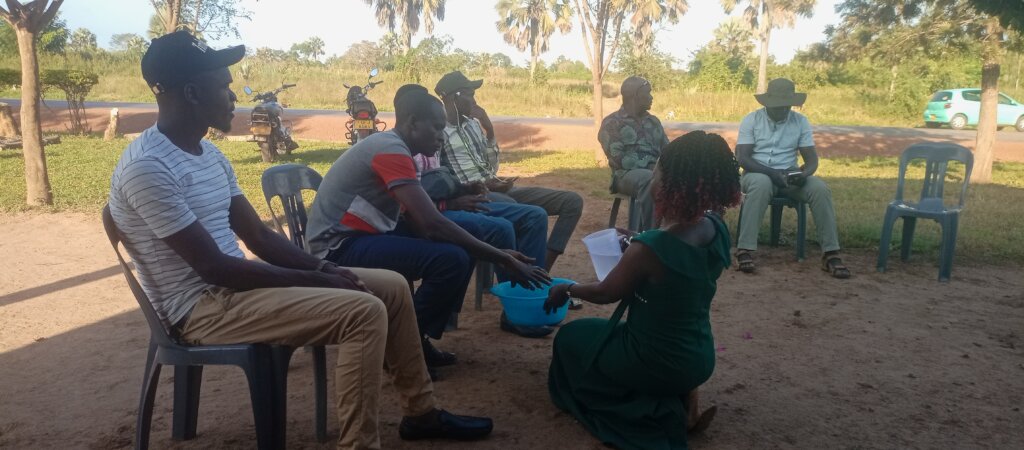
To have the most effective hygiene and sanitation campaigns in this areas; Kole Intellectual Forum is using a multifaceted, community-centric approach that has combined awareness-raising and the the provision of necessary infrastructure ( such as liquid soap and advocate to them to ensure that they use clean water for drinking), with the hope that they build a long-term behavioral change that meets the international healthy standards. This campaign and advocacy has been used through these underlying strategies;
- Community-Led Initiatives: that is engaging the community in identifying and addressing their specific hygiene problems. Approaches like Community-Led Total Sanitation (CLTS) and Participatory Hygiene and Sanitation Transformation (PHAST) empower local members to take ownership of sanitation improvements, which is crucial for sustainability.
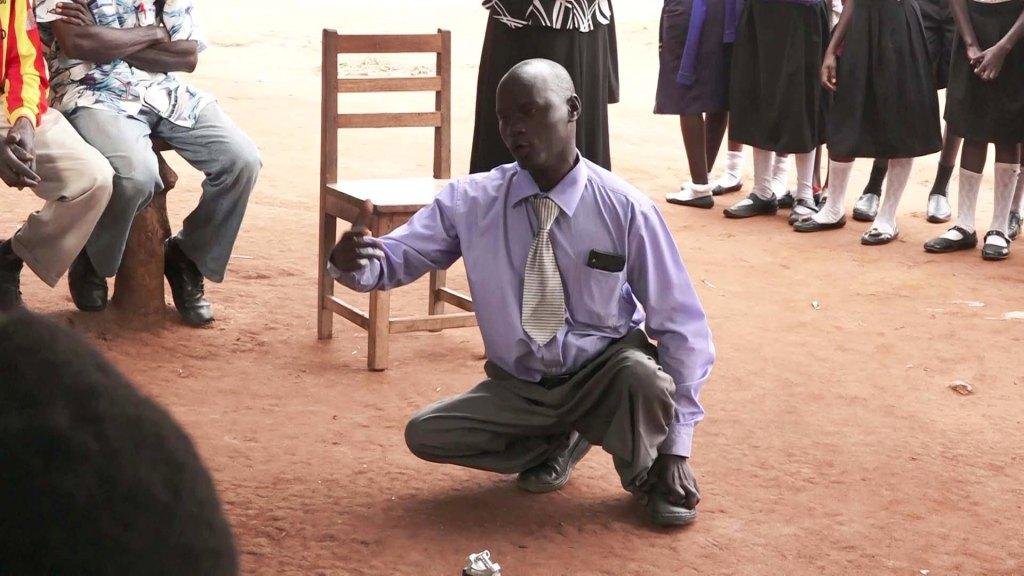
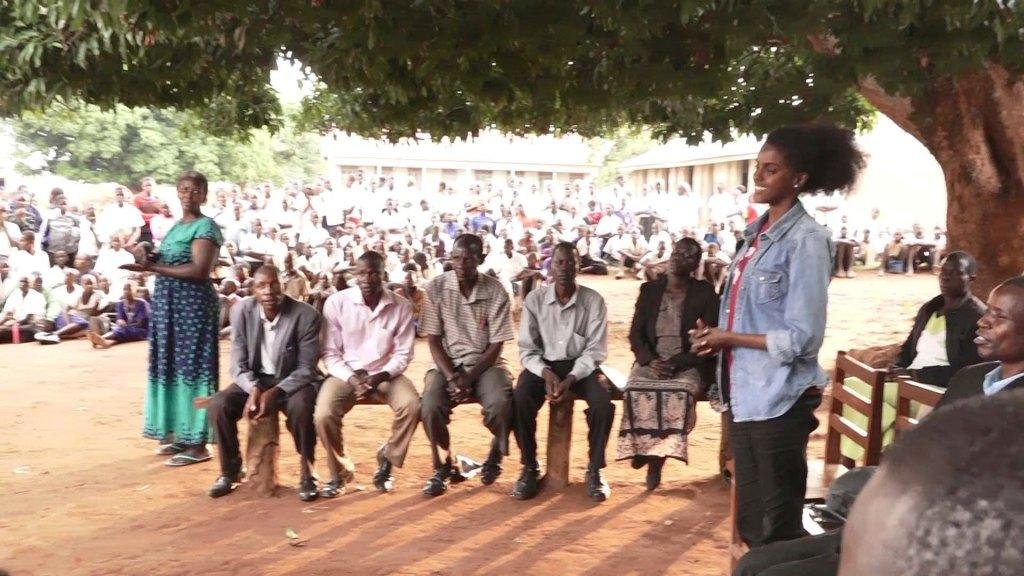
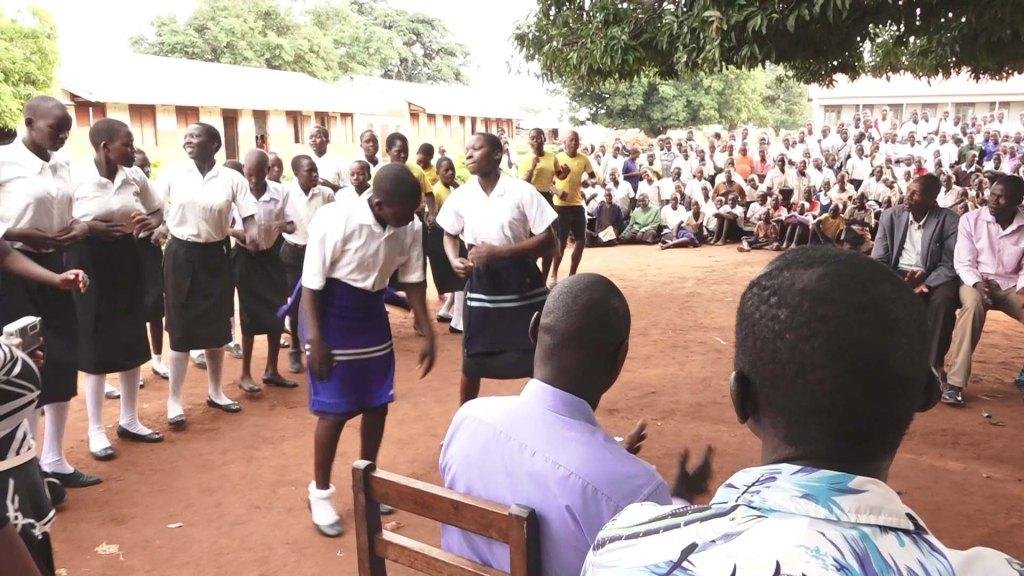
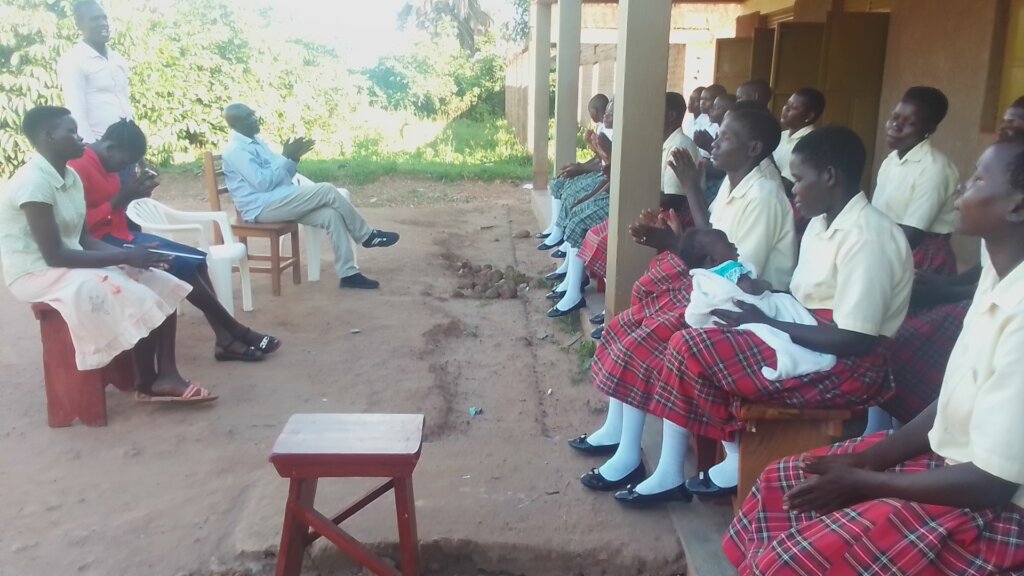
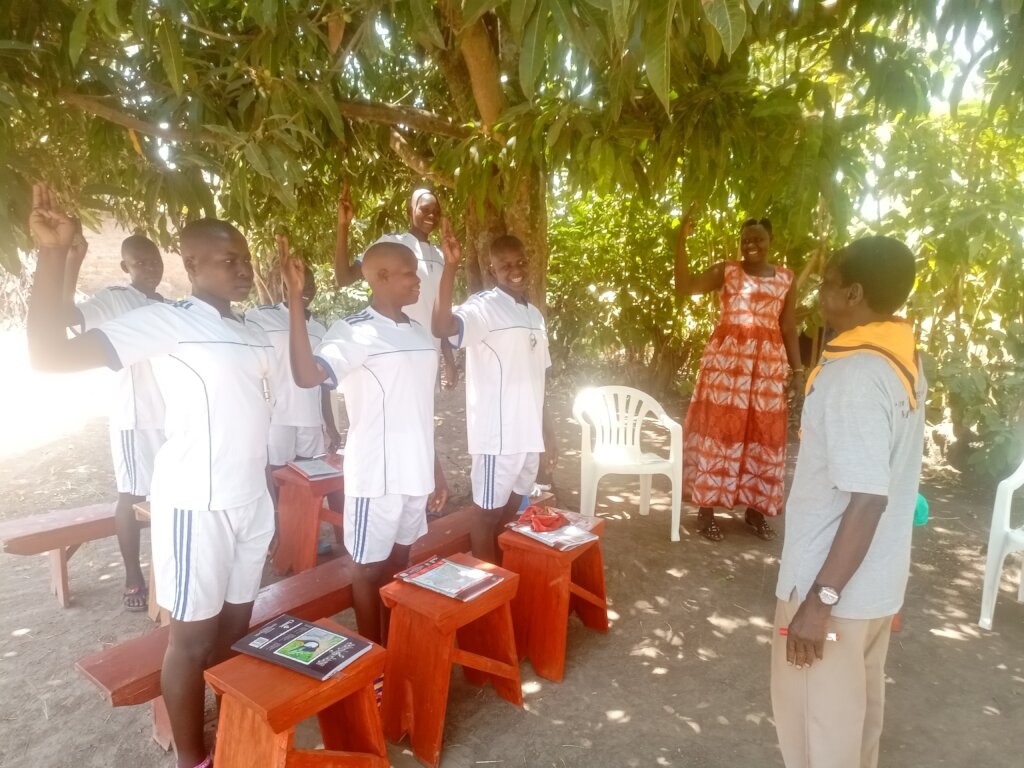
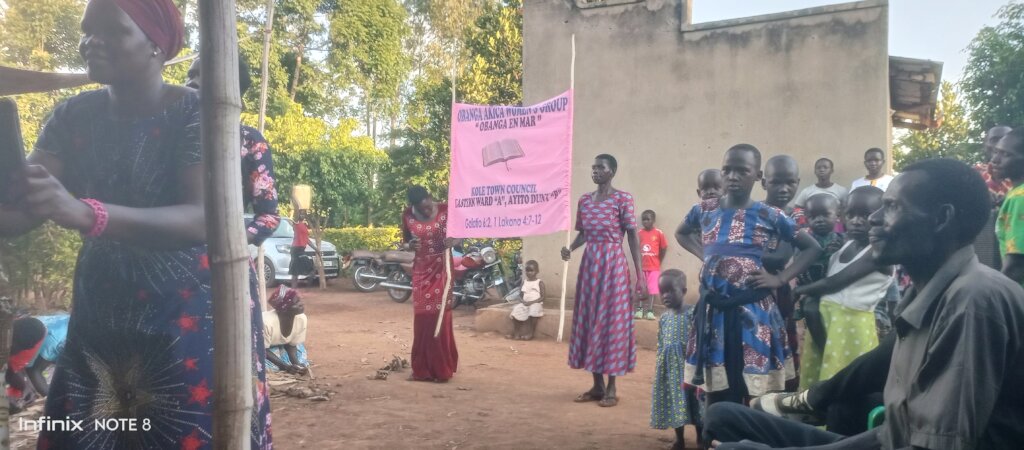
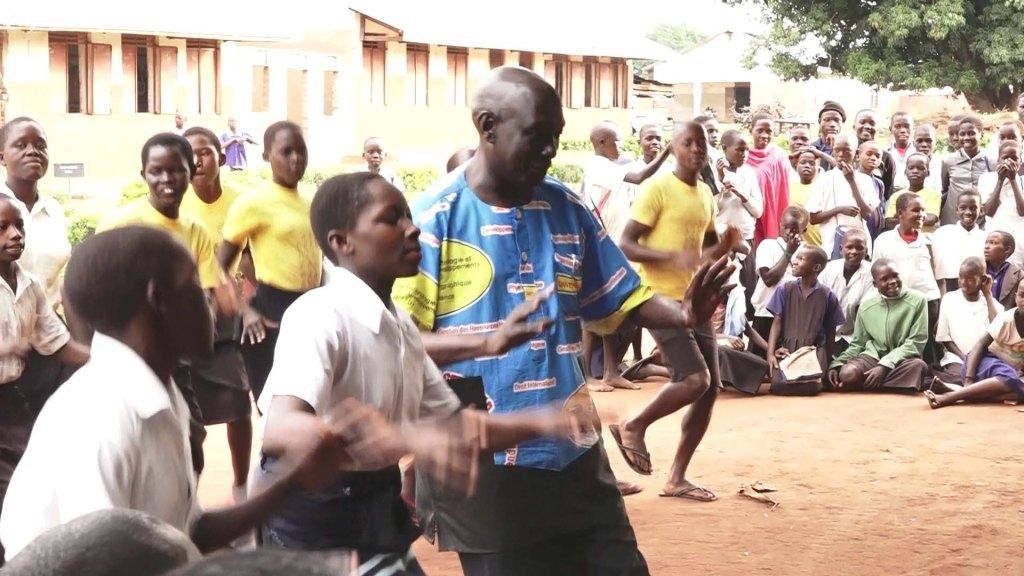
- Education and Awareness: by also conducting educational workshops on topics such as hand washing techniques, safe food handling, and proper waste disposal methods. These session's are made to be interactive, using methods like drama, role-plays, songs, and visual materials such as posters and cartoons, tailored to local cultural norms and literacy levels.
- Infrastructure Provision: that is when education must be complemented by tangible resources. This includes improving access to: safe drinking water.; functional sanitation facilities (latrines); and hand washing stations with soap in homes, schools, and public places like markets and so on.