Project Report
| Dec 1, 2025
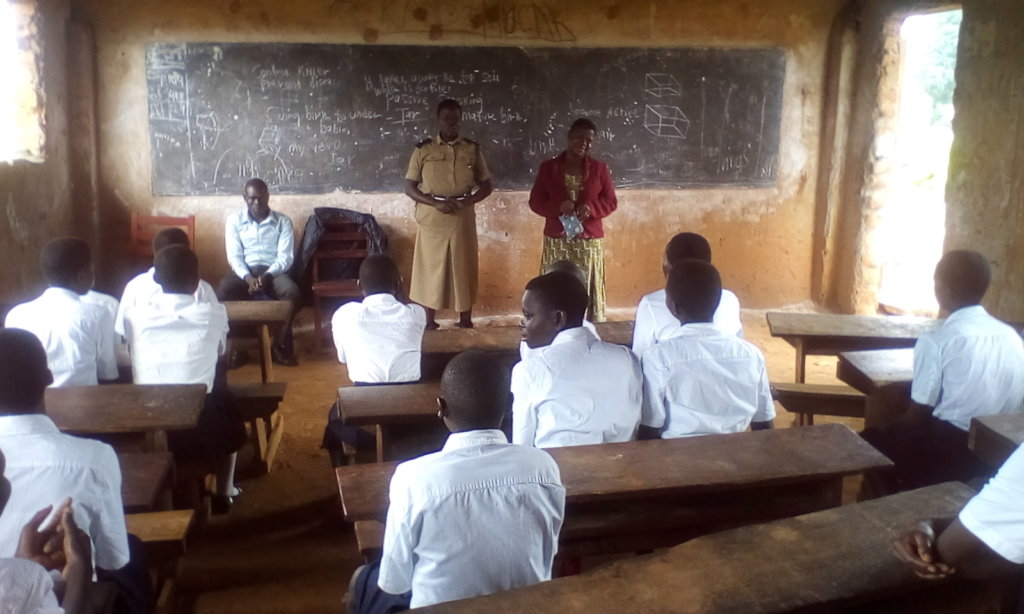
Facilitating Debate: Interschool competition
By George Obua | Project Leader

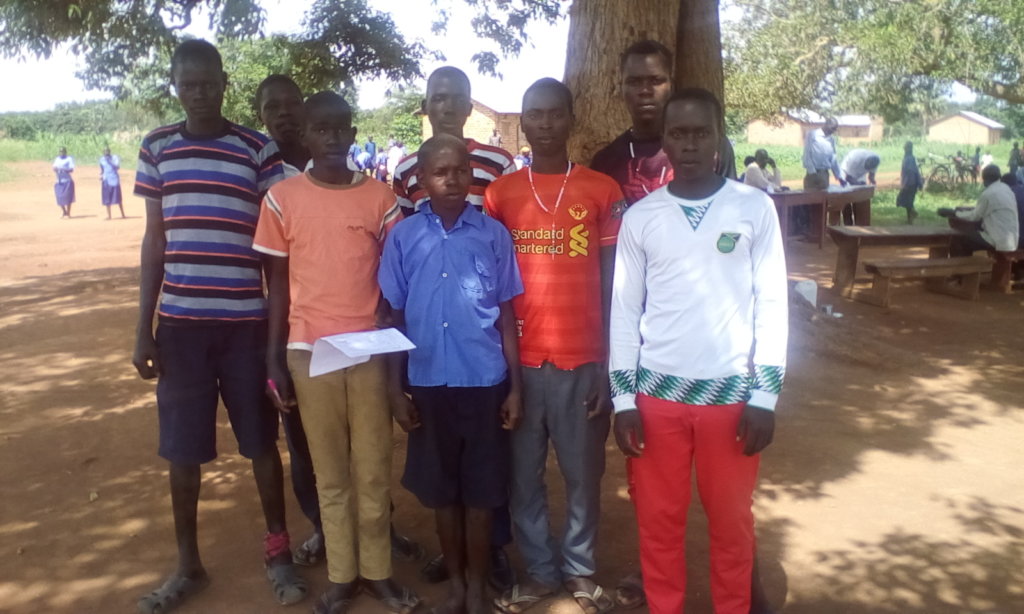
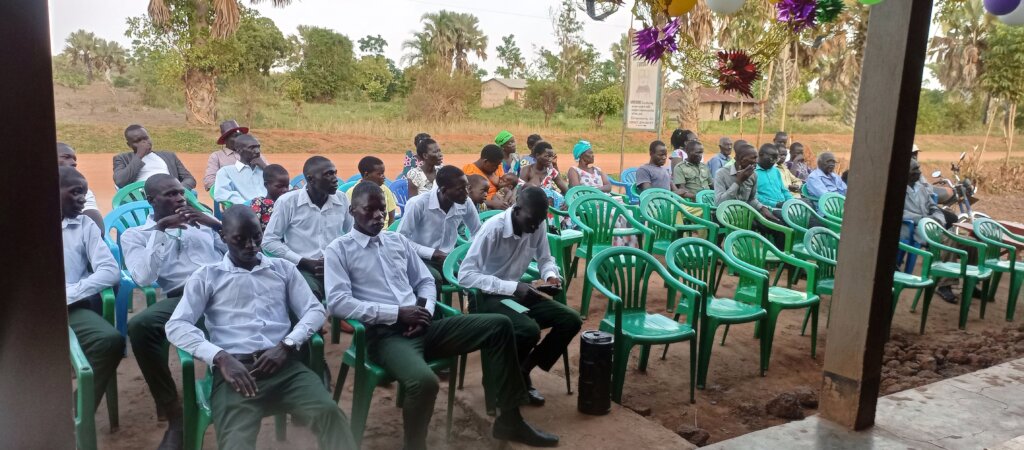
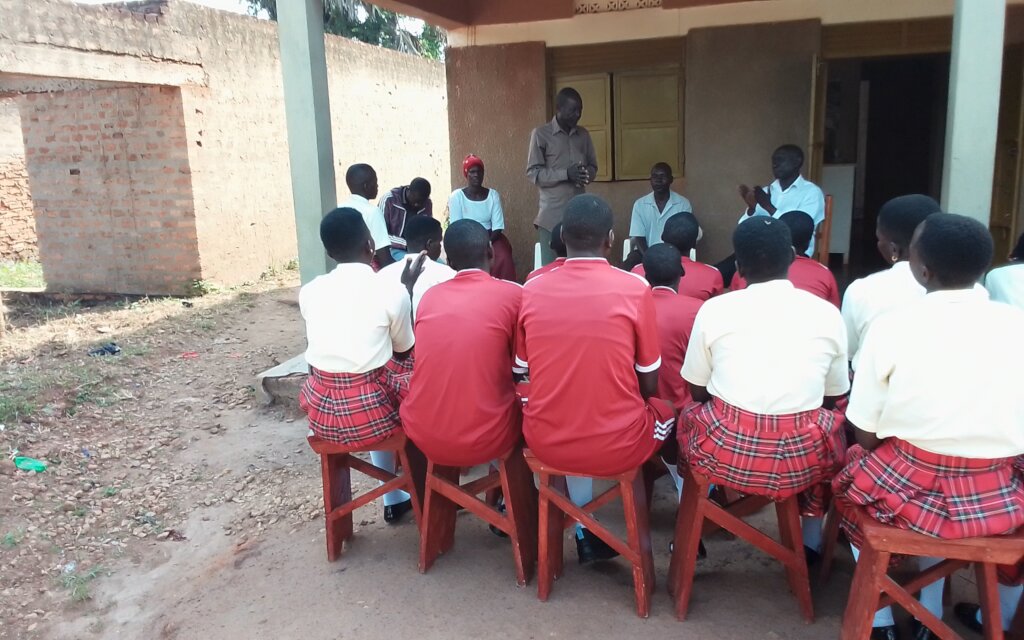
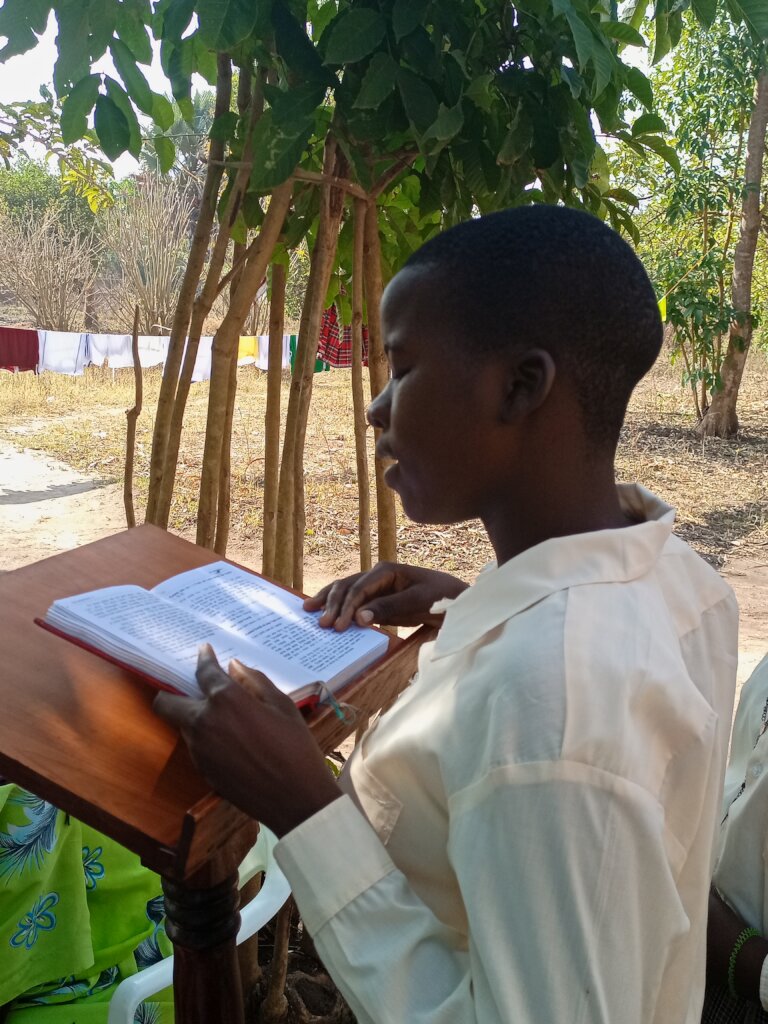
![Interschool debate competition ongoing]()
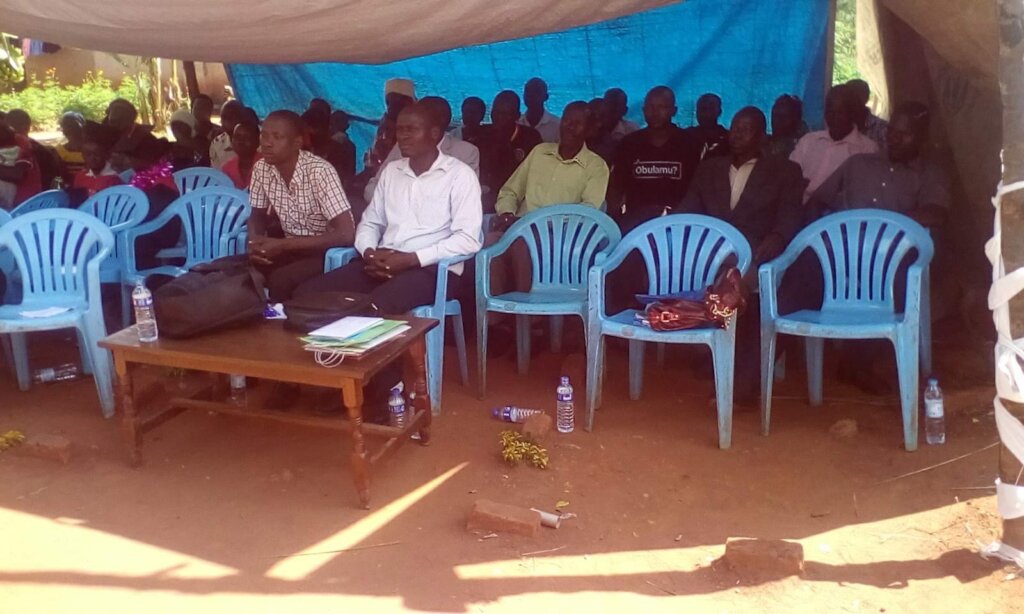
Interschool debate competition ongoing
Facilitating Debate: Interschool competition
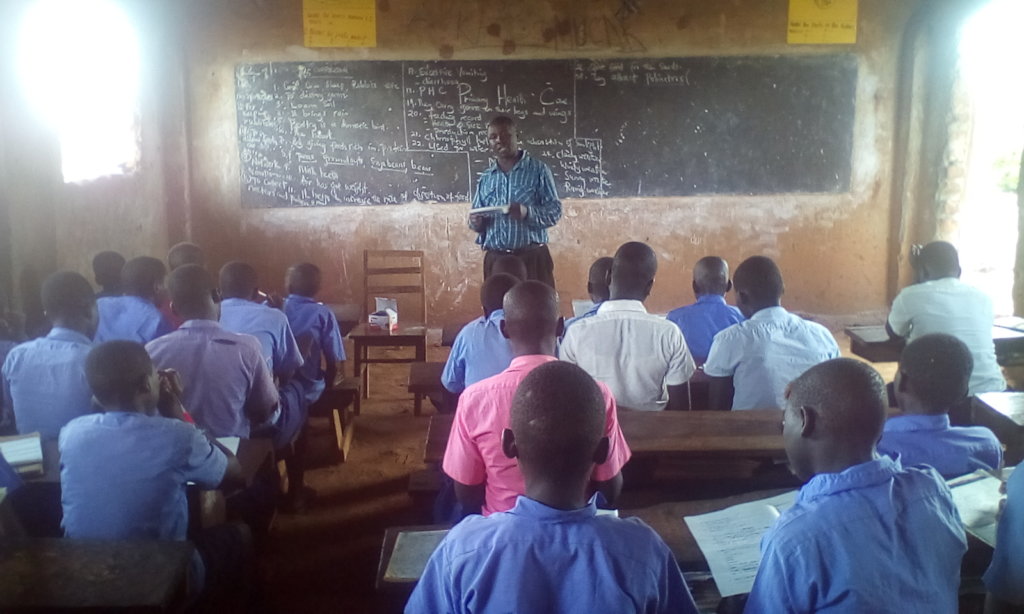
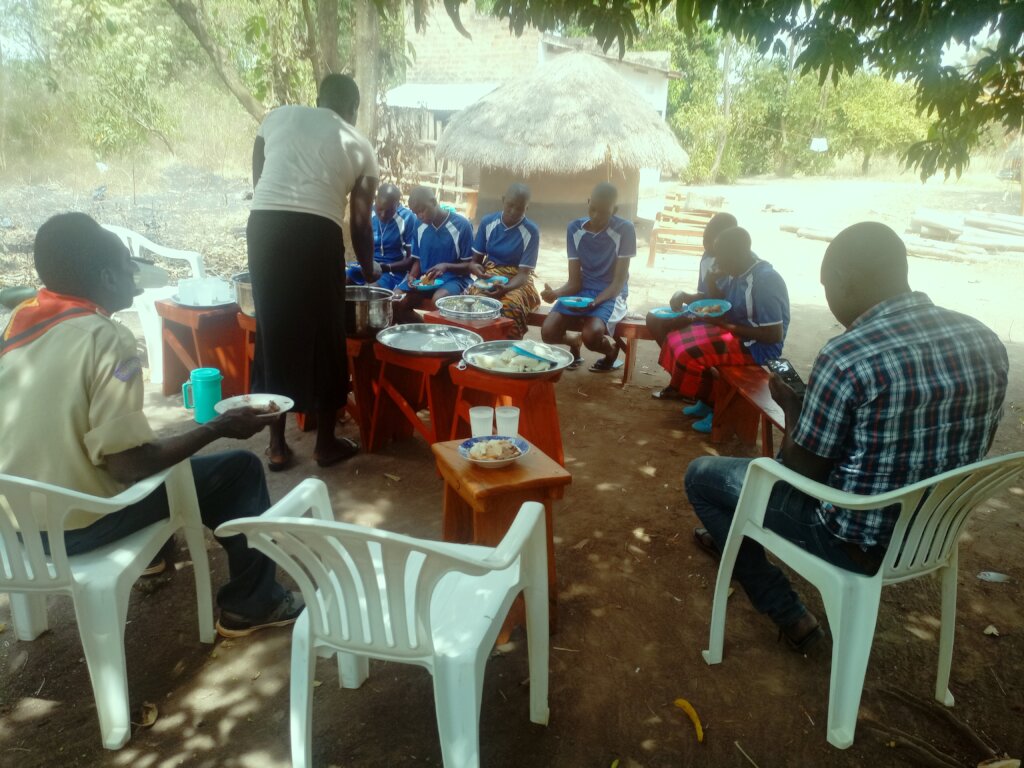
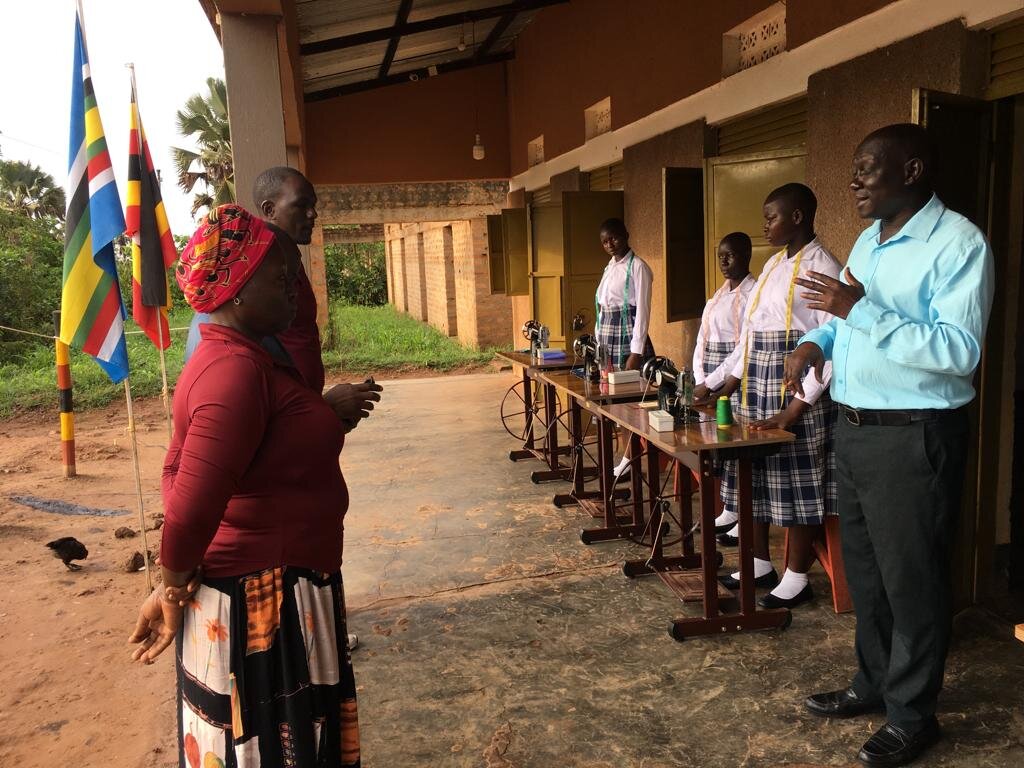
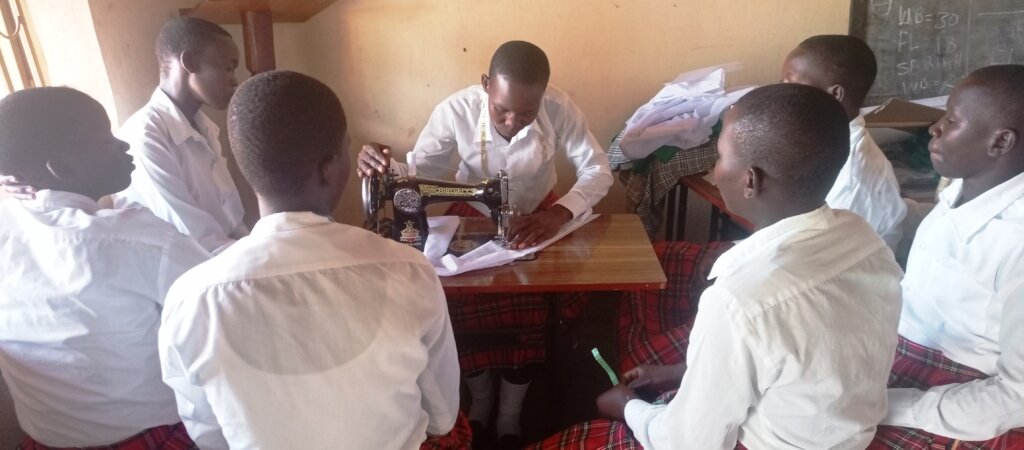
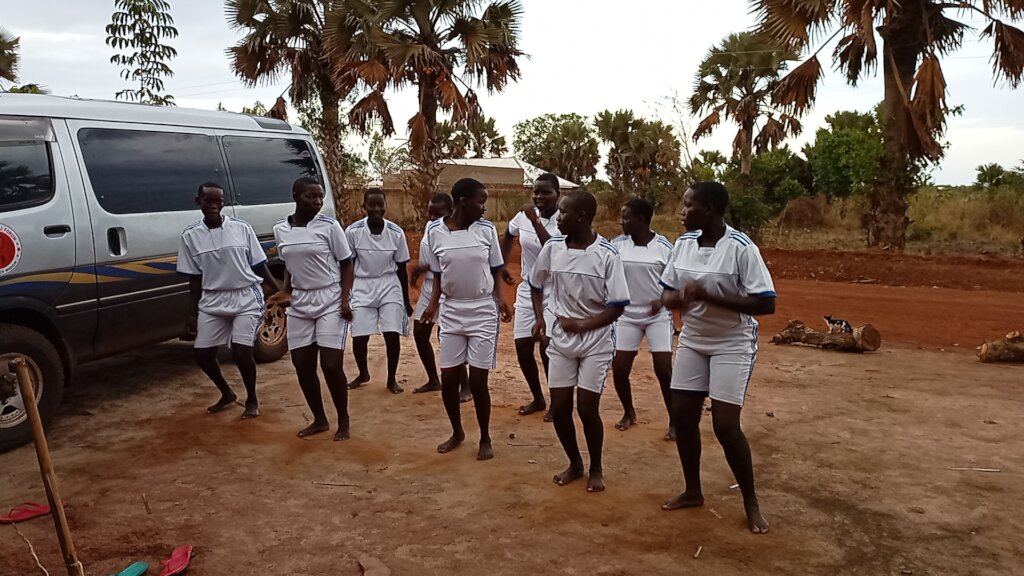
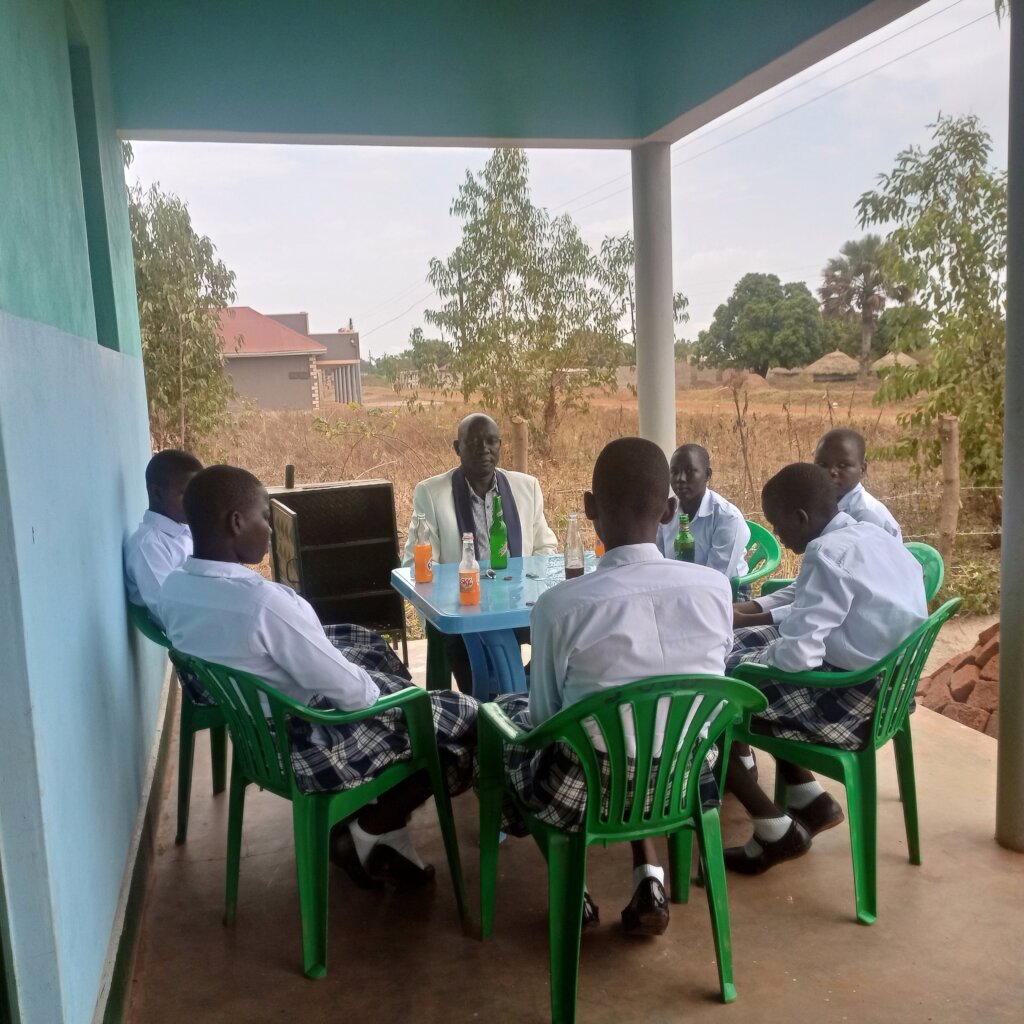
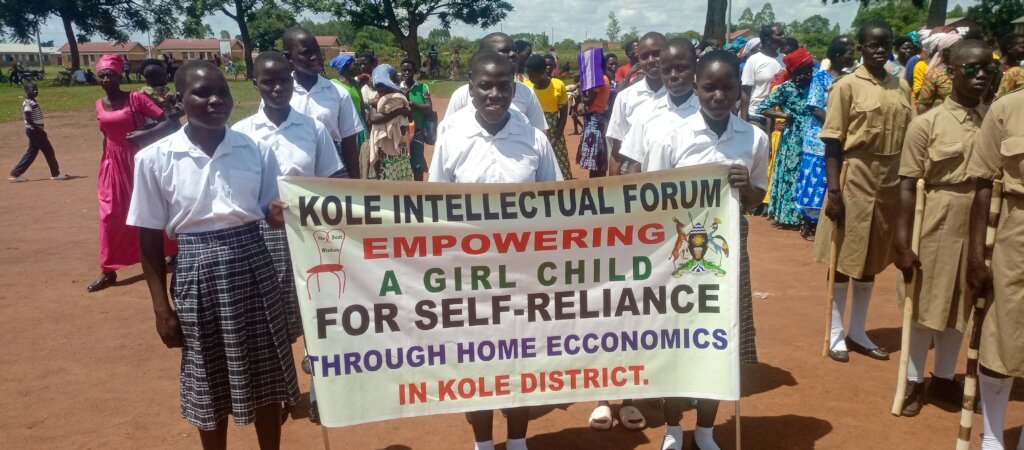
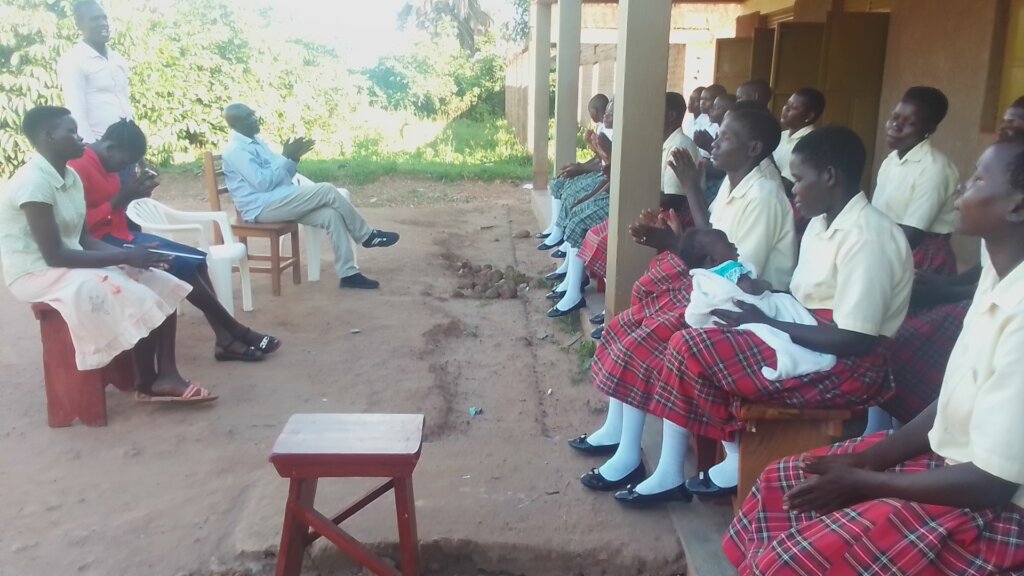
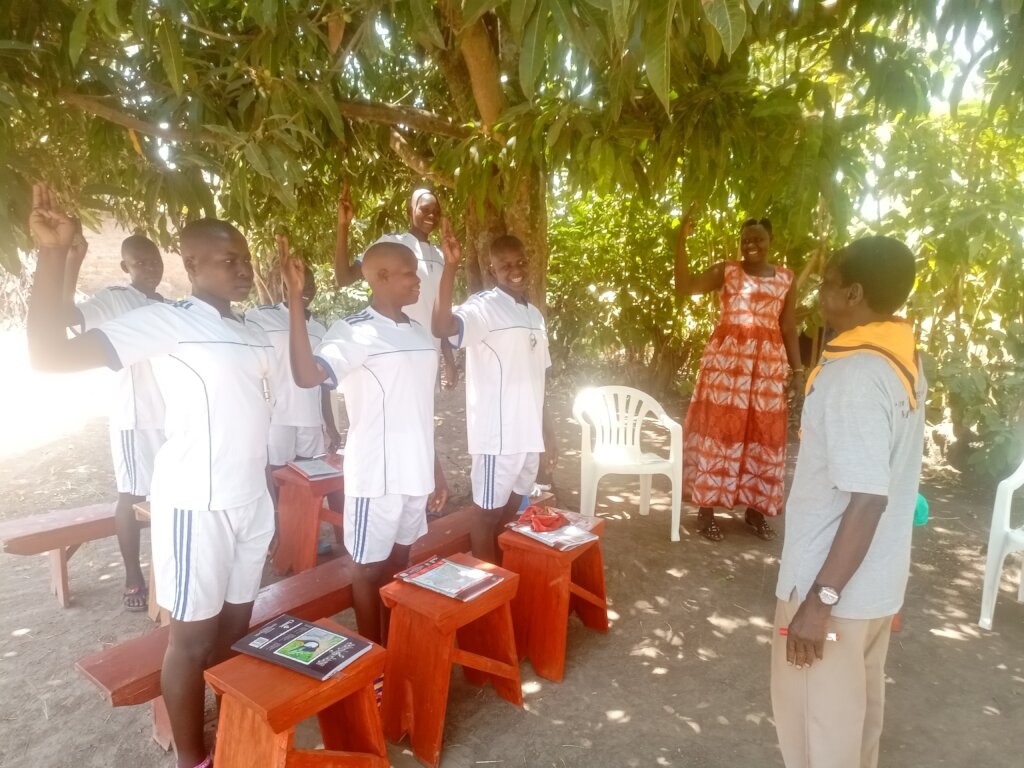
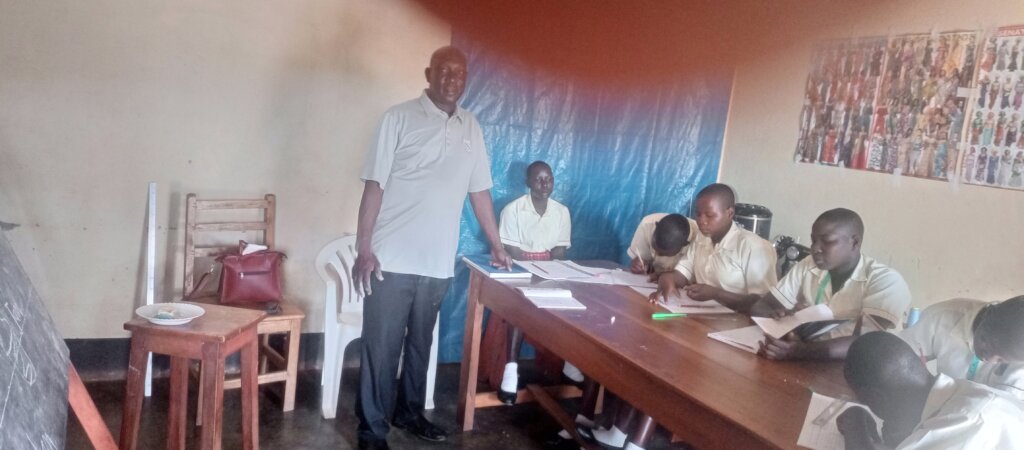
Now that Kole Intellectual Forum is advocating for the empowerment of a girl child for self-reliance as well as to be Promoting Real Healthy Families: Home Economics; the organization on the other hand advocating for quality, sustainable and potential education; using a numbers of tools; among them is use of facilitation to interschool debate competition; and the goal of doing this is to, make them (students adjust to an academic challenge; which has remained a powerful tool that can mold think, speak, and lead with minimum pressure.


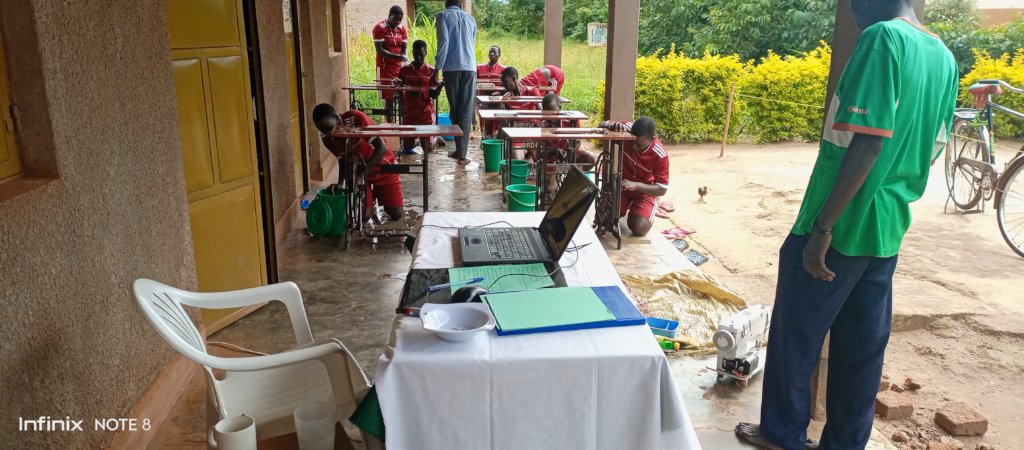
The tool when well utilize proper, it can help the students not only to do research, but also to gather information that can help them too, on how to present their thoughts clearly and convincingly.
Now that the organization is facilitating (the program of debate in the interschool competition); the quality of education is improving in the areas of KIFA’s Intervention
Dec 1, 2025
KIFA: Experiencing progressive Development
By George Obua | Project Leader
All over a period of time, Kole Intellectual Forum has gone through a number of progressive project development" that expresses that the core principles of modern project management: that is in term of adaptability, continuous improvement, and collaboration; and these principles, according to the report from the auditors are found to be largely embodied by a key concept in project management: progressive elaboration.
What do they meant by Progressive Elaboration? According to them, Progressive elaboration is the process of continuously improving and detailing a project plan as more specific and accurate information becomes available. This approach recognizes that in complex projects, that is nearly impossible to define all requirements and potential challenges up fronted as:
- Adaptability to Change: Project managers can remain flexible and proactive when faced with new information or sudden changes, ensuring plans stay relevant and feasible throughout the project lifecycle.
- Improved Accuracy: Initial plans start with high-level objectives and rough estimates, which are then refined through iterative cycles, leading to more detailed and accurate planning as the project progresses.
- Enhanced Collaboration: This methodology encourages ongoing engagement and communication among all stakeholders, allowing for feedback gathering and issue resolution as they arise, rather than all at once at the end.
- Risk Management: By breaking the project into manageable segments and addressing issues in a phased manner, teams can better identify and mitigate risks throughout the project's life.
Nov 29, 2025
Facilitating community decision making: KIFA
By George Obua | Project Leader
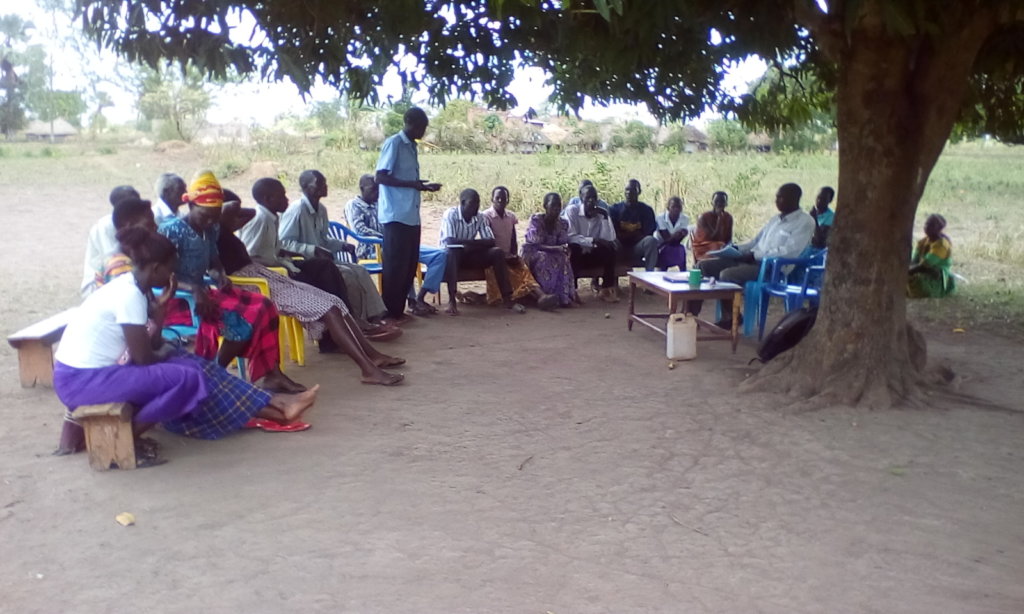
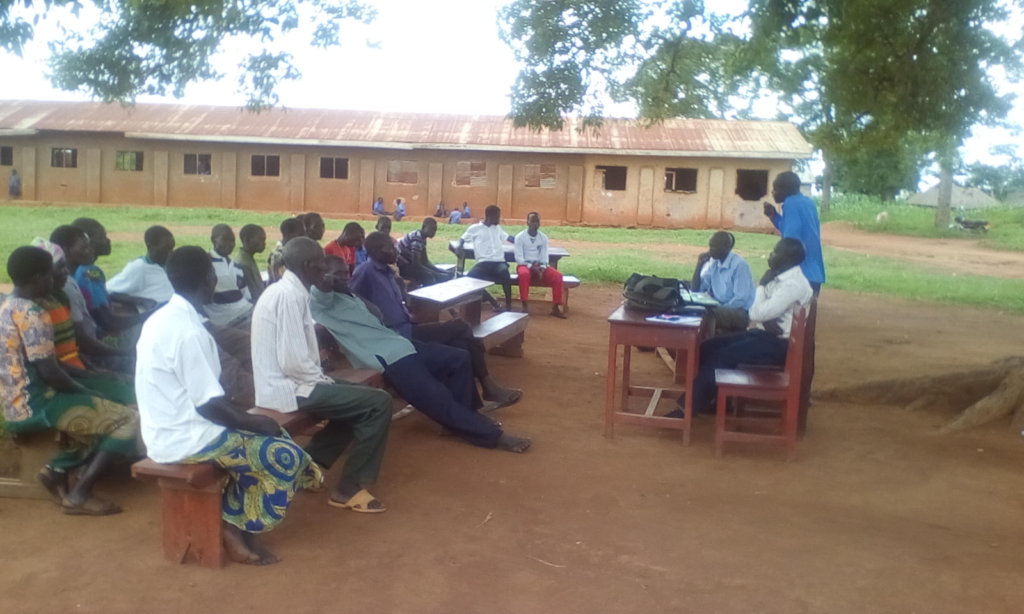
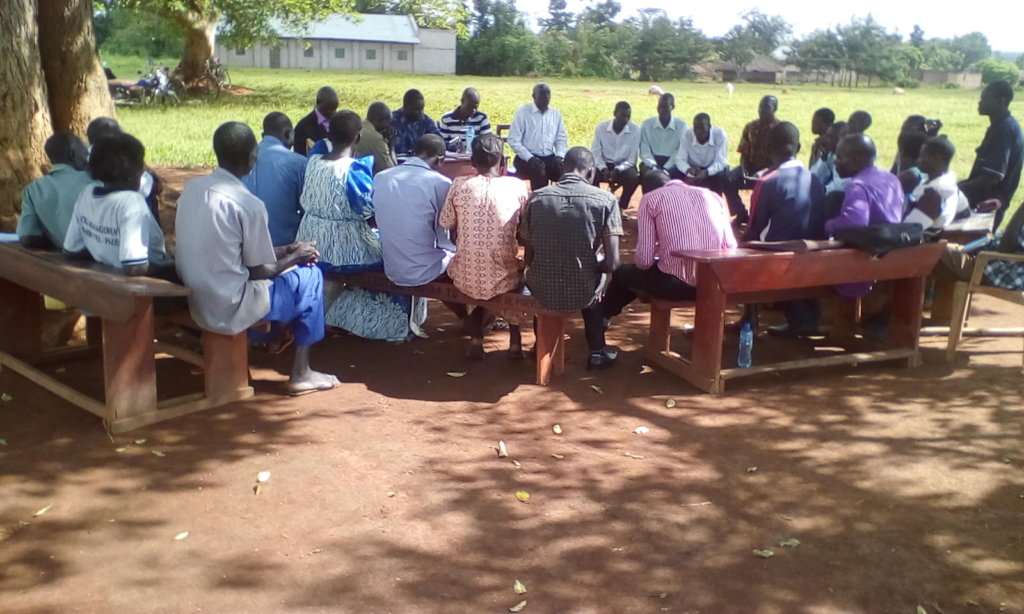
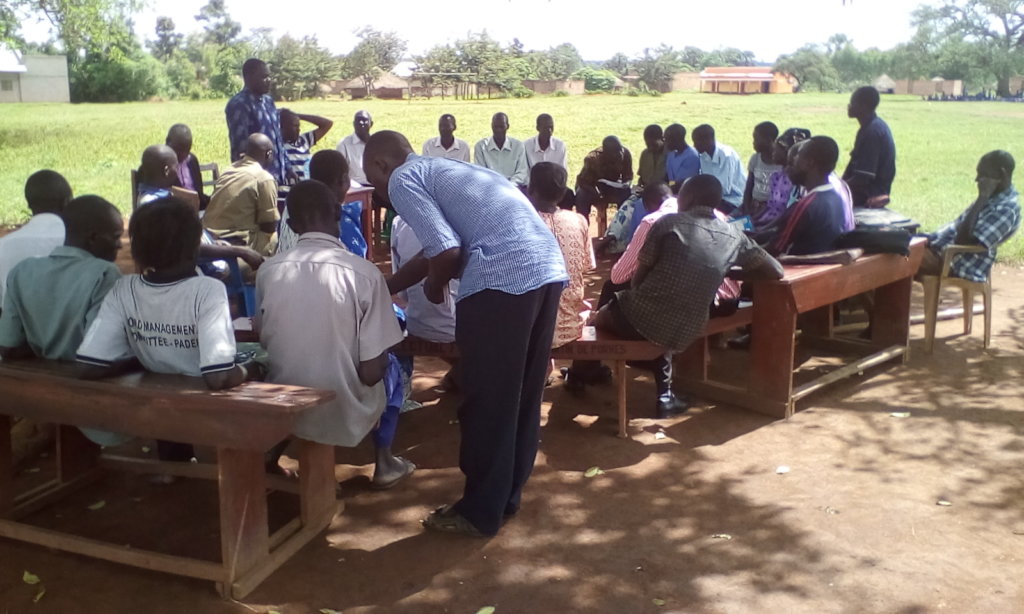
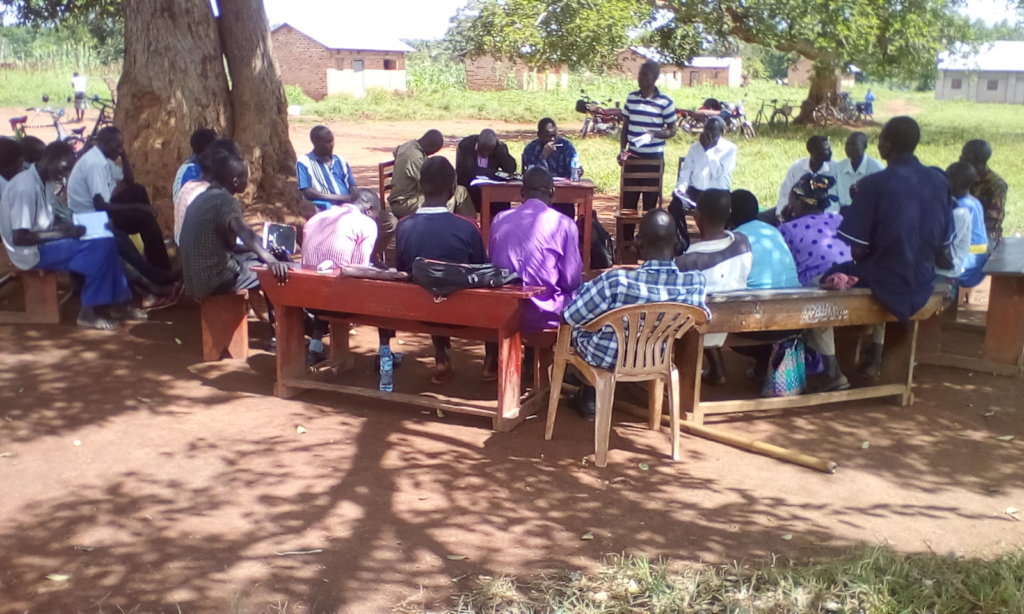
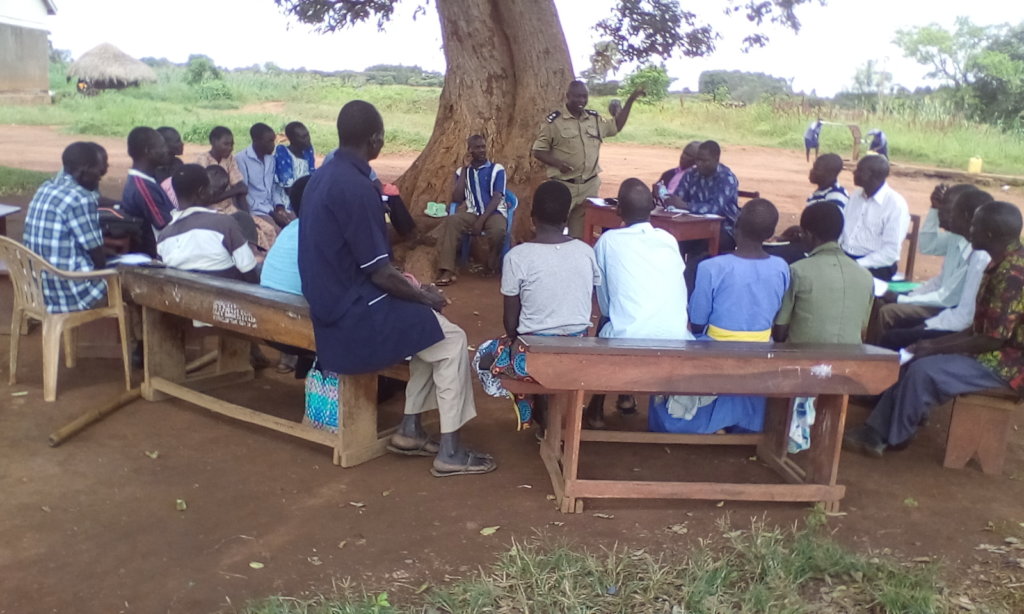
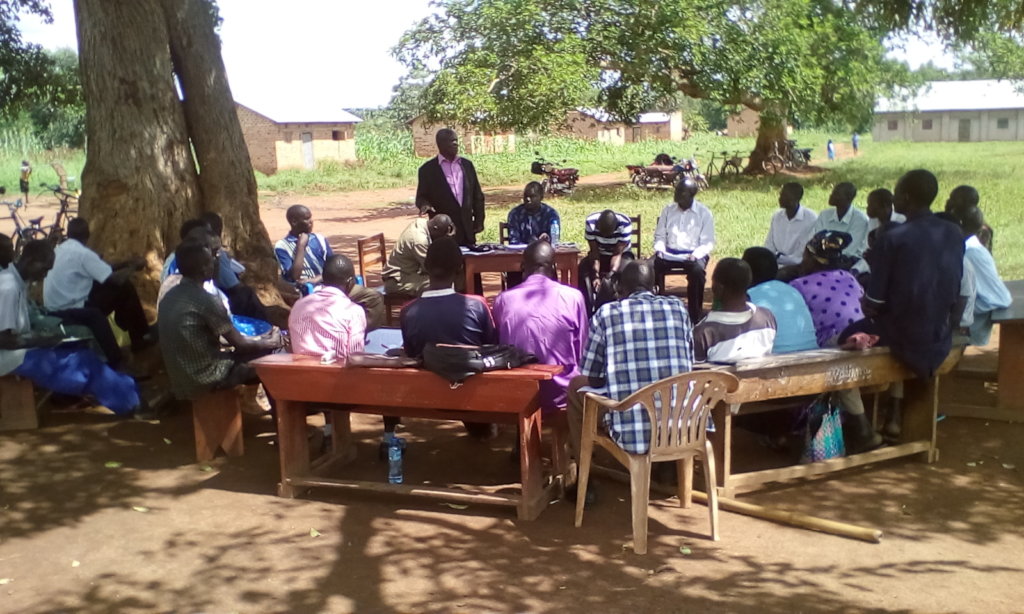
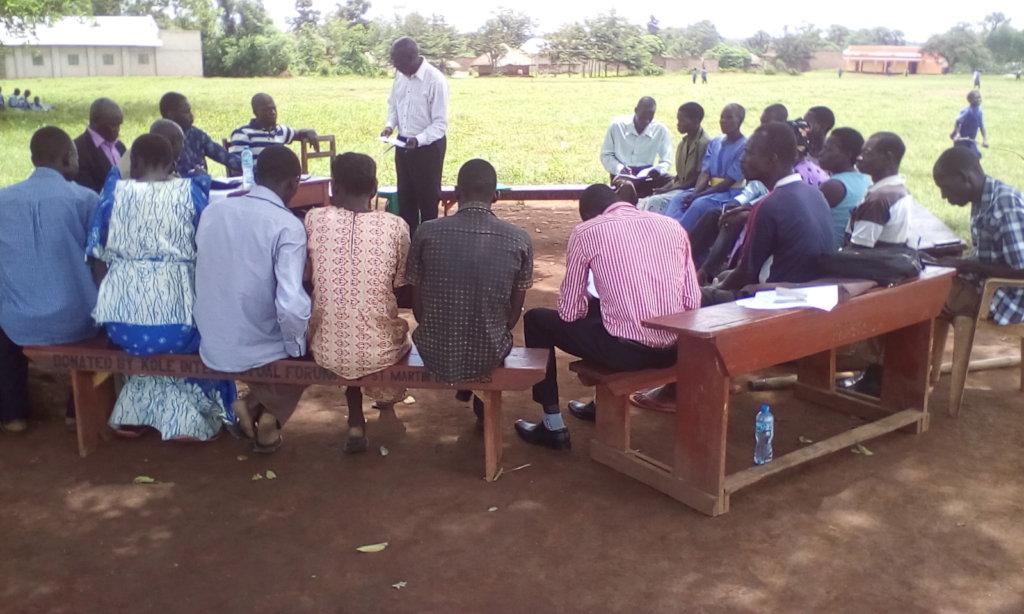
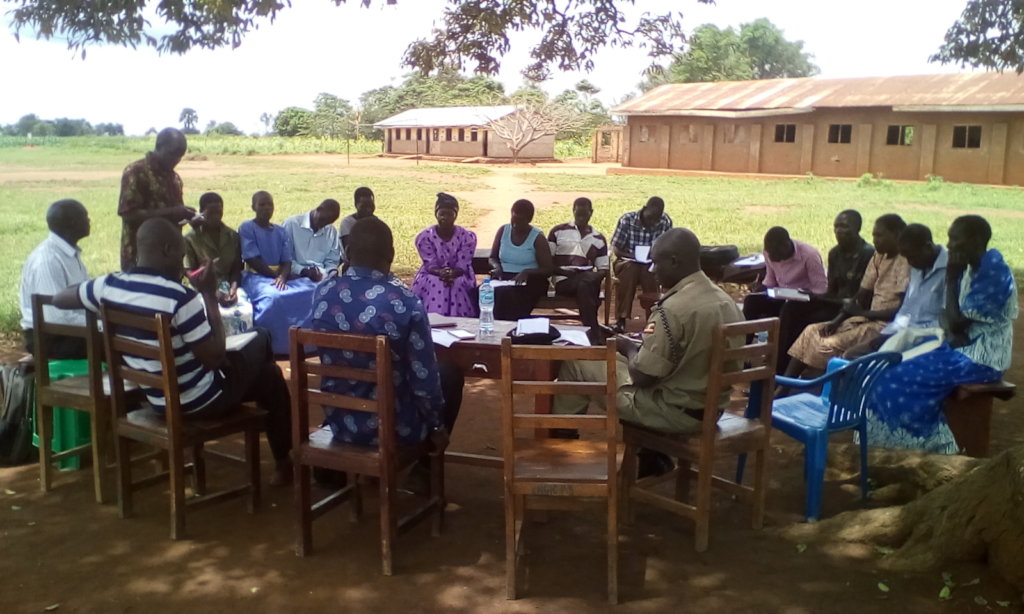
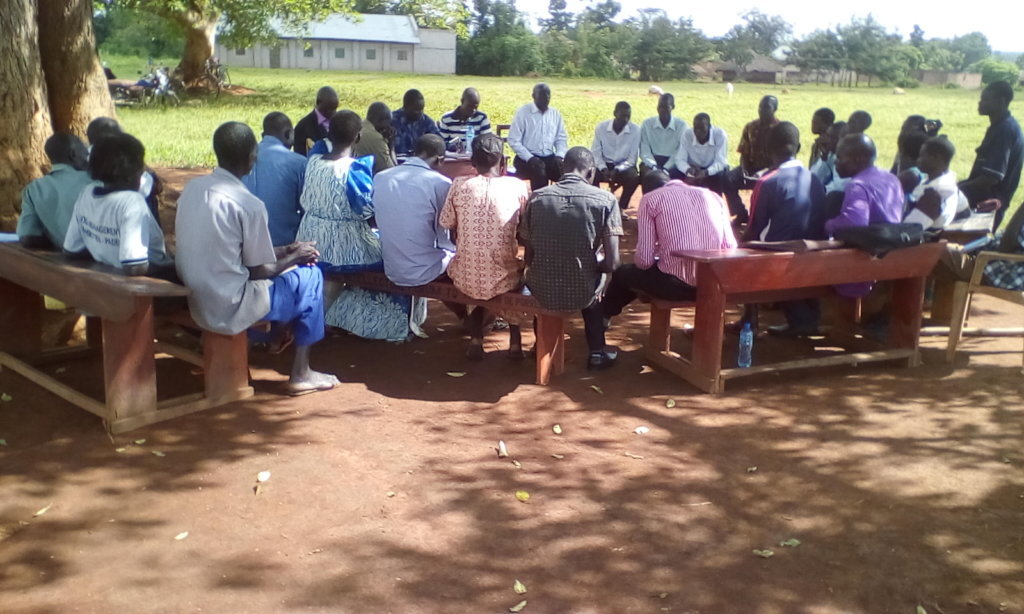
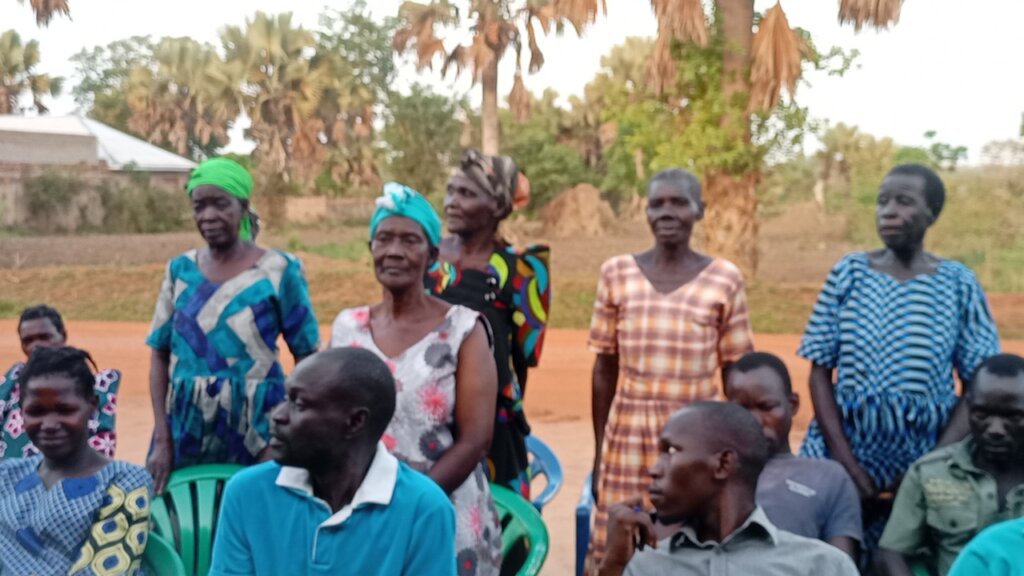
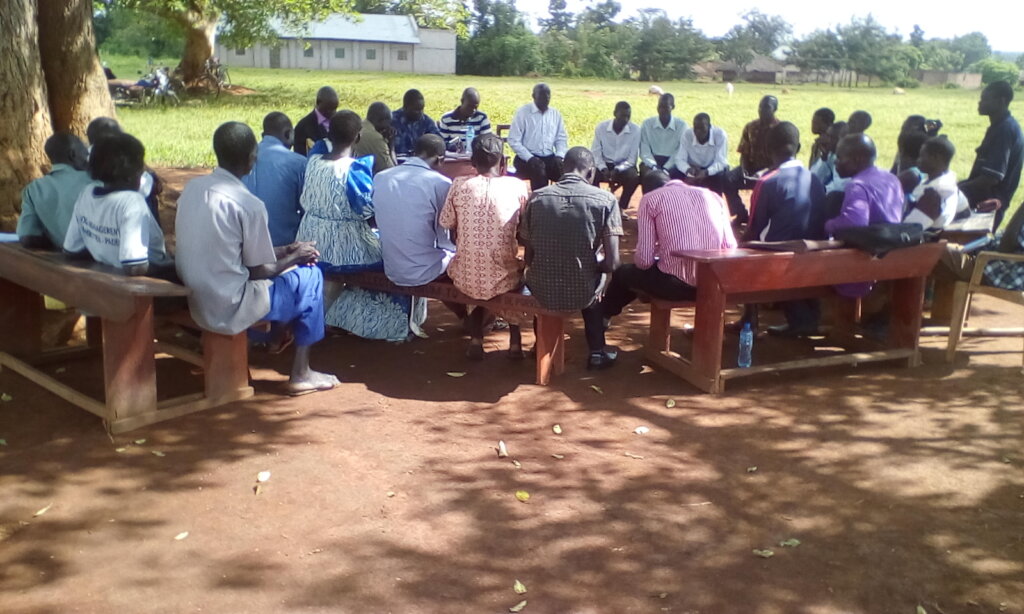
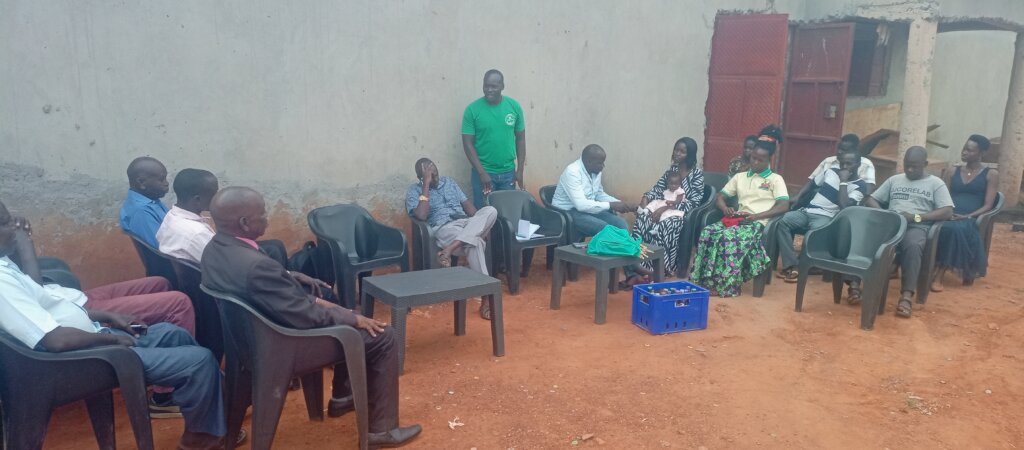
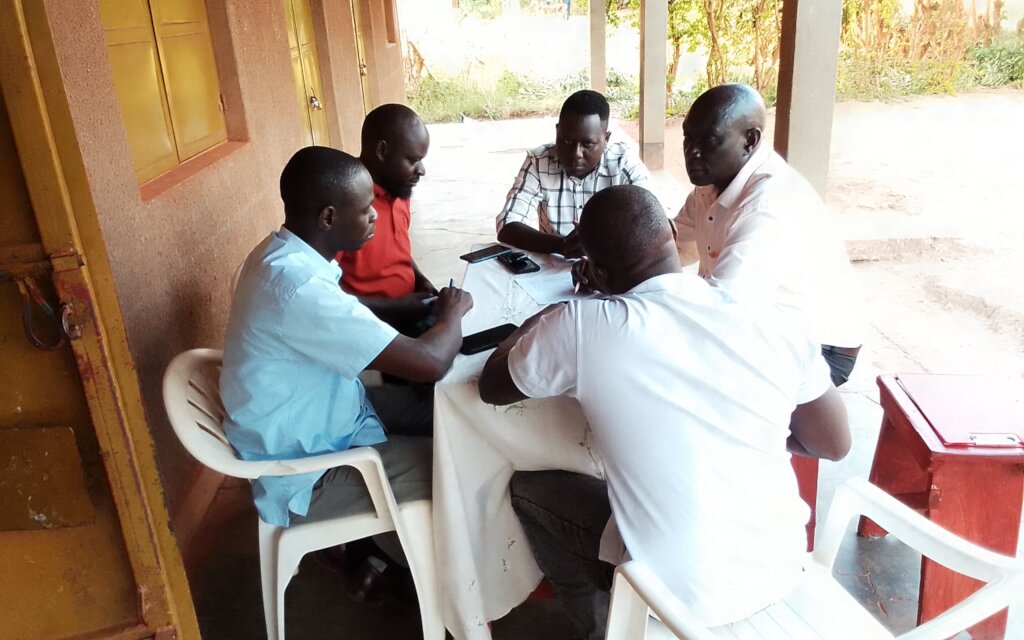
![Community Decision making facilited by KIFA]()
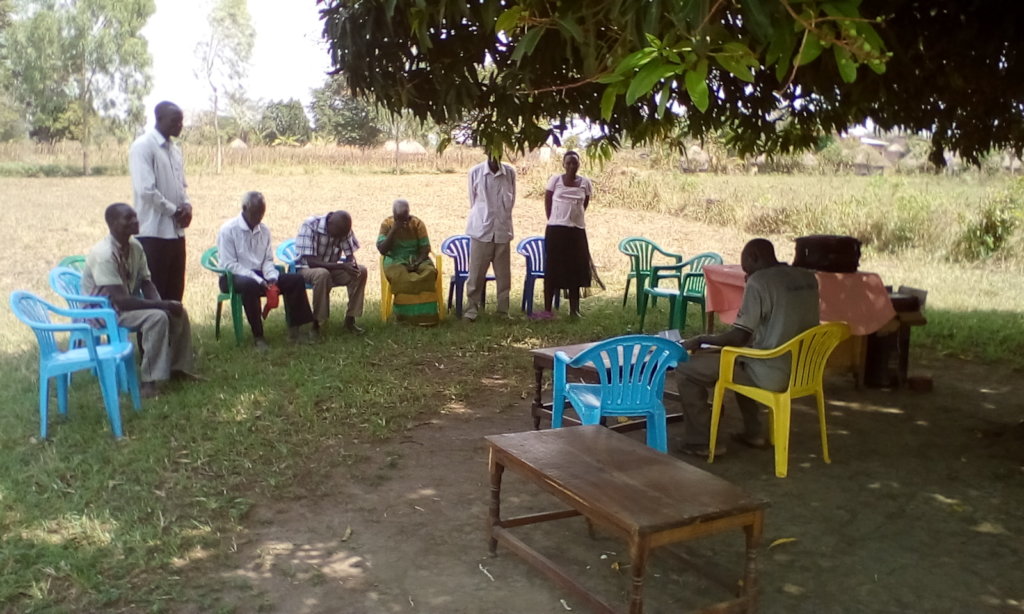
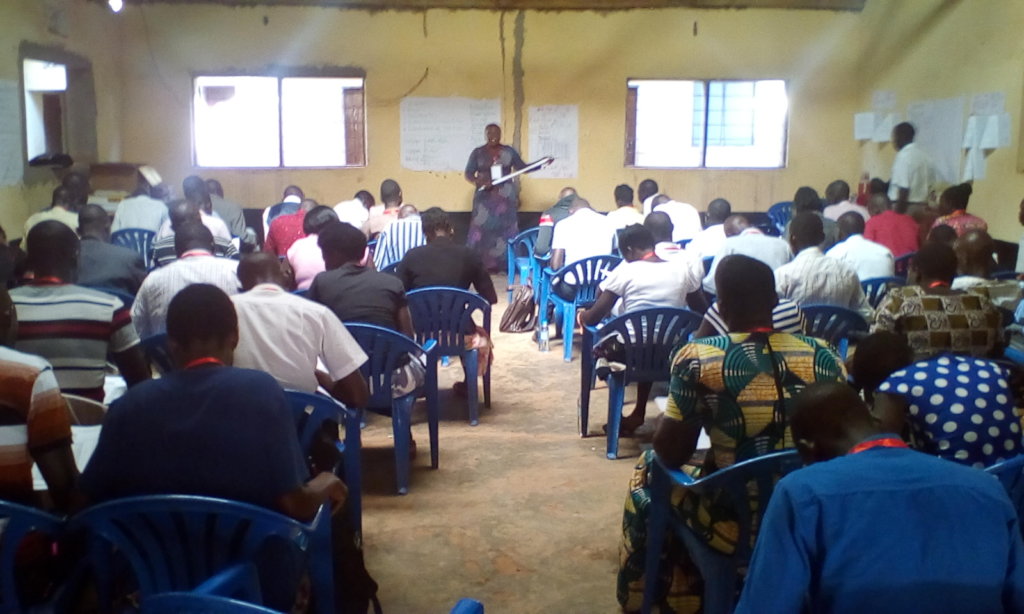
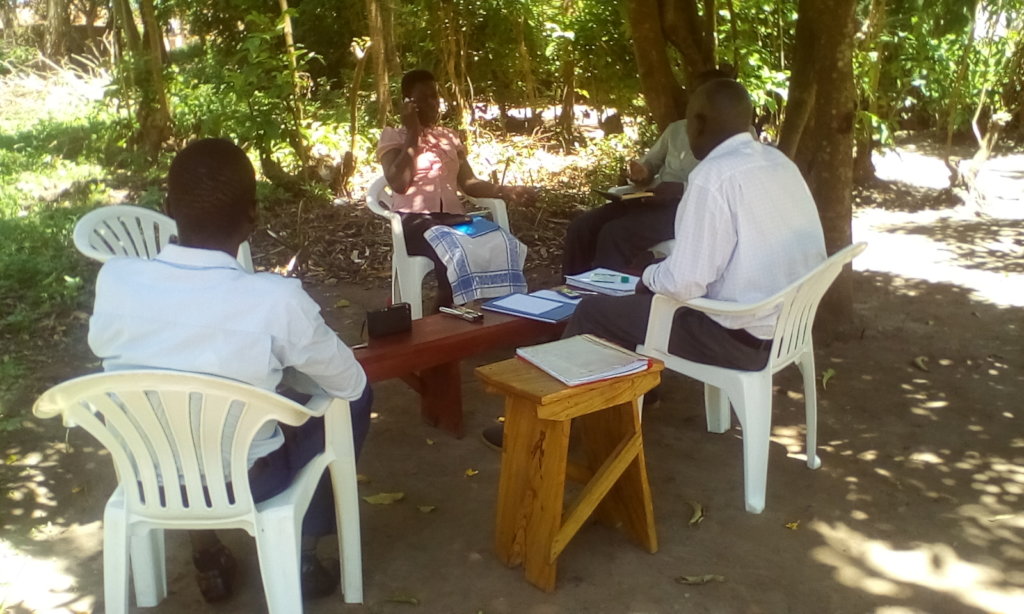
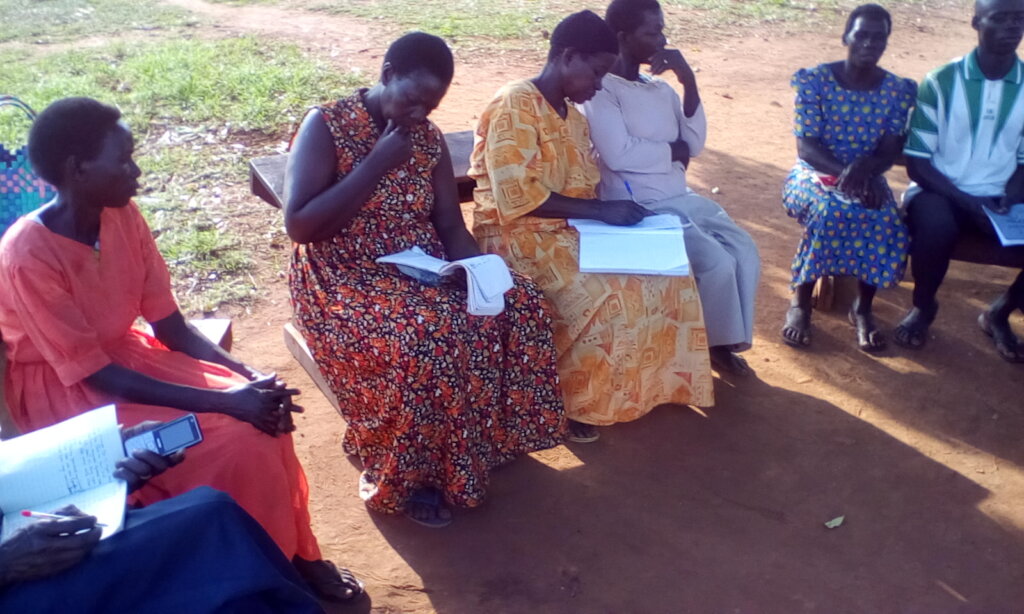
Community Decision making facilited by KIFA
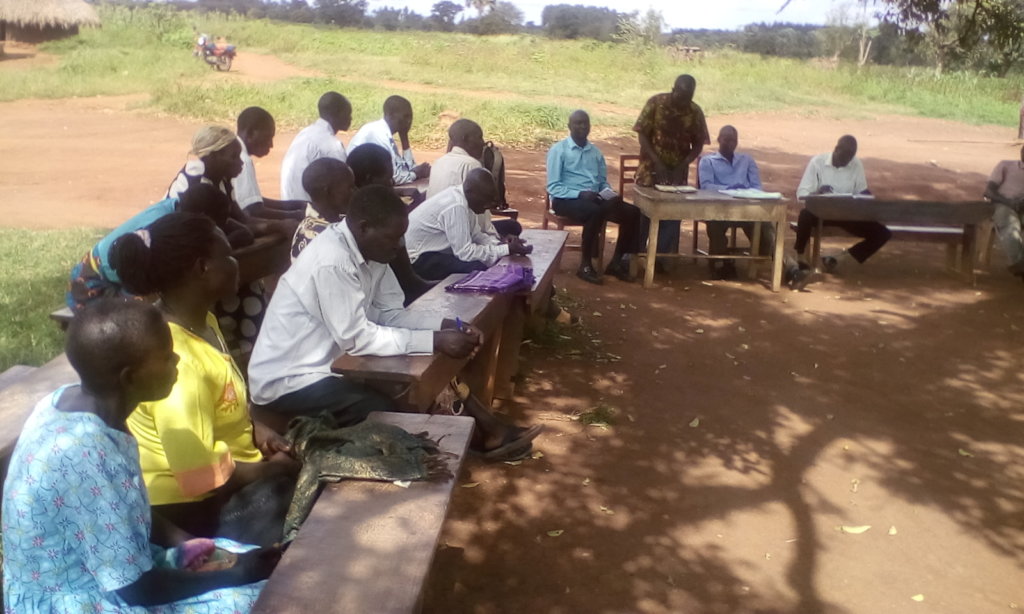
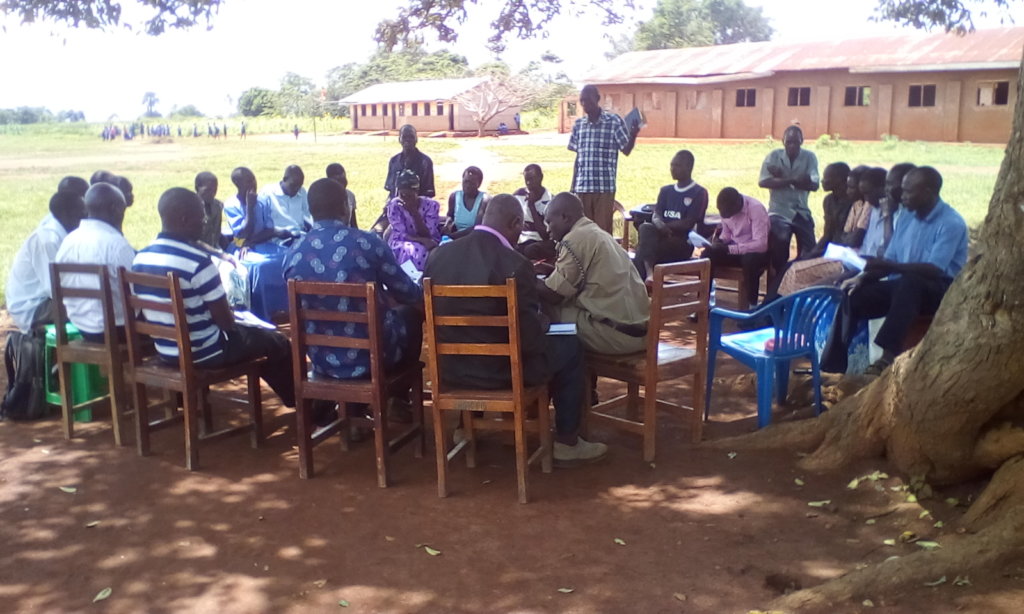
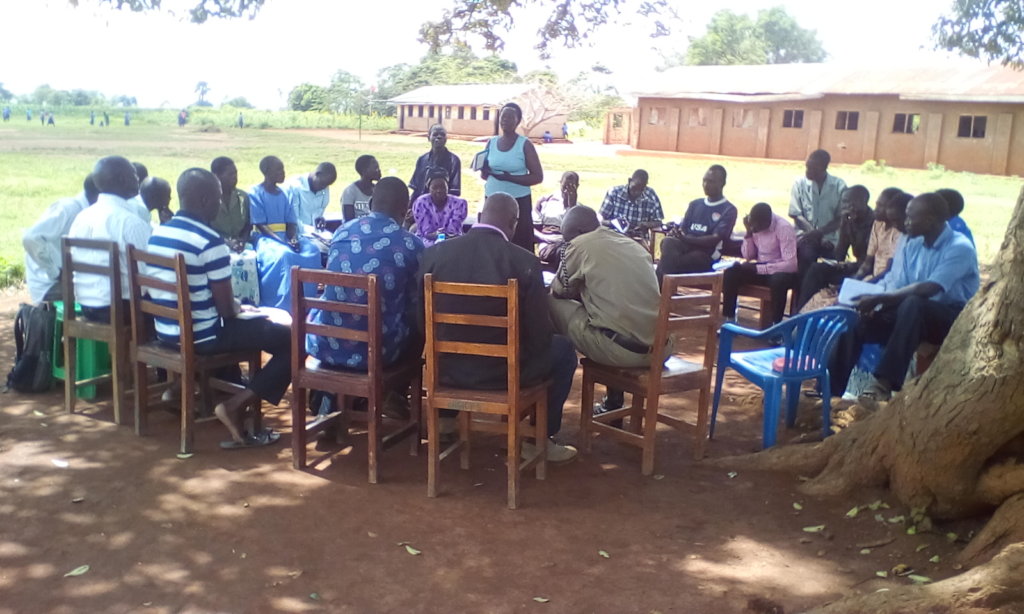
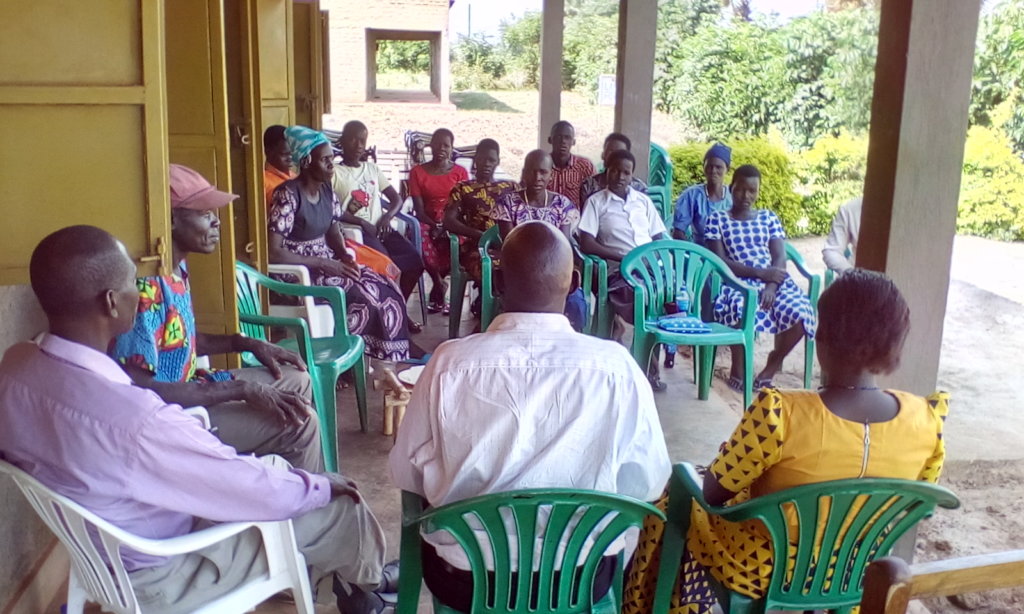
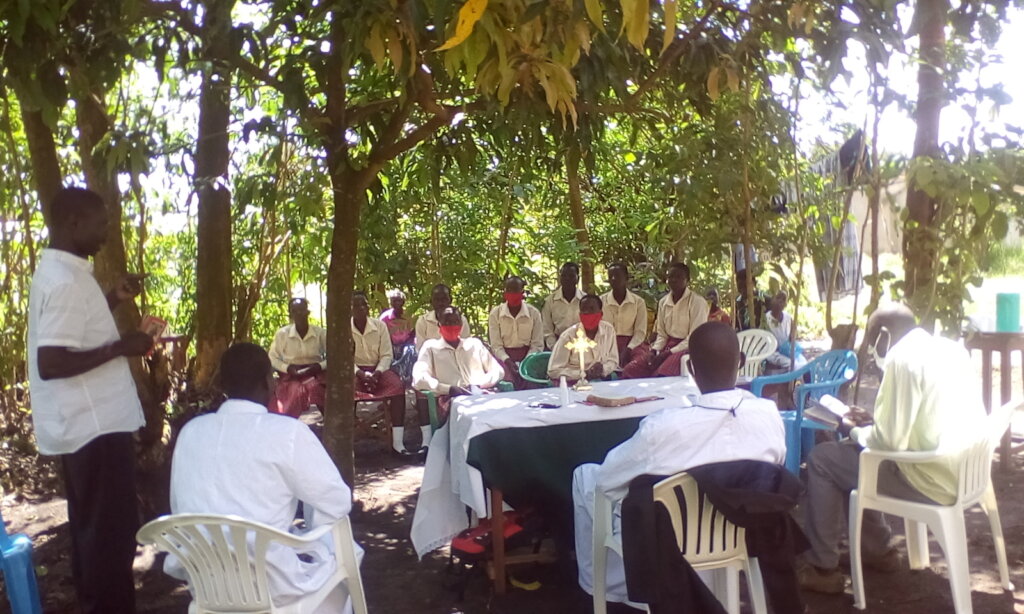
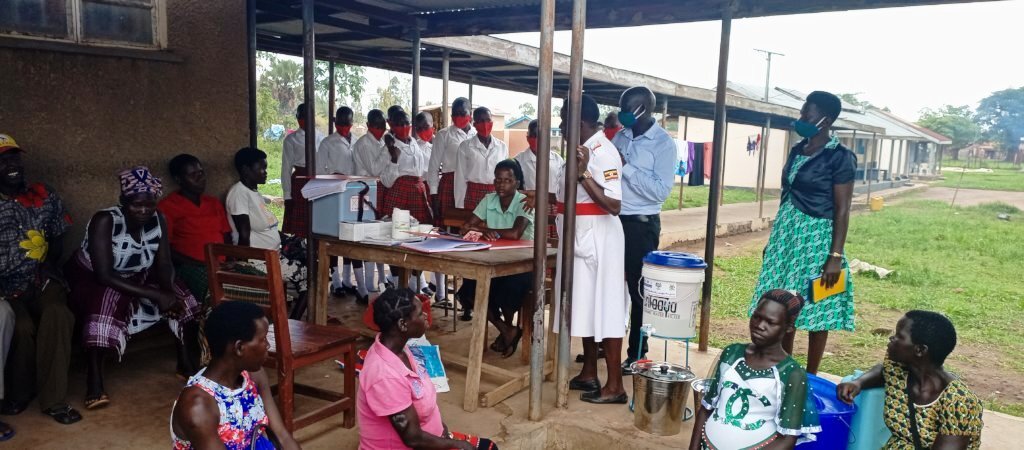
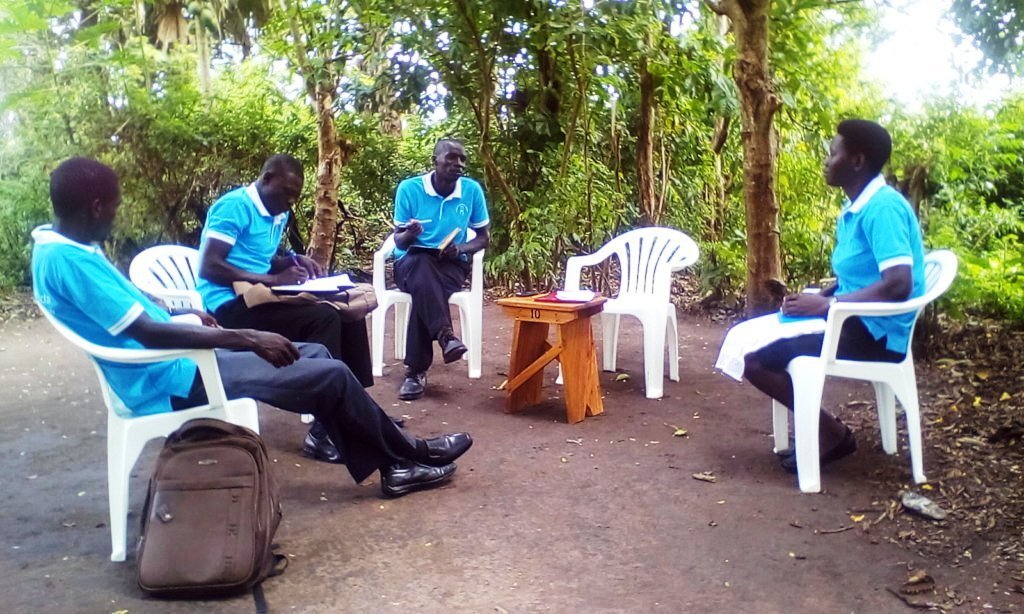
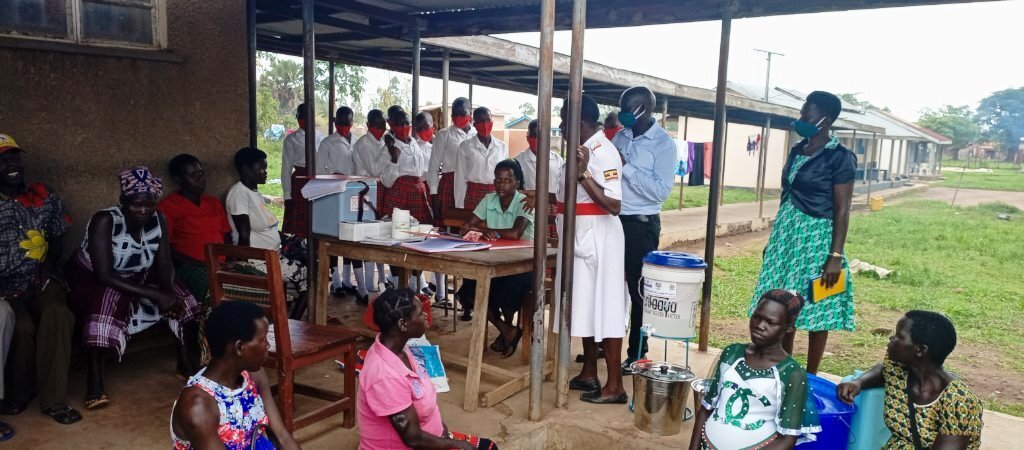
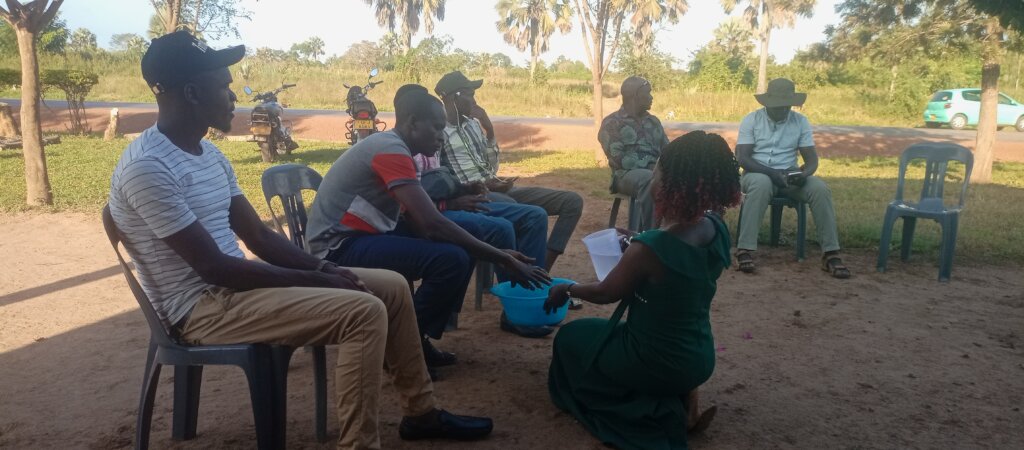
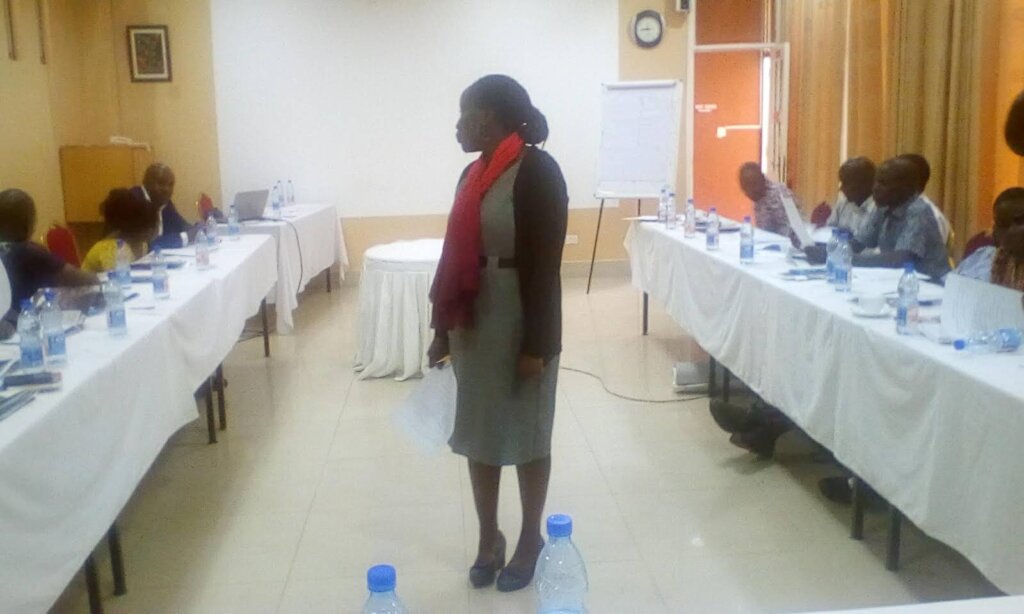
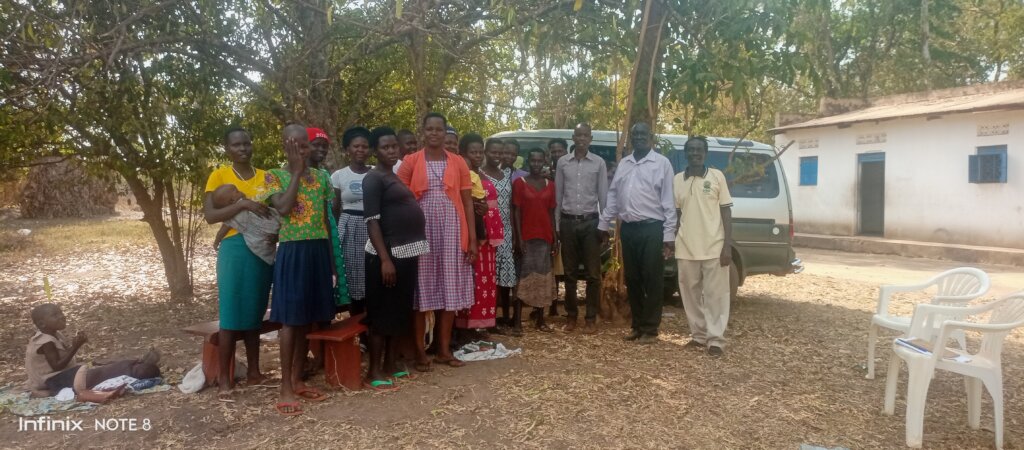
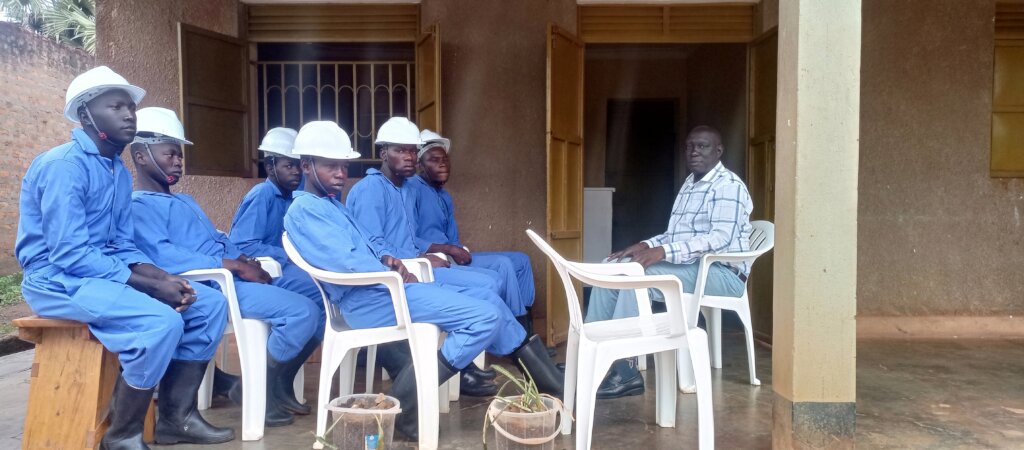
Kole Intellectual Forum is a Community Based Organization, that always tries to facilitate community decision-making that involves creating a structure for open dialogue, establishing clear goals, and building trust through transparent processes; and their usual strategies include using participatory methods like participatory budgeting, ensuring all voices are heard, and setting clear expectations for what decisions the community can influence.
These promoters' strategies are always base on,
1. Prepare for the decision-making process
- Define the scope: Determine what decisions can be made collaboratively and who from the community and other stakeholders should be involved.
- Set clear goals: Define specific goals and objectives for the decision-making process.
- Plan the process: Develop a roadmap and plan for how the decision will be made, including what information will be gathered and how the final decision will be reached.
- Build trust: Establish credibility with the community by building trust through consistent and transparent communication.
2. Create an inclusive environment
- Set ground rules: Establish and agree on rules for respectful conversation to ensure everyone has a chance to contribute and is heard, such as listening to others and avoiding personal attacks.
- Encourage participation: Implement methods that encourage broad participation, such as facilitated group interactions, focus groups, or surveys.
- Center lived experience: Prioritize the perspectives of those most impacted by the decision.
- Use the right tools: Employ a variety of tools and methods, like participatory budgeting or dialogue forums, depending on the context and goals.
3. Manage the conversation and decision
- Maintain neutrality: Facilitators should remain neutral on the content of the discussion and have no personal opinions or biases.
- Communicate the process: Clearly explain the process to the group to foster trust and ensure everyone understands their role.
- Gather information: Gather all relevant information and alternatives before making a choice.
- Document and follow up: Keep records of decisions made and make them accessible to everyone involved. Set a clear "term" for decisions, and plan a time to review and revisit them.
4. Follow through after the decision
- Take action: Take the necessary steps to implement the decision.
- Review and reflect: Review the decision and its consequences to learn from the process.
- Adapt as needed: Be prepared to adapt strategies and re-engage the community for future solutions if challenges arise.