By tsepal Dorje Lama | Project Manager
Report on NAPO’s Women’s Voice Project Activities
During the reporting period, Nepal Austria Partnership Organisation (NAPO) continued to implement activities under the Women’s Voice Project, with a focus on women’s economic empowerment, climate-resilient agriculture, women’s rights, disaster resilience, advocacy, and community awareness. The project continued to create opportunities for women to strengthen their livelihoods, increase their knowledge and confidence, and participate more actively in household and community-level decision-making.
1. Climate-Resilient Livelihood Activities
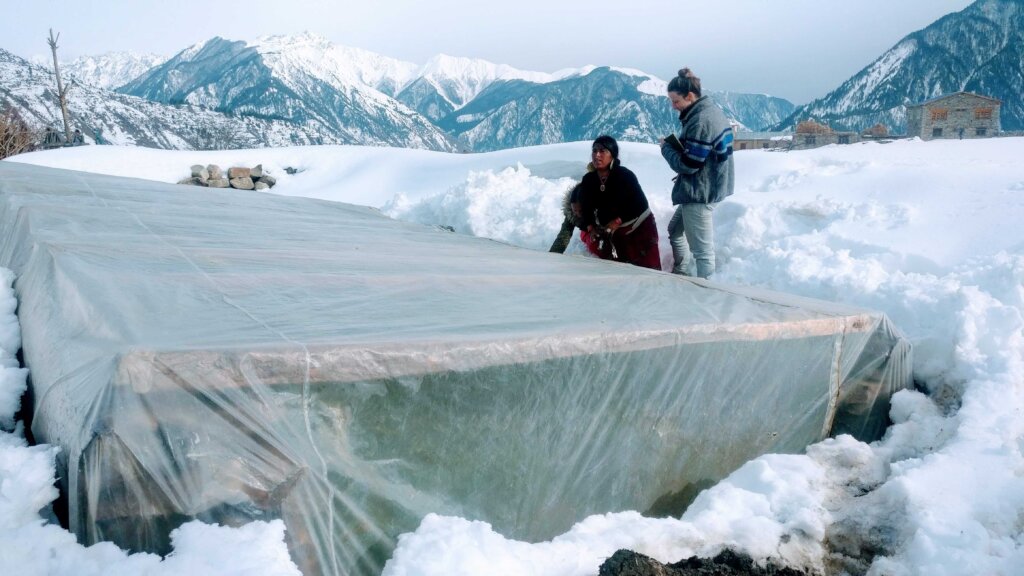
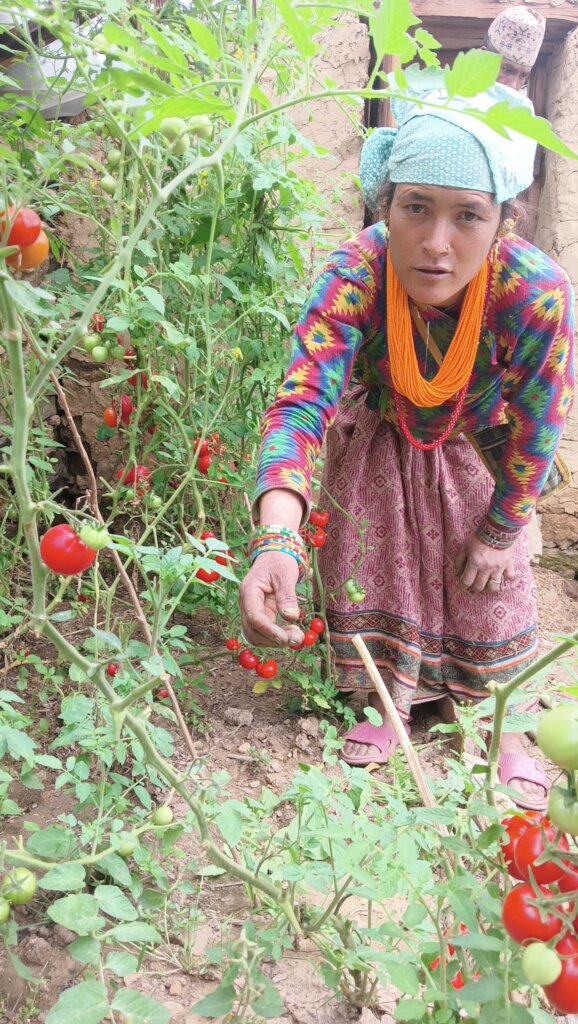
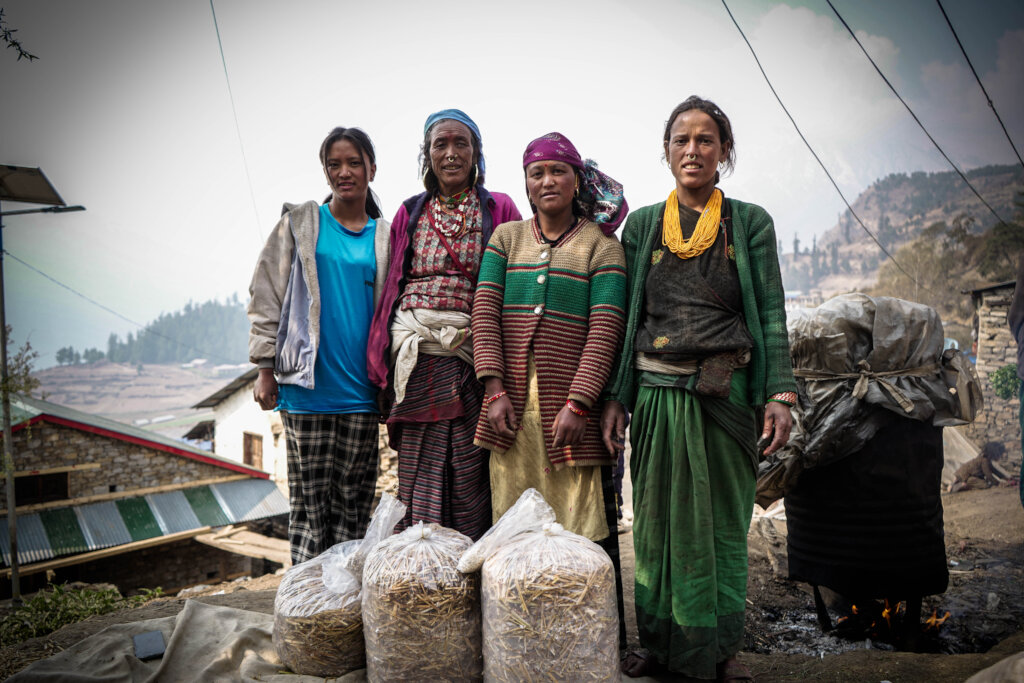
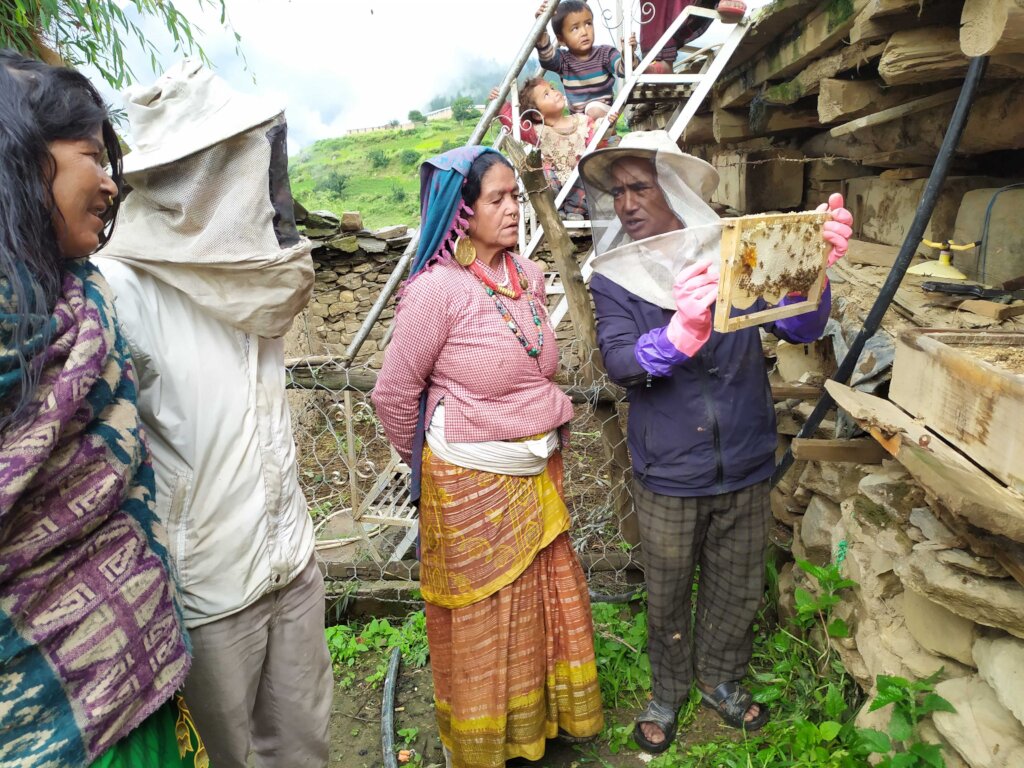
During the reporting period, the project supported 50 women to harvest green vegetables cultivated through greenhouse farming during the spring season. In addition, another 50 women successfully planted summer vegetable crops, supporting continuity of production across seasons and creating opportunities for regular household food supply and income generation.
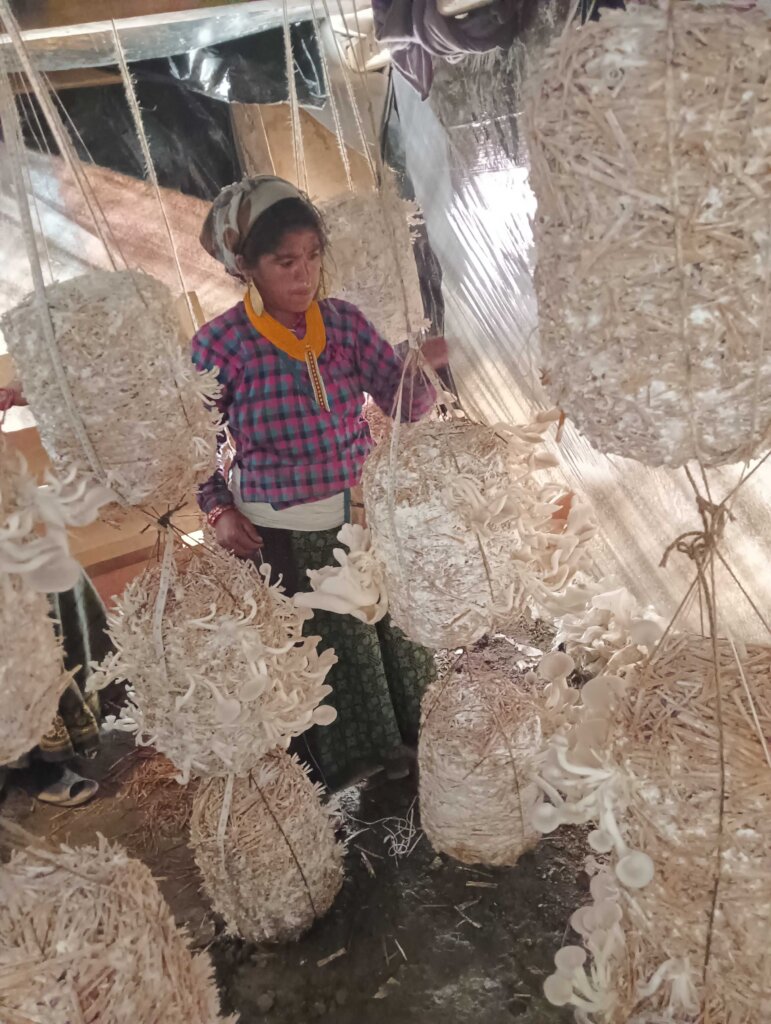
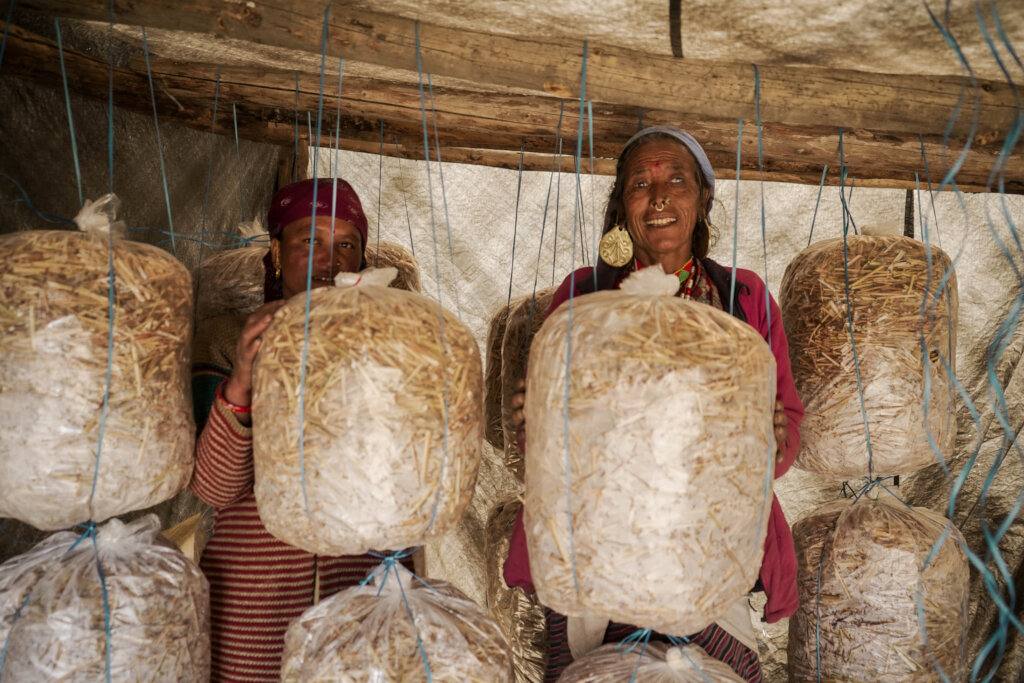
The project also supported 16 women engaged in oyster mushroom production. The mushroom cultivation demonstrated encouraging growth and promising results, providing women with an additional livelihood option that requires relatively limited land and can generate income within a short production cycle.
These climate-resilient livelihood activities have contributed to improved household food security and income opportunities. Participating women reported increased confidence in managing agricultural activities, greater participation in household financial decisions, and a stronger sense of dignity and independence through their economic contributions.
2. Capacity Building on Climate Change, Gender and Women’s Rights
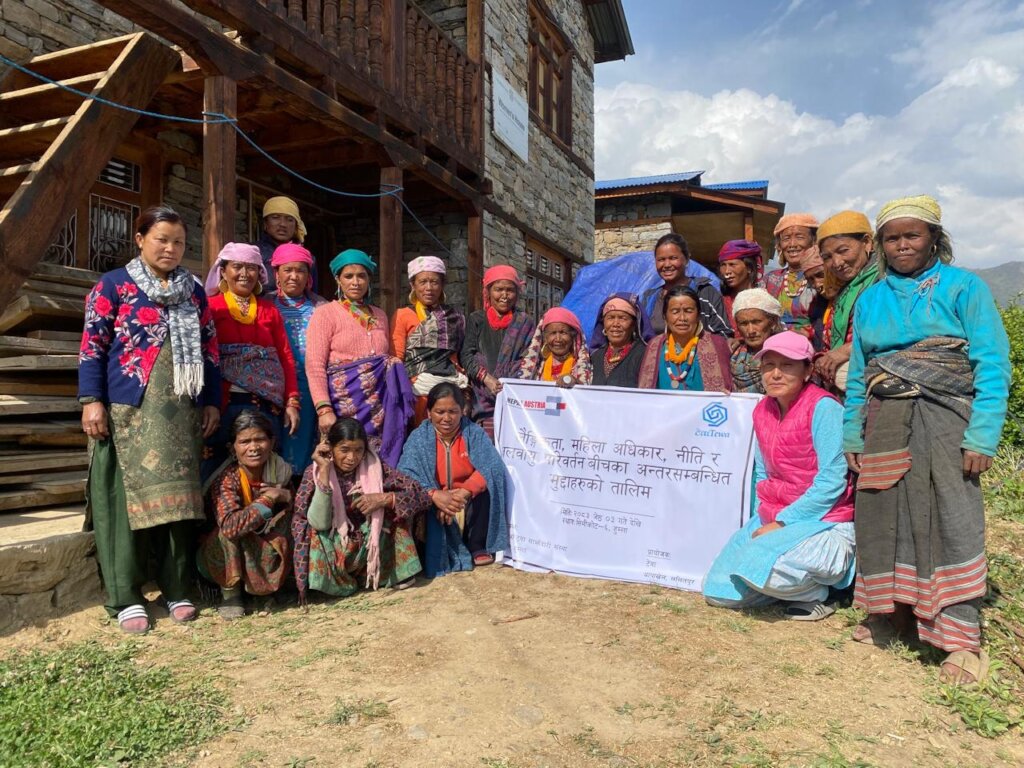
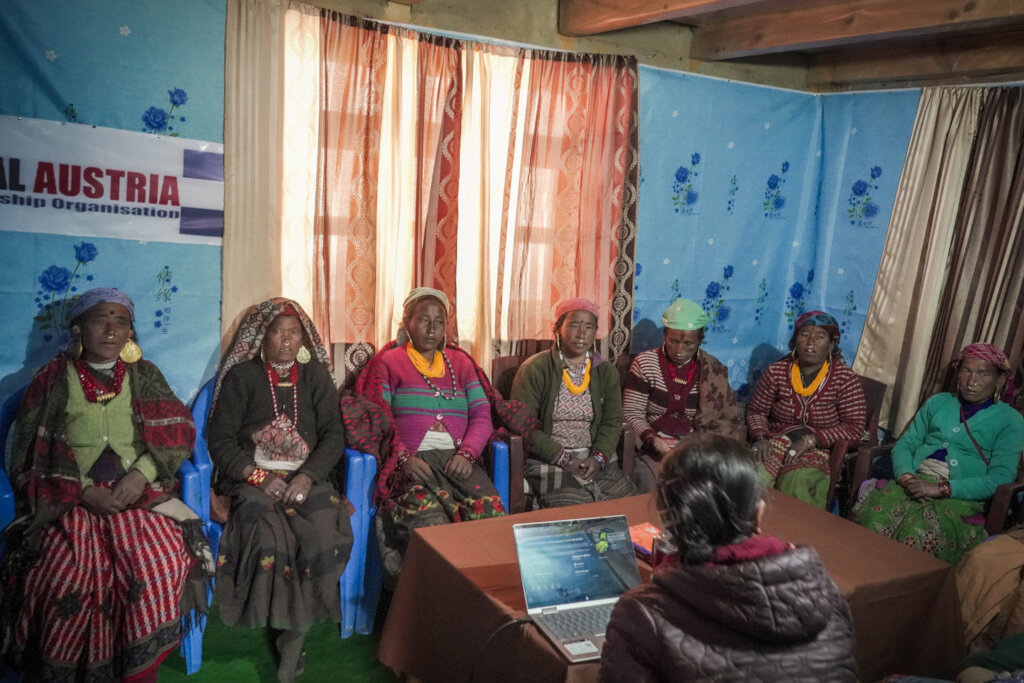
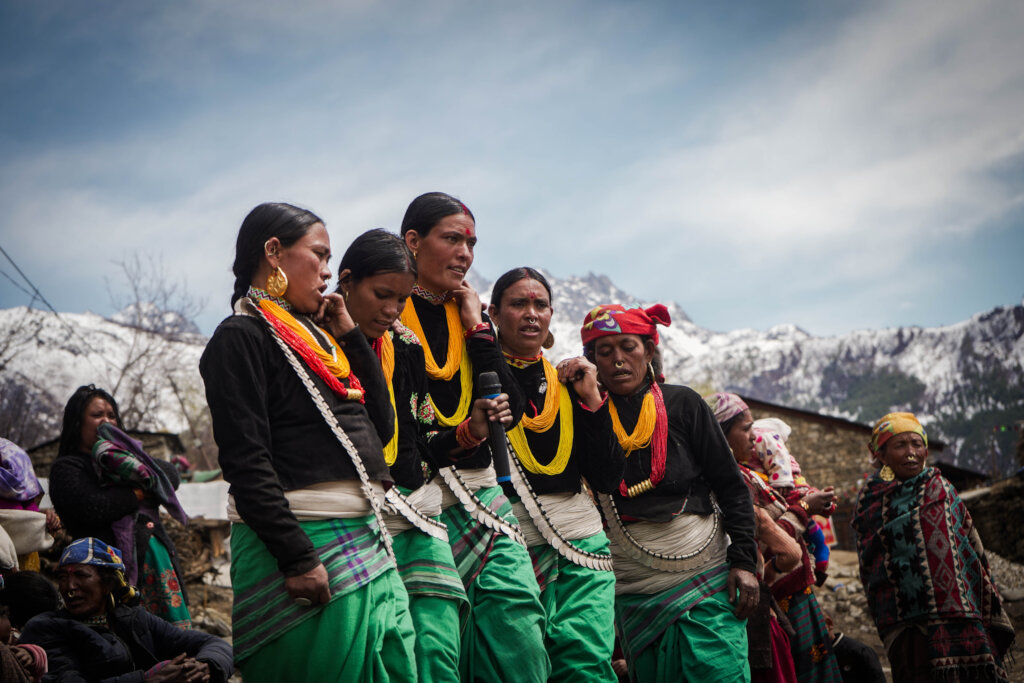
NAPO conducted a series of capacity-building sessions during the spring season focusing on the interrelationship between gender equality, women’s rights, climate change, climate-resilient livelihoods, and local policies.
With financial support from TEWA (Women’s Fund Nepal), a total of 200 women participated in the training sessions. The training aimed to strengthen participants’ understanding of how climate change disproportionately affects women and how women can participate in local adaptation and decision-making processes.
The sessions also encouraged women to understand their rights, identify challenges affecting their livelihoods, and raise their voices in community and local government processes. The increased knowledge and confidence gained through the training are expected to support women’s meaningful participation in climate adaptation, livelihood planning, and local policy discussions.
3. Focus Group Discussion
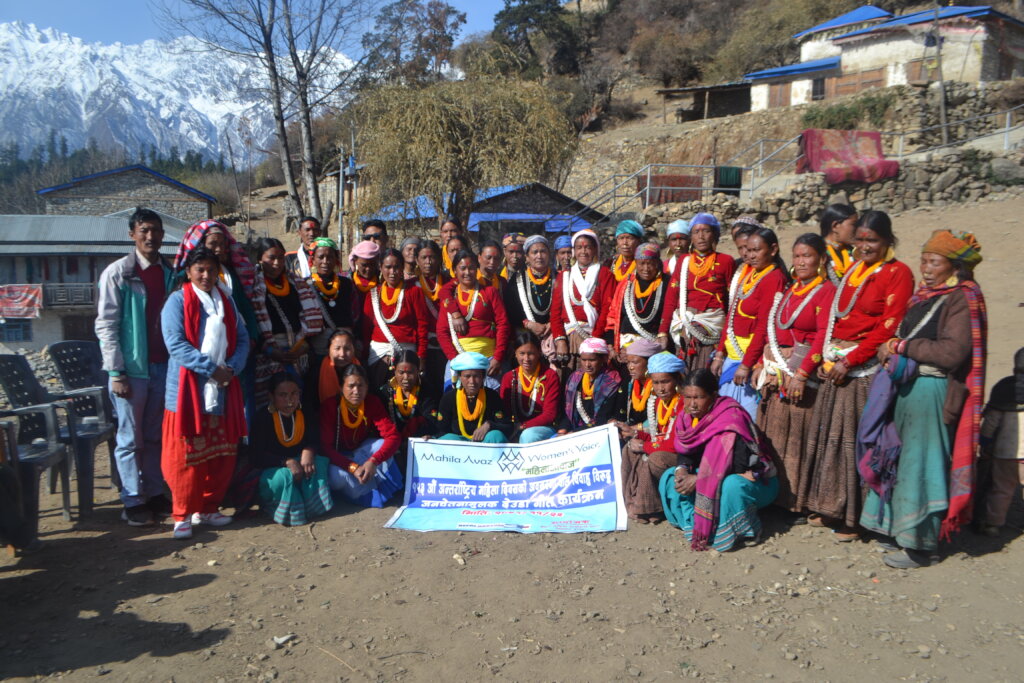
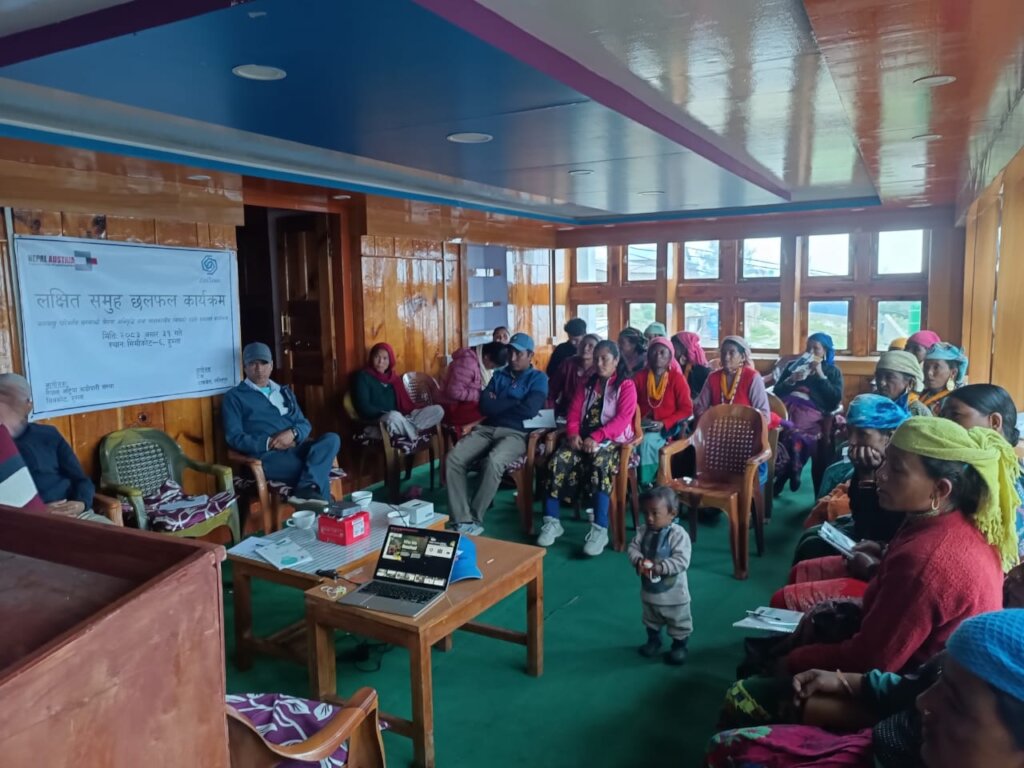
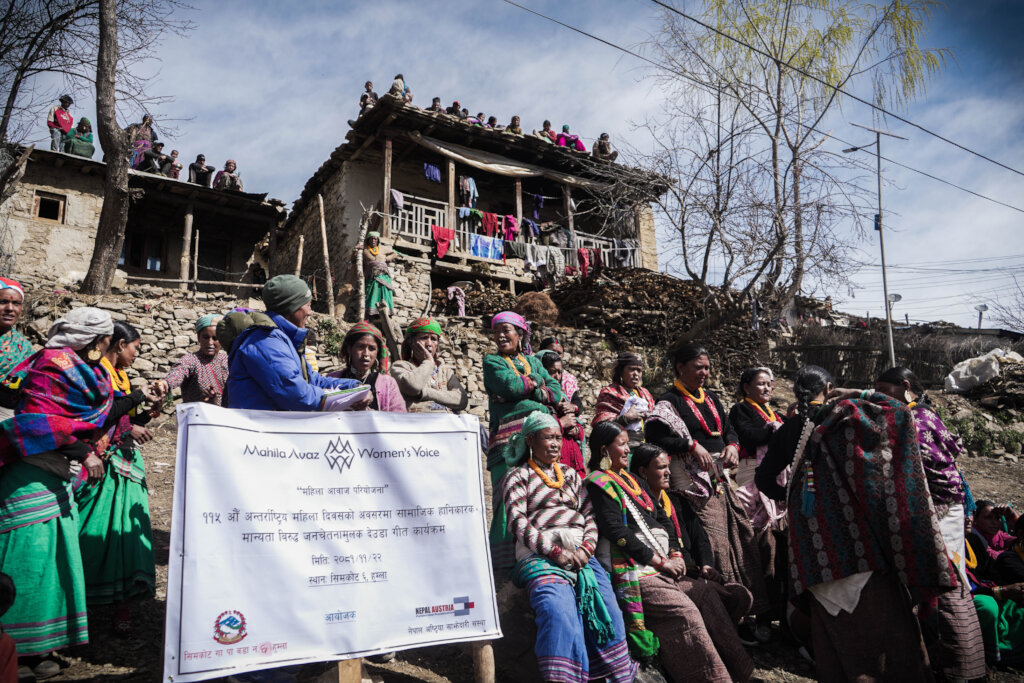
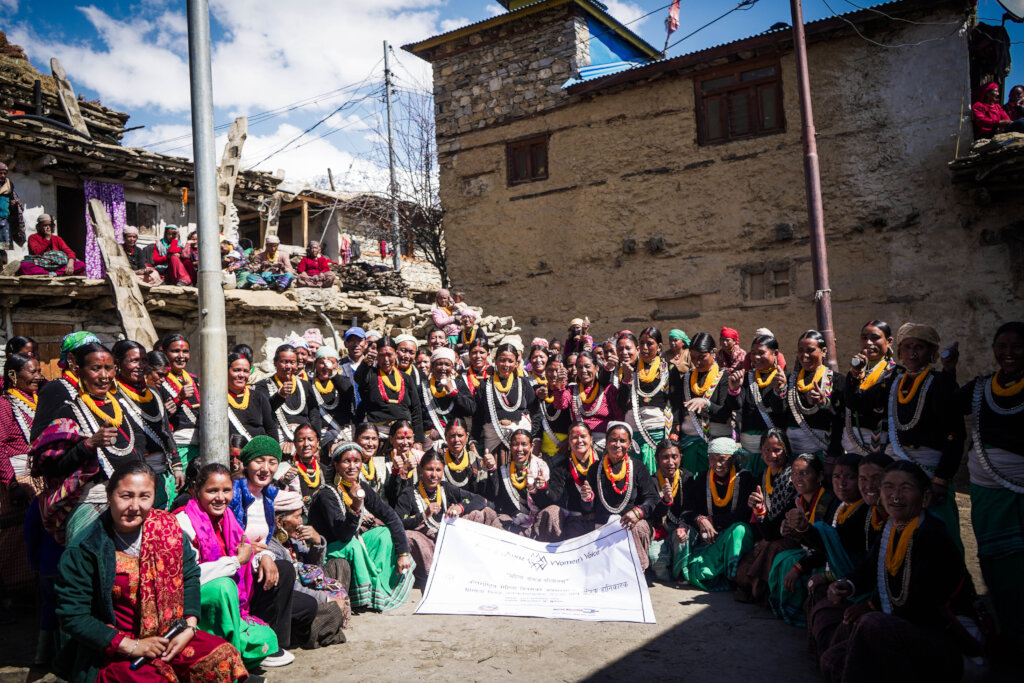
NAPO organised a one-day Focus Group Discussion (FGD)to provide a platform for dialogue on the interconnected issues of gender equality, women’s rights, climate change, climate-resilient livelihoods, and local policies.
Participants included local women, women leaders, representatives and staff of the local government, journalists, and NAPO staff. The discussion provided an opportunity for participants to share experiences, identify challenges faced by women, and discuss possible community- and local government-level solutions.
The FGD also strengthened interaction between women and local stakeholders and created a space for women’s concerns and priorities to be communicated directly to local decision-makers. The involvement of journalists further provided an opportunity to promote wider public awareness through local media.
4. Women’s Radio Program
NAPO continued its weekly women-led radio program through two local FM stations, providing an important platform for information sharing, dialogue, advocacy, and women’s participation in public discourse.
The radio programs included expert discussions and community perspectives on climate change, climate-resilient agriculture, women’s rights, gender-based violence, menstrual hygiene management, and other issues affecting women and girls.
The program enabled women to share their experiences and perspectives while also connecting community concerns with broader discussions on gender equality, health, livelihoods, and climate resilience. The continued use of local radio has strengthened community awareness and provided women with an accessible platform to raise their voices on issues that directly affect their lives.
5. Food Relief Distribution to Disaster-Affected Families
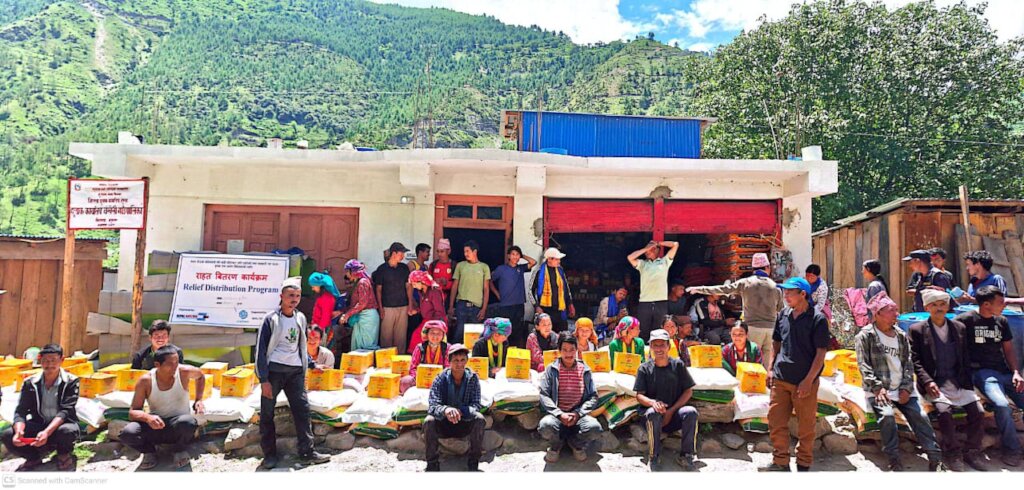
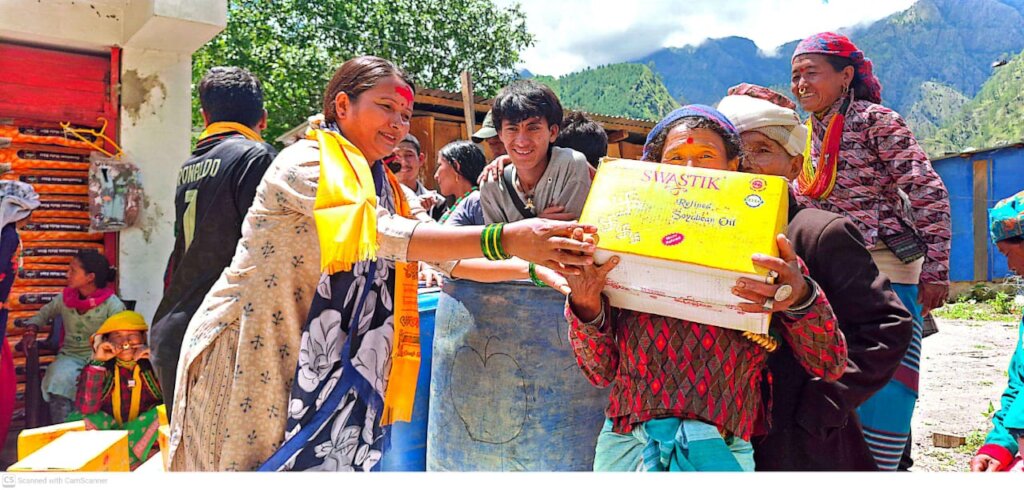
With financial support from Nepal Trust Austria (NTA)and TEWA (Women’s Fund Nepal), NAPO provided food relief support to 69 disaster-affected families during the reporting period. The support was aimed at assisting vulnerable households affected by disasters and helping them meet their immediate food and basic household needs during a period of increased vulnerability.
The relief distribution contributed to strengthening the food security and immediate coping capacity of affected families. Particular attention was given to ensuring that vulnerable households received timely assistance to reduce the impact of disaster-related food insecurity.
Key Outcomes
The major outcomes achieved during the reporting period include:
Planned Activities for the Next Quarter
During the next reporting period, NAPO plans to continue strengthening women’s health, livelihood, advocacy, and climate-resilience activities through the following actions:
Capture emerging success stories and lessons learned for future programming, advocacy, and resource mobilisation
By tsepal Dorje Lama | Project Manager
By Tsepal Lama | Project Manager
Project reports on GlobalGiving are posted directly to globalgiving.org by Project Leaders as they are completed, generally every 3-4 months. To protect the integrity of these documents, GlobalGiving does not alter them; therefore you may find some language or formatting issues.
If you donate to this project or have donated to this project, you can receive an email when this project posts a report. You can also subscribe for reports without donating.



Support this important cause by creating a personalized fundraising page.
Start a Fundraiser