By Denitsa Raykova | Donor Relations and Care Specialist
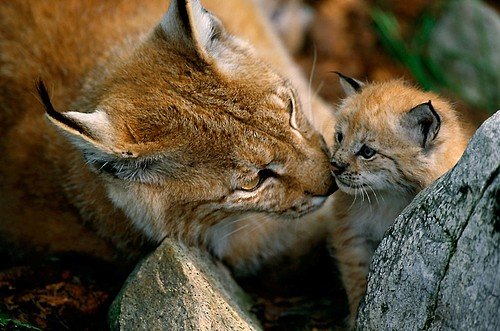
One of WWF Bulgaria's missions is to create a safe and stable environment that will allow the lynxes to return to Bulgaria. But why should we actually strive for the return of the lynx? Why are lynx an important and valuable species?
We share with you the opinion of Prof. Nikolay Spassov. He is a world-renowned scientist, long-time director of the National Museum of Natural History of Bulgaria and one of the greatest experts on large carnivores. He is the author of more than 250 publications, many of them in prestigious international journals.
"Ever since I was a child, I have had a weakness for carnivores, especially the cat family for their strength, beauty and intelligence. I have devoted much of my research as a zoologist and paleontologist to them. As a student I was fascinated by the stories of my mentors about the last lynxes in Bulgaria and the suggestions that the "Bulgarian leopard" (as some call it) still exists in our country", recalls Prof. Spassov.
According to him, when people argue why a rare predator should be conserved, they usually cite scientific evidence of how important it is for the balance of nature. They also add that the predator is a "trainer" of the ungulates it feeds on, that it does not completely destroy its prey, because such are the laws of nature and it would then be left without a food resource.
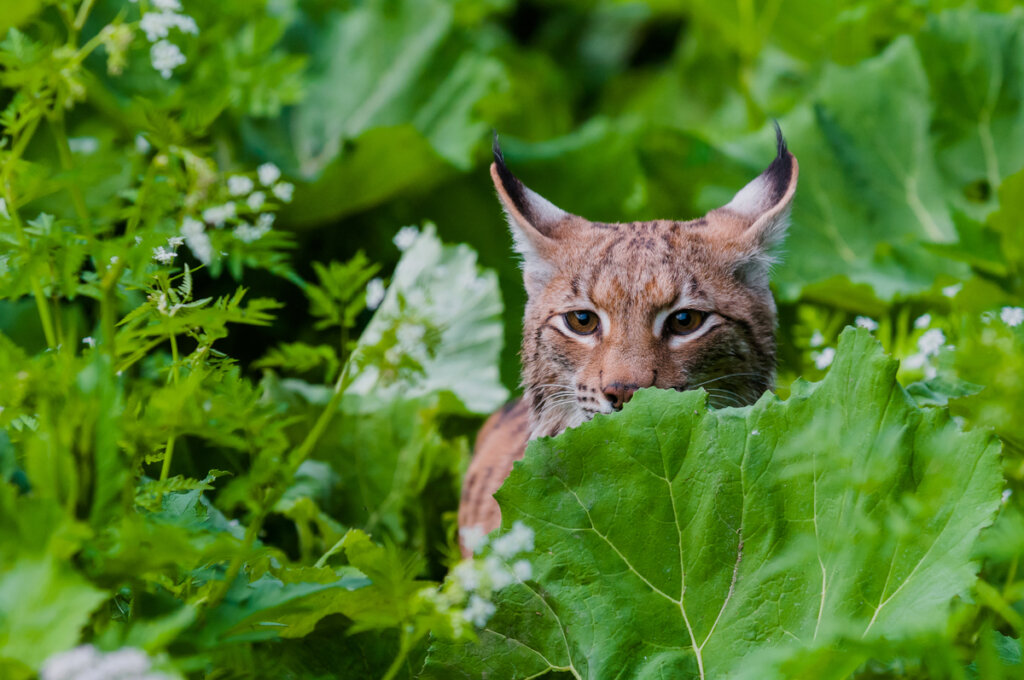
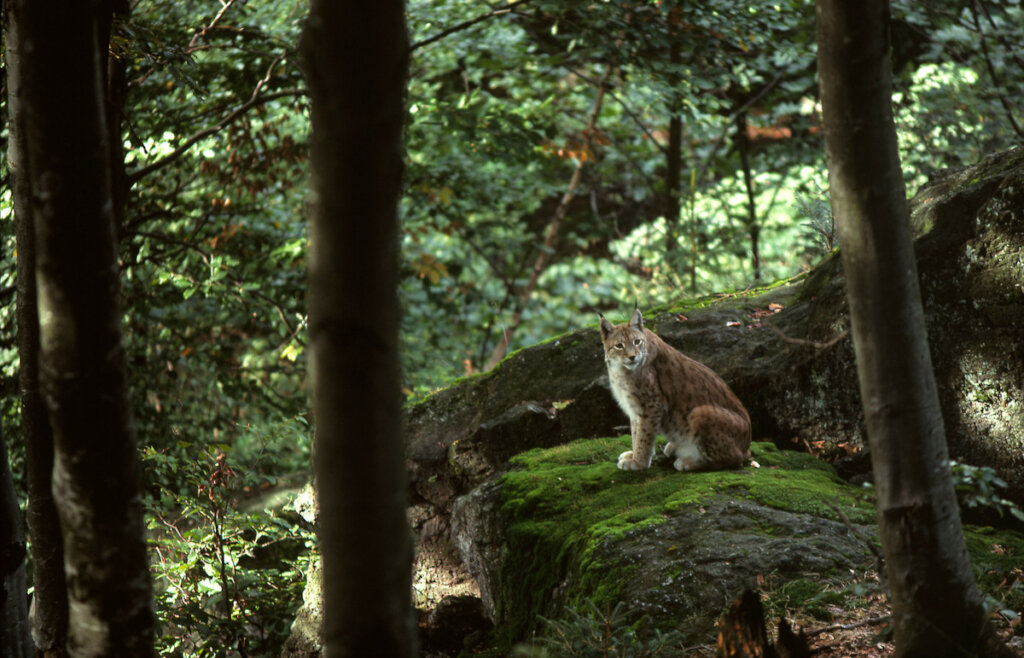
"But there is another very strong argument for the conservation of species like the lynx, wolf, bear or leopard. These animals are beautiful, respectable, exciting... What would a wild forest be without the thrill of being able to meet the bear's track on the trail, or hear the wolf's impressive howl... or suppose that behind the rock or branches the golden eyes of the big cat are watching you? These arguments are also important. They can be understood by many people, especially the children who will one day manage this nature," says Prof. Spassov.
One of the important steps for the return of lynx in Bulgaria is for the institutions to make more efforts to curb poaching.
"This will not happen without awareness campaigns to show that observing the traces of the life activity of this beautiful predator is more valuable than having a secret trophy at home or boasting secretly to your friends about your poaching 'feat'," the scientist added.
WWF Bulgaria continues its work, through which we hope to contribute to the return of the lynx in Bulgaria. We will keep you informed about our progress.
Thank you from the bottom of our hearts for supporting us in our mission!
Links:
By Denitsa Raykova | Donor Relations and Care Specialist
By Denitsa Raykova | Donor Relations and Care Specialist
Project reports on GlobalGiving are posted directly to globalgiving.org by Project Leaders as they are completed, generally every 3-4 months. To protect the integrity of these documents, GlobalGiving does not alter them; therefore you may find some language or formatting issues.
If you donate to this project or have donated to this project, you can receive an email when this project posts a report. You can also subscribe for reports without donating.



Support this important cause by creating a personalized fundraising page.
Start a Fundraiser