By Isha Sheth | Project Manager
The last few months of the Aaranyak project have been exciting and hopeful.
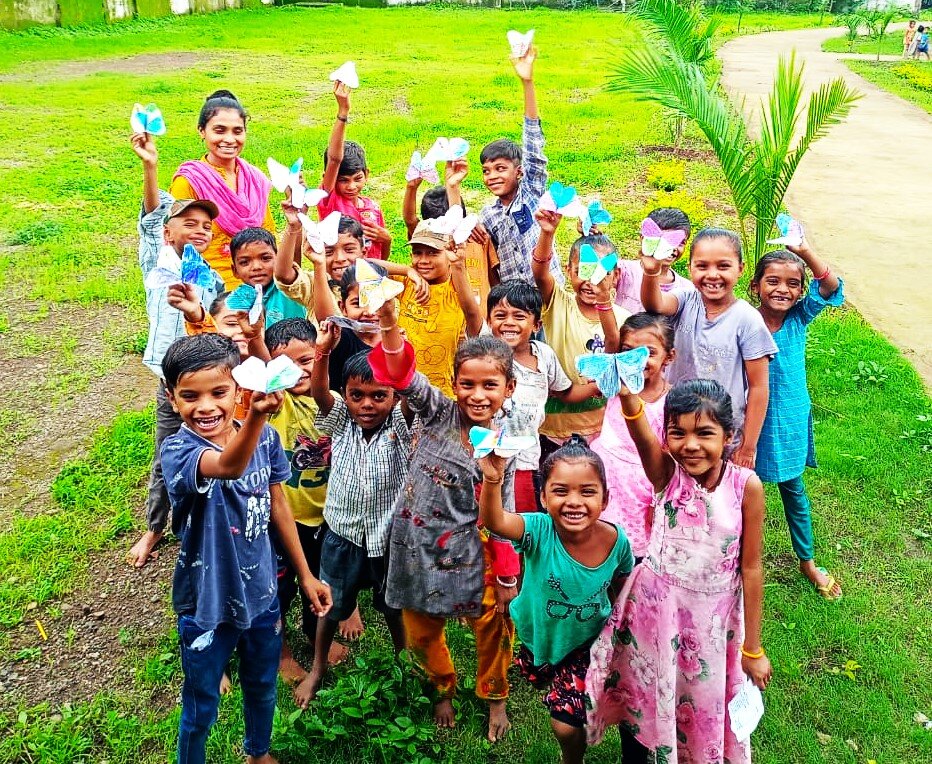
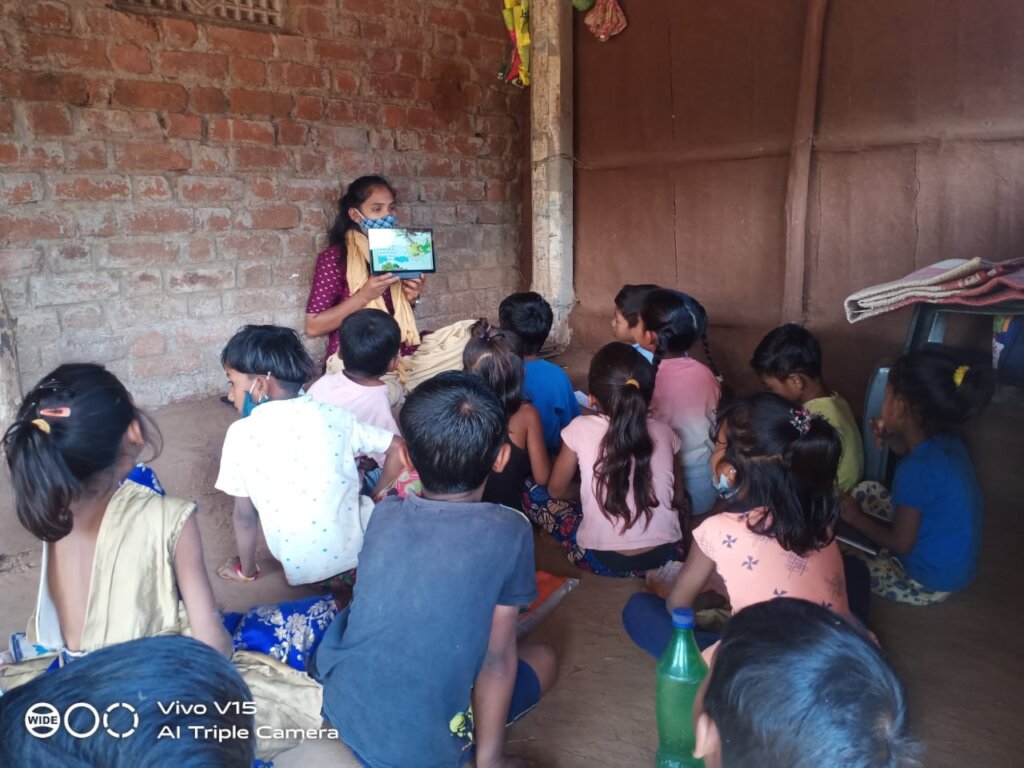
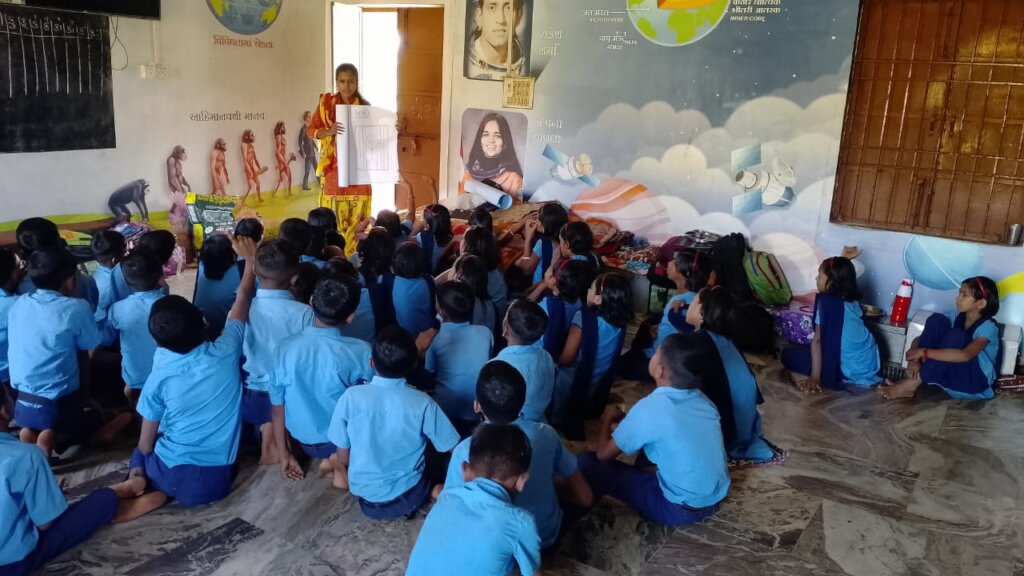
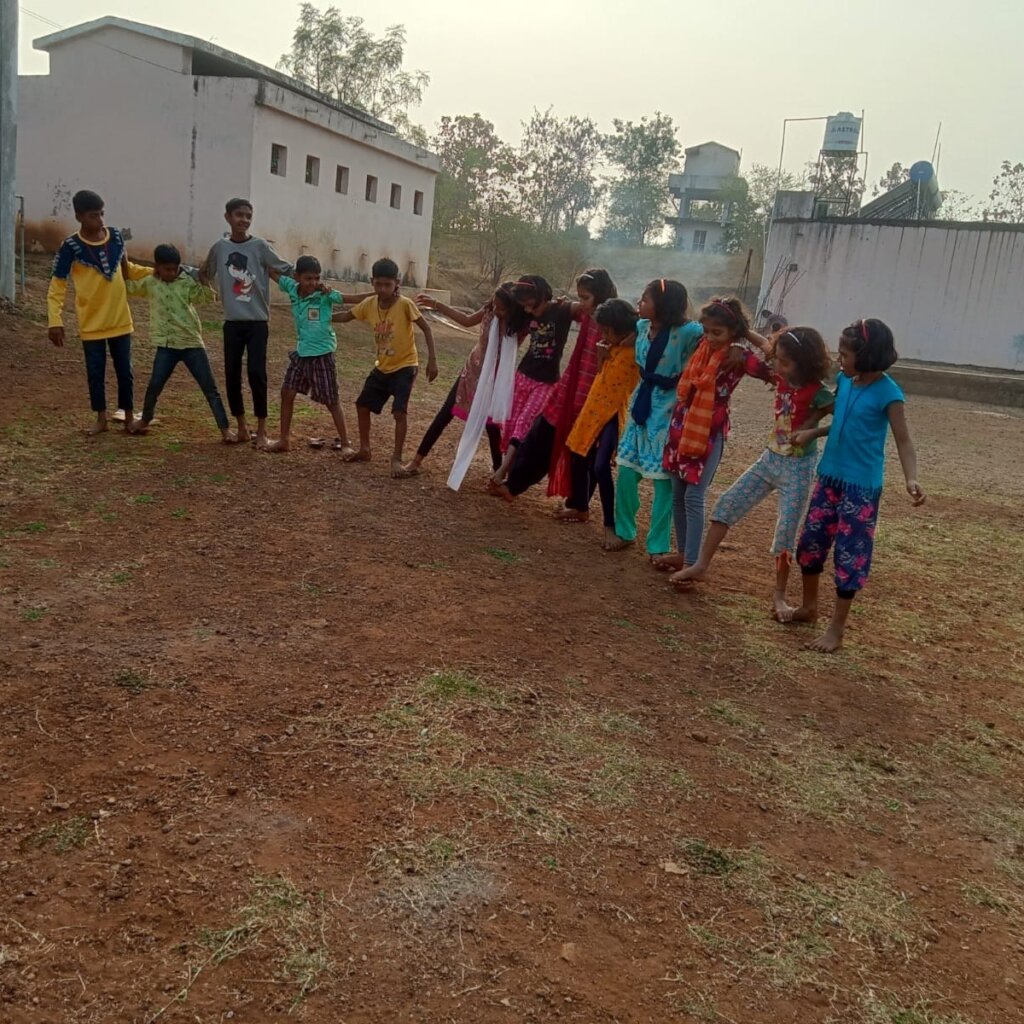
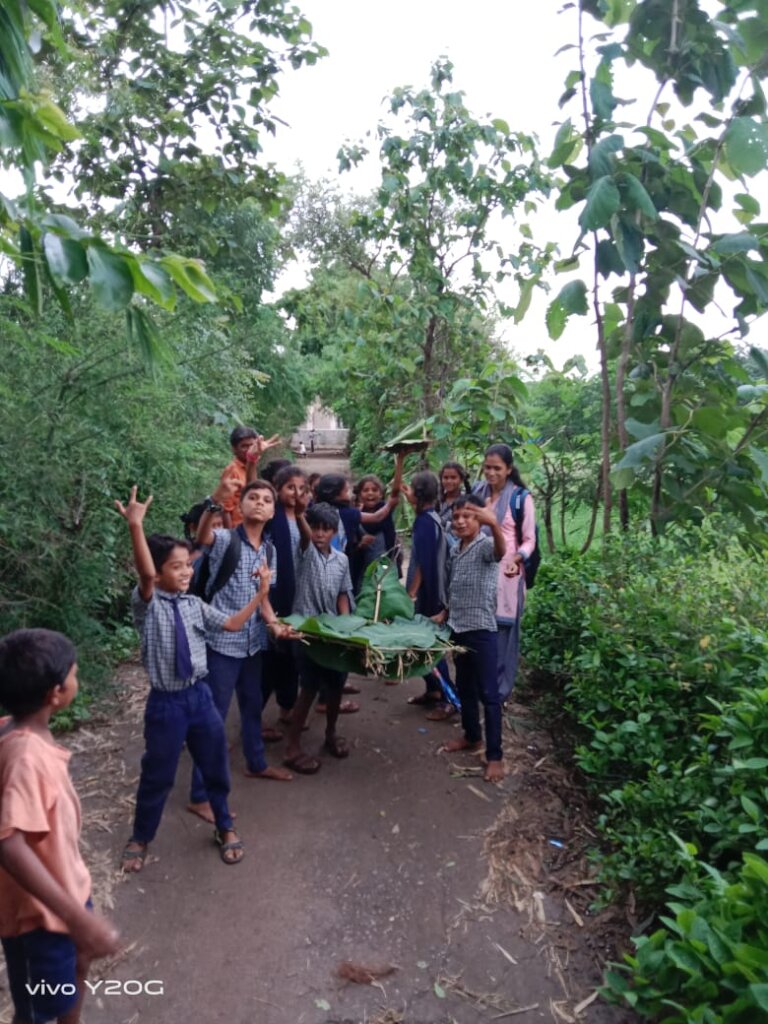
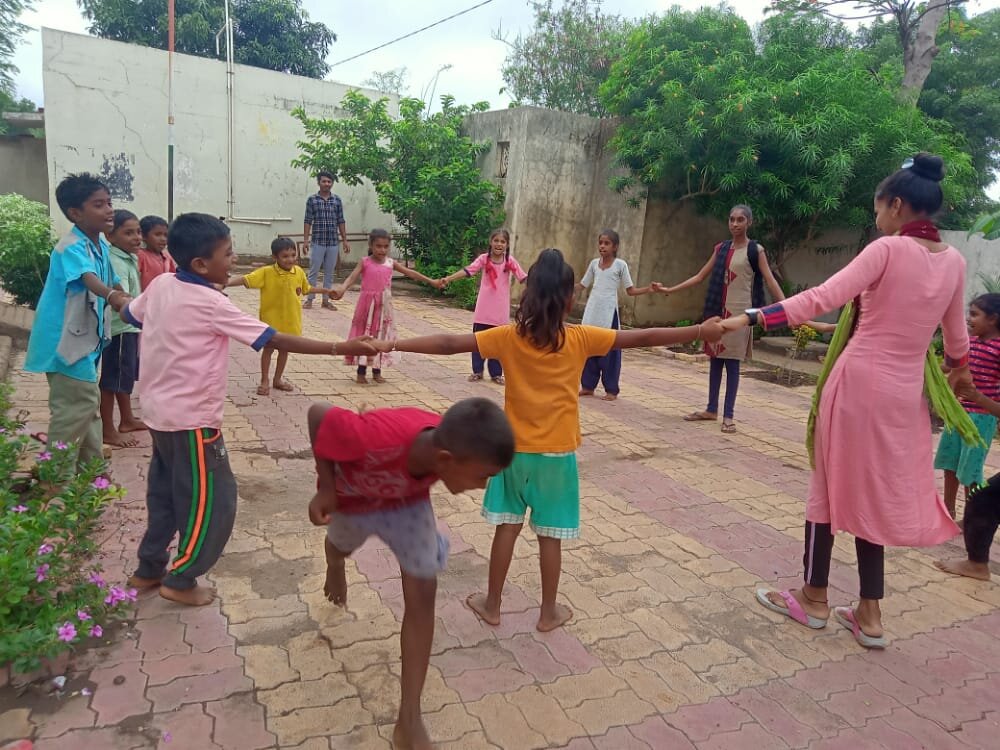
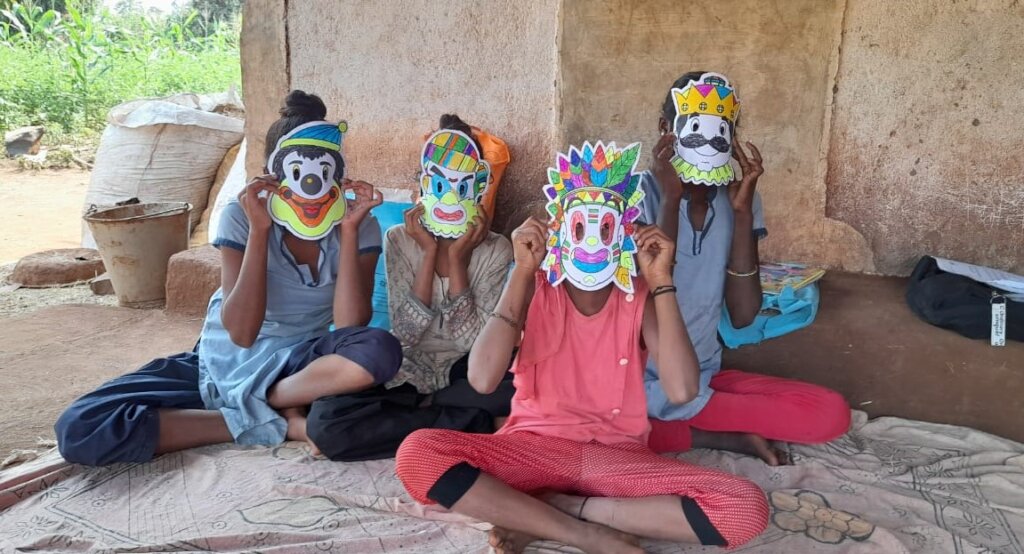
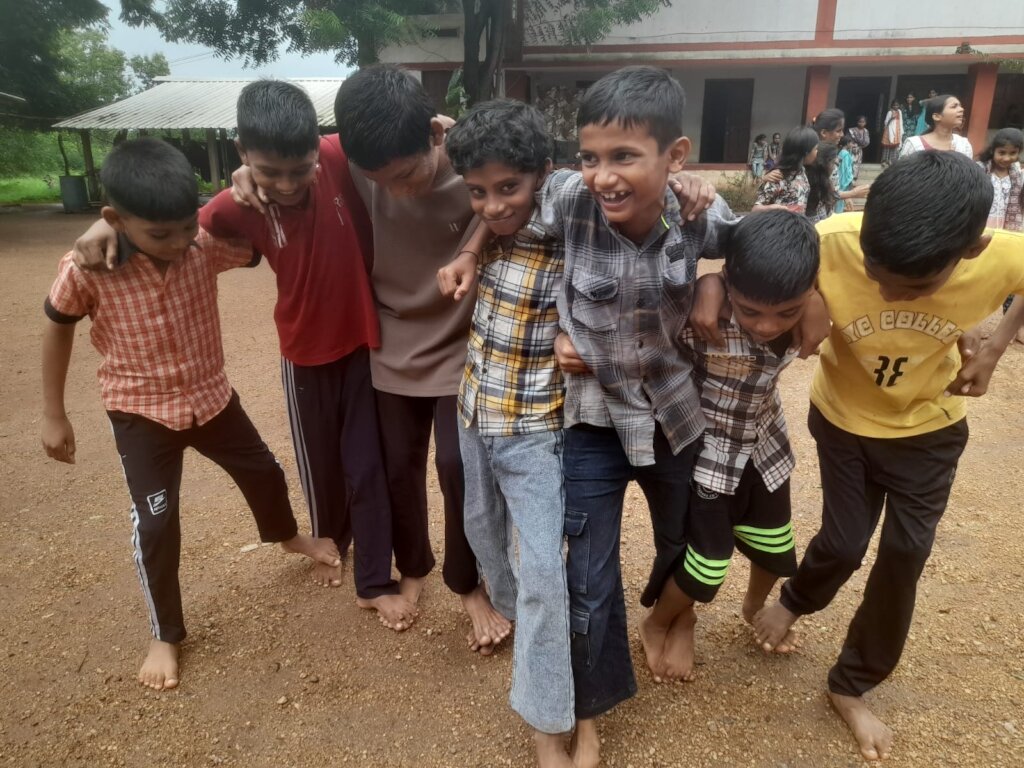
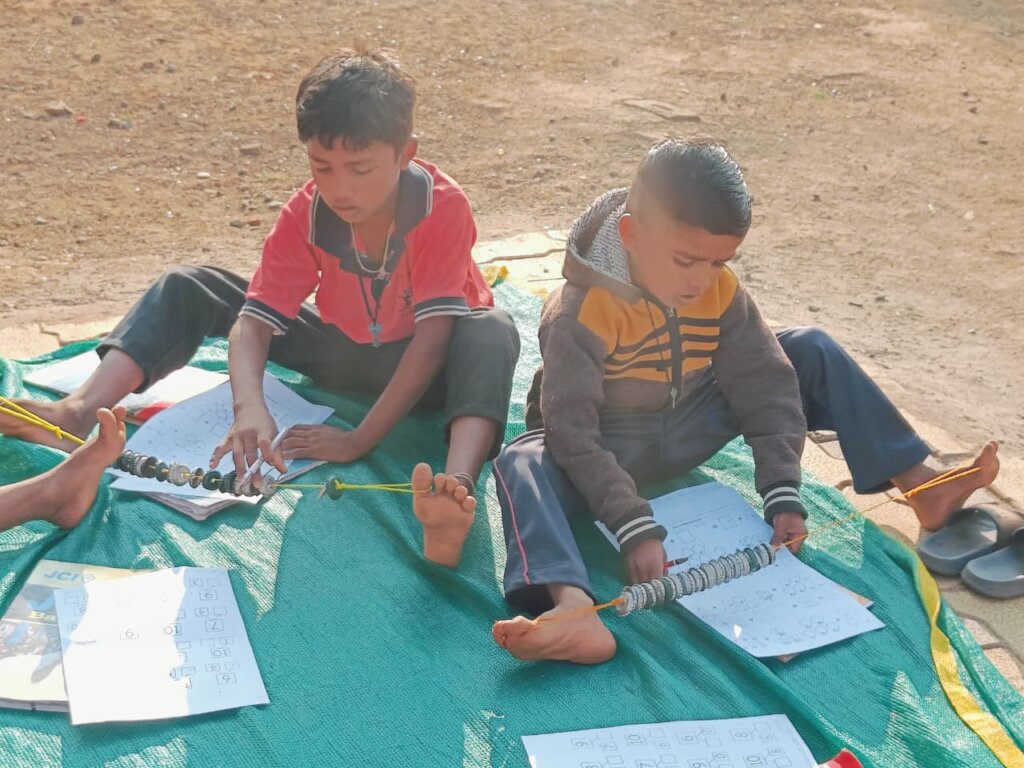
We began the year with a burst of energy — facilitating 27 Balmelas across Aashramshalas, reaching 1,494 children from Grades 1 to 10 with age-appropriate activities designed to spark creativity, build connections, and simply bring joy.
Children as Partners
At Shaishav, children’s participation is not an afterthought — it is the foundation of everything we do. This year, we asked children directly what they wanted to learn. We invited them to share their priorities, their questions about life skills and adolescence, their understanding of their own rights, and the issues that matter most to them in their daily lives. Their responses were thoughtful, honest, and illuminating — and they have shaped the entire programme plan for the year ahead. When children know that their voices drive the work, they show up differently — with greater ownership, curiosity, and trust — and that is exactly what we are seeing.
Gender Sessions
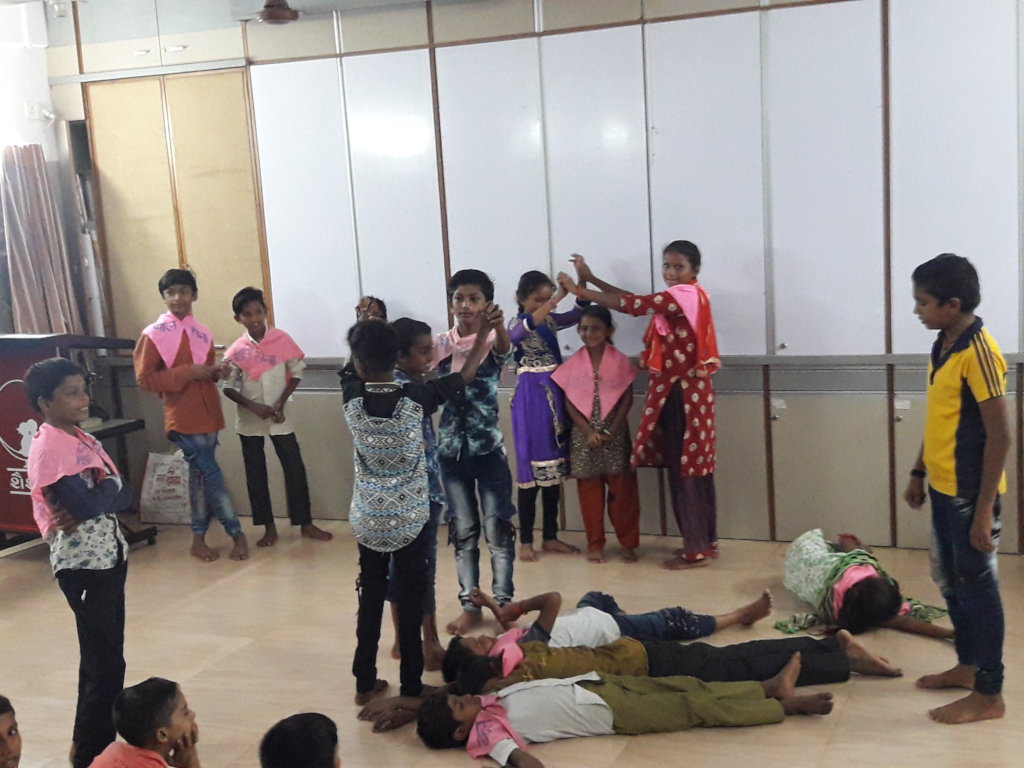
This year, we facilitated sessions on gender with children — including activities like “What is a Girl? What is a Boy?” and the Power Walk of Gender — creating space for children to explore how women and men are far more similar than different, yet are raised in vastly different ways simply because of small biological differences. Children reflected on what happens when women and intersex people face discrimination, how it shapes and limits their lives, and what the “boxes” that patriarchal society builds around us look like — and where they want to break free from them. After these sessions, children took away the learning that both girls and boys can cook, clean, be gentle, be decisive, can do any work that they put their mind to, and that we are better together.
Adolescence Sessions
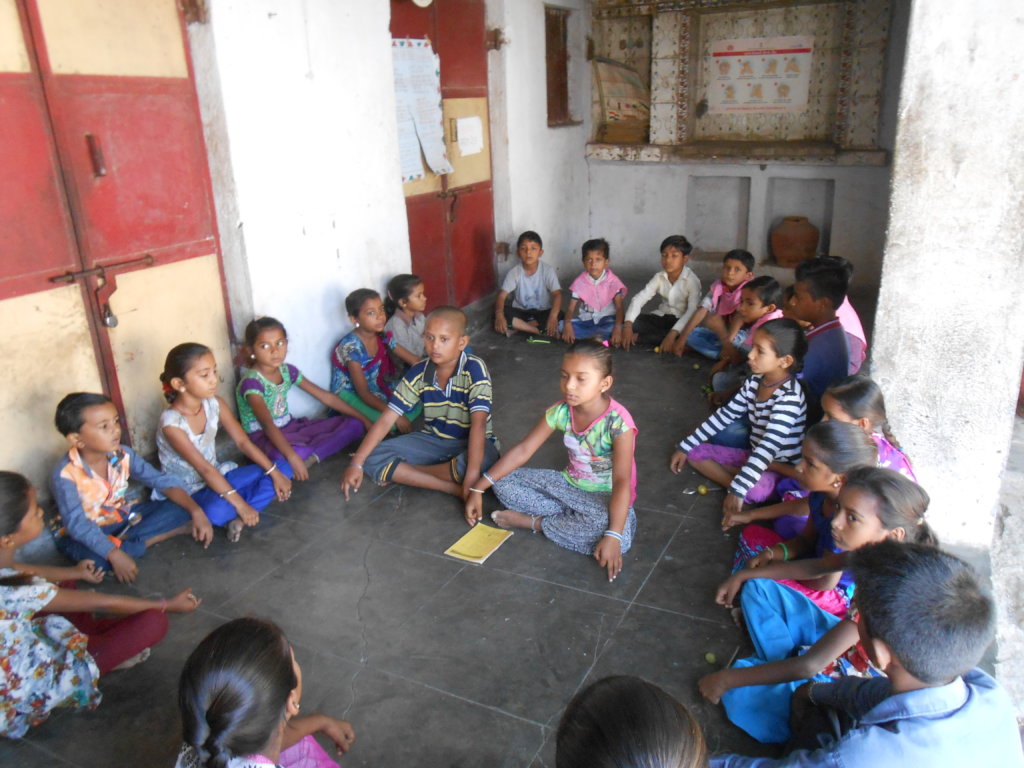
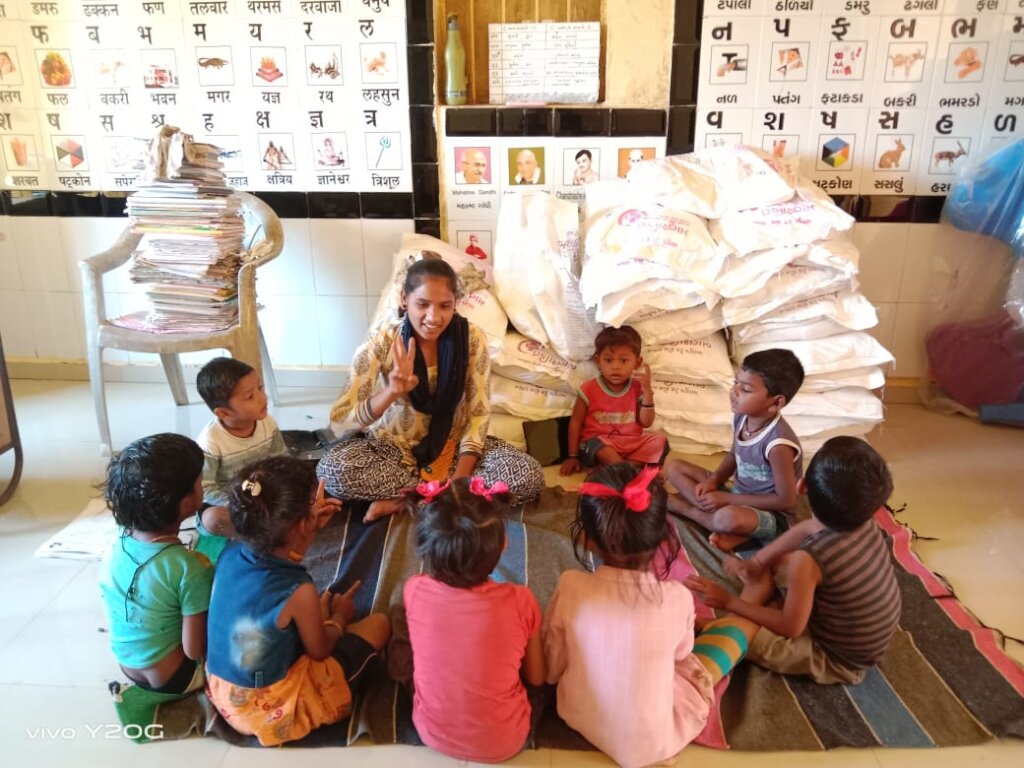
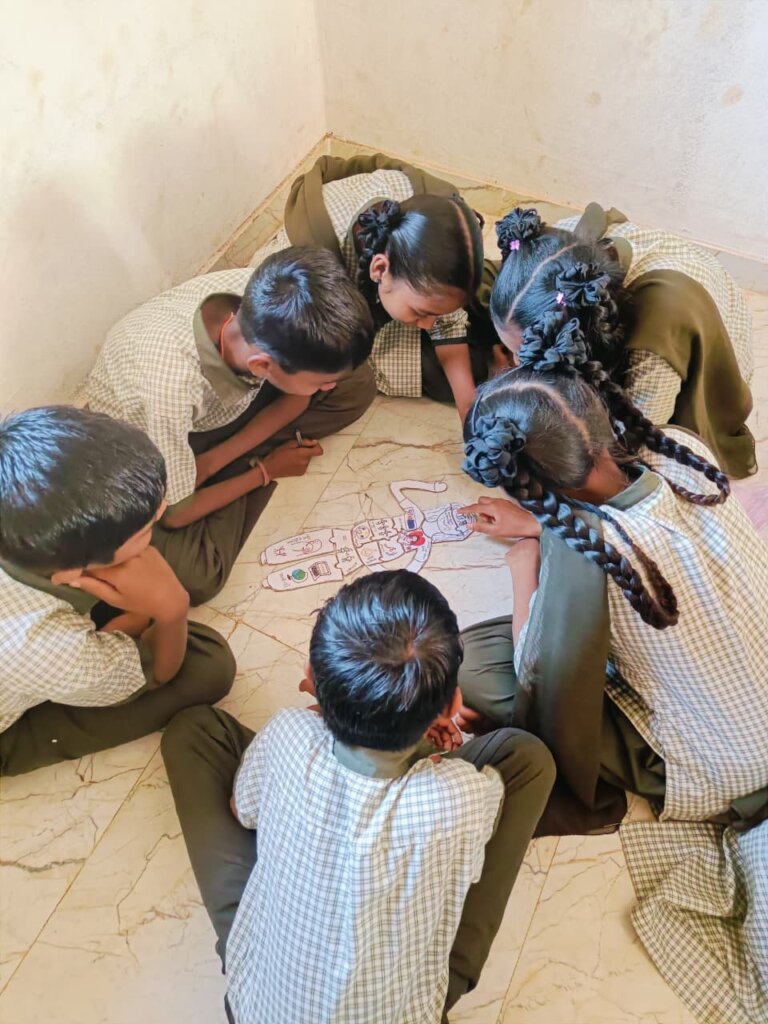
Sessions on body mapping, physical, mental, and emotional changes during puberty, menstruation, and menstrual hygiene were met with remarkable enthusiasm and curiosity. In one Aashramshala, children were so engrossed in the session on menstruation that they refused to leave for recess — saying simply, “We want to keep learning about this.” Through the activities, children came to understand menstruation as a natural, healthy physical process — not something shameful or mysterious. A particularly important moment arose around hygiene: when children shared that they were using the same sanitary pad or cloth for an entire day, facilitators were able to explain why this is harmful, and children immediately grasped the significance of what they had not known before.
Perhaps the most powerful outcome, however, was what happened when we addressed the deep-rooted beliefs and taboos children had grown up with — that during menstruation, girls must not enter the kitchen, touch drinking water, cook food, visit a temple, or participate in daily life, with the belief that any food they touch will make family members ill. After open, respectful, and science-based conversations, several girls made a quiet but courageous decision: “When I go home during my period, I will go to the kitchen, cook food, and do all my regular work — and I will see what actually happens.” In that moment of gentle defiance, something shifted — not just in what they knew, but in who they were becoming.
Health and Hygiene
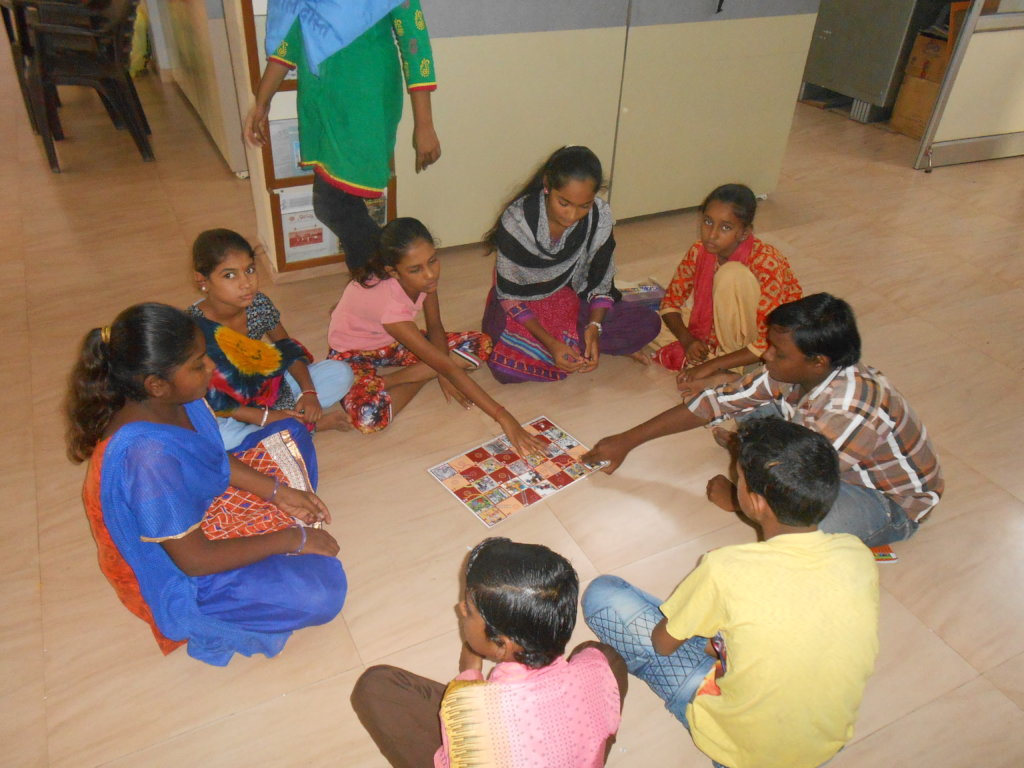
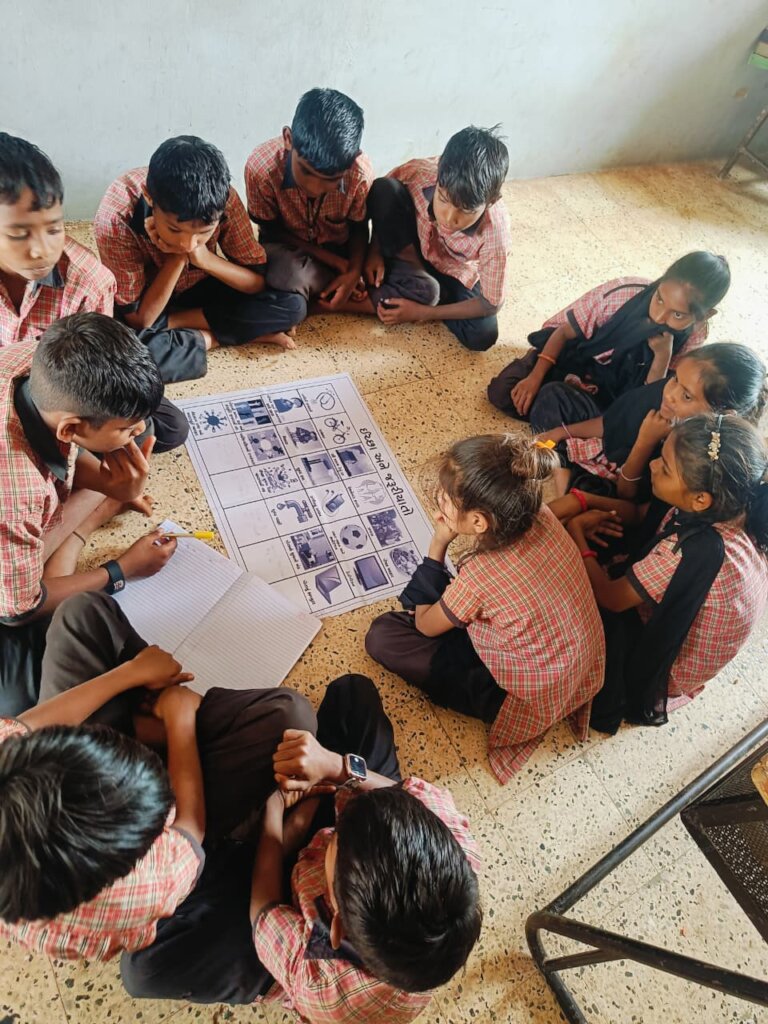
The impact of health and hygiene sessions has been both visible and lasting — something teachers themselves have noted with delight. Where children previously did not wash their hands before eating or after using the toilet, teachers now report that all students rush to wash their hands before meals without being reminded. This shift was brought about through a range of engaging, hands-on activities: children experienced for themselves the invisible dirt on their hands, learned the correct technique for handwashing through video demonstrations, and explored health concepts through a specially designed health-themed snakes and ladders game. A poster exhibition on skin diseases, dental hygiene, and other illnesses caused by poor cleanliness made a particularly strong impression — teachers noted that the visual, experiential nature of the exhibition made the message stick.
Gandhi Week
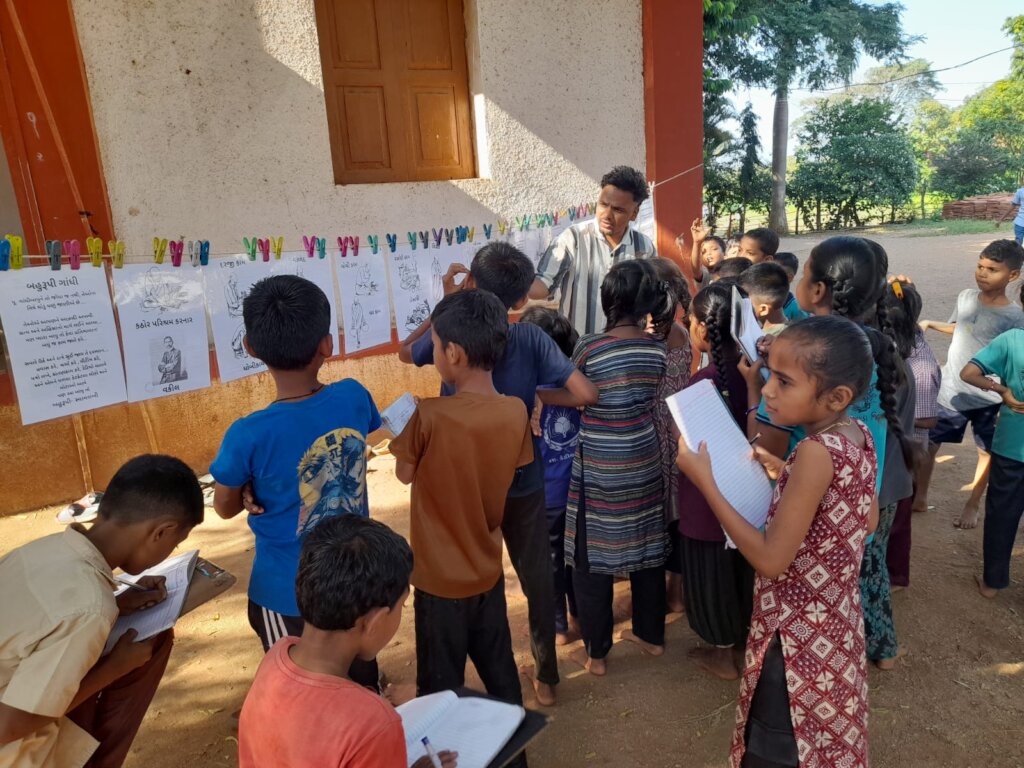
On the occasion of Gandhi Jayanti, children came together to celebrate Gandhiji’s life and values through stories, games, group discussions, and songs centred on his principle of Ahimsa. Through the stories they learnt about what happens when violence is met with violence and how does it impact the entire society. The team also curated an exhibition inspired by the book Bahuroopi Gandhi, which illuminates the many roles, skills, and dimensions of Gandhiji’s life — offering children a rich and multifaceted portrait of a man they often know only from textbooks, and inviting them to reflect on what his values mean in their own lives today. One takeaway stood out with particular spark: learning that Gandhiji cooked and cleaned as part of his daily life, even while leading India’s independence movement. The girls were quick to draw their own conclusion — if he could do housework while fighting for the freedom of an entire nation, they said, then other men and boys have absolutely no excuse not to.
Leadership Camps
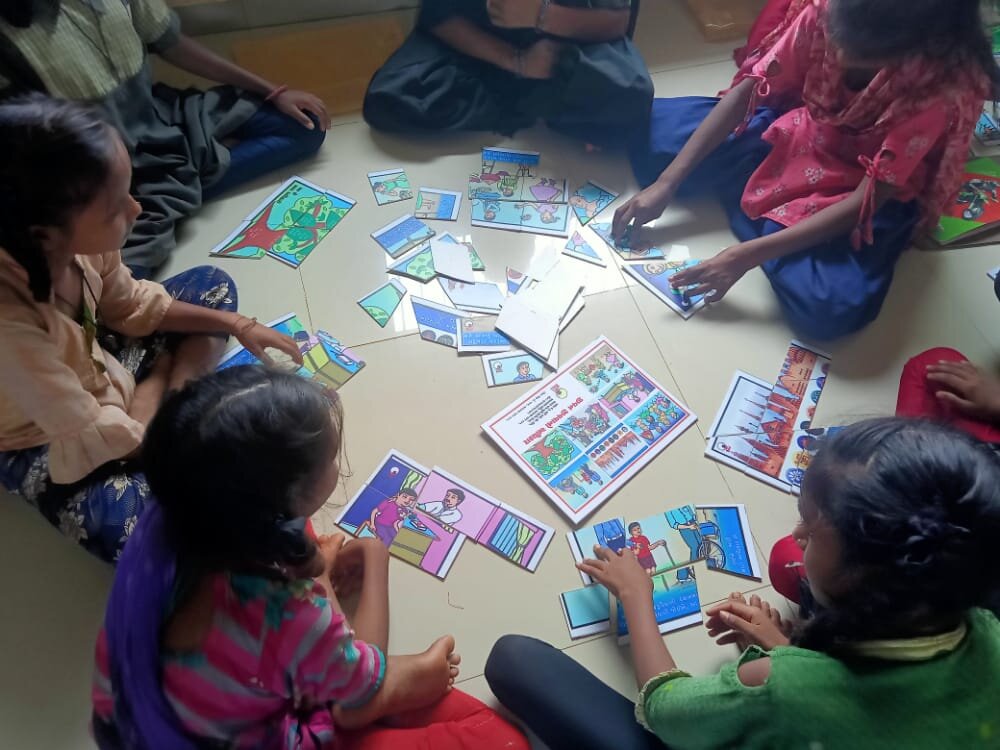
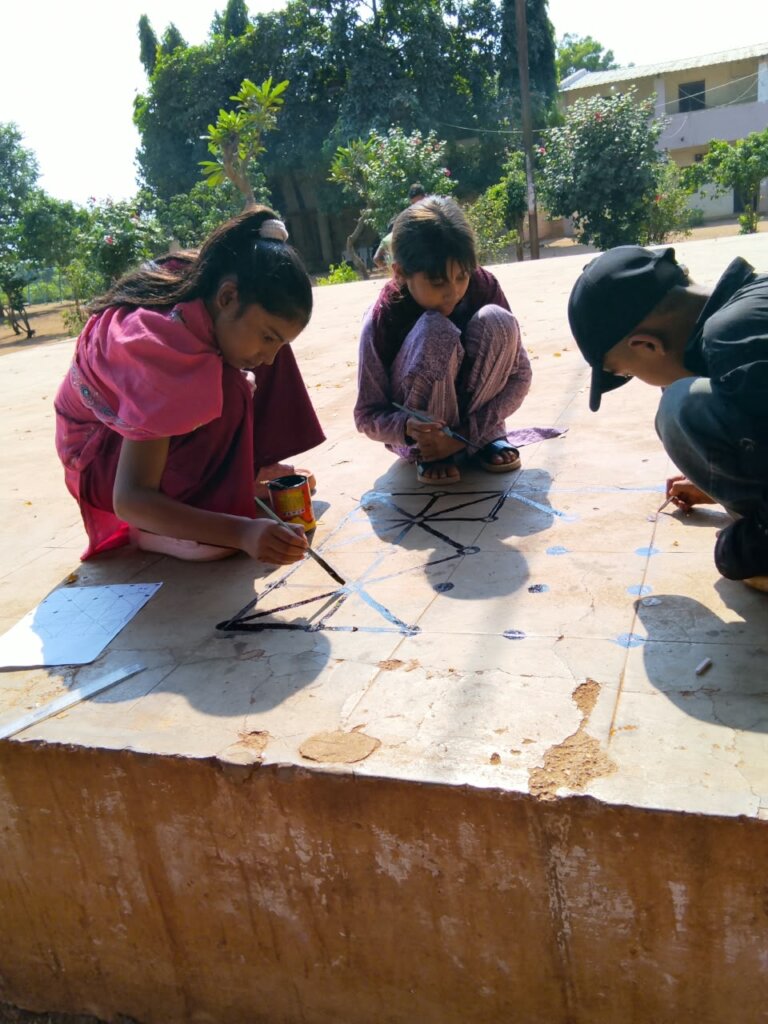
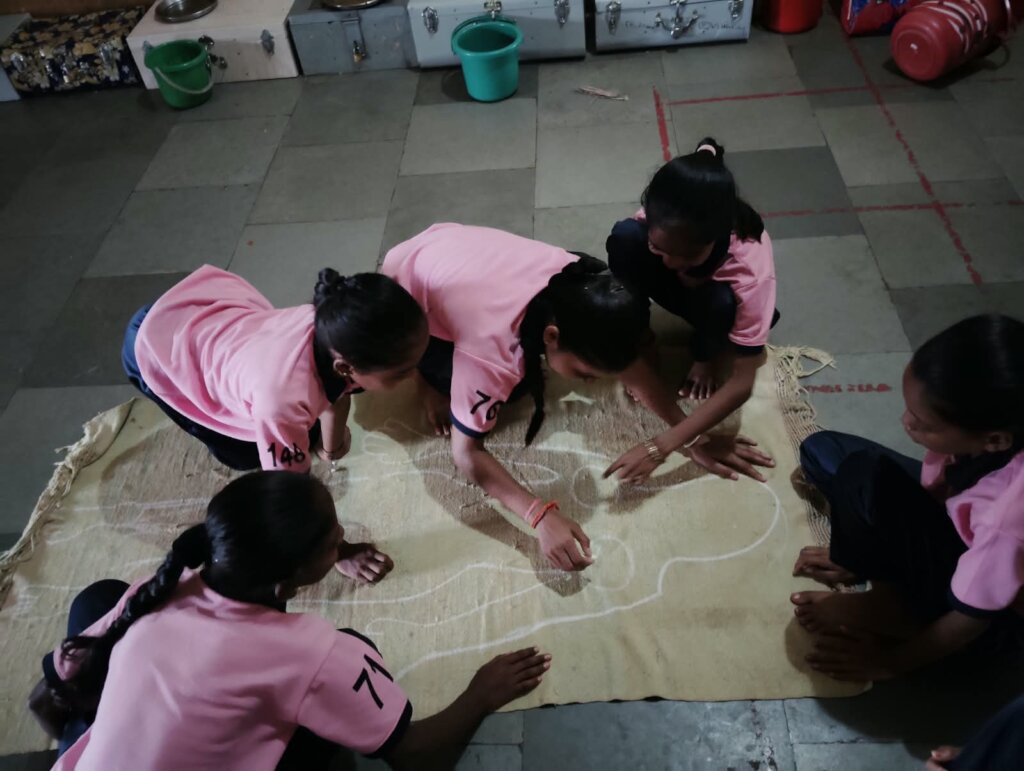
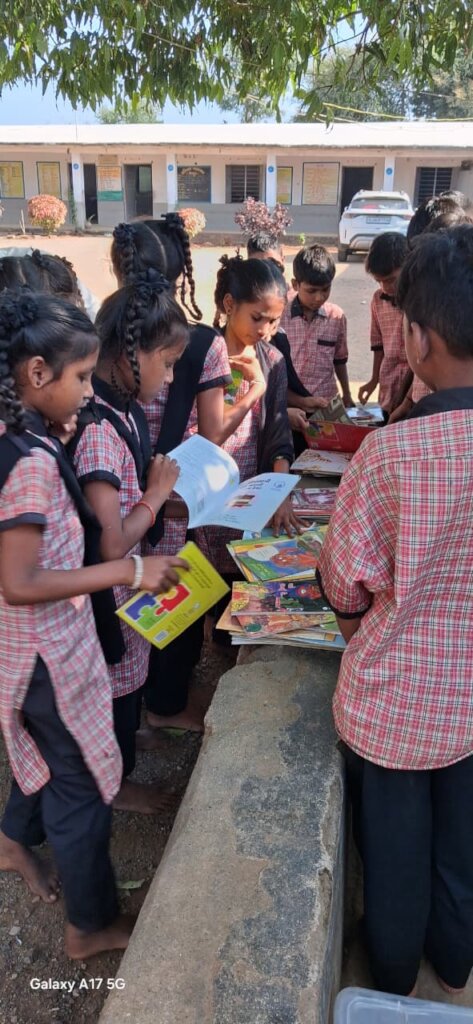
Student leaders have been identified from each grade across the Aashramshalas, with an equal number of girls and boys, and once a month these children from Grades 5 to 9 come together for a leadership camp. Through these gatherings, children have explored what it means to be a leader, how to work effectively in a team, and how to take responsibility — including running the Aashramshala library. They have also been introduced to board games that build logical and critical thinking, which they have gone on to teach to other children in their Aashramshalas and have even painted onto school floors so they can be used during break time. The energy and ownership these young leaders are bringing is unmissable — they are maintaining the library, facilitating games with their peers, and actively participating in all programme sessions, embodying exactly the kind of child-driven change that Shaishav believes in.
Meetings with Teachers
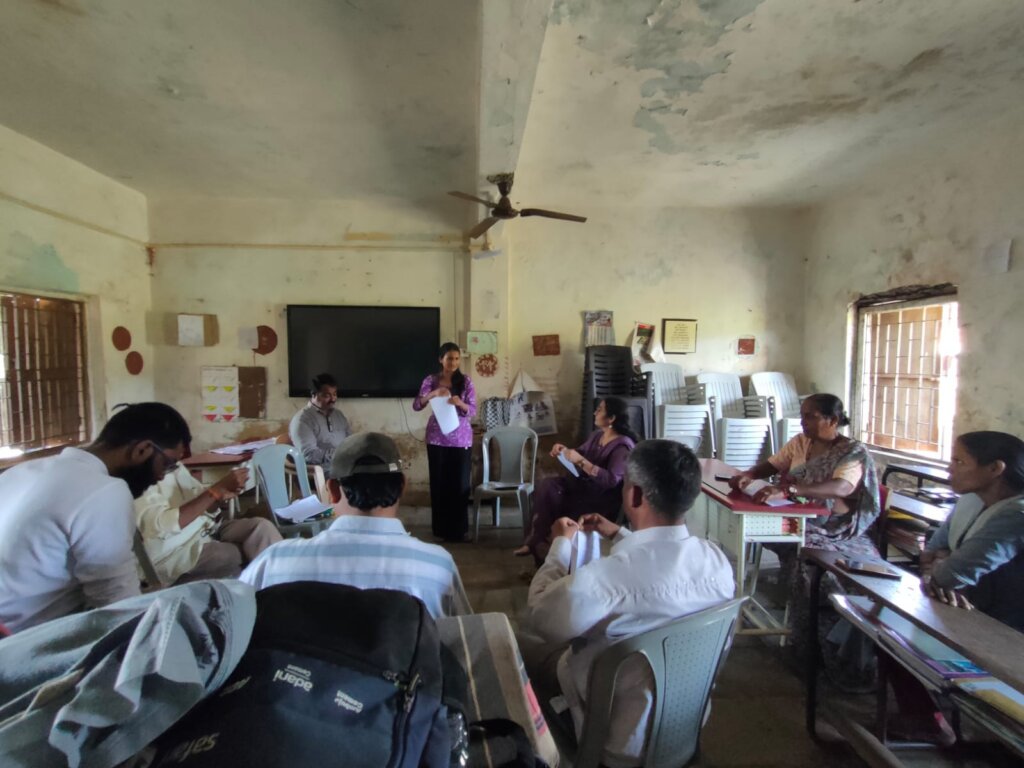
Shaishav held regular meetings with Aashramshala teachers to share programme plans, reflect on what had taken place in previous sessions, and discuss key learnings and takeaways. Teachers in turn shared their observations and feedback on children, making these meetings a genuine two-way exchange that strengthened the partnership between Shaishav and the school.
Recognising that being an Aashramshala teacher is an extraordinarily demanding role — many teachers live away from their own families and are essentially on duty around the clock — Shaishav introduced a Teacher Circle this year: a dedicated space for teachers to tend to their own mental and emotional well-being, separate from programme discussions. The response was immediate and heartfelt. Teachers embraced the space with openness, sharing their stresses, reflecting on what they would like to do differently, and offering glimpses into their own life stories. It was a reminder that those who care for children need to be cared for too — and that building a truly child-friendly institution begins with the well-being of the adults within it.
Outreach Aashramshalas
This year, Shaishav reached 1,326 children across Aashramshalas where we do not have a regular daily or weekly presence, facilitating Balmelas and adolescent awareness sessions to extend the programme’s impact beyond its core intervention sites. While children were understandably shy at first — unaccustomed to the team’s presence unlike the regular programme children — games quickly became the bridge to trust, and children opened up with remarkable speed and depth.
Adolescent sessions covering gender, physical, mental and emotional changes, body mapping, and menstruation were facilitated across these Aashramshalas. The sessions revealed both how much children already knew and how much had never been spoken aloud before. Children were familiar with body parts but hesitant to name them — yet with peer encouragement and patient facilitation, girls supported one another through body mapping activities, completing drawings and often naming parts in their local language rather than scientific terms, which was a meaningful and valid starting point. Curiosity was high and questions were honest and important: Nishad* repeatedly asked where a baby is born from; Hetansh explained to his peers that menstrual blood exits through the vaginal opening; Pritam asked whether pregnancy could occur between an older boy and a younger girl, and whether a condom should be used for safety; Vraj asked why premature babies are kept in glass boxes; and Navika asked why periods can stopp for three to four months — a question that underscored the critical importance of having trusted adults available to receive and respond to such concerns. Class 8 girls asked why they are not permitted at cremation grounds, and spoke openly about boys whistling, winking, and asking for phone numbers or Instagram IDs — naming street harassment with clarity and without prompting.
The gender sessions produced some of the most powerful moments of the year. One student beautifully captured a shift in her own thinking when she shared with pride, “Girls also do administration, work, and strength. In our house, brothers and father help in cooking and cleaning.” And perhaps the strongest moment of all came from Aneesh, who — in the middle of a discussion — suddenly realised he had never once considered that the word “person” could include a woman. What followed was a spontaneous and self-generated dismantling of gender stereotypes: he listed men with long hair in band parties, priests, men cooking at weddings and hotels, fathers and brothers doing caregiving, girls playing kabaddi and kho-kho, girls selling goods and doing farm labour, and Droupadi Murmu serving as the President of India. In that one unrehearsed moment, a boy rebuilt his understanding of gender from the ground up — and that is exactly the kind of change this work exists to create.
*All names of children have been changed.
By Lijimol | Project Coordinator
By Lijimol | Project Leader
Project reports on GlobalGiving are posted directly to globalgiving.org by Project Leaders as they are completed, generally every 3-4 months. To protect the integrity of these documents, GlobalGiving does not alter them; therefore you may find some language or formatting issues.
If you donate to this project or have donated to this project, you can receive an email when this project posts a report. You can also subscribe for reports without donating.


Support this important cause by creating a personalized fundraising page.
Start a Fundraiser