By Libby Henrickson | Global Conservation Programs Coordinator
Dear Women for Conservation community,
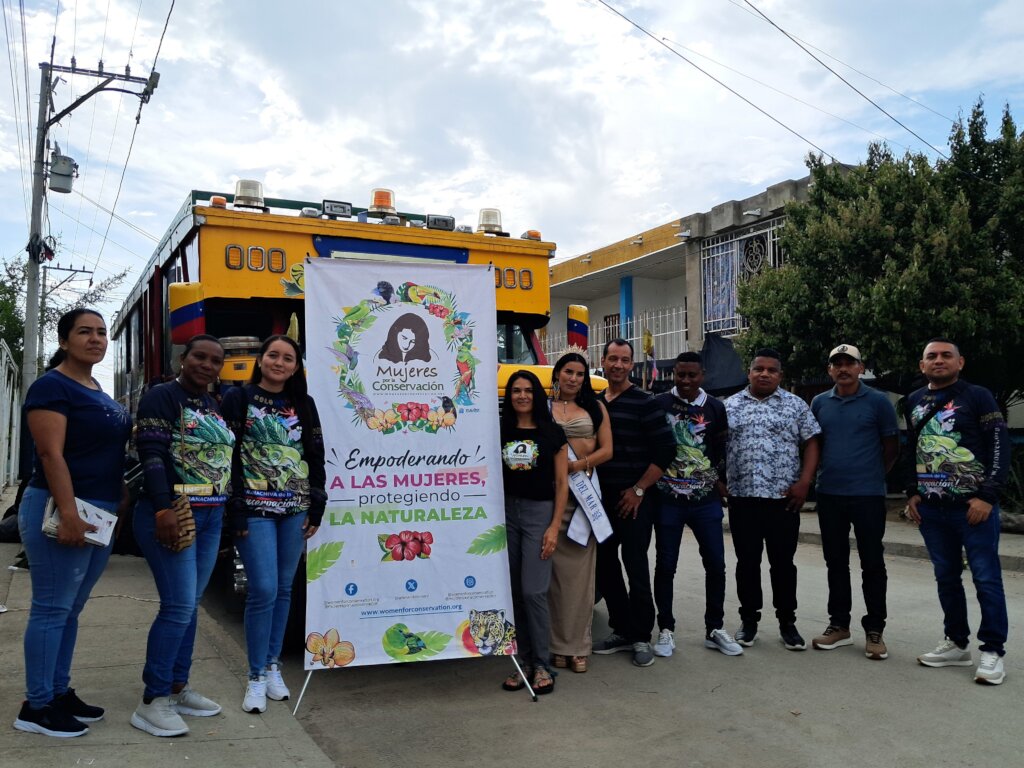
After two months of presidential elections causing roadblocks in our family planning work, we have another family planning brigade planned for later this summer in Santa Marta, Colombia!
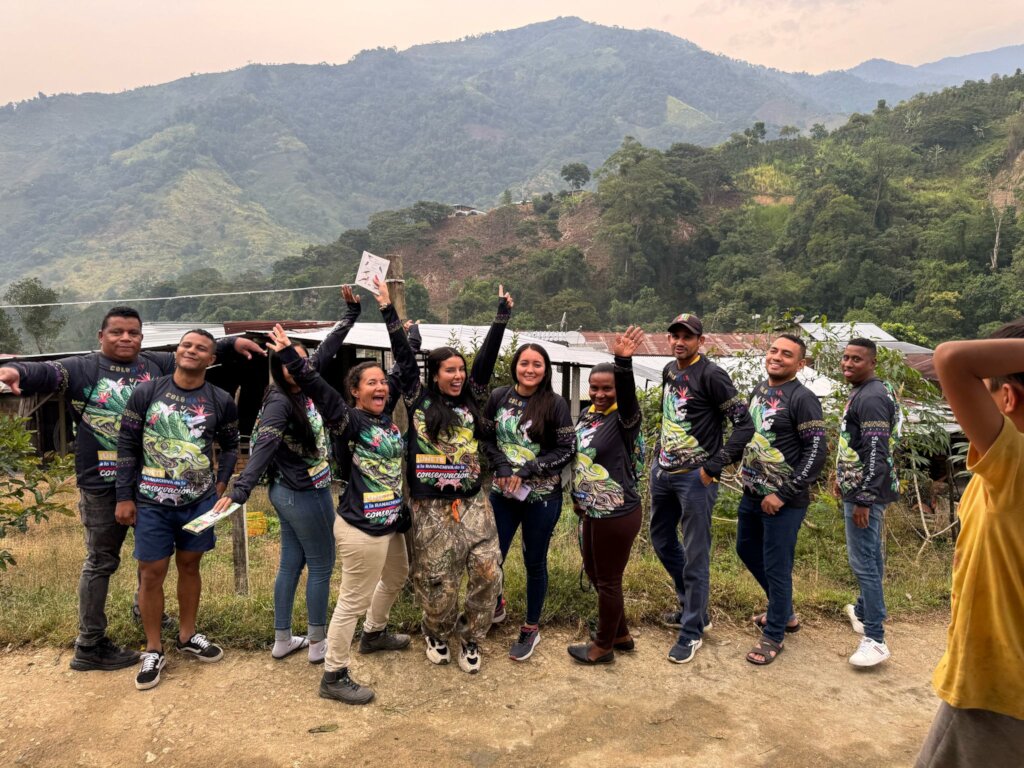
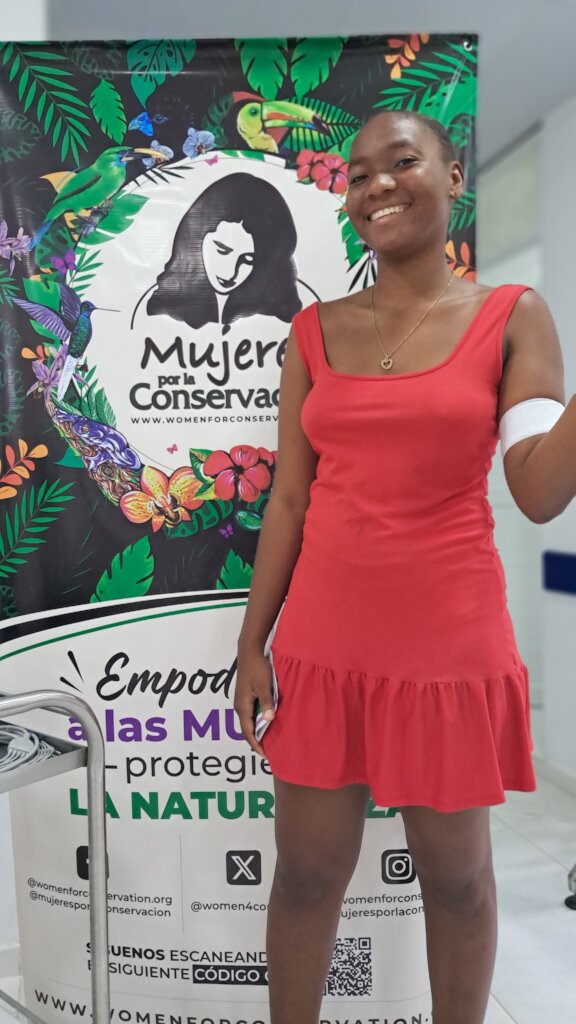
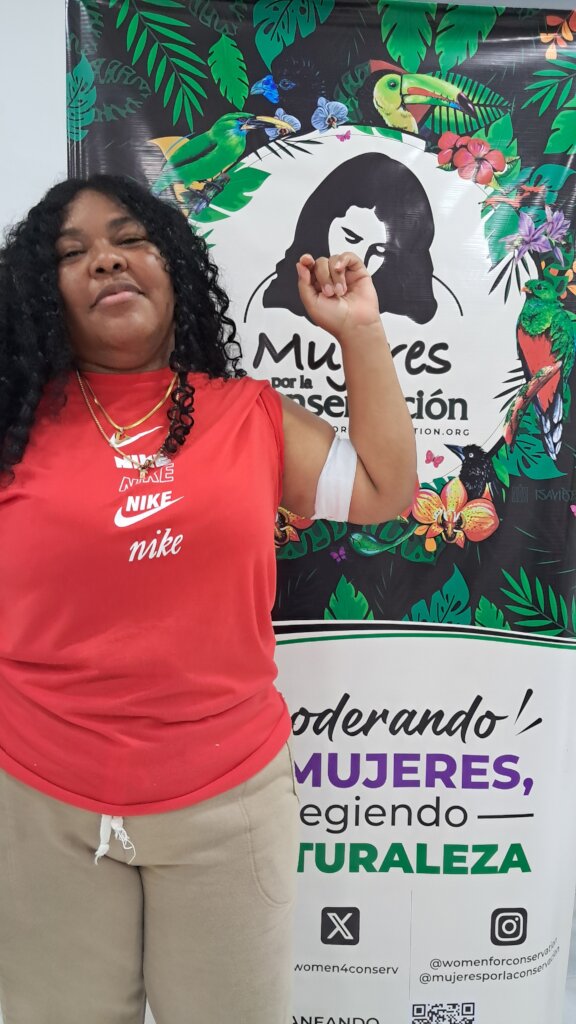
We have been doing extensive outreach in partnership with ProFamilia to evaluate locations with the strongest need for family planning access, and communities in and around Santa Marta expressed keen interest in participating. This next event is aiming to provide critical education, health checks, and contraceptive resources to 50 more women and men in the Santa Marta region.
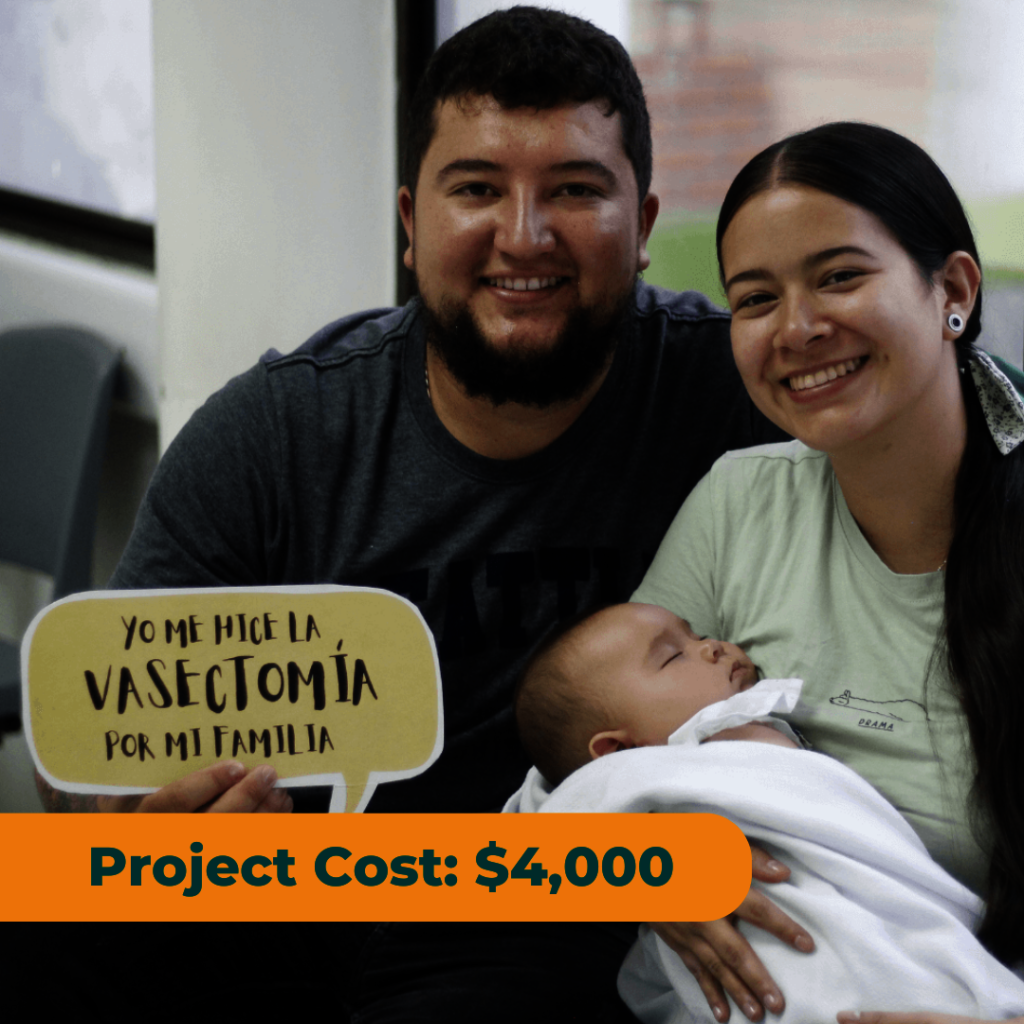
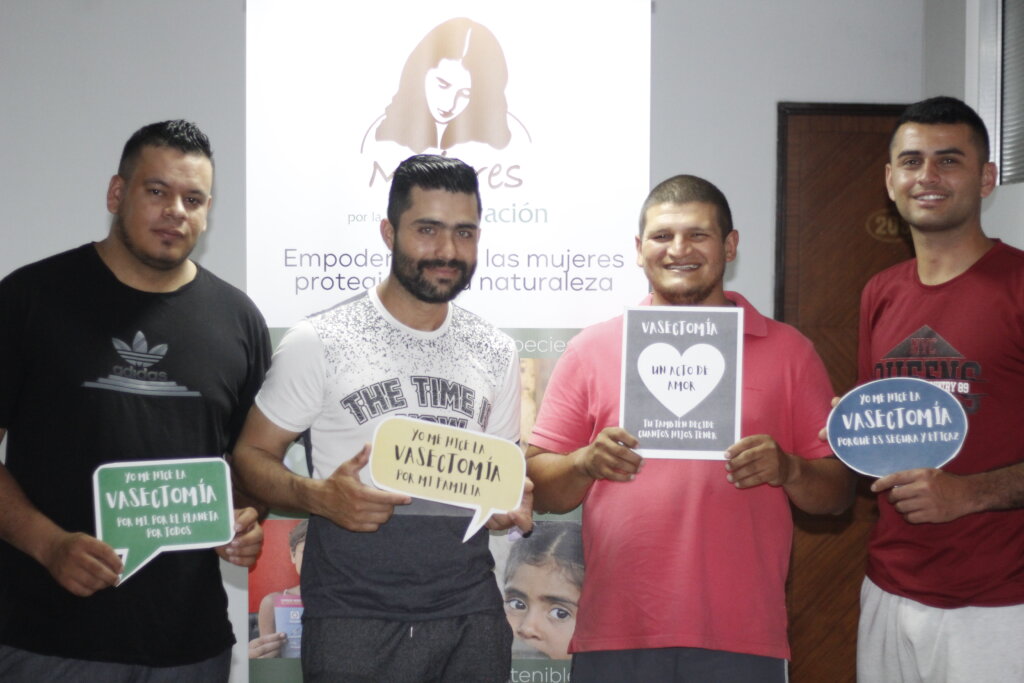
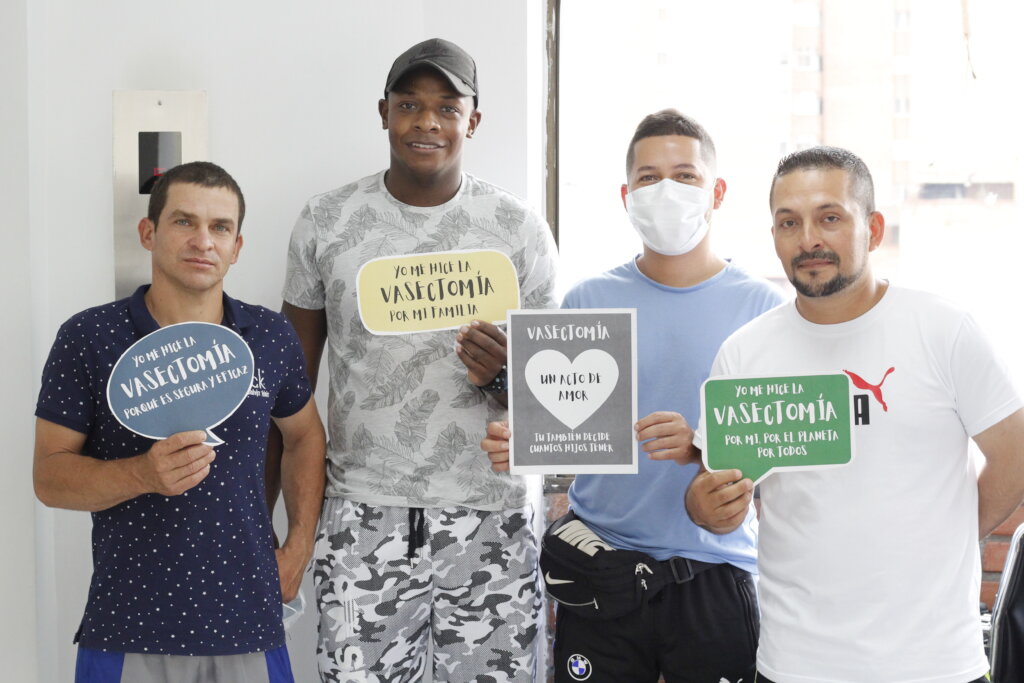
Many families in and around Santa Marta face barriers to accessing reproductive care, a foundational resource that opens doors to other critical opportunities and even basic human rights, such as education, careers, bodily autonomy, and long-term health. While women’s access to these rights and opportunities are particularly at risk without access to family planning, men also have a crucial role to play in this issue. This is why we provide access to services for both women and men — because we must work together to achieve our goals. At Women for Conservation, we want to ensure that all women and men have access to this life changing right, because when families thrive, communities thrive.
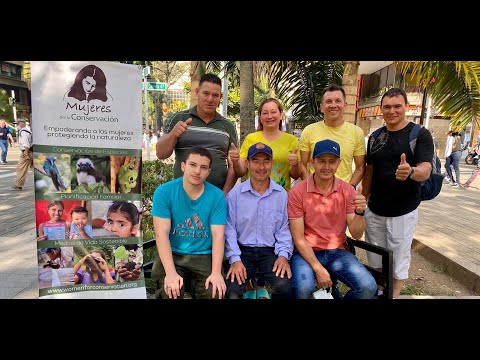
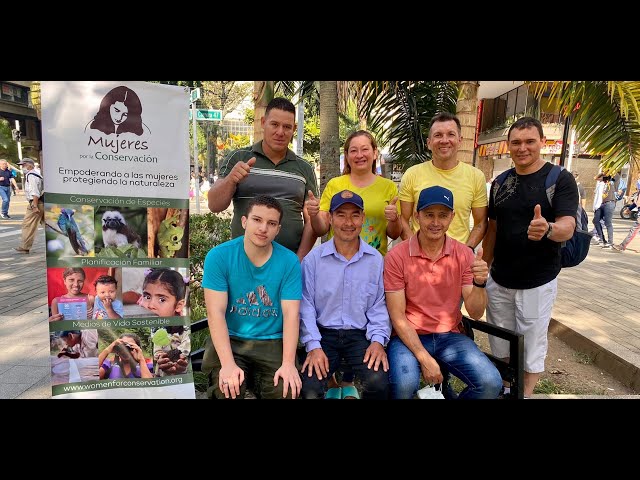
One vasectomy recipient, Augusto Alexander Machado, shared: “I decided to get a vasectomy to contribute to the conservation of our planet by preventing overpopulation. I am certain of the importance of men’s role in family planning so that it does not become solely the responsibility of women”. Augusto came to access family planning resources to support his family’s health and to make informed decisions about his future. The education and access to health resources we provide is essential to break the taboos associated with family planning for men and support healthier communities. With your help, we are creating meaningful change for people like Augusto.
Thanks in part to your support, we have been able to provide more than 4,300 family planning services to women and men in Colombia. That’s 4,300 women and families that have more control over their futures and their financial and physical well-being. Thanks to each and every one of you who has contributed to this cause. Together, we can help all families access the resources they need for a healthy and fulfilling life.
With gratitude,
The Women for Conservation Team
By Libby Henrickson | Global Conservation Programs Coordinator
By Libby Henrickson | Global Conservation Programs Coordinator
Project reports on GlobalGiving are posted directly to globalgiving.org by Project Leaders as they are completed, generally every 3-4 months. To protect the integrity of these documents, GlobalGiving does not alter them; therefore you may find some language or formatting issues.
If you donate to this project or have donated to this project, you can receive an email when this project posts a report. You can also subscribe for reports without donating.



Support this important cause by creating a personalized fundraising page.
Start a Fundraiser