By Alison Friduss | Director of Development
In partnership with CA nonprofit, Sierra Harvest, we are creating a food service model rooted in scratch cooking that will impact the health of thousands of children in western Nevada County and beyond.
In the school food world, rural districts are often overlooked and underserved. Large urban districts commonly receive support from organizations because they reach a large number of students. Students in rural districts are just as deserving of healthy school meals and public-private partnerships. What if rural districts had access to the same resources and support as large, urban districts?
We’re excited to share a new project working specifically with 9 small, rural districts: Foothills Fresh. By combining their purchasing power and food distribution models, these districts will create one consolidated food service department to increase their overall access to scratch cooking and create healthier meals for their kids.
Located in western Nevada County, California, this multi-district rural school meal program recently began a 3-year program to transition their Food and Nutrition Service Departments from a heat-and-serve / processed model to scratch cooking with real and whole ingredients. CAF partnered with a local California nonprofit, Sierra Harvest, to provide districts with assessment and technical assistance.
Specialized Support
CAF offers 4 major support programs nationally, and sometimes a district (or multiple districts) want individualized and direct support for improving their meal programs. Through our specialized programming, we structure our work into the 5 key areas of CAF’s approach to systems change: Food, Facilities, Finance, Human Resources and Marketing. This programming is for districts that fall outside the parameters and/or timeline of our Get Schools Cooking program but are ready to create change.
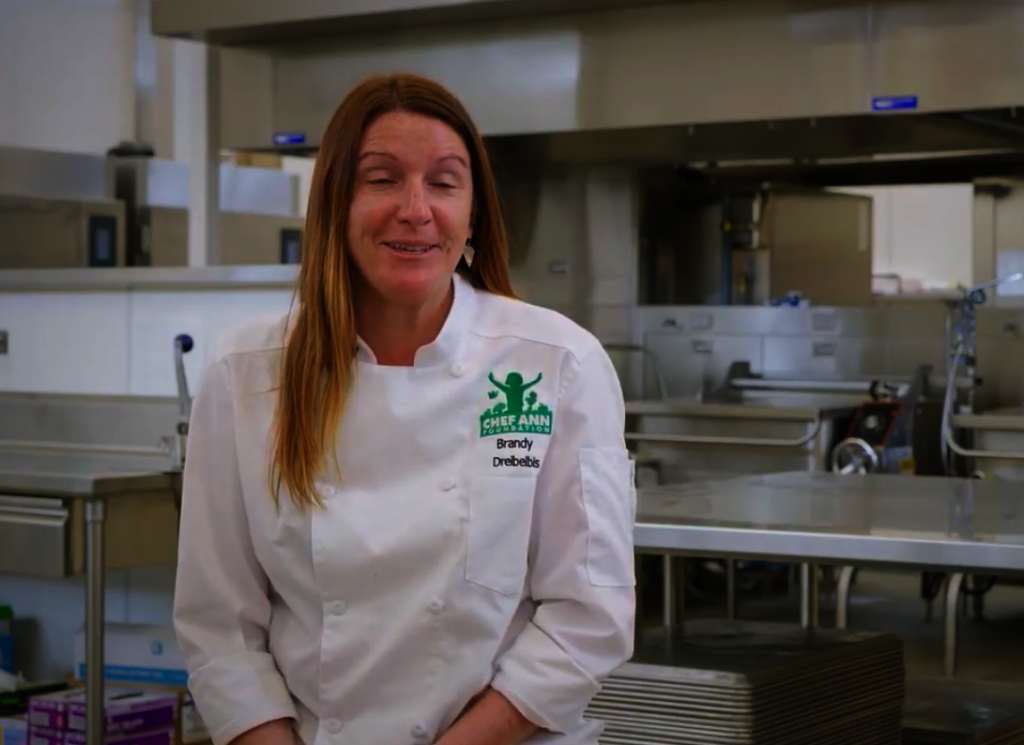
Specialized programming is entirely unique based upon the district(s), and Foothills Fresh is especially unique with the opportunity to coordinate across 9 school districts. CAF’s Director of Research and Assessment, Anneliese Tanner, and Director of School Food Operations, Brandy Dreibelbis, recently visited western Nevada County for an onsite assessment of all 9 districts. Their findings inspired us to share how this multi-district school meal program can be a model for other rural school districts to follow across the nation, and could eventually benefit millions of children.
Getting Started
The team at Sierra Harvest reached out to CAF in the fall of 2019 following the launch of CAF’s Get Schools Cooking program. Sierra Harvest knew the districts in their area didn’t fit the eligibility requirements for the program, and were still interested in creating change and transitioning to a scratch-cook meal program that would service all western Nevada County districts. The desire and commitment to create change, especially as a group of districts working collectively, presented these 9 districts as a unique opportunity to impact a community already focused on local foods. With the potential of this consolidation becoming a model for other rural communities, this project was a clear win not only for Western Nevada County but other districts as well.
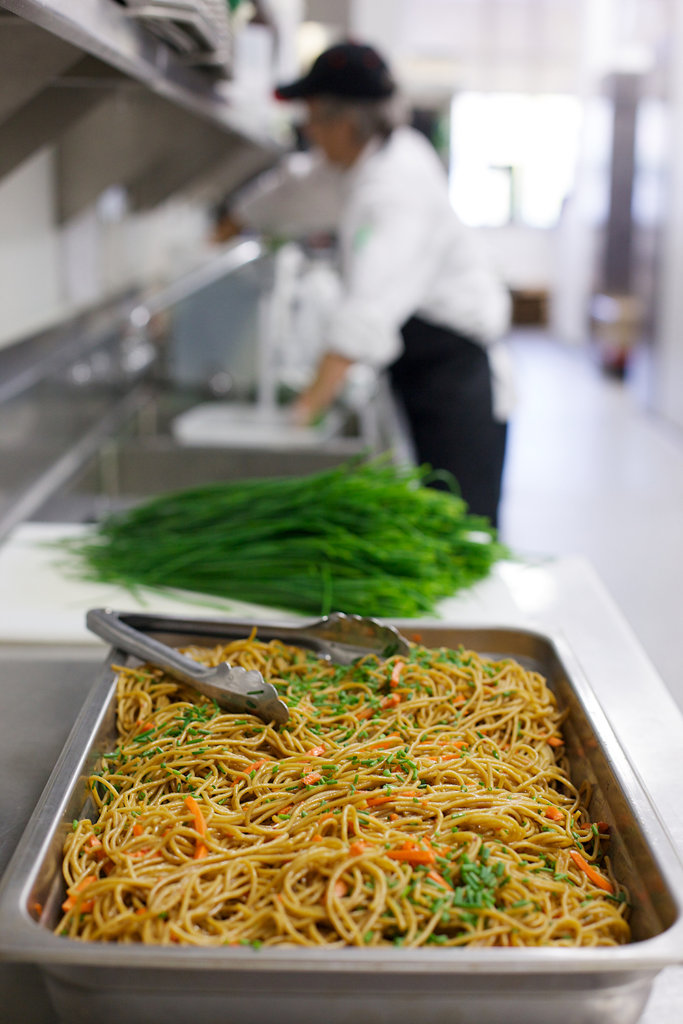
Through several meetings throughout the fall of 2019 and into early 2020, the CAF team designed a program to share operational expertise through assessment and technical assistance to help the nine districts create one consolidated food service department responsible for providing all the districts with scratch made food. In the summer of 2020, Sierra Harvest, Chef Ann Foundation and the district superintendents all signed a program agreement that served as the unofficial program launch. From there, the team conducted case studies to gather information on similar structures and collected data in preparation for the onsite assessment.
Assessment Results
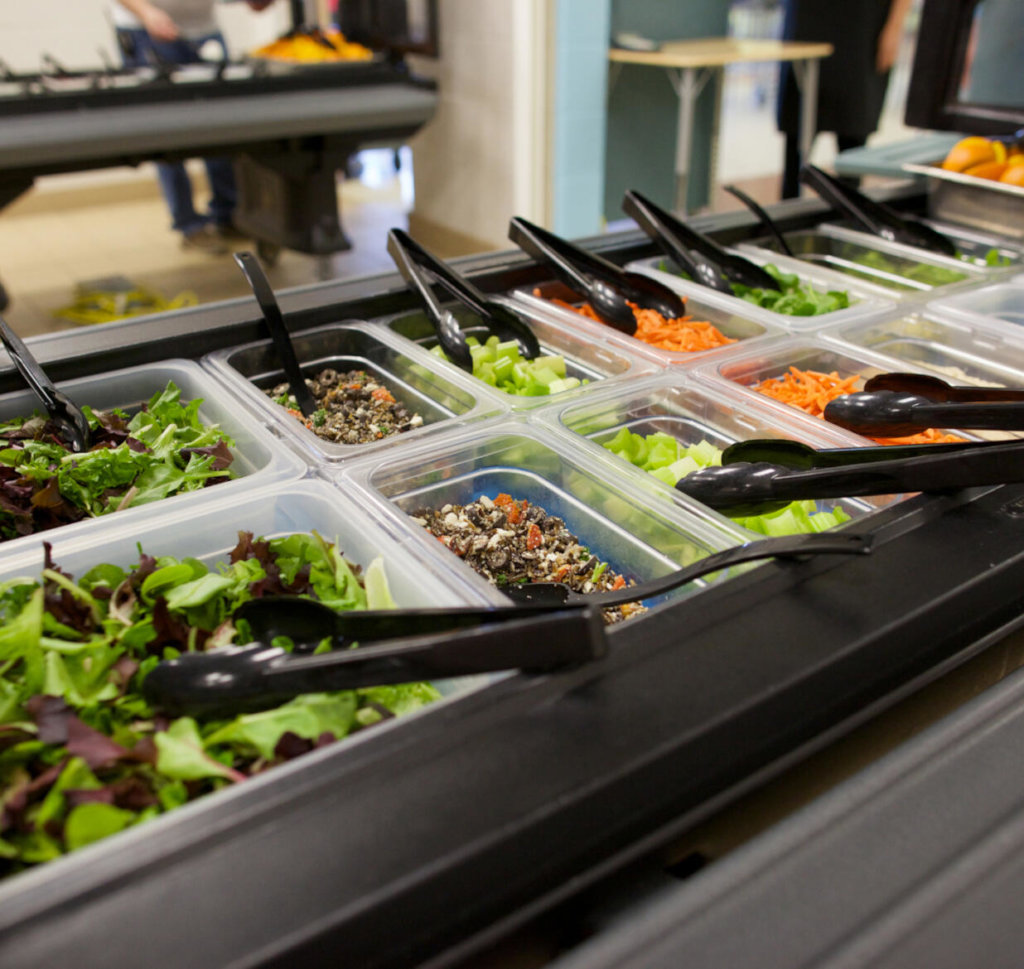
The main objective for onsite assessment was to observe the facilities and identify actions the districts can take to reach their meal program goals. The current school food model has a total of 25 physical locations spread across 9 districts. Of these 25 locations, there are only 4 schools that have the kitchen infrastructure required to produce meals in-house. The other schools serve packaged meals due to limited production facilities and serving lines, doing the best they can with the resources available. Serving a high volume of packaged foods results in a large amount of food waste. By transitioning to a scratch cook operation, fewer foods will be thrown away and more resources can be invested in staff and food quality.
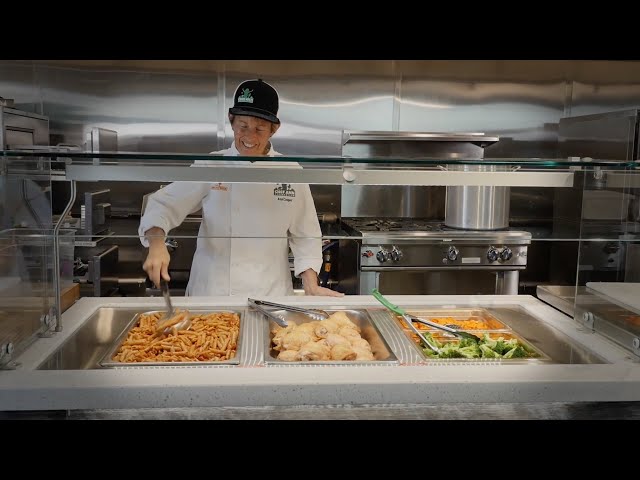
In order to move toward scratch-cooking, in addition to a central kitchen, the finishing kitchens will need the necessary equipment, which can be quite expensive. One way to lower overall costs is by purchasing the equipment together to take advantage of volume pricing. Districts could also purchase the same brand and specifications so that measurements, volumes, and repairs or required parts are the same. Here is some common kitchen equipment that districts in western Nevada County (as well as other finishing kitchens) would benefit from:
Many of the spaces in these districts not only lack equipment to cook at large scale, but also lack appropriate storage space and an accessible loading dock. To solve this problem, CAF is helping to plan a central kitchen with the equipment and space to produce fresh meals to be finished at the site kitchens. It’s important to make sure the equipment at each district matches the kind of food they want to serve, and furthermore, ingredients they are able to procure. These districts do a fantastic job of focusing on fresh produce procurement and have enormous support from their administrative staff and communities!
Reporting & Analysis
After visiting all 9 districts and facilities, the CAF team is creating a comprehensive report for these districts to pave the way to success! The comprehensive report includes a position control sheet, a financial model and cost projection sheet, a marketing plan framework, and food analysis. The position control sheet will help the districts determine what kind of positions to hire, identify labor needed to manage a scratch-cooking cooking operation effectively, and provide a summary of the cost for each position. On a larger scale, the financial model is crucial for this type of unique build, as is a marketing plan to advertise the new and improved school food program.
Lastly, a food analysis report will explore the current purchased food items and provide recommendations for scratch cooked menus and recipes, as well as strategies for procurement and increasing local products on the menu. This analysis helps food service teams transition items to scratch-cooked and also identifies additional opportunities to procure local produce.
As previously mentioned, local procurement is an opportunity for Foothills Fresh and we encourage them to continue bringing a taste of place to their students and community! For example, Truckee Sourdough, a local bakery, supplies fresh loaves of bread to the high schools. Taking a step further, Richards Grass Fed Beef is a potential local partner that could supply precooked dogs and burgers for the districts. Rural areas around the country could adopt similar consolidated food service department structures that would allow for more local partnerships and increase their buying power and ability to scratch cook.
A National Model
Foothills Fresh is positioned to be a model for other rural school districts to follow across the nation. Although these districts face various logistical challenges, by creating one food service department for all 9 districts, there are numerous opportunities to improve the quality of food served to their 8,000 students and showcase the ability to transform. Sierra Harvest has been an incredible partner in this work; together, we are creating a food service model rooted in scratch cooking that will impact the health of thousands of children in western Nevada County and beyond.
By Danielle Chandler | Marketing Manager
By Carolyn Booth | Director of Development
Project reports on GlobalGiving are posted directly to globalgiving.org by Project Leaders as they are completed, generally every 3-4 months. To protect the integrity of these documents, GlobalGiving does not alter them; therefore you may find some language or formatting issues.
If you donate to this project or have donated to this project, you can receive an email when this project posts a report. You can also subscribe for reports without donating.



Support this important cause by creating a personalized fundraising page.
Start a Fundraiser