By Danielle Staunton | Donor Engagement Manager
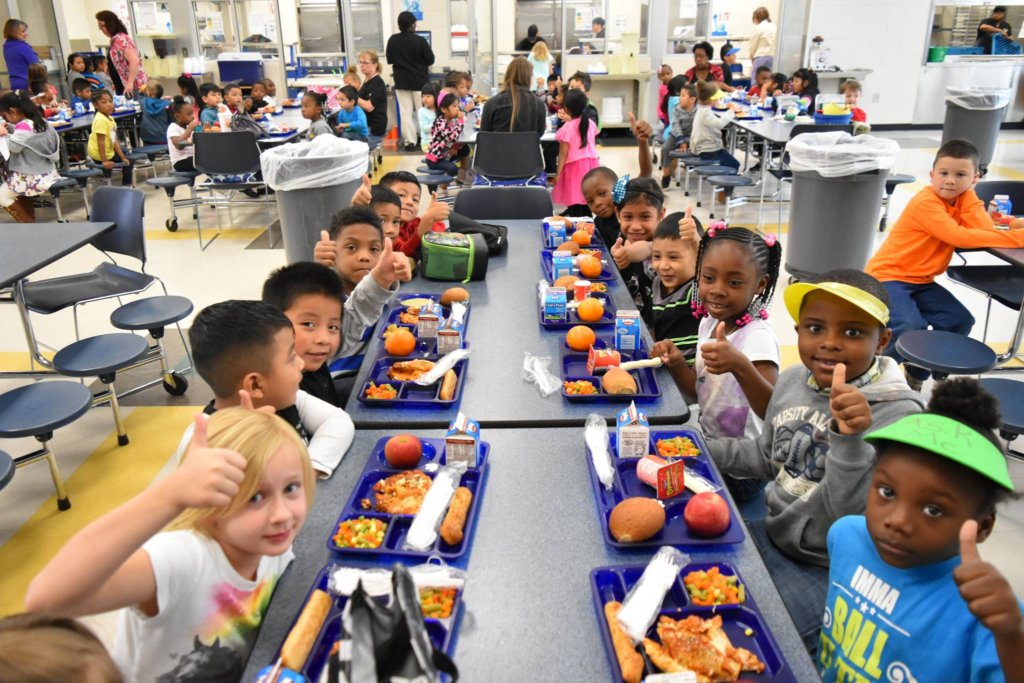
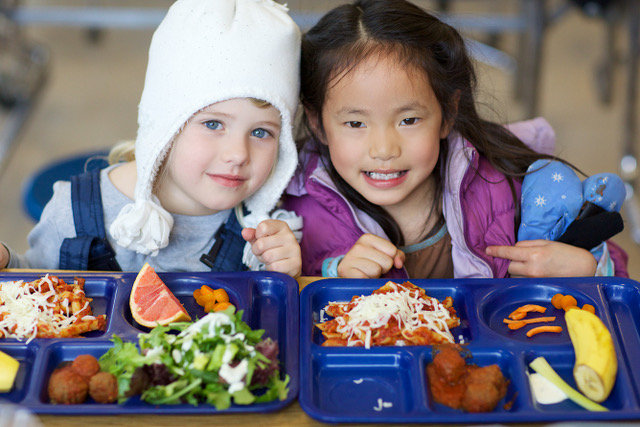
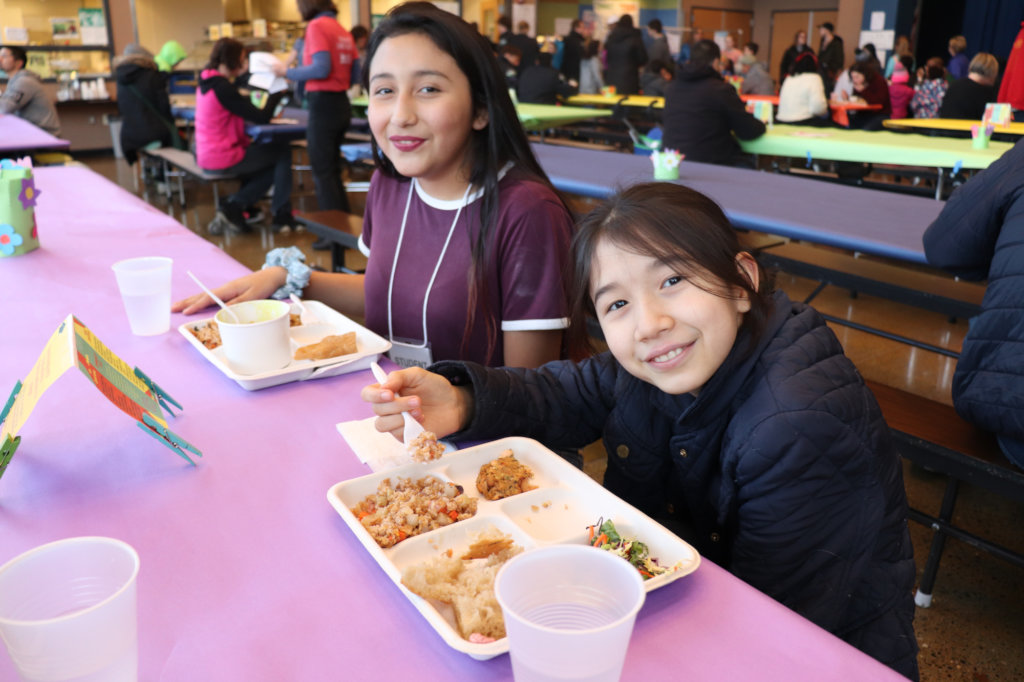
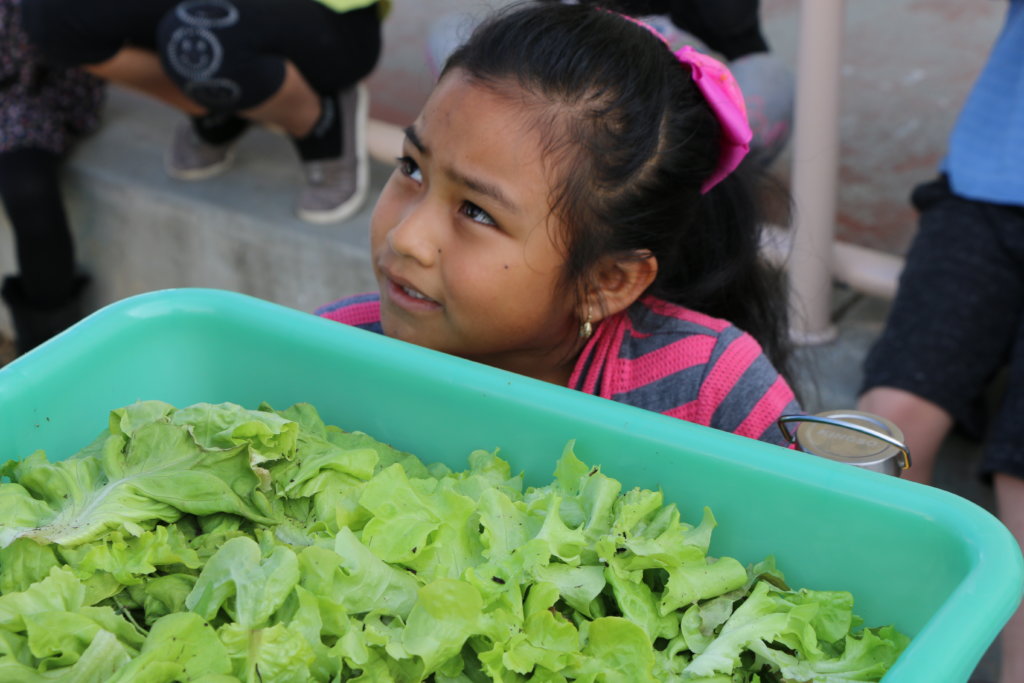
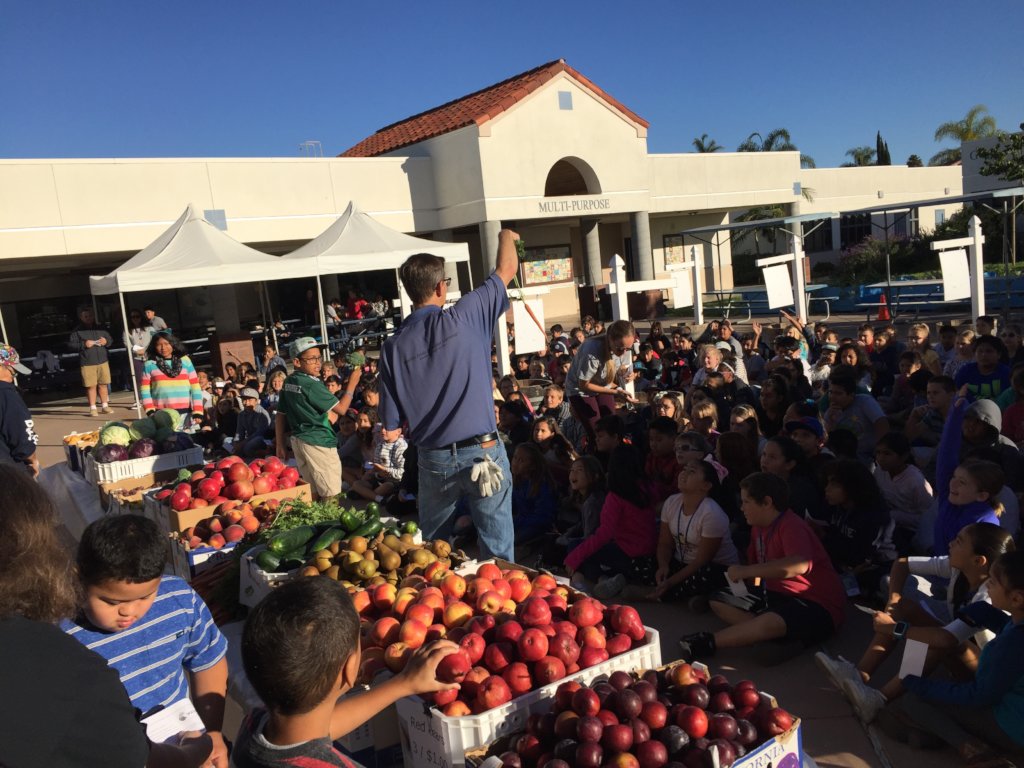
2019 was a big year for the Chef Ann Foundation - we celebrated a decade of working with school communities to help them serve healthier food to children across the country. We couldn’t have reached over 3.2 million kids in more than 11,800 schools without your dedication and support. Thank you for sharing in our mission and believing that every child deserves healthy food every day.
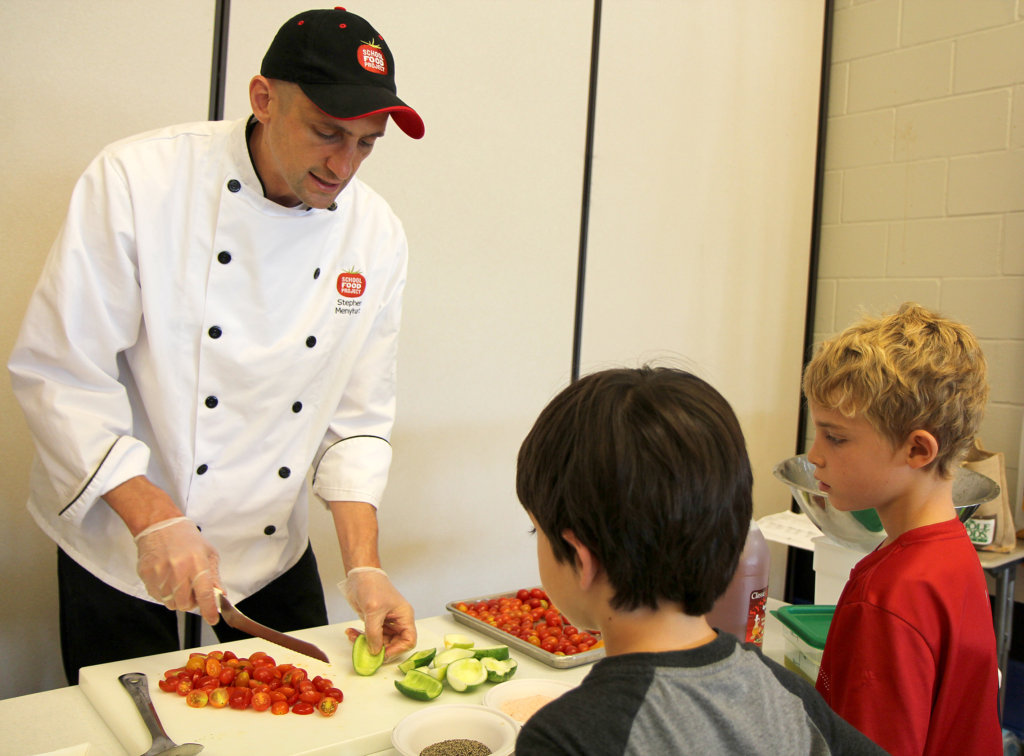
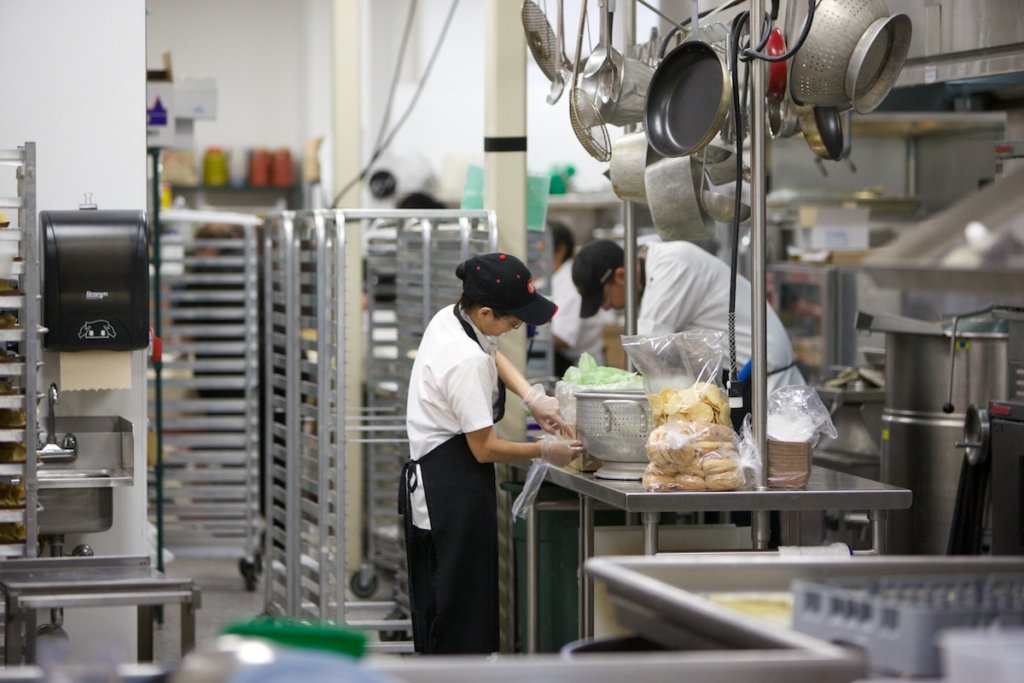
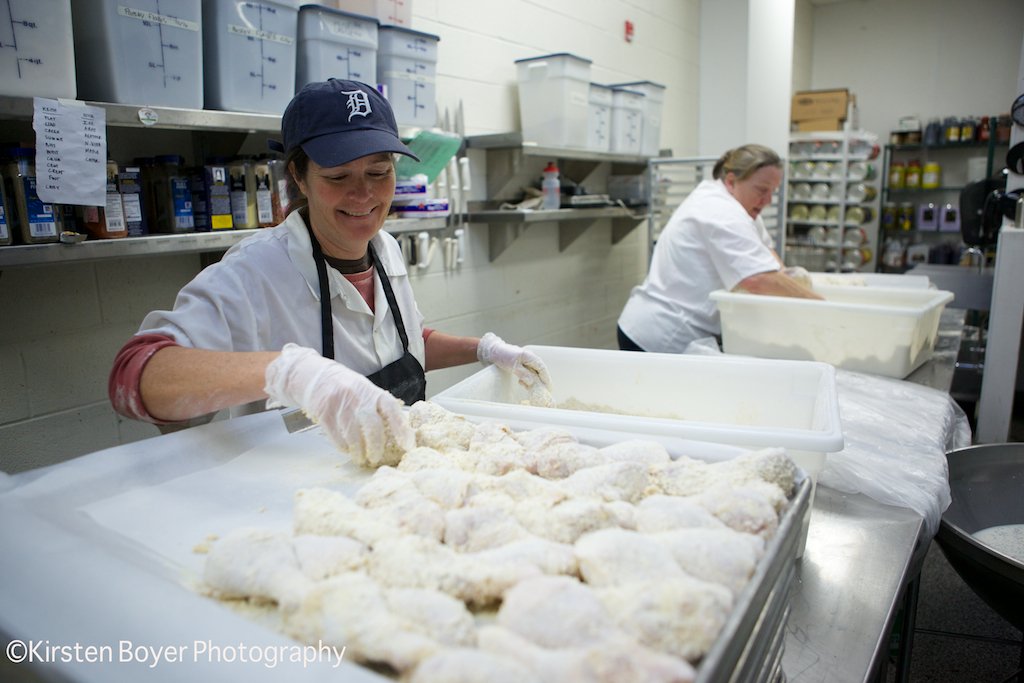
Our programs are the heart and soul of what we do. Through our four major programs, we are able to equip school food professionals, parents, healthy food advocates and more with the tools they need to implement healthier, scratch-cooked food in schools.
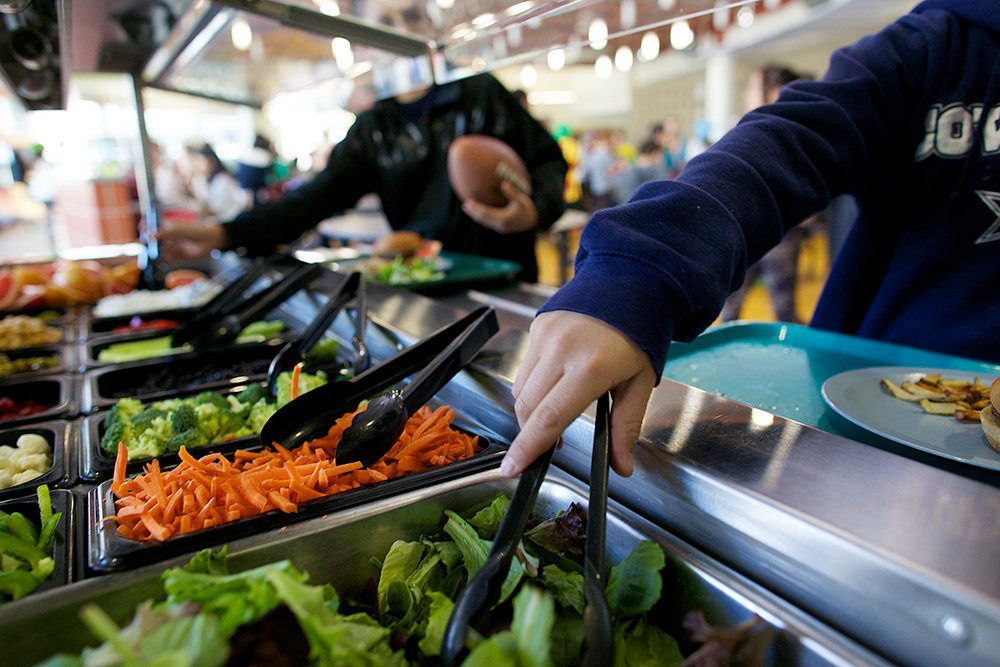
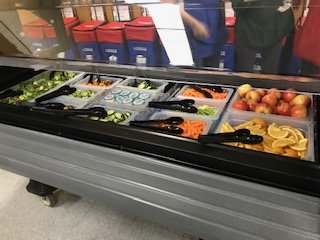
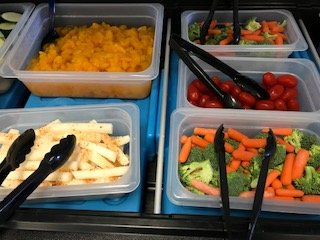
Salad Bars to Schools
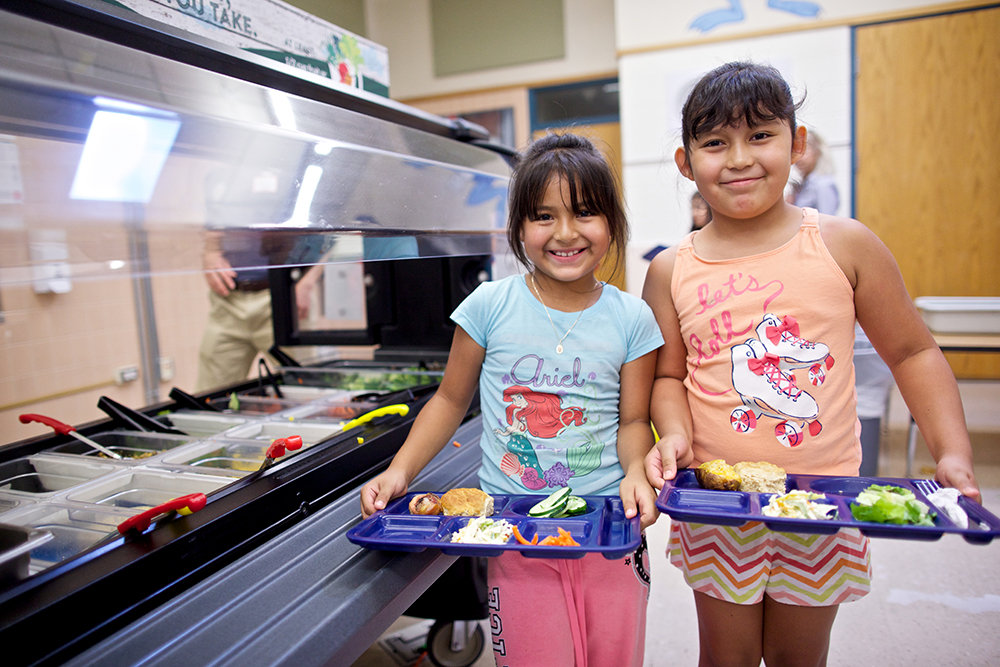
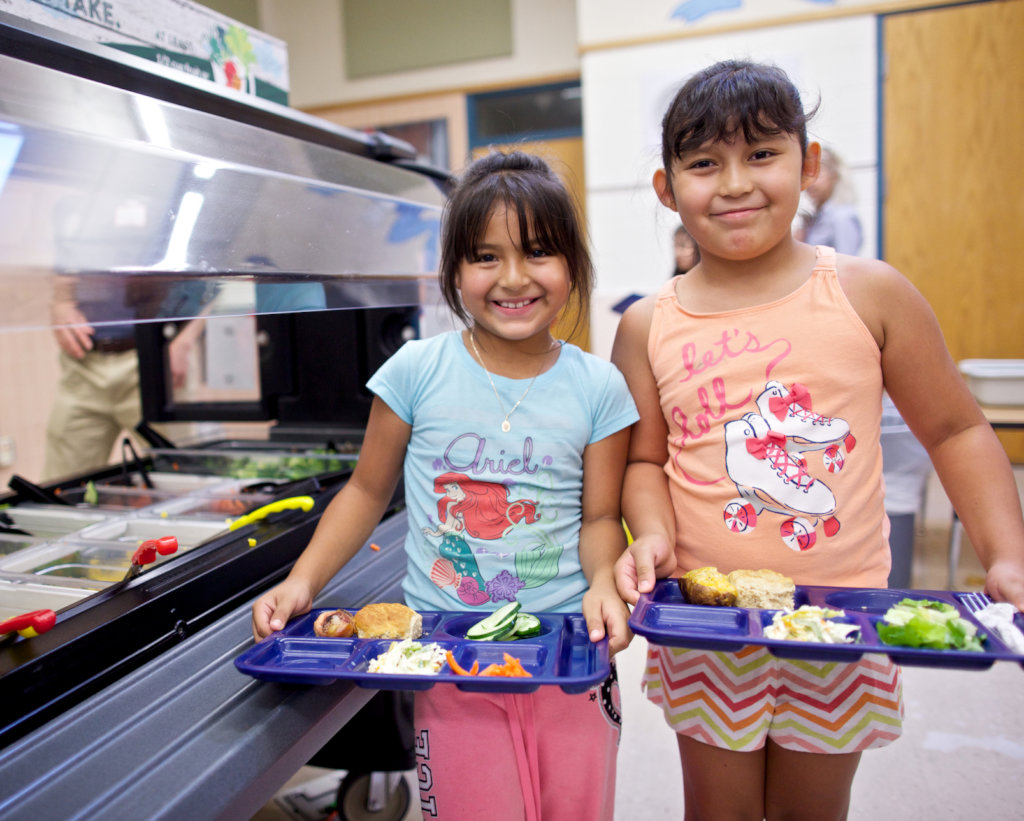
In 2019, we granted 223 salad bars to schools across the country in partnership with United Fresh Start Foundation and Whole Kids Foundation—bringing our total number of salad bars granted to 5,641!
"The salad bar has made it much easier to meet the meal pattern requirements while still encouraging student choices," said Emily Cena, Salad Bars to Schools grantee and Food Service Director for Ramona Unified School District, CA.
School Food Institute
The nation’s only personal learning platform for school food professionals dedicated to cook from scratch operations launched three new courses: Plant Forward, Ingredients for Healthier Kids, and Sustainable Lunchrooms. We also translated every course into Spanish! Click here for our translator’s take on bridging language barriers in school kitchens.
Get Schools Cooking
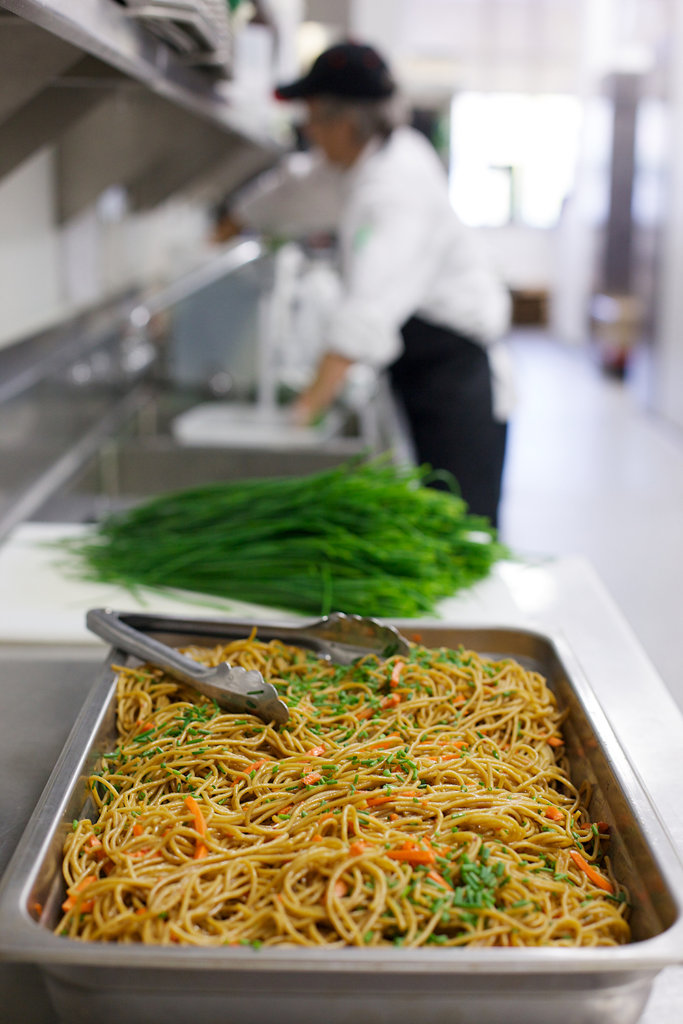
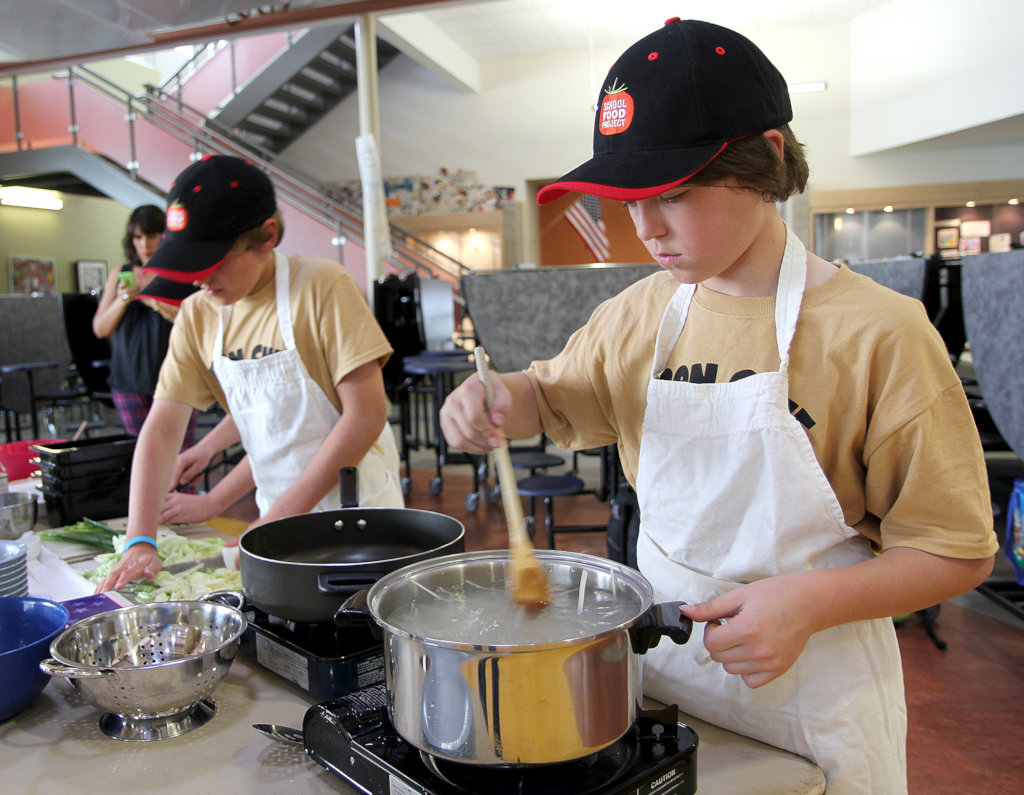
We’re entering the final stages of our very first cohort’s 3-year program. These 2016 GSC districts— Bellingham Public Schools (WA), Buford City Schools (GA), Passaic School District ( NJ), and Watertown Public Schools (MA)—have introduced new scratch-cooked recipes, installed salad bars, added new vendors to procure local products, eliminated highly-processed items from their menus, and so much more.
Transitioning to a scratch cooking model takes effort and time. “This isn’t going to happen overnight,” said Bellingham Food Service Director Patrick Durgan when we caught up with him earlier this year. “Since we’ve started making some of these changes, the response has been positive.”
The Lunch Box
Our free tools and resources were downloaded over 18,000 times in 2019; the Food Cost Projection worksheet is one of our long-standing most popular downloads. We also registered 4,468 new users in 2019—a marked increase, and a good indicator of the rise of scratch cooking in schools.
Real School Food Challenge Goes National
In 2019, our fundraising and awareness event went national! Chefs around the country crafted and added a USDA-compliant school meal to their menus during the month of October. Proceeds from each restaurant benefited the Chef Ann Foundation and were matched dollar-for-dollar thanks to our sponsors. We also partnered with StarChefs to debut five recipes at the International Chefs Congress in Brooklyn, NY, where former Rising Star-turned-school chef Mihoko Obunai won first place for her Japanese chicken curry.
Spreading the Word on Scratch Cooking in Schools
We had many opportunities to spread the word about scratch cooking in schools, from the AFHK Parent Workshop in Denver, CO to the Healthy Kids Collaborative (hosted by the Culinary Institute of America) in Napa, CA. CAF was also accepted into the Food System 6 accelerator program, where we collaborated with tech and ag leaders in the Bay Area.
Links:
By Rachel Yen | Development Coordinator
By Danielle Staunton | Director of Strategic Partnerships
Project reports on GlobalGiving are posted directly to globalgiving.org by Project Leaders as they are completed, generally every 3-4 months. To protect the integrity of these documents, GlobalGiving does not alter them; therefore you may find some language or formatting issues.
If you donate to this project or have donated to this project, you can receive an email when this project posts a report. You can also subscribe for reports without donating.



Support this important cause by creating a personalized fundraising page.
Start a Fundraiser