By EVP Project Manager | Ecotourism Project Manager
GlobalGiving - Caring for Cambodia’s Elephants During Covid & Help the elephants of Cambodia & EVP post pandemic
April - July 2026
What's happening at ELIE & The Elephant Valley
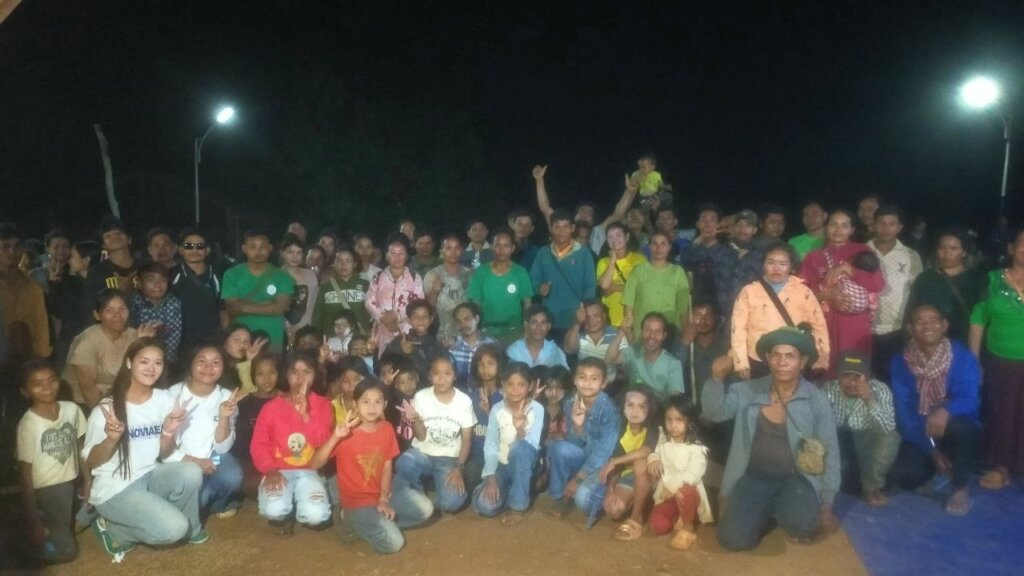
In April, we welcomed the Khmer and Bunong New Year with plenty of food, laughter, dancing and celebrations. After a busy start to the year, everyone was more than ready for a little time to celebrate and recharge. It is always great to celebrate this with the community. Seeing them outside of work and celebrating together helps keep the spirit and connection.
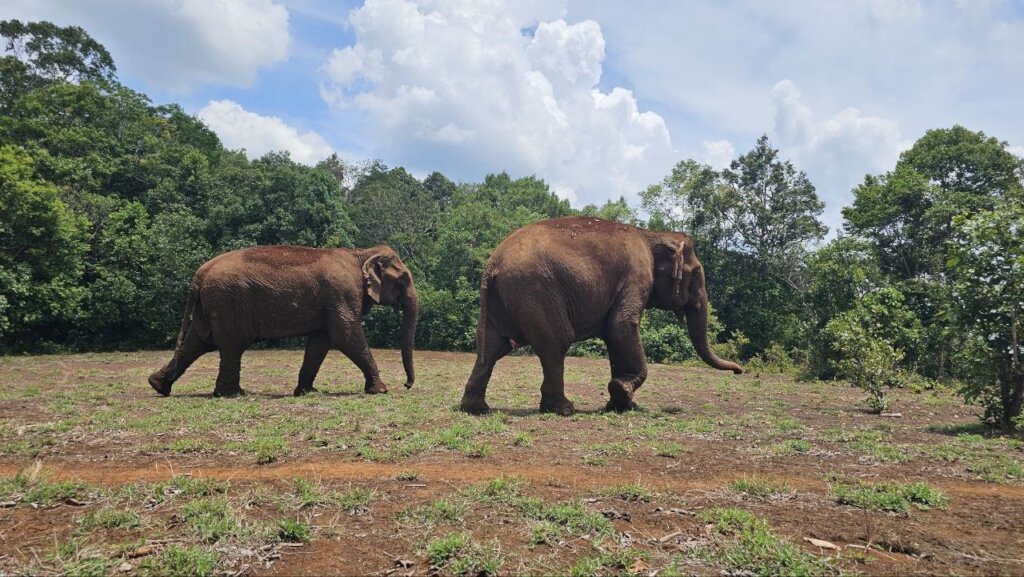
The elephants, meanwhile, remained unaware that it was New Year and continued with their usual schedule of eating, wandering, eating some more in the forest.
April also brought the peak of a hot and dry season. The forest was looking dry, and we were buying additional food like banana trees to help keep our elephants well fed while natural food sources became harder to find. Luckily by the end of May,the first raindrops finally arrived.
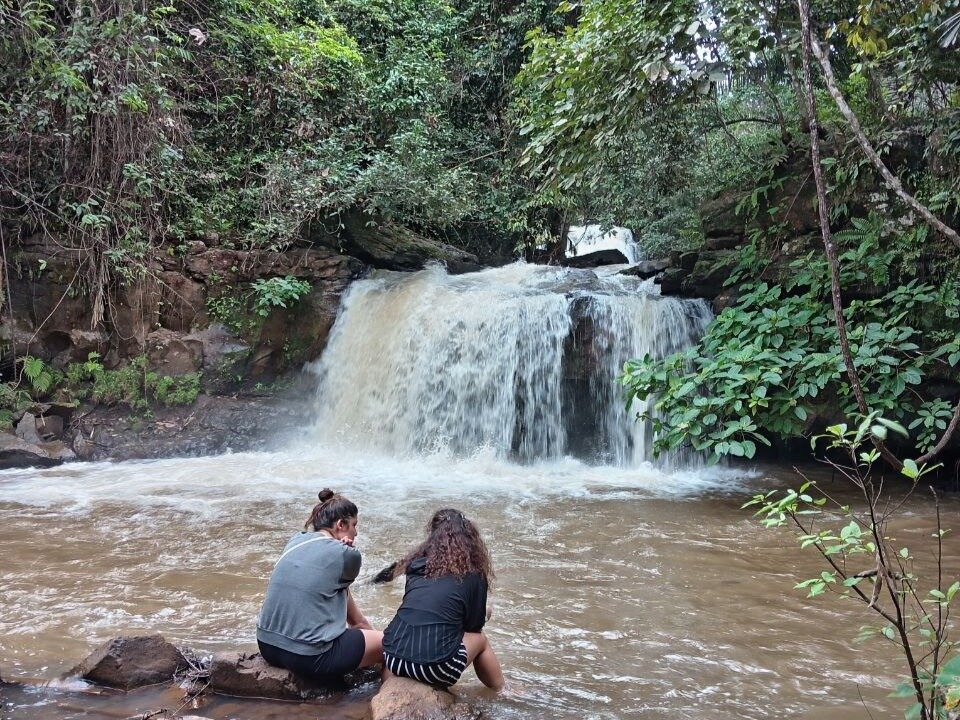
And what a difference they made! The forest quickly began waking up again. By June, fresh grass, bamboo and leaves were appearing everywhere, bringing much-needed relief to both elephants and humans. It is always exciting seeing the first proper rain after months of dust and heat.
Unfortunately the visitor numbers are still low in Cambodia, mainly impacted this year by the conflict across the globe and flight disruptions this year. According to Cambodia's Ministry of Tourism figures released in July, Cambodia received about 1.75 million international visitors from January–June 2026, compared with about 3.36 million in the same period of 2025. That represents a 47.9% year-on-year decrease, essentially a 48% drop. Guest numbers began dropping in May, and June was our quietest month in more than 10 years. The situation was further affected by the Cambodia–Thailand border situation, which caused a dramatic reduction in regional travel and land-border crossings.
For an organisation like EVP, where ecotourism directly supports elephant welfare, forest protection and community programmes, fewer visitors means much more than a quiet trail. It has a direct impact on our ability to fund the work we do. Despite these challenges, our team has continued to show up every day, doing what they do best: caring for elephants, protecting the forest, welcoming the guests who do make it to the valley, and somehow getting things done even when the circumstances are far from ideal.We remain incredibly proud of our dedicated team, who continue to stand strong through the lingering effects of the pandemic, changing tourism patterns and now regional uncertainty.
Elephant Conservation Program
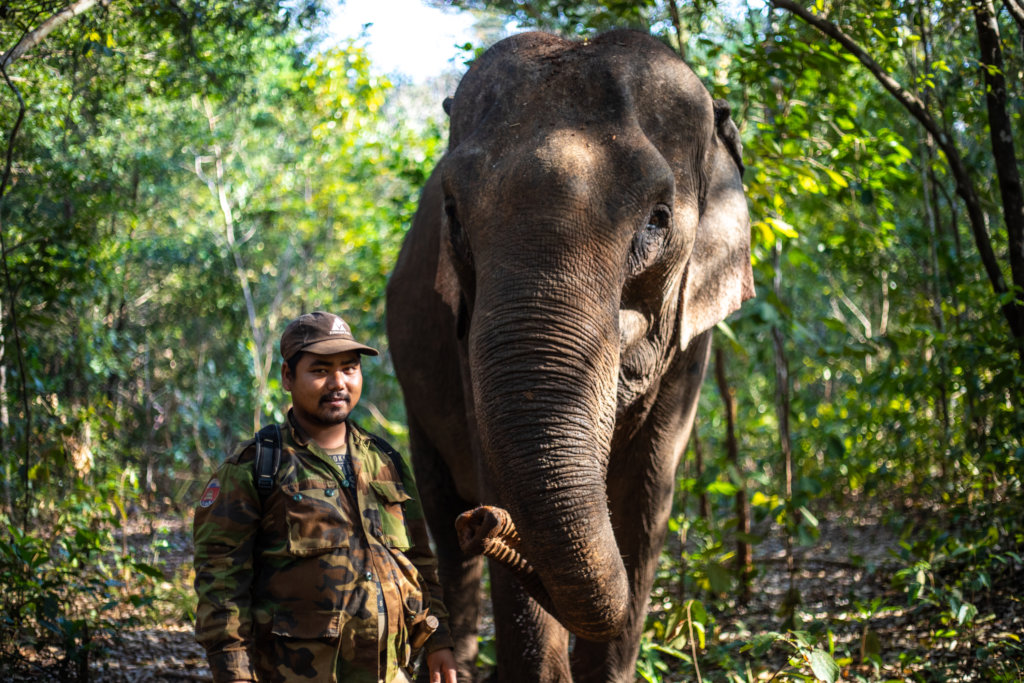
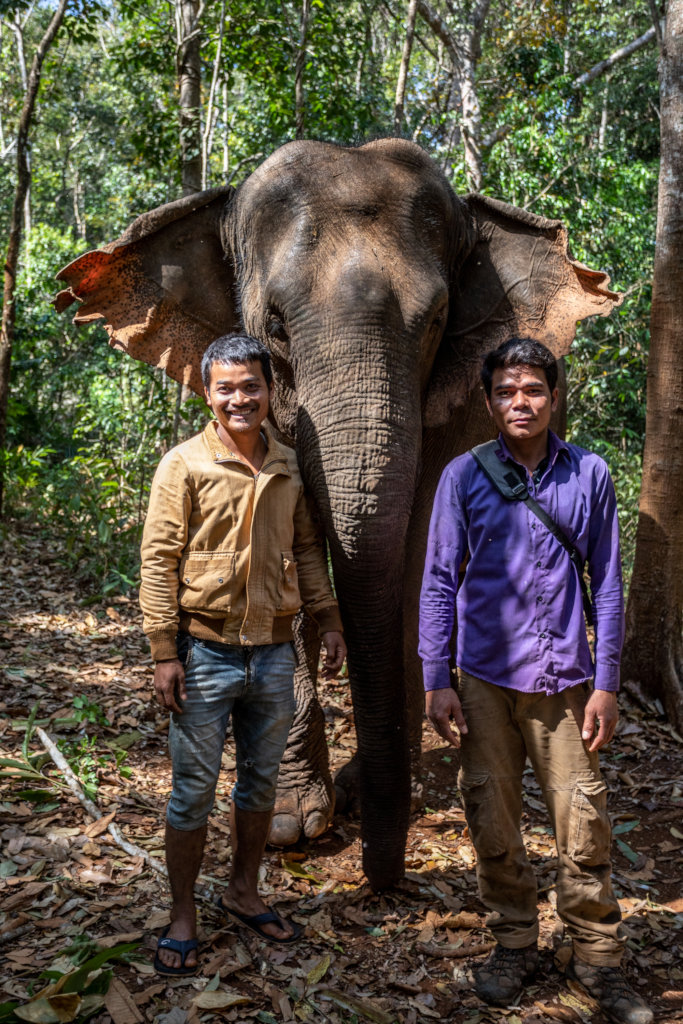
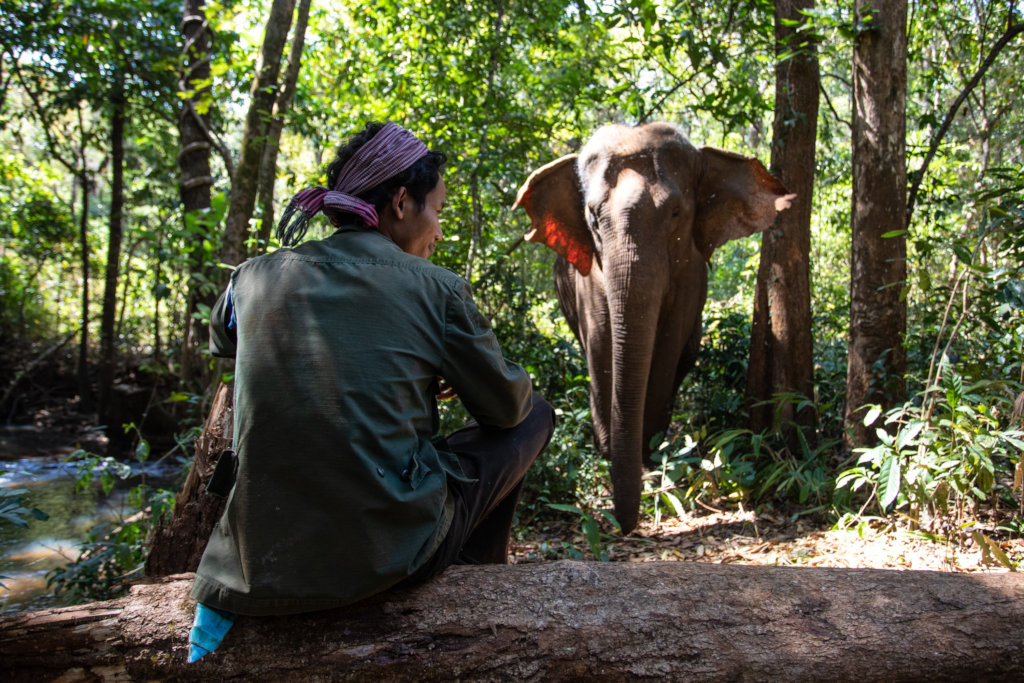
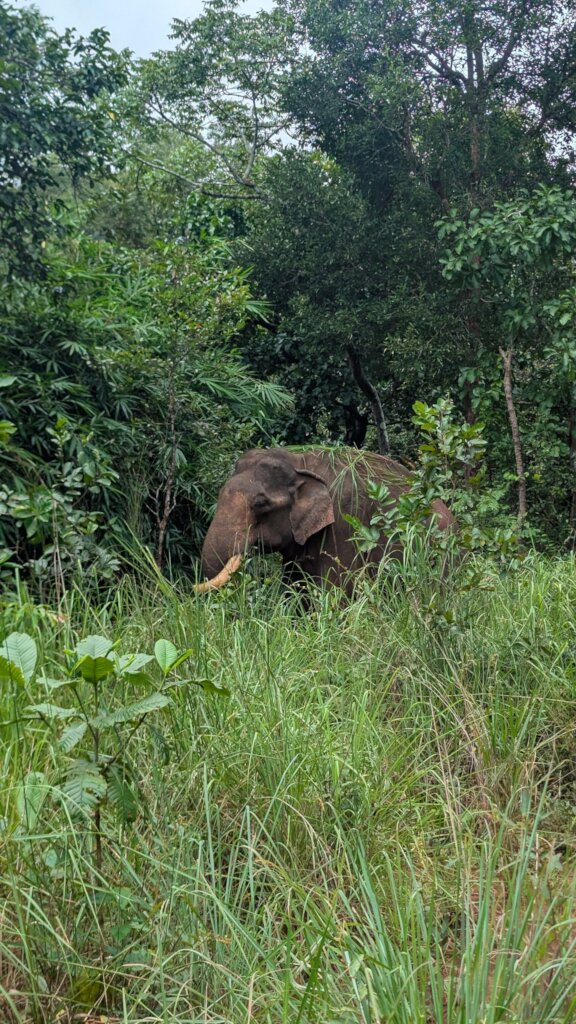
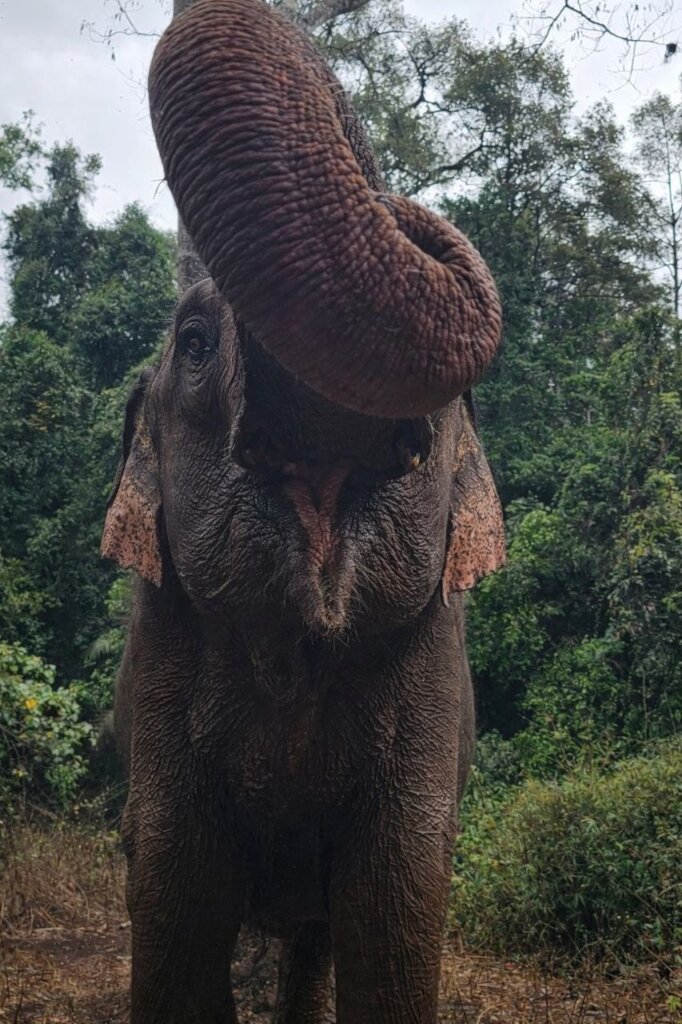
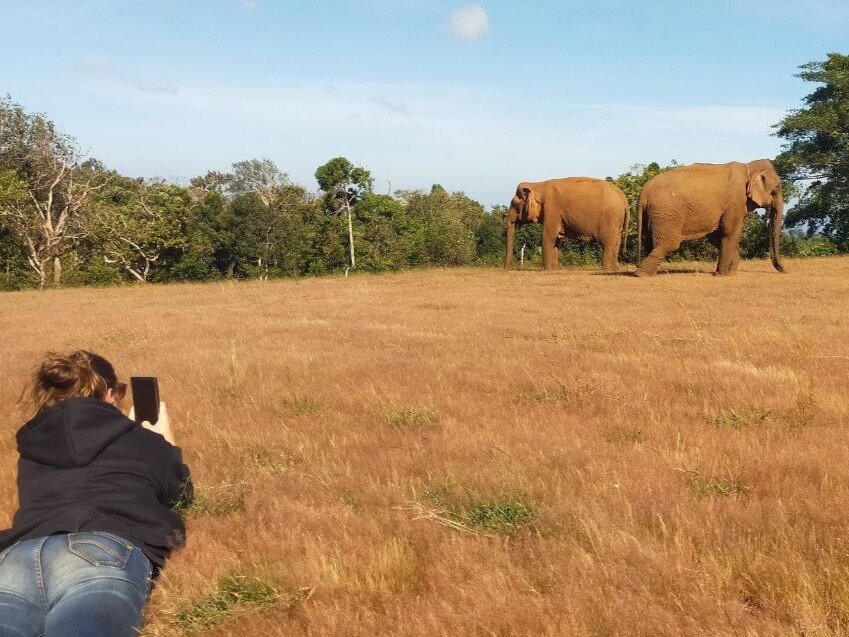
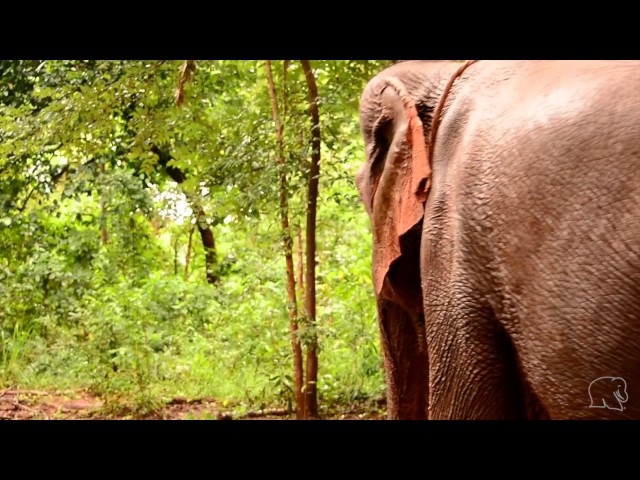
Our elephants have had another busy few months although, to be fair, their definition of “busy” mostly involves walking, eating and deciding which particular tree deserves their attention. They are all doing well in general but they are not getting any younger so minor problems are coming up every now and then.
Foot Care Training
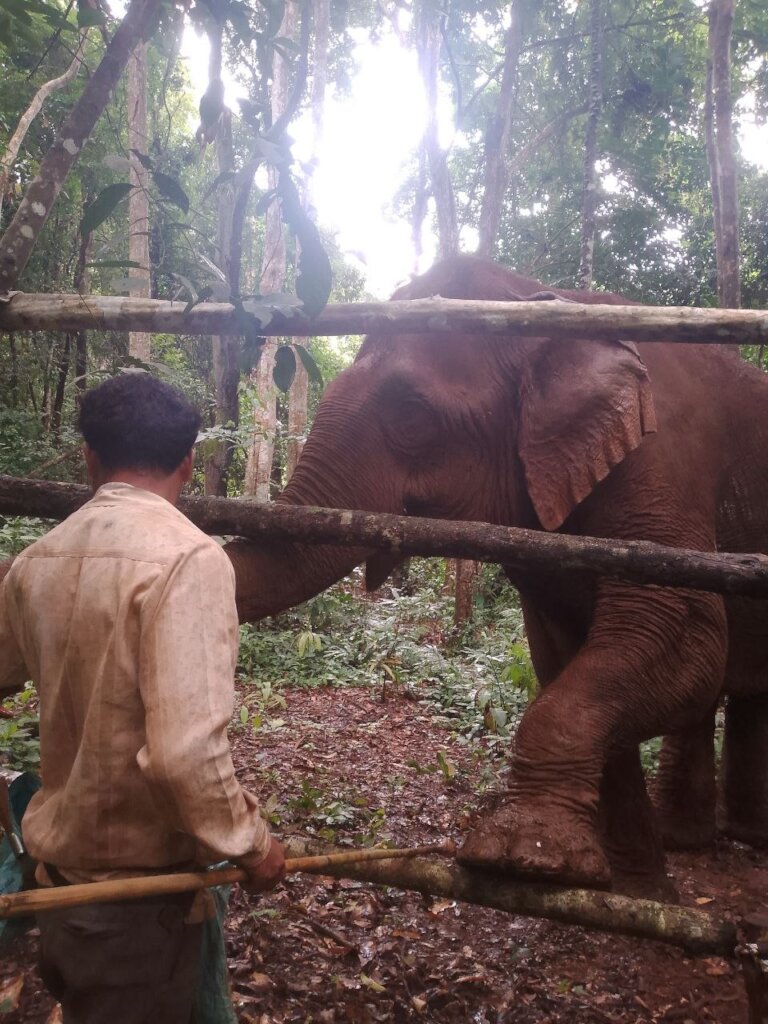
The Foot care training continues regularly with Norm. All the elephants are very comfortable lifting the front feet and we can trim and vile the nails when needed. We are still working towards getting their back feet up for examination and treatment.
This might sound like a small achievement, but it is a huge step forward. Elephant foot care requires patience, trust and plenty of repetition. Some of our elephants have difficult histories with humans, so building that trust takes time.
Norm has been doing an amazing job and proving once again that patience, consistency and a lot of treats can accomplish quite a lot.
Captive Elephant Care & Rehabilitation @ the Elephant Valley Project.
Pearl is doing well and she loves walking through the forest while pulling out some trees on the way. We saw the first sign of eustrus again after the passing of the baby diamond (in 2024), a sign that she is doing well.
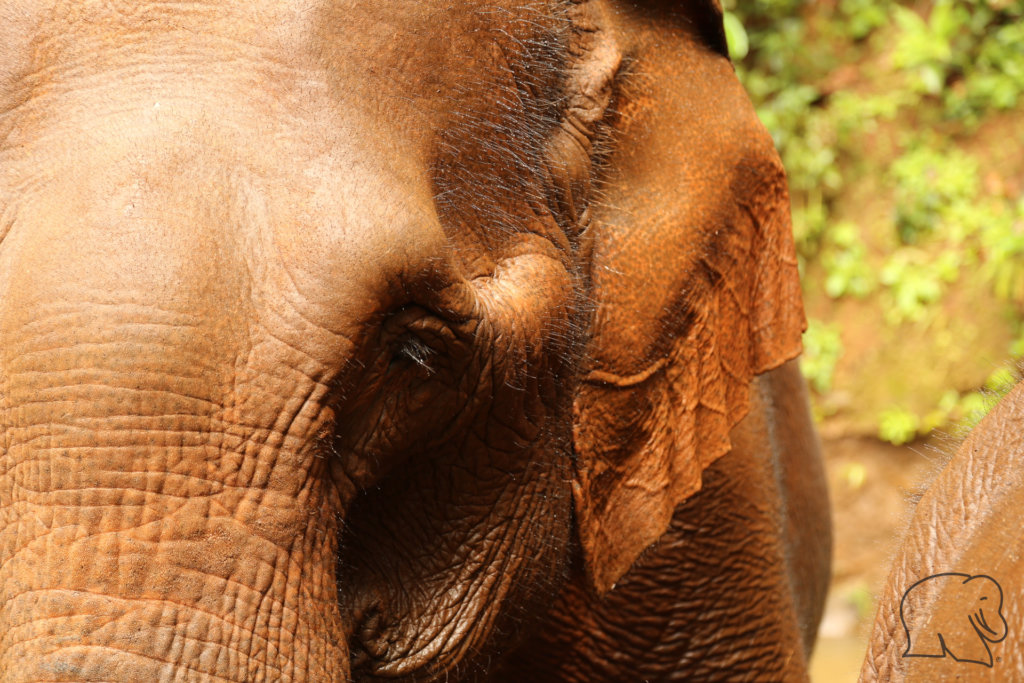
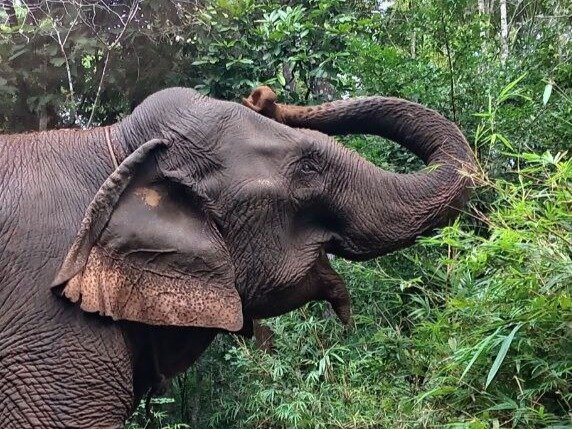
Ruby continues to receive her daily eye medication to keep her eyes stable and moist, but we lowered her dose of pain medication. We are monitoring it well to make sure she doesn't get any discomfort. At this moment there are a lot of wild almond fruits in the forest and Ruby loves finding and eating them.
Hen’s facial abscess is still present. When one entrance finally closed another one opened. The mahouts keeping an eye on it and we are still flushing the wound to make sure it stays clean.
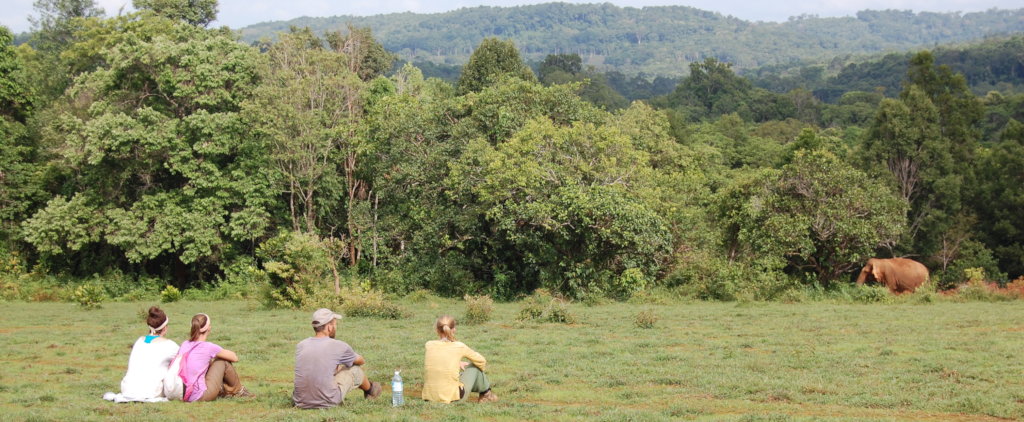
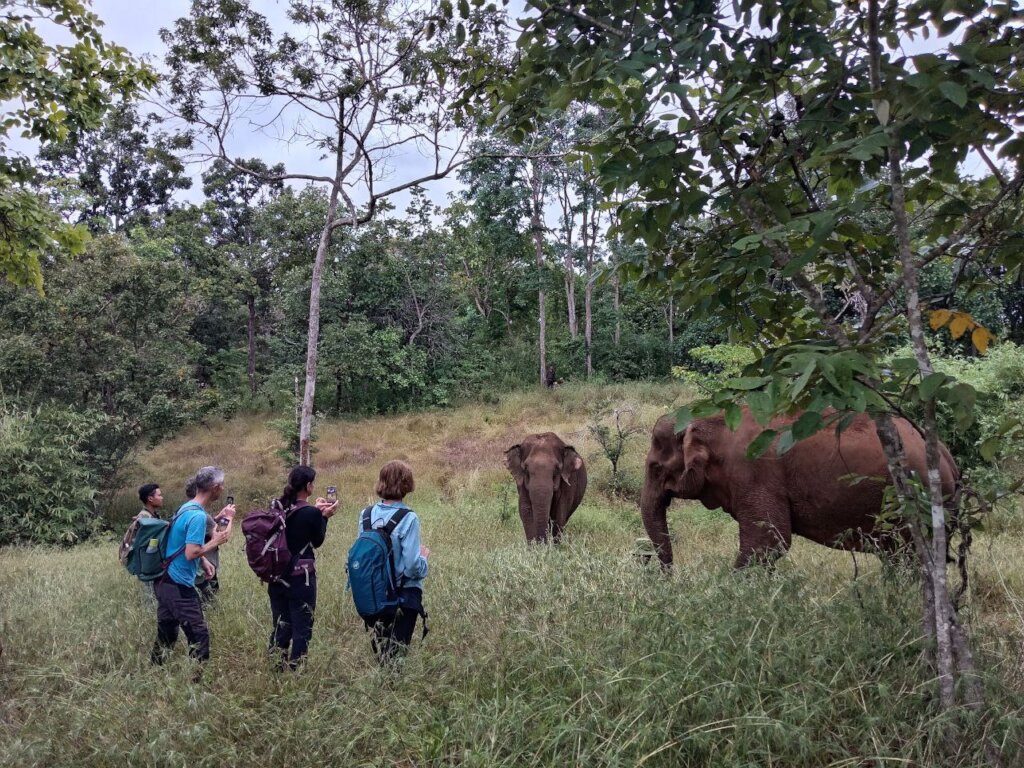
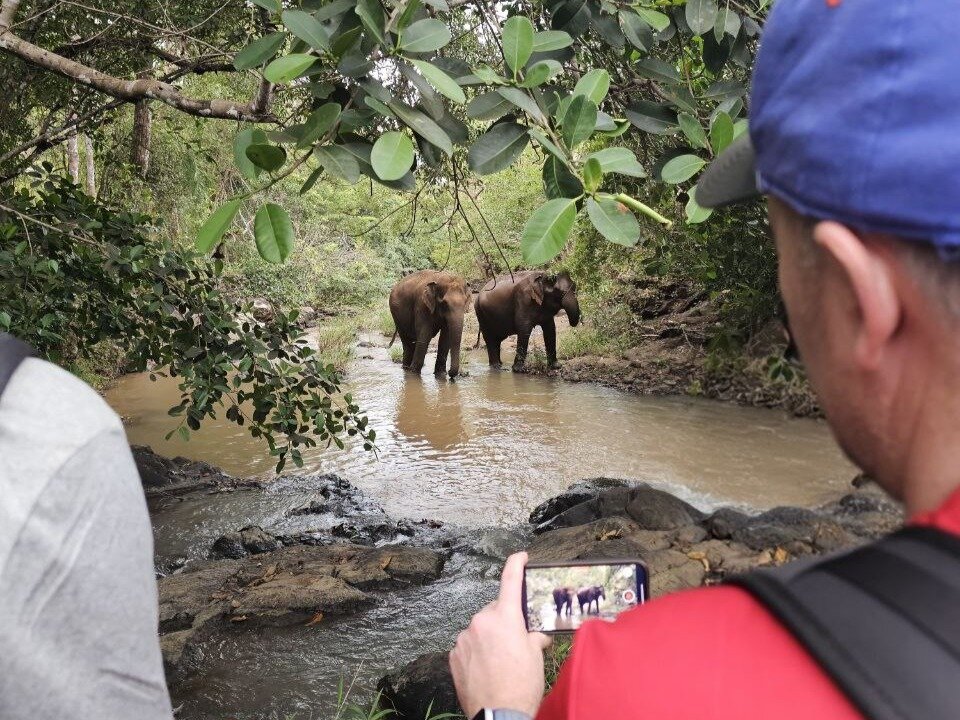
Ning Wan continues to thrive in the forest. We see her being a bit grumpy at times where she wants more space from the tourist, which she then of course gets. She can often be found rumbling and interacting with her best friend, Gee Chreng. The two spend most of their time close together wandering through the jungle and generally keeping tabs on what is happening around them.
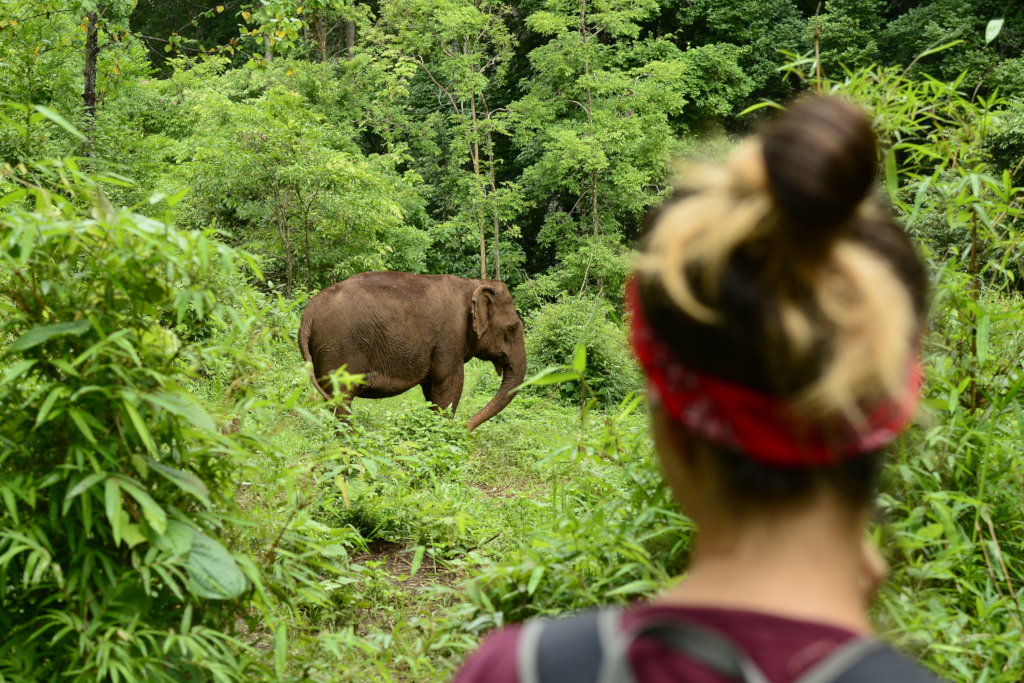
Gee Chreng is getting less and less nervous around guests which is a very good sign. She still needs quite a lot of reassurance from Ning Wan when she hears some sounds she doesn't recognise. At the moment also Gee Chreng is loving the almond fruits, which she can eat for hours in a row.
Doe had a couple of days that she struggled with her stool and after a really really big poo she is now fine again. She also had a swelling on her front foot which luckily went down after some medication.
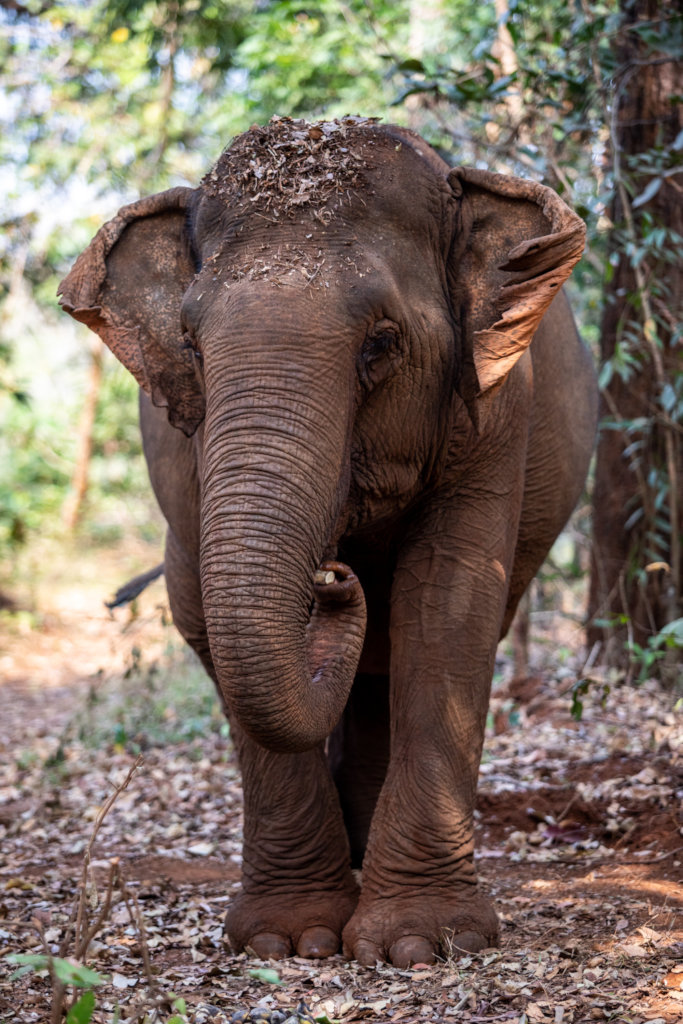
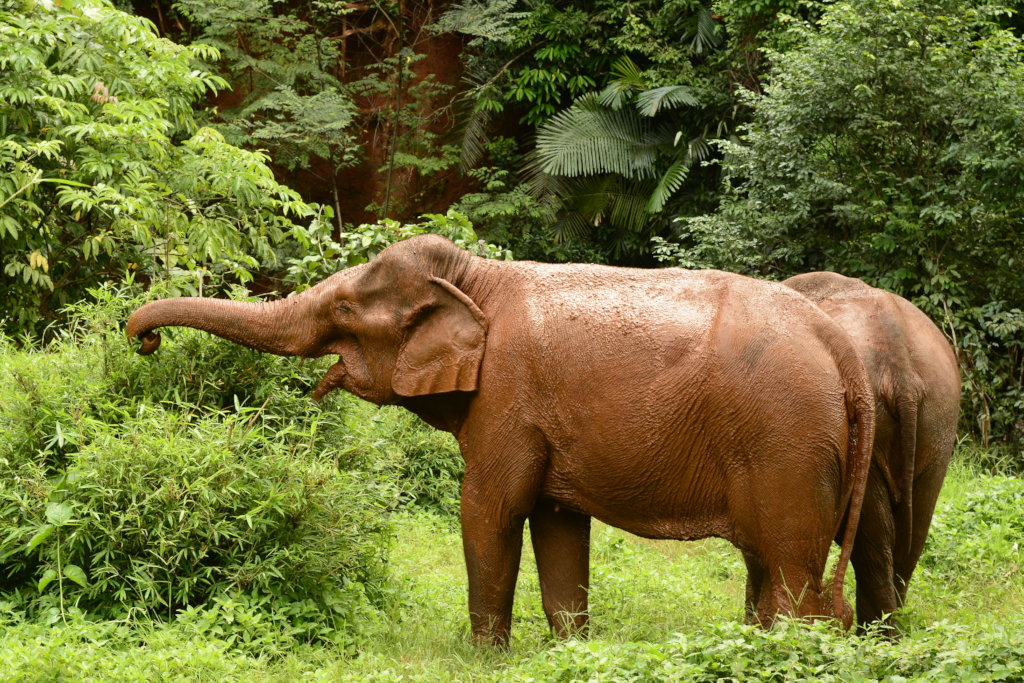
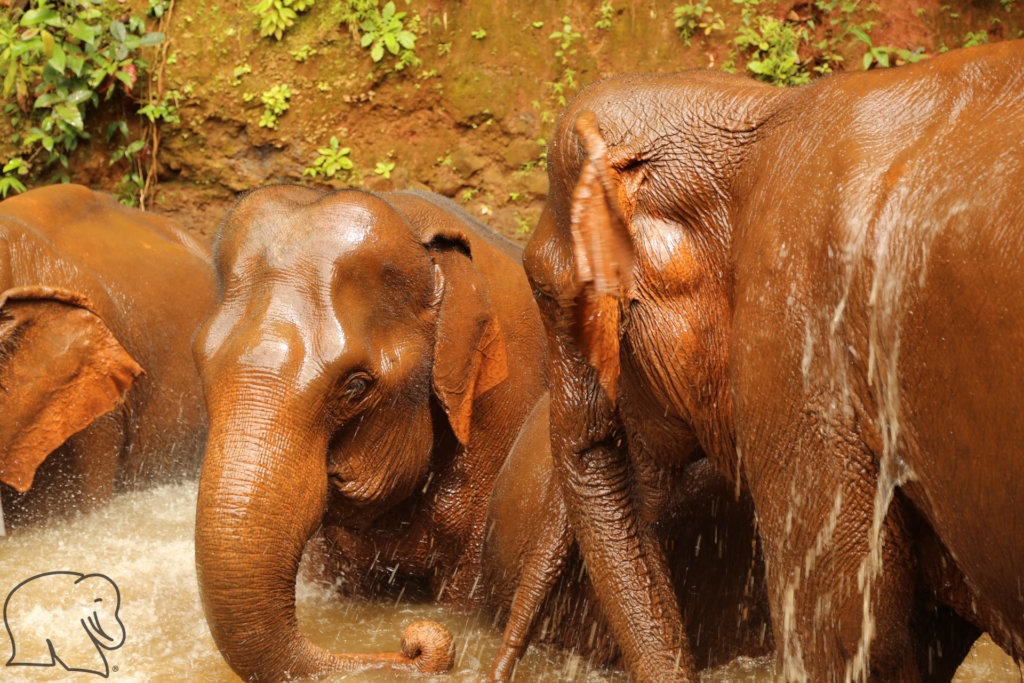
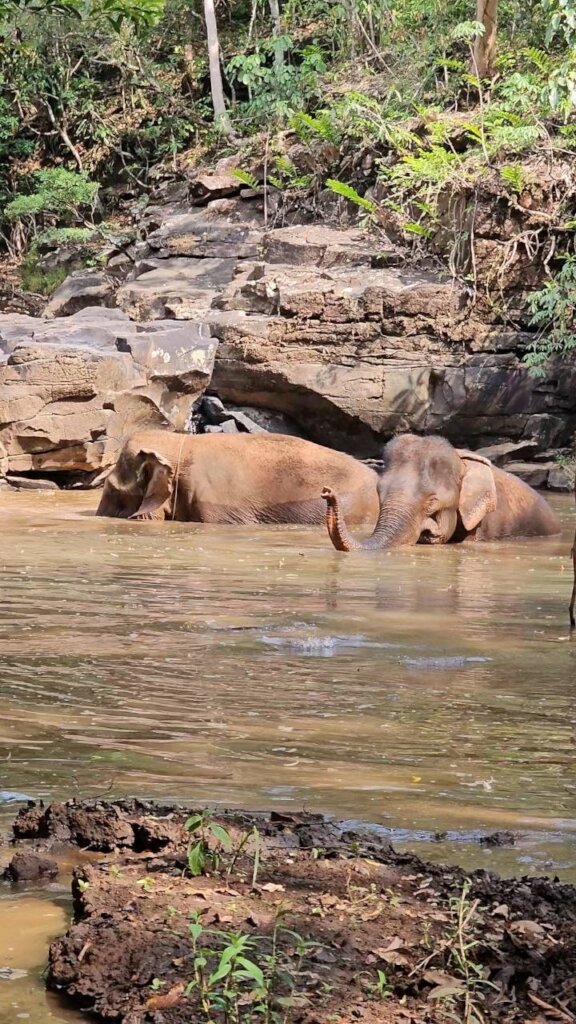
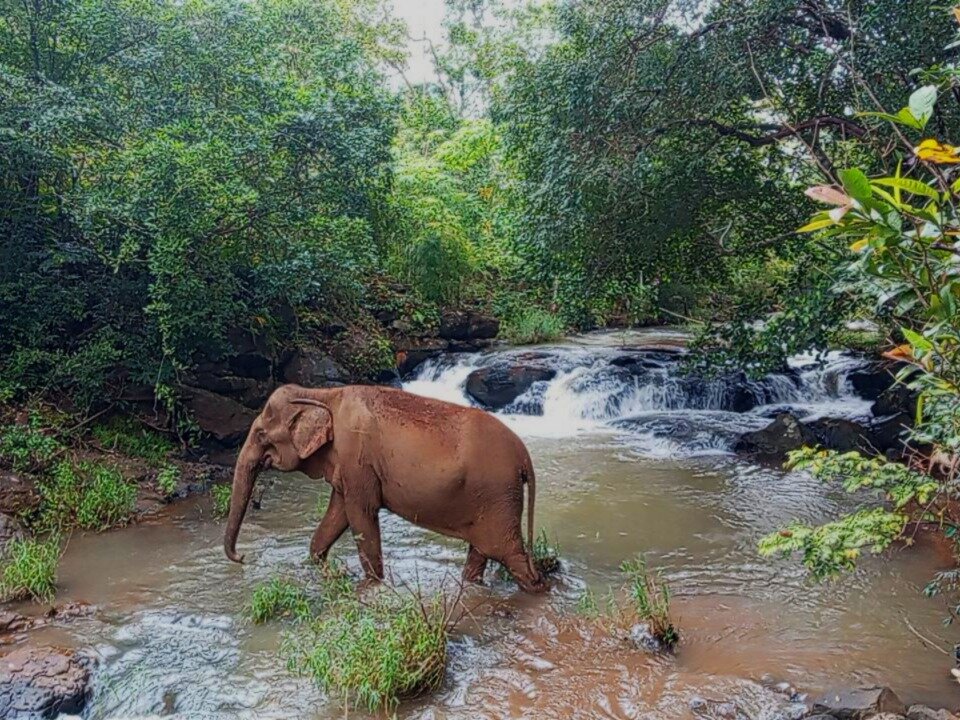
Darling is loving all the fresh grass that is on the hill and doesn't mind the rain at all. It is stimulating her to put an extra layer of mud.
Mobile Vet Team Project
There are now only around 17 elephants left in Mondulkiri and 4 in Ratanakiri, so our mobile veterinary team is not visiting as many elephants as we have in previous years. Reaching these elephants also takes considerable planning, coordination and, most importantly, the trust and cooperation of their owners.
We are very grateful that we have built strong relationships with many elephant owners over the years. While most owners now feel comfortable reaching out to us, they tend to contact us when a more serious problem arises rather than for regular check-ups.
We hope to continue strengthening these relationships and encourage more regular communication and preventative care. Our goal is to remain a trusted resource for elephant owners and to make sure that when an elephant needs help, we are there to provide it.
Natural Resource Protection Project
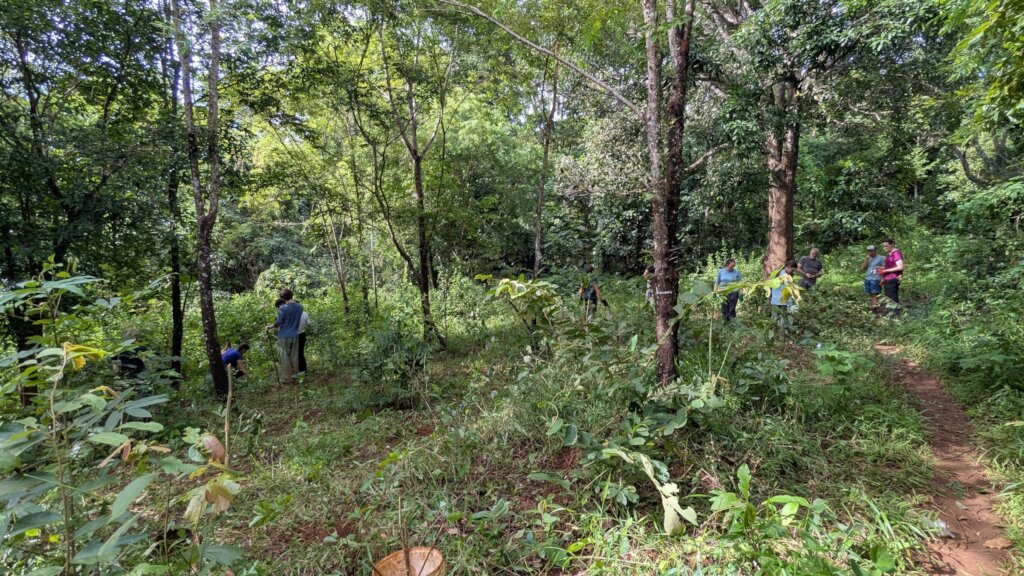
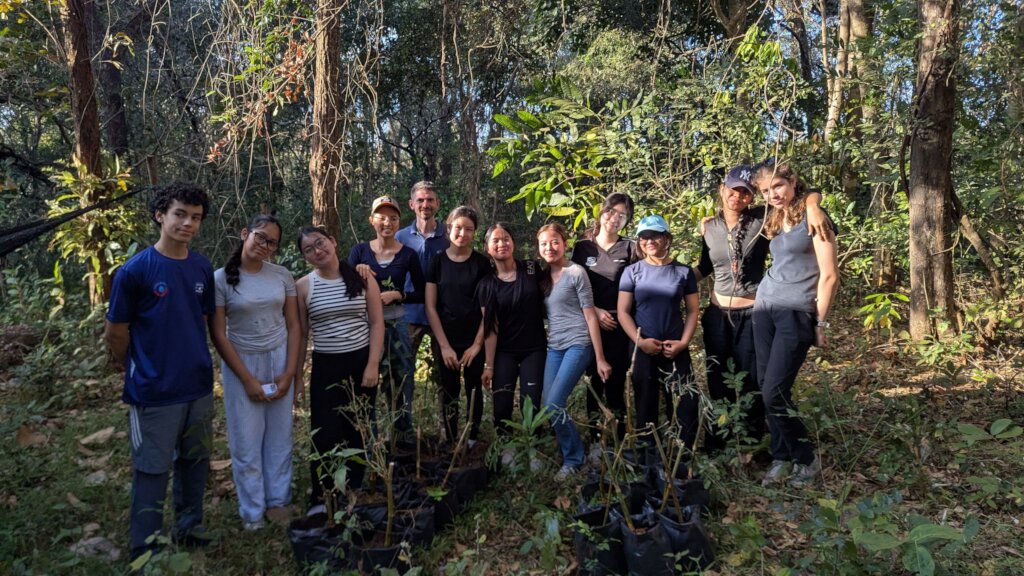
As we have now entered the rainy season, we have started planting out the saplings we have been growing in our plant nursery. The beginning of the rains is an important time for planting, as the increased rainfall and moisture in the soil give young plants the best chance to establish their root systems before the drier months return.
We were also lucky to have several school groups visiting, giving us plenty of extra hands to help with the planting. In total, we planted approximately 300 trees, 400 herbaceous plants, and 100 bamboo plants.
Before planting, we had to carefully clear the entire plot of weeds, including invasive species that could compete with the young plants for sunlight, water, and nutrients. This preparation is an important step in helping the newly planted saplings establish themselves and improving their chances of survival.
The work is part of our ongoing efforts to restore native vegetation and increase plant diversity around the project, while also giving visitors and students a hands-on opportunity to learn about forest restoration and the importance of protecting local ecosystems.
Ecotourism & Education Program – Elephant Valley Project
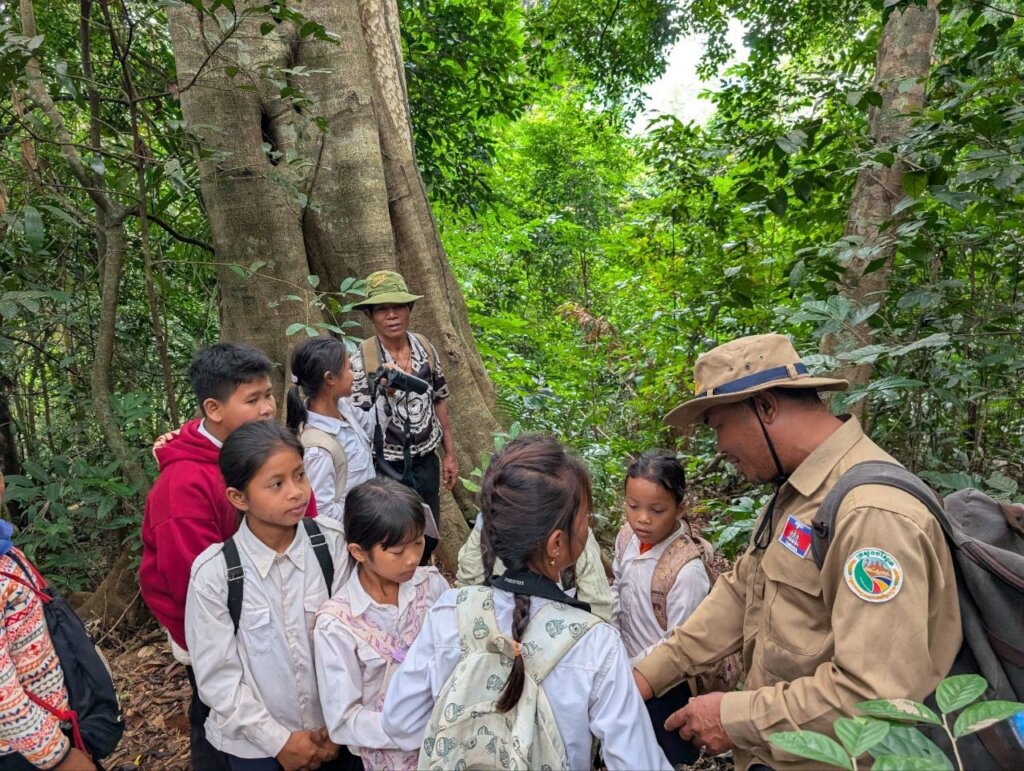
On August 2nd, 3rd and 12th we were delighted to welcome the children of Putrom 1 and Putrom 2 for three special Elephant Education Days at Elephant Valley Project. Through fun and hands-on activities, the students discovered why elephants are so important, how healthy forests support both wildlife and people, and why it's everyone's responsibility to protect the animals, plants, and natural habitats around us. We also talked about keeping our forests clean and free from litter.
The days were packed with adventure! The children met our elephants, explored the forest, tested their new knowledge in a quiz, joined an exciting treasure hunt, got creative by making elephant masks, and enjoyed some well-earned snacks together.
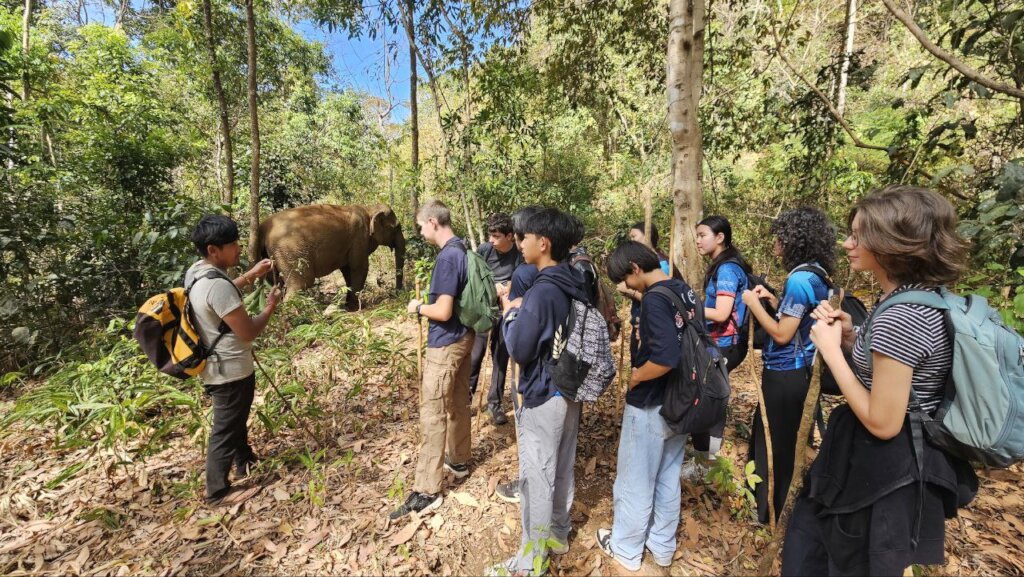
We were also lucky to host for weeks with some amazing students for the Elephants of SouthEast Asia Summer course, with the School for Field Studies. So much fun and knowledge shared. Lectures. Elephant observations. Intro to research and lab sessions. Jungle Hikes. Bunong stories. A huge thanks again to the SFS team including Dr Megan English and Dr Trish London for sharing their expertise.
We also welcomed in July and August different groups from World Challenge and True adventure. As part of their trip they are visiting EVP for 3 days to learn about elephants and help out with volunteering sessions.
Rice for Forest Protection
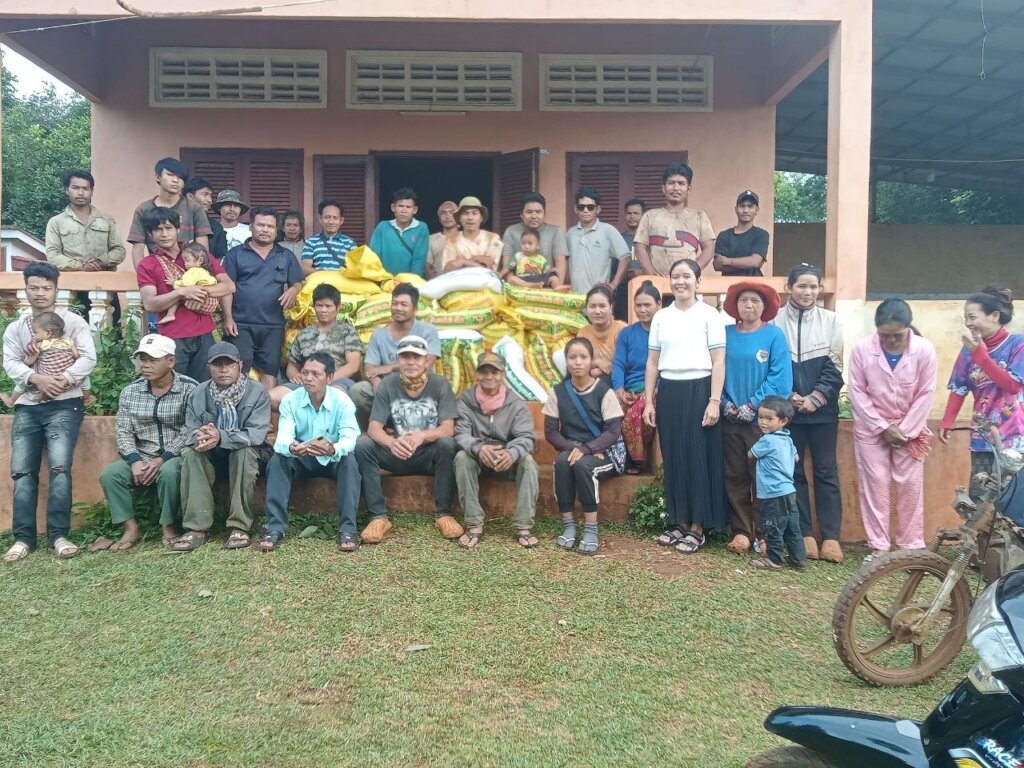
Every month, 113 Bunong families receive rice in exchange for allowing elephants to roam freely through their traditional forest lands.This programme is a simple but powerful example of how conservation and community wellbeing can work together. The rice provides important food security for local families, while the agreement helps protect the forest that both people and elephants depend on.
Emergency Healthcare Support
We did 9 hospital runs this period and we welcomed 3 beautiful healthy babies in our community! Unfortunately there were a few dengue cases in the area but everyone recovered well. We are always there for the community when needed for these important transfers as otherwise they have to go on their motorbike with all the luggage on a bumpy road and that is not comfortable when you are in labour or very sick.
Thank You
Your continued support is more important than ever. It allows us to keep caring for the elephants, protecting their forest and supporting the community who depend on the same landscape.
We want to end this report by saying a huge thank you to you all. We can not do this without your support and we are happy to have you in our herd!
With warm regards,
The EVP Team
By Cynthia Knuppe | Ecotourism Project Manager
By Jemma Bullock | Deputy Director
Project reports on GlobalGiving are posted directly to globalgiving.org by Project Leaders as they are completed, generally every 3-4 months. To protect the integrity of these documents, GlobalGiving does not alter them; therefore you may find some language or formatting issues.
If you donate to this project or have donated to this project, you can receive an email when this project posts a report. You can also subscribe for reports without donating.



Support this important cause by creating a personalized fundraising page.
Start a Fundraiser