Project Report
| Jun 12, 2026
Clean water access for Rural communities in Tororo
By Henry Okumu | Project Leader
Reducing the Burden on Women and Girls
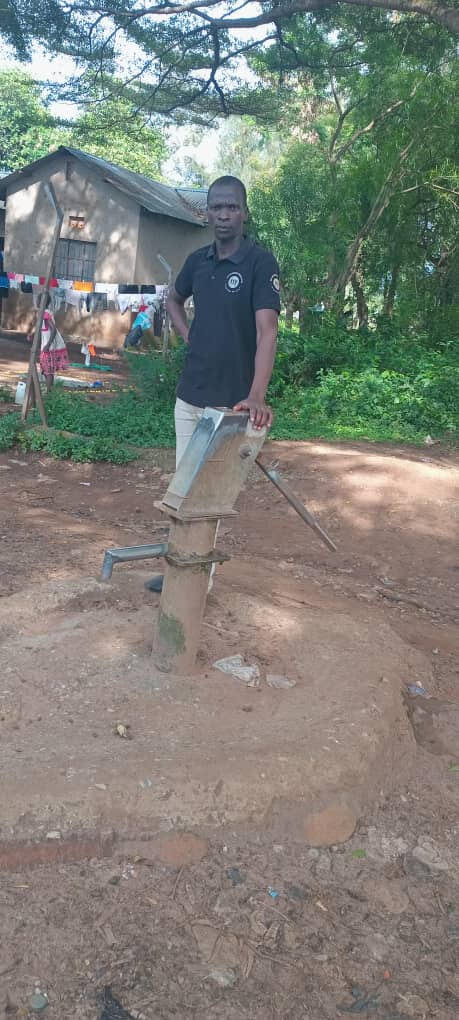
Women and girls have traditionally carried the responsibility of collecting water for household use in many rural communities of Tororo District. This task often requires walking long distances and spending several hours each day searching for water, leaving little time for education, income generation, or family care.
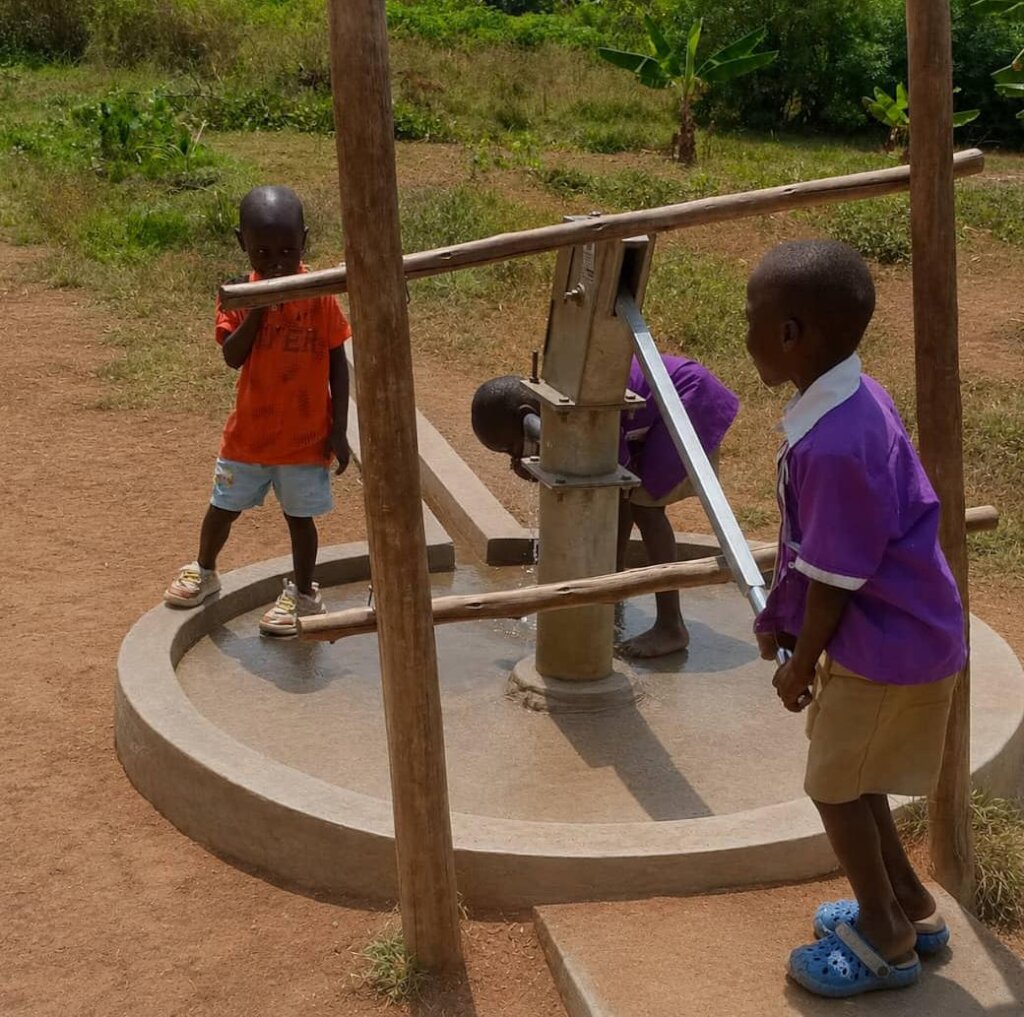
During this reporting period, improved access to clean water has significantly reduced this burden. Women report having more time to engage in farming activities, small businesses, and community leadership initiatives. Girls are attending school more regularly and arriving on time for lessons.
Community discussions have highlighted the importance of gender equality and shared responsibility in household duties. Local leaders continue encouraging families to support girls' education and reduce barriers that limit their opportunities.
The availability of nearby water sources has also improved safety for women and girls who previously traveled long distances, often early in the morning or late in the evening. Families express relief knowing that clean water is now more accessible.
This positive change demonstrates how access to water contributes to broader social and economic development. Thank you for helping empower women and girls through sustainable water solutions.
![Share on Twitter]()
![Share on Facebook]()
Jun 12, 2026
Clean water access for Rural communities in Tororo
By Henry Okumu | Project Leader
Celebrating Progress Toward Universal Water Access
As we reflect on the progress achieved during this reporting period, we are encouraged by the positive changes taking place across rural communities in Tororo District. Access to clean and safe water is improving lives and creating opportunities for thousands of people.
Families are spending less time collecting water and more time pursuing education, farming, and other productive activities. Children are healthier and attending school more consistently. Women are experiencing greater opportunities to participate in economic and community development activities.
Community ownership remains strong, with local water committees actively managing facilities and promoting responsible water use. Hygiene education programs continue encouraging healthier behaviors that contribute to improved public health.
The project has strengthened partnerships among community members, local leaders, volunteers, and supporters. These collaborations have been essential in achieving meaningful and sustainable results.
Although challenges remain, the progress made demonstrates the power of collective action and donor generosity. Every contribution helps bring safe water closer to families who need it most.
We extend our heartfelt gratitude to all supporters who have made this work possible. Together, we are helping create healthier, stronger, and more prosperous communities throughout Tororo District, Eastern Uganda.
![Share on Twitter]()
![Share on Facebook]()
Jun 12, 2026
Clean water access for Rural communities in Tororo
By Henry Okumu | Project Leader
Strengthening Community Resilience Through Water Access
Reliable access to clean water is essential for building resilient communities capable of overcoming challenges. During this reporting period, communities in Tororo District continued benefiting from improved water access that supports daily life and long-term development.
Families reported feeling more secure knowing they have dependable water sources available throughout the year. This reliability reduces stress and uncertainty, particularly during periods of drought and seasonal water shortages.
Community water committees have strengthened their management systems and continue monitoring facilities to ensure proper maintenance. Regular inspections and community meetings help identify potential issues before they become major problems.
The project also encouraged households to practice water conservation and responsible resource management. These efforts contribute to sustainability and help protect water sources for future generations.
Improved access to water has enhanced community resilience by reducing vulnerability to health risks, environmental challenges, and economic hardship. Households are better equipped to focus on education, agriculture, and income generation because basic water needs are being met.
Your support continues to strengthen the capacity of rural communities to thrive despite challenges and build a more secure future.
![Share on Twitter]()
![Share on Facebook]()