Project Report
| Sep 12, 2026
Clean water access for Rural communities in Tororo
By Henry Okumu | Project Leader
Reducing the Burden of Water Collection
The repair of a community borehole in Tororo District has helped reduce one of the daily burdens faced by rural families: the search for safe water. When the borehole stopped functioning, households had few reliable alternatives, forcing residents to travel farther to collect water.
Women and girls were particularly affected because they often carry the primary responsibility for household water collection. Long journeys to water sources can take several hours and expose women and children to additional risks while reducing the time available for school, farming, small businesses, and other activities.
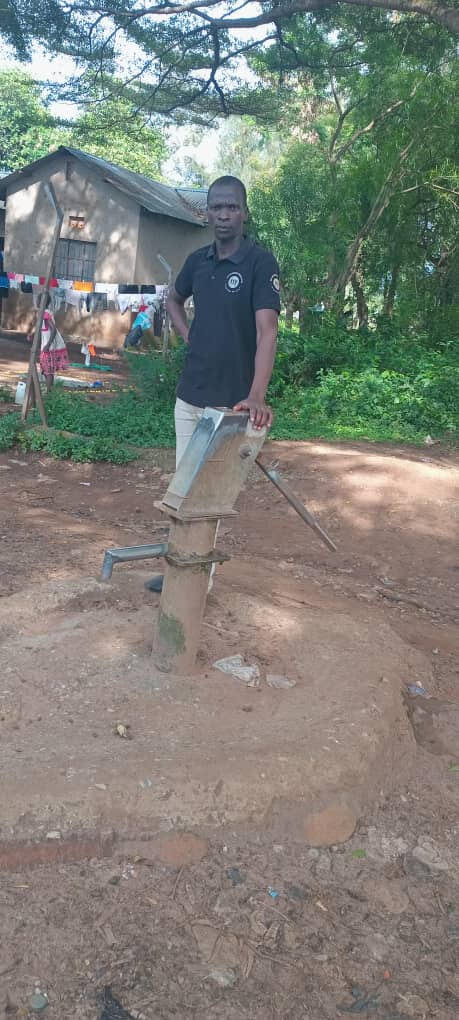
AlliedAid Uganda, with support from GlobalGiving donors, mobilized resources to restore the damaged borehole. Technicians carried out the necessary repairs and replaced faulty components. The water point was then tested, and the community was guided on appropriate use and maintenance.
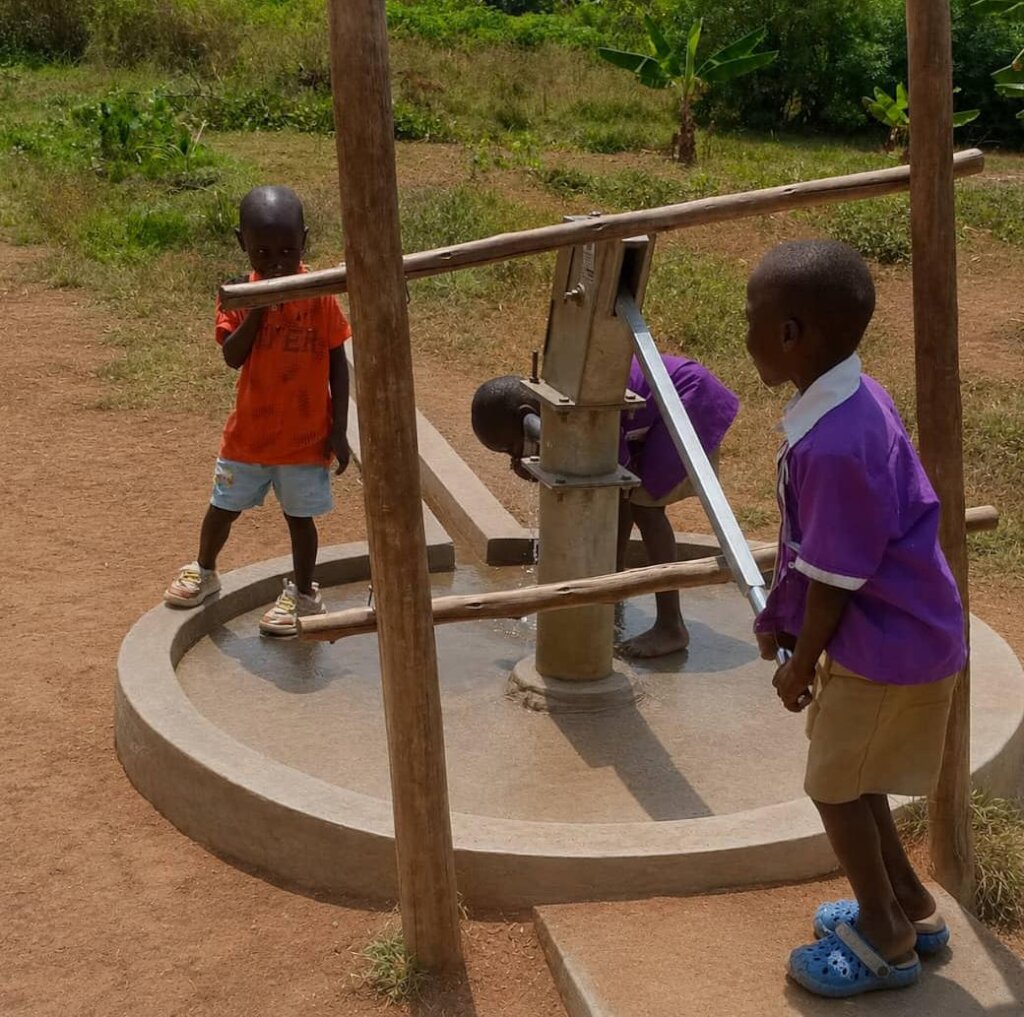
The repaired borehole has brought considerable relief. Residents now have improved access to water within their community, reducing the distance they need to travel. Children can spend more time in school, while families can dedicate more time to activities that contribute to household income and wellbeing.
The project has also strengthened community ownership. Local residents have been encouraged to keep the water point clean, prevent misuse, and report mechanical problems as soon as they arise. A community committee will continue monitoring the facility and supporting maintenance activities.
This project demonstrates that improving access to water can have benefits far beyond hydration. It can support education, health, dignity, household productivity, and community development.
We sincerely appreciate the GlobalGiving community for helping us restore this essential resource. Together, we are helping rural families build healthier and more resilient communities.
![Share on Twitter]()
![Share on Facebook]()
Sep 12, 2026
Clean water access for Rural communities in Tororo
By Henry Okumu | Project Leader
Acommunity Water Source Repaired, Lives Improved
A functioning water source can transform an entire community. In rural Tororo District, the breakdown of a community borehole had left many households struggling to access reliable water. AlliedAid Uganda prioritized the repair because the borehole serves as an important source of water for families in the surrounding community.
Before the repair, residents had to search for alternative water sources, some of which were located far from their homes. This increased the workload for women and girls and created additional challenges for households trying to maintain good hygiene and sanitation.
Through the generosity of GlobalGiving supporters, funds were made available to purchase repair materials and support the work of qualified technicians. The borehole was inspected, the faulty components were addressed, and the pumping system was restored. Community members participated by cleaning the water point and helping improve the surrounding environment.
The repaired borehole has restored confidence among residents. Families can now collect water from a more convenient source without making long journeys. The time saved can be used for farming, household responsibilities, education, and other productive activities.
The intervention is also contributing to improved hygiene. With water more readily available, households have greater opportunity to practice handwashing, clean utensils, maintain their homes, and safely prepare food.
AlliedAid Uganda is working with community leaders to encourage sustainable management of the facility. Residents have been reminded that protecting the borehole is a shared responsibility and that early reporting of faults can help prevent major breakdowns.
We thank our GlobalGiving donors for standing with this community. Every contribution helps create practical and lasting change for families in rural Uganda.
![Share on Twitter]()
![Share on Facebook]()
Sep 12, 2026
Clean water access for Rural communities in Tororo
By Henry Okumu | Project Leader
Restoring Access to Clean Water for Vulnerable Families
During this reporting period, AlliedAid Uganda continued its efforts to improve access to clean and safe water for rural communities in Tororo District, Eastern Uganda. One of the community's most important boreholes had broken down, creating serious challenges for families who depended on it for drinking, cooking, washing, and other household needs.
Following the breakdown, community members were forced to travel longer distances to find alternative water sources. Some of these sources were unprotected and vulnerable to contamination. The situation placed additional pressure on families, particularly women and children who often spend significant amounts of time collecting water.
With generous support from GlobalGiving donors, AlliedAid Uganda was able to mobilize resources to repair the borehole. The damaged components were assessed and repaired or replaced by technicians. The surrounding area was also cleaned, and the borehole was tested to ensure that it was functioning properly before being returned to community use.
The restoration has made a significant difference in the daily lives of residents. Families can once again access water from a nearby source, reducing the time spent walking long distances. Children have more time to attend school and participate in learning activities, while adults can dedicate more time to farming and other livelihoods.
The community has also been encouraged to take responsibility for protecting the borehole. A local water management committee will monitor its condition, promote proper hygiene, and coordinate routine maintenance.
We are grateful to every GlobalGiving donor who helped make this intervention possible. Your support is helping rural families access one of life's most basic necessities: clean and safe water.
![Share on Twitter]()
![Share on Facebook]()