Project Report
| Jul 10, 2026
Clean water access for Rural communities in Tororo
By Henry Okumu | Project Leader
Community Celebrates the Return of Safe Water
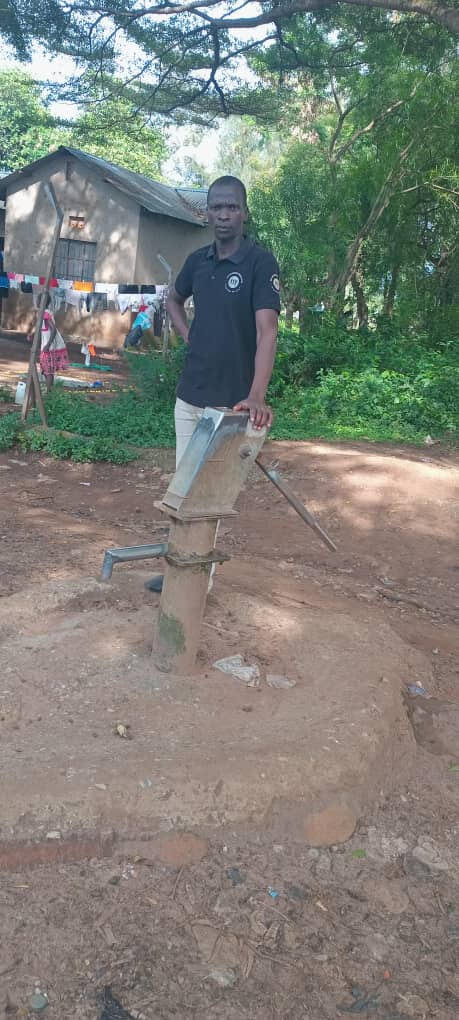
The successful repair of our community borehole in Tororo District has brought renewed hope to families who had struggled without a dependable source of clean water. For months, residents relied on contaminated water sources after the borehole broke down, increasing the risk of illnesses such as diarrhea and typhoid, particularly among young children.
With donor support, skilled technicians repaired the damaged equipment and restored the borehole to full operation. Following the repairs, community members gathered to celebrate the reopening and received refresher training on proper water point management, sanitation, and hygiene practices.
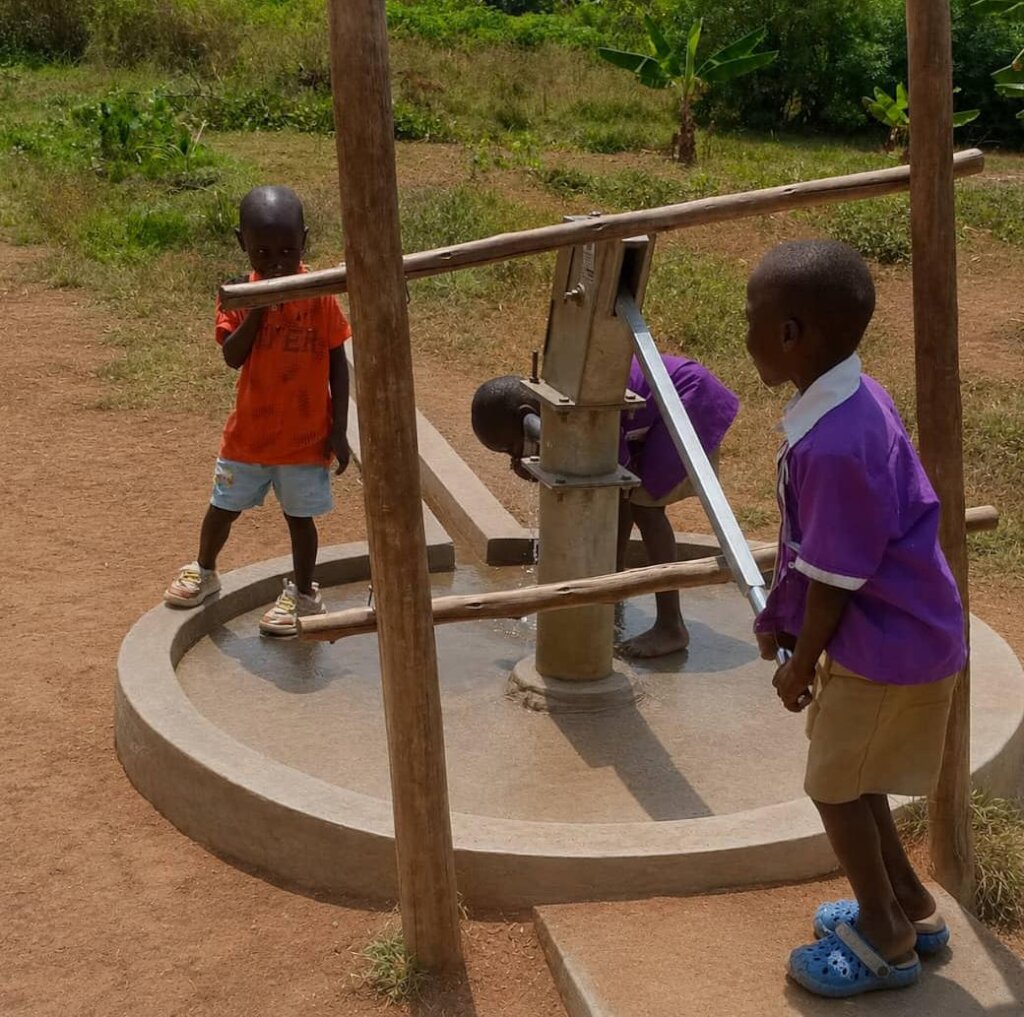
Since the borehole resumed operation, significant improvements have already been observed. Families report spending much less time collecting water, while children are arriving at school on time because they no longer need to travel long distances each morning. Health workers have also welcomed the improved access to safe water, recognizing its importance in preventing disease and promoting healthier communities.
To safeguard this investment, the community has strengthened its water management committee. Members will conduct routine inspections, educate users on responsible use, and organize regular maintenance activities to reduce the likelihood of future breakdowns.
This achievement demonstrates how donor support creates lasting change. Access to safe water not only improves health but also supports education, livelihoods, and community development. We remain grateful for every contribution that helped make this repair possible.
![Share on Twitter]()
![Share on Facebook]()
Jul 10, 2026
Clean water access for Rural Tororo
By Henry Okumu | Project Leader
Restoring Safe Water Access Through Borehole Rehabilitation
This reporting period marked an important milestone for our clean water project in rural Tororo District with the successful repair of a community borehole that had been out of service for several weeks. Before the rehabilitation, families were forced to walk long distances in search of water from unsafe ponds and seasonal streams. These alternative water sources exposed children and adults to waterborne diseases and consumed valuable time that could have been spent in school, farming, or other productive activities.
Thanks to the generous support of our donors, the damaged borehole components were replaced, the pumping mechanism was repaired, and the water point was thoroughly tested to ensure it was functioning safely. Community members actively participated in the repair process by helping clear the surrounding area and committing to protect the facility from future damage.
The repaired borehole has restored reliable access to clean and safe drinking water for hundreds of residents. Women and girls no longer spend hours collecting water from distant sources, allowing them more time for education, household activities, and income-generating work. Local schools are also benefiting, as learners now have easier access to safe drinking water during the school day.
Community leaders have established a water user committee responsible for monitoring the borehole, encouraging proper hygiene practices, and collecting small maintenance contributions to support future repairs. This local ownership increases the sustainability of the project and helps ensure the borehole continues serving families for many years.
We extend our heartfelt appreciation to every donor whose generosity made this achievement possible. Your support has improved health, restored dignity, and strengthened hope throughout the community.
![Share on Twitter]()
![Share on Facebook]()
Jun 13, 2026
Clean water access for Rural communities in Tororo
By Henry Okumu | Project Leader
Transforming Lives Through Sustainable Clean Water Solutions
During this reporting period, our clean water initiative continued to bring meaningful change to rural communities throughout Tororo District, Eastern Uganda. Access to safe and reliable water remains a critical need for many families who have historically depended on unsafe water sources such as open ponds, streams, and shallow wells. These sources often expose communities to waterborne diseases and create significant challenges for daily living.
The project has focused on improving access to clean water while strengthening community ownership and sustainability. Community members have actively participated in maintaining water facilities, protecting water sources, and promoting good hygiene practices. Through regular meetings and awareness activities, residents have gained a deeper understanding of the importance of safeguarding their water resources for future generations.
One of the most encouraging outcomes has been the positive impact on families' daily lives. Women and children, who traditionally spend many hours collecting water, are now saving valuable time that can be used for education, farming, business activities, and family care. Children are attending school more regularly, while parents report improvements in household health and well-being.
Local leaders have also observed stronger community cooperation and increased participation in development activities. The availability of clean water has reduced some of the hardships that previously limited community progress. Families are experiencing greater dignity, improved sanitation, and enhanced opportunities for economic growth.
While challenges remain, the progress achieved demonstrates the transformative power of sustainable water solutions. With continued support from generous donors, we will expand our efforts to reach more underserved communities in Tororo District. Together, we are building a future where every family can enjoy the benefits of clean, safe, and reliable water, creating healthier, stronger, and more resilient communities for years to come.
![Share on Twitter]()
![Share on Facebook]()