Project Report
| Aug 25, 2026
Boreholes repair in Tororo
By Henry Okumu | Project Leader
Restoring a Lifeline for the Community
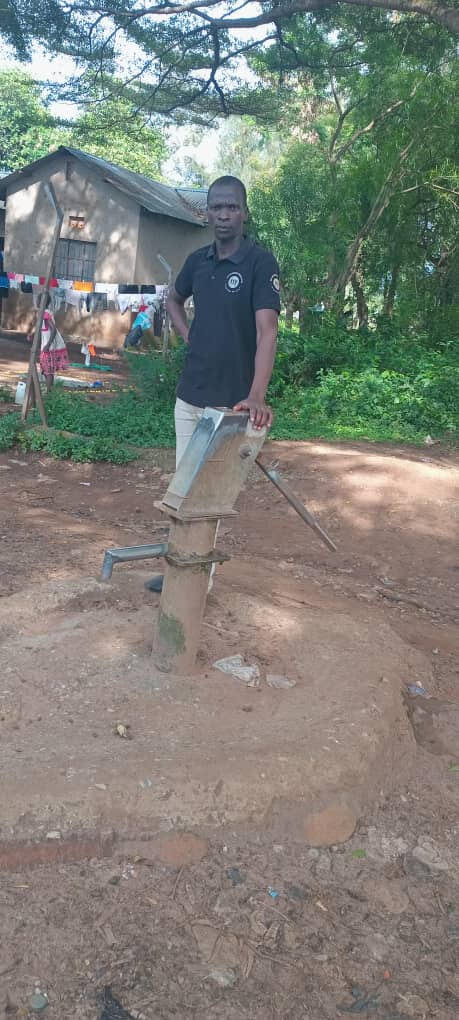
For many families in rural Tororo District, a community borehole is more than just a water point—it is a lifeline. When the borehole stopped functioning, the community experienced serious difficulties accessing safe and reliable water. Families had to travel long distances, while some residents resorted to using unsafe sources, putting their health and wellbeing at risk.
AlliedAid Uganda identified the repair of the borehole as an urgent priority because of the number of households depending on it. With support from GlobalGiving donors, we mobilized the resources needed to repair the facility. A technician inspected the borehole, identified the damaged components, and carried out the necessary repairs. After completion, the pumping system was tested to ensure that water could be accessed reliably.
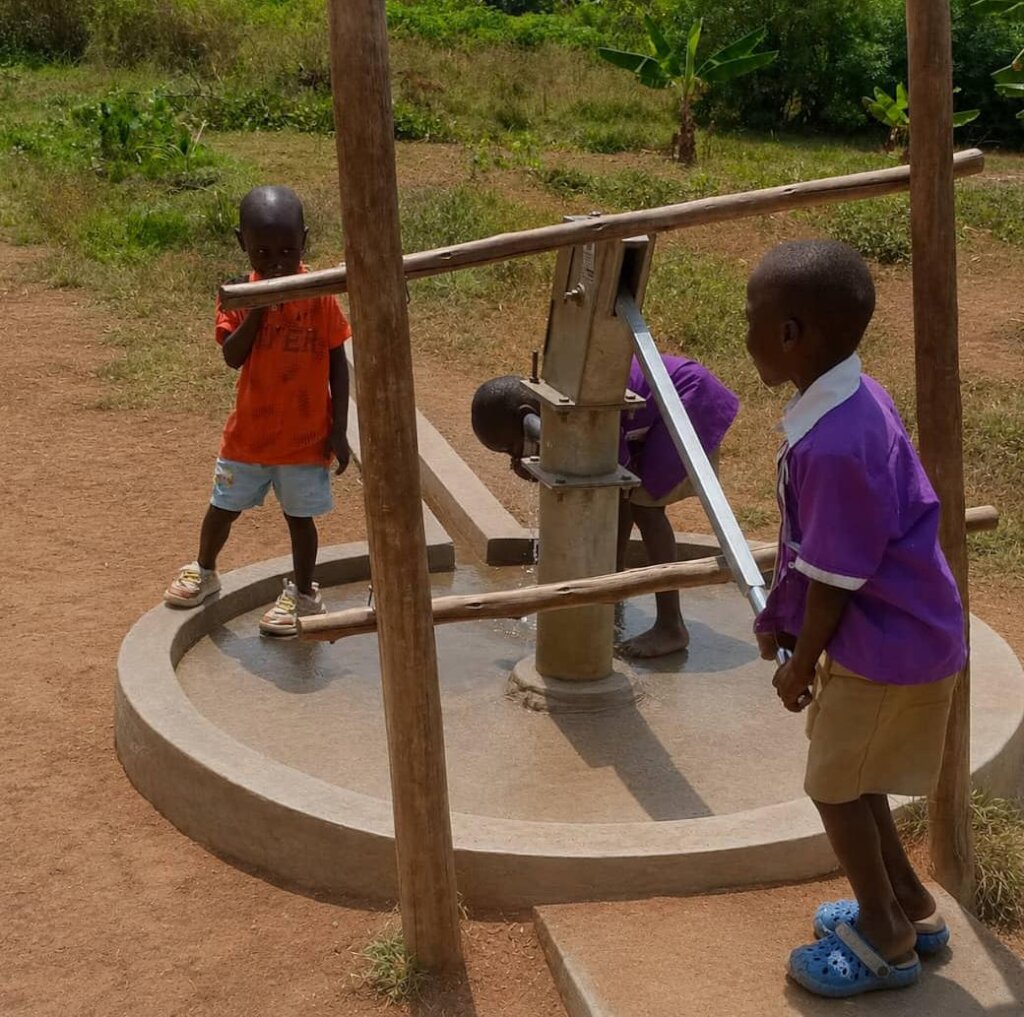
The restoration has brought significant relief to the community. Residents are now able to collect water from a nearby and more dependable source. Women and girls have particularly benefited because the amount of time spent walking long distances to collect water has been reduced. Children also have more time to attend school, study, and participate in other activities.
Following the repair, community members were encouraged to take ownership of the water point. Local leaders and a water management committee are working together to maintain cleanliness around the borehole, monitor its condition, and promote responsible use. The committee will also help mobilize resources for future maintenance so that a minor problem does not become another major breakdown.
The successful repair is a reminder that sustainable development begins by addressing basic needs. Safe water strengthens health, education, dignity, and economic opportunity.
We sincerely appreciate every GlobalGiving donor who contributed to this intervention. Your generosity has helped restore a vital community resource and brought hope to families who desperately needed reliable access to clean water.
![Share on Twitter]()
![Share on Facebook]()
Aug 24, 2026
Boreholes repair in Tororo District Eastern Uganda
By Henry Okumu | Project Leader
Improving Health and Hygiene Through Borehole Repair
Access to safe water remains a major challenge for many rural communities in Tororo District. During this reporting period, AlliedAid Uganda focused on restoring a damaged community borehole that had been a critical source of water for local households. The breakdown had forced families to depend on alternative sources that were often far away and vulnerable to contamination.
The lack of reliable water affected almost every aspect of community life. Women spent several hours each day searching for water, while children were sometimes required to assist their families instead of concentrating fully on their education. Limited access to clean water also made it difficult for households to maintain good hygiene and sanitation practices.
Through funding received from our supporters on GlobalGiving, the borehole was successfully repaired. Technicians assessed the problem, replaced the damaged parts, restored the pumping system, and tested the water point before returning it to community use. Residents were also encouraged to keep the area clean and to avoid activities that could contaminate the water source.
The impact of the intervention extends beyond simply providing drinking water. Families can now wash their hands more frequently, clean household utensils, maintain better personal hygiene, and safely collect water for cooking and drinking. These practices can contribute significantly to preventing waterborne diseases and improving overall community wellbeing.
The project has also strengthened community participation. Local leaders and residents have taken responsibility for protecting the borehole and ensuring that it remains functional. A water committee will oversee routine maintenance and encourage households to contribute toward future minor repairs.
This project demonstrates the power of relatively small interventions to create meaningful and lasting change. We sincerely thank our GlobalGiving supporters for helping restore access to safe water for this community.
![Share on Twitter]()
![Share on Facebook]()
Aug 24, 2026
Boreholes repairs in Tororo
By Henry Okumu | Project Leader
Repaired Borehole Brings Relief to Rural Families in Tororo
During this reporting period, AlliedAid Uganda successfully completed the repair of a community borehole serving vulnerable families in a rural community of Tororo District, Eastern Uganda. The borehole had stopped functioning, leaving residents without a dependable source of safe and clean water. Many families were forced to walk long distances to collect water from unprotected wells, ponds, and other unsafe sources.
The situation created significant challenges, particularly for women, girls, and children who are traditionally responsible for collecting water. Children sometimes arrived late at school or missed classes because of the long distances involved in fetching water. Families were also concerned about the health risks associated with using contaminated water.
With support from generous GlobalGiving donors, we were able to purchase the necessary repair materials and engage qualified technicians to restore the borehole. The damaged components were repaired or replaced, and the water point was tested to ensure that it was functioning properly. Community members also participated in cleaning the area around the borehole and improving its surroundings.
The repaired borehole has provided immediate relief to the community. Families can now access water much closer to their homes, reducing the time and energy spent searching for water. The availability of a reliable water source is also helping households improve hygiene, sanitation, and general health practices.
To ensure sustainability, the community has strengthened its water management committee. The committee will monitor the borehole, promote responsible use, organize routine maintenance, and mobilize local contributions when minor repairs are required.
We are deeply grateful to our GlobalGiving donors for helping us restore this essential water source. Your support is improving lives and giving vulnerable families greater dignity, health, and hope.
![Share on Twitter]()
![Share on Facebook]()