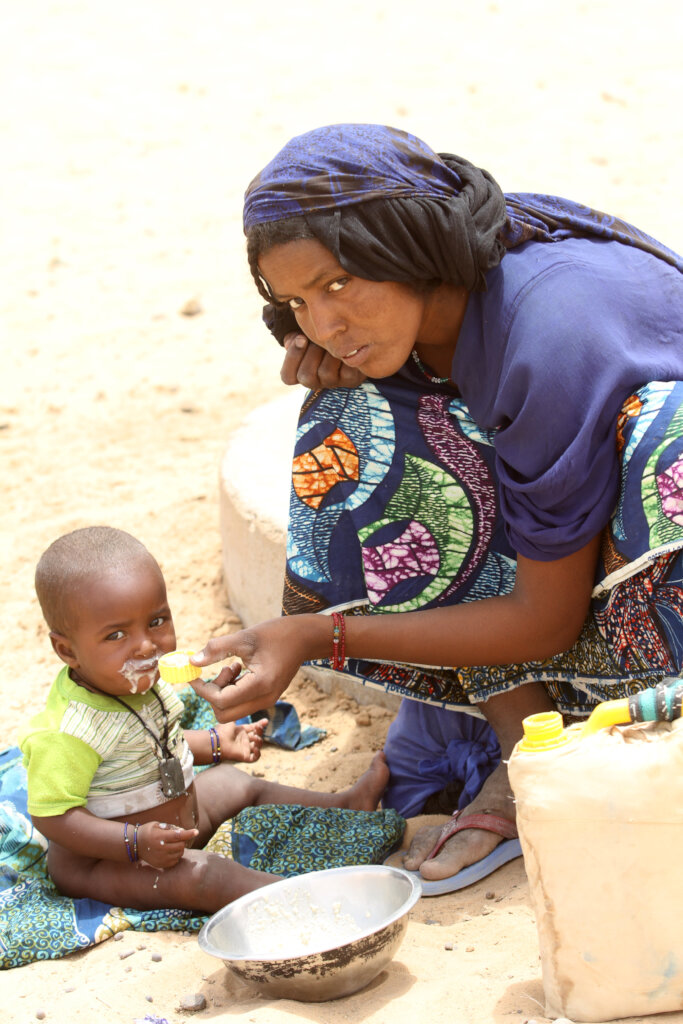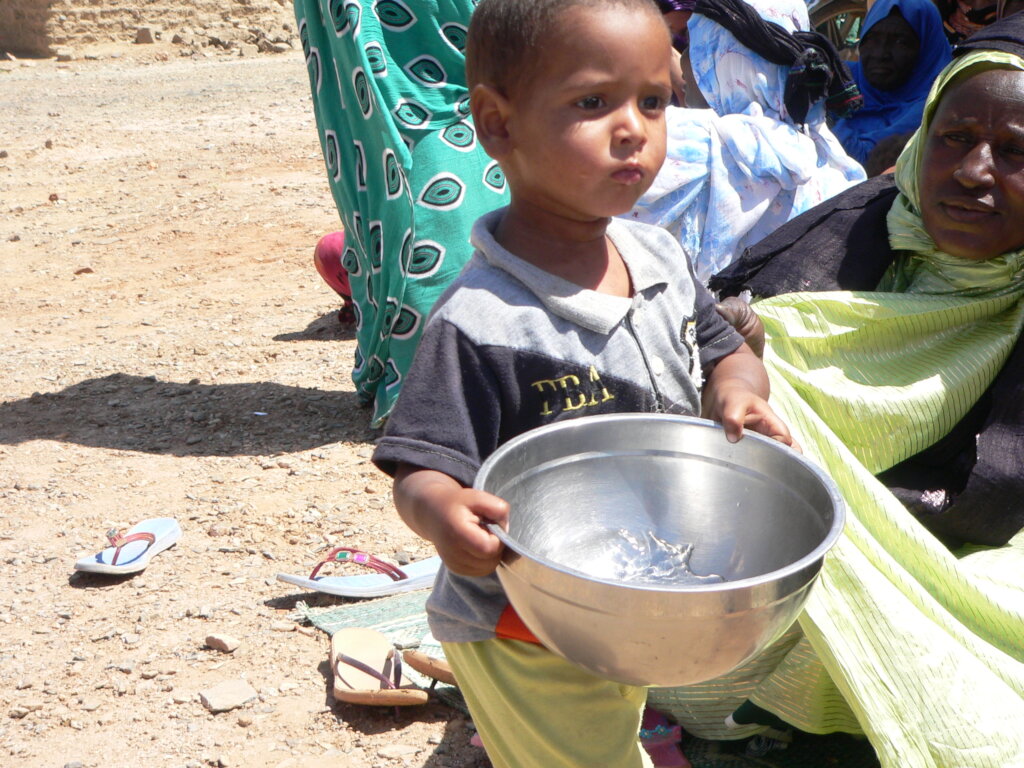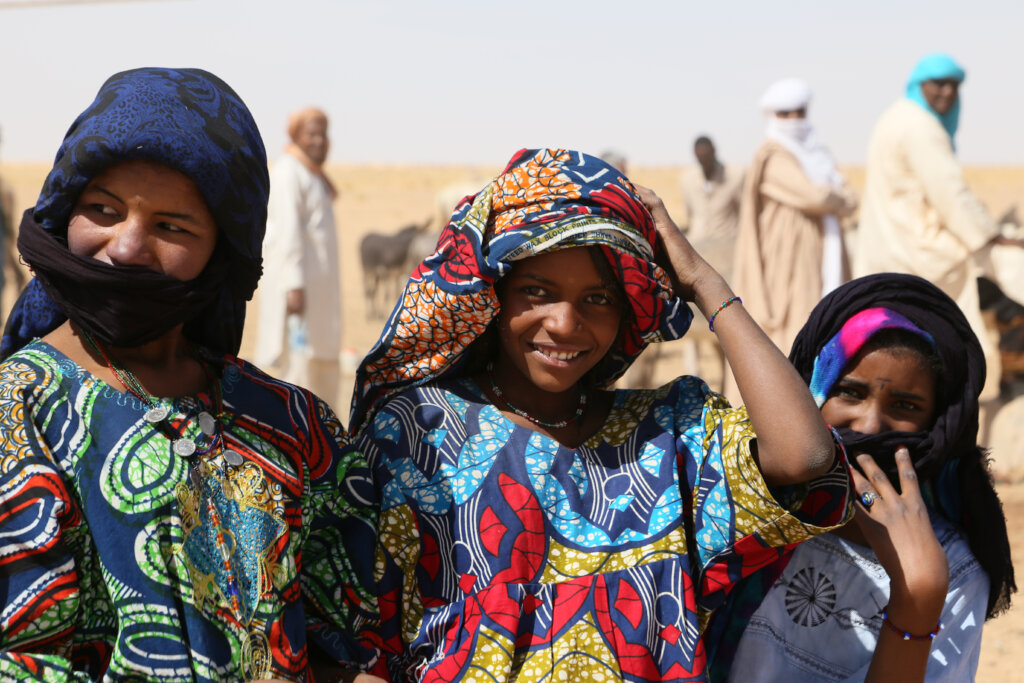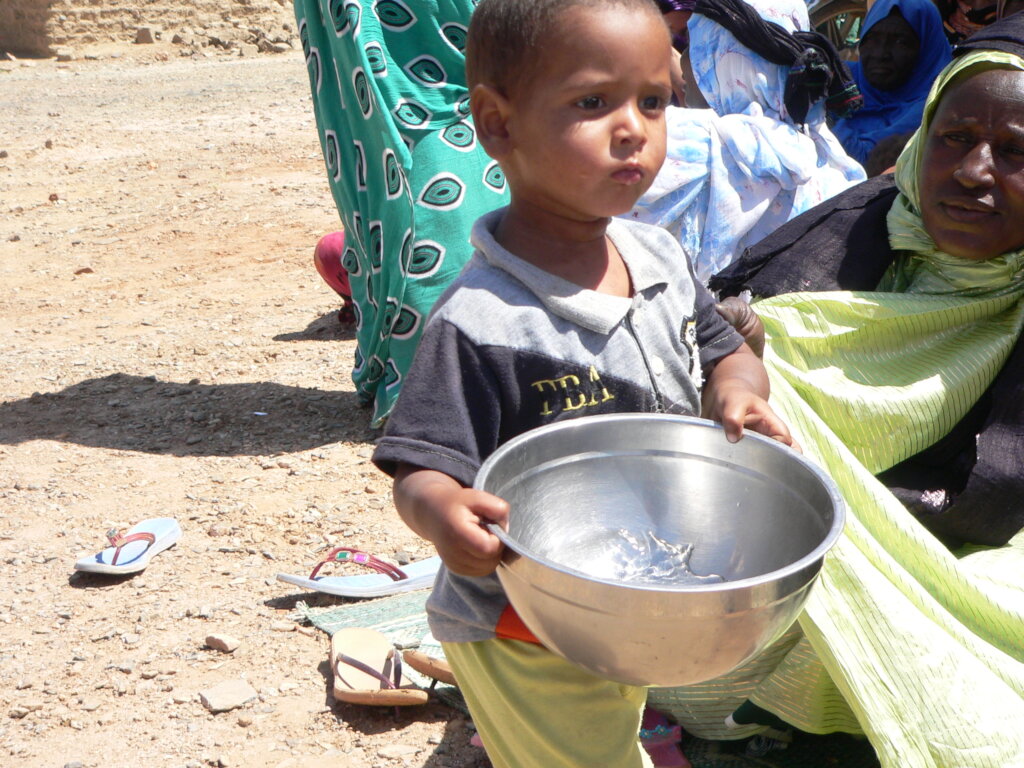
In Tafadek, a remote village in Niger's Agadez region, children suffer from waterborne diseases and high infant mortality caused by unsafe water. Families drink from open wells shared with animals. This project will drill a solar-powered well, build a water tower, fountains, and latrines. With access to clean water and hygiene, 1,500 people-especially women and children-will live healthier, safer lives and gain time for school and livelihoods.
In Tafadek, a remote village in Niger's Agadez region, the only available water is polluted and unsafe to drink. Waterborne diseases such as diarrhea and intestinal infections are common, leading to chronic malnutrition and high infant mortality. Women walk long distances each day to collect this unsafe water, putting their own and their children's health at serious risk, with no nearby health facility to treat them.
This project will drill a well equipped with a solar pump, build a water tower, fountains, and latrines, giving 1,500 residents access to safe water and better hygiene. Training sessions will teach local families how to maintain the system, manage water use, and adopt healthy practices. Community volunteers will promote hygiene awareness to reduce diseases and ensure the project's long-term sustainability.
Access to clean water and hygiene will significantly reduce waterborne diseases and infant mortality in Tafadek. Women and children will save hours each day, allowing girls to attend school and families to improve their livelihoods. Local training will build community ownership and ensure maintenance of the solar system. Over time, better health, education, and stability will strengthen the village's resilience and self-reliance.



Support this important cause by creating a personalized fundraising page.
Start a Fundraiser