By Francesca Pellegatta | Project Leader
Dear Donors,
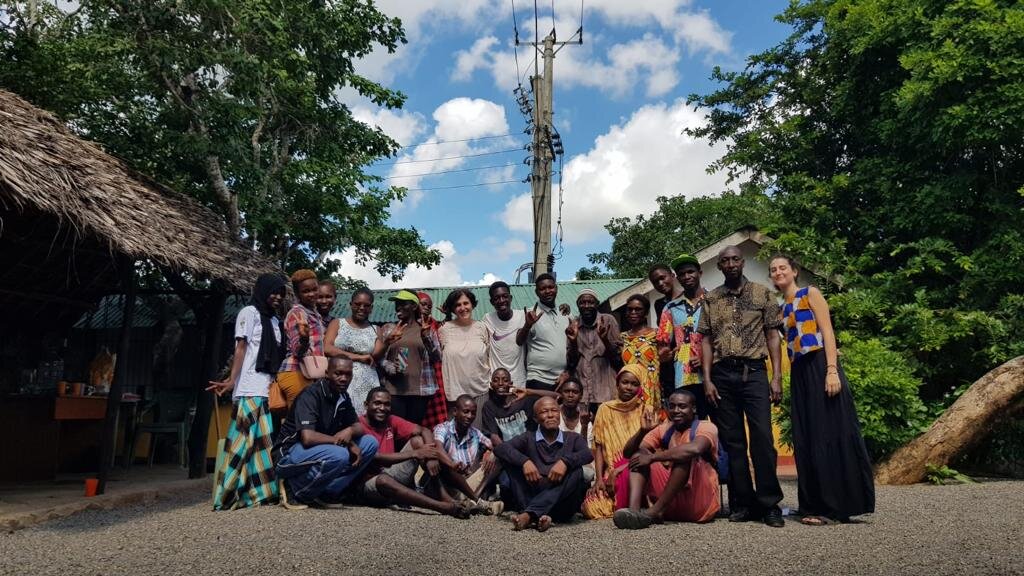
The period from September to December has been a unique one for our project, as primary schools were focused on preparing for final exams, which limited our ability to directly intervene in classrooms. However, despite this challenge, we were able to continue with several initiatives that had a positive impact on both the schools and the local communities. Below is a summary of the main activities we accomplished during this period.
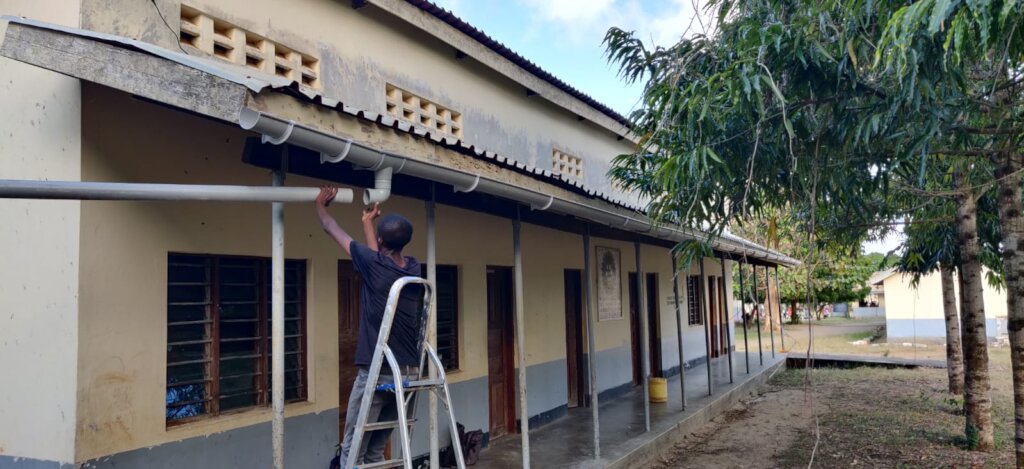
Construction of Rainwater Harvesting Systems
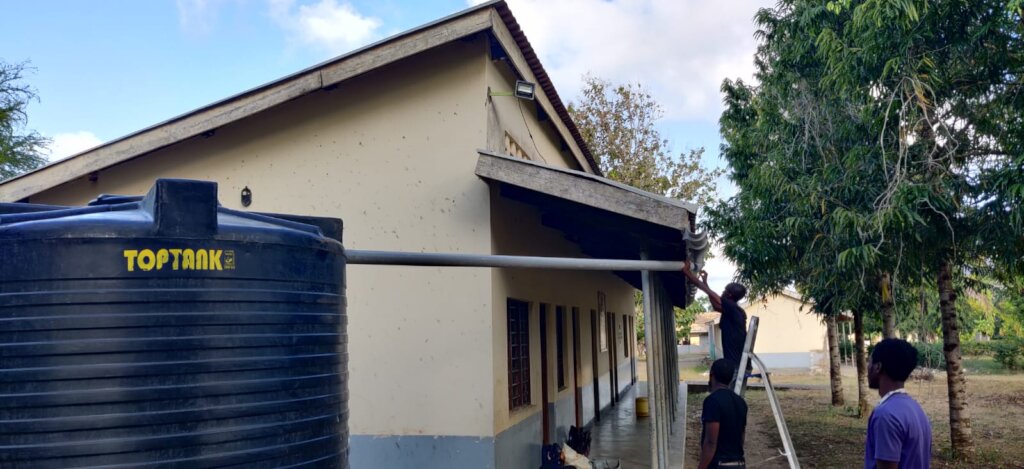
We completed the installation of six rainwater harvesting systems in the six schools involved in the Ecos project. These systems were designed to improve the water supply in the schools, with particular emphasis on using the collected water for irrigation of school gardens. This initiative not only addresses the need for potable water but also promotes self-sufficiency and agricultural sustainability in the schools, supporting environmental education activities.
Continuation of Environmental Education Sessions
Although we were unable to conduct direct classroom interventions, environmental education sessions continued in the schools. These sessions, focused on food security and waste management, were led by the teachers of class 4k and the members of the Environmental Clubs, who had attended training courses on these topics in August, conducted by the Ecos project staff. The sessions provided an opportunity to raise awareness among the students about sustainable practices, preparing the ground for future practical actions in the schools.
Tree Planting in Schools
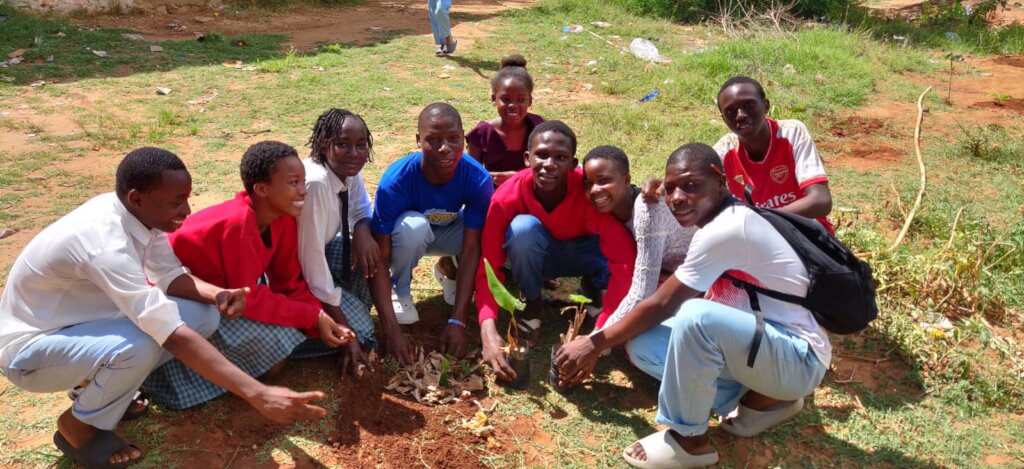
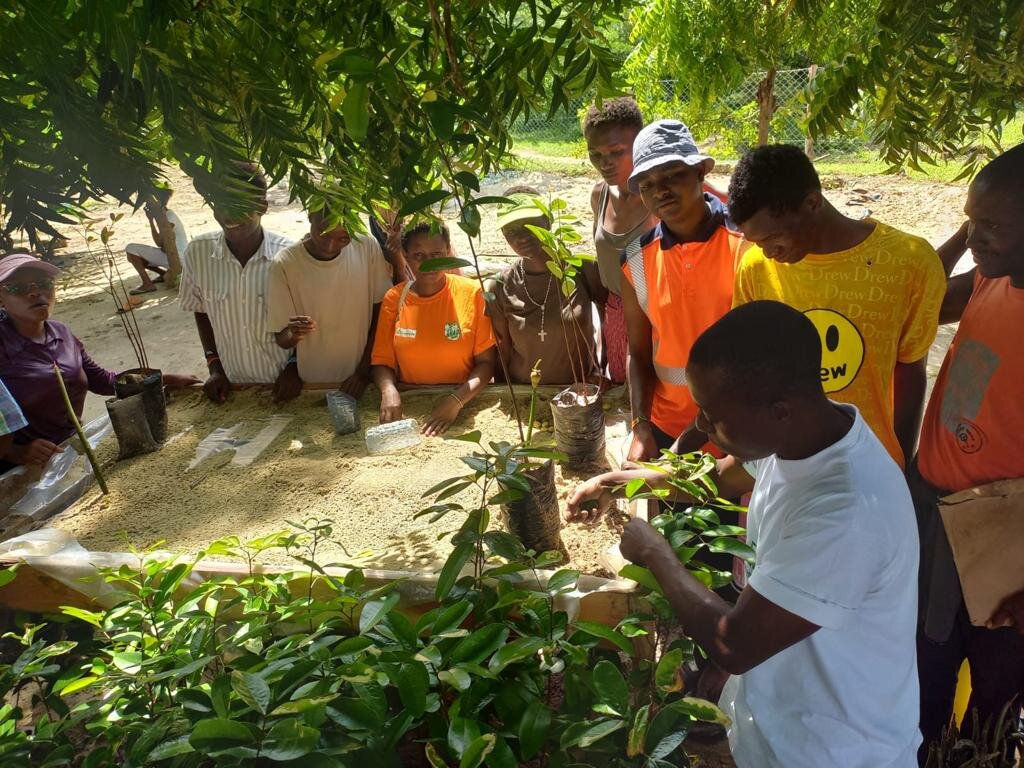
In addition to the ongoing educational activities, we also carried out a tree planting initiative in all six schools. With the support of the Environmental and 4K Clubs, we planted a variety of trees across the school grounds. This effort not only helps to green the school environment but also serves as an educational opportunity for students to learn about the importance of trees in combating climate change, preserving biodiversity, and improving the local ecosystem.
Implementation of Keyhole Gardens in Schools
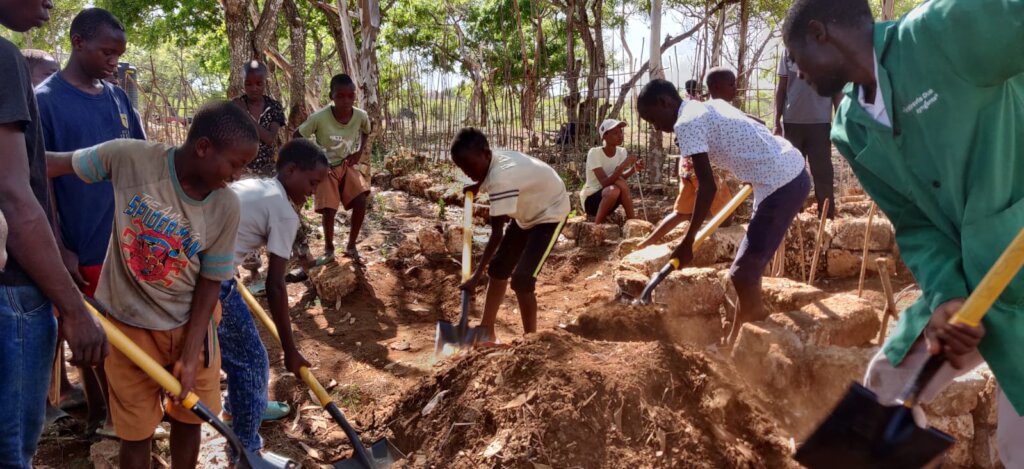
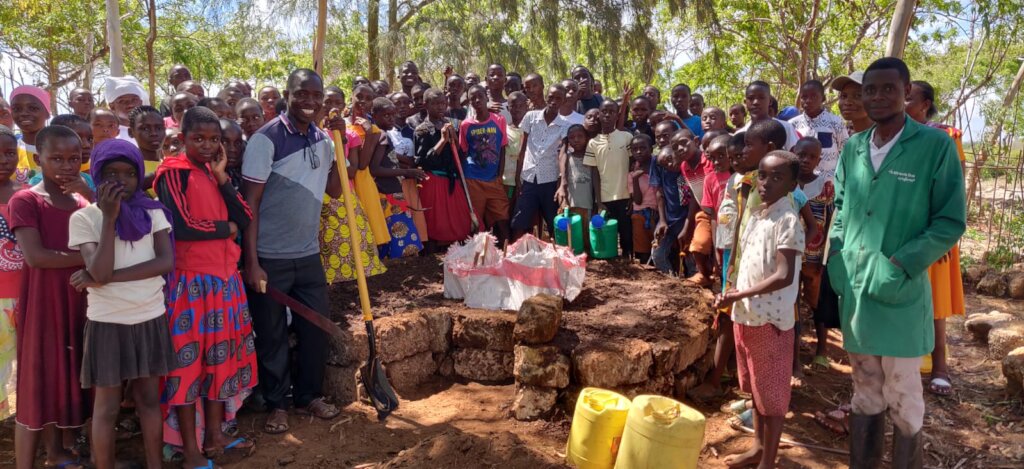
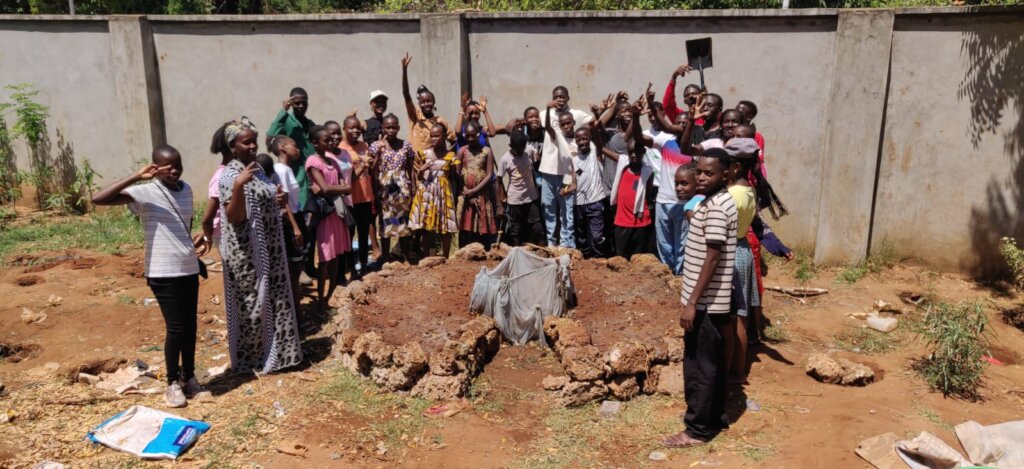
Once the school term ended, we were able to resume working directly with teachers and students. With their involvement and the technical support of an agronomist, we built a Keyhole Garden in each of the six schools. This type of garden, made with locally available materials, is designed to maximize space and optimize the nutrients in the soil. Keyhole Gardens not only serve as an educational tool but also provide a valuable resource for improving food security in the schools.
Training Activities in the Kilifi Creek Area
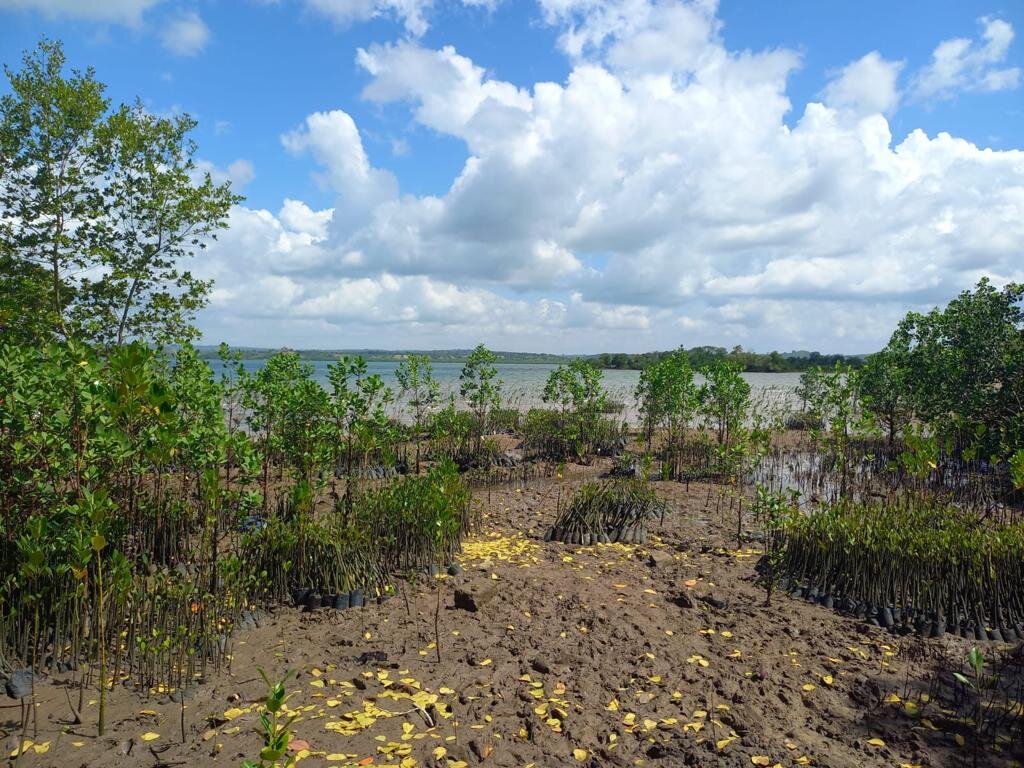
Awareness-raising activities in the Kilifi Creek communities continued as planned, with training sessions focused on waste management, water pollution, and the importance of water conservation for environmental health. The communities of Maya, Mtongani, Kibokoni, and Ihaleni participated in interactive discussions and practical activities aimed at raising awareness about the impact of pollution and the need for concrete actions to protect local natural resources.
Thank you for being part of the change!
Project reports on GlobalGiving are posted directly to globalgiving.org by Project Leaders as they are completed, generally every 3-4 months. To protect the integrity of these documents, GlobalGiving does not alter them; therefore you may find some language or formatting issues.
If you donate to this project or have donated to this project, you can receive an email when this project posts a report. You can also subscribe for reports without donating.