By Angela Larkan | Founder and Executive Director
Eight out of 10 children in South African can't read at the same level as their international peers, not in English, not in their home language, not in any language! According to The Progress in International Reading Literacy Study (PIRLS), an international comparative reading assessment: 87% of isiZulu grade 4 learners in South Africa cannot read for meaning.
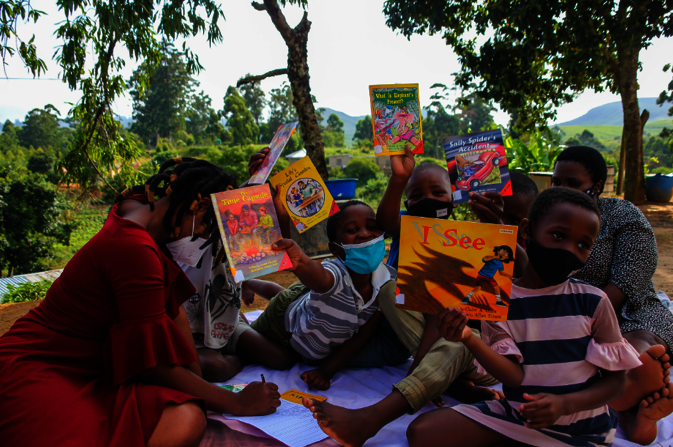
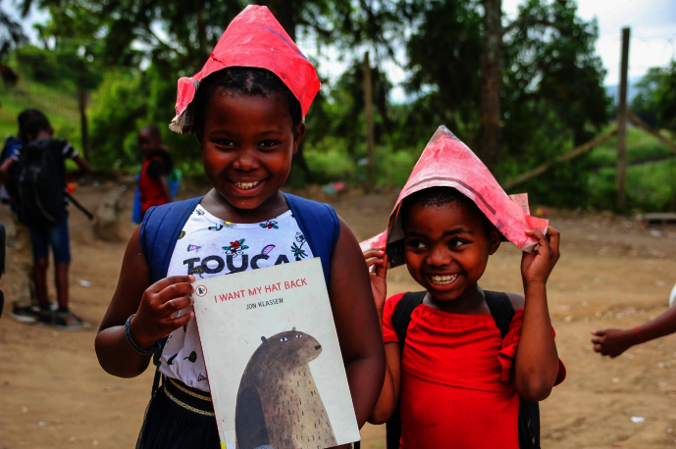
On the ground, our facilitators see this daily, and it's what sparked them years ago to suggest an additional programme to help children with the technical skills of reading. Through our storybook-based curriculums which focus on ‘making stories come alive’ through identifying with characters, and our Mobile Library, most children have been developing a real love of reading and a curiosity for learning. Still, without a solid foundation in the technical skills required to know how to read, they struggle to access stories and information fully. This also makes it harder to build self-esteem and to maintain an interest in learning over time.
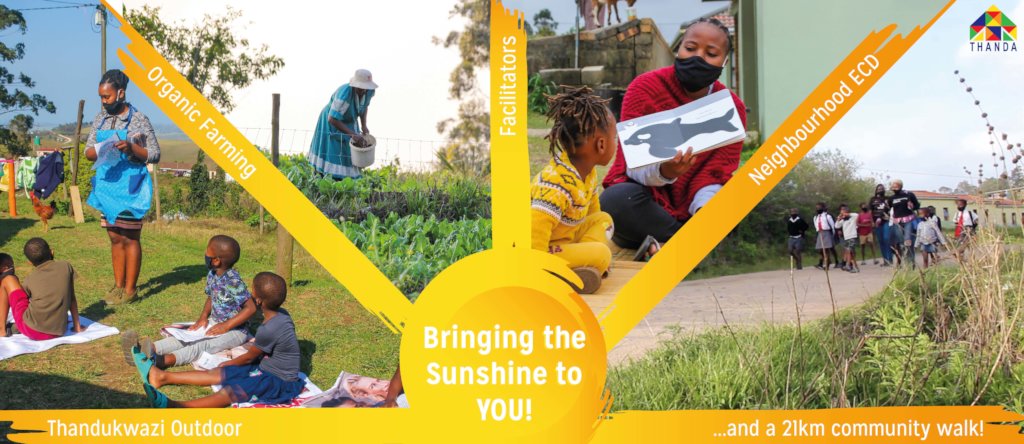
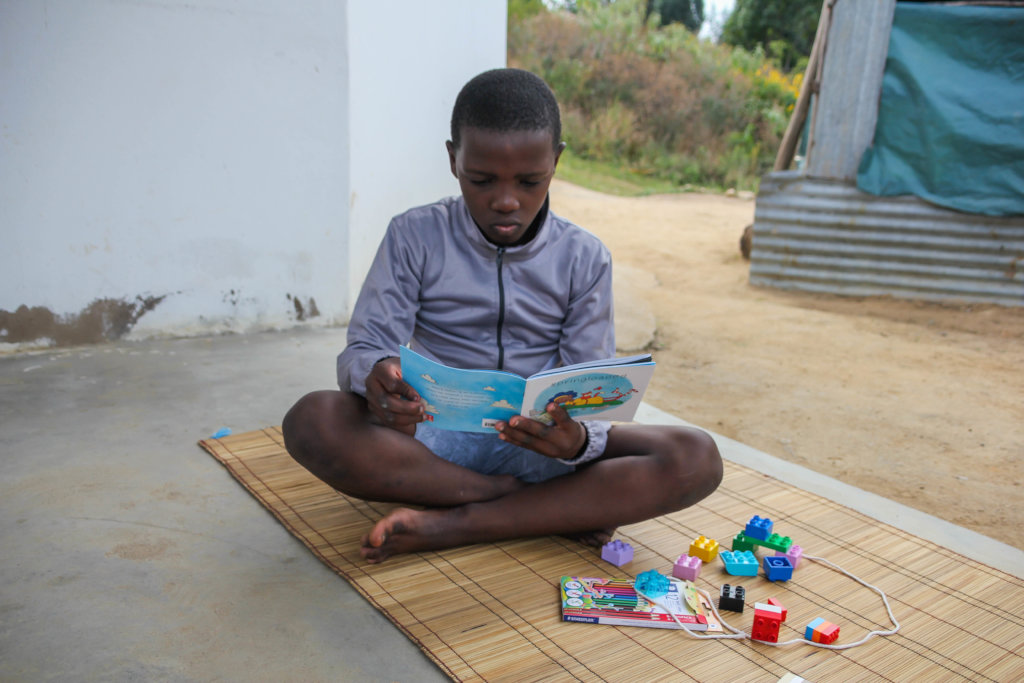
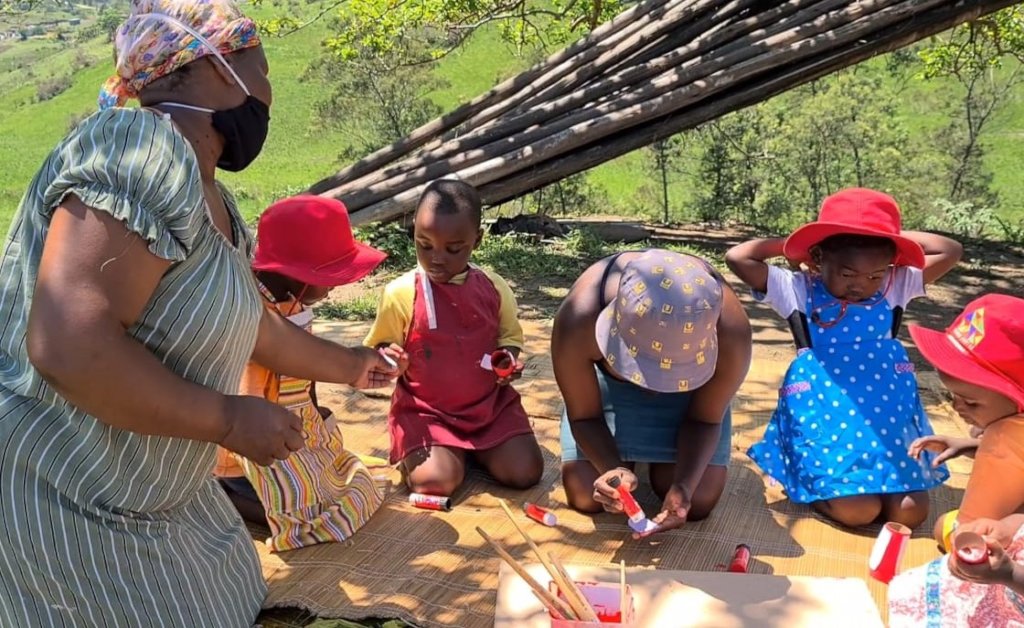
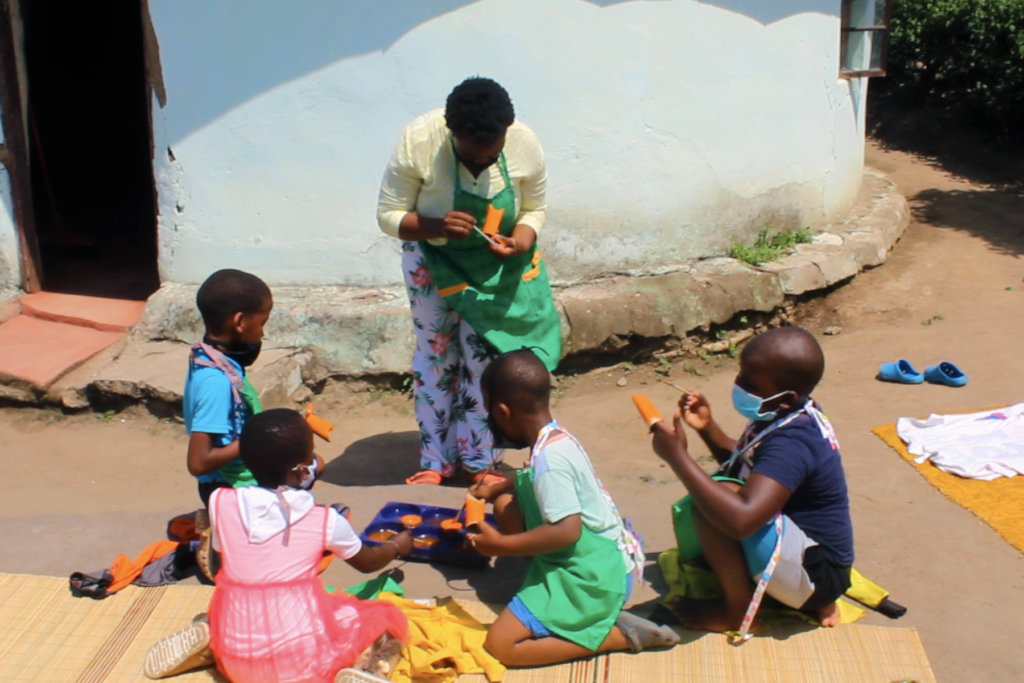
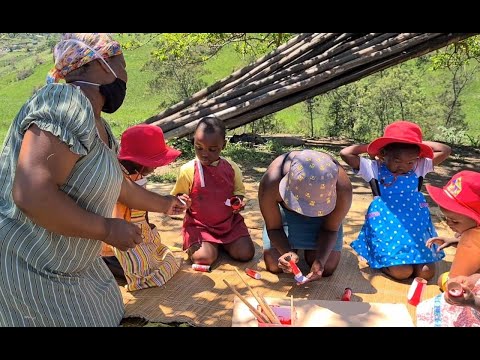
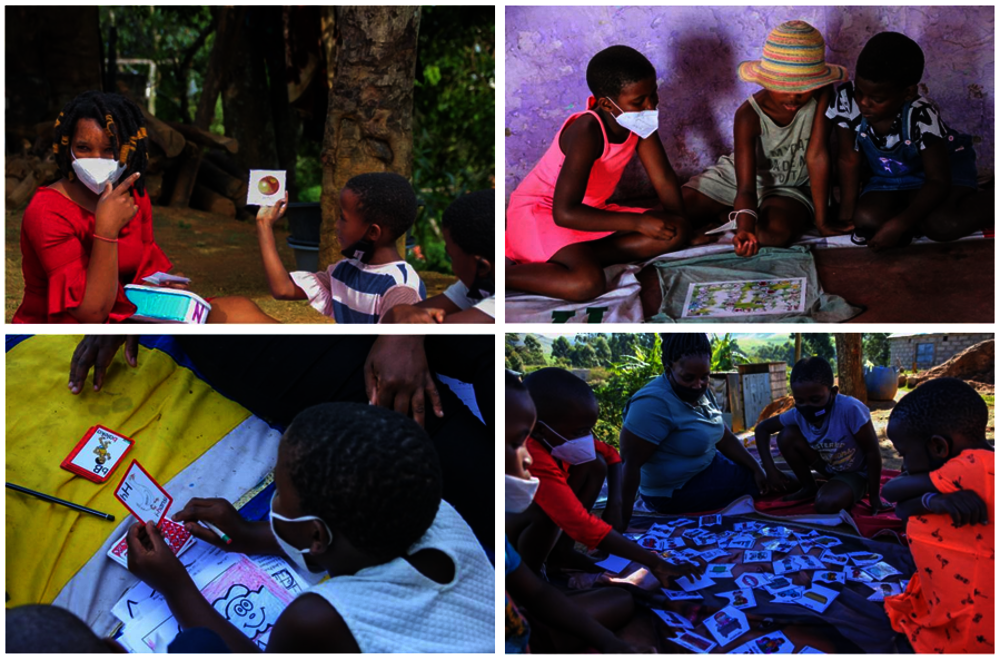
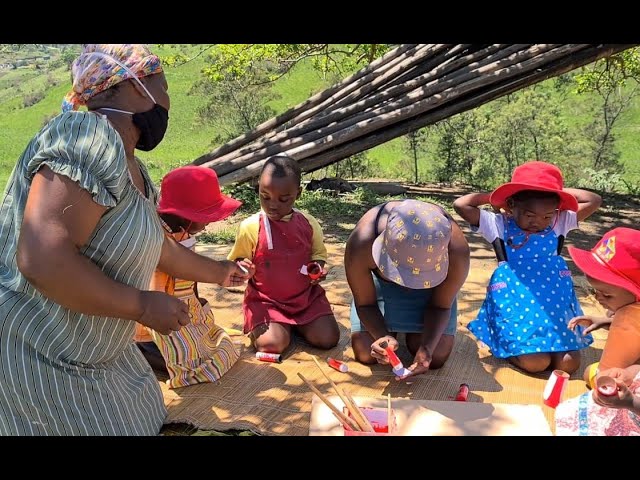
When children started going back to school only a few days a week again this year, we saw an opportunity of time (the days they were not in school) to develop and assist with a Literacy Programme. The only problem was… we are not school teachers or literacy experts! Nevertheless, we set down this path and were committed to finding how we could assist within our somewhat limited capacity. What we knew is that we could arrive at each neighbourhood cluster two and a half hours before our Thandukwazi Outdoor Programme started after school and we could work with the children in grade R- three who were not attending school that day. With just three to eight children in each group, we knew this one-on-one time could be incredibly valuable for the children, whose school classes often have over 50 children in each one.
So back to the question of what could we do? We started by consulting with some experts and confirmed the incredible value of learning to read in one’s home language, especially since isiZulu is phonetic and English is not. We then looked closely at the CAPS curriculum for grade R to three and determined that we would focus on the Emergent Reading goals, as most of the Speaking and Listening goals were already being met in our after-school curriculums, and Emergent Writing was a focus in the school classrooms. After completing an audit of literacy tools commercially available, we were shocked at the lack of learn-to-read resources in isiZulu! So we worked with our partners to discover a few resources they had developed themselves, such as Wordwork's Little Stars programme that had been translated to isiZulu recently, some of the Keys to Learning cards, and Siyakwazi's Red Flag catch-up tools in isiZulu, which were resources we had the capacity to implement.
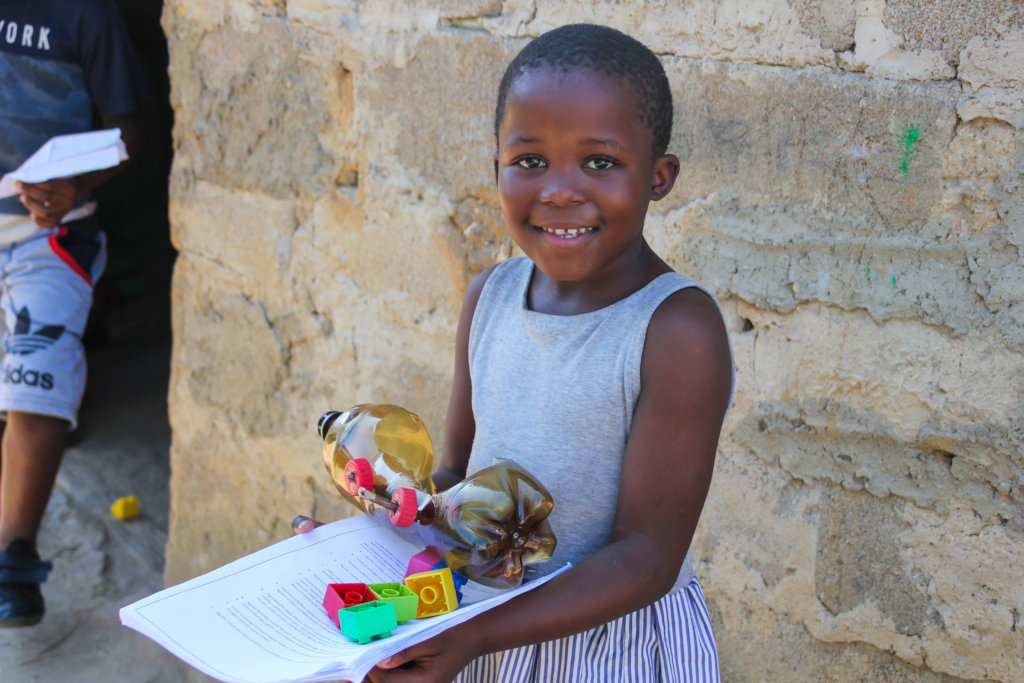
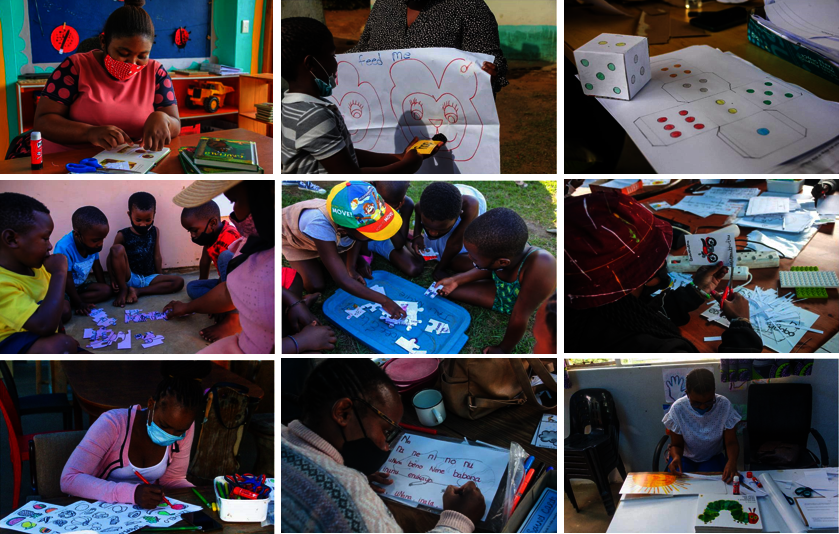
The rest? Our staff got creative and made their own games, puzzles, and resources from cardboard, glue, and paper…
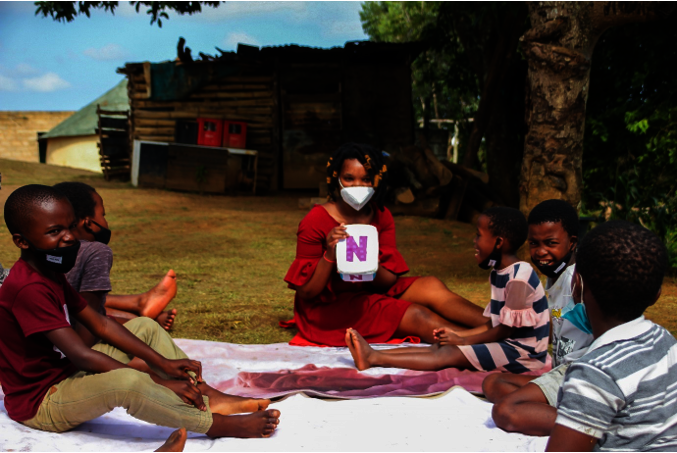
So far, Siyakwazi's sound boxes are the biggest hit. Nellie, the Programme Manager for the Literacy Programme, explains that these ice cream container boxes contain picture cards and small objects that help children understand the shape of the letter, the sound of the letter, words containing the letter and objects, actions, or animal names that start with the letter, allowing for a multitude of fun games.
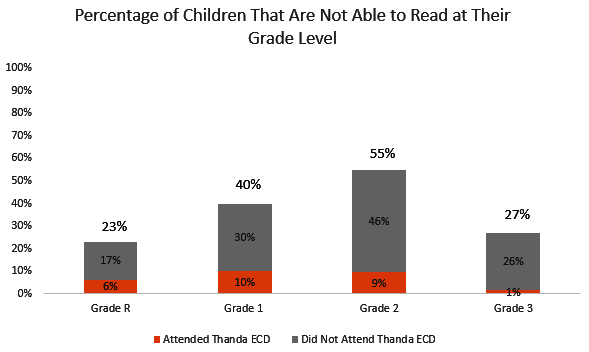
The children seem to be enjoying the programme so far, but it hasn't come without its challenges. Besides needing to learn more about the technical aspect of learning to read and needing to make most of our own resources, we developed an assessment to determine which grade level each child is currently reading at in terms of technical reading skills, but it has taken a long time to assess and sort the information so that it can be as helpful as possible. The following shows the results that have already been captured:
The good news is that our Early Childhood Development programme seems to make a difference. We also conducted the Siyakwazi Red Flag Assessment (graph in images) which measures a variety of school- readiness skills with each child and found that 13% of children in Grade R this year are at risk of falling behind.
The other good news is that we're already starting to see some changes. As Mimi our Thandukwazi Outdoor and Literacy Programme Facilitator, told us, "The child that I saw improve since we started the programme is Nqubeko. He used to have very small handwriting, and he was shy about his writing. He would also get left behind when we did activities. But, through this programme, I've seen him develop. Even his handwriting has changed. He's participating more, and he's active during the activities. He's more confident, enthusiastic; his self-esteem has grown. He's willing to learn too. There's a big difference. Today we were reading The Gruffalo in isiZulu, after I finished, he even asked to read it again for the children".
Our goal is to get every child reading at their grade level. If we can do this in isiZulu while slowly incorporating English from Grade two, then they will be better equipped to make the learning language switch in Grade four, where all textbooks and assessments are conducted in English.
We look forward to seeing if there is any impact from the Literacy Programme as we aim for: Children who have the technical skills to read confidently, enabling them to become the curious, life-long learners that they are aspiring to be.
Of course one intervention once a week is unlikely to make major shifts needed, so we are also looking at how we can integrate new lessons learned into our Early Childhood Development, Learning at Home, and Home Visiting Programmes, so that technical literacy skills are developed early and reinforced in an ongoing (and fun!) manner.
Thank you for following us on this journey through a pandemic and the circumstances of children without days of schooling!
Project reports on GlobalGiving are posted directly to globalgiving.org by Project Leaders as they are completed, generally every 3-4 months. To protect the integrity of these documents, GlobalGiving does not alter them; therefore you may find some language or formatting issues.
If you donate to this project or have donated to this project, you can receive an email when this project posts a report. You can also subscribe for reports without donating.