By Jennifer Hughes-Bystrom | Founder/CEO
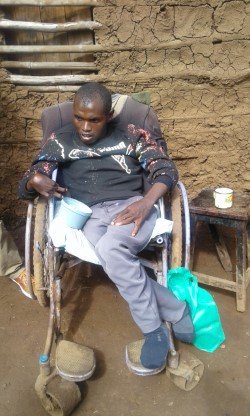
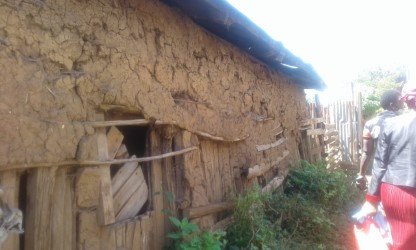
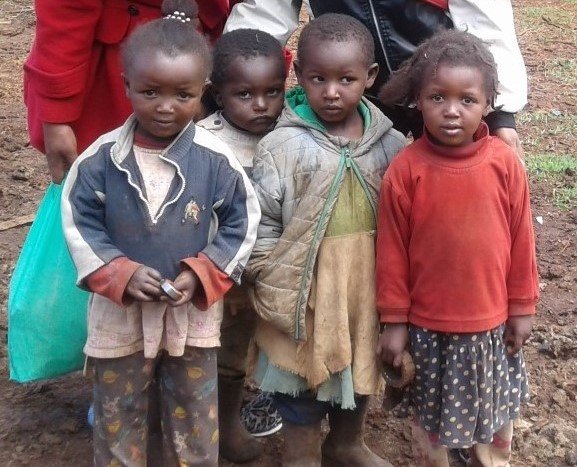
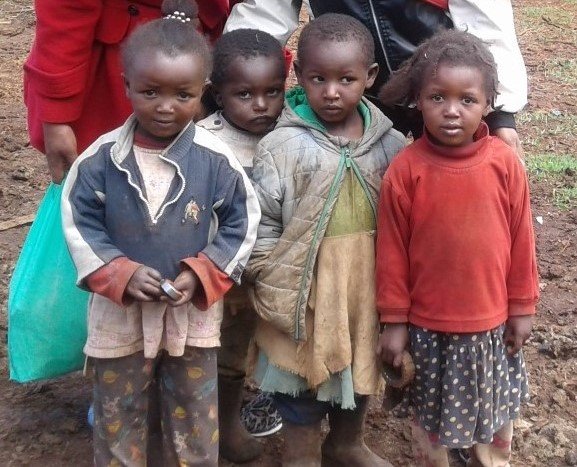
Free Area, Nakuru, is a place where survival often comes down to daily calculations, choosing between food and rent, between medicine and school fees, between eating today or saving what little you have for tomorrow. Free Area is a densely populated informal settlement—marginalized, stigmatized, often dismissed as just another ghetto. But behind that label are families, resilience, and a community that deserves far more than it receives. It's a densely populated urban settlement where informal work is the norm, stable income is the exception, and access to healthcare feels like a luxury reserved for someone else's life.
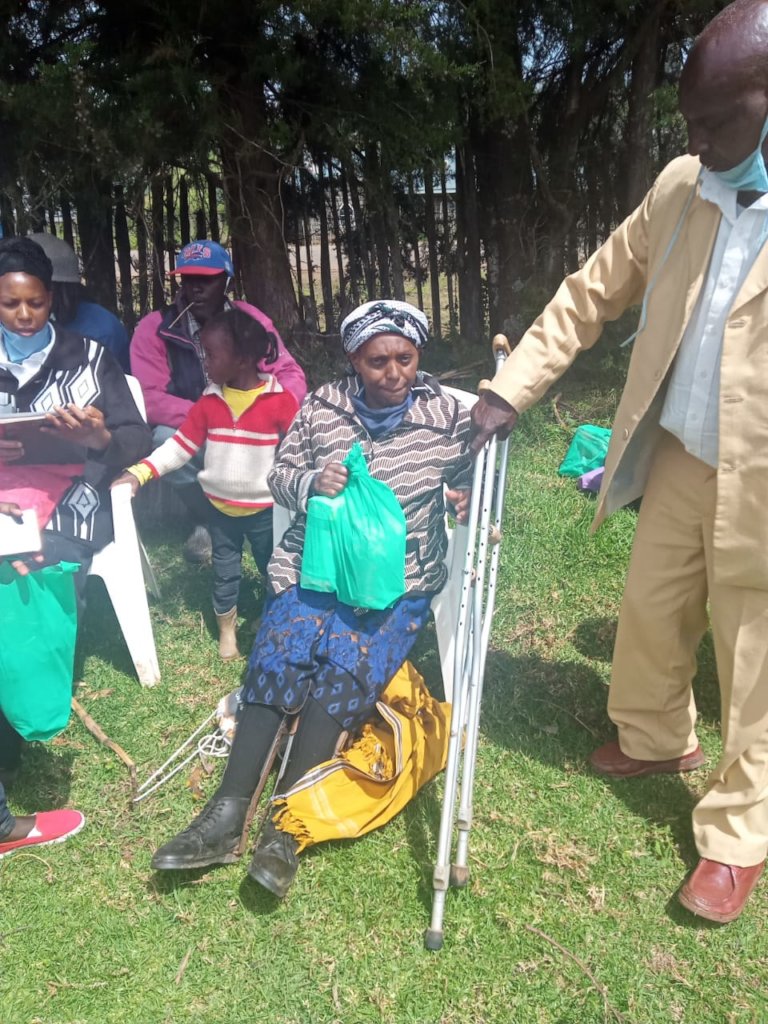
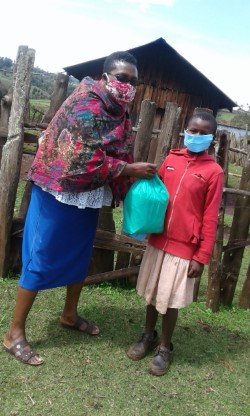
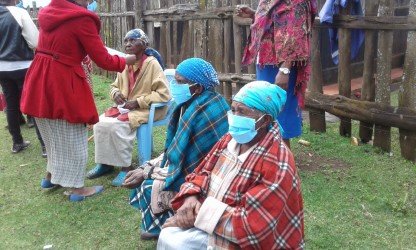
Rising food prices have made basic nutrition increasingly unaffordable, and healthcare feels like a luxury reserved for someone else's life. The 65 households we reached represent the intersection of economic vulnerability and health risk: single mothers, elderly individuals, widows, people with disabilities, and those managing HIV/AIDS—groups facing the greatest barriers to both nutrition and healthcare.Rising food prices have made basic nutrition increasingly unaffordable, and healthcare feels like a luxury reserved for someone else's life. The 65 households we reached represent the intersection of economic vulnerability and health risk: single mothers, elderly individuals, widows, people with disabilities, and those managing HIV/AIDS—groups facing the greatest barriers to both nutrition and healthcare.


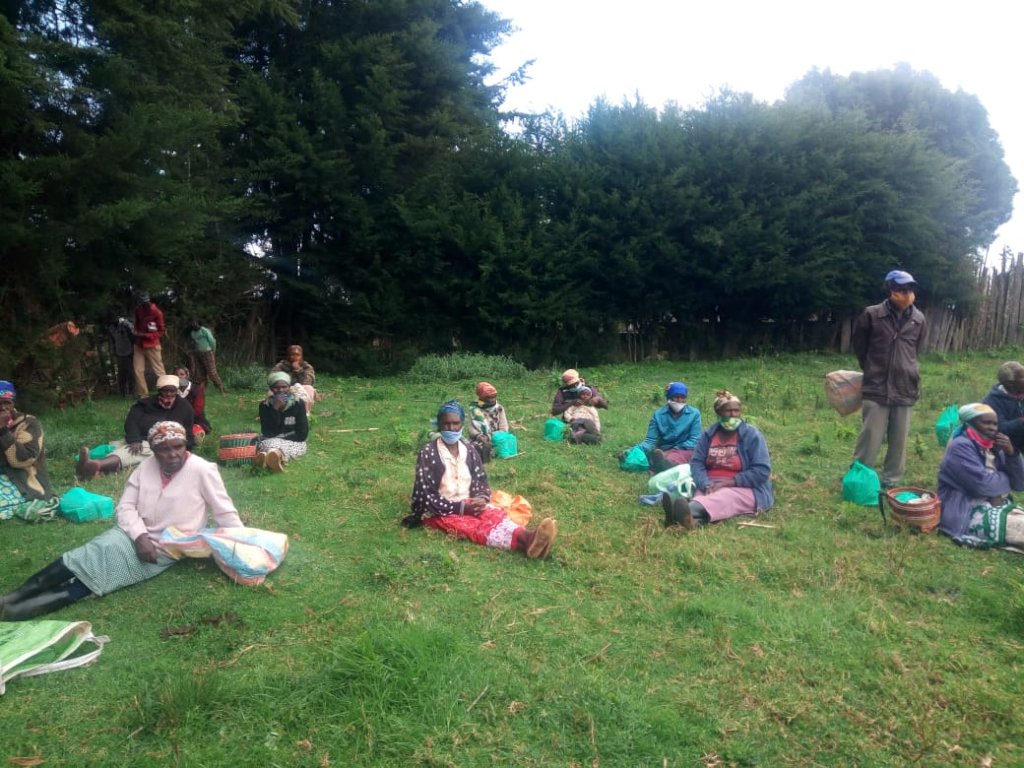
Before distributing hampers, our Community Health Volunteers facilitated a nutrition education session that became one of the most dynamic parts of the day. All 65 participants actively engaged. They asked about portion sizes for children, inquired about affordable local foods that could provide better nutrition, and shared their own strategies for stretching meals when money runs short.
Balanced meals for maintaining strength and immunity—even with limited resources.
Safe food preparation and storage to prevent illness.
Specific nutrition needs for children, elderly individuals, and those living with chronic illnesses.
How to make healthier choices with the foods and budget they actually have.
In low-income communities, nutrition information can be as limited as food itself. By the end of the session, all 65 participants had gained practical tools they could apply immediately—even within the constraints of poverty.
After the food distribution, our CHVs conducted blood pressure screenings for the beneficiaries. This simple intervention may have been the most critical part of the day. Hypertension is called the "silent killer". It causes no symptoms until it causes catastrophic ones. In communities like Free Area, where routine checkups are financially out of reach, many people live with dangerously high blood pressure without knowing it. They don't find out until after the stroke or heart attack.

One woman's reading came back dangerously high. We immediately advised her to visit the hospital for further evaluation and care.
When we asked if she'd experienced any symptoms, she paused, then said: "I have a lot of stress. Every day I'm looking for money—for food, for school fees, for everything. The stress never stops."
Her blood pressure wasn't just a number on a screen. It was the physical manifestation of relentless economic pressure, of impossible choices made daily, of a body carrying what the mind cannot put down. We referred her to the hospital. But we both knew the deeper truth: treating her hypertension without addressing the poverty and food insecurity causing her stress would only solve part of the problem.
Grace, Single Mother of Three. "I can't remember the last time I went to to a clinic when I wasn't already sick. Today someone checked my health when i was still standing. That feels...different. Important.
Grace received both a food hamper and a blood pressure screening. Her reading was normal, which she described as "one less thing to worry about"—a phrase that revealed how many things she is worrying about. She told us the nutrition information was particularly helpful because she struggles to afford diverse foods for her children.
"Now I know which local foods can give them what they need, even when money is tight. That helps."

As screenings progressed, the questions came fast:
"Is 140 bad?" "What does this number mean?" "Am I okay?" "Will the clinic charge me for this test?"
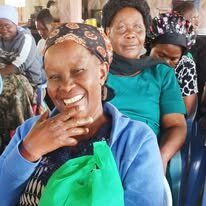
The curiosity was genuine. The relief on faces whose readings came back normal was visible. And the gratitude wasn't just for the food but for the knowledge, for being told their numbers, for having someone care enough to check.John, Living with HIV
"I know I need to eat well for my medication to work. But knowing what 'eating well' means when you don't have much
—that's what I needed to hear today."
John has been on antiretroviral treatment for three years. He understands that nutrition affects treatment effectiveness, but he'd never received specific guidance on how to maximize nutrition within a limited budget. Our Community Health Volunteers' session gave him practical strategies he can actually implement.
When asked about the food hamper, he said simply: "This week, I won't have to choose between food and my health.
Both are covered."
Why Integrated Outreach Changes Everything
PLEASE SUPPORT OUR WORK BY DONATING HERE


 See the impact of our work on our website
www.springsofhopefoundation.org
FOLLOW US ON FACEBOOK
Links:
Project reports on GlobalGiving are posted directly to globalgiving.org by Project Leaders as they are completed, generally every 3-4 months. To protect the integrity of these documents, GlobalGiving does not alter them; therefore you may find some language or formatting issues.
If you donate to this project or have donated to this project, you can receive an email when this project posts a report. You can also subscribe for reports without donating.



Support this important cause by creating a personalized fundraising page.
Start a Fundraiser