By Magg June | Project Coordinator
The hampers are ready before we are.
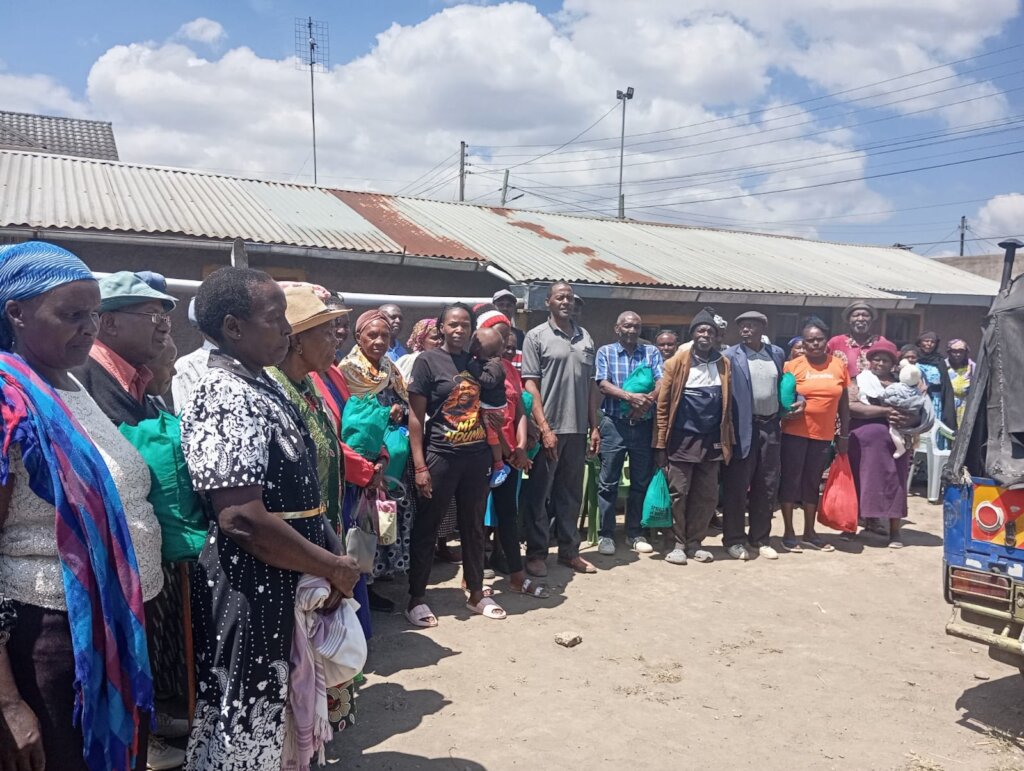
We always pack them the day before, stacking them one by one so that the next morning is mostly lifting them into the tuk-tuk and getting on the road. By 10 a.m. we had left Nakuru town behind. About forty minutes later, we turned into the IDP community in Lanet.
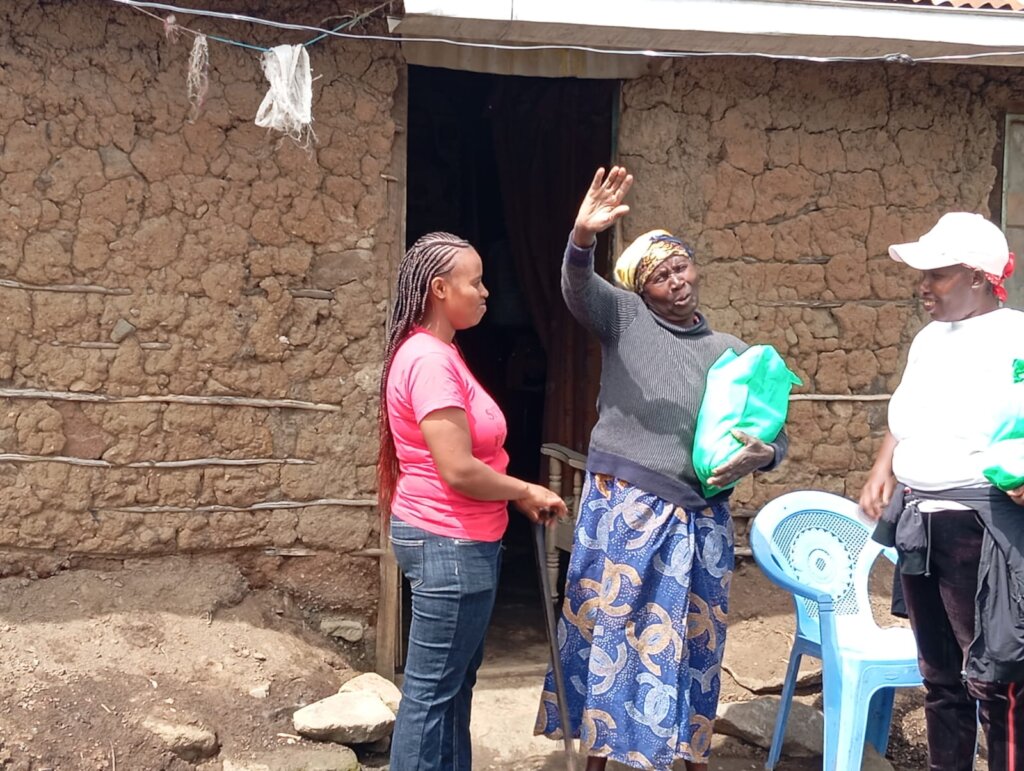
Before heading to the distribution point, we picked up Mama Rose.
Every community has people like her. They know which family has been surviving on casual work that disappeared weeks ago. They know who has stopped leaving the house. They know which elderly neighbour quietly checks on someone living alone.
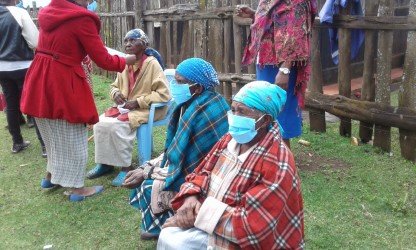
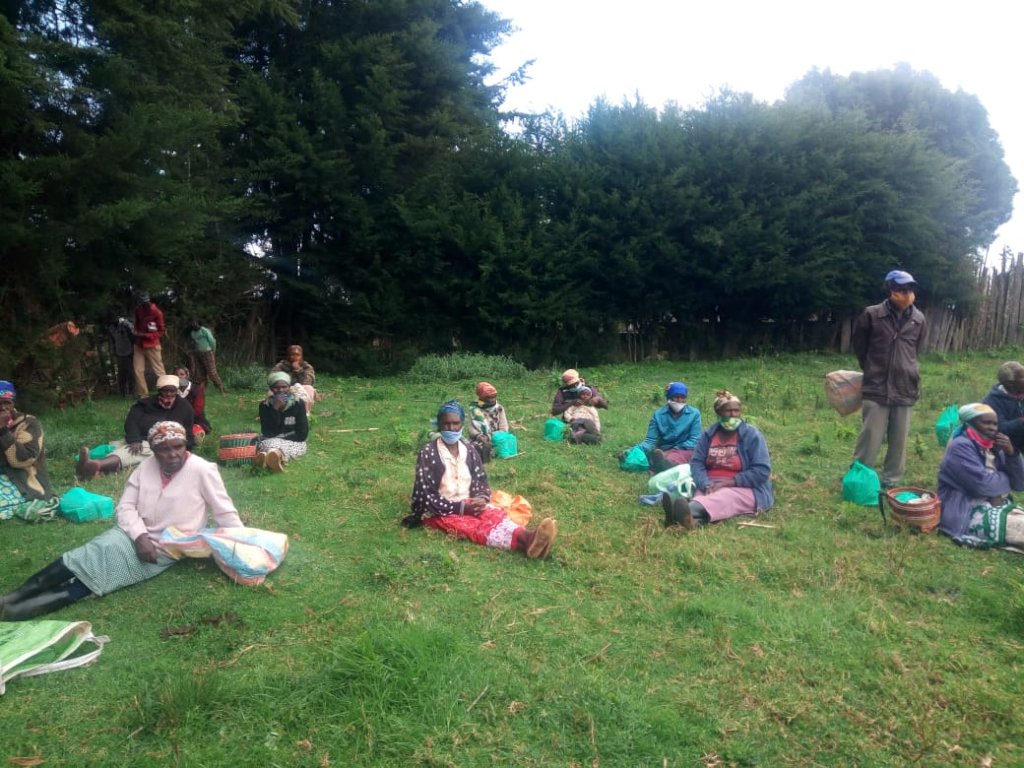
She had already spent the morning asking people to gather.
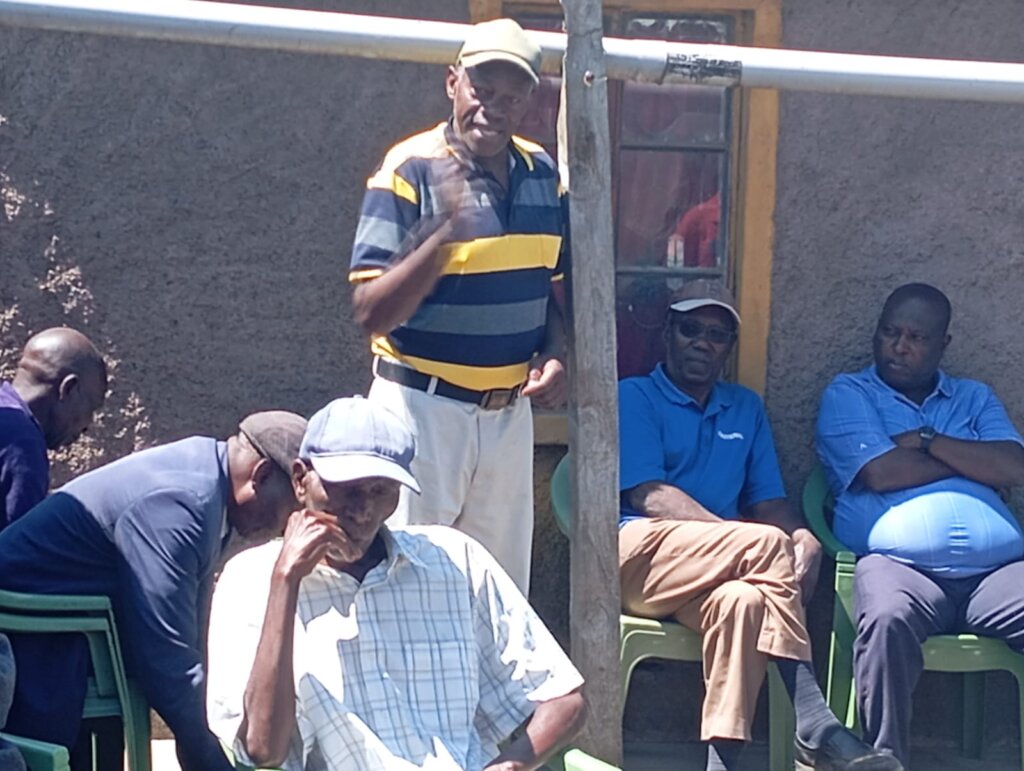
By the time we arrived, another familiar face was already there. Everyone calls him Fundi, which is Swahili for builder. He is a carpenter, a village elder, and the kind of person who seems to know every household and the story behind it. Instead of waiting for the distribution to begin, he is already talking with people, asking how they are doing, listening as they share what has been happening at home.
The Conversations
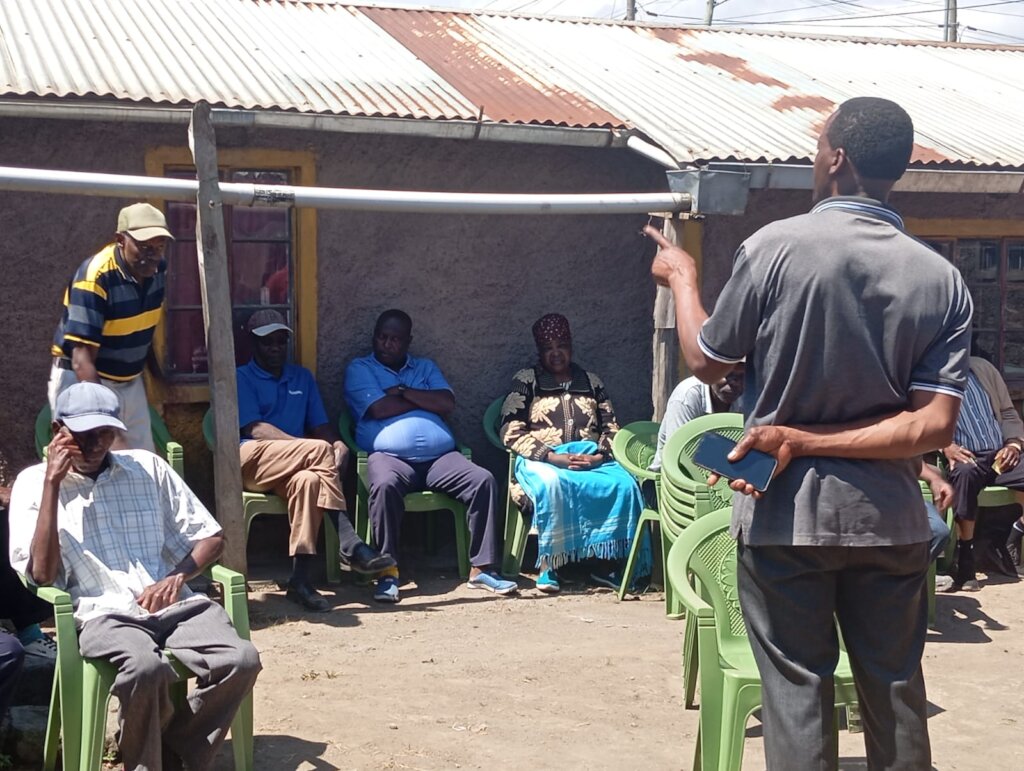
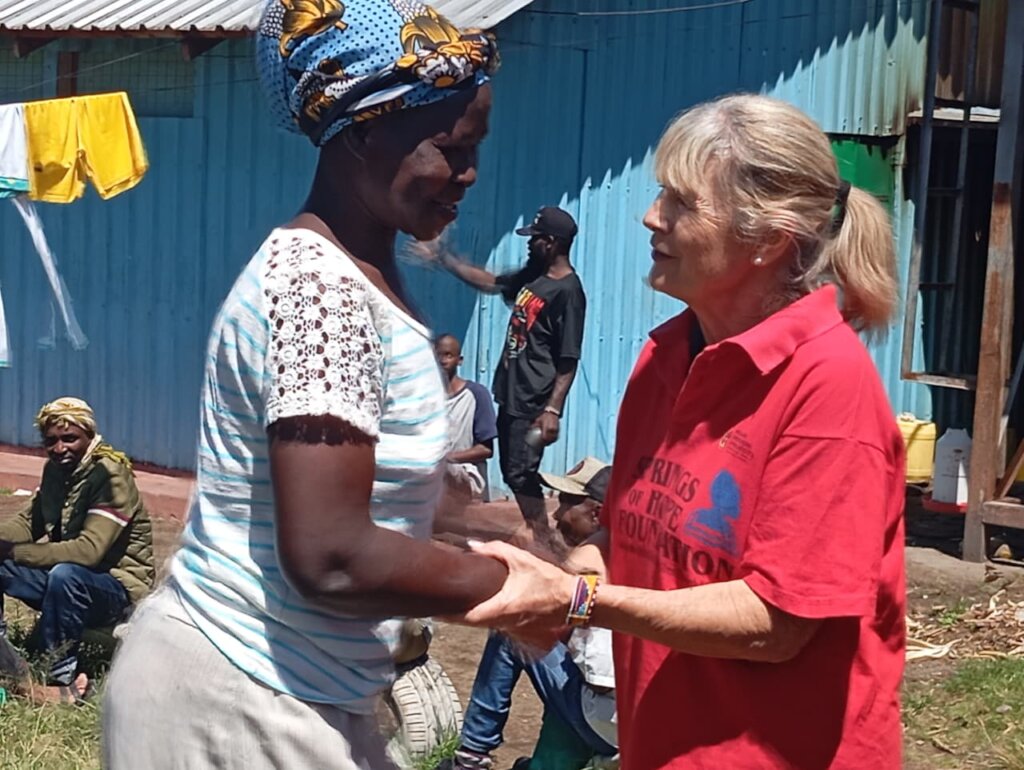
We joined the discussions, first introducing ourselves and explaining why we had come, and invited anyone who would like to speak.
People did.
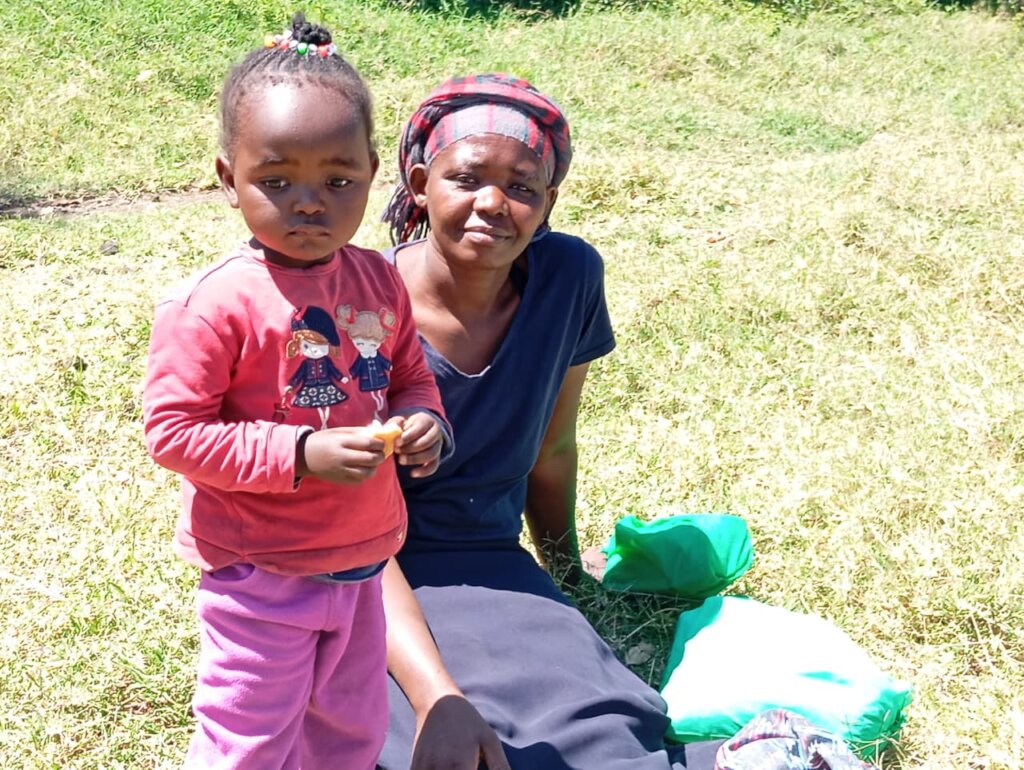
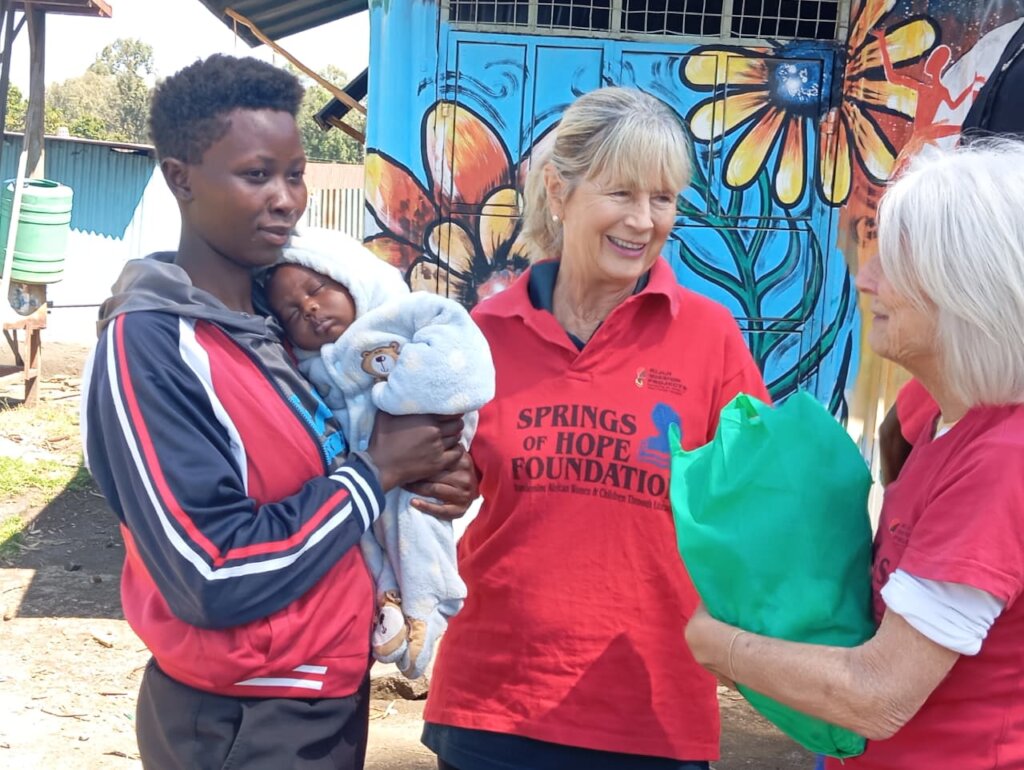
One mother, holding a very young baby, says she has no work at the moment. Another single mother asks whether we also give diapers.
It is a fair question.
At Kijiji Mission, our tailoring students make reusable diapers and sanitary pads as part of their training, and we donate them whenever they're ready. We hadn't brought any that day, but we promised that when the next batch is ready, we'll come back with them.
These conversations help us understand what people need beyond what we arrived carrying.
The Short Walk
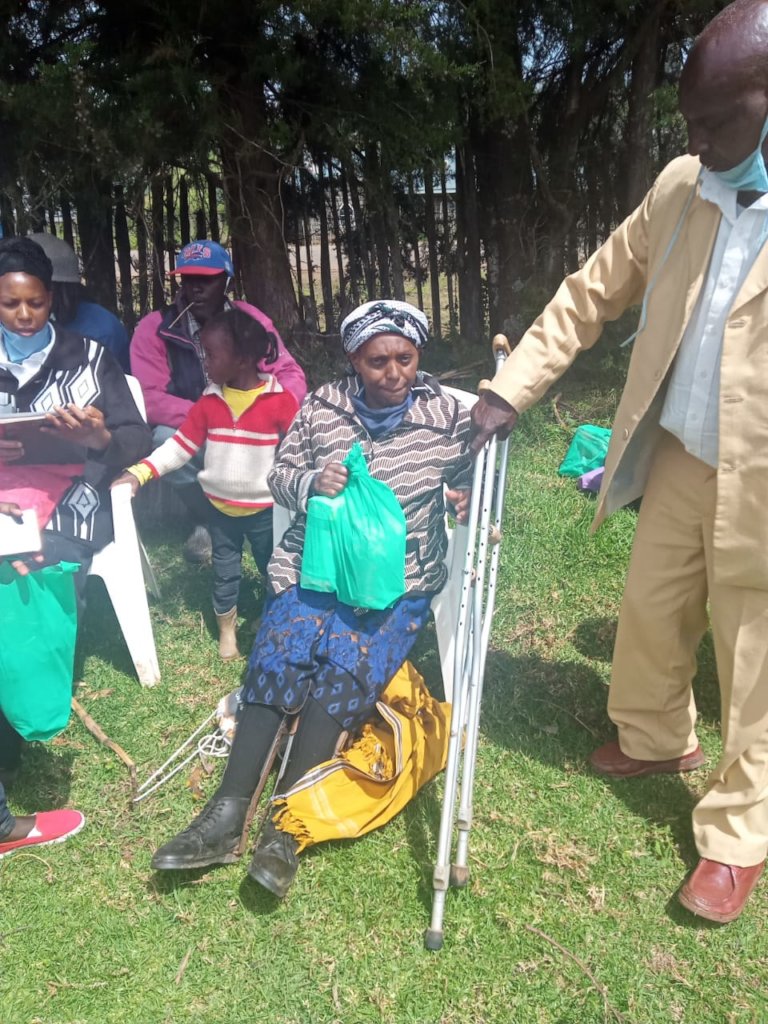
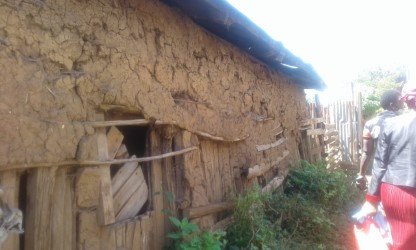
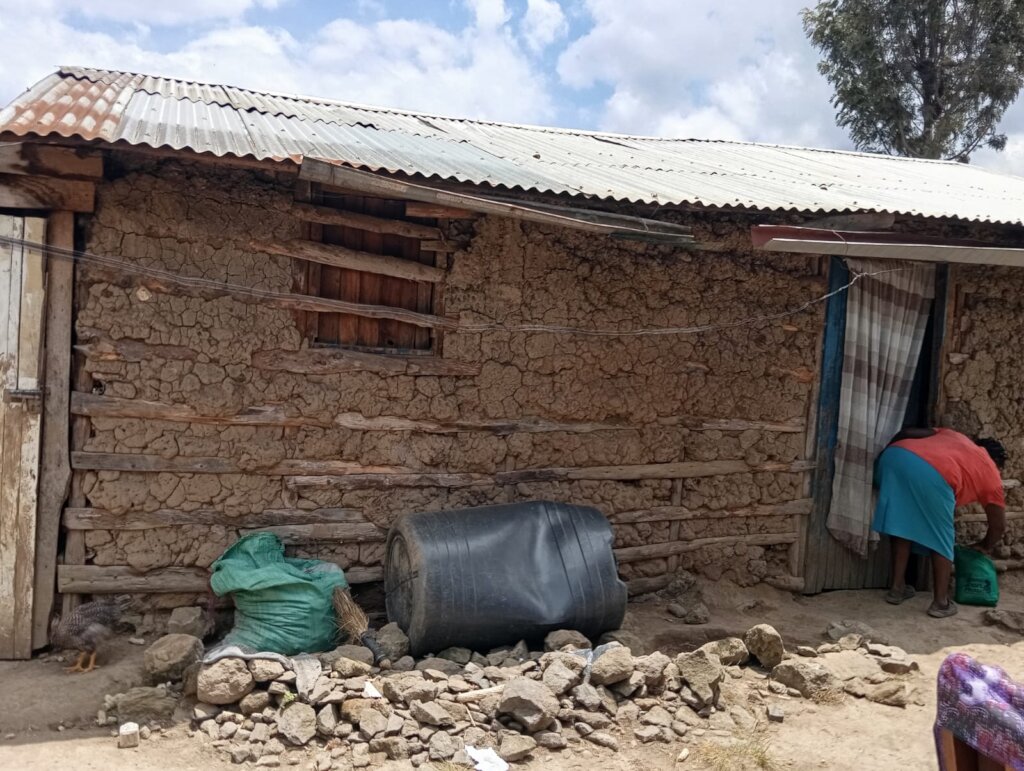
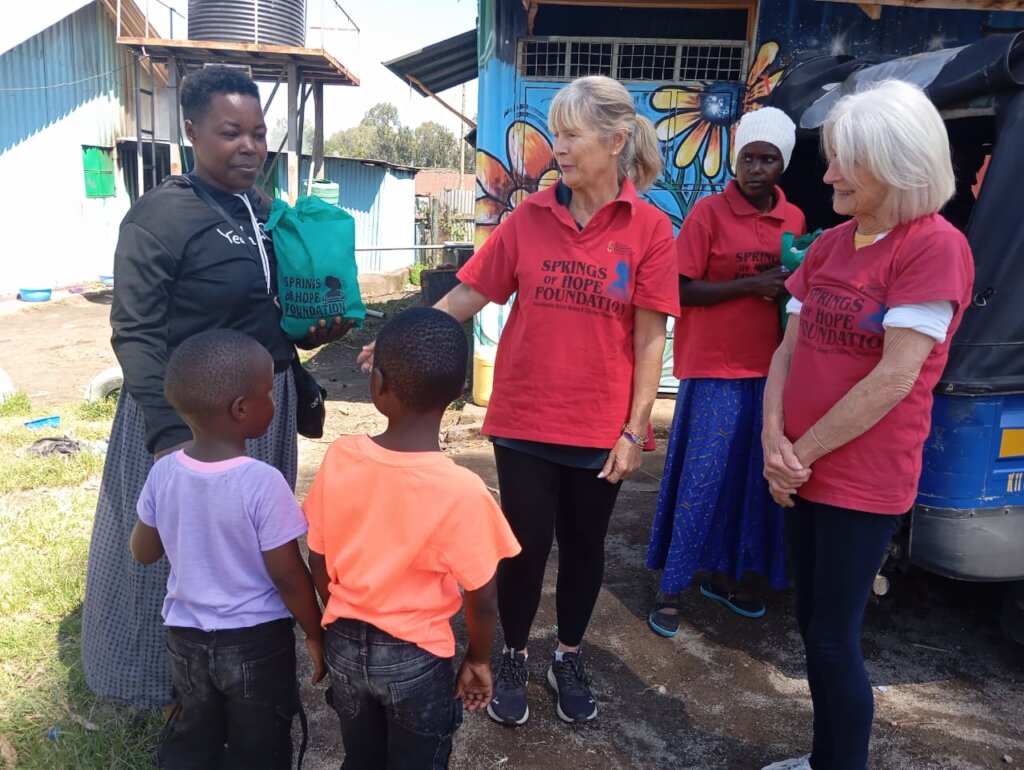
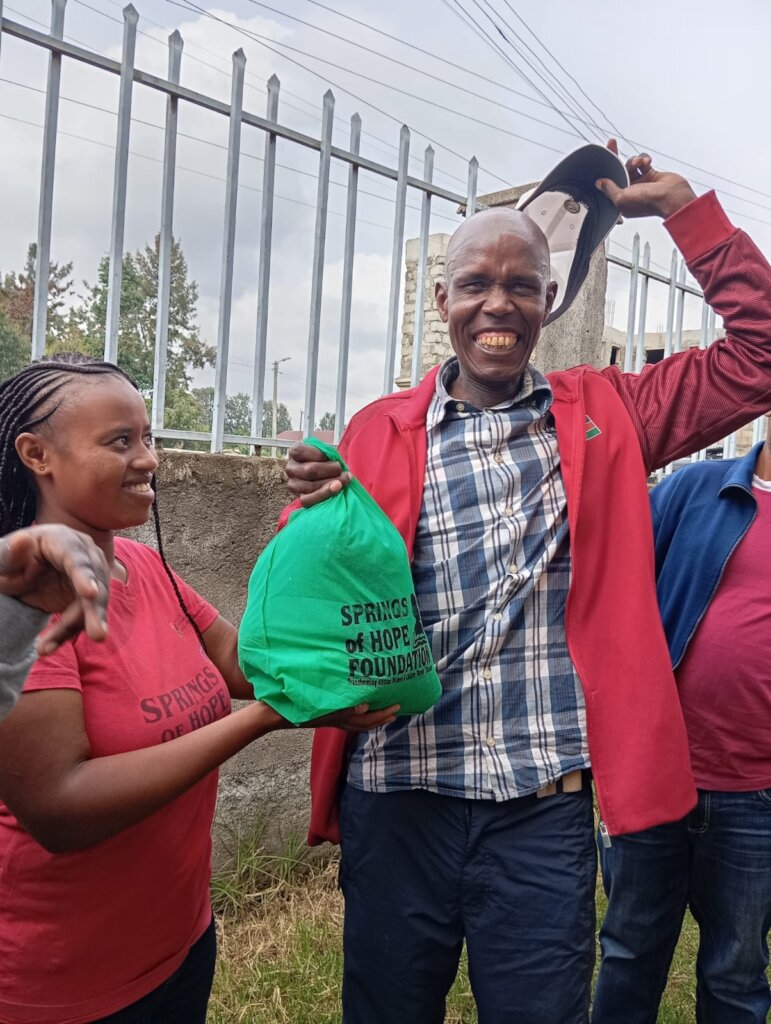
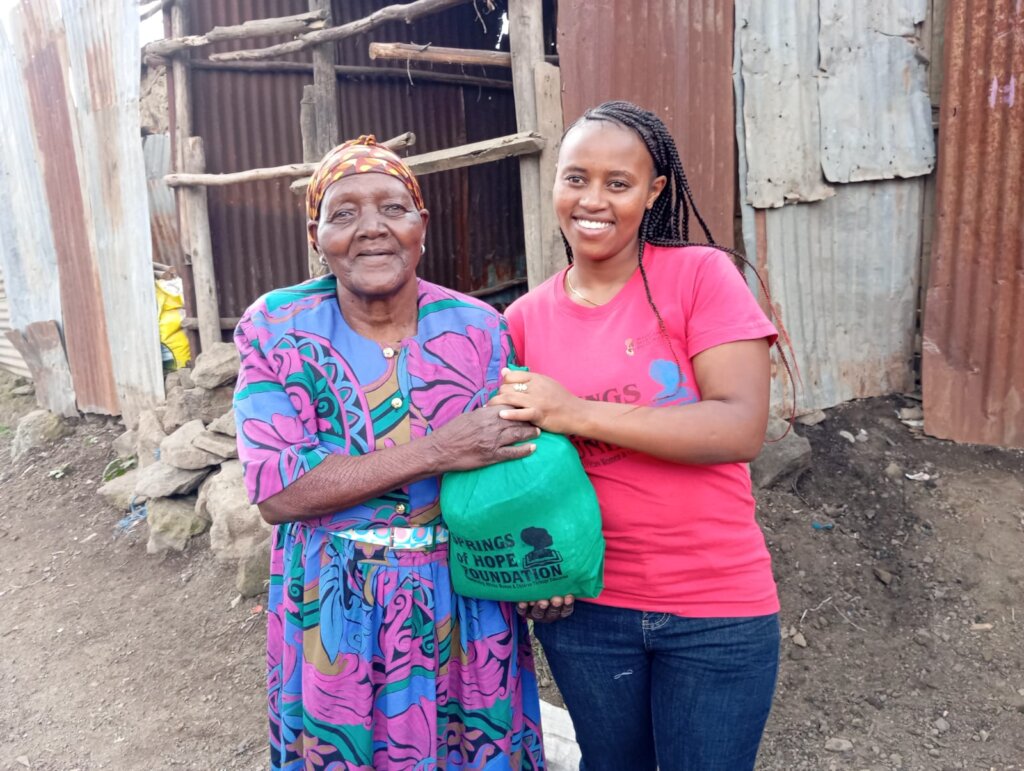
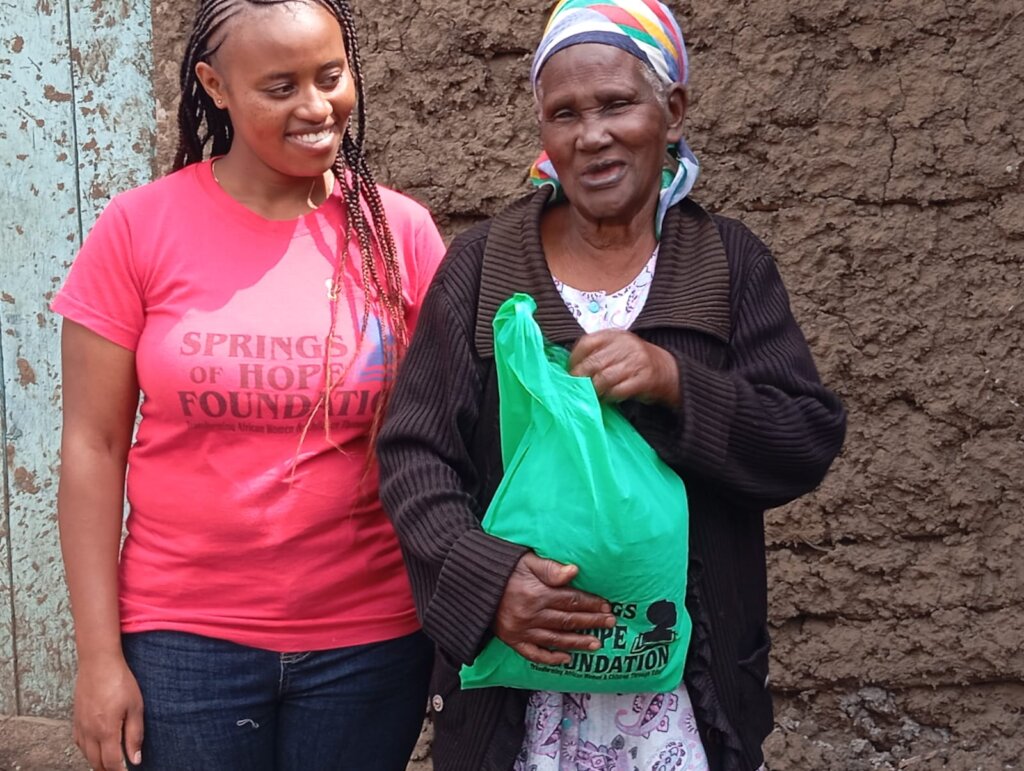
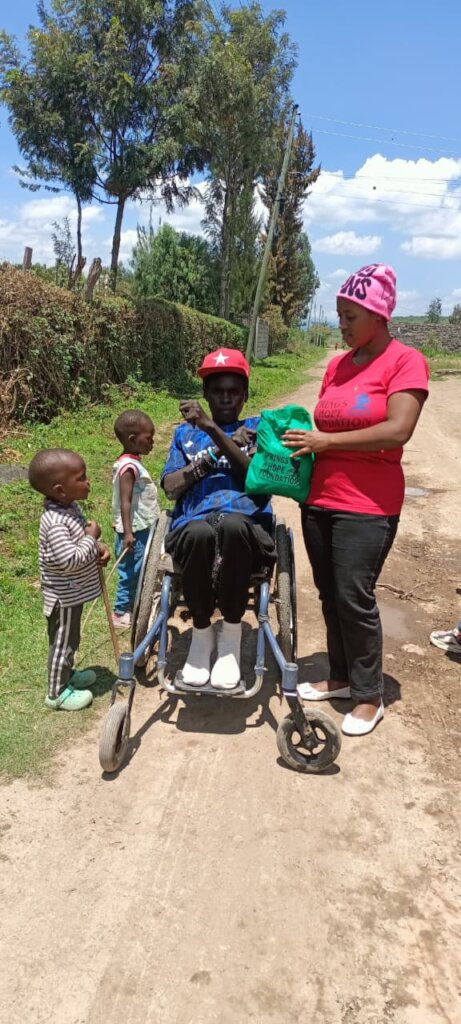
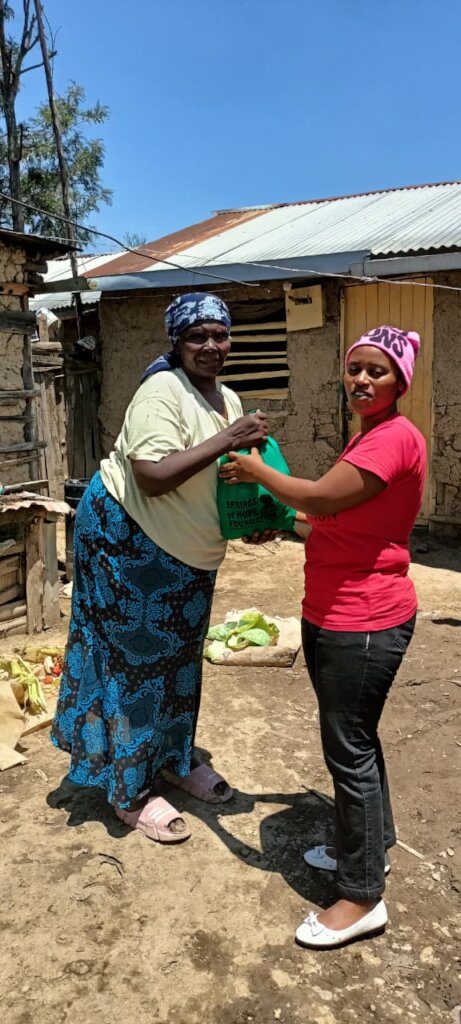
As we were finishing handing out the food hampers, Mama Rose mentioned some people nearby who hadn't been able to come. Their homes, only a short walk away, so we carried a few hampers and went to them.
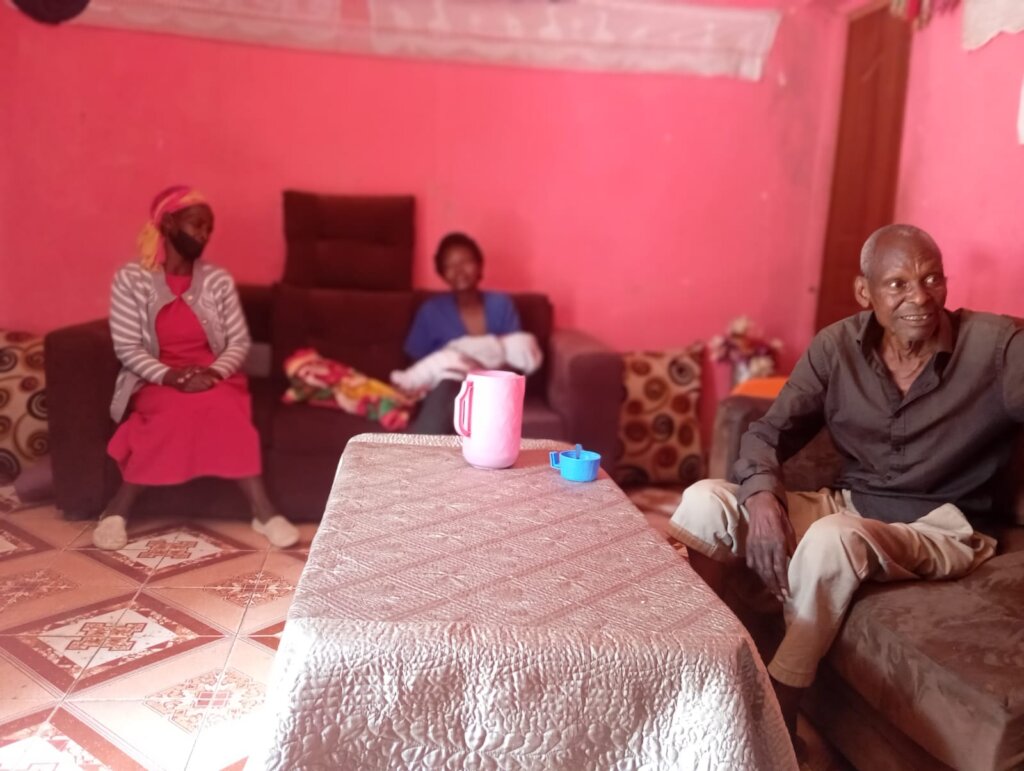
One of those homes belongs to a family carrying more than most.
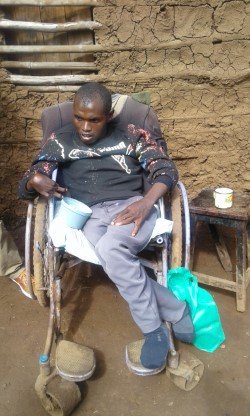
The mother is caring for her husband, who was injured in a workplace accident and can no longer use his legs. Their daughter, Joyce, is 33. She worked in Saudi Arabia before being deported back to Kenya. After returning home, she struggled with severe depression.
Someone took advantage of her during that time. She is now caring for a one-month-old baby.
The Challenges
The situation is more complicated than that. Joyce's mother describes it this way: sometimes Joyce can just get upset. Really upset. When that happens, she's not friendly. She does things that are hard to explain—unimaginable things, her mother says. She'll walk out and not come back until the following day, leaving her mother to care for the baby, and figure out where she went.
But on other days, Joyce works. She does casual labor, comes home with 200 shillings, hands it to her mother, tells her she worked for it. On those days, she's reliable. The person her mother needs her to be.
Her mother doesn't have a diagnosis for what's happening. She just knows her daughter struggles, that the depression isn't gone, that it shows up unpredictably. That sometimes Joyce disappears and the baby is left with an elderly woman caring for a disabled husband.
We told Joyce that when her baby is a little older, she would be welcome to join Kijiji Mission's vocational training program. She could learn tailoring & knitting and, alongside the training, have a place to talk through some of what she has been through with our counsellor. The aim is to support her as she works towards earning an income and caring for her children.
Other Homes, Other Stories
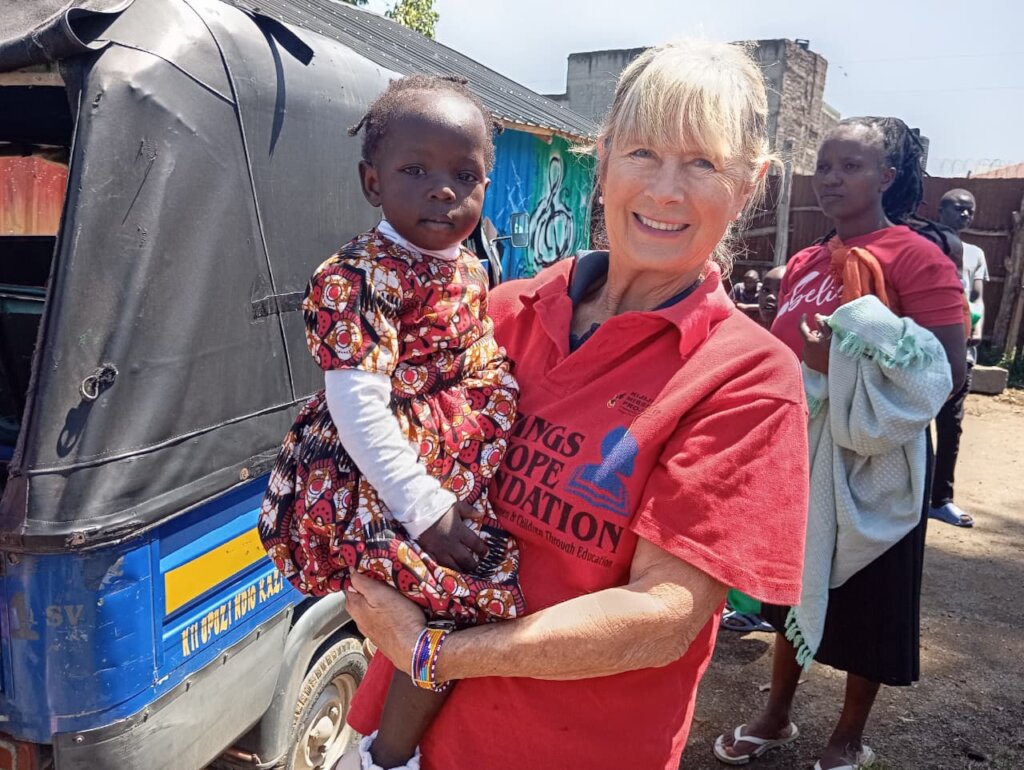
We visited other homes too. Different families. Different stories. Different challenges.
Each one a reason to keep going back. Each one a reminder that "distribution" is never just about hampers.
Before We Left
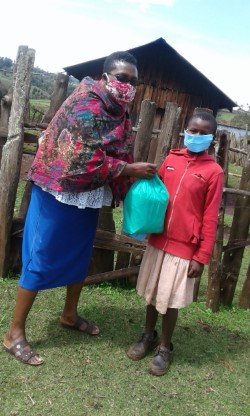
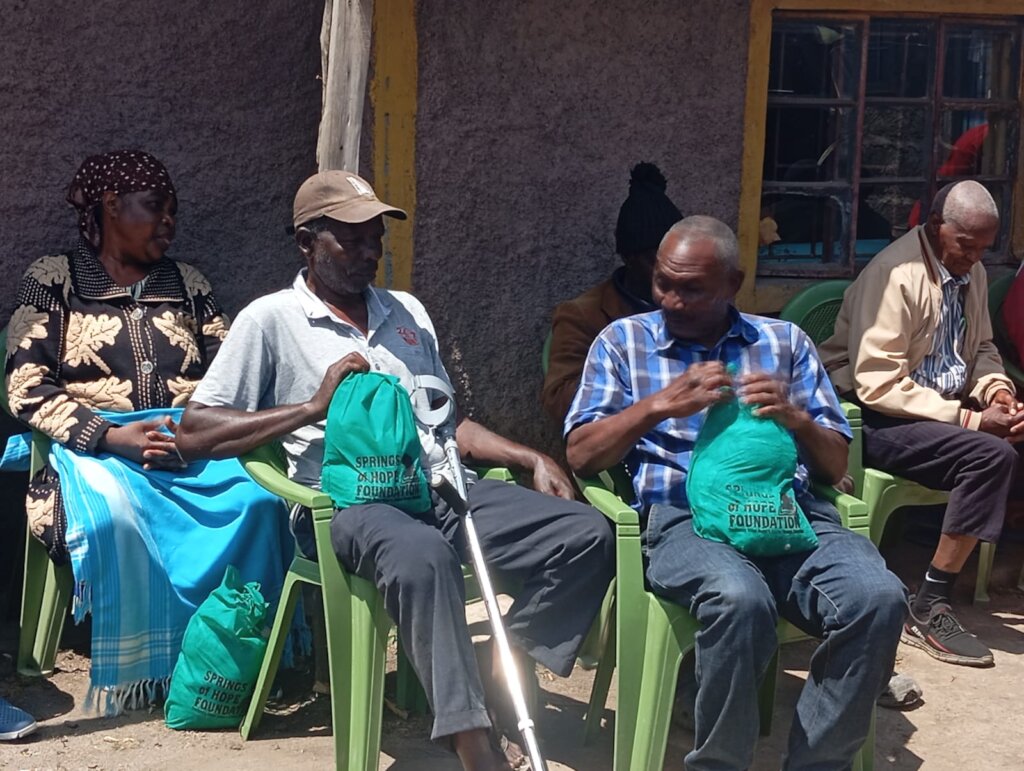
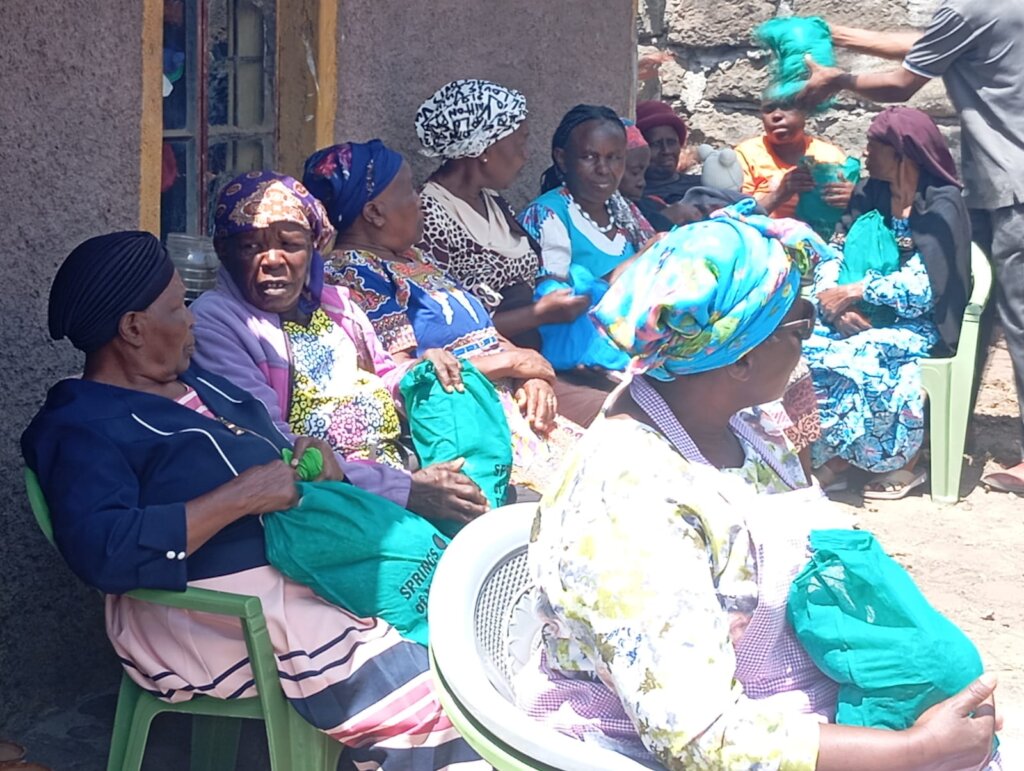
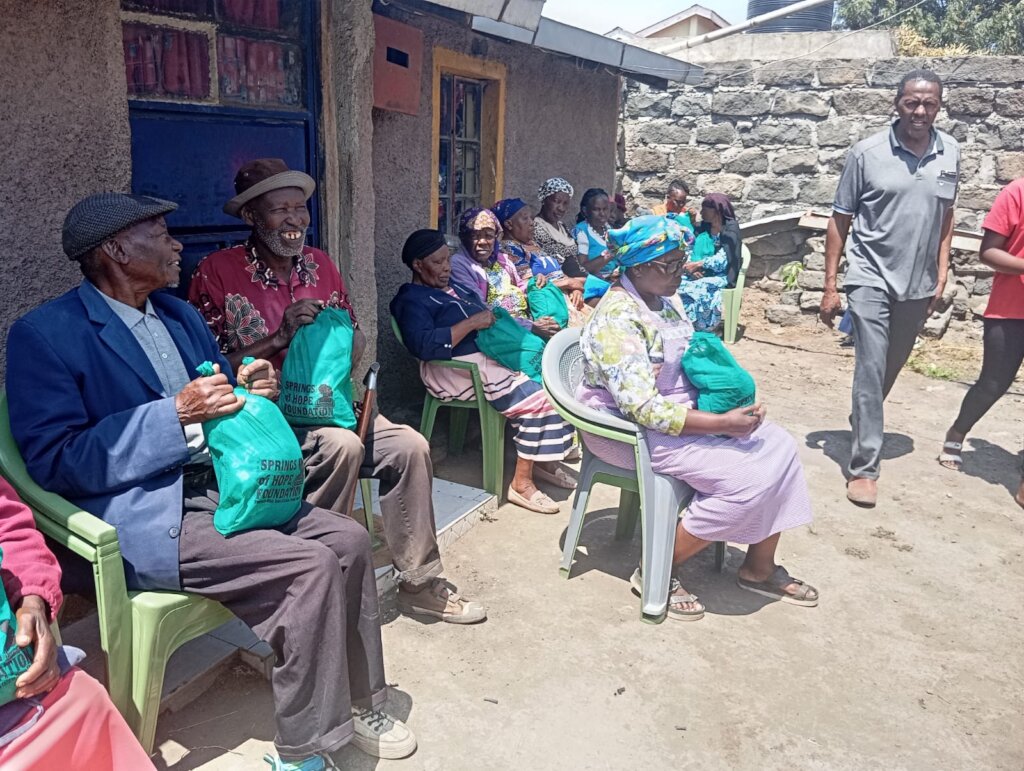
By the time we are done, 63 households have received food hampers.
Before loading the empty sacks back into the tuk-tuk, we quickly go over the things we'd need to remember for next time. Diapers is one of them. Another was checking back in with Joyce when her baby is old enough for her to join Kijiji Mission's vocational training.
Working with community contacts like Mama Rose and Fundi helps us plan these visits with local leaders. They already know which households are struggling, and which homes we should visit before heading back.
Then we load up and drive back to Nakuru.
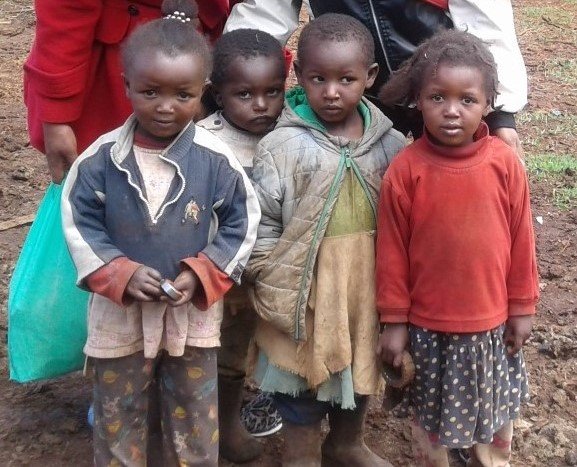
Lanet's IDP Community
For some families in Lanet, the word “home” means a place they had to leave almost two decades ago.
Many of the families living in this IDP community were displaced during the 2007–2008 post-election violence. Others were displaced during the ethnic clashes of the 1990s. They left their homes because it was no longer safe to stay. Years later, some are still living in the same community.
What was supposed to be a temporary place to stay became where families raised their children, found casual work when they could, and tried to make a life with what they had. For some, returning home was never an option. For others, there was simply nowhere else to go.
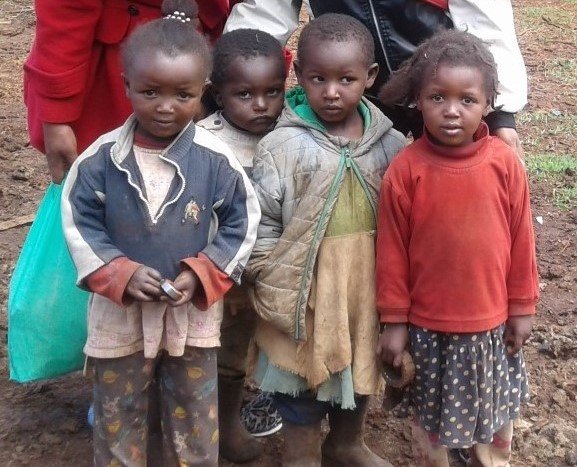
If you would like to help us stock the tuk-tuk for the next trip, your donation can help put food in the hands of another family in Lanet. Thank you for walking with us this far.
Links:
By Maggy June | Project Coordinator
By Maggy June | Program Assistant
Project reports on GlobalGiving are posted directly to globalgiving.org by Project Leaders as they are completed, generally every 3-4 months. To protect the integrity of these documents, GlobalGiving does not alter them; therefore you may find some language or formatting issues.
If you donate to this project or have donated to this project, you can receive an email when this project posts a report. You can also subscribe for reports without donating.



Support this important cause by creating a personalized fundraising page.
Start a Fundraiser