By Maggy June | Program Assistant
There is a particular kind of absence you only notice when you go looking for it.
In Nakuru East, within a low-income area known as Mzee Wanyama, much of that absence sits behind closed doors. The name “Mzee Wanyama,” loosely translated from Swahili as “the old man with meat,” doesn’t refer to a person, but to a place—one of those local names that carries history, character, and a quiet sense of humor.
Mzee Wanyama is a neighborhood where for years, residents depended on boreholes with high fluoride contamination because formal water utilities bypassed the area entirely. When water kiosks finally arrived in 2013, it felt like a miracle and not because water kiosks are extraordinary, but because clean, affordable water had been so rare.
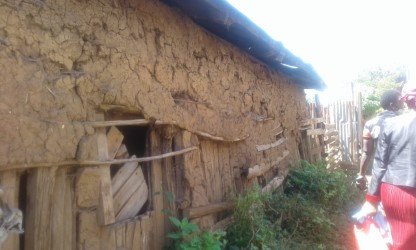
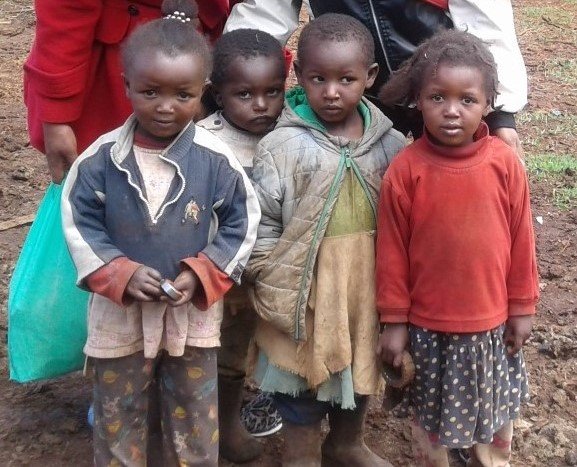
Within Mzee Wanyama is a section called Mwariki C, where economic hardship, isolation, and vulnerability compound quietly behind closed doors. Infrastructure arrives late here, if it arrives at all. Support systems are scarce. And the people who struggle most (the elderly, the sick, the disabled ) live largely invisible lives.
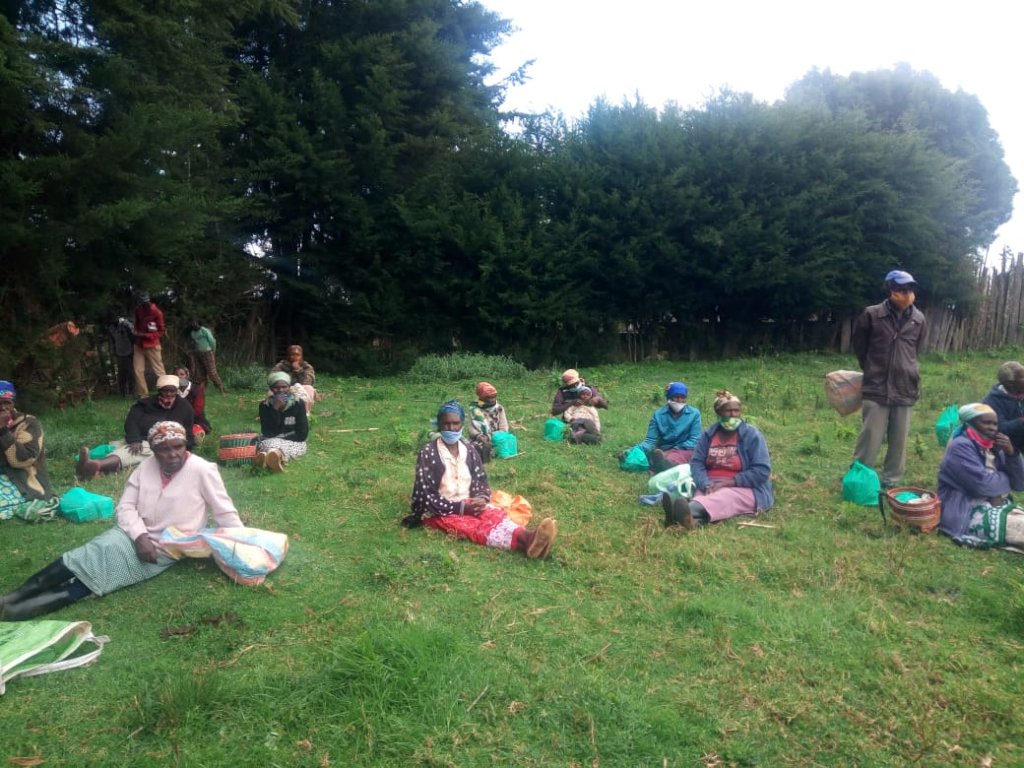
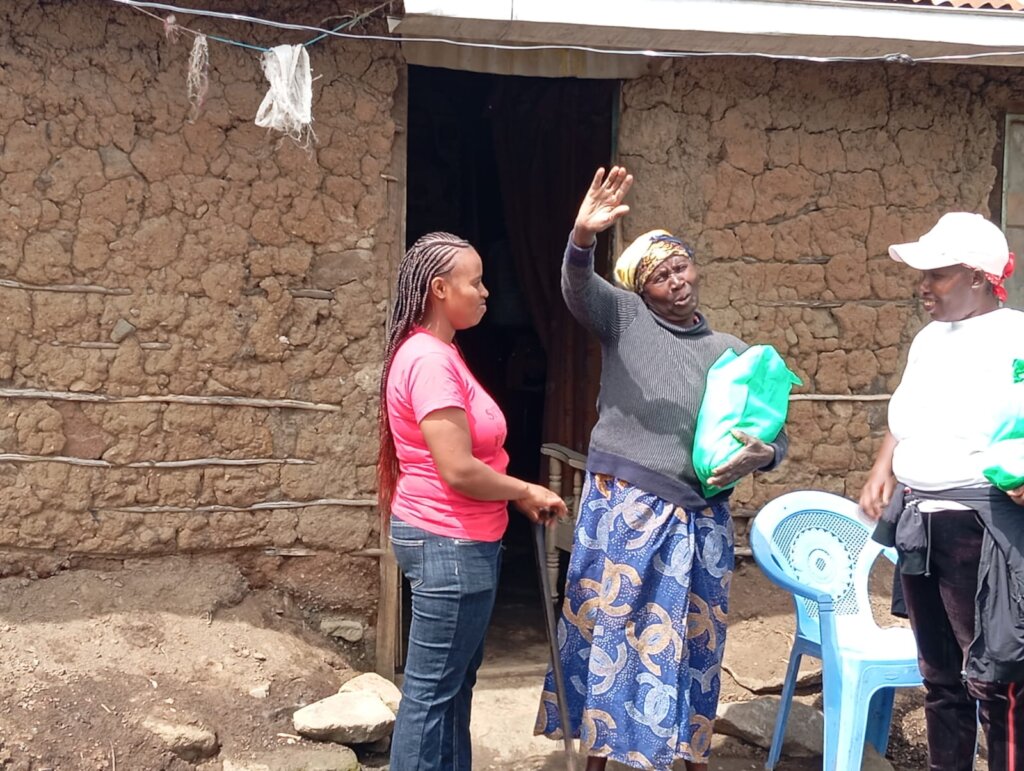
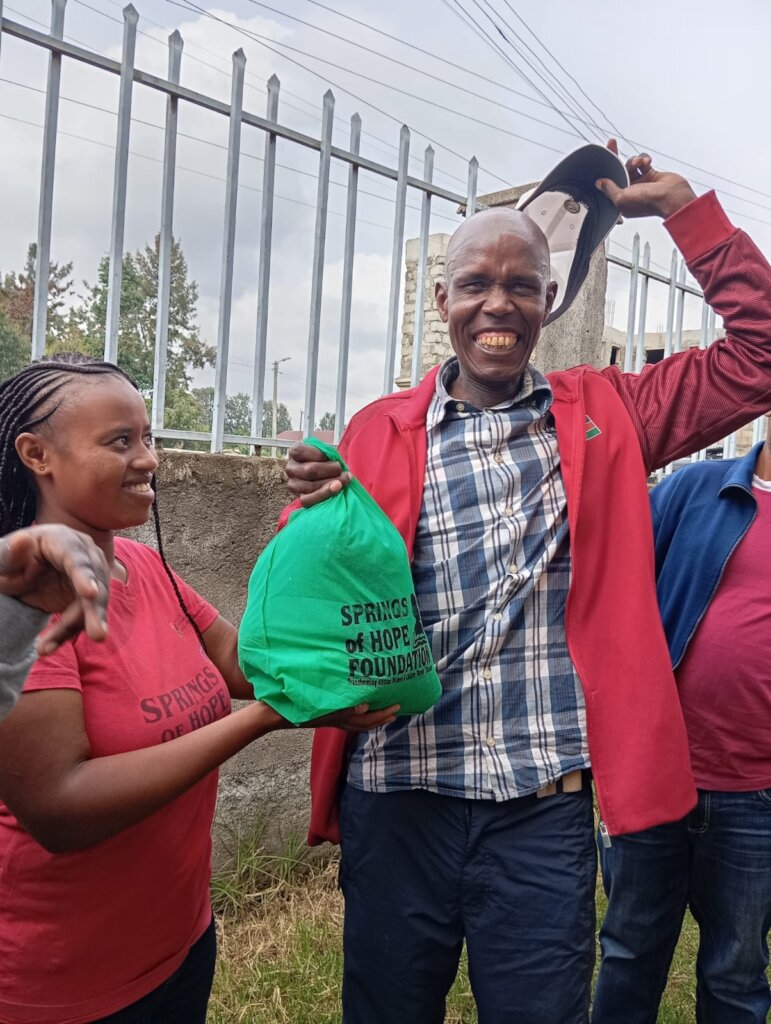
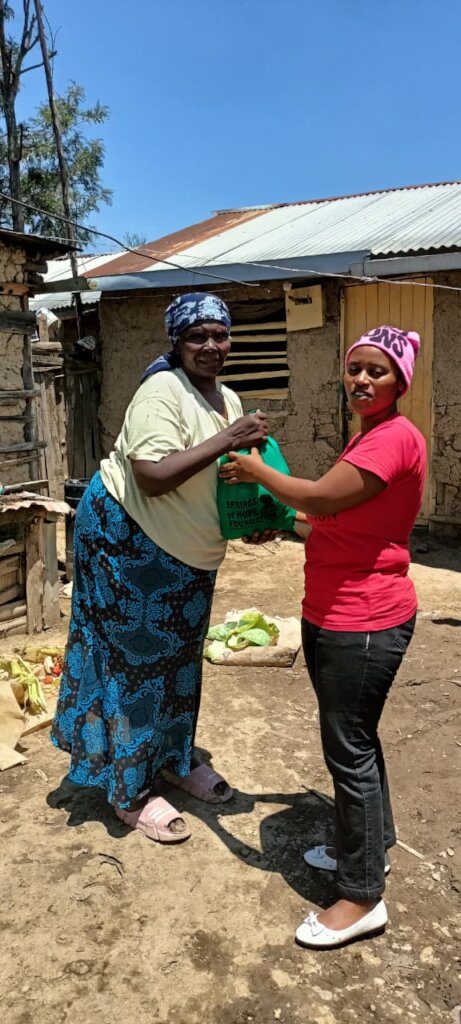
This is where we spent the week: going door to door, knocking on homes, reaching people who couldn't reach us.
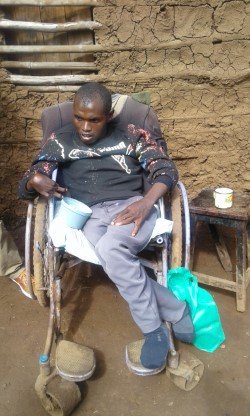
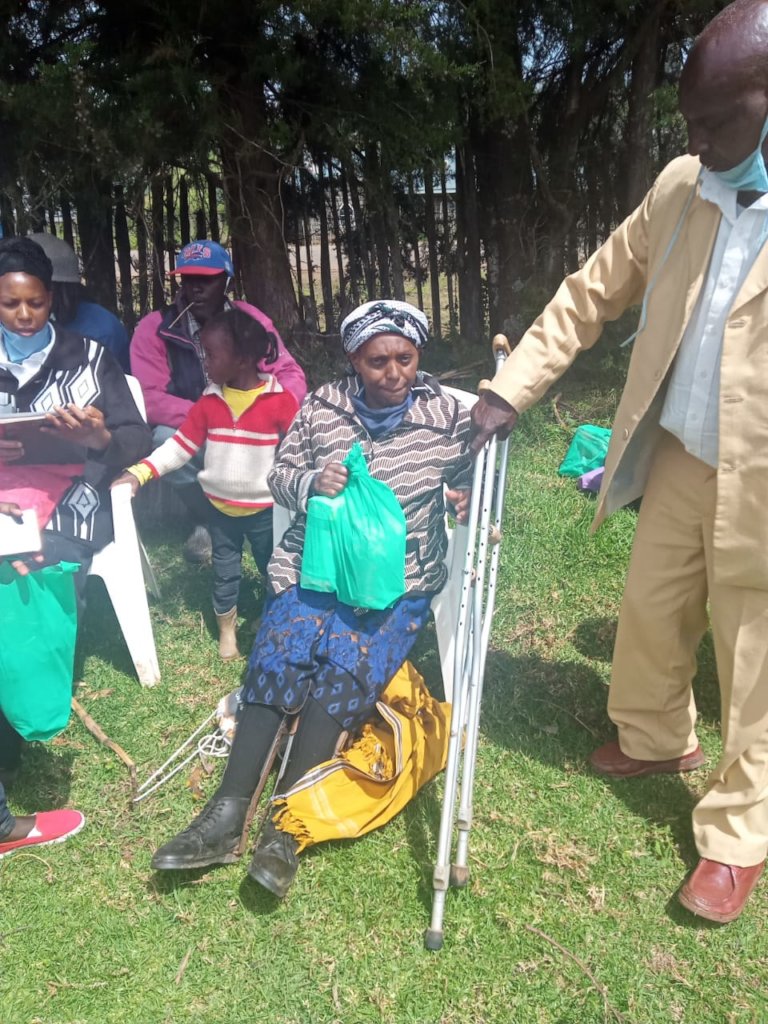
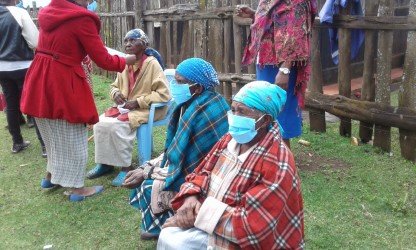
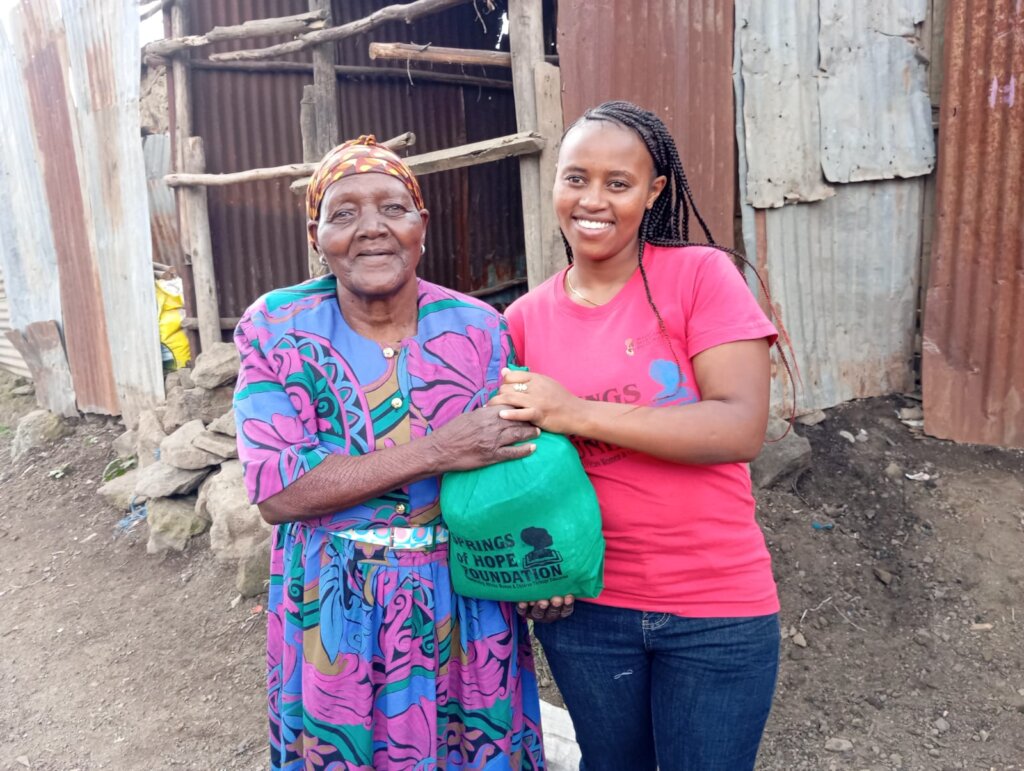
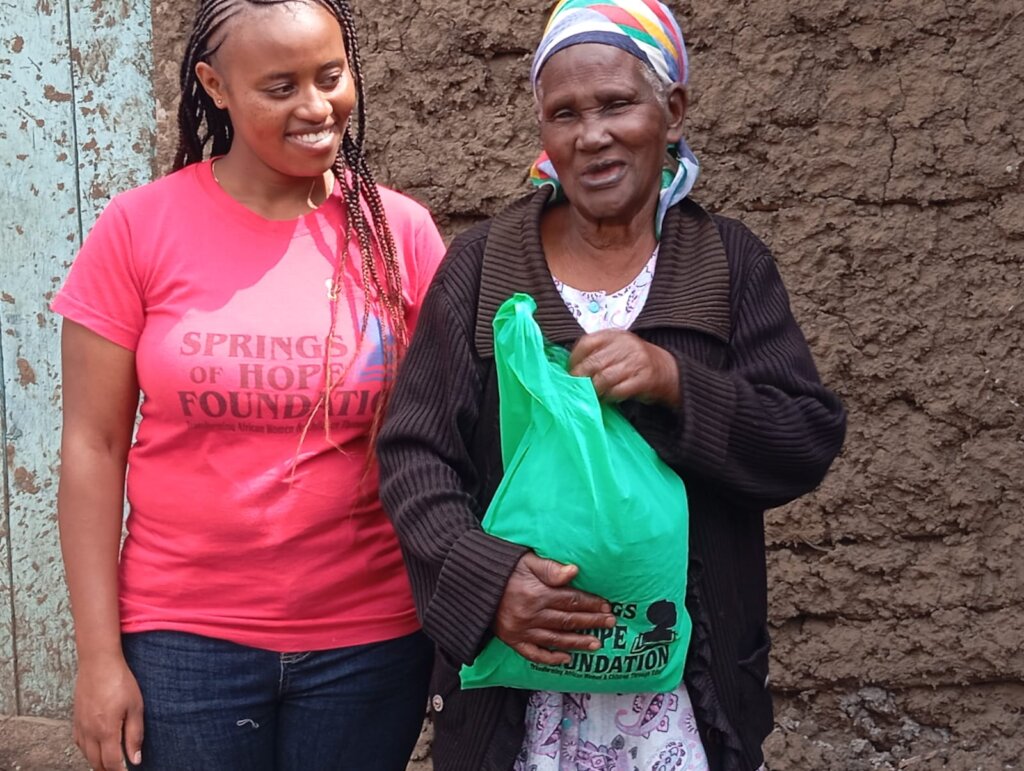
We met elderly individuals living alone, their families long gone in search of work elsewhere. We met people managing chronic conditions—HIV, hypertension, diabetes—without consistent access to food or healthcare. We met individuals living with disabilities, navigating daily life within the limits of mobility, cost, and isolation. And we met caregivers, often elderly themselves, responsible for family members who cannot care for themselves.
When Health Depends on What’s Available
We met James, a man in his 50s living with HIV and struggling to stay adherent to his antiretroviral treatment. He understands what his treatment requires; consistent medication, proper nutrition, routine care. But understanding does not remove the barriers he faces. Income is unpredictable. Food is not guaranteed. Healthcare comes with costs he cannot always meet.
He spoke quietly about the constant balancing act; what to prioritize when everything feels essential. For households like his, food is not separate from health. It is part of whether treatment works at all.
Barriers You Can’t Walk Past
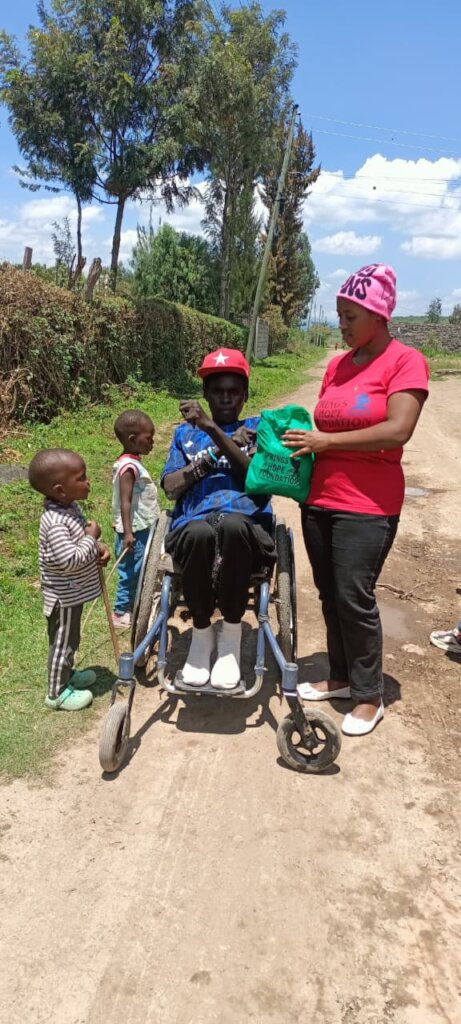
For individuals living with disabilities, distance is not just physical. It is structural.
Limited mobility, lack of accessible transport, and the cost of movement make even short trips difficult. A centralized distribution point may be nearby on a map—but in reality, it remains out of reach.
The Weight Carried at Home
In several households, we met caregivers, people whose time is fully taken up by looking after others.
One elderly mother is caring for her adult son, who has a severe disability. She cannot leave him alone. She cannot work. Her days are structured entirely around his needs.
When we visited, she did not speak at length. She simply said:
“Thank you for remembering us.”
What This Work Makes Possible
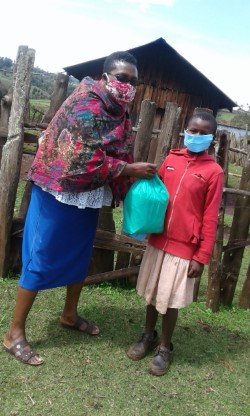
Through this outreach, 65 households received food support, prioritizing those most likely to be left out of traditional distribution models.
But the impact goes beyond what was delivered.
It allowed us to identify households facing deeper challenges—serious illness without consistent care, elderly individuals living without support, caregivers managing alone. It created a starting point for follow-up, for connection, for ensuring that these households are not entirely disconnected from help. And just as importantly, it shifted something less visible: the experience of being unseen.
Why This Approach Matters
In communities like Mzee Wanyama, need is not always visible in public spaces. It exists in private, shaped by age, illness, disability, and responsibility. If support only reaches those who can come forward, it will consistently miss those who cannot. Door-to-door outreach is what makes the work inclusive.
To Our Donors
Your support made it possible to reach 65 households in Mzee Wanyama—people who would not have been reached otherwise.
You reached individuals living in isolation, those managing chronic illness with limited resources, people facing mobility barriers that keep them out of sight, and caregivers carrying responsibilities few others see.
Your support extends beyond convenience and reaches where the need actually is.
Thank you for making that possible.
Links:
Project reports on GlobalGiving are posted directly to globalgiving.org by Project Leaders as they are completed, generally every 3-4 months. To protect the integrity of these documents, GlobalGiving does not alter them; therefore you may find some language or formatting issues.
If you donate to this project or have donated to this project, you can receive an email when this project posts a report. You can also subscribe for reports without donating.



Support this important cause by creating a personalized fundraising page.
Start a Fundraiser