By Jason Graber | Resource Development Officer
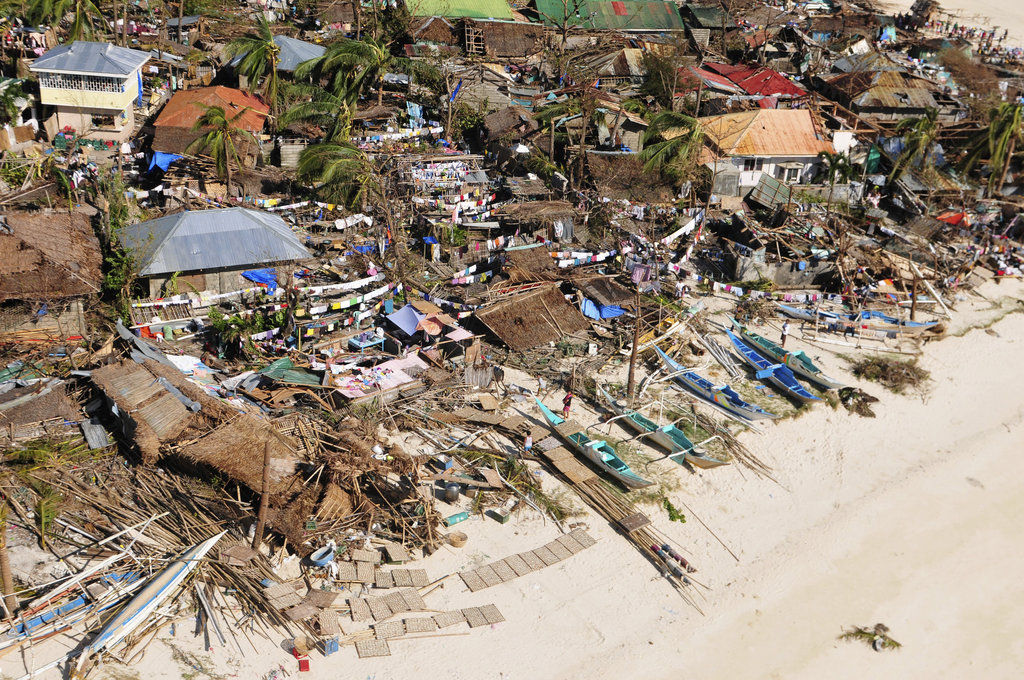
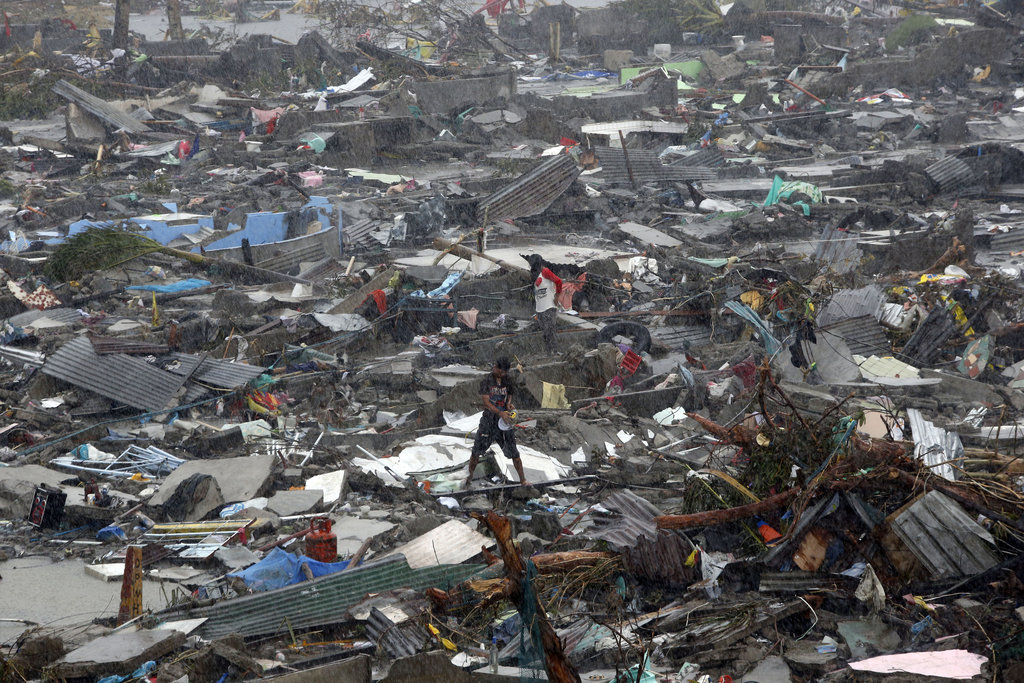
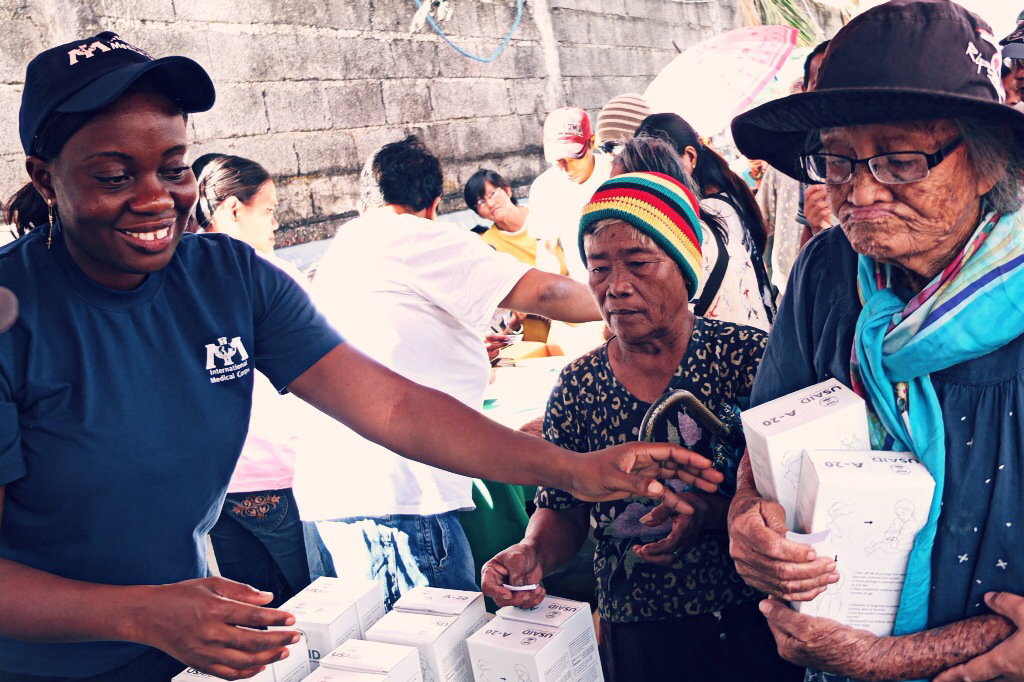
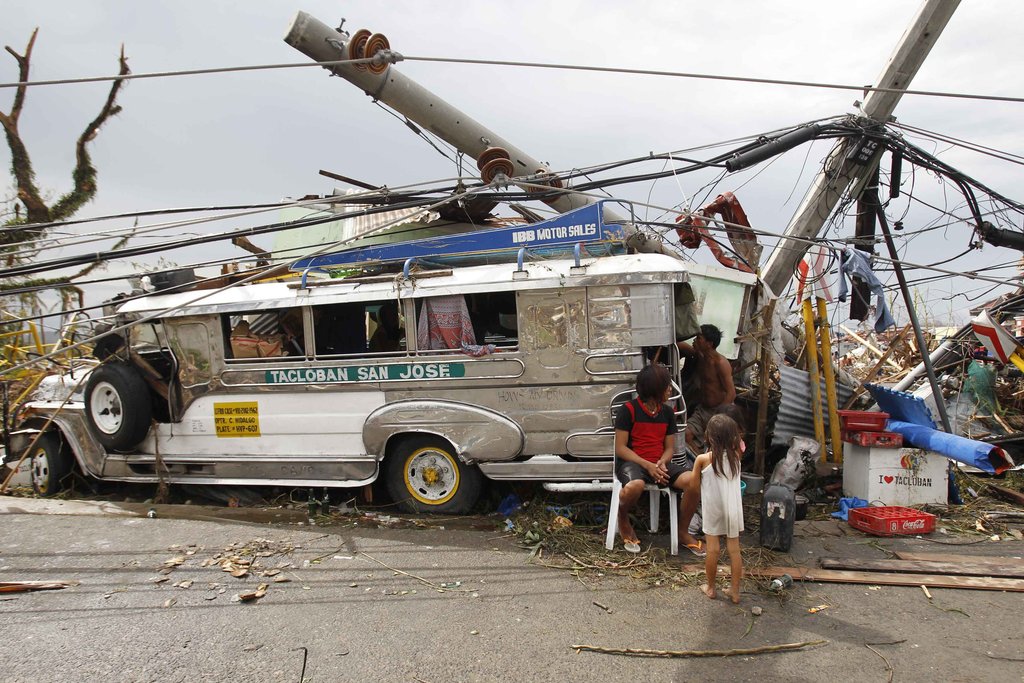
On November 8, 2013, Typhoon Haiyan passed through the Visayas Region of the Philippines with wind speeds equivalent to a Category 5 hurricane. The strongest storm of 2013, Typhoon Haiyan devastated parts of the provinces of Leyte, Eastern Samar, Capiz, and Cebu, affecting 14 million people and killing over 6,200. International Medical Corps was on the ground in the Philippines within 24 hours of Typhoon Haiyan, and began supporting a comprehensive emergency response. Rapidly implementing a network of mobile medical units, International Medical Corps was able to reach remote communities cut off from health care and basic services, providing over 14,625 health consultations in more than 80 villages.
As local capacity recovered and the need for direct humanitarian service delivery decreased, International Medical Corps shifted towards early recovery efforts in 17 municipalities in late December 2013, and established four programs in the areas of: health; nutrition; mental health; and water, sanitation, and hygiene (WASH) in schools. Through all of these programs, the goal is to support underserved and rural communities to “build back better. International Medical Corps was able to achieve the following in typhoon-affected areas from January until March 31, 2014:
The typhoon caused large-scale damage to local water and sanitation infrastructure, threatening the health status of vulnerable communities, and putting children, in particular, at risk for communicable diseases. To respond to this need, International Medical Corps launched an effort to repair or replace damaged toilets and hand-washing systems in over 100 local schools and reach more than 57,000 school children with improved WASH services. To date, International Medical Corps has rehabilitated the sanitation and water supply systems at 10 targeted typhoon-affected schools in 7 target municipalities in Leyte Province, including of Burauen, Dagami, Julita, La Paz, MacArthur, Mayorga and Tabon Tabon.
At San Roque Elementary School in Tanauan Municipality, only one classroom was left standing after the typhoon, and the devastation to San Roque Elementary resembles many schools in the area. “Our school was devastated; many of the roofs and walls of our buildings were destroyed. We have 11 classrooms of students and no toilet” says Patricia Andrin, the Principal of San Jose Elementary School. International Medical Corps has since rebuilt the roofs on the bathrooms and installed a new hand-washing station at San Roque Elementary School.
In addition to physically rehabilitating sanitation and hygiene infrastructure, International Medical Corps is also focused on training and educating local communities about proper hygiene practices to ensure optimal health. Through its comprehensive water, sanitation and hygiene (WASH) program, International Medical Corps is providing information and education on WASH and related health issues.
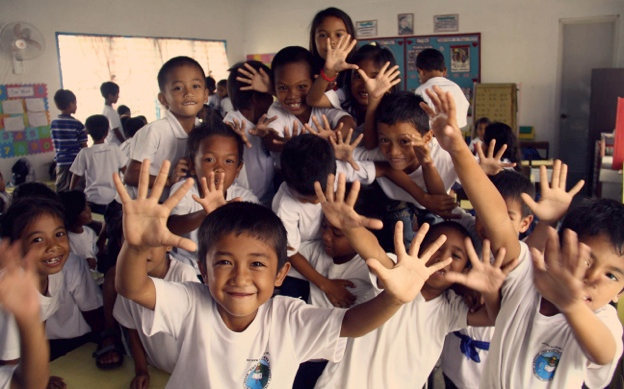
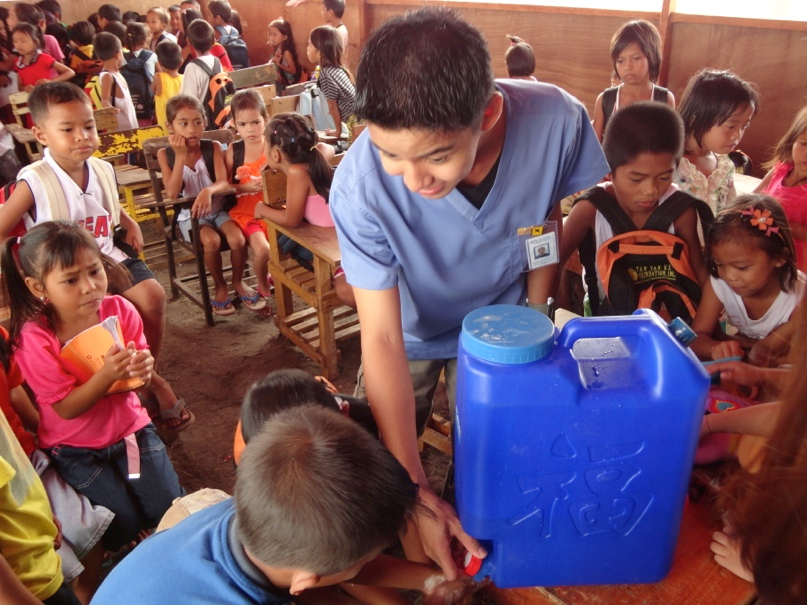
International Medical Corps recently sent nurses to San Roque Elementary to teach the 150 students about the importance of using their new hand-washing station. This was the first training session on hygiene promotion that will eventually reach over 130 schools in Western, Central and Eastern Leyte.
“As a nurse, I can see the benefits of the WASH program because it helps prevent the spread of water-borne pathogens,” said Priscilla, a member of the International Medical Corps’ hygiene promotion team. “A big concern of our program is to involve every child, because they are prone to illness. I know it is not easy to change these daily routines, but I am excited to make a difference.”
By Jason Graber | Resource Development Officer
By Jason Graber | Resource Development Officer
Project reports on GlobalGiving are posted directly to globalgiving.org by Project Leaders as they are completed, generally every 3-4 months. To protect the integrity of these documents, GlobalGiving does not alter them; therefore you may find some language or formatting issues.
If you donate to this project or have donated to this project, you can receive an email when this project posts a report. You can also subscribe for reports without donating.