By Kimberly Laney | Resource Development Officer
With this disaster more than three years behind us now, this update will be the final one for the Emergency Relief for Super Typhoon Haiyan Victims project. International Medical Corps has transitioned from emergency relief for the victims and is focusing on projects that build self-reliance. Teams remain in the Philippines, reaching communities in need with nutrition, hygiene, and sexual and reproductive health care. Thank you for supporting International Medical Corps and our GlobalGiving projects. To continue supporting International Medical Corps’ emergency efforts, please visit our “Provide Lifesaving Relief to Drought Victims” project, where International Medical Corps is responding to the urgently needed care for those most affected by the worsening drought in Ethiopia.
https://www.globalgiving.org/projects/provide-lifesaving-relief-to-drought-victims/
International Medical Corps’ Emergency Relief for Super Typhoon Haiyan Victims Update
Dr. Asunción, a neonatal specialist from the University of the Philippines, recalls that, “When Haiyan happened, we were given the window to say that it is not just about restoring buildings, but also about restoring skills.”
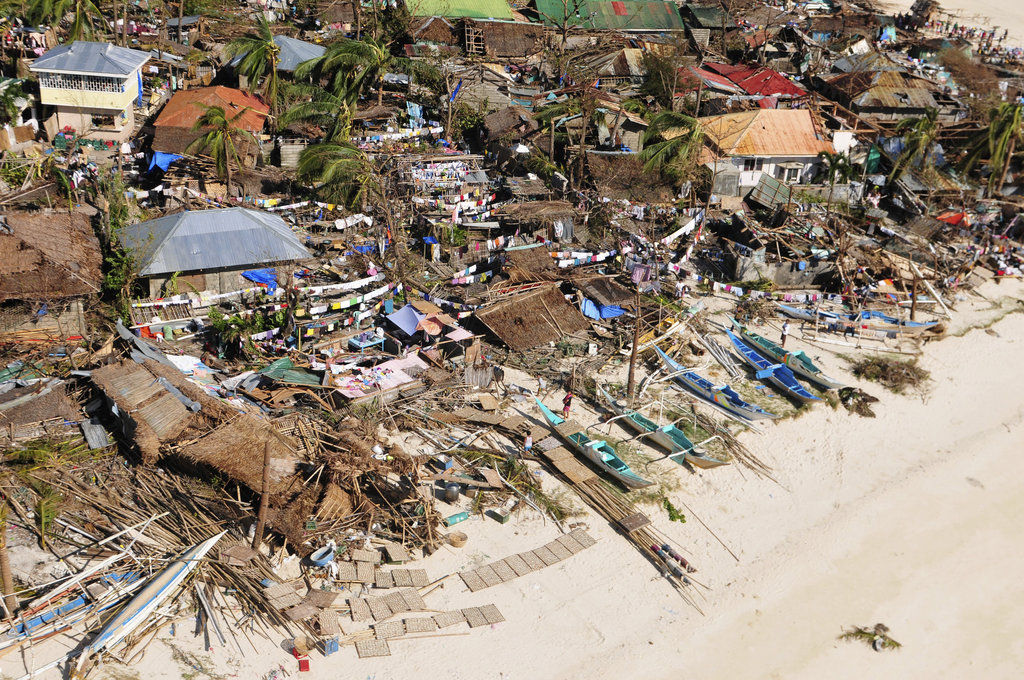
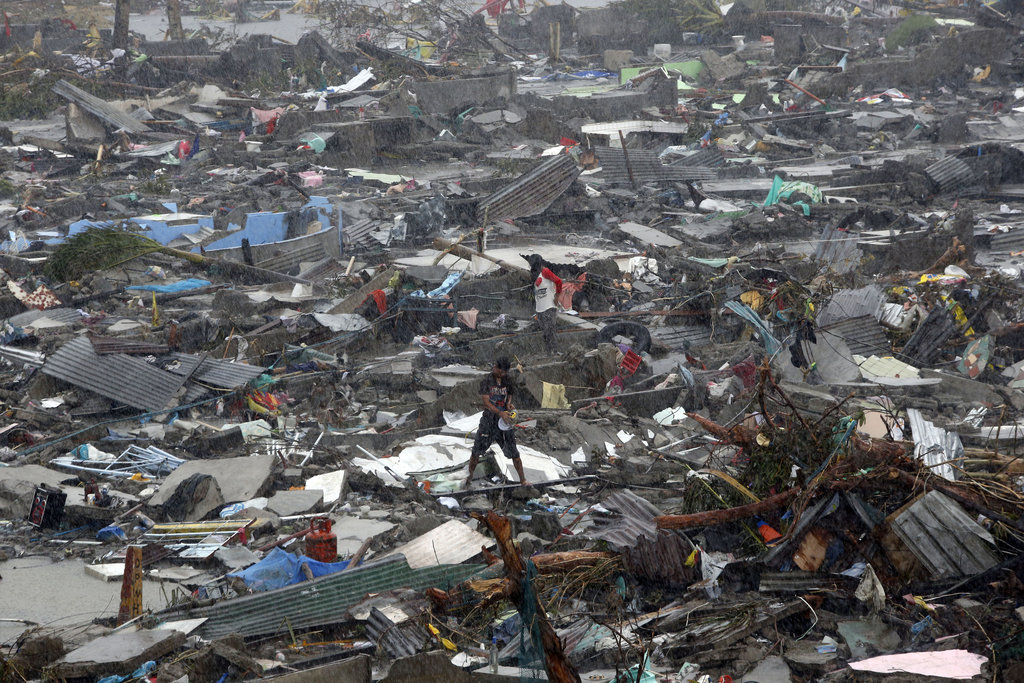
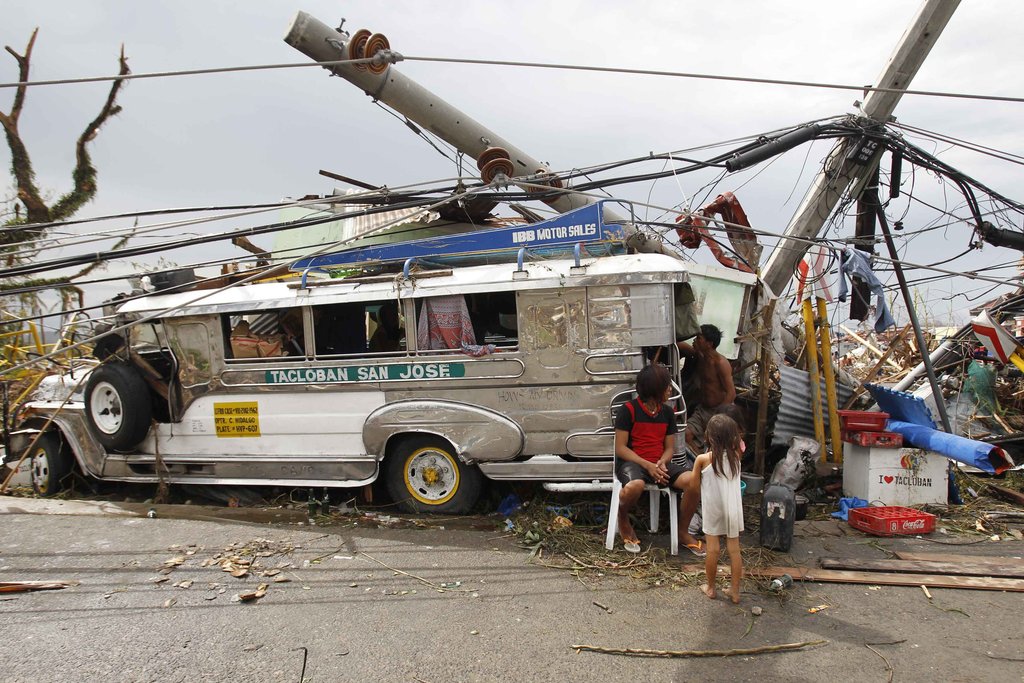
On November 8, 2013, Super Typhoon Haiyan made landfall in the Philippines, affecting 14 million people across nine regions of the country. Claiming more than 6,000 lives and damaging more than one million homes, the typhoon left widespread devastation.
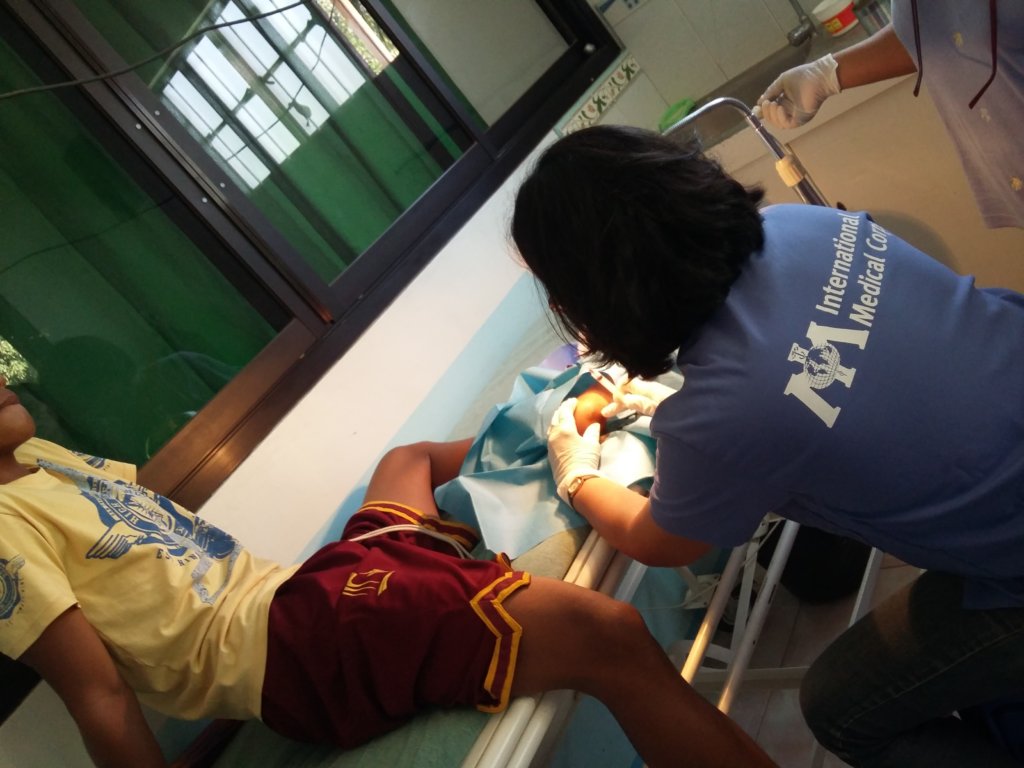
Within 24 hours of the typhoon, International Medical Corps was on the ground. Our comprehensive emergency response included deploying mobile medical units to reach some of the most remote and rural areas of Guiuan, Roxas, and Tacloban with primary, reproductive services and psychological first aid. The units also addressed water and sanitation needs since the typhoon wiped out sources of clean water and latrines, and screened children and adults for malnutrition, since so many people were unable to find enough to eat.
We took Dr. Asunción's notion one step further, not only focusing on restoring skills but also restoring communities—and building them back better. Teams rehabilitated devastated health and water infrastructure, increased care to prevent and treat malnutrition, and helped integrate mental and psychosocial support into primary care, training medical workers and community members all along the way.
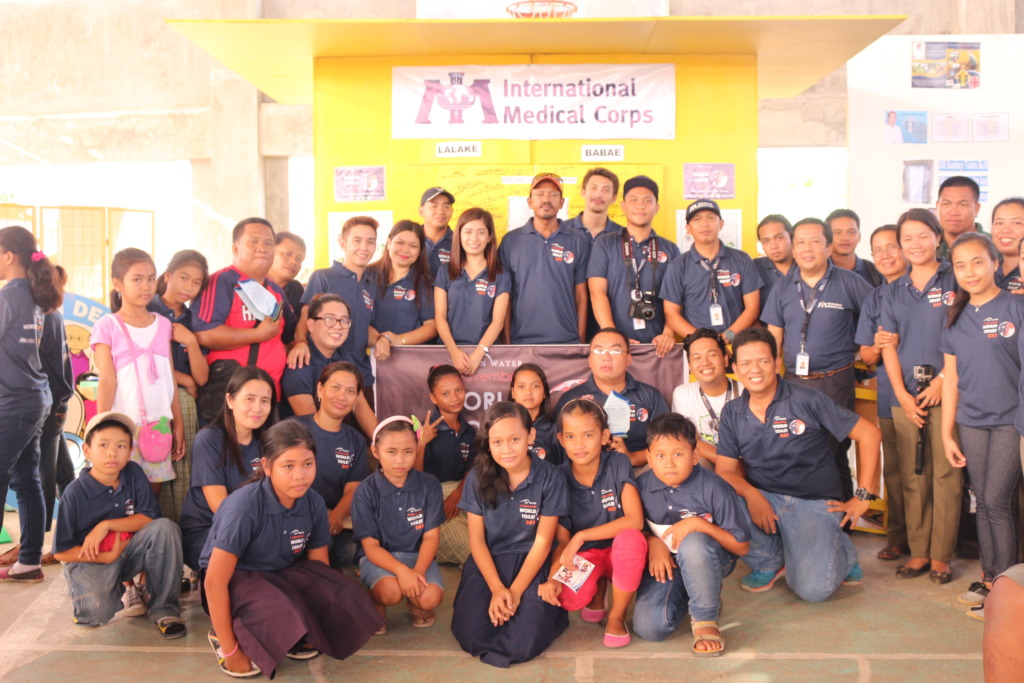
Today, International Medical Corps’ rehabilitated health facilities provide 15,000 people with access to medical care. Moreover, more than 320,000 community members are benefitting from increased medical supplies, equipment, and pharmaceuticals from an additional 26 supported health facilities. We trained hundreds of health workers on skills related to adolescent sexual and reproductive health, sexually transmitted infections and HIV diagnosis and treatment, and on proper measuring and record-keeping of vital signs such as blood pressure, heart rate, body temperature, and respiratory rate. Through outreach, we educated communities about healthy behaviors—for example, about the importance of seeking antenatal and postnatal care for women and their newborns.
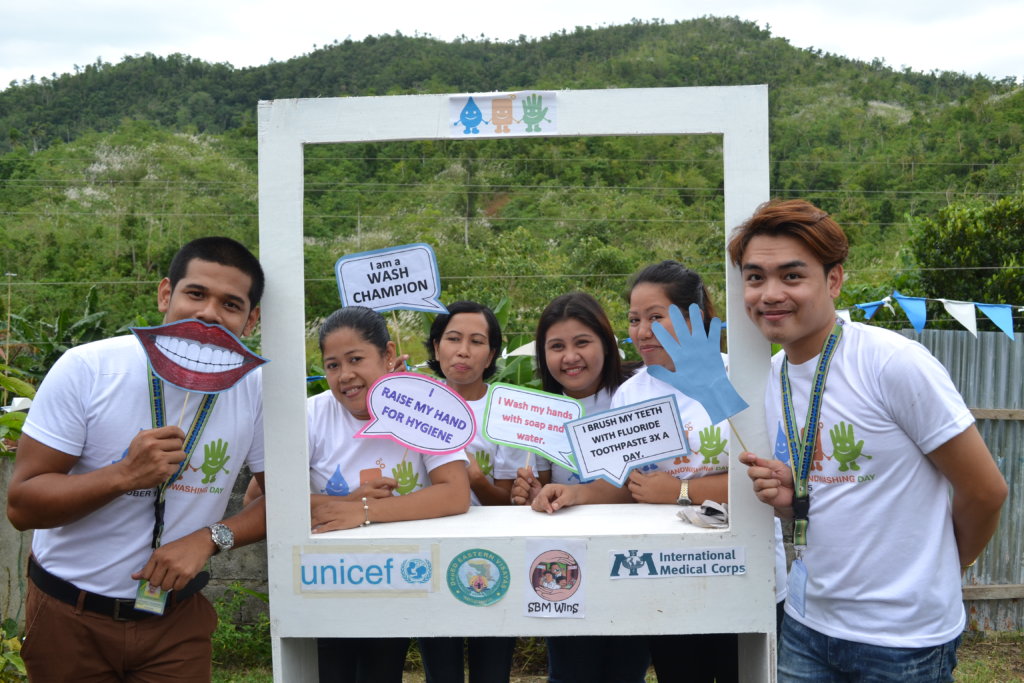
Today, nearly 53,000 people in typhoon-affected areas live in open-defecation free communities and maintain handwashing facilities in their homes. International Medical Corps improved hygiene and sanitation practices, working both in schools and in the local communities to rehabilitate destroyed water and sanitation systems, train individuals and families on proper hygiene practices, eliminate open defecation, and distribute hygiene materials like soap, toothbrushes and toothpaste.
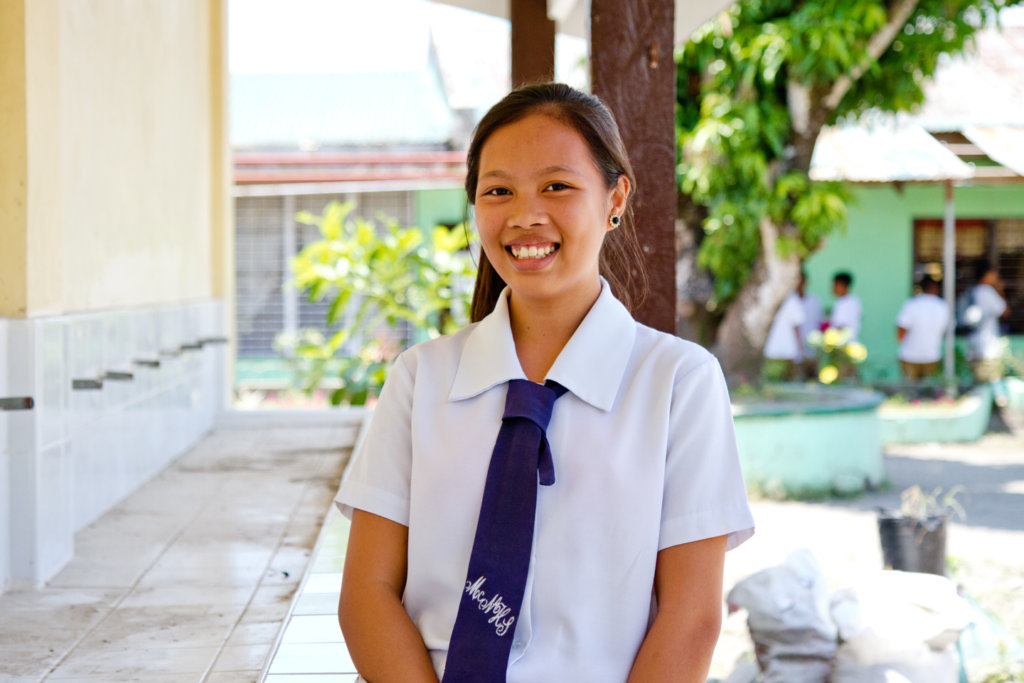
Staff trained more than 440 teachers and students to act as hygiene champions, who speak to their communities about safe food preparation, recycling, garbage disposal, proper tooth brushing and handwashing practices, as well as proper hygiene while using latrines. Our water, sanitation and hygiene teams provided 57 schools with rehabilitated handwashing stations and built latrines to support over 12,000 households in typhoon-affected communities.
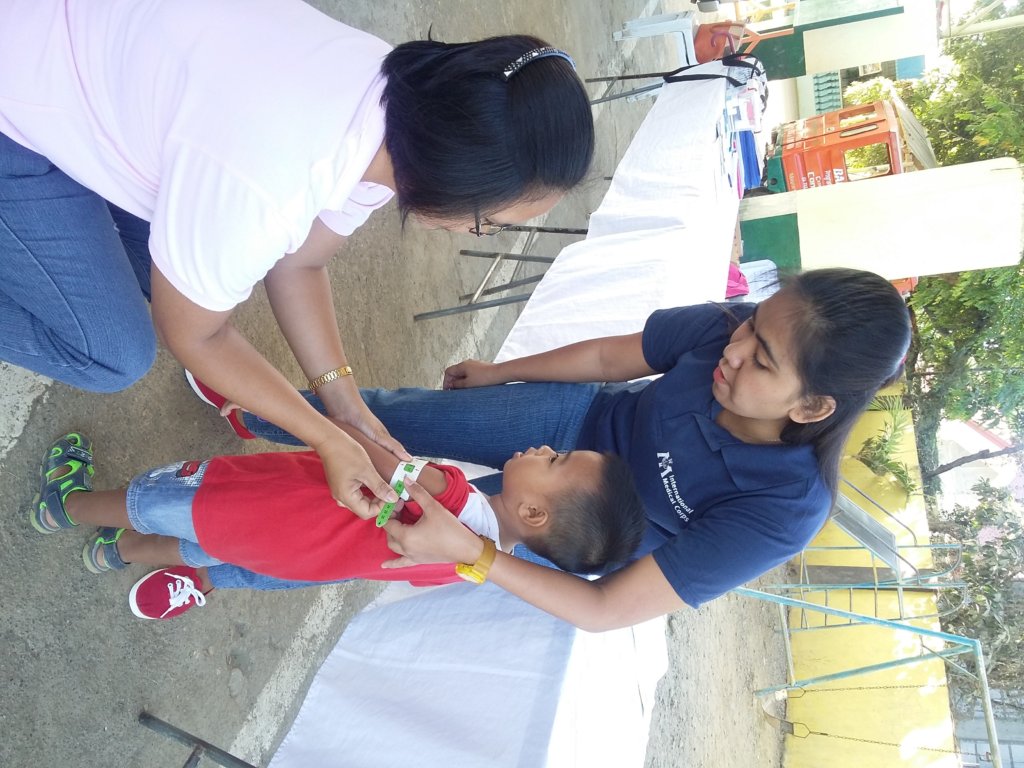
Our teams did not stop there. Nutrition staff trained Department of Health workers to detect and treat cases of malnutrition and screened nearly 40,000 children between 6 and 59 months for acute cases. International Medical Corps emphasized the prevention of malnutrition through optimal infant and young child feeding and care practices, including the promotion of breastfeeding and provision of cooking demonstrations to prepare nutrient dense foods.
To increase the capacity for national staff and local communities to promote psychosocial well-being, and prevent or treat mental health concerns, International Medical Corps trained social workers, police officers, and guidance counselors to provide psychosocial support in their communities and trained an additional 68 health workers on the World Health Organization’s Mental Health Gap Action Program, which addresses treatment and care for people suffering from depression, schizophrenia, and epilepsy.
It is with the generous support of GlobalGiving and other donors that International Medical Corps is able to build upon Dr. Asunción’s sediments, not only restoring, but buildling build back better. We are extremely thankful for your support, enabling these lifesaving interventions.
By Kimberly Laney | Resource Development Officer
By Robert Rutherford | Resource Development Officer
Project reports on GlobalGiving are posted directly to globalgiving.org by Project Leaders as they are completed, generally every 3-4 months. To protect the integrity of these documents, GlobalGiving does not alter them; therefore you may find some language or formatting issues.
If you donate to this project or have donated to this project, you can receive an email when this project posts a report. You can also subscribe for reports without donating.