By Kelli Maddock | Resource Development Officer
In December 2013, a young boy was infected with Ebola in Guinea from bats. Over two years later, the largest outbreak in history was declared over with an accumulated 28,616 confirmed cases and 11,320 deaths across ten countries, including the United States.
International Medical Corps was in West Africa from the very beginning of that outbreak, just like we have been responding from the very beginning of the ongoing outbreak in the Democratic Republic of the Congo. Now the second largest outbreak in history, according to the World Health Organization Regional Office for Africa’s September 18, 2019 report, there have already been 3,145 confirmed or suspected cases of Ebola and 2,098 deaths across two countries and 37 health zones.
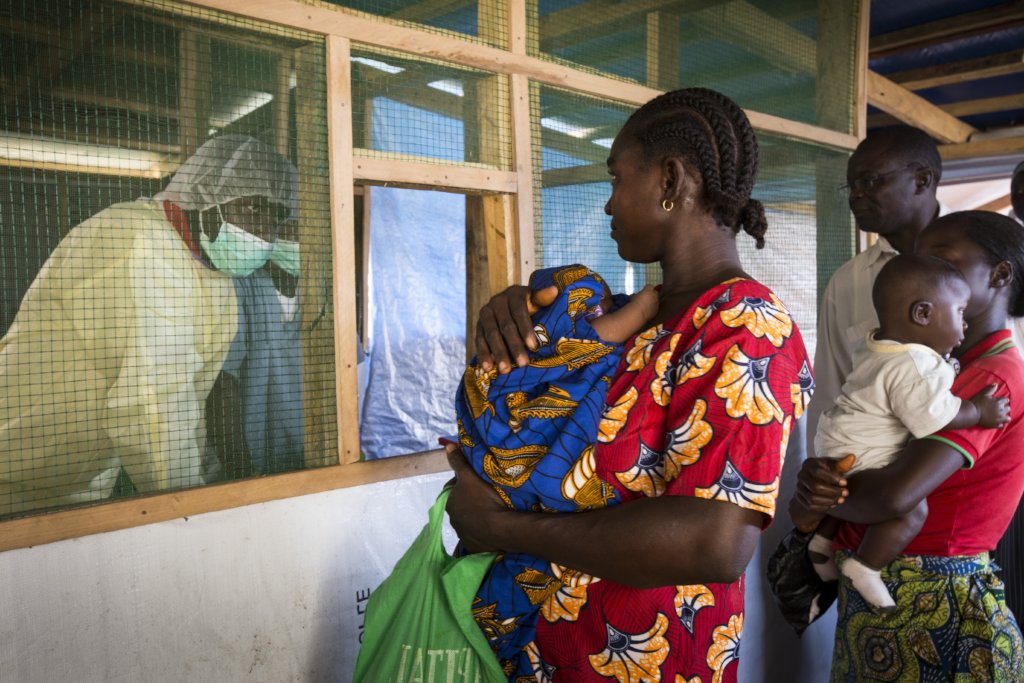
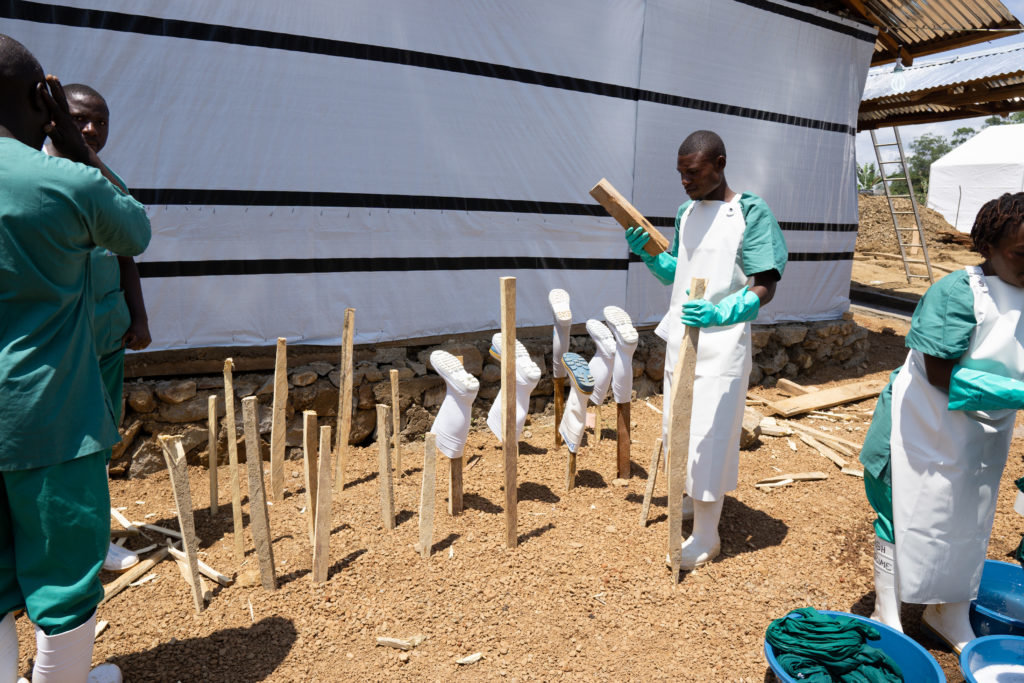
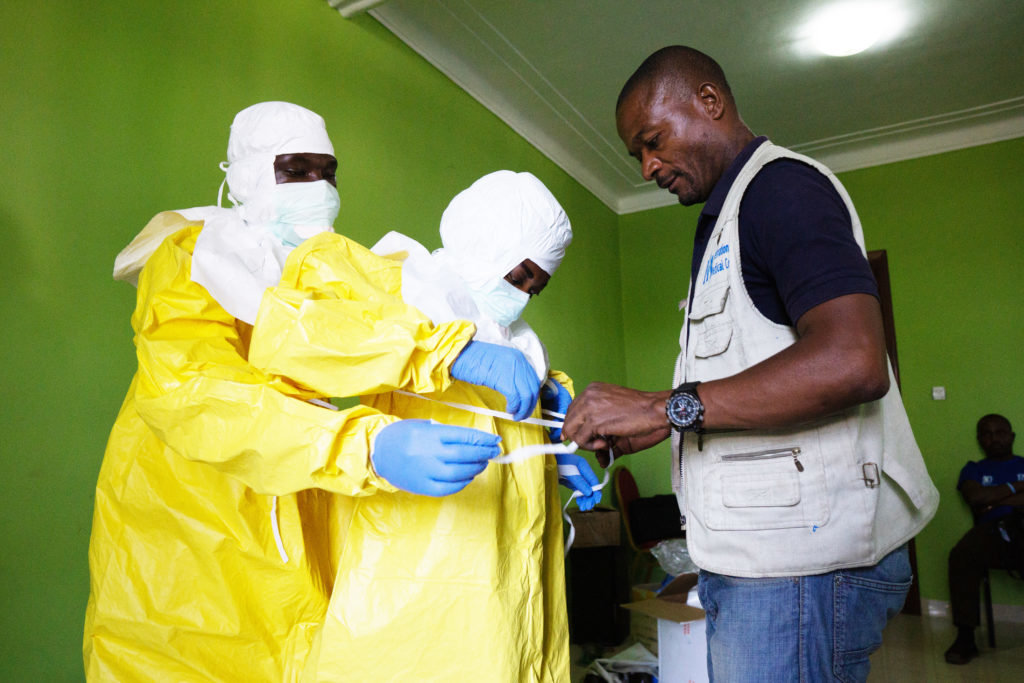
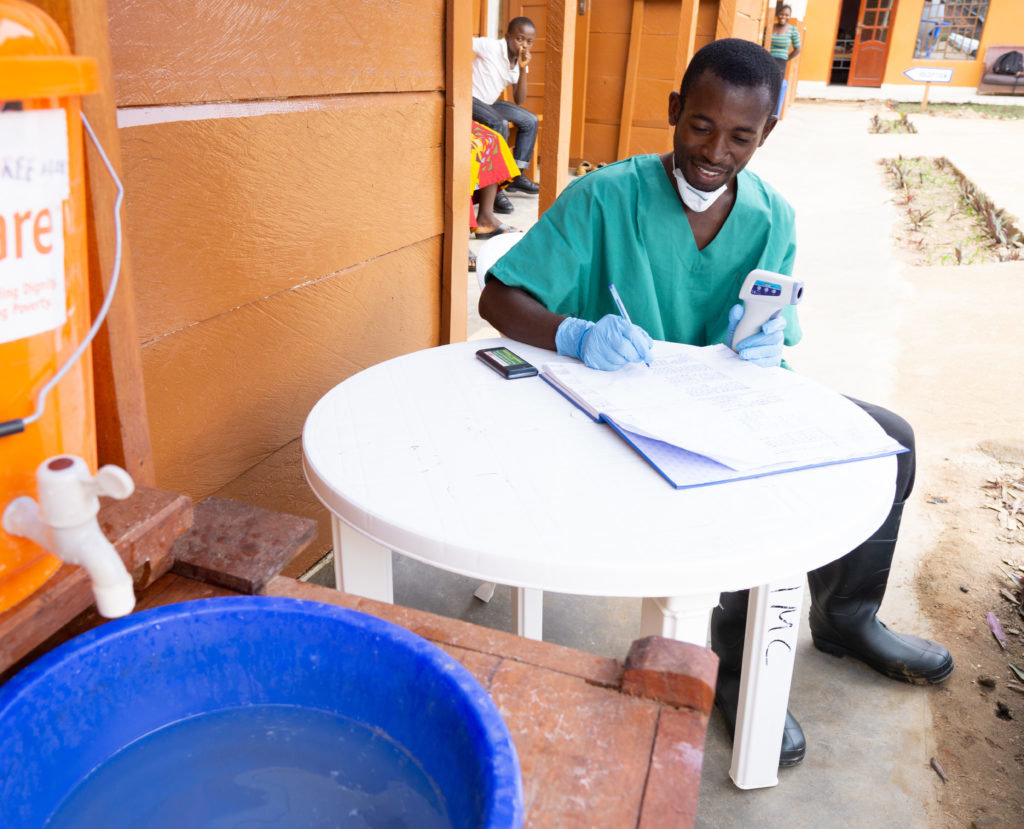
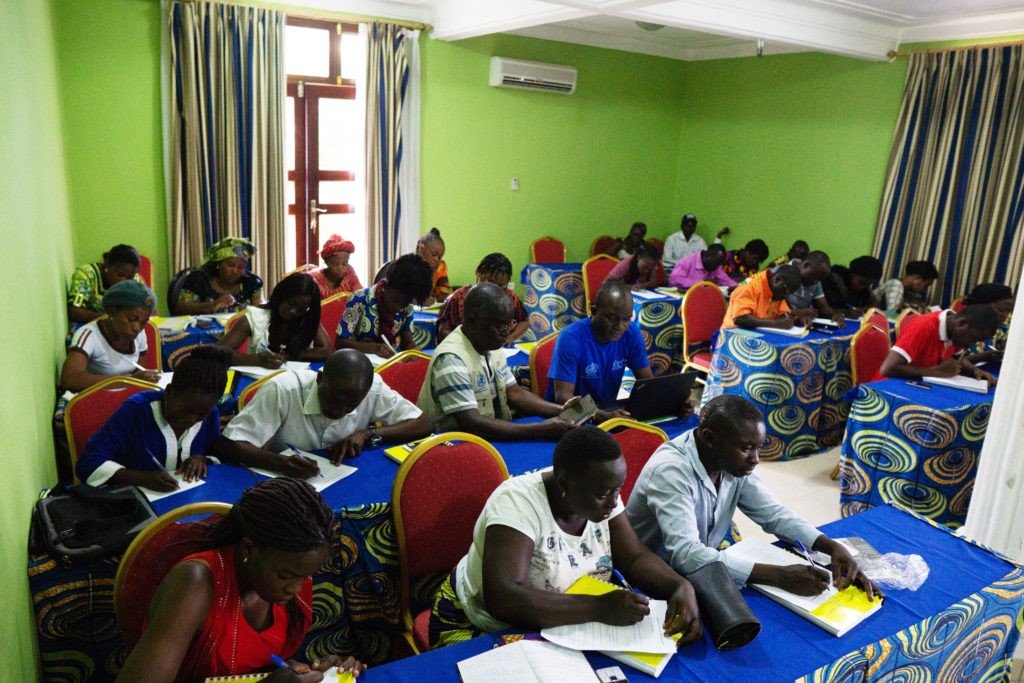
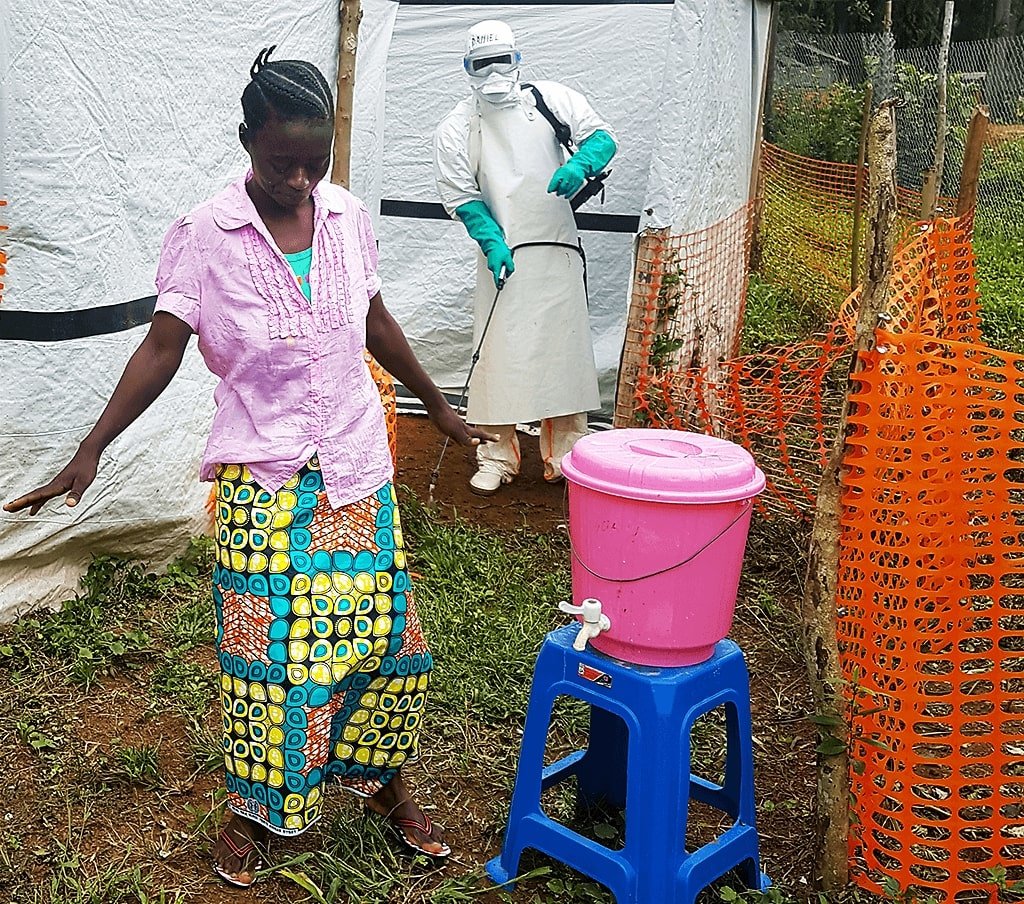
During the 2014-2016 West Africa Ebola Outbreak, International Medical Corps trained more than 5,000 health and technical workers in Ebola case management and infection prevention and control. We supported five Ebola Treatment Centers that cared for 2,678 patients, including 460 Ebola-positive patients. Finally, we constructed 27 screening and referral units that had conducted more than 670,000 screenings by mid-2016.
Since August 2018, in this current outbreak in the Democratic Republic of the Congo, International Medical Corps has already trained more than 1,700 health and technical workers on infection prevention and control and other topics related to Ebola response. We have staffed two Ebola Treatment Centers that have cared for 1,407 patients, including more than 260 confirmed cases, and our teams have constructed 48 screening and referral units that have conducted more than 1 million screenings. While it is difficult to compare responses, one of the differences is reduced media attention on the current outbreak. Public interest is often tied directly to funding availability, impacting nonprofit organizations, such as International Medical Corps.
What’s Going on This Time?
Treatments. Though cases continue to rise, preliminary data from the clinical trial in which our team in DRC is participating are very positive and signal potential game-changing Ebola treatments that will be used in this and future outbreaks. Two of the experimental Ebola treatments that were trialed appear to greatly increase survival rates. These two therapies will now be offered to all patients in the DRC.
International Medical Corps was one of three humanitarian non-governmental organizations that were part of this trial. Dr. Adam Levine, International Medical Corps’ Director of the Ebola Research Project, said, “This Ebola therapeutics trial is the largest ever conducted and the first to be run in the middle of a conflict zone. International Medical Corps is proud to be one of the few organizations participating in this groundbreaking trial, which will not only help us find better treatments for this deadly disease but also likely alter the humanitarian community’s approach to research for decades to come.”
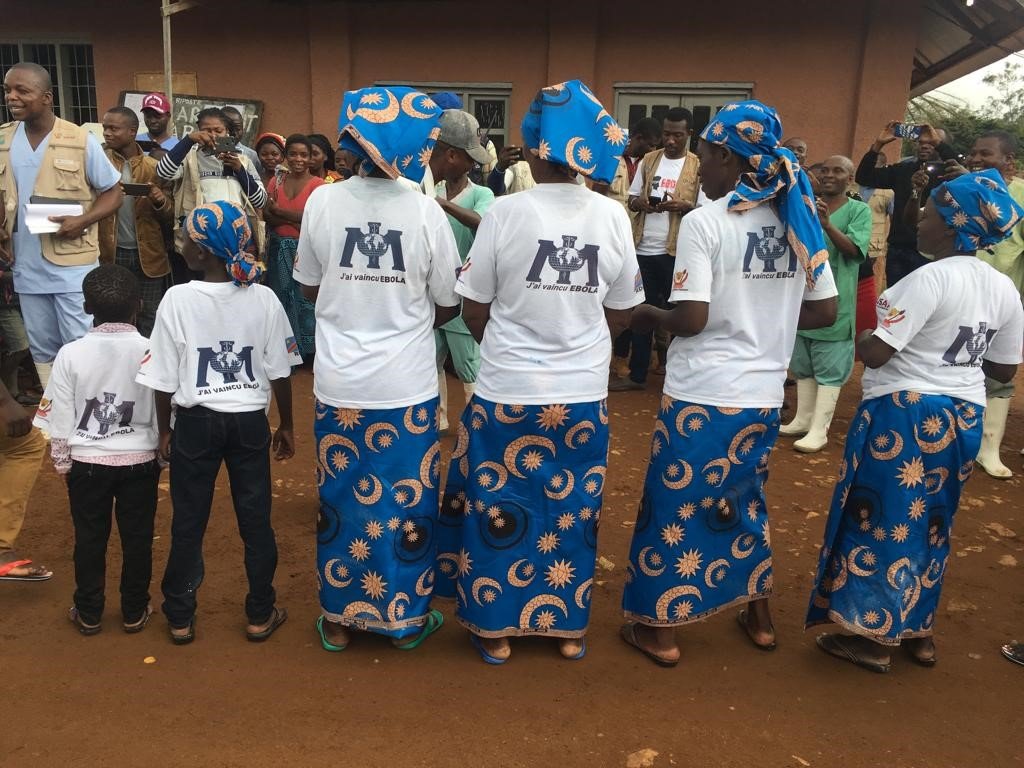
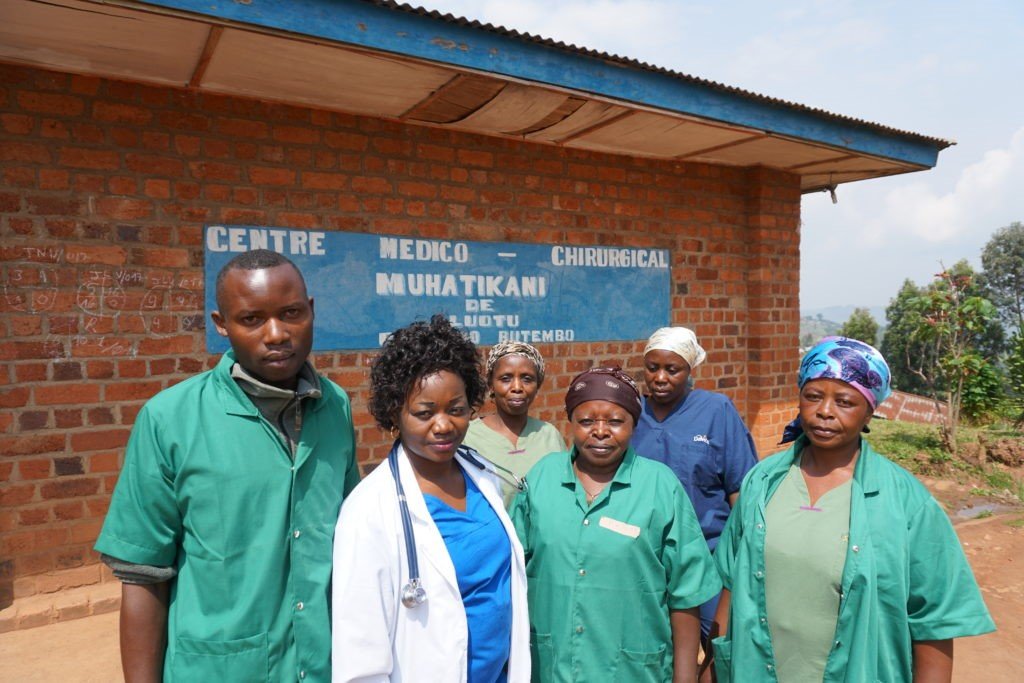
Psychosocial Support. International Medical Corps is collaborating with the Ministry of Health to provide psychosocial support to patients and their families at our Mangina treatment center, and to survivors as they rejoin their communities.
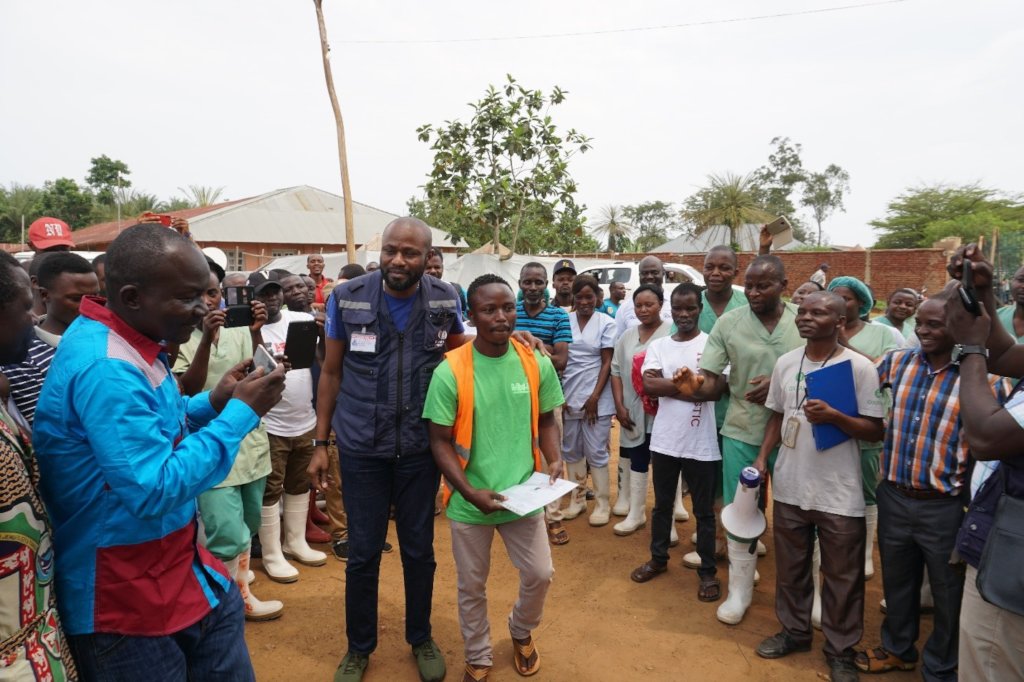
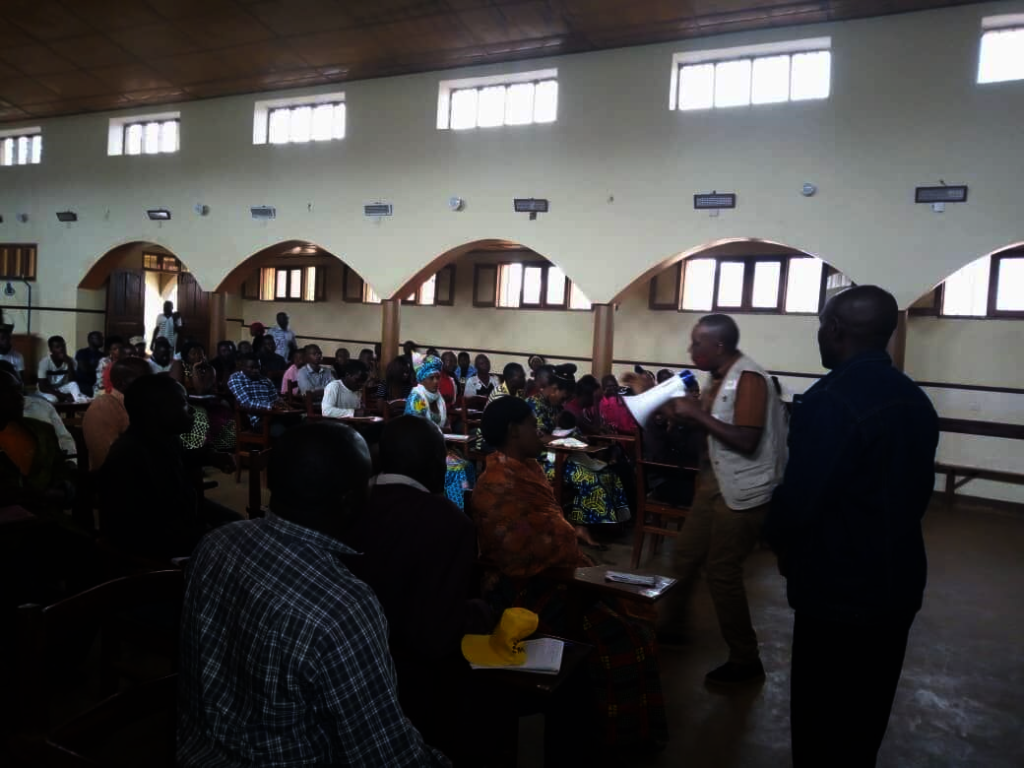
Community Engagement. International Medical Corps is engaging the community in Ebola surveillance through networks of Community Health Workers. Because of the widespread fear and misinformation related to Ebola, these healthcare workers are conducting household visits, hosting educational talks and leading mass sensitization sessions to spread awareness of the realities of the disease. Trained to recognize Ebola signs and symptoms, they play a key role in discovering new cases and tracing contacts. International Medical Corps’ community engagement activities have reached nearly 64,000 people.
Vaccinations. Healthcare professionals are using what is called a “vaccination ring,” or vaccinating everyone who has come in contact with an infected person, to prevent the spread of the disease. However, misinformation and fear of the government have often prevented healthcare professionals from being completely effective.
Thanks to the GlobalGiving community and other donors, for continually enabling access to cutting-edge services for Ebola patients and survivors and their family members.
By Tyler Marshall and Kelli Maddock | Communications and Resource Development
By Kelli Maddock | Resource Development Officer
Project reports on GlobalGiving are posted directly to globalgiving.org by Project Leaders as they are completed, generally every 3-4 months. To protect the integrity of these documents, GlobalGiving does not alter them; therefore you may find some language or formatting issues.
If you donate to this project or have donated to this project, you can receive an email when this project posts a report. You can also subscribe for reports without donating.