By Kencho Tshering | Programme/Communications Officer
Local Exchange Programme
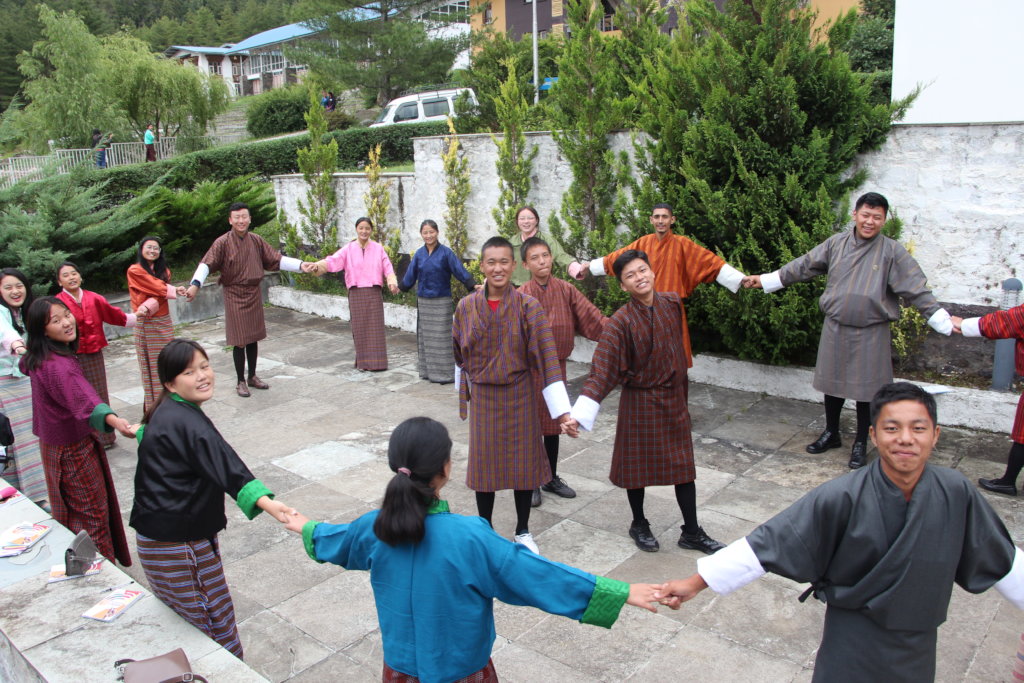
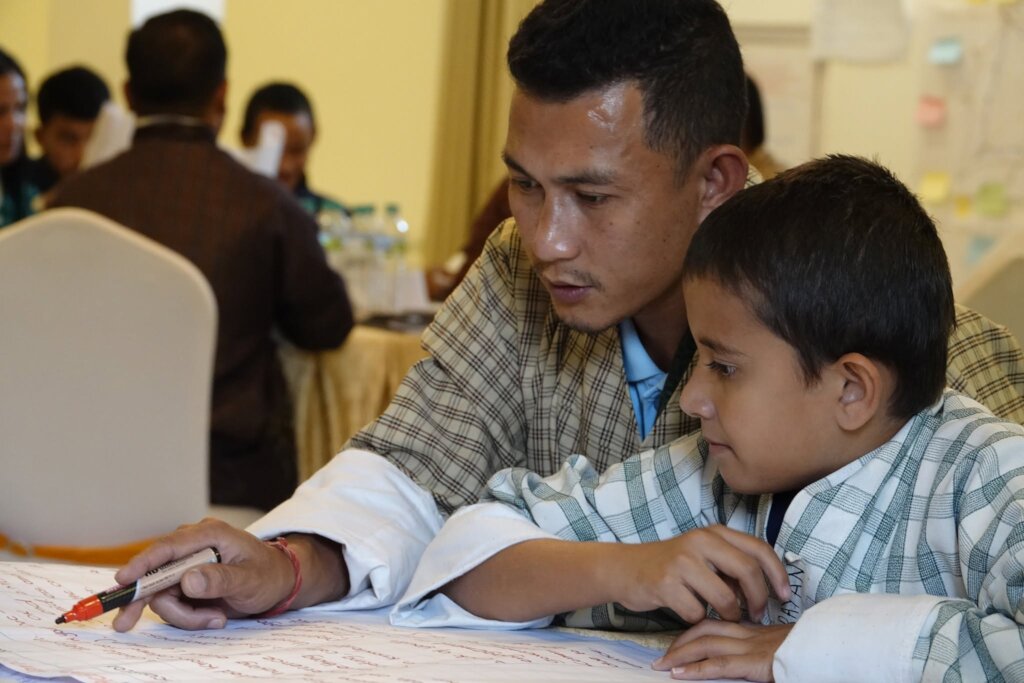
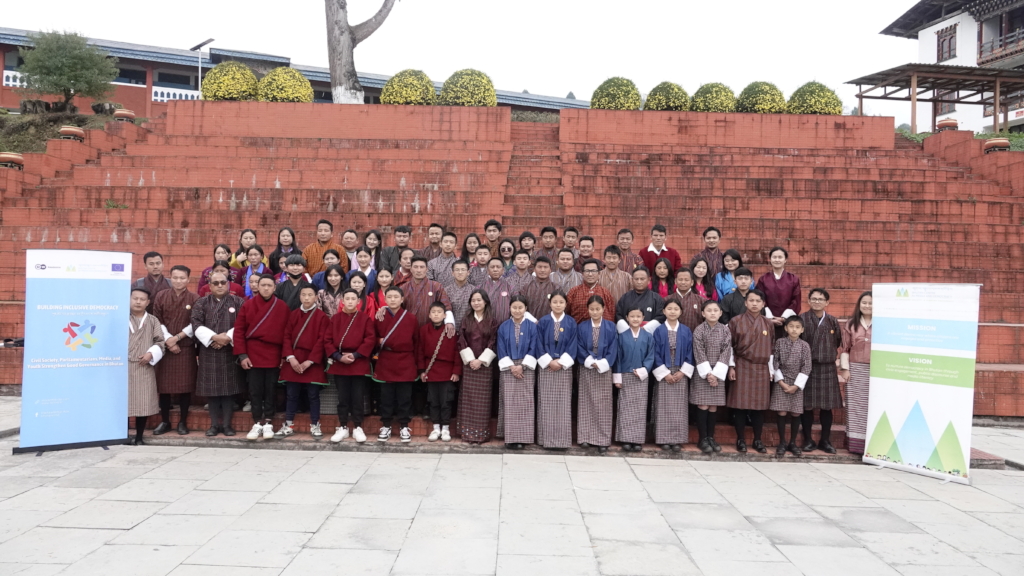
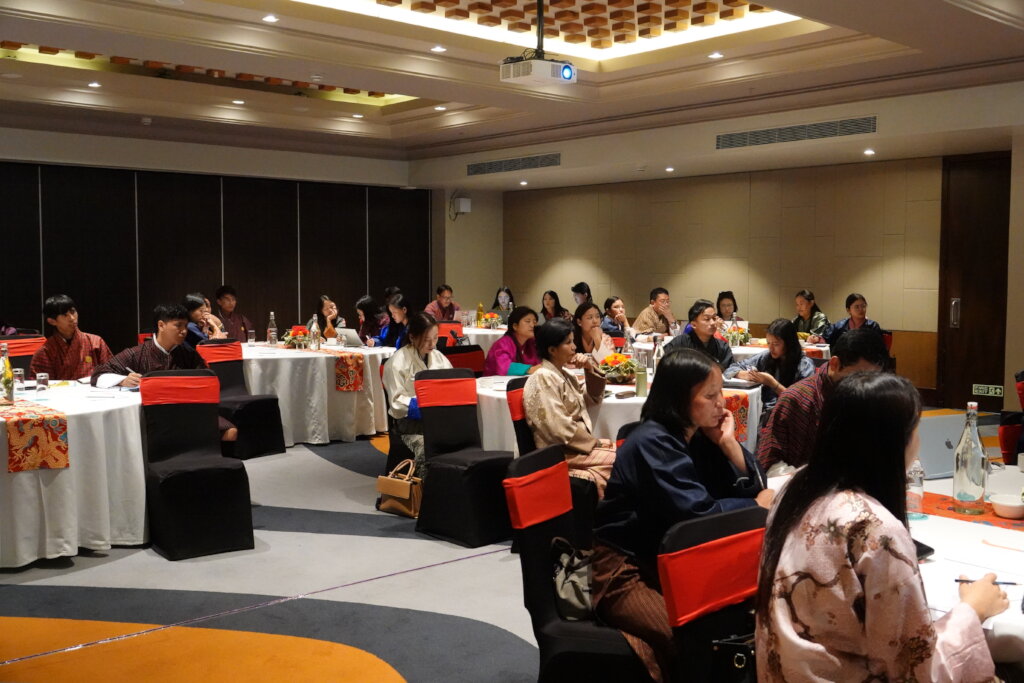
The Local Exchange Programme was conducted in Trashigang and Trongsa Dzongkhags from 12th to 19th March as part of broader efforts to promote inclusive governance and address persistent gaps in coordination between Local Governments and civil society actors, particularly in regions beyond urban centres. The programme sought to foster dialogue and collaboration between Local Government leaders, Civil Society Organisations (CSOs), and youth; strengthen understanding of participatory governance; identify practical pathways for collaboration aligned with local development priorities; and deepen youth engagement in community dialogue and policy discussions.
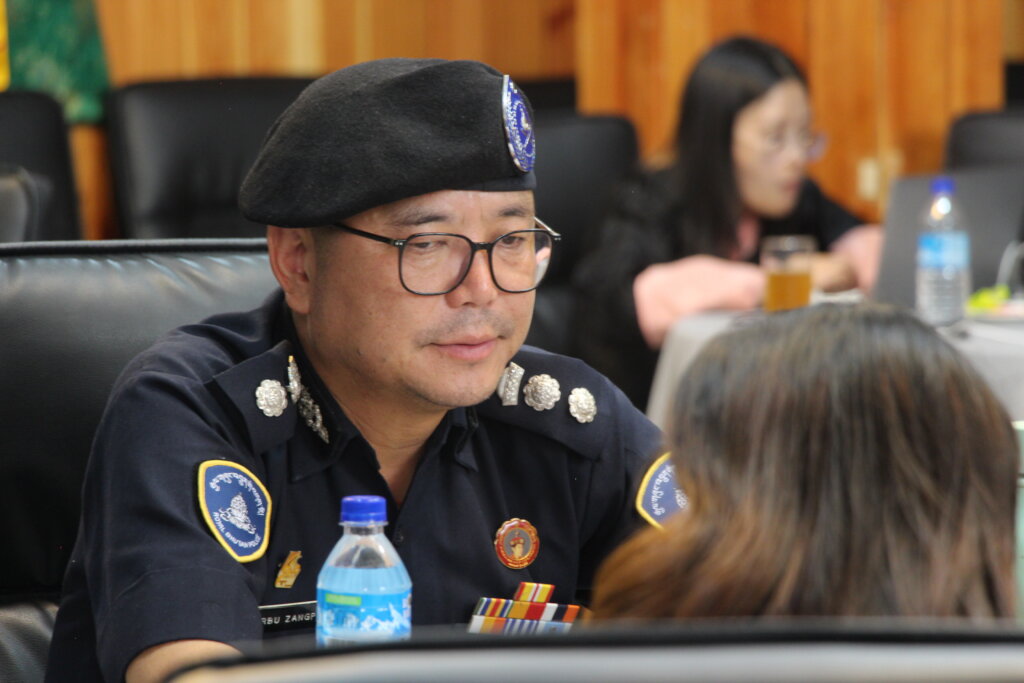
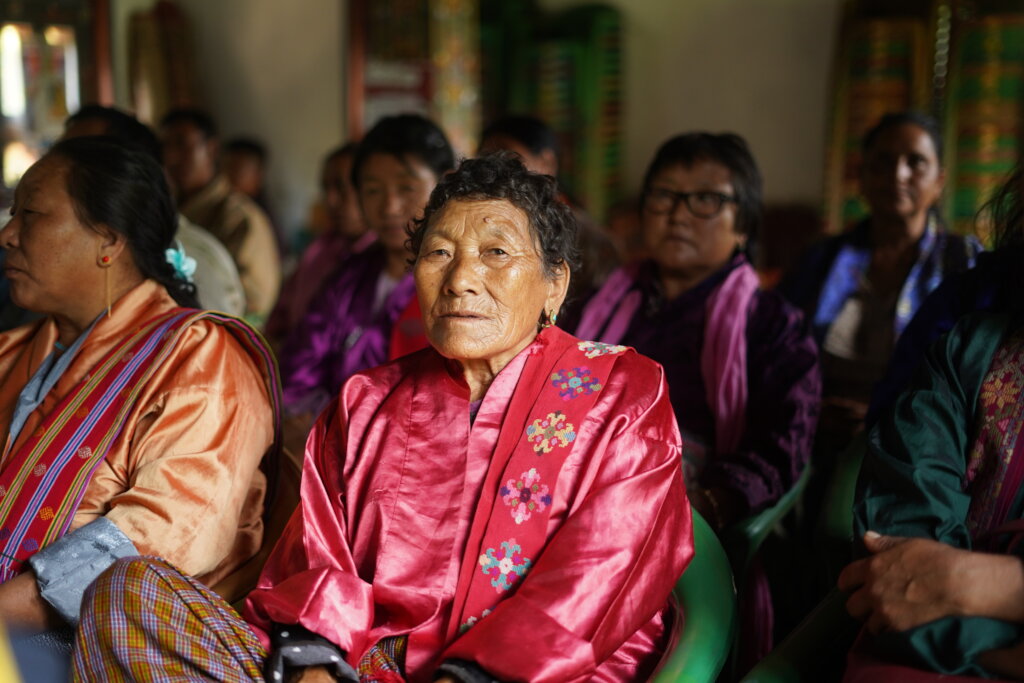
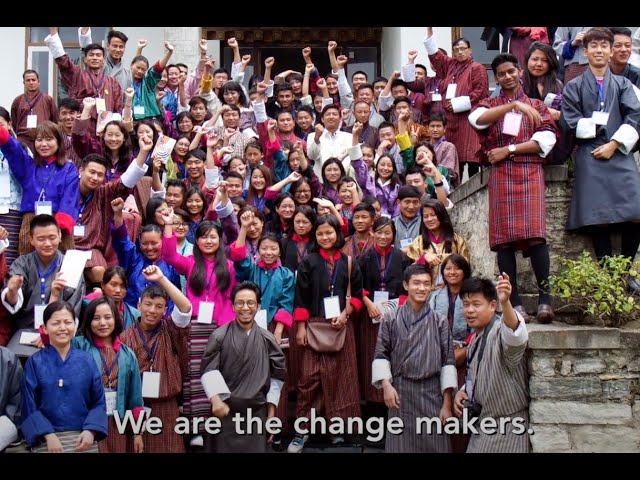
A total of 68 participants attended the programme, held at Sherubtse College in Trashigang and Taktse Central School in Trongsa. Participants included Local Government leaders from Trashigang Dzongkhag, students from Rangjung Central and Primary School, Sherubtse College, and Sakteng Middle Secondary School, as well as representatives from seven Civil Society Organisations working across disability inclusion, youth empowerment, journalism, environmental conservation, and social development.
A consistent finding across both districts was the limited awareness and understanding of CSOs among local leaders, youth, and community members. Participants identified only a small number of organisations, reflecting a broader gap in knowledge regarding their mandates, areas of work, and potential contributions to local development. This limited awareness is closely linked to the low presence and outreach of CSOs beyond urban areas, where civil society engagement remains largely concentrated. Local Government leaders acknowledged that this awareness gap constrains meaningful collaboration, with existing engagement remaining limited and largely informal. The absence of structured platforms for interaction between Local Governments and CSOs has further contributed to siloed approaches to development, reducing opportunities for coordinated and outcome-oriented planning.
Despite the identified gaps, the exchange programmes generated significant positive outcomes. Both local leaders and students gained a clearer understanding of the range of organisations working across the country and the support they provide in youth development, social services, and community empowerment. Students expressed a shift from passive awareness of CSOs to actively exploring opportunities for engagement and future collaboration. The programme demonstrated the effectiveness of structured dialogue platforms in fostering mutual learning, and participants widely recognised CSOs as valuable partners with comparative advantages including technical expertise, grassroots engagement, and implementation flexibility.
The engagements highlighted the importance of expanding CSO outreach beyond urban centres to ensure equitable access to information and services. Leveraging CSO comparative advantages to complement Local Government efforts, particularly in addressing social and community-level challenges, was identified as a priority. Participants called for the institutionalisation of structured dialogue platforms to replace ad hoc interactions, sustained engagement over time to build trust and long-term partnerships, and dedicated mechanisms to mainstream youth participation in governance dialogue and local development planning.
Virtual Exchange on Digital Governance
An online virtual exchange on Digital Governance: Challenges and Opportunities was held on 26 March 2026 to promote dialogue and learning on digital governance, democratic participation, public trust, and the role of technology in improving public services. The session brought together 28 participants from both Houses of Parliament, government, civil society organisations, media professionals, and Bhutanese studying abroad. The exchange was timely for Bhutan as the country continues to advance its digital transformation, reinforcing that digital governance is not only about technology but also about transparency, accountability, inclusion, public trust, and citizen-centred service delivery.
The exchange aimed to strengthen understanding of digital governance and its importance for Bhutan, draw lessons from international experiences, and discuss opportunities and challenges related to digital public services, digital identity, inclusion, data protection, and public trust. It also sought to explore the role of civil society, media, and citizens in supporting digital governance, and to encourage dialogue on building inclusive, trusted, and citizen-centred digital systems adapted to Bhutan's specific context.
Three international speakers contributed to the exchange. The first focused on designing citizen-centred digital public services, emphasising that governments should involve affected people throughout the design process rather than working in isolation, and sharing examples of how citizen testing and feedback improved digital identity systems. The second shared a national experience of building a strong digital government over several decades, highlighting the importance of digital identity, interoperability between government systems, cybersecurity, public awareness, and supportive legislation, while underscoring the need to avoid the digital divide through free skills training and accessible public internet points. The third speaker addressed digital media, information integrity, and public trust in the age of artificial intelligence, noting that while AI offers opportunities including faster information access and personalised support, it also brings challenges including misinformation, synthetic content, and deepfakes that can weaken democratic participation.
The exchange generated important lessons for Bhutan's digital governance journey. Digital governance must be citizen-centred, inclusive, and simple enough for ordinary citizens to use; public trust is essential and requires strong data protection, transparency, and accountability. Effective digital governance demands collaboration across government, parliament, civil society, media, and the private sector. Bhutan should adapt international digital models to its own context rather than adopting them wholesale. Recommendations from the exchange included involving citizens in digital service design before launch, promoting inclusive governance that reaches rural communities, elderly citizens, persons with disabilities, and youth, strengthening digital literacy through schools and communities, simplifying online services to reduce paperwork, improving secure data-sharing between government agencies, developing ethical AI guidelines on transparency and accountability, and supporting journalists and media organisations with training on AI, misinformation, and digital safety.
Workshop on Promoting Young People's Engagement
The Local Government Act of 2007 mandates Local Government leaders to encourage citizen participation in planning and decision-making. In practice, participation in community processes has remained limited for women, youth, and other underrepresented groups. Earlier consultations conducted by BCMD across multiple Dzongkhags, together with reflections gathered at the Youth Summit 2025, consistently pointed to the same barriers: limited awareness of rights, cultural perceptions that view young people as not yet ready, the absence of structured platforms for youth engagement, and low confidence among young people to participate in formal settings. The six-day workshop in Samtse was developed to address these barriers through a sequenced approach combining Local Government capacity building with joint youth-government engagement.
The workshop opened with a two-day orientation for Local Government leaders, including Gups, Mangmi, Tshogpa, and sector heads, on Child-Friendly Local Governance and the Convention on the Rights of the Child. This was followed by a four-day joint engagement workshop from 2nd to 4th April that brought together the same Local Government leaders with students and teacher coordinators from four Media and Democracy Clubs at Sang-ngagchoeling Lower Secondary School, Dorokha Central School, Samtse Primary School, and Peljorling Higher Secondary School. The joint segment translated the orientation into shared learning, joint community analysis, and the co-development of action plans by students and leaders working as one group.
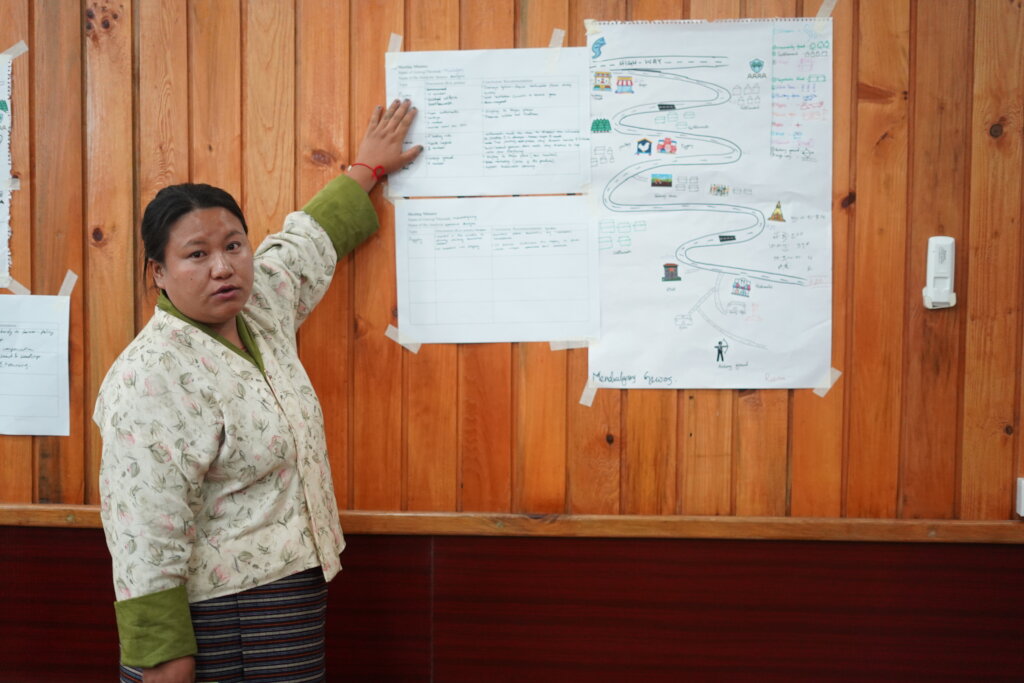
Workshop content was organised around six interconnected themes: child rights and Child-Friendly Local Governance; understanding adolescents and communicating with children; citizen participation from telling to co-creating; facilitation and active listening techniques; a Bza-Zam Bridge analysis of the relationship between youth and Local Government; and community safety mapping alongside public service delivery analysis. The Bza-Zam exercise enabled each of the five gewog and school groups to name the strengths and weaknesses of their youth-government relationship and to propose concrete solutions, including extending formal invitations to youth, using social media and schools as outreach channels, inviting youth as observers at Gewog Tshogde meetings, and formally recognising youth contributions in community settings.
The workshop produced five Bza-Zam Bridge analyses, community safety maps for four gewogs with specific risk recommendations, a public service delivery analysis using shared evaluation criteria, and four school-level Joint Action Plans co-developed by students and Local Government leaders identifying priority issues, agreed actions, timelines, and partner roles. The framing of a Joint Youth and Local Government Engagement Matrix was initiated to guide sustained collaboration beyond the workshop. Next steps include implementing the school-level plans, finalising the Engagement Matrix and its Terms of Reference, piloting a pocket reference of Local Government terms to address the language barrier created by formal Dzongkha in governance discussions, and engaging central agencies on structural budgeting constraints that affect youth-focused programming at the gewog level.
Training of Trainers: Toolkit for Aspiring
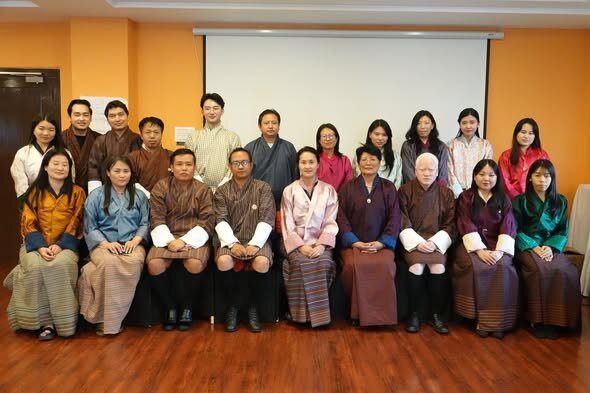
From 1 to 3 June 2026, the Bhutan Centre for Media and Democracy, in partnership with the National Commission for Women and Children, successfully conducted a three-day Training of Trainers on the toolkit for Aspiring Women Candidates of Local Government. The training was designed to prepare a cadre of facilitators who will roll out the toolkit across the country in preparation for the upcoming Local Government Elections, building a national network of trainers capable of supporting women aspiring to participate in governance at the local level.
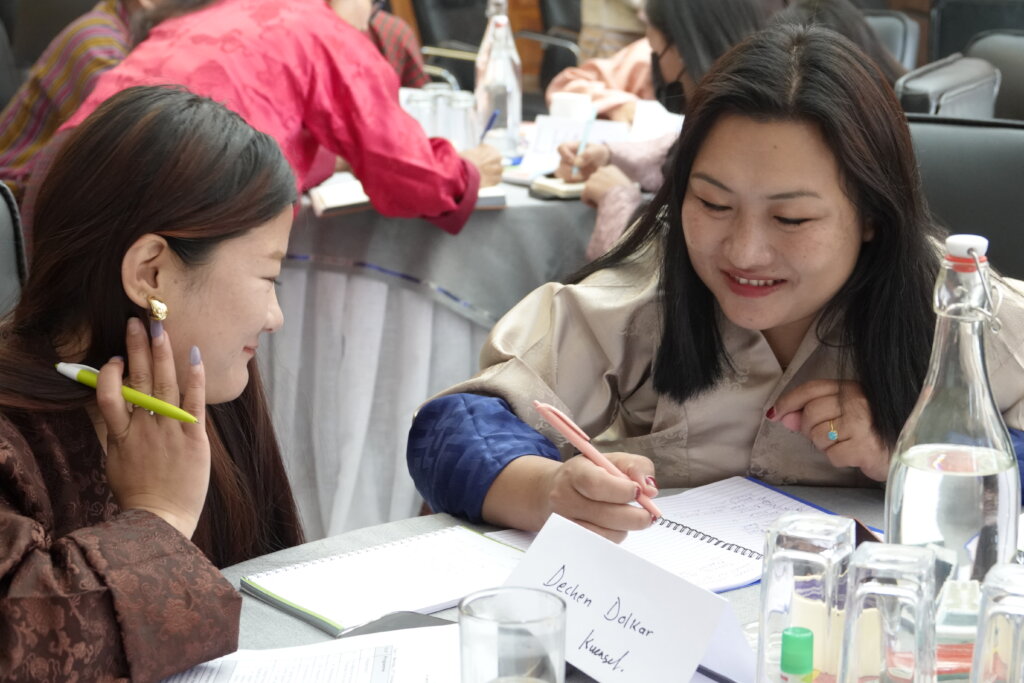
The training brought together a mixed group of 21 participants from the Dzongkhags, the National Commission for Women and Children, the Election Commission of Bhutan, the Department of Local Governance and Disaster Management, Civil Society Organisations, and partner agencies. Participants enhanced their understanding of transformative leadership, gender and governance, communication for elections, media engagement, adult learning principles, and facilitation methodologies. The diverse composition of the group ensured that trained facilitators are positioned to deliver the toolkit across different districts and institutional contexts.
The workshop placed strong emphasis on experiential and transformative learning, enabling participants not only to deepen their knowledge of the toolkit content but also to develop the practical skills and confidence required to facilitate learning, encourage critical reflection, and create inclusive spaces for aspiring women leaders. Participants engaged in trainer practice sessions, peer observation, constructive feedback exercises, and simulated facilitation designed to prepare them for future training delivery. The training approach modelled the same participatory and inclusive principles that trainees would themselves be expected to embody throughout the national rollout, creating a consistent values-driven approach from trainer to participant.
The initiative seeks to contribute to greater participation of women in local governance and leadership, while fostering a more inclusive, representative, and democratic decision-making process at the local level. Over the following months, women aspiring to participate in the upcoming local elections will be supported through targeted capacity building aimed at strengthening their agency, communication skills, and knowledge of local government election processes and eligibility criteria. This is expected to encourage increased women's participation in elections and advance balanced gender representation and diversity of voice in political and decision-making processes across Bhutan's Local Government structures.
Trained facilitators will proceed to deliver the toolkit across their respective Dzongkhags in the lead-up to the Local Government Elections. BCMD and the National Commission for Women and Children will coordinate the rollout schedule, provide ongoing support to trainers, and monitor participation rates and outcomes to assess the reach and effectiveness of the national rollout. Documentation of lessons learned from this Training of Trainers will inform future iterations of the programme and strengthen the evidence base for gender-responsive local governance programming in Bhutan.
1st CSO Bi-Annual Meet 2026
The 1st CSO Bi-Annual Meet 2026 convened on 5th June 2026, bringing together 37 representatives from Civil Society Organisations across Bhutan. The meeting served as a key platform to reflect on progress since the 2nd CSO Summit held in February 2026, deliberate on operational and regulatory challenges facing the sector, and chart a collective way forward on issues of common concern. The morning session covered the Bhutan Civil Society Accountability Standard assessment process, the application of the Goods and Services Tax and the Income Tax Act of Bhutan 2025 to CSOs, employee loan access for CSO staff, entry fee waivers for foreign interns and volunteers, and concessional loan opportunities for electric vehicle adoption. The afternoon featured an executive leadership training update, CSO-Parliament engagement, social enterprise issues, and the awarding of BCAS certificates.
Participants raised significant concerns about the lack of clarity on how the Goods and Services Tax applies to CSOs and donor-funded projects, including direct bank deductions upon receipt of project funds, ambiguity over GST on project expenses and membership fees, and the potential impact of advance deductions on project cash flow. On employee loans, participants noted that CSO contract employees are generally ineligible despite contributing to the Provident Fund, that banks classify CSOs as private organisations resulting in less favourable loan conditions, and that the requirement for government employee guarantors creates a structural barrier for CSO staff. The meeting also addressed the Sustainable Development Fee applicable to foreign interns and volunteers, for which a single consolidated waiver approval process was proposed, and discussed CSO access to green financing initiatives including concessional loans for electric vehicle adoption.
Participants emphasised the importance of renewing and strengthening collaboration between CSOs and parliamentarians, noting that CSO contributions are rarely discussed during parliamentary sessions and calling for a structured reporting mechanism to ensure CSO achievements and challenges receive regular national-level attention. Concerns were also raised about inconsistencies in the social enterprise framework, particularly around the application of business enterprise conditions to social enterprises and the need for governance structures that report directly to the Board. The afternoon session concluded with the presentation of Bhutan Civil Society Accountability Standard certificates, graced by the Minister of Home Affairs in his capacity as Chairperson of the CSO Authority, who extended appreciation to all CSOs for their commitment to accountability and transparency.
The meeting generated a broad set of actions to be taken forward by CSO Representatives, thematic groups, and individual organisations. These include seeking formal clarification on GST applicability through engagement with relevant ministries and financial institutions, advocating with the Royal Monetary Authority for improved employee loan access, streamlining entry fee waivers through consolidated government-CSO processes, nominating participants for the upcoming RIGSS Leadership Development Programme scheduled for August 2026, strengthening CSO-Parliament engagement through structured reporting mechanisms, and seeking clarification from the CSO Authority on social enterprise licensing and governance requirements. All priorities will be tracked and followed up at the next CSO Bi-Annual Meet, with CSOs encouraged to share updates with their thematic group coordinators to ensure collective momentum and accountability.
Tsirang Community Development Plan Town Hall
The Bhutan Centre for Media and Democracy successfully organised the Community Development Plans Town Hall on 10th June 2026 at the Professional Development Centre, Royal Audit Authority, bringing together local leaders, government agencies, and community members from across Tsirang Dzongkhag. The Town Hall provided a platform for all 12 gewogs of Tsirang to present their Community Development Plans, developed through a participatory planning process that placed the priorities and aspirations of local communities at the centre of the planning exercise.
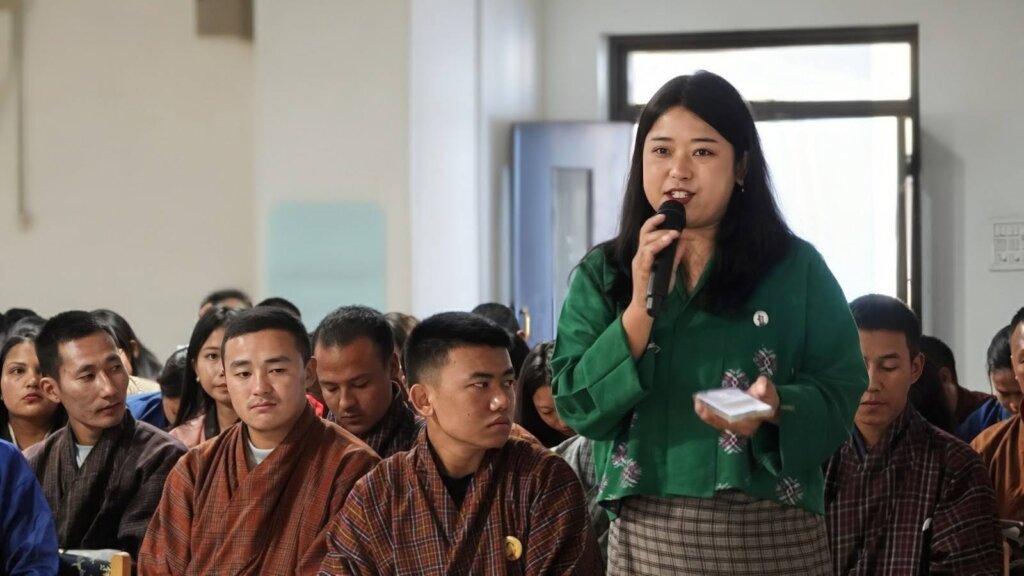
The Community Development Plans address a wide range of community-identified priorities, including water and irrigation, waste management, youth unemployment, women's participation, disability inclusion, adult literacy, and road safety. The Town Hall was designed not only as a presentation exercise but as an interactive space for engagement between citizens, local government, and supporting agencies. Through a gallery walk format, participants had the opportunity to review and discuss the plans across gewogs, share ideas, and explore how different stakeholders can work together to support community-led development. The format reinforced the importance of listening to citizens and ensuring that local needs and voices shape the content and direction of development planning.
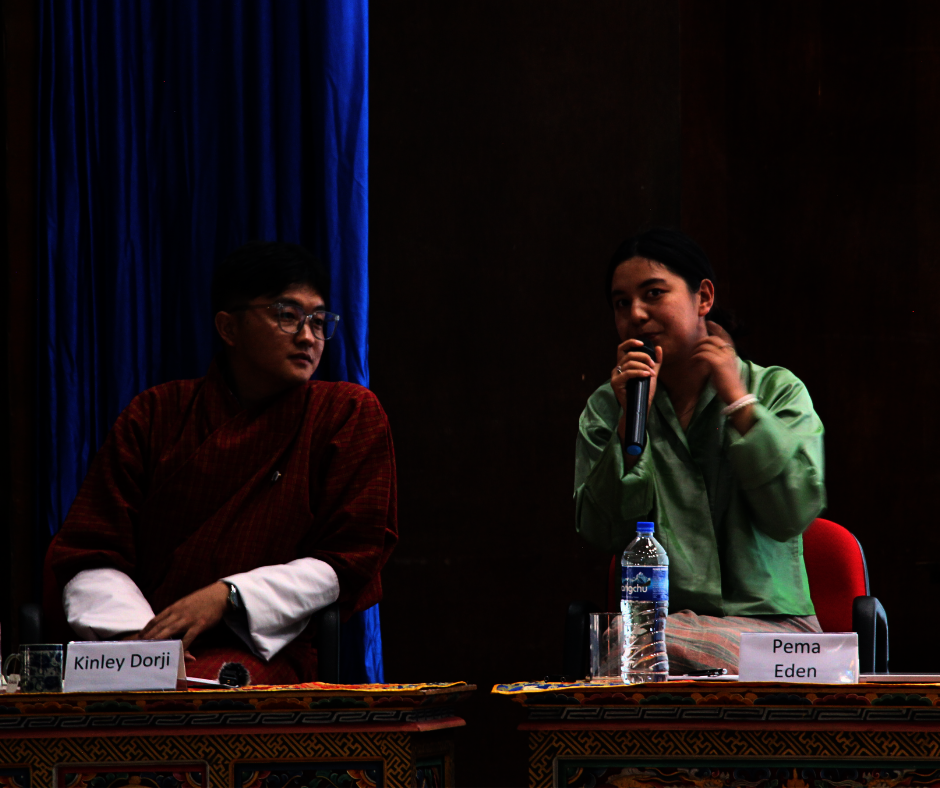
The programme concluded with a panel discussion and stakeholder reflections that brought together perspectives from local government, civil society, and community members on how the plans can be advanced and integrated into formal planning cycles. Three gewogs were recognised for their outstanding Community Development Plans: Phuentenchu Gewog received first place, Kilkhorthang Gewog received second place, and Semjong Gewog received third place. The recognition served both to acknowledge the quality of the participatory work undertaken and to encourage continued investment in community-driven planning processes across the Dzongkhag.
The Town Hall demonstrated the tangible results that can be achieved when communities are supported to engage meaningfully in the planning process. The Community Development Plans represent not only a set of community-identified priorities but a foundation for ongoing dialogue between communities and Local Government leaders on service delivery, resource allocation, and inclusive development. BCMD extends its appreciation to all participants, local leaders, government agencies, and community members who contributed their time and perspectives to strengthening people-centred planning and local governance in Tsirang. The plans will now be shared with the Dzongkhag Administration and relevant sector agencies, with BCMD continuing to support follow-up engagement and implementation in the communities where the plans were developed.
By Kencho Tshering | Programme/Communications Officer
By Kencho Tshering | Programme/Communications Officer
Project reports on GlobalGiving are posted directly to globalgiving.org by Project Leaders as they are completed, generally every 3-4 months. To protect the integrity of these documents, GlobalGiving does not alter them; therefore you may find some language or formatting issues.
If you donate to this project or have donated to this project, you can receive an email when this project posts a report. You can also subscribe for reports without donating.



Support this important cause by creating a personalized fundraising page.
Start a Fundraiser