By Anny Hidayati | Project Staff
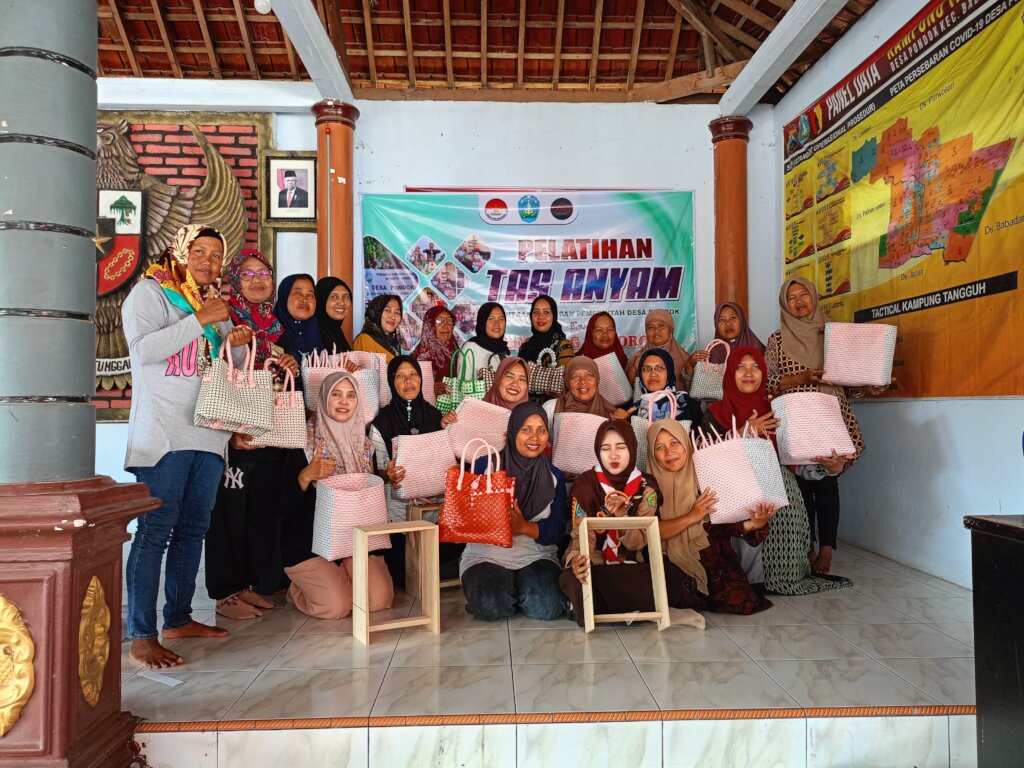
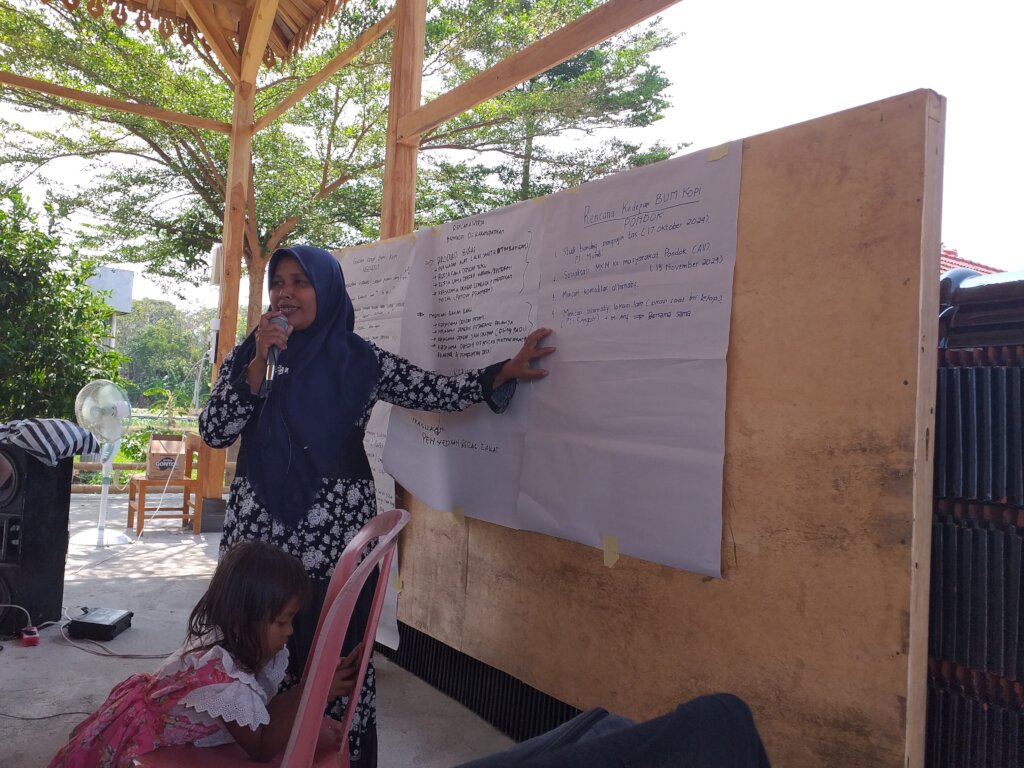
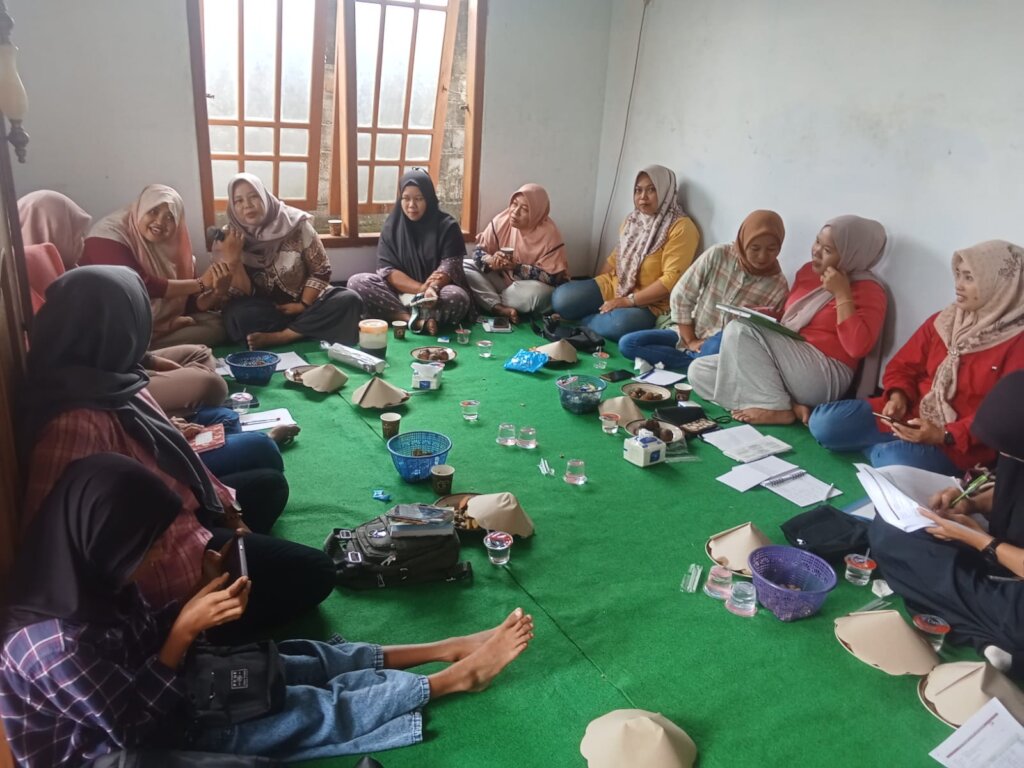
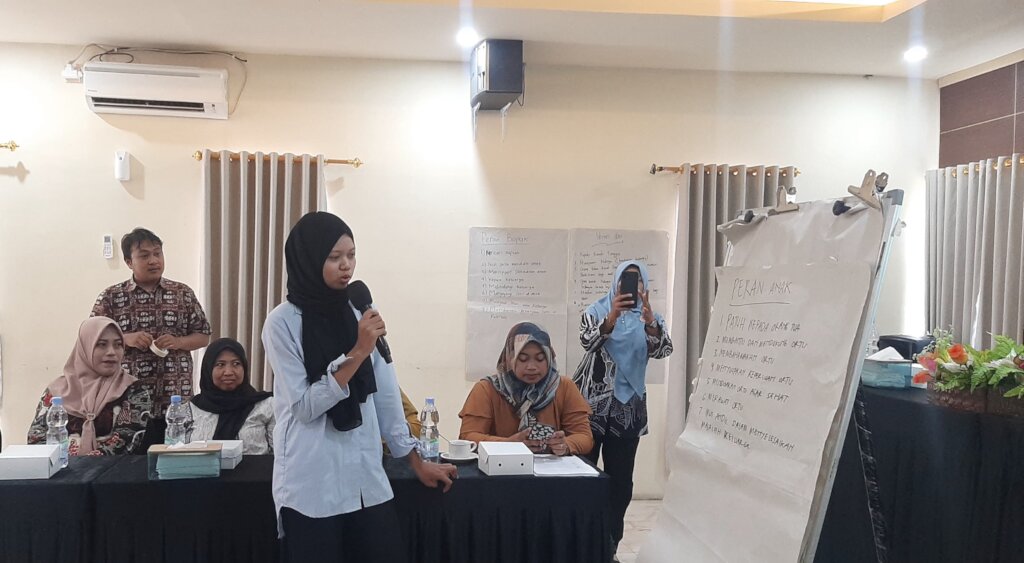
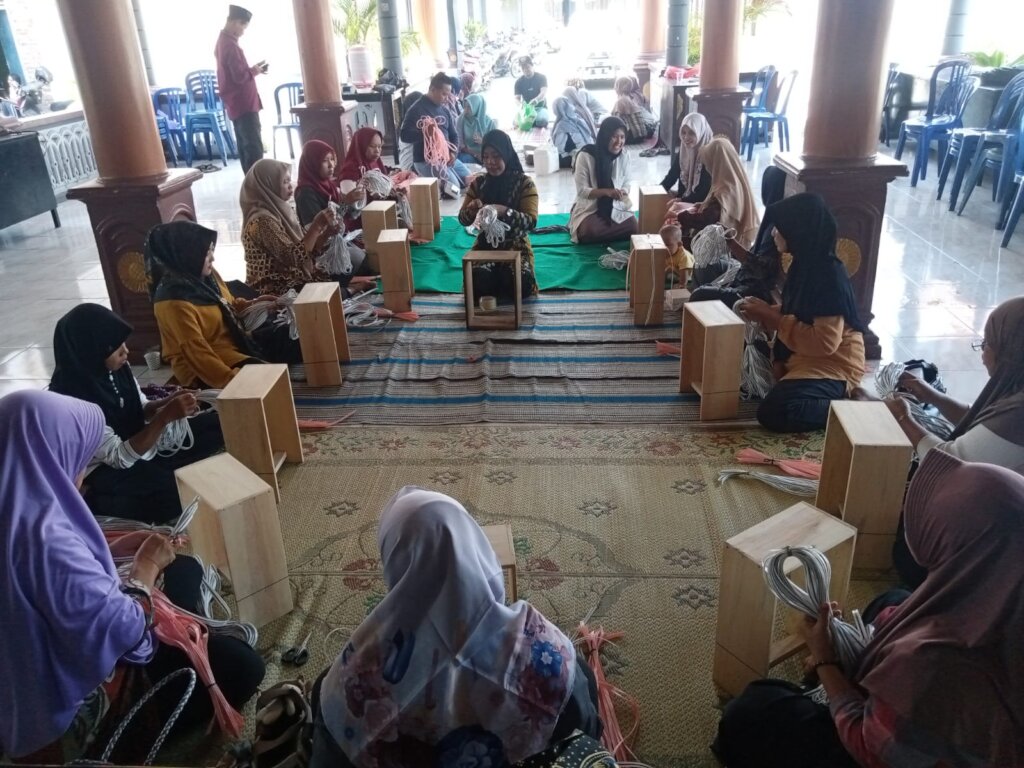
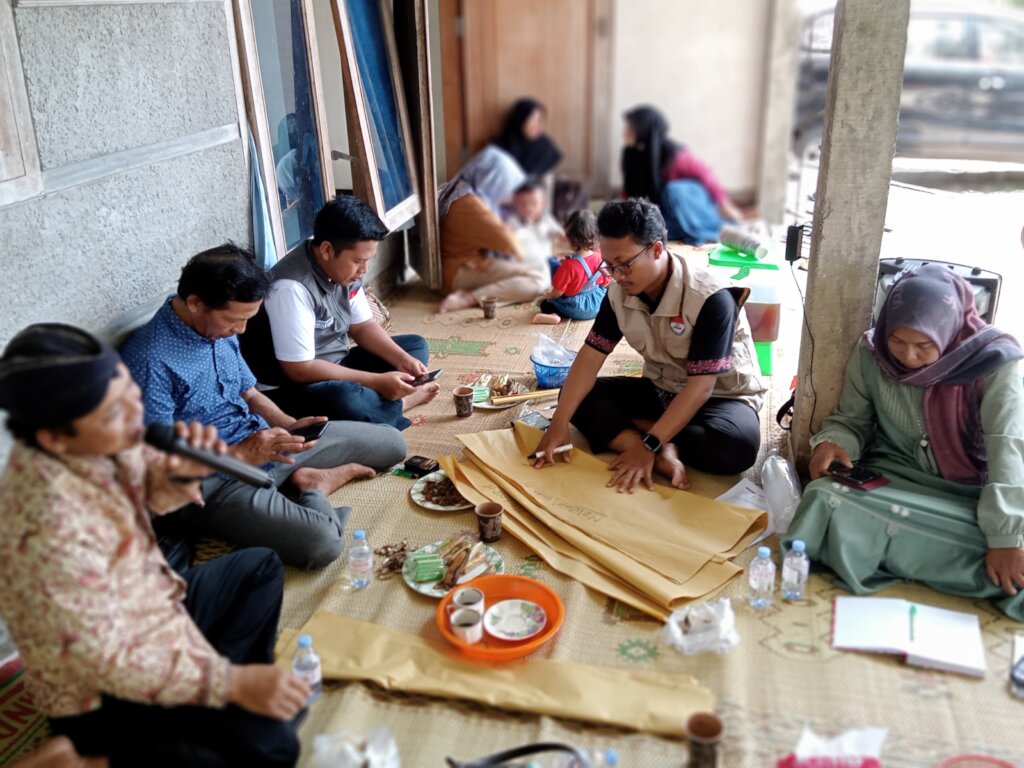
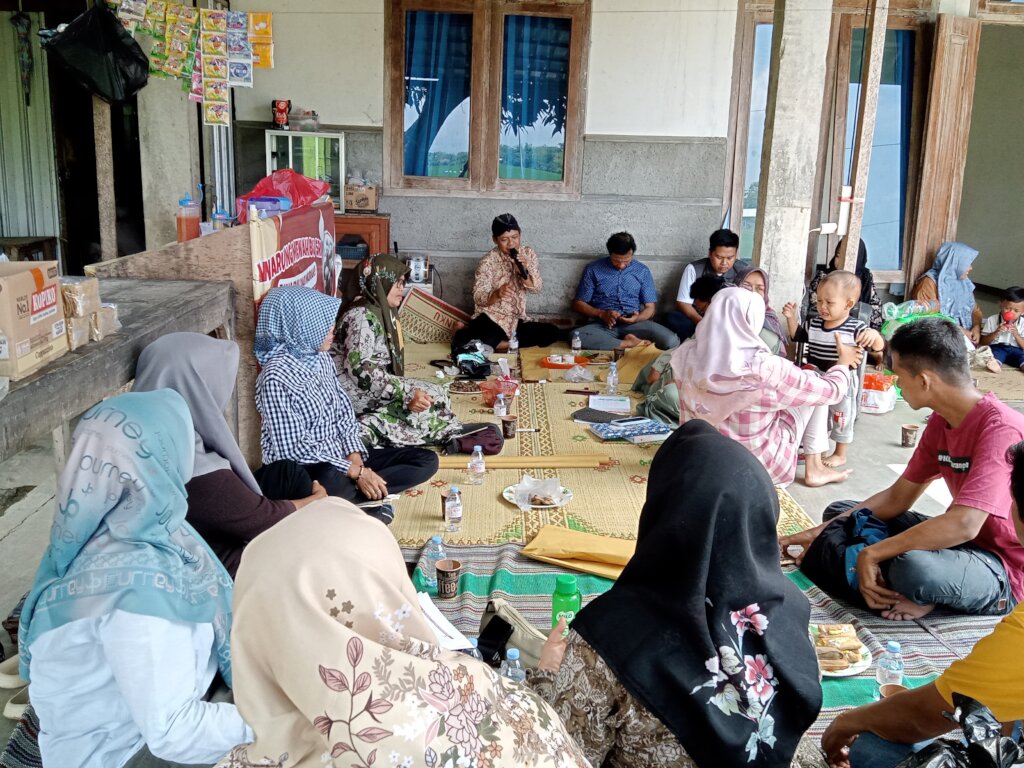
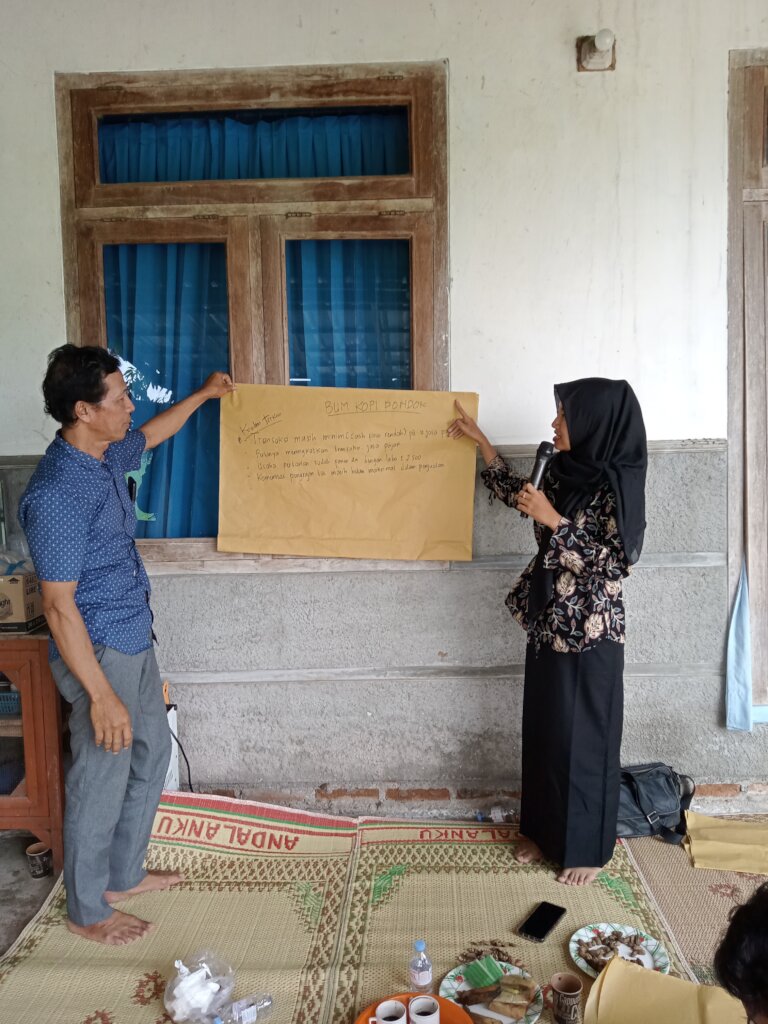
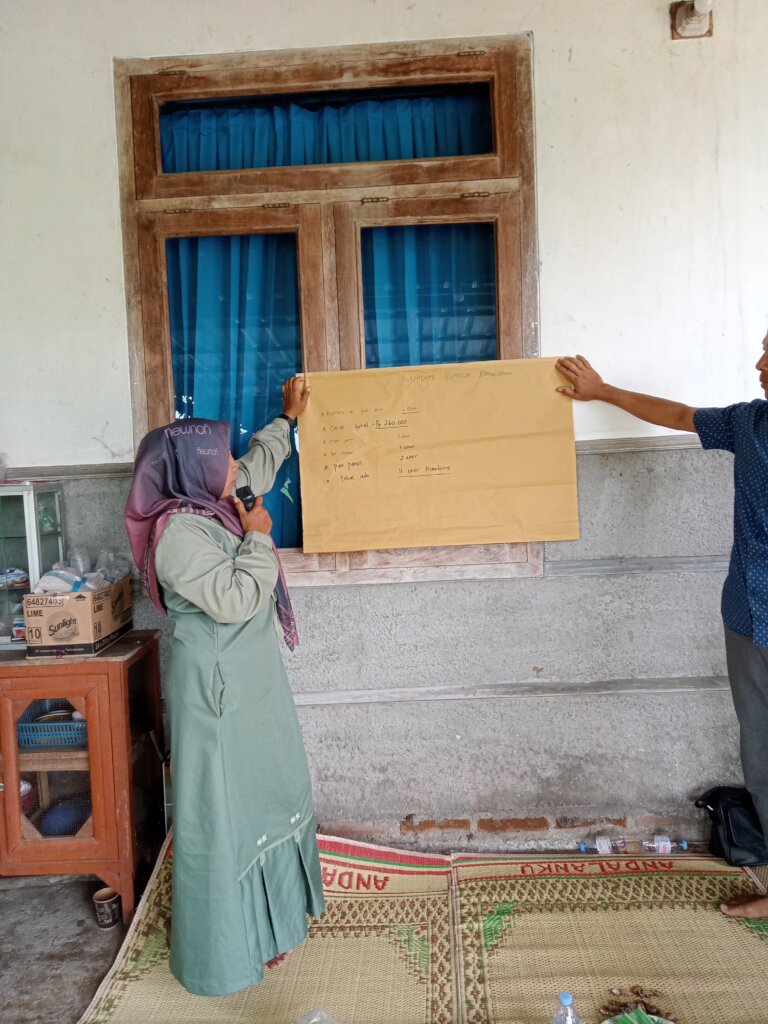
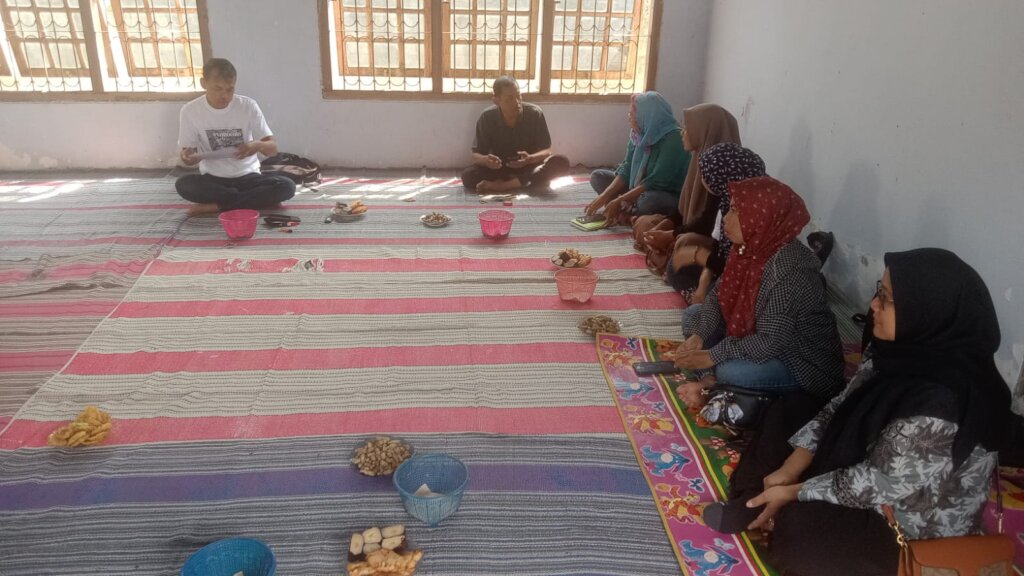
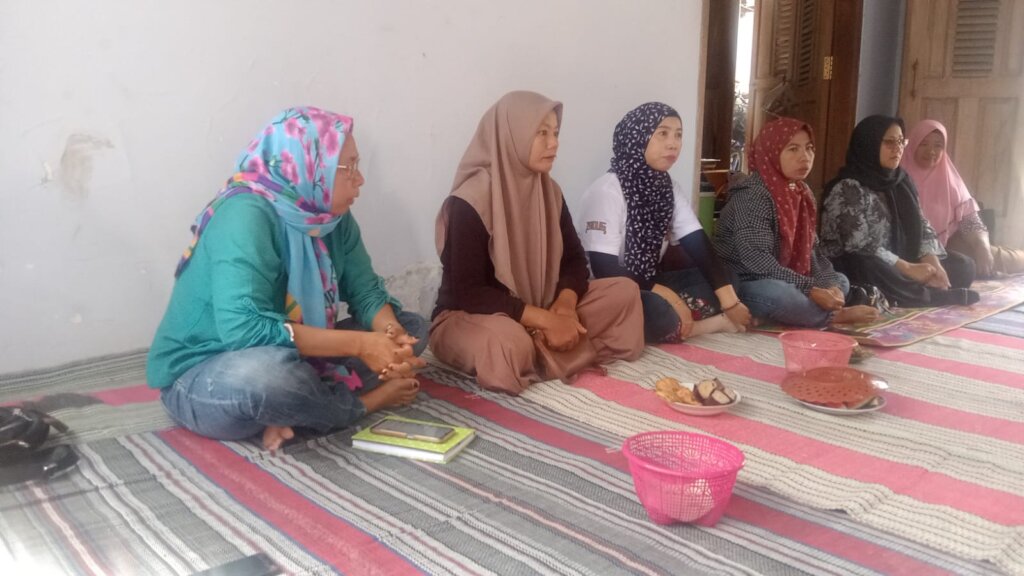
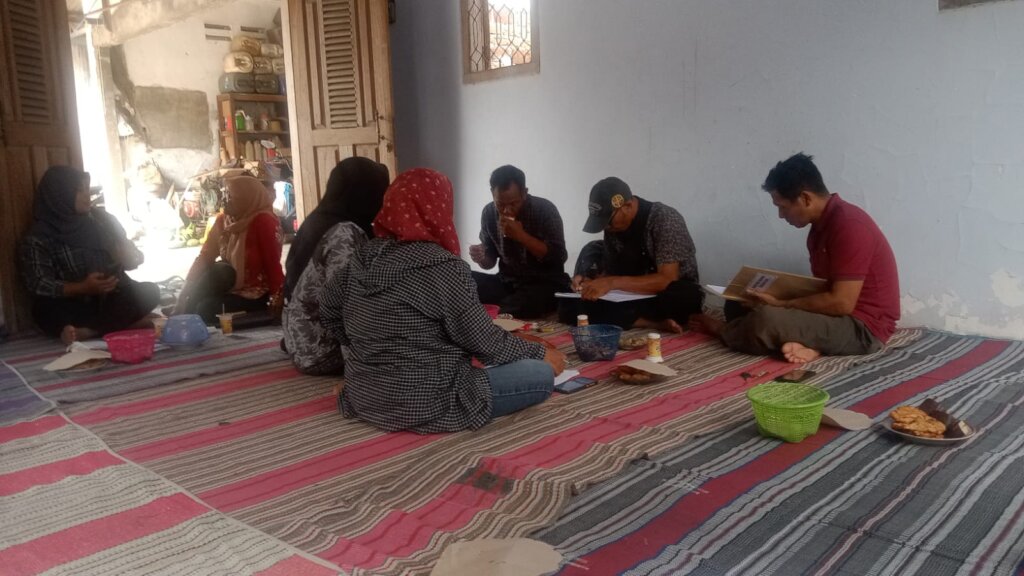
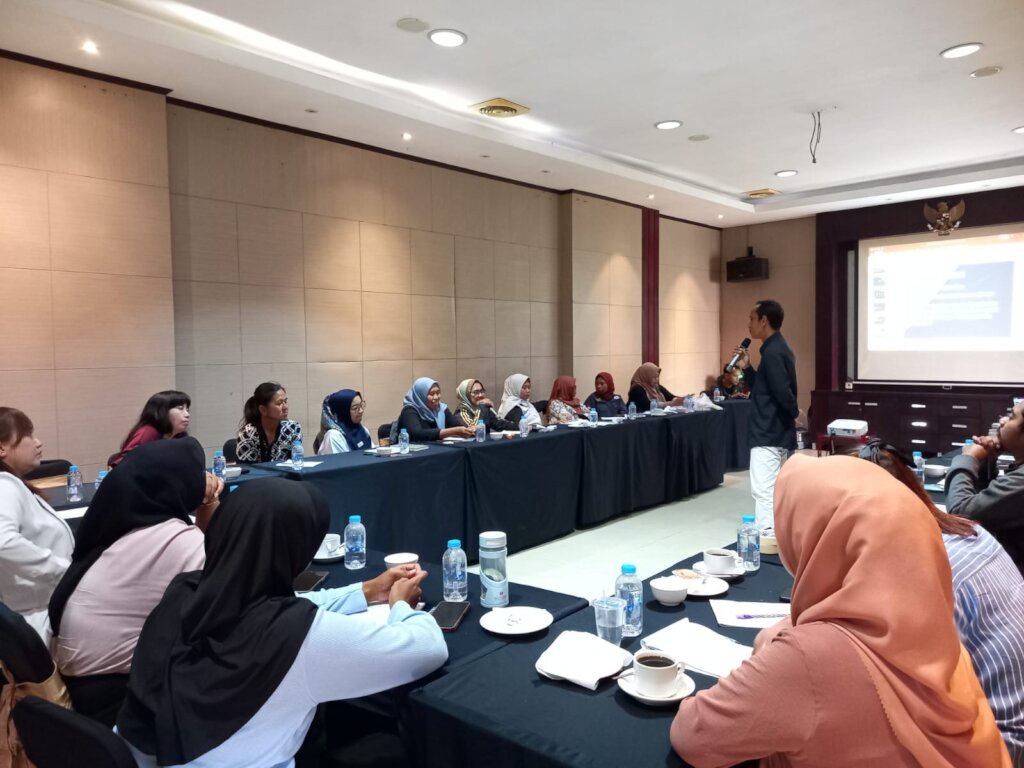
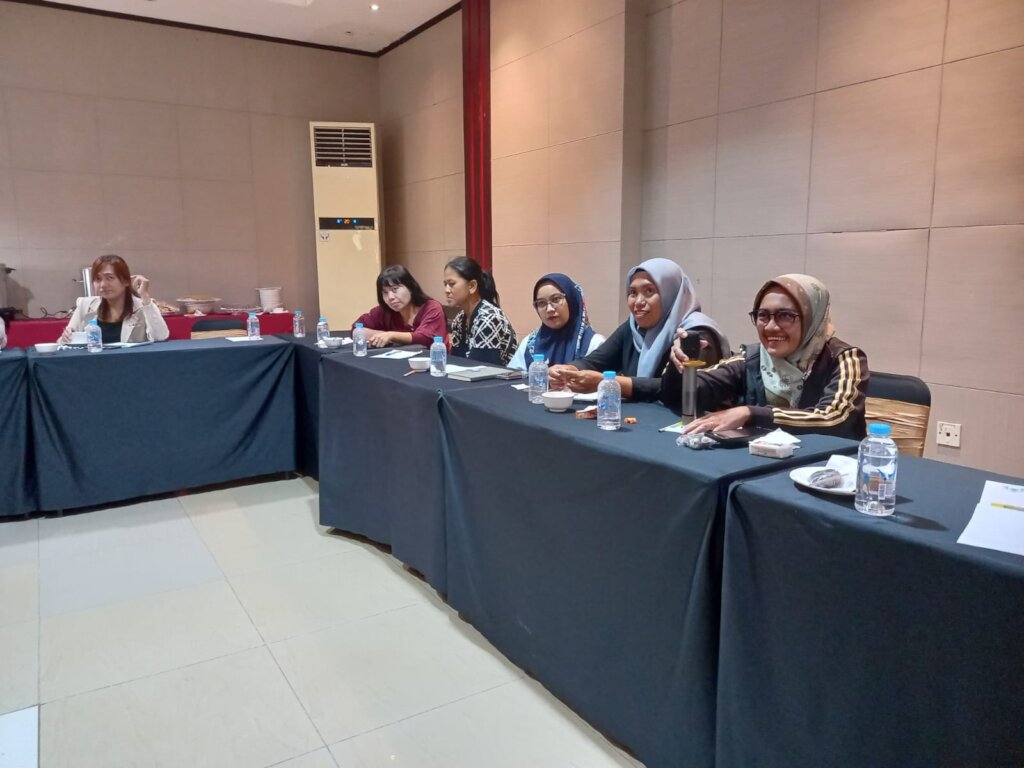
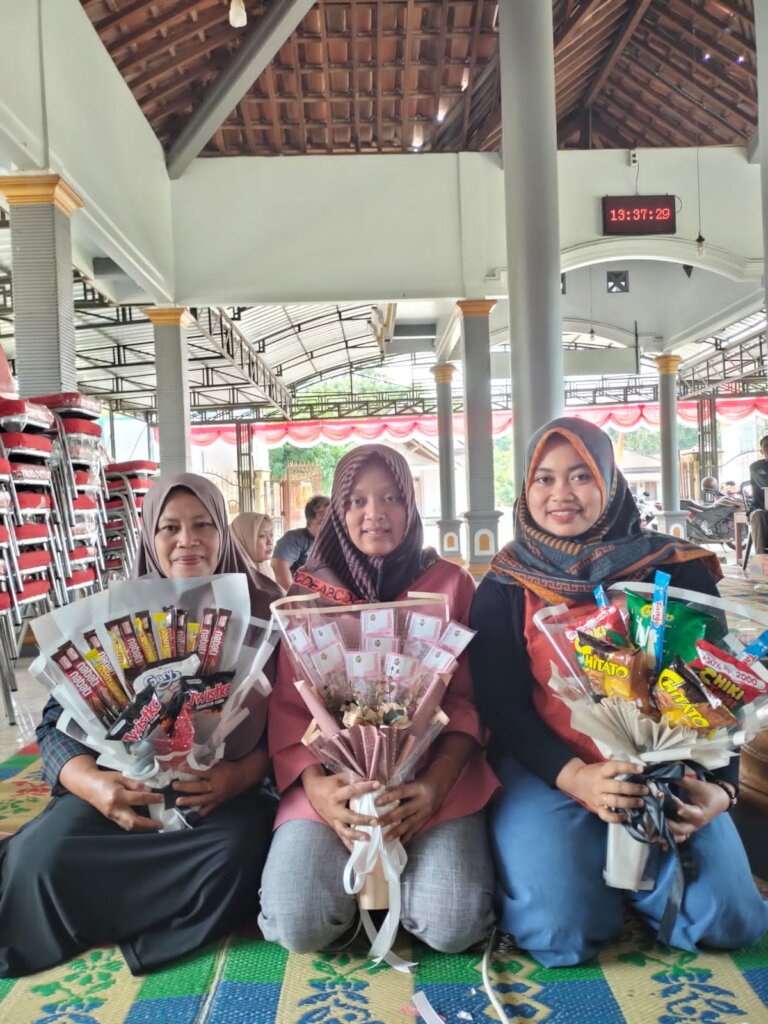
The INFEST Foundation conducted a community meeting on Saturday, 1 November 2025, in Pondok Village. The meeting was attended by 38 participants, comprising representatives and management members of the Indonesian Migrant Workers Community (Komunitas Pekerja Migran Indonesia – KOPI) and KOPI-owned enterprises (Badan Usaha Milik KOPI – BUM-KOPI) from five villages. The primary objective of the meeting was to assess the ongoing community-based business activities managed by KOPI and BUM-KOPI at the village level.
Business Updates from BUM-KOPI
BUM-KOPI Gelanglor
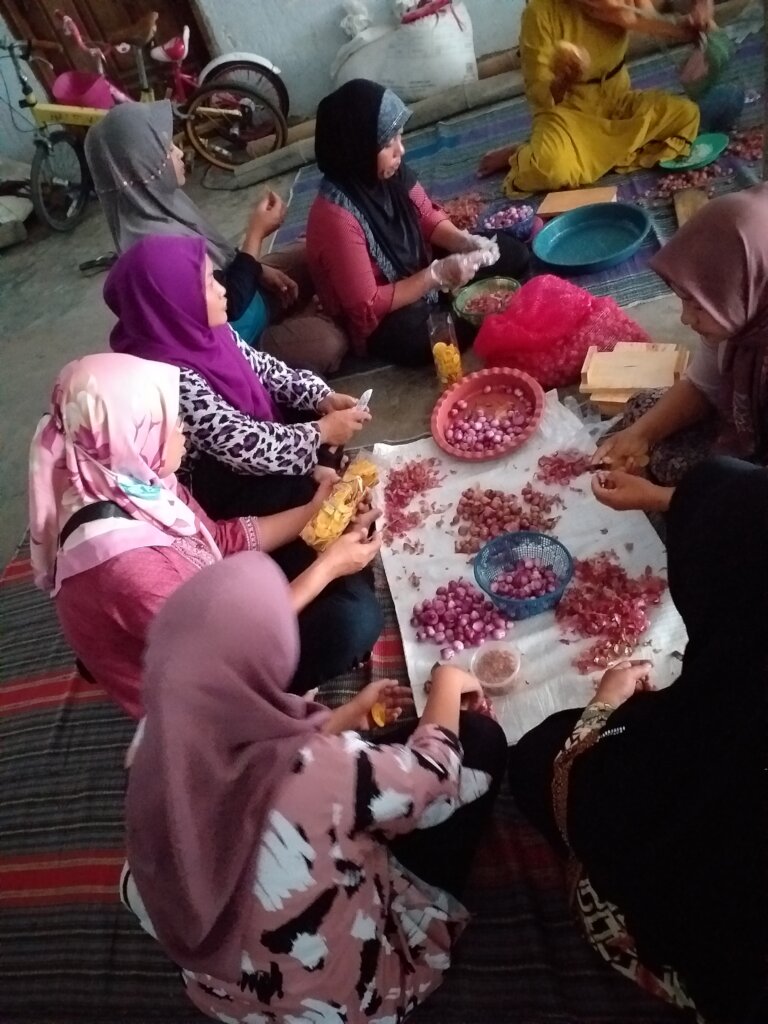
Marsudi, Chairperson of BUM-KOPI Gelanglor, reported that previous business activities—namely fried shallot production and snack processing—had been discontinued. The enterprise has shifted its focus to agricultural production, specifically rice cultivation. Utilizing village-owned land (tanah bengkok) allocated by the village head for KOPI management, the group completed its first rice planting cycle, generating a net income of IDR 2,000,000, which was deposited into the BUM-KOPI cash account. The group is currently entering the second planting cycle. With the potential for three harvests per year, the estimated annual income for BUM-KOPI Gelanglor is IDR 6,000,000.
BUM-KOPI Pondok
Arif Yulianto explained that BUM-KOPI Pondok continues to operate small-scale service-based businesses, including stationery sales, printing services, and online vehicle tax services. While these activities remain operational, growth has been gradual. To diversify income sources, BUM-KOPI Pondok has expanded into rice farming by leasing village-owned land. To date, the group has completed two planting cycles and one harvest. With an annual land rental cost of IDR 2,400,000 and a net income of IDR 2,000,000 per harvest, the enterprise is projected to earn approximately IDR 4,000,000 per year, with plans to expand the cultivated area.
BUM-KOPI Karangpatihan
BUM-KOPI Karangpatihan reported progress in its chair rental service, which has been implemented in partnership with a wedding organizer. The service has generated initial revenue of IDR 500,000, which has been recorded in the BUM-KOPI cash balance.
BUM-KOPI Ngendut
BUM-KOPI Ngendut reported engaging in commodity trading, specifically the purchase and storage of 1,300 kilograms of peanuts valued at IDR 20,800,000. The commodities are stored in a warehouse and will be sold when market prices increase. The current available cash balance stands at IDR 1,920,000.
BUM-KOPI Bringinan
BUM-KOPI Bringinan continues to manage a goat breeding enterprise using a community-based share-rearing system (gaduhan). Currently, 16 goats are being raised by community members who are also members of KOPI.
Discussion on the KOPI Ponorogo Cooperative
The second session focused on discussions regarding the KOPI Ponorogo Cooperative. Participants agreed that the Sobat TKI shop had been officially closed due to operational considerations. The cooperative currently holds a cash balance of approximately IDR 11,000,000.
Based on collective deliberation, it was agreed that part of the cooperative’s funds would be allocated to establish an additional iced tea (es teh) business outlet in Pondok Village, replicating a business model that has proven successful in Ponorogo. In addition, members proposed allocating a portion of cooperative funds to rice cultivation, given its relatively predictable returns and potential to restore the cooperative’s initial capital.
Conclusion
The meeting served as a crucial platform for joint evaluation, shared learning, and strategic planning among KOPI and BUM-KOPI members. The discussions highlighted a growing preference for low-risk, productive economic activities, particularly in agriculture, and underscored the importance of collective decision-making and prudent financial management in strengthening community-based enterprises.
By Edi Purwanto | Project Staff
By Purwanto | Project Staff
Project reports on GlobalGiving are posted directly to globalgiving.org by Project Leaders as they are completed, generally every 3-4 months. To protect the integrity of these documents, GlobalGiving does not alter them; therefore you may find some language or formatting issues.
If you donate to this project or have donated to this project, you can receive an email when this project posts a report. You can also subscribe for reports without donating.



Support this important cause by creating a personalized fundraising page.
Start a Fundraiser