By Cara Myers | Director of Development and Innovation
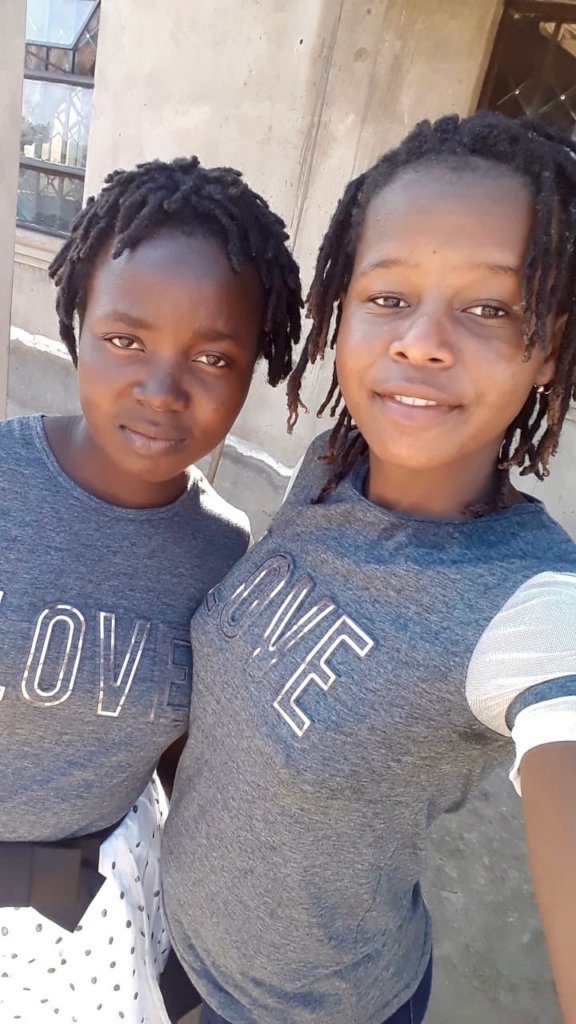
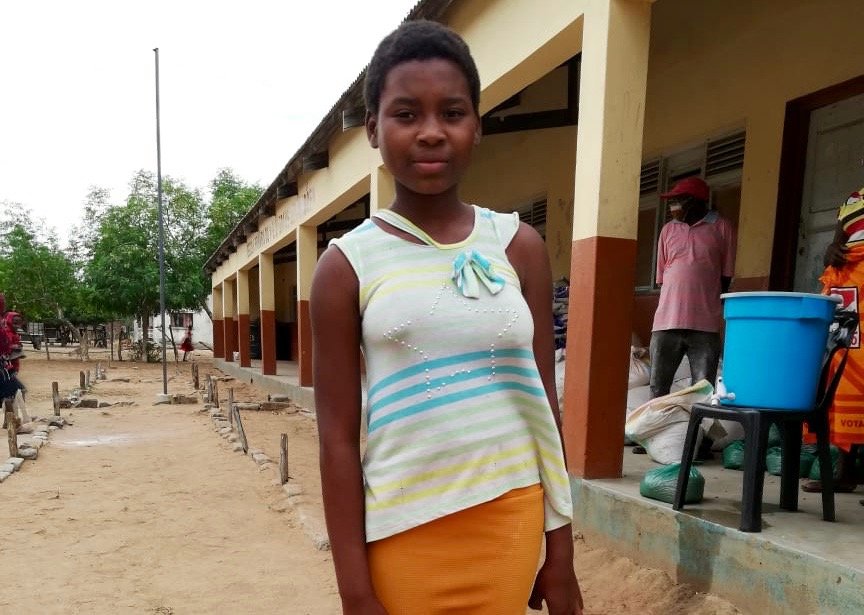
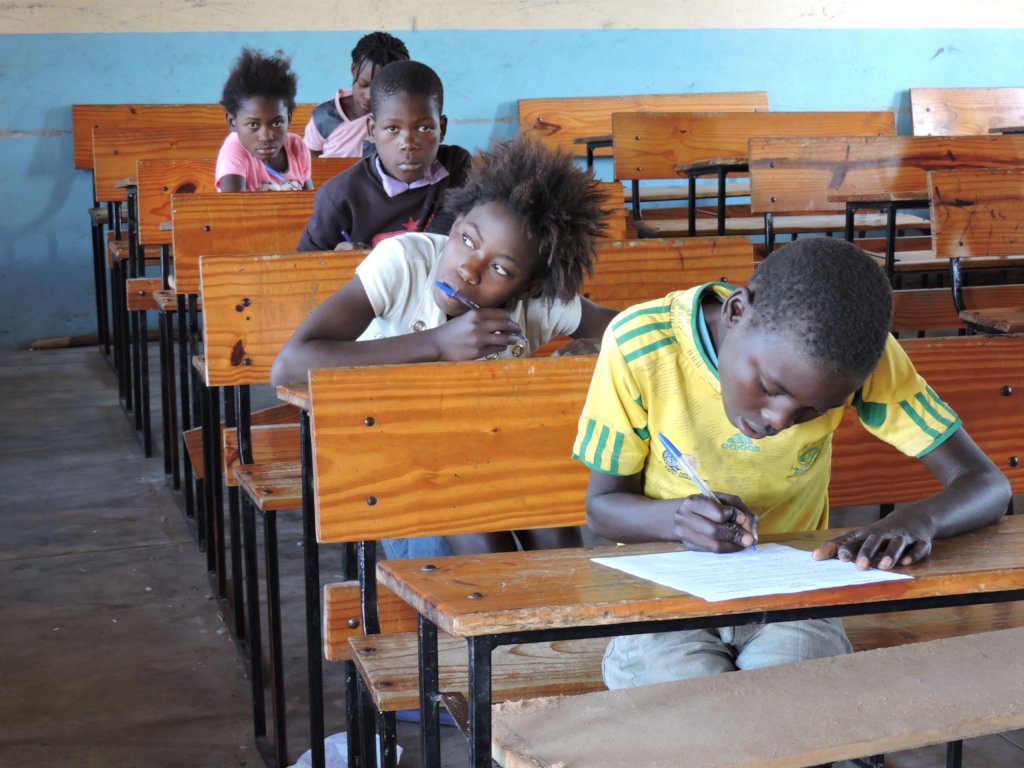
In rural Mozambique, less than 13% of girls aged 15-19 complete upper secondary education. Two of the biggest barriers are poverty and access, which also drive the high rates of child marriage and adolescent pregnancy in rural communities. Simply put, many girls have no other options after primary school, and this in turn perpetuates the cycle of poverty.
With your support, we are changing that.
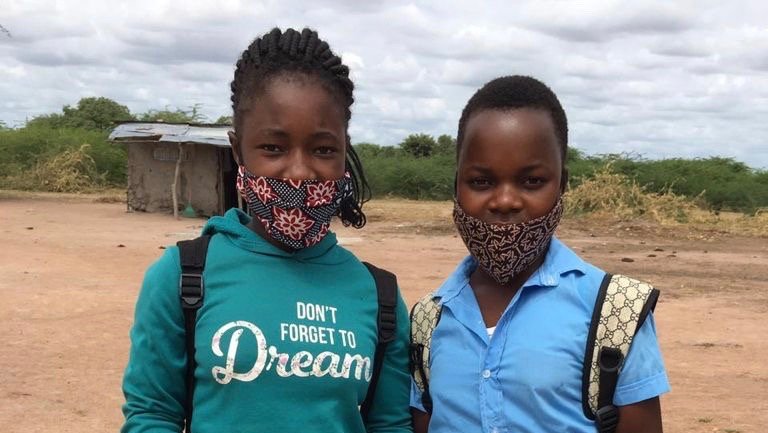
Through the Mozambique School Lunch Initiative's Secondary School Support program, adolescents who complete primary school are encouraged to continue on to the secondary level, and are provided a comprehensive package of support based on five pillars:
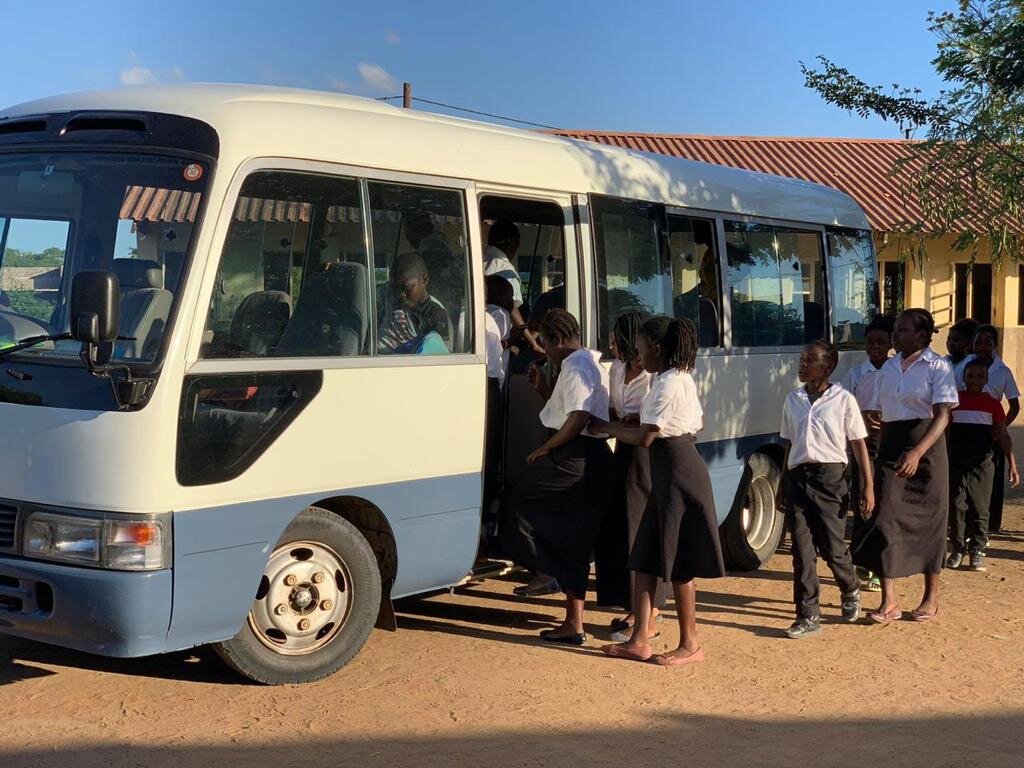
1. Access – secondary schools in Mozambique are often too far away for students from the poorest and most remote villages to reach by foot (over 20 kilometers). The program provides a free school bus service to take the students to and from school each day. In particular, this ensures the safety for girls attending secondary school.
2. Mentorship – for most adolescents in the program, they are the first in their families to go to secondary school, and there is a myriad of challenges they face in their teenage years. The program mentors (trained professionals) hold weekly meetings with the students, divided into small groups, during which they go over topics like goal-setting, communication skills, and adolescent health.
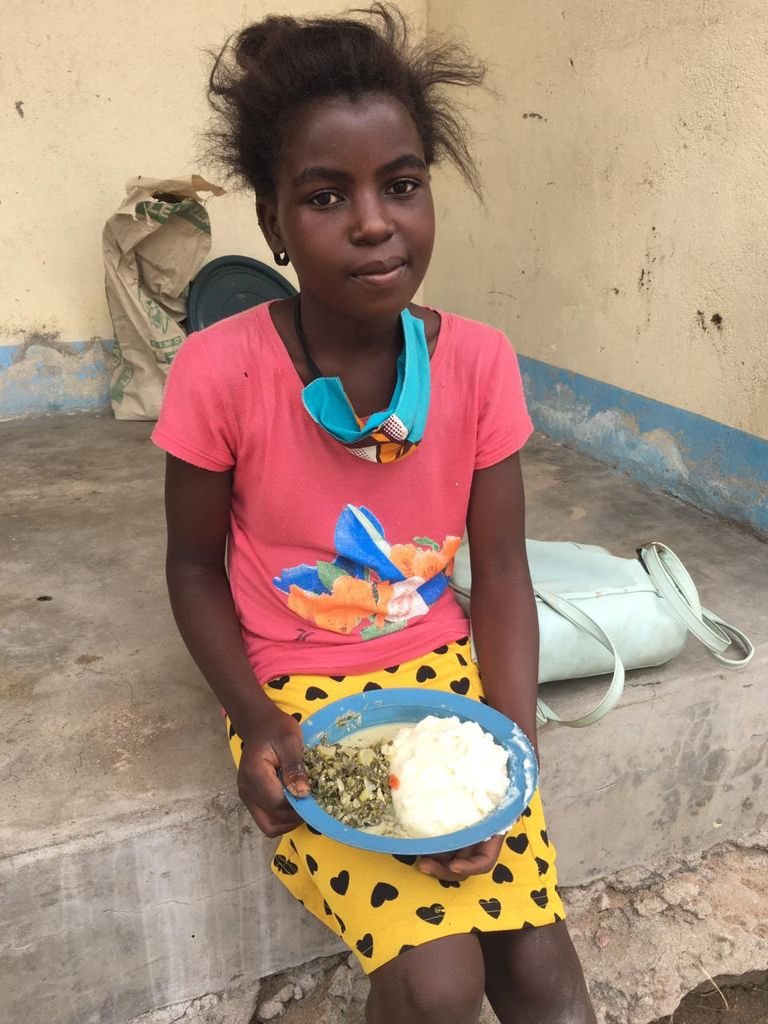
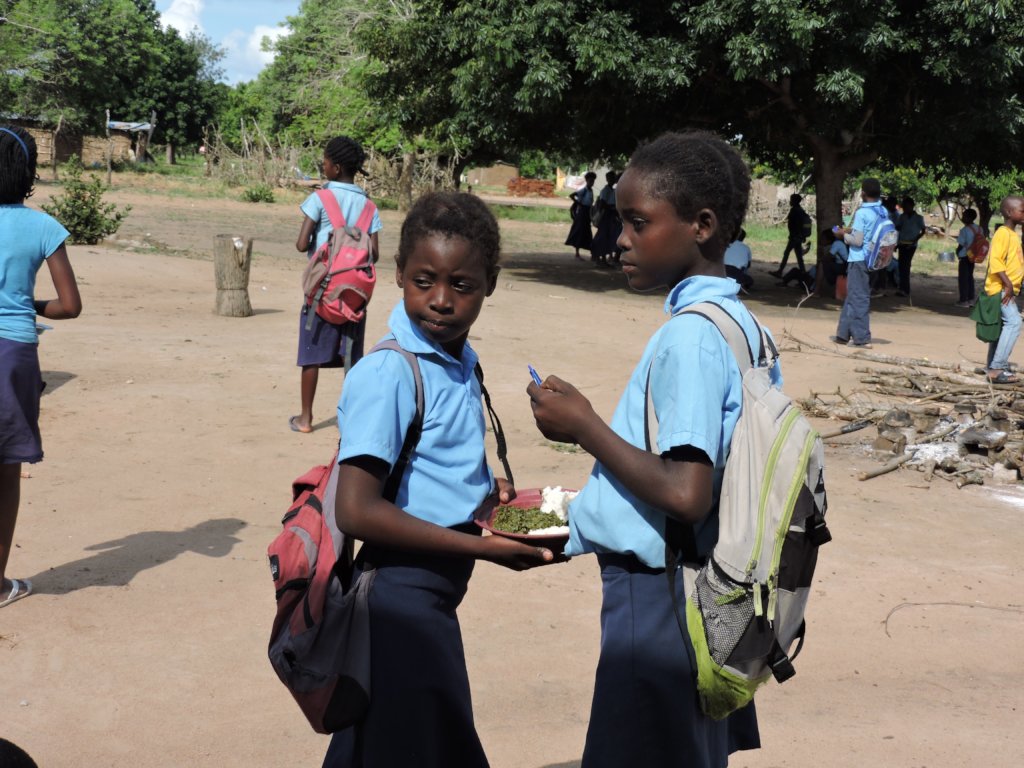
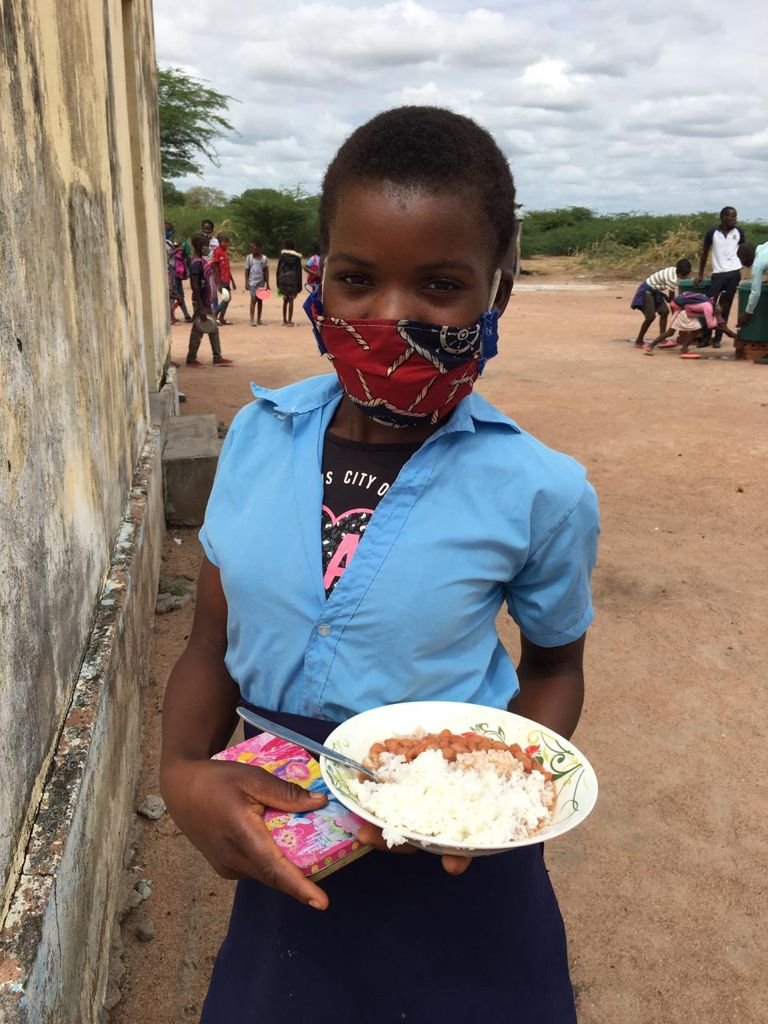
3. Nutrition – for adolescents living in extreme poverty, one of the most pressing concerns is always hunger. In rural areas, this is especially true due to the seasonality of agricultural production. The program provides a nutritious school lunch and snacks to the students to ensure they have the ability to grow and learn.
4. Girls’ health – for adolescent girls, menstrual hygiene is often a major challenge and factor for missing school. In partnership with BeGirl, the program provides information and menstrual hygiene products so the girls can better manage their monthly cycle.
5. Community outreach – to address gender norms and other societal constraints to girls’ education, the program has a network of “mentor mothers” who serve as the main point of contact for each village. The mentor mothers are respected women in their communities and are responsible for conducting home visits to sensitize parents on the importance of girls’ education, and to track down cases of child marriage (which are technically illegal in Mozambique, but persist in practice).
In the first year of the program (2022), the program reached 141 students. Only three students dropped out – a very high retention rate. This year (2023), the program size has over doubled to 304 students – 70% of whom are girls! This rapid expansion demonstrates the massive demand for the program, and its success so far in transitioning students to the secondary level. It also means that the program is looking for additional support to enable more students to further their education. It costs just $185 to support a student with the comprehensive package of support for a whole year, and this has tremendous impacts on their future. Thank you so much for your support in making this happen!
Project reports on GlobalGiving are posted directly to globalgiving.org by Project Leaders as they are completed, generally every 3-4 months. To protect the integrity of these documents, GlobalGiving does not alter them; therefore you may find some language or formatting issues.
If you donate to this project or have donated to this project, you can receive an email when this project posts a report. You can also subscribe for reports without donating.



Support this important cause by creating a personalized fundraising page.
Start a Fundraiser