By Ms. Zhang Yu | Program Director
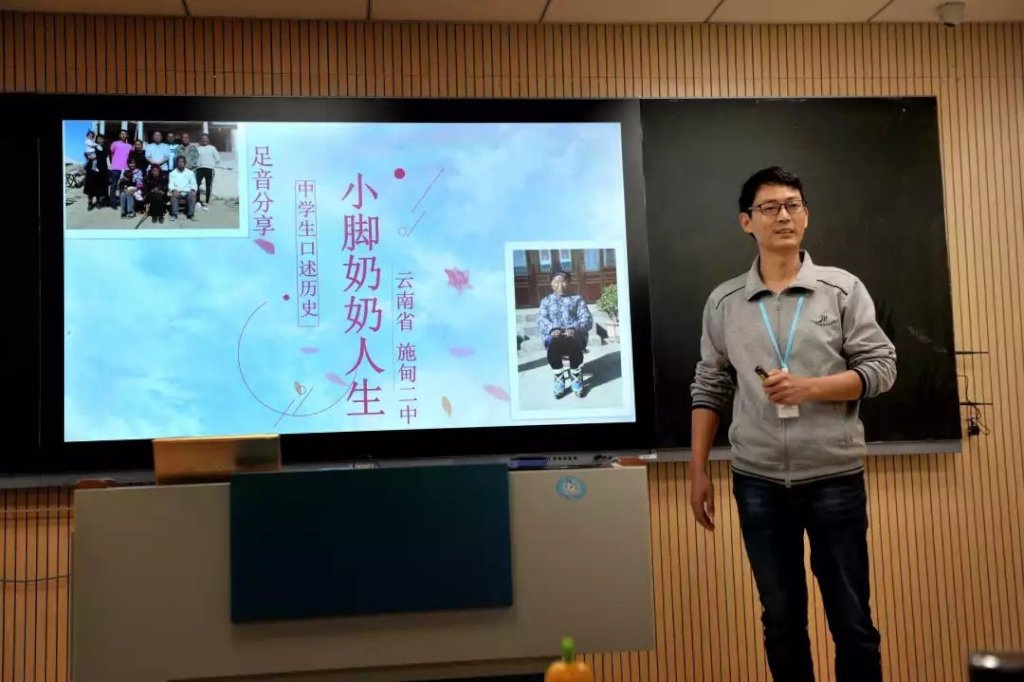
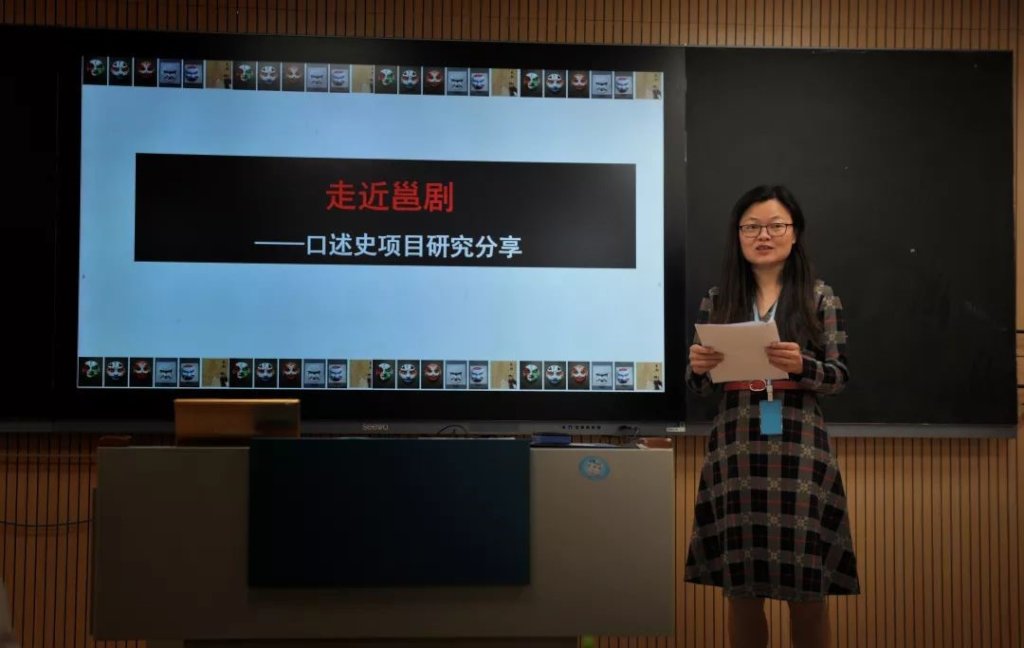
In 2019, based on the direction of the Footprint oral history project identified by the 2018 Guilin Workshop, about 30 secondary school oral history teams from Qinghai, Guangxi, Yunnan, Guizhou, and Gansu are experimenting oral history teaching on local cultural topics, and pursue students’ understandings of life stories in the aspects of background, subjectivity, and life connection. The themes explored by teachers and students are rich and varied, including local opera arts, such as Guangxi Yong Opera, Central Gansu shadow play; folk customs, such as Shehuo custom in Hehuang River Basin; livelihoods, such as the life of a buckwheat farmer, the life of a blacksmith, and the life of gold miner; food culture, such as Hepu Big Mooncake, Jiuxi Maltose for sacrifice to the Stove God; community history, such as the life of Water People, education stories of Dingjiayan Village, Cultivation Literature Society of Nanning No. 4 Secondary School, the life of Grandmas with bound feet, etc. After the first and second interviews, the students are in the middle of the interview analysis and essay writing.
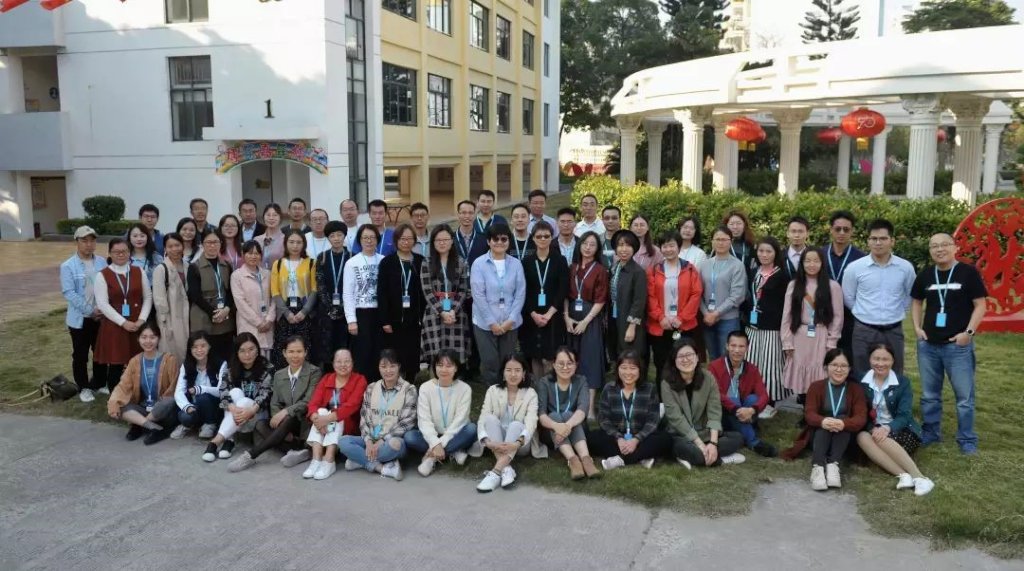
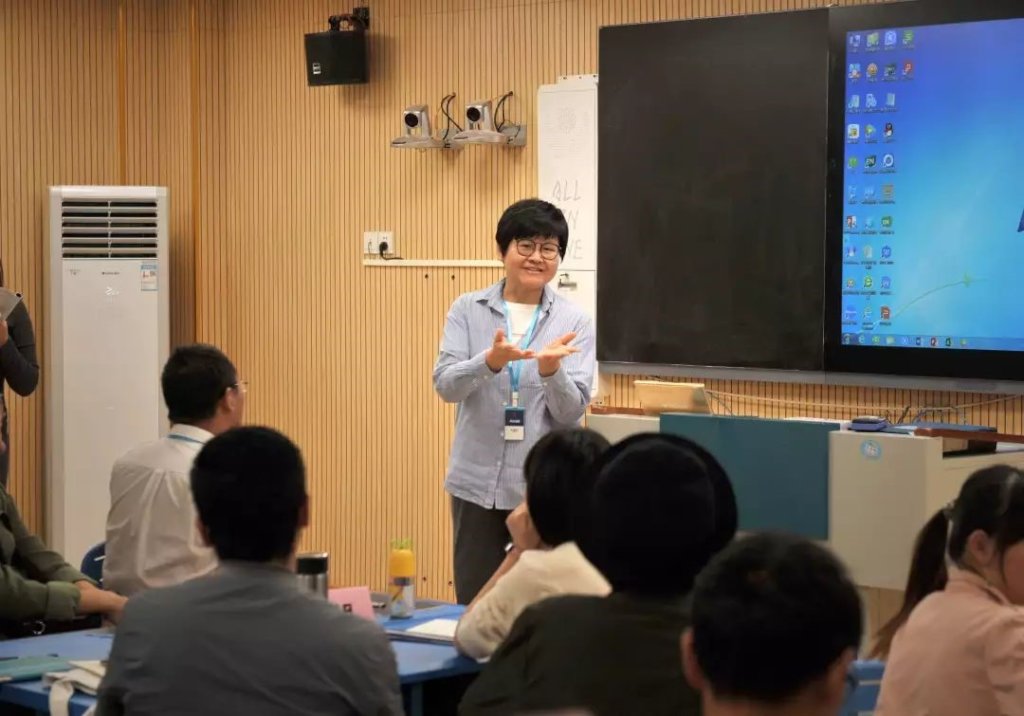
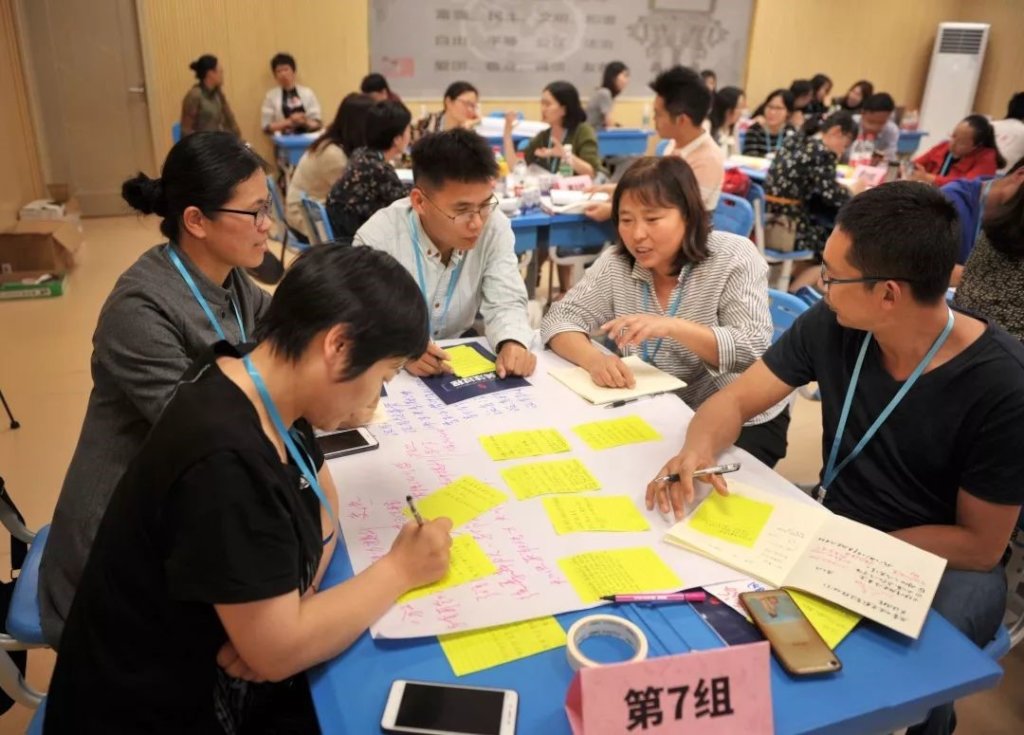
In order to promote the teaching towards understanding, from November 21st to 24th, 2019, the 2nd oral history teaching on local cultural topics workshop was held at Beihai No. 2 Experimental School in Guangxi. The theme was "Focus on Process", and the driving question was “How might we organize the research/teaching process to achieve the students’ target understandings?”, including sub-questions such as “How to form a research question which leads to students’ target understandings?” and “How to design products and displays to share the findings and understanding of teachers and students with the public?” Around 60 teachers participated in the training.
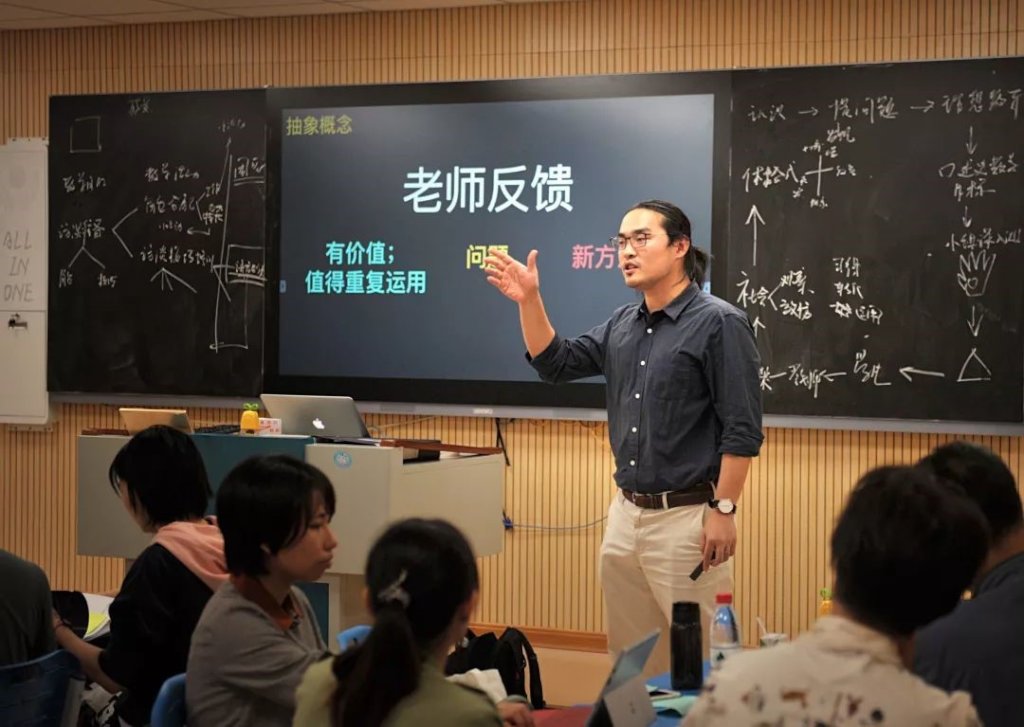
Besides the case sharing of outstanding projects, this workshop also includes 1) A session discussing the research process of oral history projects, led by Dr. W. Wong from the School of Social Science, Hong Kong University. Using "history-culture-life" as the basic appreciation framework, she led the trainees to analyze and interpret the interview transcripts, in order to improve their level of interview and analysis. 2) A session discussing the research positioning and outcome evaluation of oral history projects in the current academic/teaching standards, led by H. Xia, a senior history teaching researcher at the Teaching and Research Department of Guangxi Institute of Education; 3) A session reflecting on the teaching process in light of learning process and the teacher-student relationship, led by PBL facilitator Y. Xu and assistant H. Sun.
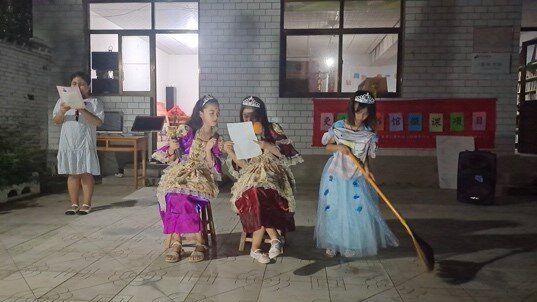
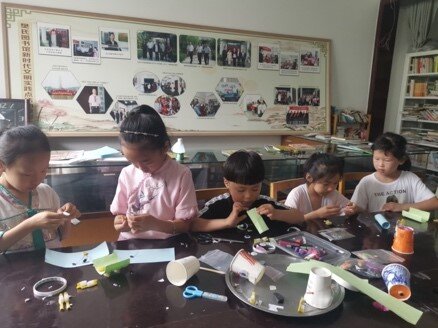
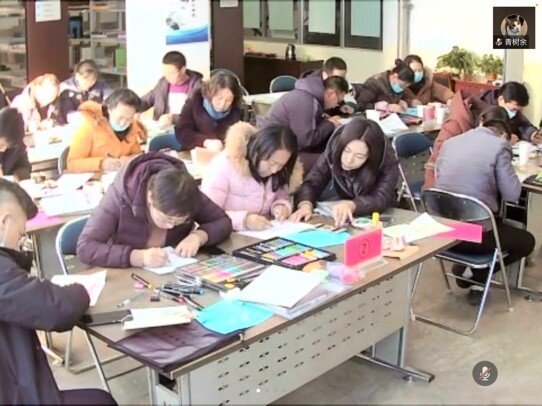
In addition, this workshop also provided interesting parallel workshops to help trainees develop skills and design ability of OH products and displays, include 1) The logical fallacy workshop: Observing that the teachers and students were prone to logical fallacy which affected the quality of research analysis, independent designer H. Liu carefully designed this workshop, as a start of training on logical thinking. 2) Introduction to Documentary workshop: Based on the experience of producing the documentary film " The Rice Cake of Yangmei Ancient Town——An Oral History", Teacher Z. Zhao from the Oral History Society of Nanning No. 14 Secondary School, Guangxi, brought to the trainees a documentary workshop including theory and hands-on experience. 3) Oral History Drama Workshop: Based on the interview transcripts of the Huaer Oral History Project from Tianzhu Xinhua Middle School, PEER drama instructor D. Xu and Y. Gong led the trainees to create and perform in front of all the trainees a one-act drama“Life with Huaer of Guosheng Zhang”, greatly stimulated teachers' interest in drama as a product of oral history.
Each oral history team will complete essay writing or other planned products under the guidance of this workshop. For example, the Tianzhu Xinhua Middle School team incorporated what they learned from the drama workshop, improved the “Life with Huaer” drama that they were making, and had a successful public debut at the end of 2019.
Project reports on GlobalGiving are posted directly to globalgiving.org by Project Leaders as they are completed, generally every 3-4 months. To protect the integrity of these documents, GlobalGiving does not alter them; therefore you may find some language or formatting issues.
If you donate to this project or have donated to this project, you can receive an email when this project posts a report. You can also subscribe for reports without donating.



Support this important cause by creating a personalized fundraising page.
Start a Fundraiser