By SHARE NGO | Director
Urgency, Benefits of food support for affected families - Karamoja
The Situation
Uganda’s population has increased by nearly 15 million between 2002 and 2018. The country currently hosts the largest refugee caseload on the continent with more than 1.27 million refugees living in and around 10 rural settlements and urban areas. The country has received more than 1 million refugees from from South Sudan and the Democratic Republic of Congo since July 2016.
The discovery of significant oil reserves in Uganda is expected to boost future economic growth, along with improved agriculture and tourism through the second National Development Plan. However, although per capita income growth stands at about 2 percent, poverty is still widespread with more than 19 percent of the population living below the national poverty line.
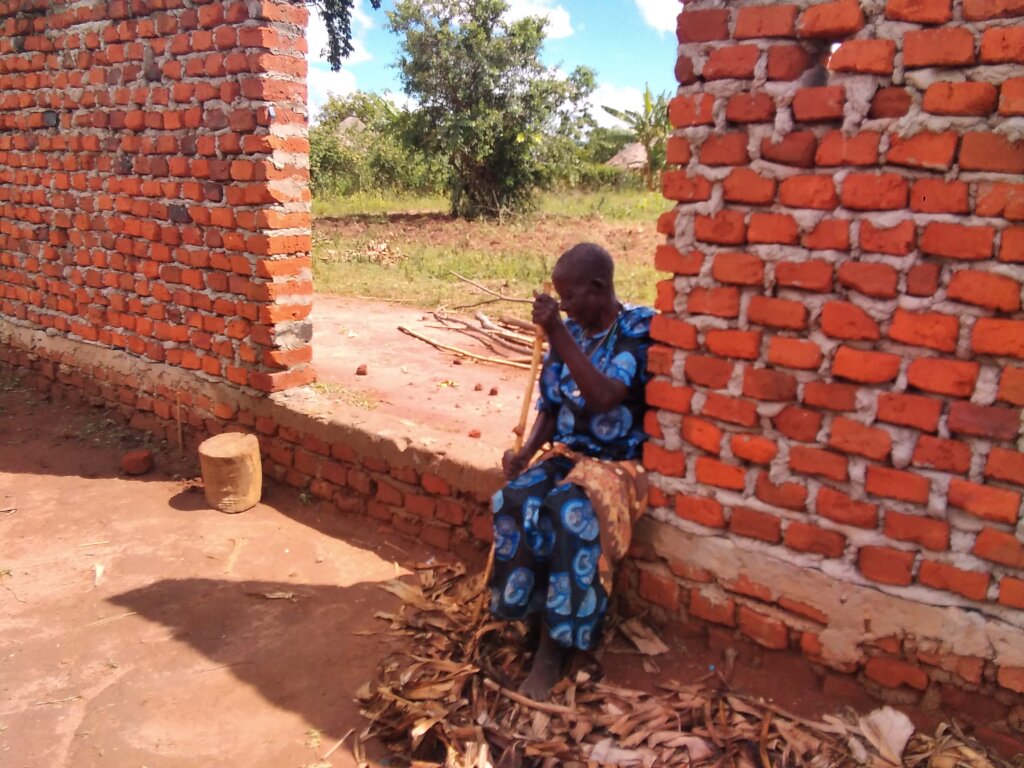
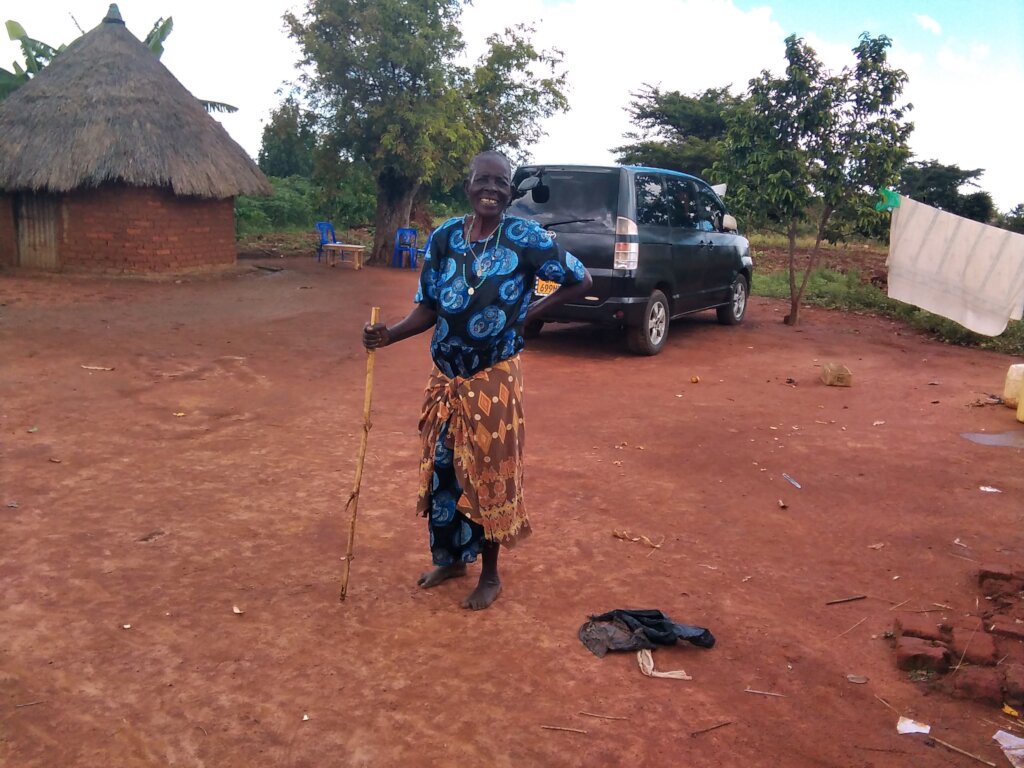
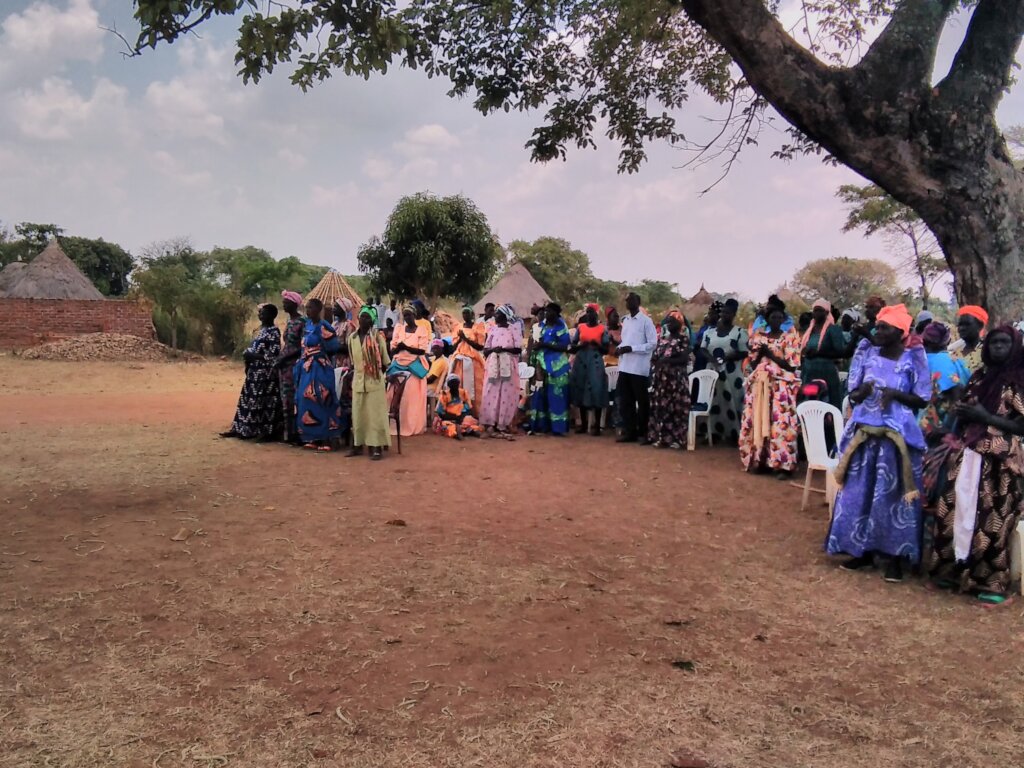
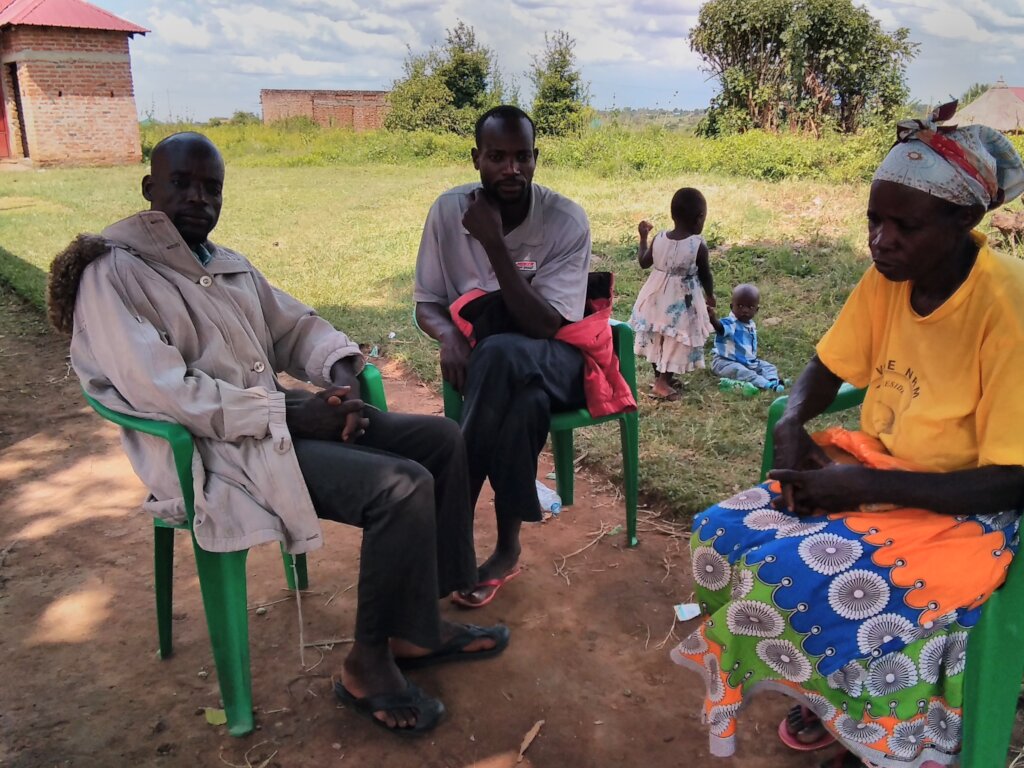
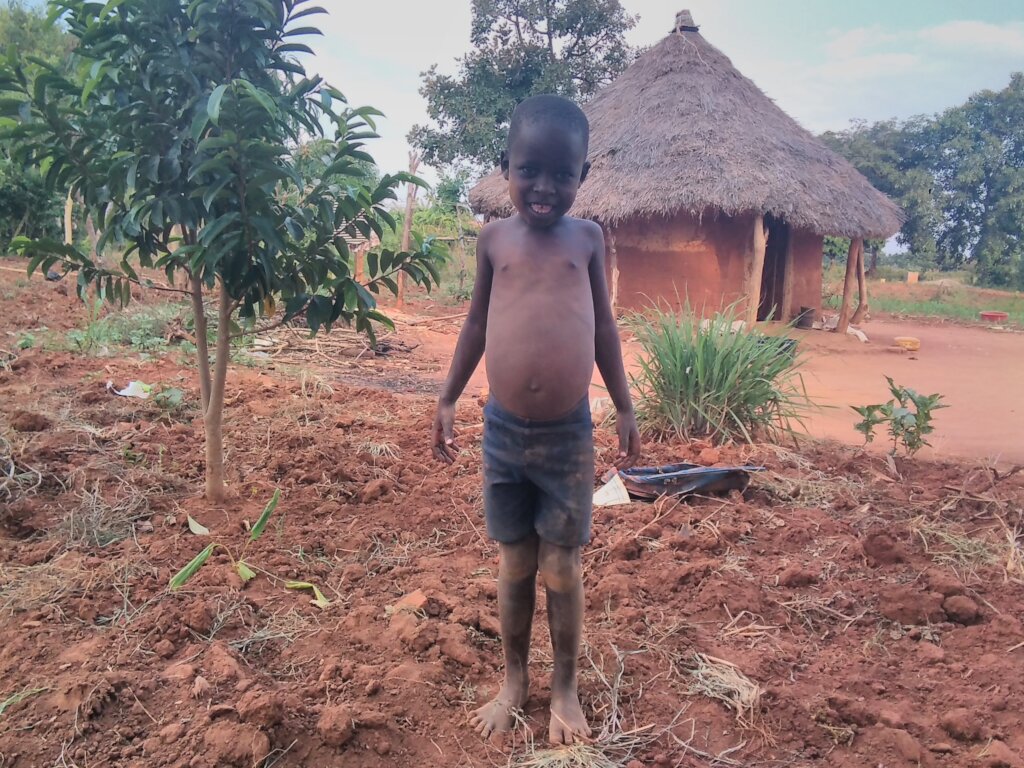
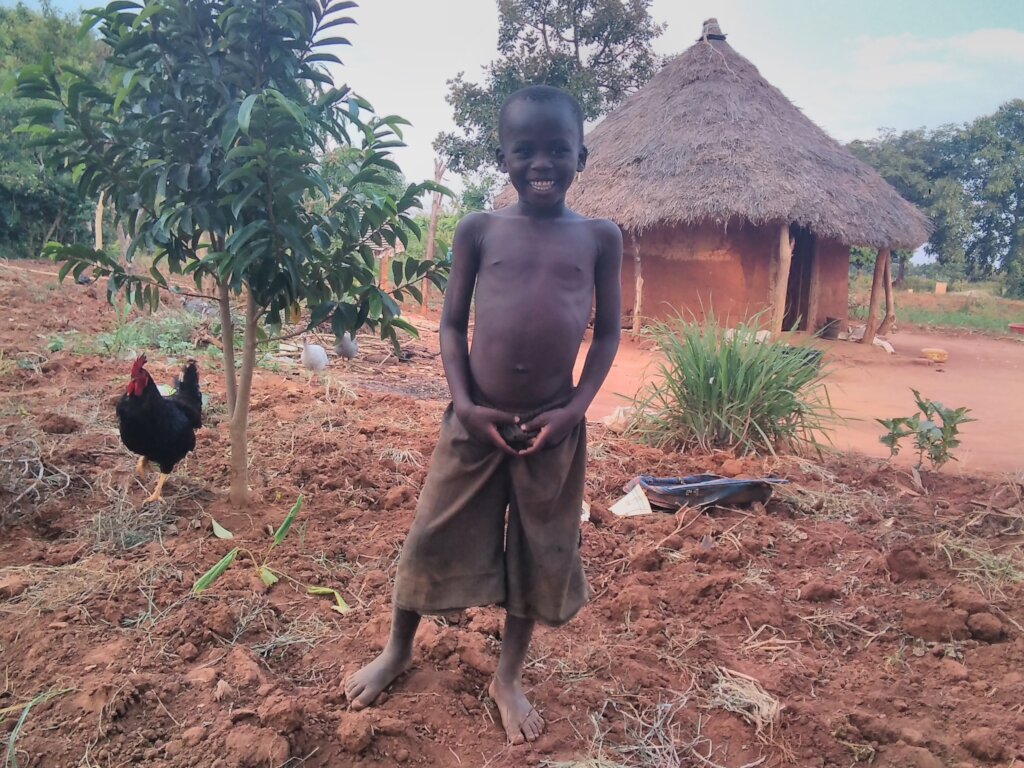
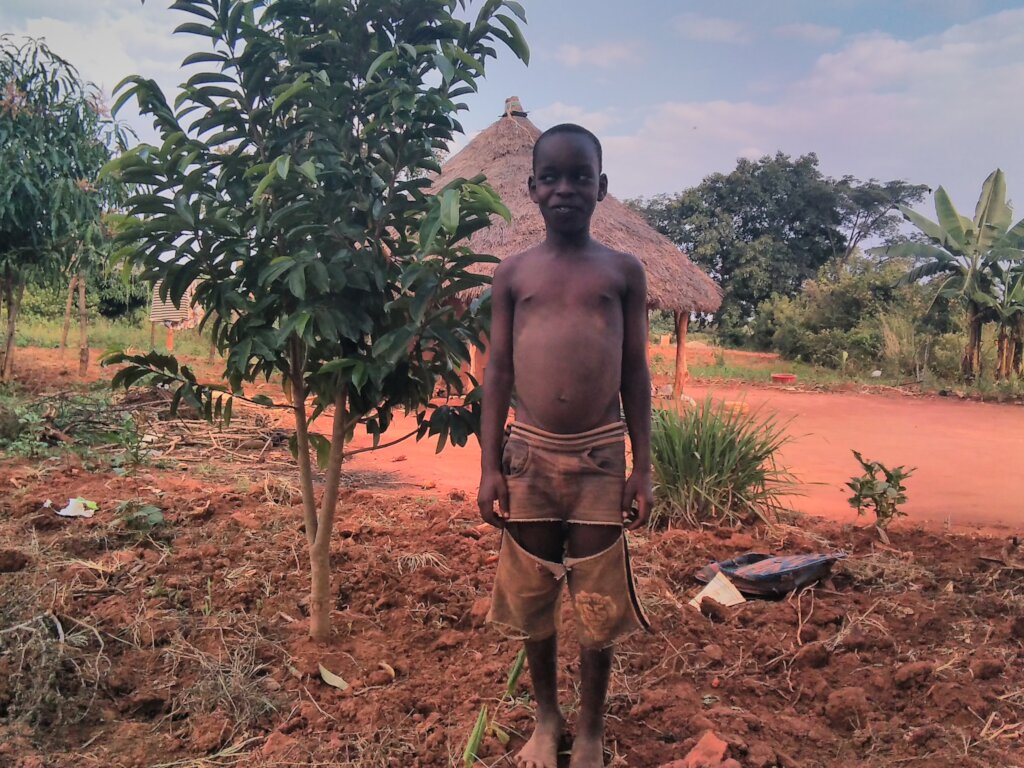
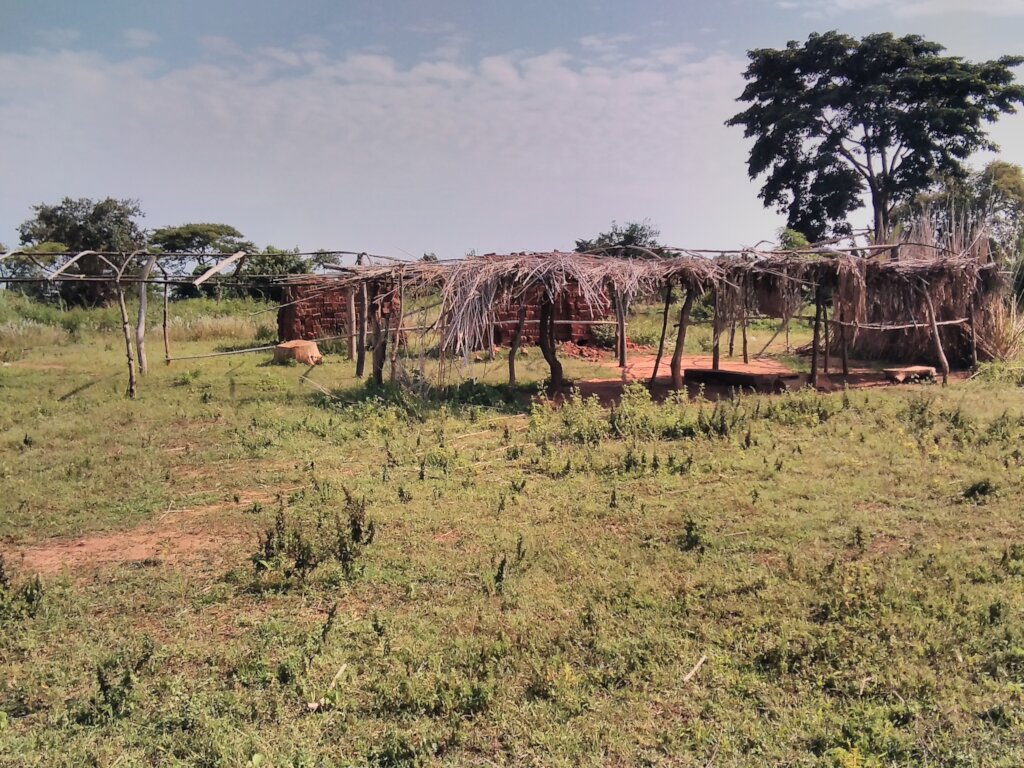
The Karamoja subregion is Uganda’s poorest, with chronic food insecurity, poor access to basic social services such as education and health, environmental degradation, erratic rainfall and recurrent droughts. Despite improved security in the region, a combination of these factors has undermined the capacity of households to meet their basic nutritional needs and has led to high rates of stunting among children under five at 35 percent.
SHARE NGO Work
In Uganda, the SHARE NGO anticipates to work in collaboration with the government on a number of programs; should our funding goals be realized of over 30,000 USD.
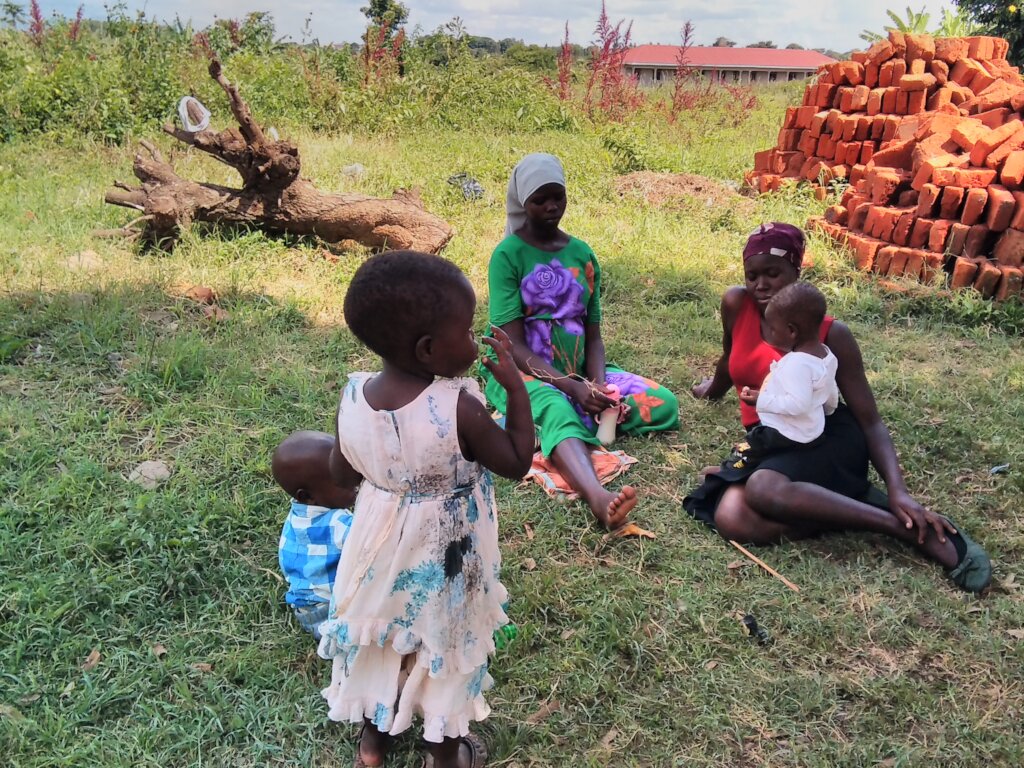
Nutrition – To prevent further stunting and micronutrient deficiencies among children, SHARE NGO try to provide targeted food assistance to 26,000 mothers and children in the first 1,000 days of life, as well as treatment for moderate acute malnutrition among children under age five.
School meals – SHARE NGO plans to provide school meals to increase enrollment and attendance in the famine affected region of karamoja. Support schools in implementing a homegrown approach, utilizing fresh and local ingredients sourced from local parents and farmers.
Agriculture and market support – SHARE NGO intends to support over 125,000 small-scale farmers to reduce post-harvest loss and improve household income, leveraging infrastructure and develop skills to enhance productivity, food quality and market access.
Emergency assistance for refugees and food-insecure people - Action Plan for 2023-2024.
In the northeastern Karamoja region, women and households headed by women are disproportionately affected by poverty, food insecurity and chronic stresses.
SHARE NGO will work to ensure refugees and vulnerable groups here have access to food to meet their immediate needs and enable participation in self-reliance building programs. The U.N. agency provides food assistance to refugees in the form of food and cash vouchers; mother and child health and nutrition programs to address stunting, micronutrient deficiencies and moderate acute malnutrition; resilience building activities, including food assistance for assets using e-cards and in-kind food; and enhancing government emergency preparedness and response.
A new study found that humanitarian food assistance for refugees in Uganda creates significant economic benefits for the local economy, and even more so when it is in the form of cash.
SHARE NGO will introduce with donations available, a nutritional supplement called Plumpy’Sup for malnourished refugee children immediately upon their arrival at border points in northern Uganda
Food insecurity - karamoja!
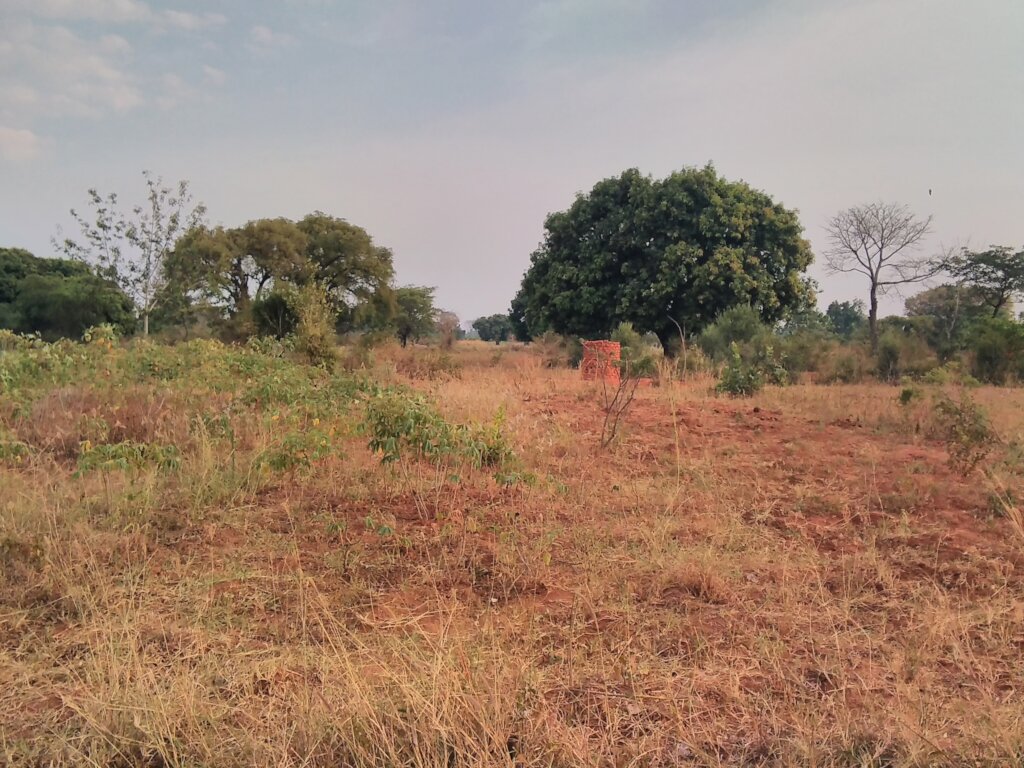
Karamoja is one of Uganda’s poorest regions, with income poverty at 66% and food poverty at 75%. With a largely rural population, livelihoods are based on livestock and crop production. Recent diversified livelihood activities include mining, stone quarrying, and the sale of natural resource products. Due to inadequate food access, poor dietary diversity, structural poverty, low-value livelihood options, poor hygiene and sanitation, and morbidity, the region has Uganda’s highest food insecurity and malnutrition levels. Four livelihood zones include Sorghum-Livestock, Maize-Livestock, Mixed Crop, and Apiary-Potato.
Karamojong’s way of life
Karamoja is widely reported in Ugandan and international media outlets for its impoverished populations who have resorted to holding a gun against themselves to deprive others of their property, primarily cattle. This has arguably been a traditional Karamojong way of life since the colonial periods. Several surveys and reports suggest that Karamoja remains mired in poverty and ignorance despite their participation in electoral cycles, a critical component of governance that has exposed most of its traditional leaders to parliament to continue lobbying and advocating for the region.
The betterment of Karamoja
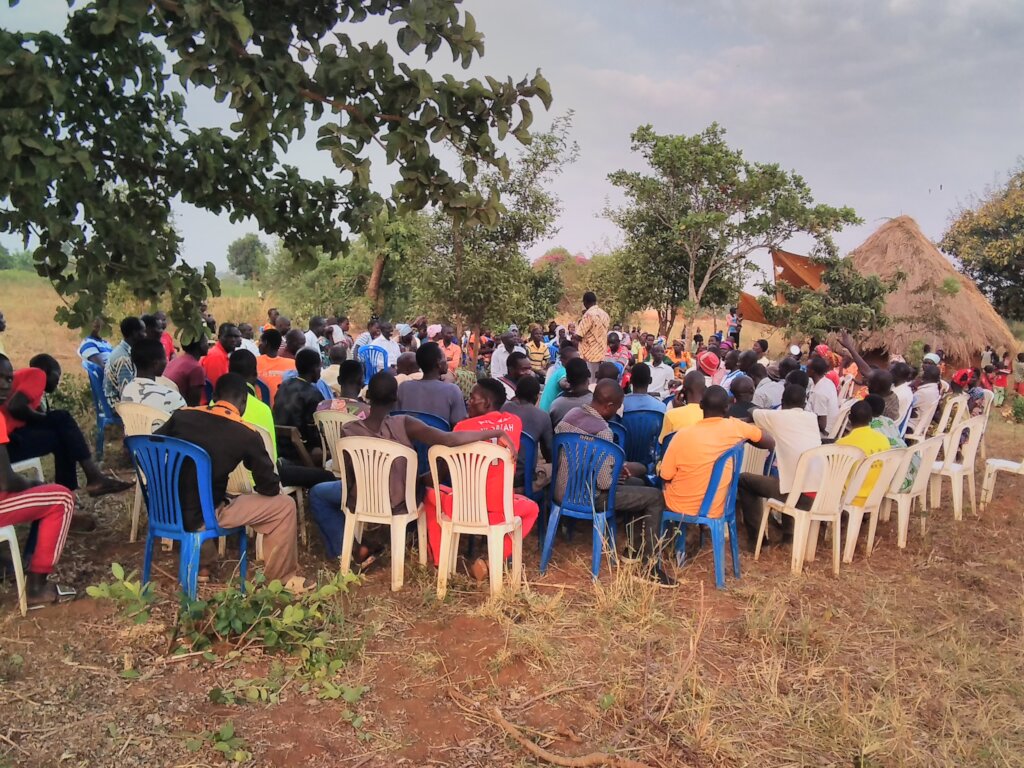
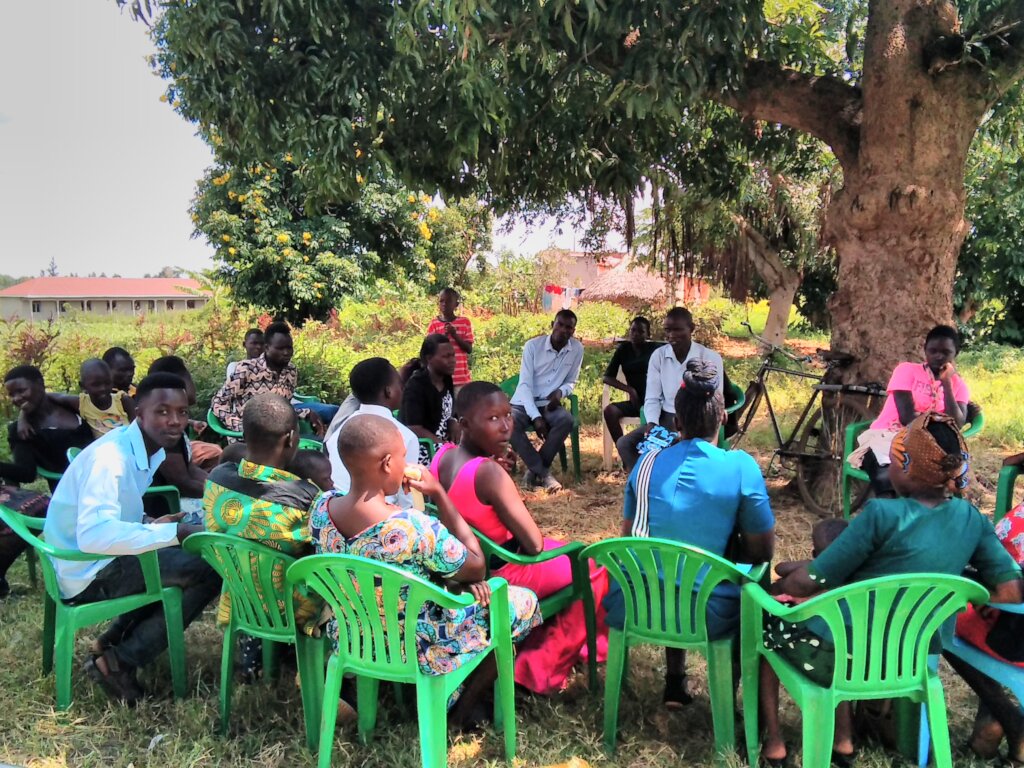
Following the region’s disarmament and hunger, a new trend of advocacy and civilisation has emerged, mobilizing grassroots activists, human rights defenders, and other key stakeholders to speak out for the betterment of Karamoja. This is a new civic engagement opportunity yet to be exploited. The shifting tides of civic engagement have brought about a digital paradigm shift, which is critical for the Karamoja transformational agenda. Despite the region’s digital illiteracy, the rise of digital advocacy tools such as Twitter and Facebook has been emulated by Karamoja’s elites who can afford smartphones.
The issues of Karamoja require more voices from within and outside the region to spark a ray of hope for the most impoverished society entangled in all sorts of socioeconomic aspects of life. As a result, the “Karamoja Converse Series” was born, a digital advocacy platform that could be used to tell its own Karamoja stories. The community needs something like this to own and share painful stories and design approaches to reopen the leadership gaps that are widely regarded as the root cause of the Karamoja issues.
Conclusion
Karamoja requires a digital space in which to air its grievances. Everyone in the region appears to be living in the hope of burying a relative or neighbour who may have died from a lack of food. These livelihood case scenarios underpin Uganda’s political rhetoric about its middle-income status.
By Project Leader | SHARE NGO
By SHARE NGO | Project Leader
Project reports on GlobalGiving are posted directly to globalgiving.org by Project Leaders as they are completed, generally every 3-4 months. To protect the integrity of these documents, GlobalGiving does not alter them; therefore you may find some language or formatting issues.
If you donate to this project or have donated to this project, you can receive an email when this project posts a report. You can also subscribe for reports without donating.



Support this important cause by creating a personalized fundraising page.
Start a Fundraiser