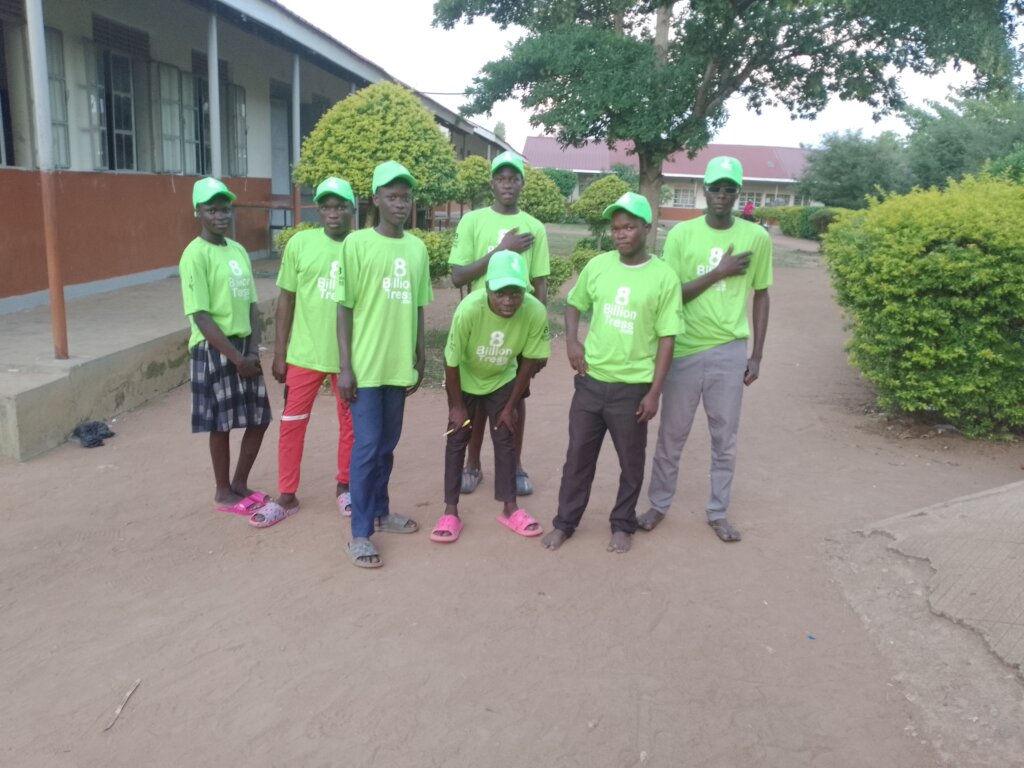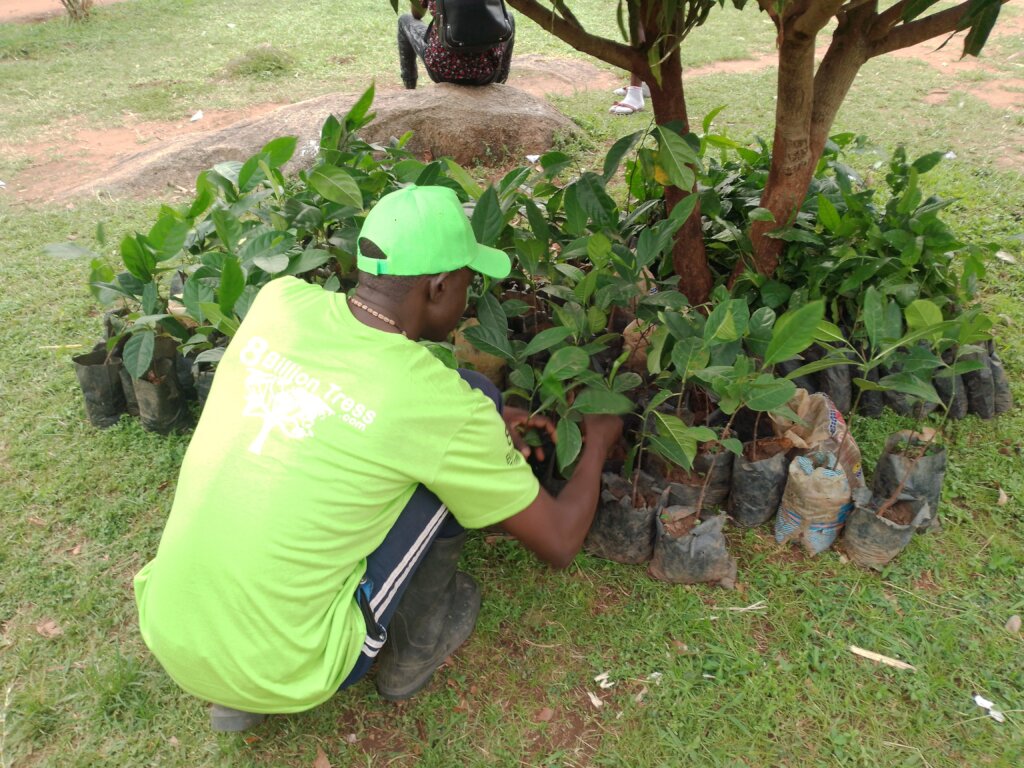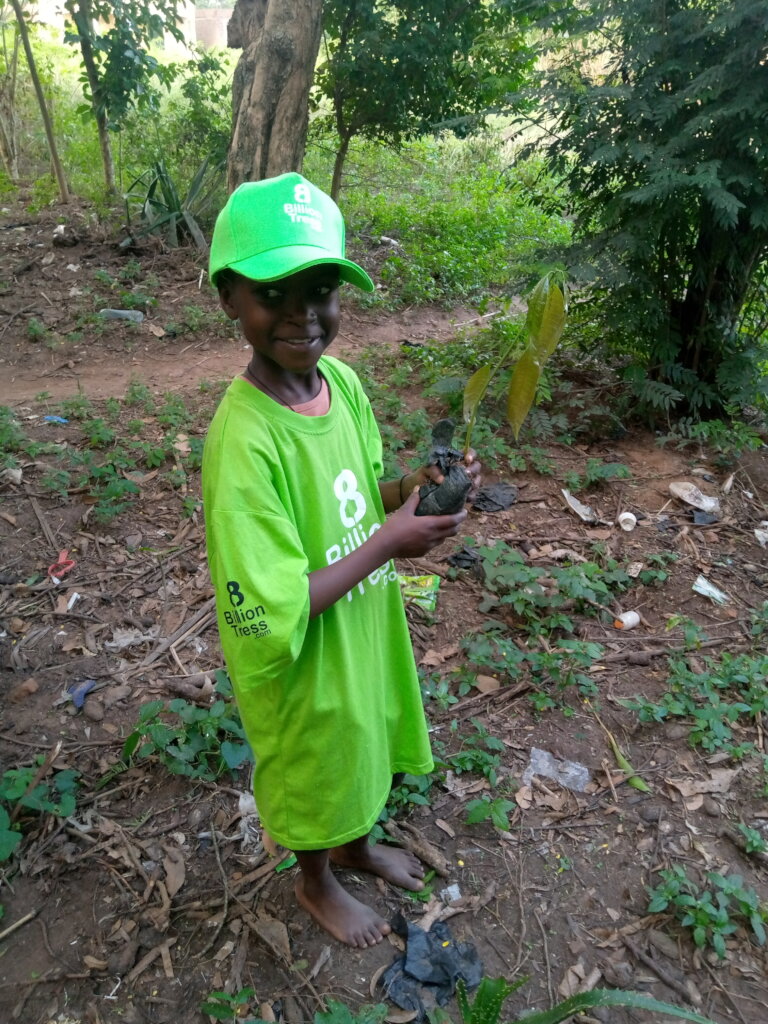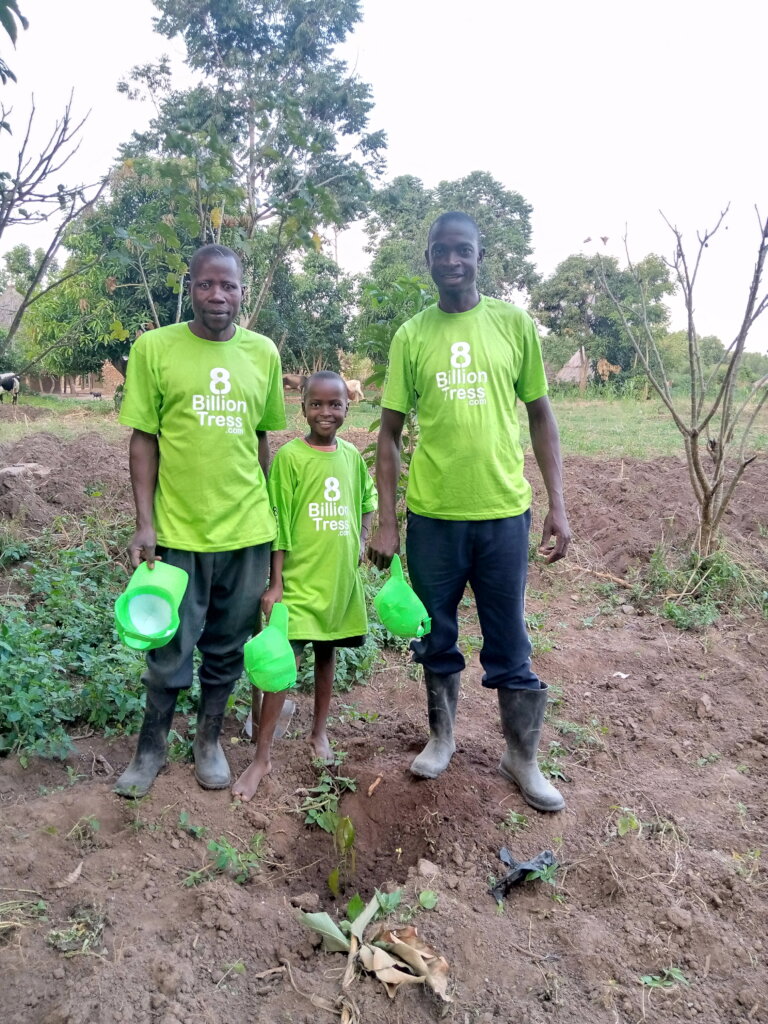
By Charles Olupot | Project Leader
To all our Donors, Sponsors, Partners.
Happy New Year 2025!
May this New Year open doors to new opportunities and fill your life with love and laughter
Climate change in Uganda:
Work on climate action is possible thanks to generous bilateral support from our single donors from GlobalGiving team and partnership.
Donor funding for climate change adaptation and mitigation is an essential complement to increase the capacity and investments of LMICs to respond to the climate crisis.
GlobalGiving organization is a multi-donor trust fund that enhances access to climate finance through capacity building, direct project implementation and strengthening of enabling environments.
By donating to the Fight Climate Change with global Giving, you're doing your part to address this crisis. You are making sure policy changes continue to happen. You are building a cleaner, healthier world. Donate today and join the fight against climate change
Climate Change in Uganda.
A majority of Ugandans (57%) say the climate is getting worse. A large majority (86%) say they are concerned about the impact of climate change on their lives
Most citizens say the climate is getting worse, and the vast majority are concerned about the impact of climate change on their lives. Seven out of ten citizens report that agricultural yields have declined in recent years, and the same number say that securing basic necessities for their households is more challenging.
These findings were released by Twaweza in a research brief titled A burning planet? It’s already happening: Ugandan citizens’ opinions and experiences of the climate crisis based on data from Sauti za Wananchi, Africa’s first nationally representative high-frequency mobile phone survey. For this brief, data were collected from 2,762 respondents in the sixth round of calls to the second Sauti za Wananchi panel, conducted between 25 October and 25 November 2023.
Most citizens report experiencing the effects of climatic or environmental changes at household
(82%) and community (83%) level. This is more common in rural areas, among poorer
households, and households that depend more on agriculture for their livelihood. It is also
reported in the Northern and Eastern parts of the country than in and around Kampala. The main
effects of climatic or environmental changes affecting households are low crop yields (40%) and
lack of food (17%). The same issues dominate community-level impacts at 32% low yields and
17% lack of food. Damage to roads is widely reported at community and national level.
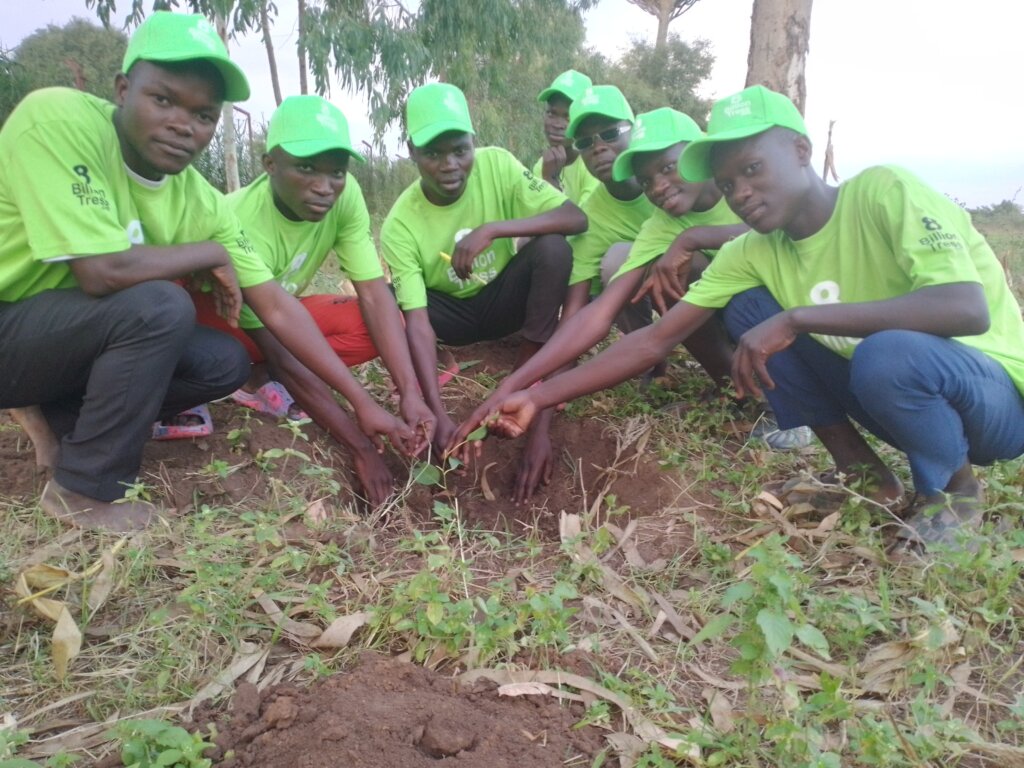
Planting trees is the most recommended action to mitigate the adverse effects of climate change,
with 52% of respondents endorsing this suggestion, and nearly as many (45%) claiming to have
already undertaken this activity. Following closely behind is if advocating for tree protection or
planting cited by 36% of respondents. This matches with citizens’ views on the causes of climate
change, where70% identify deforestation as a major cause of climate change.
Nevertheless, half of citizens (51%) agree with the statement that rich countries should take most
of the blame for climate change, while one out of three (34%) disagree. The consensus among
citizens is strong regarding the responsibility for climate change adaptation costs. A significant majority,
approximately seven out of ten citizens (68%), support the notion that those accountable for climate
change should shoulder the entirety of the burden for adapting to its effects.
Looking beyond this survey, while deforestation in East Africa may exert some minor influence on
carbon dioxide levels and local weather patterns, the scientific consensus is that climate change
predominantly stems from the carbon emissions of industrialized nations. Cumulative carbon
dioxide emissions since 1750 originating from African countries are tiny when compared with
emissions from wealthier countries and regions. For instance, emissions from the UK alone
National Adaptation Plan
In June 2023, Uganda launched a $2.9 million initiative to develop a National Adaptation Plan (NAP) to address climate change. The NAP aims to strengthen the country's resilience to climate change by integrating adaptation into policies and programs.
Private sector financing for climate change and green growth.
Most of Uganda’s climate finance comes from international partners as publicly available finance. There is a huge gap in climate financing with very little private sector participation. To change this, Uganda needs to lay the foundations for investors by identifying attractive projects. Uganda can also tap into its abundant natural capital, renewable and non renewable, to finance the impacts of climate change and the transition to a green growth pathway
By Charles Olupot | Project Leader
By Charles Olupot | Project Leader
Project reports on GlobalGiving are posted directly to globalgiving.org by Project Leaders as they are completed, generally every 3-4 months. To protect the integrity of these documents, GlobalGiving does not alter them; therefore you may find some language or formatting issues.
If you donate to this project or have donated to this project, you can receive an email when this project posts a report. You can also subscribe for reports without donating.



Support this important cause by creating a personalized fundraising page.
Start a Fundraiser