By Kirabo cathy | Programs officer
1. Background and Context
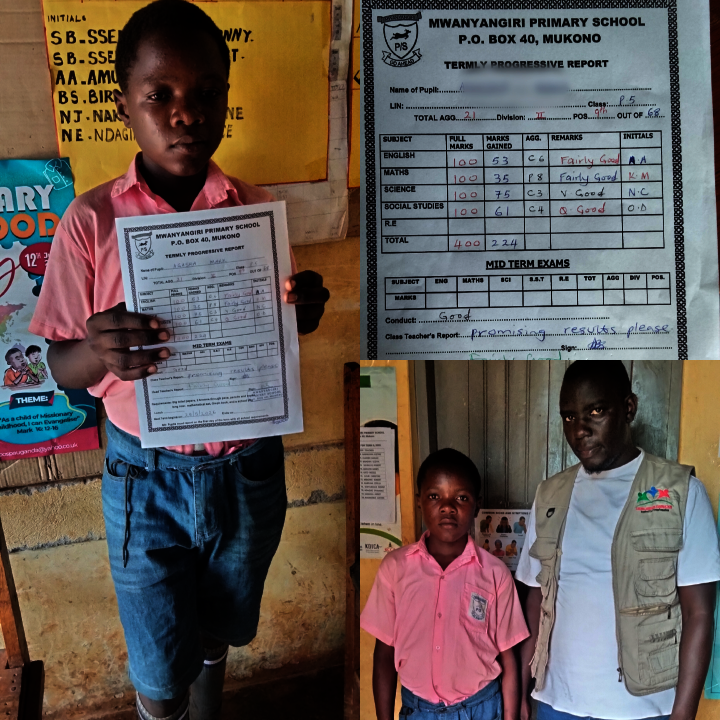
Mwanyagiri Village faces multifaceted challenges that severely restrict children's access to education. Chronic poverty prevents families from affording school fees, uniforms, and learning materials. Food insecurity means many children attend classes malnourished, impairing cognitive development and concentration. Limited healthcare access leaves treatable conditions like malaria and intestinal worms untreated, causing frequent absenteeism. Additionally, menstrual poverty forces adolescent girls to miss up to five school days monthly, with many dropping out permanently by early adolescence
2. Strategic Interventions
2.1 School Nutrition Program
A daily school feeding initiative using locally sourced maize and sorghum will be implemented in collaboration with local women's groups. Caregivers will contribute in-kind where possible, while fortified nutritional supplements will be supplied to ensure adequate dietary intake. This intervention aims to improve attendance, retention, and learning outcomes.
2.2 Menstrual Hygiene Management
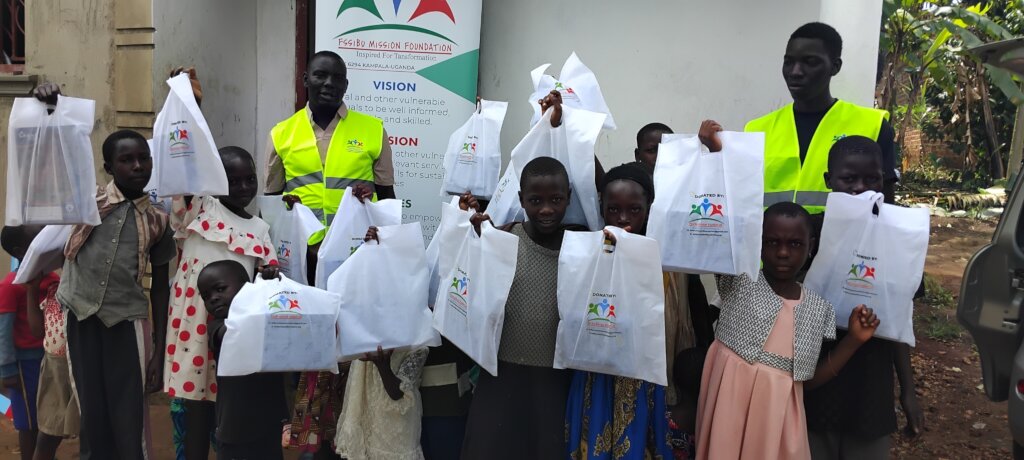
A Pad Bank initiative will be established to train peer mentors in producing reusable sanitary pads from local materials. Hygiene kits containing pads, underwear, and soap will be distributed to adolescent girls. A stipend program will provide regular allowances to the most vulnerable girls for sanitary supplies and toiletries.
2.3 School-Based Health Services
Trained community health workers will conduct weekly deworming sessions and malaria rapid diagnostic testing at the local school. Partnerships with the nearby health clinic will be formalized to secure subsidized medication, funded through community savings groups.
2.4 Flexible Fee Structures
Sliding-scale fee arrangements will be introduced, allowing families to pay in installments or contribute labor in lieu of cash. Facilitated savings groups will enable caregivers to build financial resilience for education-related expenses.
3. Implementation Framework
A community oversight committee comprising the village chairman, parents, religious leaders, and school administrators will be established. Interventions will be aligned with district education and health offices to ensure long-term sustainability. Monthly monitoring will track attendance, health indicators, and retention rates.
4. Conclusion
Mwanyagiri's children require urgent, holistic intervention. This integrated, community-owned approach tackles hunger, health, and dignity simultaneously, creating an enabling environment for every child to access and complete their education.
By F ssibu mission foundation | Project leader
By F ssibu mission foundation | Project leader
Project reports on GlobalGiving are posted directly to globalgiving.org by Project Leaders as they are completed, generally every 3-4 months. To protect the integrity of these documents, GlobalGiving does not alter them; therefore you may find some language or formatting issues.
If you donate to this project or have donated to this project, you can receive an email when this project posts a report. You can also subscribe for reports without donating.



Support this important cause by creating a personalized fundraising page.
Start a Fundraiser