Project Report
| Oct 26, 2026
Assess The Effectiveness through Community
By George Obua | Project Leader
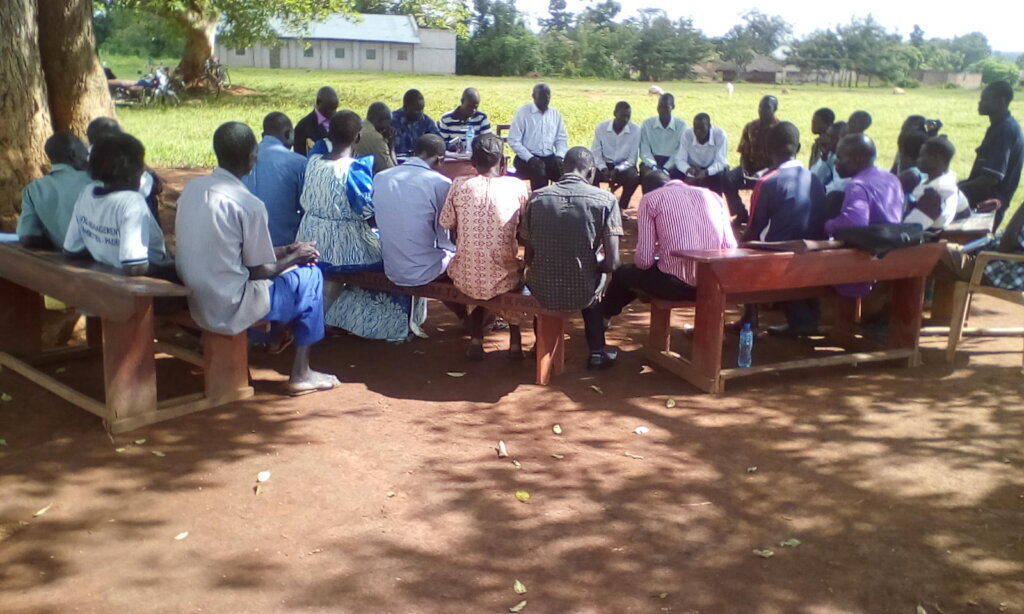
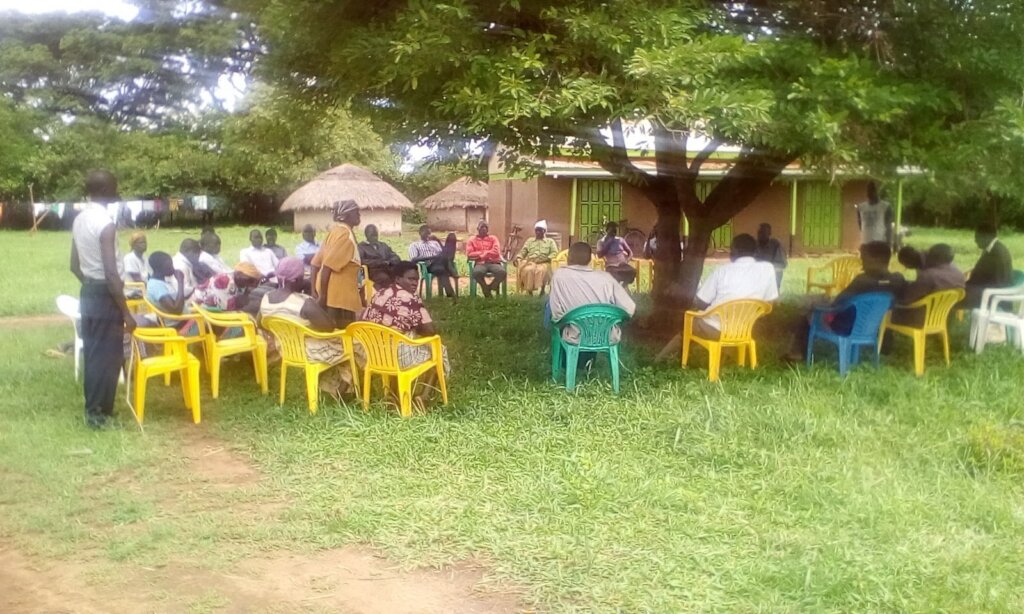
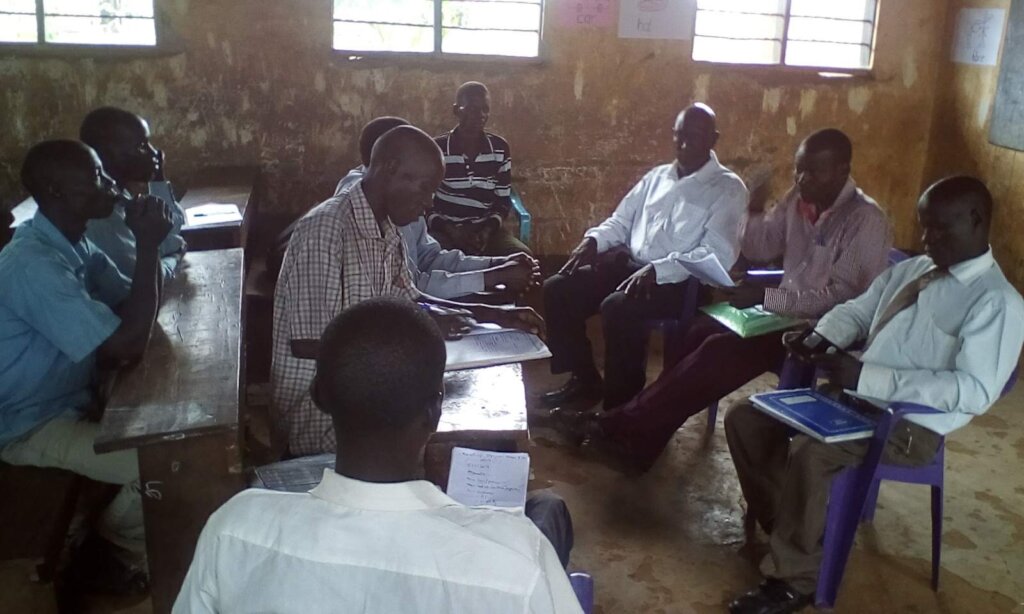
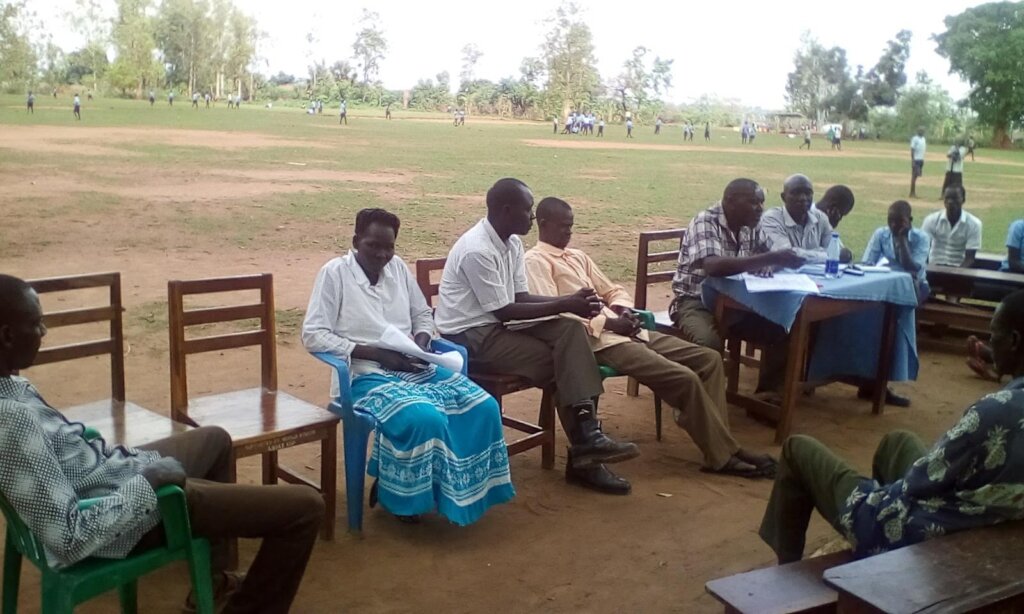
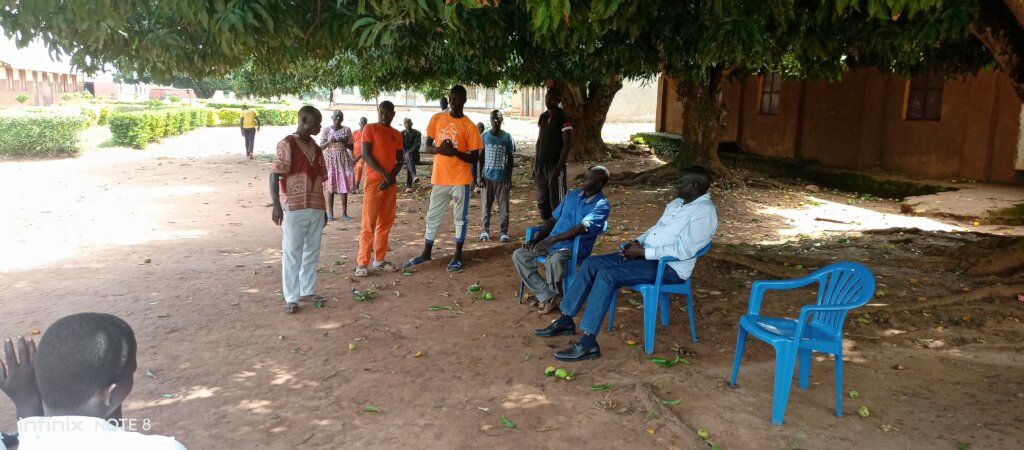
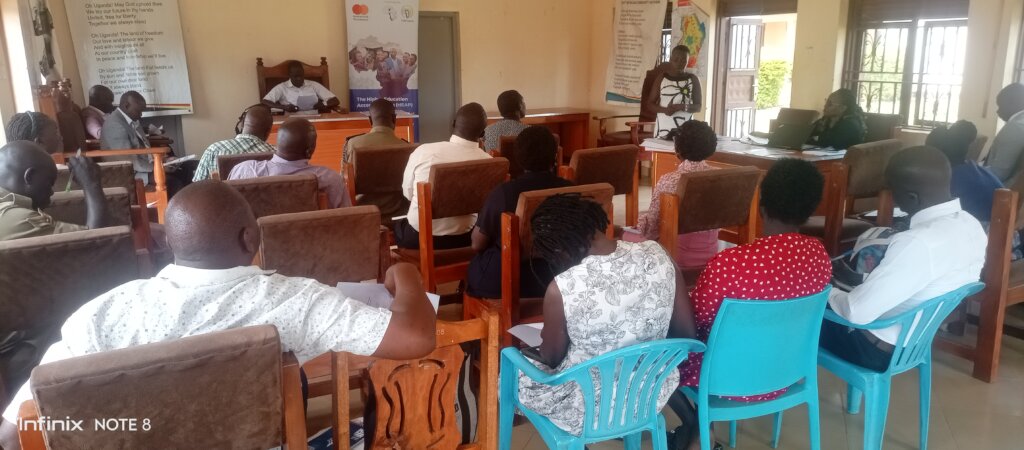
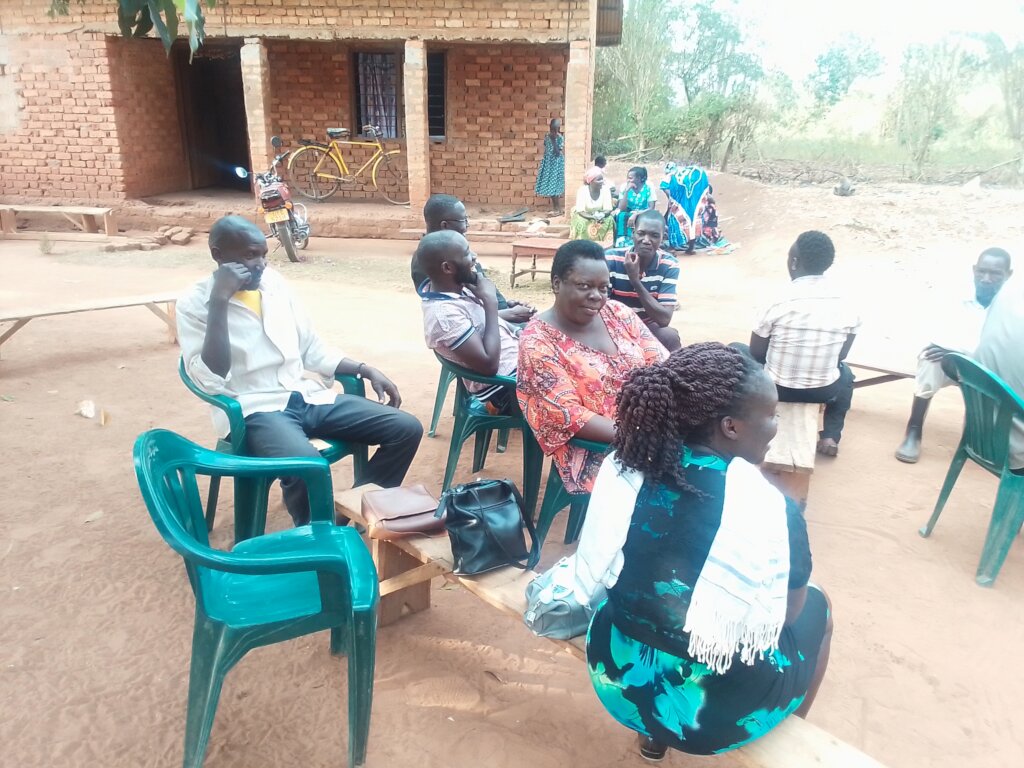
Kole Intellectual Forum (KIFA) has learnt that: evaluation of their projects by members of the community they serve, can make them to assess the effectiveness of their pieces of work or their developed programs.
Through this process to, the team of the organization has be able to highlight whether their projects are moving steadily and successfully towards the set goals or differently towards different directions.
Furthermore, evaluation with the community is also keeping the participants to refocus away from unproductive or unnecessary work.
Above all, this approach has also help the organization to, learn from their experiences; record what they have learnt, and share it with other stakeholders; check on their progresses; as well as checking whether they are doing well with the community or not; they have strength or not; learnt of their weaknesses and search for opportunities.
As of now, the organization is very clear of what to do, when do them, how to do them and with which people as a result of evaluating their projects with the community
![Share on Twitter]()
![Share on Facebook]()
Oct 26, 2026
Better Use of Resources: Value for Money
By George Obua | Project Leader
Proper use for money at Kole Intellectuaal Forum
"Value for money" in the concept of Kole Intellectual Forum is a principle that refers to the optimal use of resources to achieve the best possible outcomes by balancing costs and benefits, while also "time value of money" on other hand, is a financial principle stating that a dollar today is worth more than a dollar in the future due to its potential to earn interest. These two concepts are often being used at Kole Intellectual to ensure the donation received by the organization can do something that can transform the society.
Basically, deliberately, the value for money and time for money can be discussed on the following move: by,
- Definition: A concept that assesses the cost-effectiveness and efficiency of expenditures or investments.
- Goal: To achieve the best possible outcome or benefit for the resources invested, maximizing benefits while minimizing costs.
- Application: Use transparently to serve the purpose askedfor
![Share on Twitter]()
![Share on Facebook]()
Oct 19, 2026
Examination can promote learning processes
By George Obua | Project Leader
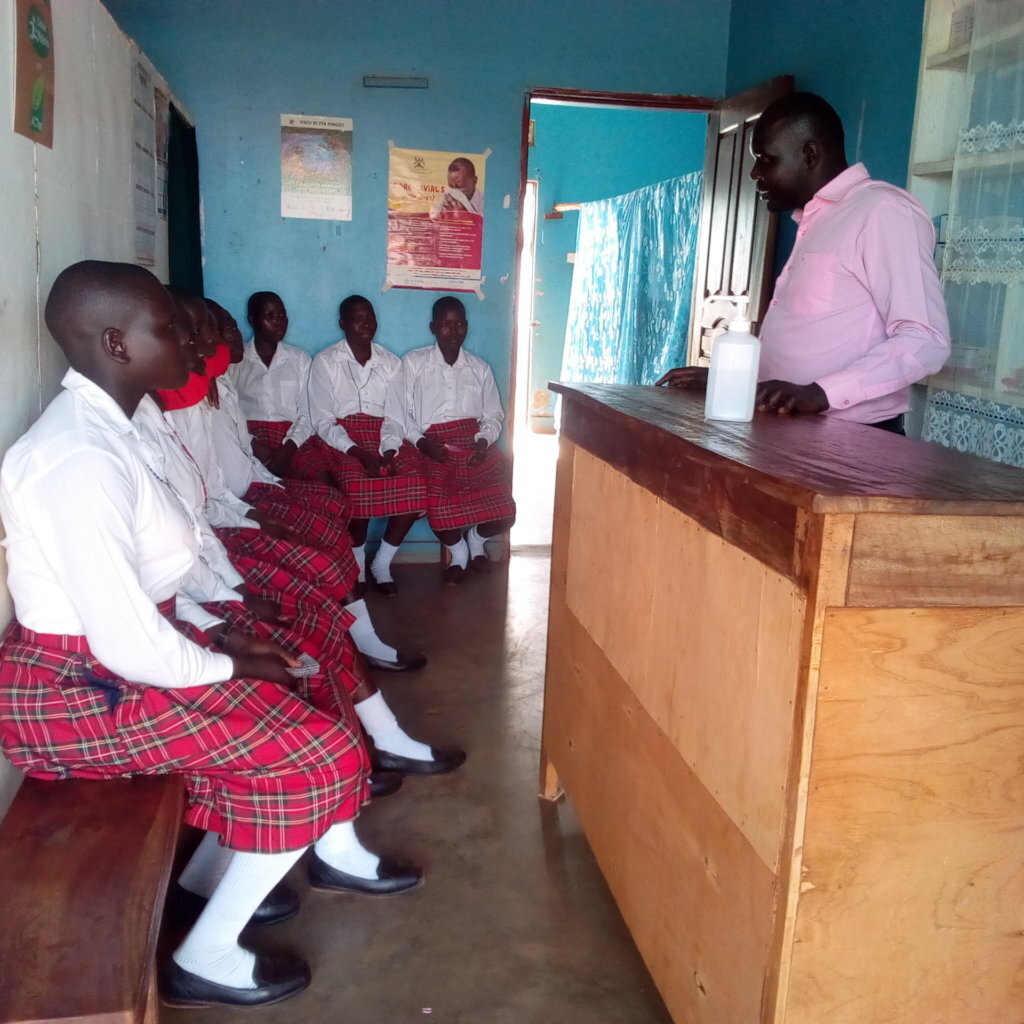
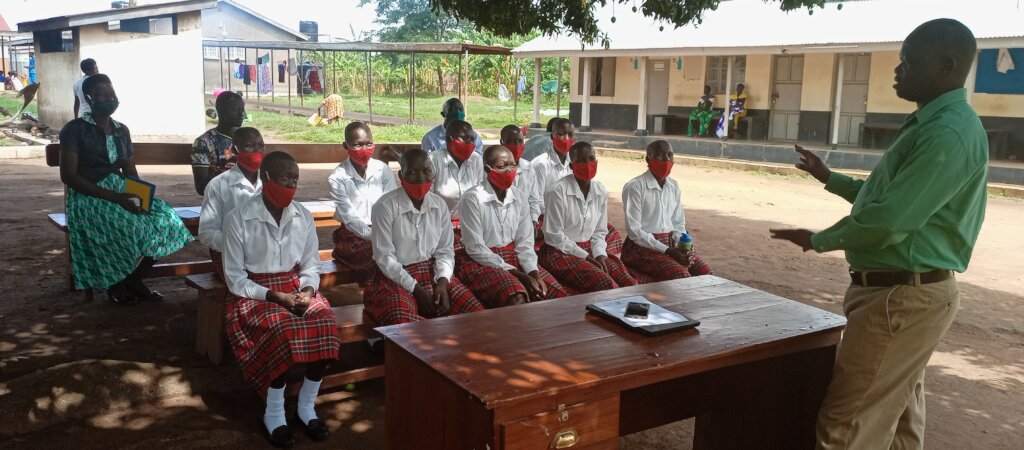
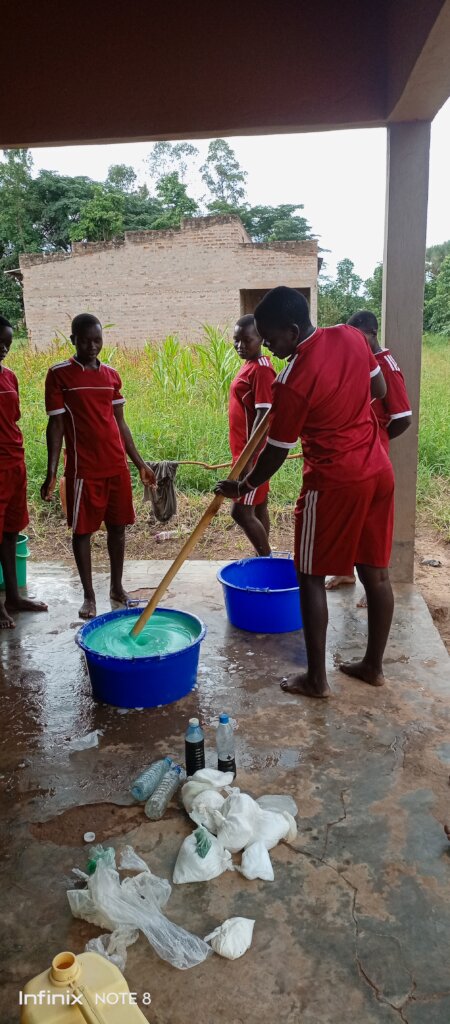
With weekly tests, particularly practical being promoted at the Institute of Home Economics of Kole intellectual Forum, it has been able to strengthen the ability of students to retain their knowledge, identify gaps in their learning processes, and is preparing them for high-stakes exams.
The effectiveness of these tests are verified through the following implementation processes, that is to:
- Keep it in low-stakes: by focusing on the learning process rather than high-stakes grading. This encourages students to see tests as a tool for growth rather than a final judgment.
- Analyze and reflect on it: Dedicate time after the test for students to analyze their mistakes and reflect on their performance. This is crucial for turning the test into a learning experience.
- Use interactive reviews: Incorporate engaging review activities to reinforce the material, such as games, group activities, or digital tools.
- Encourage ownership: Promote a growth mindset by acknowledging effort and celebrating progress, not just final scores.
- Simulate exam conditions: For students preparing for specific exams, encourage them to replicate exam conditions during their practice tests by finding a quiet space and sticking to the time limit.
![Share on Twitter]()
![Share on Facebook]()