Project Report
| Oct 17, 2026
Managing the projects through community feedback
By George Obua | Project Leader
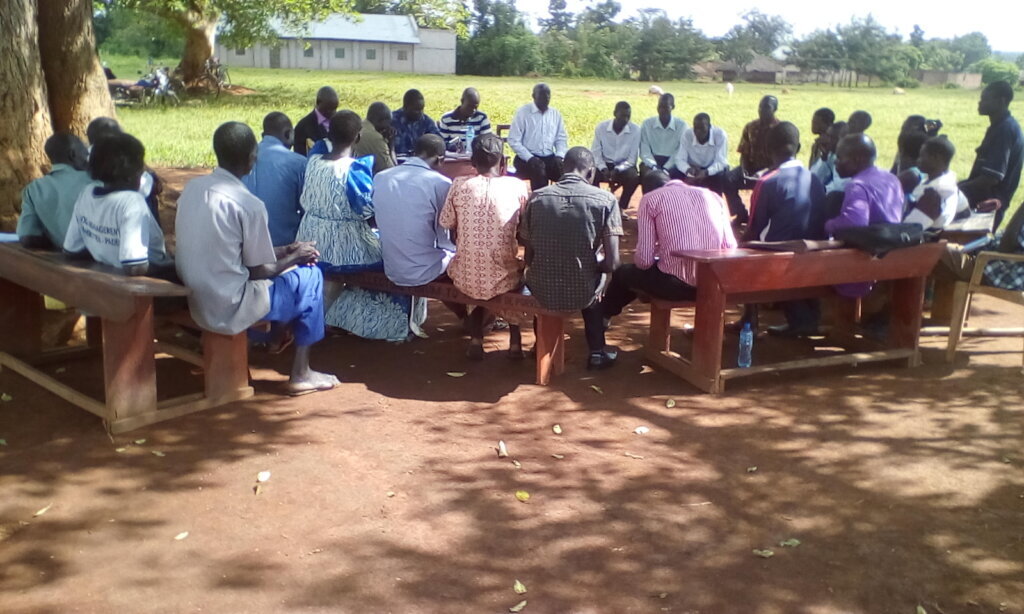
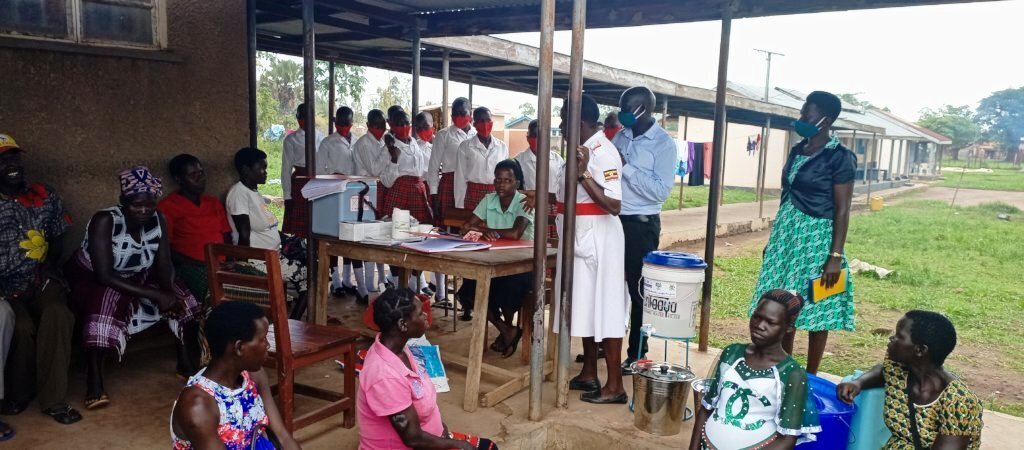
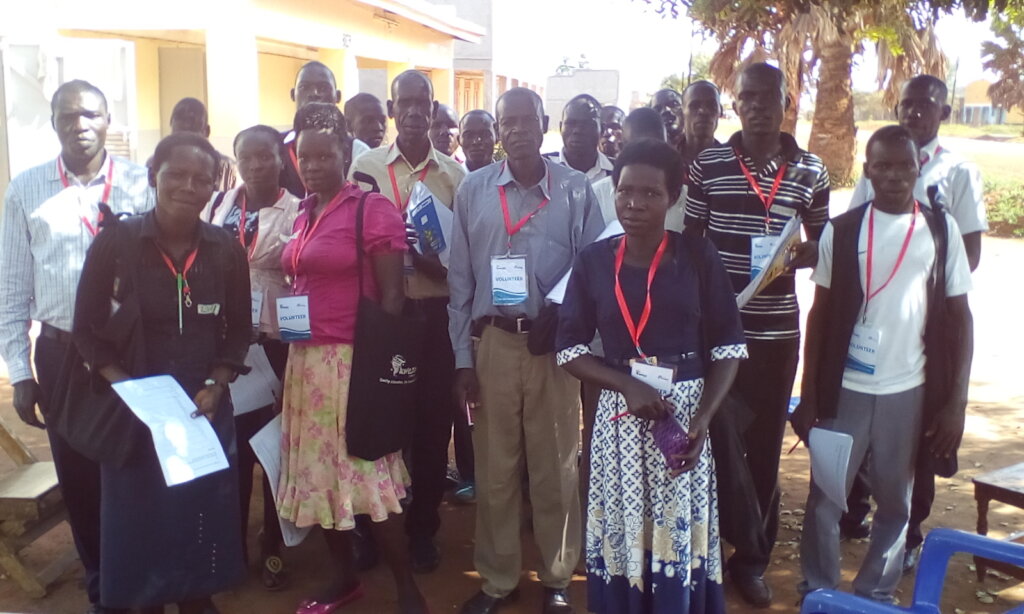
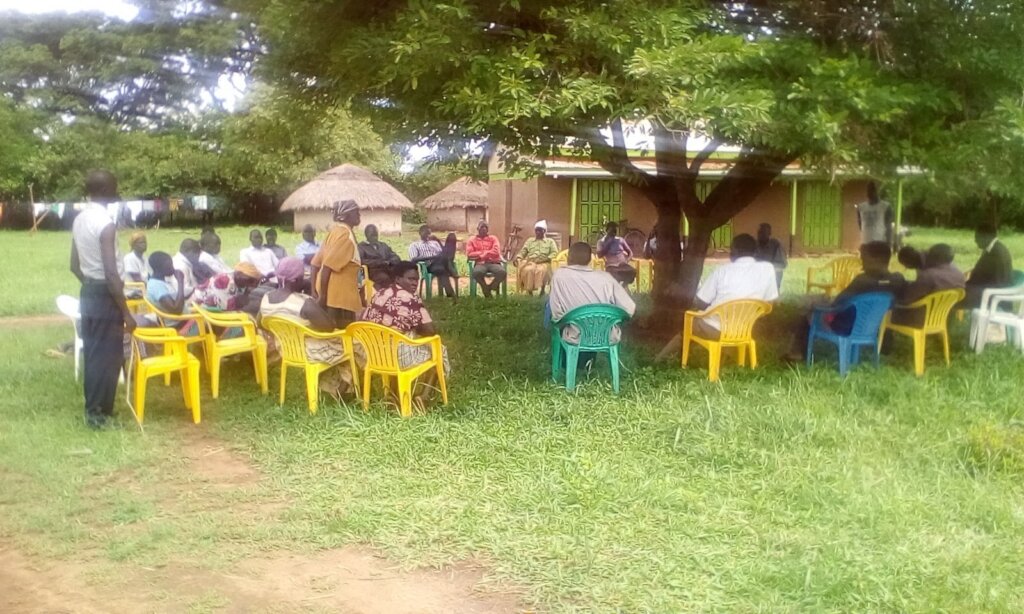
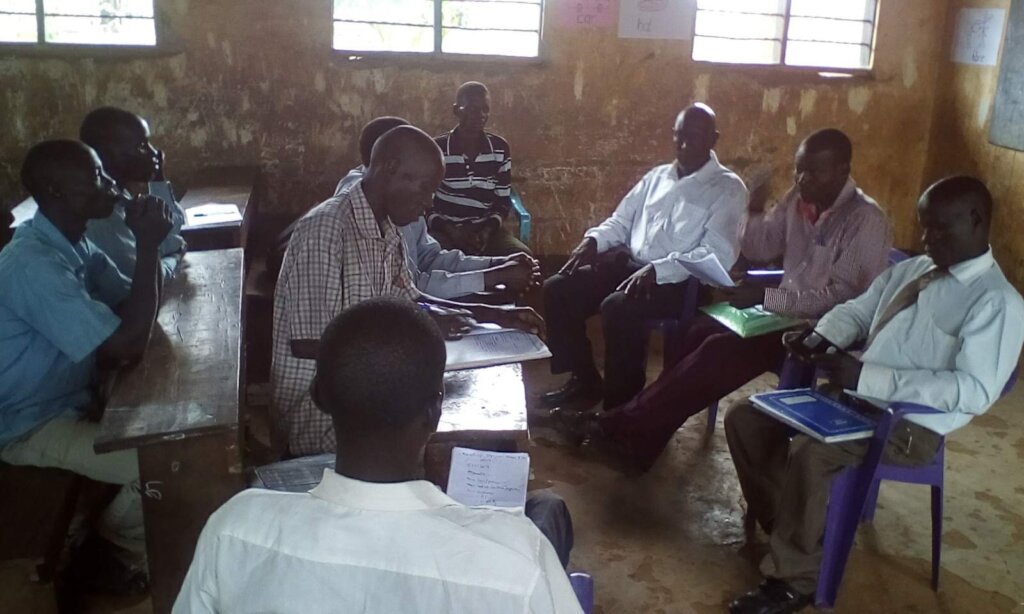
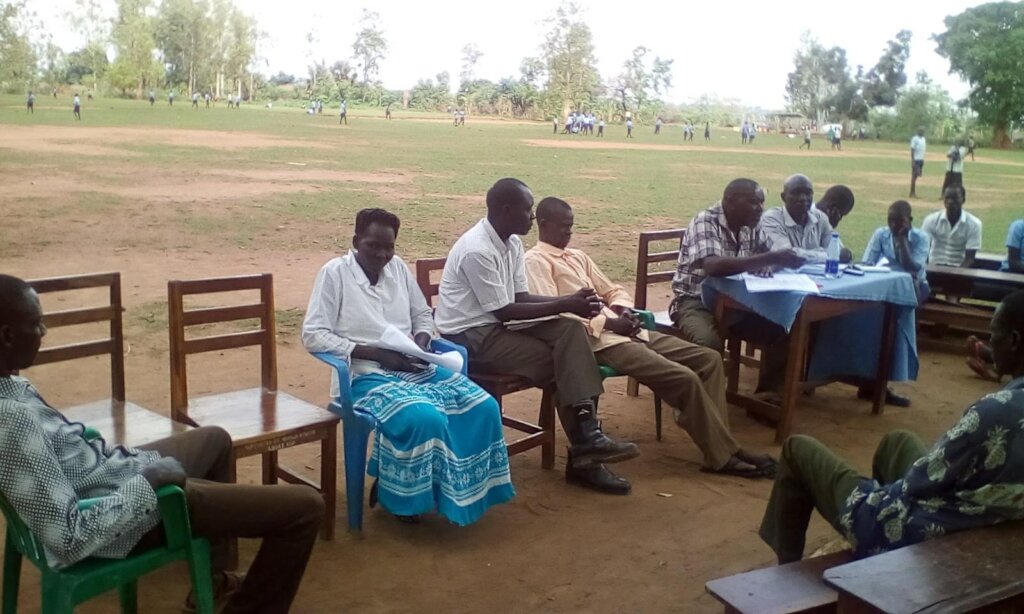
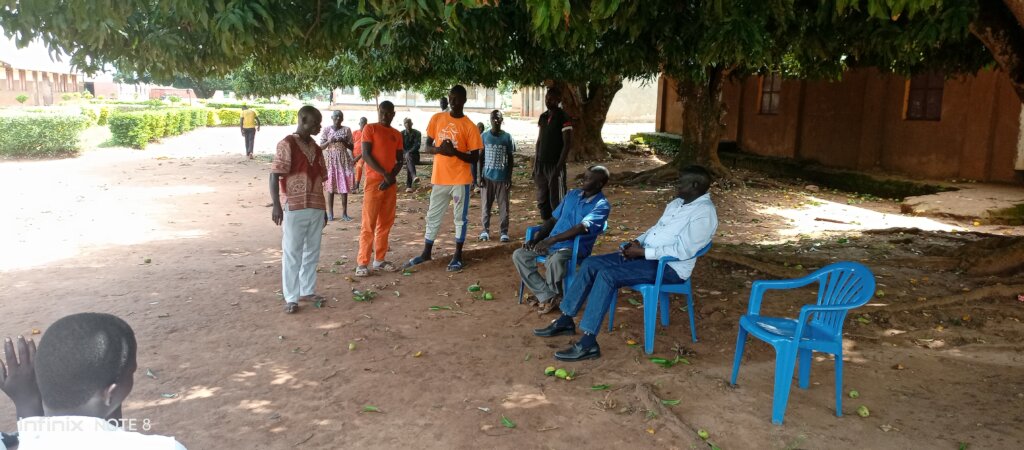
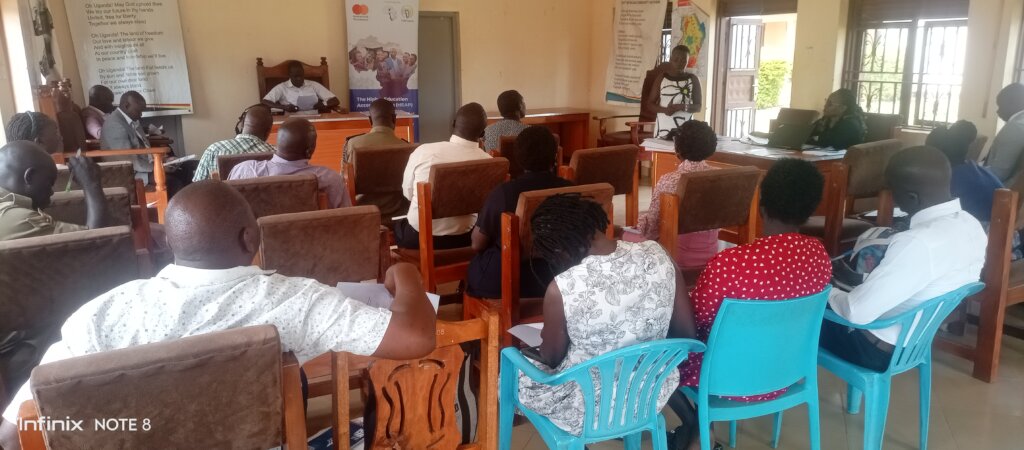
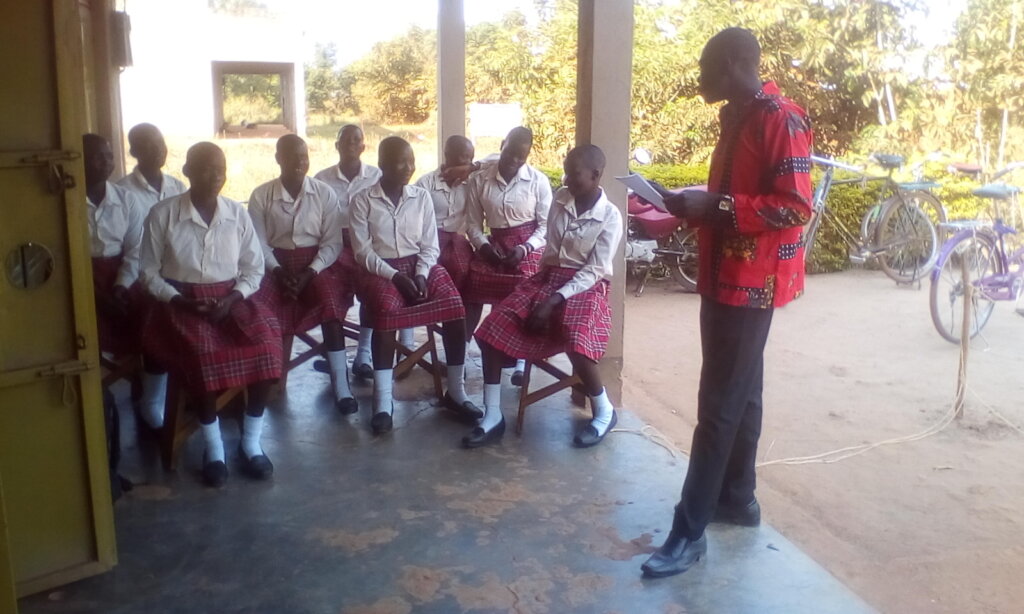
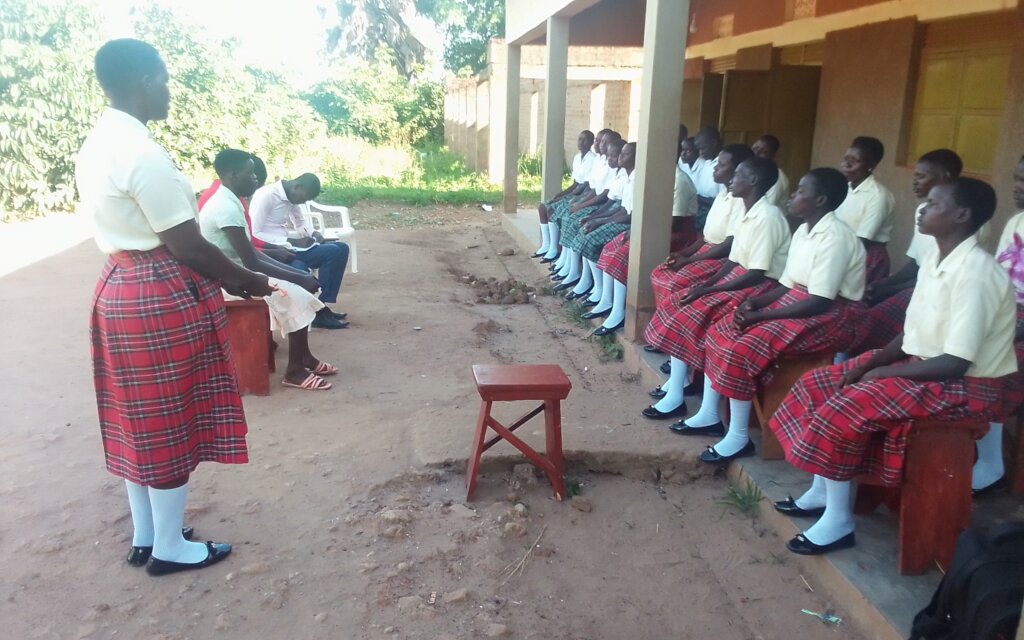
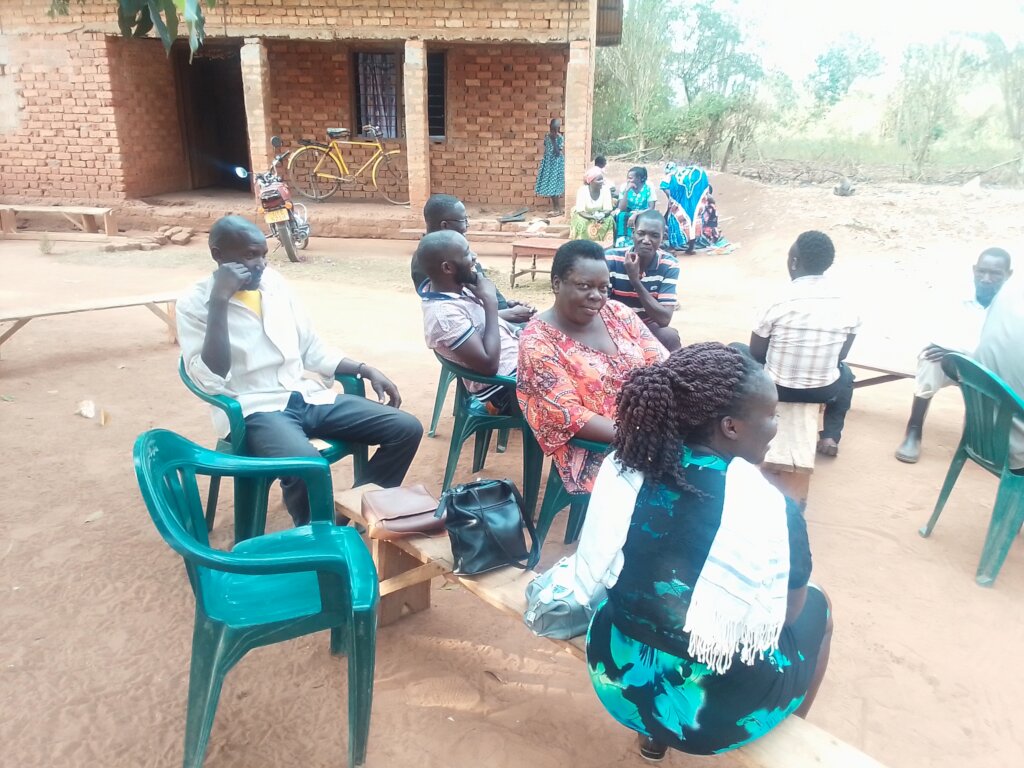
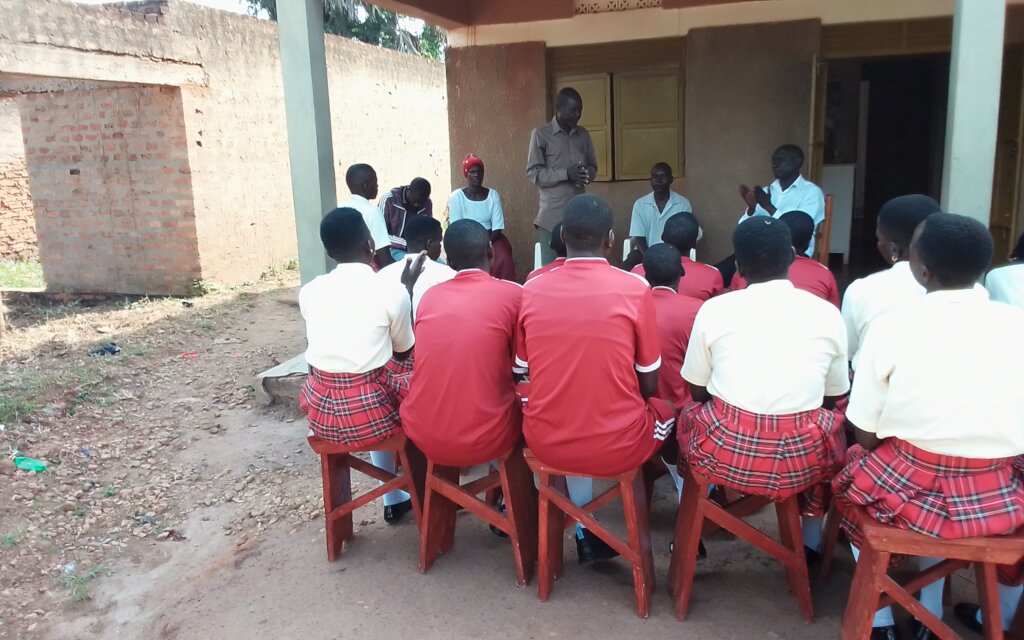
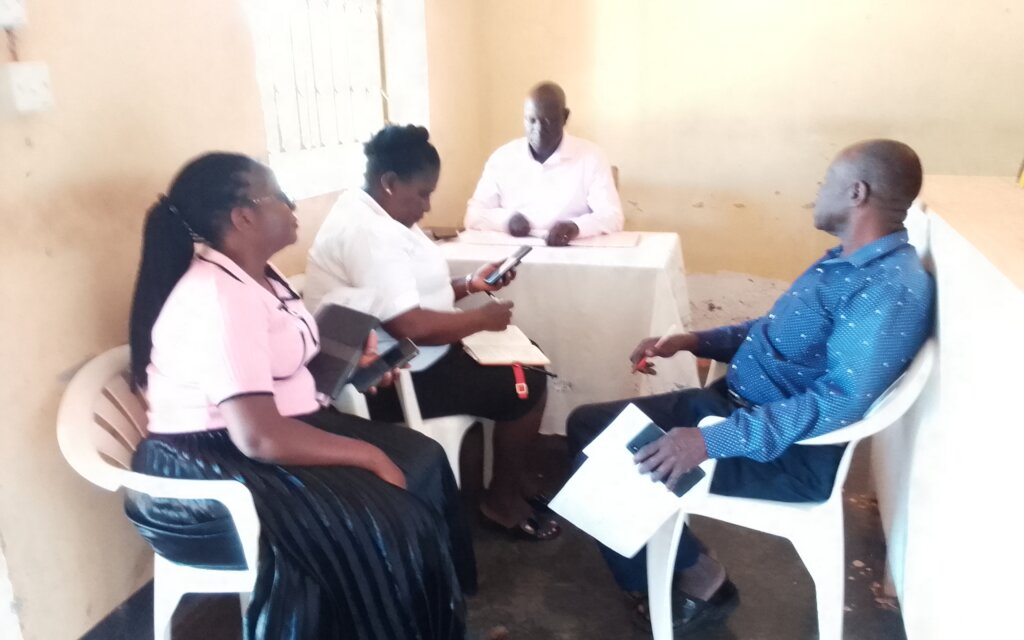
Kole Intellectual Forum (KIFA) has learnt that: evaluation of their projects by members of the community they serve, can make them to assess the effectiveness of their pieces of work or their developed programs.
Through this process to, the team of the organization has be able to highlight whether their projects are moving steadily and successfully towards the set goals or differently towards different directions.
Furthermore, evaluation with the community is also keeping the participants to refocus away from unproductive or unnecessary work.
Above all, this approach has also help the organization to, learn from their experiences; record what they have learnt, and share it with other stakeholders; check on their progresses; as well as checking whether they are doing well with the community or not; they have strength or not; learnt of their weaknesses and search for opportunities.
As of now, the organization is very clear of what to do, when do them, how to do them and with which people as a result of evaluating their projects with the community
![Share on Twitter]()
![Share on Facebook]()
Oct 15, 2026
The story of hope by Judith
By George Obua | Project Leader
The story of hope by Judith
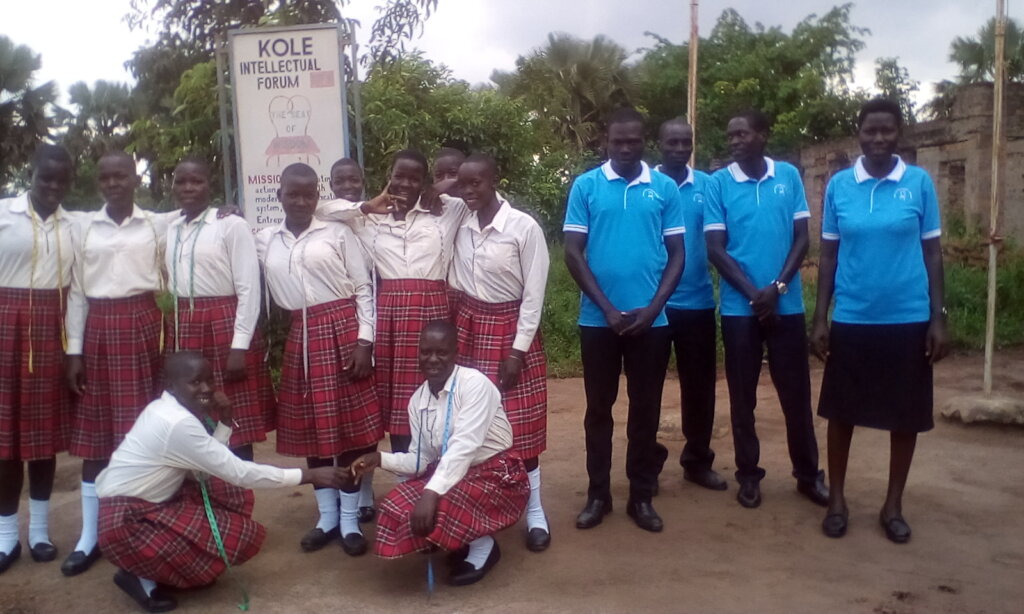
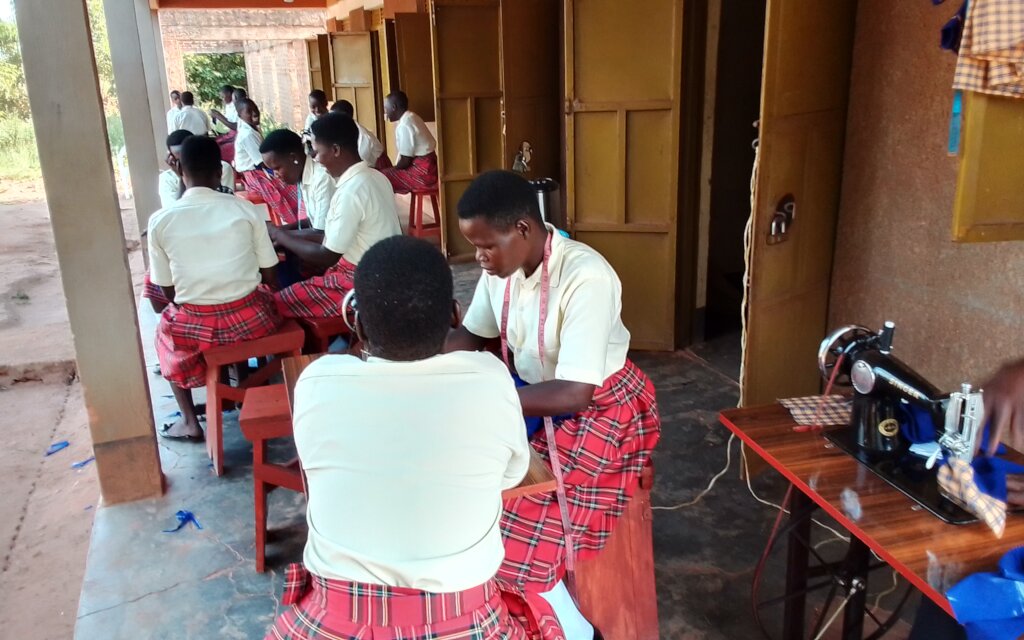
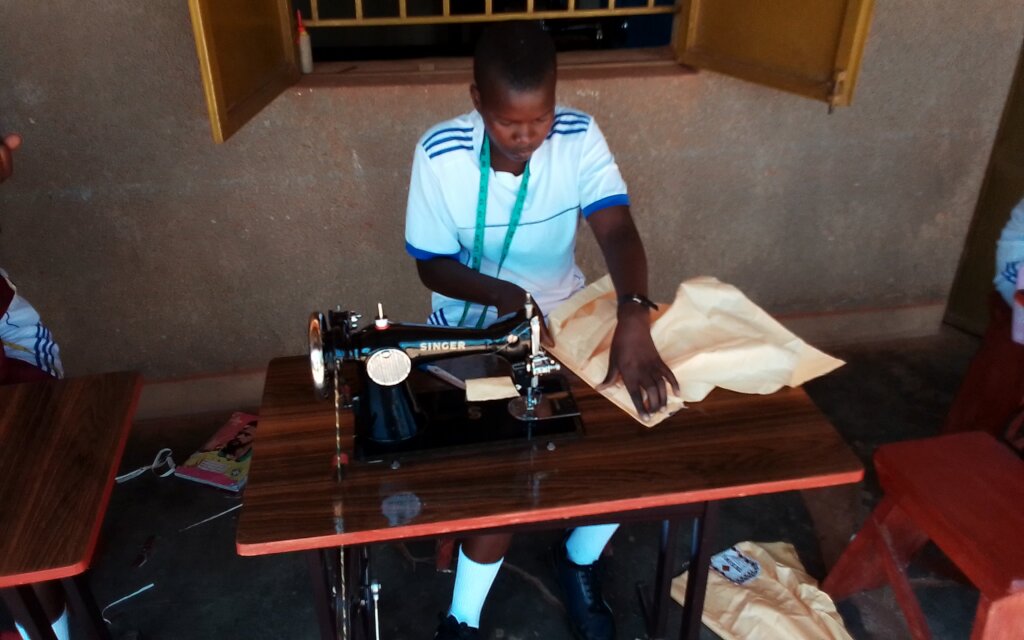
Judith (not her real name, is one such lady who joined Kole Intellectual Forum in the academic year 2025. Her story of success to join the Institute of Home Economics came as a miracle. She did not have of hope of going back to school again more, given that: when she lost one of her parents and she was living with mother. Only not until when she went to visit her elder sister, a place about 5 kilometers from the offices of Kole Intellectual forum; that was when she came across the team of the Institute (KIFA) recruiting the out of school children within that area. It was from that point that the story of her hope to learn and study at the Institute of Home Economics came about.
She happened to be among those who were interviewed, sort listed and recruited within that specific time. Today Penina is too proud to have successfully completed her course at the Institute of Home Economics and she now working at one of the trading in Kole District.
![Share on Twitter]()
![Share on Facebook]()
Oct 13, 2026
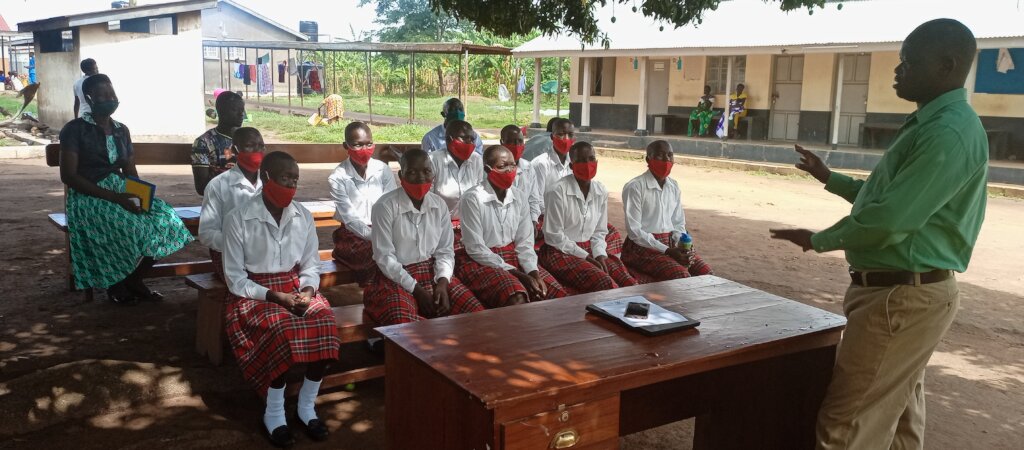
Learning Based on Students' Interests at KFA
By George Obua | Project Leader
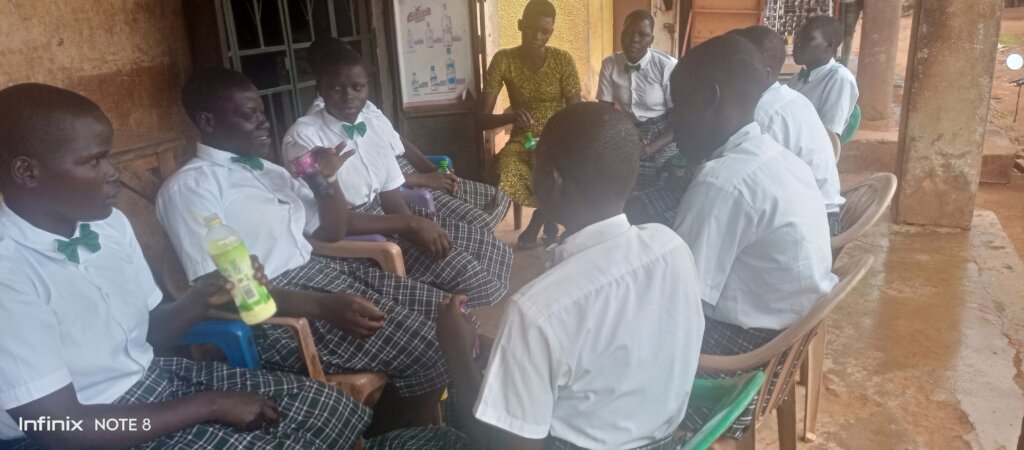
Student-centered learning (SCL): is obviously encouraged at KIFA (Kole Intellectual Forum)
One of the many approaches that Kole Intellectual Forum Institute of Home Economics is encouraging is Student-centered learning (SCL) techniques that holds significant value and it has it shifted the educational focus of this Institute to the individual needs, interests, and abilities of each learner, fostering deeper understanding, increased motivation, and the development of essential life skills.
Key Benefits of Student-Centered Learning that the learning environment is getting are that, they have:
- Increased Motivation and Engagement: By giving students a voice and choice in what and how they learn (e.g., topic selection, project formats), SCL increases their intrinsic motivation and active participation in the learning process.
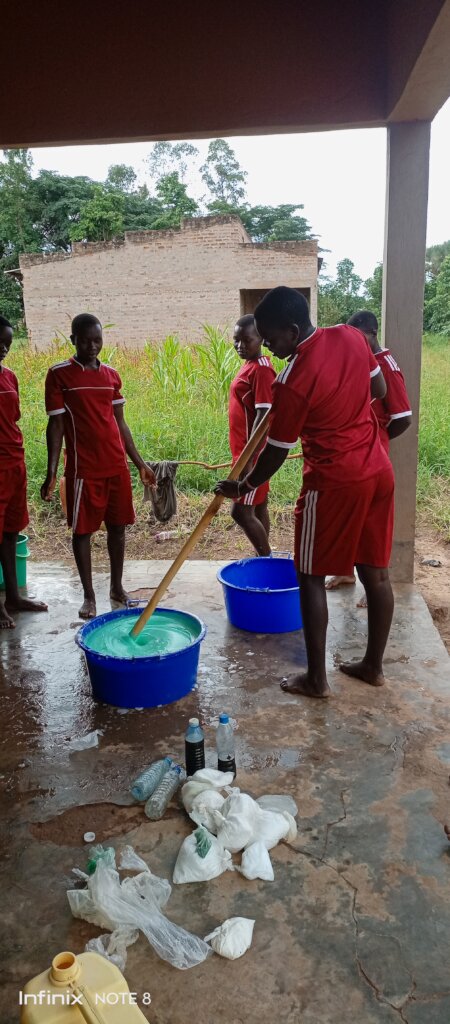
- Development of Essential Skills: SCL environments prioritize skills crucial for the 21st century over rote memorization, including critical thinking, problem-solving, creativity, collaboration, communication, and time management.
- Deeper Understanding and Knowledge Retention: When students are actively involved in exploring topics and applying knowledge to real-world scenarios (e.g., through project-based learning), they gain a more meaningful and lasting understanding of the subject matter.
- Personalized Learning: This approach recognizes that every student is unique and learns differently. Teachers act as facilitators, adapting instruction and resources to individual learning styles and paces, ensuring all students have the opportunity to thrive.
- Fosters Autonomy and Responsibility: Students take ownership of their educational journey by setting goals, tracking progress, and reflecting on their learning. This builds independence, self-discipline, and self-esteem, preparing them for lifelong learning.
- Stronger Relationships: The mentor-mentee dynamic between teachers and students, coupled with opportunities for peer collaboration, helps build stronger, more supportive relationships within the classroom community.
- Higher Academic Achievement: Research indicates that SCL models are associated with improved academic outcomes, including higher test scores, increased graduation rates, and better college preparedness.
In actual essence, student-centered learning has been found out by the Institute of Kole Intellectual Forum that: it prepares individuals to be adaptable, self-directed, and critical thinkers who are well-equipped to navigate a fast-changing world.
![Share on Twitter]()
![Share on Facebook]()