Project Report
| Nov 17, 2024
Exposing The Students To The Value: Countryside
By George Obua | Project Leader
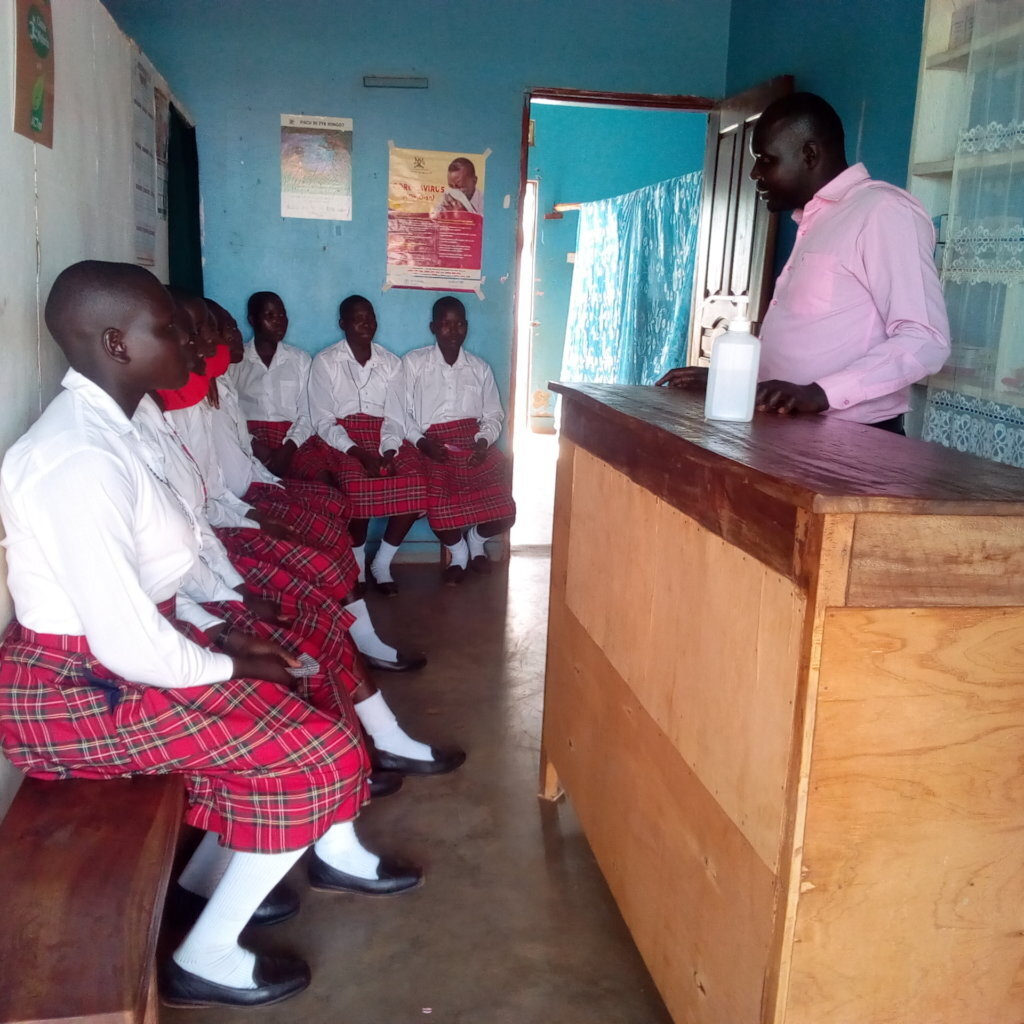
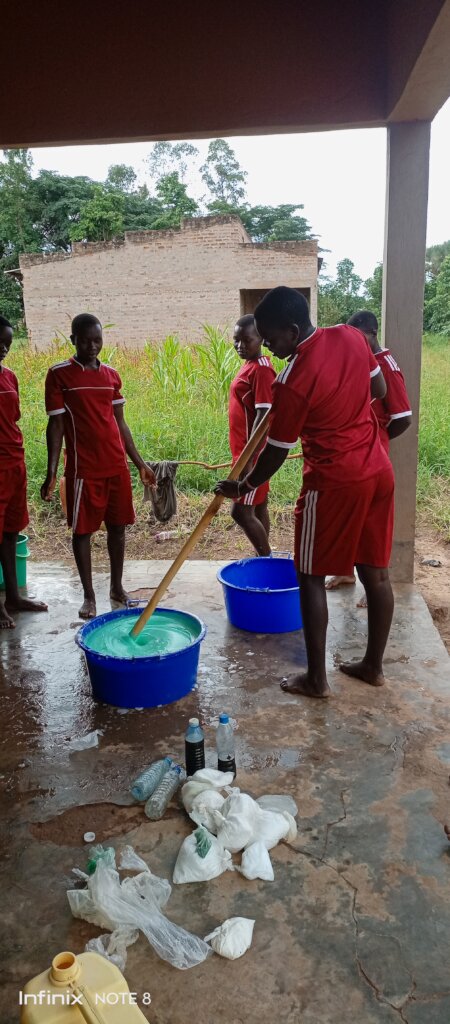
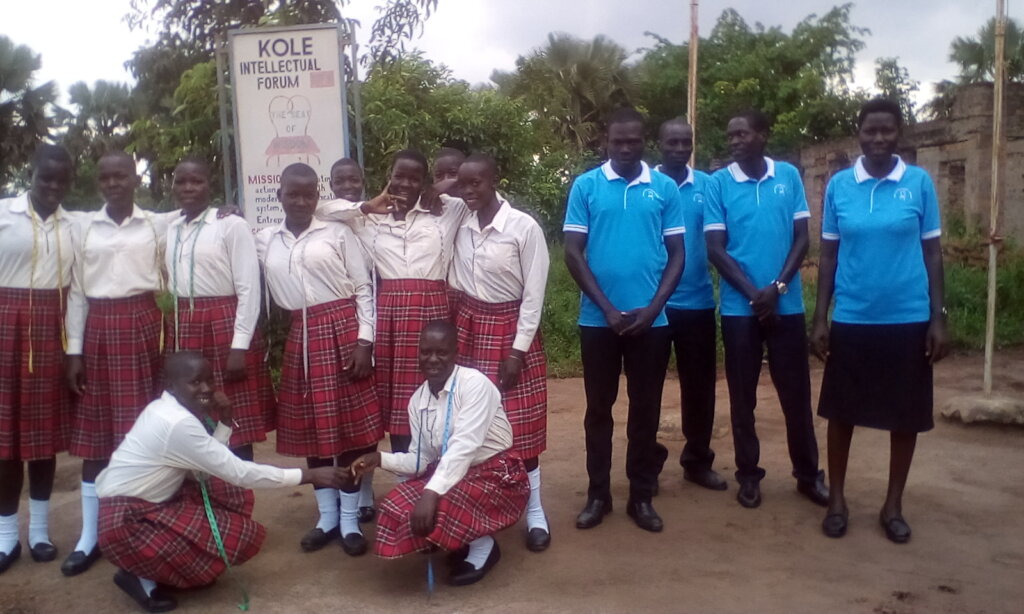
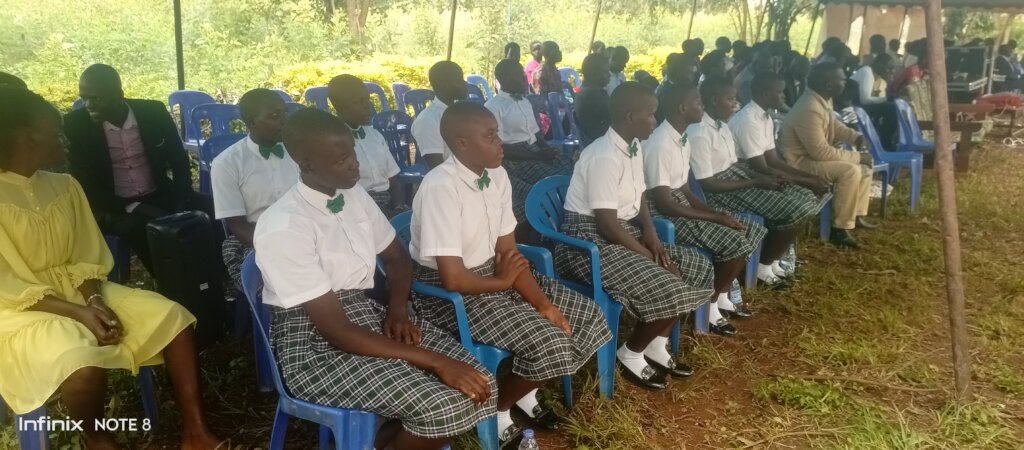
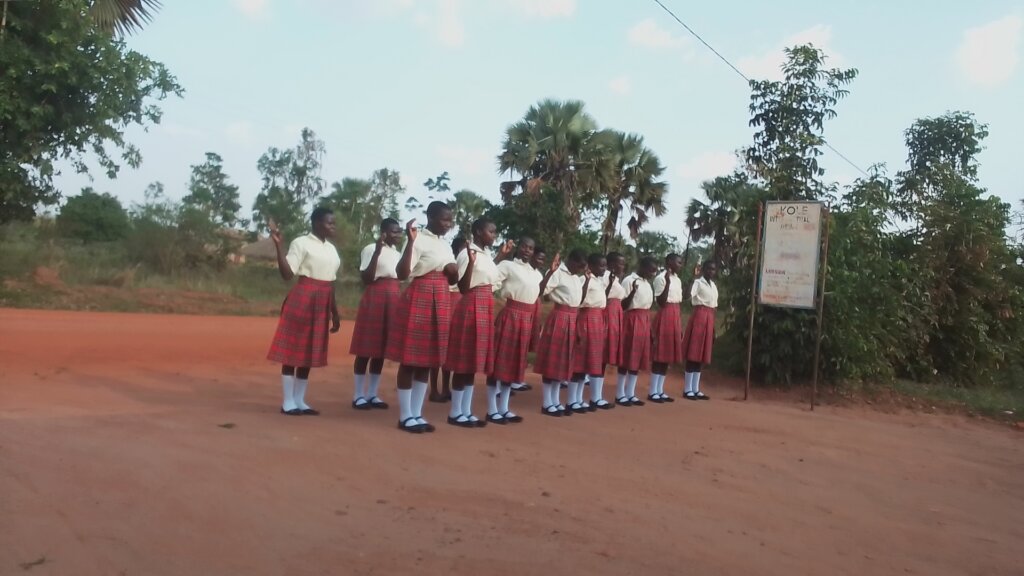
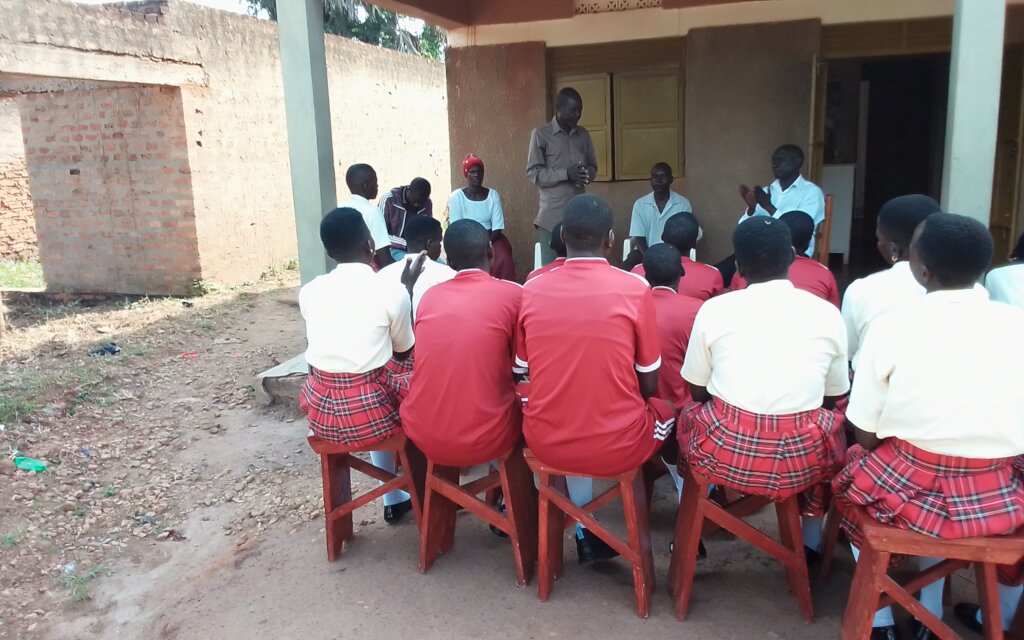
![Girls: Are exposed to the countryside]()
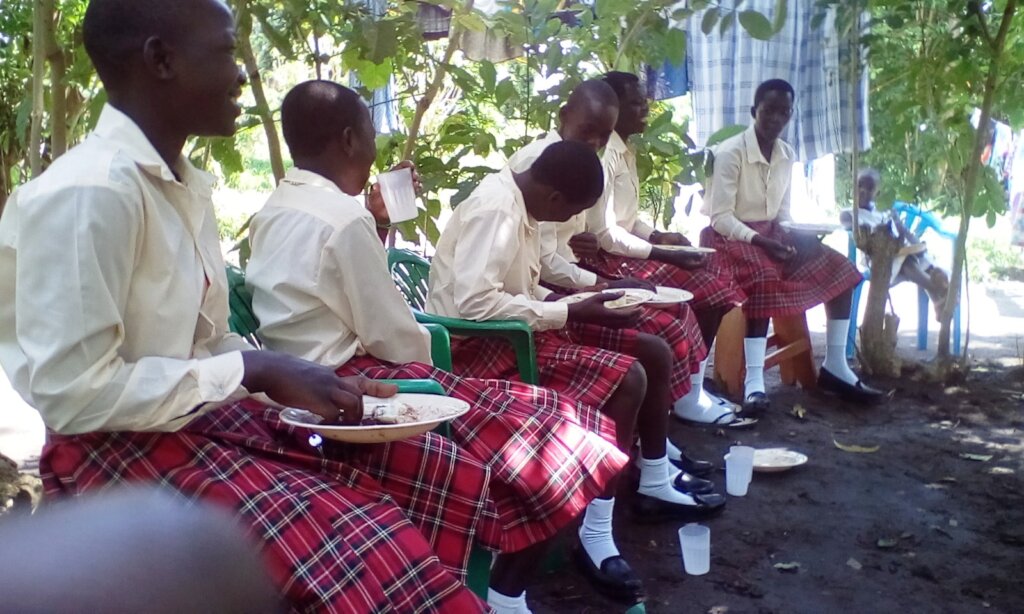
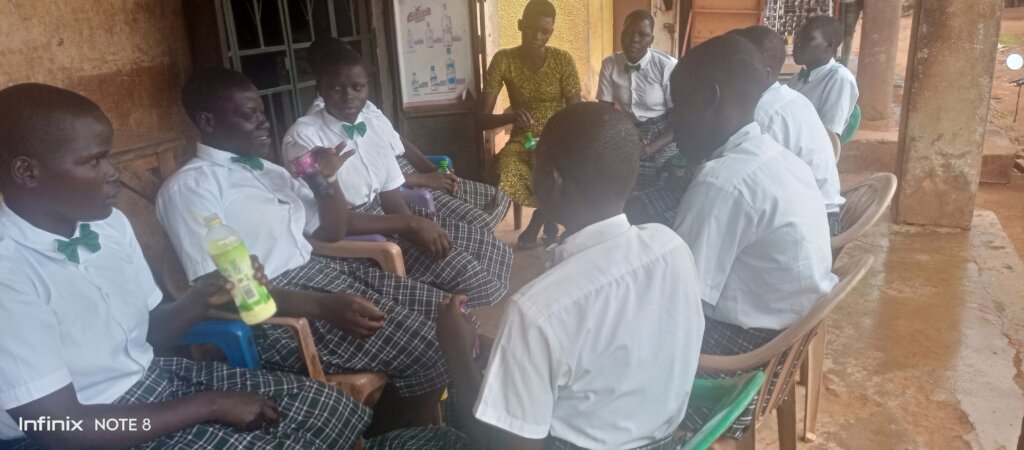
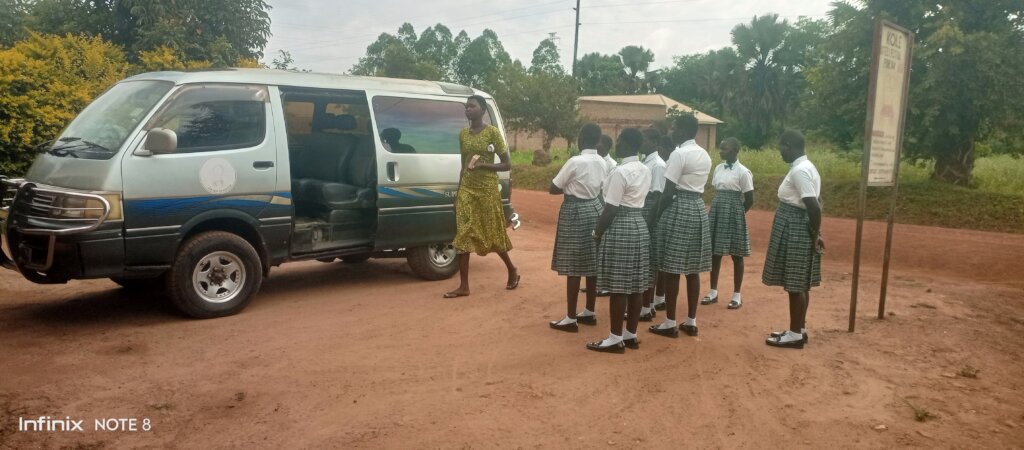
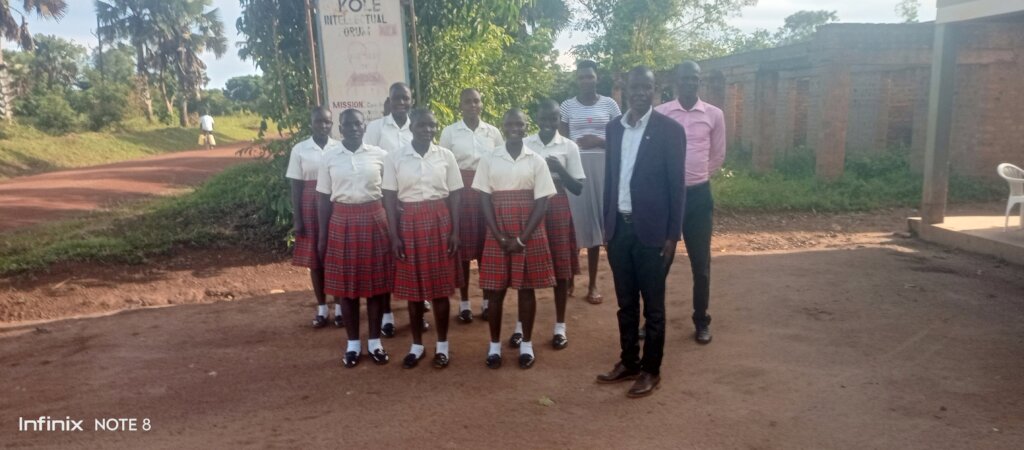
Girls: Are exposed to the countryside
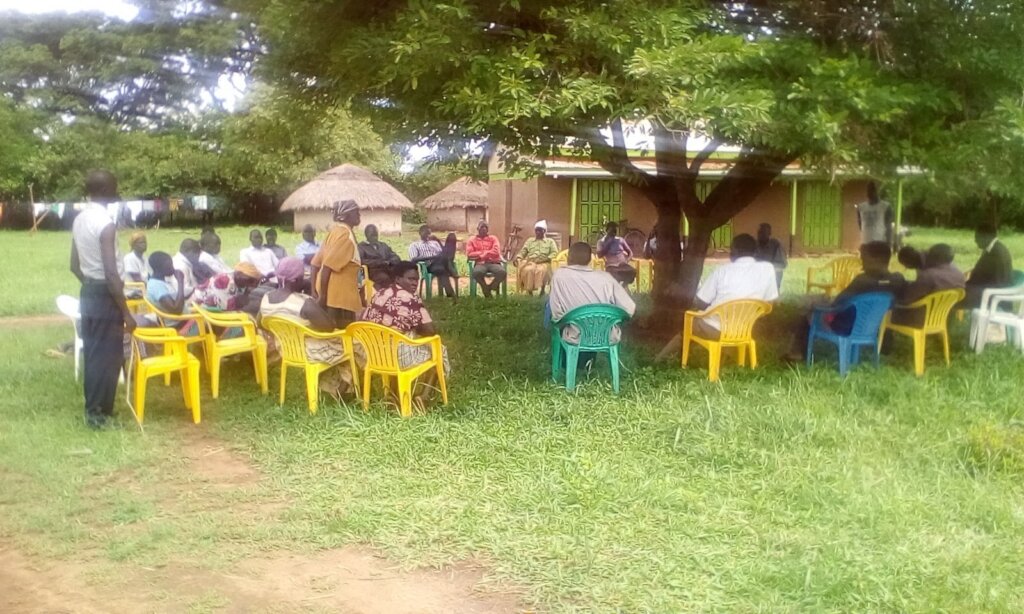
Exposing the students to the value: Countryside
… because of need for social amenities: most of the industries, schools, nonprofit and profit making organizations alike, including the churches and Governmental institutions tend to be built within the urban centers; making them to forget of the value of country side which are pieces of land those are far away from towns and cities. In other words, they are referred to as the rural areas, outdoors, and farmland or are places that, everyone knows each other, or places where everyone can create a strong sense of belonging and support with low cost of leisure and entertainment.
They are sometimes treated like a place where culture are valued, people, history, architecture, scenery, and the general vibe of the area, are for the common interest of each other.
Meanwhile health wise, when anyone prefers to live at the countryside, it is obvious that: his or her heart and lung is filled up with fresh air; and, according to the study conducted by a number of scholars, revealed that: the air in the countryside is cleaner than the air in the city and it has been proven that people who live in the countryside have a longer life expectancy than those who live in the towns.
![Share on Twitter]()
![Share on Facebook]()
Nov 15, 2024
Cross examination, establishment - Health facility
By George Obua | Project Leader
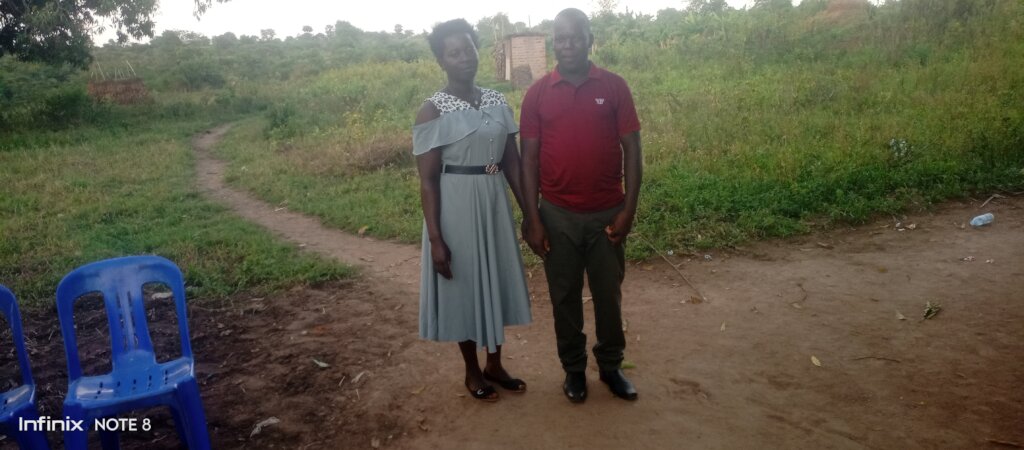
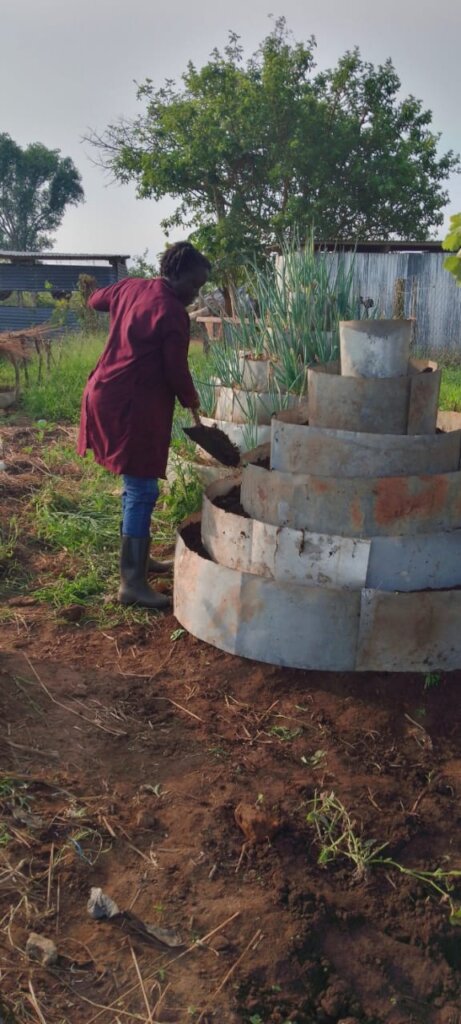
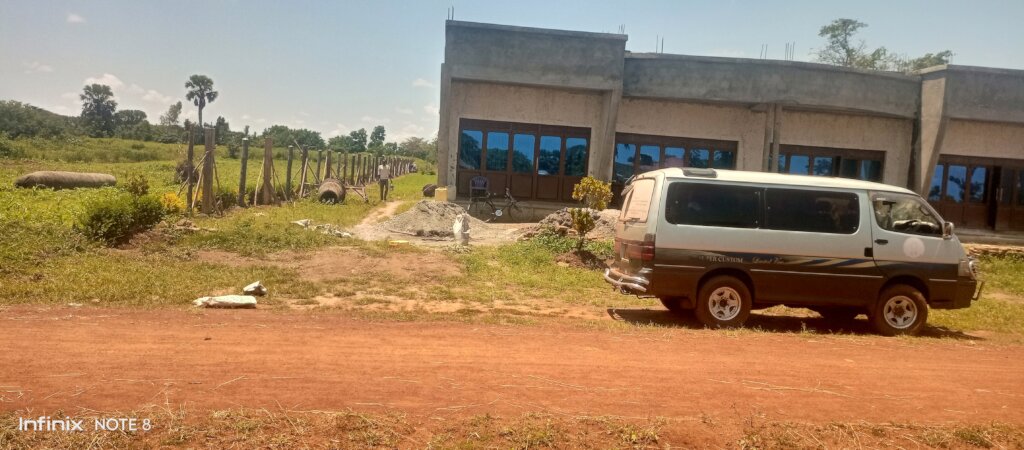
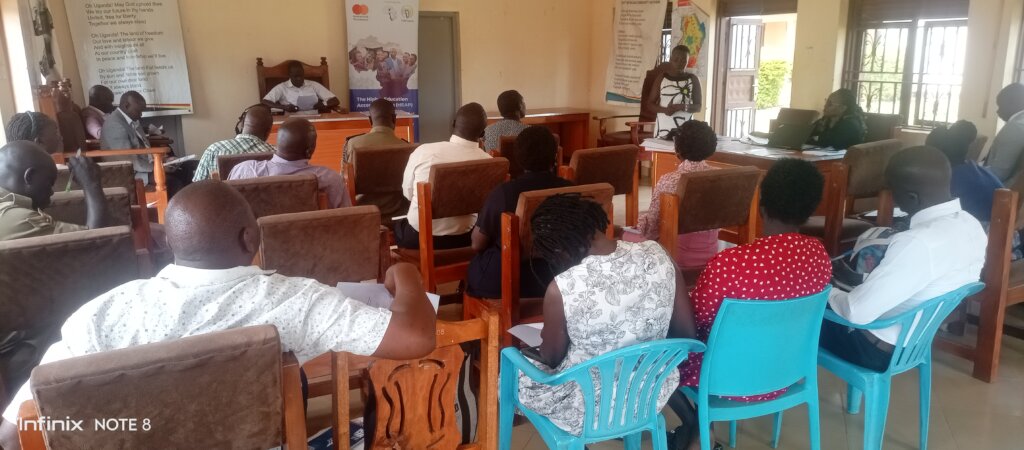
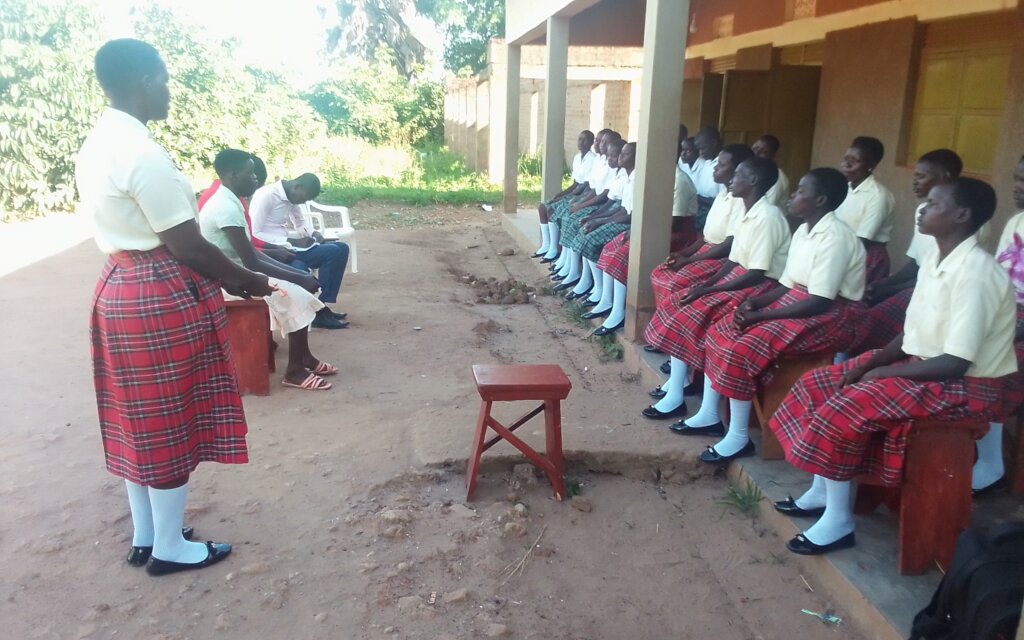
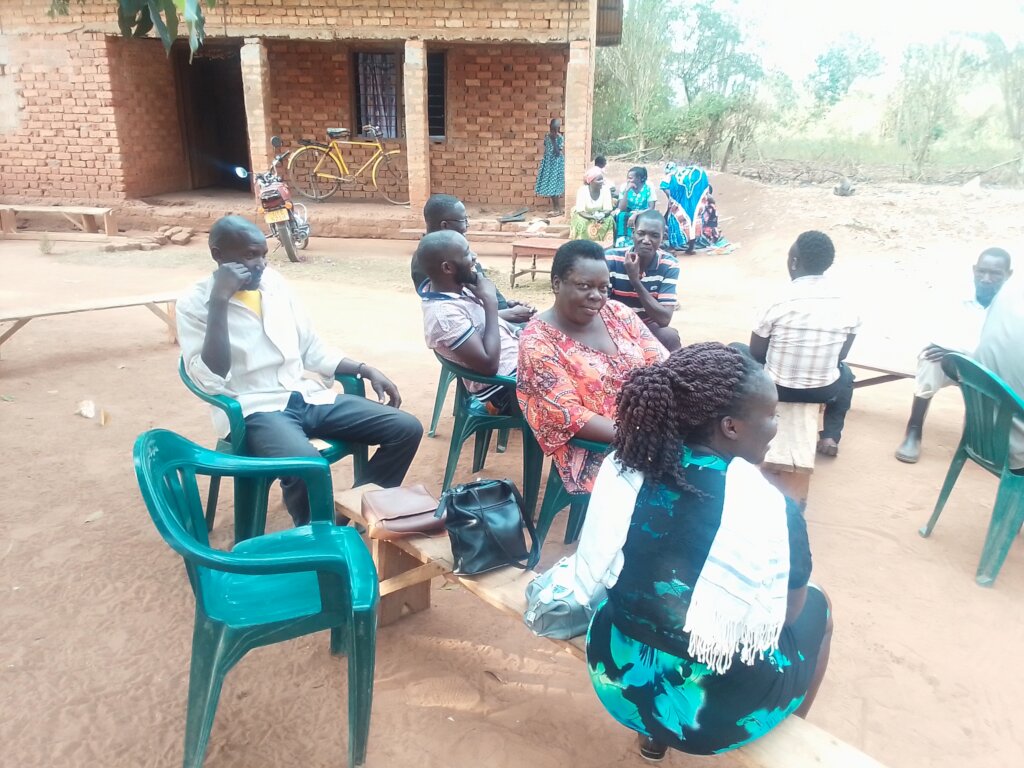
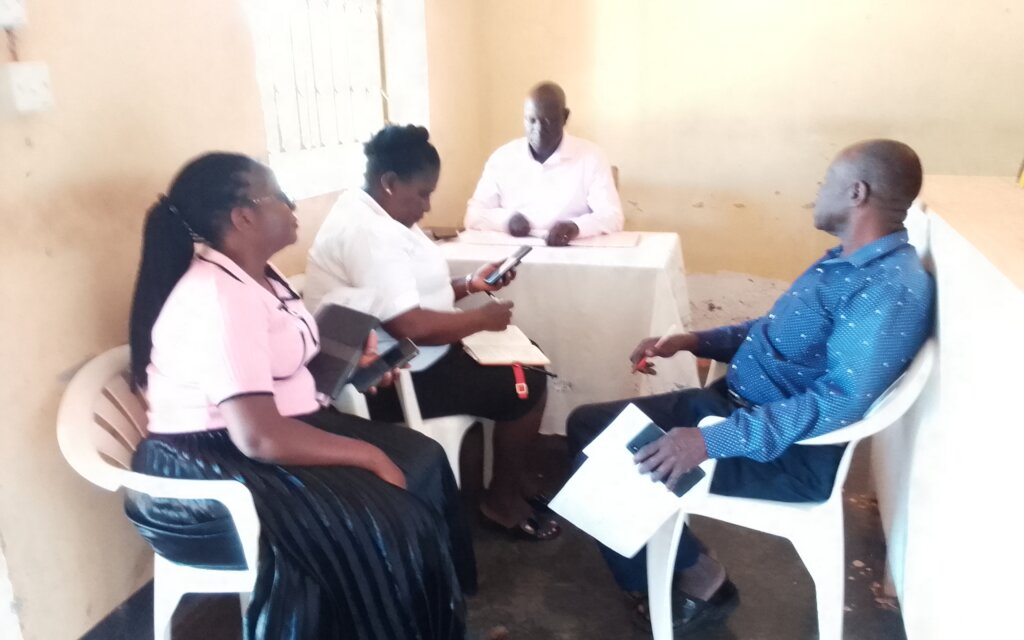
![Director: on fact finding mission]()
Director: on fact finding mission
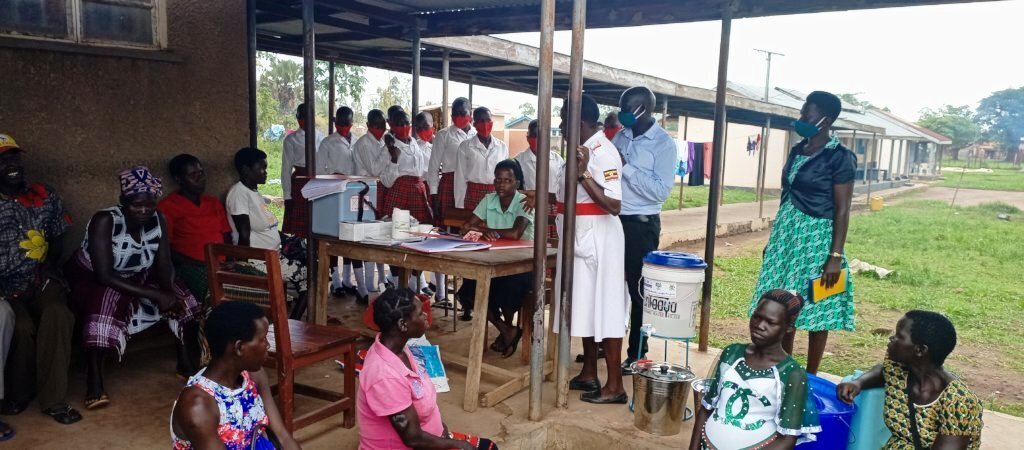
Cross examination for establishment – Health facility
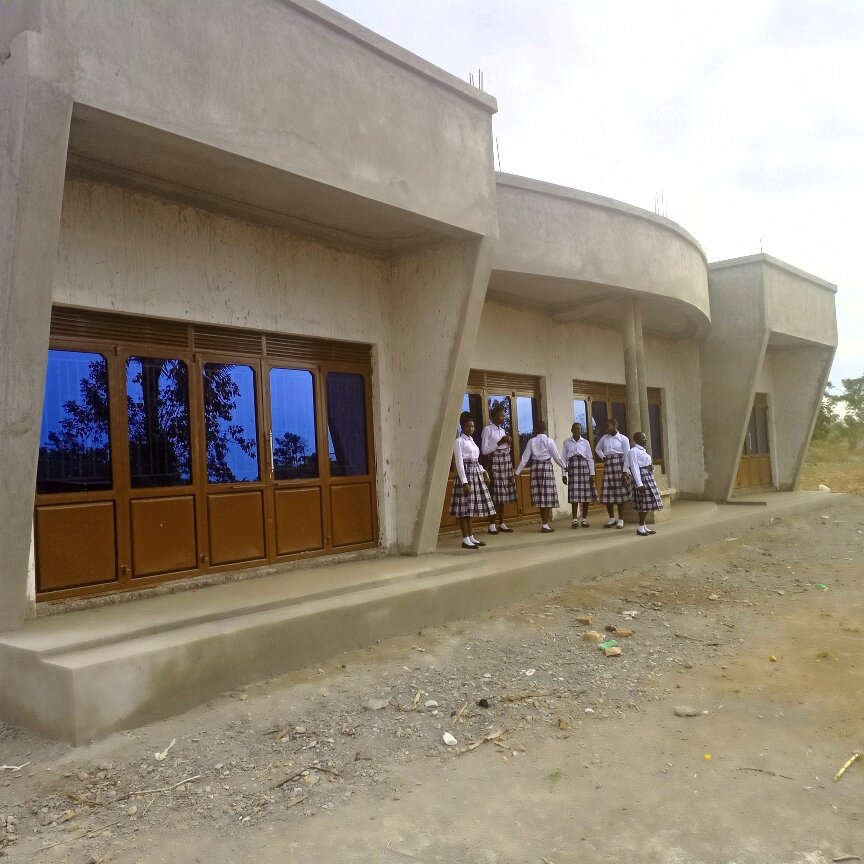
It is true that: from the existing project, to: Empower a Girl: For Self-Reliance; Kole Intellectual Forum intends to start on the other new project, whose is entitled to be: Establishing a Health facility in Kole District early next year, 2024.
All the preliminary planning has gone all its ways and a number of its stages are almost getting exhausted. Although, as part of the recommendations, the Directors are also another instruments of decision making; they are the one supposed to make the final decision for the organization.
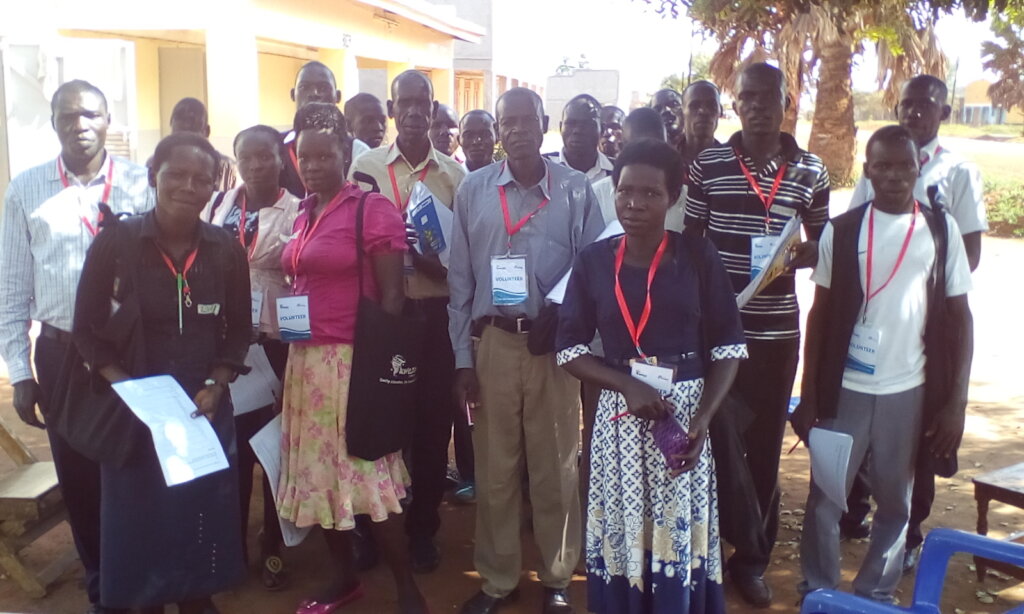
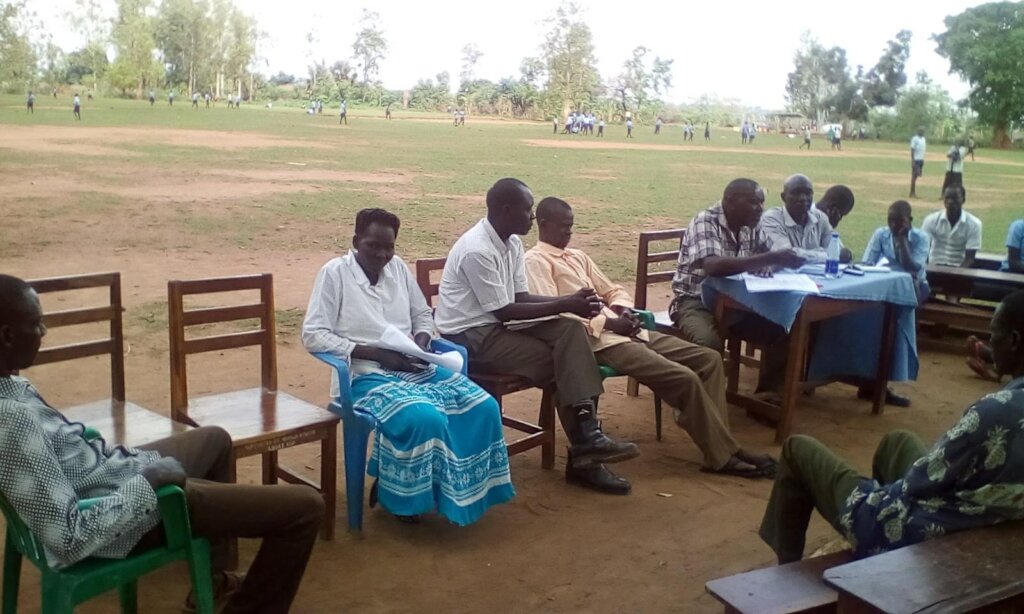
Observing what is going on the the already existing project to empower a girl child for self-reliance is one of the directors who is on the fact finding mission to help the rest of the directors to make the final decision.
![Share on Twitter]()
![Share on Facebook]()
Nov 15, 2024
Health: derive from Indigenous Knowledge - Diverse Cultures
By George Obua | Project Leader
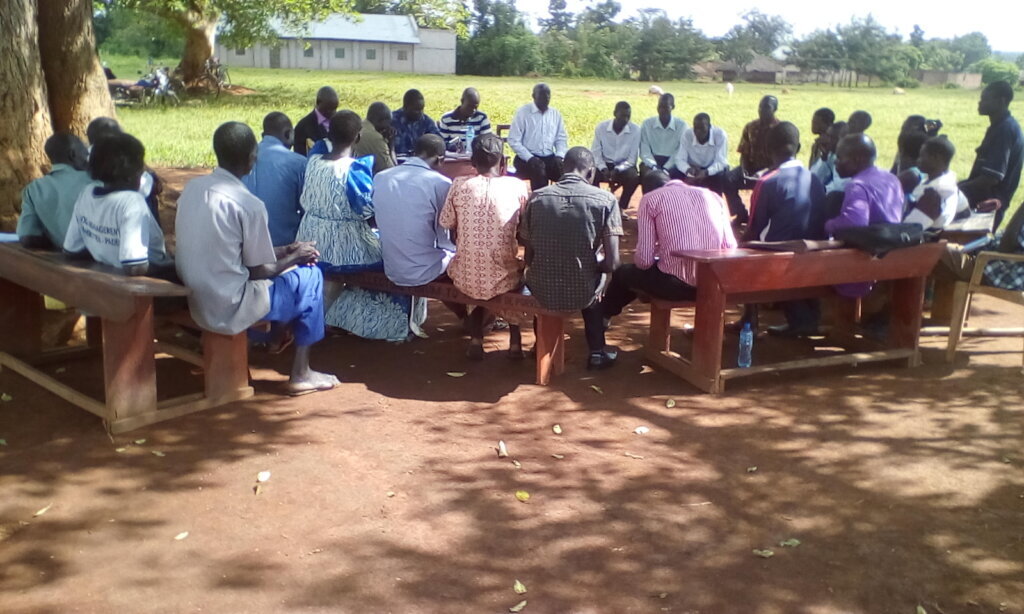
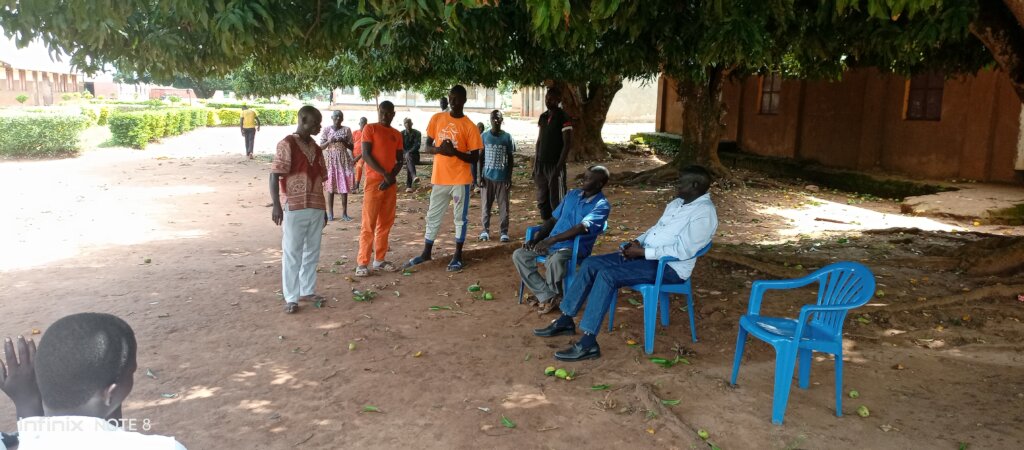
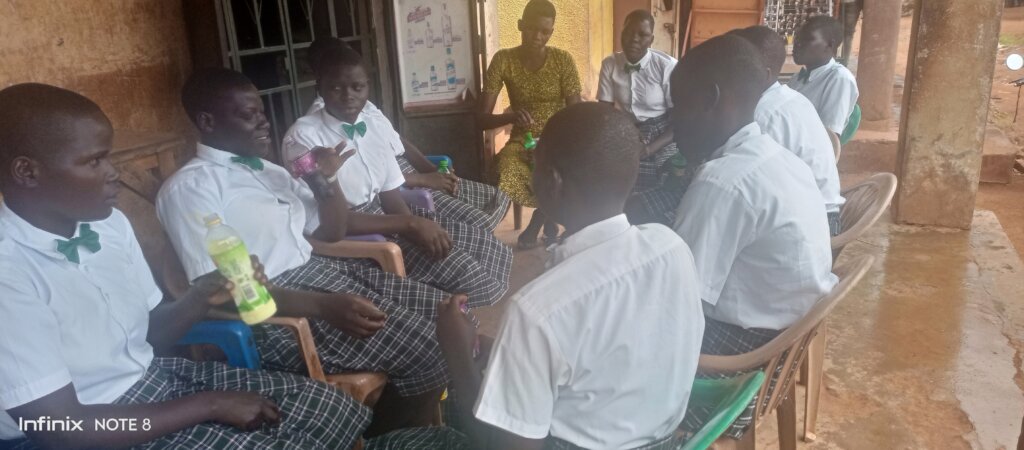
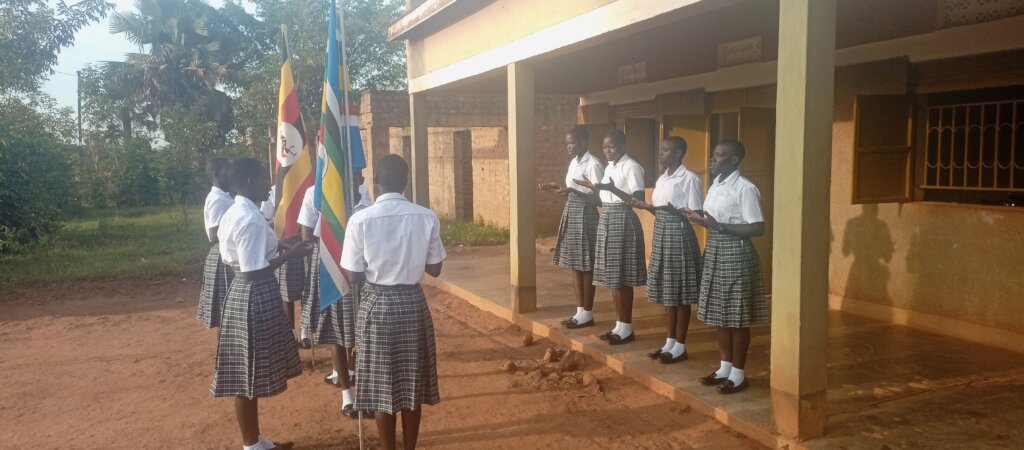
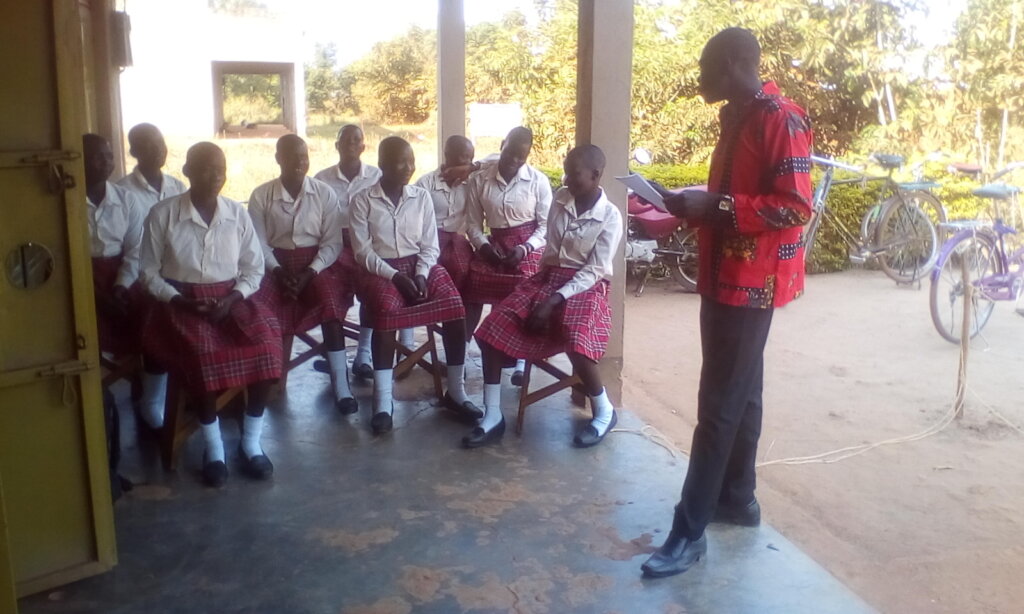
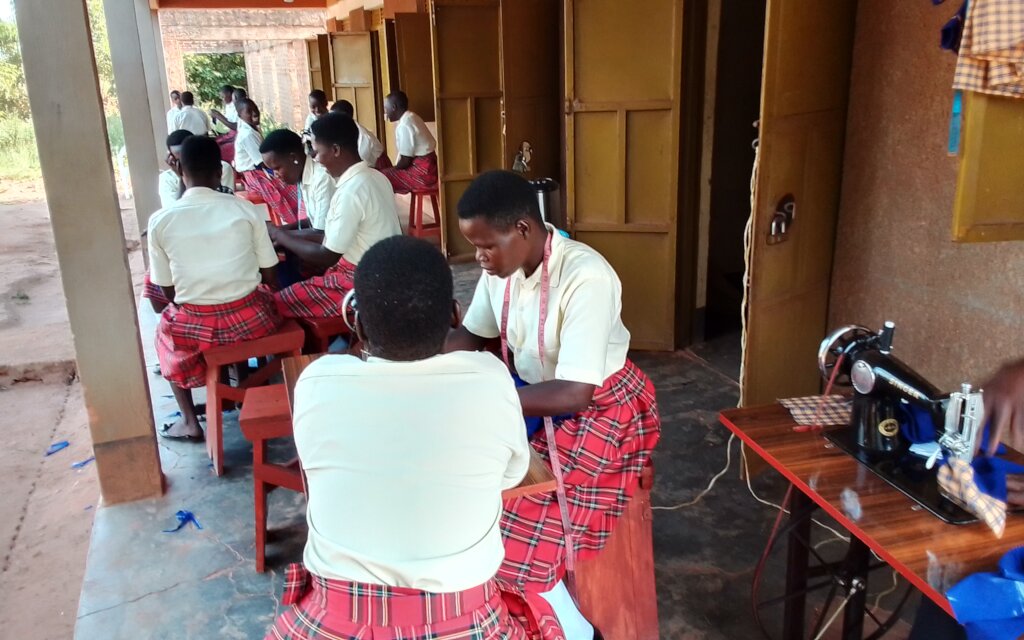
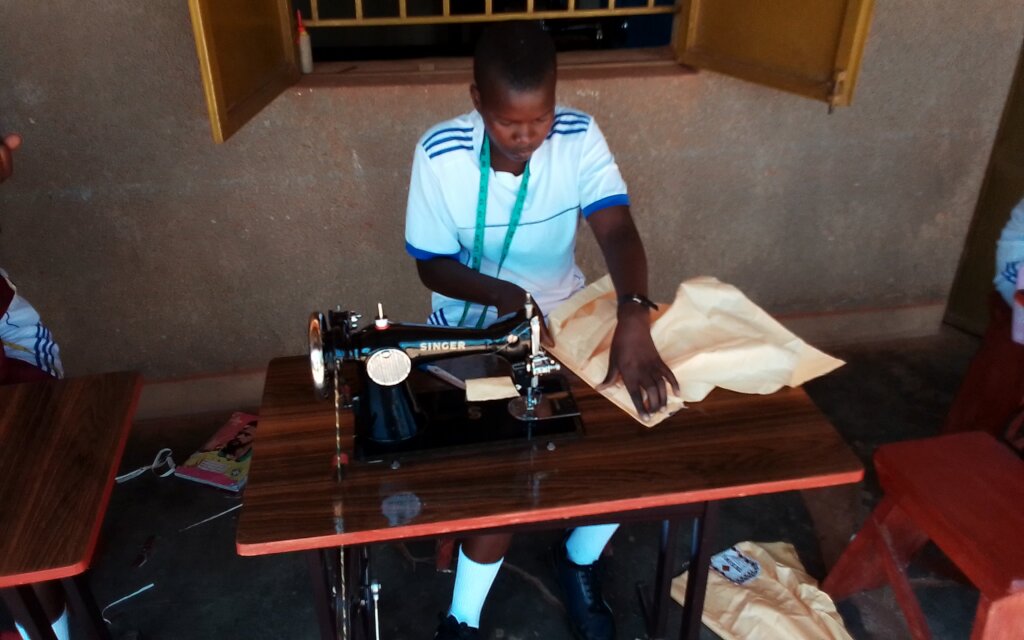
![Practicing Indigenous knowledge- diverse cultures]()
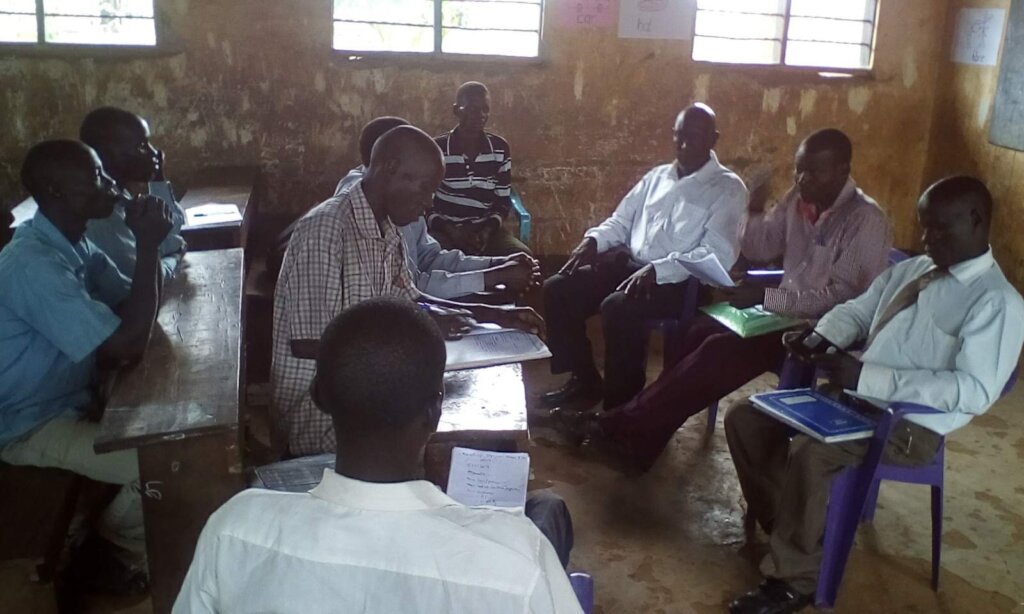
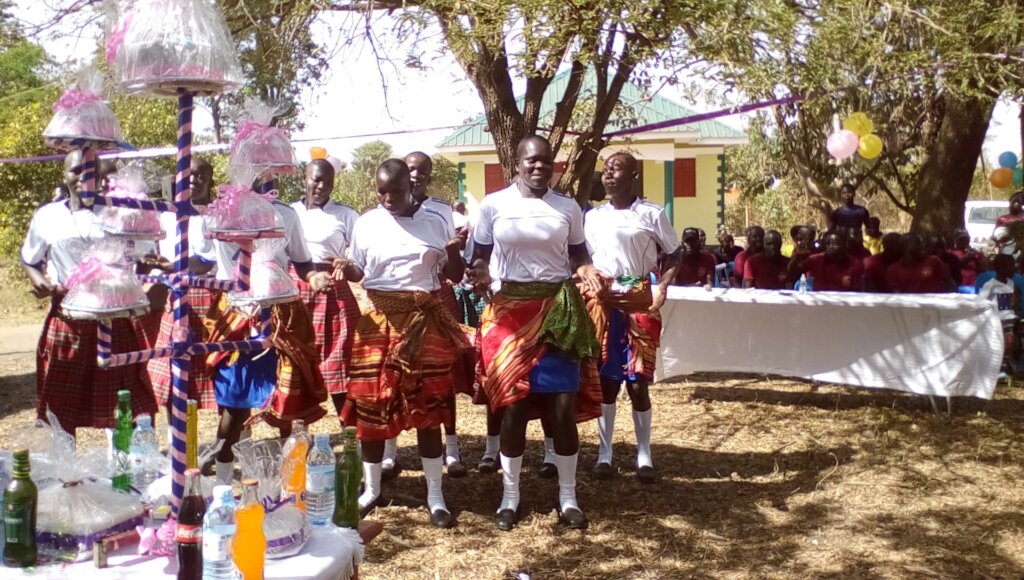
Practicing Indigenous knowledge- diverse cultures
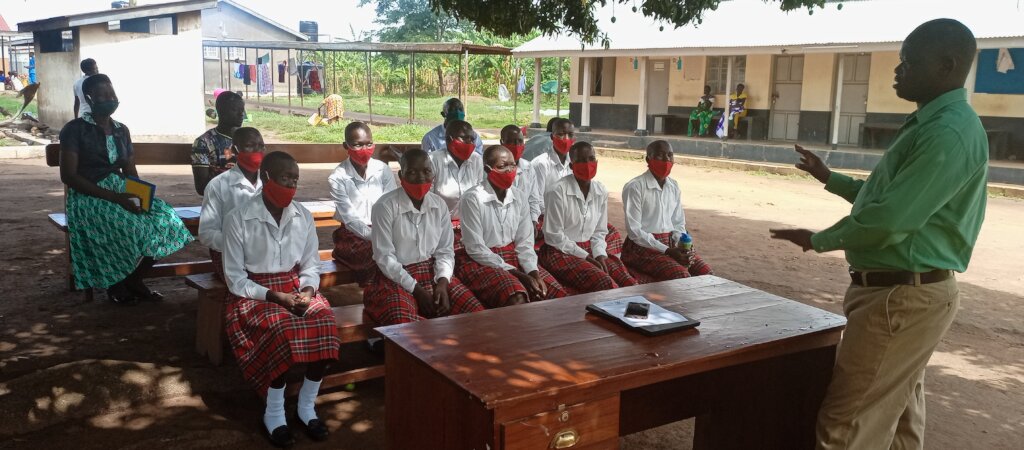
Kole Intellectual Forum are training their students with a subject that is called Indigenous knowledge and cultural diversity; that is a collection of traditional practices, beliefs, and knowledge systems that are unique to a culture, society, or group of people. It is also known as traditional knowledge (TK), local knowledge (LK), or traditional ecological knowledge (TEK), or at an international knowledge; with the expectations of that:
- In education. Students in diverse environments can learn to value diversity, develop empathy, and improve their cognitive skills. They can also become more globally aware and culturally competent.
- In society. Cultural diversity can promote peace and make the world more interesting. It can also help dispel negative stereotypes and encourage open-mindedness.
- In the workplace. When join the work place, in diverse workplaces, it can lead them to better decision-making, more innovative ideas, and stronger business performance. Companies can learn from each other's experiences and apply that knowledge to their work; while
- In financial performance. When they in association, when they link up with more diverse leadership teams more of them can be likely to outperform with their peers. For example, according to McKinsey & Company, top-quartile companies for racial and ethnic diversity are 36 percent more likely to outperform fourth-quartile companies; and among others,
- In sustainable development. Cultural diversity is an essential requirement for sustainable development. It's important to recognize the equal dignity of all cultures and to provide access to the means of cultural expression.
![Share on Twitter]()
![Share on Facebook]()