Project Report
| Apr 12, 2026
Thriving for a better outcome: Action research
By George Obua | Project Leader
Kole Intellectual Forum is conducting Action Research for their projects to to thrive for the expected outcome
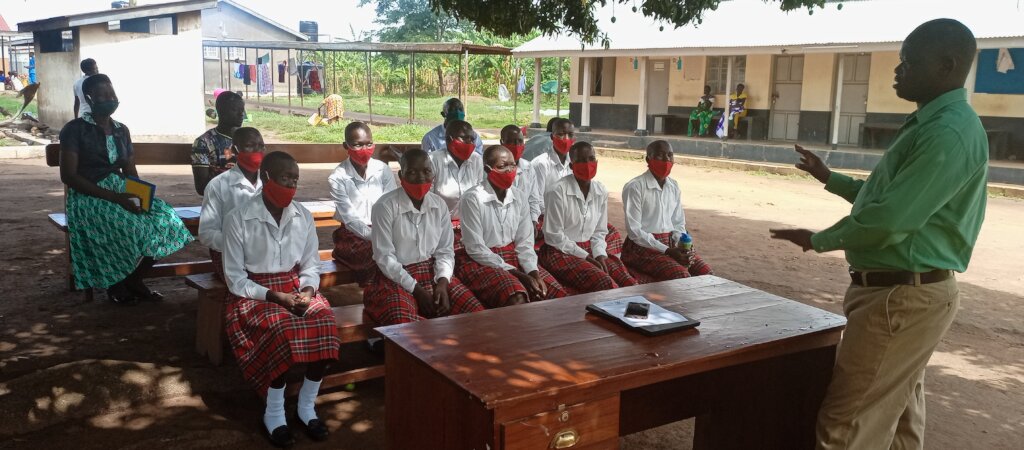
To thrived a desired outcome in a human ways of life; Kole Intellectual is conducting a Continuous action research in a cyclical or a iterative process , an action that their team of researchers conduct to identify a problem, plan and take action, observe the results, and then reflect and adjust their approach to improve their practice. This ongoing cycle has allowed them have a continuous improvement in real-time by solving problems as they are encountered. Indeed, this approach has often referred to a "cycle of action" or "cycle of inquiry" because it repeats the actions until the desired outcome is achieved.
The main characteristics and steps taken are to:
Identify a problem: Begin by pinpointing a specific challenge or area for improvement within a real-world context, such as a classroom or school.
Plan and act: Develop a research plan to address the problem and then implement it.
Observe and evaluate: Collect data and observe the results of the implemented action.
Reflect and adjust: Reflect on the observations and results, then make necessary adjustments to the plan for the next cycle.
Repeat: Continue the cycle of planning, acting, observing, and reflecting until the problem is solved or the practice is sufficiently improved.
![Share on Twitter]()
![Share on Facebook]()
Apr 12, 2026
Humanizing Mothers' Latent: KIFA
By George Obua | Project Leader
Cultivating Human Potential: KIFA
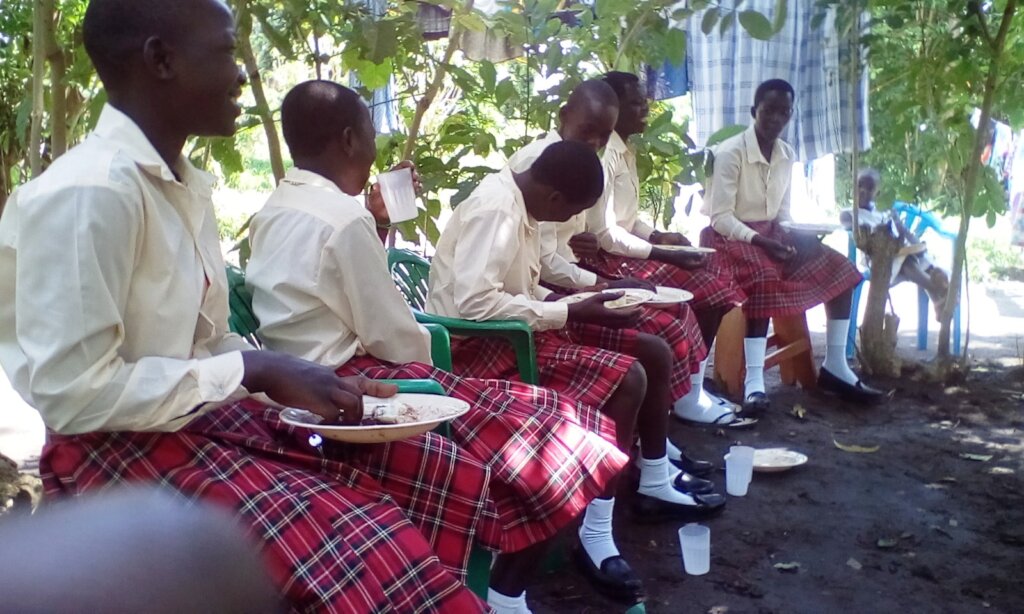
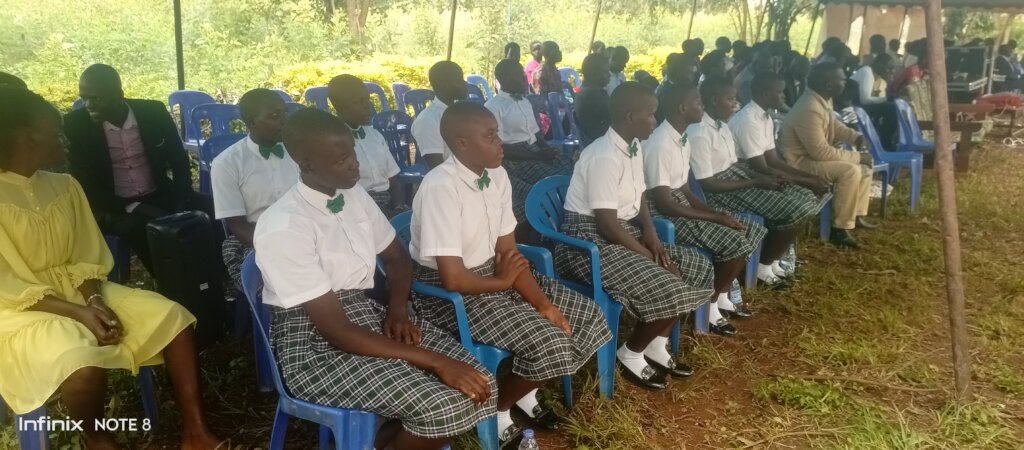
Time and again, year in and out, just like a young crop or seedlings needs a right environment to grow into a strong tree, so do our human children need a supportive and stimulating environment to make them explore into their full latent; a task that Kole Intellectual Forum is dealing with in their areas of operation in Kole District since 2018. Of course, it is a situation that: they are providing a range of nurturing conditions to their youngsters with what is needed for their proper development.
The task is circumnavigated around the following areas:
- Education and Cognitive Development: they are engaging their students to the early childhood education and continuous learning which are vital for developing problem-solving skills, critical thinking, and language acquisition, which are the foundations for future academic and professional success
- Social and Emotional Health: they are encouraging them in positive interactions, by as well securing relationships, and opportunities which can help children to develop empathy, self-regulation, and the ability to form healthy relationships, all of which are seen as tools for essential social cohesion and personal well-being.
- Physical Well-being: on the other hand, they are advocating for an adequate nutrition, physical activity, and healthcare during their formative years to ensure they realize a healthy physical development, which lowers the risk of chronic diseases and mental health issues in their lives.
![Share on Twitter]()
![Share on Facebook]()
Apr 11, 2026
Community Ownership: Through Data Collection
By George Obua | Project Leader
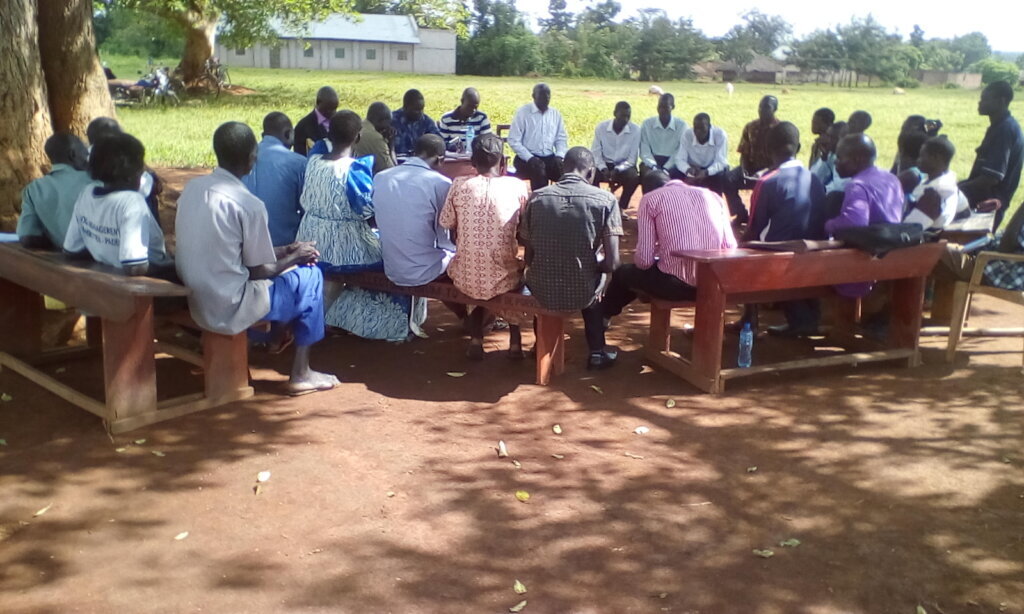
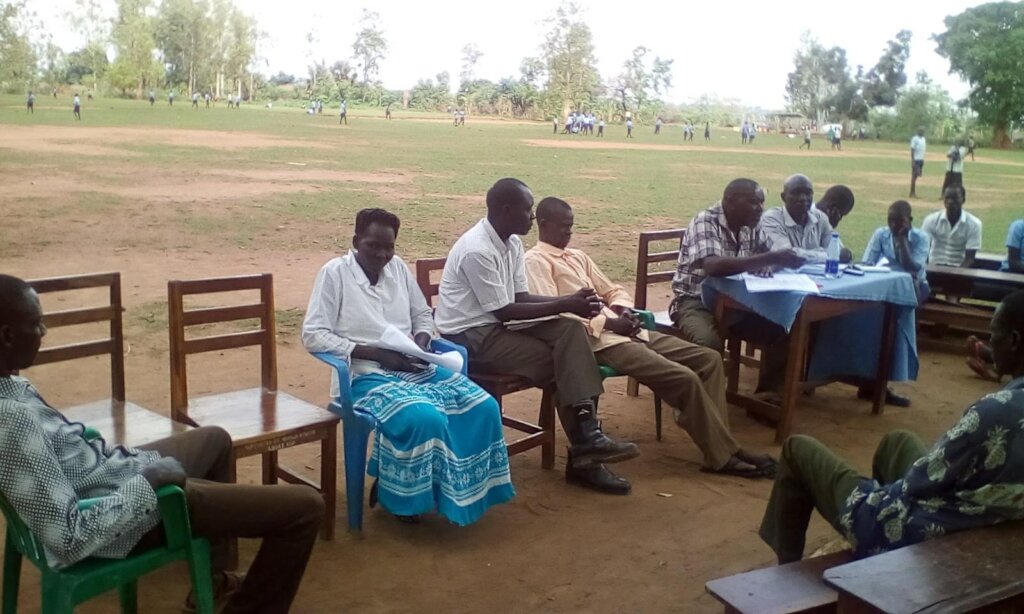
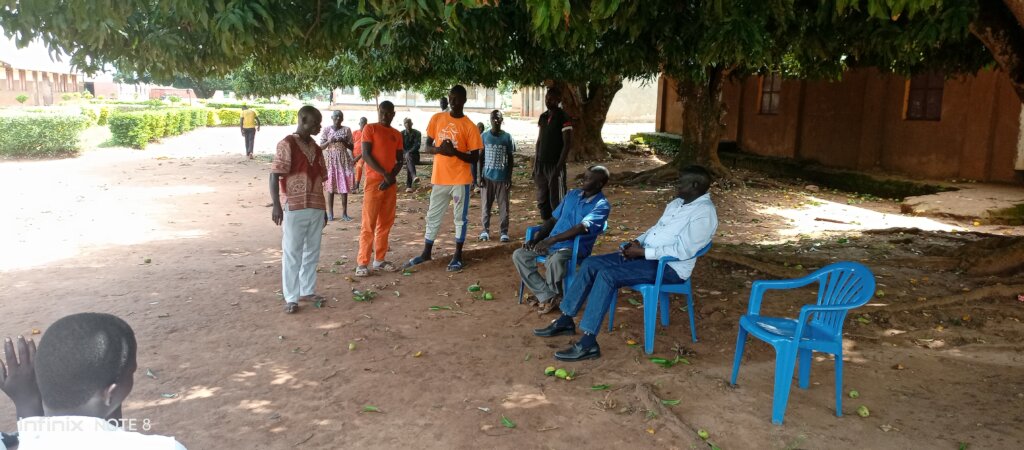
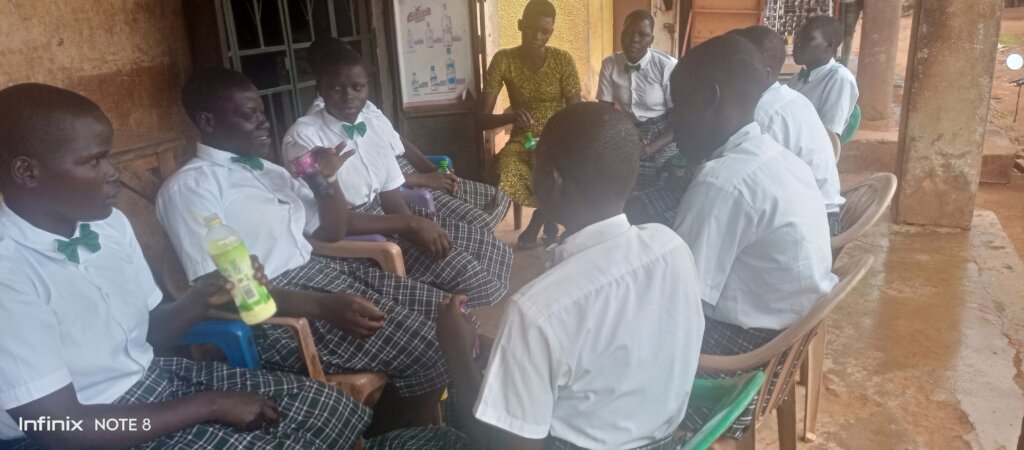
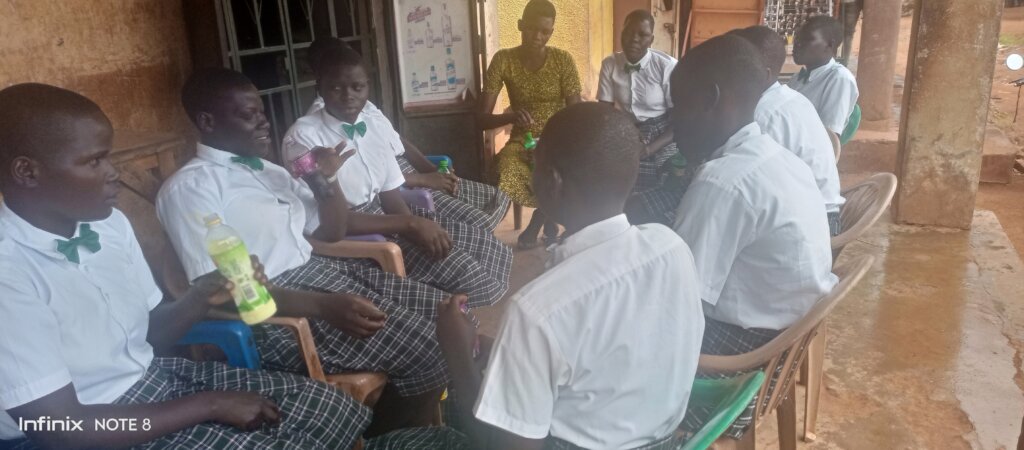
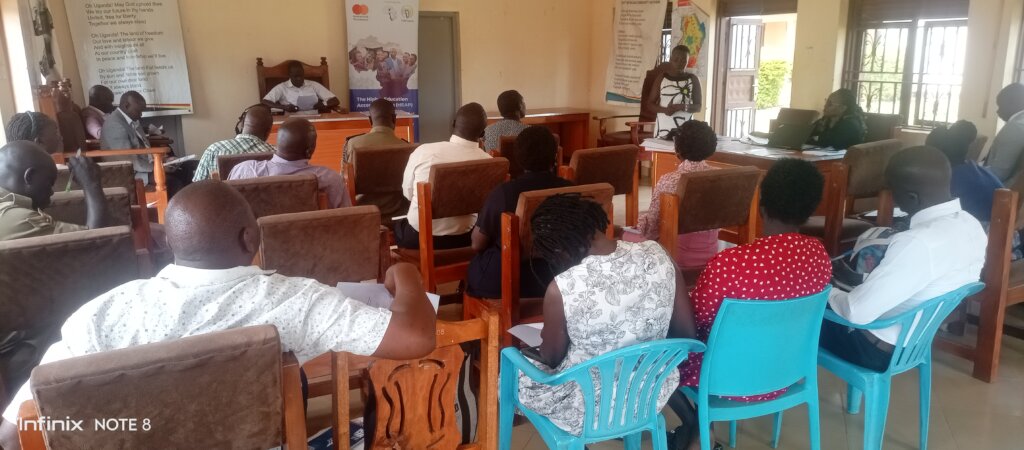
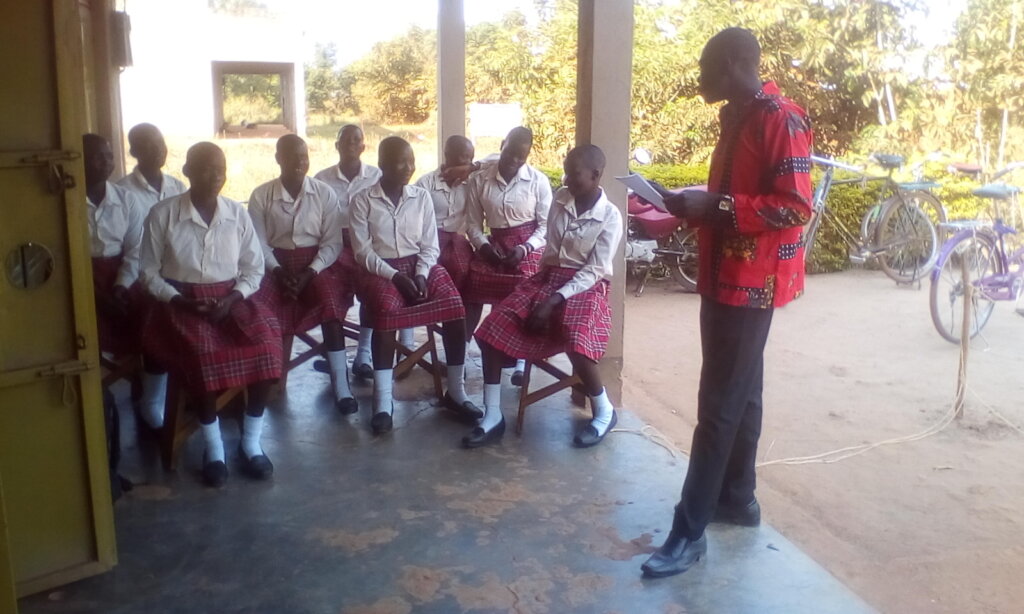
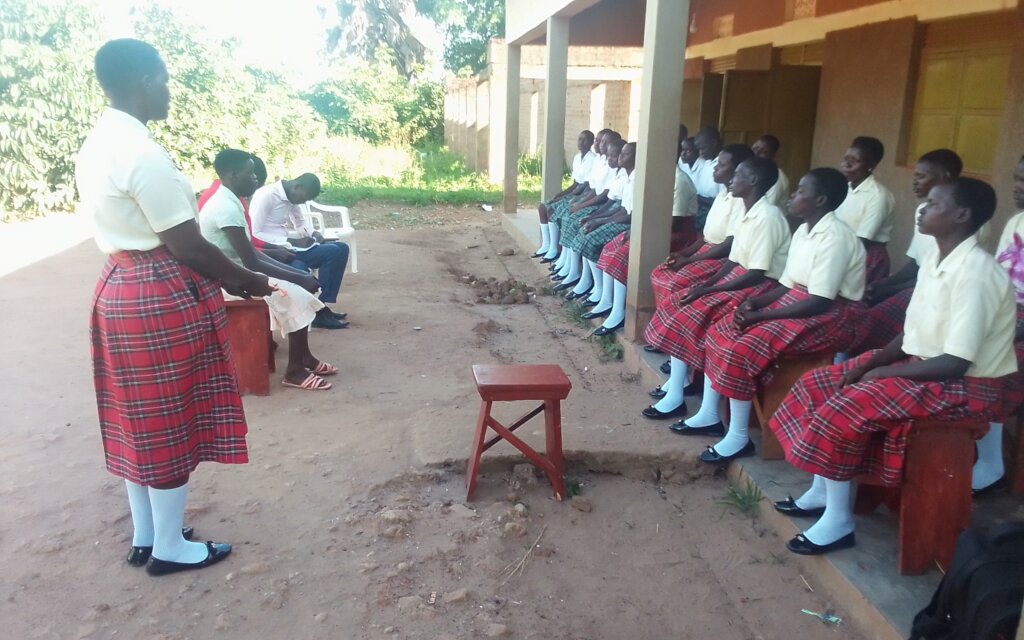
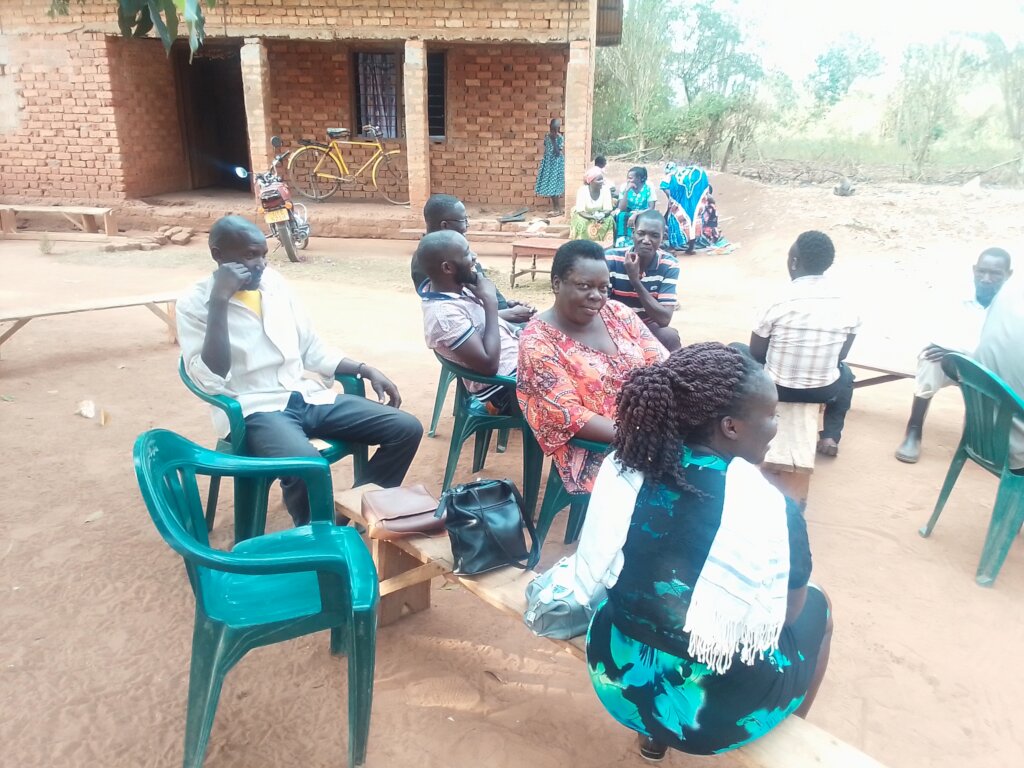
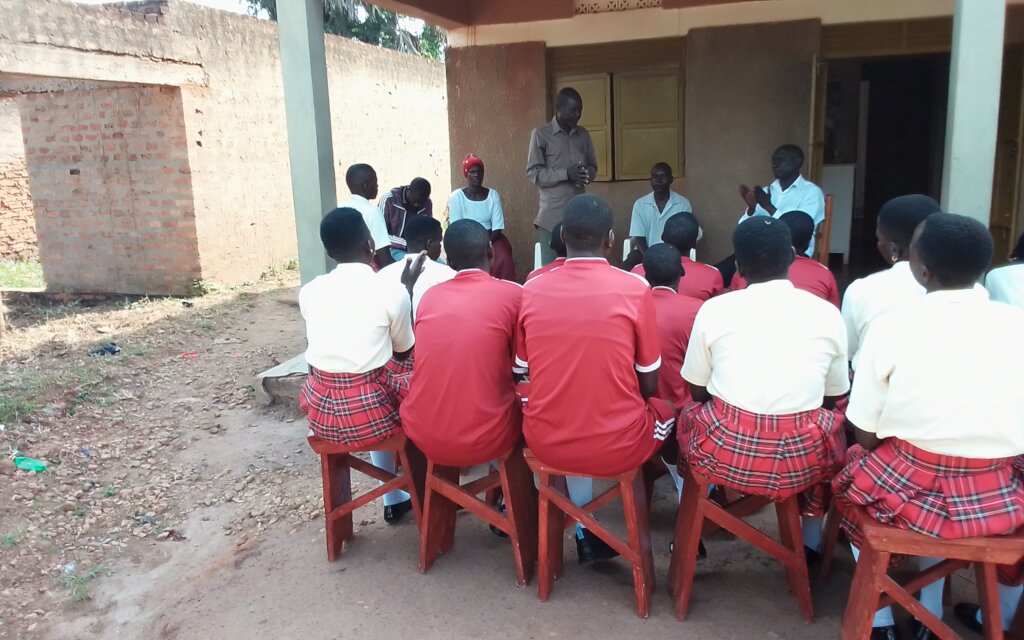
![Community members are engaged on data collection]()
Community members are engaged on data collection
Kole Intellectual Forum has existed for about 10 years now and specifically for 8 years as a result of support from the platform of GlobalGiving.
Community Ownership is the core tool the organization is using, making it to be the nonprofit organization that has lasted for all these years; simply, because its team or its promoters have got committed to ensure that, on several occasions, they deeper their understanding and knowledge by getting data from the community they serve; and these have made them to:
- Increase investment and commitment: because community members own a project and they contribute their time, resources, and energy to ensure the organizational success and long-term viability
- work towards sustainability of the organization: by creating a sense of shared responsibility, which has led to more responsible resource management and a commitment to the project's continued success, with the hope of to continue running the organization after external support.
- Enhance accountability: by involving community in decision-making, community members are holding each other accountable for project outcomes, fostering a culture of trust and collaboration.
![Share on Twitter]()
![Share on Facebook]()