Project Report
| Dec 8, 2025
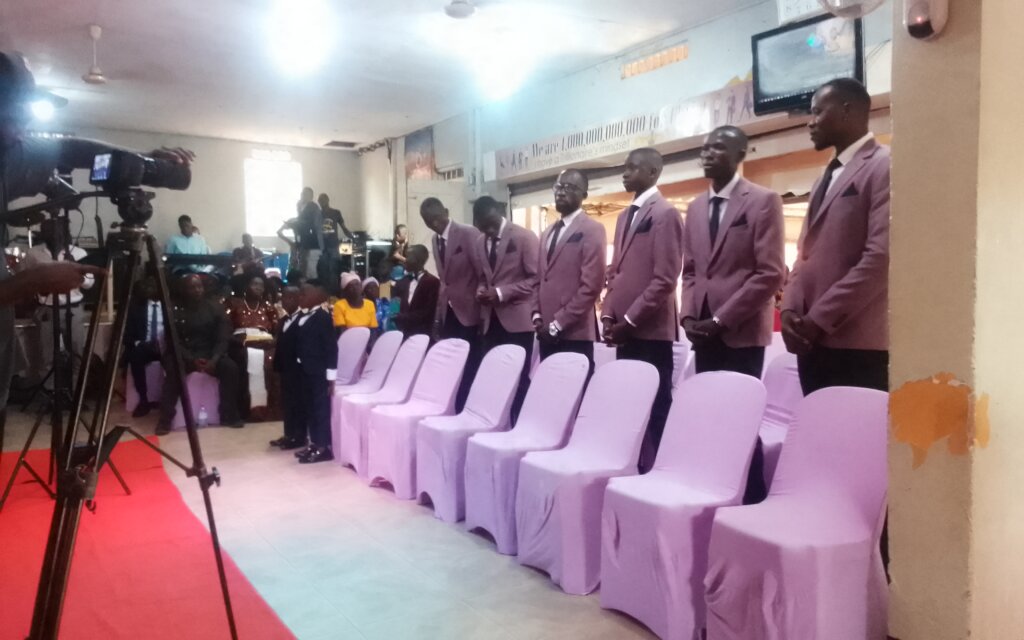
Drawing a better Graduation (2025): Past
By George Obua | Project Leader
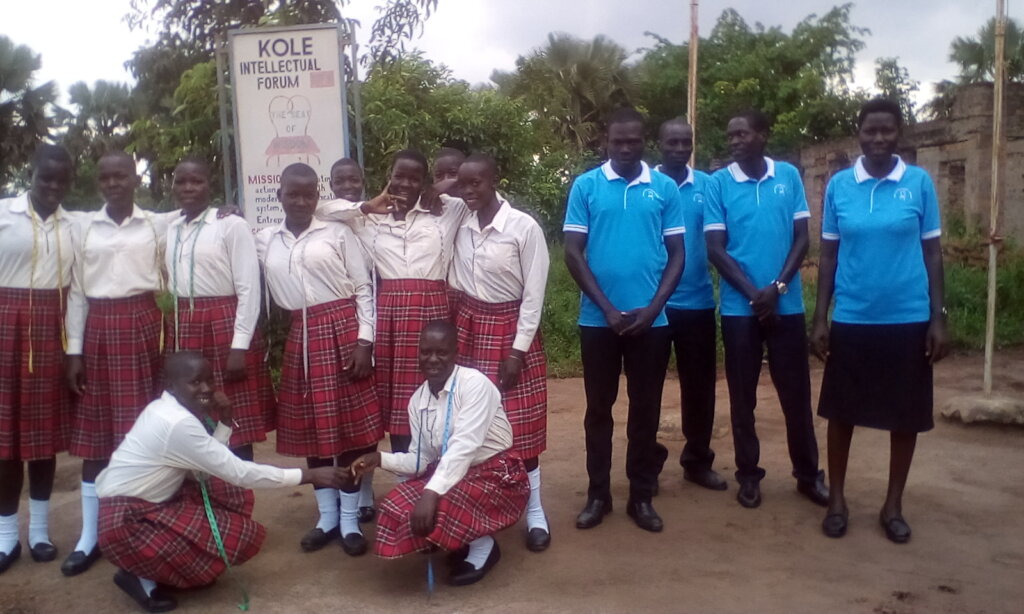
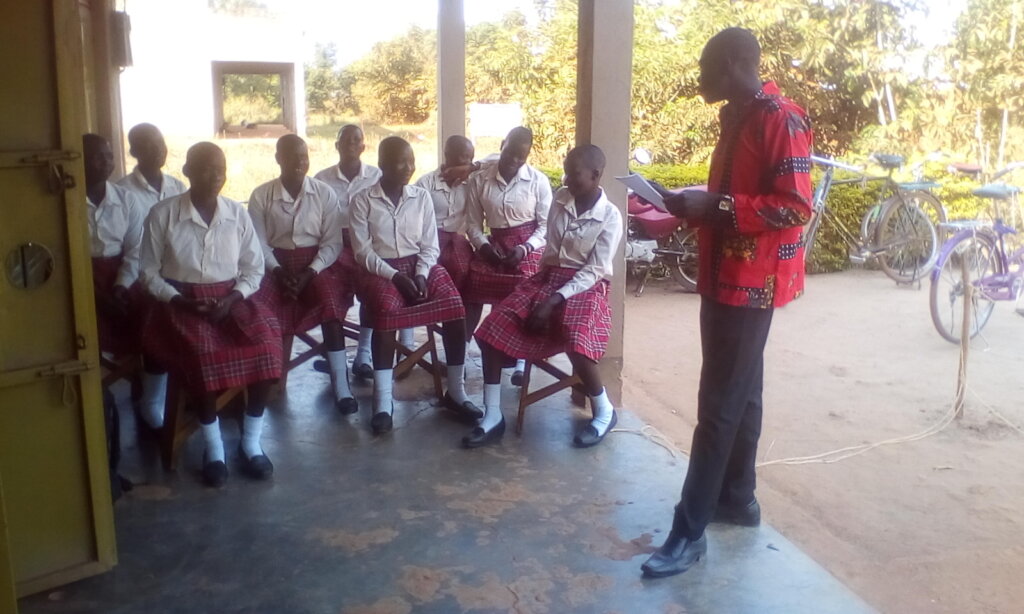
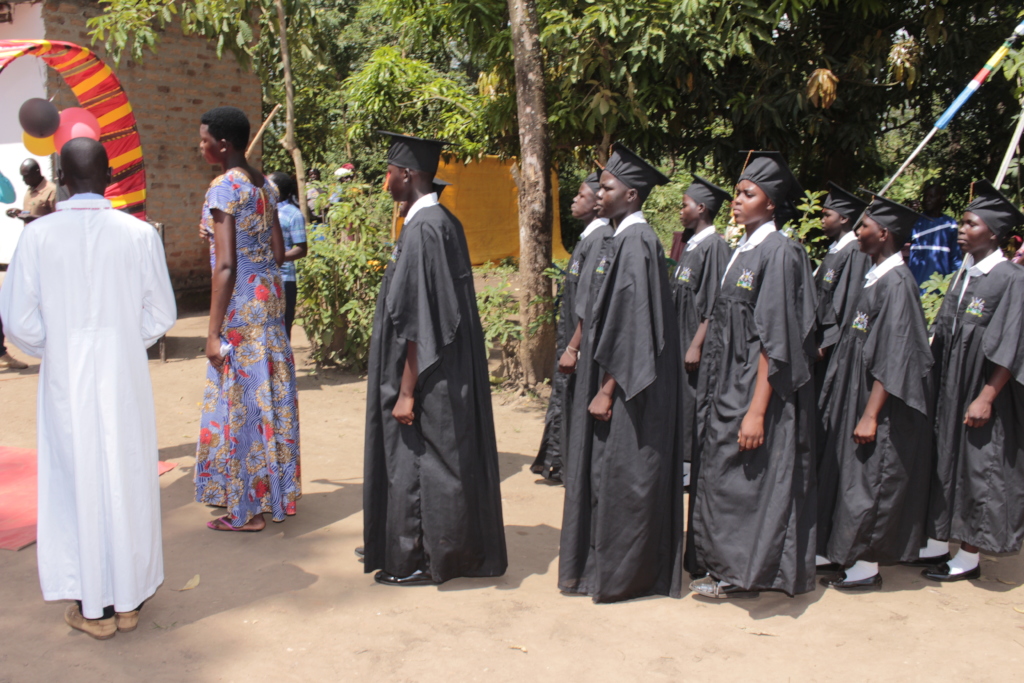
![Drawing Experience to improve on for the better]()
Drawing Experience to improve on for the better
Drawing a better Graduation (2025): Past
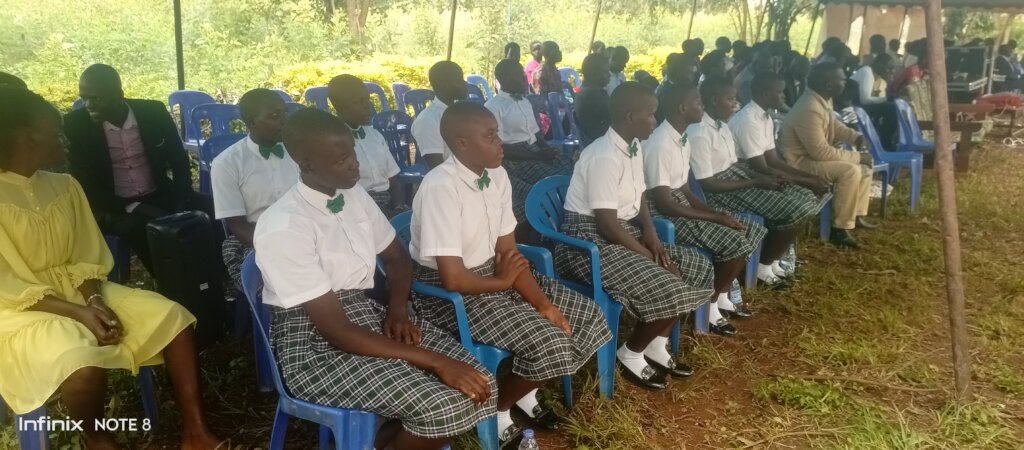
As the Institute OF Home Economics of Kole Intellectual forum prepares for the next graduation of their students for the academic year 2025 on the December 10; the Institute would like to build the ceremony from the lesson learnt from the previous graduation, and of course, they are centering their key lessons around their personal growth, the importance of their relationships, and more importantly on the continuous learning, and the adaptability in the face of an uncertain future.
Elaborately, the lessons are being drawn from:
- The value of hard work and perseverance: The ceremony itself of last year was a testament to years of dedication, late nights, and overcoming challenges. It reinforces the idea that significant achievements are the product of consistent effort and resilience.
- The importance of a support system: Graduates often reflect on the crucial role of family, friends, and mentors who provided encouragement, emotional support, and guidance along the way. This highlights the lesson that success is a collective journey, not an individual one.
- Embracing lifelong learning: Graduation is not an end but a beginning. The experience teaches us that education is a continuous, lifelong process, and one must remain curious and open to acquiring new skills and knowledge beyond formal schooling to stay relevant in a changing world.
- Adaptability and flexibility are crucial: The transition from a structured academic environment to the "real world" can be daunting. A key lesson is the need to be adaptable, as career paths and life circumstances often change in unexpected ways, and a willingness to explore new opportunities is vital.
- It is important to be present and cherish the journey: Many individuals realize in retrospect that they spent too much time focusing solely on the end goal (graduation) and not enough on enjoying the everyday moments, friendships, and experiences that made the journey meaningful.
- Self-worth is not tied to productivity or a specific job title: A valuable lesson is that a person's inherent value is independent of their career or achievements. Prioritizing mental well-being and personal fulfillment is as important as professional success.
- Networking and building connections are essential: Forming and maintaining relationships with peers and mentors can open doors to future opportunities and provide a crucial support network in post-graduate life.
- Reflecting on "why" you are pursuing goals: The experience can lead to a deeper understanding of one's motivations and purpose, encouraging graduates to chase a purpose rather than just a career or money.
Ultimately, the previous graduation serves as a powerful reminder to celebrate accomplishments, reflect on growth, and approach the future with a mix of gratitude, resilience, and an open mind
![Share on Twitter]()
![Share on Facebook]()
Dec 8, 2025
Taking students on tours offers hidden messages
By George Obua | Project Leader
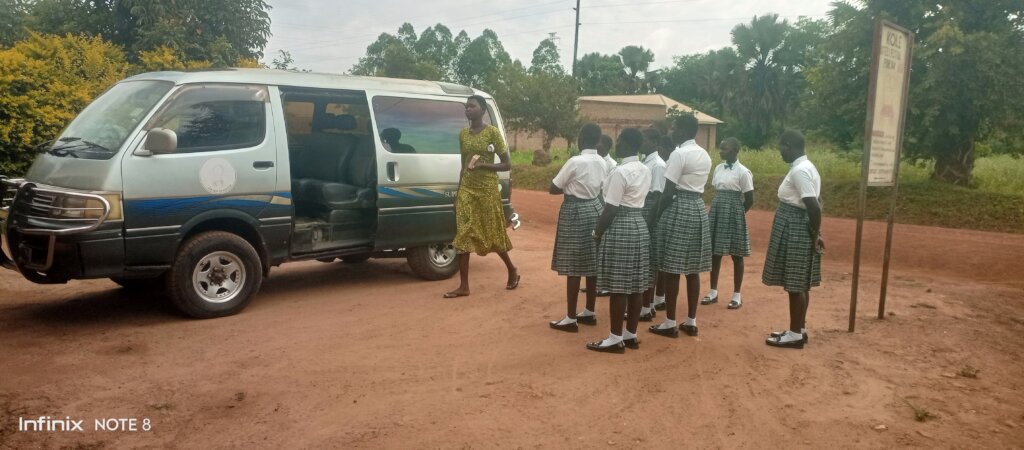
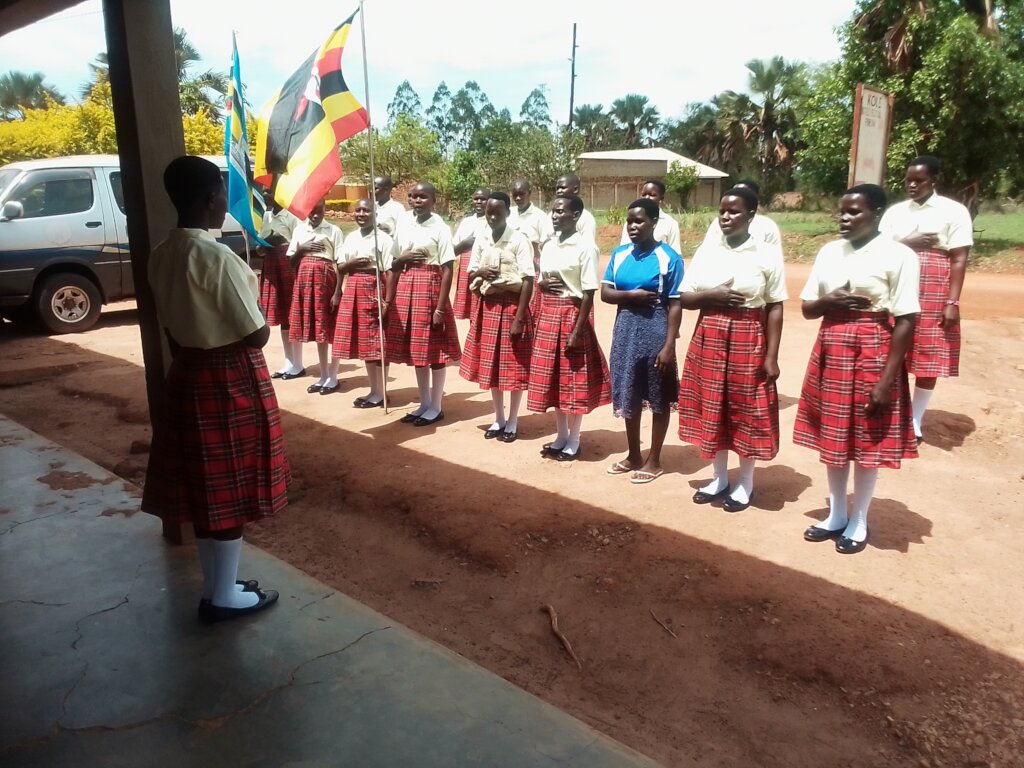
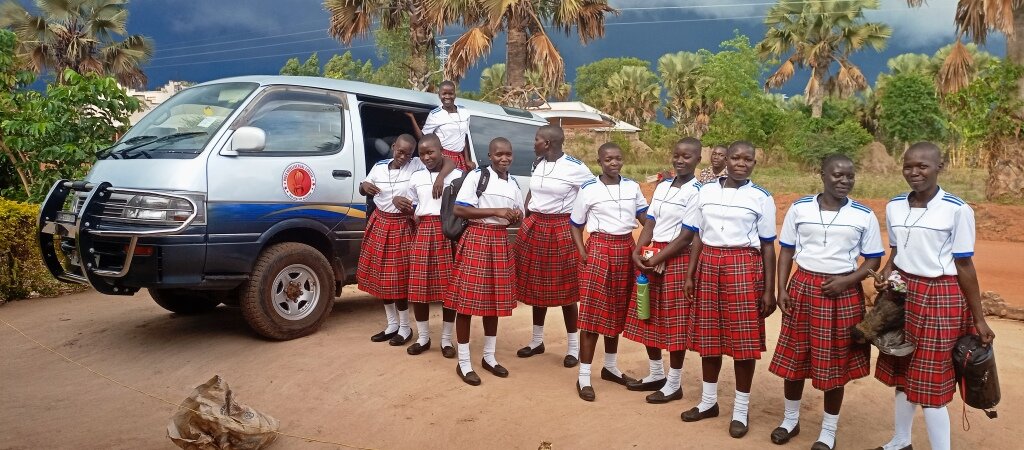
![Students are back from the tour]()
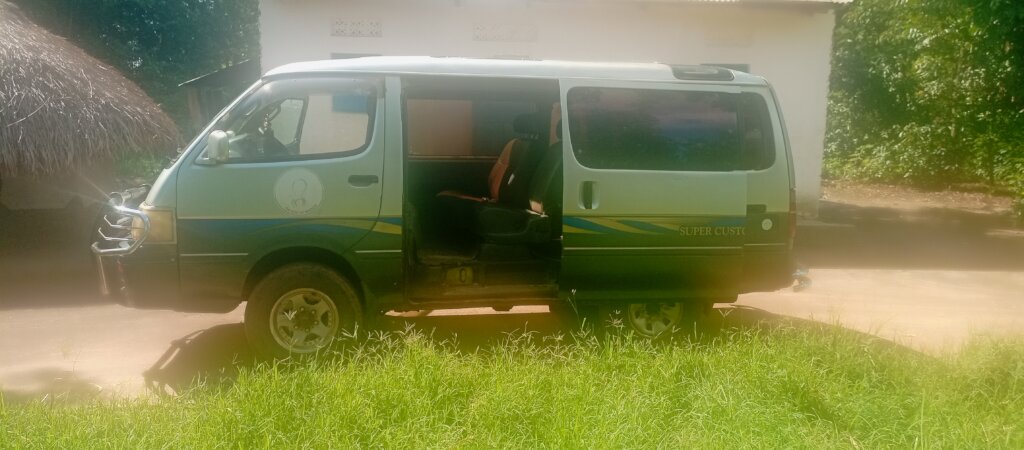
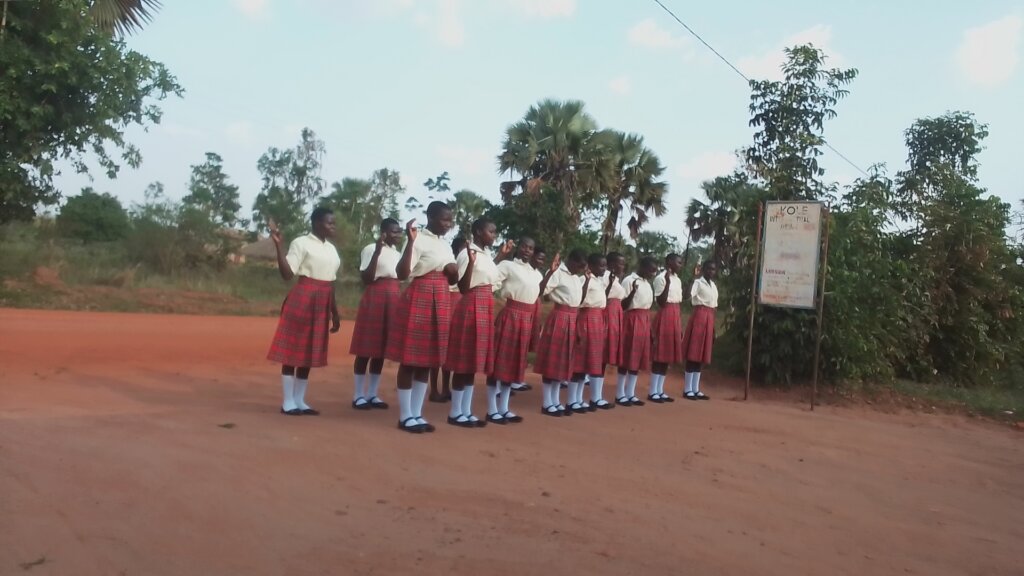
Students are back from the tour
Taking students on tours offers hidden messages
Indeed, it is true that: taking students on tours offers hidden messages about real-world learning, global perspective, adaptability, curiosity, and personal growth, showing that, education extends beyond books, fostering independence, cultural appreciation, and the understanding that the world offers vast opportunities and challenges, building confidence for future success.
By taking students out for tour, Kole Intellectual Forum, is communicating a number of messages to both students and members of the society that:
- Learning Lives beyond the Classroom": Tours transform abstract textbook knowledge into tangible, real-life experiences, showing that history, science, or art are dynamic and present in the world.
- "You Are Part of a Bigger World": Students see diverse cultures, environments, and people, shrinking their world and fostering empathy, challenging narrow viewpoints, and promoting global citizenship.
- "You Can Handle New Situations": Navigating unfamiliar places, languages, and customs builds crucial life skills like problem-solving, independence, and resilience, teaching them to adapt and thrive outside their comfort zone.
- "Curiosity Leads to Discovery": New sights and sounds spark questions, encouraging students to observe, inquire, and learn independently, making them active participants in their education.
- "Opportunities Are Everywhere": Exposure to different professions, lifestyles, and possibilities hints at future paths, inspiring students to dream bigger and work towards diverse goals.
- "Travel Broadens the Mind (and Soul)": Seeing the world's beauty and diversity fosters a deeper appreciation for life, making students more modest and open to new perspectives.
- "You Belong Here": When educators take the lead, it signals to students that their learning and experiences are valued, creating a supportive environment where they can grow.
In essence, a tour says, "The world is vast, you are capable, and your potential is limitless"
![Share on Twitter]()
![Share on Facebook]()
Dec 6, 2025
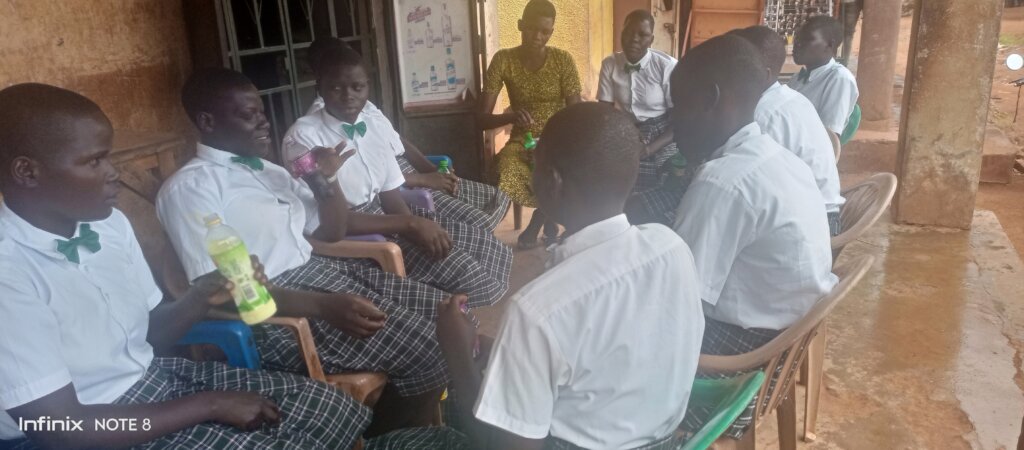
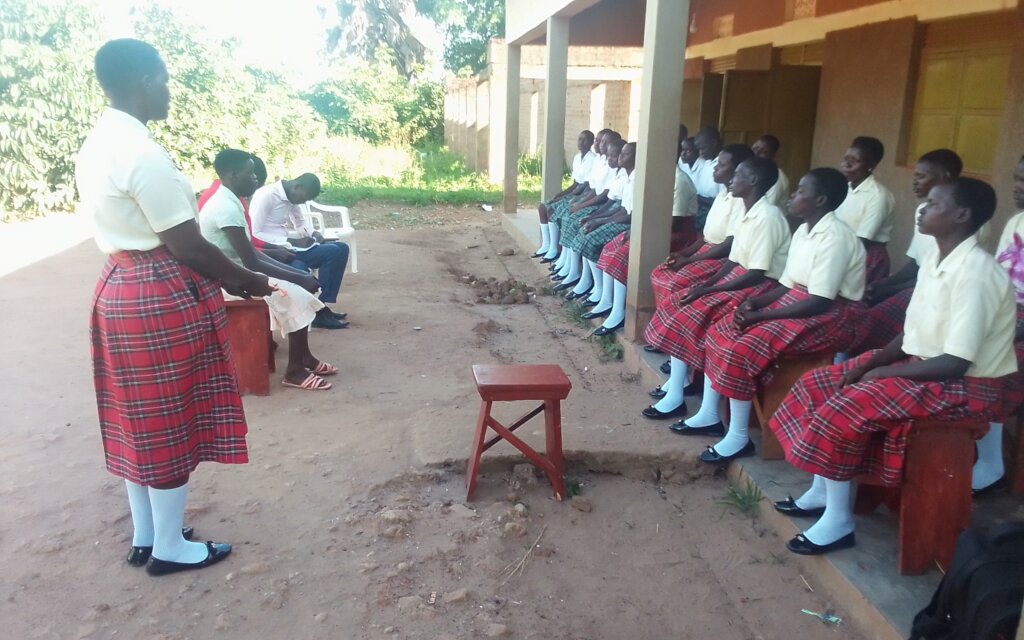
Teacher proximity: A powerful tool for learning
By George Obua | Project Leader
Teacher proximity: A powerful tool
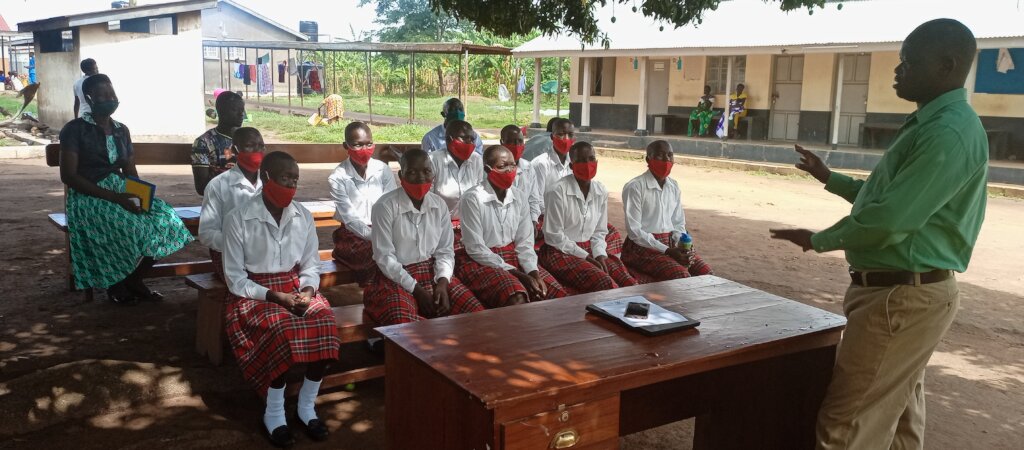
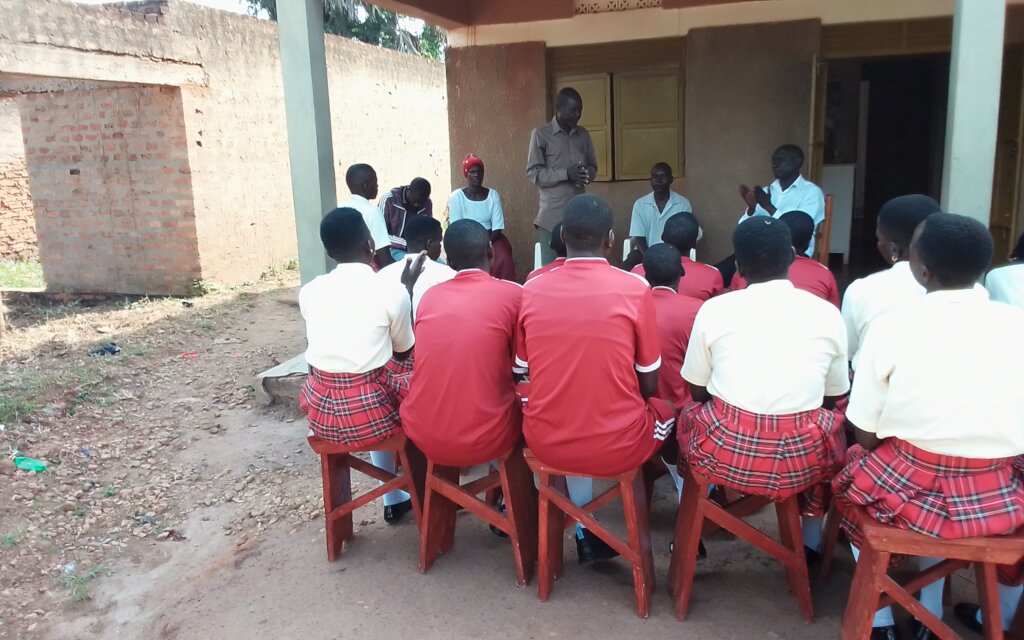
This is a situation that instructors tend to move closer to students primarily to enhance student engagement, improve behavior management, and foster stronger teacher-student relationships. This physical movement, known as teacher proximity, serves as a powerful non-verbal communication tool that yields positive impacts to the learning environment. Teacher proximity dwells on the:
- Improved Behavior Management: Proximity acts as an effective non-verbal strategy to deter off-task or disruptive behavior without needing verbal intervention. Moving strategically around the room creates a sense of accountability and allows potential issues to be addressed subtly before they escalate.
- Increased Student Engagement and Motivation: Teacher movement helps to break down psychological and physical barriers, making the instructor appear more approachable. This encourages more active participation, increases student effort, and fosters an environment of shared responsibility and focus.
- Stronger Teacher-Student Relationships: Being physically closer allows for more personal, informal interactions and check-ins with individual students or groups. These small moments help build trust and rapport, which is fundamental for creating a supportive learning environment that leads to better academic and social outcomes.
- Enhanced Formative Assessment: Moving around the classroom allows the instructor to observe student progress and understanding in real-time. By listening to discussions and observing problem-solving strategies, teachers can gain valuable insights and adjust their teaching approach on the go to meet varied student needs (differentiated instruction).
Creation of a Dynamic Learning Environment: Mobility allows instructors to utilize the entire classroom space, moving away from a static, front-of-the-room teaching model. This flexibility supports various activities, such as group projects and student-led presentations, and keeps the environment fresh and engaging
![Share on Twitter]()
![Share on Facebook]()